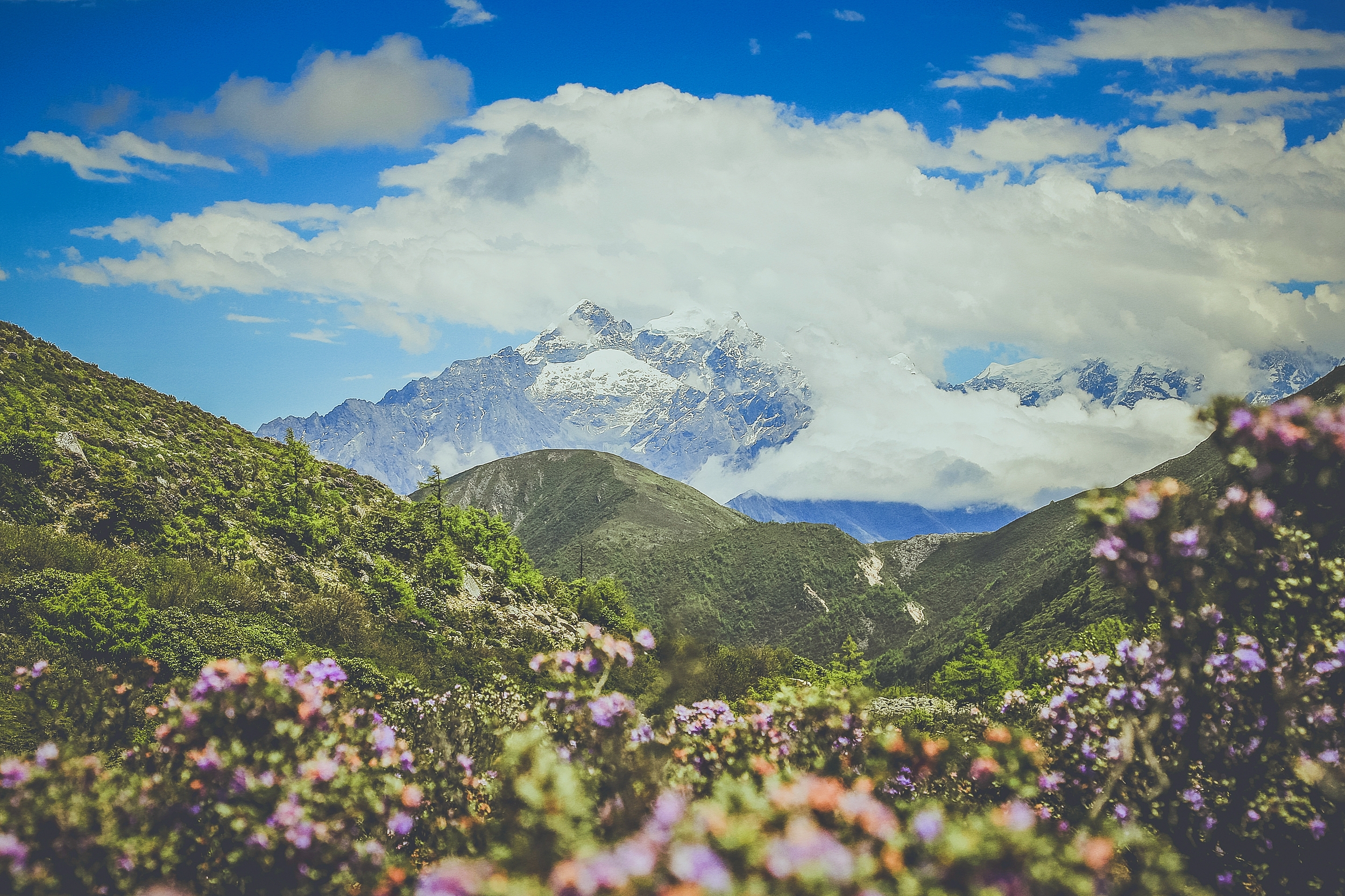
Mugecuo(Full name:Mugecuo, located in the middle section of the Gongga Mountains, is about 17 km from Kangding city center. It is a national AAAA-level tourist attraction, a World Natural Heritage nominee, and a key scenic area. The attraction serves as a core component of the “Two-Hour Economic Circle Around Gongga Tourism.” With an elevation of 2,800–3,780 m, it lies at the northern foot of the Hengduan Mountains, part of the Daxue Mountain Range, and marks the western edge of the Sichuan Basin.Qinghai-Tibet PlateauThis transitional zone features a water area of nearly 4 km² with depths exceeding 70 meters. Most of the water comes from melted snow off the Nuwa Snow Mountain behind it, resulting in exceptional visibility of approximately 6–10 meters. The attraction showcases a stunning landscape with alpine lakes, primeval forests, hot springs, snow-capped peaks, peculiar rock formations, and the 8 km-long Thousand Waterfalls Gorge. The ingeniously designed scenic spots make it an ideal destination for sightseeing, recreation, relaxation, recuperation, fitness, summer retreats, and scientific research.The attraction is located in the sub-humid climate zone of the Qinghai-Tibet Plateau, featuring cool summers and autumns but severe cold in winter and spring. The specific climate conditions are as follows: From late December to February, the lake surface freezes, thawing in March. Temperatures remain low before April. During summer, the average monthly temperature ranges from 10–14°C. Due to the high-altitude terrain, the attraction experiences significant daily temperature variations, with warm afternoons—visitors should prepare for cold weather. Snowfall occurs after late October, offering scenic snow views, though snow accumulation is short-lived. Visitors should pack appropriate clothing according to the season and climate characteristics and be mindful of altitude sickness, carrying necessary medication if needed.The scenic area covers approximately 350 km², consisting ofRhododendron Gorge,Fangcaoping,Kangding Love Song (Mugecuo) Scenic Area – Seven-Color LakeYaochi Hot Springs, Mugecuo (Wild Man Lake), andRed Sea GrasslandSix attractions combinationNearby, there are several other alpine lakes and hot springs, where pristine forests, grasslands, and snow-capped mountain views blend seamlessly. The attraction boasts unique local customs, serving as the birthplace of love songs and the cradle of Khampa culture. It is also the starting point for Sichuan-Tibet travel.The Fangcaoping grassland spans over 60,000 square meters, divided into inner and outer sections by the central white pagoda. Every June, this lush green meadow covered with Gesang flowers served as one of the primary filming locations for both the movie “The New Love Song of Kangding” starring Alec Su and the TV series “The Warriors” produced by August First Film Studio to commemorate the 80th anniversary of the Red Army’s Long March victory.The Mugecuo Scenic Area (Kangding Love Song) – Seven Color Lake is located at an altitude of 3,200 meters, forming a plateau lake where lake water blends with hot springs. The crescent-shaped lake covers approx. 20 hectares with a depth of over 20 meters, surrounded by forests and meadows in serene tranquility. Its crystal-clear waters shift through seven hues under sunlight and weather changes, hence the poetic name.Azalea Valley connects to the east and joins Wild Man Lake to the west, stretching 8 km in length. Within the valley, streams alternate between rushing rapids and gentle flows, creating a sparkling spectacle. Both banks are lush with vegetation, particularly the pristine azalea forests that stand out. The azaleas here display a stunning variety of forms and vibrant colors. The valley weaves together hot springs, lakes, meadows, peculiar peaks, and cascading waterfalls, presenting an unspoiled natural landscape. Walking through it brings a sense of tranquility and delight.Mugecuo, also known as Wild Man Lake, is one of the high-altitude lakes in northern Sichuan. With a water area of nearly 4 sq km, it reaches depths of over 70m and sits at an elevation of 3,700m. Surrounded by mountains, forests, and grasslands, it’s encircled by dozens of smaller lakes like Red Sea, Black Sea, and White Sea, creating a star-like constellation. The golden beach on its left side, renowned as Lovers’ Beach, is a major highlight. Its fine, soft sand naturally appears golden—a rare phenomenon for lakeside formations in the western Sichuan plateau region.The Red Sea Grassland derives its name from the alpine lake—Red Sea. Local Tibetans refer to it as “Little Haizi” to distinguish it from the sacred lake “Mugecuo,” known as “Big Haizi.” With lush green grass and wildflowers everywhere, travelers can personally experience the breathtaking beauty of Gesang flowers beneath the snow-capped mountains, their delicate fragrance permeating the air.
Kangding Mugecuo Scenic Area
作者:
在