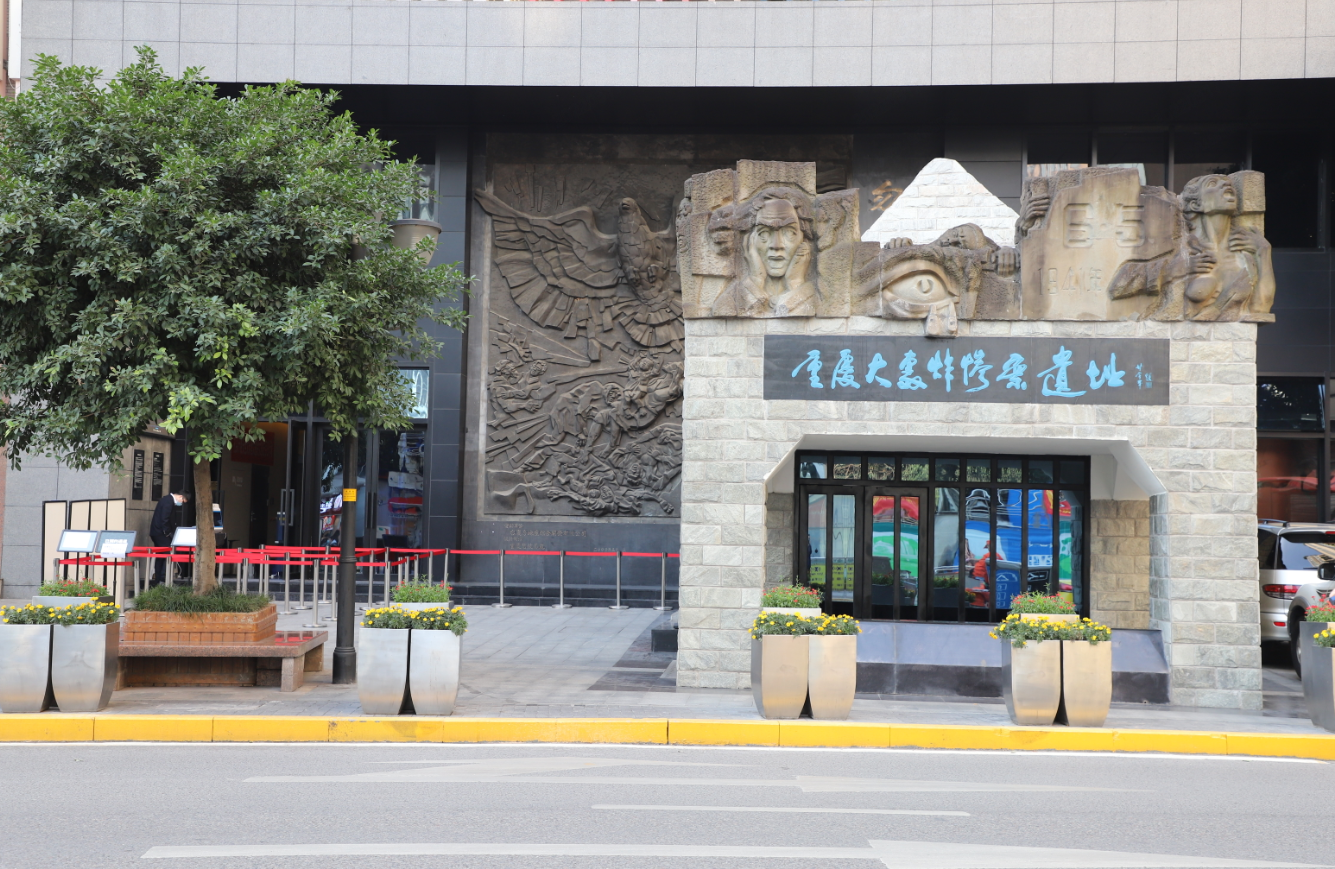
The first batch of anti-Japanese war sites, Chongqing Municipal Cultural Relics Protection Unit. During the Anti-Japanese War, the Japanese invaders bombed the wartime capital Chongqing and its Souvenir cities for 6 years and 10 months. On June 5, 1941, the continuous bombing by the Japanese army caused a large number of innocent Residents in the Jiaochangkou Tunnel to suffocate to death, which is known as the “June 5” Tunnel Suffocation Tragedy. The exhibition hall is a protective repair of the cultural relics and sites, and comprehensively uses modern new technologies and new means to reproduce the original historical appearance, in order to commemorate the compatriots who died in the bombing, especially in the June 5 Tunnel Tragedy, and inspire future generations to overcome all difficulties and obstacles and strive for the great rejuvenation of the Chinese nation. It is also a powerful witness to major historical events such as the Chinese People’s War of Resistance Against Japanese Aggression and the World Anti-Fascist War.
归档: Attractions
-
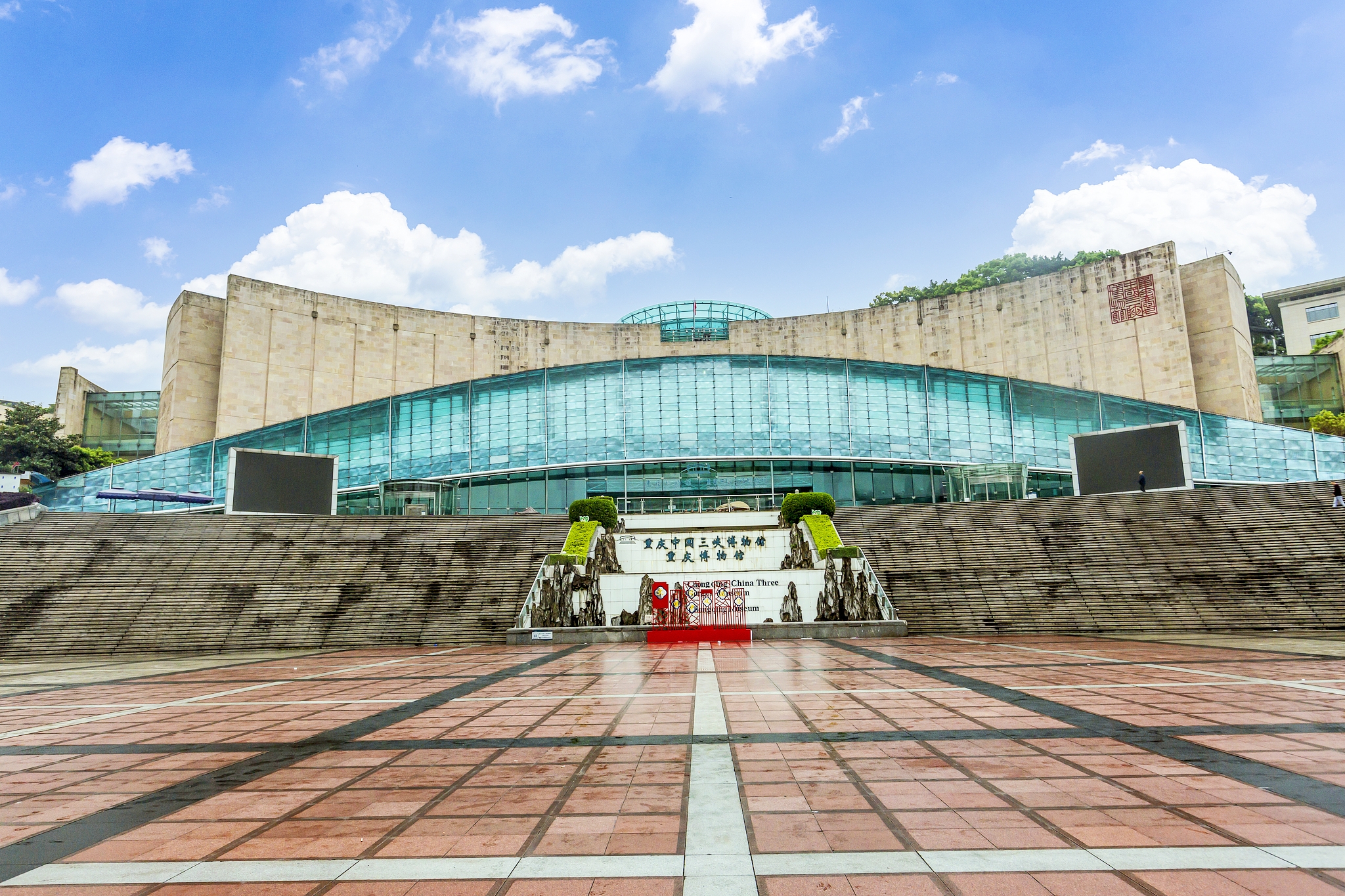
Three Gorges Museum
Three Gorges Museum is located in the west side of Chongqing’s People’s Square. It contains Bayu Bronze, Han Dynasty sculptures and artworks and many other cultural artifacts. Go to the “Magnificent Three Gorges” exhibit hall to view lots of materials recovered from the gorge. You’ll be able to see the Three Gorges Area as it originally was. In addition, the museum contains exhibits about the movement and development of Chongqing as a city. This is a can’t miss destination for both domestic and international visitors.
-
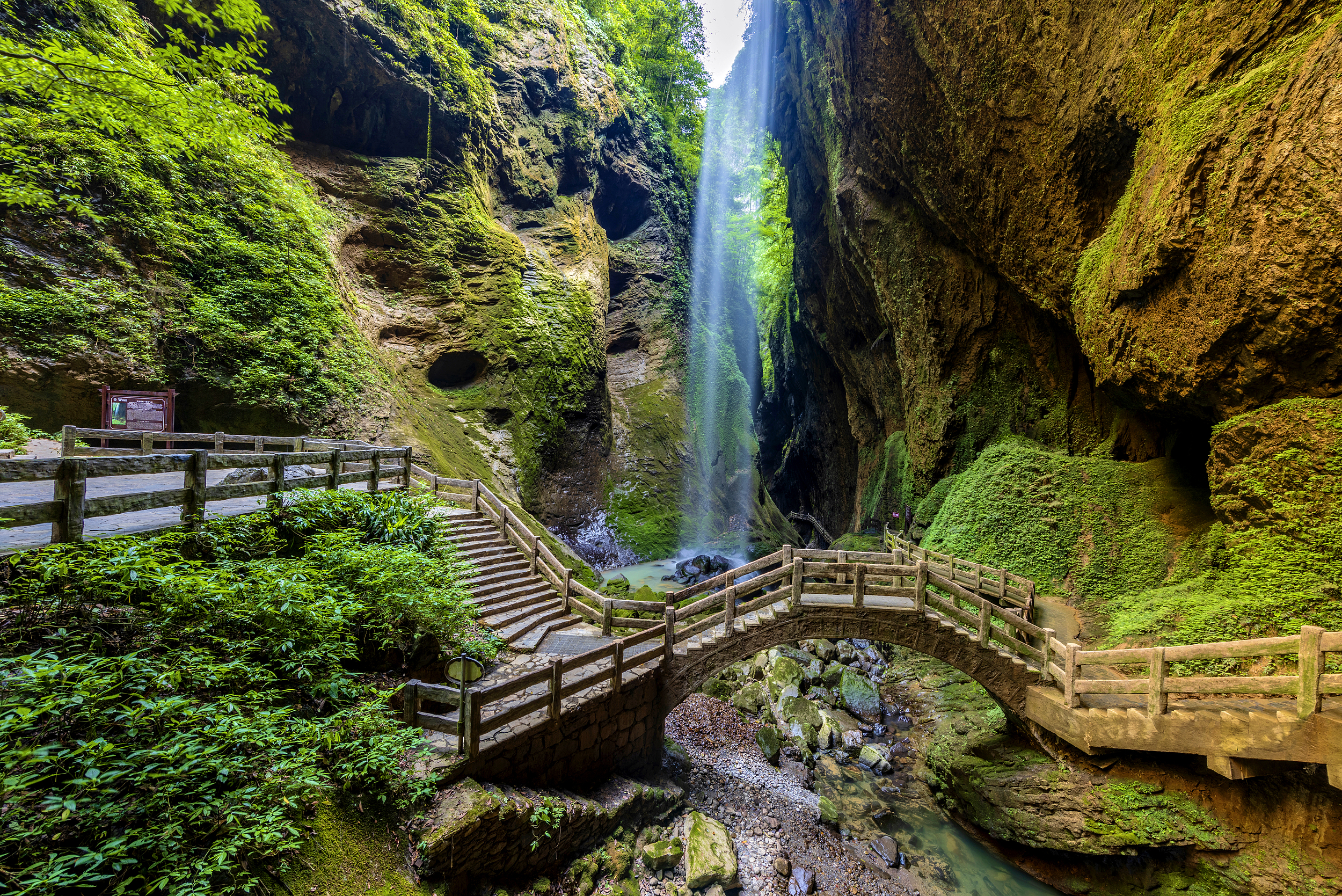
Longshuixia Fissure Gorge
Longshui Gorge was formed by orogeny over thousands of years, it is a geological wonder! The gorge is 5 km long (with 2 km of walkable paths). It consists of three areas: the entrance, the mid-way pit and the exit. The cliffs on both sides of the gorge are steep, and the rock walls are dangerous. The original forests in the valley are dense, and the waterfalls are endless and magnificent. The gorge and the great rift scenic area (three natural bridges) are very close to one another. All of the main attractions of the Wulong Tiankang National Park can be visited in one day.
-
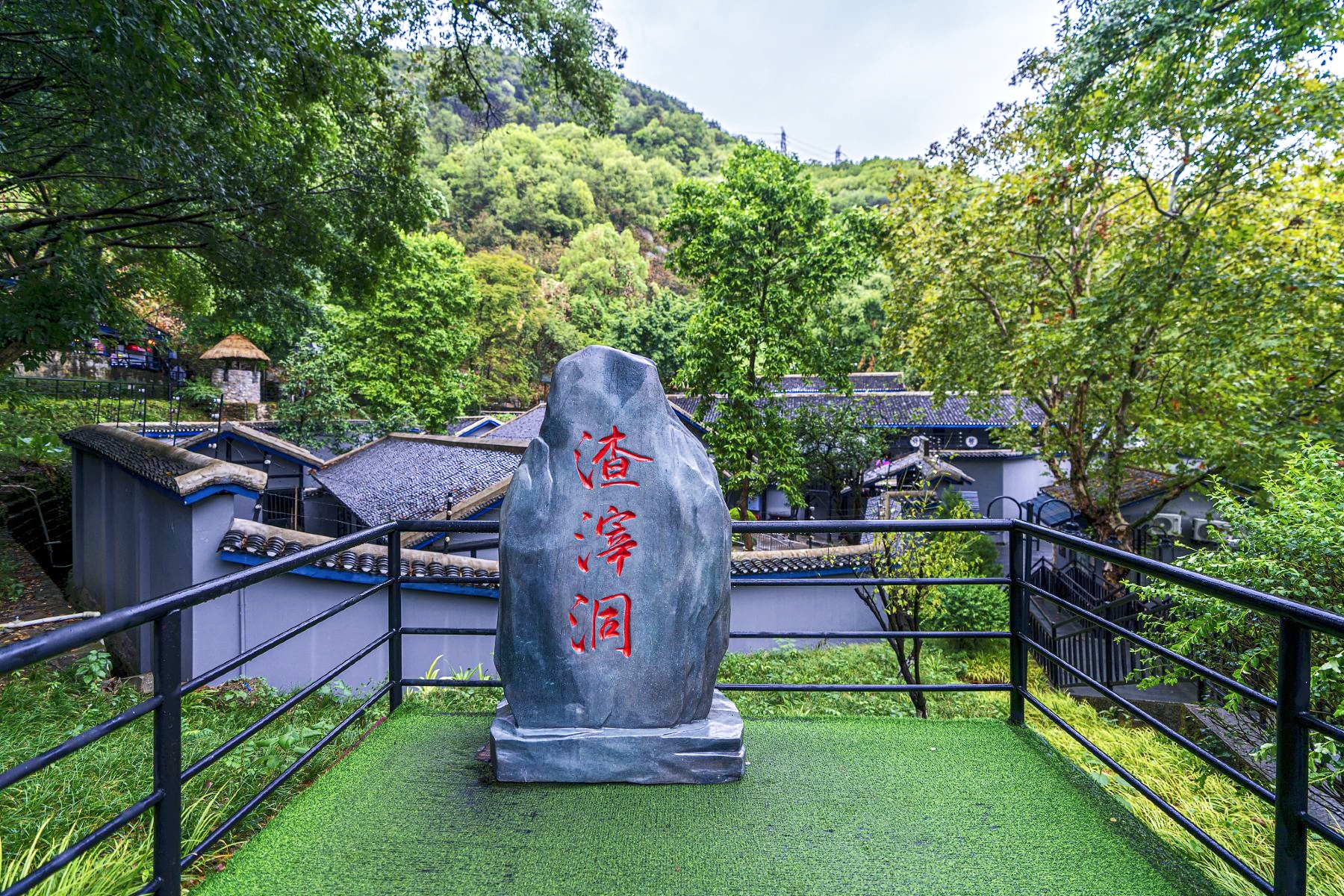
Zhazidong
Zhazi Cave, located at the foot of Gele Mountain in Chongqing, was a famous site of the Communist Revolution. With mountains on three sides, the location was well-protected. It was once a small coal mine. It was known for a dearth of coal and an abundance of coal slag. In 1938 the Kuomintang rebuilt the mine as a secret prison, where Communist revolutionaries were imprisoned and tortured. One of the most famous martyrs of this prison is Jiang Zhuyun (also known as Sister Jiang). The prison inside Zhazi Cave is divided into an interior section and an exterior section. The interior section includes 16 cells for male inmates and 2 cells for female inmates. The exterior section was used as an office and also had torture rooms.
-
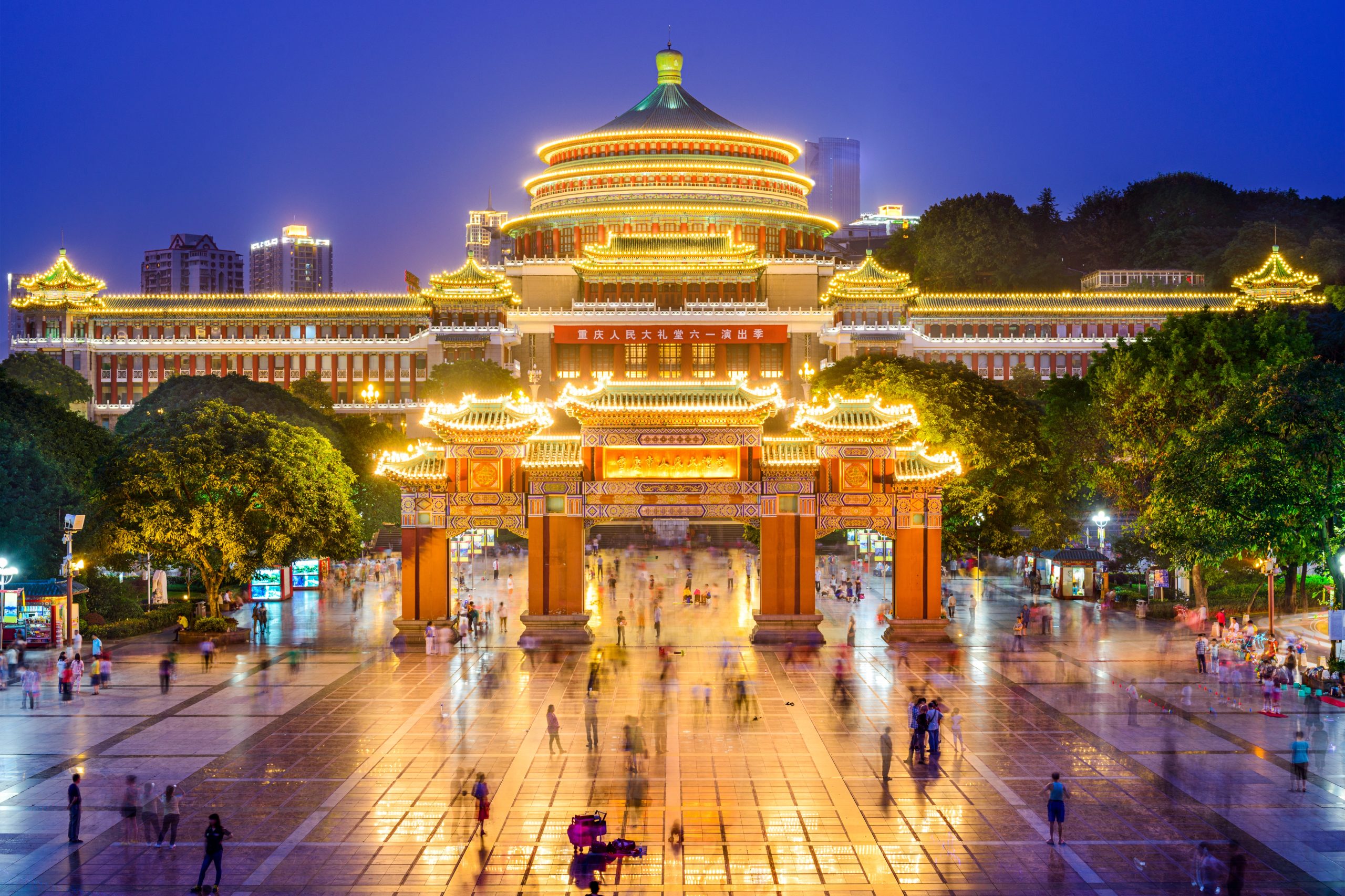
The People’s Great Hall
Located at the bustling Renmin Road, Chongqing’s Great Hall of the People is an exquisite pseudo-classic building complex and one of the landmarks of Chongqing. The Great Hall of the People is built in the style of the Ming and Qing Dynasties. Its exterior imitates that of the Hall of Prayer for Good Harvests in Beijing’s Temple of Heaven, and it also shows perfect traditional-style symmetry across its central axis. Nowadays the Great Hall doubles as a theater and the convention center for Chongqing’s People’s Congress and Party Congress.
-
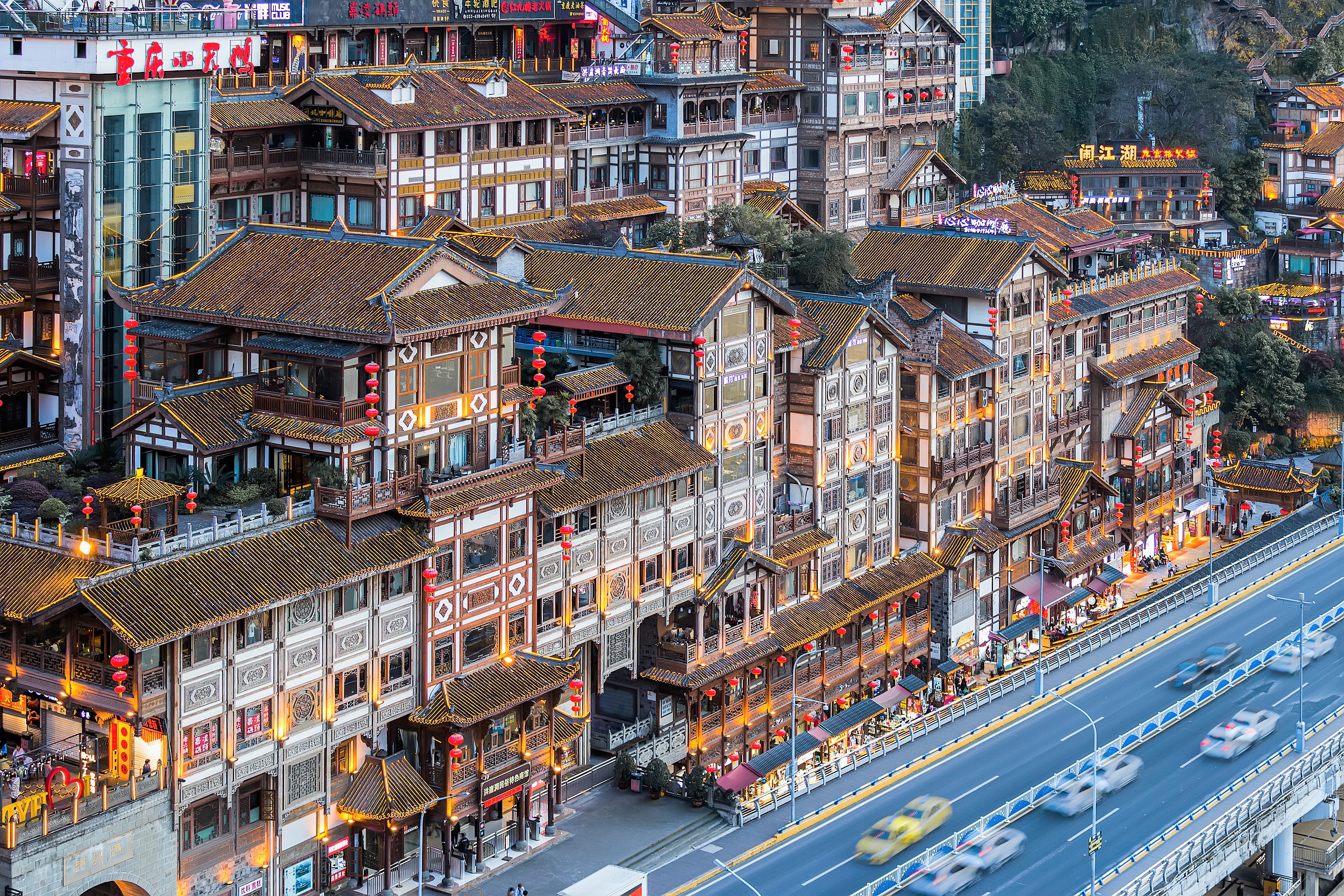
Hongya Cave
Hongyadong commercial street is located on Cangbai Road of Yuzhong District, Chongqing City. It is at the intersection where the Yangtze River and the Jialing River meet. Most of its buildings are “Diaojialou” style, which reflects traditional architectural features of Bayu. It is a great place to go if you want to check out the old streets of Chongqing, appreciate the two rivers, or try local cuisines. At the same time, it is home to a bustling night scene, making it a fascinating attraction for photographers.
-
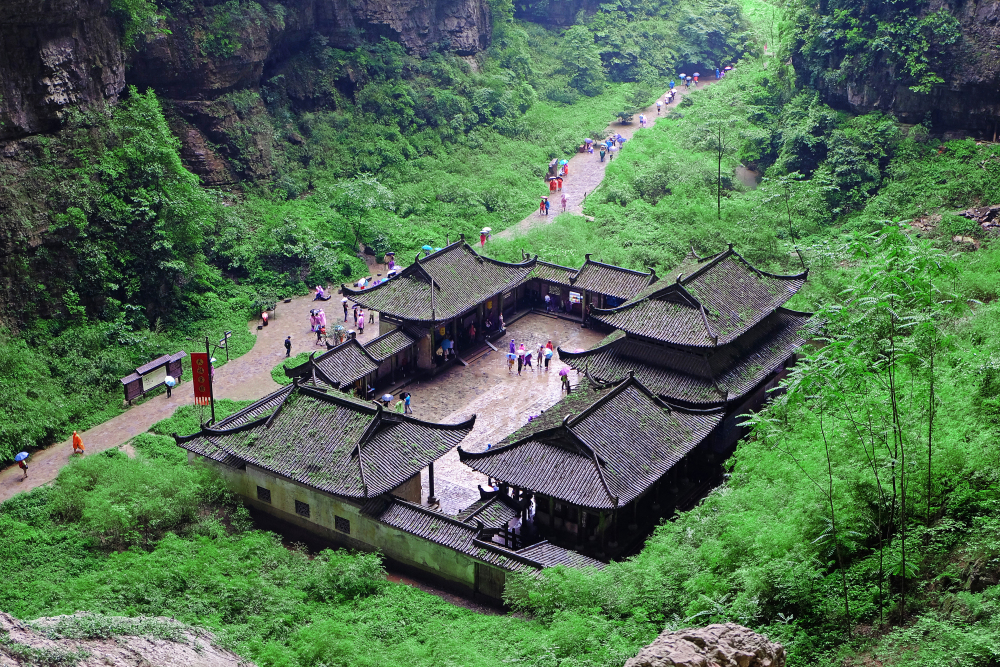
Wulong Karst Tourism Region
Tiankeng Land Slot National Geological Park is located in the town of Wulong, Chongqing. It is a great place to see karst peaks, natural bridges, tiankeng (pits) and deep crevasses. It is a rare geological wonder. Tiankeng Land Slot National Geological Park includes two scenic areas called Three Natural Bridges and Longshui Canyon; each area requires a separate ticket. Visitors can visit the tourist center in Fairy Mountain to purchase tickets for Three Natural Bridges and Longshui Canyon.
-
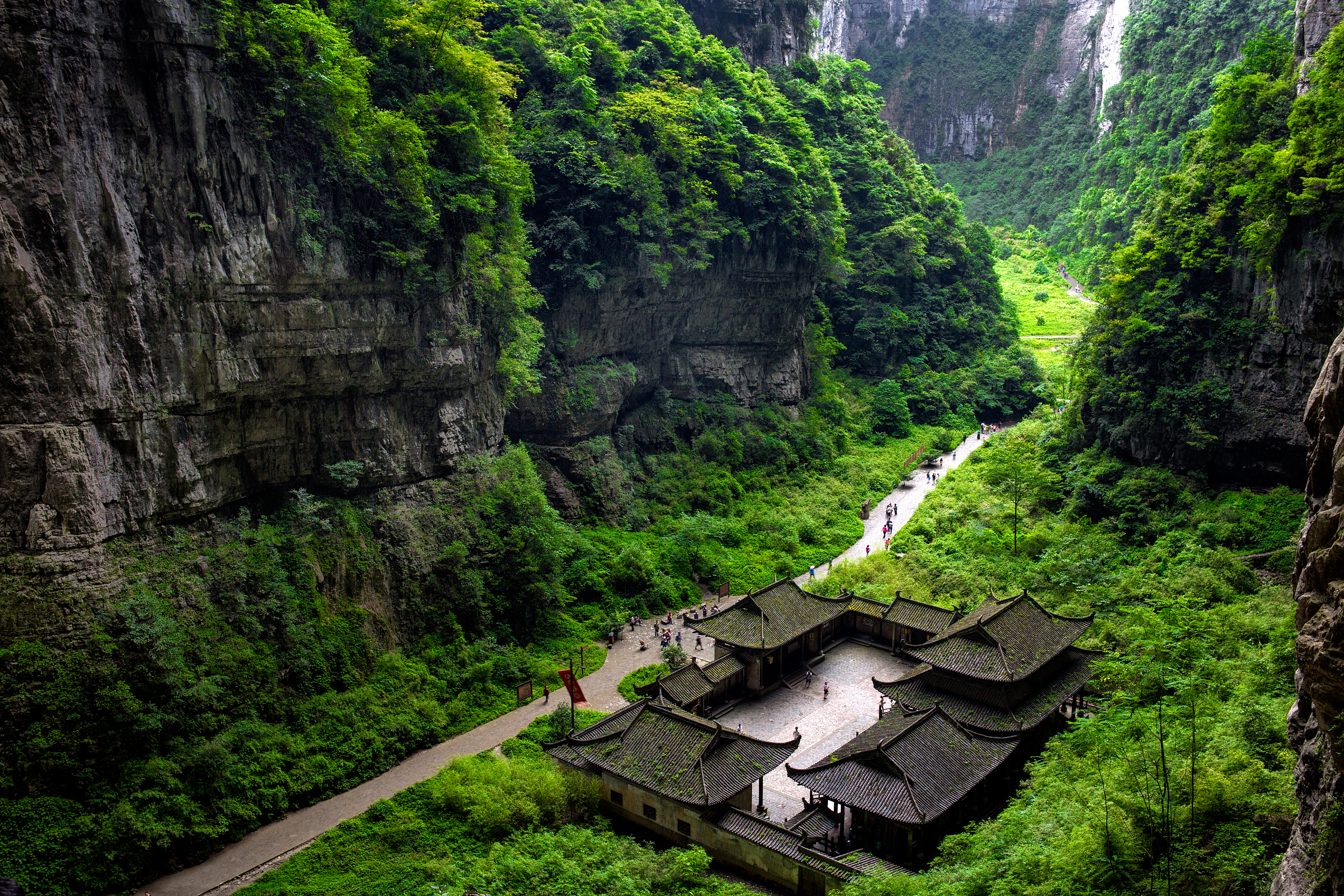
Three Natural Bridges
WulongTiansheng Three Bridges is a Unesco World Heritage Site located about 20km away from Wulong County and a filmmaking location for the films “Curse of the Golden Flower” and “Transformers 4”. It is a precious eco-system site which is famous for the karst topography expecially the Tiankeng or natural sinkhole in the world. The site has three stone arch bridges that are deemed as ” natural arch bridges in the world”. They are namely Tianlong(Sky Dragon) Bridge, Qinglong (Green Dragon) Bridge, and Heilong (Black Dragon) Bridge. It is the largest natural stone bridge group in Asia.
-
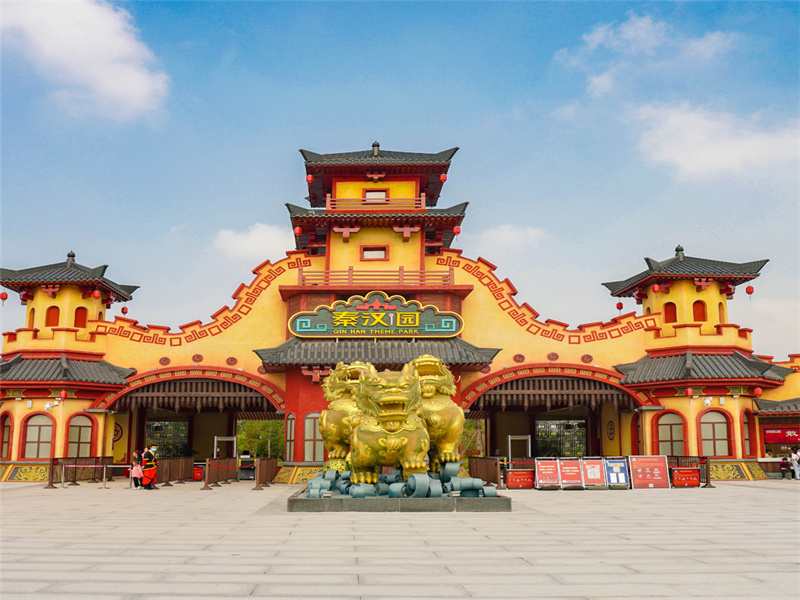
LEWA International Happy Resort
Lehua City·International Happy Resort is a cutting-edge tourism brand invested and constructed by Shaanxi Lehua Hengye Investment (Group) Co., Ltd. Xi’an Lehua City·International Happy Resort integrates cultural tourism, leisure and vacation, entertainment and shopping, and high-end living The functions of the four sections are integrated into one, and it is a joy-themed ecological resort located in Jinghe New City, Xixian New District, Shaanxi Province. The project plans to include Lehua Happy World, 88℃ Hot Spring Paradise, England Town, Ocean Park, Film and Television Base, Hotel Cluster, Lehua International Commercial Street, high-end residential and other ten types of industrial formats, including Lehua Happy World, 88℃ Hot Spring The park has been completed and opened for operation, and Lehua Paradise has been listed as a national AAAA-level tourist attraction.