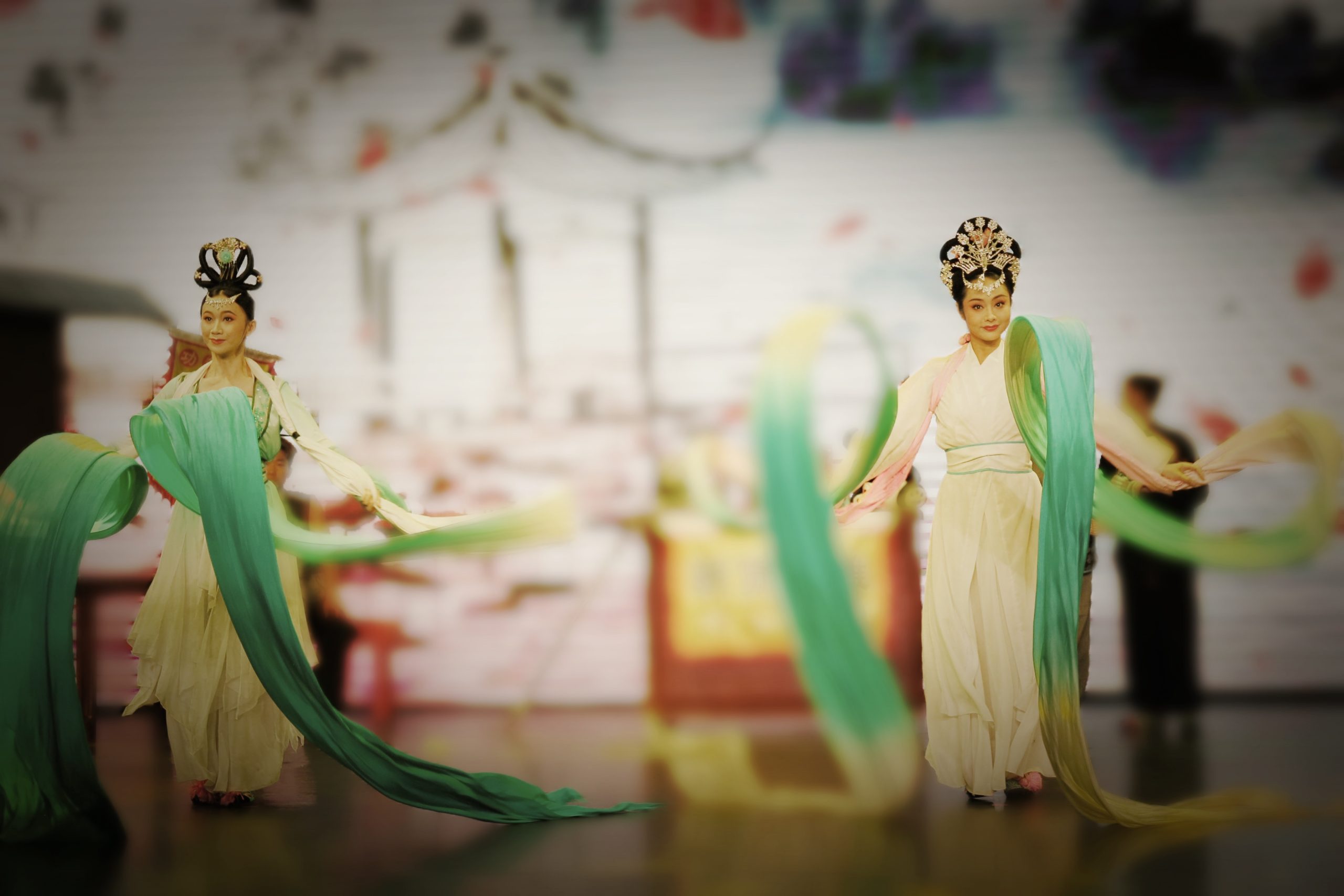
Explore the ancient street of intangible cultural heritage and watch traditional performances. The long-spout teapot tea ceremony is a unique gem of Chinese tea culture. The long-spout teapot is a distinctive Chinese tea utensil with a long and rich history. This folk art performance featuring the long-spout teapot is deeply cherished by the public.”Traveling the Mountain City” Shadow Play, also known as “Shadow Theater” or “Lamp Shadow Play,” is a traditional folk drama that uses silhouettes of characters made from animal hide or cardboard to tell stories. Performers manipulate these shadow figures behind a white screen while narrating tales in local melodies, accompanied by percussion and string instruments, creating a rich rustic atmosphere.Marketplace “Chinese Kung Fu”: Chinese martial arts, created and developed by the Chinese nation, serve functions of fitness, self-protection, defense against enemies, and achieving victory. Recognized as one of China’s four great national treasures, it is widely beloved by people of all ethnic groups.”Long Silk Dance”: The fundamental techniques of water sleeve manipulation can be categorized into ten types: flicking, draping, wrapping, tossing, supporting, grabbing, shaking, coiling, turning, and lifting. These basic techniques combine to form over forty distinct sleeve movement combinations, such as right-draped left-trailing sleeves, left-right single-flick sleeves, double back-flick sleeves, left-catching right-pointing sleeves, disheveled rain-shielding sleeves, and gliding double-flying sleeves.”Brothers’ Puppet Show”: Bed Sheet Puppetry is an intangible cultural heritage of Sichuan Province. Hundreds of years ago, a unique form of puppet theater called Bed Sheet Puppetry emerged in Sichuan. It’s a solo puppet performance also known as Shoulder Pole Puppetry, named for its curtain that conceals the performer like a bed sheet. This narrative-driven puppet show features a hidden performer who manipulates multiple puppet characters with swift hand movements while only the puppets remain visible to the audience.”Pijin Rolling the Lamp,” a segment from Sichuan Opera’s “Rolling the Lamp,” portrays Pijin’s idleness and his wife’s punishment—rolling on the ground while balancing a lamp on his head. This performance brilliantly combines traditional opera with acrobatic lamp-balancing techniques, showcasing dazzling stunts atop stools.The art of quyi: “Erhu Solo” The erhu is a renowned Chinese bowed string instrument, with origins tracing back to the Tang Dynasty (7th–10th century AD) when it was primarily popular among ethnic minorities in northwest China. Over its thousand-year evolution, the erhu has consistently served as an accompanying instrument in Chinese opera.Puppet shows, with dramatic performances like “The Butterfly Lovers,” originated during the Han Dynasty. These shows use puppets to enact stories, with performers manipulating the puppets behind the stage while singing accompanied by music. Based on puppet designs and manipulation techniques, there are various types including glove puppets, string puppets, rod puppets, and wire puppets. Puppet theater is a dramatic art form where actors operate wooden dolls from behind the scenes, known as “kuilei xi” (marionette theater) in ancient China.Face-changing in Sichuan Opera: Legend has it that “face-changing” originated when ancient humans painted different patterns on their faces to scare away wild beasts for survival. Sichuan Opera elevated this technique to the stage, transforming it into a unique art form through masterful skills. The land of abundance in Sichuan offers this cultural treasure – witness face-changing artists using vibrant masks to portray diverse character traits in a mesmerizing performance.Shadow Puppetry “Animal Sounds” – A single screen, a spotlight, and a pair of skilled hands bring to life all manner of human emotions and creatures great and small through the dexterous movements of ten fingers.
Yuzhou Story·Chongqing Intangible Cultural Heritage Experience Base (Shibati Jiefangbei Store)
作者:
在