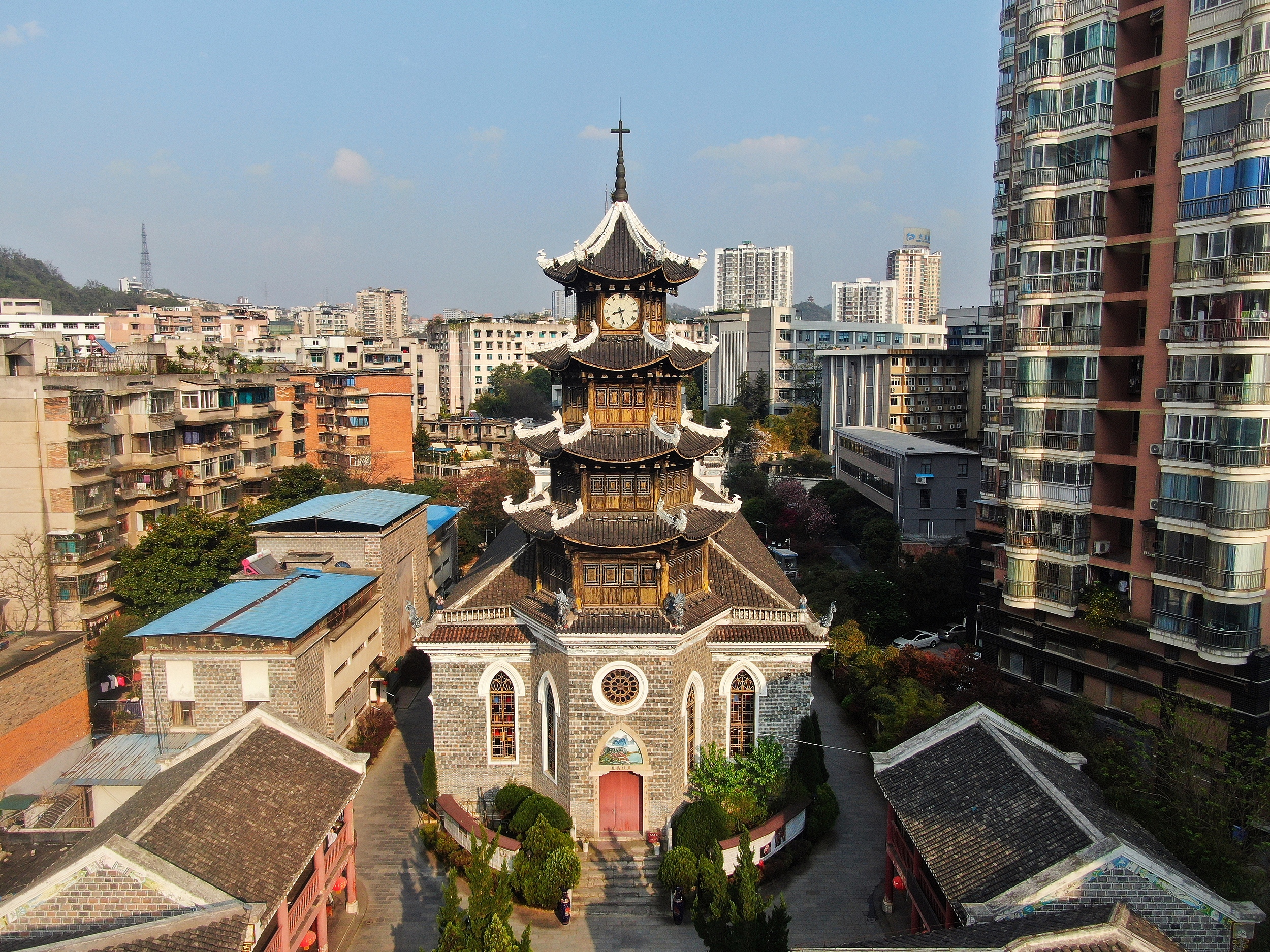
Guiyang North Catholic Church is located in Guiyang, Guizhou Province, China. It is a religious building with historical and cultural value. The architectural style is a combination of Chinese and Western styles, with a five-story tower and a cross, a horse head wall and a rose window. The wonderful mix and match is just right here. The landscape, flower and bird painted carvings, and the nine-color glass statue of the Virgin Mary are still well preserved. In addition to worship, there are also newlyweds who come here to hold weddings. The church is not only a place for religious activities, but also a window for Guiyang citizens and tourists to understand Catholic culture. Weekly masses and festivals are open to the public, and tourists can feel the strong religious atmosphere here. The quiet environment in the church is suitable for meditation and prayer, and it is a piece of pure land in the busy city. Guiyang North Catholic Church is conveniently located around the area, and there are many bus routes passing nearby, which is convenient for tourists to visit. There are also some small cafes and restaurants near the church, providing options for rest and dining. Visitors should dress appropriately when visiting to show respect for religious places.
归档: Attractions
-
Yaochi
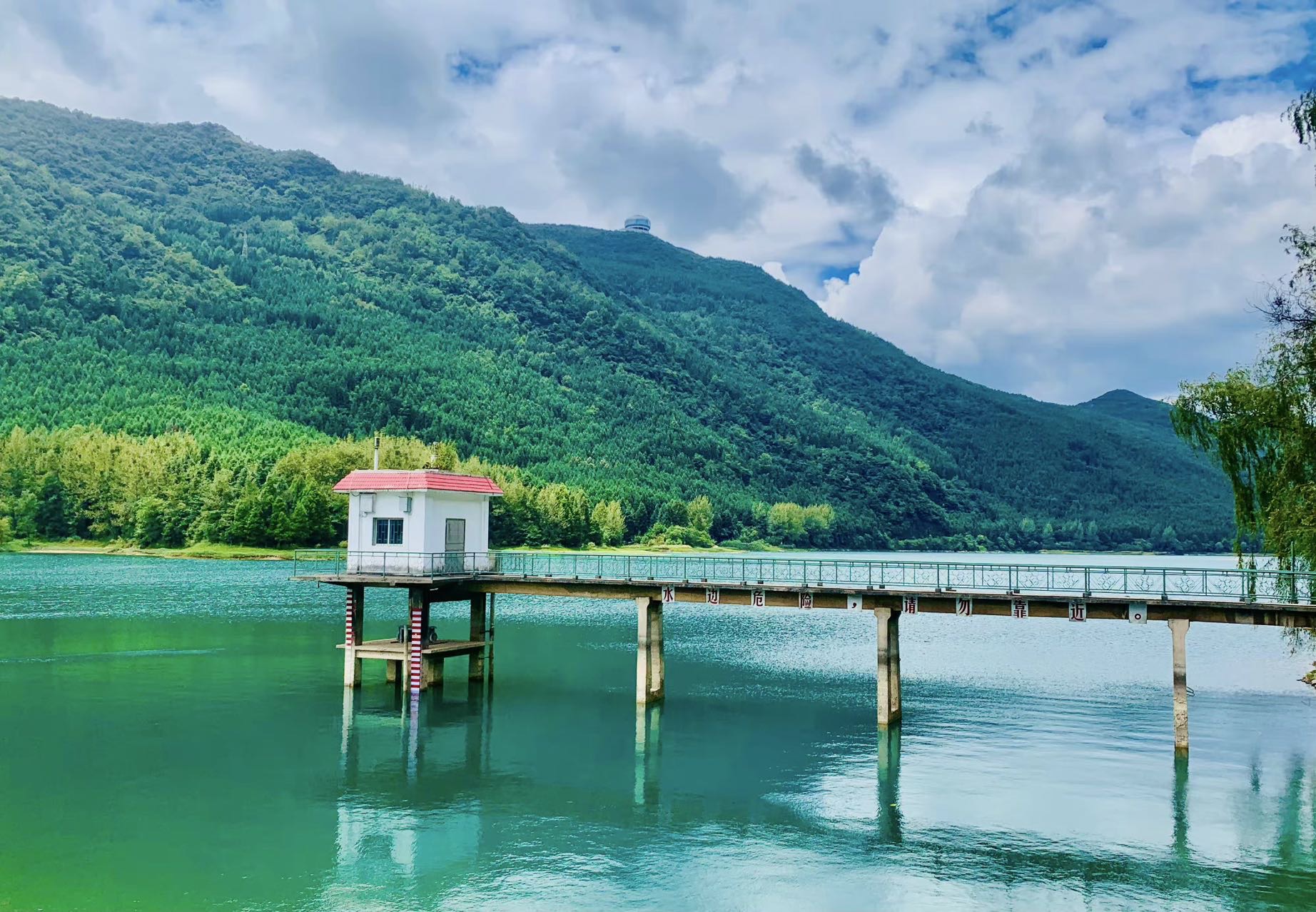
Yaochi is located in Zhongshan District, Liupanshui City, Guizhou Province, in the northwest of the city center. It was originally the city’s backup water source composed of Yaoshang Reservoir and Longguidi Reservoir, and is now the core scenic spot of Minghu National Wetland Park. This artificial lake was built in 1956. Its normal water storage level is 1,826 meters and its water surface area is 510,000 square meters. The 5.6-kilometer lakeside trail winds among the green mountains and clear waters. It is known as the “Pearl of Liupanshui.” Yaochi is famous for its “mountains and waters interdependent, and scenery in all four seasons”. The lake is sparkling on sunny days, and when it rains and fogs, the water and sky meet like a fairyland. The surrounding forest coverage rate is over 80%, and the negative oxygen ion content is extremely high, making it a natural oxygen bar for citizens. The lake area is home to more than 30 bird species, including the Scissor-billed Stork and the Red-billed Grosbeak. Some migratory birds have become resident birds, forming a unique ecological landscape. As the summer resort name card of “Cool Capital”, Yaochi has become a leisure resort suitable for all ages with its 5.6-kilometer barrier-free trail.
-
Zunyishirenhuaimaotaijiuzhenlvyou Scenic Area
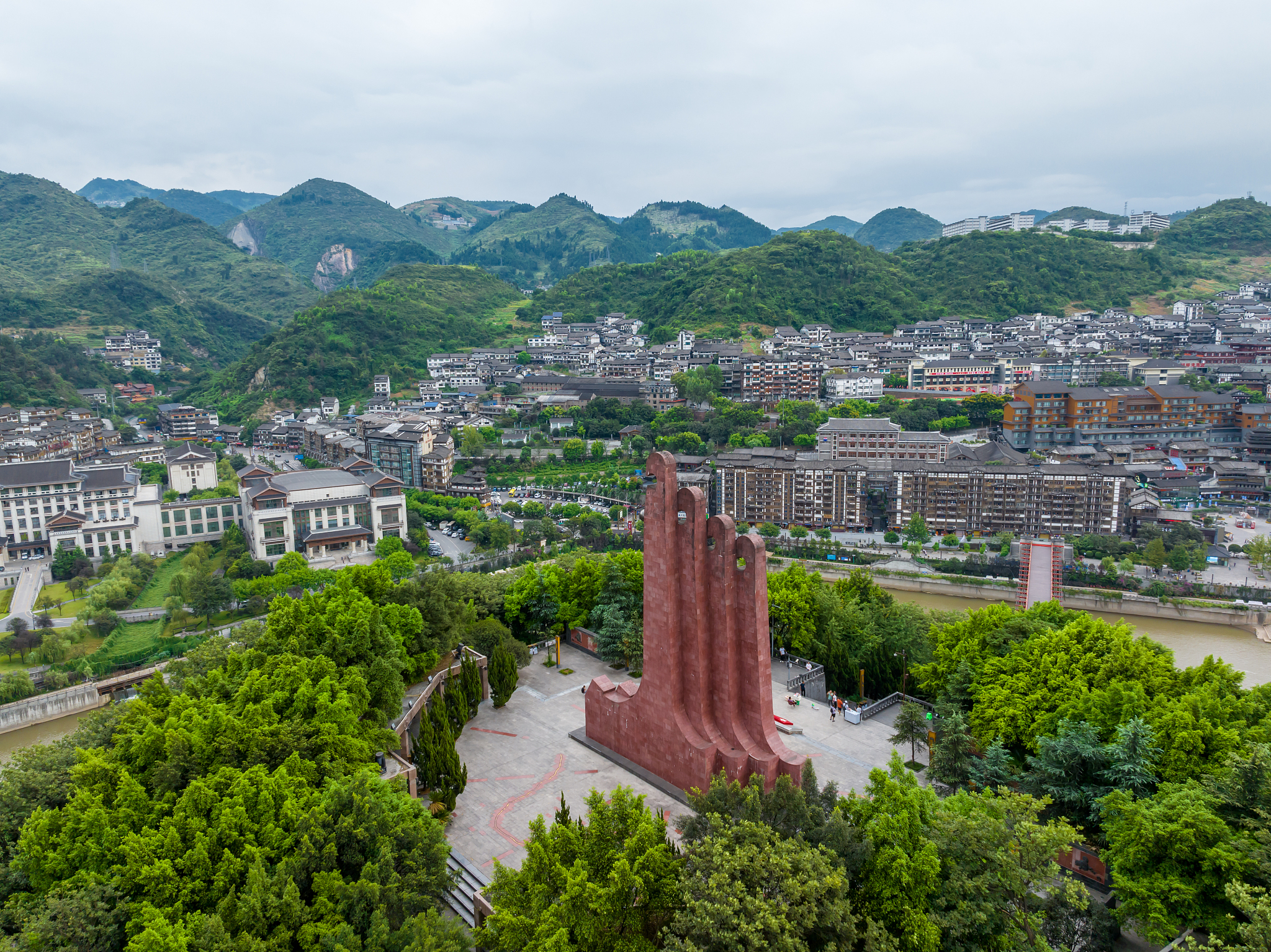
Maotai Liquor Town is located on the Chishui River, 13 kilometers west of Renhuai City, with an area of about 87.2 square kilometers. The ancient town is full of Suzhou garden-style buildings. The National Liquor Gate and the Maotai Sacred Tree are the iconic landscapes of Maotai Town. In addition, there are Yingbin Avenue and the new gate of Maotai Distillery. In the lush riverside area, there are also historical and cultural landscapes such as the Red Army Martyrs Cemetery and the Red Army Crossing the River Monument, recalling the red classics.
-
Chishui Bamboo Park
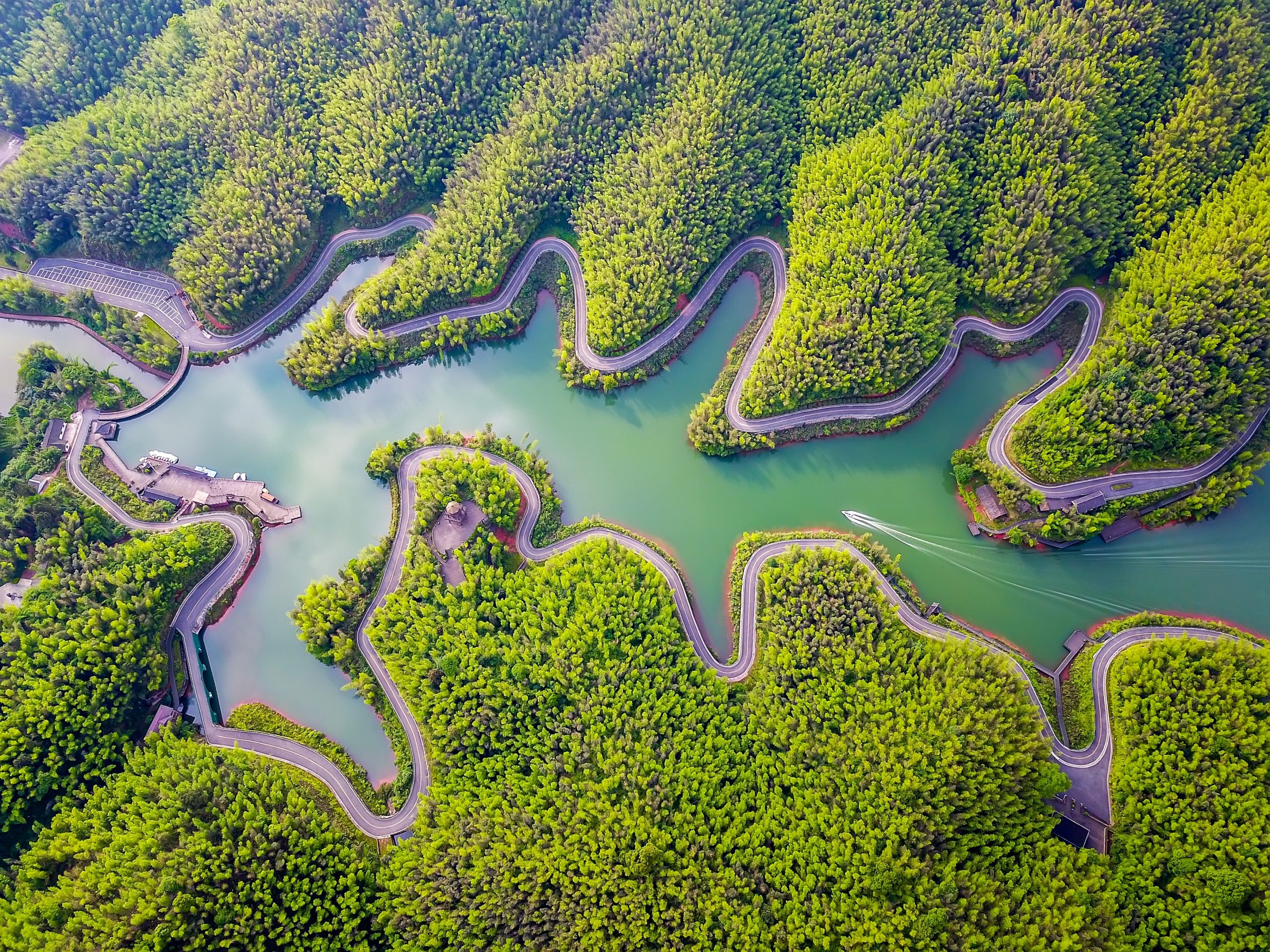
The Chishui Bamboo Park is located alongside the Chitong Road in Guizhou Province’s Chishui City. Dominated by the vast “Sea of Bamboo” that gives the park its name, the mountains and hills that make up the park are covered with many bamboo varieties, including moso bamboo (Phyllostachys edulis), also known as tortoise-shell bamboo and mao zhu. Because the culms and rhizomes of this bamboo have many industrial applications, it is a very popular variety for cultivation. Within the park, there are also many beautiful natural landscapes with names such as the “Scorpion,” the “Land Waterfall,” the “Eight Immortals Tree” and the “Husband and Wife Tree.”
-
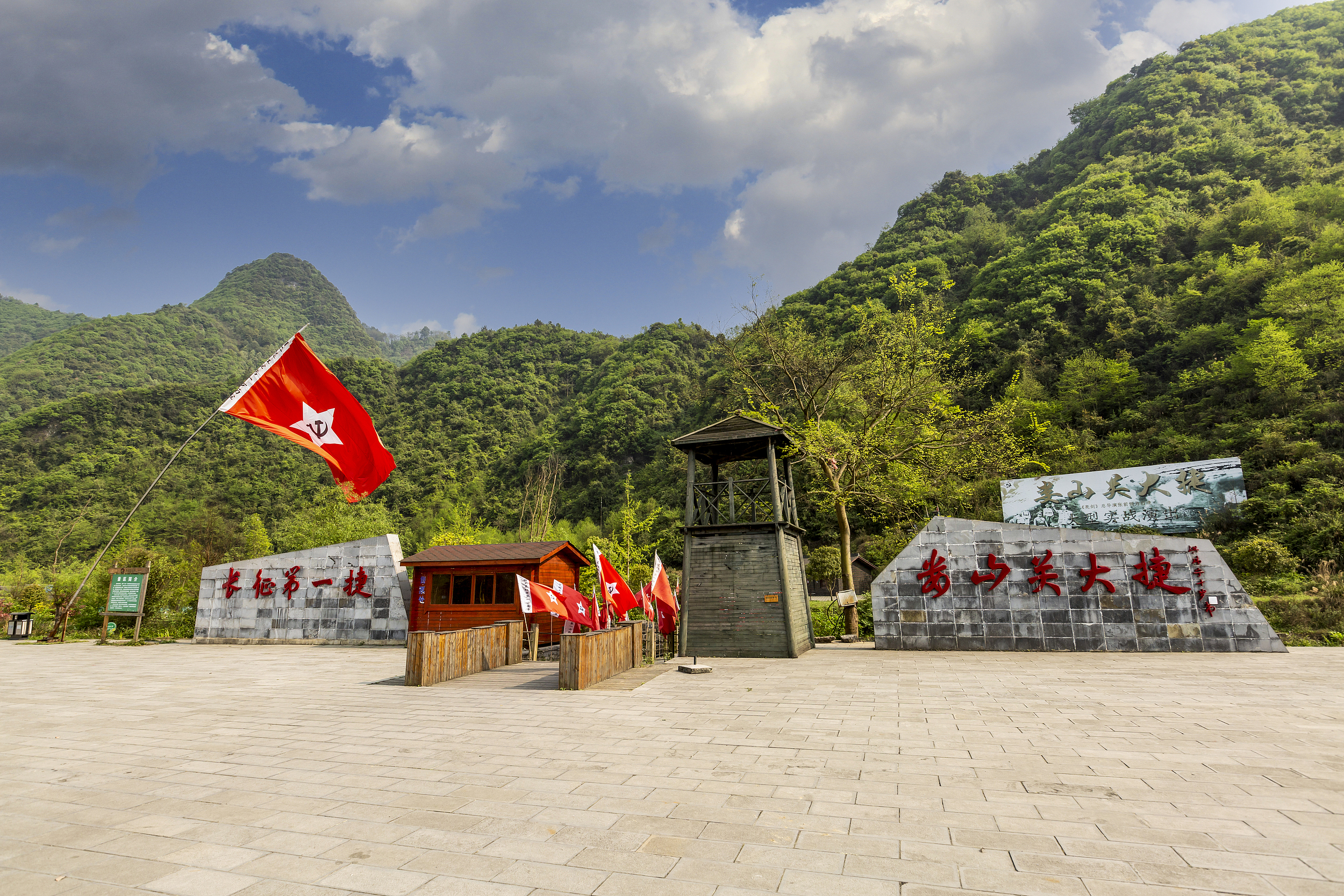
Role Play Performance Of Loushan Pass Battle
The “Loushanguan Victory”Attraction is located in the historic city of Zunyi. Relying on regional characteristics and location advantages, it is in a real environment not far from the site of the Loushanguan Battle. In line with market demand, the Attraction is mainly based on the original large-scale actual combat performances, and has expanded the entertainment area, expansion camp, conference room, shooting experience area, a large Red Army restaurant that can accommodate 1,000 people at a time, burying pots to cook, and renting Red Army uniforms. Now it has added a supporting project of retracing the Long March Road. All walks of life are welcome to visit and inspect.
-
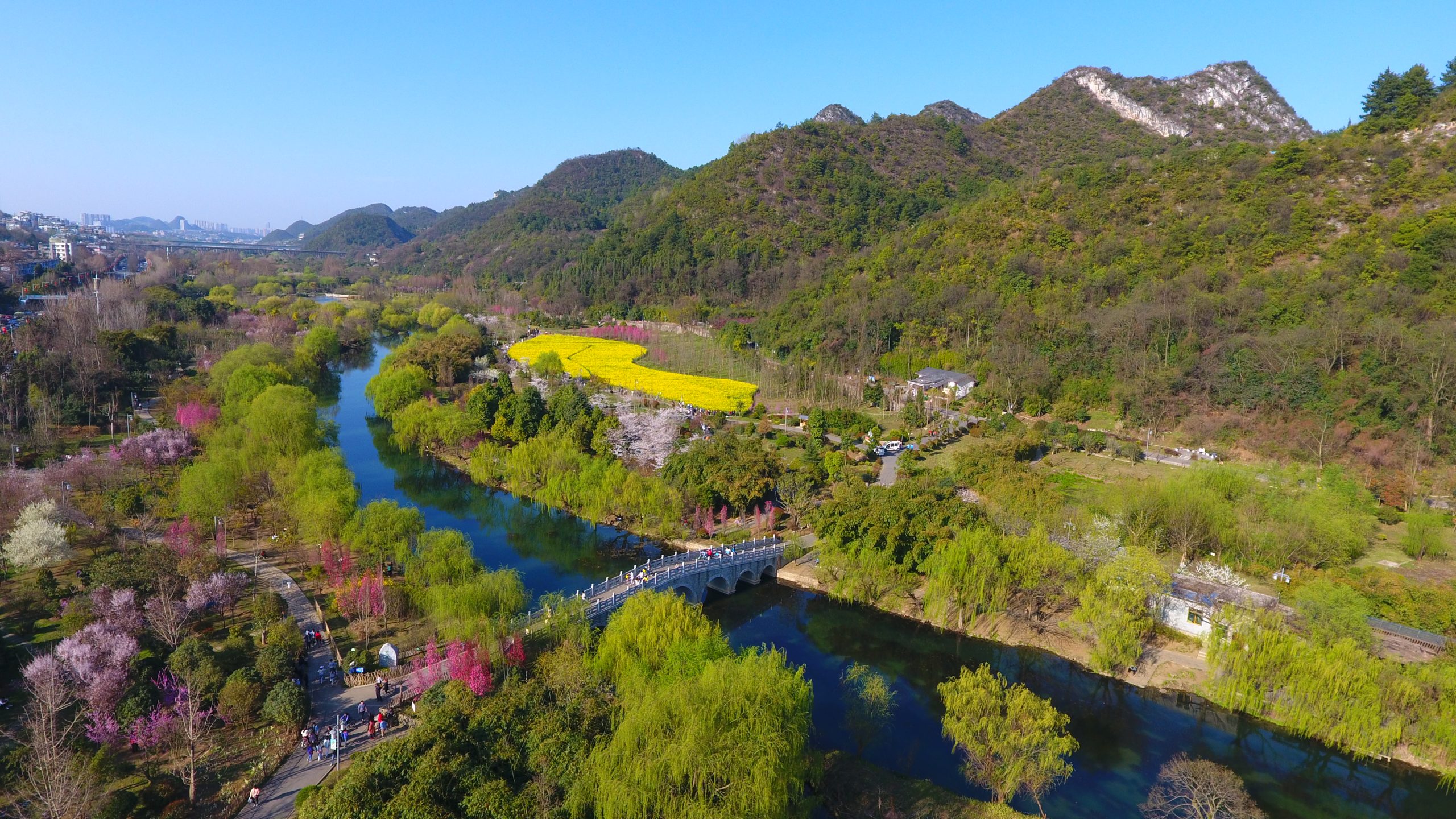
Huaxi National City Wetland Park Shili River Beach
Huaxi National Urban Wetland Park is located in the southern suburbs of Guiyang, and Shili River Beach is the core scenic spot that has been opened. Shili River Beach starts from Niujiao Island in the south and ends at Longwang Village in the north. It is close to Huaxi Avenue and has a total length of 6.5 kilometers. It is a scenic natural landscape sightseeing belt with pleasant pastoral scenery. Huaxi National Urban Wetland Park is very close to Huaxi Park, but they are two different scenic spots. First-time visitors to Guiyang, please make no mistake. The Shili River Beach Scenic Spot, which has been opened so far, has a wetland sightseeing area, a wetland science popularization area, a flower garden display area, an ecological core area, and a folk culture experience area from south to north. There are many scenic spots such as the rhyme of the water town, the phantom of the stream and the mountain, the moon lake Tianqu, the frog drum flower field, and the dreamland. On the Shili River Beach, you can see mountains, rivers, rice fields, meadows, and ditches everywhere. Visitors can stroll on the plank road here and enjoy the scenery of nature slowly, or they can form a group of two and rent a few bicycles to go through it. The vegetation in the scenic area is very lush. In spring, you can come to enjoy the mountains and flowers. In summer, you can also enjoy the lotus flowers in the pond. In autumn, the paddy fields are golden, which is a good place for photography.
-
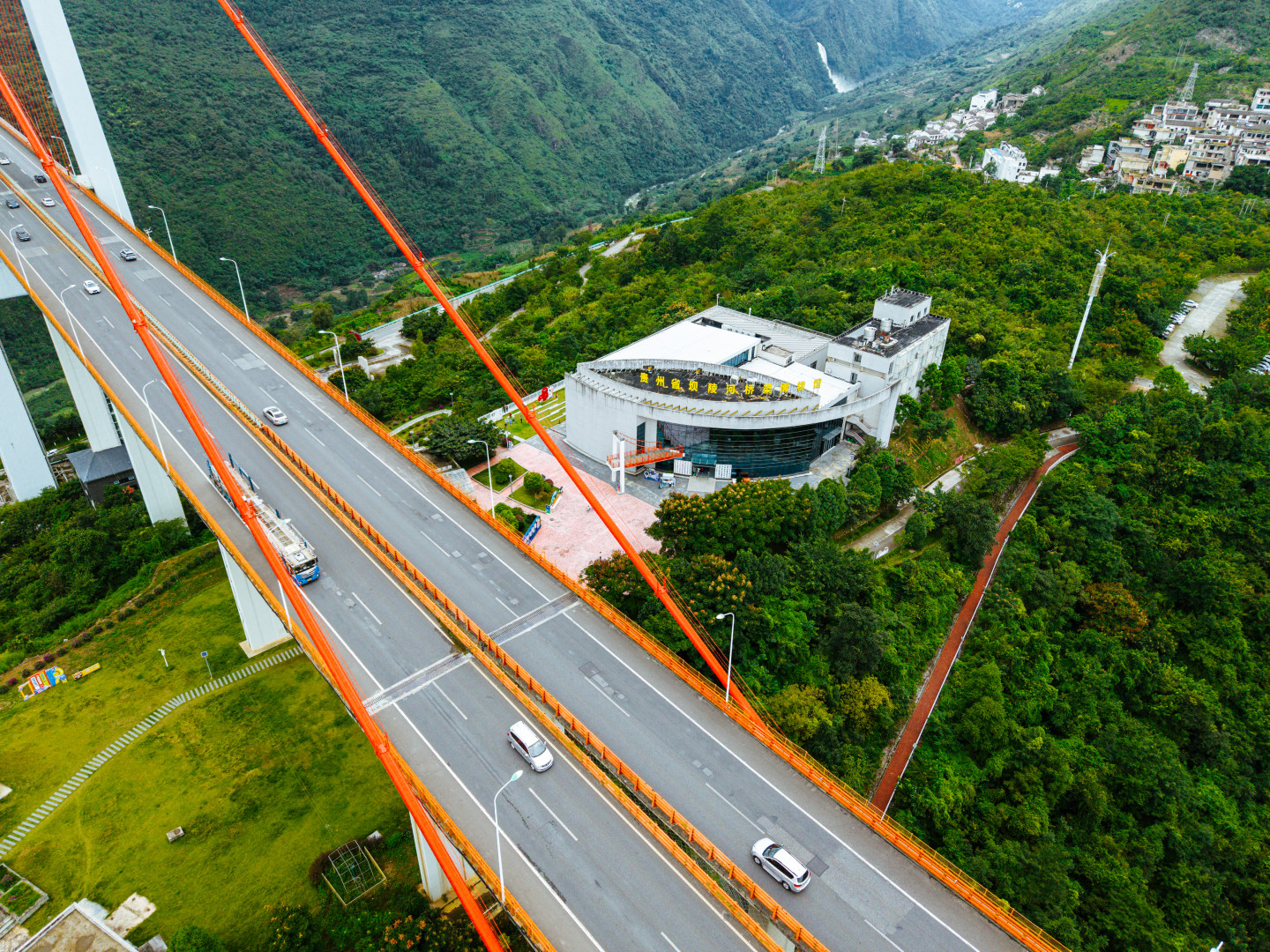
Baling River Bridge Museum, Guizhou Province
Guizhou Baling River Bridge Museum is based on bridge technology, weaving engineering wisdom and natural wonders into a unique tour experience. The main building of the museum adopts a design language that combines steel structure and glass curtain wall, forming a visual dialogue with the Baling River Bridge across the canyon.In the exhibition hall, the birth process of this 1,088-meter-long suspension bridge is vividly restored through a scaled-down bridge model, holographic images of the construction process, and interactive devices for material mechanics. The specially designed bridge wind tunnel test simulation area allows visitors to intuitively experience the application of aerodynamics in bridge design through handle operation. Among the exhibits in the collection, there are both ancient river crossing tools salvaged from the bottom of the river and original carbon fiber anchors used in modern bridges, connecting the wisdom inheritance of mankind to cross the natural moat.The outdoor viewing platform is a highlight of the museum that cannot be missed. Standing on the transparent corridor 370 meters above the river, you can observe the precise fit between the anchor structure of the bridge and the canyon rock wall, and feel the ingenious dialogue between engineering and geology. If the morning mist is just beginning to dissipate, you can see the steel cables piercing through the sea of clouds like strings, forming a dynamic picture of the symbiosis of technology and nature.There are many themed tour routes Souvenir the museum: the canyon hiking trail designed by bridge engineers uses 12 observation points to explain the scientific considerations of the bridge site selection; the bridge structure exploration project open to outdoor enthusiasts can learn about the maintenance of suspension bridges under the guidance of professionals. The adjacent Baling River low-altitude flight base provides tourists with a unique perspective to overlook the entire bridge.
-
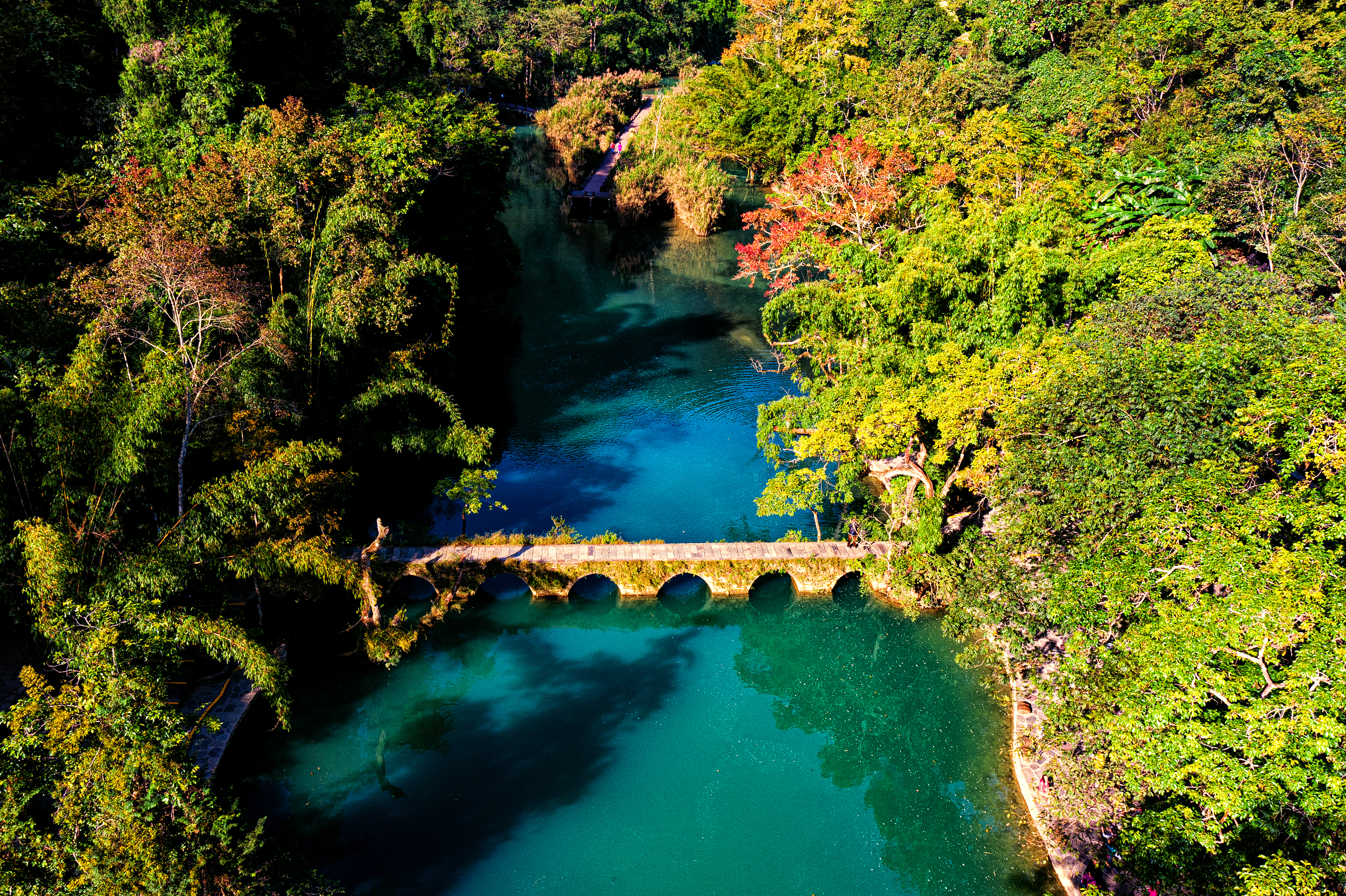
Xiao Qi Kong Ancient Bridge
Xiaoqikong Ancient Bridge is located in the north of Xiaoqikong Scenic Area in Libo. It was built in the 15th year of Daoguang (1836), and the scenic area was named after this bridge. It has survived many floods for hundreds of years and still stands intact, which shows its exquisite construction technology. Xiaoqikong Ancient Bridge was once an important bridge from Libo to Guangxi. It is built of granite strips, and the bridge body is covered with vines, with an antique style. Under the bridge is the fascinating Hanbi Lake, with towering ancient trees on both sides, and huge branches extending along the bridge deck, like a giant umbrella supporting the bridge.
-
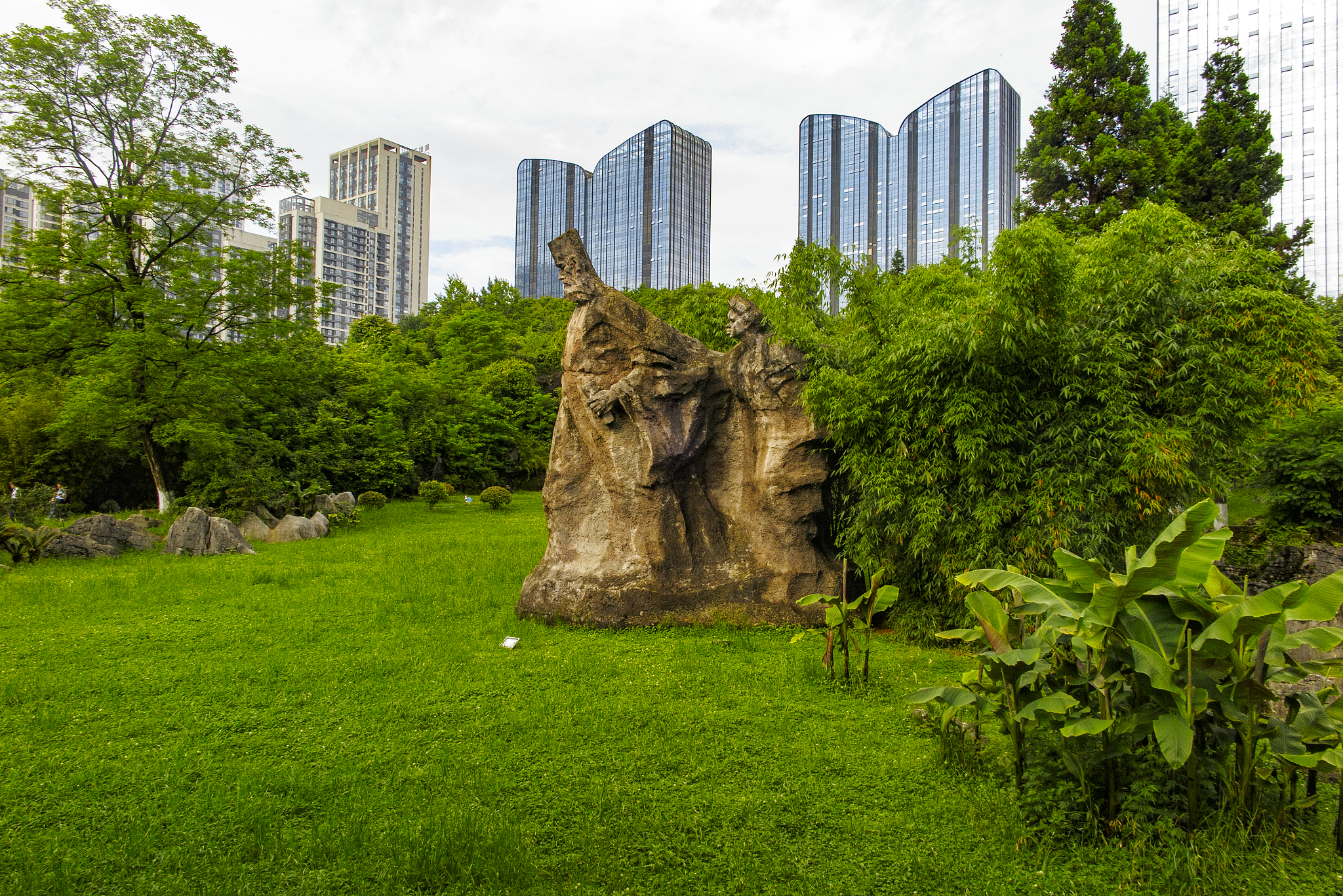
Guiyang Karst Park
The park is mainly composed of two stone forest scenic spots in the north and south. The scenic spots such as Tianxiantian, Stone Forest Waterfall, Dripping Water Guanyin, Jinchan Xianbao and other scenic spots have their own characteristics. Rare, it is Guiyang’s urban parlor and a rare “city bonsai”. Yangming Academy, Yangming Thatched Cottage, Strange Stone Museum, Colorful Guizhou Cultural Corridor, Karst Square, etc. enrich its regional cultural connotation. The childlike Apple Dog Wisdom Paradise, 7D Cinema and animation shooting base are the leisure walks of Guiyang citizens. The main gathering place is also a tourist destination for many foreign tourists. Enter from the North Gate Square, and then watch the scenic spots such as Yuanshi Zhaobi, Guanyun Falling Shadow, etc., then step into the viewing platform, step over the Lotus Bridge, you can enjoy the beautiful scenery such as Yaochi, Jinchan Xianbao, etc., and then go to – One Line Sky, Yangming Thatched cottage, etc., you can traverse the essence of the scenic spot from the South Gate Square.
-
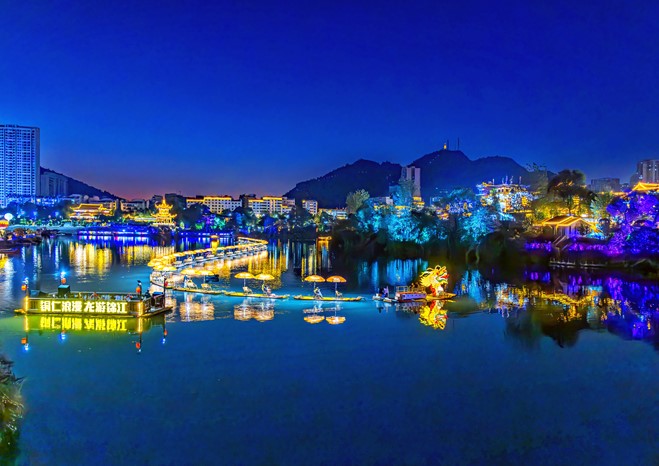
Tongren Longyou Jinjiang
The “Romantic Tongren, Dragon Tour of Jinjiang” project is located in the charmingZhongnanmen Ancient CityNearby. Tongren Longyou Jinjiang, passionately created by Guizhou Yuanpu Tourism Co., Ltd., is designed toZhongnanmen Ancient CityCentered around Jinjiang River with the concept of “integrating scenery with the city for shared enjoyment by locals and visitors,” this experience combines bamboo raft cruises, folk song and dance performances, and immersive theatrical storytelling. It creates a rich, comprehensive night tour that blends historical culture with modern leisure for a distinctive journey.