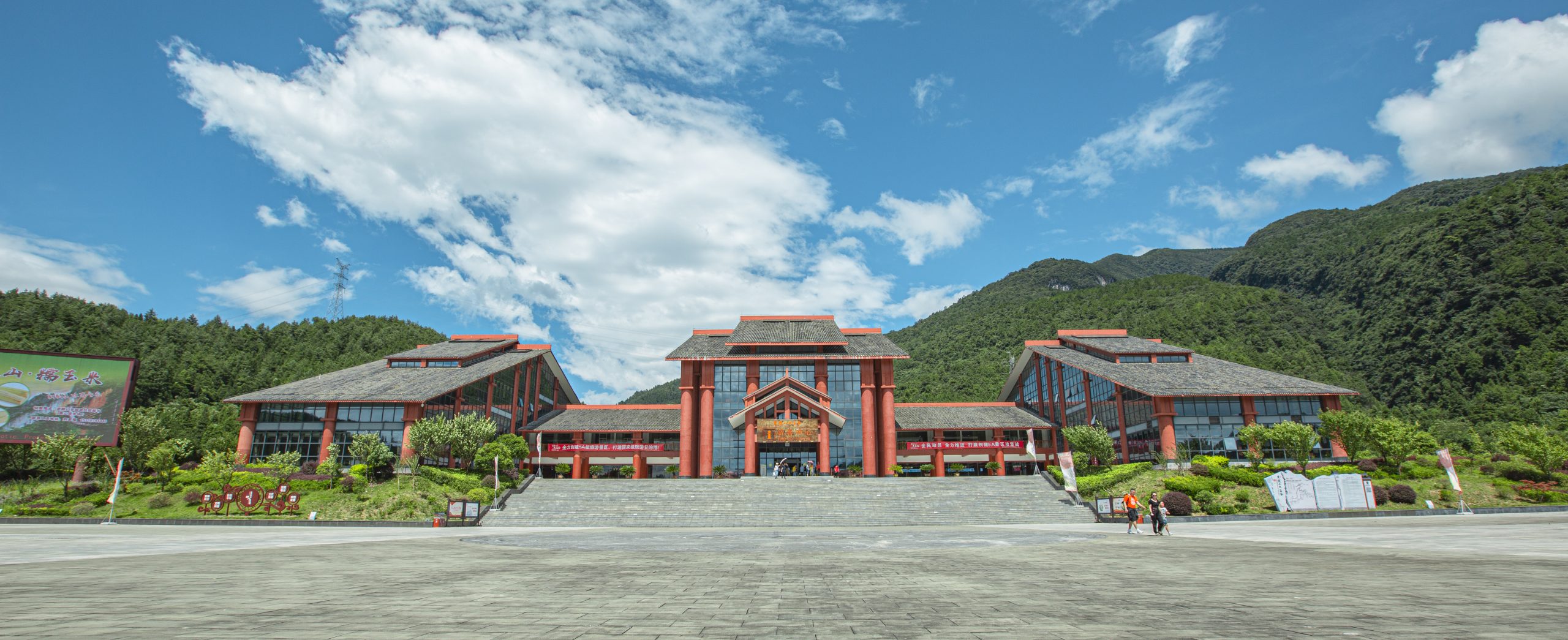
The Grand Rift at Wulingshan is a natural oxygen bar embraced by dense forests and river gorges. This is an excellent place to escape the summer heat of the city. Average temperatures here are considerably lower than in Chongqing’s main districts. The Grand Rift at Wulingshan has many characteristic karst landforms, deep canyons and winding narrow valleys that make guests feel truly enamored with the wonders of the natural world. Visitors can revel in the fresh mountain air, explore various caves, stroll along the cable suspension bridge at Heaven’s Gate Cave and marvel at the magnificent natural landscape.
归档: Attractions
-
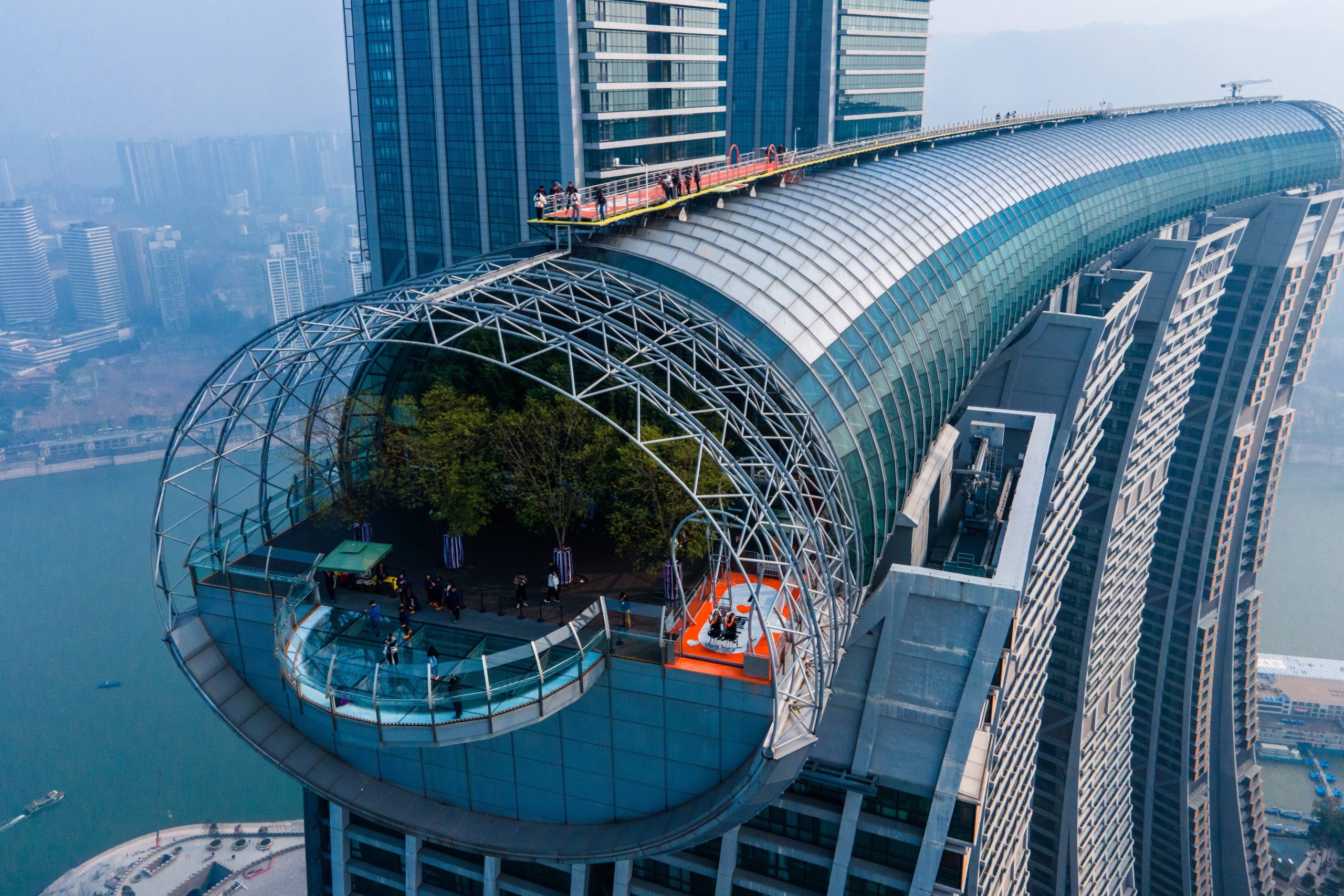
Exploration Deck · Viewing Gallery
Exploration Deck · Viewing Gallery is located on the Jialing River side of the Crystal Skywalk, dedicated to creating an urban high-altitude amusement park. It includes: – **Unique Viewing Experience**: The Sky Mirror at 250m (an open-air fully transparent glass platform) offers a 270° panoramic view, immersing you in clouds and greenery while overlooking the confluence of two rivers and the stunning landscape of Chongqing, showcasing its magical 8D charm. – **Thrilling High-Altitude Adventure**: The suspended walkway—Cloud Walk—built along the spine of the Crystal Skywalk lets you stroll atop China’s first horizontal skyscraper. With no glass barriers, you’ll get up close to the city’s pinnacle, enjoying a 360° visual feast and a true test of courage. – **High-Altitude Riverside Swing**: Cloud Soar, the city’s high-altitude riverside swing, highlights a tandem ride experience. At the top of the urban skyline, feel the adrenaline rush as you soar through the air, taking in the breathtaking views of Chongqing’s rivers and shores. Share a romantic arc in the clouds with your loved one. In the future, Exploration Deck · Viewing Gallery will continue to introduce innovative high-altitude attractions, solidifying its position as a unique urban amusement park in Southwest China and leading the way in diverse new tourism trends.Sky Traveler: A pioneering exploration of technology + culture and tourism: the robotic arm MR roller coaster. Set against the backdrop of the confluence of two rivers and Chongqing Raffles City, this experience uses MR mixed reality virtual technology to simulate a visual speed of 70m/s, combined with real physical feedback, achieving a sensory experience of 5-second ejection and a 350-meter dive within a limited space, creating a new “game-level immersive” cultural and tourism scenario.
-
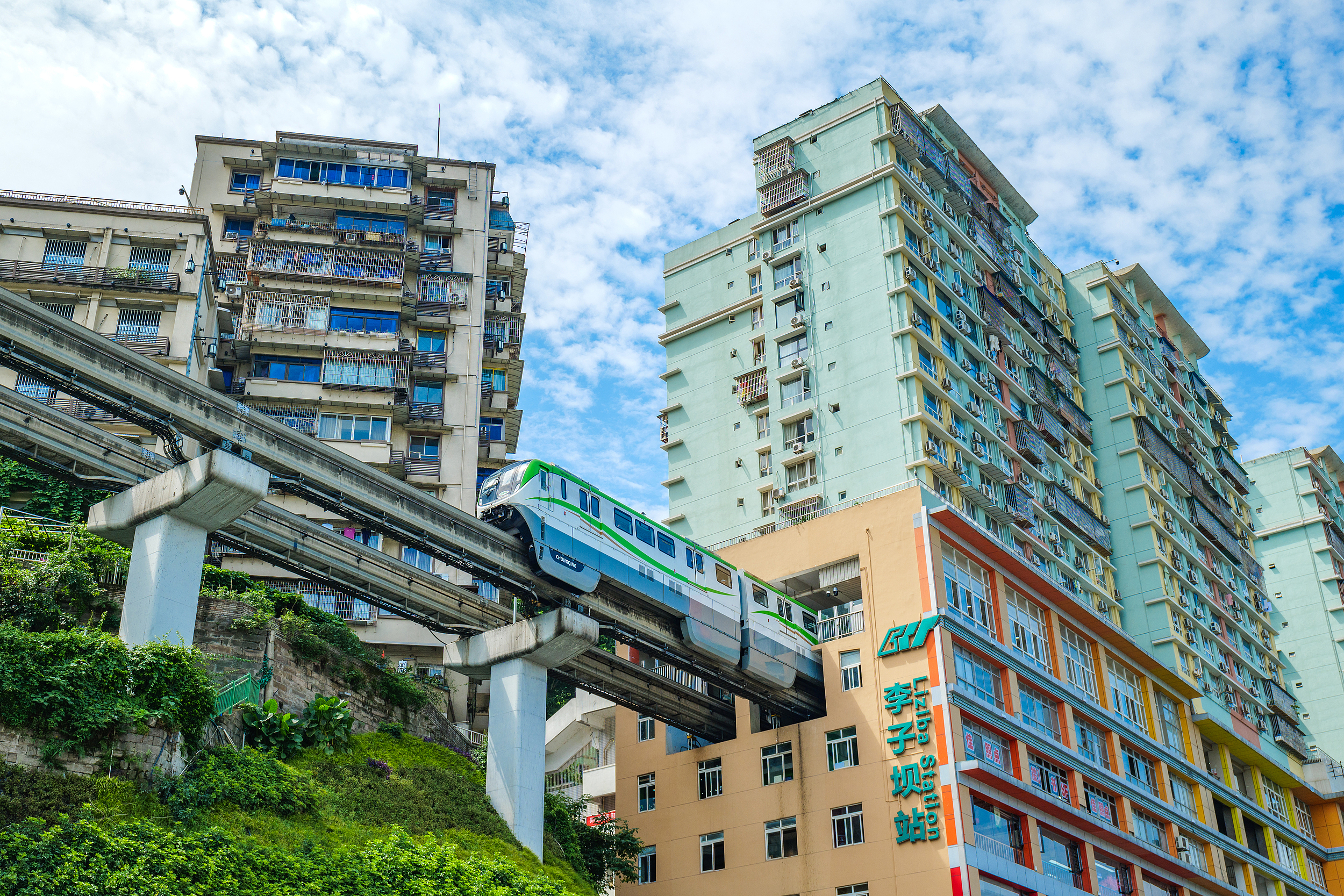
Liziba Station
Liziba Station is a unique urban view in Chongqing, famous for its distinctive design where the light rail passes through a building, attracting numerous visitors and photography enthusiasts. As a perfect blend of urban transportation and architectural art, Liziba Station not only showcases Chongqing’s modern transportation development but also stands as a symbol of urban engineering innovation. The light rail train travels right through residential buildings, a design that not only solves urban space utilization issues but also creates an astonishing visual spectacle. Visitors can watch the train pass through the buildings up close from the platform, experiencing the vibrancy and creativity of modern city life. The surrounding viewing decks offer perfect photo angles, making them ideal spots to capture this unique urban view. Beyond watching the light rail pass through buildings, the area around Liziba Station offers a rich urban cultural experience. Visitors can stroll through nearby neighborhoods, explore Chongqing’s local cuisine and unique shops, and feel the city’s distinctive charm. The station itself has become a popular photo spot, attracting visitors from around the world. Liziba Station is not just a transportation hub but also a landmark showcasing the city’s innovative spirit. Whether you’re an architecture enthusiast, urban explorer, or traveler seeking fresh experiences, it offers everyone a unique opportunity to experience Chongqing’s charm and modern urban wonders.
-
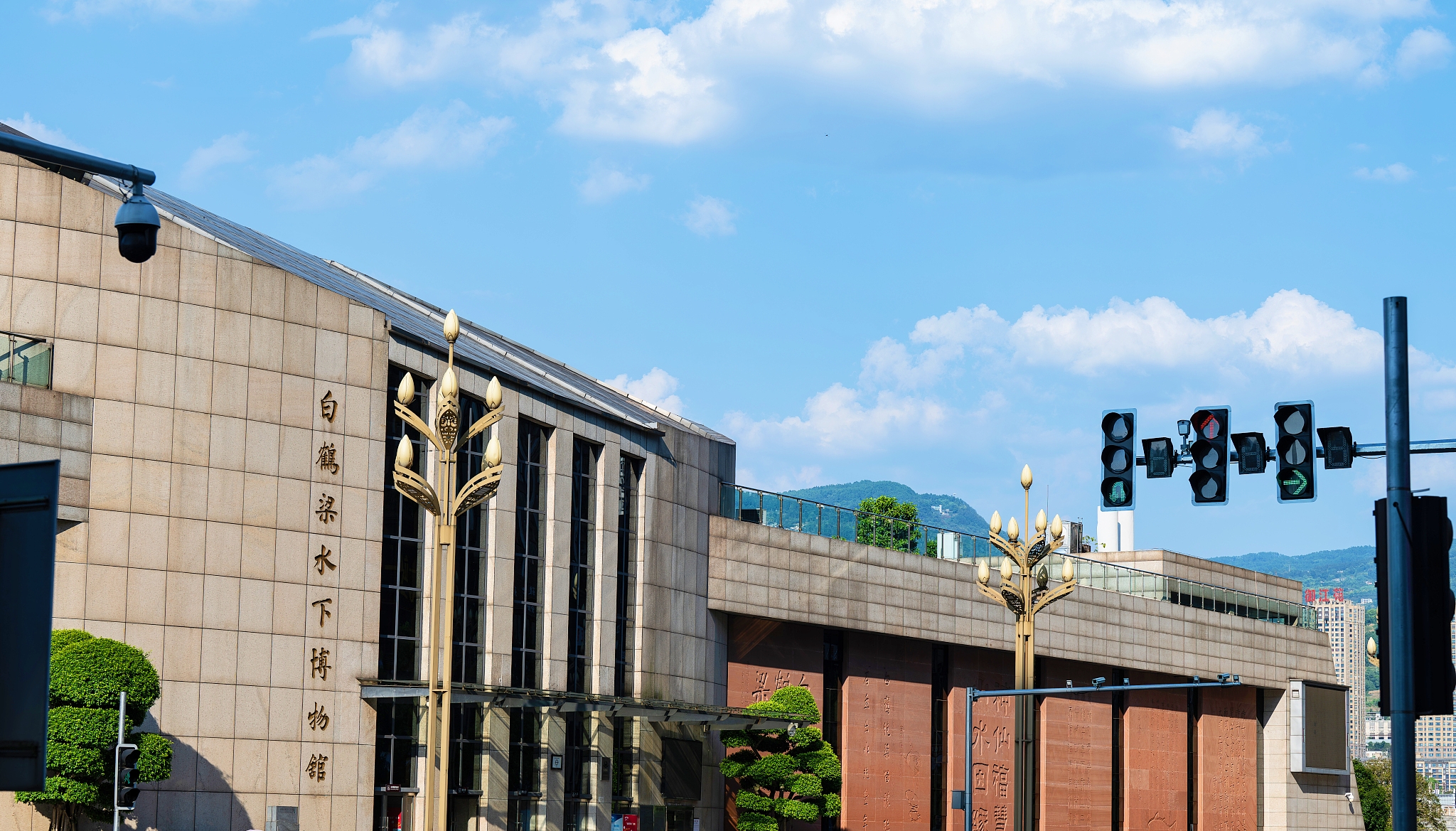
The Underwater Museum of White Crane Ridge
The Baiheliang Underwater Museum is located in Chongqing. It was built in 2003. It is an underwater museum, a local history museum, and a cultural activity center integrating cultural relics protection, research, publicity, and education.
-
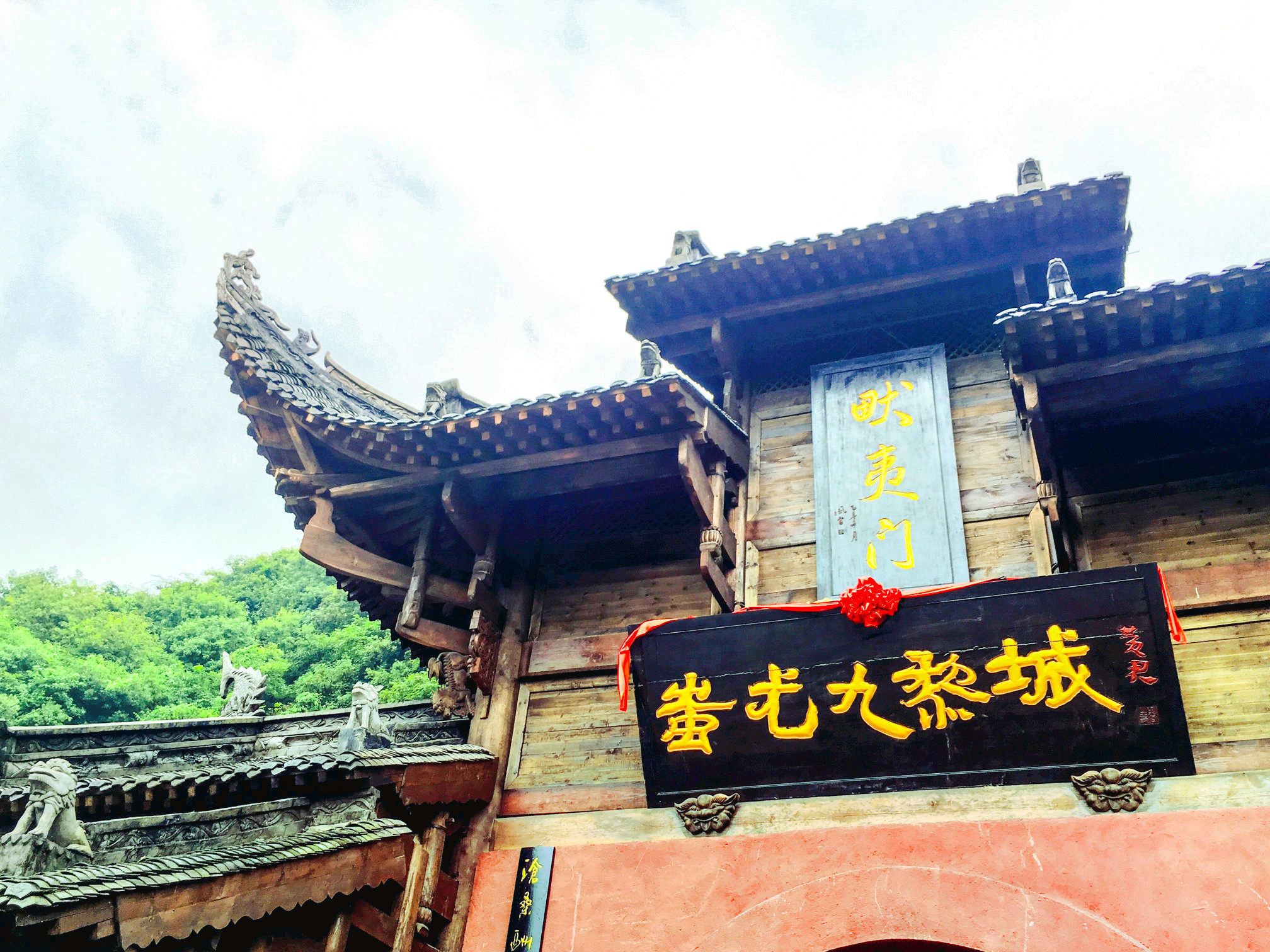
Chiyou Jiuli Palace
Chiyou Jiuli City is located in the eco-tourism city of Chiyou Jiuli City in the south of Pengshui County, Chongqing. The Miao nationality’s traditional culture and architecture are concentrated on the Miao nationality’s traditional culture and architecture. It is full of rich Miao customs. The main buildings in Jiu Li City include the Miao nationality buildings such as the Chiyou Grand Hall, the Chiyou Shenfu, the Jiuli Lishen Pillar and the Beidou Seven Star Pavilion. Many Miao intangible cultural heritage inheritors will perform their unique activities here, such as the Knife Mountain, the Underwater Sea, and the ancient cold weapons exhibition. Jiuli City also holds the “Festival of the Great Ceremony” and the “Nine Emperor Culture Festival” every year. It is very grand and should not be missed.
-
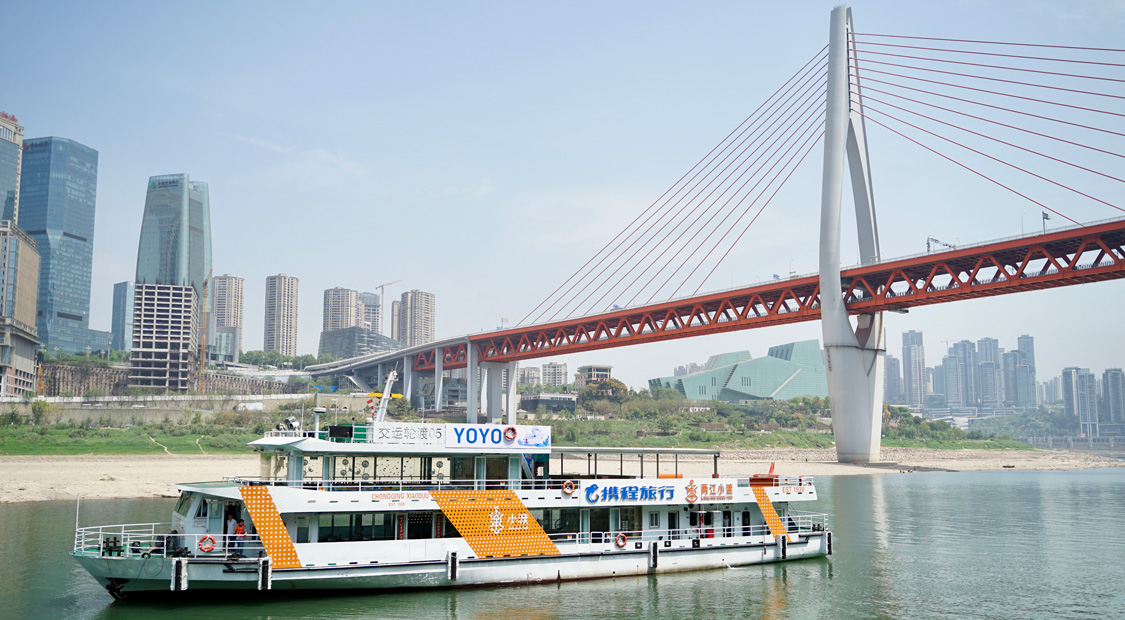
Chongqing XiaoDu Ferry
Chongqing XiaoDu Ferry is a comprehensive attraction that combines water sightseeing, cultural experiences, and leisure activities. Located at the confluence of two rivers in downtown Chongqing, it draws numerous visitors with its unique ferry experience and magnificent mountain-water views. This attraction not only serves as a window to admire Chongqing’s urban landscape but also offers a distinctive space where visitors can immerse themselves in the charm of nature and city life along the river. It’s perfect for family outings, friend gatherings, or solo explorers. Water sightseeing experience The main attraction is the Chongqing XiaoDu Ferry, where visitors can board traditional ferries for a leisurely cruise along the Yangtze and Jialing Rivers, taking in the city skyline and stunning landscapes on both shores. The ferry passes by several Chongqing landmarks like Hongya Cave and Chaotianmen, allowing visitors to experience the city’s unique charm. For photography enthusiasts, it’s also an ideal spot to capture breathtaking views of urban and natural scenery. Cultural experiences and interactive activities The Chongqing XiaoDu Ferry is not just a sightseeing activity, but also a platform for cultural experiences. The ferry features a cultural guide area with multimedia displays and physical exhibits to help visitors learn about Chongqing’s history, culture, and the stories of the two rivers. Additionally, the attraction regularly hosts activities like “Riverside Concerts” and “Cultural Salons” to provide more engagement opportunities for visitors. Leisure entertainment and family-friendly activities The attraction features specially designed family-friendly leisure areas, including children’s playgrounds and picnic lawns, allowing parents and kids to enjoy quality time in nature. Additionally, activities like “river fishing” and “water sports” offer visitors more recreational options. Safe and comfortable environment Safety is the top priority at this attraction. All ferry facilities undergo rigorous inspections and are staffed with professional safety guides. Visitors receive detailed safety training before participating in activities, ensuring everyone can enjoy the water sightseeing experience in a secure environment. The Chongqing XiaoDu Ferry offers visitors a unique boat experience and rich cultural immersion, creating an ideal setting where nature and urban landscapes blend seamlessly. Whether you want to admire the city’s skyline or embrace the tranquility of nature, this attraction caters to diverse preferences, making it a poetic and memorable stop on any Chongqing itinerary.
-
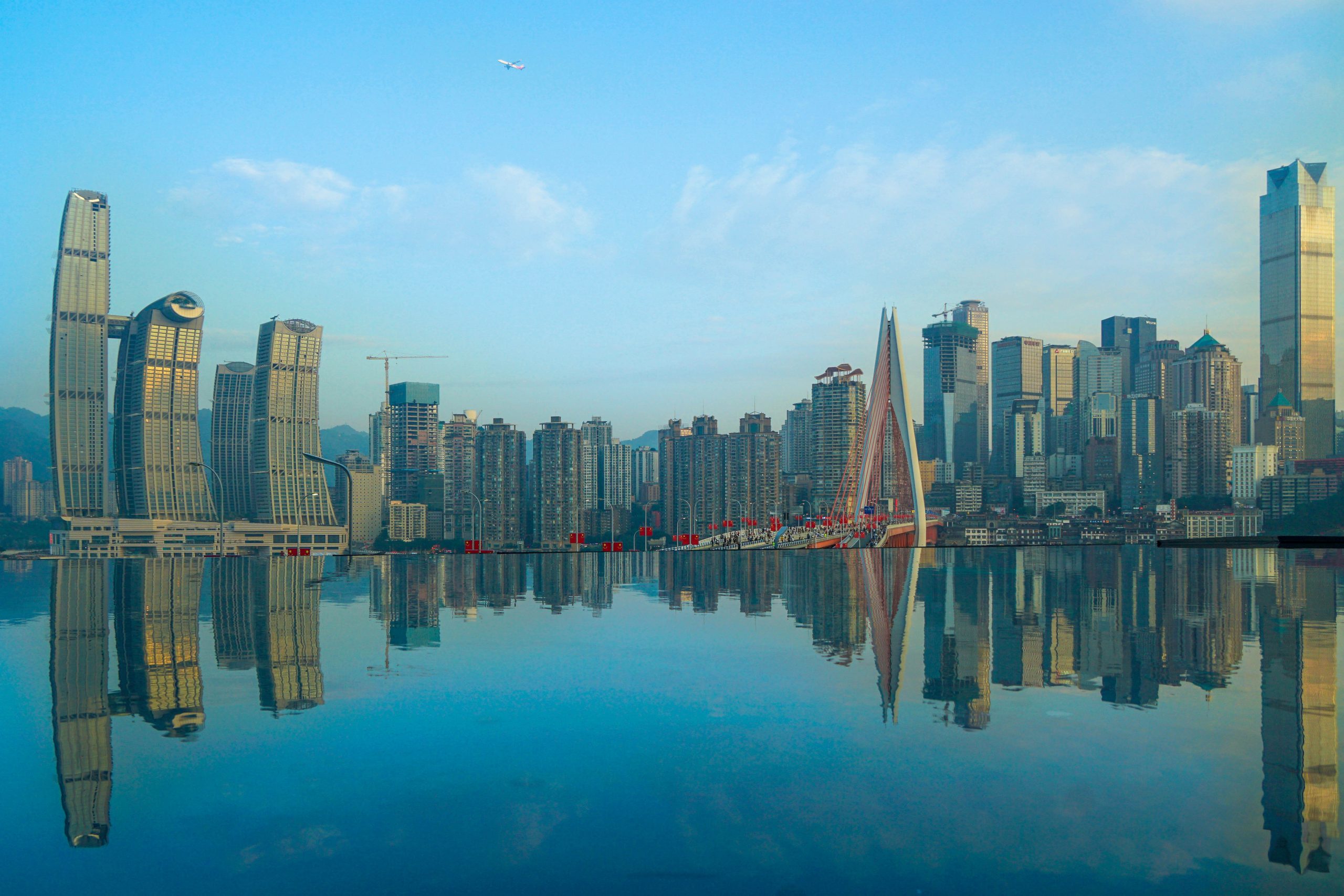
Chaotianmen Square
Chaotianmen Square is located in the northeast part of Yuzhong district in Chongqing. Located at the confluence of the Yangtze River and the Jialing River, the square gives visitors a beautiful view of the city. Towards the front of the square the emerald waters of Jialing mix with the muddy brown waters of the Yangtze. Towards the east, the majestic Chongqing Grand Theater (Jiangbei district) features prominently. Towards the west, the dazzling lights of Nanbin Road (Nan’an district) catch the eye. The square is where locals like to meet and relax. When the weather is good, many people fly kites.
-
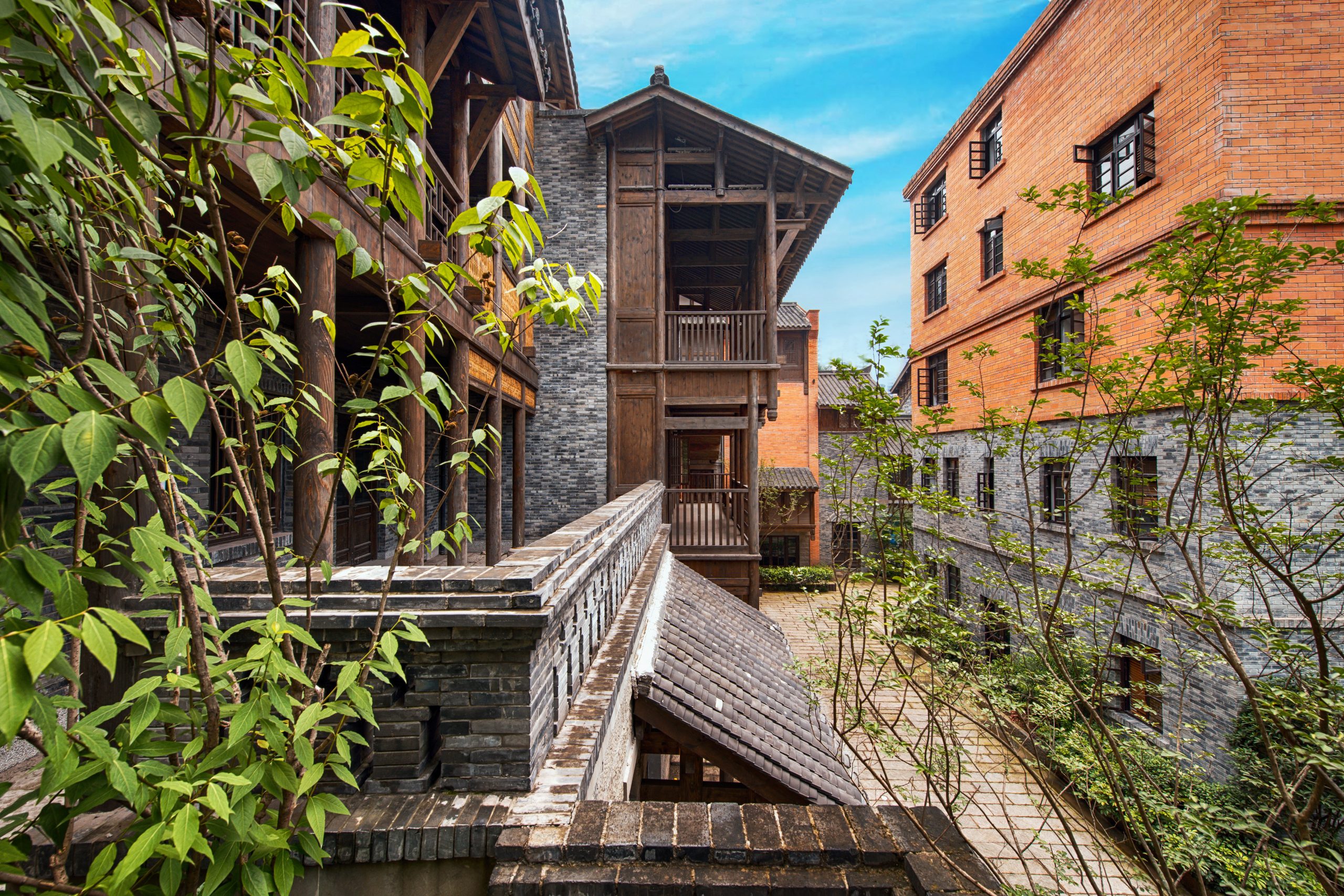
Chongqi Shibati Traditional Style Blocks
The land area of the Shibati traditional style area project is about 88 mu, the construction area is about 170,000 square meters, and the total investment scale exceeds 2 billion yuan. According to the positioning of the project, relying on the cultural tourism resources of Chongqing’s “mother city”, the modern cultural tourism industry will be integrated and developed, and it will be built into a characteristic cultural tourism demonstration area, a cultural display window for Chongqing facing the world, and an international cultural tourism destination. Integrating the four major functions of business, scenery, tourism and culture, it presents the panorama of Chongqing’s 800-year-old historical and cultural life in the region, and truly creates a strong experiential culture and tourism business demonstration base. Chongqing Shibati Traditional Style Area focuses on “urban sightseeing”, “intangible cultural heritage” and “cultural creative experience”, and combines the industrial positioning of modern service industries such as “night economy” to realize “culture + tourism” and “culture + Business”, “Culture + Creativity”, and “Culture + Crossover” panoramic experience development, and plans four characteristic areas of traditional culture experience, national tide cultural and creative experience, international exchange center and lifestyle center.
-
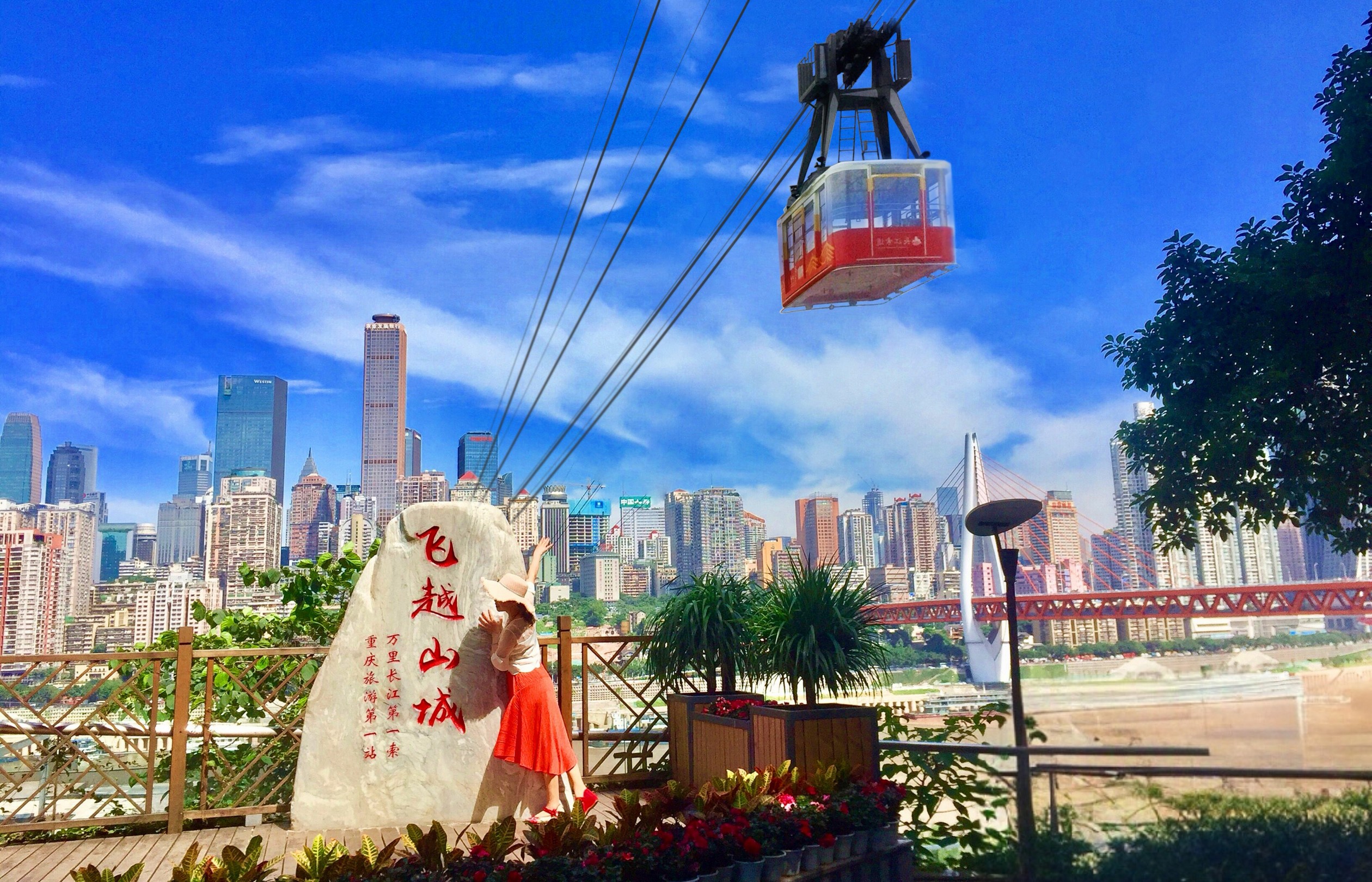
Chongqing Yangtze River Cableway South Station
Chongqing Public Transport Yangtze River Cableway is a bus line that belongs to the cableway company.
-
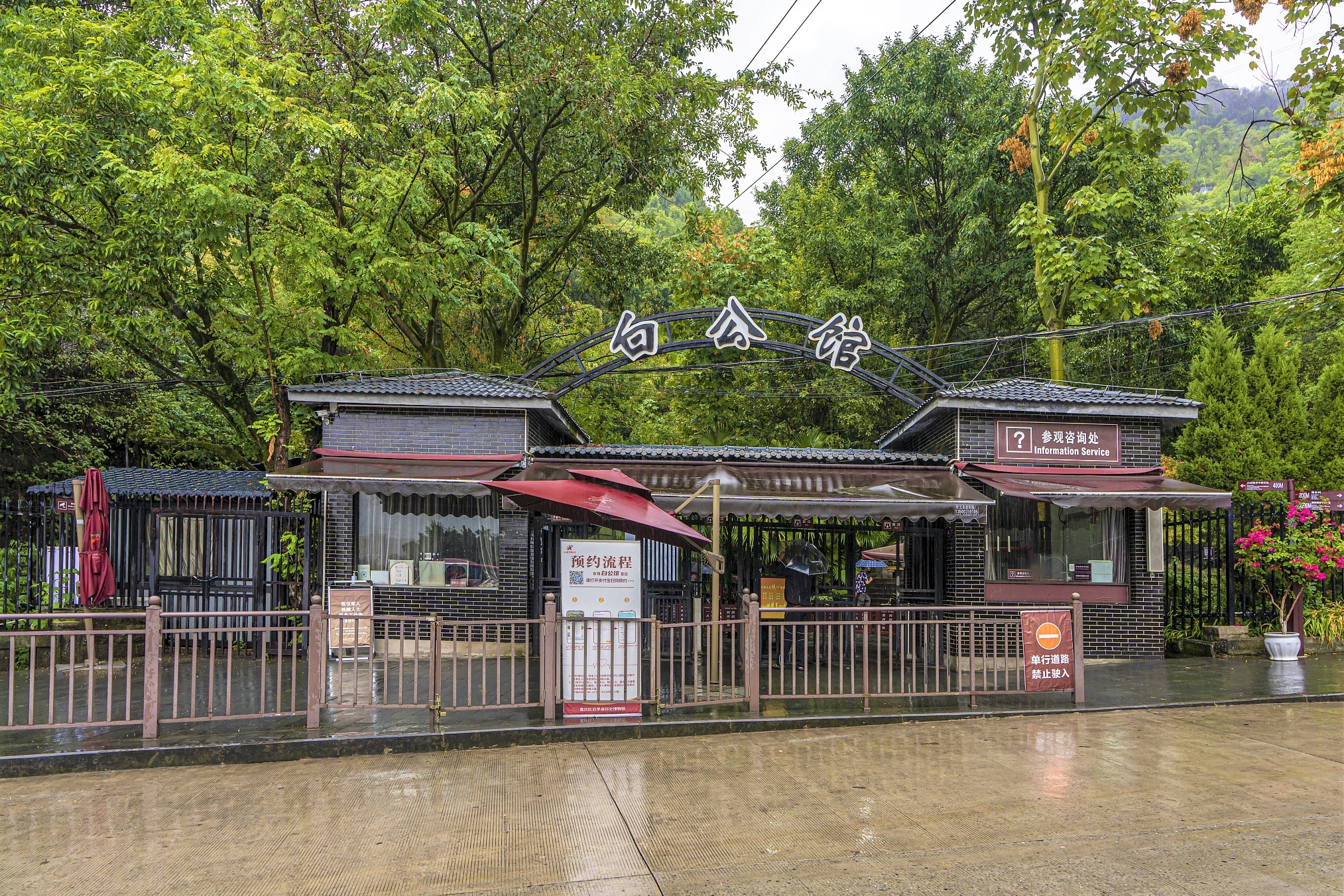
Baigongguan
White House Hotel, nestled amid Ge Le Mountain in Chongqing‘s Shapingba District, was originally a villa owned by warlord Bai Ju, and now it is a momument of revolution where one reminisce and lament the revolutory martyrs. After the SIno-Japanese War, the place served as a place of captivity where famous patriots and communist party members were imprisoned, including Sister Jiang and “Xiao Luobotou” (Little Radish Head); this is also the original setting of the novel Red Crag.