
The Haigeng Dam is right next to Dianchi Lake, and you can see the Dianchi Lake at the foot of the Xishan Mountain, and the scenery is very good. It is a good choice to come here to watch seagulls. The season of watching seagulls is very spectacular. There are many seagulls. You can spend two yuan to buy a package of bird food. When you stretch out your hand, the seagulls will come down to eat, which is very interesting. The dam is very wide and long, and parking is also very convenient. Many newcomers come here to take pictures. The wind on the dam is very strong, and the wind blowing from Dianchi Lake is very comfortable in summer. Remember to wear more clothes in winter, it is colder.
归档: Attractions
-
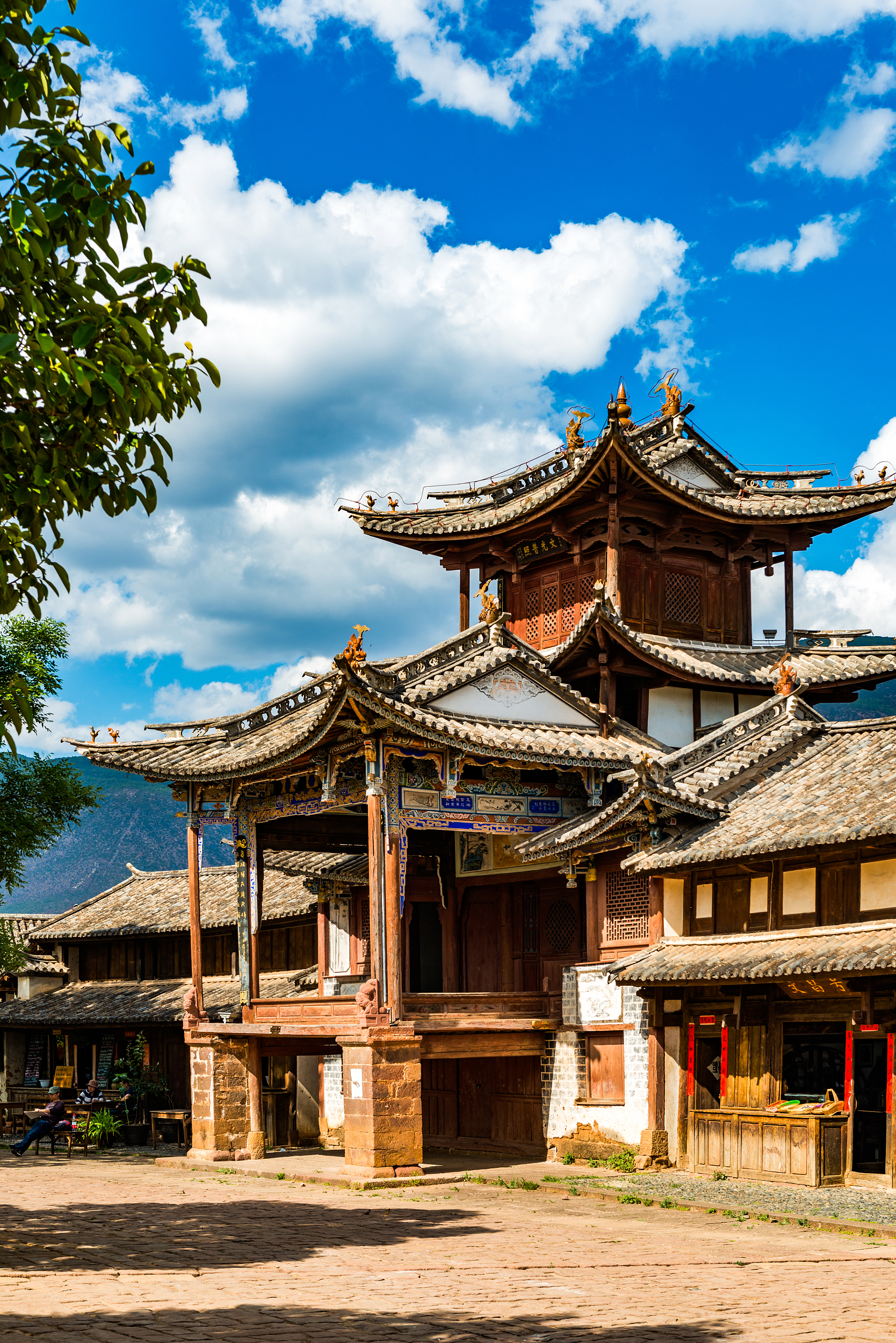
Ancient Town Shaxi
Ancient Town Shaxi was once an important stop along the Ancient Tea Horse Road. As the route declined, it gradually faded into obscurity. However, this very isolation has preserved its tranquil, rustic charm, allowing it to retain the authentic atmosphere of its tea-trading past. Locals in northwest Yunnan say: “Visit Dali, pass through Lijiang, but don’t miss Ancient Town Shaxi.” Tour Route Crossing the ancient stone bridge over the Heihui River—Yujin Bridge—and walking about 100 meters along the old trail, you’ll reach the East Village Gate, locally known as “Jiezi Gate.” Built with rammed earth, this narrow gate allows only two horses to pass simultaneously, preserving its original appearance from the Tea Horse Road era. Beyond it lies Sideng Street, the sole surviving market along the Tea Horse Road and the heart of Ancient Town Shaxi. The street is paved with red sandstone slabs, flanked by an ancient opera stage facing west on the east side and Xingjiao Temple facing east on the west side, creating a symmetrical layout that divides the square into northern and southern halves. Surrounding the square are shops and horse inns, with three ancient alleyways extending in all directions of the town. Ancient Town ShaxiHighlights: Xingjiao Temple Xingjiao Temple is a major highlight of Ancient Town Shaxi. As one of the few remaining Bai ethnic “Atoli” Buddhist temples from the Ming Dynasty in China, its exquisite murals and carvings are worth savoring. Visitors can enter for free by registering their ID cards. During ethnic festivals, Bai people dressed in traditional costumes gather at Sifang Street, playing the dragon-headed sanxian and performing songs and dances on the stage. The bustling square fills with crowds while devotees worship at the temple, creating a joyous atmosphere. The liveliest celebration is the annual Prince Festival on the eighth day of the second lunar month. Accommodation and dining Ancient Town Shaxi is quite small and can be explored in just 1–2 hrs of casual strolling. However, if time allows, we recommend staying overnight to leisurely wander along the old streets and savor the tranquil charm that Dali Ancient Town lacks. The town offers affordable accommodations like youth hostels and various inns. You can grab meals at roadside eateries or try local specialties such as yacon, matsutake mushrooms, and milk cakes.
-
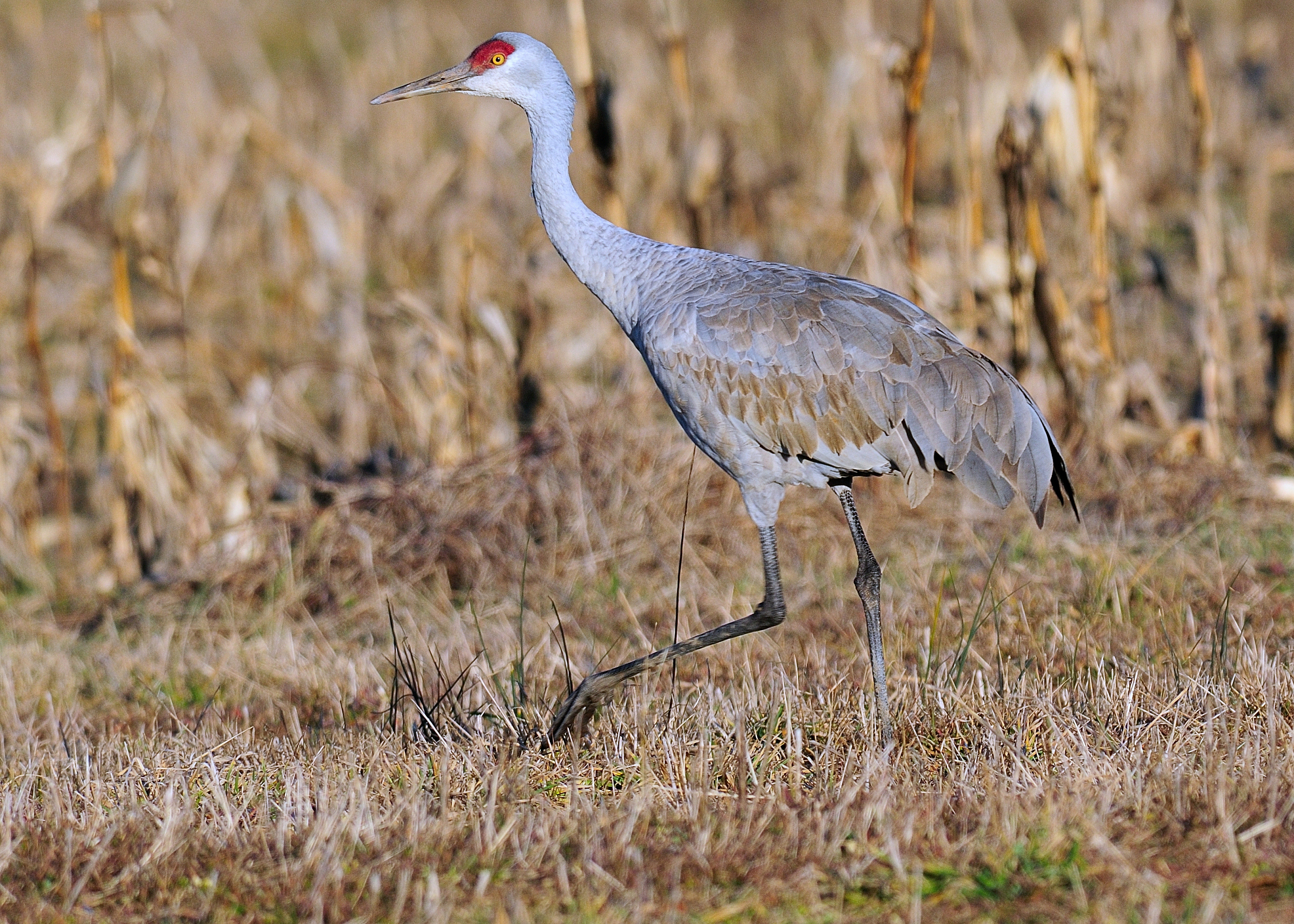
Rhino Land of The Pu’Er National Park
The Xiniu Plains Scenic Area of Pu’er National Park is located in the north-central part of Pu’er National Park. Located in the transition zone between tropical and subtropical regions, the climate is controlled by Indian Ocean monsoons. The southern subtropical climate has clear characteristics of dry and wet seasons distinct throughout the year and lead to a pleasant climate. The Xiniu Plains Scenic Area in Pu’er National Park focuses on Yunnan’s rich animal resources. Visitors can come into close contact with a variety of wild animals and plants in a way that fully immerses modern people into nature, satisfying any desire to commune with it.
-
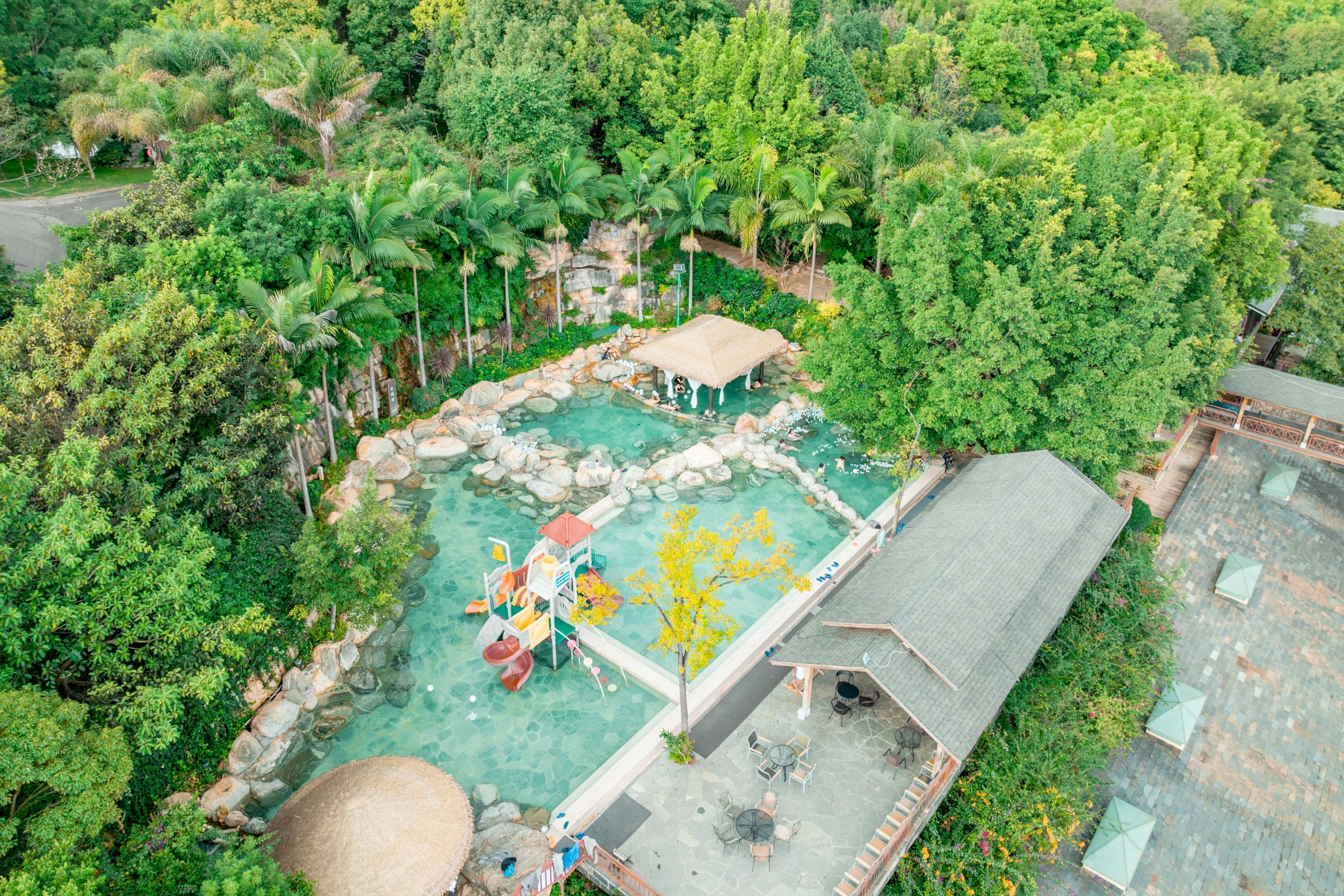
Huquan Banshan Hot Springs
Huquan Banshan Hot Springs is located in the western area of Mile County, nestled amidst picturesque mountains that blend natural tranquility with comfortable indulgence. The hot spring water originates from deep underground, rich in various minerals, with clear quality and consistently ideal temperatures year-round. The 12 unique soaking pools here each have poetic names like “Ascend to Waterside,” “Flying Pavilion with Crimson Clouds,” “Jade Dew in Lakeside Forest,” “Gazing at Soaring Clouds,” and “Soothing Sleep Spring Melody.” Surrounded by lush vegetation, the fresh air and serene environment create a profound sense of peace and harmony. The hot spring area’s design seamlessly integrates with the natural landscape, making visitors feel immersed in a living mountain-and-water painting. It’s not only an excellent place to relieve stress and rejuvenate but also an ideal choice for connecting with nature and enjoying quiet moments. Whether at dawn or dusk, Huquan Banshan Hot Springs offers a unique experience of becoming one with nature.
-
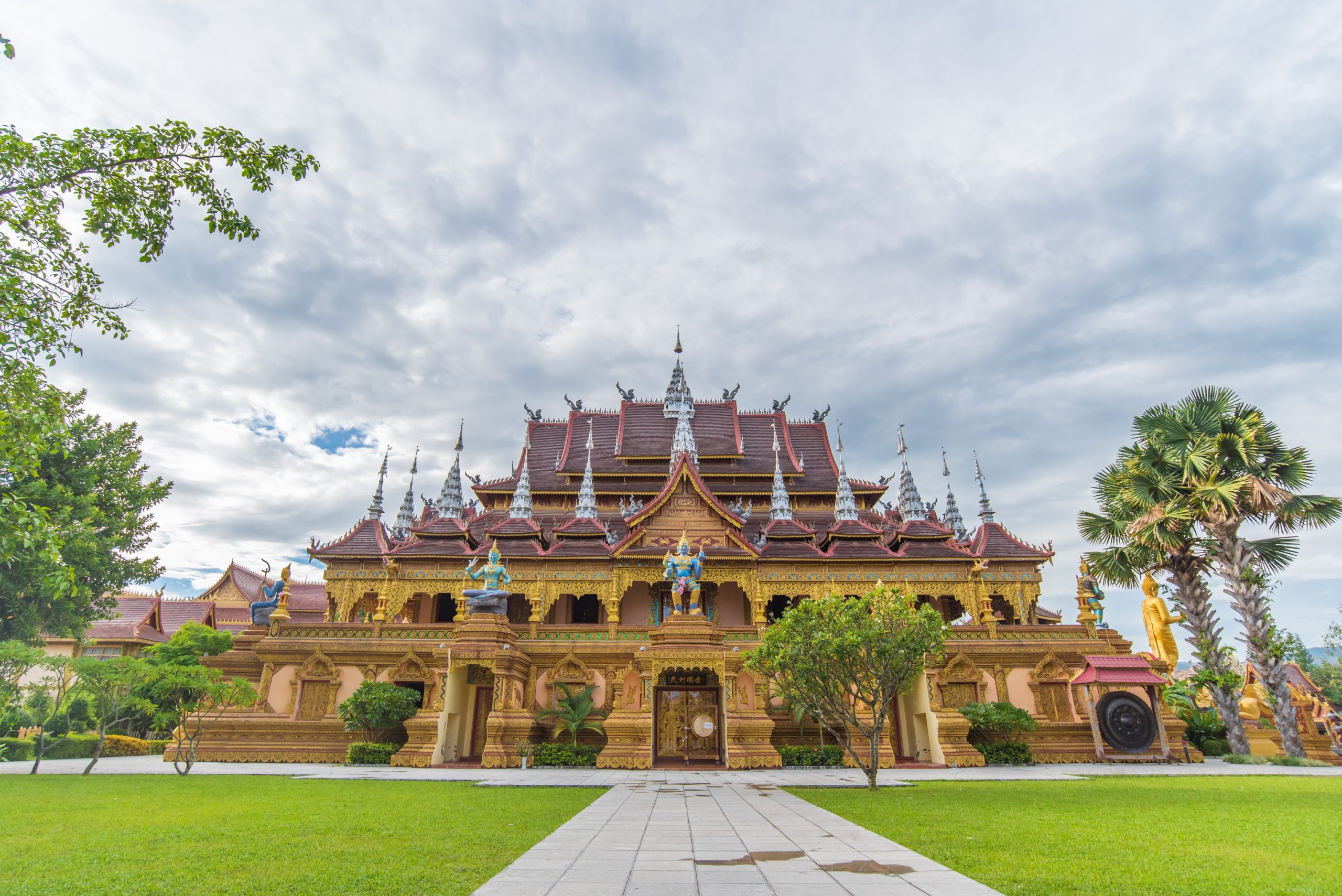
Xishuangbanna General Buddhist Temple
The Xishuangbanna General Buddhist Temple is located near Manting Park in Jinghong Town, serving as the spiritual center for Buddhist devotees in Xishuangbanna, with a continuous stream of worshippers visiting. The temple’s grand and majestic architecture features unique details in every corner, with exquisitely carved beams and pillars that offer visual delight. The Xishuangbanna General Buddhist Temple is connected to the Manting Imperial Garden, and visitors typically enter the temple through the garden. Visitors can first admire the magnificent exterior architecture, and if time permits, step inside to experience Buddhist rituals, quietly meditate, and listen to the sounds of nature. Known as “Waba Jie” in the Dai language, the Xishuangbanna General Buddhist Temple has long been the central pilgrimage site for local Buddhists. Before liberation, it was a sacred place where the region’s highest rulers and chieftains came to pray, and it remains one of the most prestigious Buddhist temples in Xishuangbanna.
-
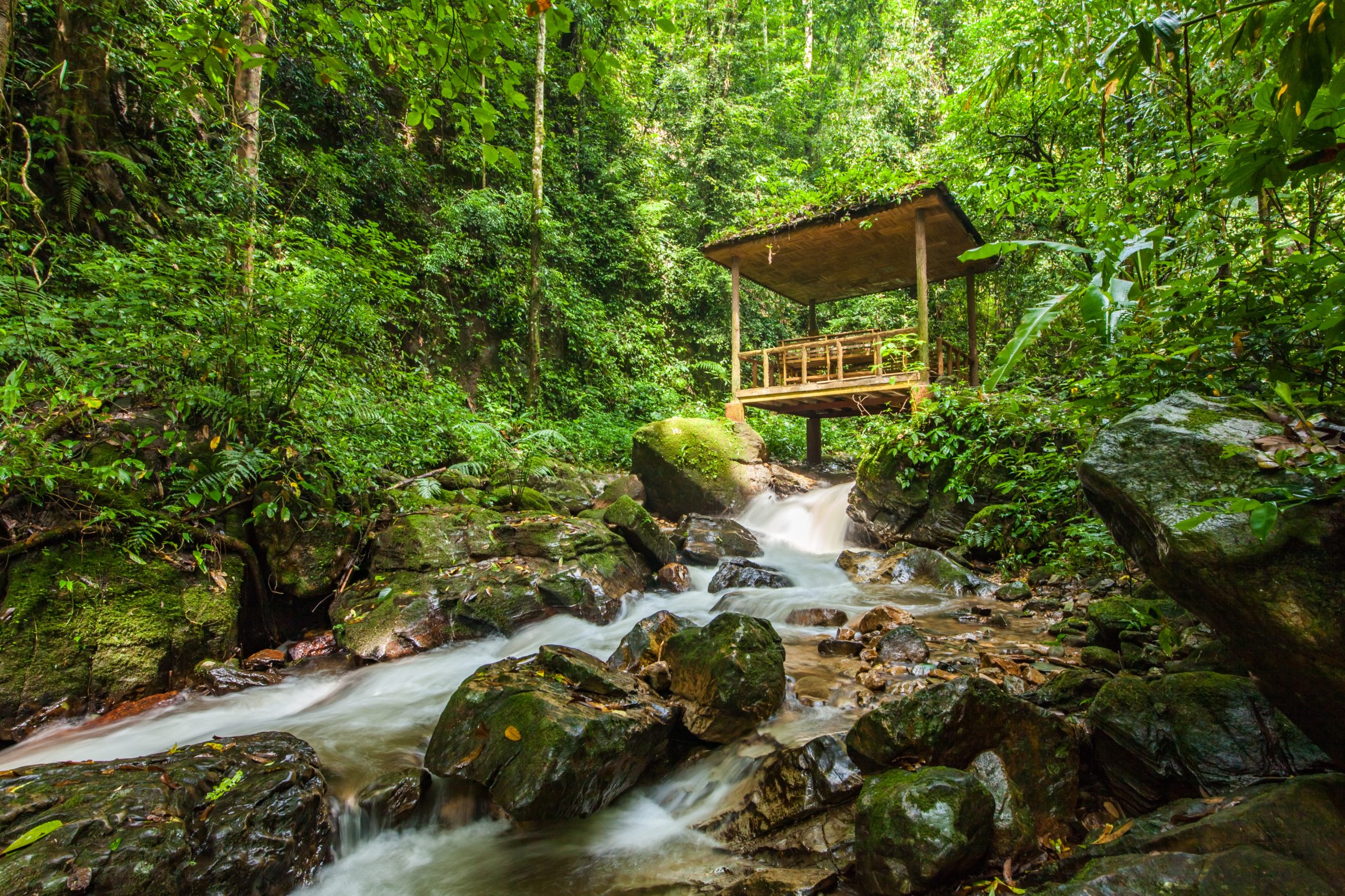
Moli Tropical Rainforest Scenic Area
The Moli Tropical Rainforest Scenic Area is located in northeastern Ruili City. In the local Dai language, “Moli” means “beautiful waterfall.” The Moli Rainforest is famous for its rich natural landscape and being a Buddhist holy place. Near the hot spring pool, there is a gold-colored Dai-style pagoda, or stupa, that houses a meteorite. There is a giant “footprint” embedded at an incline in the ground at the rock wall, with the toes of the foot clearly visible. In Southeast Asian Buddhism, this is a very famous footprint of the Buddha. Not far from the towering pagoda stands the Big Buddha Temple. At each and every Buddhist festival, there is a constant flow of pilgrims coming here to pray for blessings.
-
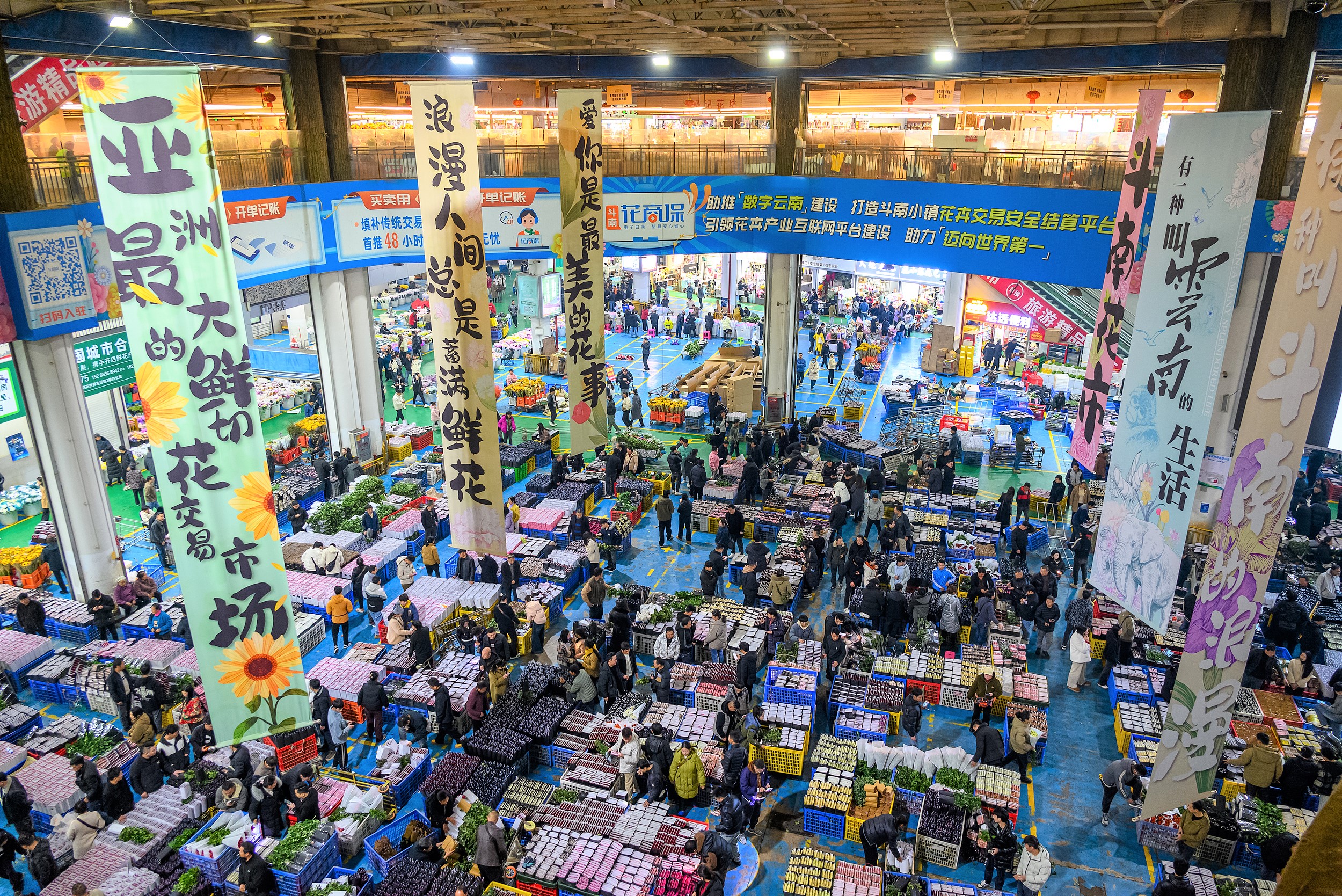
Dounan Flower Fair
Dounan Flower Market is located in Chenggong District, Kunming City, where the tide of flowers is like a sea and the fragrance is overflowing. Yunnan is known as the kingdom of animals and plants. It is like spring all year round and has a pleasant climate. It supplies 70-80% of the country’s flowers. Everyone who travels to Yunnan hopes to experience the Dounan Flower Market at 25 degrees north latitude. The fragrance of China’s flower capital. The first floor of Dounan Flower Market is dried fresh flowers, and the second floor is succulents. The flowers here can be called the price of cabbage. There are ping-pong chrysanthemums, lilies, sunflowers, emperor flowers, violets, baby’s breath and other varieties.
-

Colorful Yunnan Ancient Dian Resort
The Colorful Yunnan Ancient City is found in Jincheng Town, Jinning County, Kunming City. It faces Dianchi Lake with Liangwang Mountain at back to demonstrate Yunnan’s multi-ethnic culture and ancient history and culture. With a clear blue sky and vibrant greenery, you can taste the fresh air and enjoy the beautiful view. You can also take a boat trip down the river, which is a great place for recreation.
-
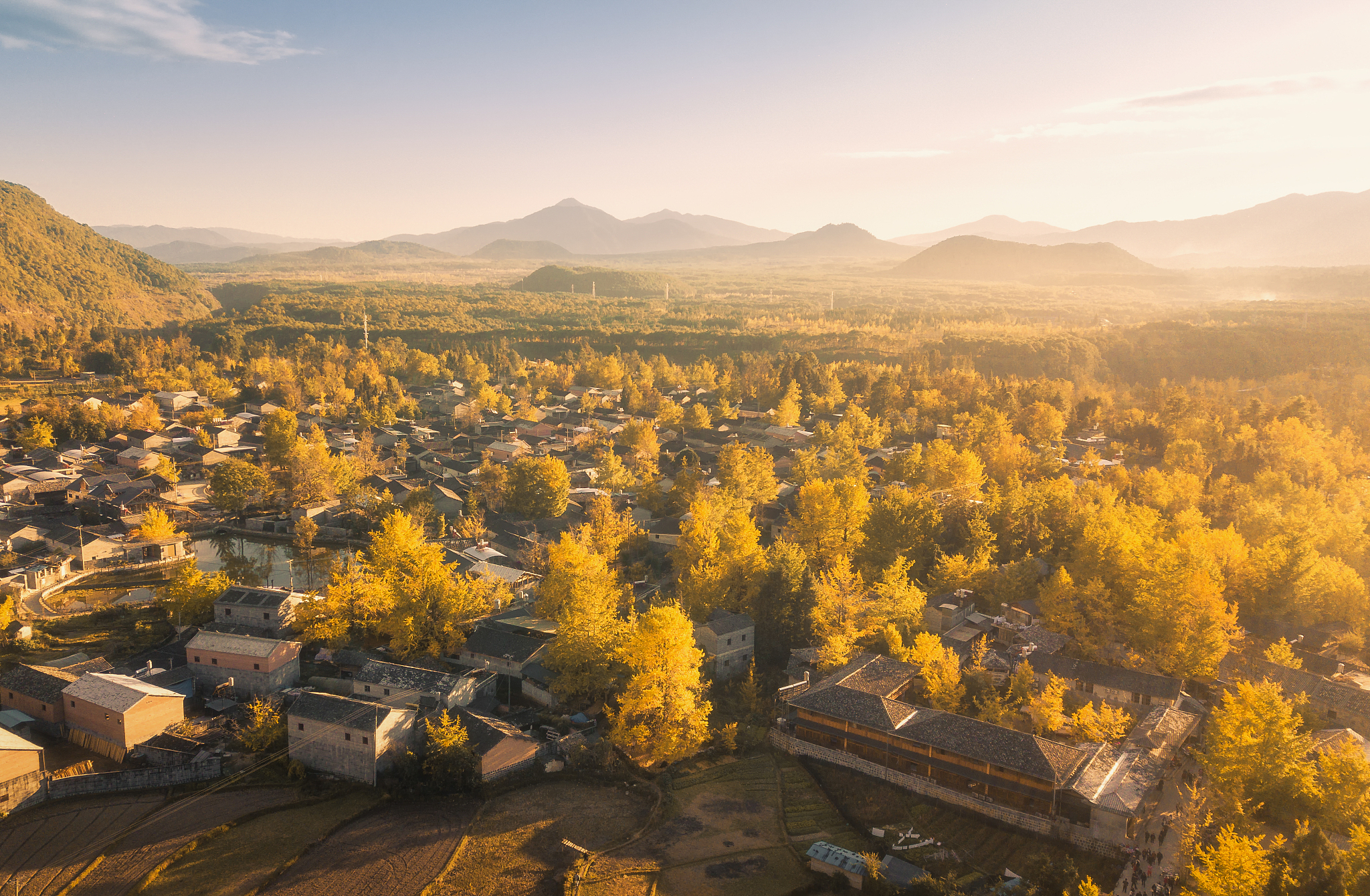
Yinxing Village
Gudong Town is located in the northern part of Tengchong County and serves as the economic, cultural, and commercial center of northern Tengchong, earning it the reputation as the “Key Town of Northern Tengchong.” A 40 km drive from Tengchong County will take you to Yinxing Village in Gudong Town. With the rise of self-drive tourism, Jiangdong Yinxing Village is poised to become another new attraction in Tengchong. Mid-November to early December is the best viewing period for the ginkgo trees.The ginkgo trees in Jiangdong Village are not only ancient and naturally clustered, but also uniquely integrated with the village in a “village within the forest, forest within the village” harmony. Local houses are scattered around open spaces, surrounded by ginkgo trees of all sizes in front and behind, creating a scene of “golden carpets” when visiting this ancient ginkgo village. In recent years, villagers have continued cultivating young ginkgo trees, totaling about 33,000 across over 1,000 acres—likely one of Yunnan’s largest, most concentrated, and oldest ginkgo forests discovered to date. These ancient trees stand quietly majestic, hidden among mountain ranges and revealed through the village’s rustic charm.
-
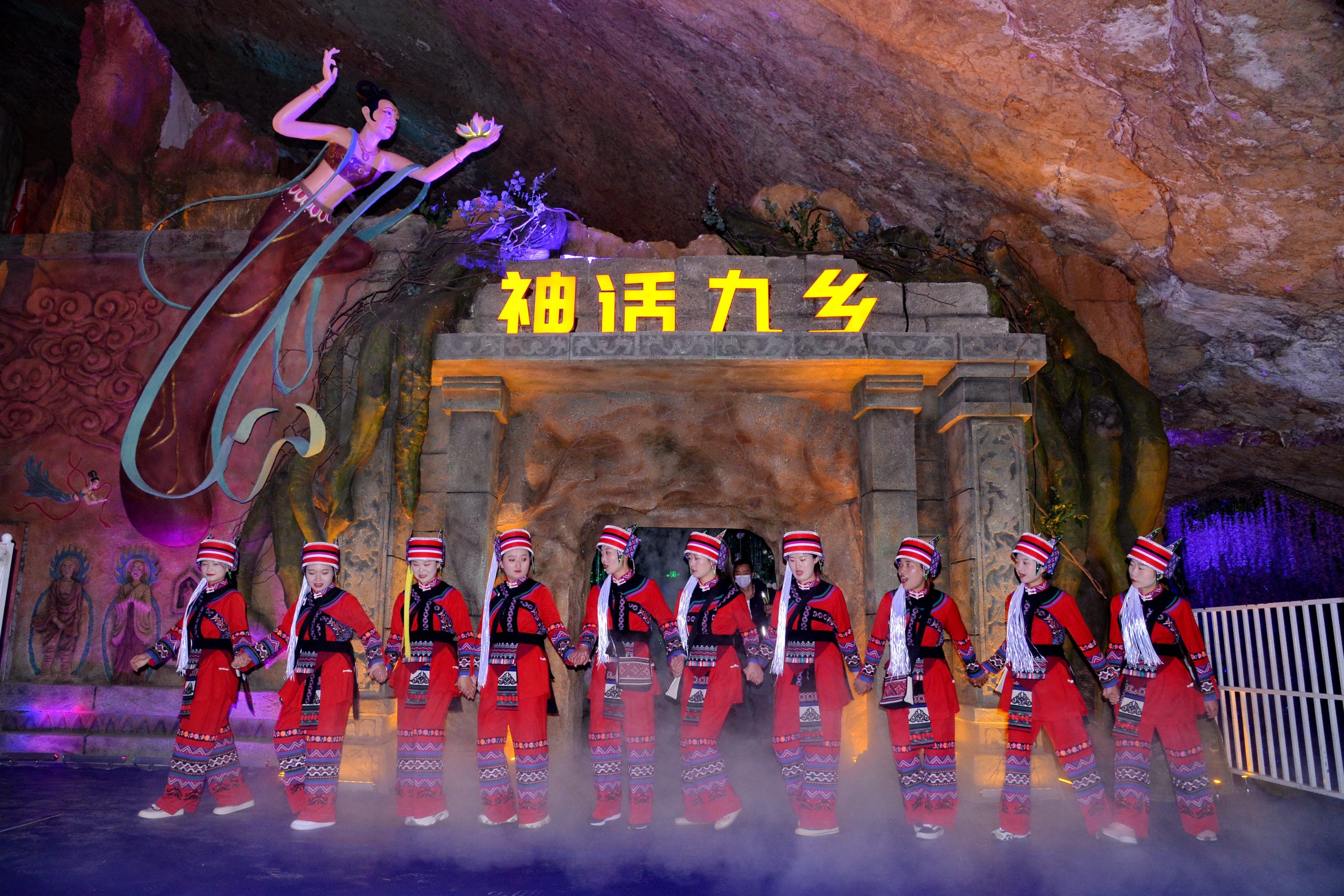
Jiuxiang Scenic Area
Jiuxiang is located at Yiliang County in Yunnan Province; and though together with the renowned Stone Forest it is a vertical landscape of the karstic topography, the karst caves there are of its most characteristic feature. Numbering over a hundred in total, the caves in Jiuxiang are huge in scale and large in quantities; hailed as a “Museum of Karst Caves”, it is a must-see tourist attraction outside of Kunming. The main tourism sites include Yincuixia (the Valley of Shadowy Greenery), Jinghunxia (the Valley of Freightend Soul), Xiongshiting (the Lion Hall), Cixiong Feipu (the Waterfall of Androgyny), Shentian (the Heavenly Field), etc.