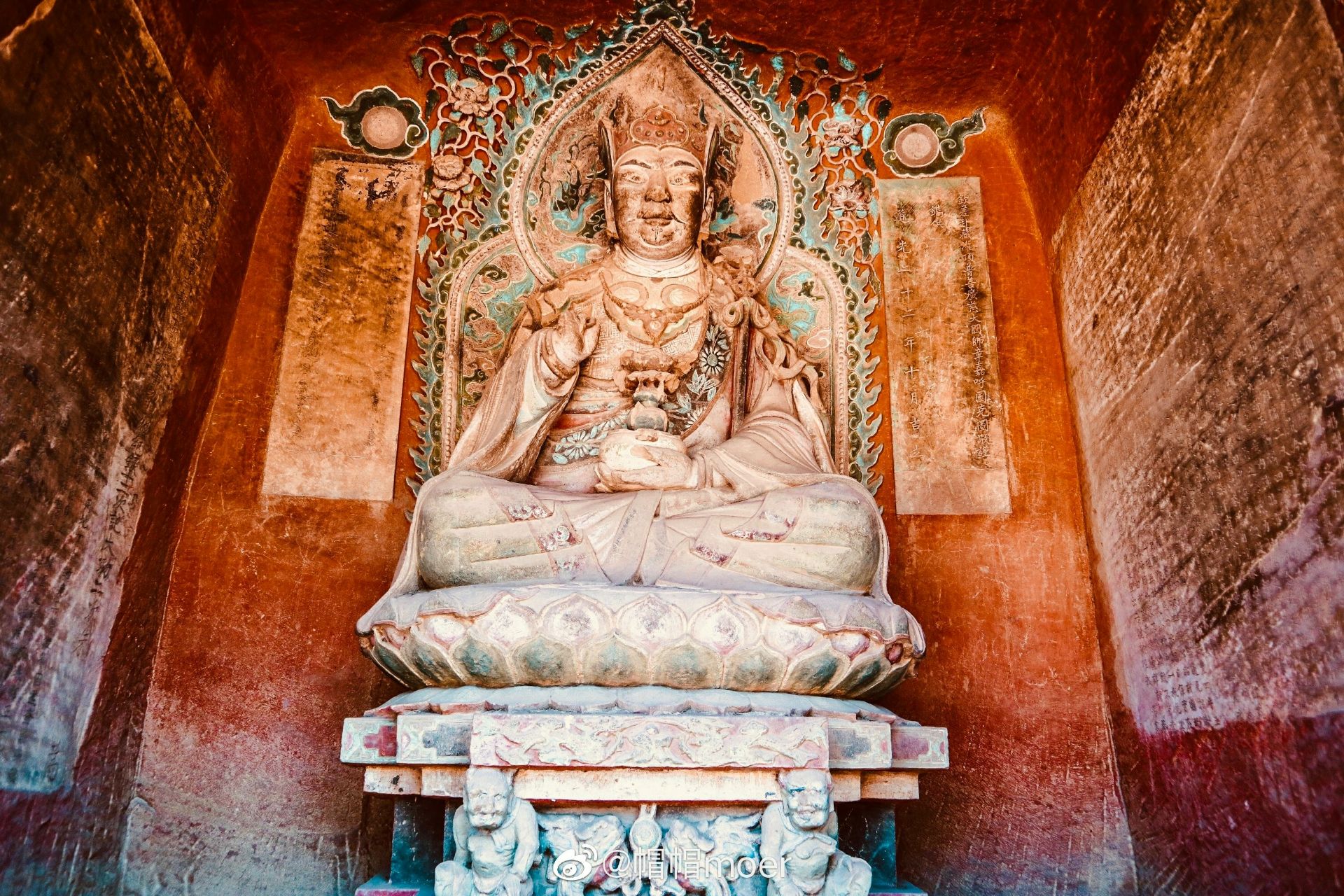
The Qianfo Cliff is located on the east bank of the Jialing River in the northern part of Sichuan Province’s Guangyuan City. Directly across the river from the Huangze Temple, the entire cliff is centered on the Dayun Cave and is divided into northern and southern parts. The scenic area has many caves and large statues to be discovered. It is an amazing place that showcases the exquisite Buddha carving techniques that were used in ancient times. The scenic area’s stone carvings are located on the banks of the Jialing River. There are innumerable Buddha statues here beyond counting, a sight that is entrancing and intoxicating.
归档: Attractions
-
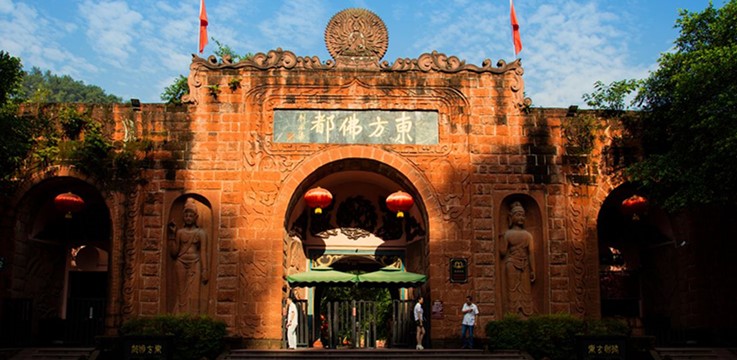
Oriental Buddha Capital
Situated between the peaks of the scenic area of Leshan Giant Buddha, Oriental Buddha is an antique stone Buddha theme park. The site was built in May 1994, integrating religious art, carving art, and garden art. It uses natural mountain extensions to form spectacular Buddhist scroll promenades. If the material is carved in stone or bronze, it fully embodies the styles of Chinese Buddhism and Southeast Asian Buddhist art. It is magnificent and uniquely spectacular.
-
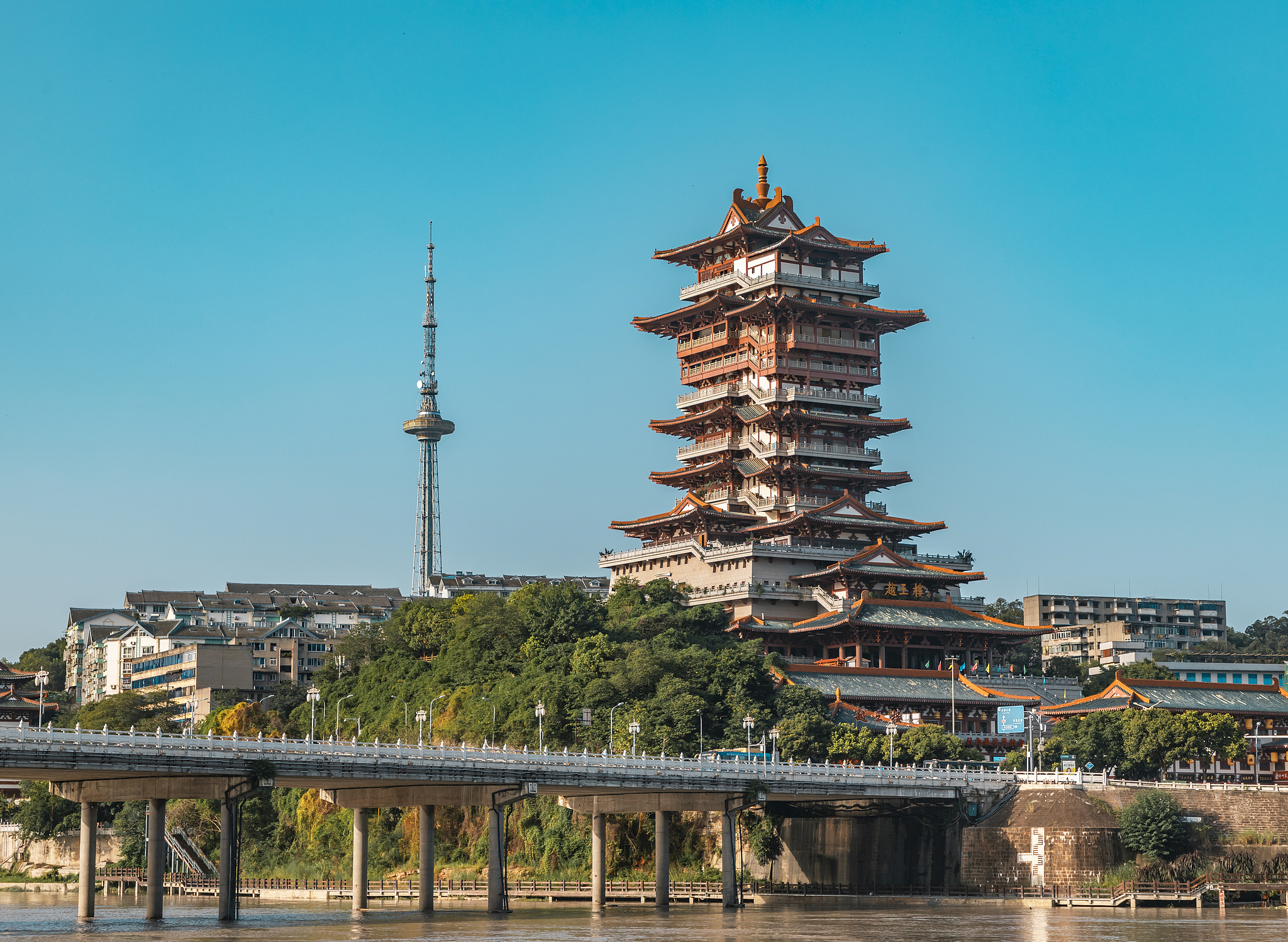
Yuewang Tower
The Yuewang Tower was built by the Emperor Gaozong of the Tang Dynasty. It is also known as the Yellow Crane Tower, Tengwang Pavilion, and Yueyang Tower. Li Baishen wrote “The Night’s Monastery” and Du Fu’s “Vietnam House Song” was created here. Yuewang Tower was damaged several times. The rebuilt Yuewang Tower is still located in the original site of Guishan.
-
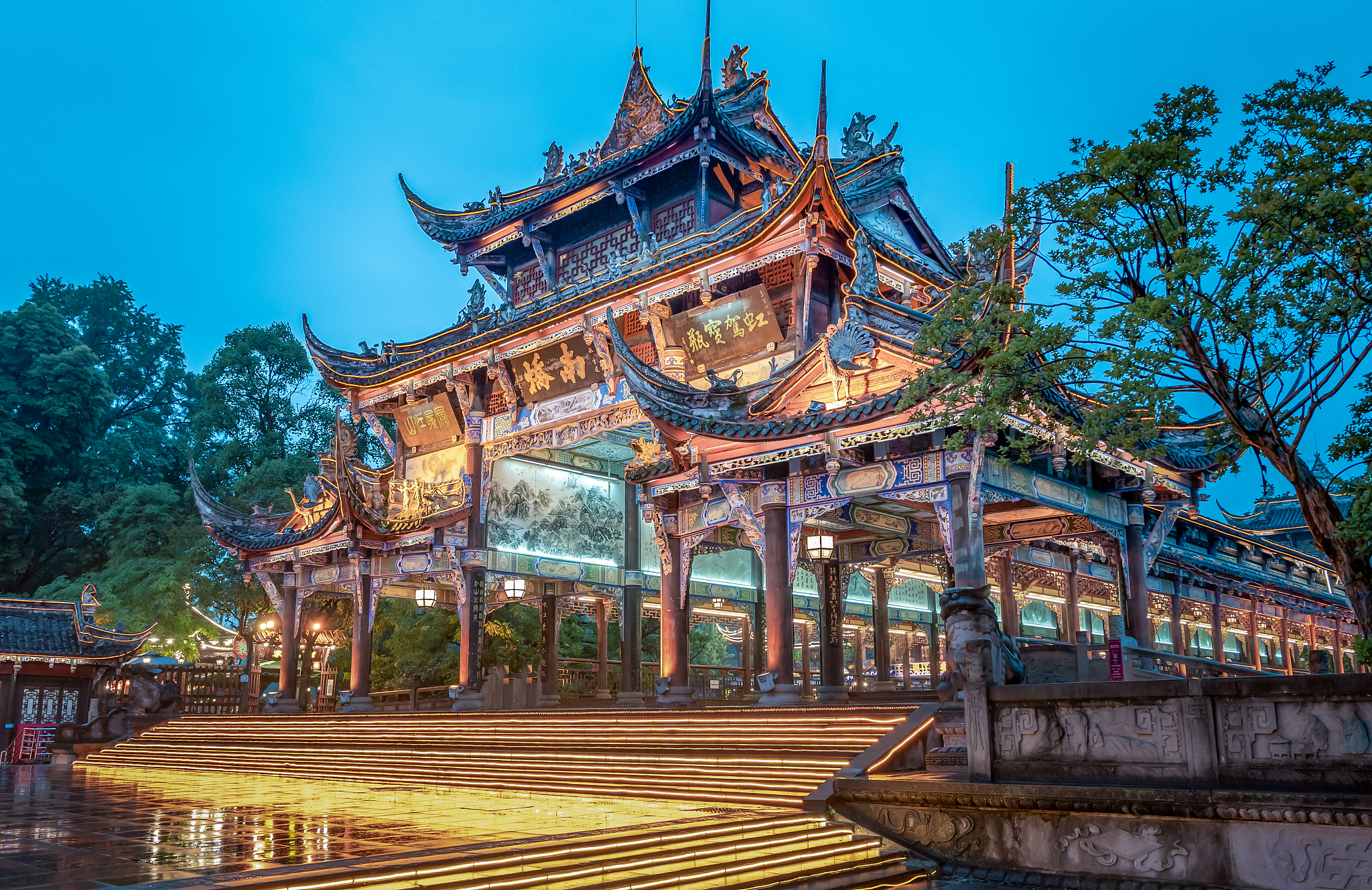
South Bridge
The South Bridge is an antique covered bridge. The ceiling of the covered bridge has a painted ceiling and an antique ceiling with a roll shed. All the wood carvings are painted with gold and painted. There is a lively food street next to the covered bridge, where you can eat a variety of local delicacies. The covered bridge at night is particularly beautiful. It is very pleasant to blow the river wind, eat snacks and enjoy the night view. The South Bridge is located on the Minjiang Neijiang River under the Baopingkou of Dujiangyan. It was originally called “Puji Bridge” and was damaged many times. The bridge head has three broad-faced, archway-style triple eaves bridge entrance hall type, the roof is a tube tile roof, clay sculptures of various ridges, melon horns, beasts, figures, etc. The bridge head has wood carvings, hanging claws, faucets, river-crossing flower boards, wood carvings hanging down, etc.
-
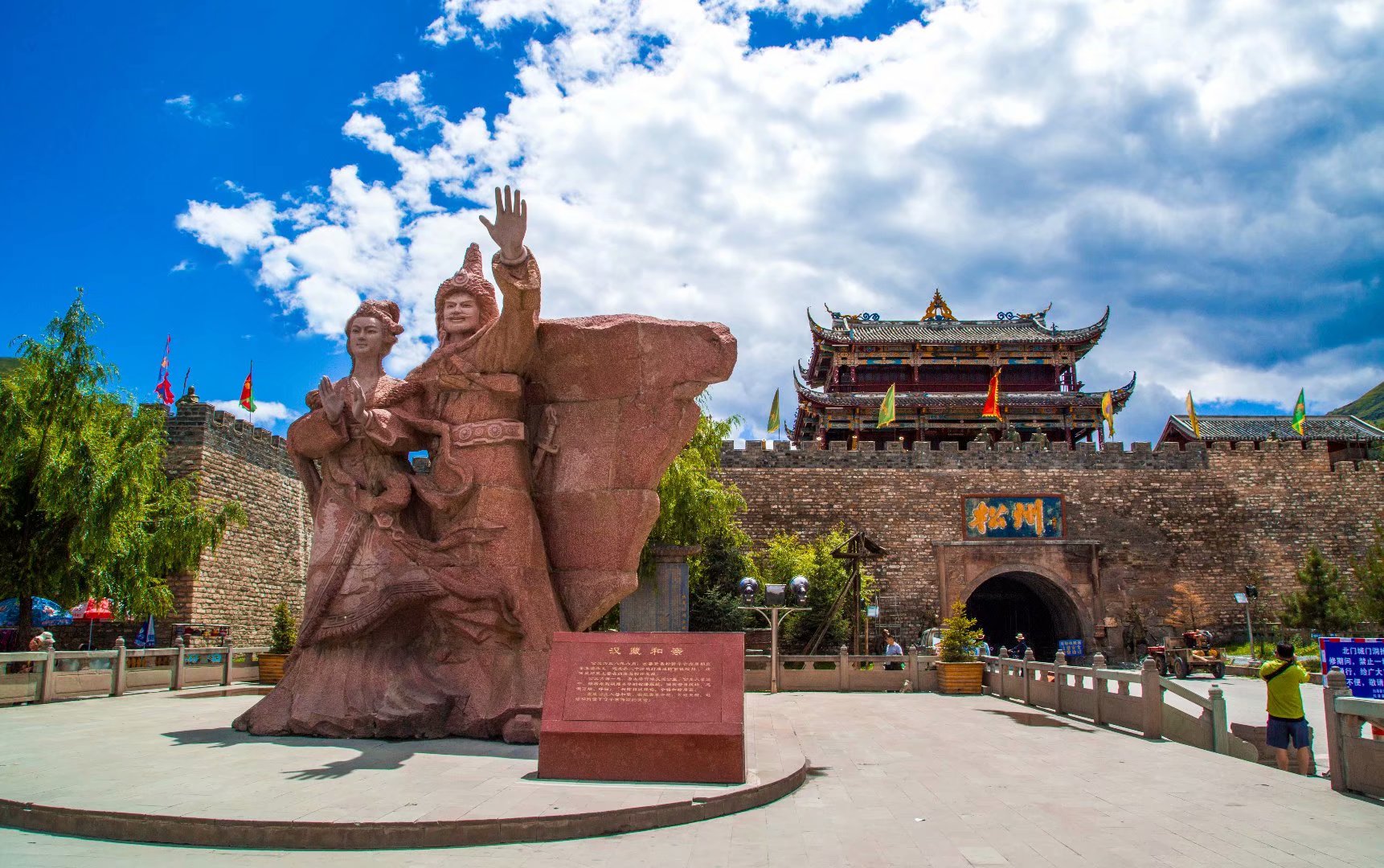
Songpan Ancient City
The ancient city of Songpan, known as Songzhou in ancient times, is located in Jin’an Town, Songpan County, northeast of Aba Prefecture. It was built in the Hongwu period of the Ming Dynasty. An important station of mutual market”. The ancient city of Songpan is ancient and quiet. You can walk or take a rickshaw to walk through the ancient buildings, looking for the traces of time left in this ancient city on the plateau, and feeling the thickness and vicissitudes of the ancient city. You can also climb up the ancient city tower and enjoy the magnificent scenery around you. The ancient city of Songpan is divided into inner and outer cities, and there is a gate between the two cities. The city wall has a total length of 6.2 kilometers and a height of 12.5 meters. It is all made of green bricks and is firm and solid. Its thickness reaches 12 meters, which can be called the largest in the country. There are 7 gates in the ancient city, “Jinyang Gate” in the east, “Yanxun Gate” in the south, “Weiyuan Gate” in the west, “Zhenqiang Gate” in the north, and the south gate of the outer city is called “Buqing Gate” (still known today). There is a complete Wengcheng Gate), there is a Xiaoximen at the foot of the southwest mountain, and there is a “Linjiang Gate” near the river in the outer city. There was a double-eaved Xieshan-style tower built on the city gate in the early days, but it is a pity that it has been damaged now. Except for the four remaining city gates, the other city walls were rebuilt in 2004. On the stone wall next to Linjiang Gate, there is also engraved a notice about reducing or exempting harsh taxes in the 16th year of Chonghua (1644). The small bridges and flowing water in the ancient city have a unique landscape. The turbulent Minjiang River passes through the ancient city, from east to west, passes through the ancient city street, turns south, and exits through the city from the south gate. There are two famous bridges on the river, Gusong Bridge and Yingyue Bridge, both of which were damaged in history and rebuilt in 1986. The ancient city of Songpan is also an important memorial site. Two important meetings were held here during the Long March. There is still a Red Army Long March Monument Garden on the top of Yuanbao Mountain in Chuanzhusi Town, Songpan County.
-
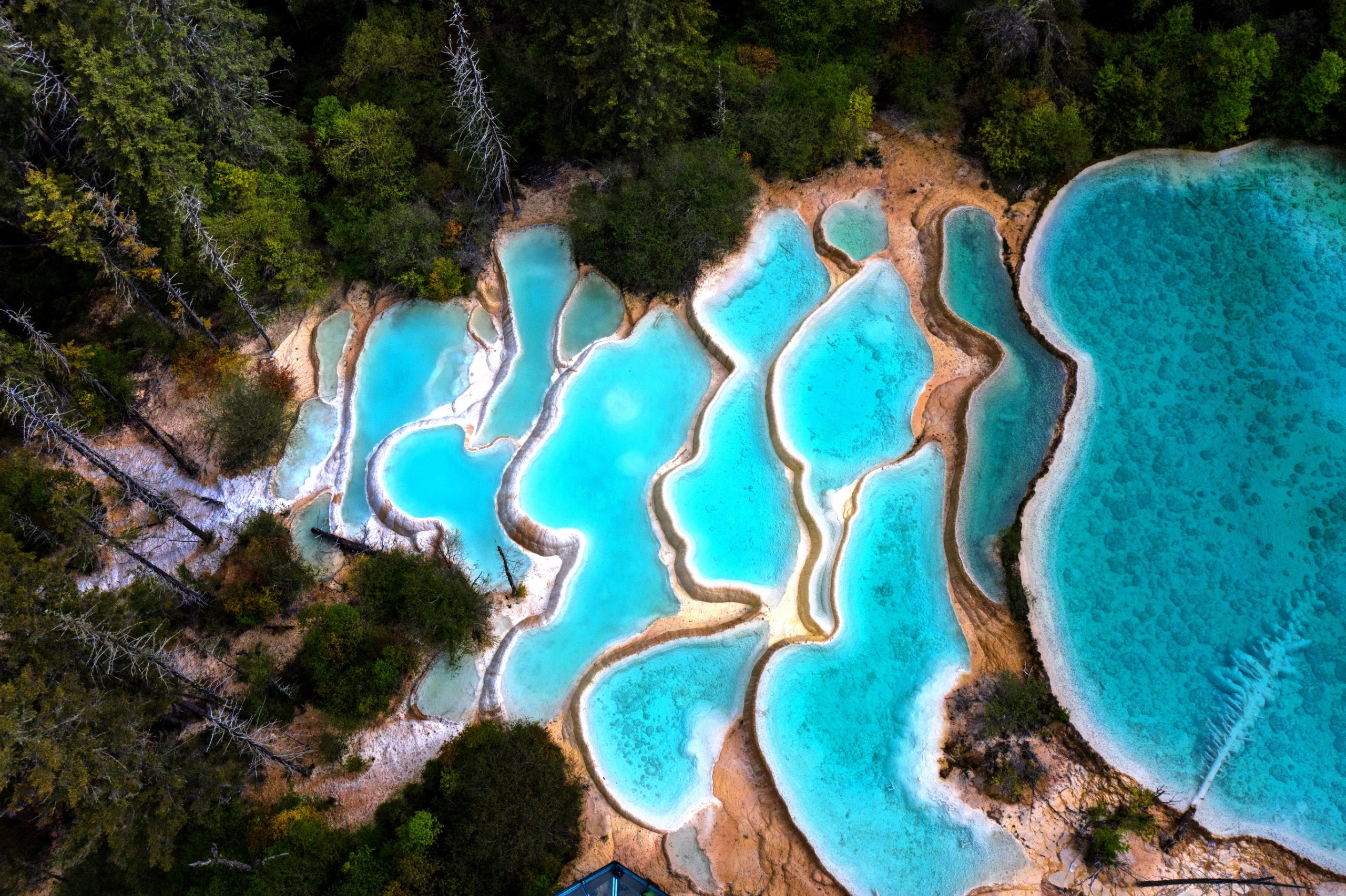
Shenxianchi Tourist Scenic Spot
In the Shenxianchi Scenic Area, you can see Alpine Haizi, a large area of calcified landscape and vast virgin forest. Shenxianchi is called “Nengen Sangcuo” in Tibetan, which means the place where fairies bathe. In the scenic area, there are lotus ponds, double dragon ponds, Qinglong sea, god frog sea, gold and silver beach and other scenic spots with their own charm. You can ride horses and raft in the scenic area. Compared with Jiuzhaigou and Huanglong Scenic Area, the altitude of Shenxianchi Scenic Area is only more than 2,000 meters, and the relative drop is only more than 300 meters. Tourists are more accessible, especially suitable for some tourists with strong altitude sickness.
-
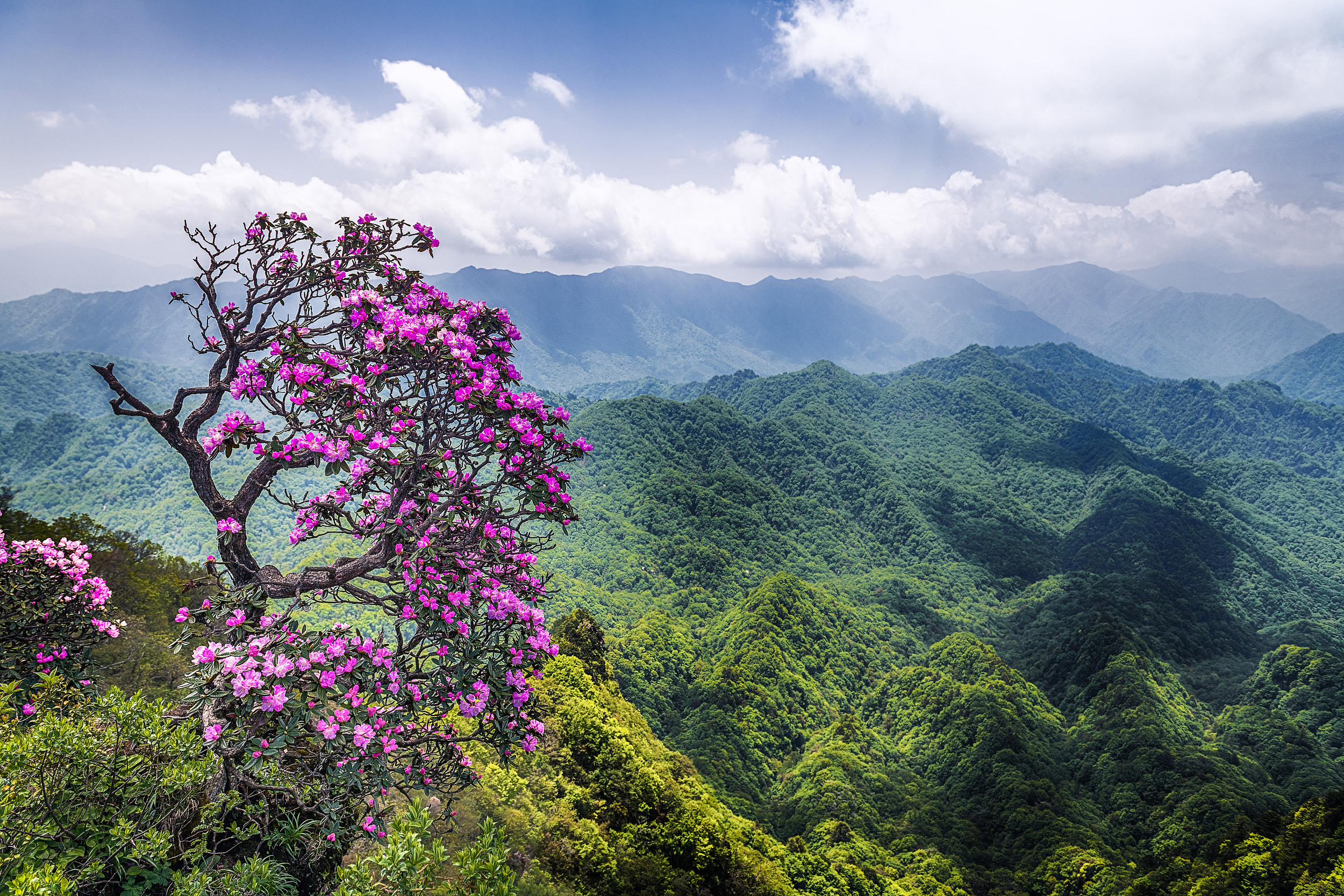
Micang Mountain National Forest Park
Micangshan National Forest Park is located in the north of Nanjiang County on the northeast edge of the Sichuan Basin, at the southern foot of Micangshan. The park consists of three scenic spots: Mouyang City, Shibayuetan Lake, and Wanzi Mountain. There are more than 80 scenic spots in total, including more than 70 natural landscapes and more than 10 cultural landscapes. The natural ecological environment of Micangshan National Forest Park is unique and strange, and the primitive charm still exists. There are dense forests in the park and its surrounding areas, more than 80% of which are natural forests. The forest sea is vast and magnificent. The forest in the park is rich in seasons and has high ornamental value. In spring, it is brilliant and gorgeous, and the flowering tree species include rhododendron, magnolia, gardenia, and winter jasmine. Among them, the most beautiful ones are rhododendrons, which are all over the mountains and plains, colorful. Autumn is also a good time to visit the park. The foliage trees include maple, maple, lilac, linden, birch, poplar, etc. The large area and rich colors are relatively rare in similar landscapes in China.
-
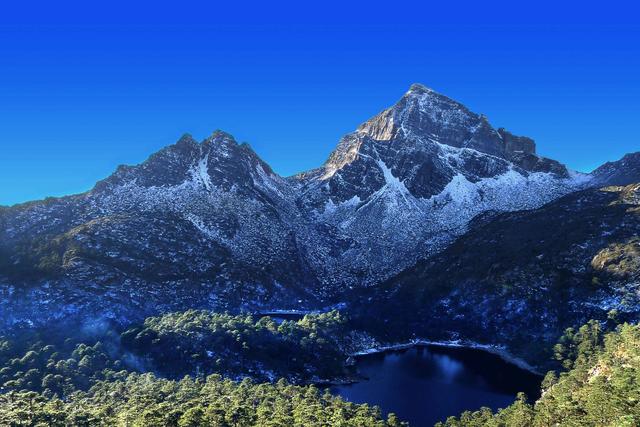
Luo Ji Mountain
Luoji Mountain is located 37 kilometers southeast of Xichang. The main peak rises 4,359 meters above sea level. Here, you will see many remnants of ancient glaciers like cirques (glacially eroded valleys), tarns, pyramidal peaks, and glacial grooves, as well as variously colored high mountain lakes. Beautiful scenery awaits you at “Water and Grass Lake,” “Swan Lake,” “Wild Duck Lake,” and “Hand-Holding Lake.” In springtime every year, the whole area explodes with the bright colors of beautiful wild rhododendrons in bloom.
-
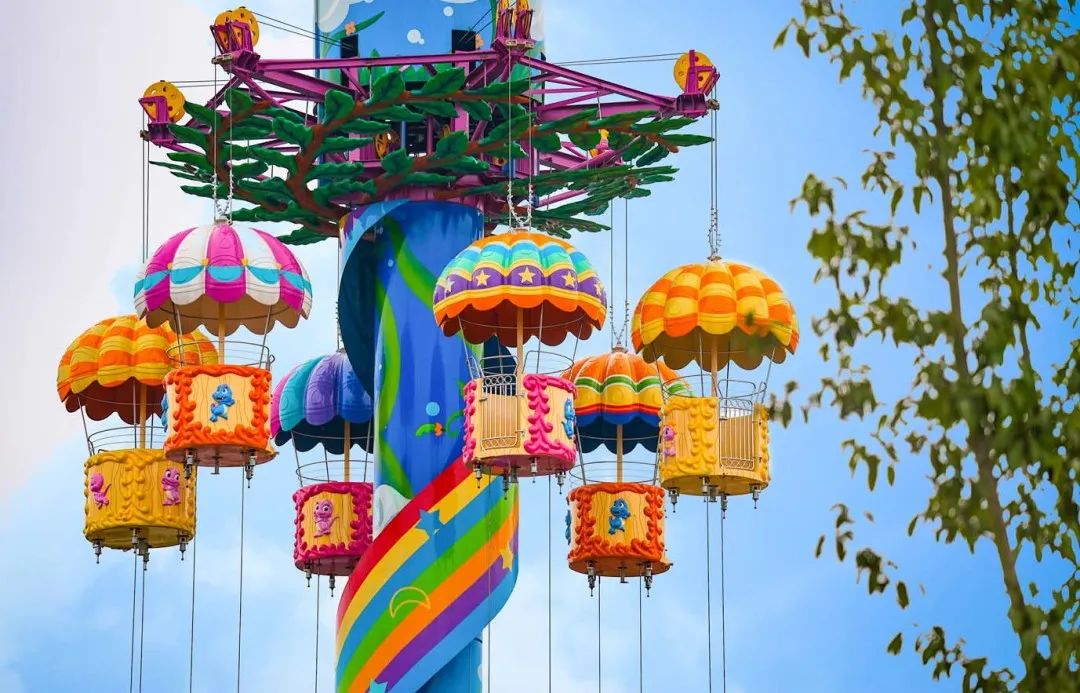
Fantawild Dino Kingdom
Hi-Tech Park Themed Around Dinosaurs and Ancient Culture.Fantawild Dino Kingdom is themed around dinosaurs and ancient Shu culture. Supported by Fantawild’s bold creativity, strong scientific prowess, and advanced technology such as AR, VR, spherical screens and huge screens, visitors can explore and fully immerse themselves in the interactive attractions available at this park. Guests can visit Volcano Valley or explore ancient jungles and marshes seeking excitement and thrills in this fantastic pre-historic world.
-
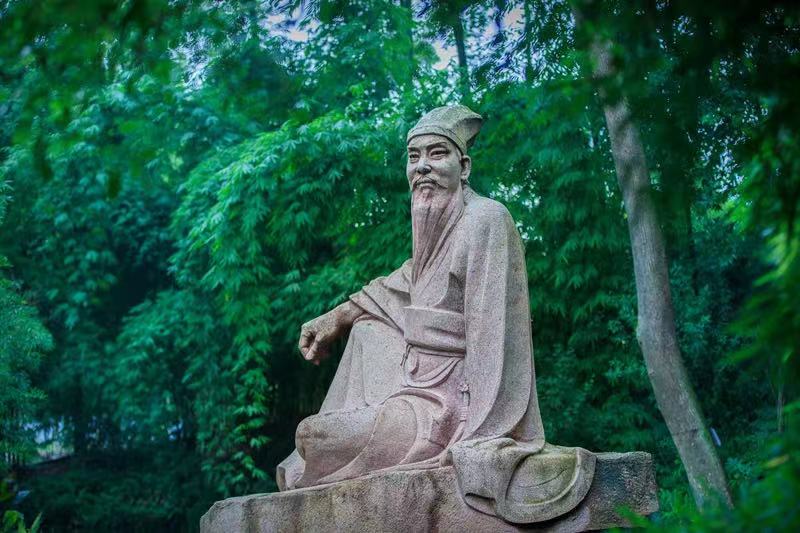
Meishan San Su Shrine Museum
The main complex of Three-Su Temple Museum includes the front gate, the front hall and the public hall. The main hall, Qixian Hall and Ruilian Pavilion were built during the reign of Emperor Kangxi in the Qing Dynasty. The structures built and reconditioned in modern times follow the pattern of the 4th year of the reign of Emperor Kangxi in the Qing Dynasty, making it a classic and complete ancient Sichuan structure complex of Qing Dynasty. The main hall has the statues of Su Xun, Su Shi and Su Zhe. A set of gardens are formed by Lvzhou Pavilion, Baoyue Pavilion and Yunyu Tower connecting by a pool in the east. The hall consists of a ternary quadrangle dwelling. Though the ternary quadrangle dwelling is arranged based on axis, its two sides follow a flexible and abundant pattern.