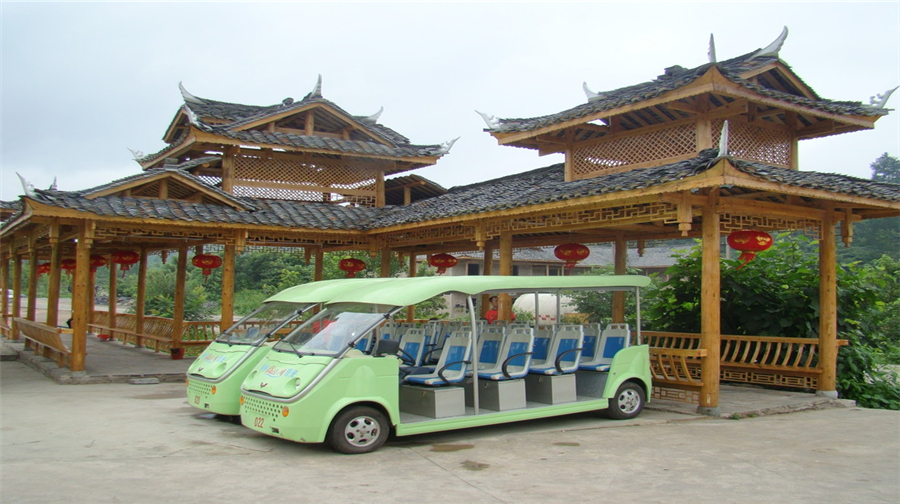
Gaoguohe Scenic Area is a canyon-type tourist attraction, consisting of virgin forest canyons, deep pools, dangerous beaches, waterfalls and torrents. Within the scenic area of 40 square kilometers, there are rich original ecological vegetation, towering ancient trees, exotic flowers and plants, and a wide variety. It is a large natural botanical garden. Thousand-year-old trees in the area, osmanthus magnolia in Ming and Qing Dynasties, and national first- and second-level protected tree species such as southern yew, podocarpus, metasequoia, ginkgo, etc. can be seen everywhere; The waterfall is beautiful, the combination of movement and stillness, full of wild interest; among the green mountains and green waters, there are natural murals, strange peaks and strange rocks from time to time. Among them, there are 3 national first-class scenic spots and more than 20 second-class scenic spots. Masculinity, danger, strangeness, seclusion, beauty and beauty intertwine with each other, and the fortune is magical, especially the unique Gu’er Waterfall, which is majestic, handsome and extraordinary. The annual average temperature is 12.5°C. It enjoys the reputation of “leisure resort, holiday paradise”. The unique charm of high river rafting is an exciting and refreshing project for high river tourism. The rafting section has a total length of 10 kilometers and a rafting drop of 200 meters, suitable for all ages. While enjoying the adventure and excitement, you can also experience the lingering and amazing canyon landscape on both sides of the river. It is a compound provincial-level scenic spot for sightseeing, vacation and summer vacation, and ancient exploration.
归档: Attractions
-
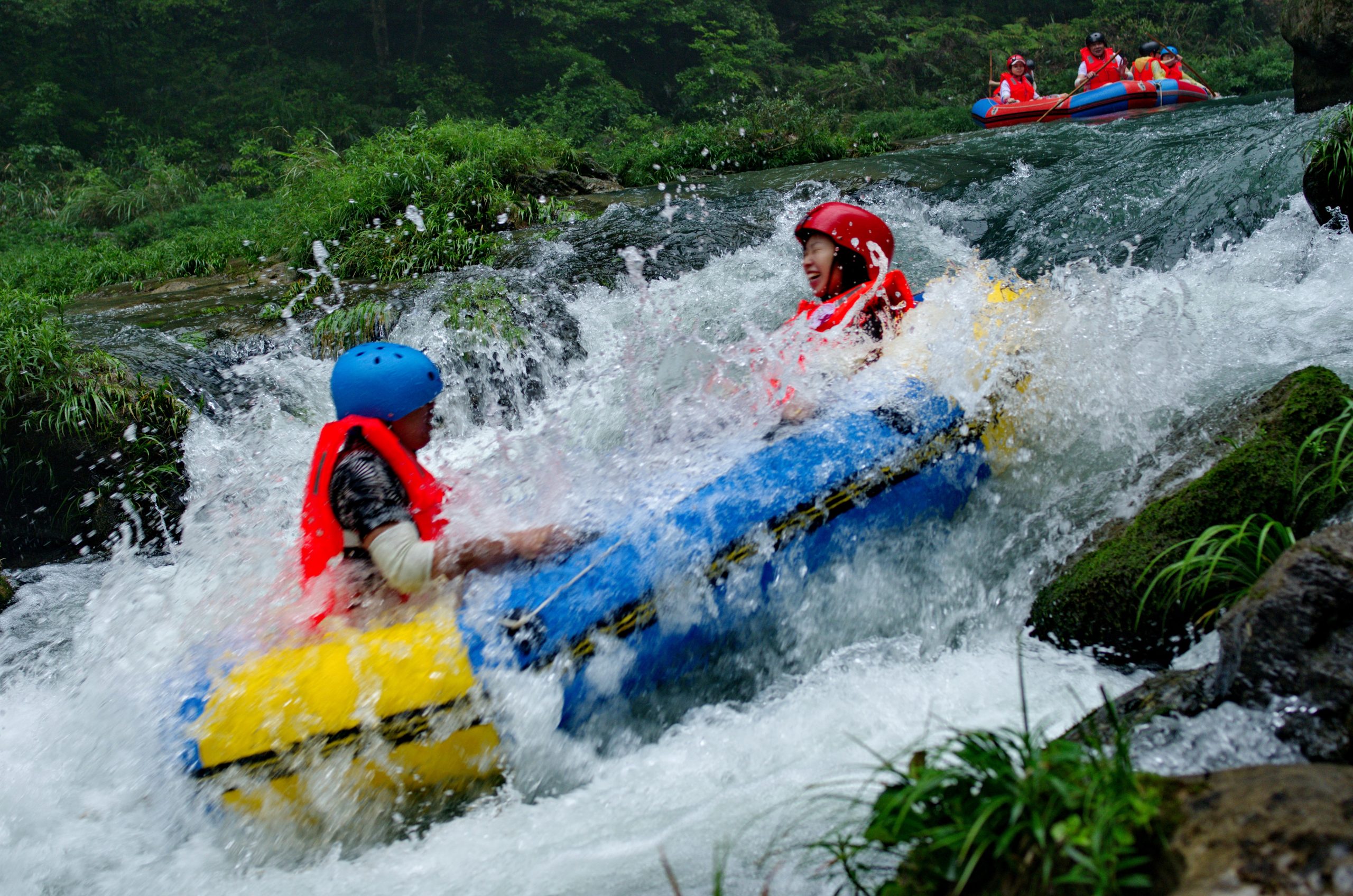
Gaoguohe Drifting
Drifting in the virgin forest canyon above the river has a unique charm; the majestic and majestic virgin forests on both sides bring the hearts of tourists into a kind of tranquility full of greenery and freshness, hidden in the shade of the river The water is green and clear, and the water surface is calm, like a blue gem falling into the deep valley. It is dazzling and refreshing. Along the river, there are waterfalls pouring down from the mountain peaks from time to time, scattered like broken jade and flying flowers, which is amazing. Sometimes the river in the gorge is as level as a mirror, crystal clear and clear; Two or three clear wild birds chirping, following the playful figure of monkeys flickering in the forest from time to time, you can also experience the oncoming dangerous peaks that are sharply sliced by knives, crossing the rapids like snowy waves, Happy and exciting, without any danger.
-
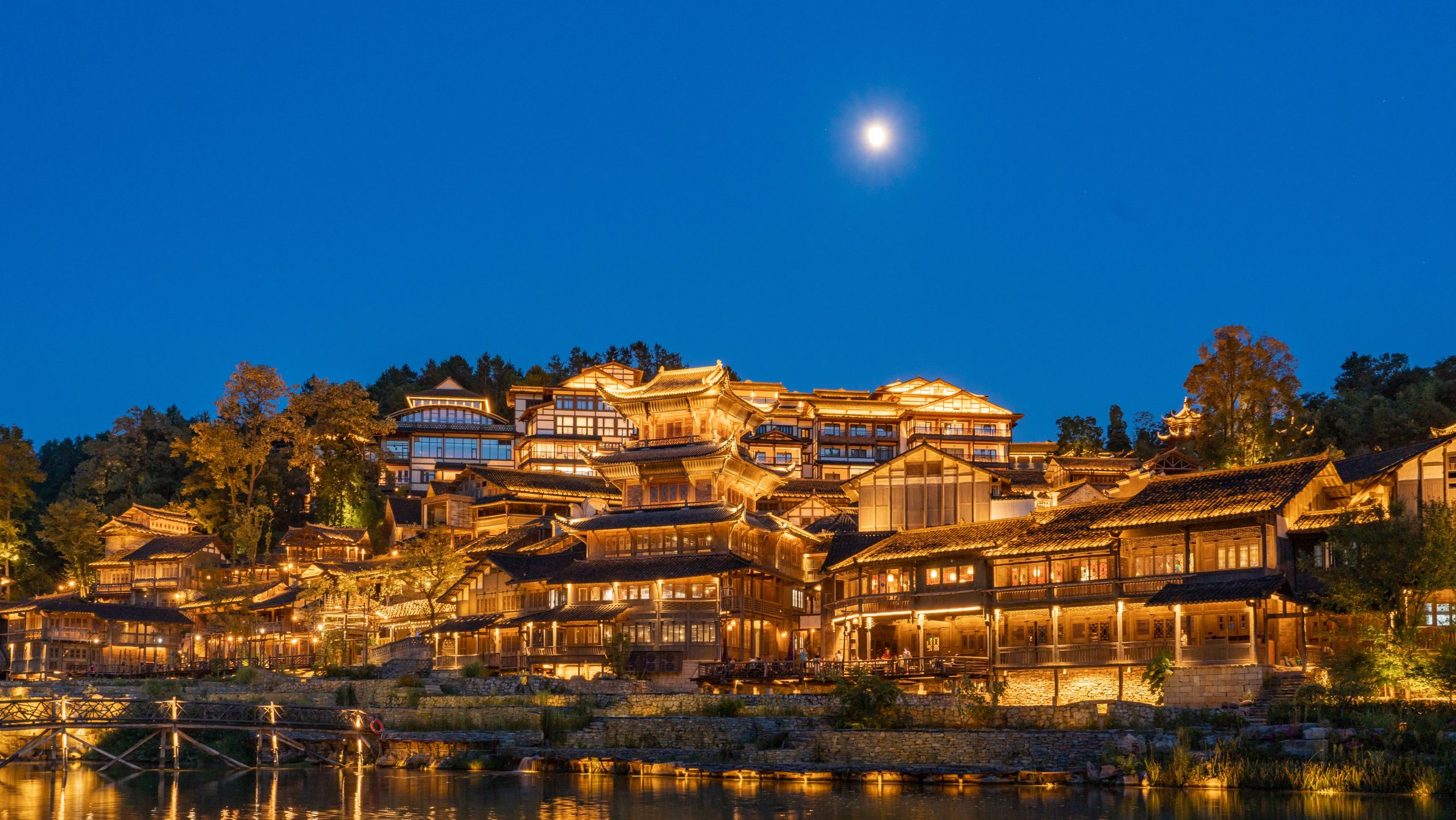
Wujiang Village
Wujiang Village International Tourism Resort is located in Bozhou District, Zunyi City, Guizhou Province. From being listed in the fourth batch of China’s Traditional Villages Protection Catalog in 2016 to becoming Wujiang Village International Tourism Resort in 2022, this hidden gem of northern Guizhou has rapidly emerged as a “new landmark for tourism in Southwest China.” Here, you can fall asleep under a starry sky and wake up to misty rain. The resort integrates sightseeing, leisure, vacation, wellness, and conferences, embracing 5.08 square kilometers of picturesque landscapes. Guided by the core philosophy of “symbiosis,” it features 12 themed districts that seamlessly blend history, nature, environment, and culture, offering a perfect combination of exploration and relaxation. This high-standard, high-quality tourism complex allows you to escape the hustle and bustle of daily life, restore balance to your mind and body, and embark on a carefree holiday filled with endless possibilities.Day tours by paddleboat, nights aglow with lanterns. Nestled against verdant hills and adjacent to the Wujiang River, the village blends natural beauty with northern Guizhou folk customs, evoking the charm of a secluded paradise. By day, misty green mountains and shimmering waters create an ink-wash painting come to life. As night falls, it transforms into a Fantasyland reminiscent of Spirited Away, with thousands of lights gradually illuminating the area. The long covered bridge shimmers like a ribbon of light connecting both riverbanks. From this vantage point, the dazzling nightscape of Wujiang’s illuminated shores unfolds in breathtaking splendor—earning its reputation as the pinnacle of Guizhou’s night views.Recommended sightseeing routesSun Drum Array > Twin Immortals of Harmony > East Visitors Service Center > Pottery Street > Vinegar Workshop > Chili Workshop > Red Army Pavilion > Chen Gong Shrine > Ancient Tea Horse Road > Awakening Rain Gate > King Yalu Covered Bridge > Riverside Fish Market > Lantern Shop, Bamboo Ware Store > Indigenous Community Stage/Assembly Hall > Anime Street > Taiyi Covered Bridge > Food Street > Huilong Island > Green Valley Covered Bridge > Supply and Marketing Cooperative > Black Post Office > Black Paper Workshop/Yongchu Winery > Peace Dye Workshop > Wheat Field Theater > East Visitors Service CenterIntroductionAttraction visitEnjoy leisurely moments during the dayExperience a colorful dreamscape at nightThis can be a slow-paced living paradiseIt can also be a bustling and lively playground.1. AttractionsWujiang Village boasts 27 scenic spots, including attractions like the water plank walkway and Huilong Pagoda, red culture sites such as the Red Army Pavilion, and local cultural highlights like Chen Gong Temple, Pottery Street, and Heping Dye House. You can also explore the ancient Tea Horse Road, which played a vital role in transporting Sichuan salt to Guizhou. Every step offers a new view, allowing you to collect memories of the village.Featured shopsWujiang Village has a variety of shops along the street, each with its own unique design style. From Miao silver jewelry and embroidered handicrafts to specialty drinks… stepping into any shop will bring you delightful surprises.Must-see performancesThe attraction offers a variety of spectacular performances. Witness the mesmerizing single-bamboo drifting, where performers glide across the water like martial arts masters, fulfilling your wuxia dreams. Enjoy the dazzling Wujiang Star Music Fountain Show, perfectly synchronized with a breathtaking drone light show against the night sky. Join the lively bonfire party and immerse yourself in the vibrant folk parade… This is your ideal never-closing amusement park.In-depth experienceForget your hurried selfImmersive experience, local interactionImmerse yourself in intangible cultural heritage and ethnic customsRowboatA sculling boat is a vessel propelled by oars, representing an early type of river craft. Enjoy a leisurely water tour aboard a sculling boat, admire the scenic views along both banks of the Wu River, and experience a relaxing slow-paced lifestyle.2. Cruise breakfast/afternoon teaEnjoy a 360° unobstructed river view with Wujiang Village cruise breakfast and afternoon tea, taking in the picturesque scenery on both banks. Savor a peaceful cruise breakfast amidst morning mist and river breezes, indulging in chef-prepared desserts. Bask in the shimmering sunlight while leisurely sipping a pot of eagle tea, watching the tea leaves unfurl and swirl in your cup at a relaxed, unhurried pace.3. Intangible cultural heritage experiencesPreserve local craftsmanship and revive the artisan spirit. Wujiang Village introduces the “Guardians of Heritage” series of intangible cultural heritage hands-on experiences, including plant dyeing, flower paper making, bamboo weaving, lantern crafting, rice-paper plant stacking art, and Qianbei clay whistle DIY. These activities celebrate intangible cultural heritage, promote folk charm, and invite you to explore the legacy of traditional craftsmanship together.Four Directions and Eight Sides FeastThe Wujiang Village Eight Directions Banquet brings together the cultures of eight ethnic groups including the Miao, Gelao, Buyi, and Qiang. Each group presents their unique cuisine and performances at this gathering. Eight ethnicities, eight signature dishes, and eight spectacular shows – one banquet tells the stories of eight peoples. Experience unlimited cultural immersion in limited time without traveling to multiple destinations.Specialty diningTraverse north and south, spanning east and westExperience stories and emotions with diverse flavorsBridging the distance between home and away through taste.Guizhou Special FeaturesWujiang Village offers a unique taste of authentic Guizhou cuisine, featuring dishes like pork hotpot soup and sour fish soup. The rustic charm of local ingredients quietly preserves traditional culinary customs, while the riverside setting invites a return to the simplicity of rural life. Sharing a meal by the Wujiang River, you’ll experience the region’s distinctive culture through its flavors, offering a delicious gateway to Guizhou’s heritage.Flavors of ChinaWujiang Village brings together diverse Chinese cuisines under one roof. At Qinggui Restaurant, you’ll experience the fiery flavors of Hunan cuisine, while Jiangnan Xiaoguan showcases the delicate artistry of Zhejiang dishes. Don’t miss Sichuan’s famous delicacies like Stewed Beef with Herbs (Qiaojiao Niurou) and Gudong Hotpot… From sweet to sour, savory to spicy, prepare for a spectacular feast of flavors.International themeAs the sun sets, experience an exotic culinary feast in Wujiang Village. The Western cuisine at Huilong Island Restaurant and Southeast Asian dishes at Miao King Hotel blend romantic French charm with distinctive Thai flavors, creating a unique exotic atmosphere.Snack CollectionThe Linjiang Food Street in Wujiang Village gathers a variety of local snacks, with delicious treats lining the entire street. Try the rich and flavorful Zixia Fairy Mutton Noodles, the delicate Wuyin Dragon Wontons with thin wrappers and generous fillings, the uniquely flavored Tang Family Hand-Shaken Pancakes, or the silky-smooth Die Niang Tofu Pudding… This is where authentic local life and vibrant culinary culture come together.5. Featured barsWujiang Village features multiple distinctive bars where you can encounter different romantic experiences. Whether it’s a whisky bar, folk music bar, craft beer pub, or the unique Drift Bar, step into any establishment to enjoy the perfect blend of evening breeze and fine drinks while admiring the dazzling night views of the village—a truly breathtaking experience.Leisure teahousesWujiangzhai Leisure Teahouse offers visitors a place to relax. At Yanhuang Teahouse, gather around the stove to warm your cup; at Qianjin Teahouse, enjoy tea while watching performances; at Miaosanniang Tea Shop, experience the art of tea with its lingering charm… Savoring tea is also savoring life.Accommodation inside attraction1. Resort hotelsMiao King Hotel is located in the heart of the resort area, situated in the Ethnic Street district. As a resort hotel within the attraction, it features 99 guest rooms with excellent scenic views. The hotel offers a hillside infinity pool, fitness center, and reading lounge to cater to various guest needs. The lobby displays the sacred Miao sun drum, which the Miao people regard as the embodiment of deities, symbolizing light, warmth, and the eternal cycle of life on earth, signifying protection for the hotel and bringing peace and safety to visitors. The hotel is named after a place from the Miao epic “King Yalu,” with its architectural design deeply rooted in Miao culture, incorporating numerous ethnic elements to showcase the rich and diverse cultural heritage of Guizhou to visitors.Themed resort hotelsThe resort features 4 themed hotels, each with its own unique characteristics.Mushan Hotel, themed around the tussah silk culture, is one of the larger themed resorts in the area, offering stunning mountain views right outside your window. The 15-story hotel features 327 spacious and comfortable guest rooms, along with extensive event facilities including a grand multifunction hall, banquet halls, and meeting rooms to accommodate various business gatherings. Each room is designed for relaxation—draw back the sheer curtains to admire the misty mountains of Wujiang Village or gaze at the distant Huilong Pagoda atop the hill. The walls are adorned with silk fabric, hand-painted with scenes of Qing Dynasty-era Guizhou locals joyfully singing and dancing beneath blooming trees. Deep blue carpets add a sense of tranquility, ensuring a peaceful stay. At Wujiang Village, checking in to Mushan Hotel and soaking in the mountain scenery is the perfect way to unwind.② Qian Academy Hotel is rooted in Yangming culture, featuring a predominantly Chinese classical style as a resort hotel themed around academy culture. With elegant decor and 60 guest rooms, the hotel offers a book bar, library, and meeting rooms. It serves as an excellent check-in spot for ancient costume enthusiasts and literature lovers, as well as a place for complete relaxation and inner self-discovery.③ Huilongwan Hotel is located on the south bank of the Wujiang River, featuring the stilted house architectural style of northern Guizhou. Built along the mountain terrain, its staggered guest room clusters create a harmonious blend with nature. The hotel offers 93 rooms, embodying both the wild essence of nature and a romantic, imaginative atmosphere.④ Canyon Hotel embraces nature and family-friendly themes, standing at the highest point of the attraction surrounded by mountains and water. Conveniently located near Wujiangdu Pier and the Xizhaikou ferry shuttle station, this 4-story hotel offers 25 guest rooms, including 12 family suites. Check in to Canyon Hotel and bond with your children while immersing in nature’s wonders, fostering growth through unforgettable experiences.Sanjiang SujiAesthetic homestay hub by the Wujiang RiverThe resort features 13 distinctive vacation rentals located on both banks of the Wujiang River, offering over 100 guest rooms to meet various travel needs. Some properties originate from the historic Eighteen Guilds, exuding rustic charm and timeless appeal; others are traditional stilt houses inhabited by ethnic minorities; while some form riverside stilt house settlements… catering to all needs from entertainment to leisure, sightseeing to vacationing.
-
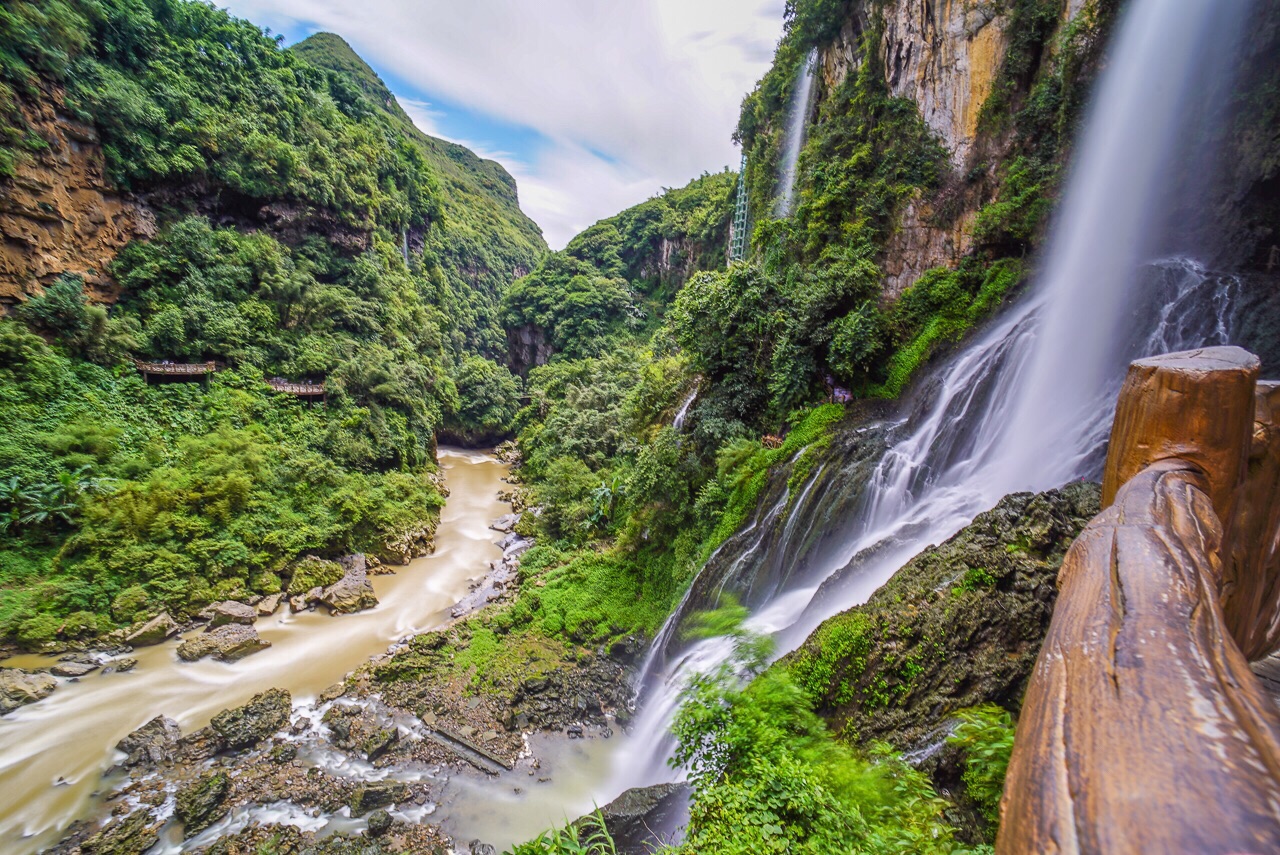
Maling River Canyon
Maling River is located in Xingyi City, a strategic point for Yunnan, Guangxi and Guizhou. It is 334 kilometers northeast of Guiyang and 321 kilometers west of Kunming. It originates from Baiguoling in the Wumeng Mountains. The upper reaches are called Qingshui River, and the middle reaches are called Maling River because of Mabie Dazhai and Malingzhai on both sides. Maling River has a slightly sad title – “the beautiful scar on the earth”, which vividly describes the magnificence and steepness of Maling River. Maling River is more than 70 kilometers long, cutting a narrow and deep ground canyon in the plain. This structure is extremely rare in the world and is known as “the first seam in the world”.The majestic and beautiful Maliang River Canyon National Scenic Spot is known as the “River of Thousands of Waterfalls” and “The Crack in the Sky and Earth”. In 1993, the Maliang River “Five Rings Rafting Company” was established, pioneering rafting in the southwest. In April 1998, the International Canoe Rafting Competition was successfully held, and it became the Guizhou Province Canoeing Training Base and the National Olympic Whitewater Sports Base.
-
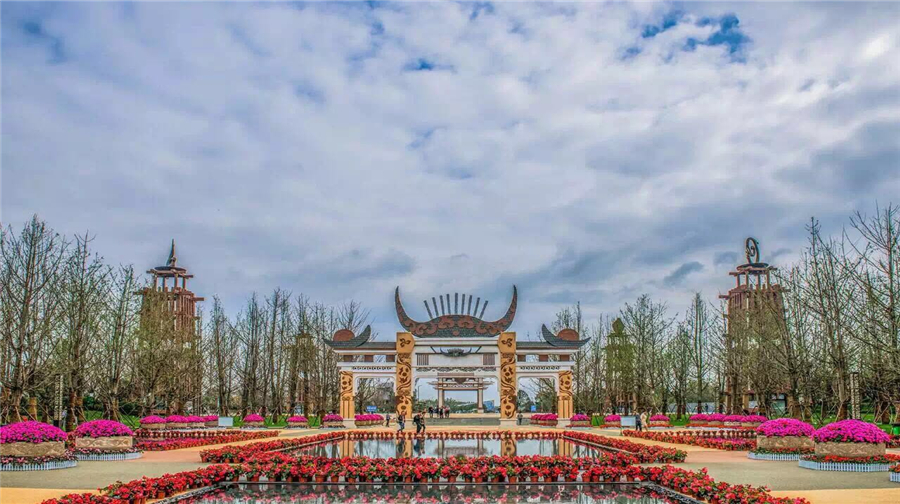
Tianhe Pool Scenic Area
Tianhetan Lake is located in the southwestern suburbs of Guiyang. Visitors here can see amazing karst caves and calcareous waterfalls. This is exemplary of Guizhou’s scenic mountains. There are multiple cascading waterfalls in the area, one of which is 210-meters wide. Among waterfalls in China, it is rare to find one of such width. The caves and tunnels in the area are both dry and wet. Dry tunnels can be explored on foot while wet tunnels require a boat tour. Perched on the bow of a narrow boat as it slowly winds its way among the stalagmites, stalactites and other natural phenomena is an experience unlike any other. If you’re looking for something to get your adrenaline pumping, the mountain ziplines are worth a try. It is also recommended to check out the local ethnic villages.
-
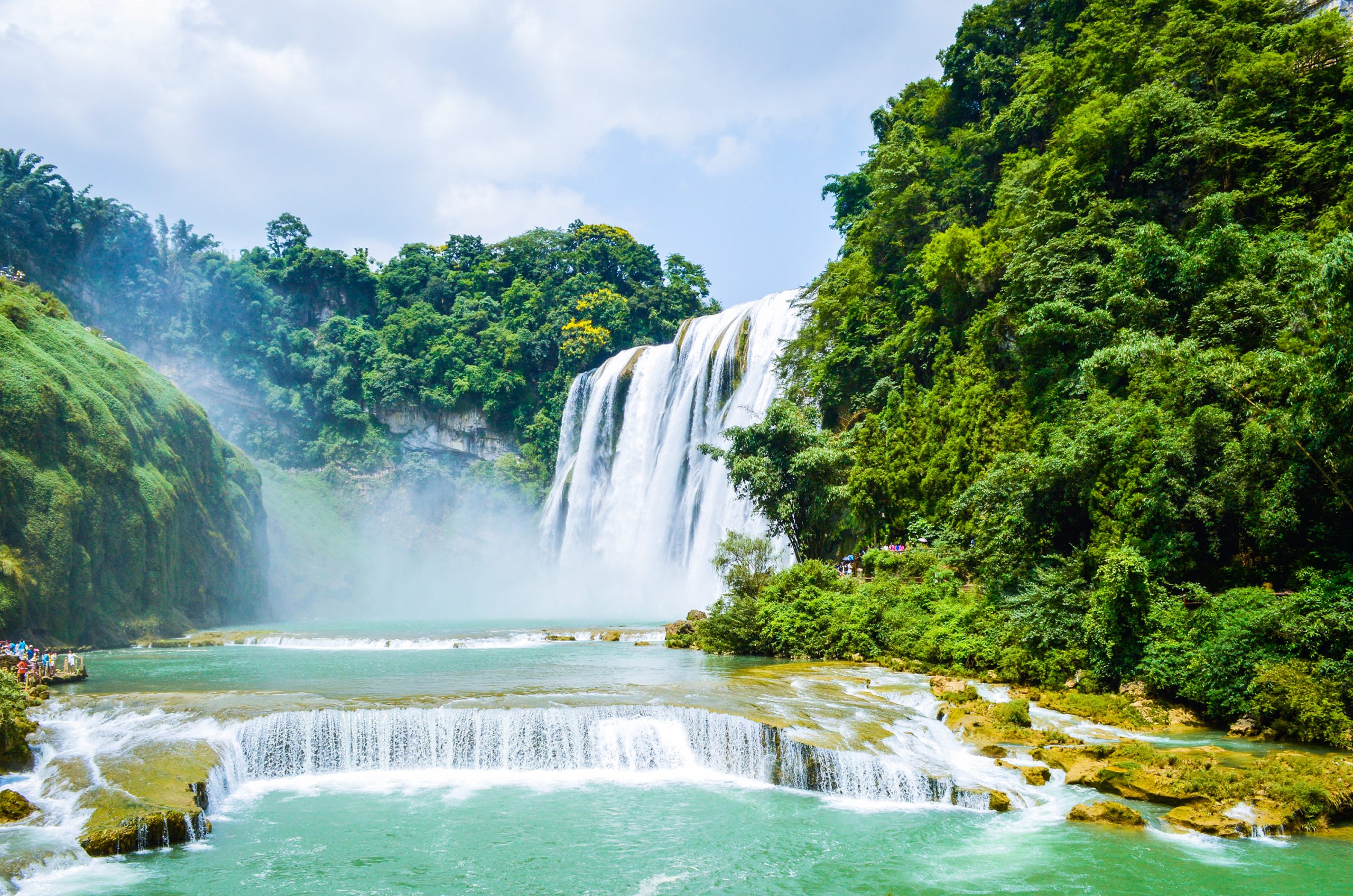
Huangguoshu Waterfall
Centered around Huangguoshu Waterfall, the area features over a dozen cascading falls. The waterfall gets its name from the numerous “yellow fruit trees” (Huangguoshu) growing in the region. Surrounded by layered peaks and lush vegetation, the landscape showcases abundant gorges, karst caves, stone forests, and pillars – all hallmarks of classic karst topography.Experience the unique charm of Huangguoshu Waterfall1. Approach the grand waterfallHuangguoshu Waterfall gained fame starting with the renowned Ming Dynasty traveler Xu Xiake, and through generations of promotion, it has become a famous attraction. The waterfall features six viewing platforms that allow visitors to admire its grandeur, uniqueness, steepness, and beauty from six different angles: above, below, front, back, left, and right.2. Experience the waterfall’s cleansing embrace in Water Curtain Cave.Step into the Water Curtain Cave and immerse yourself in the scene as crystal-clear water cascades down, creating a dreamy, fairyland-like atmosphere. For those who want to get up close to the waterfall, wearing a raincoat allows you to explore the cave with unique delight. We recommend purchasing a raincoat before entering the attraction.3. Explore the filming locations of the 1986 version of “Journey to the West”The Water Curtain Cave and Doupotang attractions at Huangguoshu Waterfall were filming locations for the 1986 TV series “Journey to the West.” While visiting Huangguoshu Waterfall, keep an eye out for those familiar scenes from the classic series and relive the nostalgia.Sightseeing RouteThe admission ticket for Huangguoshu Waterfall includes three major attractions: Huangguoshu Waterfall, Tianxingqiao Scenic Area, and Doupotang Waterfall. The typical route for visitors is Doupotang Waterfall > Tianxingqiao Scenic Area > Huangguoshu Waterfall. The ticket is valid for two days, allowing visitors to continue their tour the next day if they can’t finish in one day, but each attraction can only be visited once.Doupotang Waterfall:The waterfall cascades down with tremendous force, creating a spectacular and awe-inspiring sight. If you’re lucky, you might even spot a beautiful rainbow. This location was also featured in the ending credits of the 1986 TV series “Journey to the West.”Tianxingqiao Scenic Area: Marvel at the magical landscape where rocks, water, trees, and caves blend togetherTianxingqiao Scenic Area boasts a magical blend of stone formations, water features, trees, and caves that will leave you in awe. Here you’ll find water flowing through rocks, caves hidden within stone formations, and ancient trees growing beside caverns—nature’s craftsmanship at its finest. Don’t forget your camera or smartphone, as every angle here makes for extraordinary landscape photography.Huangguoshu Waterfall: Visit the famous landmark at Huangguoshu WaterfallHuangguoshu Waterfall is the grand finale of the tour route and the heart of the Huangguoshu scenic area. Witness the world’s third-largest waterfall in all its majestic glory, where you can experience nature’s awe-inspiring power and marvel at humanity’s insignificance. Photography enthusiasts should bring their professional DSLR cameras to capture panoramic shots of the waterfall – the results will be truly breathtaking.Accommodation and dining guideNear the entrance of Huangguoshu Waterfall, you’ll find various local snacks worth trying, such as sticky rice (be sure to add chili for flavor) and “love tofu.” At Tianxing Bridge, many Bouyei seniors and children sell eggs, cucumbers, and boiled corn from baskets. Rest areas feature shops and stalls offering Anshun wrapped rolls and jellied noodles at reasonable prices. Nearby accommodations include Huangguoshu Hotel, Jingu Waterfall Villa, and Liangyuan Hotel. During holidays when lodging gets crowded, consider staying in downtown Anshun.
-
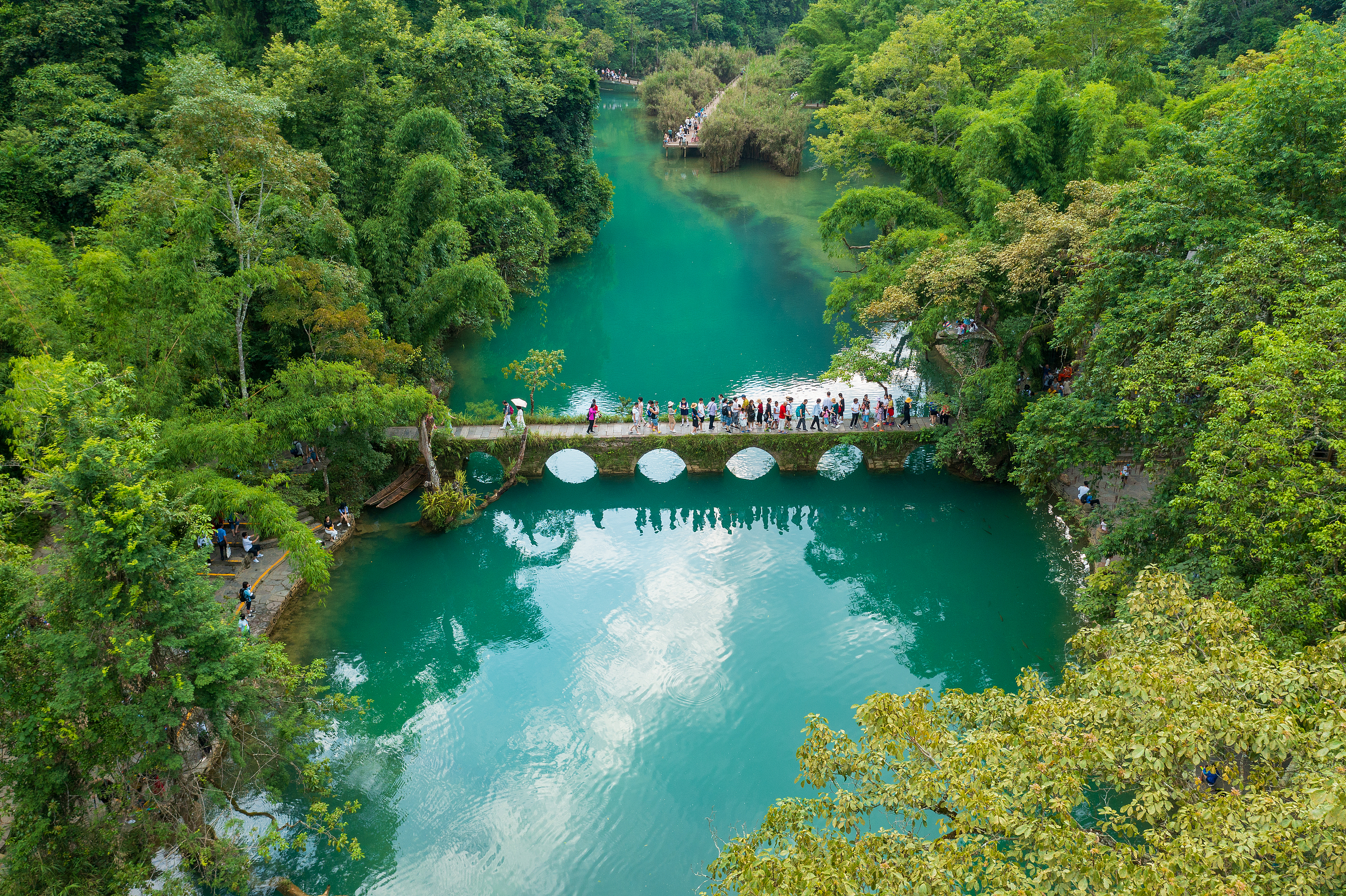
Libo Xiaoqikong Scenic Area
The Libo Seven Small Arches Scenic Area is located among the karst peaks south of the Libo County urban area. The attraction gets its name from a seven-arched bluestone bridge that crosses the noisy river there. The site incorporates all the beauty of mountains, water, trees, caves, lakes, and waterfalls. This natural splendor has combined with the authentic cultural flavor of the Tujia and Yao people of the area to bring fame to the area. Attractions like the ancient seven-arched bridge, the water forest, the crouching dragon pool, and Mandarin Duck Lake make the area like an earthly fairyland.
-
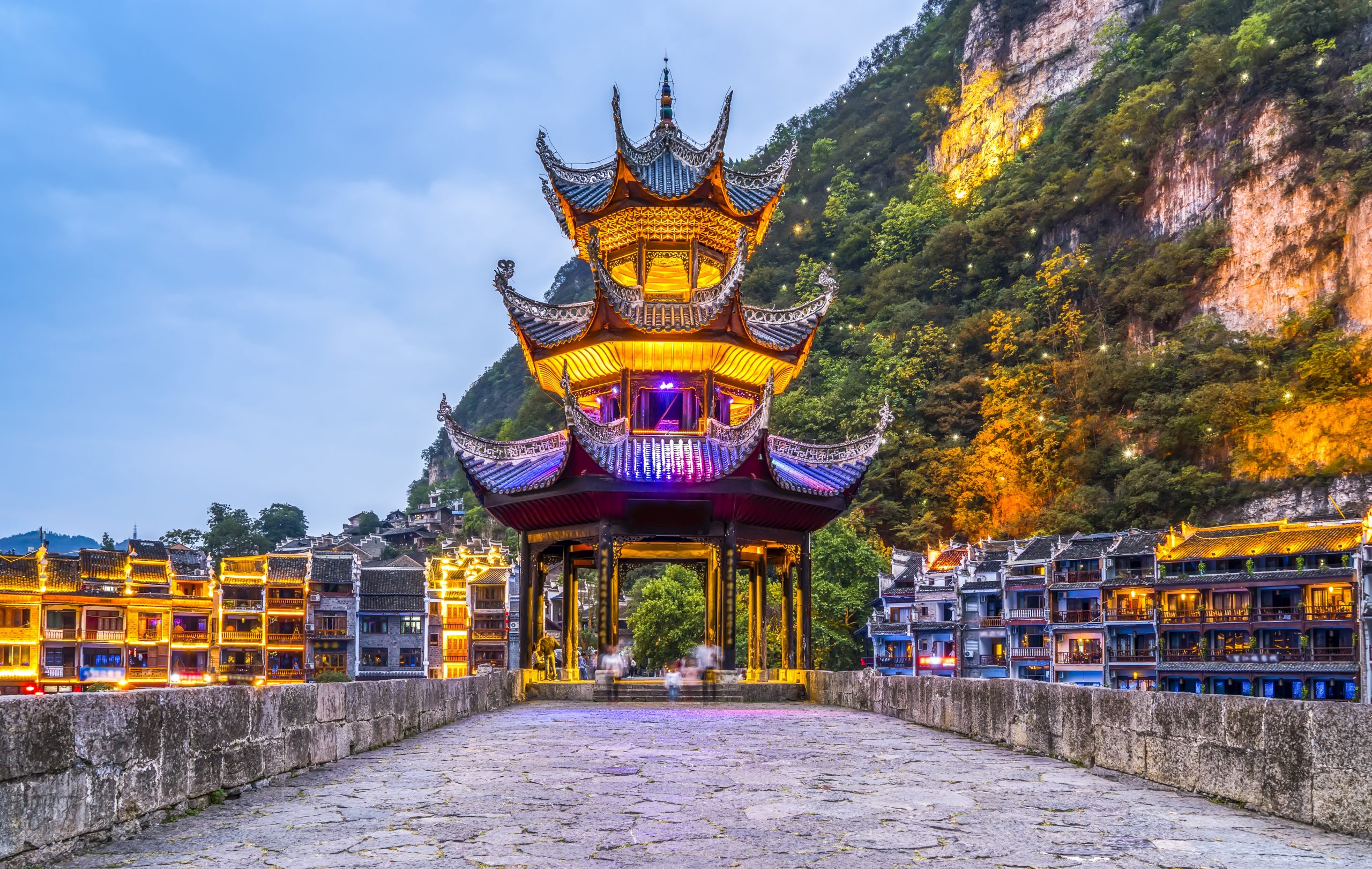
Zhenyuan Ancient Town
Zhenyuan Ancient Town is located in Yuan County, southeast of Zhendong on the bank of Wuyang River. The river winds through the city, forming a pattern similar to the famous yin-yang symbol, so the town is sometimes called Bagua Ancient Town. It also resembles Venice, Italy, with its modes of water transportation. Zhenyuan Ancient Town is divided into two halves by the Wuyang River. The South bank contains the old acropolis, while the North bank holds the ancient city that was built during the Ming Dynasty. The city contains ancient walls and gates, and a number of ancient buildings sitting atop the hills.
-
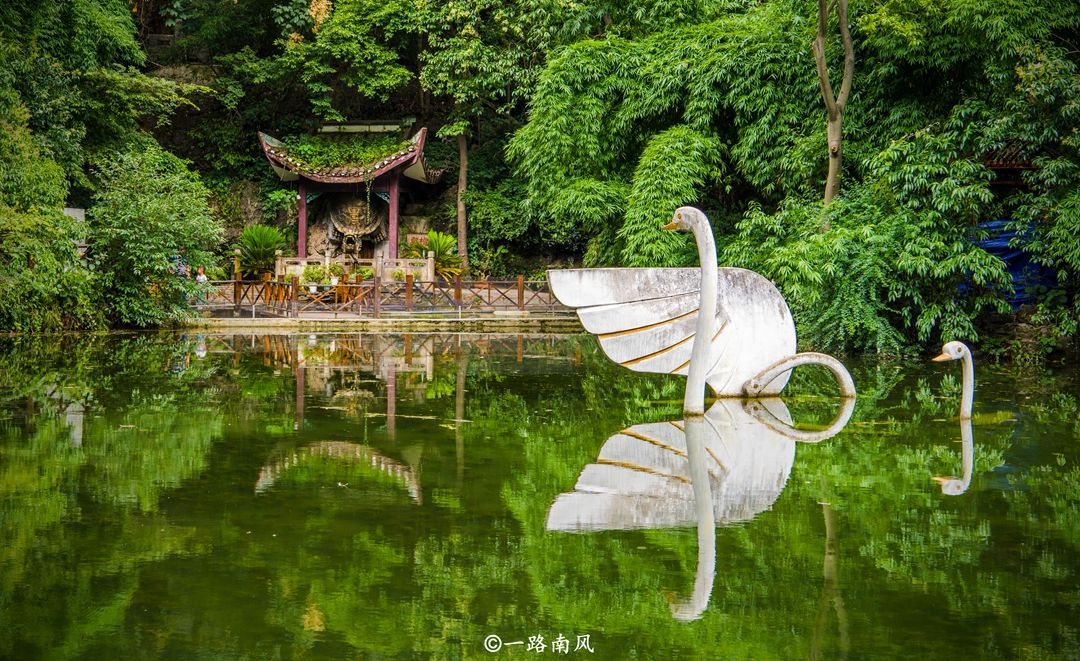
Qianling Mountain Park
Qianling Mountain is a famous park in Guiyang. You can go hiking in the park and visit the zoo. If you like climbing, there is a temple on the hill that was built in the Qing Dynasty. It is said that the praying in the temple will make your wishes come true. Hiking up a mountain road after passing by the Hongfu Temple, you can see a building called Xiangwangling Pavilion. You can overlook the entire city at the pavilion, which is a good photography shooting point.
-
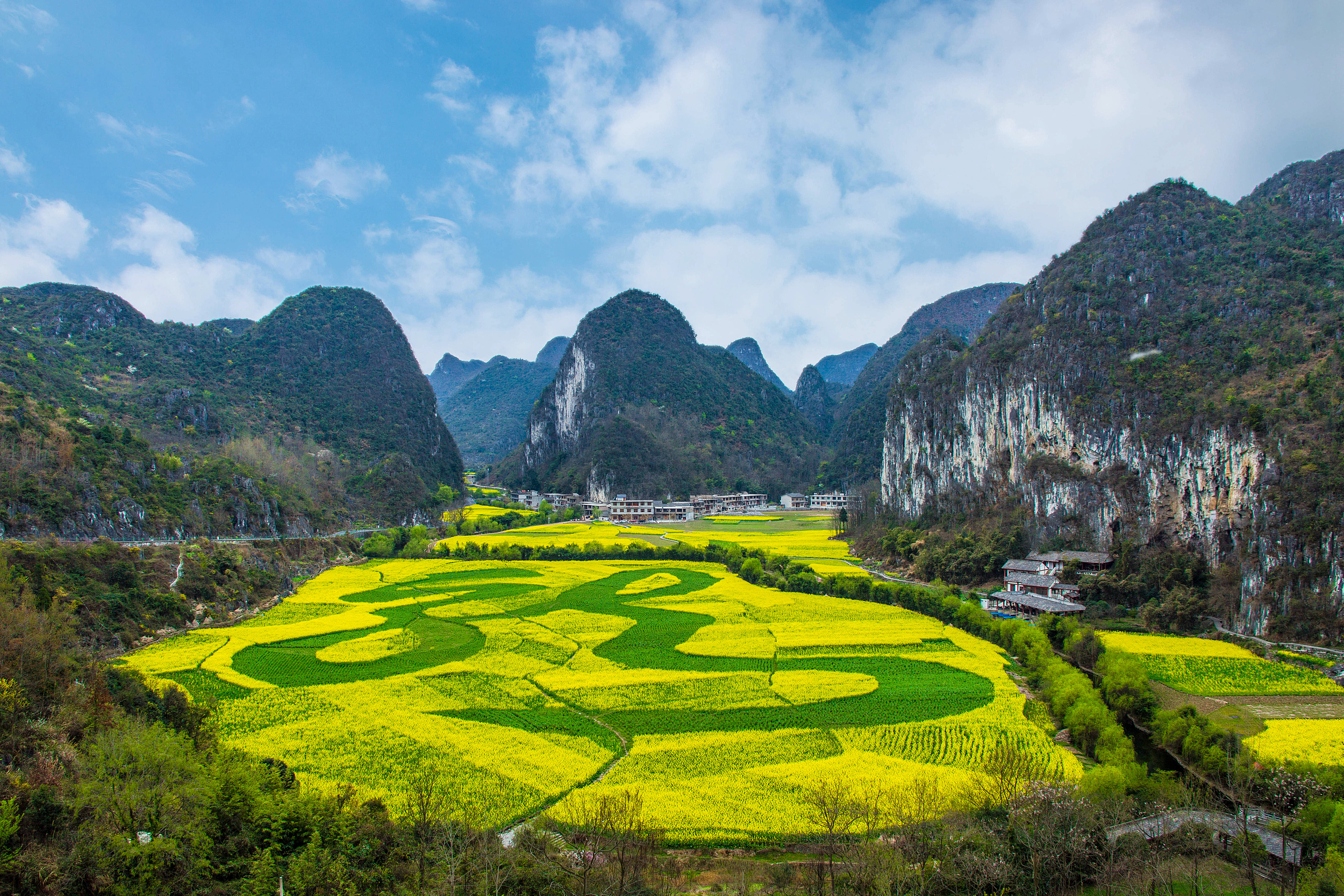
Loong Palace
Loong Palace is located in the southern suburbs of Anshun, adjacent to Huangguoshu Scenic Area. It consists of three parts: the western Loong Palace central attraction is the highlight of the karst cave system, the eastern Loong Palace Scenic Area – Xuantang features pastoral landscapes, and Qunfang Valley between them is a small area of hills and valleys. There are various ways to explore Loong Palace: you can visit just the central attraction and return, take a boat tour followed by hiking through Qunfang Valley before continuing by boat to Loong Palace Scenic Area – Xuantang, or do the reverse route. During peak season like Golden Week when visitor numbers are high, we recommend taking the reverse route to avoid long queues of tour groups. The central attraction of Dragon Palace consists of two groups of karst caves connected by an underground river, with the first section called the First Hall.Dragon PalaceHejinDragon PalaceThe attraction is only accessible by boat, and a typical visit lasts about half an hour. Upon entering,Dragon PalaceStretching over 800 meters, this section is the highlight of Loong Palace. Inside the cave, massive stalactites take on various shapes, allowing your imagination to run wild. The lighting inside is somewhat dim, which may make photography difficult, so be prepared. Qunfang Valley is a hilly area where you can climb up and down amidst lush greenery while breathing in the fresh air—a truly refreshing experience. Along the way, you’ll encounter several karst caves, including Yulong Cave, Guanyin Cave, and Dizang Hall. However, be cautious in Guanyin Cave: if you’re not a devout Buddhist, it’s best not to touch anything or accept so-called “free incense” to avoid unexpected expenses.