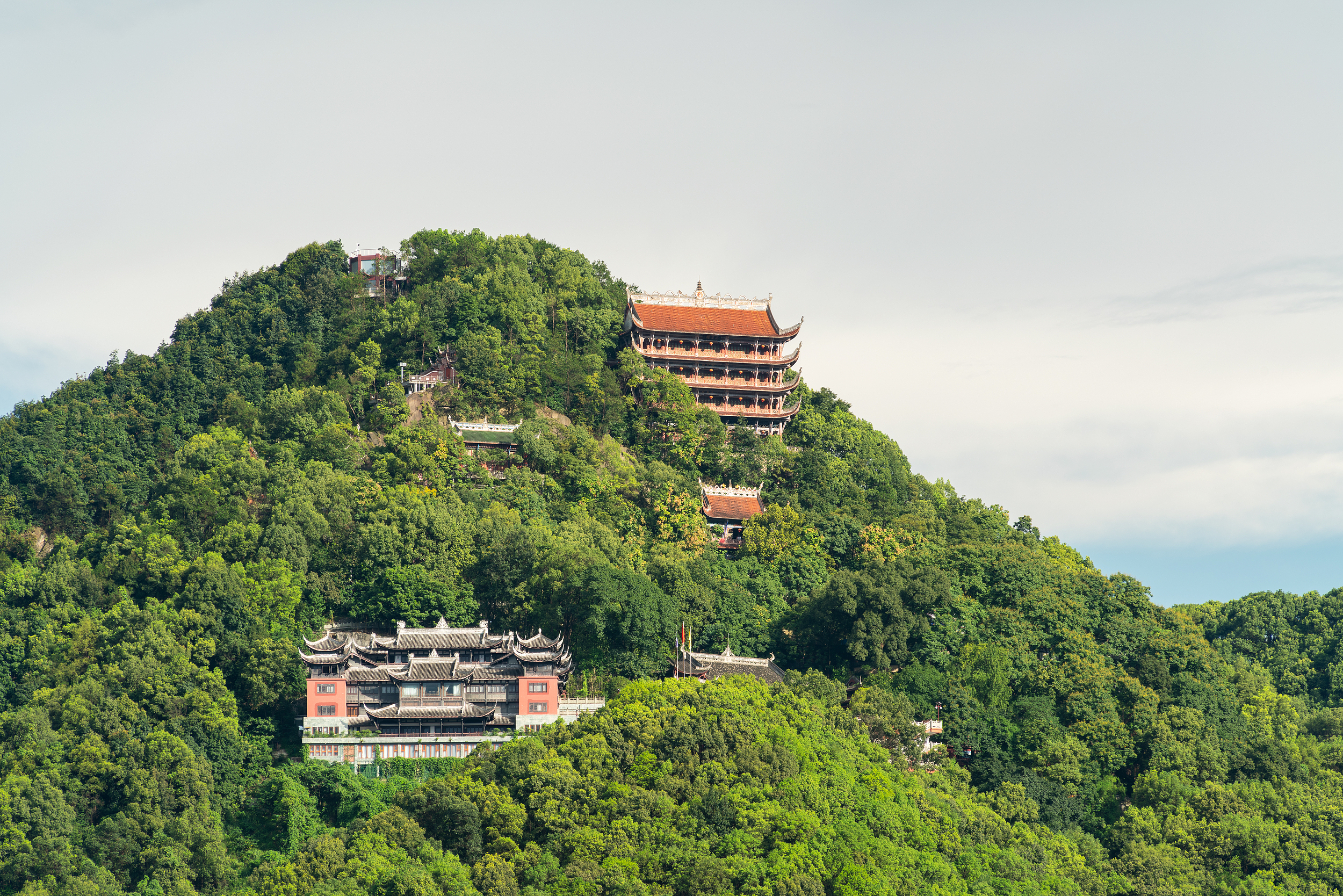
Nanshan Scenic Area is located in the Nan’an District of Chongqing. The Yikeshu viewing platform in the scenic area is a nice spot for enjoying the night scene of Chongqing. Local people also goes to the Nanshan Botanic Garden inside the area for flowers in spring and to cool off in summer. You can also enjoy the architectural relics of the Warlord Era in the scenic area as some villas and offical residences from that era are well preserved there.
归档: Attractions
-
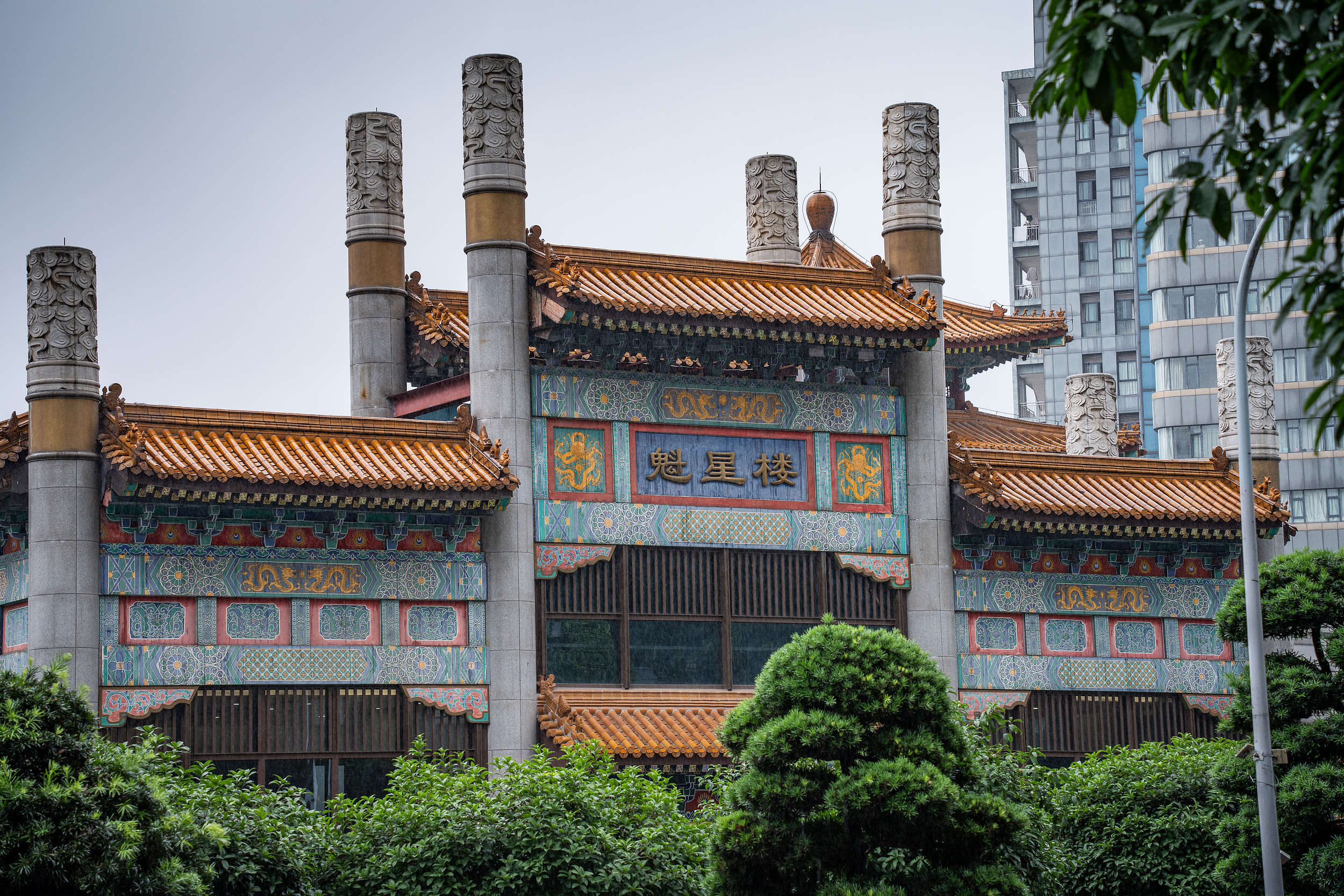
Kuixing Tower
Kuixing Tower, also known as Kuixing Pavilion, was built for the god Kuixing who dominated the rise and fall of articles in the minds of Confucian scholars. Kuixing has the supreme status. This Kuixing holds a large brush in his right hand, called Zhubi, which means to use the pen to point out the name of the candidate, an ink fountain in his left hand, a golden rooster on his right foot, and a big squid (a kind of big turtle) in the sea under his feet. The head, which means “doing the best”, the left foot is raised and kicked in order to echo the shape of the big hook on the lower right of the word “kui”, and the Big Dipper is on the foot, as shown in the picture. In ancient times, there were Kuixinglou all over the place, and scholars worshiped Kuixing in Kuixinglou and prayed to be famous in the imperial examinations. Kuixing Building has a strong Chinese national style and local cultural characteristics, and is a part of the splendid Chinese cultural heritage. The Kuixing Tower was built at the beginning of Chongqing, starting in the third year of Emperor Yongzheng in the Qing Dynasty when the wind of literary movement blew into Jiangzhou, next to the Confucian Temple near the Confucius Pond. Kuixing Building was demolished in 1953. Kuixing Building and Square are antique commercial buildings in the 1990s.
-
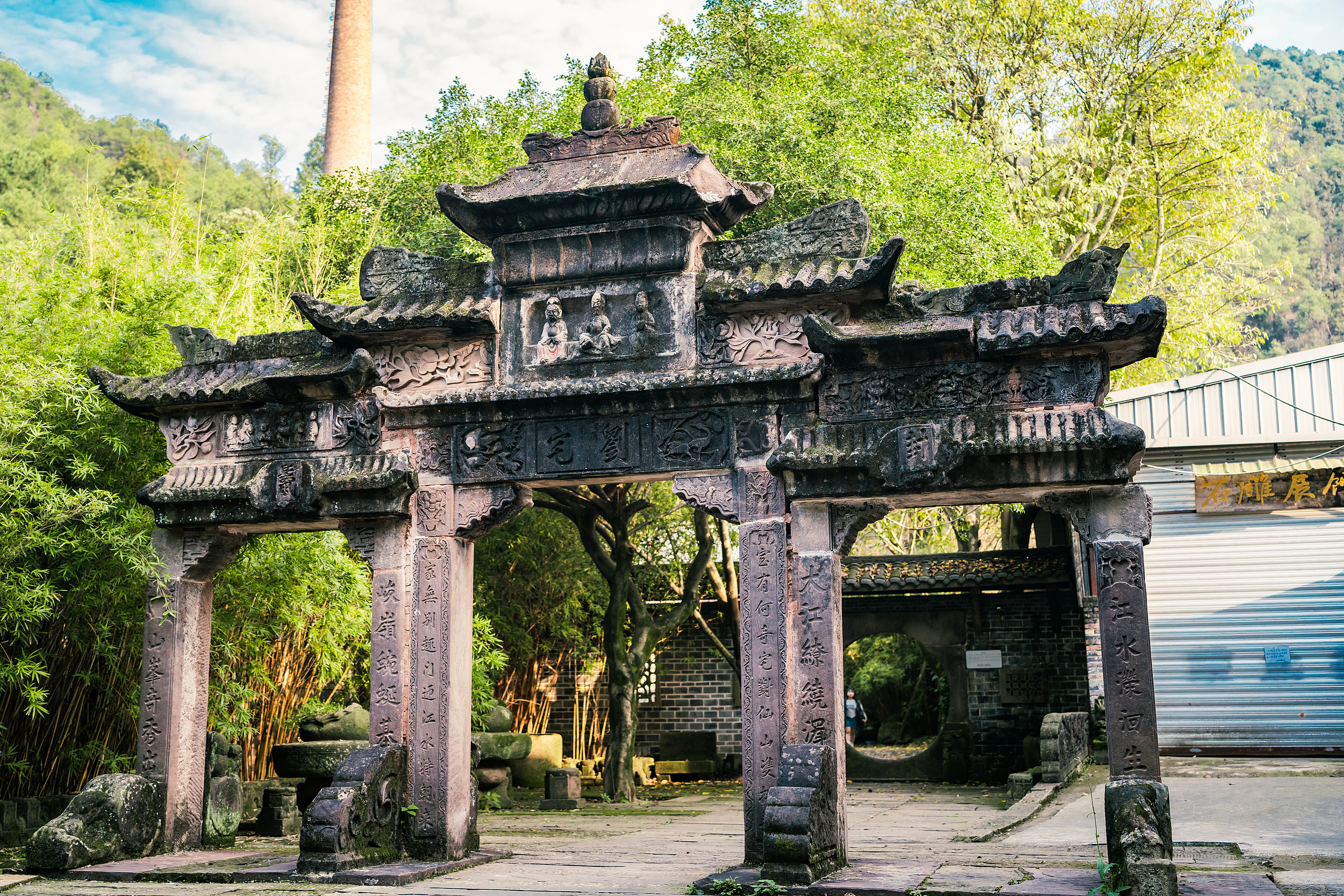
Dayuanxiang Museum
Dayuanxiang Museum is located in Tianfu Bowl Factory, Bishan District, Chongqing. Established on the foundation of a nearly 200-year-old rural industrial site and an extensive collection of ancient architectural components, it is a Chinese folk museum and the largest museum of ancient Bayu architectural elements in China. Its collection could restore hundreds of ancient Bayu residential compounds, earning it the nickname “Chongqing Ancestral Homes” Museum. The museum showcases over two decades of private collecting by Mr. Liu Jian, with tens of thousands of artifacts capable of reconstructing hundreds of ancient courtyards. Currently, it features seven exhibition halls: the Door Gods and Plaques Hall, Stone Carving Art Hall, Buddhist and Taoist Statues Hall, Premium Architectural Components Hall, Indoor Furniture and Wood Carving Hall, Ancestral Hall and Family Precepts Hall, and Ancestral Tablets Hall. Additionally, the museum houses over 20,000 Han Dynasty bricks, Cultural Revolution propaganda posters, porcelain, badges, as well as calligraphy, paintings, and contemporary art pieces like micro-carvings. Every wooden artifact here is verifiable, with intricate carvings rich in symbolism—ranging from auspicious motifs to mythological tales like “Abundance and Celebration,” “Bountiful Harvest,” “Dragon and Phoenix Bring Prosperity,” “Peace and Good Fortune,” and “Longevity Like Pine and Crane.” Artistically, the collection includes round carvings, reliefs, openwork carvings, and bold folk-style engravings. These unique architectural techniques and structures embody profound meanings related to culture, tradition, and national spirit, reflecting the wisdom and diligence of Bayu ancestors who blended local craftsmanship with new knowledge brought by migrants from other provinces. The wooden pieces, mostly made of cypress, range from grand courtyard gates and wall windows to delicate hanging flower gates, side doors, and lattice windows. Their exquisite craftsmanship exudes elegance and prosperity, revealing the cultural essence of local architecture. Through each decorative door and window, one can almost discern whether the original homeowner was an official, merchant, or scholar—each piece reflecting distinct aesthetic tastes, social status, and symbols of wealth.
-
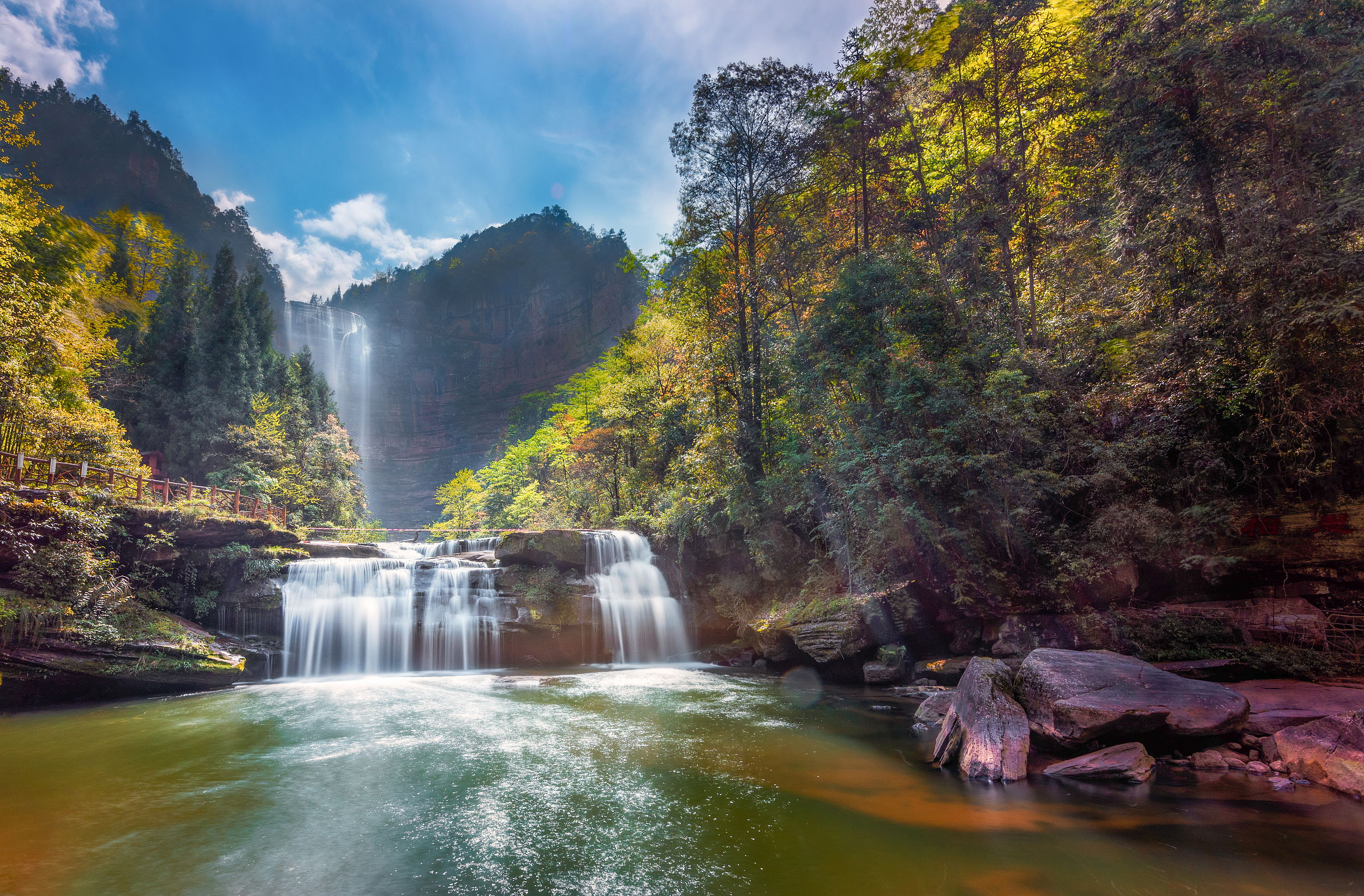
Simian Mountain
Simianshan, the four-faced mountain, in Chongqing’s Jiangjin District is surrounded on all sides by the verdant greens lush forest, there are also numerous waterfalls and ancient prehistoric plants. The scenic area contains the clear waters of Honghai Lake and has more than 100 large and small waterfalls, including Wangxiangtai Falls, Shuikoushi Falls and Yuanyang Falls. All of them are well worth visiting. Deep in the mist-covered mountains you might discover a prehistoric plant—the flying spider monkey tree fern. This plant is a living fossil that has remained unchanged for over 3.5 million years. Traveling to Simianshan for holiday is convenient, with numerous farmhouse B&Bs providing food and lodging for tourists.
-
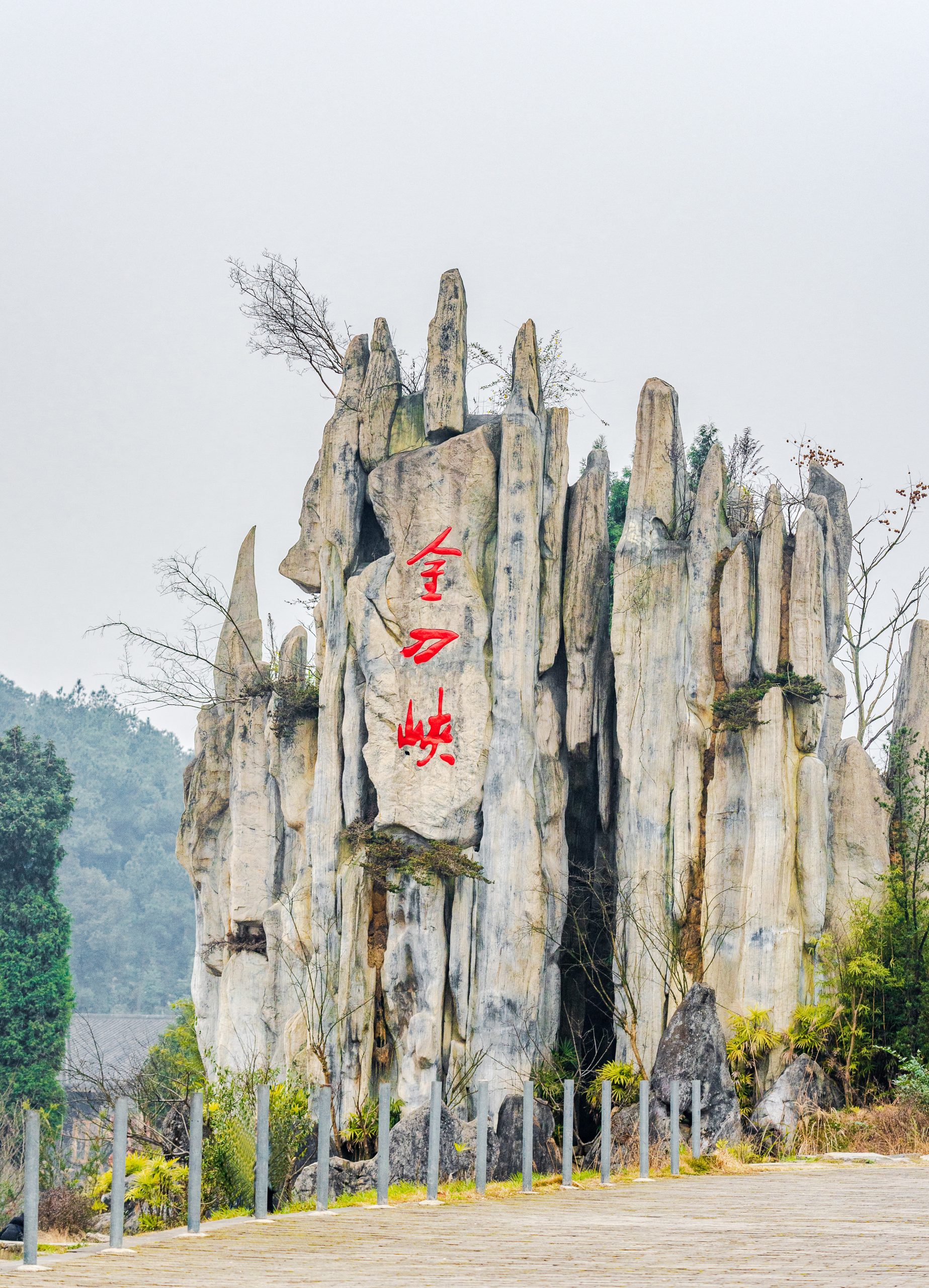
Jindao Canyon
Jindao Canyon in Beibei District of Chongqing is a favorite outdoor sports destination for outdoor enthusiasts. Jindao Canyon is divided into two sections, the upper and lower canyons. There are many canyons in the upper part, and clear streams everywhere, while the lower section has lots of caves and waterfalls. Jindao Canyon is also an important outdoor adventure base of Chongqing. The Canyon Tourism Festival held every year here is extremely popular.
-
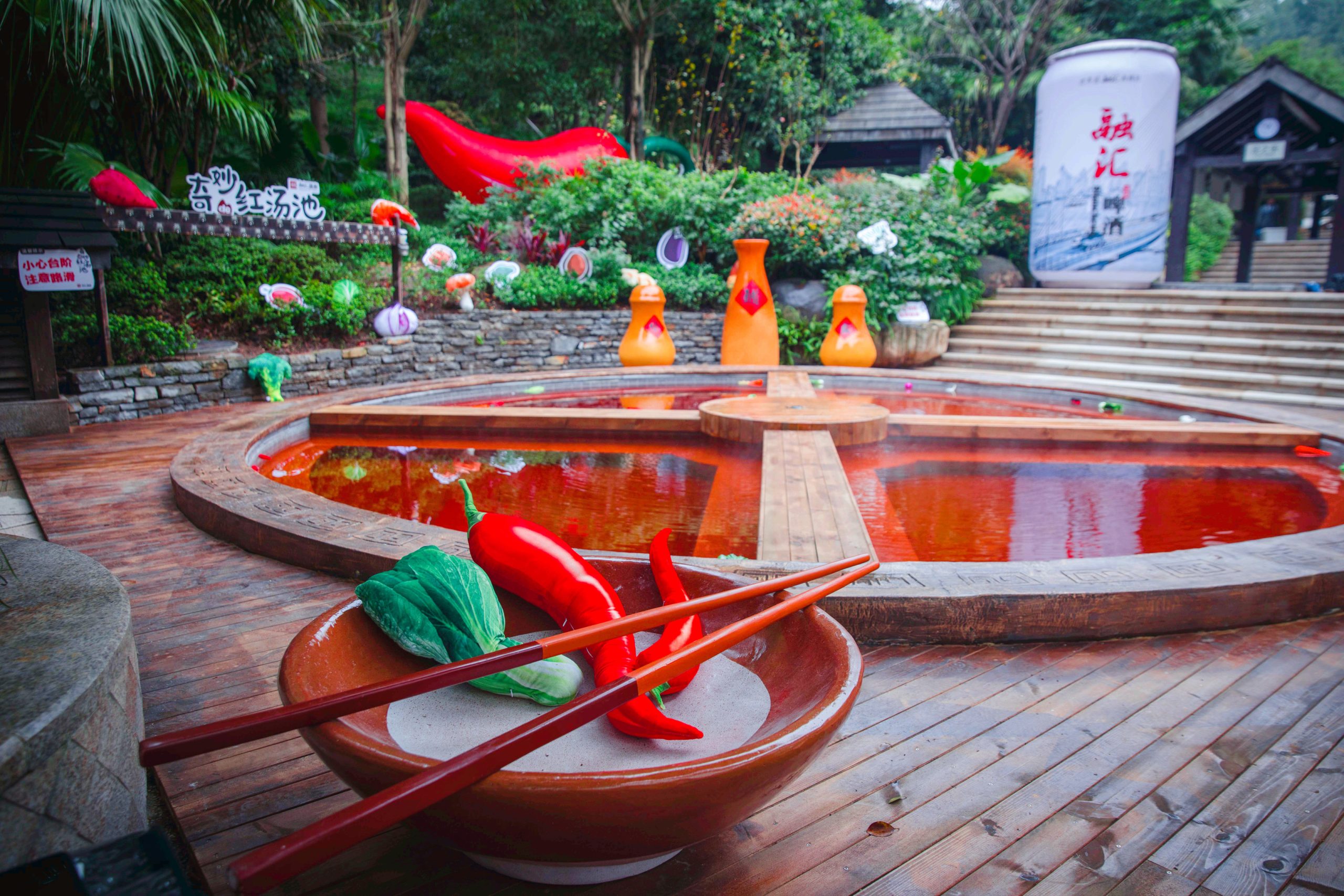
Ronghui Hot Spring
The Ronghui Hot Springs are located on Huiquan Rd. in Lishuwan. The locals recognize it as an excellent hot spring. Come here to relax and take a load off. The Hot Spring area includes many different kinds of pools and an indoor Health Spa, all with superior service. Take your whole family for a weekend of relaxation, away from the noise and distractions of the city. Invest in your health; you won’t regret it!
-
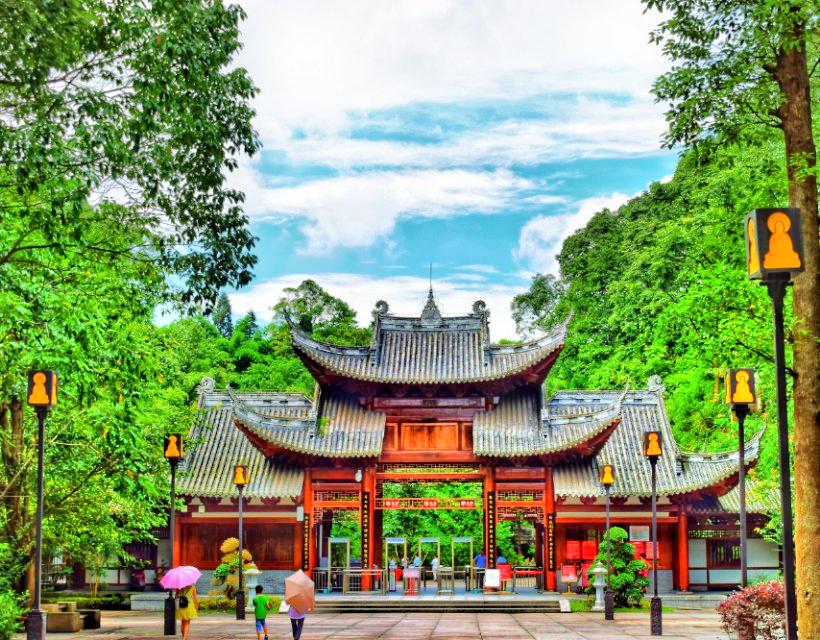
Baodingshan Scenic Area
The Baoding Scenic Area is located in the Dazu District of China in the town of Baoding, which is northeast of the town of Longgang. The Cave Temple was built by famous monk Zhao Zhifeng, which took decades to build and is one of the holy sites of Buddhism. The stone sculptures of the Baoding Scenic Area are centered on the Great Buddha Bay, with Xiaofowan, Guta, and Longtoushan in the east, Guanyin in the south, Songlinpo and vast mountains in the west, and Yanwan, Longtan, and other Buddhas in the north. Baodingshan rock carvings are unique in cave art. Despite having thousands of statues at the Great Buddha Bay, none are repeated. There are both intrinsic connections between the cavernous temples and also formal interconnections to form an organic whole.
-
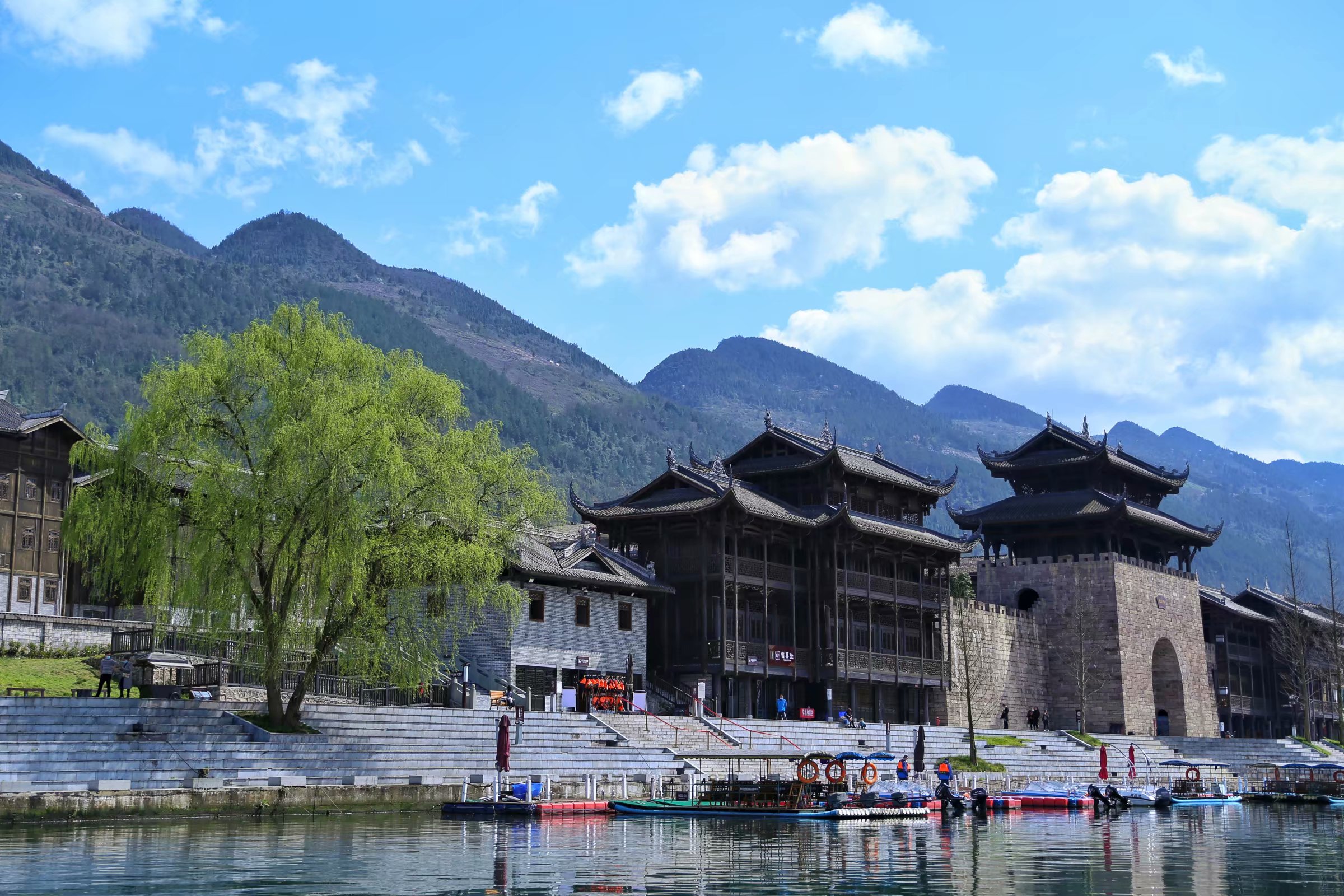
Zhuoshui Ancient Town
Zhuoshui Ancient Town is located in the Zhuoshui attraction area of Qianjiang District, Chongqing. It flourished during the Tang Dynasty, reached its peak in the Song Dynasty, and gradually declined after the Ming and Qing Dynasties. As one of the most renowned ancient towns in southeastern Chongqing, it stands alongside the Longtan Ancient Town attraction.Gongtan Ancient TownCollectively known as the “three famous towns of Youyang”. As a quintessential representation of Chongqing’s old streets, this area preserves a relatively intact alleyway layout with the distinctive charm of southeastern Chongqing’s ancient towns. It showcases the unique character that sets it apart from historical districts in other cities while embodying the fusion, inheritance, and innovation of Ba culture, Tujia culture, and Han culture. The waterfront culture, merchant culture, and market town culture here are intricately interwoven. The ancient town’s old street is paved with bluestone slabs, stretching approx. 1 km long and 2–3.5 m wide. The shops, residences, guildhalls, and schools lining both sides feature wooden structures in diverse styles—some are stilted houses, others courtyard dwellings or “dustpan-mouth” buildings—creating a picturesque harmony. Fireproof walls adorned with exquisite murals separate the residences, while intricate wood carvings grace the window lattices and masterful stone engravings decorate the column bases. Strolling down this street feels like stepping into a grand hall of multicultural heritage. The visitor center at the ancient town entrance is housed in a 300-year-old opera stage, featuring remarkably lifelike character carvings on its eaves – a rare example of intricate craftsmanship rarely seen across Chongqing.Wind and Rain BridgeSpanning the Apeng River, this approx. 303m long and 5m wide covered bridge was reportedly one of Asia’s longest wooden bridges. Built entirely of interlocking wooden beams joined by mortise-and-tenon joints in precise crisscross patterns, it featured remarkably sturdy construction. Sadly, the bridge was destroyed in a 2013 fire.
-
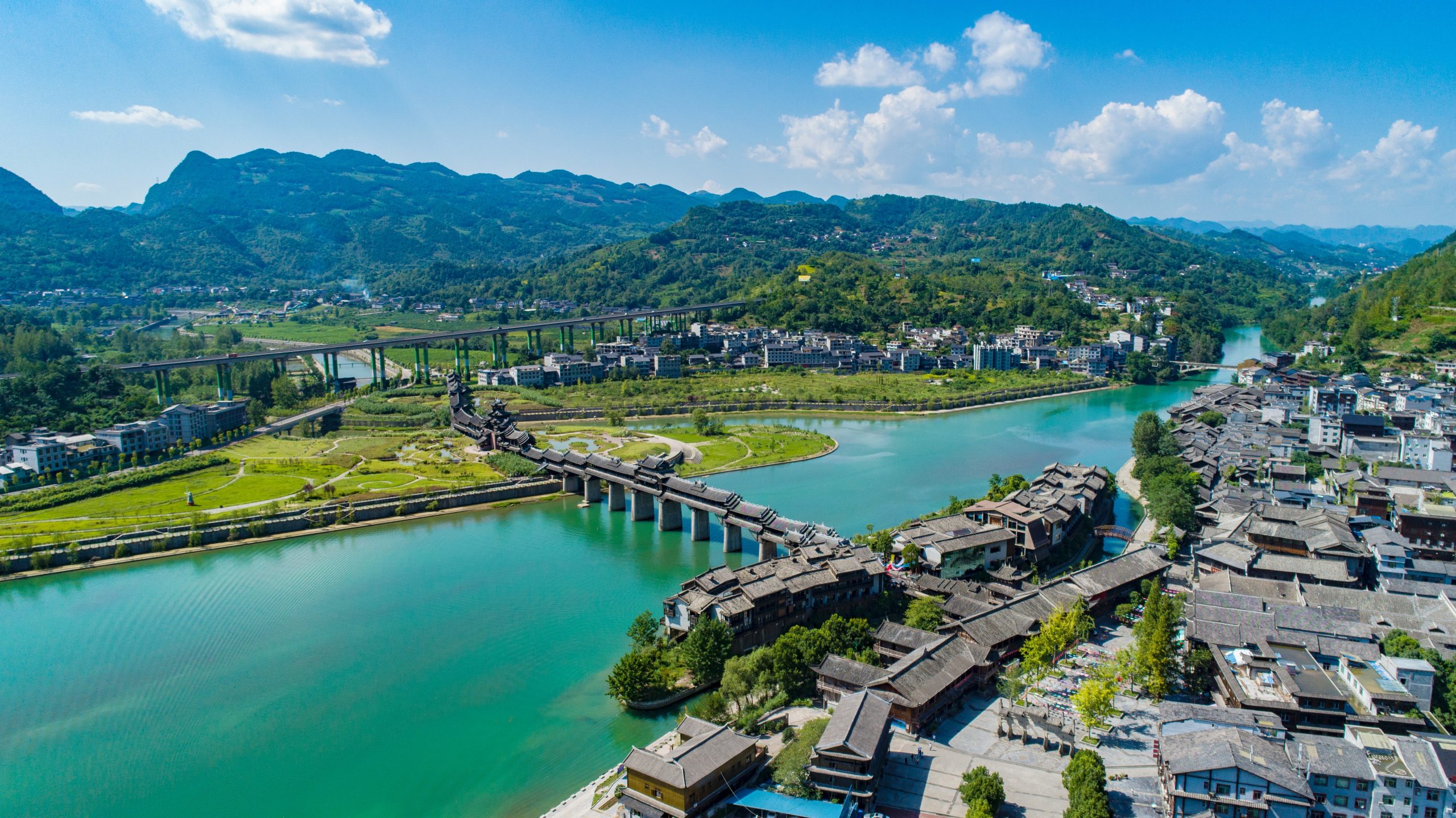
Zhuoshui Scenic Spot
Zhuoshui Scenic Area is a national AAAAA-level tourist attraction and one of the top ten landmarks of New Chongqing. It is located in Zhuoshui Town, Qianjiang District, Chongqing City, with a total area of 4.8 square kilometers. It consists of Zhuoshui Ancient Town, a commercial town with rich folk customs and cultural tourism resources that originated from the late Tang Dynasty and flourished in the Ming and Qing Dynasties; Puhua River Leisure Agriculture Experience Park, which integrates leisure, sightseeing, picking and experience; Bizika Water Park, which is themed on Tujia cultural design concepts and focuses on ecological garden landscapes, water play culture and entertainment, and Puhua Underground River, a karst geological wonder of the three bridges and two holes.Zhuoshui Scenic Area is located in the southeast of Qianjiang District, Chongqing City, on the bank of Apeng River, the largest tributary of Wujiang River. It is an important part of Apengjiang National Wetland Park, covering an area of 4.8 square kilometers. Chongqing-Huaihua Railway, Baomao Expressway and National Highway 319 pass through the area, and transportation is extremely convenient. The scenic area is a place where rivers meet, and the ancient town of Zhuoshui is elegant and far-reaching. The wind and rain covered bridge spans the river, connects the two banks and connects the three places, like a dragon roaring to the sky and wanting to leave; the Puhua underground river is winding and graceful, and the three natural bridges on the water are like a work of magic. On December 29, 2020, it was determined to be a national 5A-level tourist attraction.
-
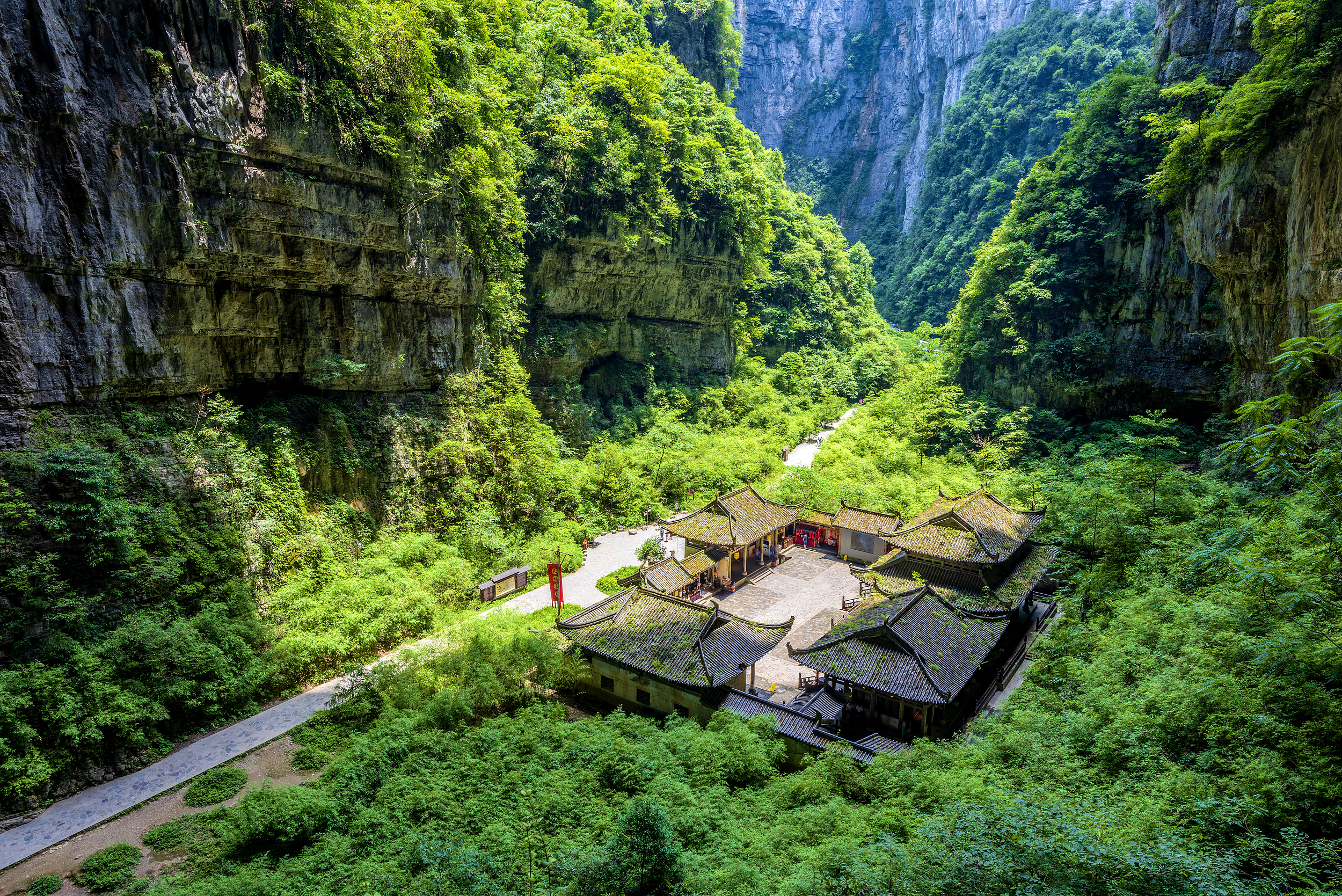
Tianfu Posthouse
The Tianfu Official Station is a special building with a special geographical location and is now a special tourist attraction. Its appearance has a specific story background. The station was built in the 2nd year of Wude era in Tang dynasty. There is a quaint siheyuan with a green tile and gray wall in the courtyard of Tianlong Bridge of Tiansheng Sanqiao. The lantern hanging in front of the courtyard reads the words “Tianfu Official Station”. The Tianfu Official Station, now seen, was reconstructed for filming. Many people are impressed by it. Here you can see Chongqing Wulong Tiansheng Sanqiao, a unique geological landscape composed of Tiankeng and cliffs.