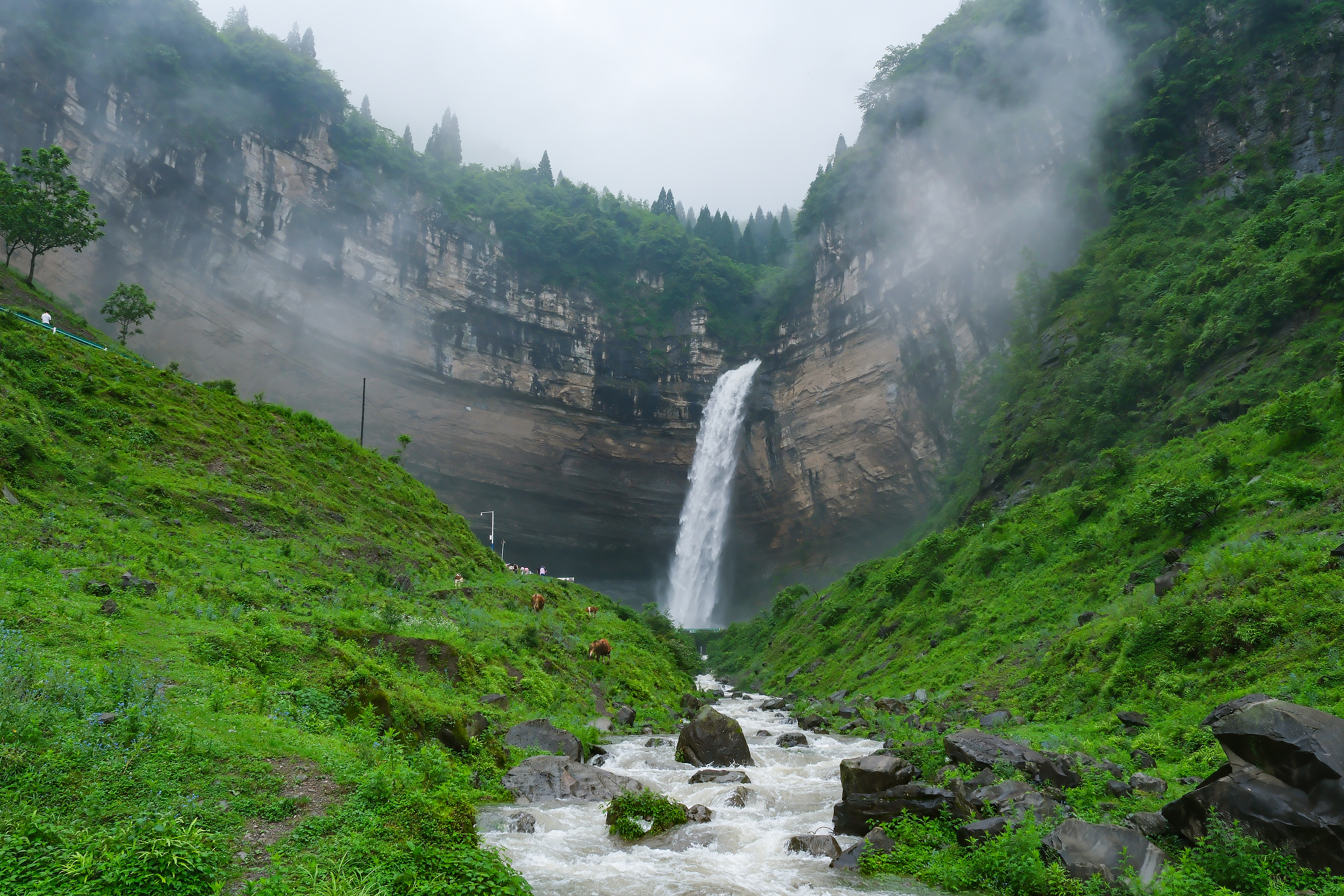
Located in Nayong County, Bijie City, Guizhou Province, China, Diaoshuiyan Waterfall is a tourist attraction that cleverly combines natural landscape and ecological environment. The waterfall cascades down from the towering rock wall, forming a spectacular water curtain, and the water flows with charming brilliance under the sunlight. The lush vegetation around it adds a bit of vitality and vigor to the waterfall. Visitors can follow the well-built trails to experience the majestic momentum and fresh mist of the waterfall up close. The viewing platforms along the way provide opportunities to appreciate the waterfall from multiple angles, making it an ideal place for photography enthusiasts to capture the beauty of nature. In addition to the waterfall itself, the surrounding natural environment is also worth exploring, and the rich flora and fauna resources add interest to ecotourism. Diaoshuiyan Waterfall is not only a paradise for nature lovers, but also a great place to relax. Visitors can enjoy the tranquility of nature here, away from the hustle and bustle of the city.
归档: Attractions
-
Jianhe Hot Spring
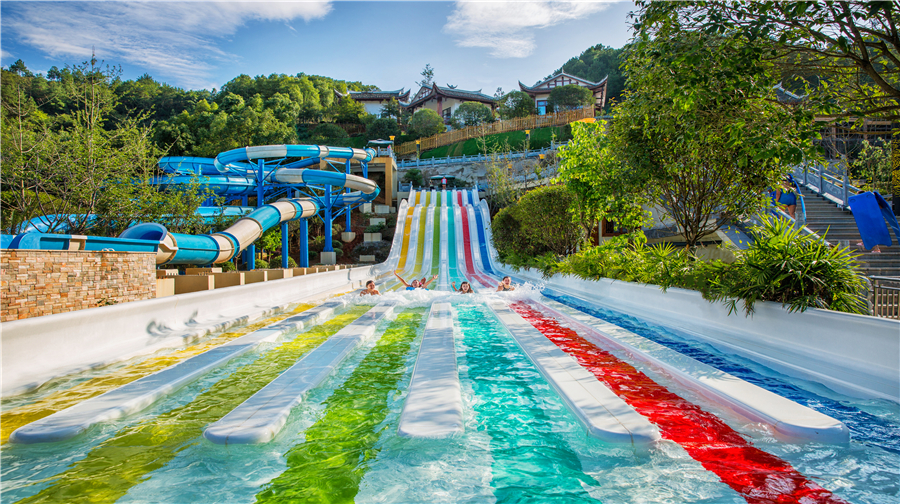
Jianhe Hot Spring City includes Shengshui Hot Spring, Hot Spring International Hotel, Yang Asa Hotel, Hot Spring Soup House, Hot Spring Bieyuan, Hot Spring Street, Hot Spring Theater, Hot Spring Cultural Museum, etc. It integrates health, health, leisure, vacation and tourism. Qingheyu is surrounded by the holy water hot spring city of Jianhe Miaoxiang. As far as the mountains are like the mountains, the mountains are green and green, and the trees are green and green. As one of the three famous springs in Guizhou, they enjoy the reputation of “Miaoxiang Shengshui”.
-
Haiping Yi Culture Town
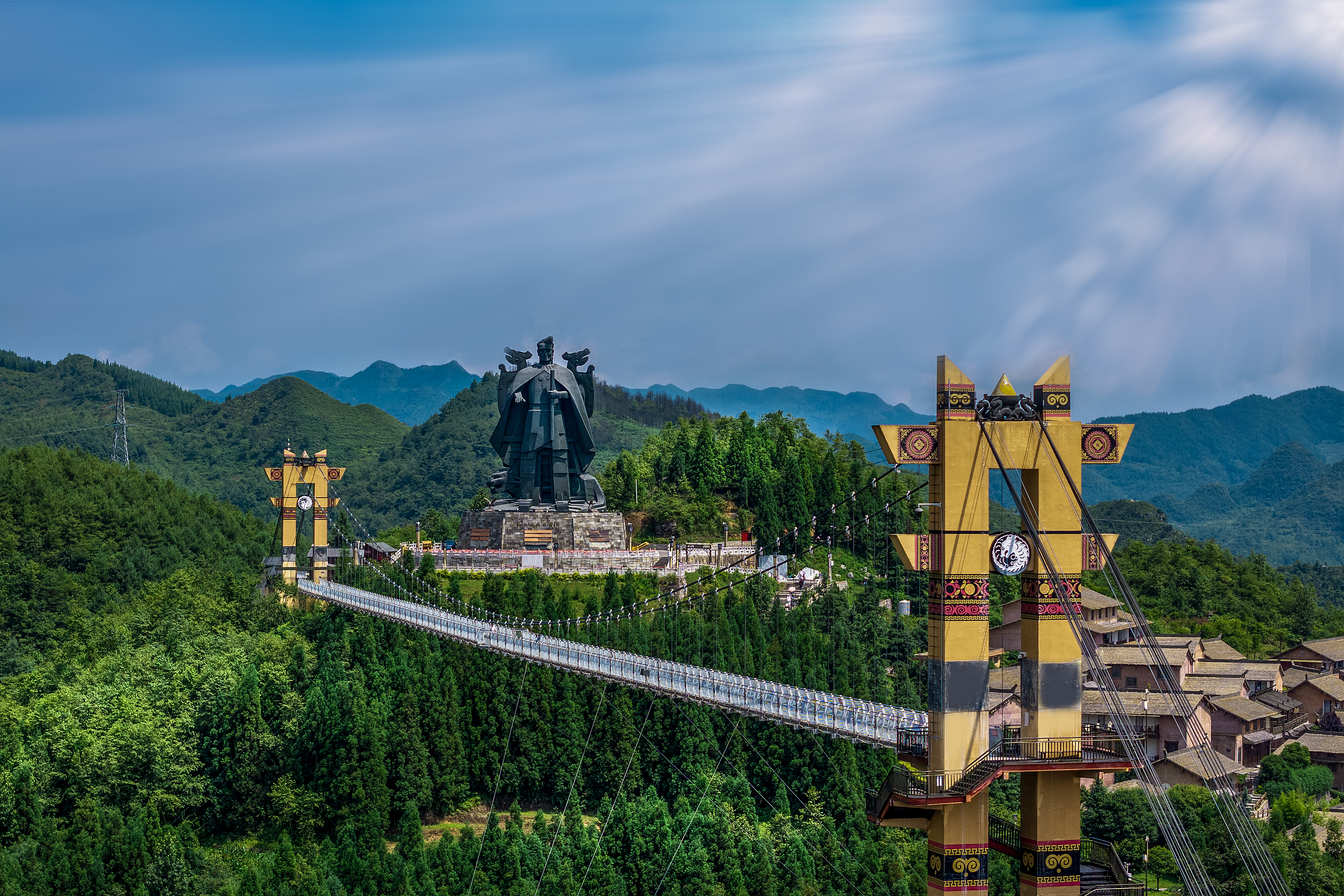
The Haiping Yi Culture Town is located in Haiping Village, Yushe Town. It is built on the mountain and takes Yi culture as the main line. It consists of Yi Culture Square, Tusi Manor, Nine-story Palace and other parts.
-
Water Forest
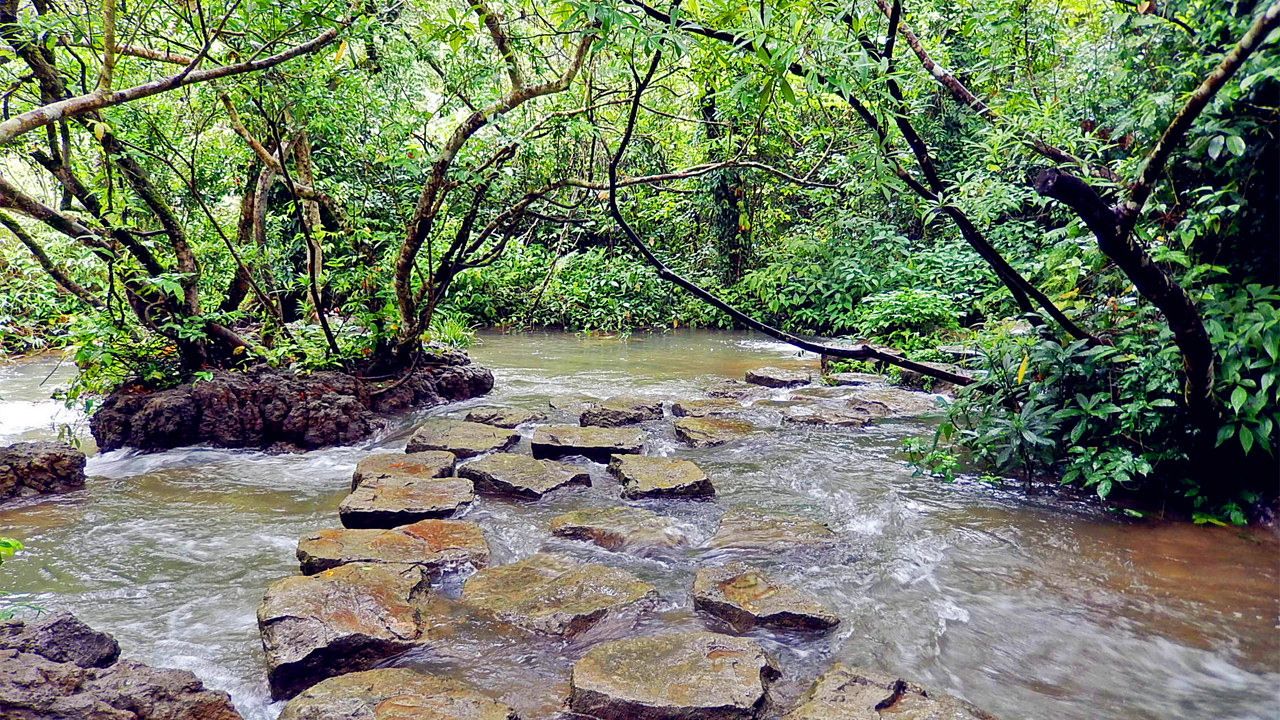
Xiaoqikong Scenic Area – Water Forest is a scenic spot within the Xiaoqikong Scenic Area of Libo, a rare karst landform water forest area. Hundreds of trees here, including dozens of rare species, are all rooted in the rocks in the water, and their roots extend from the rocks into the riverbed, creating a unique landscape where water, rocks, and trees are intertwined, a truly remarkable sight.
-
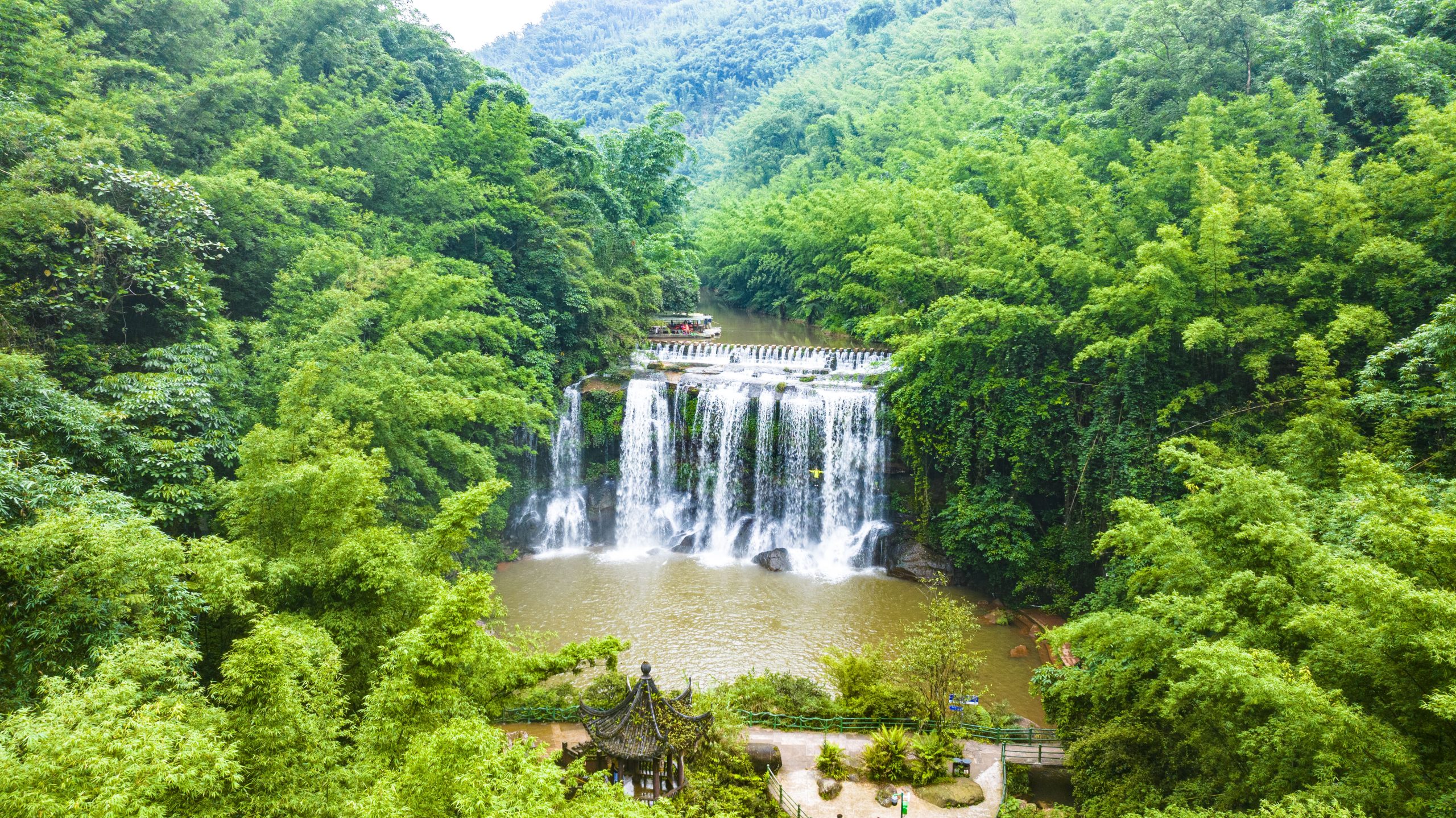
Sidonggou Senic Spot
A section running about four kilometers along the river is the Four Caves Valley Scenic Area. Four waterfalls are arranged at roughly equal distances, named the Water Curtain Cave, the Moon Pool, the Flying Frog Cliff and the White Dragon Pool, each with its own unique style. There are also cultural landscapes in the scenic area such as Zheng’s Stone Arch, “Calun Paper Mill” and several Danxia landforms, including the magical Shixiang Mountain and Duxian Bridge.
-
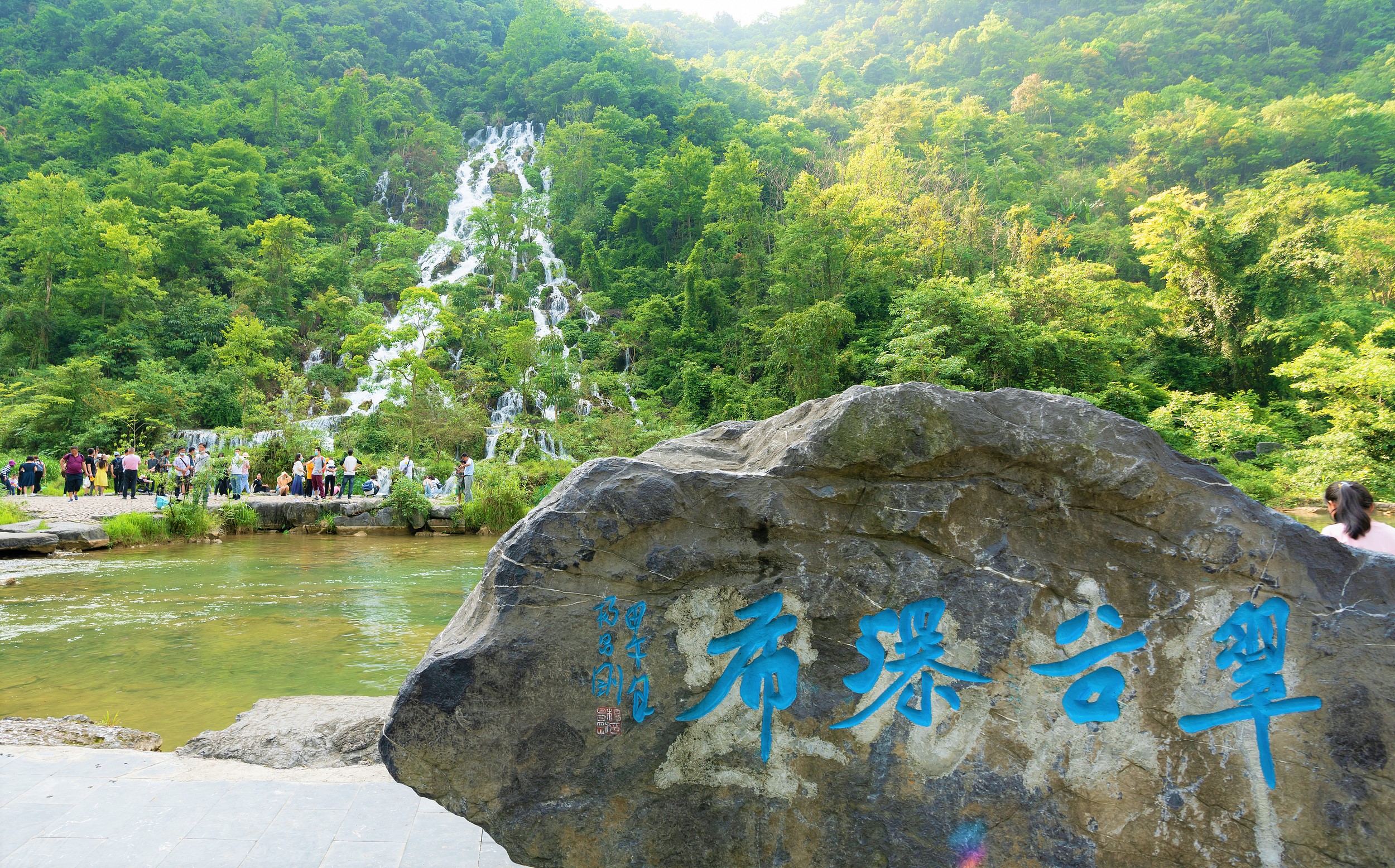
Cuigu Waterfall
Cuigu Waterfall is surrounded by peaks and green mountains, hence the name “Cuigu”. Cuigu Waterfall hangs on the waist of the mountains. It is a waterfall with a large drop in Xiaoqikong Scenic Area. The waterfall is more than 60 meters high. It looks like a jade belt hanging in the mountains from a distance. It was misty, like a group of dragons descending the mountain, fresh and pleasing to the eye.
-
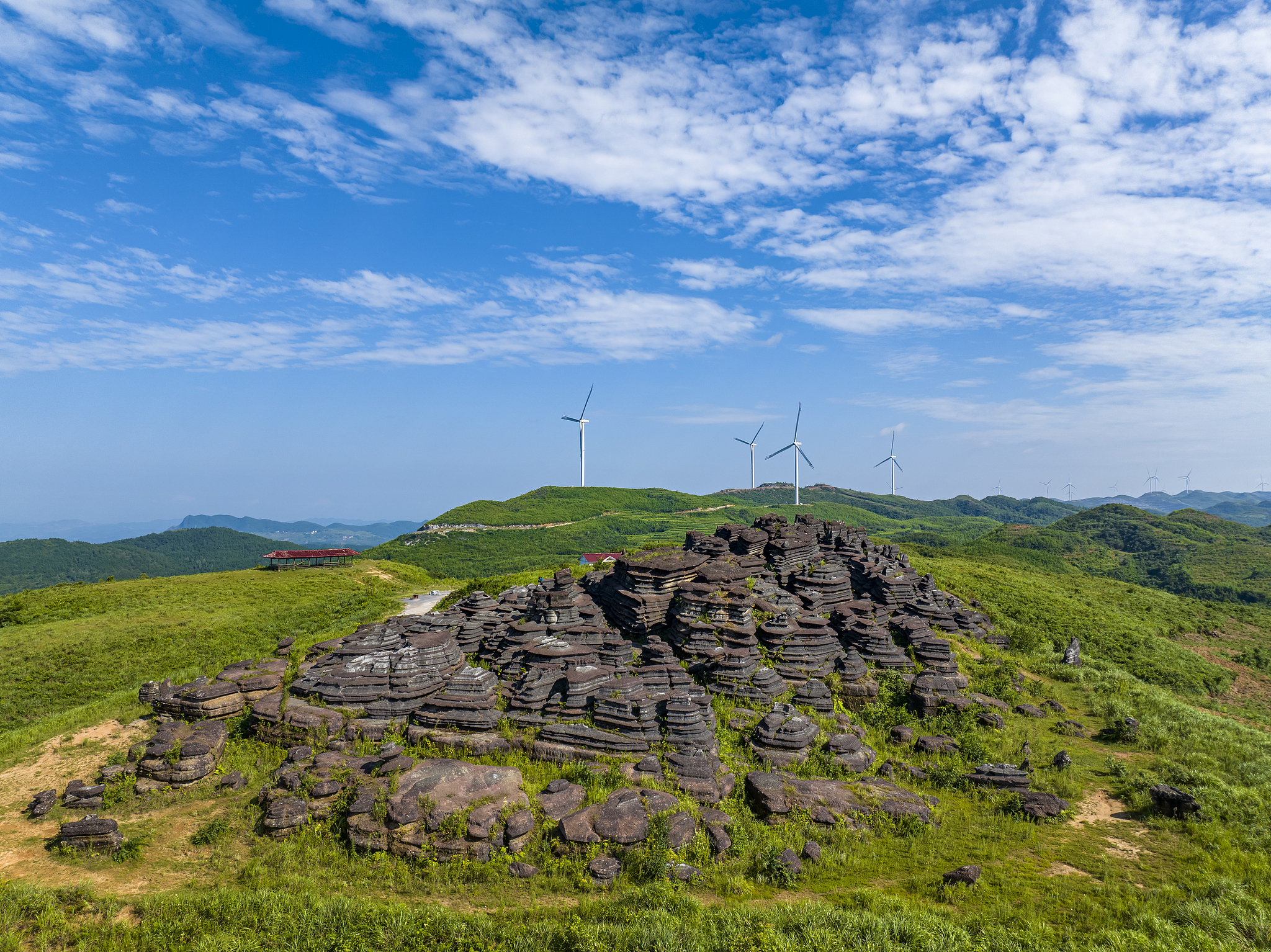
Guizhou Red Stone Forest
The Guizhou Red Stone Forest, located in Songtao Miao Autonomous County, preserves the geological memory of the ancient Yangtze Sea about 500 million years ago. This ancient seabed, which originates from the Zuolongxi Canyon, once deposited a large amount of carbonate materials mixed with mud and sand. After the uplift of the earth’s crust and the erosion and dissolution of water for hundreds of millions of years, it has carved out a stone forest landscape composed of ochre-red rock layers. The dark red, crimson purple and gray-white rock surface clearly shows wavy sedimentary textures, witnessing the vicissitudes of the ancient ocean. In the scenic area covering an area of about 5 square kilometers, the jagged stone pillars are more than 20 meters high, forming a maze-like stone wall, karst gully and natural bridge. At dawn and dusk, the rock mass presents a flame-like color change under the light, forming a strong visual contrast with the surrounding primitive secondary forest. Three circular trails connect the main viewing points, among which the “Undersea Maze” area retains a complete marine fossil layer. There is a geological museum at the entrance of the scenic area, which displays trilobite and hornstone fossil specimens collected from rock strata.
-
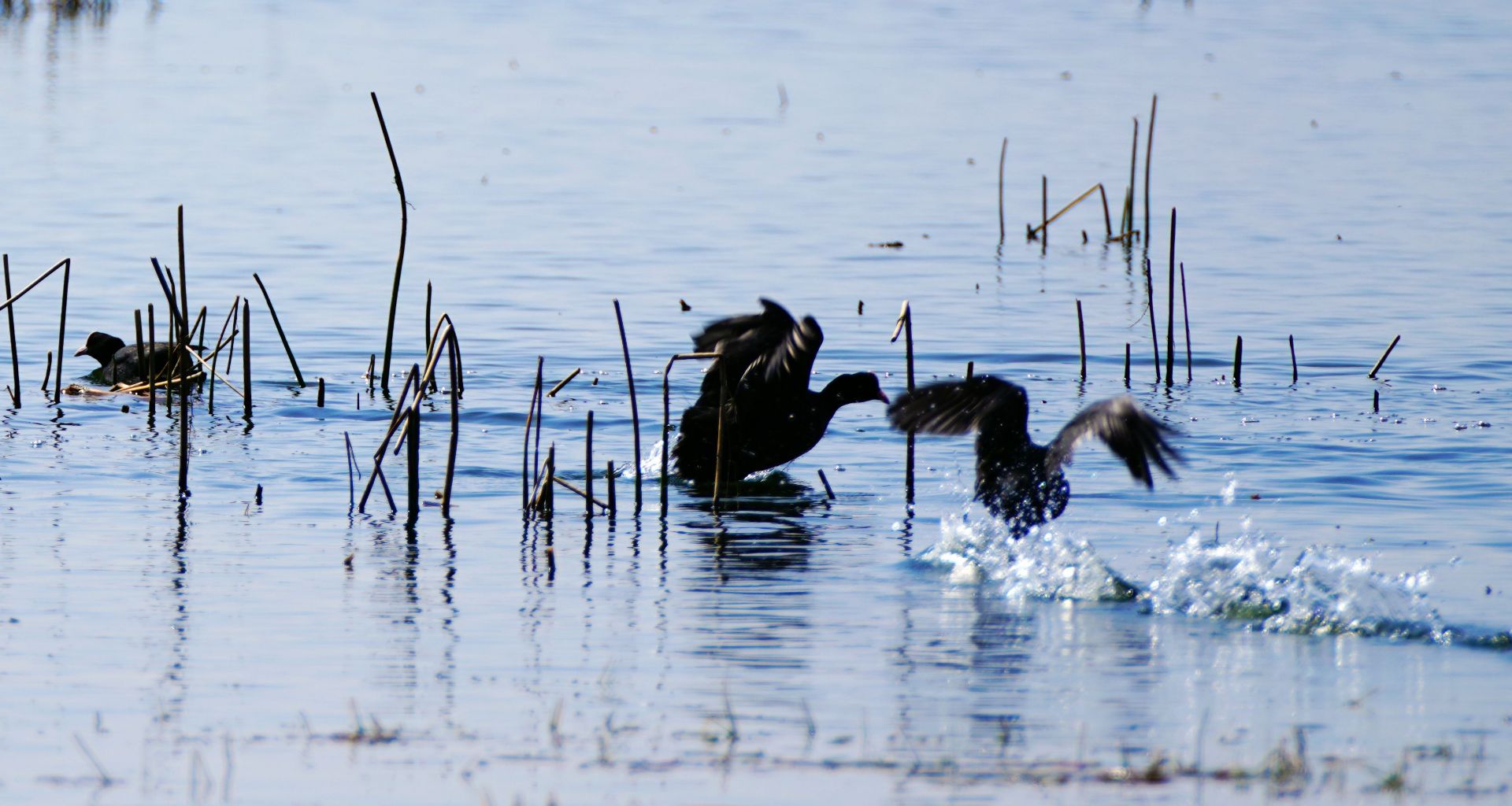
Caohai National Nature Reserve
Caohai Lake is located beside Weining County, about 2,000 meters above sea level. It is one of the three highland freshwater lakes in China. Its perennial water surface is as large as five of Hangzhou’s West Lakes. There are also more than 120 aquatic plants growing on the lake bed underneath, which provides sufficient food for more than forty species of fish. A large number of fish, shrimp, clams, snails and plankton provide plenty of food for more than 180 species of birds living here.
-
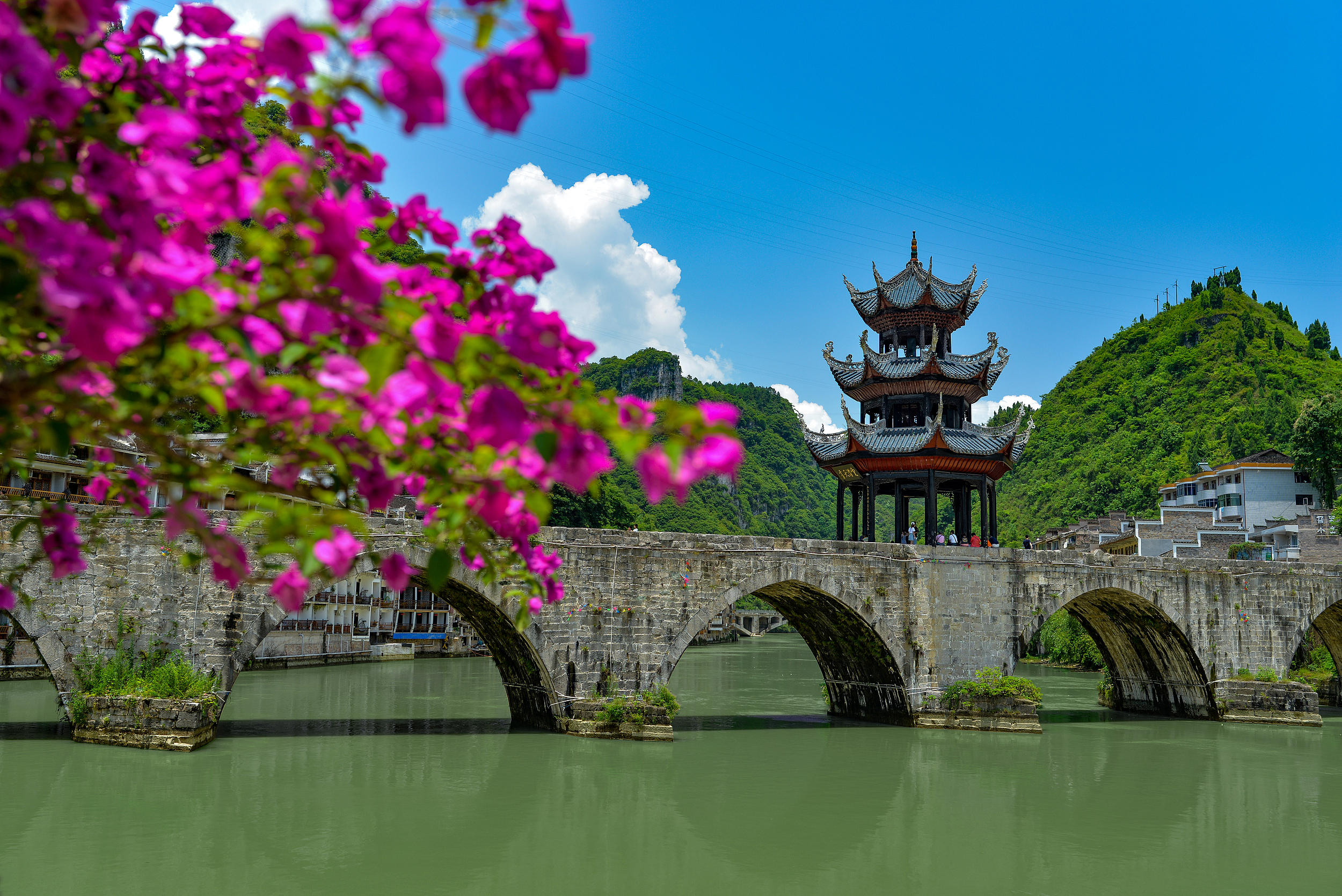
Wuyanghe National Scenic Area
Wuyang River National Scenic Spot is located in the towns of Zhenyuan, Shibing and Huangping near Kaili City, including the Wuyang Gorges River, Yuntai Mountain, and Zhenyuan Ancient City. Wuyang River National Scenic Area integrates natural landscapes, historic sights, and ethnic customs. The unique karst landscapes are on both sides. The fresh air and elegant environment provide a good place for a relaxing vacation.
-
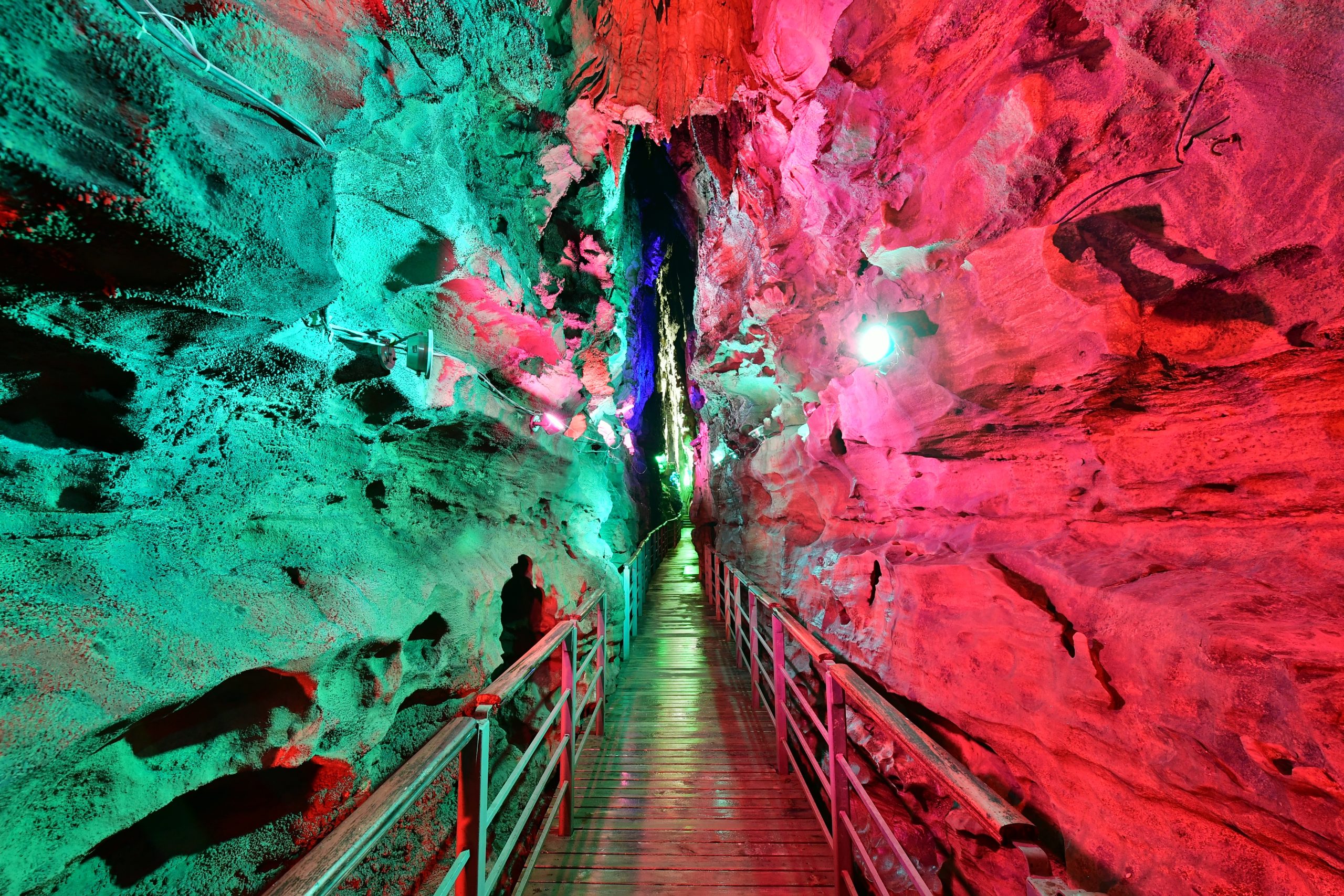
Shi Er Bei Hou Underground Crack Scenic Spot
Shi Er Bei Hou Underground Crack Scenic Spot boasts the only large subsurface fracture in a cave in China. The fracture gradually widens from top to bottom, and the narrowest part allows only one person to pass. The cave is divided into upper, middle and lower layers and is connected to others through the underground river. The cave has a constant temperature throughout the year, so it feels warm in winter and cool in summer. It has fresh air and is a natural oxygen bar, with high content of negative oxygen ions.