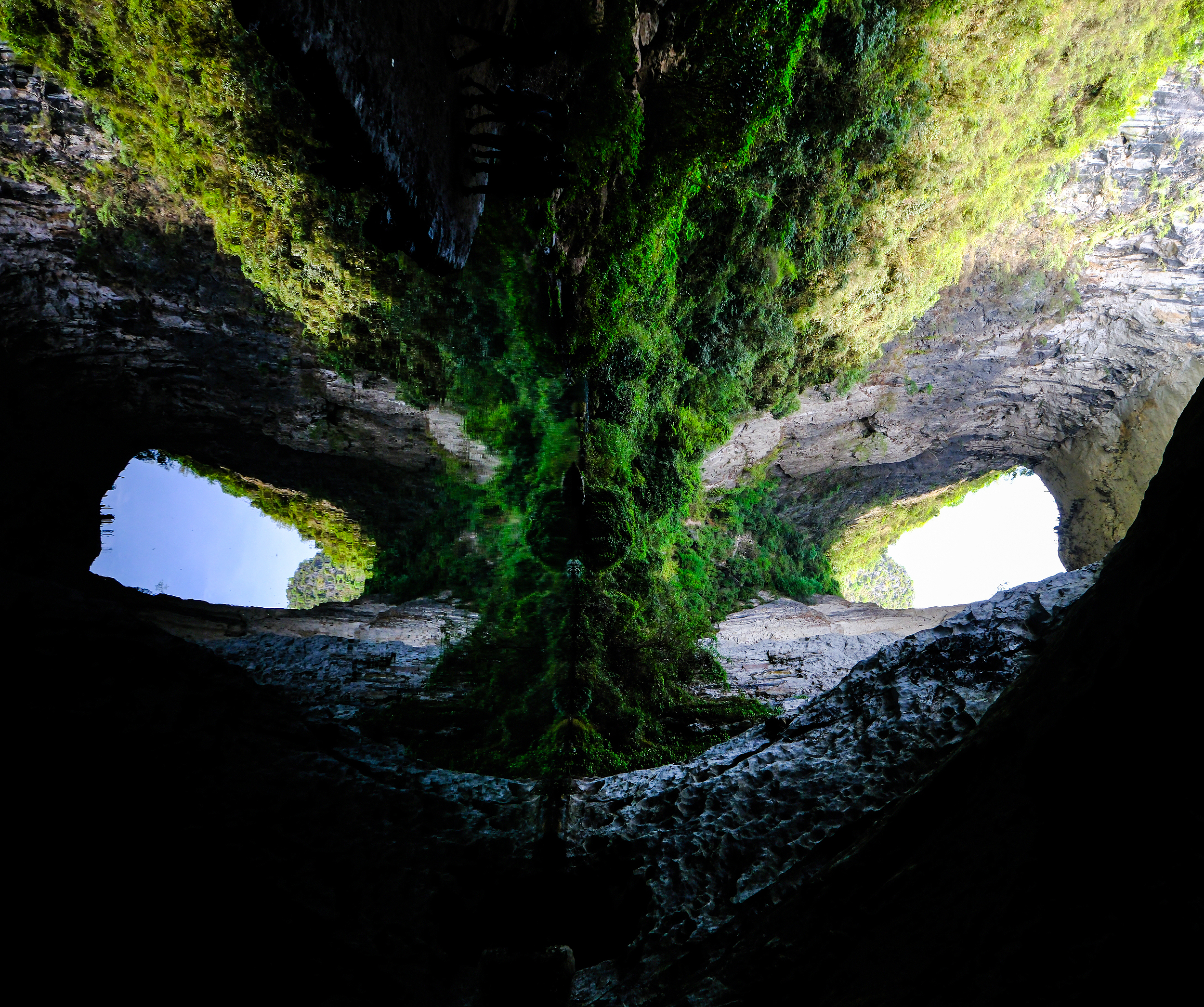
The Eye of the Great Sage in Anshun Dragon Palace is a famous attraction in the Dragon Palace Scenic Area in Anshun City, Guizhou Province. The Dragon Palace Scenic Area is renowned for its unique karst landforms and extensive underground cave system, and the Eye of the Great Sage is one of its striking natural wonders. The attraction, named for its resemblance to a giant eye, creates a mysterious and spectacular visual effect. The Dragon Palace Scenic Area, where the Eye of the Great Sage is located, boasts abundant natural resources and a diverse ecological environment, offering visitors a unique geological landscape and natural beauty. Besides the Eye of the Great Sage, Dragon Palace also attracts visitors with its underground rivers, waterfalls, and stalactites. The Eye of the Great Sage is not only a paradise for photography enthusiasts but also an ideal destination for nature lovers. A visit to the Eye of the Great Sage allows visitors to admire the wonders of nature and experience the unique charm of Guizhou’s karst landforms. This attraction is not only an essential part of Anshun tourism, but also offers a wonderful opportunity to explore natural wonders and enjoy a moment of tranquility.
归档: Attractions
-
Tonggu Valley
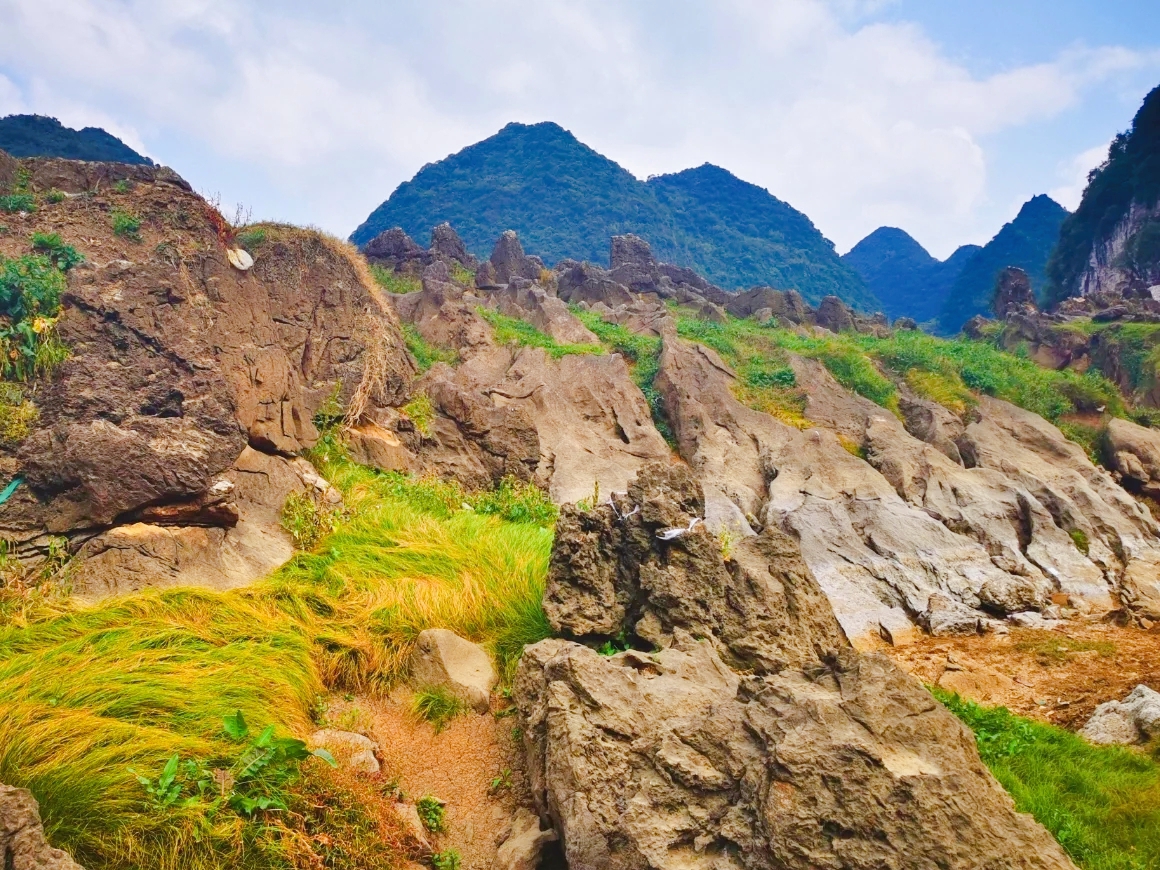
Tonggudang, located in Anshun City, is a basin surrounded by mountains, covering an area of over a thousand acres. It’s also a natural stone forest with rocks of various shapes, resembling oxen, horses, the Great Wall… a truly bizarre and wonderful sight. Because of this, it’s been dubbed “An Alien Planet.”
-
Danzhai Wanda Village
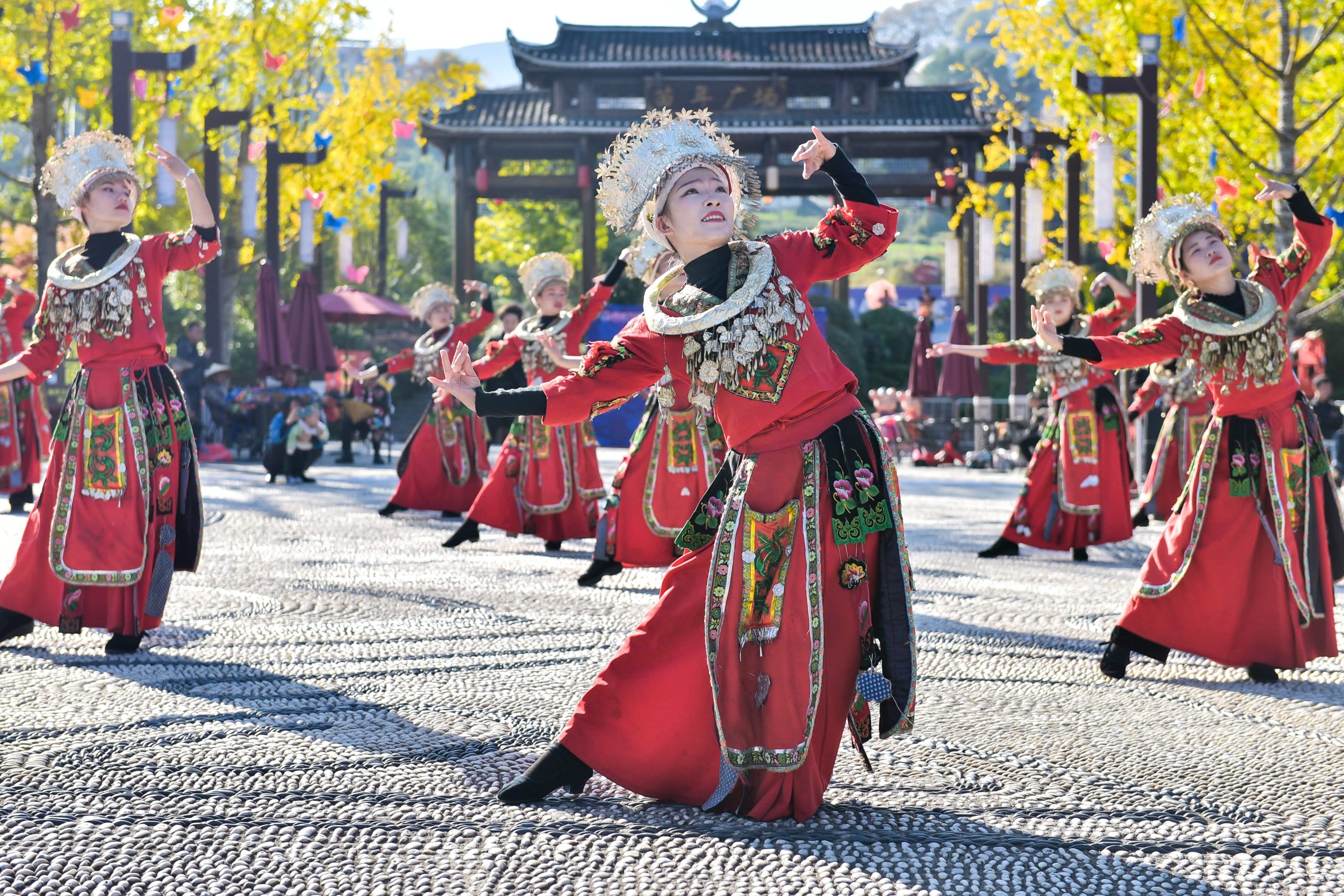
Danzhai Wanda Town is located on the banks of the beautiful East Lake in Danzhai County, Qiandongnan Prefecture, Guizhou Province. It has neither severe cold in winter nor scorching heat in summer. It has beautiful scenery and strong ethnic customs. It has Wanda Jinhua Hot Spring Hotel, characteristic inns, conference centers, intangible cultural heritage experience halls, sports stadiums, lakeside running tracks, Dandiao Library, large-scale performances, landscape amusement and other projects. It is a famous domestic resort integrating tourism, vacation, culture, study, leisure, conferences and expansion.
-
Huangguoshu National Wetland Park
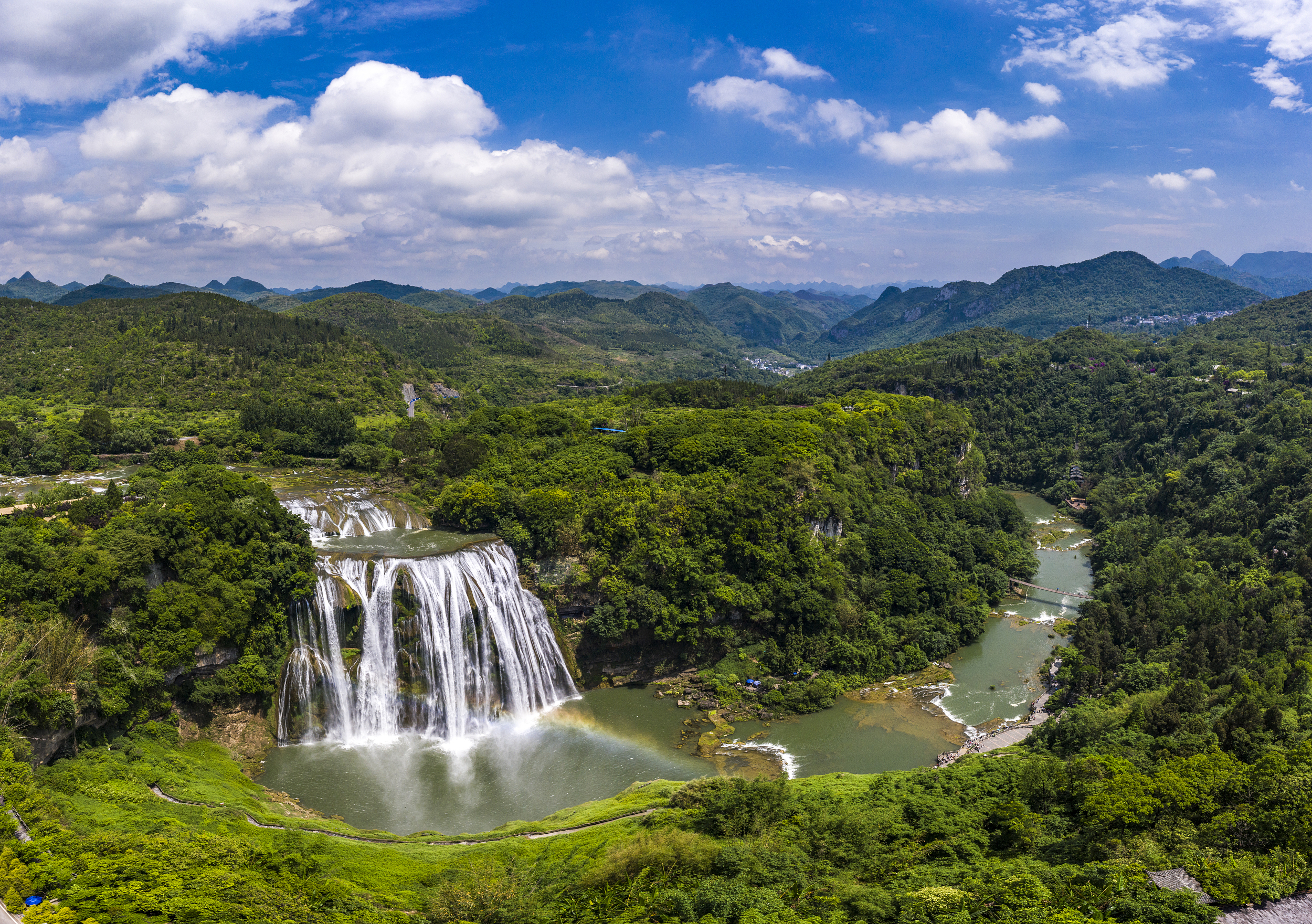
Huangguoshu National Wetland Park is located in Guanling, Guizhou Province. It is famous for its karst landforms and waterfalls. The core landscape, Huangguoshu Waterfall, is about 77.8 meters high and 101 meters wide. In the flood season, the water flows like a galloping horse, while in the dry season, the cliff texture is exposed. Visitors can watch the waterfall from multiple angles along the circular trail or walk through the Water Curtain Cave to feel the shocking roar behind the waterfall. The surrounding Tianxing Bridge Scenic Area features the Silver Chain Falling Pond Waterfall and the Karst Stone Forest. The trail passes through the canyon intertwined with vines. You need to reserve 2-3 hours for an in-depth tour. The park has clear guide signs and rest areas. It is recommended to wear non-slip sports shoes to deal with wet stone steps. Electronic ticketing services are available at the entrance of the scenic area. It is recommended to make reservations in advance during the peak season. Spring and autumn are more suitable for sightseeing. In summer, there is plenty of water but you need to prepare a raincoat. In winter, there are fewer people and you can enjoy the quiet landscape. Photography enthusiasts can go there in the early morning, and the waterfall in the mist is more lively.
-
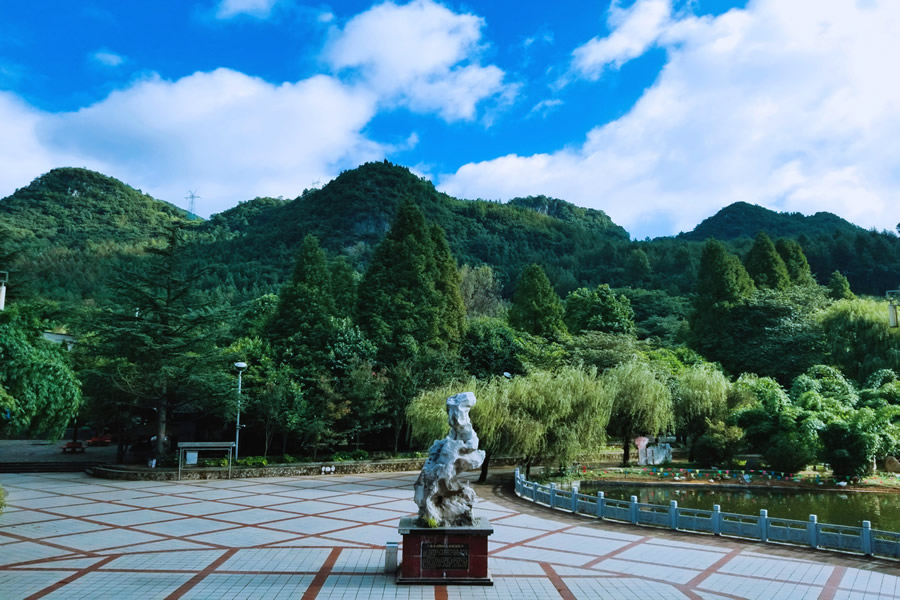
Liu Pan Shui Zoo
Liupanshui Zoo was first built in 2007. It is located on Renmin West Road, Zhongshan District, Liupanshui City, south of Guikun Railway. It was rebuilt on the basis of the original Qingbi Park. The first phase of the project was completed on May 26, 2008, and it was officially opened to the Residents on May 27 of the same year. It receives an average of 300,000 visitors per year. The design of the zoo venue not only fits the terrain, but also reflects the characteristics of captive animals in terms of architectural shape and facade shape. Liupanshui Zoo is the only comprehensive urban zoo in western Guizhou Province that integrates animal viewing, wildlife rescue, Residents leisure and entertainment, and student science education and publicity.
-
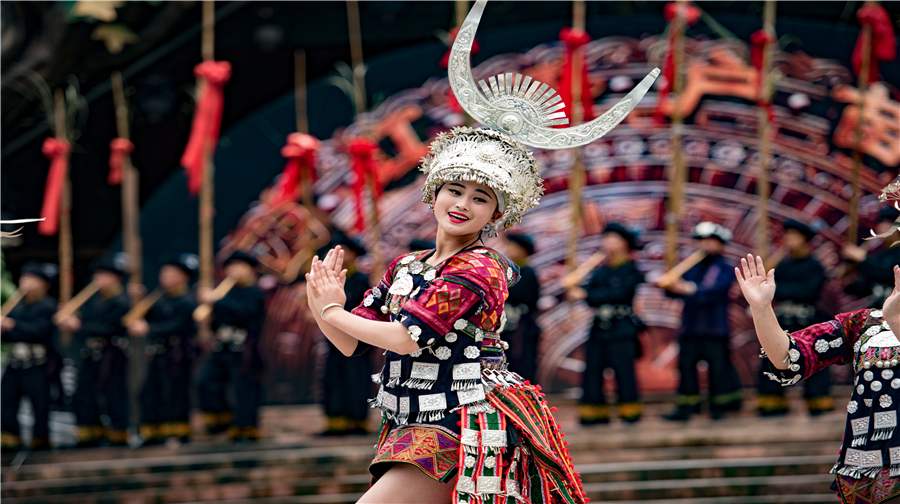
Wonderful West River Large Song And Dance Show
“Beautiful Xijiang” is a large-scale original ecological Miao situational song and dance drama, divided into four chapters, which presents a panoramic view of the life of the Miao people. A national song and dance performance with “color, fragrance and taste” is unsatisfying. In the Miao Village of Qianhu, Xijiang, the Miao songs and dances shown in “Beautiful Xijiang” have stories, culture and characteristics, and are simple, rough and original, fully expressing the sincerity and simplicity of the Miao people. 1Maple Wood Transforms into Butterfly According to legend, the butterfly was born from the core of maple wood. The butterfly flew to the edge of the pond and fertilized with a bubble, laying 13 eggs, which were hatched by the Jiyu bird into the 12 zodiac animals and a beautiful Miao girl. Human beings were thus born, and the butterfly became the incarnation of the Miao butterfly mother and god. 02Migration The Miao people are an ancient ethnic group that once lived in the middle and lower reaches of the Yangtze River. After failing in the ancient tribal war, in order to survive, during the long years of migration, the Miao people’s footprints were all over the mountains and rivers of China. The Miao people attach great importance to sacrifice, worship their ancestors, and respect the spirits of heaven and earth. Whenever they offer sacrifices, under the leadership of the drum head, that is, the head of the priest, they worship the ancestors and pray for good weather and good harvests! Prosperity of people and livestock! Happiness and peace! Bronze drum dance is a kind of dance with rhythmic drumming and dance movements and formation changes by the drummer. The dance posture is rough and flexible, the dance steps are vigorous and powerful, and the emotions are full, which fully reflects the bold and simple national character of the Miao people! Legend has it that the souls of the Miao ancestors live in the drums, and beating the bronze drums can let the ancestors hear the prayers of the sacrifice. 03 Ancient customs Love is an eternal topic for mankind. The Miao people advocate freedom of marriage and encourage young men to boldly pursue the girls they like. This is why there are traditional social festivals during the slack season, such as the Climbing Festival in April of the lunar calendar and the Malang Festival in June. Men and women travel around and play. If they really love each other, even if the two families are not “equally matched”, the Miao youth will secretly kiss and complete their own marriage. In terms of advocating free love, the romantic Miao people are many years ahead of other ethnic groups! 04 Miao Village Splendor There are more than 130 kinds of Miao costumes. It can be said that no other ethnic group in the world regards women’s costumes as important and sacred as the Miao. They wear totems on their heads and embroider wordless history books on their clothes. The beautiful Miao girls are dressed in their best clothes and walk towards you. The silver ornaments on their heads shine brightly with their brisk dance steps, and together with the colorful costumes, they interpret the beauty of the Miao mountains and rivers! The large-scale song and dance evening “Beautiful Xijiang” also arranged an interactive session for friends on the scene, allowing the audience to go on stage and participate in games with the Miao girls. The winner will receive a beautiful gift.
-
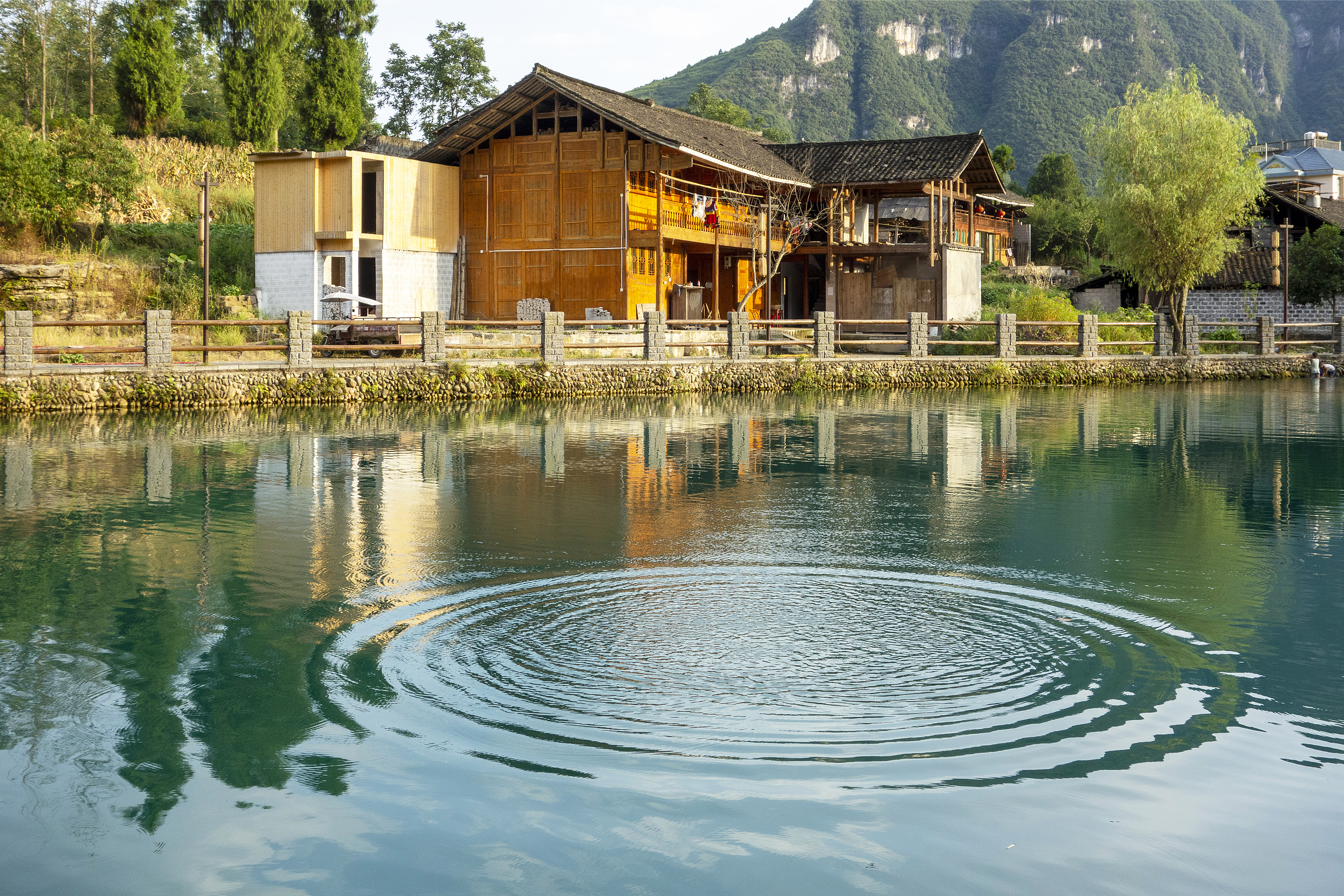
Yunshe Scenic Area
Yunshe Scenic Area is located at the foot of the mysterious Mount Fanjing and the picturesque Taiping River, 1.5 kilometers away from Jiangkou County and 10 kilometers away from the south gate of Mount Fanjing. Entering the scenic spot, what catches your eye is the wooden plank road suspended in the water. The ancient waterwheel quietly counts the historical rings on the Shenlong River. The clear river flows out of the world’s shorter river around the Tujia stockade. The outline of Yunshe. Yunshe Village is more than 1,500 meters above sea level. The mountains are dangerous and the bamboo forests are lush. There is a Shenlong Pool in the village and the Taiping River in front of the village. During the reign of Emperor Kangxi in the Qing Dynasty, the ancestors of Yunshe valued this piece of land and moved here to make a living by making paper, and the craftsmanship of papermaking was passed down from generation to generation. Shenlongtan, also known as Yunshe Spring, commonly known as Longtang and Rhinoceros Pond, is a descending spring. There are two strange things about Shenlongtan: First, it is unfathomable. There were more than 30 young people who took a basket of ropes, connected them to a long rope and tied a large stone and sank them into the pool. The bottom; second, it can predict the weather. The fluctuation of this spring has always been a precursor to local weather changes. The Shenlongtan spring has a large flow of water, excellent water quality, sweet and delicious, and has been the source of life for the Tujia people in Yunshe Village since ancient times. The barrel house is a unique Tujia ancient building in Yunshe. The barrel houses are mostly brick and wood structures. The courtyard and eaves are paved with bluestone slabs. The four walls are high brick walls with bluestone feet. The side view is ladder-shaped, and all have eaves. Generally, there are exquisite reliefs on the eaves and stone piers, and there are many hollow carvings on the balustrades and windows. The beauty of Yunshe’s scenery comes from the absence of artificial carvings, and the beauty of Yunshe’s folk customs comes from the original folk customs. The ancient village of Yunshe will always maintain a suitable distance from the mundane world, and will always maintain the simplicity, purity, detachment and lightness of the ancient village of Xianxiang, beyond the clouds and the end of the world.
-
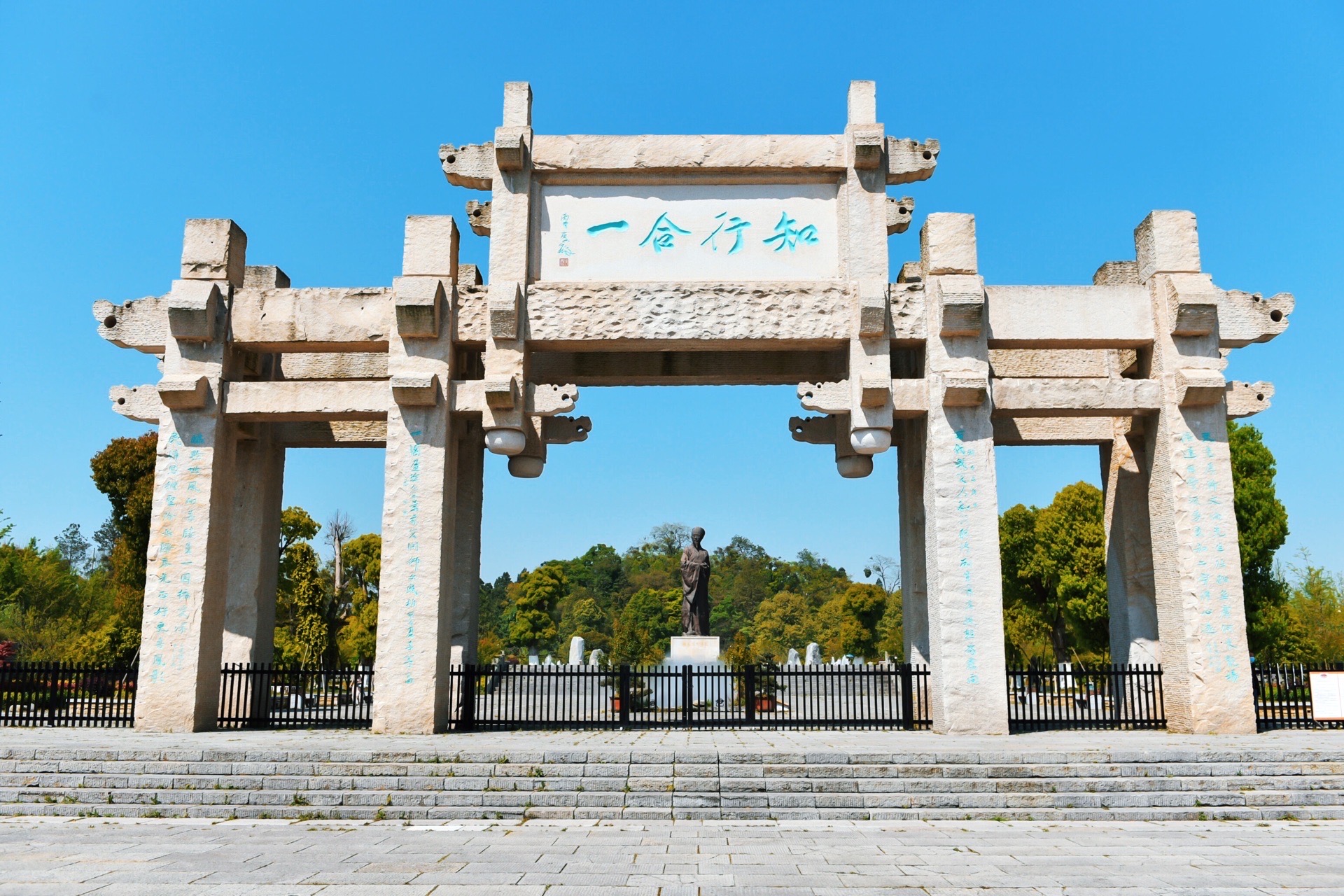
China Yangming Cultural Park
China Yangming Cultural Park consists of the “Yangming Cave” Relics Scenic Area, the Longchang Post House Comprehensive Area, the Menghuiguli Town, and the Spiritual Cultivation Resort. The “Yangming Cave” Relics Scenic Area is the core and soul of the entire China Yangming Cultural Park. he core scenic spot of Yangming Cultural Park in China covers attractions such as “Unity of Knowledge and Action” Memorial Archway, Zhengxin Pool, Qinmin Station, “Yangming Cave” Site, Longgang College, and Yangming Temple. Yangming Temple is an ancestral hall dedicated to worship Wang Yangming, the scholar of the Ming Dynasty who was devoted to the study of the classics with a philosophic approach. It was built in the reign of Jiaqing of the Ming Dynasty. After several times of renovation, Yangming Temple has excellent greening and quite environment, and it also worships a statue of Wang Yangming in court dress.
-
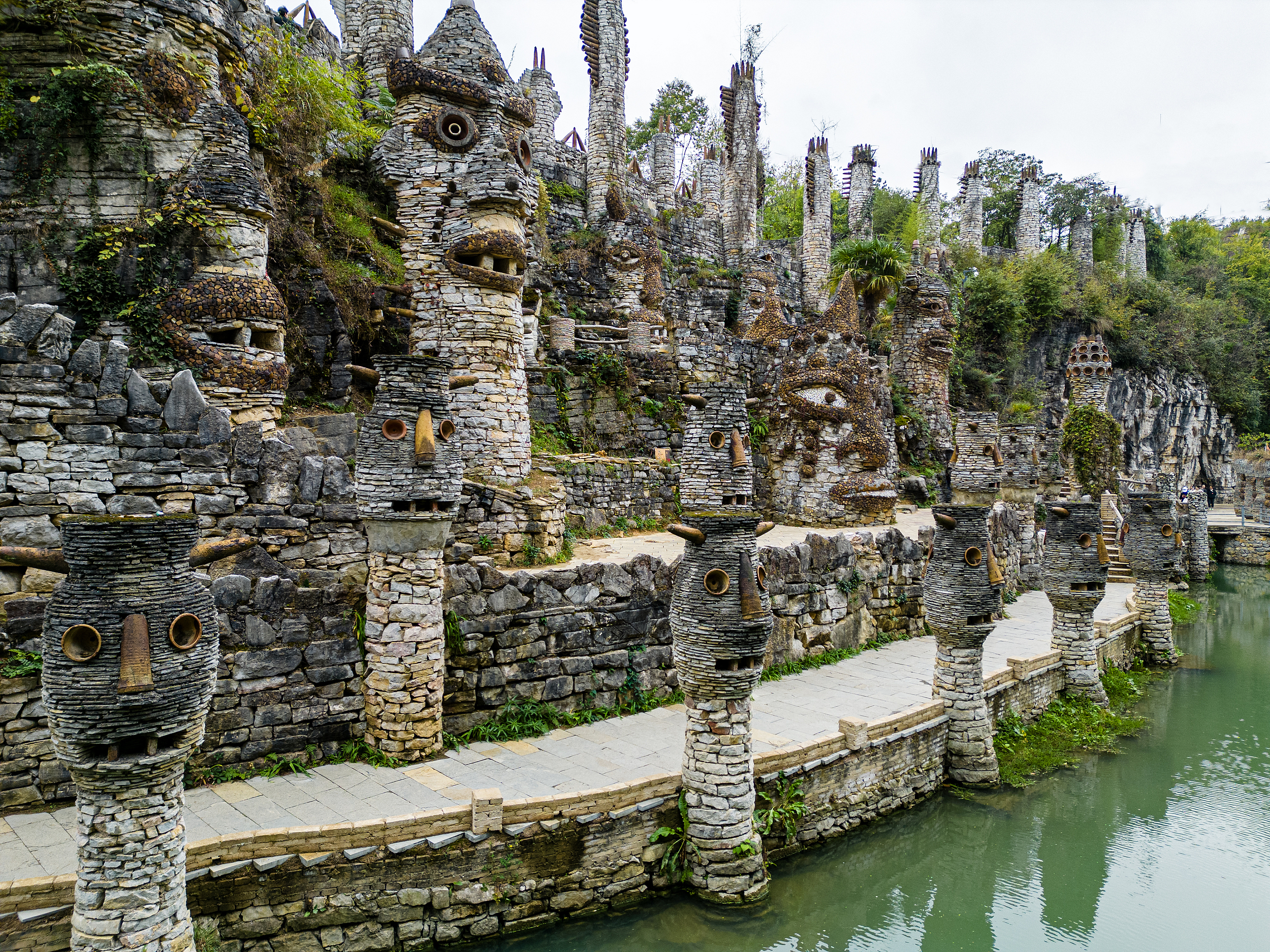
Song-style Castle in Yelang Valley, Huaxi
The story of “Yelang’s arrogance” is well known to everyone. The ancient Yelang Kingdom, which appeared in the Qin and Han Dynasties more than 2,000 years ago, was as famous as the ancient Loulan Kingdom and the ancient Qielan Kingdom. It was prosperous and famous all over the world. Passing through the mysterious tunnel of history, the Yelang culture is still charming. In a Yelang Valley in Guizhou, it integrates all the imaginations of modern people about ancient Yelang.
-
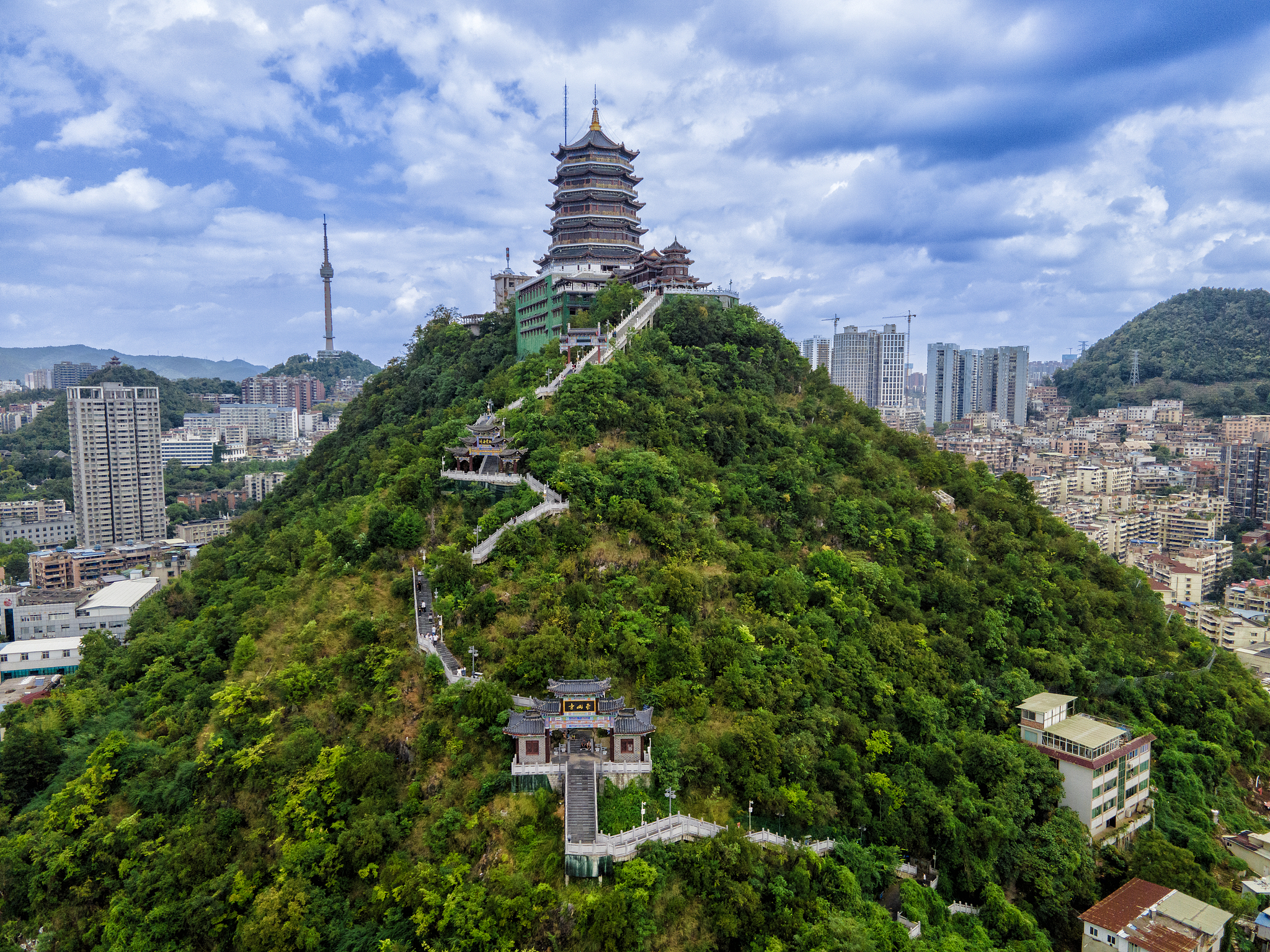
Dongshan Temple Site
Two miles east of Guiyang City, there is a mountain called Qixia Ridge. It stands horizontally like a barrier and is covered with lush trees. On the mountain, there is a temple called Dongshan Temple.Dongshan Temple, also known as Dong’an and Qixia Temple, has been a popular tourist attraction in Guiyang since the Ming and Qing Dynasties. It was built during the Hongwu period of the Ming Dynasty and rebuilt many times. It was destroyed during a special period and now only the ruins remain, with many cliff carvings. In 1981, the site was announced as a Guiyang municipal cultural relic protection unit.