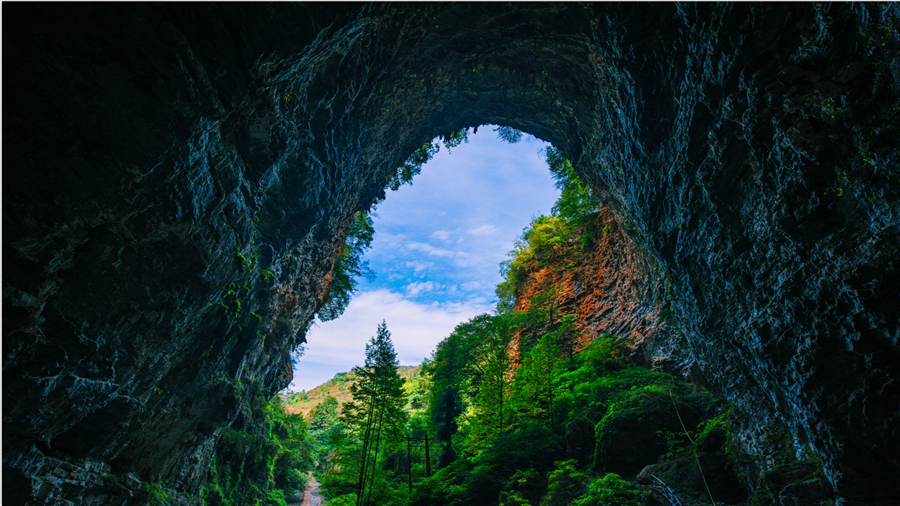
Jiudongtian is located on the Liuzhong River at the junction of Dafang and Nayong counties. It is a national key scenic spot with a total length of about 6 kilometers and is divided into two sections. The underground river in the cave expands to form many lakes in the cave, and the water flow is stable.”Yidongtian” is a dry cave, which is spacious inside and is the entrance hall. It covers an area of more than 3,000 square meters and has an average height of 80 meters. The stalactites on the cave walls and ceilings are bizarre and magnificent.The “Second Cavern” is now used as a power generation cavern, which uses gates to control the water flow from a height of 11 meters to generate electricity. It is a rare natural cave power station without a plant in China, and is extremely economical.The “Three Caves” are tall, wide, winding and quiet. The stone wall on the left bank is extremely smooth, as if it was cut by a knife or an axe, and colorful stalactites are hanging on the wall on the right bank.”Four Caves” is a natural Attraction composed of multiple caves. The stalactites in the caves are like towers or palaces, crystal clear and lifelike.”Wudongtian” is a dark lake in the shape of a gourd, which is naturally formed by contracting at the top and expanding at the bottom.The “Six Caves” are connected natural bridge windows, the top of which is about 100 meters above the horizontal plane and is very dangerous.”Qidongtian” is a large dry cave with thousands of windows and holes, which are interconnected and can accommodate thousands of people.The entrance of the “Eight Caves” is only two or three meters wide, but tens of meters high, like a narrow alley in a tall building. The sunlight refracts into it, and the light and color of the water surface change endlessly.The caves in the “Nine Caves” are divided into three layers. The strange-shaped water caves and dark lakes in the lower layer are connected to the Eight Caves, and are connected in all directions. In the middle layer, there is a huge natural bridge 90 meters long and 120 meters wide, which is shaped like a “gate”. Looking down at the water cave from the square under the bridge, it is mysterious. Looking up, the sky is drawn as two huge arcs, like the magpie bridge when the Cowherd and the Weaver Girl meet. The upper layer is a cave hall parallel to the natural bridge arch, with an area of about tens of thousands of square meters. Countless cave entrances are connected to each other, forming a three-dimensional maze, which is rare in the world.
归档: Attractions
-
Daqikong Scenic Area
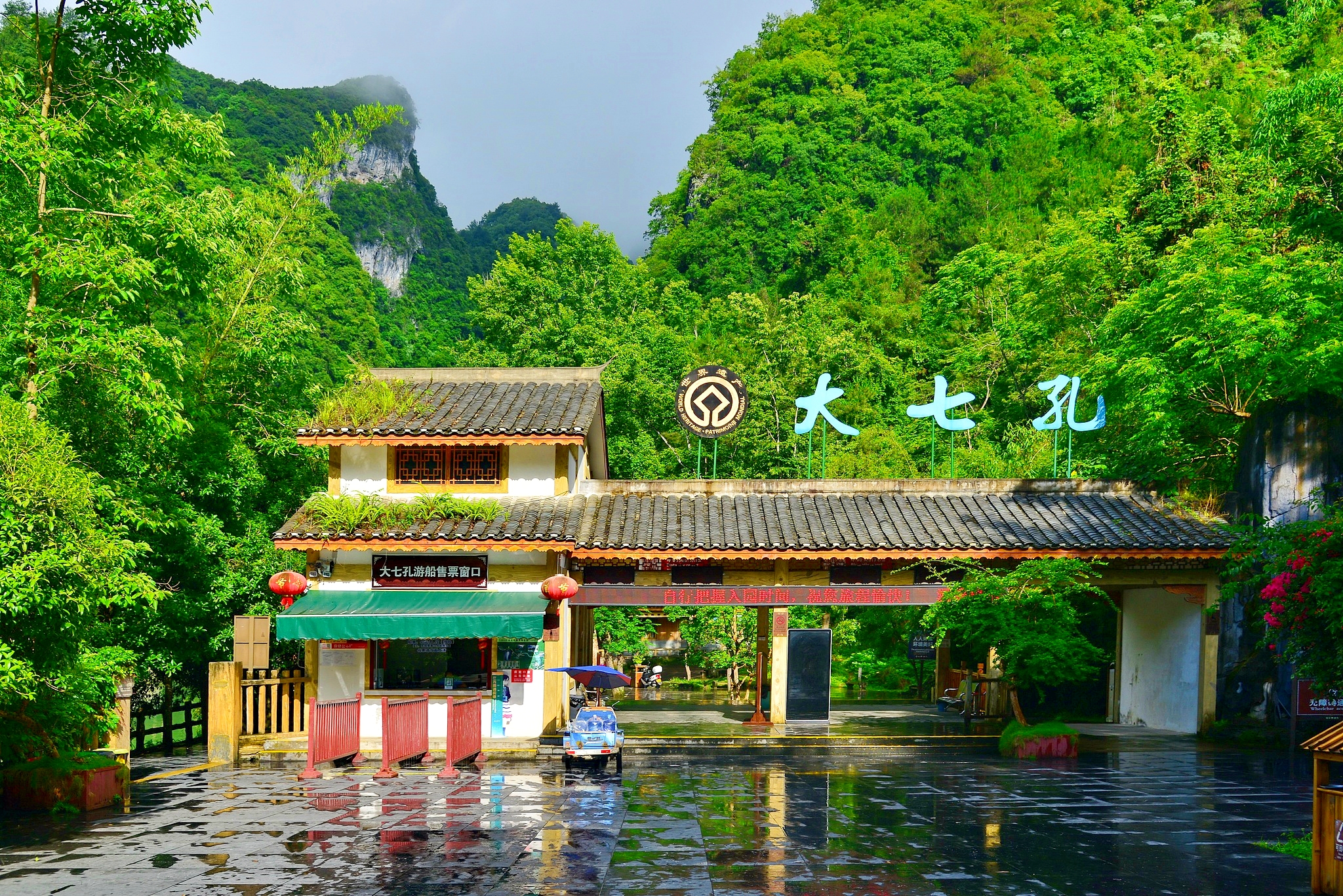
Da Qikong (literally “seven holes”) is located in Libo County, Guizhou Province. The area is named after a bridge with seven arches over the Mengtang River. The main attractions include karst gorges and unusual rock formations. Visitors can go white water rafting and admire the steep cliffs. The picturesque rock faces are covered with stalactites and lush green trees.
-
Site of the Zunyi Meeting
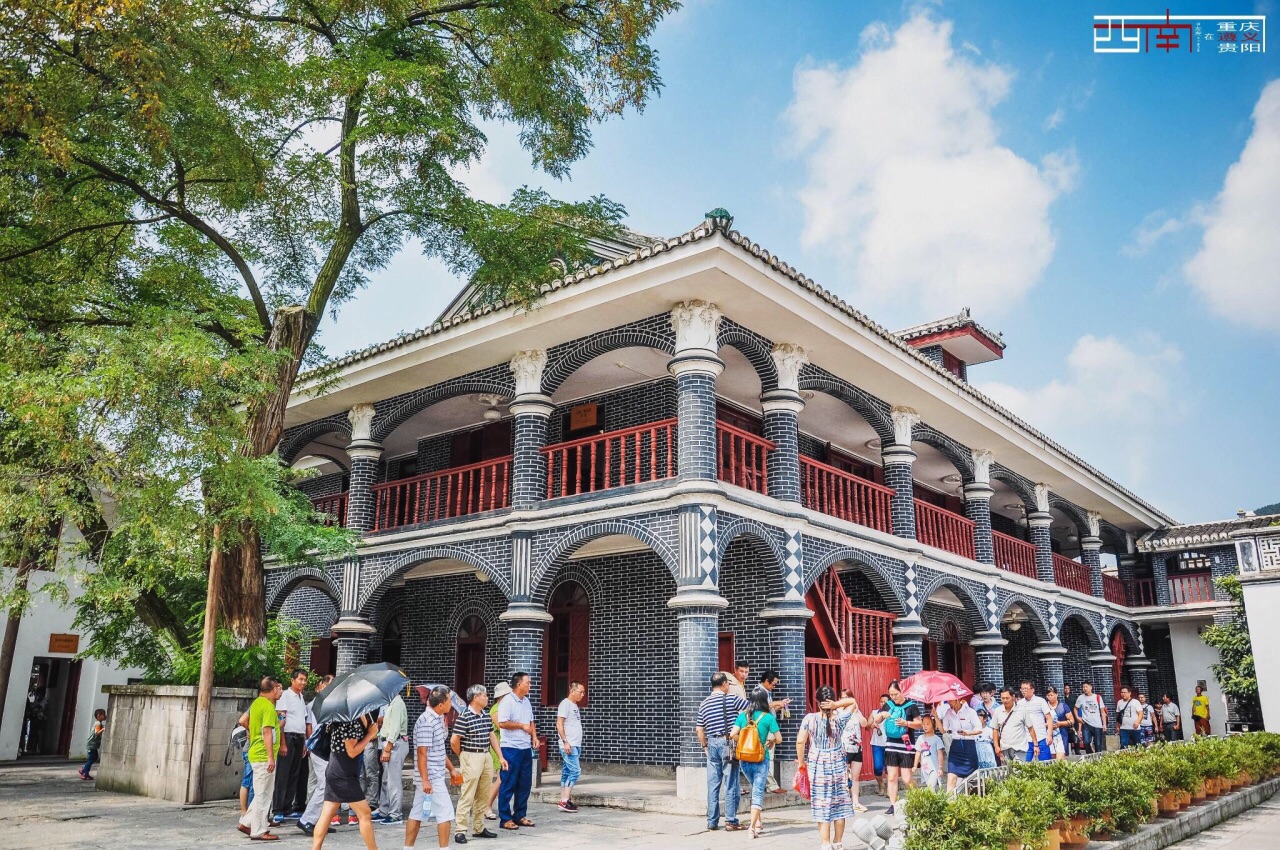
The Site of the Zunyi Conference was originally the private mansion of Bai Huizhang, a warlord and the Commander of the Second Division of the 25th Army of Guizhou Province. The site consists of the main building and a courtyard. It was here where Mao Zedong became the new leader of the Chinese Communist Party. The site contains a large number of historical images and texts as well as items that belonged to Communist revolutionaries.
-
Hou’er Sinkhole Scenic Area
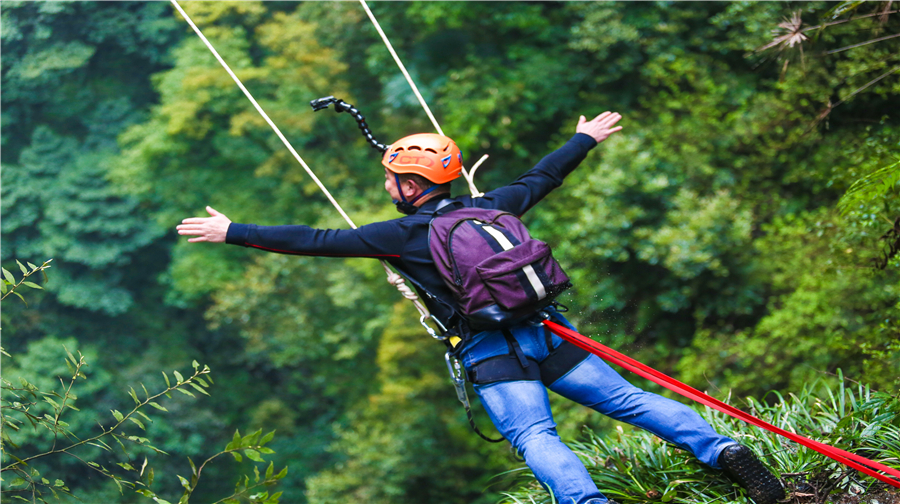
Hou’er Sinkhole Scenic Area is located in central Kaiyang County. The name “Hou’er”, which means monkey ear in Chinese, came from its shape for the resemblance. The scenic area enjoys a combination of a sinkhole, steep cliffs, underground rivers and hanging waterfalls, featuring marvelous, steep, mysterious and secluded views. Due to its outstanding size and depth, and the fantastic shape, Hou’er Sinkhole is regarded as a local geological wonder. The picturesque setting and unique views have made it an ideal place for recreation and leisure.
-
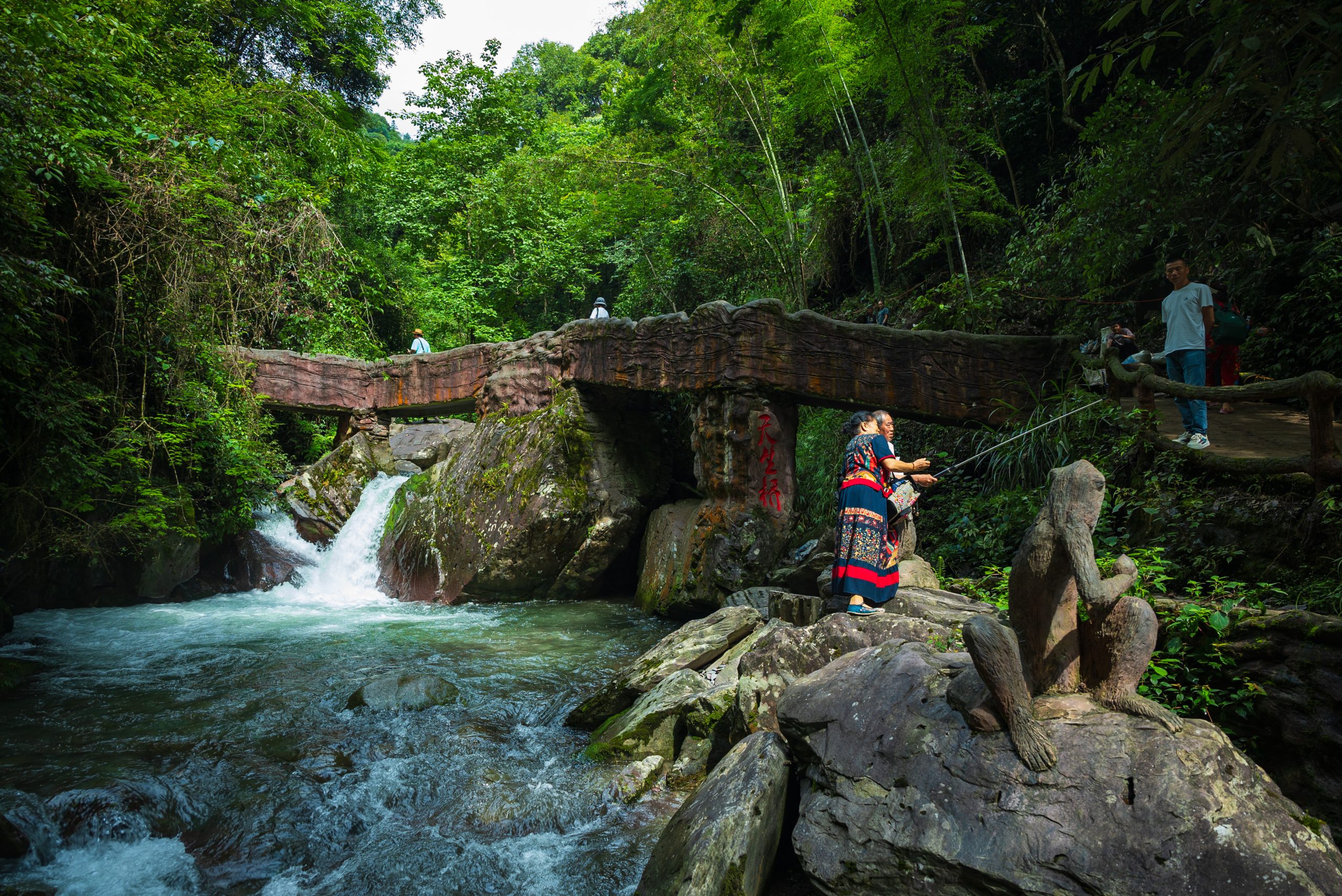
Yamugou Scenic Area
Yamugou Scenic Area is at the foot of Fanjing Mountain in Jiangkou County, Tongren City. Walking along the canyon, you can enjoy the beautiful scenery of streams and grass on the shoreside. The scenic area also includes a rural-style gallery, a shopping street and a Tujia-style park. Here, you can enjoy the original natural scenery and authentic Tujia culture.
-
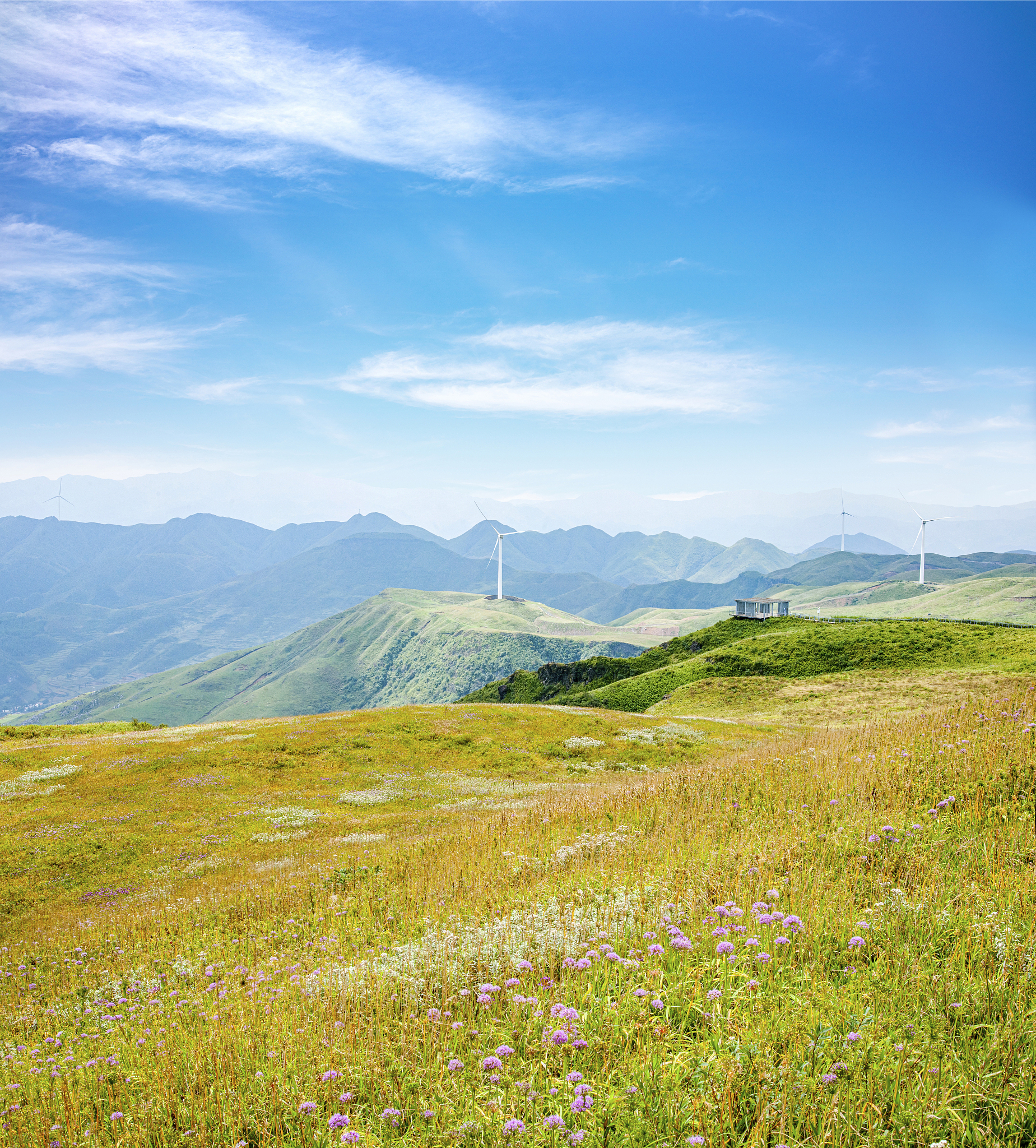
Ahsilisi Jiucaiping
Axilixi Chives Field is located in Hezhang County, Bijie City. It is also known as the Great Chives Field. It is one of the largest wild chive flower fields in the world and a wild chive flowers protection area. At the hill top of the Great Chieves Field, there is a plateau platform, which is covered with wild chives. Every August and September, the rolling hills are covered by masses of blooming wild chive flowers. Purple spherical flowers intersperse the green leaves. Looking from a distance, you can see a sea of flowers. It is absolutely enchanting and makes it hard for you to say goodbye.
-
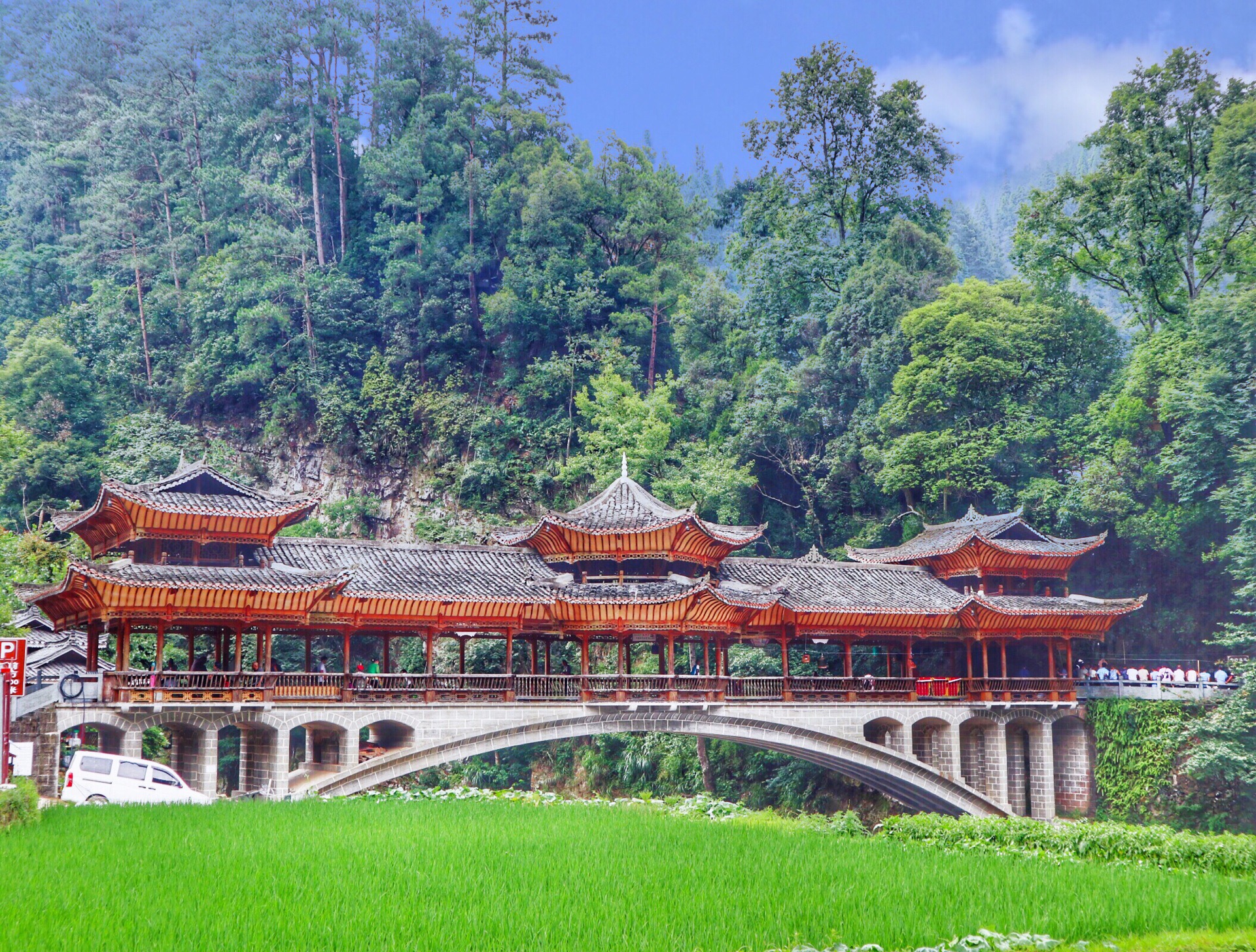
Langde Miao Village Scenic Area
Langde Miao Village is a Miao village, and the birthplace of Yang Daliu, the leader of the Miao uprising during the Qing Dynasty. The costumes of Miaomin in Langde Miao Village are characterized by long skirts, so they are also called “long skirt seedlings”. There are mountains and waters here, surrounded by mountains and surrounded by mountains. There is a small river flowing in front of the village. The ancient buildings of Langde Miao Village are listed as key cultural relics protection units in China.
-
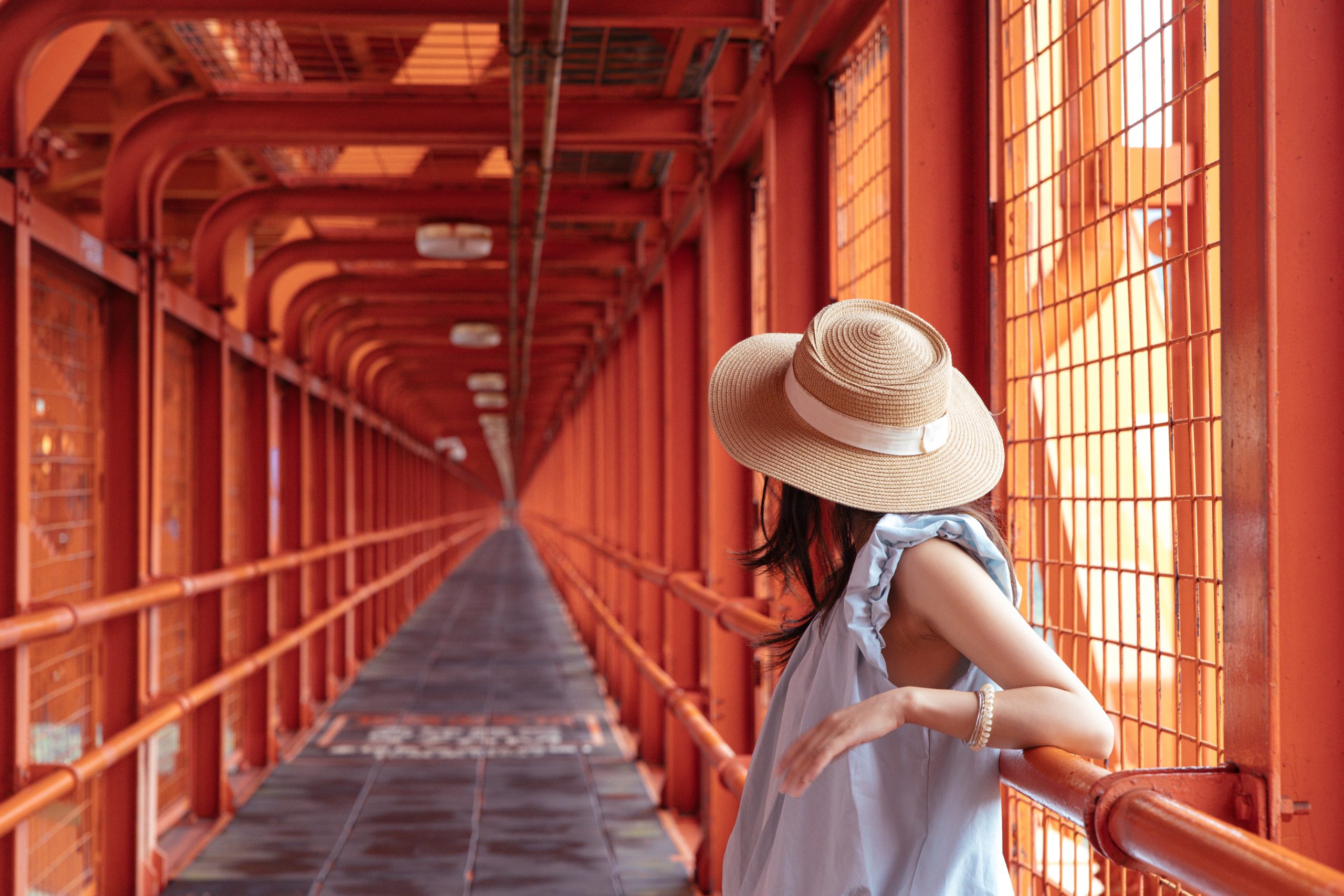
Huangguoshu Balinghe Bridge
The Baling River Bridge is located in the plateau and hilly area of Anshun City. It is the first super-large bridge across the Baling River Grand Canyon on the main line of the Hurui National Highway. The bridge is 1,560 meters long and is a single-span steel truss stiffening beam suspension bridge with a main span of 1,088 meters. The bridge deck is 370 meters high from the water surface of the Baling River. It is the highest technical bridge ever built in Guizhou.
-
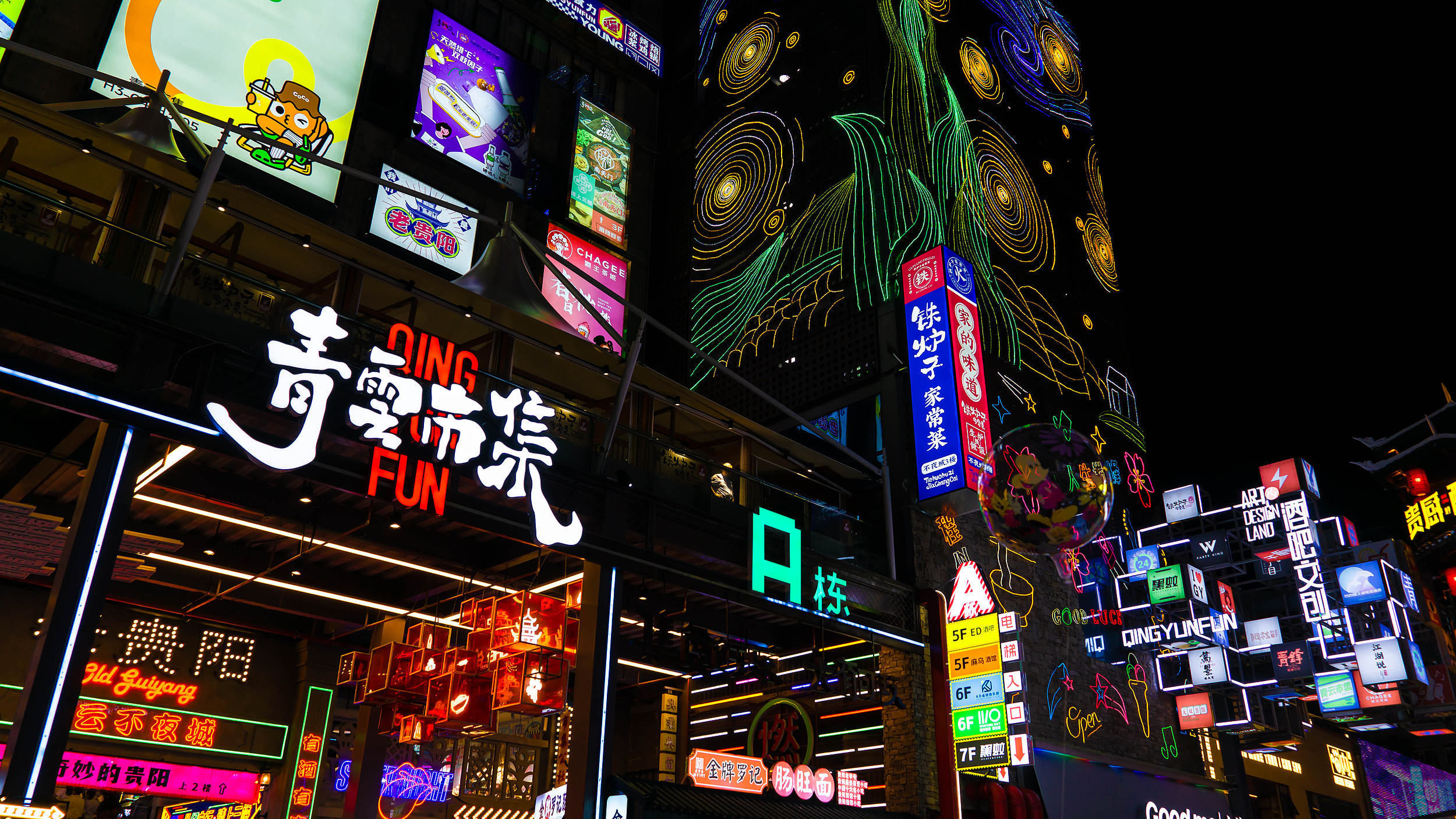
Qingyun Fun
Qingyun Market is located in Nanming District, Guiyang. Many people associate it with a night market, but now, after being revitalized by local management, it has been upgraded to a popular online market integrating leisure, entertainment, and food. It features traditional, retro, and industrial styles, offering a place to eat, drink, and take photos. At night, neon lights flash, making it a gathering place for young people to relax and unwind.
-
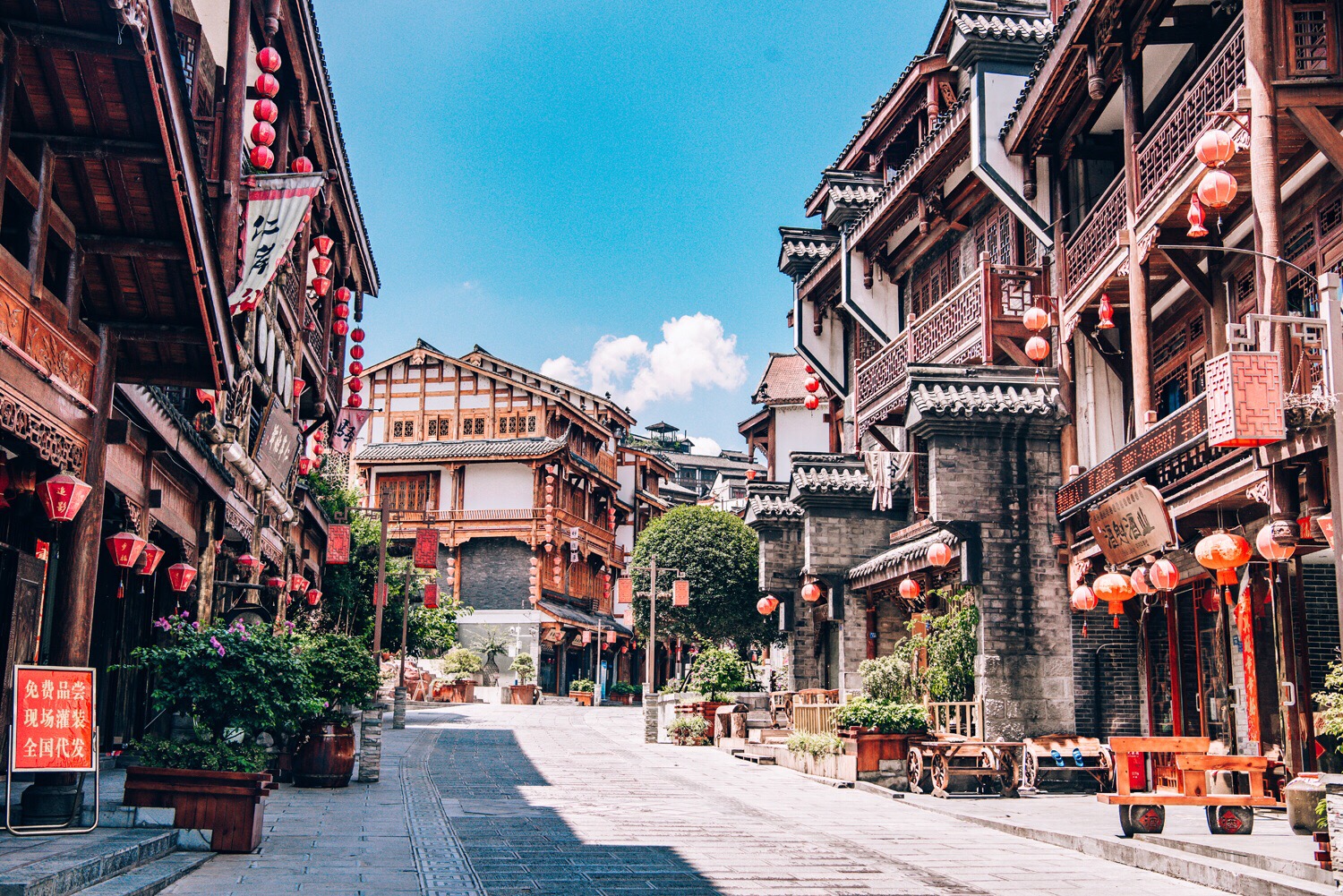
Maotai Town
Maotai Town is located on the Chishui River in Renhuai City. It is the throat of Sichuan-Guizhou water and land transportation, and is also the birthplace of Maotai, the national liquor. In Maotai Town, you can learn about the culture of Maotai Liquor and the history of the Red Army.Walking in Maotai Town, you can feel the slight aroma of wine in the air, which makes you feel a little drunk. The National Wine Culture City is one of the popular attractions, where you can learn about the development of Chinese wine and various stories and knowledge about Maotai wine. You can also visit the Red Army’s Fourth Crossing of the Chishui River Ferry Memorial Exhibition Hall.