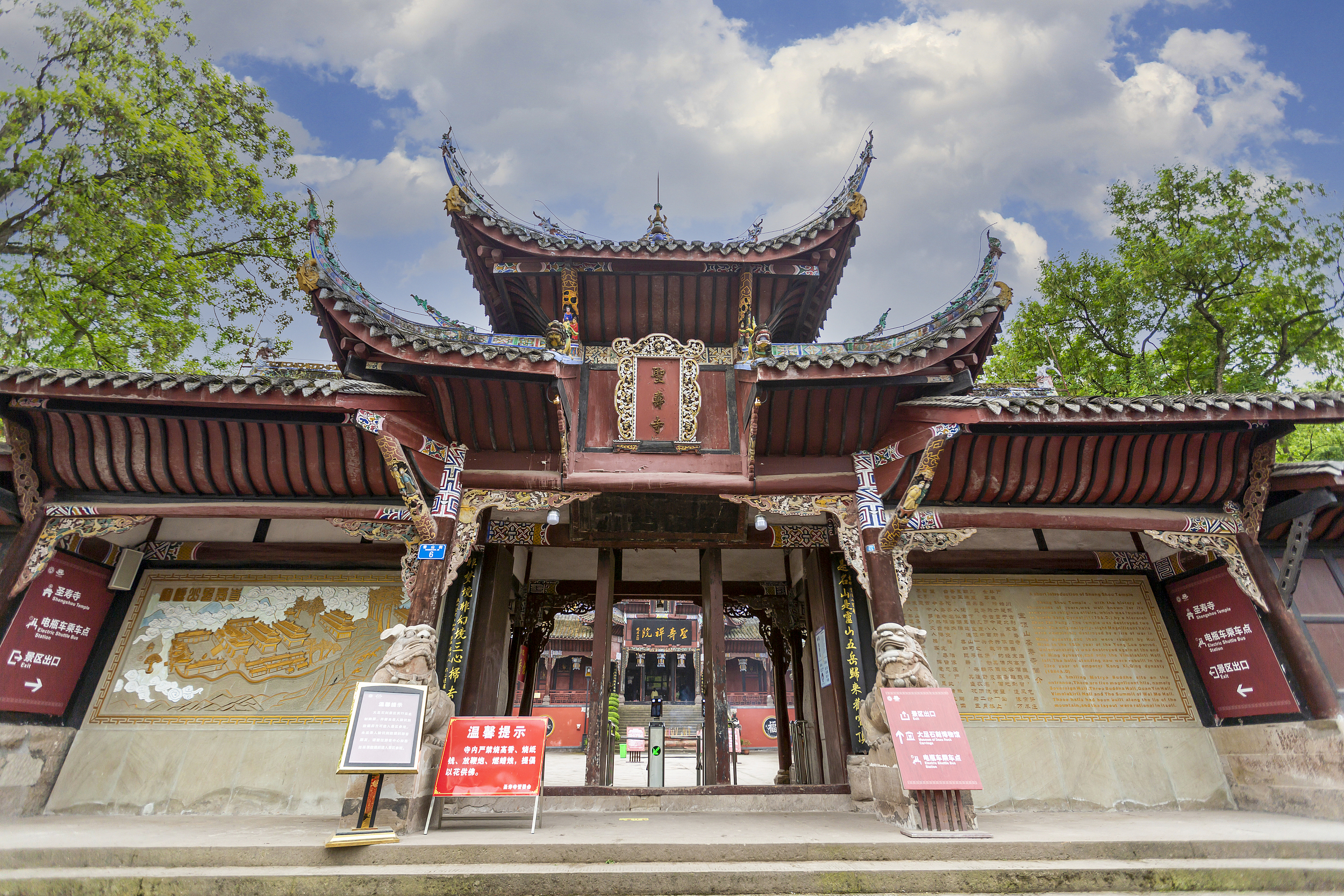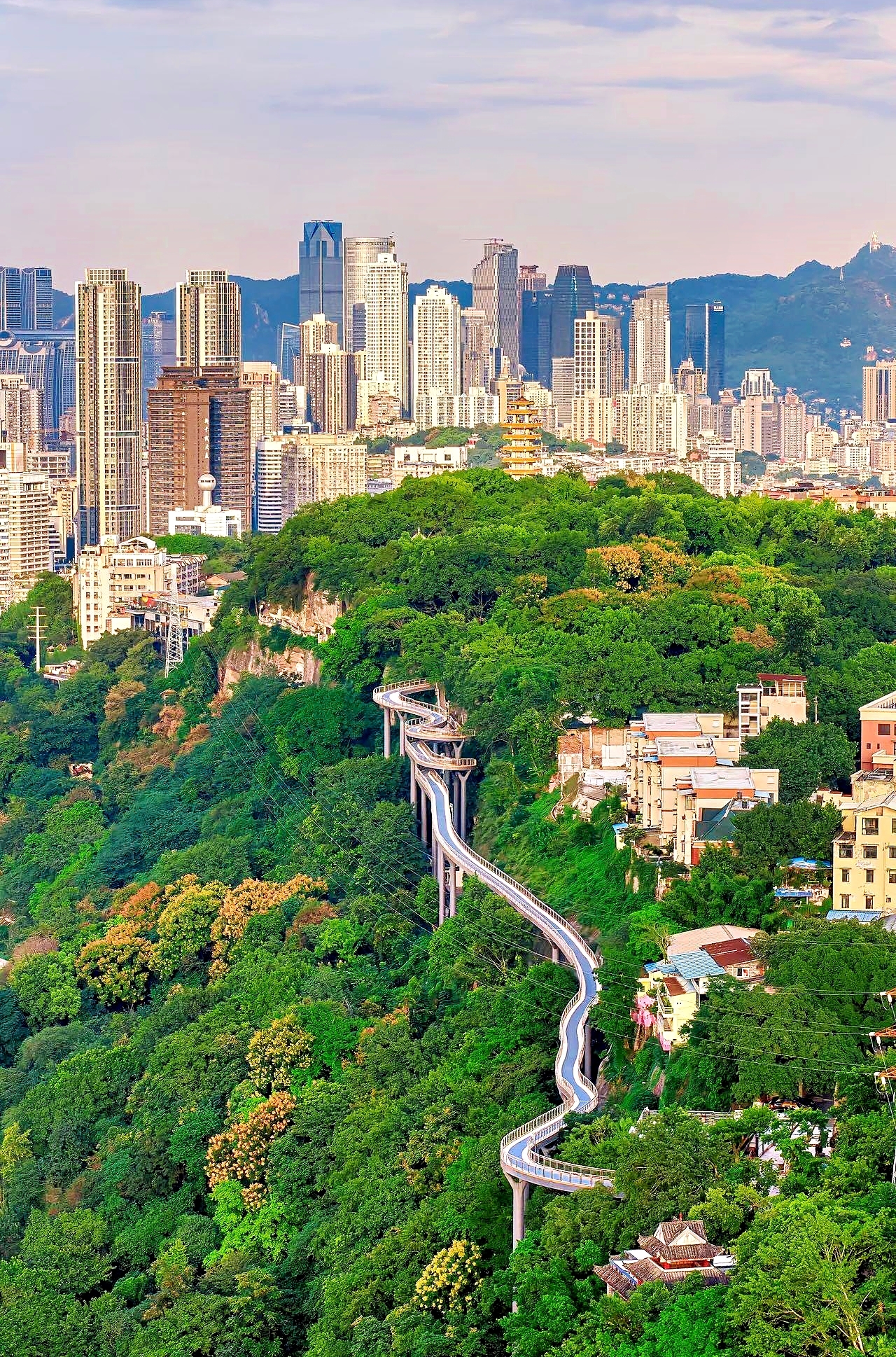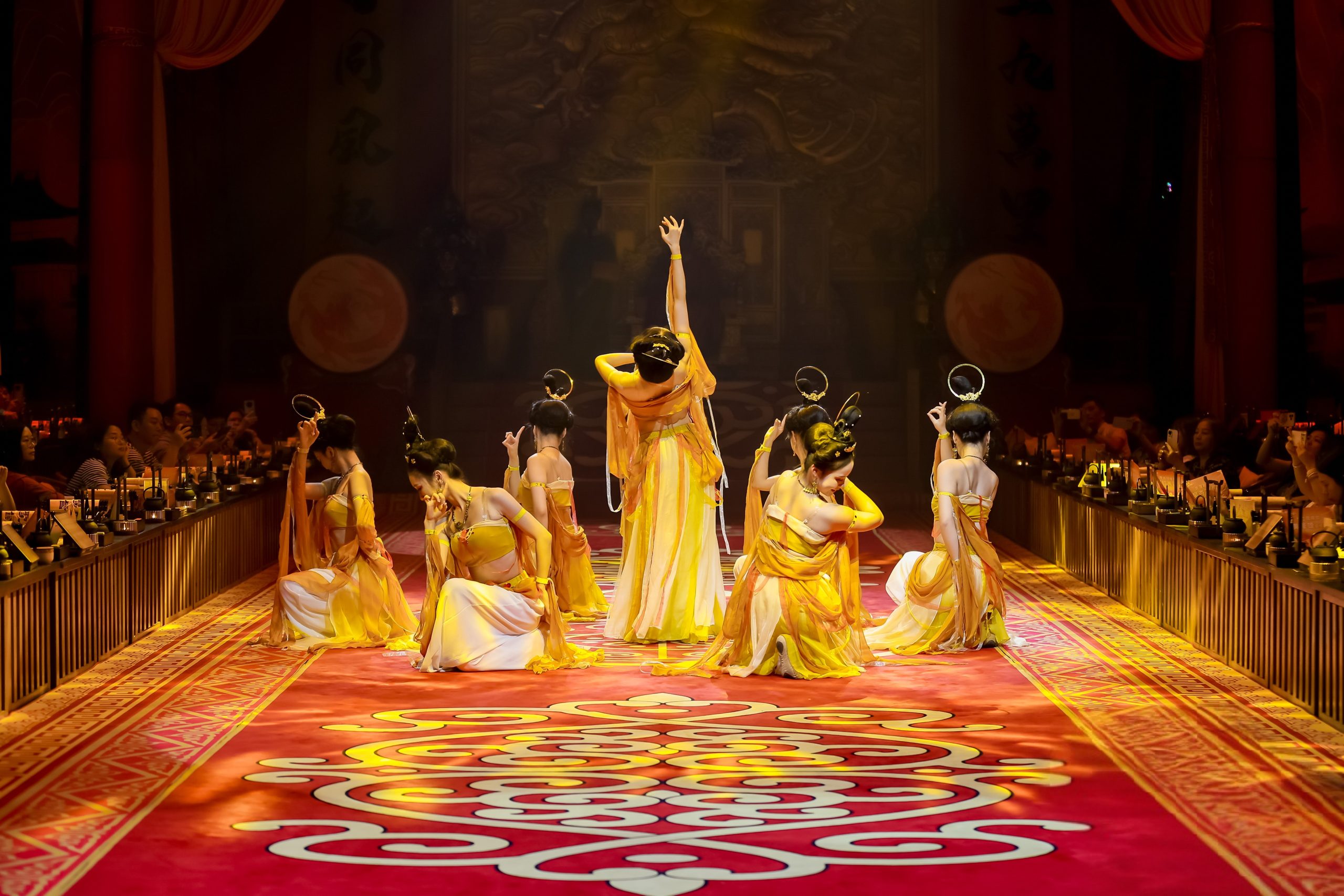
Chongqing Qingyu Banquet is an immersive royal dining show that transports you back to ancient times. This experience not only offers exquisite imperial cuisine infused with Ba-Yu flavors but also turns dining into a spectacular audio-visual feast—professional dance and music performances throughout vividly showcase Ba-Yu cultural stories. You can opt for a paid Hanfu makeup and styling session to transform into a painting-like figure. Before the meal, explore the “Yongle Market” and participate in traditional games like arrow tossing and lantern riddles for full immersion. The entire experience lasts about 2.5 hours, making it a unique way to savor Chongqing’s historical charm and imperial etiquette.
归档: Attractions
-
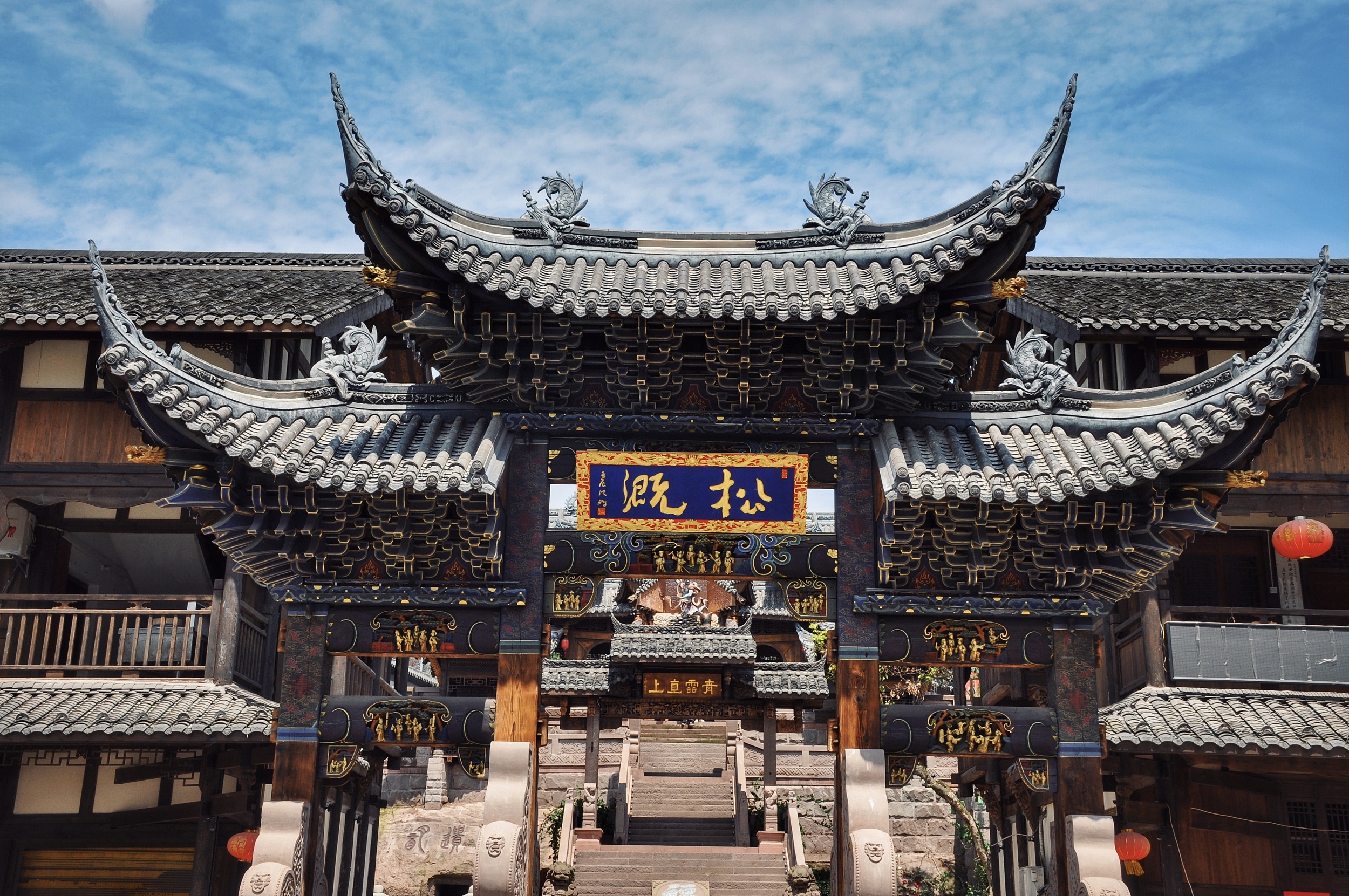
Songgai Ancient Town
The founding time of Songgai Ancient Town cannot be verified now. In history, Songgai was a distribution hub for merchants from Yongchuan, Rongchang, Longchang, Luzhou, Tongliang, Dazu and Neijiang to Chongqing for trade and business. The rhythmic architectural remains, beautiful natural landscape, rich cultural relics and unique dock culture have left a deep impression on people who have been to Songgai. People living in the bustling city can feel the “three cleans” of Songgai Town as soon as they step into the ancient town: quiet environment, clean stone road and fresh river breeze. Songgai’s unique food culture also makes visitors linger.Songgai Ancient Town has seven unique features: the first is the architecture of the Ming and Qing Dynasties, with the main features being stilted buildings, quadrangle courtyards, and pierced houses; the second is the ancestral halls and temples, represented by the Luo Family Ancestral Hall, the Chen Family Ancestral Hall, and the Cleansing Temple; the third is the stone slab road, which winds for 5 kilometers; the fourth is the Fuzi Tomb, which is the tomb of Chen Pengfei; the fifth is the ancient county government, also known as the Old Official Temple; the sixth is the Chengong Weir, a water conservancy project of the Ming Dynasty and also a beautiful natural landscape, so it is also called the Flying Dragon Cave; the seventh is the Yangtze River Wenzhong Dam, which is the largest dam in the upper reaches of the Yangtze River in Chongqing.
-
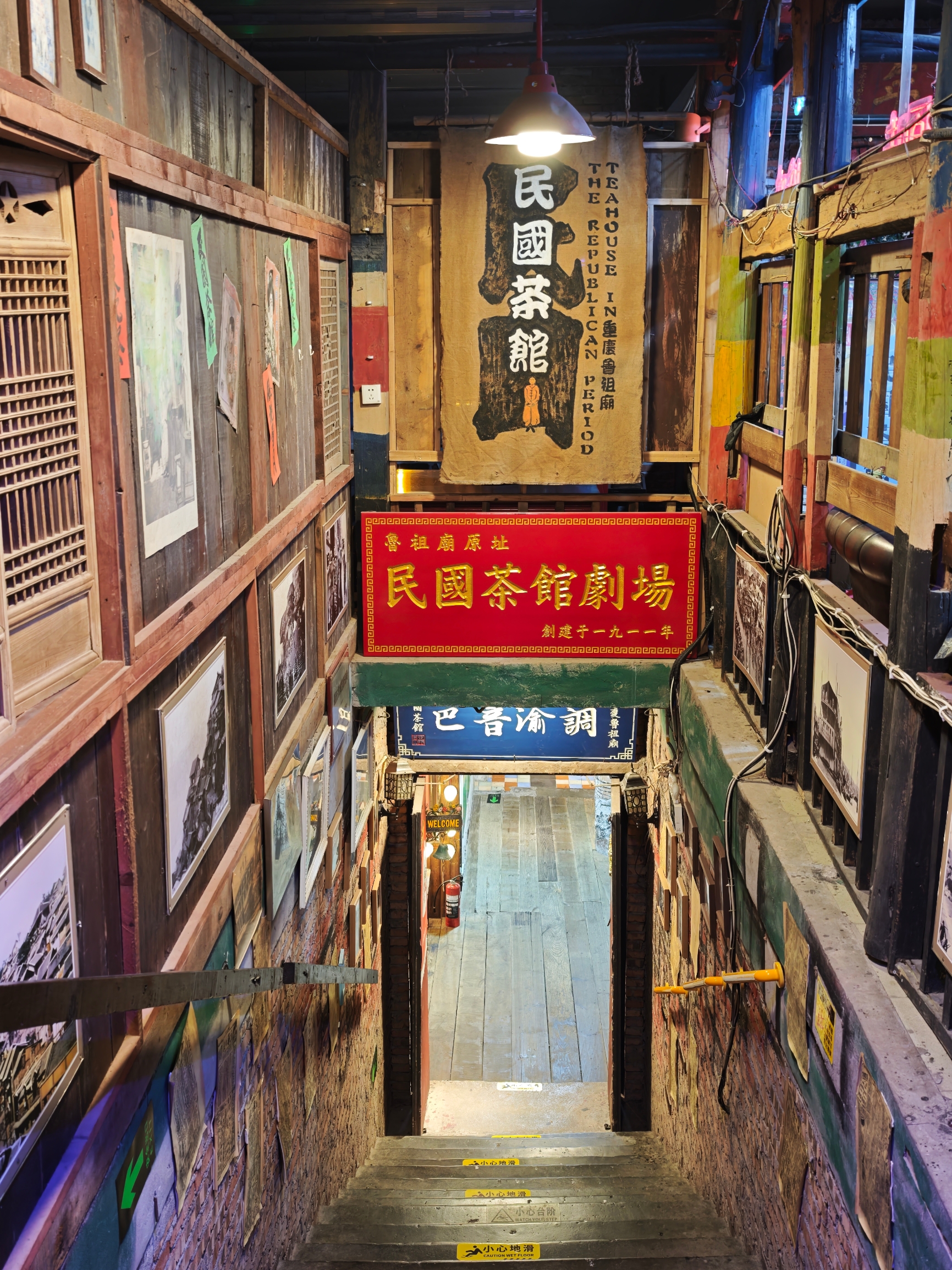
Luzu Temple Republican Era Tea House Theater · Face-Changing and Fire-Spitting Performance · Quyi (Chinese folk art) and Tea Art · Opera and Folk Culture
In the bustling heart of Chongqing, the Lu Zumiao Republic-era Tea House Theater serves as a window to bygone days. With its Republic-era aesthetic featuring wooden tables, bamboo chairs, and the aroma of covered-bowl tea, it creates an immersive atmosphere steeped in nostalgia.A major highlight of the theater is its collection of distinctive folk performances from the Bayu region. The mysterious and fascinating Sichuan opera face-changing and the awe-inspiring fire-spitting stunt often draw thunderous applause from the audience. Additionally, traditional musical performances like Qingyin and Yangqin are frequently staged, showcasing the diverse charm of local culture alongside exquisite tea art demonstrations.This space not only offers visitors a place to rest and enjoy tea, but also serves as a vibrant window into Chongqing’s folk opera and cultural traditions. Taking a moment to sit here, you’ll have the chance to immerse yourself in the city’s rich history and local charm, all while savoring the soothing aroma of tea.
-
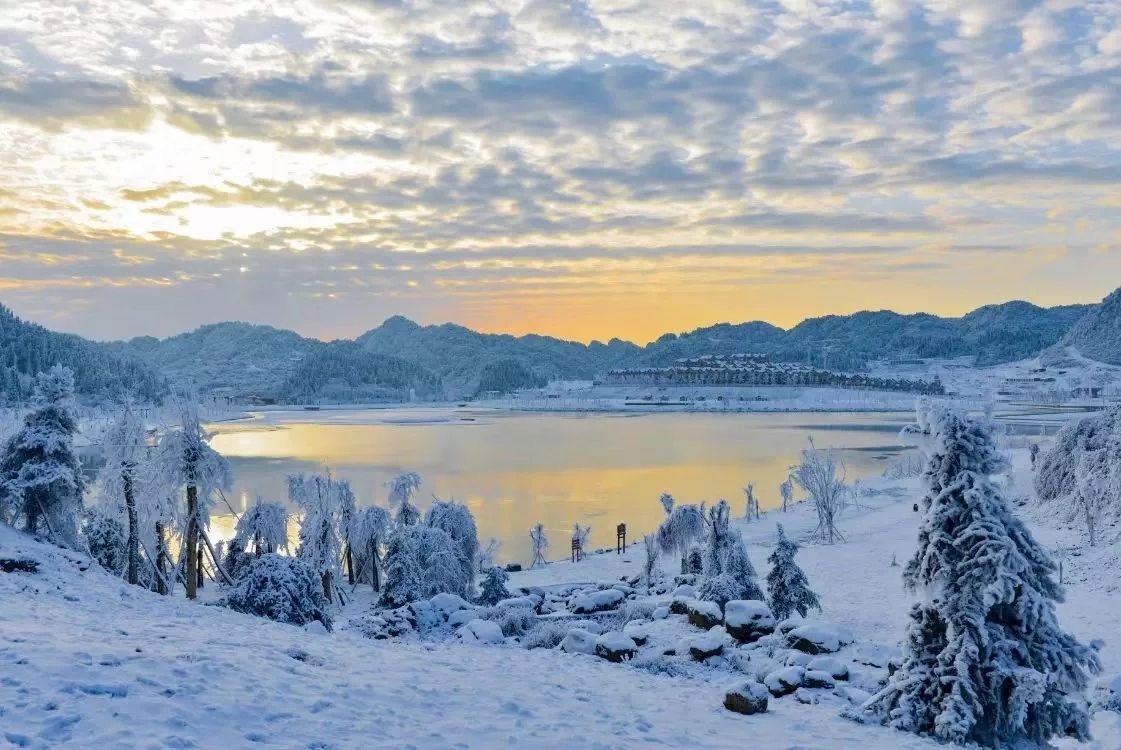
Nantianhu International Ski Field
Chongqing Nantianhu International Ski Resort is one of the largest alpine ski resorts in the southwest region. It has high, medium and elementary ski slopes and teaching ski slopes. The ski resort is large in scale, covering an area of about 450,000 square meters. The ski resort uses a one-card system. Guests can take out the card and charge the fee after entering the park. All consumption activities can be completed by swiping the card. The park has complete facilities and equipment, and has set up a ski school and hired professional ski coaches to provide professional ski courses for ski enthusiasts of different ages.
-
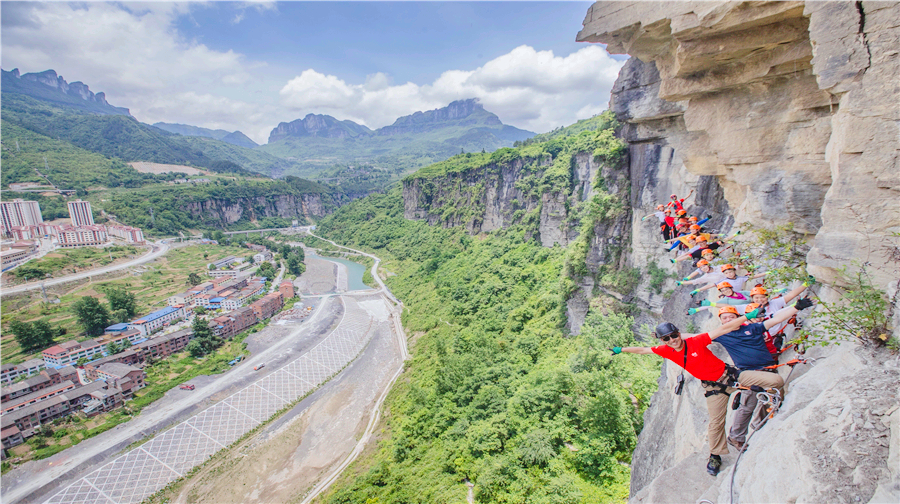
Jinfo Mountain Via Ferrata
The Jinfo Mountain Via Ferrata climbing route in Nanchuan spans 600 meters. The beginner route is 200 meters long, requiring 40 minutes to complete, suitable for children over 1.2m tall and family experiences. The intermediate route is 400 meters long, taking 120 minutes to climb, ideal for adult adventurers. The route reaches an altitude of 980m with a relative height difference of 180m (from the surface of Jinshan Lake after water storage). The course includes 2 cable bridges and 1 wooden log bridge. Climbers must wear internationally certified safety equipment like helmets and harnesses throughout the experience, allowing even beginners to enjoy the thrill of climbing sheer rock faces. Experience thrills and excitement for ultimate mental enjoyment. Via Ferrata retains the exhilarating challenge of outdoor climbing while achieving the goals of physical training and willpower development. It significantly reduces the technical expertise required for climbers, allowing ordinary people to conquer cliffs safely and reach breathtaking heights, delivering immense spiritual satisfaction.
-
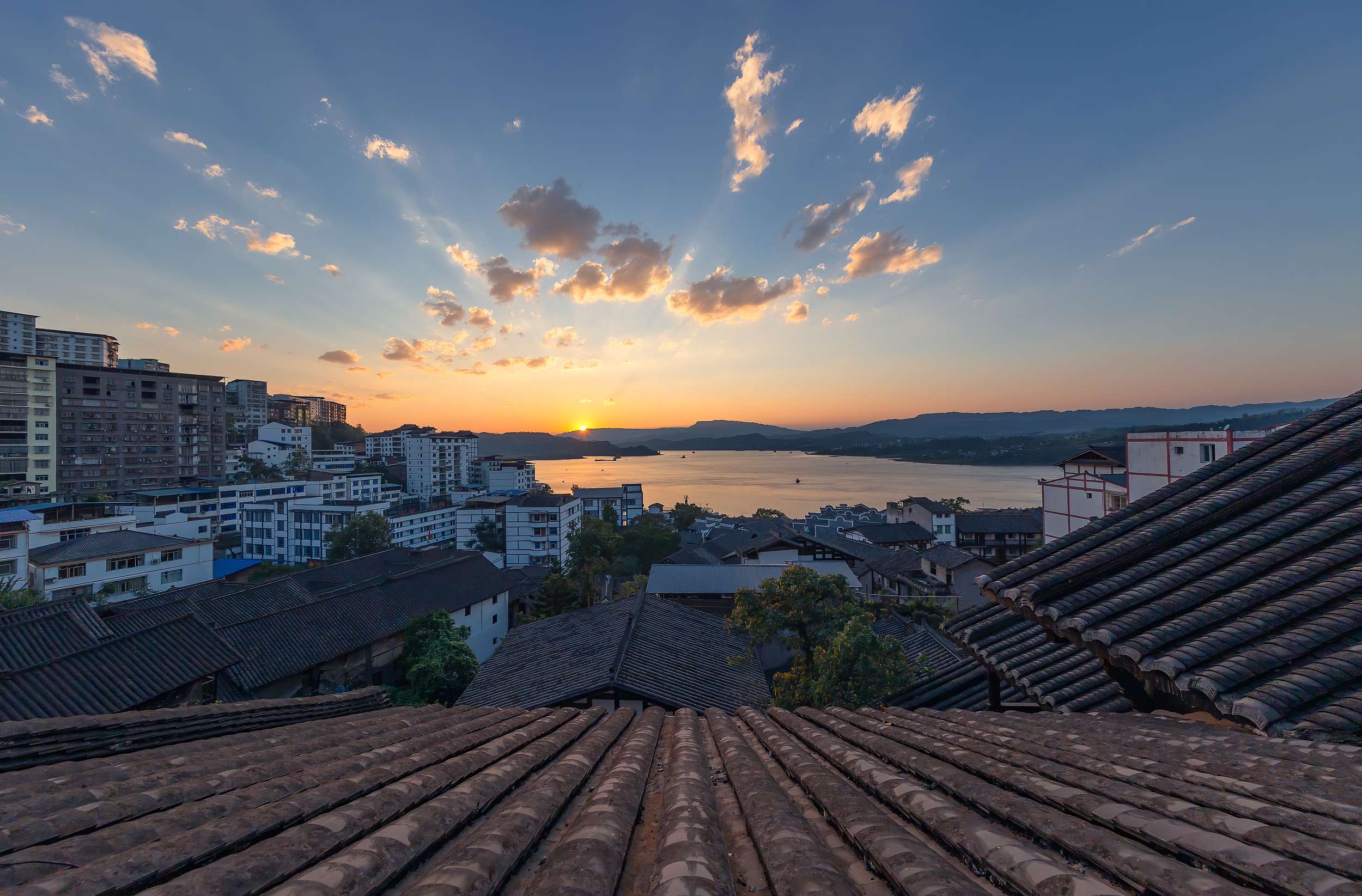
Xituo Old Town
Xituo Ancient Town, formerly known as Xijiituo, was called “the western boundary of Bazhou” in ancient times. As early as the Qianlong period of the Qing Dynasty, this place had “land and water trade, prosperous fireworks, and a county.” The most eye-catching attractions in the ancient town are Yunti Street. Yunti Street is perpendicular to the Yangtze River and is in the shape of a dragon. There are 113 steps and 1124 steps of bluestone. ladder. Looking up from the edge of the Yangtze River, it is like a cloud ladder going straight into the sky; looking down from the top of the street, especially when there are clouds and mists, is like being in the clouds. Therefore, people praise it as “Cloud Ladder Street”, also known as “Tongtian Street”. Yunti Street is a rare vertical street along the Yangtze River, which has a very important scientific research value in the history of Chinese and foreign architecture. On both sides of the street, there are layers of Tujia dwellings on stilts left over from the Ming and Qing Dynasties, among which there are buildings such as “Ziyun Palace”, “Yuwang Palace” and “Wantian Palace”.
-
Zhongshan Ancient Town
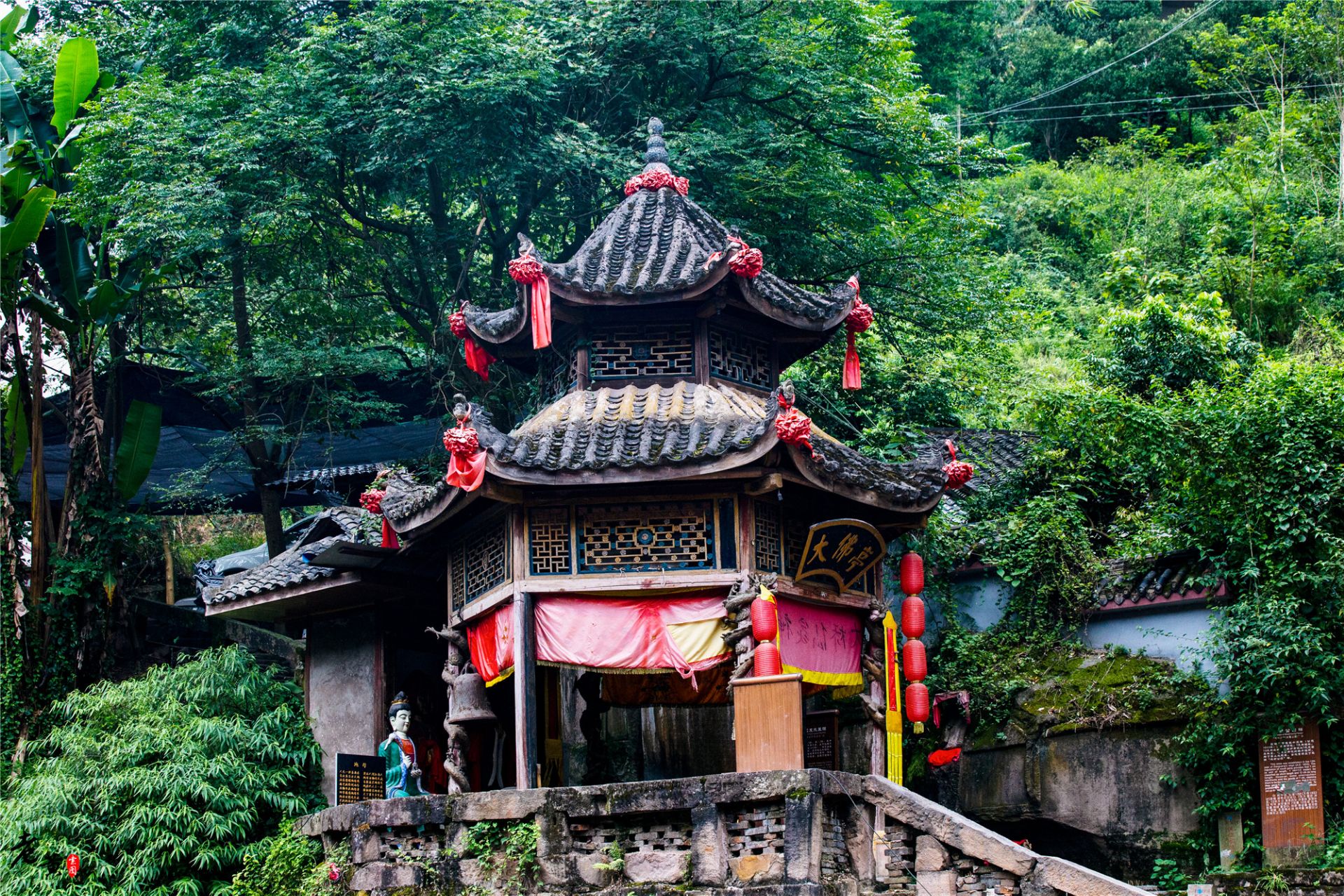
Zhongshan Ancient Town is commonly known as Sanhechang, also known as Longdongchang, and is located in the southern mountainous area of Jiangjin City. The buildings here are built by the water, and you can see many stilt-style buildings. Moreover, the entire ancient town is covered with green tiles, red painted wooden boards and bamboo walls, and columns are load-bearing. It is a good place to experience the Bashu style. Zhongshan Ancient Town is suitable for a family to drive there. The main purpose here is to visit the ancient town, see the buildings, and eat the specialties. The commercial atmosphere of the ancient town is not very strong. You can stroll here and relax. Buildings in the town. Most of the buildings are two-story “stilted buildings”, with shops on the lower floor and people living upstairs. The shop openings are large and easy to combine, so you can take photos. In the past, Sanhechang was a prosperous water wharf and a commodity distribution center in the mountainous areas of Sichuan and Guizhou. There are 82 characters of inscriptions in the Southern Song Dynasty that still exist, which record the boating tour of Li Jiyong, Yu Zixian and others. There are also ancient tombs of the Han Dynasty in the area, the Loquat Rock Tomb Group.
-
Wuxi County Lingwu Cave
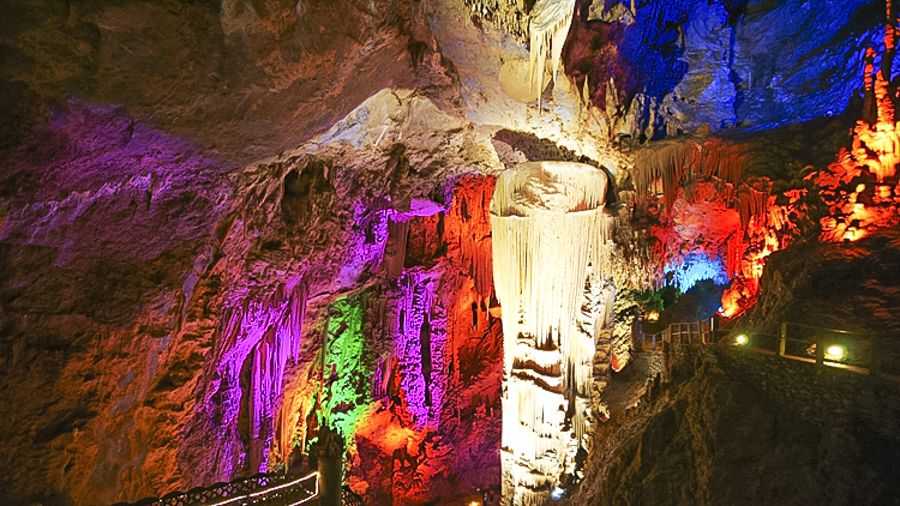
Wuxi Lingwu Cave is the general name of the Attraction in the middle and upper sections of Daning River except Wushan Xiaosanxia. It is one of the three main axes of Fengjie-Wuxi-Wushan “Golden Triangle”. It is famous for its dense scenic spots, strong travelability and harmonious unity of nature, humanities and folk customs, and can be called a “hundred-mile gallery”. Daning River is a string of beads, from bottom to top: Miaoxia, Wuxi County, Jiandaoxia, Wuxikou Grand Canyon. Lingwu Cave Attraction takes the elevator up the mountain to visit Lingwu Cave, enters the underground cave to find the secluded, takes the cable car to see the scenery from the air, appreciates the group of sculptures to evoke nostalgic feelings, drives the pulley and the dry sledge for fun, and drives the kayak to chase the waves of Ninghe River. There are five groups of natural karst caves, with different landscapes, staggered and complementing each other. The cave is magnificent and colorful.