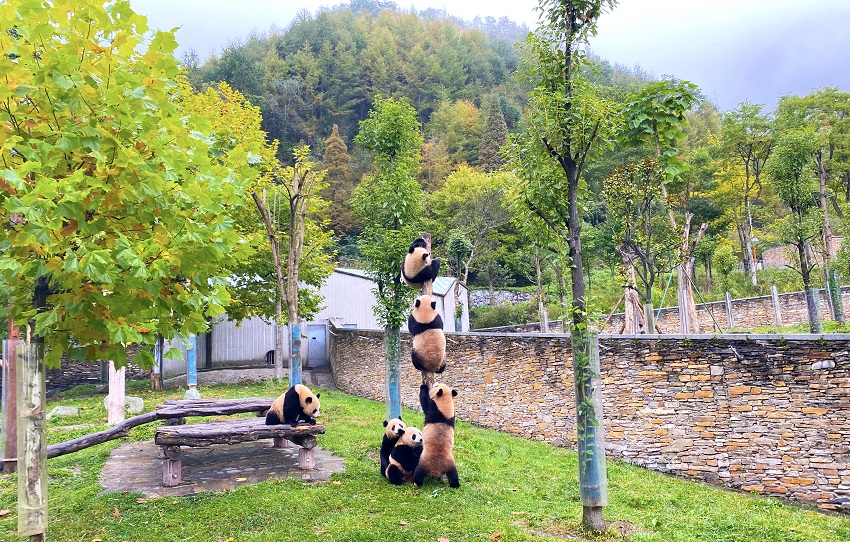
Wolong China Panda Garden Shenshuping Base is located in Gengda Town, Wolong Nature Reserve. It consists of areas such as Shenshuping Panda Breeding & Visiting Area, Captive Panda Wilderness Training Area, and Field Release Area. It contains a Tourist Reception Center, Science Education Center, Scientific Research Office, and other related establishments. The base not only provides a comfortable habitat for captive panda populations around the world, but also provides the public with the opportunity to get close to the pandas.
归档: Attractions
-
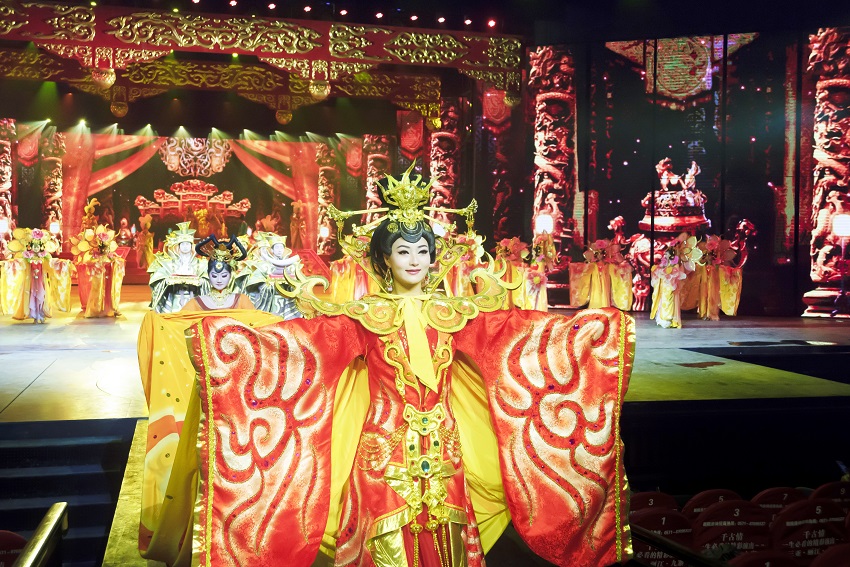
Romantic Show of Jiuzhai
The large-scale song and dance performance “Eternal Love of Jiuzhaigou” is divided into “Legend of Jiuzhaigou”, “Ancient Qiang War Song”, “Han-Tibetan Marriage”, “Boundless Love”, “Heaven and Earth Auspiciousness” and other scenes. The beautiful and mysterious Tibetan and Qiang songs and dances take you on a journey through time and space, and the magnificent Tang Dynasty Palace shows the feat of Princess Wencheng’s marriage between Han and Tibetans. 5D real scenes and high-tech means, mountains collapsed, houses collapsed, the entire theater and thousands of seats shook violently, and thousands of cubic meters of flood water poured down in an instant… One true story after another, one touching picture after another shows the boundless love of the Chinese nation in fighting against earthquakes and disasters.Jiuzhaigou Ancient Scenery Area is a living Tibetan and Qiang ancient city. It is the urban cultural center of Jiuzhaigou and an ideal destination for night tours.The Attraction is adjacent to the Jiuzhaigou Attraction, and has sightseeing projects such as the Se Ma Goddess Statue, Tibetan Watchtowers, and Western Sichuan Street, allowing you to experience the authentic Tibetan and Qiang customs.The main show “Eternal Love of Jiuzhaigou” is a must-see performance in your lifetime. The authentic Tibetan and Qiang songs and dances take you on a journey through time and space. The magnificent Tang Dynasty Palace shows the feat of Princess Wencheng’s marriage between Han and Tibetans. 5D real scenes and high-tech means reproduce the tragic scene of the earthquake. The entire theater and thousands of seats vibrate violently.In the Attraction, there are wonderful performances such as “Gongzhuang Carnival”, “Tusi Recruiting a Son-in-law”, “Sichuan Opera”, “Qiang Putting Rod”, “The Yak Has a Date with You”, etc., which will take you on a fantasy journey through time.Jiuzhaigou Eternal Scenery Area is all about time travel!
-
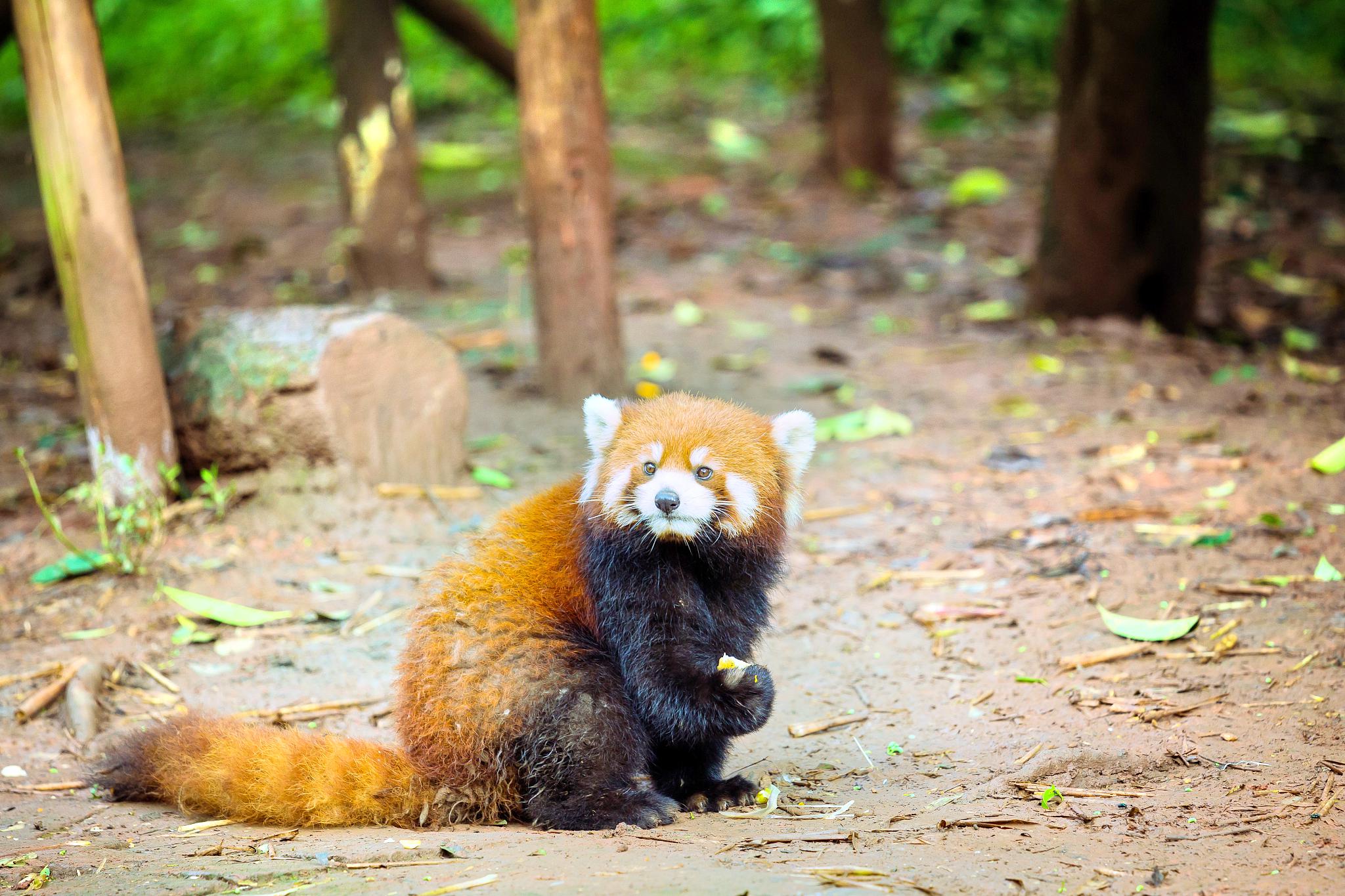
Chengdu Zoo
There are hundreds of species at Chengdu Zoo, including mammals, amphibians, reptiles, birds, and beautiful fish. You can appreciate tigers, lions, giraffes, red-crowned cranes, and elephants. The most-loved animal at the zoo is the giant panda. The snub-nosed monkey is also a favorite for children. Zhaojue Temple, a Buddhist temple, is located right next to the zoo and you can visit both attractions on the same trip.
-
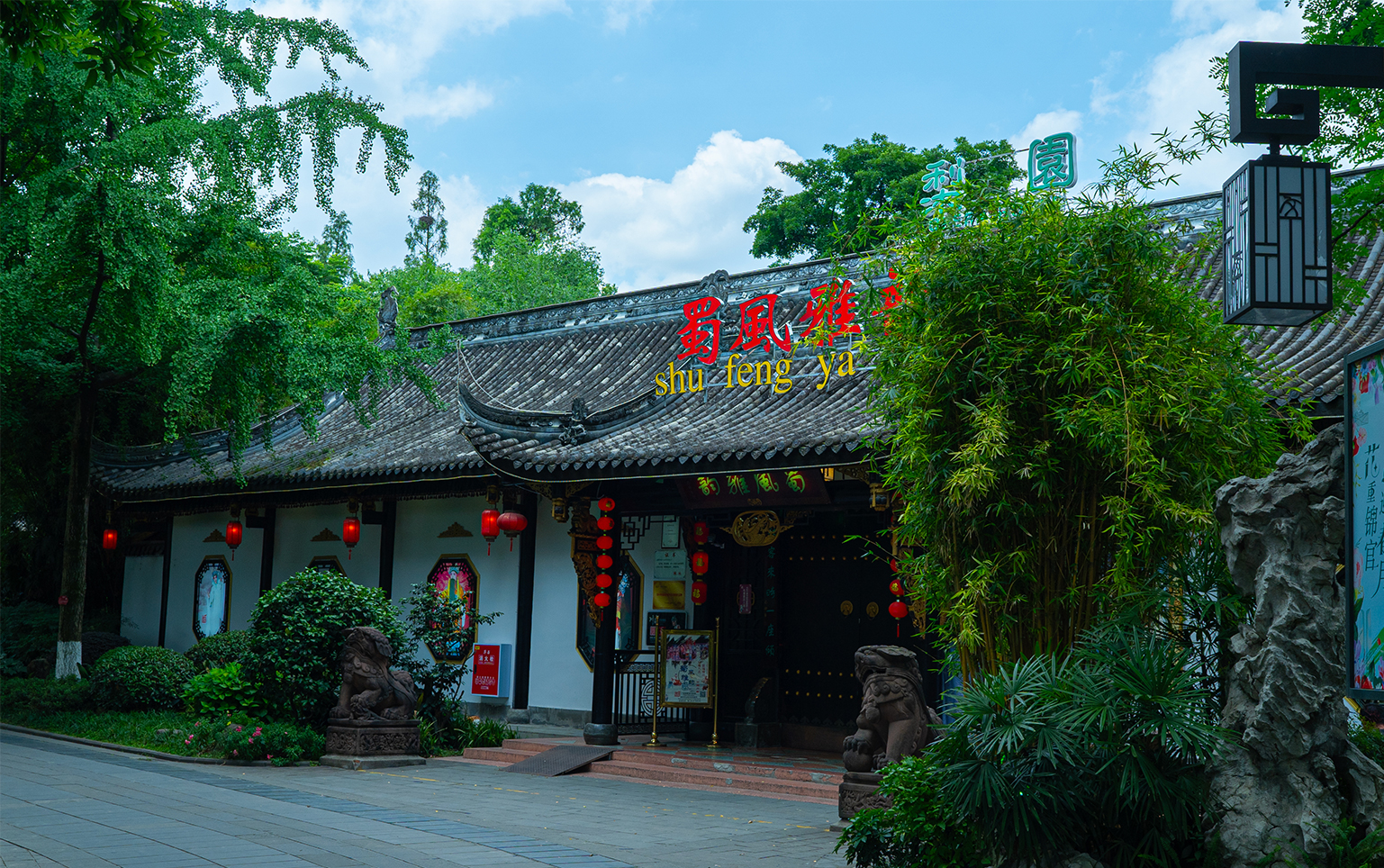
Shufeng Yayun Theater · Sichuan Opera Face-Changing Show · Grand Classical Chinese Theater
The Sichuan opera performance at Shufeng Yayun Sichuan Opera House in Chengdu is a dazzling gem in China’s theatrical treasure. This beloved folk art form is cherished by people across southwestern provinces like Sichuan, Yunnan, and Guizhou. Musically, Sichuan opera combines four major vocal styles – Gaoqiang, Kunqiang, Huqinqiang, and Ruoqiang – with local lantern theater. With the exception of lantern theater, all these styles were introduced to Sichuan by touring troupes from other provinces between the late Ming Dynasty and mid-Qing Dynasty.Sichuan Opera is a shining pearl in China’s treasure trove of traditional theater. This venue has gathered many renowned Sichuan Opera performers and recently reunited top talents from across the province to present nightly “Classic Opera and Folk Art Performances.”Established in 1998, the Liyuan Theater is rooted in the Land of Abundance and showcases authentic Western Sichuan folk arts and classic opera to audiences worldwide. It is a large multifunctional theater integrating traditional Chinese art performances, unique folk stunt shows, and opera props. The “Shufeng Yayun” Sichuan specialty performance combines the essence of Ba-Shu performing arts, featuring Three Kingdoms culture and Sichuan folk stunts like Sichuan opera, face-changing, fire-spitting, puppetry, tea art, and rolling lantern shows—a true gem of Shu culture. With timeless elegance spanning centuries, the theater is located in Chengdu’s Qintai Ancient Path near the Qingyang Palace historic complex, adjacent to the renowned Qingyang Taoist Temple and within proximity to Du Fu Thatched Cottage and Wuhou Shrine. The architecture reflects ancient Western Sichuan’s rustic charm, having been a century-old theater with fluctuating fortunes. Long a gathering place for Sichuan opera masters, it remains one of Sichuan’s most culturally profound folk theaters. The theater’s gongs, drums, and flutes convey artistry beyond words, while its ensemble performances bring together quintessential melodies and all opera role types—sheng, dan, jing, mo, and chou—alongside kunqu, gaokun, huqin, tanxi, and other styles. Experience authentic Sichuan opera stunts like face-changing, fire-spitting, and costume transformations, as well as nationally acclaimed rolling lantern shows and shadow puppetry. Marvel at the exquisite craftsmanship of rod puppetry and the stirring traditional music that lingers in memory. One evening, a millennium of Shu culture—welcome to this unforgettable experience.This venue was once a renowned Sichuan Opera performers’ guild hall that gathered celebrated artists. In recent years, it has reunited top performers from across Sichuan to present nightly “Classic Opera and Folk Art Performances.” Its reputation has soared, attracting widespread media coverage both domestically and internationally. In the blink of an eye, it has revived the golden era of traditional theater, with lingering melodies that transport audiences. The cultural legacy of Western Shu thrives here in unparalleled form. Face-changing, fire-spitting, and rolling-lantern acts are nationally acclaimed, while rod puppetry showcases divine craftsmanship and exquisite skills. The delicate tunes of Qingyin (female vocal art) captivate beyond words. The plucking of guqin strings whisks listeners back to the Three Kingdoms era, while the erhu’s melodies transform fleeting clouds and changing times. The long-lost art of shadow puppetry has returned to the public, accompanied by soul-stirring drum ensembles and boundless joy. With lofty aspirations, this theater aims to revive Sichuan folk arts, bringing lost cultural treasures back to teahouses and reuniting master performers with local communities. Today, it stands as a vibrant folk culture guild hall where artists gather and opera enthusiasts visiting Chengdu make their pilgrimage.
-
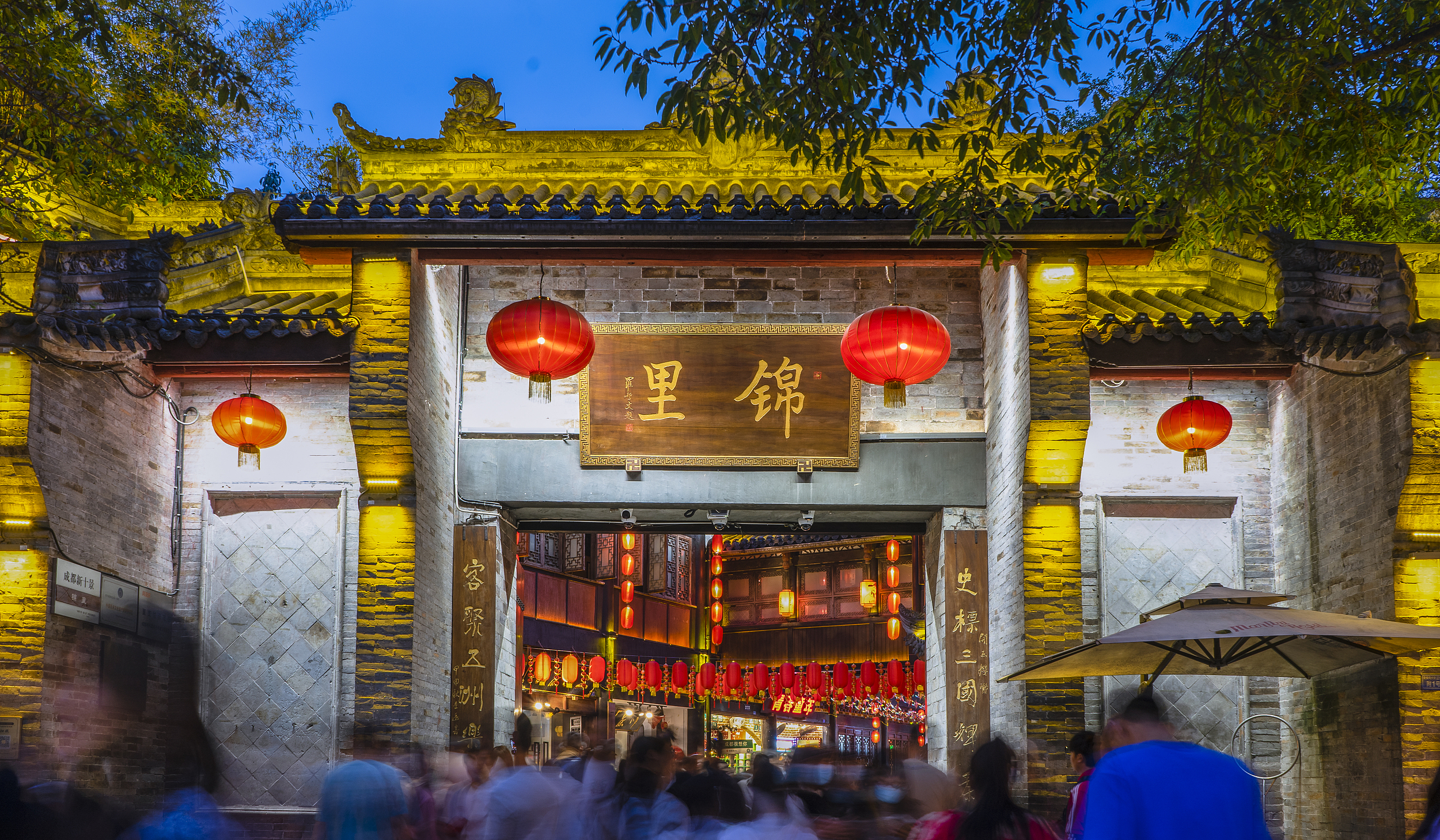
Jinli Street
Jinli Ancient Street is a well-known pedestrian commercial street in Chengdu. It consists of large antique buildings with architectural styles of the late Qing Dynasty and numerous bars and restaurants. The famous Wuhou Temple is another well-known attraction nearby. People generally visit Wuhou Temple before coming over to Jinli Ancient Street. Both sides of the street sell small ornaments with local characteristics and many old Chengdu craftsmen can be seen busy blowing sugar paintings and dough figurines. The huge variety of food available on site can make you drool too – Zhang Fei beef, beancurd pudding, beef pancake, bobo chicken, etc. Each of them has its unique flavor so please go there with an empty stomach! The street also comes alive at night as red lanterns light up and visitors fill the bars and teahouses. You can fill your tummies with street food and head to the bars or teahouses after that for some alcohol or tea depending on your preferences.
-
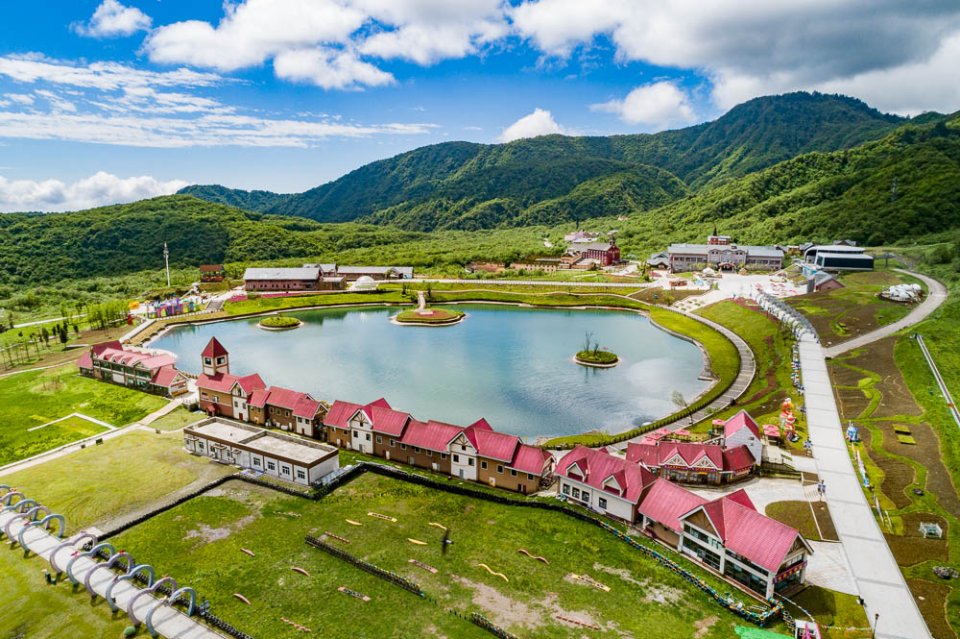
Xiling Snow Mountain (Ski Resort Area)
The scenery of the Xiling Snow Mountain has its own unique characteristics throughout the year. The main peak Miaojiling is one of the highest peaks around Chengdu at a height of more than 5,000 meters above sea level. The top of the mountain is covered in snow all year round and is magnificently beautiful. In spring, the azaleas in the mountains and fields are in full bloom forming a sea of flowers. Due to the lush forests, this attraction is ideal for avoiding the heat during summer. The winter season runs from end November till end March. During this period, the mountain attracts many visitors to its snow-filled attractions. There are ski resorts in the mountains as well as snowmobiles and dog sleds available for rent.
-
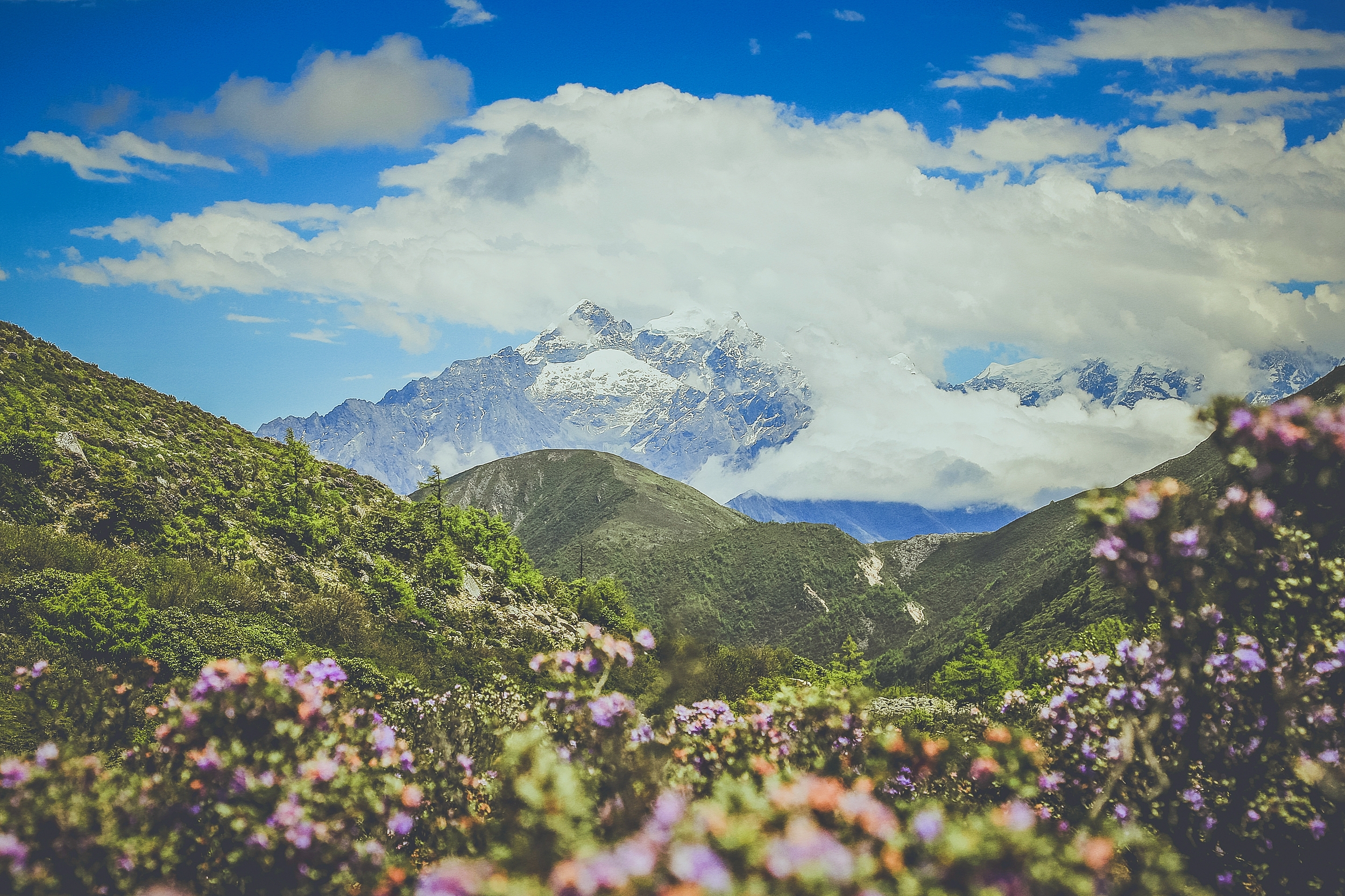
Kangding Mugecuo Scenic Area
Mugecuo(Full name:Mugecuo, located in the middle section of the Gongga Mountains, is about 17 km from Kangding city center. It is a national AAAA-level tourist attraction, a World Natural Heritage nominee, and a key scenic area. The attraction serves as a core component of the “Two-Hour Economic Circle Around Gongga Tourism.” With an elevation of 2,800–3,780 m, it lies at the northern foot of the Hengduan Mountains, part of the Daxue Mountain Range, and marks the western edge of the Sichuan Basin.Qinghai-Tibet PlateauThis transitional zone features a water area of nearly 4 km² with depths exceeding 70 meters. Most of the water comes from melted snow off the Nuwa Snow Mountain behind it, resulting in exceptional visibility of approximately 6–10 meters. The attraction showcases a stunning landscape with alpine lakes, primeval forests, hot springs, snow-capped peaks, peculiar rock formations, and the 8 km-long Thousand Waterfalls Gorge. The ingeniously designed scenic spots make it an ideal destination for sightseeing, recreation, relaxation, recuperation, fitness, summer retreats, and scientific research.The attraction is located in the sub-humid climate zone of the Qinghai-Tibet Plateau, featuring cool summers and autumns but severe cold in winter and spring. The specific climate conditions are as follows: From late December to February, the lake surface freezes, thawing in March. Temperatures remain low before April. During summer, the average monthly temperature ranges from 10–14°C. Due to the high-altitude terrain, the attraction experiences significant daily temperature variations, with warm afternoons—visitors should prepare for cold weather. Snowfall occurs after late October, offering scenic snow views, though snow accumulation is short-lived. Visitors should pack appropriate clothing according to the season and climate characteristics and be mindful of altitude sickness, carrying necessary medication if needed.The scenic area covers approximately 350 km², consisting ofRhododendron Gorge,Fangcaoping,Kangding Love Song (Mugecuo) Scenic Area – Seven-Color LakeYaochi Hot Springs, Mugecuo (Wild Man Lake), andRed Sea GrasslandSix attractions combinationNearby, there are several other alpine lakes and hot springs, where pristine forests, grasslands, and snow-capped mountain views blend seamlessly. The attraction boasts unique local customs, serving as the birthplace of love songs and the cradle of Khampa culture. It is also the starting point for Sichuan-Tibet travel.The Fangcaoping grassland spans over 60,000 square meters, divided into inner and outer sections by the central white pagoda. Every June, this lush green meadow covered with Gesang flowers served as one of the primary filming locations for both the movie “The New Love Song of Kangding” starring Alec Su and the TV series “The Warriors” produced by August First Film Studio to commemorate the 80th anniversary of the Red Army’s Long March victory.The Mugecuo Scenic Area (Kangding Love Song) – Seven Color Lake is located at an altitude of 3,200 meters, forming a plateau lake where lake water blends with hot springs. The crescent-shaped lake covers approx. 20 hectares with a depth of over 20 meters, surrounded by forests and meadows in serene tranquility. Its crystal-clear waters shift through seven hues under sunlight and weather changes, hence the poetic name.Azalea Valley connects to the east and joins Wild Man Lake to the west, stretching 8 km in length. Within the valley, streams alternate between rushing rapids and gentle flows, creating a sparkling spectacle. Both banks are lush with vegetation, particularly the pristine azalea forests that stand out. The azaleas here display a stunning variety of forms and vibrant colors. The valley weaves together hot springs, lakes, meadows, peculiar peaks, and cascading waterfalls, presenting an unspoiled natural landscape. Walking through it brings a sense of tranquility and delight.Mugecuo, also known as Wild Man Lake, is one of the high-altitude lakes in northern Sichuan. With a water area of nearly 4 sq km, it reaches depths of over 70m and sits at an elevation of 3,700m. Surrounded by mountains, forests, and grasslands, it’s encircled by dozens of smaller lakes like Red Sea, Black Sea, and White Sea, creating a star-like constellation. The golden beach on its left side, renowned as Lovers’ Beach, is a major highlight. Its fine, soft sand naturally appears golden—a rare phenomenon for lakeside formations in the western Sichuan plateau region.The Red Sea Grassland derives its name from the alpine lake—Red Sea. Local Tibetans refer to it as “Little Haizi” to distinguish it from the sacred lake “Mugecuo,” known as “Big Haizi.” With lush green grass and wildflowers everywhere, travelers can personally experience the breathtaking beauty of Gesang flowers beneath the snow-capped mountains, their delicate fragrance permeating the air.
-
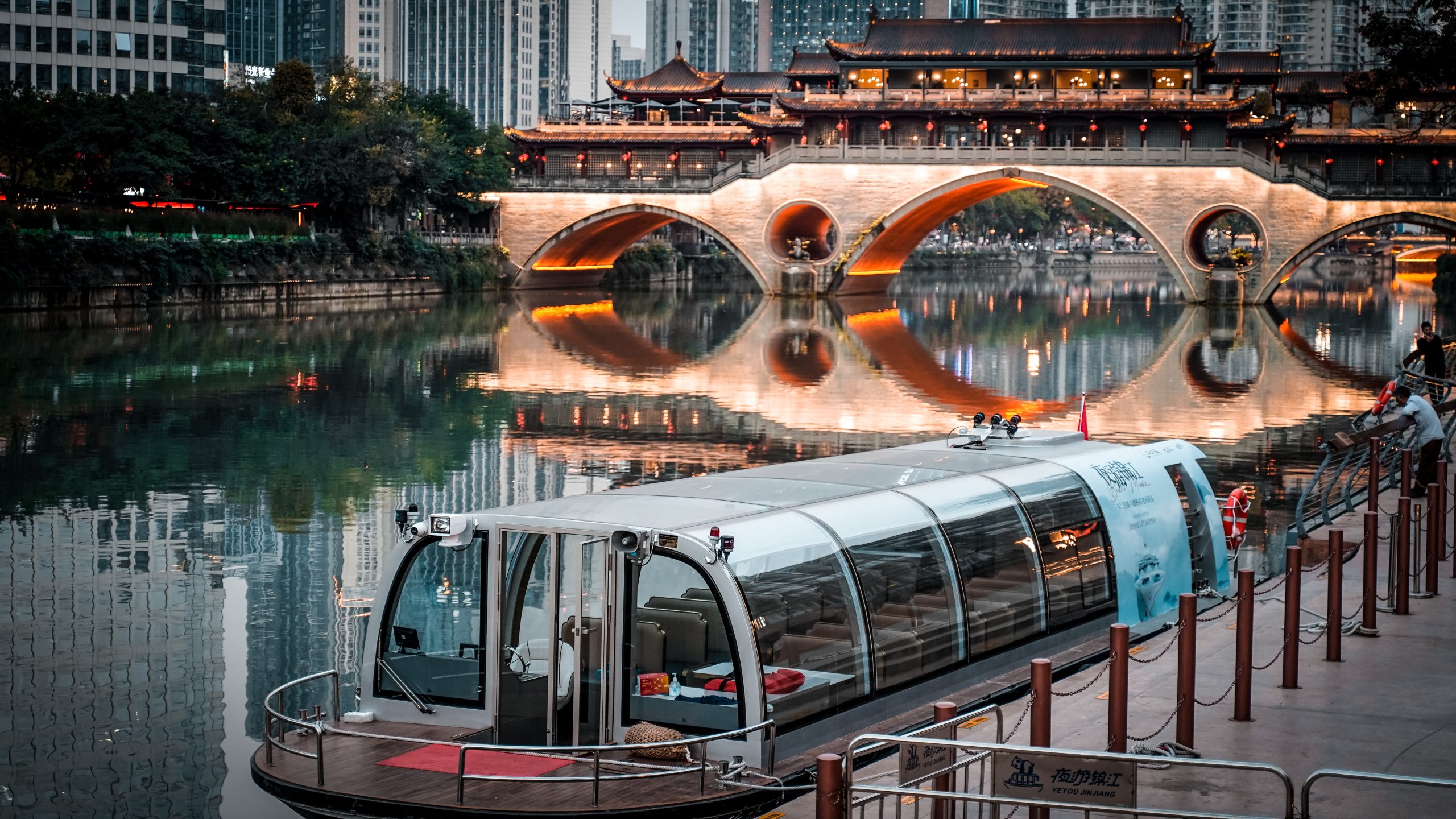
Yeyou Jinjiang
Chengdu Jinjiang River cruise water project – Night cruise on Jinjiang River, from Dongmen Wharf to Langqiao Bridge, features three themed scenes of “night exhibition, night show, and night cruise,” creating a lifestyle aesthetic map that blends old Chengdu charm, Sichuan flavor, and international style.▲Diverse themed cruisesMultifunctional art installations are designed along the riverbanks of Jinjiang, serving as view art pieces during the day to statically showcase the brilliant culture of Jinjiang. At night, travelers can embark on a cruise to enjoy an immersive experience of the changing lights and projections along the river. The sailing boat show at Hejiang Pavilion, along with dynamic displays like the Bodhi Light Show, Traditional Tea Performance, Wharf Stories, December Market, December Flowers, and the poetic scene of “boats from distant Wu moored at the gate” and “flowers blooming in the splendid city,” create a captivating night view.In a sleek and vibrant light show, the Twelve Moon Markets and Twelve Moon Flowers travel through time to the Jinjiang River, guided by the luminous corridor, reviving the ancient aesthetics of Chengdu. Amid the dazzling lights, Du Fu appears on a small boat, reciting poetry as he glides across the river. Hejiang Pavilion, Shuijin Bridge, and performers on boats—each scene unfolds gracefully on the Jinjiang River, where mesmerizing lights narrate the rich culture and stories of Chengdu.Brilliant lights illuminate the night along the Jinjiang RiverThe novelist Sasa wrote a novel titled “Hejiang Pavilion.” In the preface, actor Wu Yue wrote: “Everyone has their own Hejiang Pavilion in their heart, and every Hejiang Pavilion has its own little moments. If we are born only to await death, then only love can make this waiting beautiful.” So whether you’re young or old, as long as you and your loved one reach Hejiang Pavilion, a unique kind of romance will well up in your hearts.Ascend the viewing pavilion, savor tea, and experience ancient Shu culture
-
Dagu Glacier
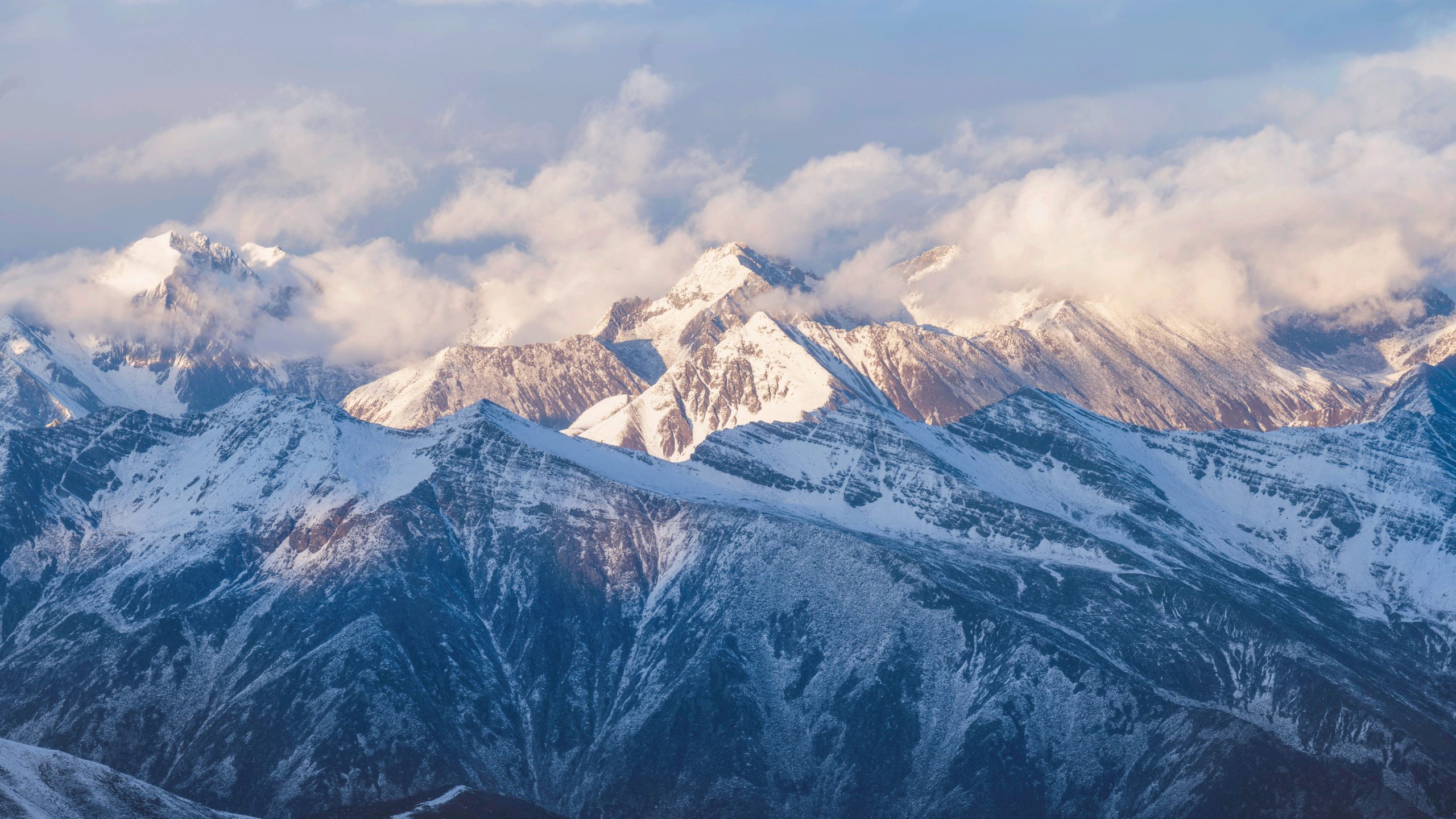
“The closest distance yet farthest away” is renowned writer Alai’s heartfelt ode to this place. “Crossing towering mountains and deep valleys without climbing, wandering through snow-laden forests without braving the snowstorms, standing atop mountain peaks without ascending” perfectly captures its magic. The story from the movie The Captain seems to have flown overhead here, portraying a composed and resolute group of heroes. The Red Chieftain fought battles here, composing an epic of ethnic unity.Dagu Glacier holds a pivotal position in the cultural tourism development of Aba Prefecture and even Sichuan Province, playing a significant role in advancing the ecological demonstration zone of northwest Sichuan. Located in the heart of Aba Prefecture within Heishui County, this attraction boasts exceptional natural endowments, rich cultural atmosphere, vast development potential, and promising market prospects. It features China’s northernmost maritime monsoon modern mountain glaciers on the eastern edge of the Qinghai-Tibet Plateau, integrating glacial peaks, colorful forests, red rocks, alpine lakes, meadows, and rare wildlife. The area harmoniously blends profound red culture with vibrant ethnic traditions, offering pristine air, fragrant earth, crystal-clear water, abundant oxygen, and unspoiled tranquility. Crowned with honors including National Geopark, Provincial Nature Reserve, and Eco-Tourism Demonstration Zone, it’s an ideal destination for snow experiences, sightseeing, wellness retreats, summer escapes, and scientific research. As Aba’s meticulously developed premium tourist attraction following Jiuzhaigou, Huanglong, and Siguniang Mountain, Dagu Glacier shines as a brilliant pearl along the Greater Jiuzhai Loop and Tibetan-Qiang Cultural Corridor. It represents four major tourism brands among Aba’s nine flagship offerings: grand glaciers, majestic snow mountains, spectacular colorful forests, and the Long March legacy. Serving as both a cornerstone for Aba’s all-for-one tourism development and a pillar for central Aba’s tourism resurgence, this destination continues to captivate visitors with its unparalleled natural and cultural wonders.In the winter of 2019, this “winter snow paradise” gained immense popularity and quickly became one of the fastest-growing travel destinations in the province. Seizing this momentum, we’ve expanded and enhanced the “four-season glacier” experience: flower viewing and snow play in spring, ice appreciation and snow activities in summer, colorful fall foliage in autumn, and the winter snow paradise. We’ve also enriched eco-tourism, wellness travel, leisure vacations, and specialty adventure tours while extending the 10-month snow tourism season, developing the 4860 Glacier Coffee cultural tourism series, and promoting ten viral photo spots. These efforts propel the attraction toward a younger, trendier, and higher-quality direction. From endless green fields to vibrant blooms and then to a snowy wonderland, Dagu is where you can play with snow in summer, enjoy a cool retreat with temperatures around 20°C, and breathe in fresh air with negative oxygen ions reaching 8,360P. Here, you can stroll through romantic spring snow, escape the summer heat in refreshing coolness, admire stunning fall colors, or sip steaming coffee atop snow-capped winter peaks while reflecting on life’s beauty. The “all-season snow, full-time experience” will dazzle you with boundless scenery and delightful moments, leaving every visitor enchanted.
-
The First Bend of The Yellow River
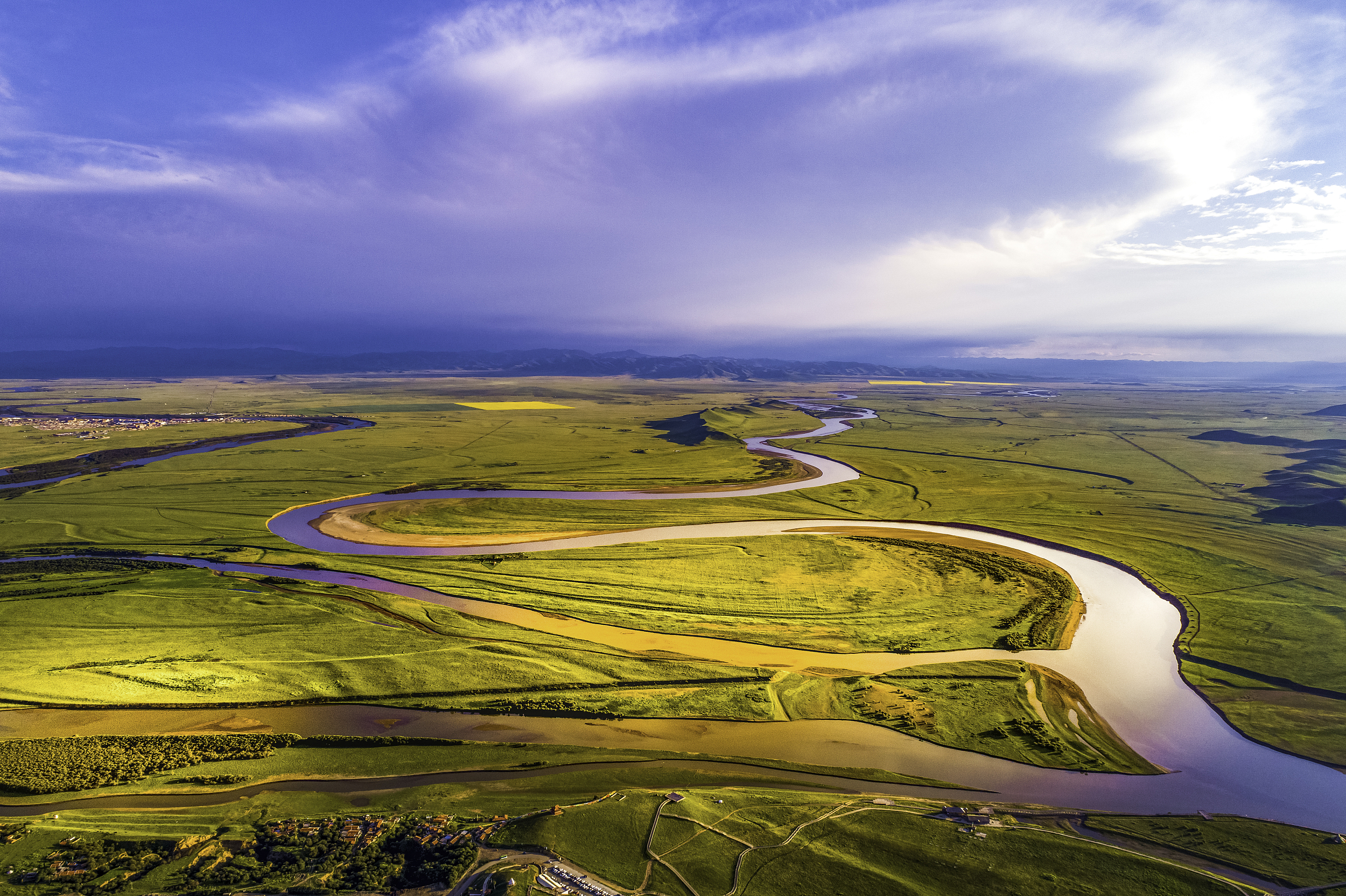
The Yellow River merges with Baihe River in Tangke Township, Zoige County, Sichuan Province, forming the Yellow River Jiuqu First Bay. Here, visitors can enjoy the peculiar and splendid natural landscape. It is also a location that photographers love. To see the Yellow River Jiuqu First Bay, you can climb the stairs or take the elevator and then you can reach the viewing platform. The scenery on the viewing platform will let you forget all your troubles. This is a great place to watch the sunset. The wandering Yellow River is especially enchanting in the afterglow of sunset.