
Shuangqiaogou got its name from the two wooden bridges in the valley. The ditch is mainly dominated by snow peaks, pastures, grasslands, forests, etc. It is a beautiful ditch in Siguniang Mountain. Walking in the ditch, you can experience the real pastoral scenery. The main scenic spots are Yinyang Valley, Hunter Peak, Sun and Moon Mirror and Five Colors Mountain, etc. For the convenience of traffic, the local people built two wooden bridges in the ditch, one of which was made of willow wood, commonly known as the willow bridge; the other was made of red cedar wood, commonly known as the convenience bridge. Shuangqiaogou got its name from this. The mountains in Shuangqiaogou are steep and tortuous, with lush forests. There are not only the common birch forests and cypress forests in the low mountain areas, but also the spruce, fir, and redwood in the high mountain areas, and even the sea buckthorn, shrubs, and larch. Every spring and autumn, the ditch is colorful and spectacular. There are sightseeing cars in the ditch that go directly to the end of the ditch, so you can enjoy the wonders in the ditch effortlessly.
归档: Attractions
-
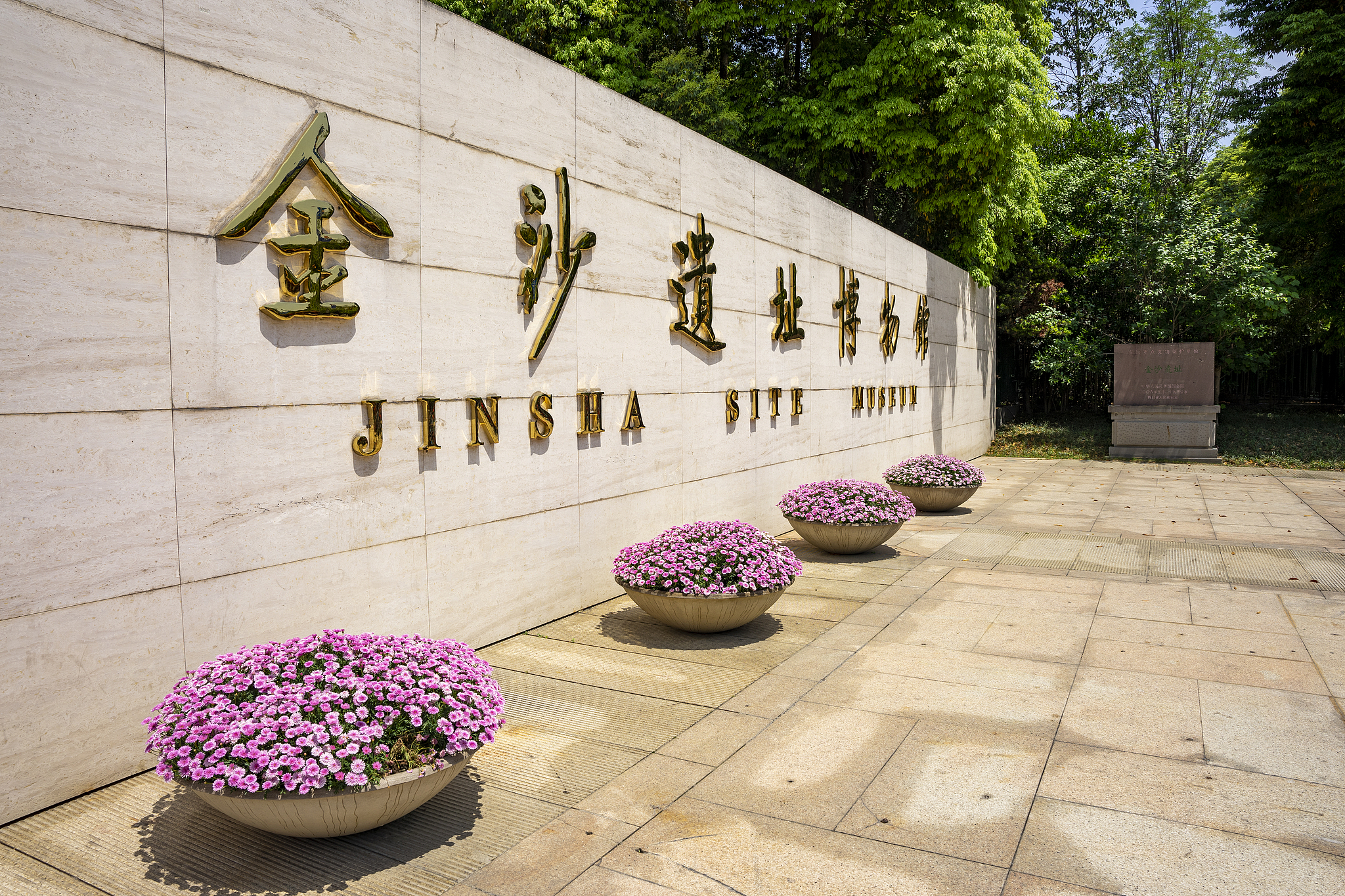
Jinsha Site Museum
The Jinsha Site Museum is located in the northwest of Chengdu city. It is an archaeological museum built on the original site of the Jinsha Site, an important archaeological discovery of the ancient Shu civilization, to protect, study and display the Jinsha Site and the ancient Shu civilization.In April 2007, the Jinsha Site Museum was officially opened to the public. The museum covers an area of 300,000 square meters, with a total building area of about 40,000 square meters. It is divided into the Relics Hall, Exhibition Hall, Cultural Relics Protection and Restoration Center, Cultural Exchange Center, Garden Area and other parts. The collection of cultural relics is rich in variety and complete in system, and all have high historical, scientific, cultural and artistic value. The exhibition comprehensively displays the glory of the ancient Shu Jinsha Kingdom from multiple angles such as archaeological sites, ecological environment, production and life, religious sacrifices, and cultural background.The Jinsha Site was rated as one of the “Top Ten Archaeological Discoveries in China in 2001”, a national key cultural relic protection unit and one of the first national archaeological site parks, and was selected together with the Sanxingdui Site into the “China World Cultural Heritage Tentative List”. The “Sun Bird” gold ornament pattern unearthed from the Jinsha Site was identified as the symbol of China’s cultural heritage and the core pattern of Chengdu’s city image logo.The Jinsha Site Museum is now a national AAAA-level tourist Attraction, a national first-class museum, a national research and practice education base for primary and secondary school students, and a Sichuan Province postdoctoral innovation and practice base.
-
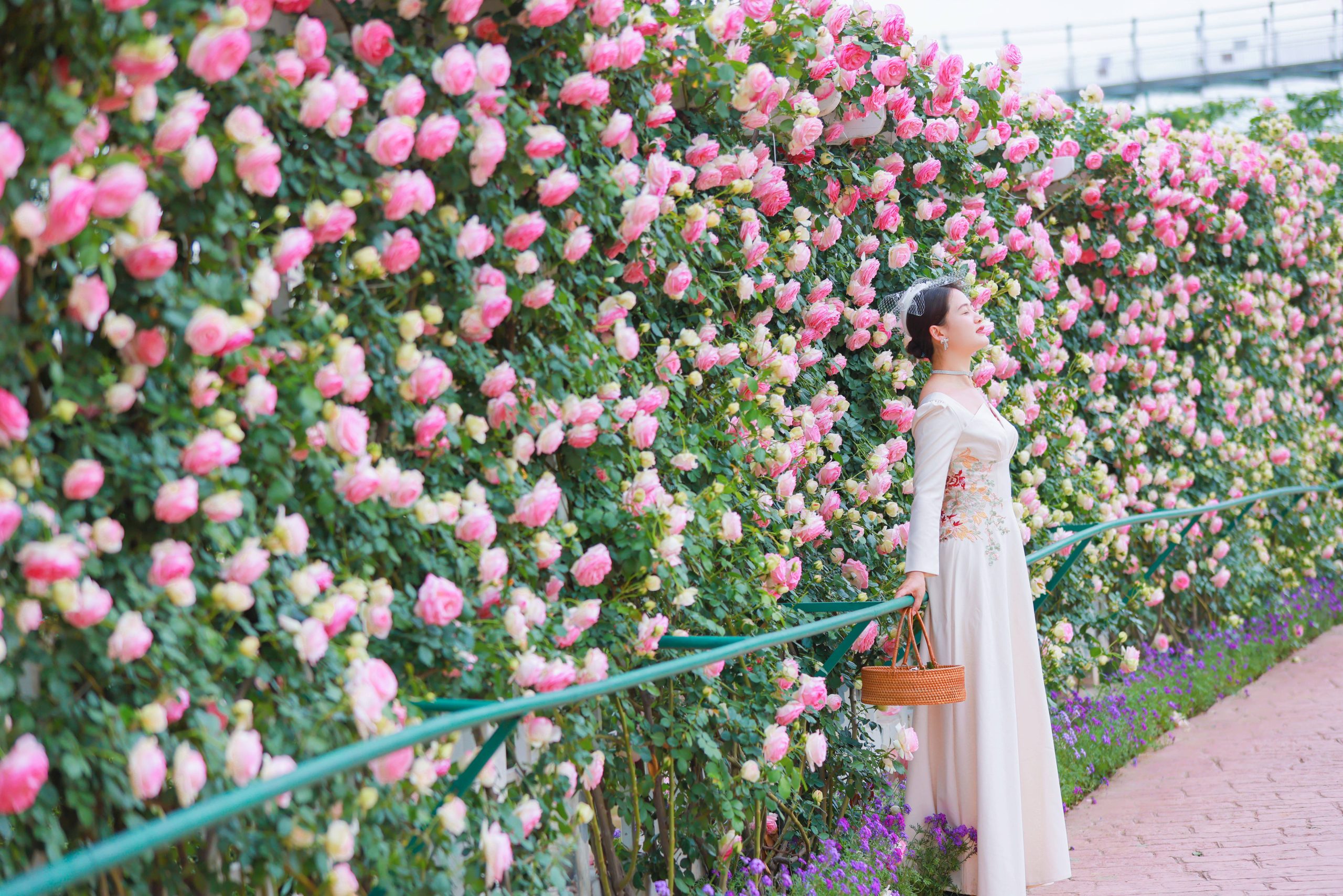
Manhua Sea of Flowers
Manhua Sea of Flowers is located in the south section of Xiaolong Avenue in Xindu District. It has a European style garden and is ideal for families’ weekend trips. The varieties of flowers planted here are numerous. In the flowering season, it is rich in color. It is a visual feast no matter where you turn.
-
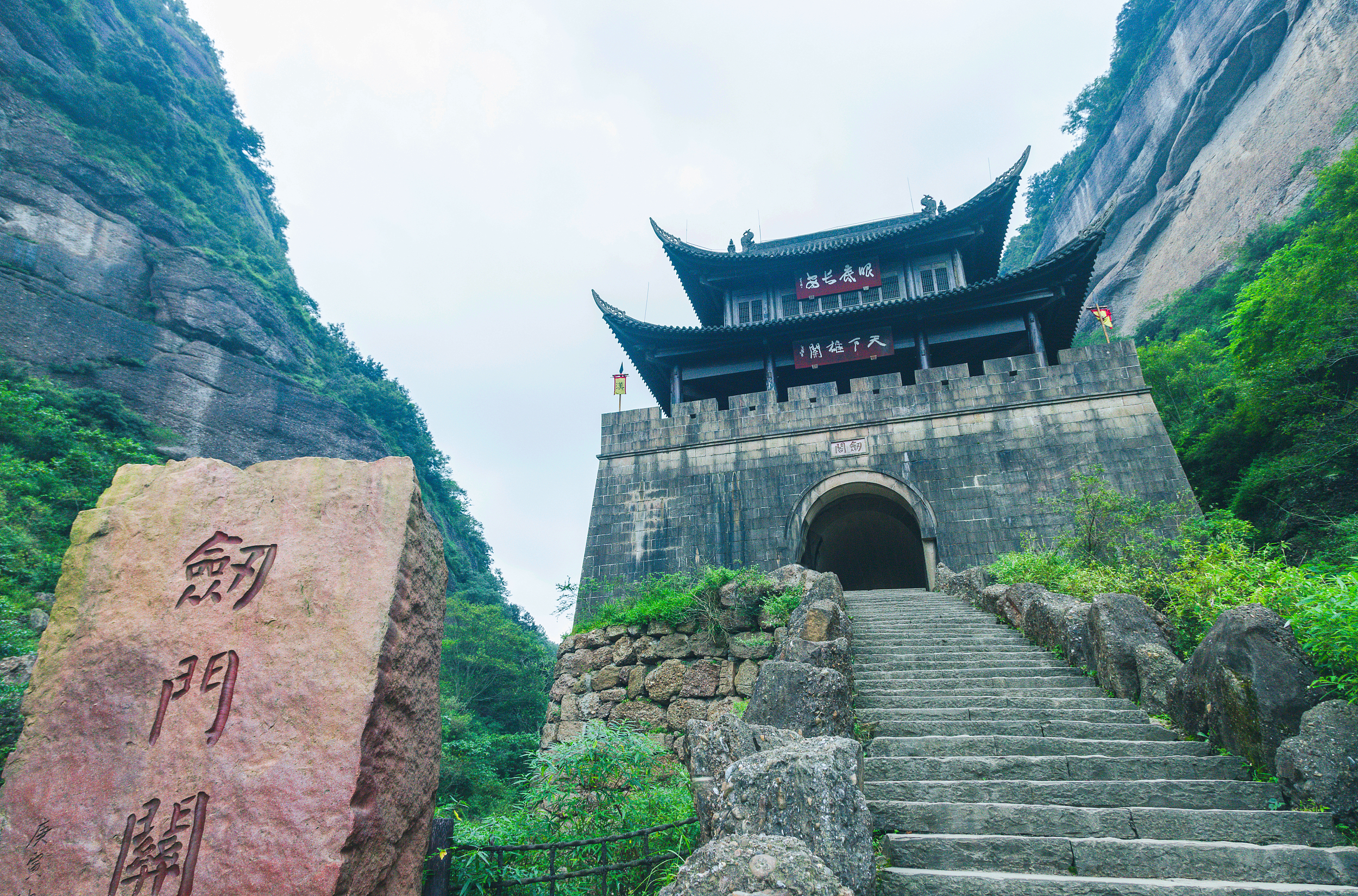
Jianmen Pass
The Jianmen Pass is located in Jiange County between Dajian Mountain and Xiaojian Mountain. It has been famous throughout history, holding an important position militarily due to its precipitous topography and ease of defense. Visitors to the scenic area can take the easier “Bird Path” of the mountain, or the “Ape Route,” which requires renting professional mountain climbing equipment.
-
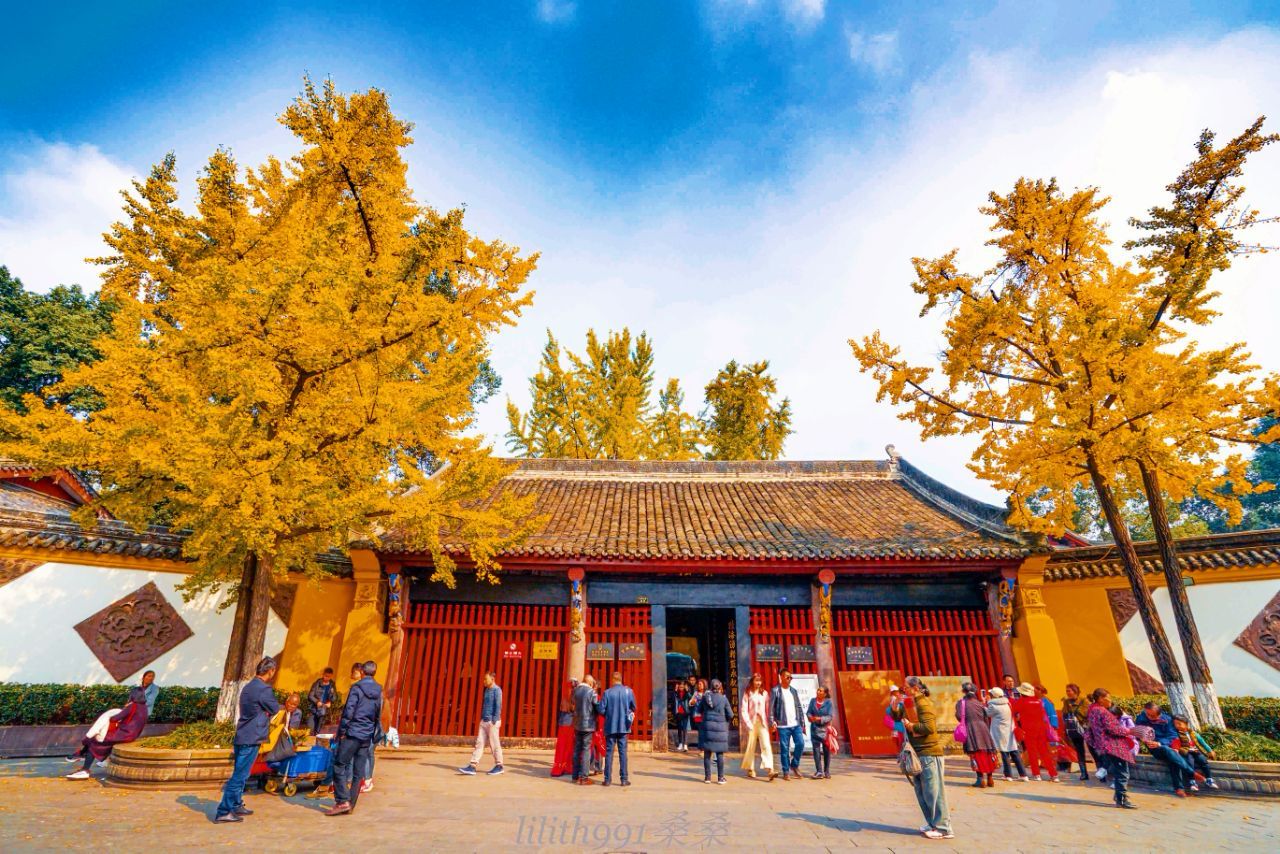
Wenshu Monastery
Wenshu Monastery is located in Qingyang District. It was first built in the Sui Dynasty. After being rebuilt during the reign of Emperor Kangxi, it was called Wenshu Monastery. There are more than 300 Buddha statues of different sizes in the temple, made of various materials such as steel, yarn, wood carving, stone carving, and clay sculpture. Among them is a Burmese jade Buddha, which comes from Myanmar and is very precious.The five halls in the temple, including the Three Great Masters Hall, the Great Hall, the Dharma Hall, and the Sutra Library, are connected in sequence, and are integrated with the bell tower, the dining hall, and the corridors on the east and west sides, and are matched with other buildings to form a closed courtyard. There are also teahouses and a unique vegetarian restaurant “Xiangzhaitang” in the courtyard, making it a favorite leisure place for local residents.In addition, the temple also has a collection of many precious calligraphy and paintings since the Ming and Qing Dynasties. The most famous one is the “Empty Forest” plaque bestowed by Emperor Kangxi to Wenshu Monastery in 1702, and the banner “Sea Moon” by Emperor Kangxi imitating the Song Dynasty calligrapher Mi Fu. There are also Buddhist relics such as the skull of Master Xuanzang from the Tang Dynasty, the Indian palm leaf scriptures, and the Japanese gilded sutras from the Tang Dynasty. However, since they are precious cultural relics, it is rare for outsiders to see them. The Wenshuyuan Street in front of the Wenshuyuan has now been developed into the Wenshufang, known as the “urban Zen forest”, with all antique buildings and many snacks still operating.
-
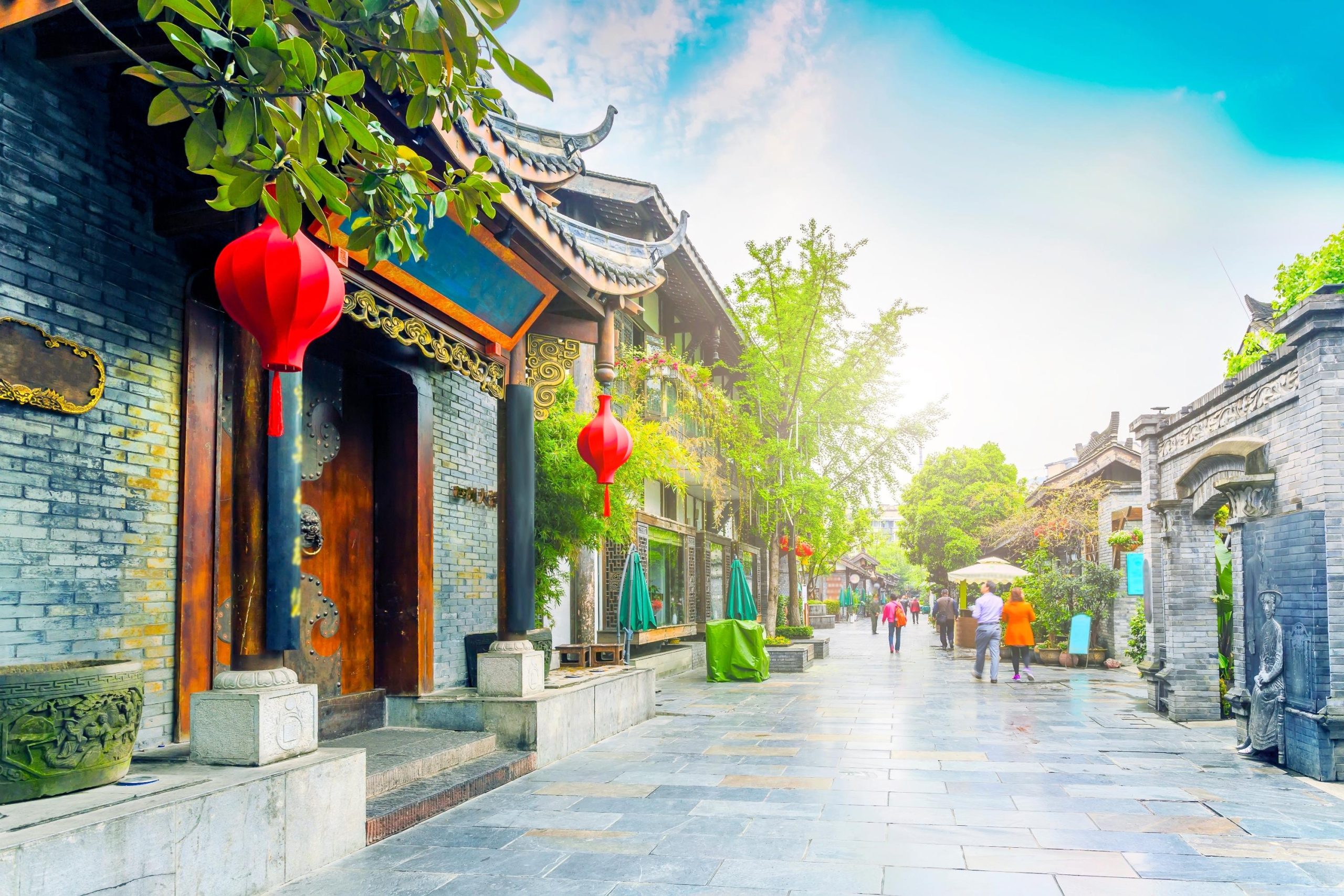
Kuanzhai Alleys
Kuanzhai Alley is an ancient street in Chengdu left over from the Qing Dynasty. It is composed of three parallel lanes – a wide alleyway, a narrow alleyway and a criss-crossed alleyway, with courtyards between them. Here, you may drink tea, eat hotpot and experience the old and new way of life in Chengdu. It is one of the hotspots in Chengdu where old folks come together and carry out their activities. Kuanzhai Alley also comes alive at night due to a couple of modern bars situated there. Feel free to check it out if you are a night-life person.
-
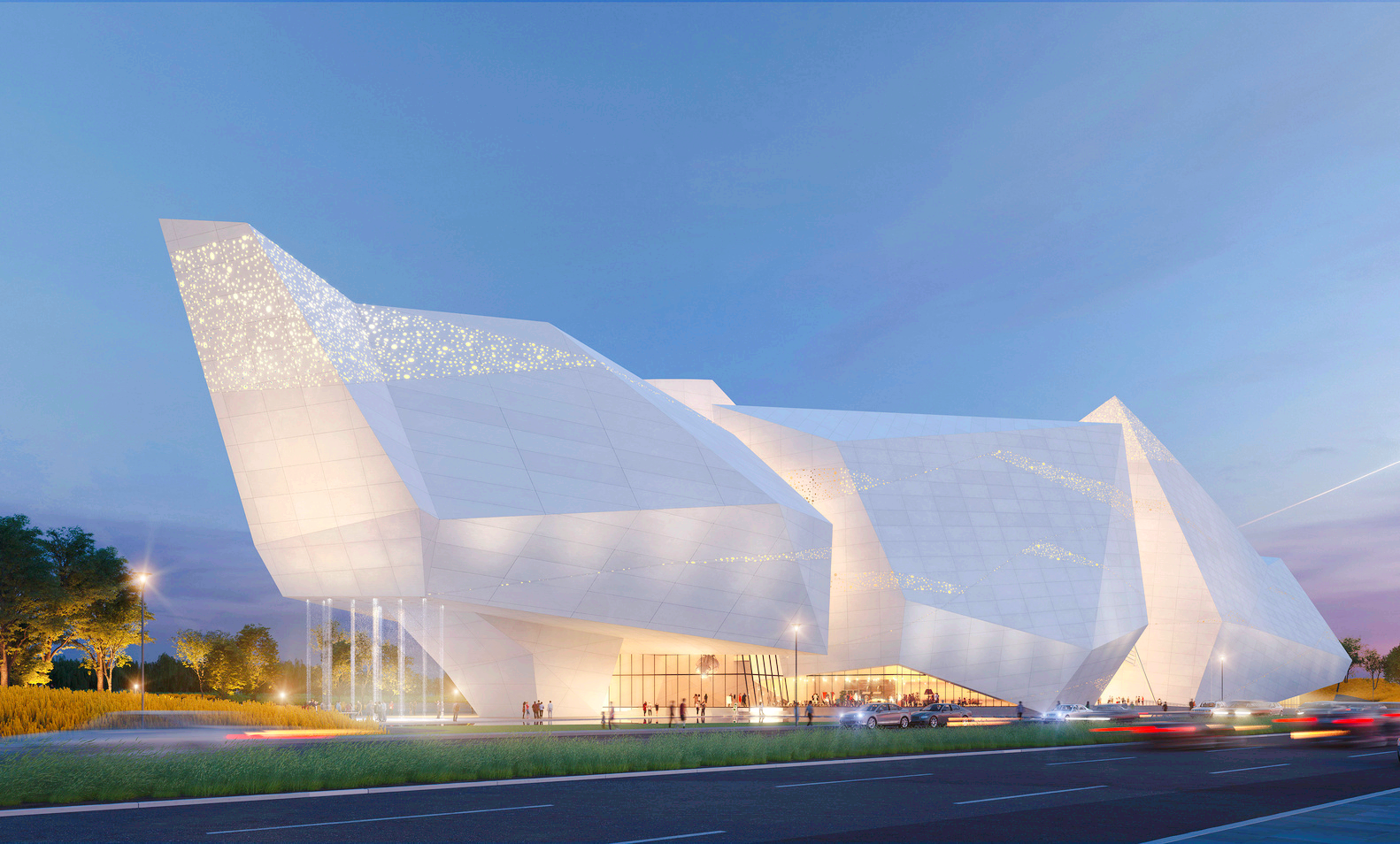
Chengdu Natural History Museum
The Chengdu Natural History Museum is a significant venue integrating science, education, and culture, dedicated to showcasing Earth’s natural history and biodiversity. With a rich collection spanning paleontological fossils, animal and plant specimens, and mineral exhibits, it vividly recreates the planet’s evolutionary journey. Featuring modern exhibition halls with multimedia interactives and immersive experiences, visitors can delve deep into the wonders of nature. The museum serves not only as a vital hub for science education but also as a gateway for the public to explore natural sciences. Its diverse exhibitions and activities attract visitors of all ages, making it an ideal destination to discover nature and spark curiosity. Combining scientific rigor with engaging storytelling, the Chengdu Natural History Museum offers an enlightening cultural journey for every visitor.
-
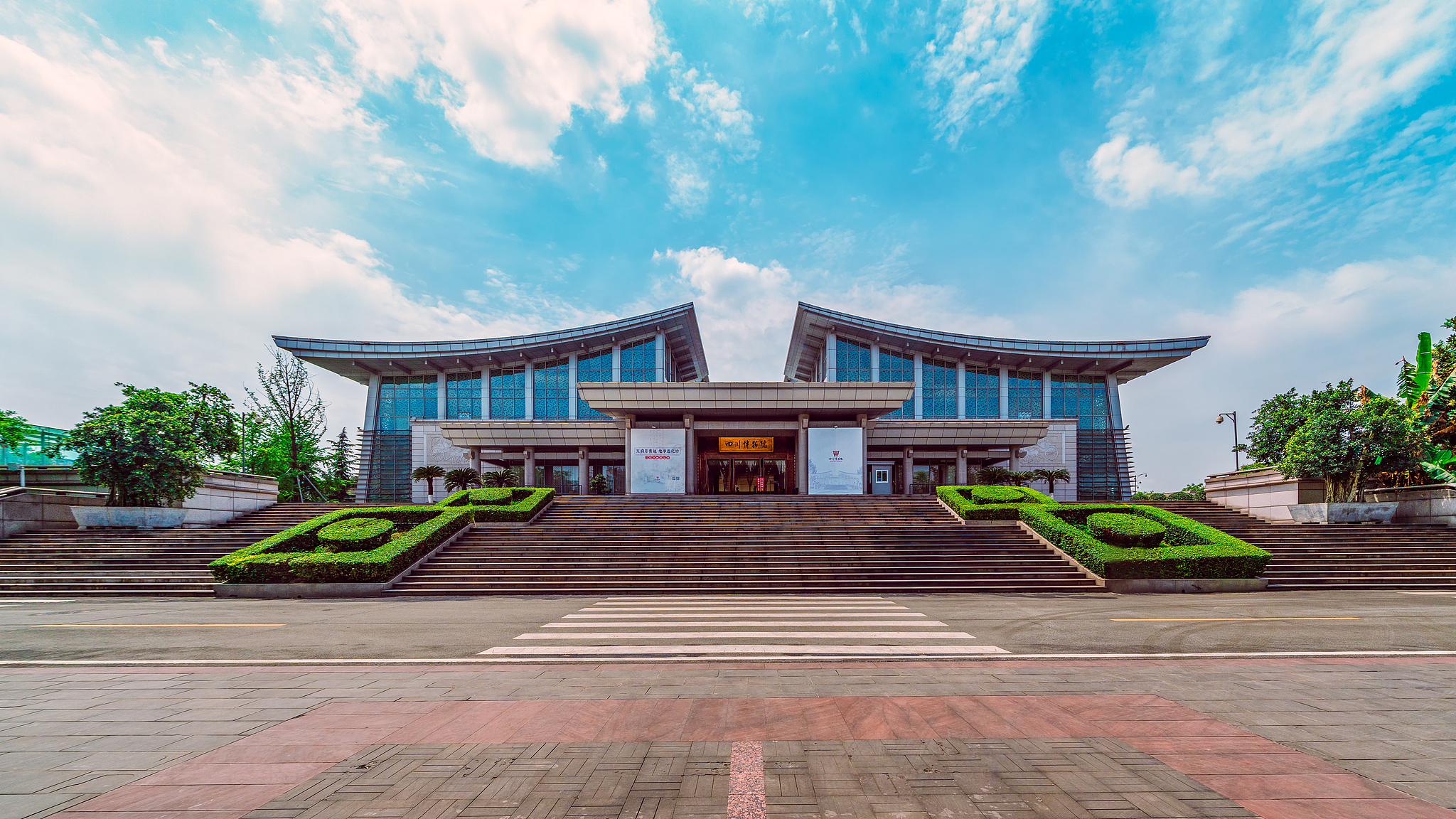
Sichuan Museum
Sichuan Museum is located on Huanhua South Street in Chengdu’s Wuhou District (to the east of Huanhuaxi Park). Among the most distinctive museum’s collections are the Bhag Bronze, Zhang Daqian’s paintings and the Sichuan Han Dynasty portrait bricks and pottery. Dafeng Hall contains many of Zhang Daqian works, especially the Dunhuang murals.
-
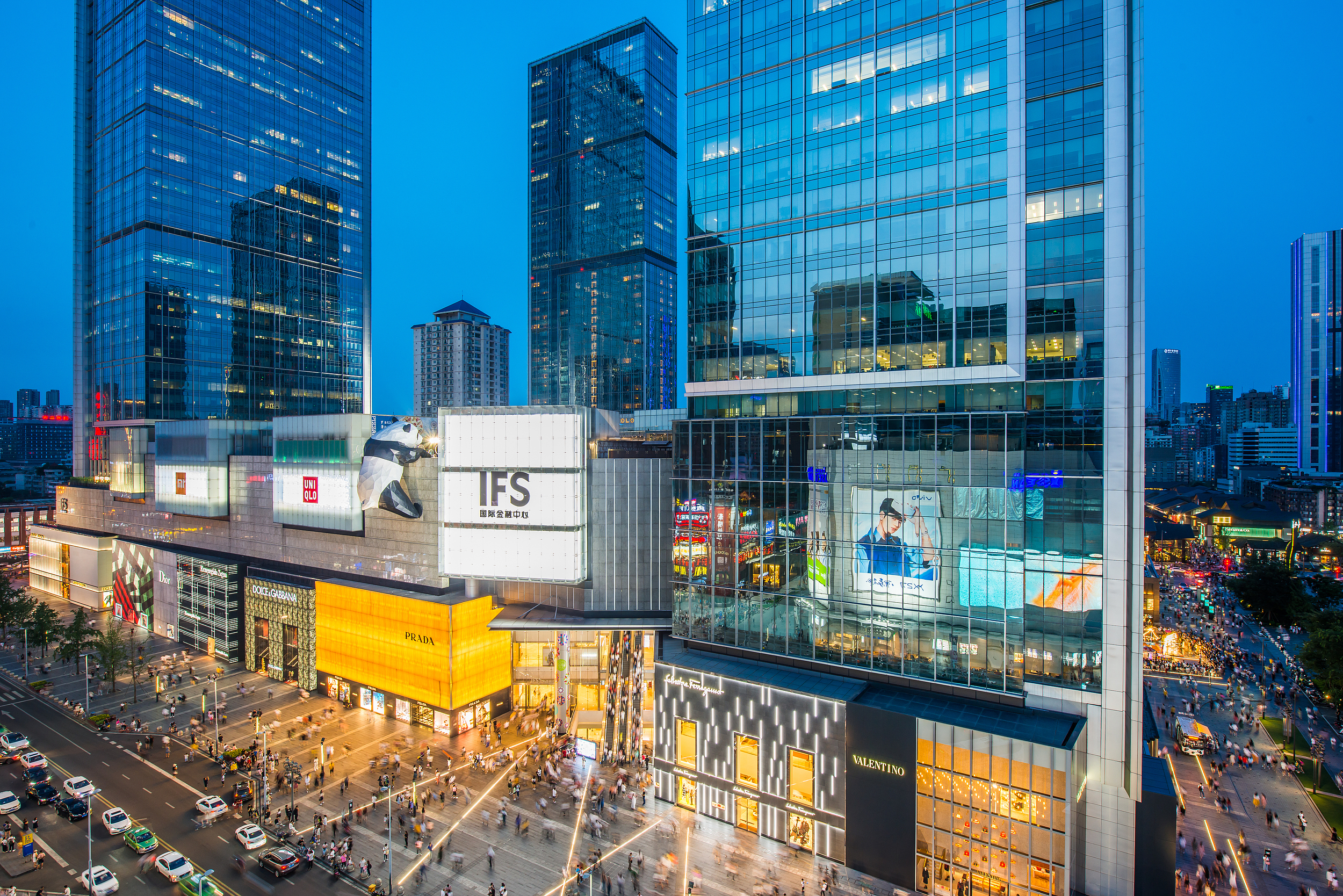
Chunxi Road
Chunxi Road is the fashion hub of Chengdu and a culinary hotspot. Exploring this iconic commercial pedestrian street and indulging in local delicacies is a must-do when visiting Chengdu.Chunxi Road is not just a single street, but refers to the area east of Beixin Street, south of Zongfu Road, west of Hongxing Road, north of Dongda Street, as well as Nanxin Street, Zhongxin Street and their surrounding areas. For visitors to Chengdu, missing out on Chunxi Road would be as regrettable as skipping Wangfujing in Beijing or Nanjing Road in Shanghai.On both sides of Chunxi Road, you’ll find a vibrant mix of century-old shops, trendy malls, brand boutiques, and delicious snack stalls. Famous local eateries like Zhong’s Dumplings, Lai’s Tangyuan, Han’s Steamed Buns, and Long’s Wonton all have branches here. On weekends, this area also serves as a popular leisure spot for Chengdu residents.The intersection of Chunxi Road’s main street is the famous Zhongshan Square, where the bronze statue of Sun Yat-sen stands. At the northern entrance, there’s also a Chengdu folk-custom relief art wall carved from granite, depicting various scenes of Tang Dynasty Chengdu, including temple fairs, flower festivals, lantern festivals, and mulberry picking.
-
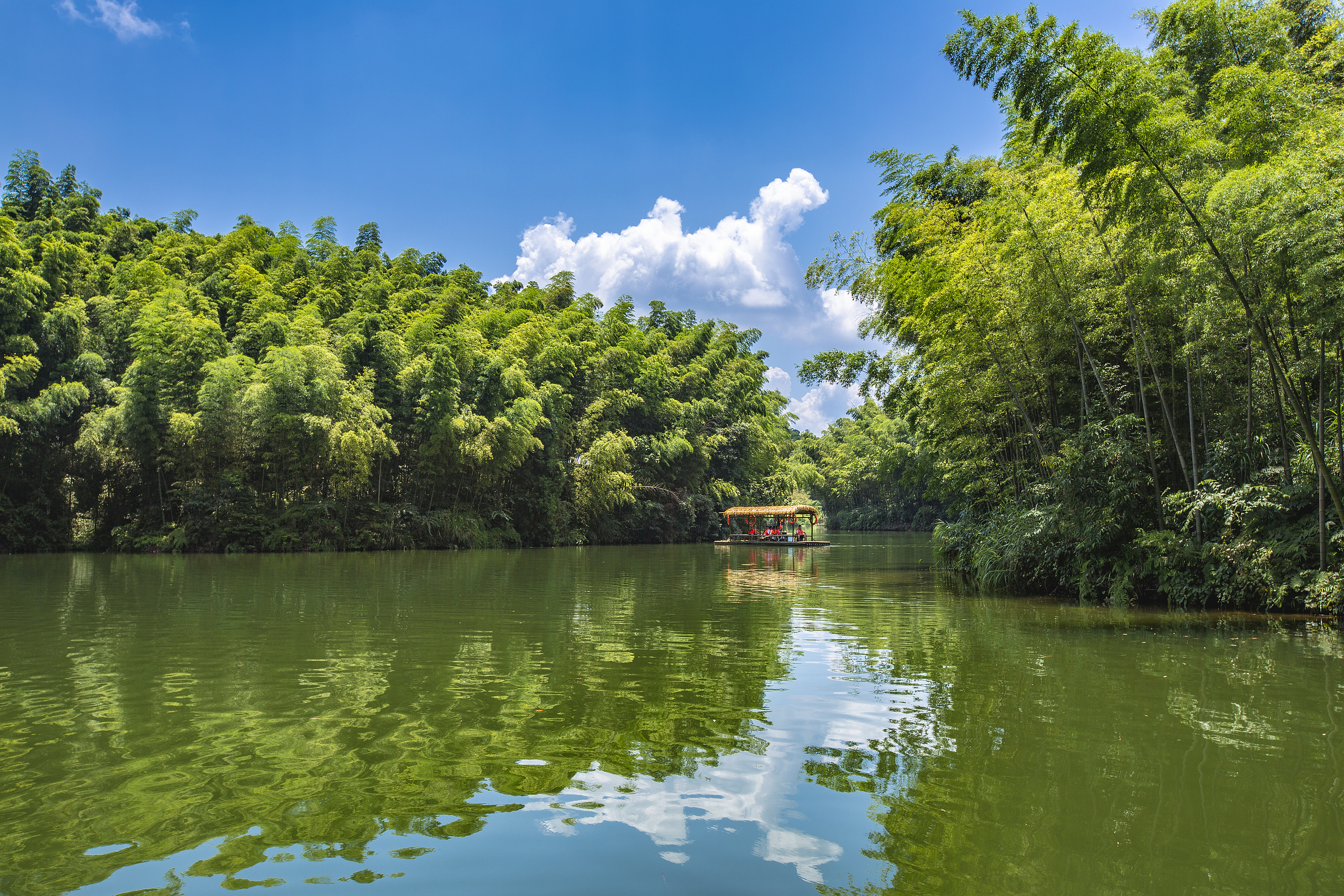
Southen Sichuan Bamboo Sea
The Shunan Zhuhai National Park is located in Yibin where Changning and Jiang’an counties meet. The air here is pristine and the scenery is gorgeous. You can see many products expertly crafted from bamboo at the park’s Changning Zhuhai Museum. You can even get a panoramic view of the “bamboo sea” from the aerial tramway. When you come here, don’t forget to try a meal prepared fully from bamboo at a local farmhouse. You can get bamboo shoots, bamboo fungus (a type of edible fungus), bamboo eggs, and bamboo tripe, all of which are delicious.