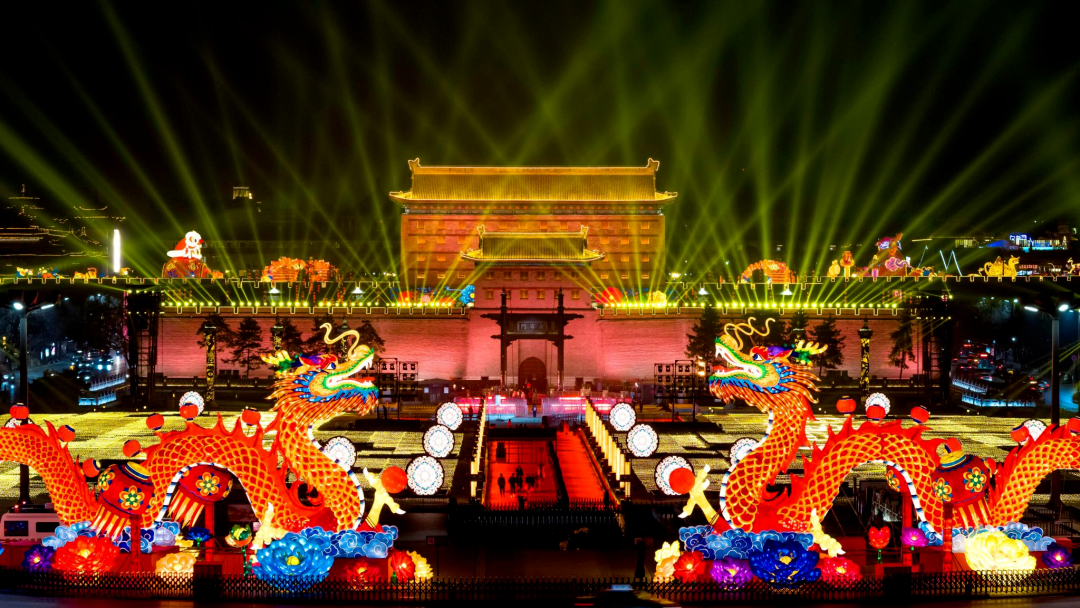
The 2026 “Chang’an Lantern Festival & Xi’an City Wall” Spring Festival series of cultural activities officially kicked off on January 1, 2026, spanning the three major holidays of New Year’s Day, Spring Festival, and Lantern Festival, and ending on March 22 (the fourth day of the second lunar month of the Bingwu year). The 81-day exhibition period extends the festive atmosphere of the Spring Festival from the beginning of the new year into mid-spring. The exhibition area covers several important gates of the Xi’an City Wall. The core viewing areas include Hanguang Gate, Wumu Gate, Yongning Gate, Wenchang Gate, Heping Gate, and Jianguo Gate, where major lantern displays and core activities will be showcased. Anyuan Gate, Shangde Gate, Shangwu Gate, Northwest Corner, Anding Gate, Yuxiang Gate, Southwest Corner, Northeast Corner, Changle Gate, and Zhongshan Gate are non-core exhibition areas, but they will also be decorated with distinctive lanterns, creating a unified light and shadow landscape throughout the entire area. The year 2026 marks the Year of the Horse (Bingwu year). This year’s lantern festival, themed “A Thousand Lanterns Illuminate Chang’an, the Horse Welcomes Spring,” revolves around the main theme of “National Treasures Rejuvenated, Chang’an Shines Brightly.” It meticulously crafts three interwoven yet distinct cultural threads: “National Treasures Rejuvenated,” “Poetic Chang’an,” and “Galloping Horse of the Zodiac,” allowing visitors to not only enjoy the lanterns but also gain a deeper understanding of Chang’an’s history and poetic charm.
归档: Attractions
-
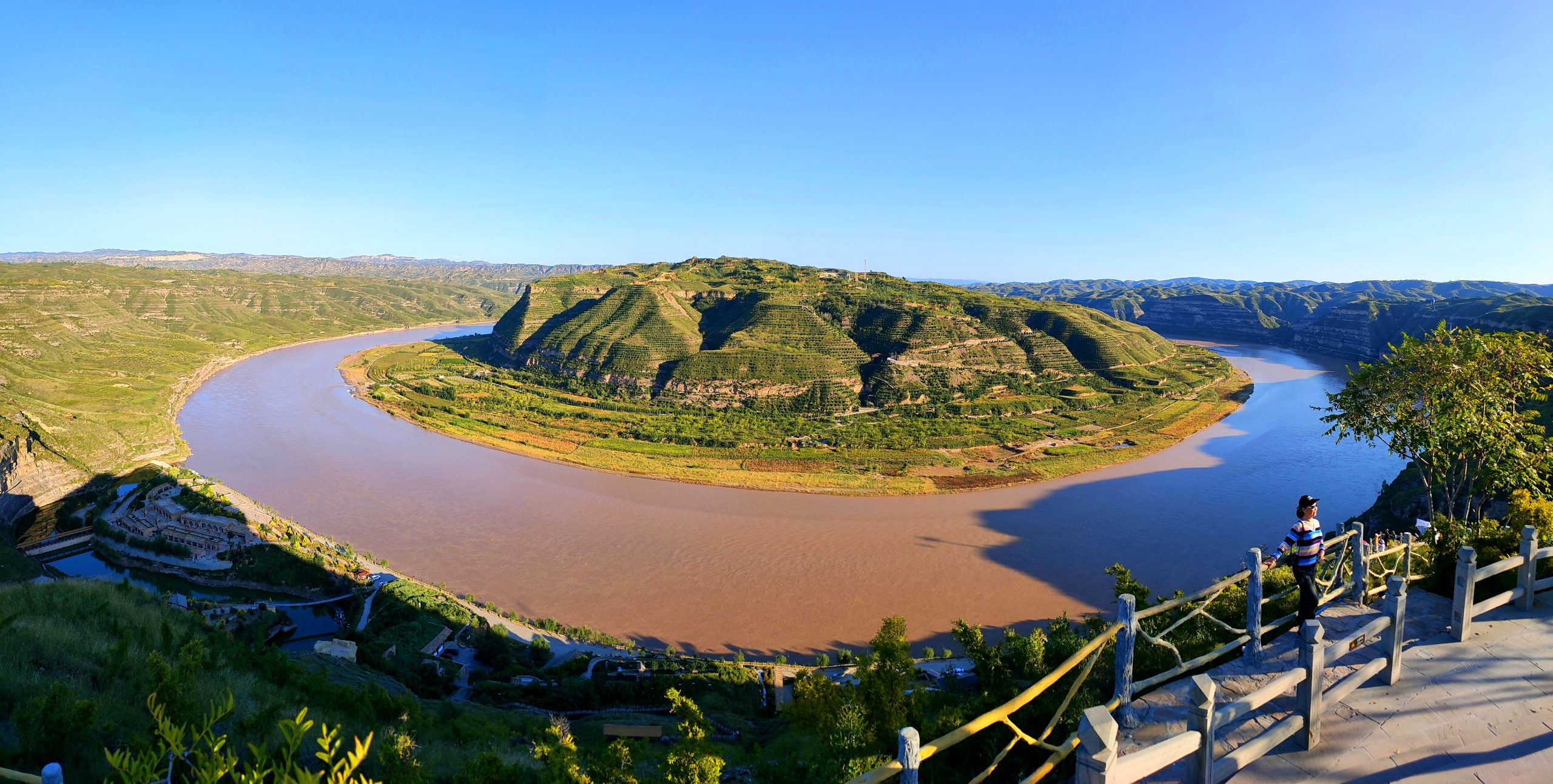
Yanchuan Yellow river Qiankun Bay Scenic Area
Qiankun Bay lies in the Tugang Township, Yanchuan County, Yan’an City, and is a national geological park. Stepping out over Qiankun Bay and walking into the Qiankun Pavilion, you will have a panoramic view of the Qiankun Bay. They bay is shaped like the yin-yang fish of the Tai Chi Diagram, surrounded by lush green hills. People live on the mountain and yellow cattle on the grassy shore drink from the river. In addition to its magnificence and beauty, Qiankun Bay also paints a picture of life on the Loess Plateau.
-
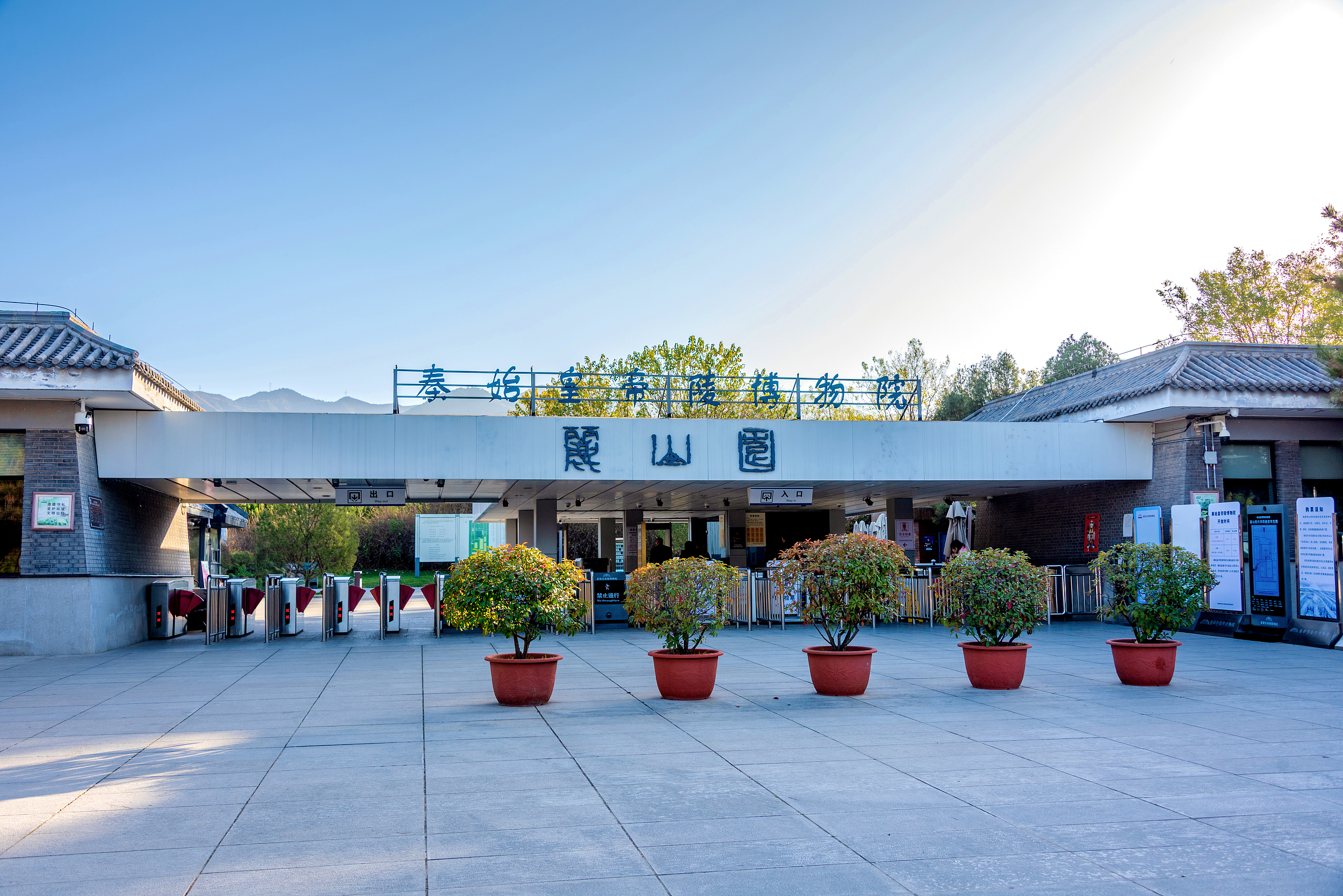
Emperor Qinshihuang’s Mausoleum Site Museum – Lishan Garden
Mausoleum of the First Qin Emperor is located in the suburbs of Xi’an, and is the tomb of Ying Zheng, the first emperor in Chinese history. It is known among Chinese imperial mausoleums for its large scale. Construction of the mausoleum lasted 39 years. It was built modeling the layout of the then Qin capital, Xianyang. Due to current restrictions caused by scientific and technological conditions, the underground palace of the mausoleum has not yet been excavated, but you can nevertheless feel the atmosphere of the historical relics in the surroundings of the mausoleum.
-
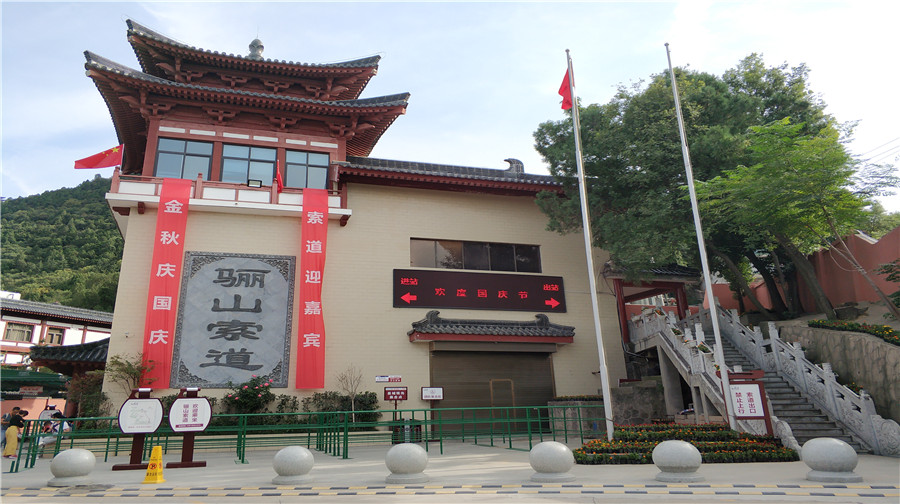
Mountain Li Cable Car
The Lishan Cableway is 1,560 meters long. The entire system is automatically controlled by computers, with more than 100 safety control points, eliminating all unsafe factors. Stepping into the comfortable cable car, the cabin slowly rises, bringing your vision, and the panoramic view of the lush Lishan Mountain and Huaqing Palace quietly flows under your feet. Looking up ahead, the mountains and ridges, the endless green mountain streams, the Laomu Palace, the Laojun Hall, the Shangshan Lake, and the beacon towers are scattered in front of you. Looking east, the majestic appearance of the Mausoleum of Qin Shihuang and the Terracotta Warriors will stir your soul and make you swim in the reverie of history.
-
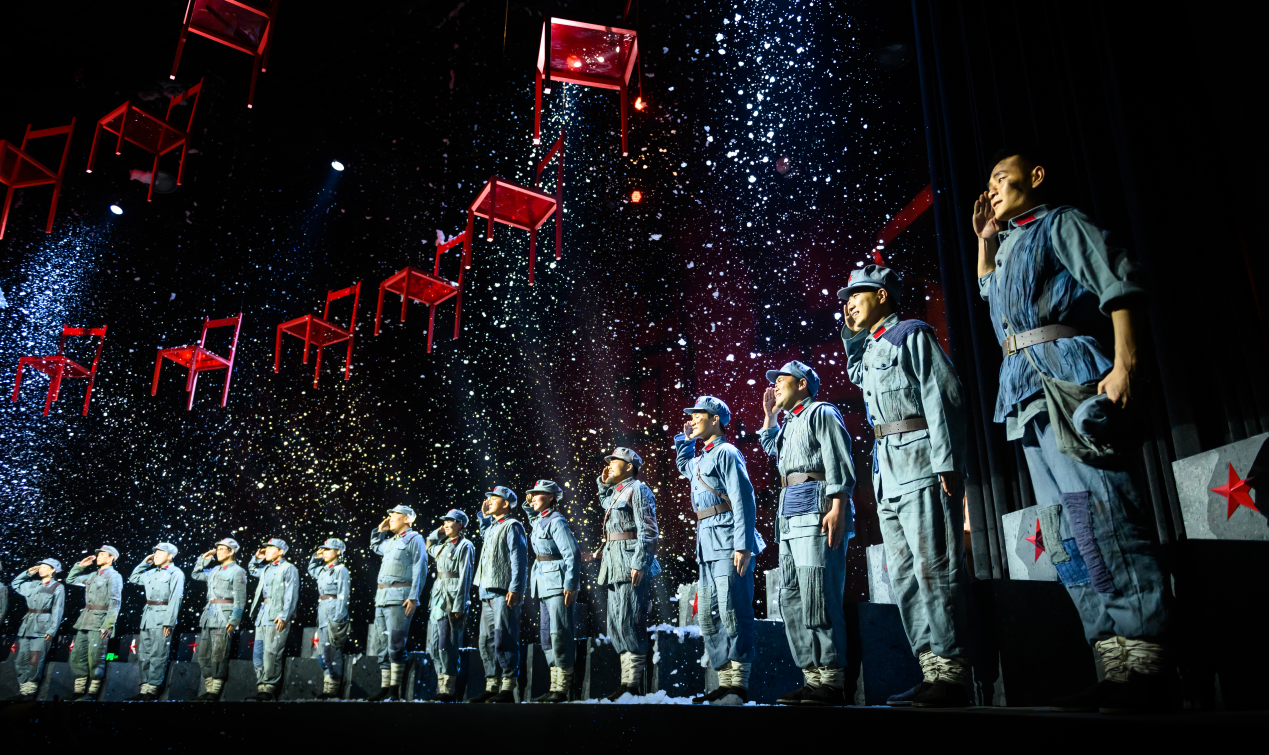
Back To Yanan
Performance HighlightsUnique marching performance format:Walking and watching: Different from the traditional theater “sitting and watching”, “Return to Yan’an” adopts a walking and watching performance format. During the performance, the audience needs to follow the plot to move to different spaces. This “people follow the play” experience makes the audience feel as if they are in the plot and become part of the story. Multiple scene switching, each scene has a unique stage and scene design, bringing a rich visual experience to the audience.Immersive artistic expression:The performance uses high-tech techniques such as sound, light, and real snow to create a multi-sensory interactive experience. For example, in the scene of “A Long March Road”, the audience can feel the real snowy environment and experience the hardships of the Long March with the actors.Profound educational significance:Inheriting the red spirit: As the first red indoor situational experience drama in China, “Return to Yan’an” is not only an artistic work, but also a vivid party lesson. It inherits the red spirit by telling the heroic deeds of the Red Army soldiers, allowing the audience to feel the great feelings and firm beliefs of the revolutionary martyrs in an immersive experience.Excellent director and creative team:Directed by a well-known director: The play was created by well-known domestic directors Zhang Dong and Cong Mingling, who have successfully created many well-known situational dramas such as “See Pingyao Again”. Director Zhang Dong, with his unique artistic perspective and profound creative skills, has injected new vitality and artistic charm into “Return to Yan’an”.Created by a professional team: The entire creative team is composed of many professionals, including screenwriters, actors, stage designers, sound engineers, etc. They work together to carefully polish every detail and present a wonderful performance to the audience.”Return to Yan’an” has become a well-received red-themed situational experience drama with its unique marching viewing format, immersive artistic expression techniques, profound educational significance, and excellent directors and creative team.Performance SummaryThe performance area of “Return to Yan’an” is 4,500 square meters, which can accommodate 400 people at a time. Each performance lasts 65 minutes. With the revolutionary history of Yan’an as the background, it consists of four parts: “A Museum of Memory”, “A Cluster of Sparks”, “A Long March Road”, and “An Immortal Flag”. With a Red Army diary as the clue, it takes you back in time in a flashback way, and shows you a tortuous story and a real historical period from the perspective of an ordinary soldier.Act 1 | A Museum of MemoryWhen Liu Nian, the grandson of veteran Red Army soldier Liu Baoshun, was sorting out his father’s belongings, he discovered a diary left by his grandfather. The photo in the diary seemed to bring him back to that fiery era – his grandfather and his red flag squad embroidered the red flag, looking forward to the future and looking forward to victory, while more comrades who sacrificed on the road faced the miserable death with their tenacious will and sincere hearts…Nearly a hundred years have passed since the Long March, and there are only a few veteran Red Army soldiers still alive. Now Liu Nian has returned to Yan’an, trying to find and take the audience to find the footprints of those disappeared unknown heroes.Act II | A Spark That Sets the Field ablazeAfter the baptism of the Long March and the battles, the 20-year-old Liu Baoshun became a qualified soldier, but the Red Flag Squad comrades who died in the Long March were always in his heart, which also made him confused for a Duration. However, the Japanese bombers did not let go of Yan’an. In the passionate and magnificent rhythm of “Yellow River Cantata” and the flying gunfire, Liu Baoshun resolutely raised the flag and shouted for national independence and liberation. In the smoke and rubble, Liu Baoshun seemed to see those dead comrades again. They encouraged him to go on bravely and firmly, because he had grown into a real soldier…Act 3 | A long long marchWhen climbing the snowy mountain, the dying “Red Flag Squad” leader (and flag bearer) Jiang Yuangui left the flag to his young comrade Liu Baoshun in the team, saying that young people are the hope of this country. However, illness, pain and even mental collapse followed one after another, and comrades fell one by one. The boundless grassland became a bigger nightmare for this team… Later, the 17-year-old Baoshun took the blessings of his dead comrades, held up the flag of the Red Flag Squad and walked out of the grassland alone.
-
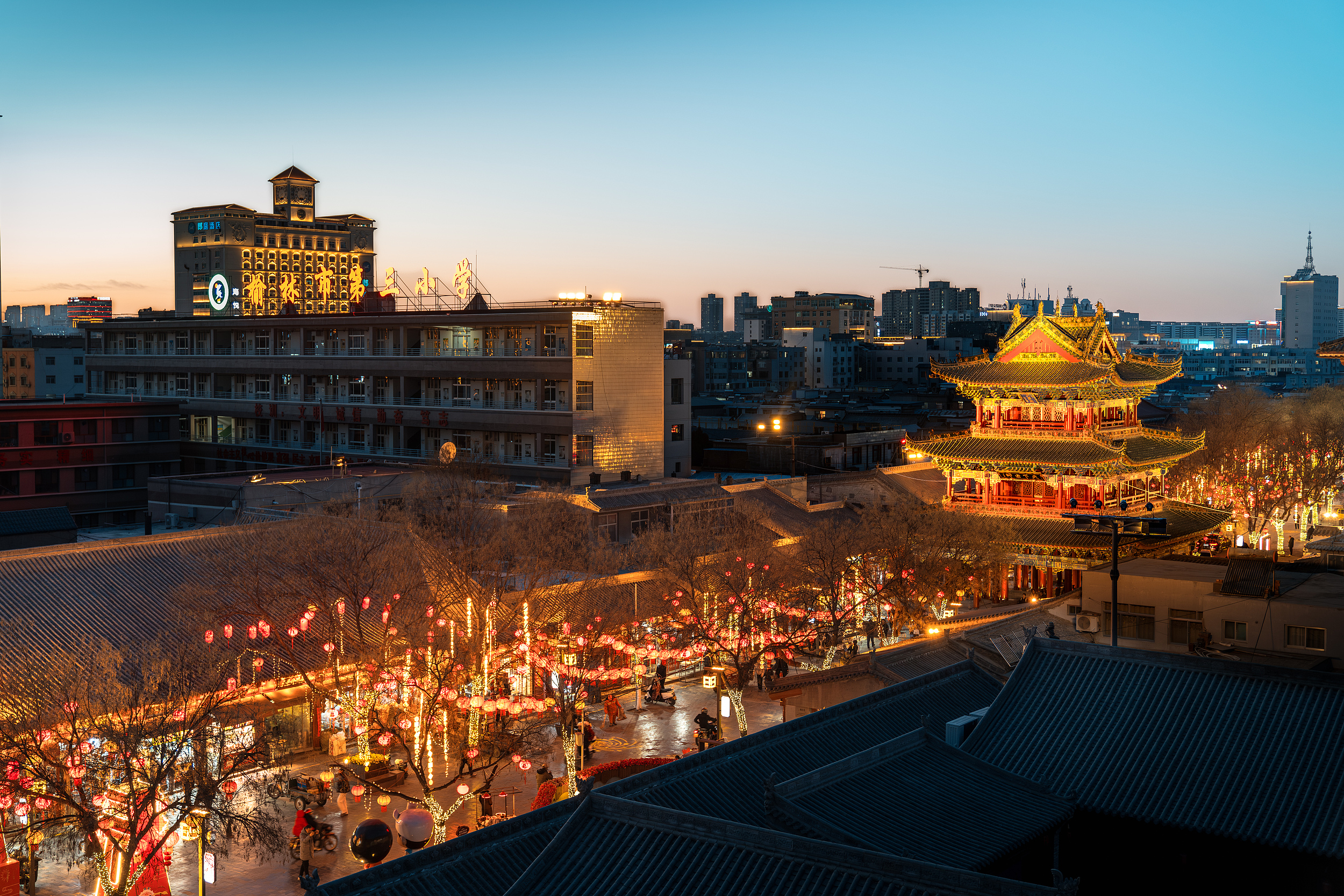
Yulin Old Street
Located in the east of Yulin City, Yulin Old Street is a historical old street integrating groceries, commodities, catering, services, culture, tourism and ancient buildings. On the 2-kilometer-long old street, Wenchang Pavilion, Wanfo Tower, Xingming Tower, Bell Tower, Kaige Tower and Drum Tower are arranged in a vertical line from south to north, forming a unique “Six-story Riding Street” historical style pattern, which makes the old street enjoy the reputation of “Six-story Riding Street is famous all over the world”.
-
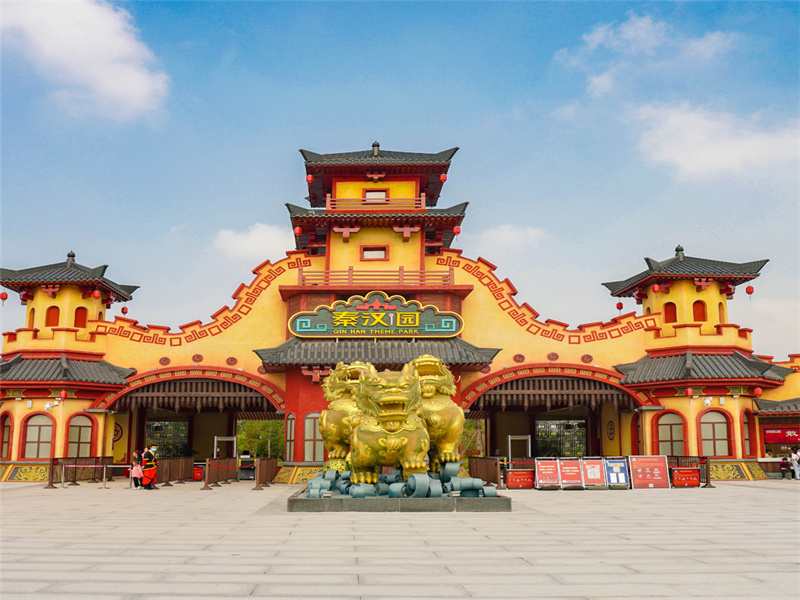
LEWA International Happy Resort
Lehua City·International Happy Resort is a cutting-edge tourism brand invested and constructed by Shaanxi Lehua Hengye Investment (Group) Co., Ltd. Xi’an Lehua City·International Happy Resort integrates cultural tourism, leisure and vacation, entertainment and shopping, and high-end living The functions of the four sections are integrated into one, and it is a joy-themed ecological resort located in Jinghe New City, Xixian New District, Shaanxi Province. The project plans to include Lehua Happy World, 88℃ Hot Spring Paradise, England Town, Ocean Park, Film and Television Base, Hotel Cluster, Lehua International Commercial Street, high-end residential and other ten types of industrial formats, including Lehua Happy World, 88℃ Hot Spring The park has been completed and opened for operation, and Lehua Paradise has been listed as a national AAAA-level tourist attraction.
-

Jiuzhaigou National Park
Jiuzhaigou National Park is located in Jiuzhaigou County, Aba Prefecture. The park features snow-capped peaks, dense forests, and vibrant colorful pools and shoals. Crystal-clear streams meander through the woods and shallows, complemented by Tibetan wooden houses, prayer flags, and the unique traditional customs of the Tibetan and Qiang ethnic groups. Jiuzhaigou National Park is often called a “beautiful fairy-tale world.” Jiuzhaigou National Park features a Y-shaped layout, comprising three main valleys: Shuzheng Valley, Rize Valley, and Jiuzhaigou-Zechawa Valley, spanning over 50 km in total length.The attraction features eco-friendly sightseeing shuttles that stop at designated stations. Visitors can wait at any station and conveniently explore various attractions within the area by taking the shuttle.
-

Chengdu Research Base of Giant Panda Breeding
Chengdu Research Base of Giant Panda Breeding is located in the northern suburbs of Chengdu, about 10 kilometers away from downtown Chengdu. The facility is famous for the protection and breeding of endangered wild animals that are unique to China. It simulates the natural habitat of the giant pandas, where there are lakes, lakes, streams, bamboo forests and lawns. The chance to come into close contact with the giant pandas is a highlight here. Visitors can have a close-up observation of the pandas’ living conditions. There is also a “Panda Villa”, which is a preserved area for the pandas to rest.
-
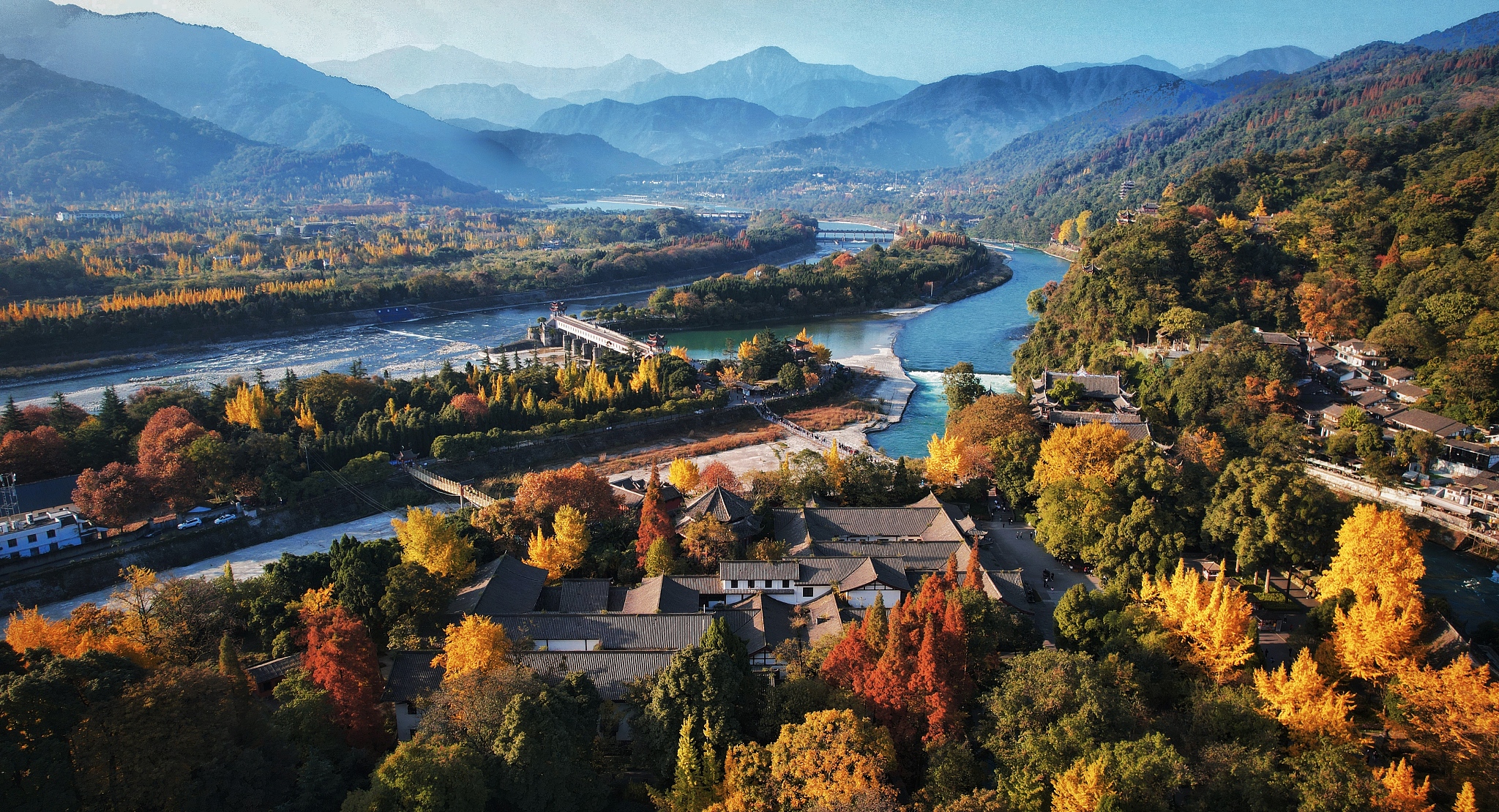
Dujiangyan Scenic Area
The Dujiangyan Irrigation System is located along the main branch of the Lancang River, west of Dujiangyan City. It was constructed in the Qin dynasty around 256 BC by Li Bing, Prefecture Chief of Shu County, and his son. It is one of the few ancient Chinese water conservancy projects that has remained preserved and intact. The project consists of three primary works—Yuzui Diverting Embankment, the Feishayan Spillway, and the Baopingkou Water Inlet, and two secondary works which include the Baizhangdi (the thousand-feet dam) and Renzidi (the y-shaped dam). They divide the Yongjiang River into an outer and an inner branch, the former of which is used to divert floods and the latter for irrigation. This has allowed the Western Sichuan plateau to become “the land of abundance” as we now know it.