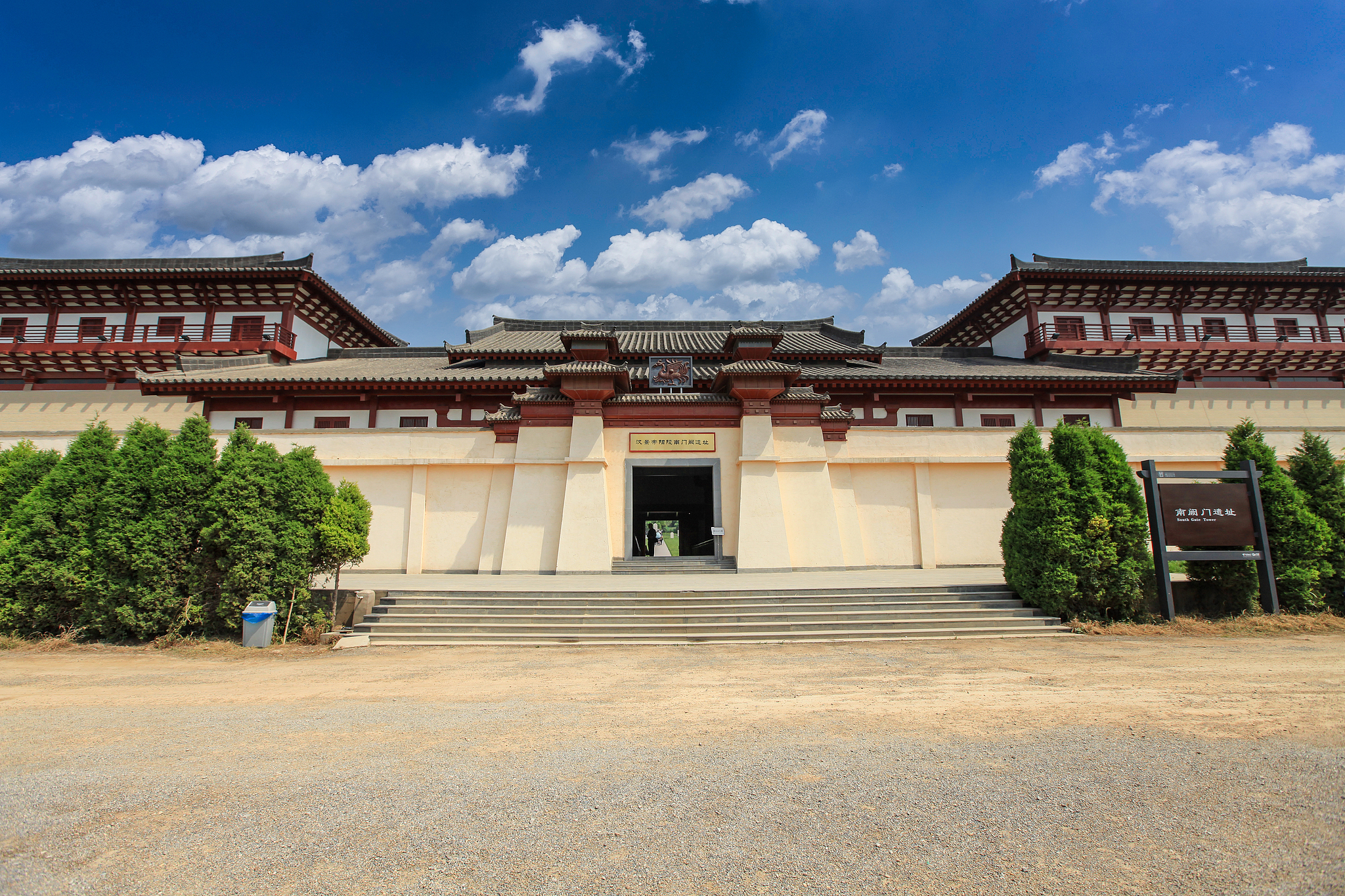
The Yangling Museum of Emperor Jing of Han Dynasty is located on the bank of Wei River in the northern suburbs of Xi’an. It is an archaeological site museum built based on the Yangling of Han Dynasty, a national key cultural relic protection unit. It was officially completed and opened in 1999. It is now a national first-class museum, a national archaeological site park, and a national AAAA-level tourist Attraction. 1. Main attractionsAs a large-scale site protection and display museum, Hanyang Mausoleum was rated as one of the top ten archaeological discoveries of the year and listed in the top 100 archaeological discoveries in China in the 20th century for its rich archaeological results, complete site preservation and complete protection and display system. It is China’s first underground site museum that allows immersive experience. It is also one of the largest site museums in China with an area of more than 3,000 acres. It is famous both at home and abroad for its advanced and unique cultural relics protection concepts and display methods.Four basic exhibition halls have been built, including the Hanyang Mausoleum Archaeological Exhibition Hall, the Imperial Mausoleum Outer Storage Pit Site Protection and Exhibition Hall, the Nanquemen Site Protection and Exhibition Hall, and the Deyang Temple Site Protection and Exhibition Area, as well as natural landscapes such as the blooming rose garden, the colorful cherry blossom forest, and the swaying hundred-acre ginkgo forest.Here, you can not only feel the majestic and profound Han culture, appreciate the beautiful garden scenery, but also get a rare experience of the authenticity of the archaeological site, which can trigger Unlimited historical imagination.The Imperial Mausoleum’s Outer Storage Pit Site Protection Exhibition HallThe outer storage pits are an important part of the imperial mausoleum, with 81 pits surrounding the imperial mausoleum. The Imperial Mausoleum Outer Storage Pit Protection Exhibition Hall is the world’s first fully underground site museum using advanced cultural relic protection technology, built on 10 outer storage pits in the northeast of the imperial mausoleum. The hollow coated electrically heated glass curtain wall and passages in the museum separate the cultural relics and tourists in two completely different temperature and humidity environments. Under the premise of scientifically protecting the cultural relics, tourists can appreciate the archaeological excavation site and related relics from close range and from multiple angles in a mysterious environment. It is a model of the perfect combination of modern technology and heritage protection.In addition, the holographic imaging program uses internationally advanced film and television imaging technology to interpret the real historical events of the year, traveling through time and space, immersing tourists’ thoughts in the colorful court life of the former Western Han emperors. Hanyangling Archaeological Exhibition HallThe Hanyang Mausoleum Archaeological Exhibition Hall is a comprehensive exhibition hall with a unique architectural style and novel display methods. The unique exterior structure of the ruins is consistent with the overall ancient historical environment of the mausoleum, creating a sense of historical vicissitudes.The exhibition halls on the upper and lower floors are based on the historical background, archaeological discoveries and protection and inheritance of Han Yang Mausoleum. Nearly a thousand fine cultural relics are exhibited. Through beautiful pottery figurines, simple and elegant utensils, and seals that follow etiquette and regularity, etc., the exhibition strives to present the history of the Han Dynasty, the archaeology of Han Yang Mausoleum, and the results of protection, display and utilization from multiple angles. The design that combines the sense of history with modern elements makes the elements of Han culture perfectly fit with the connotation of the site. It wipes off the dust of history and walks into the era that was later revered as the “Reign of Wen and Jing” with the audience, appreciates the scene of governance that has been passed down for thousands of years, touches the memory of Han culture that is deeply rooted in the blood of the nation, and appreciates the stories behind the cultural relics. Nanquemen Site Protection Exhibition HallNanque Gate is the southern gate of the four gates of the imperial mausoleum, also known as Zhuque Gate. It consists of two groups of symmetrically connected “three-que” buildings. It is the earliest, highest-level and largest imperial mausoleum que building site discovered so far. The Nanque Gate Site Protection and Exhibition Hall looks like a Han-style que gate building, which not only protects the existing site completely, but also shows tourists the majestic and tall style of the “three-que” building that only the emperors of the Han Dynasty could enjoy. Deyang Temple Ruins Protection and Exhibition AreaThe Deyang Temple Ruins are extremely important architectural ruins in the Yangling Mausoleum, covering an area of 60,000 square meters. The plane is a “U”-shaped double corridor structure, with a regular shape and a large scale, comparable to the ritual architecture in the southern suburbs of Chang’an City in the Han Dynasty. It is the best-preserved imperial mausoleum temple architectural ruins discovered so far. In terms of protection and display techniques, the original state of the ruins is combined with partial restoration and elevation, and large-scale greening is adopted, so that this precious ruins can be effectively protected and tourists can appreciate the grand momentum of the Western Han Dynasty ancestral temple architecture. Park sceneryIn order to further promote China’s excellent traditional culture, promote the integration of culture and tourism, realize the consensus that culture is the soul of tourism and tourism is the carrier of culture, and strengthen the international competitiveness of China’s cultural and tourism industries. Our institute uses green landscape as the site identification system and creates characteristic landscapes such as “Rose Garden”, “Cherry Blossom Garden” and “Ginkgo Forest”. Among them, the “Ginkgo Forest” has held nine consecutive unique “Hanyang Mausoleum Golden Autumn Ancient” Ginkgo Festival series activities since 2014, in November every year when the ginkgo leaves enter the viewing period. Since then, when talking about the “Ginkgo Forest”, it is necessary to go to Hanyang Mausoleum. Self-driving route 1. Visitors from Xi’an can drive north from Weiyang Road, take the Xitong Expressway, cross the Weihe River Bridge and drive onto the Airport Highway to arrive. 2. Visitors from Xi’an (Xi’an Ring Road) and Xi’an Xianyang International Airport can take the Qinhan New City exit of the airport expressway and drive eastward toward Lanchi Avenue, then follow Lanchi Avenue, Zhengyang 3rd Road, and Lanchi 3rd Road to the South Gate of Hanyang Mausoleum; or drive eastward along Lanchi Avenue via County Road 101 to the airport highway. 3. From Xianyang, drive east on Lanchi Avenue, then take Zhengyang 3rd Road and Lanchi 3rd Road to the South Gate of Hanyang Mausoleum; or drive east on Lanchi Avenue and take County Road 101 to the Airport Highway. (Note: Due to the progress of road maintenance, it is recommended to refer to the navigation results.) Kind tips 1.The airport highway entrance is the recommended entrance to the Attraction. 2. Visitors can enter the park with their valid ID card and reservation QR code. 3. People over 65 years old, the disabled, pregnant women and other people with mobility difficulties can be given priority for inspection and entry into the park under the guidance of security staff. Minors, the elderly and Seniors with mobility difficulties must be accompanied by their family members when visiting. 4.If you have any questions after reading this guide, please call the consulting service hotline: 029-62657530, 029-62657569. Thank you for your understanding and cooperation, and wish you a pleasant visit!
归档: Attractions
-
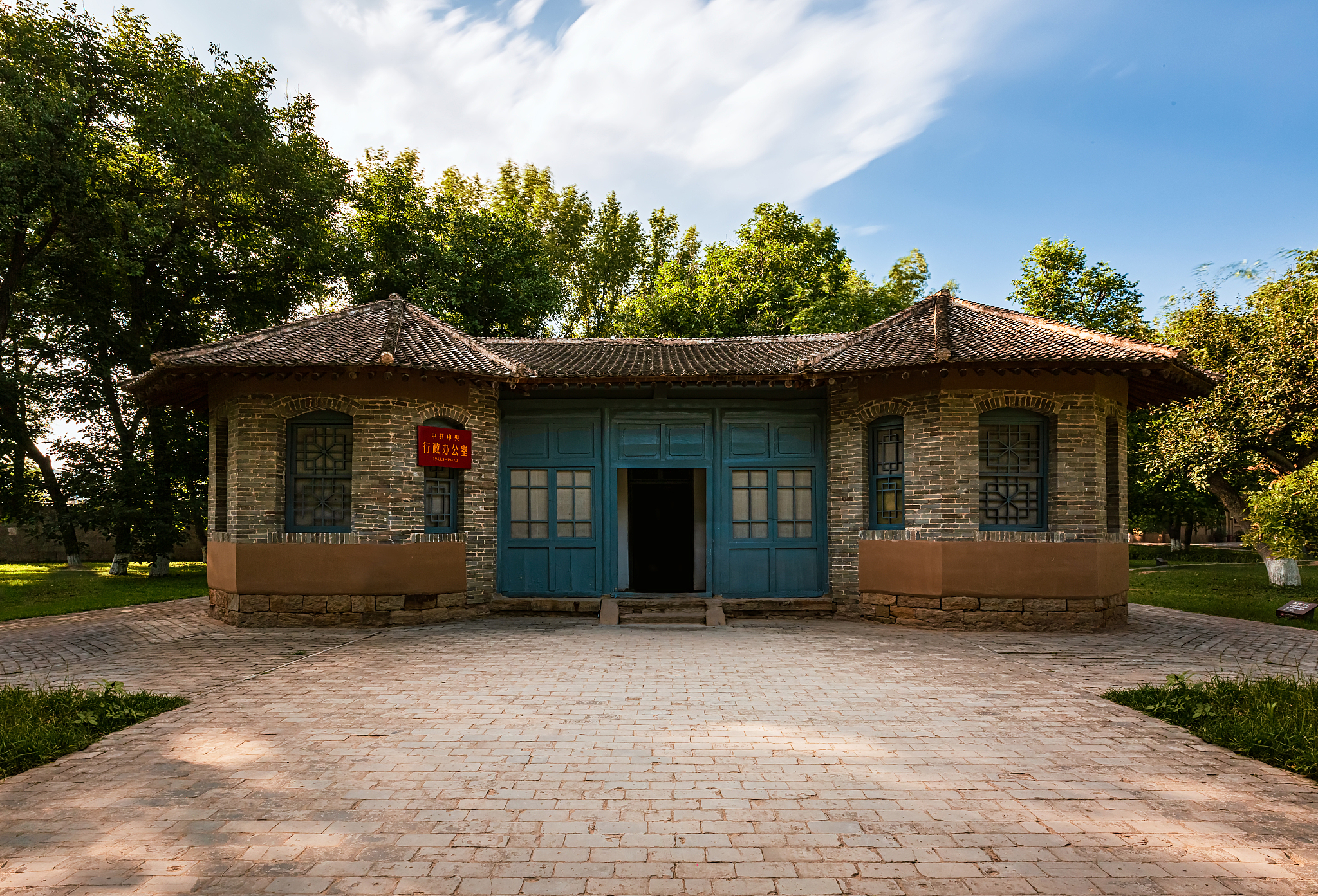
Zaoyuan Revolutionary Site
The Zaoyuan Revolution Former Site was previously the manor of a landlord. After the CPC Central Committee moved to Yan’an, it became the site of the former CPC Central Committee Investigation Department. The site was renamed “Yan Yuan,” and there are Chinese characters “Yan Yuan” written by Kang Shu on both sides of the stone pillars at the gate of the site. The site now comprises the small hall of the Secretariat of the CPC Central Committee and the former residence of Mao Zedong, Zhou Enlai and Liu Shaoqi. It is also a garden-style revolution commemoration site and a major base for providing traditional revolutionary education in China, attracting countless travelers throughout the year.
-
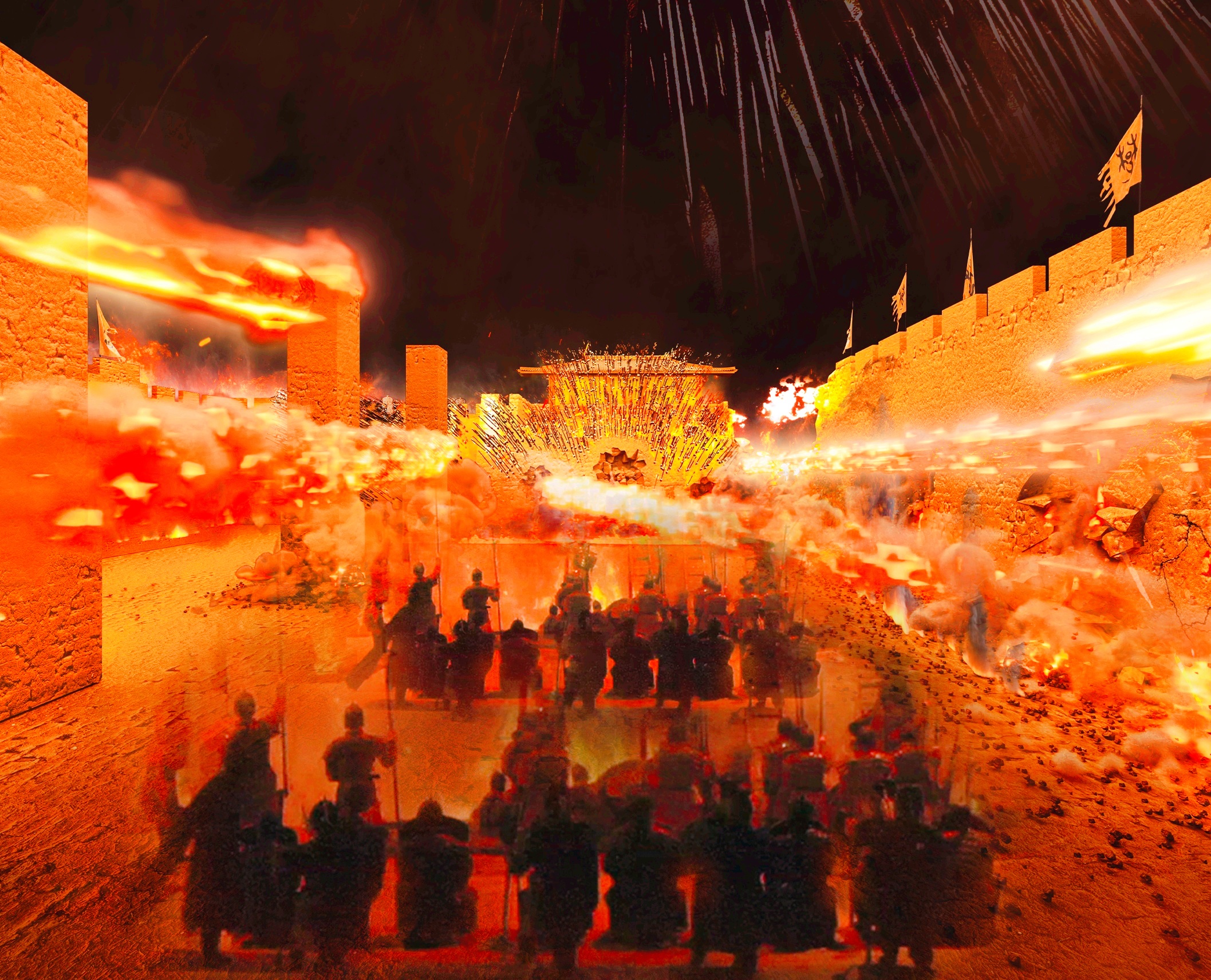
An Army Reborn
The performance of “The Resurrected Legion” is a Chinese real-scene immersive multimedia war epic drama, directed by the Chinese director Mr. Jin Tiemu, and performed in Lintong, the hometown of Terracotta Warriors and Horses. The play consists of four acts and ten scenes. Through court discussions, conscription, mobilization, family letters, siege, sacrifice and other dramas, family letters are worth ten thousand dollars, children travel thousands of miles, mother worries, newlyweds and other emotions, so that tourists can be personally moved The feelings of family and country, war can end the war, and can open up the spirit of iron and blood to strengthen the country of eternal peace. Through repertoires such as sculpting the terracotta warriors, resurrection, and ending, the guests who came to visit the terracotta warriors and horses clearly understand that the terracotta warriors and horses, the eight wonders of the world, are the soul and blood of the Great Qin Dynasty. , Only then can there be Daqin. The Qin Terracotta Warriors standing in the Qinling Museum today are the monuments of countless unsung heroes. These ordinary Qin people created the unified Qin State. Our characters come from the Qin people. Our territory is the continuation of the Qin Empire. We are unified The Chinese nation began to take shape during the Qin Empire. They are in our blood…
-
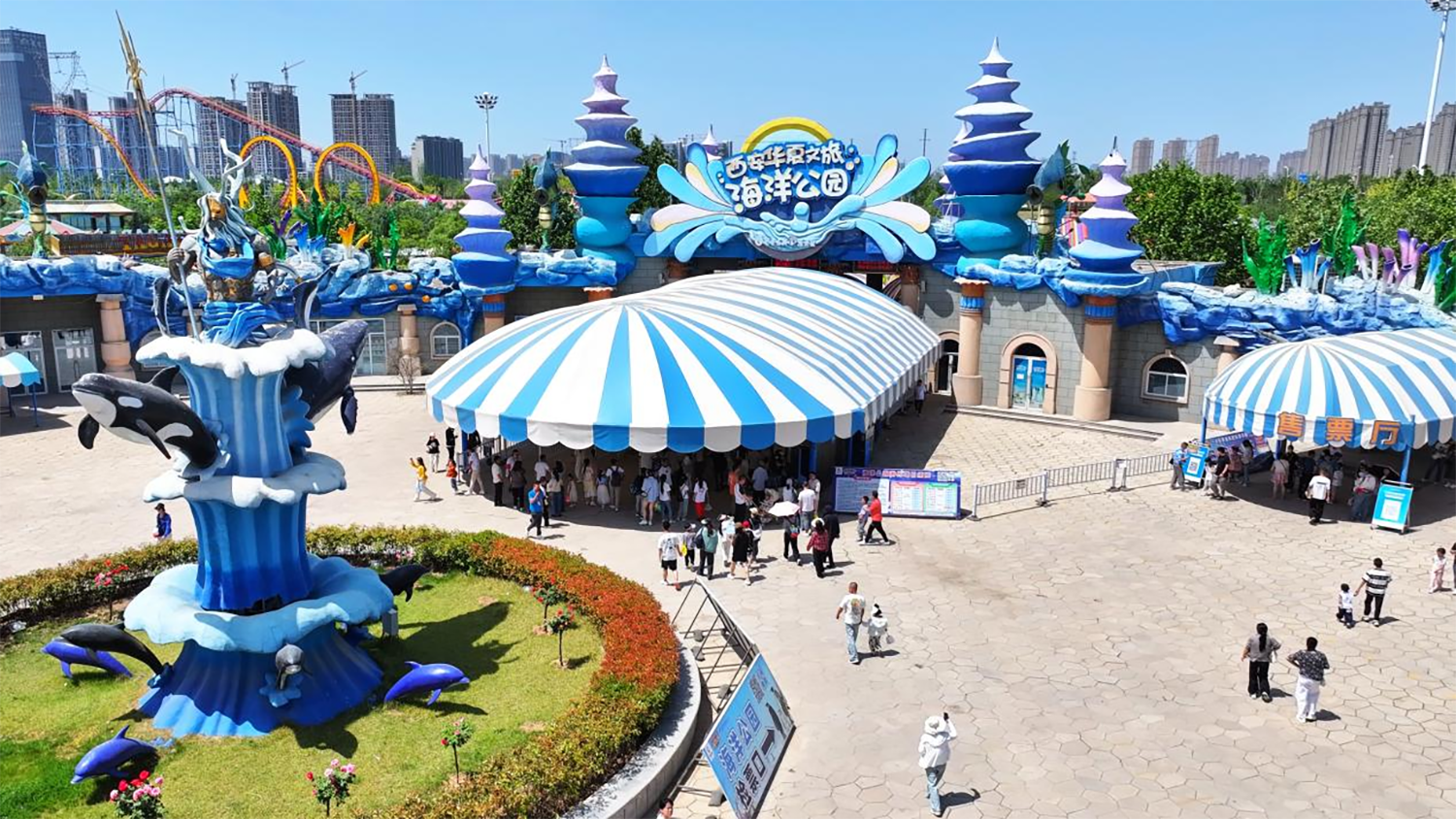
Xi An Huaxia Cultural Travel Ocean Park
Xi An Huaxia Cultural Travel Ocean ParkThis large-scale comprehensive marine venue uniquely blends oceanic cultures from around the world with local folk traditions, vividly showcasing global maritime heritage. As an innovative concept pioneered by Huaxia Cultural Tourism Group, it integrates regional customs into marine culture. Designed with the Maritime Silk Road as its central theme, the venue features rare marine species while combining entertainment, scientific education, worldwide fishing village culture, and oceanic heritage dissemination into one immersive experience.Xi An Huaxia Cultural Travel Ocean ParkFeaturing six themed zones:Polar WonderlandFantasy OceanSea Lion ShowExperience the 5D Silk Road adventure, the non-powered amusement park, and Happy Coast. This attraction features 15 uniquely themed cultural zones, where hundreds of artisans have handcrafted breathtaking scenes that transport you across the globe. Immerse yourself in diverse maritime cultures and relive the historic Maritime Silk Road.01Fantasy OceanThe Dream Oceanarium brings together marine flora and fauna from around the world, featuring eight distinctive themed zones: the Yellow River cultural area, Jiaodong fishing village, Quanzhou ancient fishing village, Haikou Dan fishing village, Indonesian Java fishing village, Russia’s Buryat region, Red Sea Arabian fishing village, and Venetian folk culture area. These zones authentically recreate local marine fishing village cultures, offering visitors a chance to experience unique coastal charm. The clever integration of cultural themes with underwater animal exhibits allows visitors to explore the mysterious marine world while immersing themselves in diverse global maritime traditions. Daily mermaid performances add extra excitement to the experience.02Polar WonderlandThe Amazing Polar Pavilion includes two major exhibition areas: Polar World and Dream Dolphin Bay. Here, different marine cultural elements and regional characteristics, such as the Nile River bank, the Caribbean, and the Arctic-Eskimo, complement each other. You can get up close with dolphins in front of the giant floor-to-ceiling glass tank and experience their unique charm. You can also visit cute polar animals like Arctic foxes and penguins in the enchanting snowy world. At Dream Dolphin Bay, you’ll enjoy a spectacular show of dolphins battling pirates. This is a joyful home for marine animals, and its open design allows for intimate interaction, letting you personally experience the harmonious mystery between marine animals and humans.03Sea Lion ShowSea Lion ShowIncluding Seal Bay, a gathering spot for adorable seals and playful sea lions. The Marine Mammal Park features sea lion training performances, along with captivating shows like sea lion samba dances and group acrobatics – rare marine animal performances that are spectacular both domestically and internationally. 04Soaring Along the Silk RoadFeaturing a spherical screen that combines stunning visuals with dynamic motion, this experience transports you back a thousand years to relive the Silk Road! Visitors will board motion seats with suspended feet, ascending, diving, gliding, turning, and experiencing weightlessness amidst the immersive large spherical screen. Soar through the skies, traverse canyons, brave storms, and dive toward the earth—from the lifeblood of the Yellow River to the backbone of the Great Wall, from Persian charm to the Roman Empire, and from maritime Silk Road adventures to cultural attractions in Weihai, Xiamen, and Xi’an. This breathtaking journey through ancient Silk Road mysteries brings thriving civilizations to life with full visual immersion, intense surround effects, and multi-sensory thrills, delivering an exhilarating, edge-of-your-seat adventure.05Happy CoastHappy Coast isXi An Huaxia Cultural Travel Ocean ParkThe amusement park features various themed rides, including Sky Jump, Kiss of the Cute Shark, Leisurely Flight, Happy Sliding Dragon, Crazy Bumper Cars, Spinning Tea Cups, Samba Balloons, Fantasy Carousel, Cool Pirate Ship, Happy Magic Disc, Thrilling Surf, Soaring Over Waves, Tumbling Waters, and Surfing Adventure. These exhilarating, exciting, and joyful attractions offer endless fun and screams, providing you with an ultimate amusement experience.
-
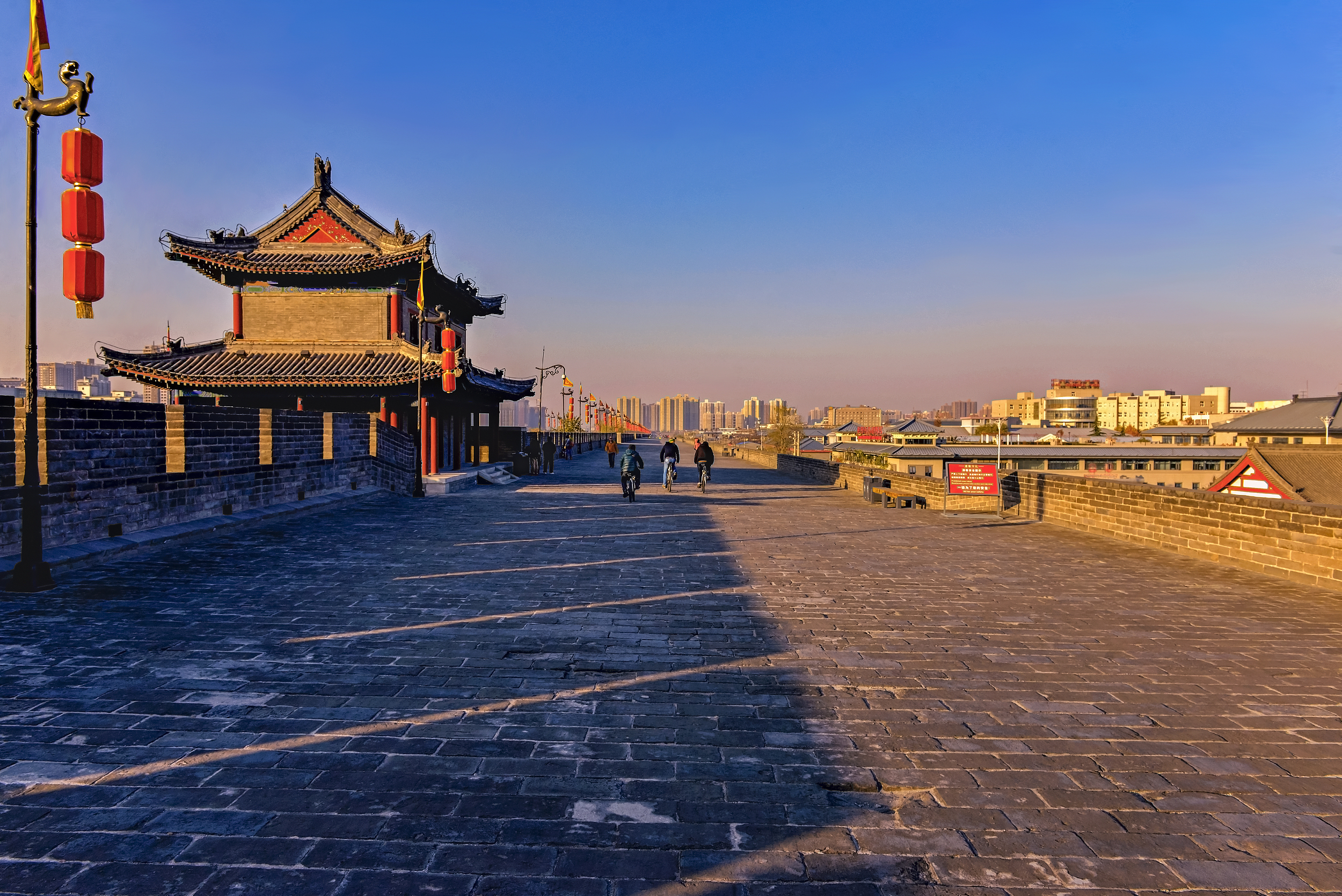
Xi’an City Wall Ride
The Xi’an City Wall is one of the most intact ancient city walls in China, showing the grandeur and magnificence of Ming Dynasty architecture. Cycling along the ancient city wall is a unique way to visit this historical site. Visitors can ride along the city wall and experience the unique charm of the ancient city. Cycling along the ancient city wall provides a broad view, overlooking the modern urban style of Xi’an and the ancient streets. There are many gates and corner towers along the way, and visitors can feel the weight of history and the vitality of the city during the ride. Whether it is the tranquility of the early morning or the brilliant lights at night, cycling on the Xi’an City Wall can bring an unforgettable experience. Currently, there are bicycle rental services at the four gates of East, South, West and North, and bicycles can be returned at any of the above gates after the ride.
-
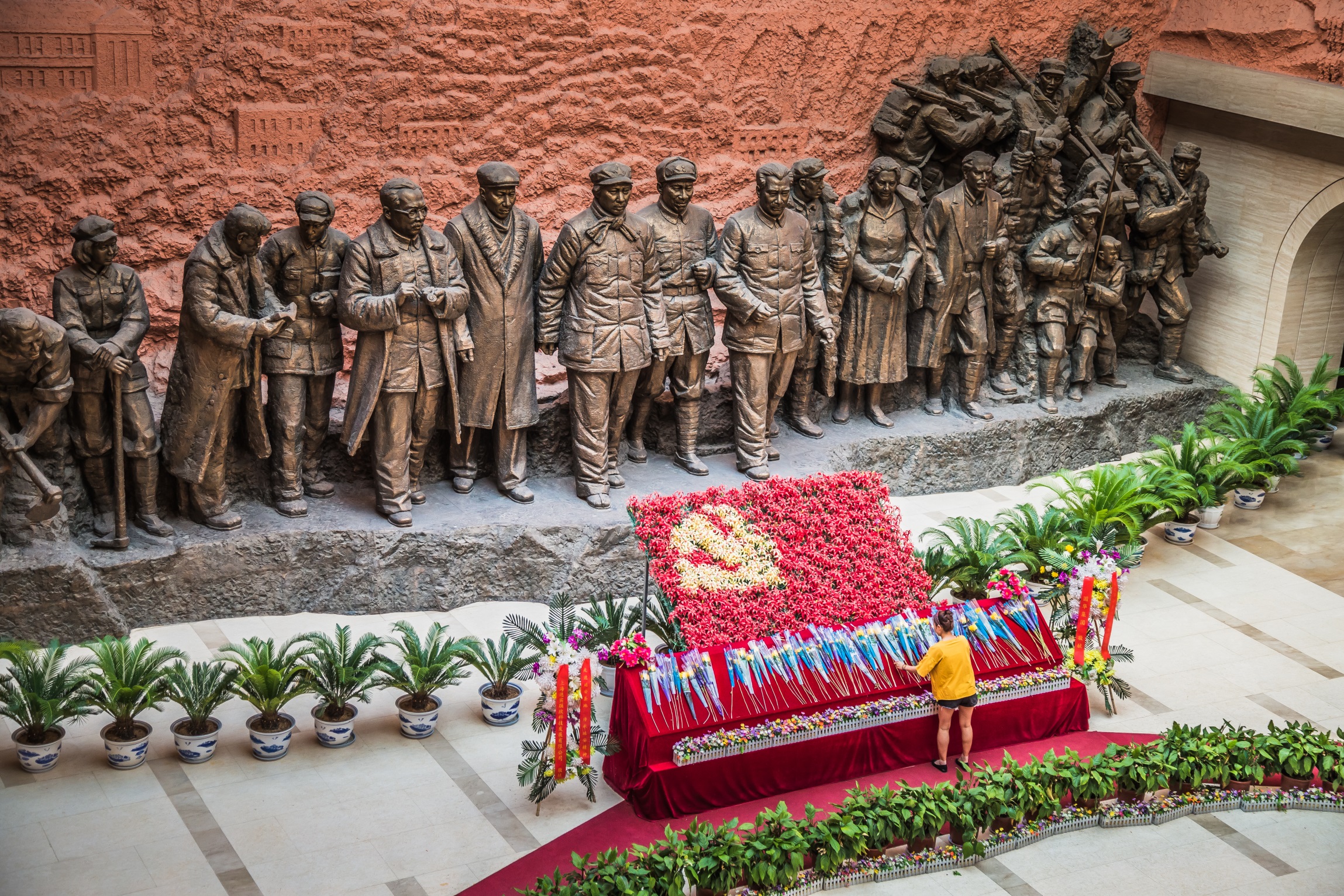
Yan’an Revolution Memorial Hall
Yan’an Revolutionary Memorial Hall is seated east of the Yanhe River, northwest of Baota District of Yan’an and west of the revolutionary site in Wangjiaping. It is a large revolutionary memorial hall. The memorial hall displays a large number of valuable historical documents, charts and photos that demonstrate the revolutionary struggle of the Central Committee of the Communist Party of China after arriving in the north of Shaanxi. With a traditional national style, it has a plain and simple exterior and compact, grand and magnificent structure.
-
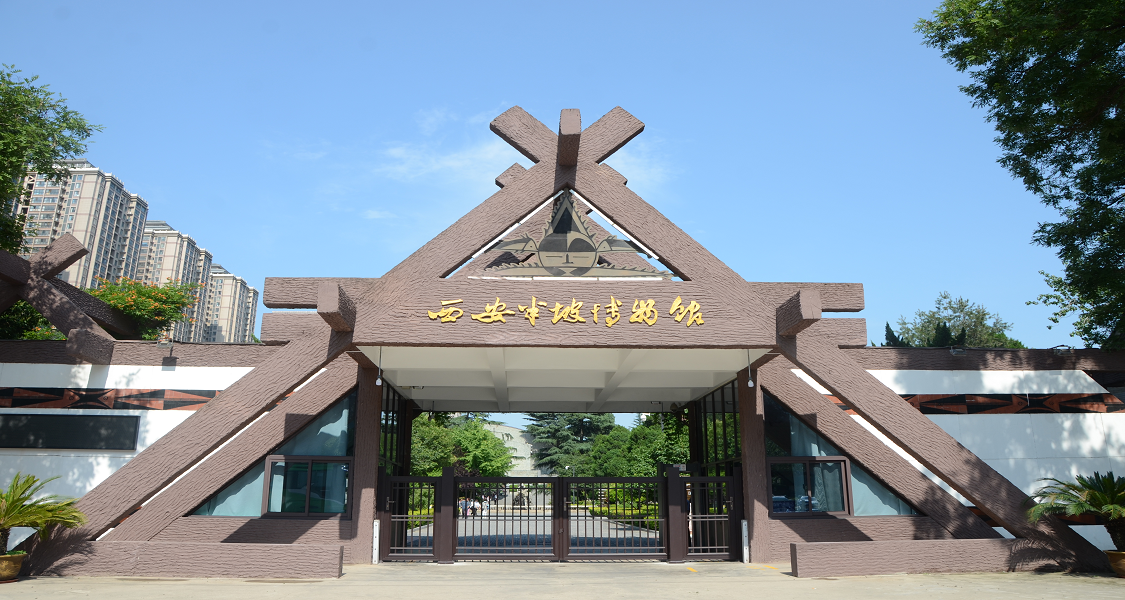
Xian Banpo Museum
Located in the eastern suburbs of Xi’an, Xi’an Banpo Museum is the first prehistoric settlement site museum in my country. It was built and opened in 1958. It protects and displays the Banpo Site, the first matriarchal settlement site in my country that has undergone large-scale archaeological excavations.The Banpo site was discovered in 1953. Five large-scale excavations were carried out from 1954 to 1957, and two more excavations were carried out later. In the excavations, a wealth of remains such as houses, cellars, pottery kilns, tombs, and sacrifices were cleared, and a large number of relics such as production tools, daily utensils, painted pottery, and decorations were unearthed. These materials reveal to people the rich cultural connotations of the social organization, production and life, customs, and marital status of a matriarchal settlement about 6800 to 6300 years ago. Due to its importance in the development of Chinese archaeology, the Banpo site became the first batch of national key cultural relics protection units in 1961.Xi’an Banpo Museum was established based on the Banpo Ruins. Since its opening, it has received about 30 million visitors. Due to its unique position and influence in the development of China’s museum industry, Xi’an Banpo Museum was listed in the first batch of “National First-Class Museums” and was selected into the first batch of national research and practice education bases and camps for primary and secondary school students by the Ministry of Education.Banpo Ruins Unearthed Cultural Relics Exhibition HallIt consists of five units: “Green Riverbank”, “Poetry of Life”, “Pastoral Idyll”, “Spirit of the Soul” and “Hidden Mystery”. It showcases the charm of the cultural relics unearthed from the Banpo Ruins and reproduces the splendid culture created by the ancient ancestors of Banpo.Banpo Ruins Protection Hall:The Banpo Site Protection Hall, covering an area of more than 4,000 square meters, displays a typical Neolithic Yangshao culture settlement site, including the remains and relics of the Banpo people’s living, farming, hunting, funeral and sacrificial activities, which are rich in historical and cultural connotations.
-
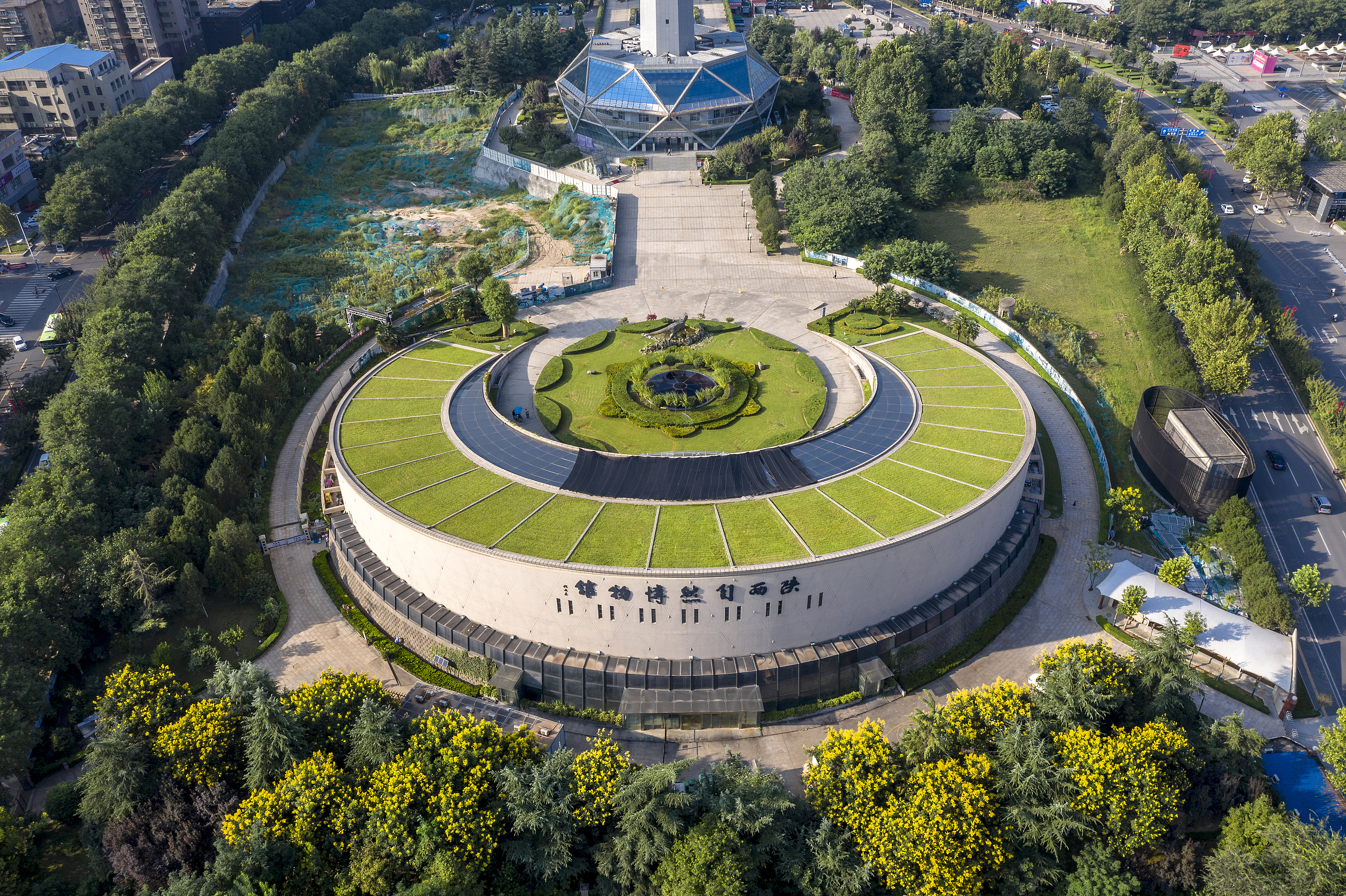
Shaanxi Nature Museum
The Shaanxi Natural History Museum is located on the roundabout around the TV Tower in Chang’an South Road in Xi’an, including the Natural Exhibition Hall, the Science and Technology Exhibition Hall, the Curtain Theater, the Outdoor Exhibition Area, and the Temporary Exhibition. Its Natural Exhibition Hall and Science and Technology Exhibition Hall are divided into north and south sides by the Shaanxi TV Tower. The Science and Technology Exhibition Hall has a glass sphere, while the Natural Exhibition Hall has a crescent shape. The two represent “Sun” and “Moon”.
-
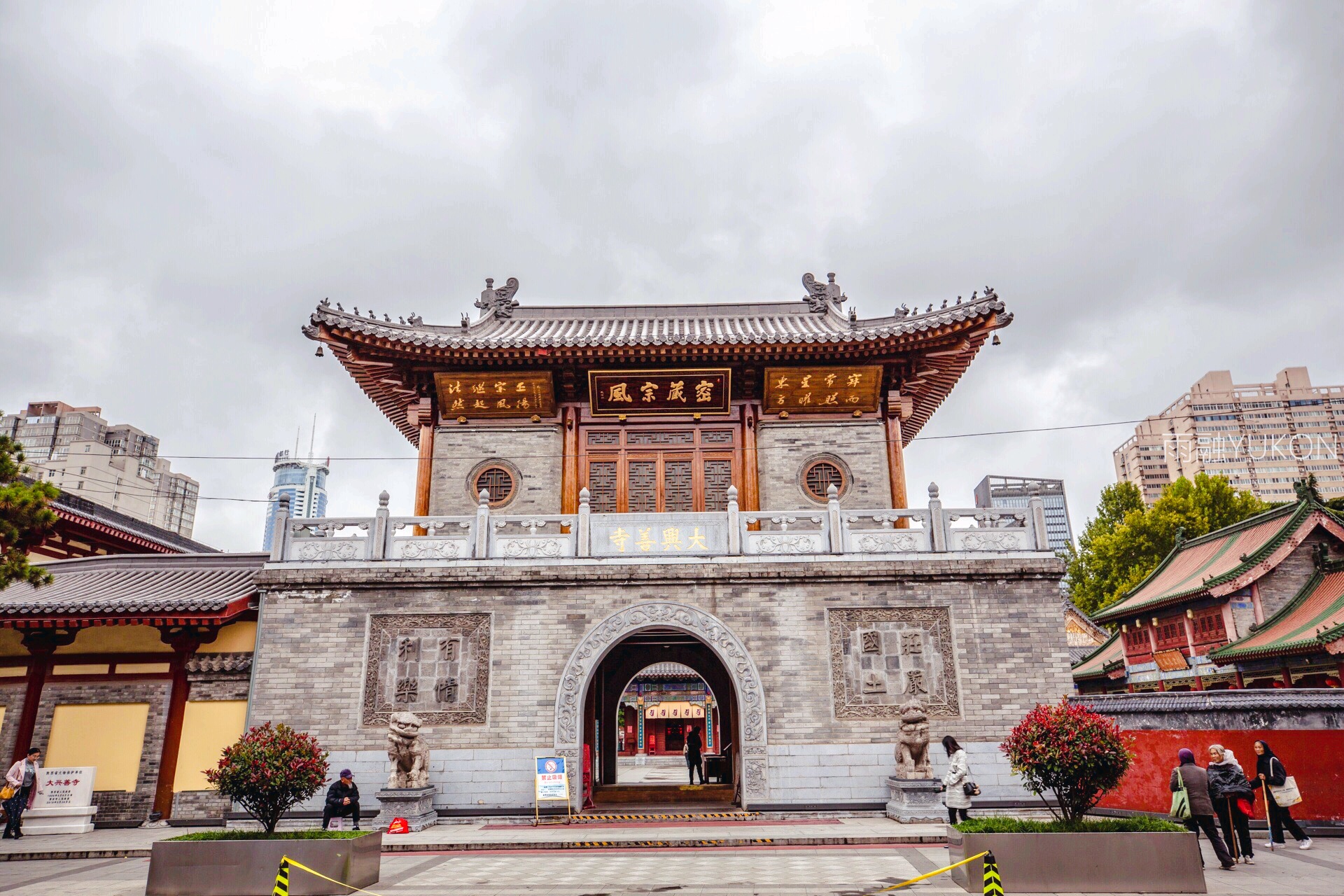
Da Xing Shan Temple
Daxingshan Temple was built in the early Jin Dynasty, more than 1600 years ago. It is one of the existing Buddhist temples with a long history in Xi’an. During the Sui and Tang dynasties, monks who came to Chang’an for missionary and study abroad from India once translated Buddhist scriptures and taught Tantra in the temple. Therefore, they became one of the three translation sites for Buddhist scripture translation in Chang’an at that time, and became the birthplace of Chinese Buddhist Tantra. Daxingshan Temple is not only a Buddhist temple with a long history, but also a tourist attraction. In the bustling and noisy ancient capital of Xi’an, Daxingshan Temple is densely covered by the ancient cypresses, covering the sky and the sun, giving people infinite elegance and solemnity. At present, the existing buildings are all Ming Dynasty buildings, and the ruins of the Tang Dynasty Zhuanjing Hall are still preserved, which are 1 meter above the ground level and are slightly square. The existing monastery buildings of Daxingshan Temple are arranged in a line along the central axis along the south and north directions, which are valuable materials for the study of Daxingshan Temple; the courthouse.
-
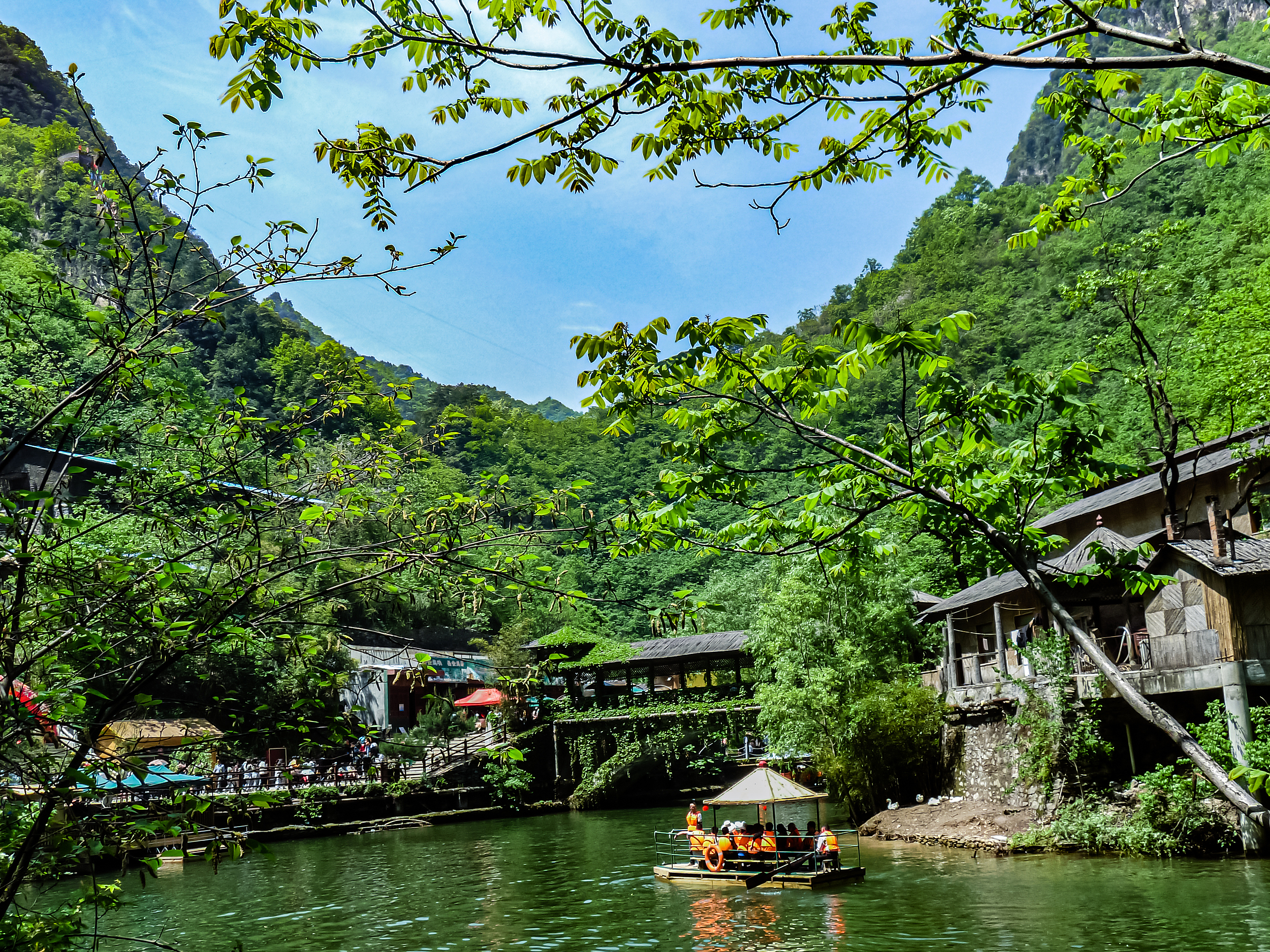
Jinsi Valley
The Jinsi Canyon Scenic Spot is located in Shangluo City’s Shangnan County on the northern slope of Bashan Mountain. The great canyon is made up of four parts including Bailong Gorge, Qinglong Gorge, Heilong Gorge and Shiyanzhai. The scenic area maintains its original ecological environment and is densely packed with many plants. This is a natural oxygen bar, which is relaxing and enjoyable for body, spirit and mind. It is an excellent place to visit.