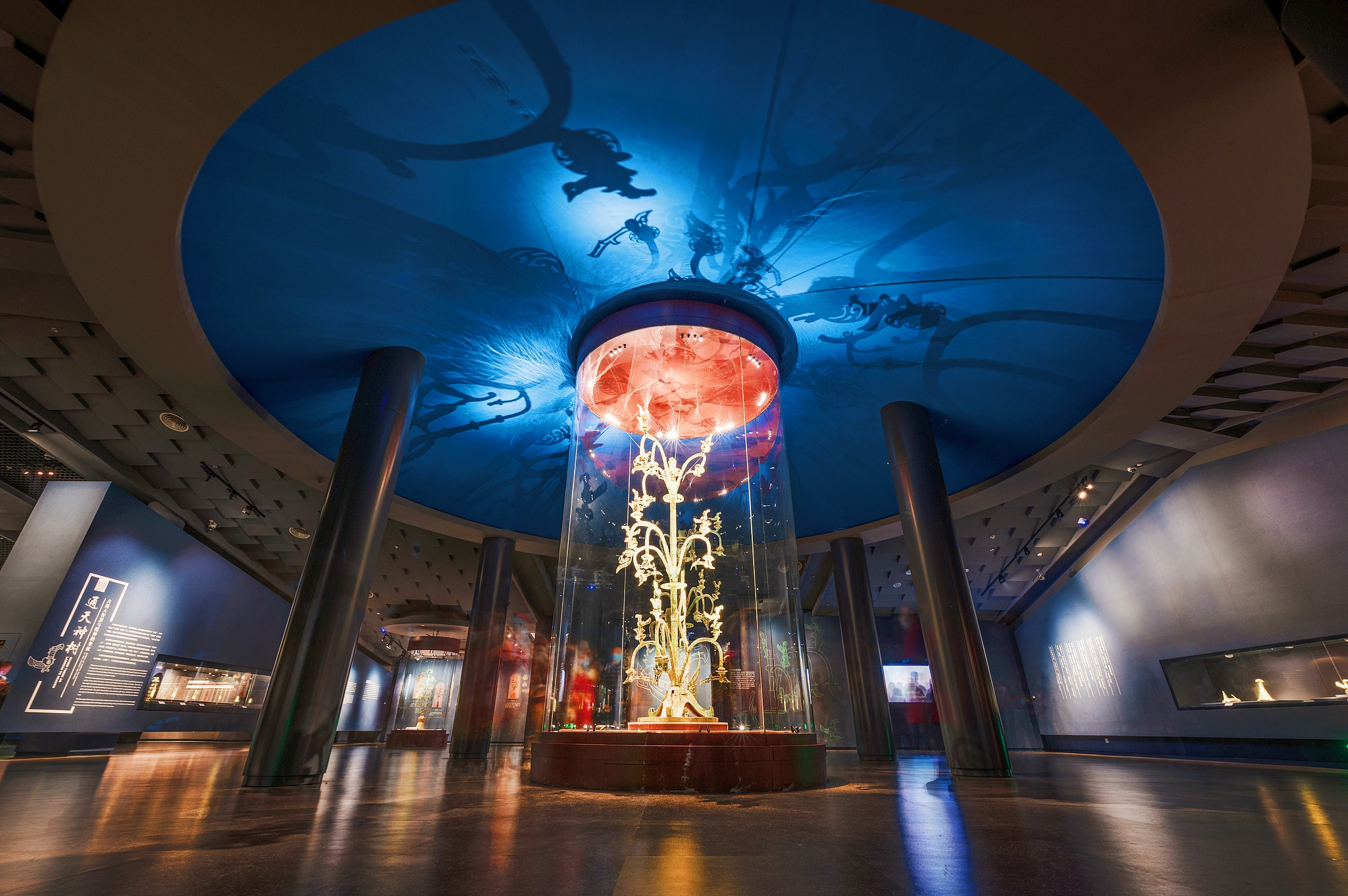
The Sanxingdui Museum holds and displays over a thousand precious cultural relics in bronze, jade, gold, and ceramic, unearthed at the nearby Sanxingdui (“Three Stars Mound”) archaeological site. The Sanxingdui Archaeological Museum is quite large and comprises two independent exhibition areas. The first area is a general exhibition where you can see gold, copper, jade, stone, and ceramic cultural relics. The second area is the bronze exhibition, which houses all sorts of bronzeware that has been unearthed at the site.
归档: Attractions
-
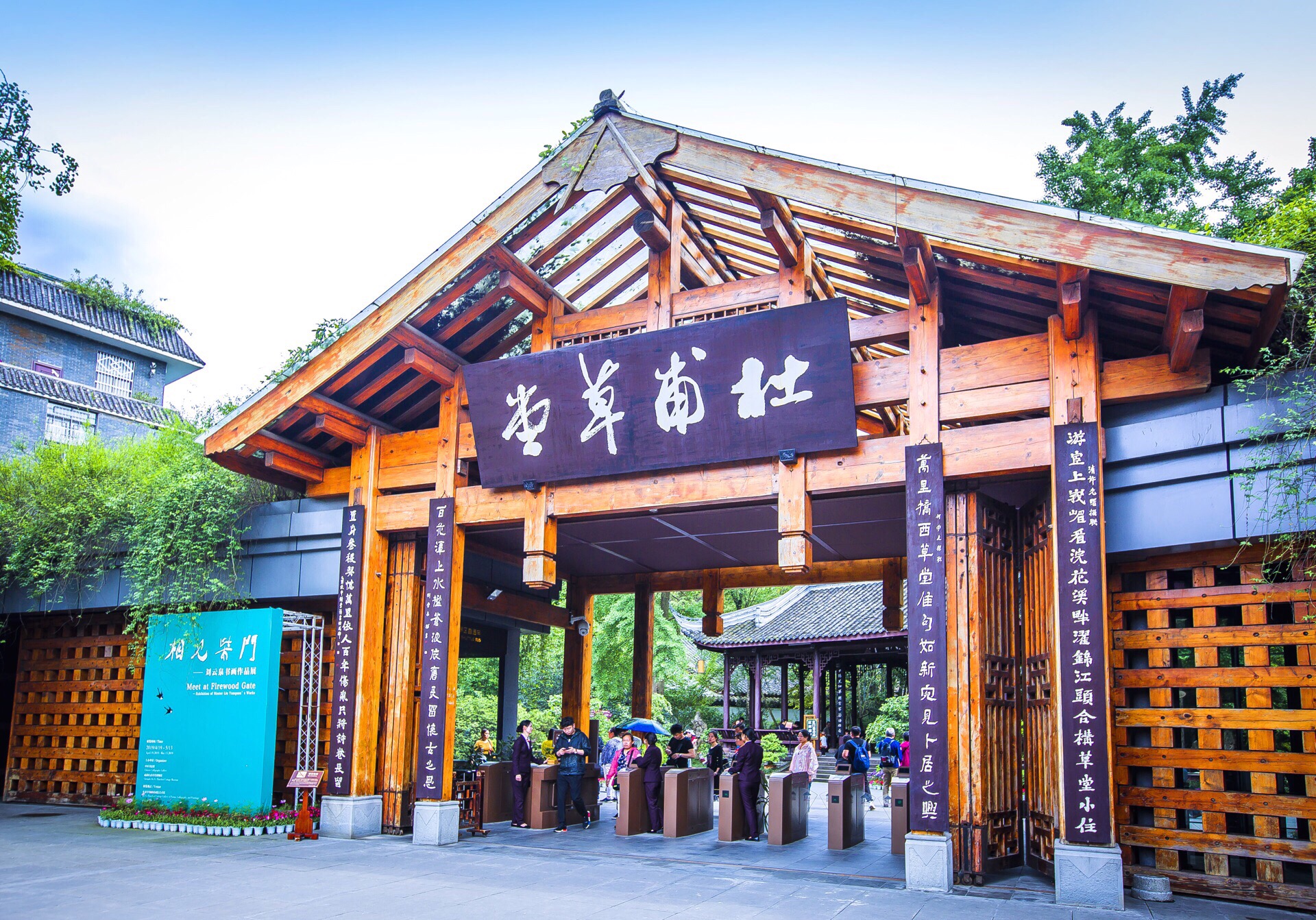
Chengdu Du Fu Thatched Cottage Museum
Du Fu Thatched Cottage is the former Chengdu residence of the famous Tang Dynasty poet Du Fu. Du Fu lived here for nearly four years. During his stay, he created hundreds of poems. This place is thus regarded as the “holy land” of Chinese literature. Today’s Du Fu Thatched Cottage has survived multiple dynasties and been restored many times. The most important architecture of the place is his former residence, the thatched house. This former residence was built with the architectural characteristics of the western Sichuan civilian residences.
-

Huanglong National Scenic Area
Huanglong National Scenic Area is a Attraction famous for its fantastic and beautiful calcified pools. The water in the numerous calcified pools in the Attraction is crystal clear and colorful and very beautiful. There are also many natural landscapes such as forests, canyons, snow-capped mountains and waterfalls in the Attraction. It is known as the “Fairyland on Earth”.Huanglong National Scenic Area is mainly divided into two parts, Huanglong Headquarters and Munigou. Huanglong Main Gou in Huanglong Headquarters is the main Attraction of Huanglong National Scenic Area, and is also the place generally referred to when talking about Attraction.The Attraction is located in Songpan County. The best time to visit here is in summer and autumn, when the lake is in its flood season, with a large pool area and beautiful scenery. In winter and early spring, the water volume is smaller, but the scenery is still good.
-
Mount Siguniang
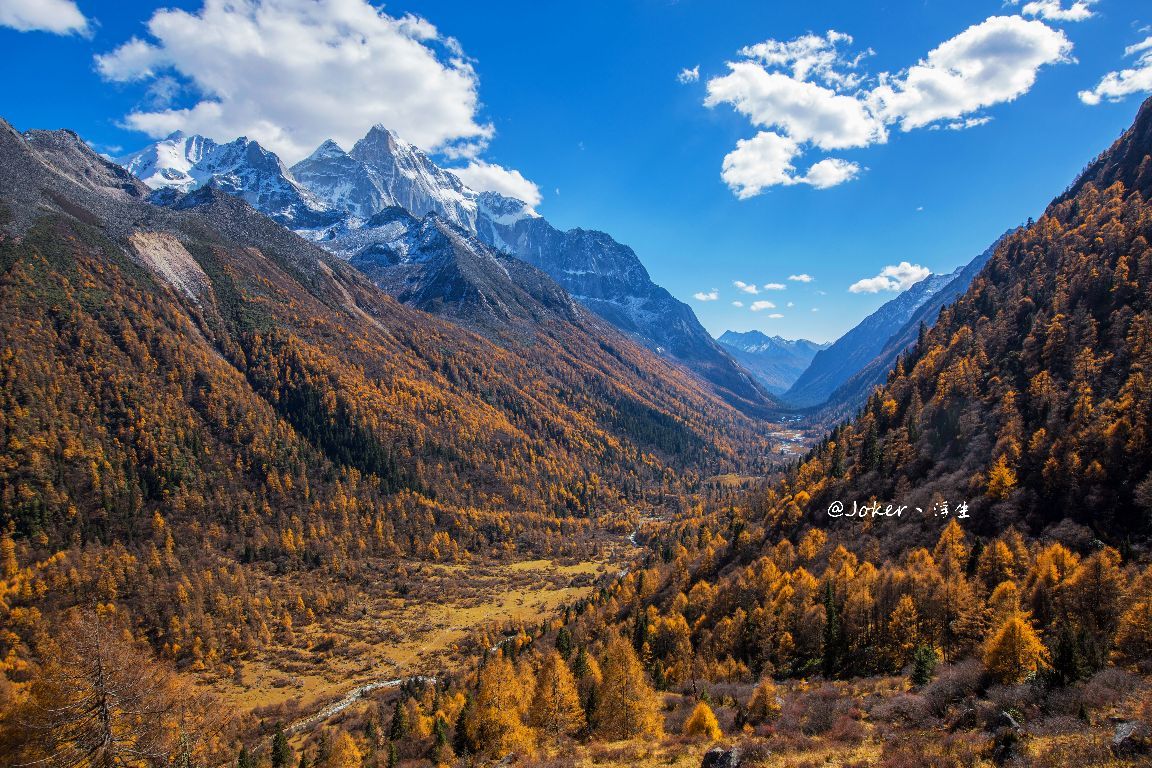
Mount Siguniang, also known as “Skubla” in Tibetan, is a large mountain with four sharp peaks, and is the highest of the Qionglai Mountains. It is located in Aba Prefecture’s Xiaojin County near Rilong Town. The peaks of Mount Siguniang are covered with snow the whole year round. The mountain’s name means “the Four Sisters”, because the four peaks are reminiscent of four beautiful maidens shrouded in white veils. The scenic area consists of the four snow covered peaks and the three valleys: Shuangqiao Valley, Changping Valley and Haizi Valley. Tickets for Haizi Valley are sold separately. An excursion to Mount Siguniang for holiday is recommended to plan at least three days for your trip. (For a proper visit, each of the valleys needs at least one full day.) If your time is limited, we suggest you first go to Changping Valley and Haizi Valley, as you cannot see the four peaks from Shuangqiao Valley. Many outdoor lovers like to go hiking between the valleys and will camp out overnight.
-

Bipenggou
Bipenggou is located in Sologou, Putou Township, Li County, Aba Prefecture. It is famous for its beautiful natural scenery and intact natural ecological landscape. It is a well-known red leaf viewing site in China. If you are not an outdoor player who hikes, it is relatively easy to visit Bipenggou.After buying a ticket at the gate of the Attraction, you can take the Attraction sightseeing bus through Longwanghai Lake and Namu Lake to the Shanghaizi Reception Center. The whole journey is about 30 kilometers. There are snow-capped mountains along the way, and there are many red leaf viewing spots.After arriving at Shanghaizi, you can take a short rest, then you can continue to reach Panyang Lake on foot or take a paid battery car, and return the same way after the tour. You can also choose to hike in Shanghaizi to Yanziyanwo, which is about 10 kilometers long and the road conditions are good.Bipenggou has its own characteristics in each season, but the recommended time to visit is from September to October in autumn. At this time of year, the maple leaves in the gully are as bright red as fire, and the lake and mountains, together with the surrounding snow-capped mountains, form a charming picture, which is colorful and very artistic.Generally, you don’t need to stay overnight when visiting Bipenggou. Just remember to bring some drinks and high-calorie foods, such as chocolate and beef jerky, when you enter the gorge.
-

Daocheng Yading
Daocheng Yading, also known as Yading Nature Reserve, is known by locals as Aden Scenic Area. Located in the southern part of Daocheng County in Ganzi Prefecture, it is mainly composed of three mountains, Xiannairi, Yangmaiyong, and Xianuoduoji, as well as surrounding rivers, lakes, and alpine meadows. There are not only magnificent and sacred snow-capped mountains in the scenic area, but also vast meadows, colorful forests, and blue crystal clear lakes. Hiking on foot like the local Tibetans is a better way to experience the scenery in Yading. However, due to the high altitude of the Aden Protected Area, the entire walk still requires considerable physical fitness.
-
Panda Valley
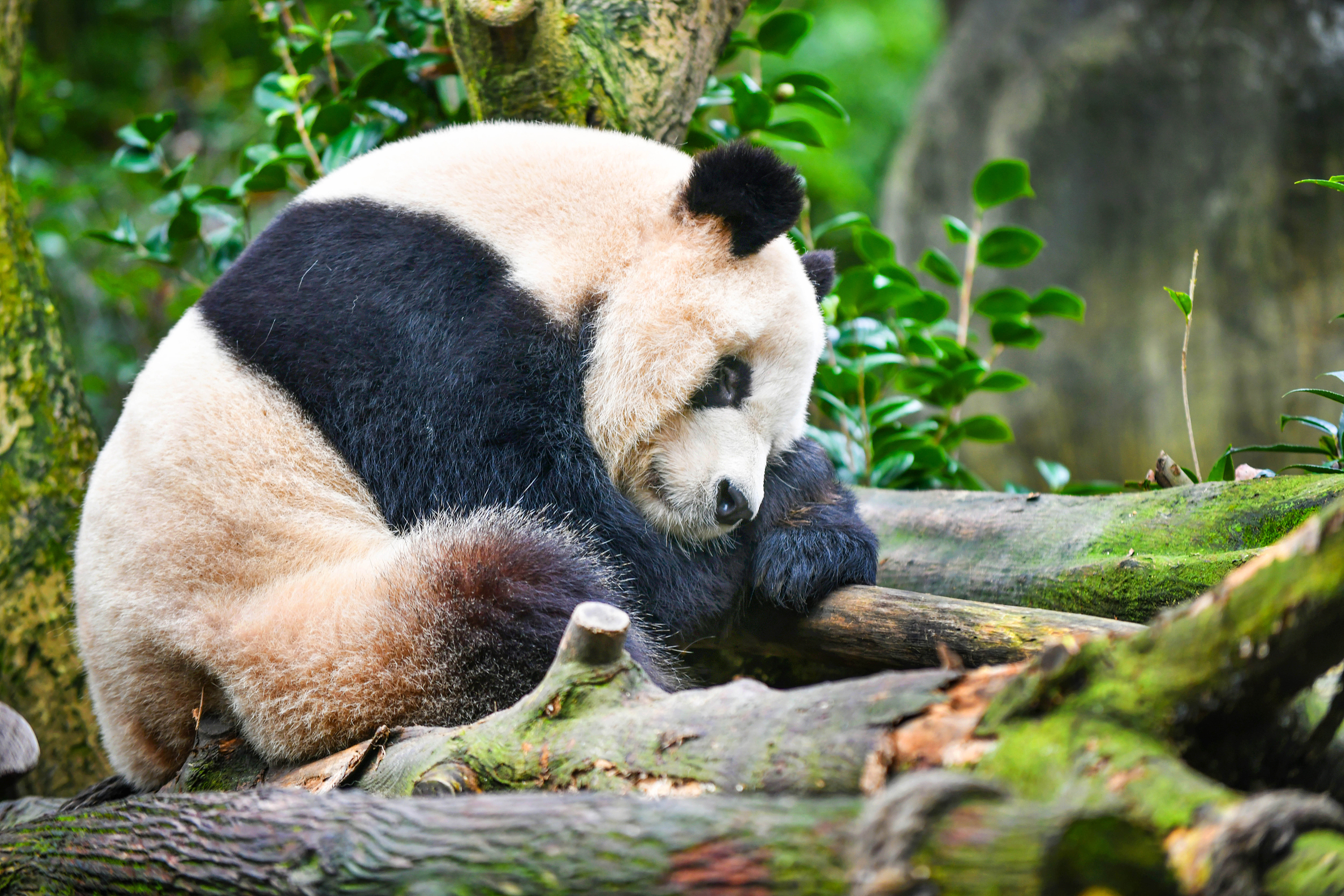
Panda Valley is full of adorable panda babies. Many of these panda babies can be seen taking part in outdoor exercise and training in preparation for their eventual release into the wild. This is an important ecological recovery and restoration project. In order to ensure that the panda babies are not disturbed, guests of the park are encouraged to visit quietly for a soothing atmosphere.
-
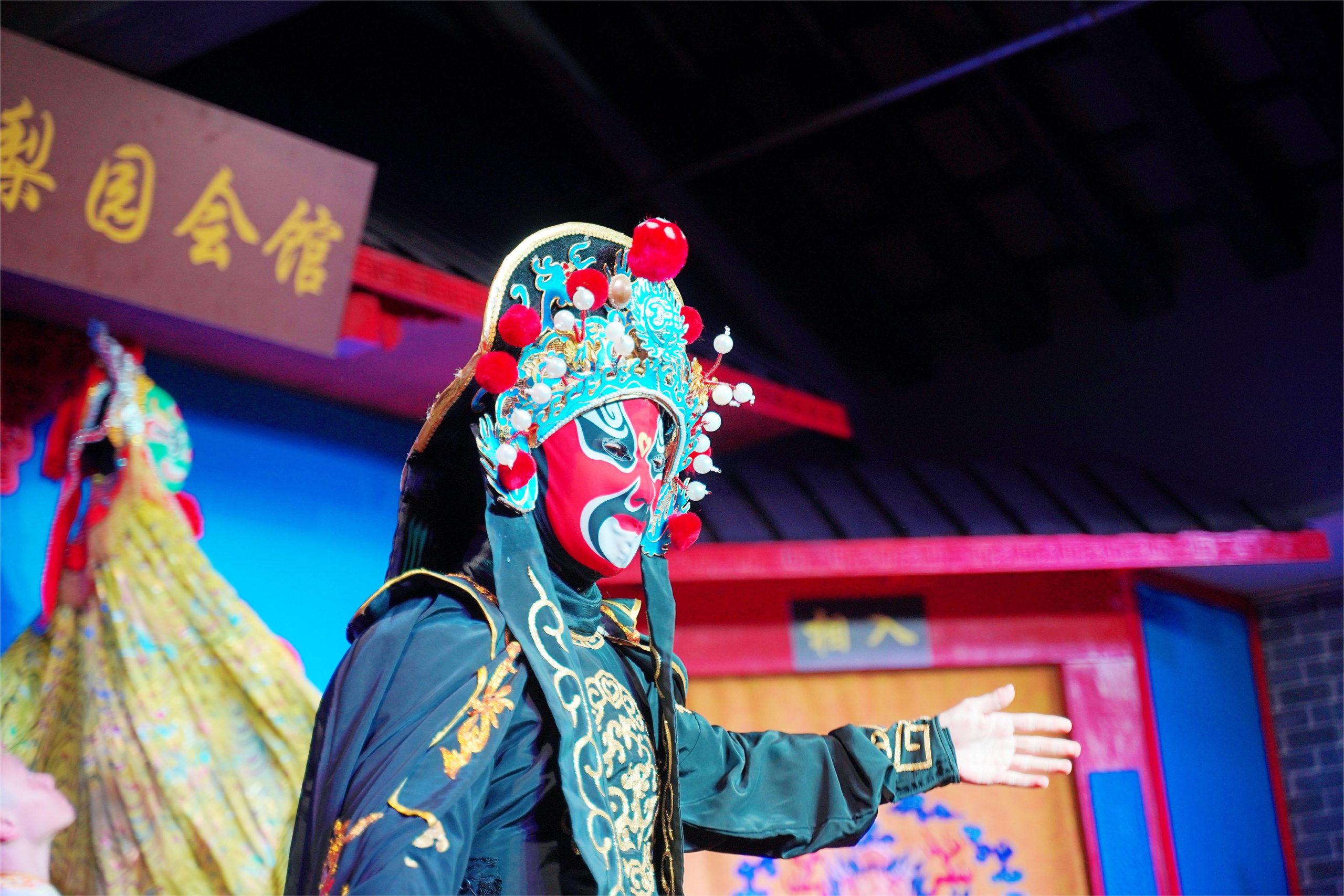
Liyuan Guild Hall-Chuan Opera Changing Face (wenshuyuan store)
During the Qing Dynasty, a new term emerged in Chinese opera history: the Pear Garden Guild. Opera has long been nicknamed “Pear Garden,” with performers called “Pear Garden disciples.” Originally serving as both a trade union and spiritual sanctuary for opera artists, this art form evolved into a gem of China’s traditional arts and a vital folk cultural expression. With its diverse genres, captivating performances blending song, dance, dialogue, and martial arts—integrating singing, acting, recitation, and combat—Chinese opera stands uniquely distinguished in world theater history.Liyuan Theater was co-founded by renowned Sichuan Opera dan role performer Hu Xuemei and entrepreneur Liao Xiaojian (a former Sichuan Opera actor). Located in Chengdu’s Wenshu Fang central leisure tourism district, the theater originated after the 2008 Wenchuan Earthquake. During that challenging period, it spontaneously organized “public benefit performances” to entertain opera enthusiasts, becoming a spiritual pillar for countless fans. The theater upholds the philosophy: “Live for yourself, perform for the audience.”Today’s Liyuan Theater is not only the “Sichuan Opera Practice Base” recognized as a national intangible cultural heritage, but also collaborates with the Chengdu Charity Federation to establish a public welfare fund for Sichuan Opera heritage preservation, contributing to the cultural legacy. It pioneered the Family-friendly Sichuan Opera Special, attracting numerous families to experience and learn about this traditional art form.The Pear Garden Theater specializes in Sichuan opera, upholding its reputation as “Sichuan opera showcasing the world.” Here you can explore both frontstage and backstage, interact closely with artists, and enjoy diverse performances including face-changing, fire-spitting, rolling lamp acts, kung fu tea ceremonies, puppet shows, and shadow plays—immersing yourself in traditional cultural charm.The Pear Garden Theater welcomes visitors with authentic Sichuan opera performances while hosting classic opera showcases from various regions and gathering extraordinary folk art performances, creating a cultural hub where domestic opera masters gather.The Pear Garden Theater aims high, where you can enjoy performances, savor tea, and taste local delicacies. If you’re a “theater enthusiast,” you can dress up as a star performer here and experience the saying “one minute on stage takes ten years of practice off stage.” If you’re here out of “passion,” welcome to join the “Pear Garden disciples” as we collectively preserve and promote Chinese opera culture.
-
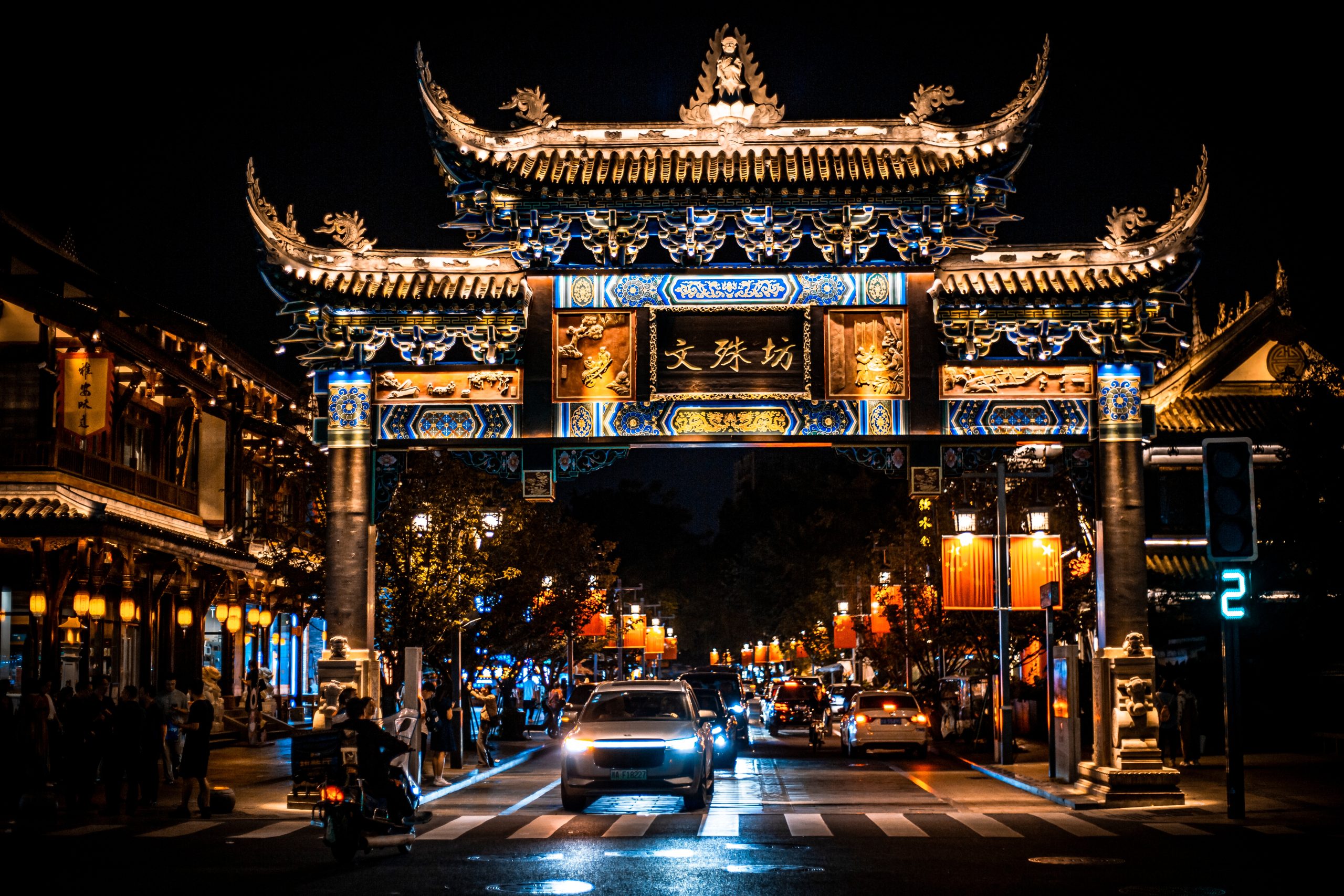
Wen Shu Fang
Wen Shu Fang Cultural and Creative Zone is a key project of Tianfu Jincheng in Chengdu, located within the historical and cultural conservation area of Wen Shu Yuan in Qingyang District. It is one of Chengdu’s three major historical and cultural conservation areas. The Wen Shu Fang block serves as the core area of the cultural and creative zone, with a total planned land area of approx. 143 mu (approx. 95,333 m²) and a total construction area of approx. 168,000 m². Currently, Phase I (56 mu/6.5 million m²) and the eastern section of Phase II (28 mu/4.3 million m²) have been completed and are operational. Planning is underway for the western section of Phase II, covering approx. 52.6 mu (excluding Jin Shun Yuan) with a total construction area of approx. 60,000 m². Construction is scheduled to begin in 2026, with completion expected by 2028. Since its official opening in 2006, Phase I has been a vital gateway to experiencing Chengdu’s culture. Phase II aims to preserve urban heritage while meeting the demands of consumption upgrades. Guided by the vision “Millennium Chengdu, Charming Wen Shu,” the project continuously optimizes its layout through “new formats, scenes, brands, and models.” It exemplifies immersive cultural tourism consumption by blending “old Chengdu’s charm” with “new Chengdu’s vibrancy,” enhancing attractions like intangible heritage, Hanfu, tea culture, cuisine, hotels, national trend theaters, creative products, and entertainment. This integration fosters a consumption hub, boosting regional tourism, hospitality, dining, and other service sectors, ultimately creating a landmark for integrated cultural, commercial, and tourism experiences.
-
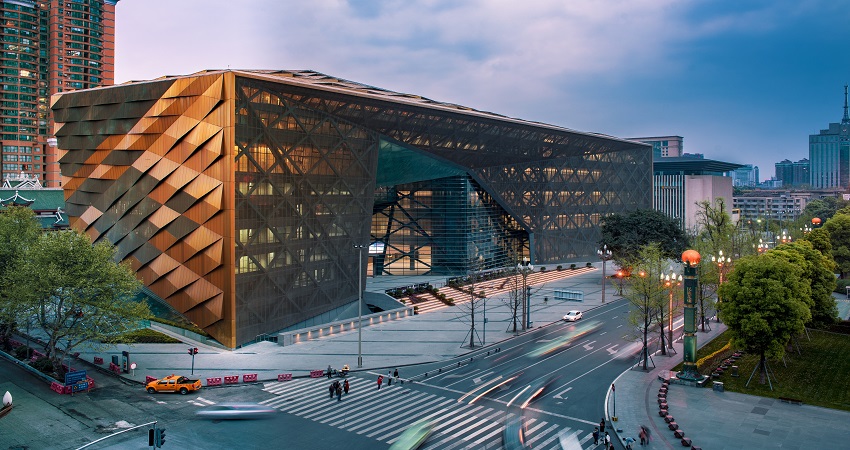
Chengdu Museum
Chengdu Museum is located on the west side of the city center, covering an area of approx. 17 acres with a total floor space of approx. 65,000m² and exhibition space of approx. 20,000m². The main building consists of south and north wings: the south wing’s above-ground floors primarily house offices and research areas, while the basement level contains an auditorium (multi-function hall). The north wing mainly features exhibition areas, with the ground floor housing the lobby, screening room, and special exhibition hall. The basement level presents the “Man and Nature” thematic exhibition. Floors 2–3 showcase “Flourishing Chengdu – Ancient History and Culture of Chengdu,” floor 4 displays modern history and folk customs, and floor 5 features the Chinese Shadow Puppetry and Marionette Exhibition.The museum boasts a collection of nearly 200,000 artifacts, forming a comprehensive chronological sequence from the Neolithic Age to the Republic of China period. The collection encompasses bronze ware, gold and silver artifacts, brick carvings, stone sculptures, ceramics, paintings and calligraphy, furniture, shadow puppets, marionettes, ritual paintings, masks, wood carvings, and more—establishing both quantitative significance and qualitative excellence within a systematic framework.Since its opening, the museum has hosted a series of highly acclaimed special exhibitions, including “The Restless Nostalgia: Zhang Daqian,” “The Splendid Emperor: A Special Exhibition of Emperor Qianlong of the Qing Dynasty,” “The Soul of the Silk Road: Dunhuang Art Exhibition & Cultural Relics of the Land of Abundance and the Silk Road,” “Summer Palace of the Empire: Treasures from the Peterhof State Museum, Russia,” “French Modern and Contemporary Painting Art Exhibition & ‘Portrait·Metamorphosis’ Photography Exhibition,” “Echoes of Civilization: Ancient Treasures from Afghanistan,” and “The Road of Qin and Shu: Bronze Civilization Special Exhibition.”