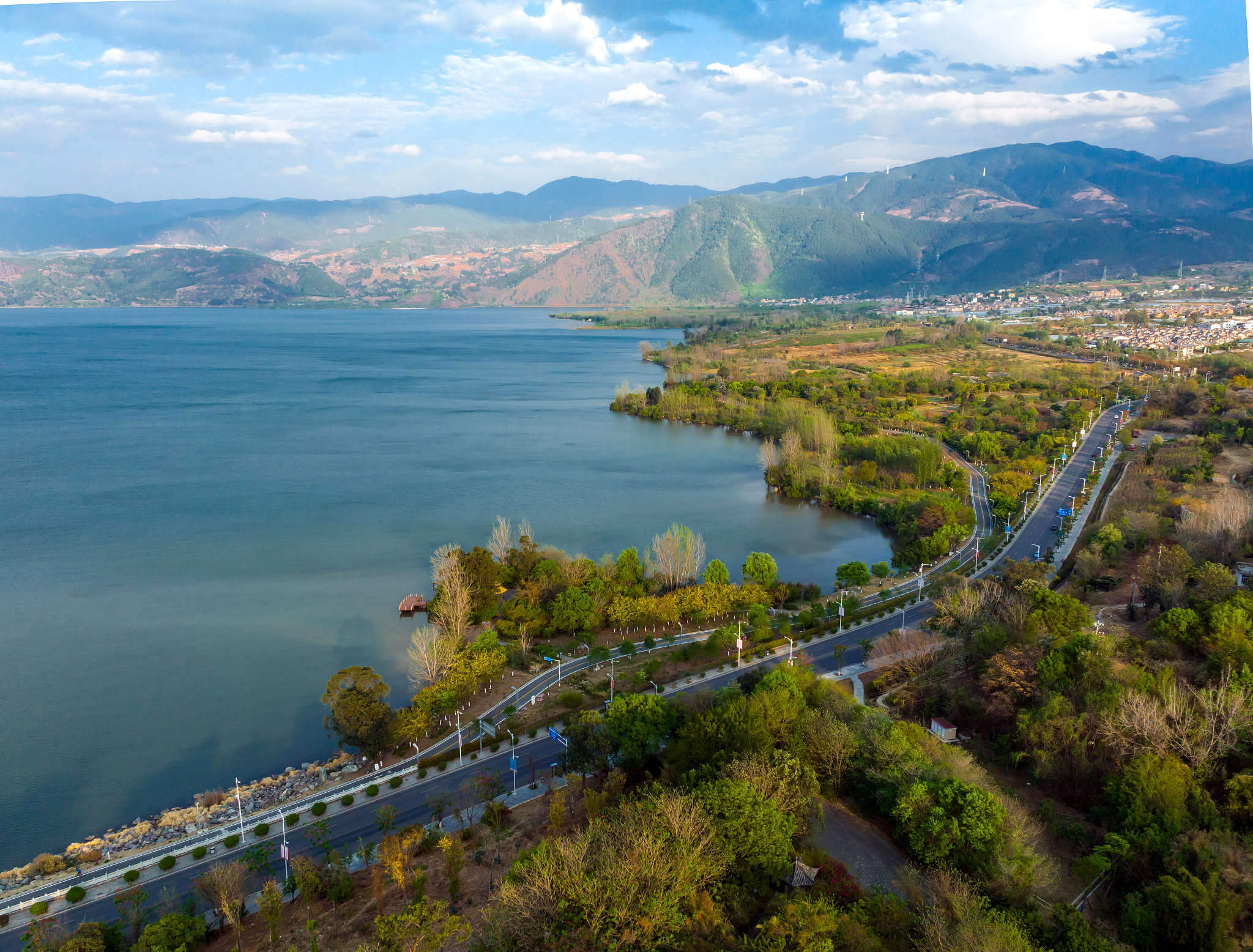
Qionghai Lake, located in Xichang City, Liangshan Yi Autonomous Prefecture, Sichuan Province, is the second largest freshwater lake in Sichuan Province. It was called Qiongchi in ancient times and is a fault lake in the early Pleistocene. It is shaped like a snail, about 11.5 kilometers long from north to south, about 5.5 kilometers wide from east to west, about 35 kilometers in circumference, and about 30 square kilometers in water area; the average depth of the lake is 14 meters, and the deepest is 34 meters; the water surface elevation is 1507.14-1509.28 meters; the water level fluctuation is small, and the catchment area is 27 square kilometers. In terms of water system, it belongs to Anning River, a tributary of Yalong River, a tributary of Jinsha River, the main stream of the Yangtze River, and the lake water is discharged into Anning River. It is the source of water for industrial and agricultural use and urban domestic use in Xichang City. It is also an important tourist resource. In May 2002, Sichuan Qionghai-Luoji Mountain Scenic Area was listed as the fourth batch of national scenic spots.
归档: Attractions
-
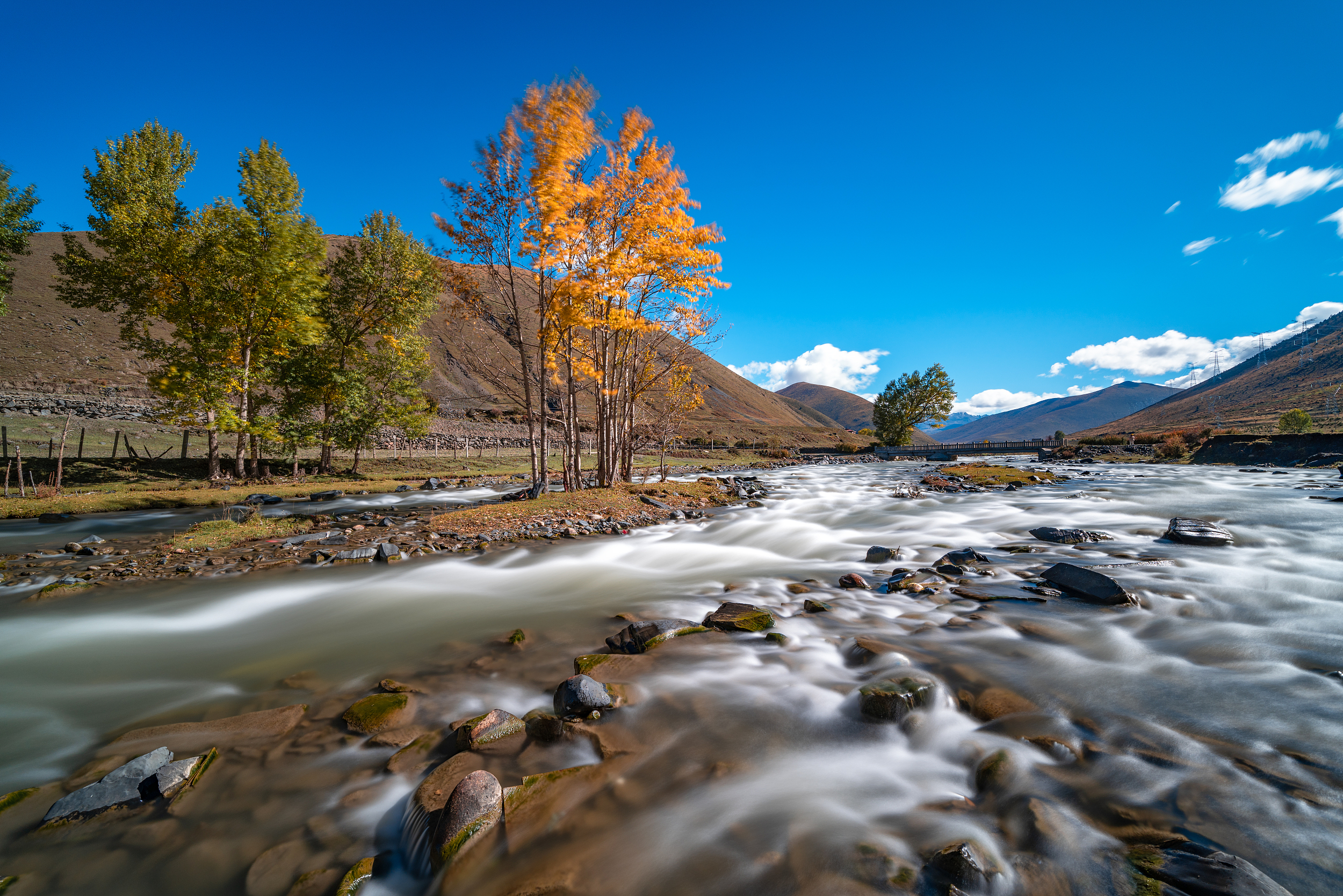
Xinduqiao Town
Xindu Bridge, also known as East Russia, is located at the fork of the Sichuan-Tibet North-South Line of National Highway 318. It is known as “a photographer’s paradise”. Here you can take pictures of boundless meadows, winding streams, golden autumn leaves, large areas of cattle and sheep foraging on the hillside, and scattered Tibetan villages. The shutter can produce a beautiful landscape photo. Play in Xinduqiao and appreciate her unparalleled charm, where mountains, water, trees, cattle and grass are intertwined, you will feel as if you are in a pastoral landscape painting. No wonder it is known as “the world of light and shadow” and “photographer’s paradise”. No one will take Xinduqiao as the end of a trip, it is just a post on the road to Tibet. It can be reached in one day from Chengdu along National Road 318, and then go north on National Road 317 (North Sichuan-Tibet Line) or continue westward on National Road 318 (South Sichuan-Tibet Line).
-
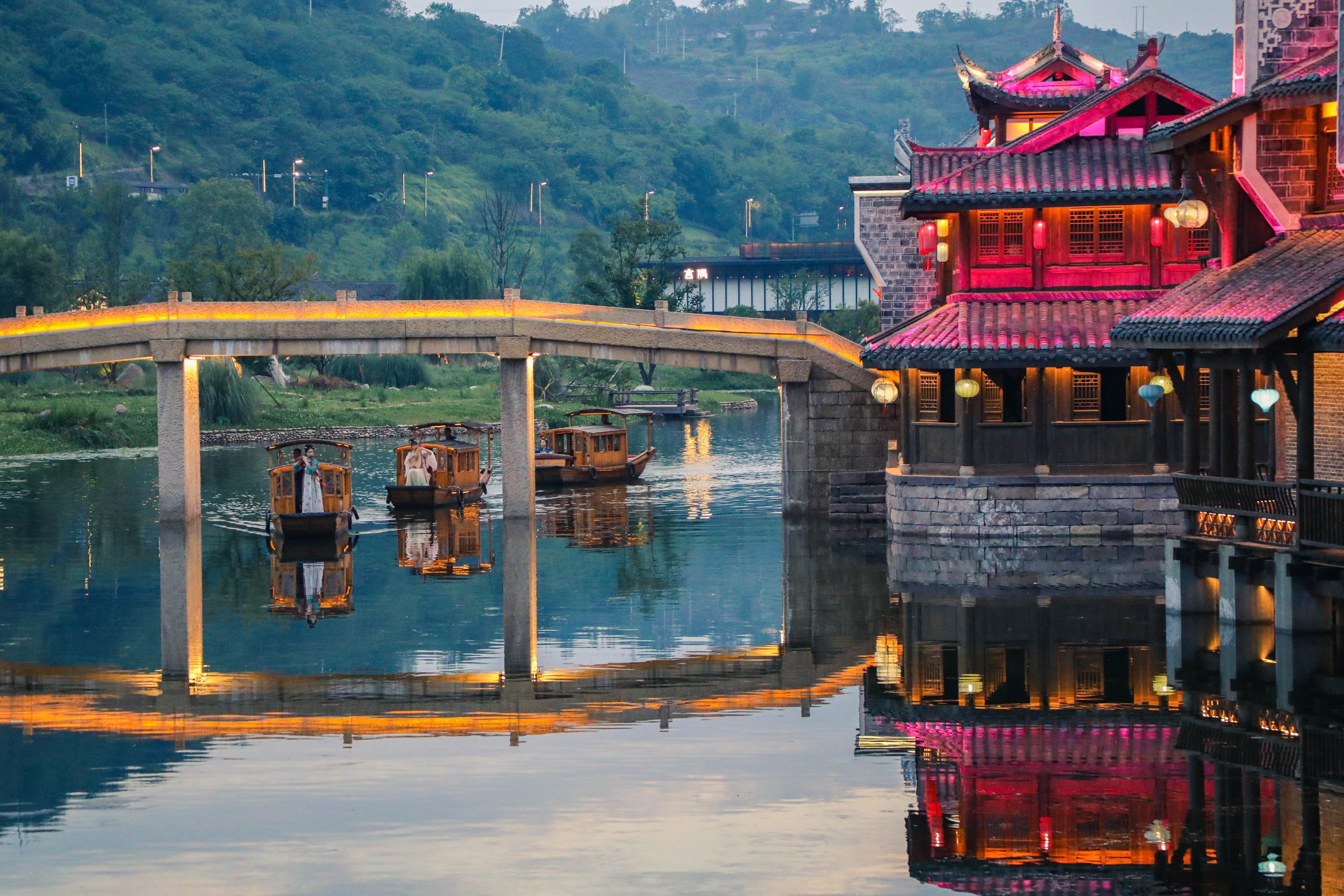
Lizhuang Cultural Tourism Resort
Lizhuang Ancient Town is located 19 kilometers from Yibin in Sichuan Province. The town is home to a wide range of well-preserved Qing dynasty architecture, wood carvings, and stone inscriptions. The town is famous for its white rice cakes and sliced pork. During the War of Resistance against Japan (1937–1945), over a dozen Chinese universities and research institutes relocated to Lizhuang, including Tongji University, the University of Nanking, the Academia Sinica, and the National Central Museum. Many famous scholars lived here for six years, making the town one of China’s leading cultural centers during the war.
-
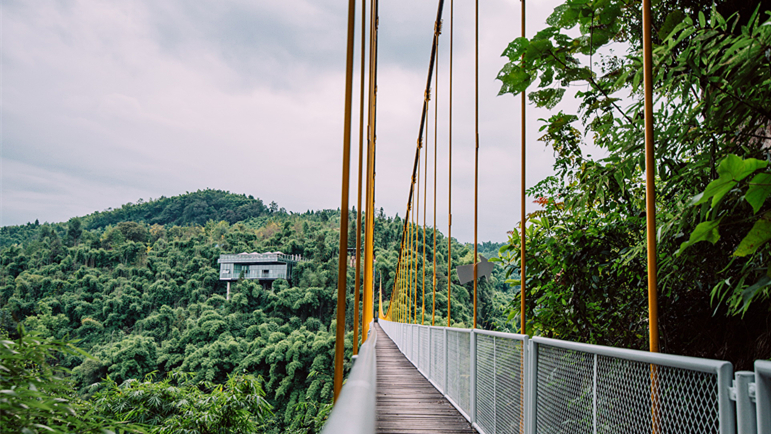
Bamboo Canyon Scenic Area (Jinji Valley)
Bamboo Canyon Scenic Area (Jinji Valley) is one of western Sichuan’s best places to go to escape the summer heat. The scenic area is located in the Dashan Mountains in the vicinity of Pingle Ancient Town. Bamboo Canyon Scenic Area (Jinji Valley) is full of verdant green stands of bamboo. The air is fresh and clean, like relaxing in a natural oxygen bar. Tourists visiting the canyon will find clear mountain rapids flowing in sync with the calm environment to be relaxing in a manner beyond compare.
-
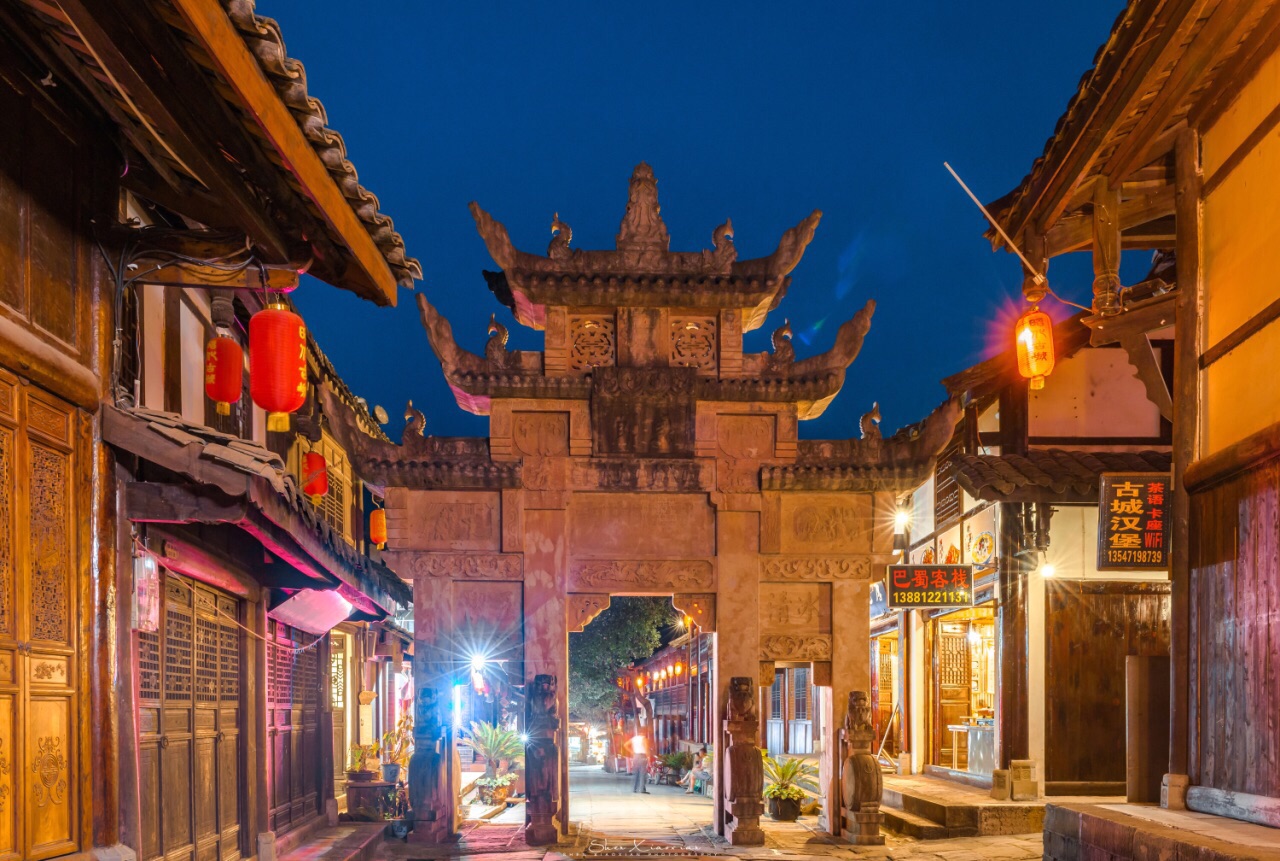
Zhaohua Ancient City
Zhaohua is located in Yuanba District in Guangyuan, Sichuan Province. The town was previously known as Jiameng. It is one of only a handful of well-preserved towns from the Three Kingdoms period (220–280). Visitors can wander through the streets of the old town and explore Ming and Qing dynasty architecture. The town is also home to a number of important historical relics from the Three Kingdoms period.
-
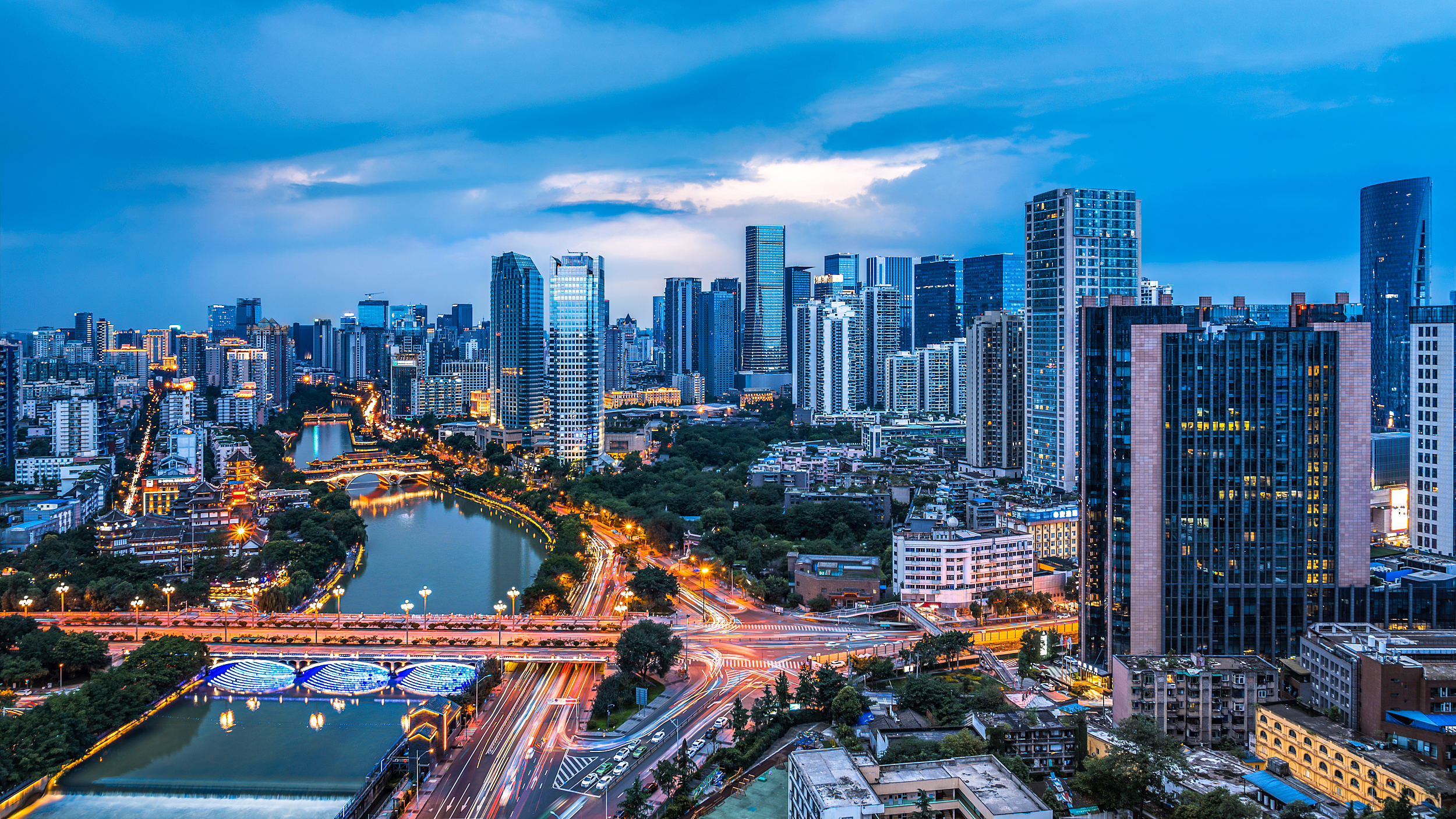
Nine-Eyed Bridge
Situated near the Sichuan Conservatory of Music, Jiuyan Bridge is a famous street of bars. This classical style covered bridge is very pretty. There is no way to determine when the bridge was completed. Jiuyan Bridge is surrounded by recreational places such as bars, restaurants, tea houses. It is bustling in the evenings, packed with bar hopping tourists. Jiuyan Bridge is even more dazzling when lit up at night.
-
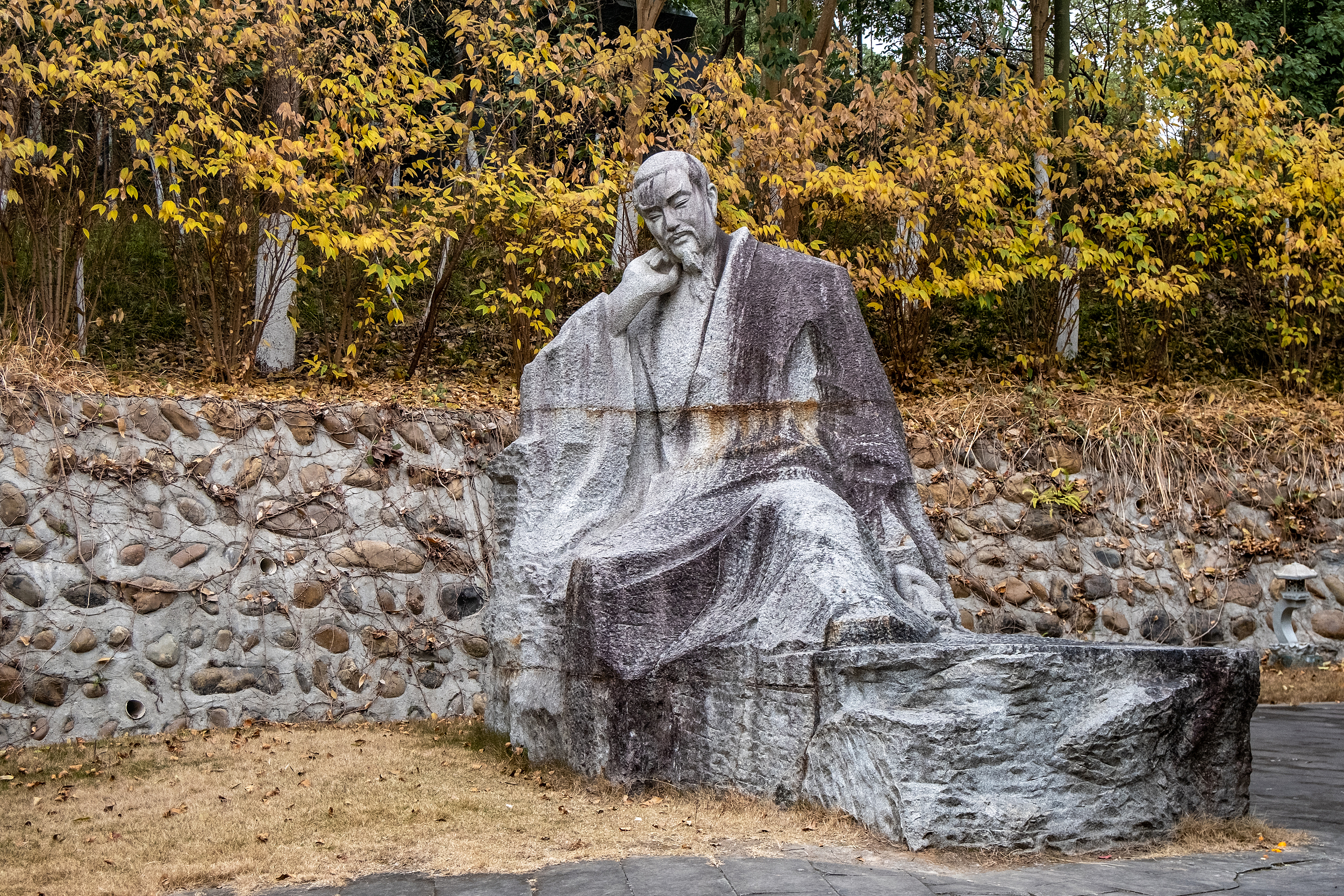
Jiangyou Li Bai’s Hometown
Jiangyou Li Bai’s Hometown is located near the scenic spot of Douyi Mountain in Jiangyou. The locals often call Taibaibeilin. Visitors can enjoy a variety of buildings, sculptures, and forests of Li Bai in the scenic area. Visitors who love humanities and ancient poetry can come here. There are many forests carved in Li Bai’s poems in the scenic area. If you look closely at some of the more unpopular poems, it is good to learn and increase your knowledge. Visitors can visit the Li Bai Memorial Hall. There are many treasured cultural relics and Li Bai’s rare treasures. This is a good place to learn about Li Bai.
-
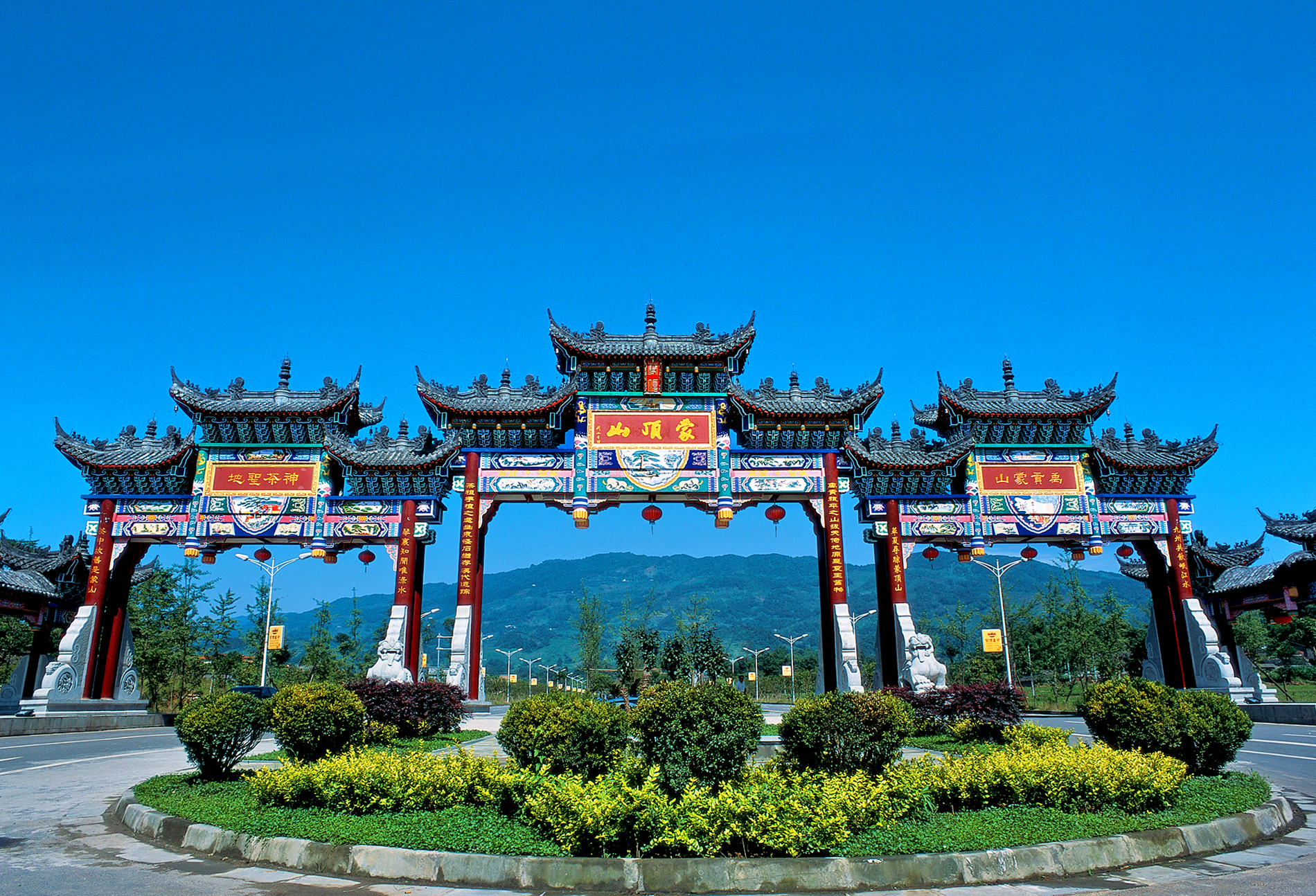
Mengding Mountain
Mengding Mountain, also known as Mengshan, is located on the northwest side of Mingshan Town. The tea culture of Mengding Mountain has a long history, as it is the birthplace of the world’s tea culture. The main activity in Mengding Mountain is hiking. It takes about forty minutes to hike to Tiangai Temple. During the Tang and Song Dynasties, Mengshan tea was listed as a tribute to the Emperor and it was used as a special sacrifice for the ancestors of the heavens and earth. This tradition continued until the Qing Dynasty. The historic Mengding tea is called “Immortals’ Tea” and Mengding Mountain is known as the hometown of Immortals’ Tea.
-
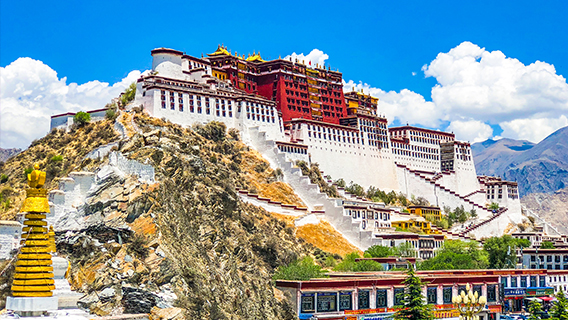
Potala Palace
The Potala Palace is the symbol of Xizang and a sacred place in the hearts of all pilgrims! “Potala” is a Sanskrit word, also translated as “Putuo”, which originally refers to the residence of Guanyin Bodhisattva. When you come here, you can not only view the large number of historical relics collected in the palace, appreciate the wonderful architectural art of the Tibetan people, but also have a baptism of the soul in that holy atmosphere. The origin of the Potala Palace According to historical records: In the 1930s of the seventh century AD, the 33rd Tibetan King Songtsen Gampo moved the capital to Lhasa and began to build the Potala Palace. Since then, major religious and political ceremonies have been held here, and it has become the ruling center of Xizang integration of politics and religion. The White Palace and the Red Palace The Potala Palace has a distinct Tibetan style and is majestic. It is the existing complete palace-style building complex in Xizang and is known as one of the world’s top ten earth buildings. Its main buildings are divided into two parts: the White Palace and the Red Palace. The White Palace is named after its white exterior wall. It is the place where the lamas live and conduct political activities. Because the sun shines all day long, it is called the East and West Sunlight Palaces. The Red Palace is located at the top center of the Potala Palace. Its outer wall is red and it consists of many stupas and various Buddhist temples. Historical relics The Potala Palace houses and preserves a large number of historical relics, including stupas, statues, murals, thangkas, scriptures and books, as well as gold books, jade books, gold seals granted by the emperors of the Ming and Qing dynasties, which show the historical relationship between the Xizang local government and the central government, as well as gold and silver wares, jade wares, porcelain, enamel and handicrafts. Among them, the eight stupas from the fifth generation are eye-catching. They are all magnificent and decorated with a dazzling array of gems, which can be called a palace of art.
-
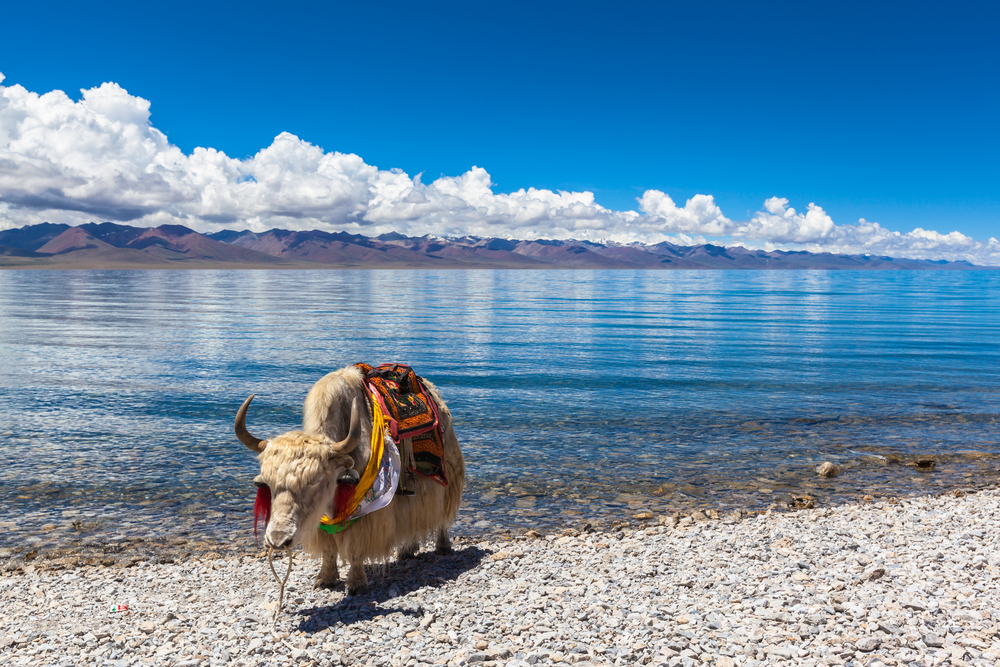
Namtso
Namtso is 240 kilometers from Lhasa. It is one of the three largest holy lakes in Tibet and is also a famous holy site for Tibetan Buddhism. The endless snow-capped mountain beside the lake is the Nyainqentanglha Mountain. On a beautiful day, the snow-capped mountains are reflected in the lake, giving a sense of peace and tranquility. There are numerous secular believers who come to Namtso every year on April 15 of the Tibetan calendar to celebrate the Saga Dawa Festival.