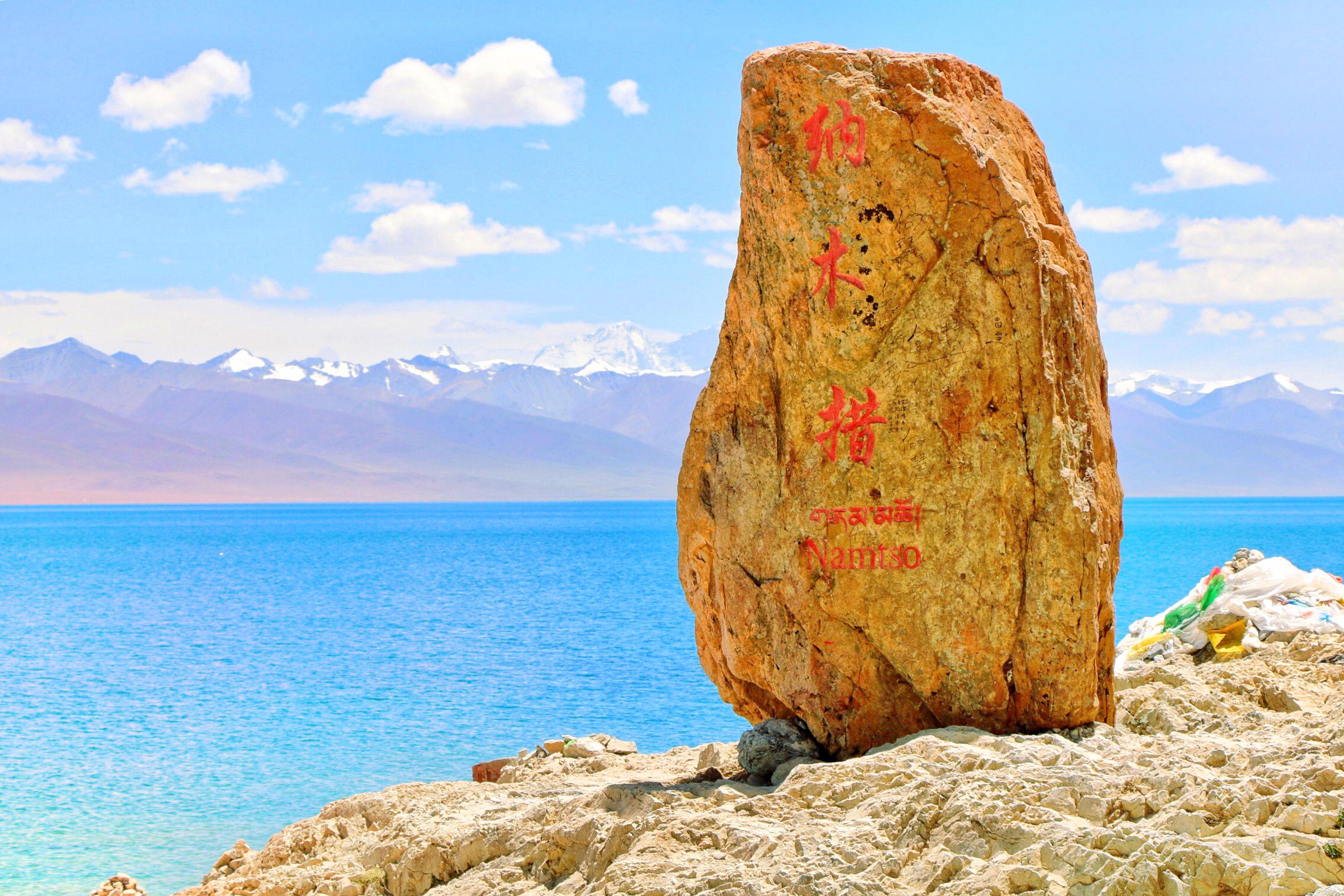
Namtso National Park is located between Damxung County of Lhasa City and Bange County of Nagqu Prefecture, on the Qinghai-Tibet Plateau known as the “roof of the world”. Scenic spots include Nian Namtso, the main peak of Nyainqentanglha Mountain, Lake Bird Island, petroglyphs and stone carvings, Yangbajing and other scenic spots. Namtso, the core scenic spot of the park, is one of the three holy lakes and the highest saltwater lake in the world. Under the sunlight, the lake surface of Namtso is azure blue, like emeralds falling from the sky. It is known as the “Heavenly Lake” and is a famous pilgrimage site for Tibetan Buddhism. There are three larger islands in the lake. These islands are rarely disturbed by the outside world, and there are many birds inhabiting them. They are called Bird Island. To the south of Namtso lies Nyainqentanglha Mountain, which is covered with snow all the year round, and to the north and west there are plateau hills and a vast lakeside. In the folk songs and legends of local shepherds and hunters, Nyainqentanglha and Namtso are not only eye-catching sacred mountains and holy lakes, but also lovers and couples who depend on life and death. Nyainqentanglha Mountain looks more handsome and upright because of the background of Namtso, and Namtso is more beautiful and moving because of the reflection of Nyainqentanglha Mountain.
归档: Attractions
-
Basomtso
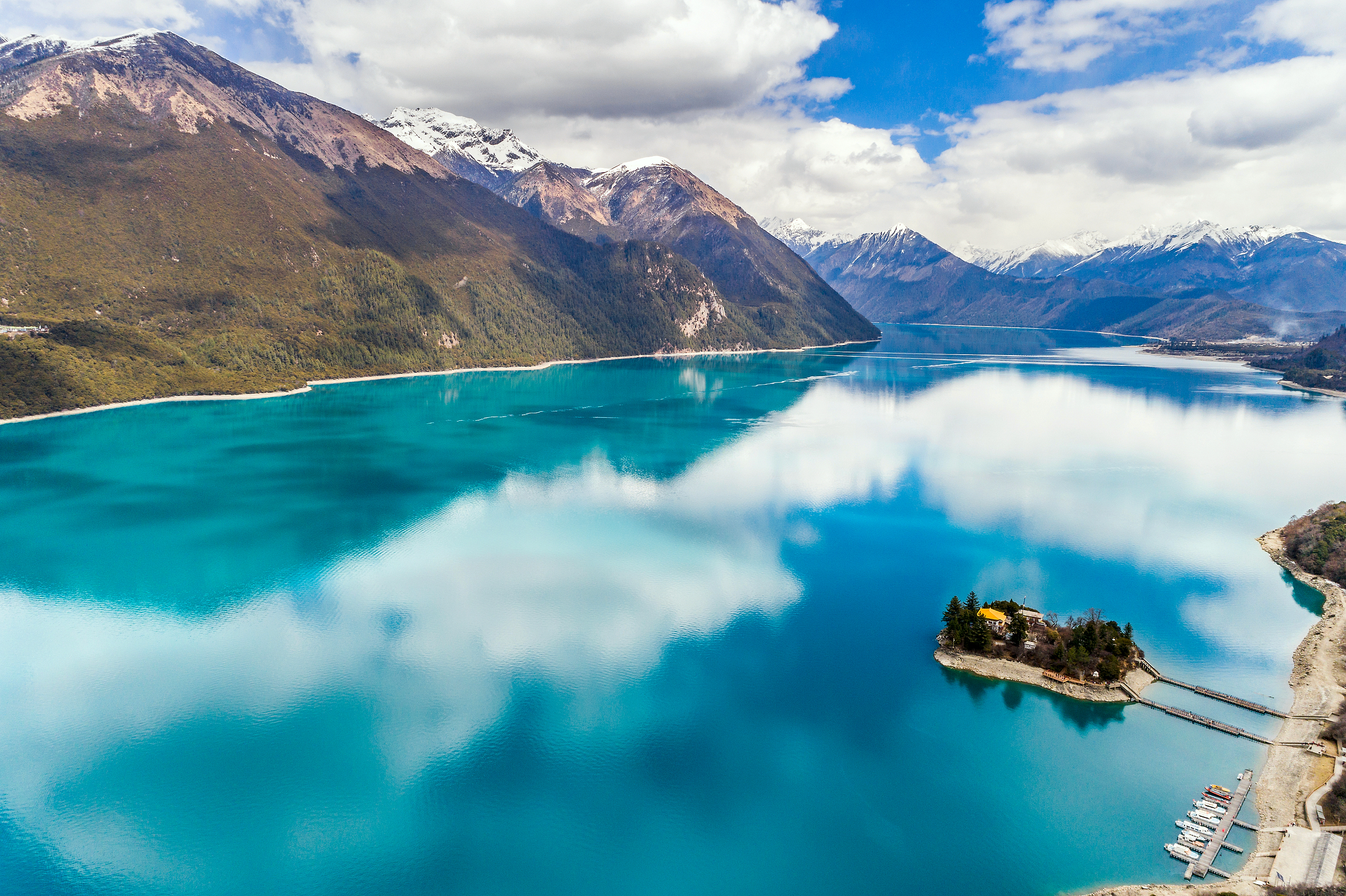
Pagsom Co is also known as Gongga Lake. It means “three rocks” in Tibetan. Located in Gongbo’gyamda County, it is a sacred lake of the Nyingma Branch of Tibetan Buddhism. The shape of Pagsom Co is like a crescent embedded in the deep valley. The water is clear, reflecting the surrounding snowy mountains and primordial forests. The Tsozong Gongba Monastery stands on Tashi Island and was built during the late Tang Dynasty. The reefs on the island are carved into images of animals and Buddha statues. Tsozong Gongba Monastery is a two-story structure of earth and wooden materials. The three statues, Chenresig, Guru Rimpoché and Sakya Thukpa, are worshiped here.
-
Yarlung Zangbo Grand Canyon
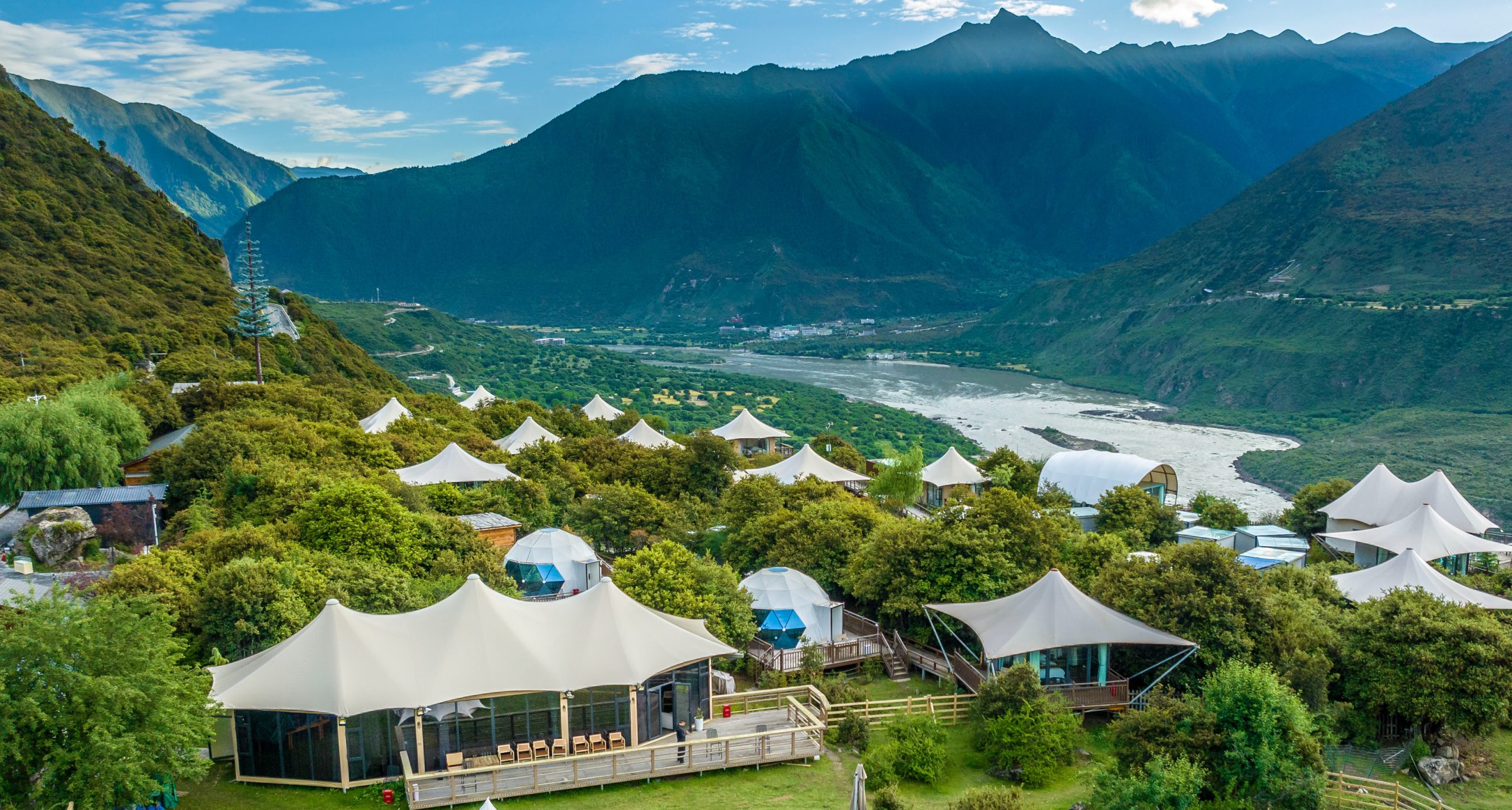
Yarlung Zangbo Grand Canyon is a horse-shaped gorge that bends around Mount Namcha Barwa. The canyon offers spectacular views of Namcha Barwa, the Nyang River, and ancient villages. The gorge can be accessed by car or boat, or on foot. Visitors arriving by car can see ancient mulberry trees and stop off at a breathtaking viewpoint with views over Namcha Barwa. Boat trips pass by spectacular waterfalls, villages, and mountains. The canyon is also popular with hikers and outdoor enthusiasts.
-
Yamdrok Yumtso
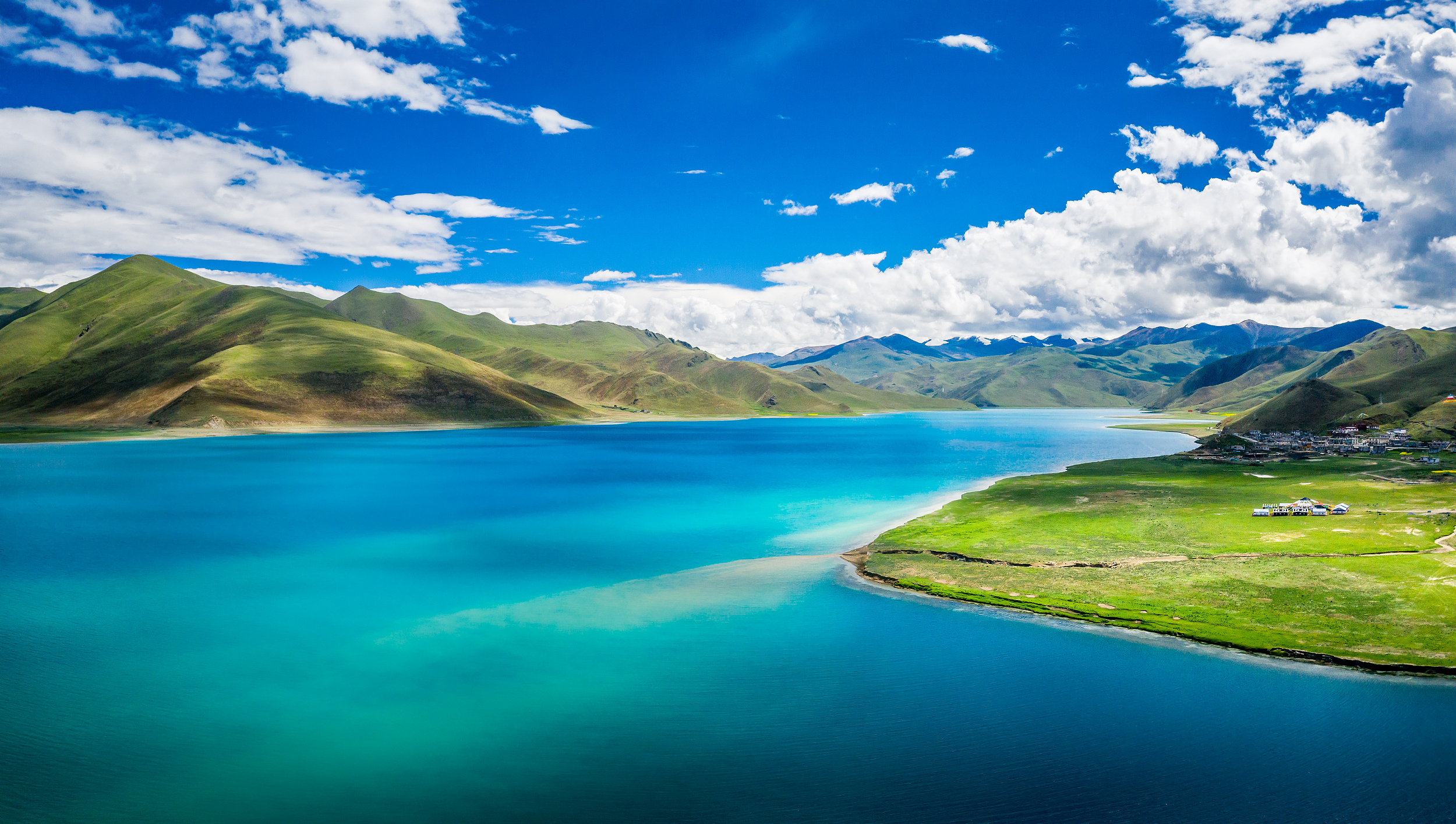
Yamdrok Yumtso, meaning “Swan Lake” in Tibetan, is one of Xizang’s three sacred lakes, also known as Yamdrok Lake (locals usually refer to it as “Yamdrok Yumtso”), because in Tibetan, “Tso” means “lake.” Geographically, it belongs to Nagarze County in the Shannan region. The lake surface is at an elevation of 4,441m, with a total shoreline of 250km and a total area of 638 square kilometers. The average depth of the lake is 20–40m, making it one of the larger inland lakes on the northern foothills of the Himalayas.Yamdrok YumtsoWith numerous branches resembling coral, it is called the “Upper Coral Lake” in Tibetan. The lake contains over 10 small islands, with the larger ones capable of accommodating five or six households, while the smaller ones are only about 100 square meters in size. The lake is rich in fish such as fine-scaled fish, Xizang schizothoracin, and plateau naked carp. It is also one of the larger waterbird habitats in southern Xizang. During winter, flocks of birds migrate here, and the lakeshore and central islands are teeming with swans, water pigeons, yellow ducks, fish eagles, and bar-headed geese. The view from afar is much more beautiful than up close. After crossing the 5,030-meter-high Gampa La Pass, it takes about 30 minutes to descend along the road to the lakeshore. This route offers excellent angles to admire the lake, with multiple viewing platforms along the way where you can stop and take photos.
-
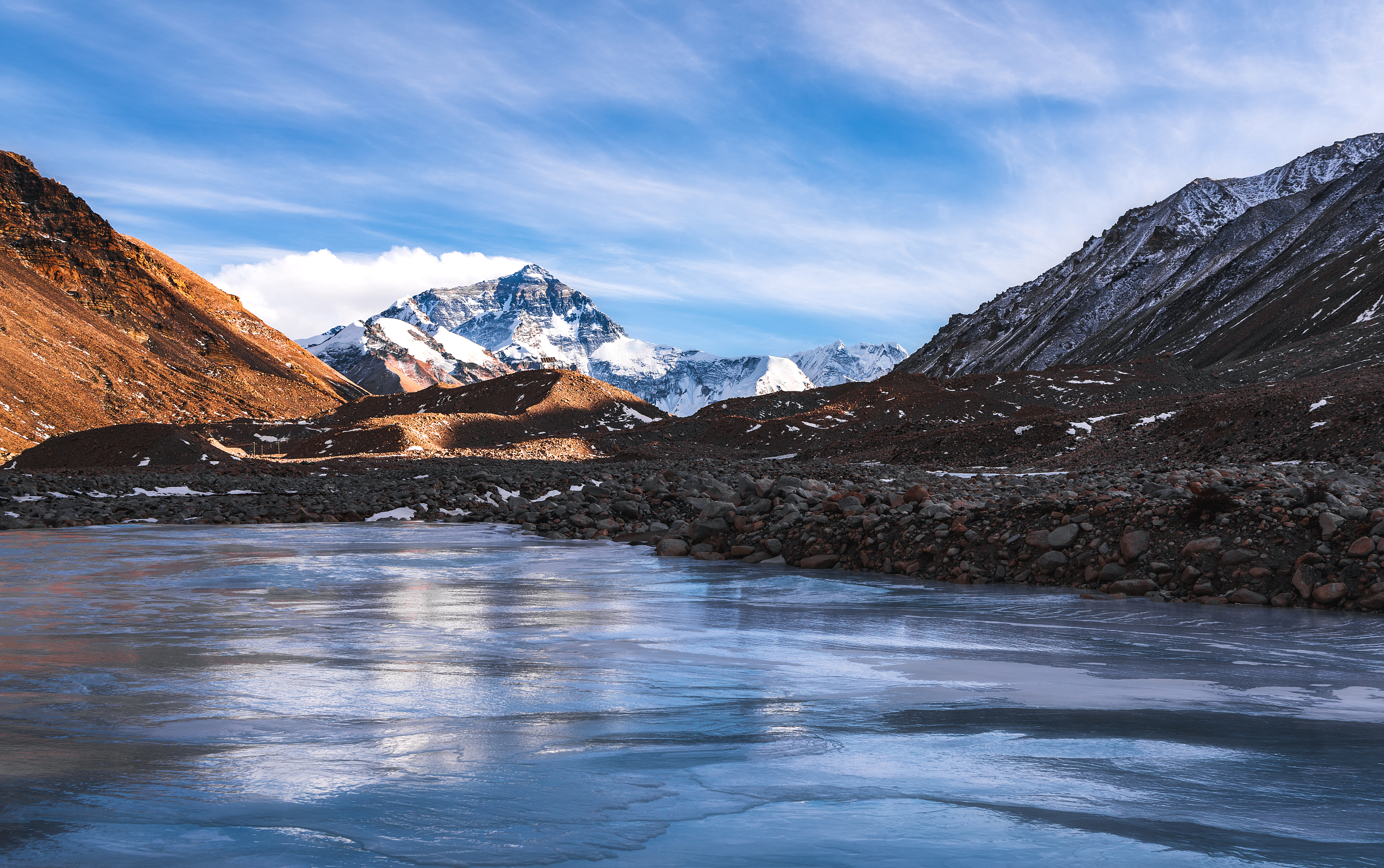
Mt Qomolangma Base Camp
Mt Qomolangma Base Camp was established to protectMount EverestA protected zone established in the core area, ideal for viewing and photographyMount EverestOne of the prime locations, also serving as the starting point for mountaineering teams ascending from the Chinese side.Mount Everestthe base camp at that time. Every year from April–June is the climbing season, when Mt Qomolangma Base Camp is at its busiest and also the best time to captureMount EverestWhen the flag cloud appears. Transportation to Mt Qomolangma Base Camp is inconvenient – vehicles can only go as far as the tent camp near Rongbuk Monastery. Visitors usually take a private charter from Shigatse or Lhasa, with the round trip taking approx. 4 days. Some visitors stay overnight at the tent camp, which is affordable but has basic facilities. Armed police are stationed at Mt Qomolangma Base Camp, where there’s a monument that serves as a popular photo spot. You can also buy postcards and get them stamped at the tent post office, including special stamps commemorating the 2008 Olympic torch ascent.Mount EverestThe postmark here is quite meaningful as a souvenir. Please note that since this area is located near the border, you’ll need to apply for a border pass in advance before your trip. Also, some sections of the road are in poor condition.
-
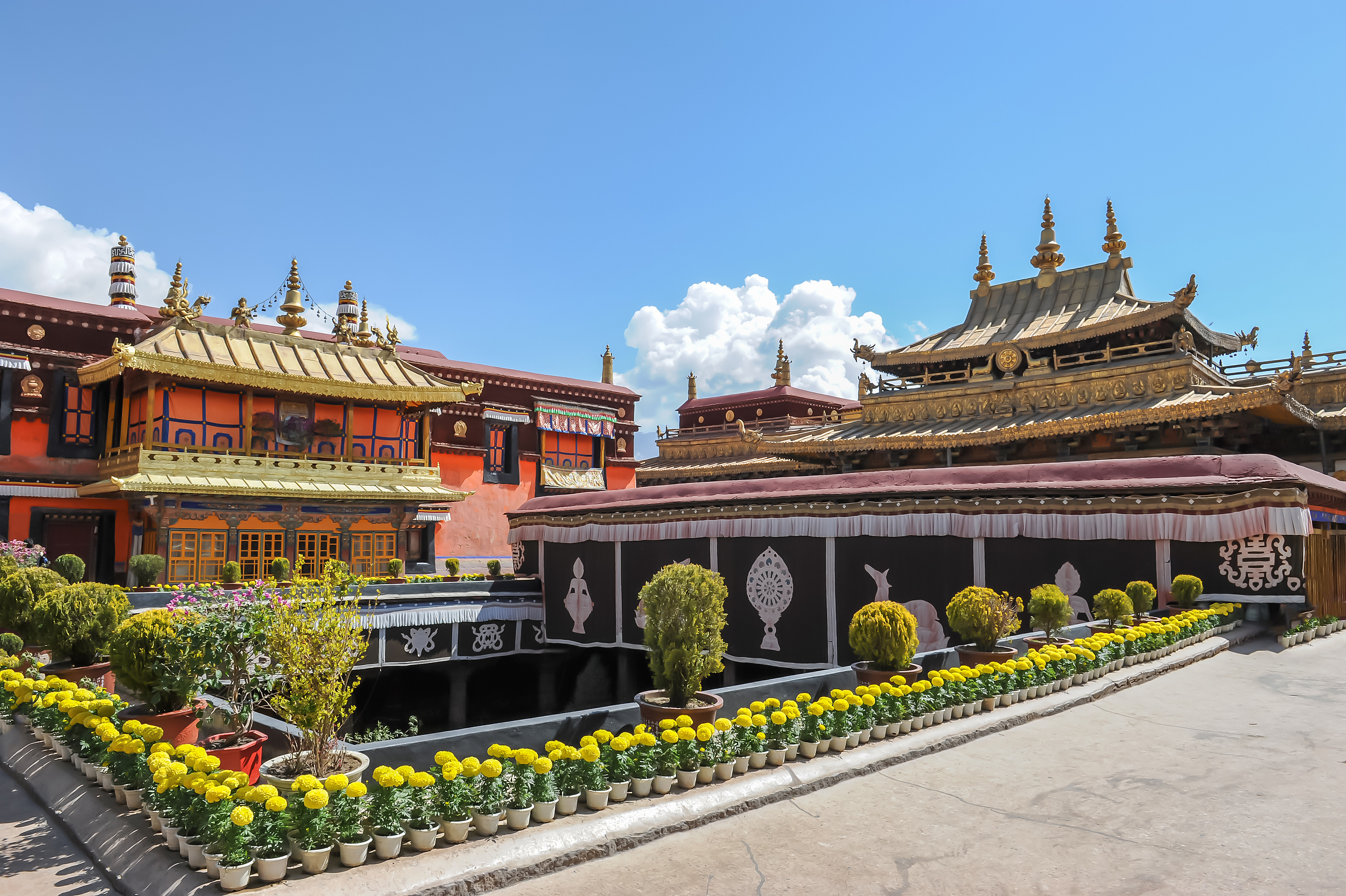
Jokhang Temple
Jokhang Temple, called “Jokhang” in Tibetan, also known as “Zulakang”, is the end point of the pilgrimage for Tibetan Buddhists. In their hearts, the sacredness of Jokhang Temple is no less than that of Potala Palace. Whether from the geographical location or in the minds of Tibetan Buddhists, Jokhang Temple is a veritable holy place and center of Tibetan Buddhism, and has an extremely lofty and holy status in the history of Tibetan Buddhism. Jokhang Temple was first built in the middle of the seventh century AD. It was built by the Tibetan King Songtsen Gampo to place the 8-year-old life-size statue of Sakyamuni brought from his hometown Kathmandu by his wife, Princess Bhrikuti of Nepal. In 1409 AD, Master Tsongkhapa, the founder of the Gelug Sect, promoted Buddhism in Jokhang Temple and held a grand ceremony to spread the Buddha’s teachings, thus establishing its important position in the history of Tibetan Buddhism. In the eighth century AD, the 12-year-old life-size statue of Sakyamuni brought from Chang’an by Princess Wencheng of the Tang Dynasty when she entered Tibet was enshrined in Jokhang Temple, becoming the treasure of the temple and one of the must-see attractions for tourists and pilgrims.In addition, there are nearly a thousand-meter-long Tibetan murals “Princess Wencheng Entering Tibet” and “Construction of Jokhang Temple” in the temple, as well as two Ming Dynasty embroidered guardian deity thangkas, which are rare art treasures. There are three prayer paths in Lhasa, namely “inner, middle and outer”, all of which are centered around Jokhang Temple. Among them, the inner circle around the Jokhang Hall along the Thousand Buddha Hall in the temple is called “Nangkor”; the circle around the Jokhang Temple is called “Bakor”; the circle around the Potala Palace, Yaowang Mountain, Jokhang Temple and Jokhang Temple is called “Lingkor”. Scenic spot guide After entering the Jokhang Temple through the main gate, there is a patio-style courtyard. There are several rows of butter lamps on the east side of the courtyard. Because believers add butter every day, they are always burning. Behind the butter lamps is the main entrance of the Jokhang Temple. On the left side of the gate is Guru Padmasambhava, the founder of the Red Sect, and on the right side is Jampa Buddha, that is, Maitreya Buddha, also known as: Future Buddha. On the right wall is a mural about the story of the Jokhang Temple’s construction, mainly about the appearance of the Potala Palace in the 7th century and the scene of the Jokhang Temple being built by filling the lake. Going clockwise, you will see the Buddhist Hall dedicated to the Yellow Sect’s founder, Master Tsongkhapa, and his eight disciples. Continue to circle right, passing through the Yaksha Hall and the Dragon King Hall on both sides. Behind hundreds of butter lamps is the famous “Jokhang” Hall. It is not only the main body of the Jokhang Temple, but also the essence of the Jokhang Temple. The center of the Jokhang Hall is the Great Sutra Hall, where the lamas chant and practice on weekdays. There are many small sutra halls around it. Among them, the Sakyamuni Buddha Hall in the middle is not to be missed. It enshrines the life-size golden statue of Sakyamuni at the age of 12 brought by Princess Wencheng. This is the center of the Jokhang Temple and a holy place that devout pilgrims yearn for. There are stairs next to the courtyard leading to the second and third floors. On the second floor, there is the Dharma King Hall, which enshrines the Tibetan King Songtsen Gampo, Princess Wencheng, and Princess Bhrikuti, and the Bandan Lhamo Guardian Hall, which enshrines the Goddess of Good Fortune. Standing on the wide terrace on the second floor, you can overlook the Potala Palace, which is a great place to take photos. The golden roof on the third floor is also one of the highlights of the Jokhang Temple, but the third floor is not open to the public most of the time. If you are lucky enough to go up to the third floor, the four magnificent golden roofs will be breathtaking.
-
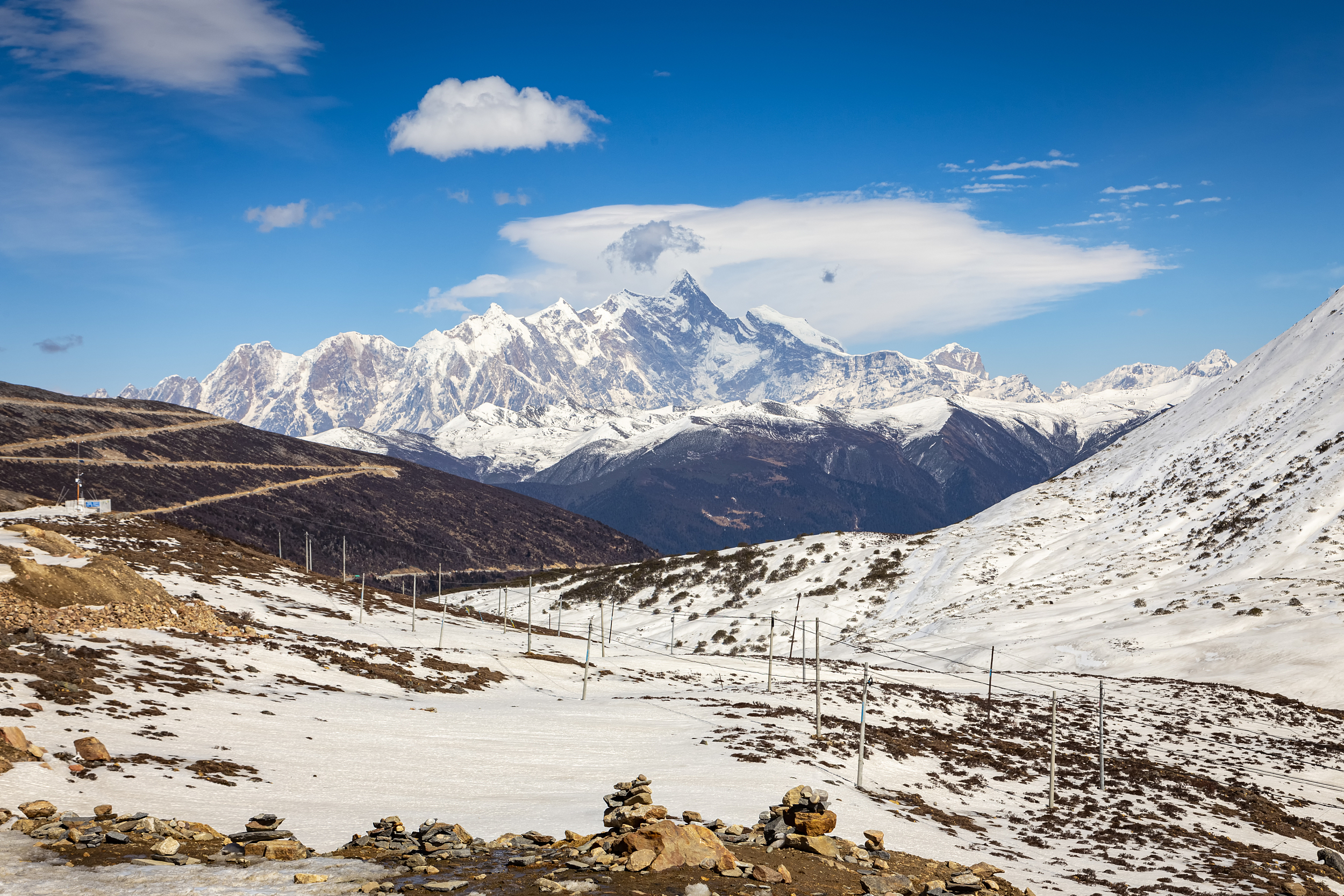
Mount Namcha Barwa
Namcha Barwa Peak is located in Nyingchi. Atop the mountains in the scenic spot are glaciers and thick misty clouds. The vegetation here grows thick and green, creating a beautiful natural environment. There are many places to take in the grandeur of Namcha Barwa Peak. From the Yarlung Tsangpo Grand Canyon Scenic Area Scenic Platform, visitors can take a sightseeing bus to the Yarlung Tsangpo Grand Canyon Scenic Area. The vista here is broad and open. From Sejila Mountain Pass, it is possible to see all the way to the rich scenery of Lunang Forest at the foot of the snowy mountains. Facing towards the snowy mountains, the traditional Susong Village can be seen. Every spring, the peach blossoms and snowy peaks as seen through the flowers make for an even more amazing sight.
-
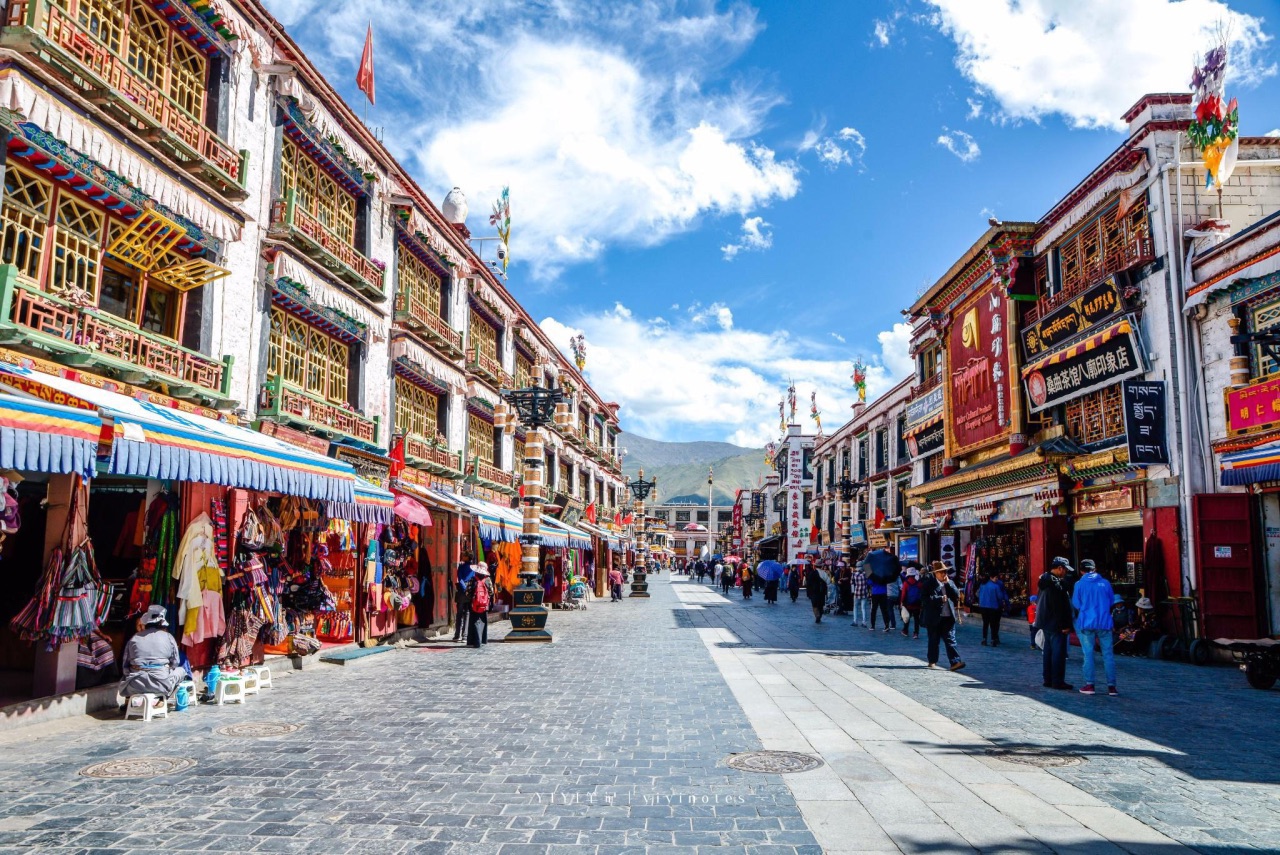
Barkhor Street
Barkhor Street, also known as Bajiao Street located in Lhasa, Tibet. The street is a well known ancient street representing the culture and folk customs of Tibet. While walking on the street, you can experience what life was like in the past, and experience the food and culture of natives to Lhasa. You can view and learn things from traditional dress, and dances, to traditional meals, to the architecture of the town itself, which has been well preserved throughout the years. Barkhor Street is a must-visit location to experience in Lhasa.
-
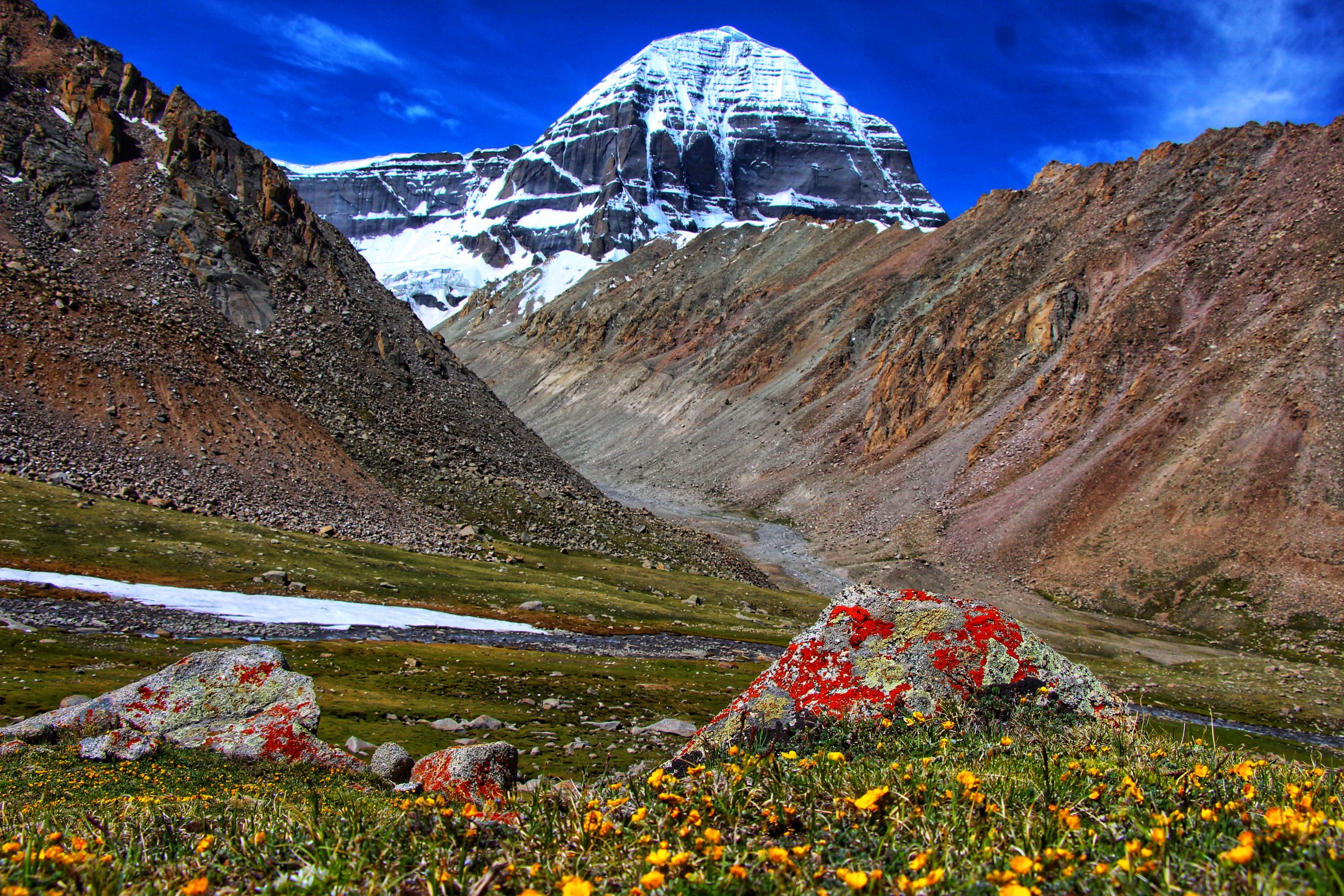
Kangrinpoche
KangrinpocheIt is the main peak of the Gangdise Mountains, located in Baga Township, northern Purang County, Ngari Prefecture, with an elevation of approx. 6,656m. Recognized globally as a sacred mountain, it is also considered the center of the world by many Buddhist traditions.
-
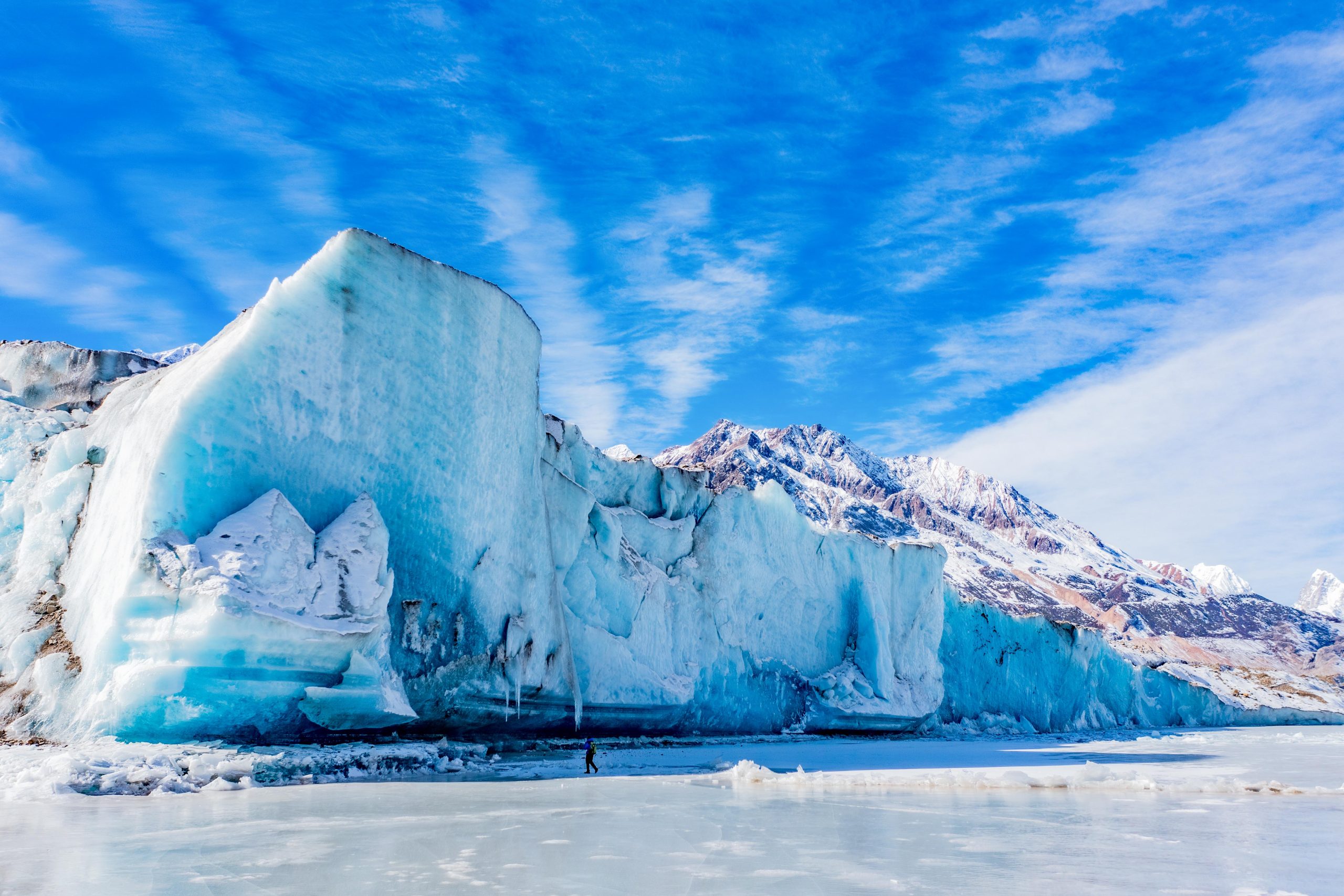
Laigu Glacier
Many glaciers surrounding Laigu Village have formed many ice lakes in front of the village. Due to the different geology and soil composition of different glaciers, each ice lake will reflect different colors. There is a large ice lake floating on the ice lake. Big and small icebergs. Between the end of the glacier and the glacial lake, the broken glacier reveals a layer of blue ice tens of meters high. In Laigu Village, you can see Meixi Glacier, Yalong Glacier, Ruojiao Glacier, Dongga Glacier, Xiongjia Glacier and Niuma Glacier. Because all these glaciers surround Laigu Village, they are collectively called Laigu Glaciers ( Note: Due to the changing seasons of glaciers, the viewing period of each glacier is different, and the scenery seen at different times is different.) Among them, the Yalong Glacier, which is 12 kilometers long at the eastern end of Gangrigabu Mountain, is more majestic. It is more than 6,000 meters above sea level. The main peak extends to the edge of Laigu Village at an altitude of about 4,000 meters. The simple village road along the Ranwu Lake, even if you have reached the ancient village, the Laigu Village with more than 70 households still maintains the original Tibetan village style of half farming and half pastoralism. The houses in the village are relatively scattered, subdivided into several smaller villages and settlements such as Shatuna, Lanage, Qu’e, and Ranmu. The distance between the villages is two to three kilometers, and there are fields between the small villages. ridge.