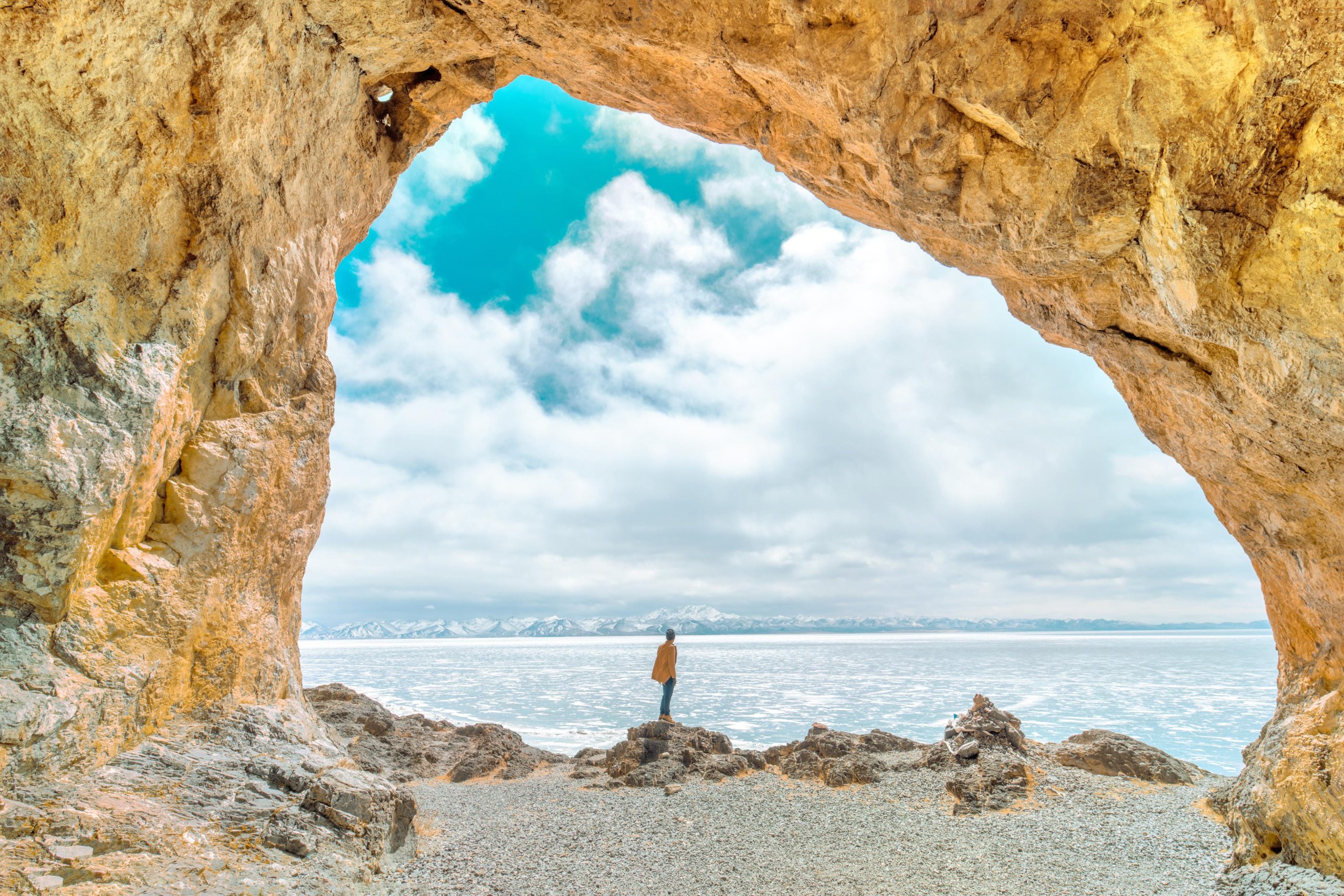
Nam Co Sheng Xiang Tian Men is located in Qinglong Township Village 5, Baingoin County, Nagqu Prefecture, on the Qiaduo Langka Island in the northern part of the holy lake Nam Co attraction. The entrance to the Nam Co Sheng Xiang Tian Men tourism town leads to the dry karst cave, Sansheng Stone, Couple Stone, and the Sheng Xiang Tian Men tourism view belt. The attraction covers an area of 59 square kilometers. The Nam Co Sheng Xiang Tian Men tourist attraction boasts a rich variety of resource types, with a large number of distinctive resource entities. Following the “Classification, Investigation, and Evaluation of Tourism Resources” (GB/T 18972-2003) and considering the distribution of tourism resources in the area, a comprehensive survey, exploration, organization, classification, and summary of tourism resources were conducted. In terms of resource types, the attraction encompasses all seven major categories outlined in the “Classification, Investigation, and Evaluation of Tourism Resources” (GB/T 18972-2003), covering all primary types and most subcategories and basic types under the national resource classification standard. These include: – 9 basic types of geological landscapes – 3 basic types of water scenery – 4 lake wetlands – 2 natural hot springs – 7 basic types of biological landscapes – 3 basic types of celestial and climatic phenomena – 3 basic types of historical relics – 3 basic types of architectural and facility resources – 4 basic types of tourism commodities – 4 basic types of cultural activities The Nam Co Sheng Xiang Tian Men tourist attraction holds significant heritage value, scientific research value, and tourism experience value. The relic resources remain unaffected by industrialization, tourism development, or other human activities, preserving their original appearance and maintaining the integrity of the resource entities. Nam Co Sheng Xiang Tian Men combines diverse natural landscapes including plateau snow mountains, lakes and rivers, marsh meadows, and celestial phenomena with unique Tibetan nomadic culture, highland village views, and sacred Tantric Buddhist sites. ·Tianmen of the Sacred Elephant Legend has it that on the northern Qiaduo Langka Island of Nam Co Sheng Xiang Tian Men, there are many naturally formed Buddha images and inscriptions on the cliffs, which people have endowed with religious significance as sacred relics. When practitioners came to Qiaduo Langka Island, lacking houses or temples, they carved caves into the cliffs for long-term meditation. As more practitioners arrived, Qiaduo Monastery was built on the island, belonging to the Gelug school, now over 370 years old. During its peak, Qiaduo Monastery had over 500 monks chanting and practicing. In front of and behind Nam Co Sheng Xiang Tian Men stand two small independent reefs resembling fierce crocodiles, guarding the sacred site on either side. The unique “gateway” of Nam Co Sheng Xiang Tian Men offers distinctive views when looking through the heavenly gate.Nam Tso Lake and Nyenchen Tanglha Mountains stand side by side in perfect harmony. In the many caves on the northwest side, ancestors have left numerous historical rock paintings. These paintings date back to ancient times, featuring rich content where themes of nature and religion intertwine, encompassing profound Tibetan cultural significance. As early as 1996, the People’s Government of Xizang Autonomous Region and the People’s Government of Baingoin County designated this area as an autonomous region-level cultural relic protection site. Crescent Bay At the mountaintop beside Nam Co Sheng Xiang Tian Men, overlooking the lake and its crescent-shaped shoreline, lies the Moon Bay – a classic photography spot for capturing reflections of the lake waters and snow-capped mountains. – Sansheng Stone The peninsula extending into the lake near Nam Co Sheng Xiang Tian Men is called the “Stone of Three Lives,” symbolizing the past, present, and future according to legend.
归档: Attractions
-
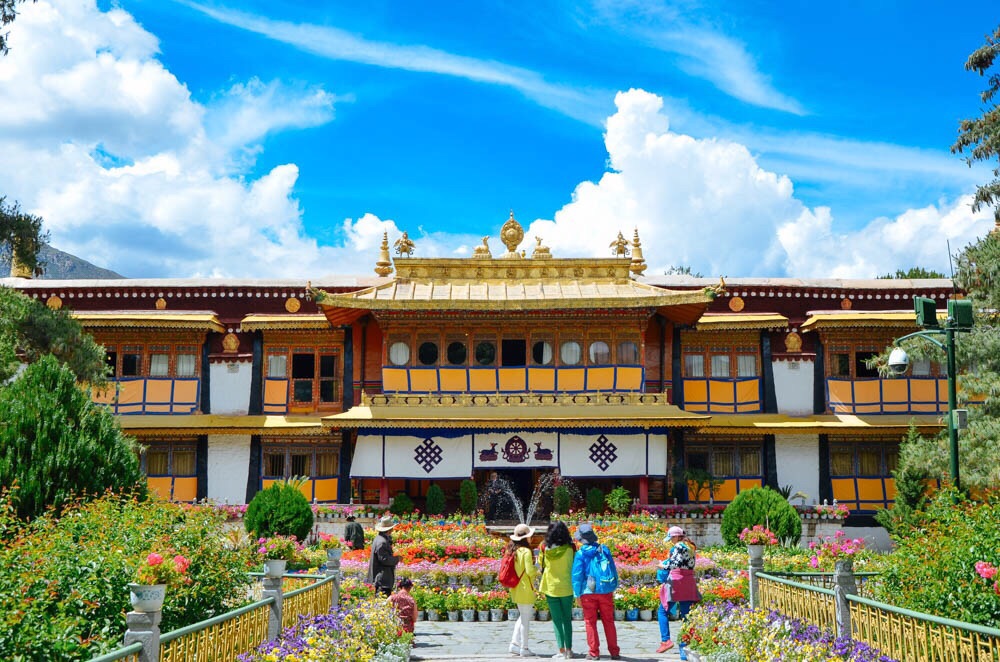
Norbulingka
Norbulingka is a palace and surrounding park in Lhasa, Tibet, which has a lot of relics and treasures remained. As a huge and exquisite park of Tibet, there are more than 300 rooms in it. Norbulingka has a beautiful scenery surrounded by various types and numbers of plants and flowers, which is like a wondering place of the earth.
-
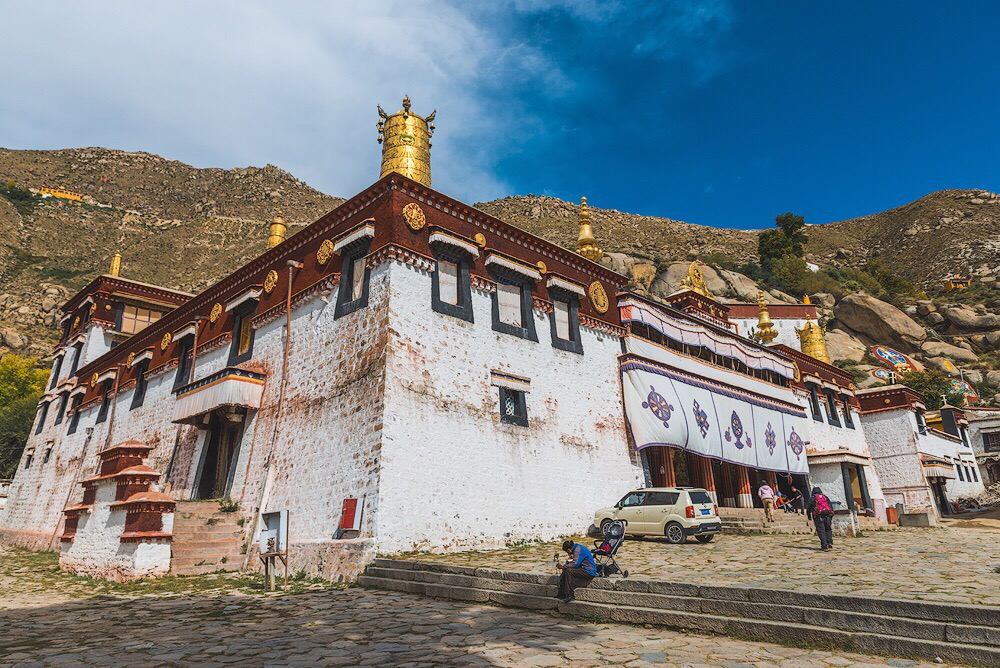
Sera Monastery
The Sera Monastery is called salad Dalai Chau. It is located at the foot of the Seraulu Mountain in the northern suburbs of Lhasa City. It was built for the disciples of the Tsongkhapa Master Minchin Ching-chih and the Ming Dynasty Yongle. Sera Monastery is a large-scale temple built on a hill. It is one of the three largest temples in Lhasa and one of the six temples of Gelugpa (Yellow religion).
-
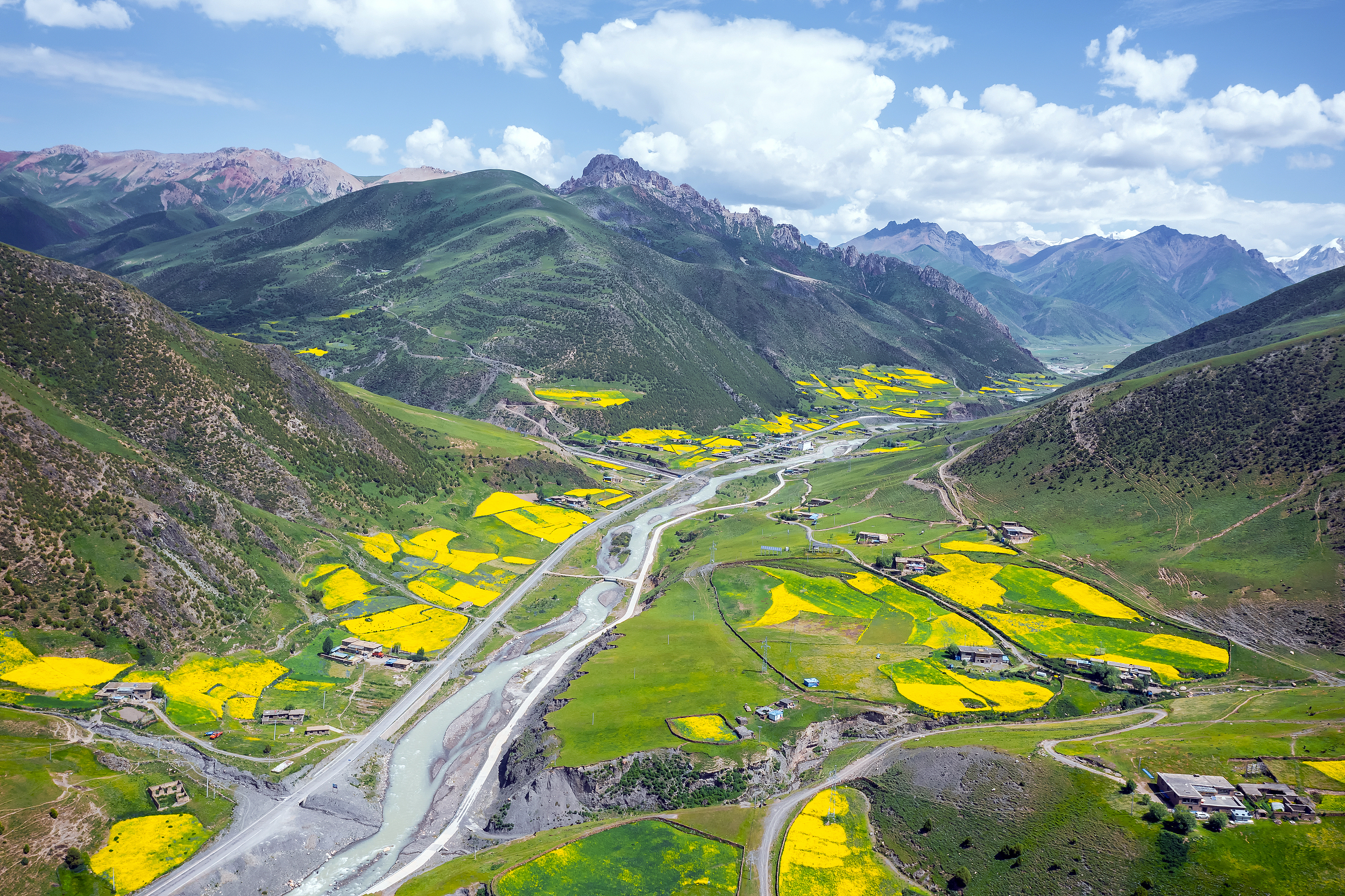
Chuanzang Highway
The Sichuan-Tibet Highway is about 2,140 kilometers long. Self-driving drivers will cross 14 high mountains with an average altitude of about 4 to 5 kilometers, across many well-known rivers such as the Dadu River, Jinsha River, Lancang River, and Nu River, and pass through virgin forests and countless Dangerous area. As part of the 318 National Highway, the Sichuan-Tibet Highway can be said to be the most rugged, steep and difficult road in China. This road extending from east to west at “30 degrees north latitude” not only has rich and spectacular natural scenery, but also has a more attractive cultural landscape, attracting a large number of self-driving enthusiasts to embark on a devout pilgrimage every year.
-
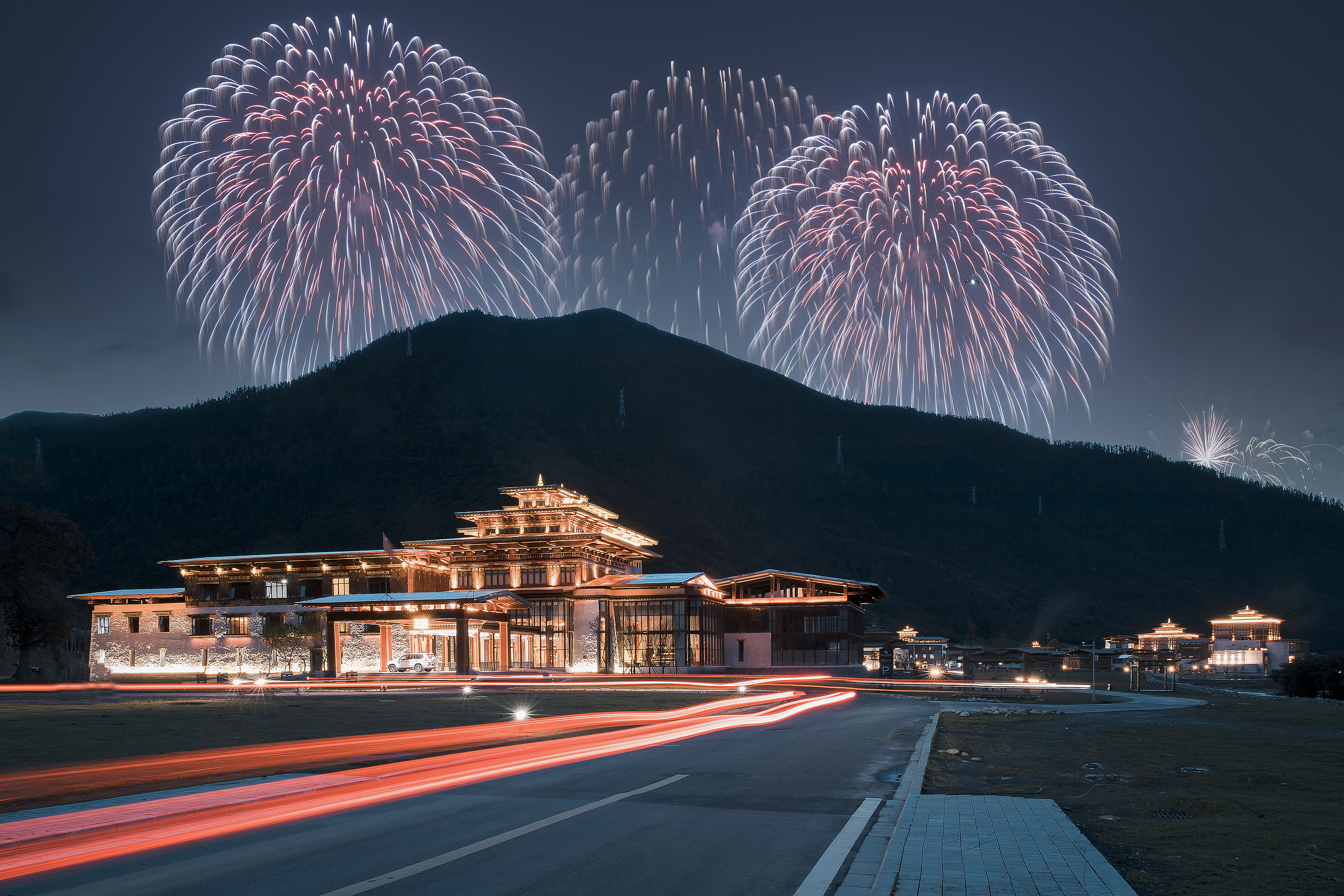
Lu Lang Town
Lulang Town is located in Bayi District, Nyingchi Prefecture. It is a quiet town surrounded by forests and mountains. The town is a pastoral scenery of wooden houses and fences. In the distance, the mountains are shrouded in clouds and mist, and the alpine meadows are full of wild flowers. The scenery is beautiful and peaceful. Lulang Town now has a relatively complete range of accommodation and Dining business places, and has beautiful scenery. Many tourists who take the Sichuan-Tibet Line will choose to stay here. The town’s delicacy is stone pot chicken, you may want to try it.
-
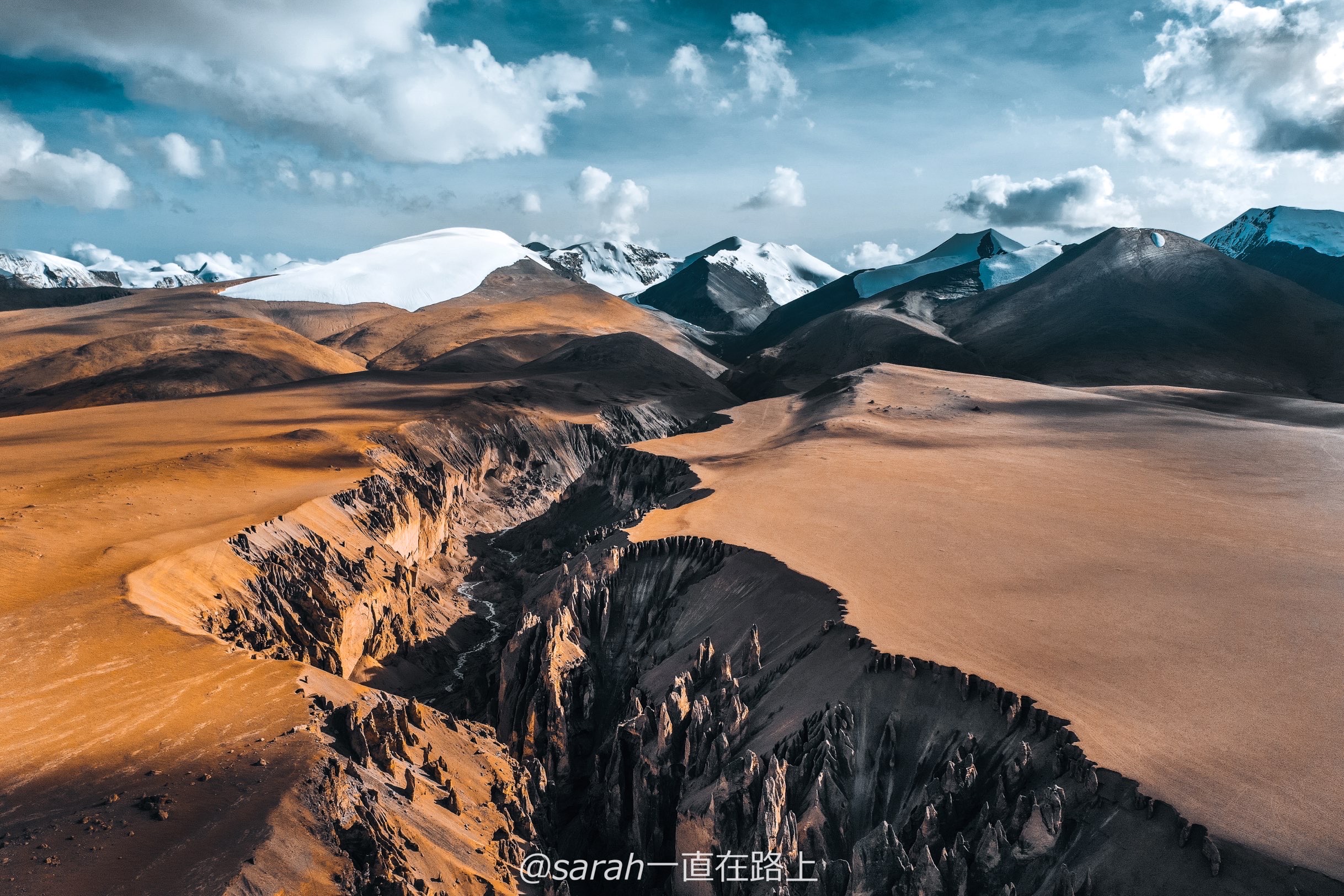
Qilinxia Scenic Area
Qilinxia Scenic Area is located in Dinggye County, Xizang’s Shigatse region, at the northern foot of the Himalayas. The karst landscape formed by hundreds of millions of years of glacial erosion attracts numerous visitors. As an attraction featuring unique geological wonders and magnificent natural scenery, it offers visitors an ideal opportunity to explore nature’s mysteries. Qilinxia Scenic Area is renowned for its steep cliffs and unique rock formations. The towering rocks and majestic cliffs blend depth, wonder, suspension, serenity, and thrill, showcasing nature’s mesmerizing artistry. The canyon features numerous towering sand pillars, each distinct yet harmonious, creating a breathtaking sight from afar. Visitors can admire the diverse shapes and color variations of the rocks, marveling at nature’s craftsmanship. Time here takes tangible form, with millennia of geological change visible at a glance. From the viewing platform, visitors can also glimpse the world’s third-highest peak, Kangchenjunga (8,586m), while the expansive vista offers photographers the perfect spot to capture stunning landscapes. Whether you’re a nature lover, outdoor enthusiast, or traveler seeking tranquility, Qilinxia Scenic Area offers every visitor the perfect journey to explore nature and unwind. More than just a sightseeing destination, it serves as a natural geological museum that inspires ecological reflection.
-
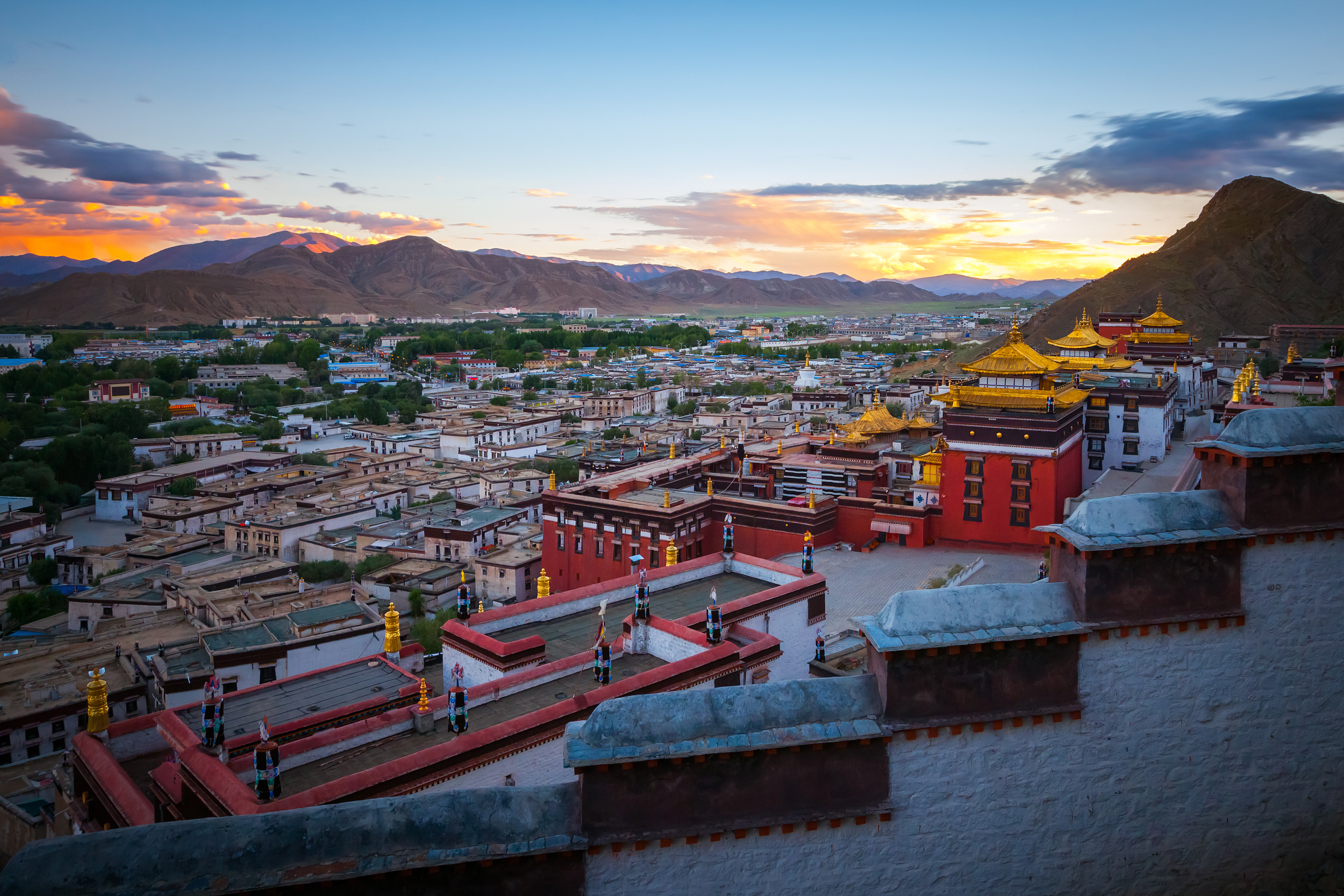
Tashilhunpo Monastery
Tashilhunpo Monastery means “Auspicious Sumeru Mountain” in Tibetan. It is one of the six major Dge-lugs-pa temples. Since the 4th Panchen Lama, Tashilhunpo Monastery has become the head base of Panchen Lamas. Cuoqin Hall is the main hall of Tashilhunpo Monastery. Panchen Lamas used to preach a sermon to the monks throughout the temple. It is also the site for religious debates of monks. 7 Stupa Halls lie in the east of the monastery and dagobas of Panchen Lamas are placed there. The monastery also stores a number of valuable cultural relics in the Song, Yuan, Ming and Qing Dynasties.
-
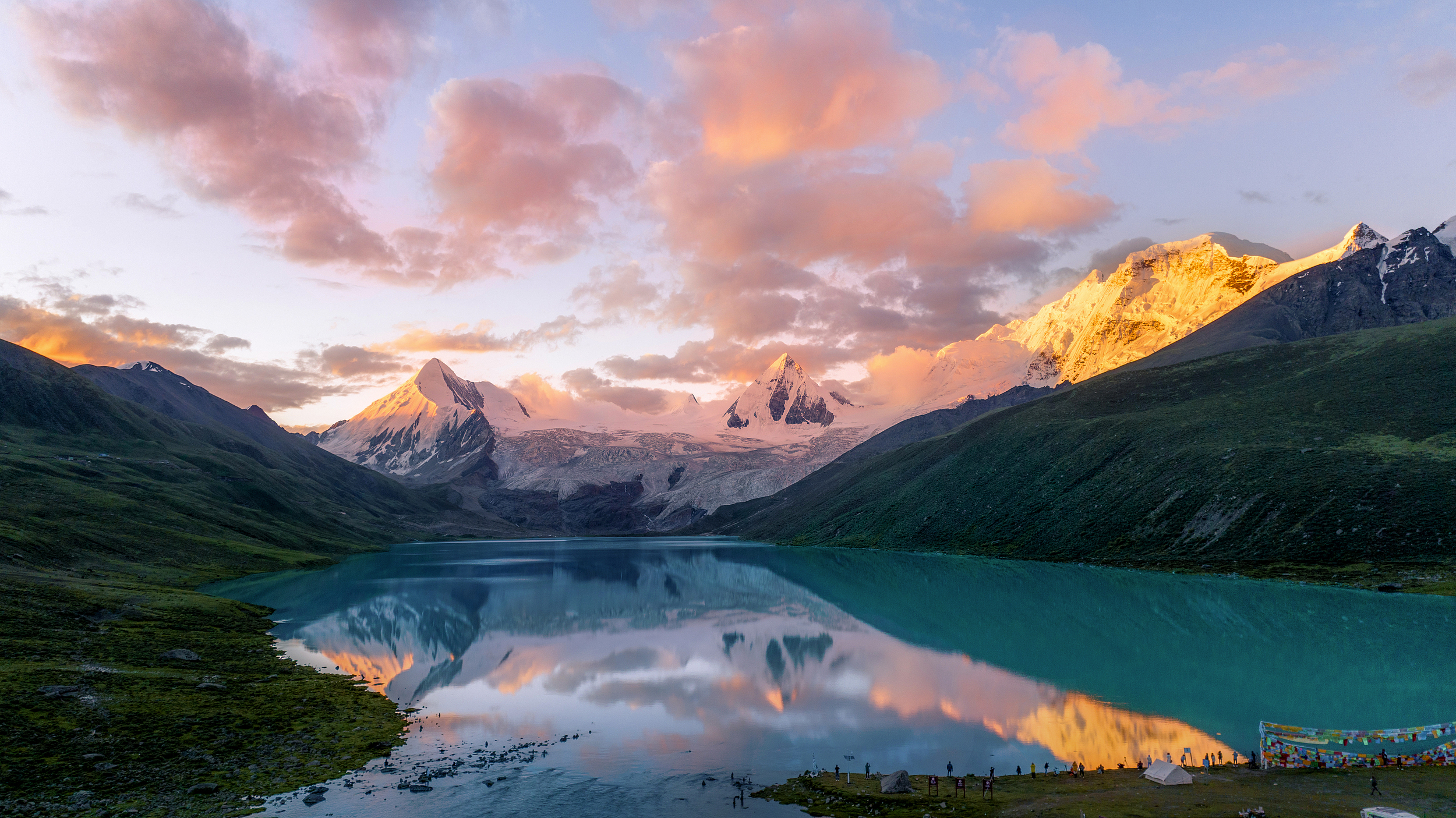
Sapushen Mountain
Sapu Sacred Mountain is located in Puzonggou, Yangxiu Township, Ruxian County. It has been standing here for thousands of years. It is one of the sacred mountains of Bon religion in Tibetan Buddhism. The Sap Sacred Lake is formed by the melting of ice and snow on the mountain for thousands of years. It extends from the foot of the mountain and is divided into two parts. It is close to the glacial lake at the foot of the mountain and does not melt all year round. The other part is the main lake. The water is clear and clean. Every year, a grand lake-turning and blessing event is held near the Sap Lake. In midsummer, the top of Sapu is covered with snow and snow, surrounded by rain and fog, and the bottom of the mountain is red and green, and the water and grass are lush. Due to the deep valley and inconvenient transportation, this breathtaking glacier has always been hidden in the boudoir and little-known, and it better retains its original atmosphere.
-
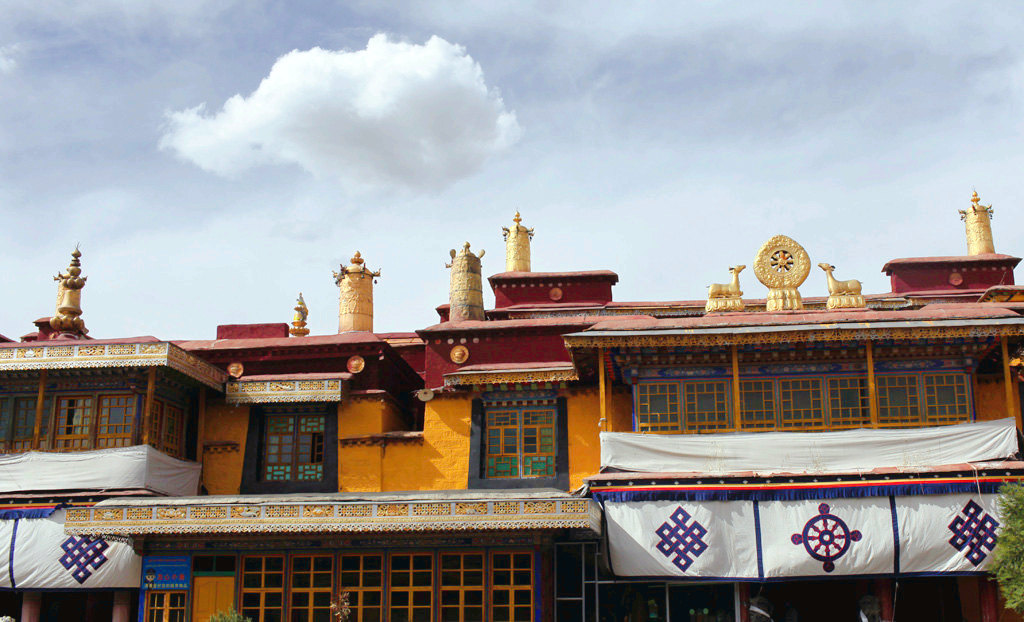
Dra Shi Monastery
Zaki Temple is located on Zaki Road in the northern suburb of Lhasa. It is the only temple of wealth in Tibet. Although the temple is small, the incense is very prosperous. The temple is the deity of the Auspicious Heavenly Mother-Zakiram Buddha Hall, with strong incense, monks with cultivation bases anointing the guests with blessings and precious gifts. Dharma protectors in the world still have a relationship with all living beings, so many times they will transform into human figures and come into contact with all living beings. Goddess Zaki belongs to such gods and is particularly effective. Many Tibetans and Han people come here every Wednesday to worship Buddha. The main god of Zaki Temple is addicted to alcohol, so people who come to Zaki Temple to worship will not only bring Hada and Sangzhi, but also white wine or highland barley wine.
-
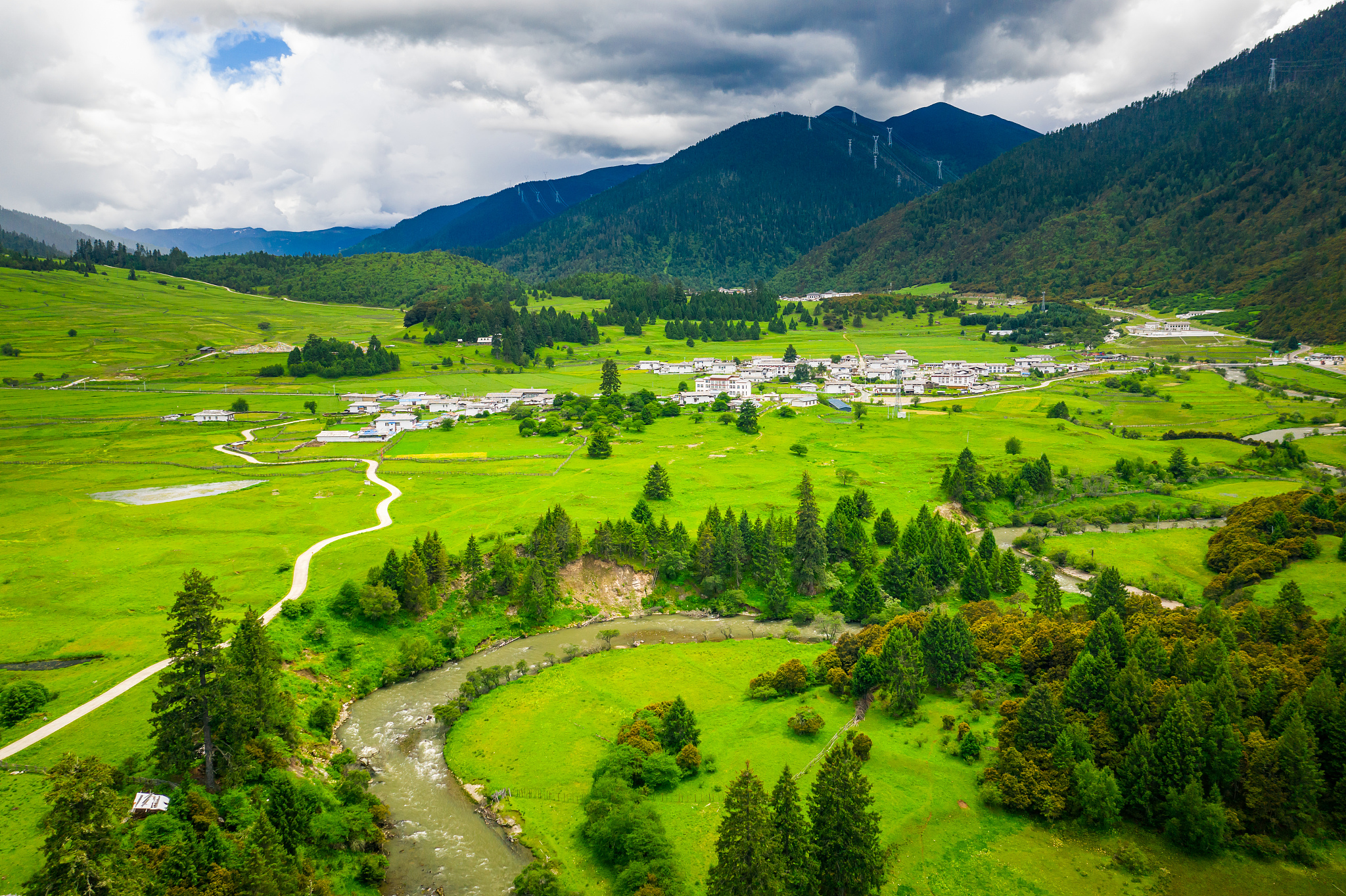
Lu Lang Forest
Lulang Forest is located in Lulang Town, the north of Bayi Town. There is an immense forest here, and the species of trees mainly include picea asperata and pinewood. The landscape is fresh and picturesque. It is also an ideal place for grand shoots. Lulang Forest covers a vast area. Visitors can enter the scenic area or the viewing platform on National Highway 318 for observation and shooting. When you pass by Lulang Town by driving on National Highway 318, you can enjoy an immense forest even without walking into the view platform.