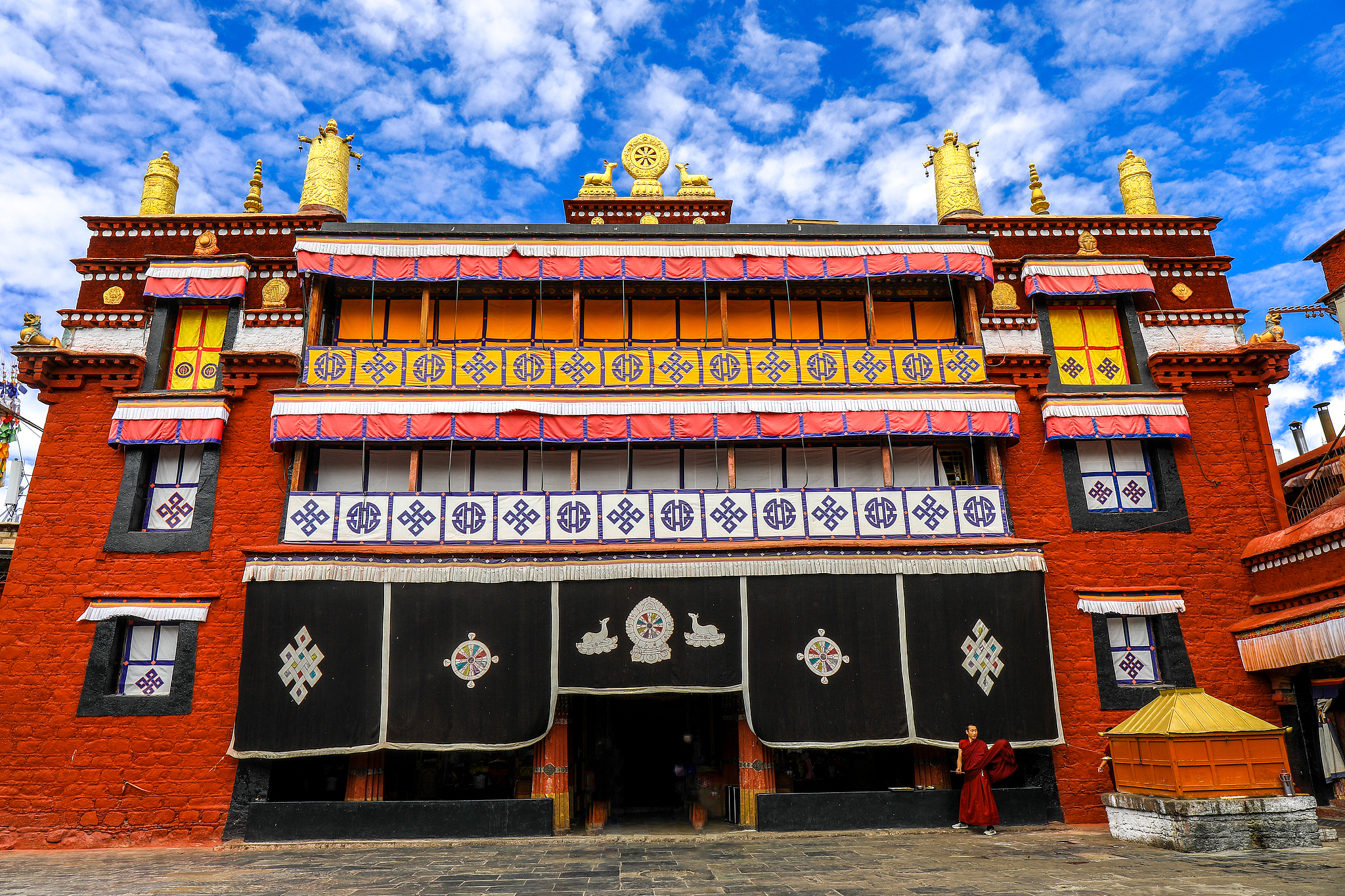
The Ramoche Temple is located on the Jokhang Temple Road north of Beijing Road in Lhasa. It was built in 641 AD and was built by Princess Wencheng. The temple is named “Kada Hotwood Qizu Lakang”, meaning “Han Tiger God” Change the temple.” Although the size and reputation of the Jokhang Temple is better than that of the Jokhang Temple, there is no flavor. The architectural style of the Jokhang Temple combines the characteristics of Chinese and Tibetan architecture. It was built by Han craftsmen brought by Princess Wencheng when he entered Tibet, so the early Xiaozhao Temple had an obvious Han and Tang style.
归档: Attractions
-
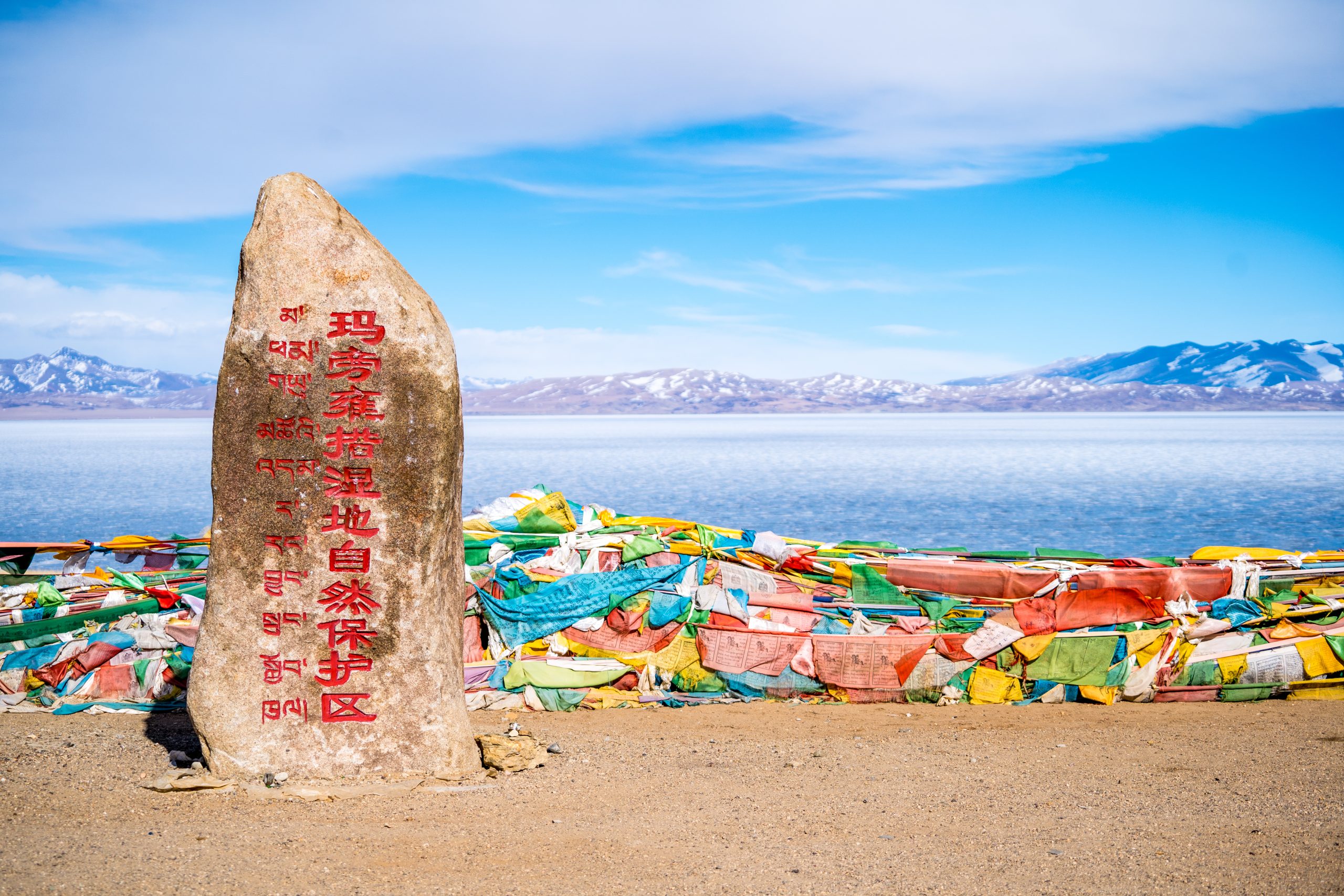
Lake Manasarovar
Located in Pulan County, Ali Region, Tibet, Lake Manasarovar is one of the world’s highest freshwater lakes and one of the three renowned holy lakes in Tibet. Lake Manasarovar is currently a lake with a high transparent water quality in China. It is known as a holy lake. The lake is also known as the Nectar of Chakrasamvara. Historically, pilgrims have considered being able to come to the lake to pray and bathe themselves as a great blessing in their lives.
-
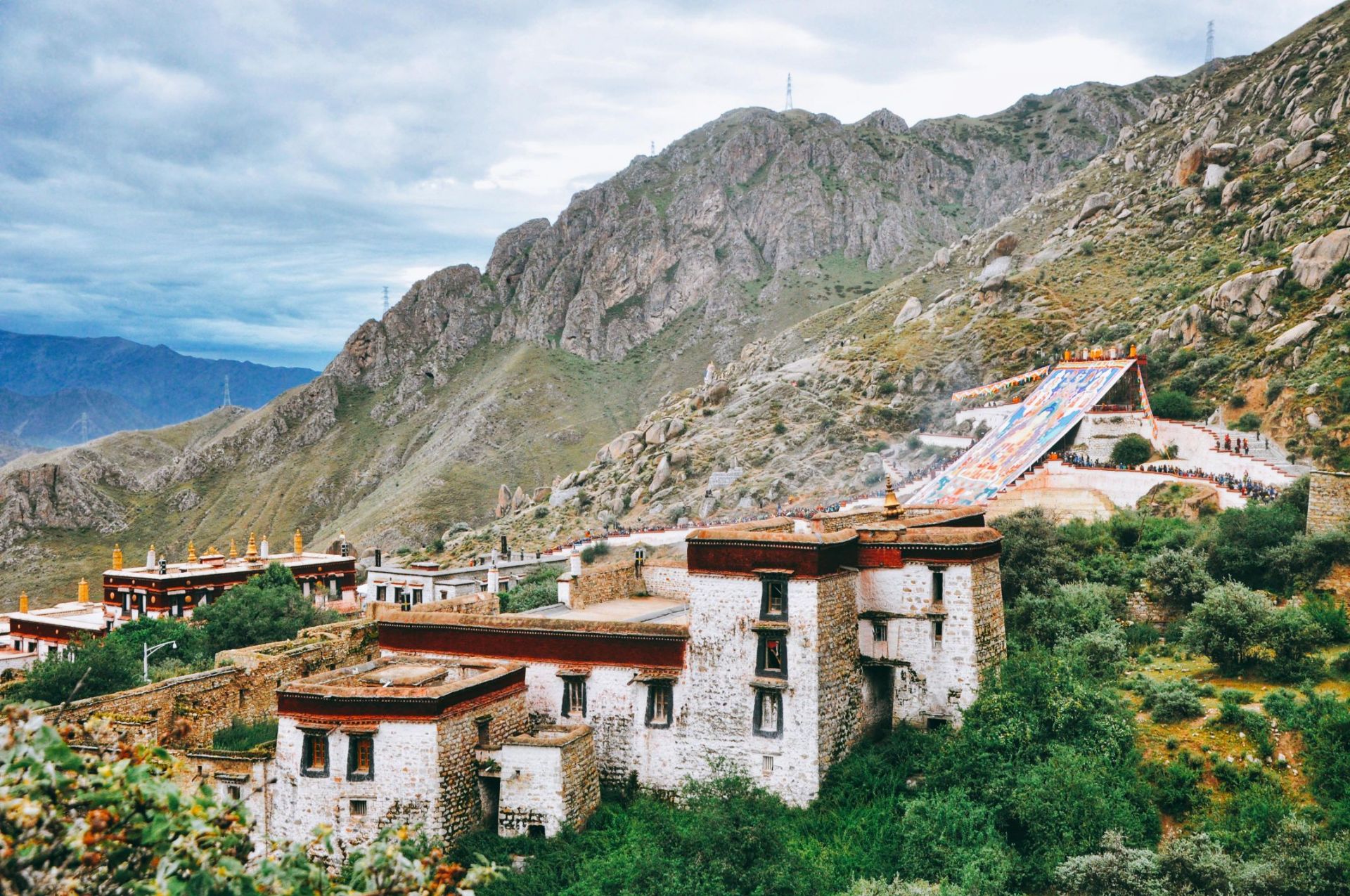
Drepung Monastery
Drepung Monastery is found in the foothills of the western suburbs of Lhasa. The architectural complex of the monastery is large-scale. White houses and red halls line up onto the mountainside. They look like huge piles of rice which are spectacular when photographed. It is a monastery with a high status among the Gelug factions of Tibetan Buddhism. It has an impressive internal architectural atmosphere and is filled with many beautiful treasures.
-
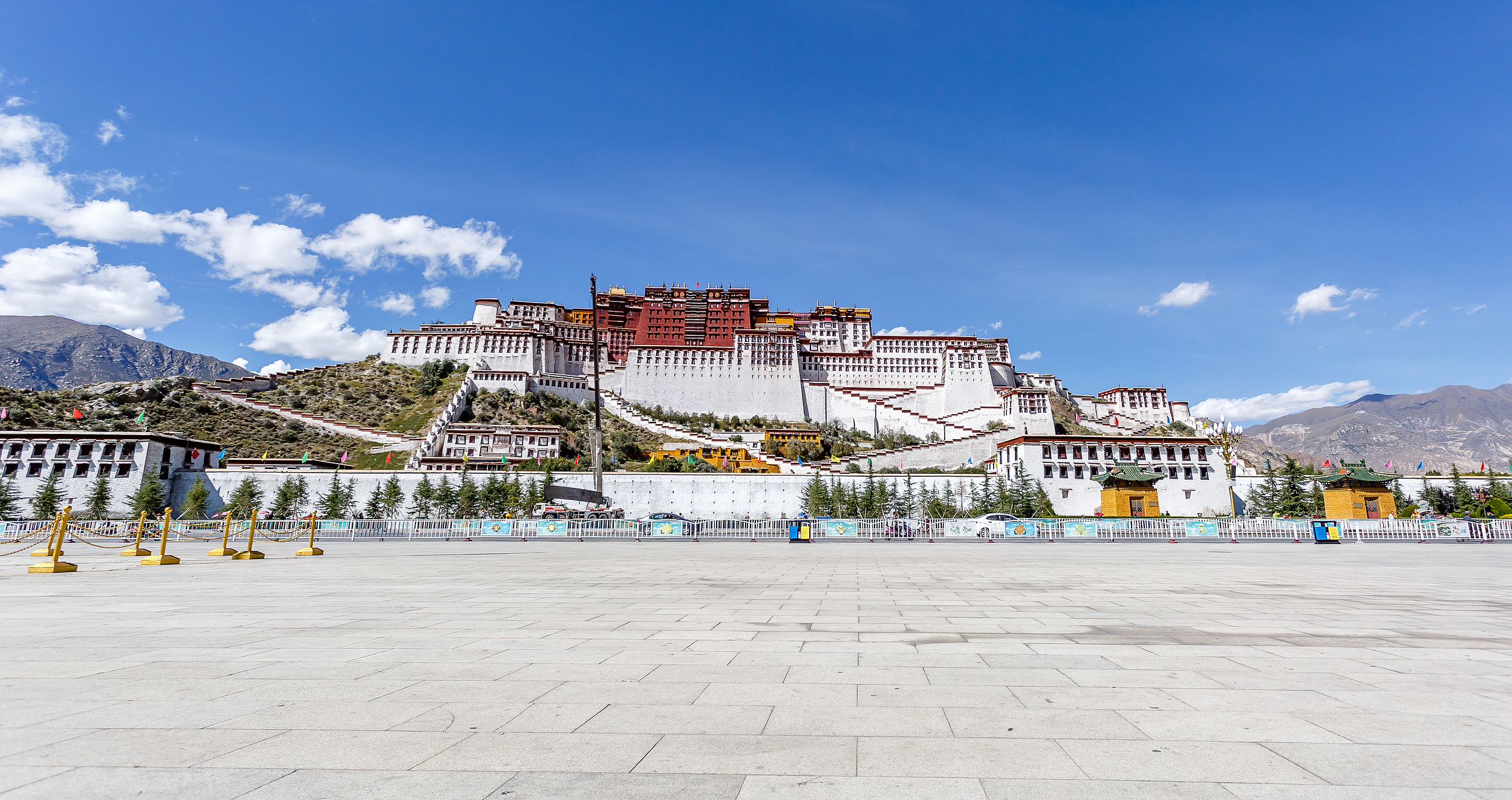
Potala Palace Square
The Potala Palace Square is located opposite the Potala Palace in Lhasa, Tibet. This square is also an important part of the Potala Palace, a World Cultural Heritage site. It is an important event venue for the Tibet Autonomous Region Government and Lhasa City. It is also one of the tourist attractions for Chinese and foreign tourists to concentrate on sightseeing. It is a fine place for leisure, culture, and assembly and it is multi functional as a modern square
-
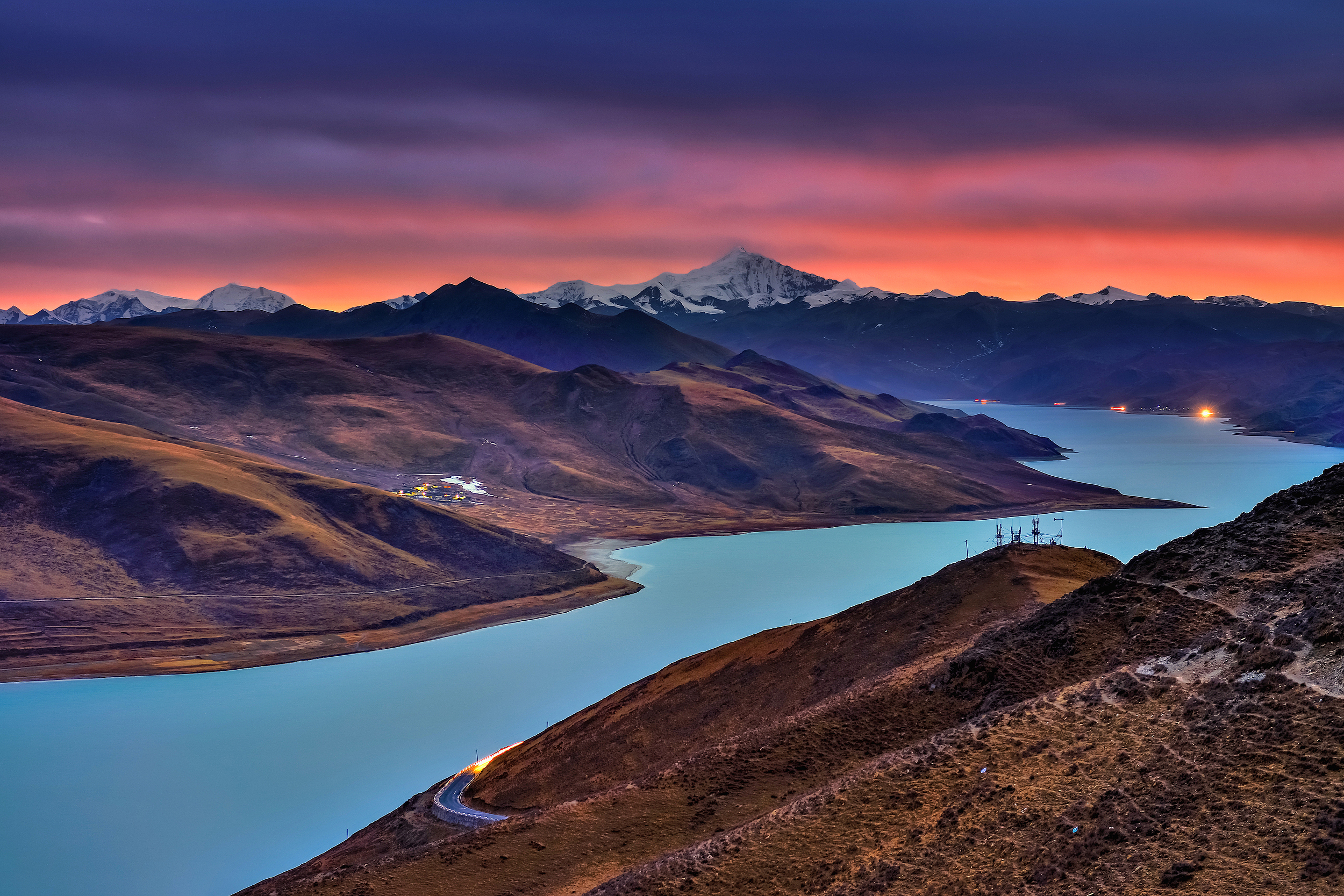
Ganbala Mountain
Gangbala Mountain is located between Langkazi County and Gonggar County in Shannan District of Tibet. It is adjacent to Yamdrok Lake in the south, Gangdise Mountain in the east, and Himalayas in the west. It lies in the center of Tibet. Rice, like all the famous mountain passes in Tibet, has a huge mani pile, pulling the overlapping wind and horse flags (that is, colorful prayer flags), fluttering in the wind, and this is also the perfect place to overlook the Yangzhuo Yongcuo. best location.
-
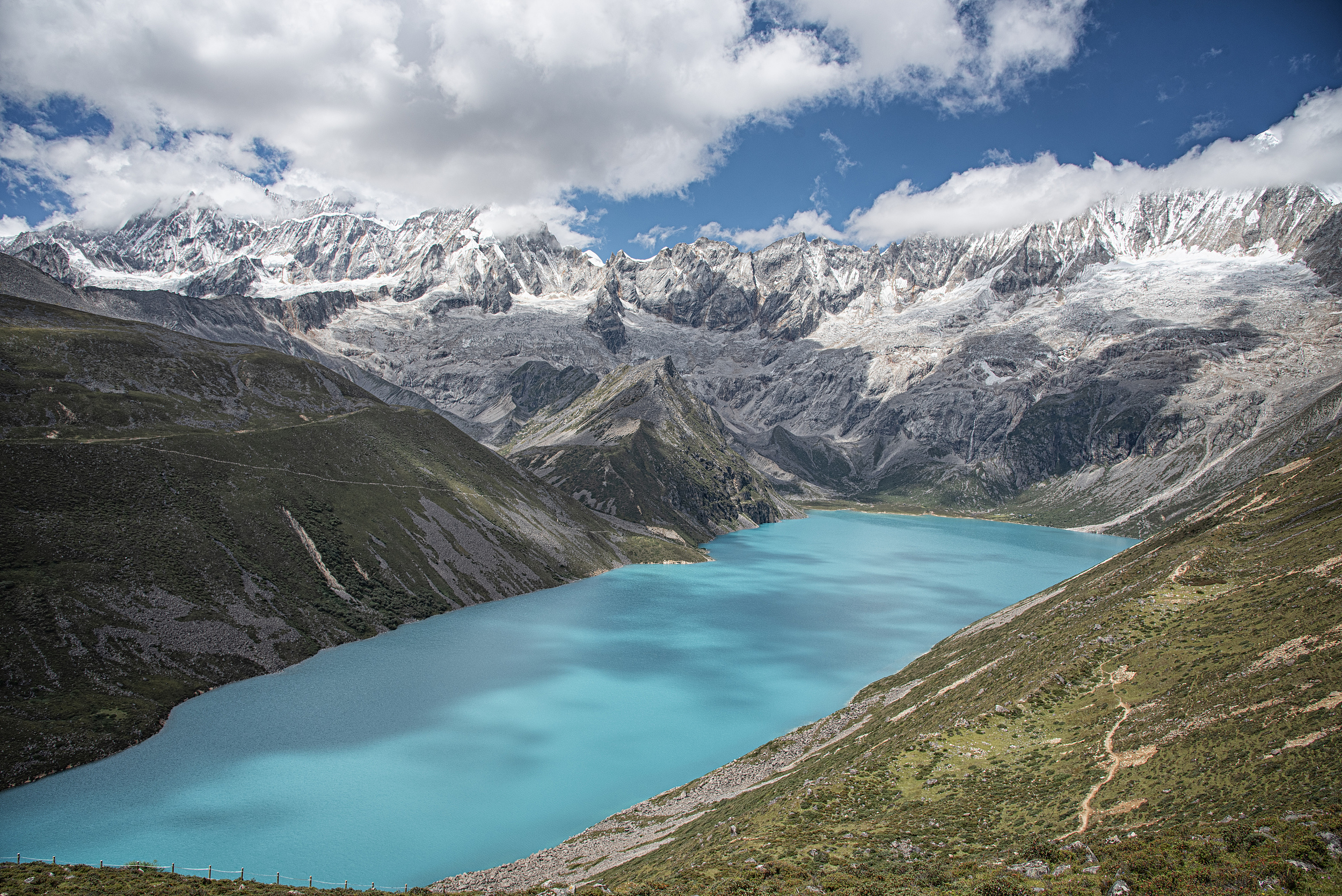
Kulagangri Snow Mountain
Kulagangri Snow Mountain is located in Lhozha County, Shannan Prefecture, Tibet. It is one of the famous “Four Sacred Mountains” in central Tibet, with an altitude of more than 7,000 meters. The snow mountain is located on the main ridgeline of the middle section of the Himalayas. It consists of three peaks. The main peak is soaring into the clouds, and together with the six surrounding peaks above 7,000 meters, it forms a magnificent ice and snow barrier. There are steep bedrock cliffs on both sides of the ridge. There are four glaciers in the canyon. The two glaciers on the north side are as long as 10 kilometers. The wonders such as ice towers, ice cliffs and ice walls are breathtaking. Kulagangri Snow Mountain not only attracts tourists with its natural landscape, but also looks particularly spectacular because of its frequent ice and snow avalanches. The northern foot of the mountain is the broad Lhozha Xiongqu Valley, with a harsh climate and strong winds all year round. However, in mid-April every year, the warm current of the Indian Ocean makes the valley on the south side glow with spring, with red flowers, green trees and colorful butterflies flying, adding vitality to this world of ice and snow. For travelers seeking adventure and natural beauty, the Kulakangri Snow Mountain offers a great opportunity for exploration.
-
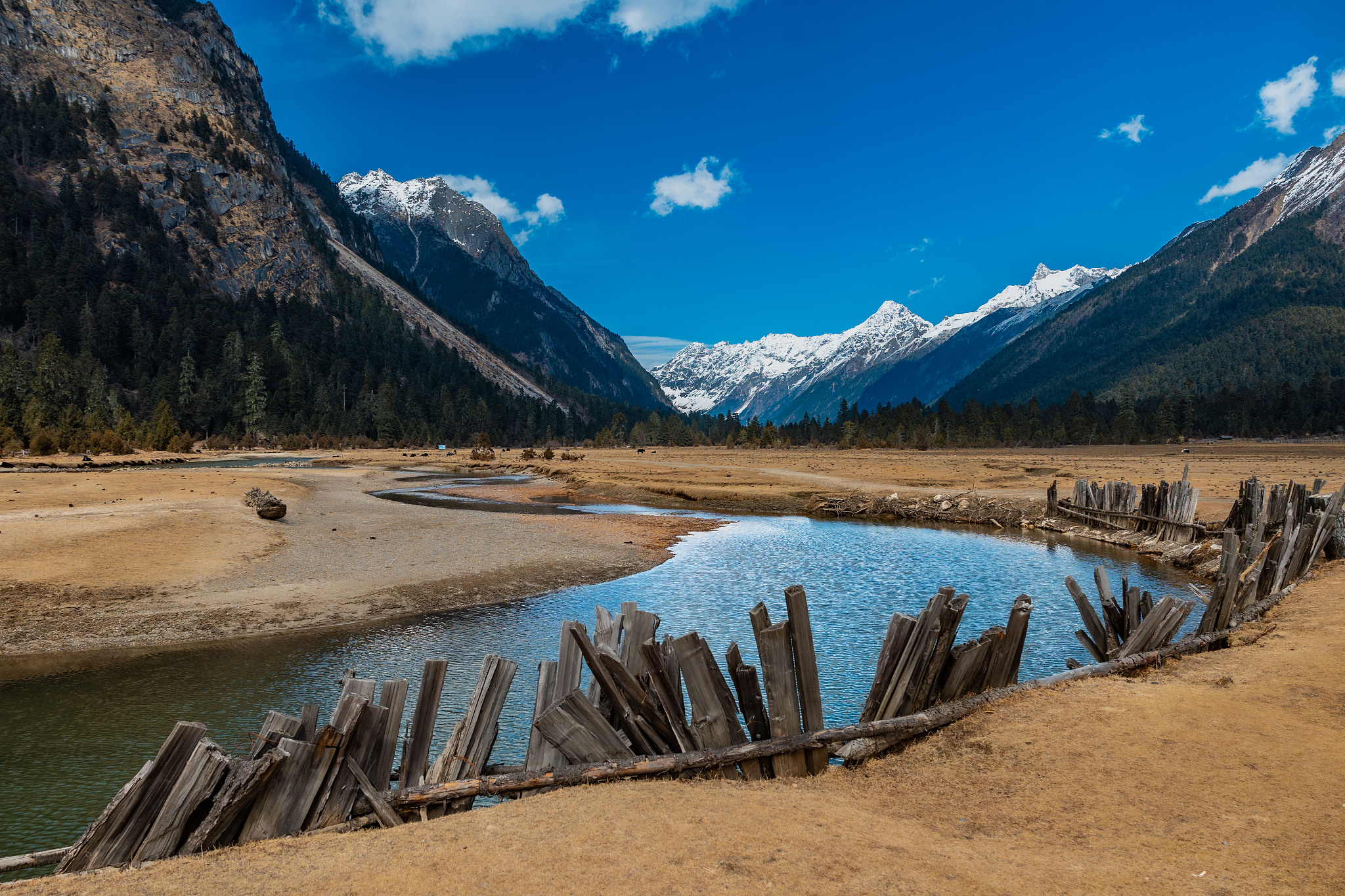
Xincuo Lake
“Xin” means “wood, tree” in Tibetan, and Xincuo refers to a lake in the shape of a fallen tree. Some people say that the reason why it is called “Xincuo” means “newly discovered lake”. There are very few people who know about Xincuo, and it takes more than two hours to reach it, which also blocks a considerable number of tourist enthusiasts. Anyone who knows it will say: the beauty of Xincuo is too worth hiking and camping. Moreover, if the roads in this world are all flat roads, you will never experience the sweetness and comfort of hiking.
-
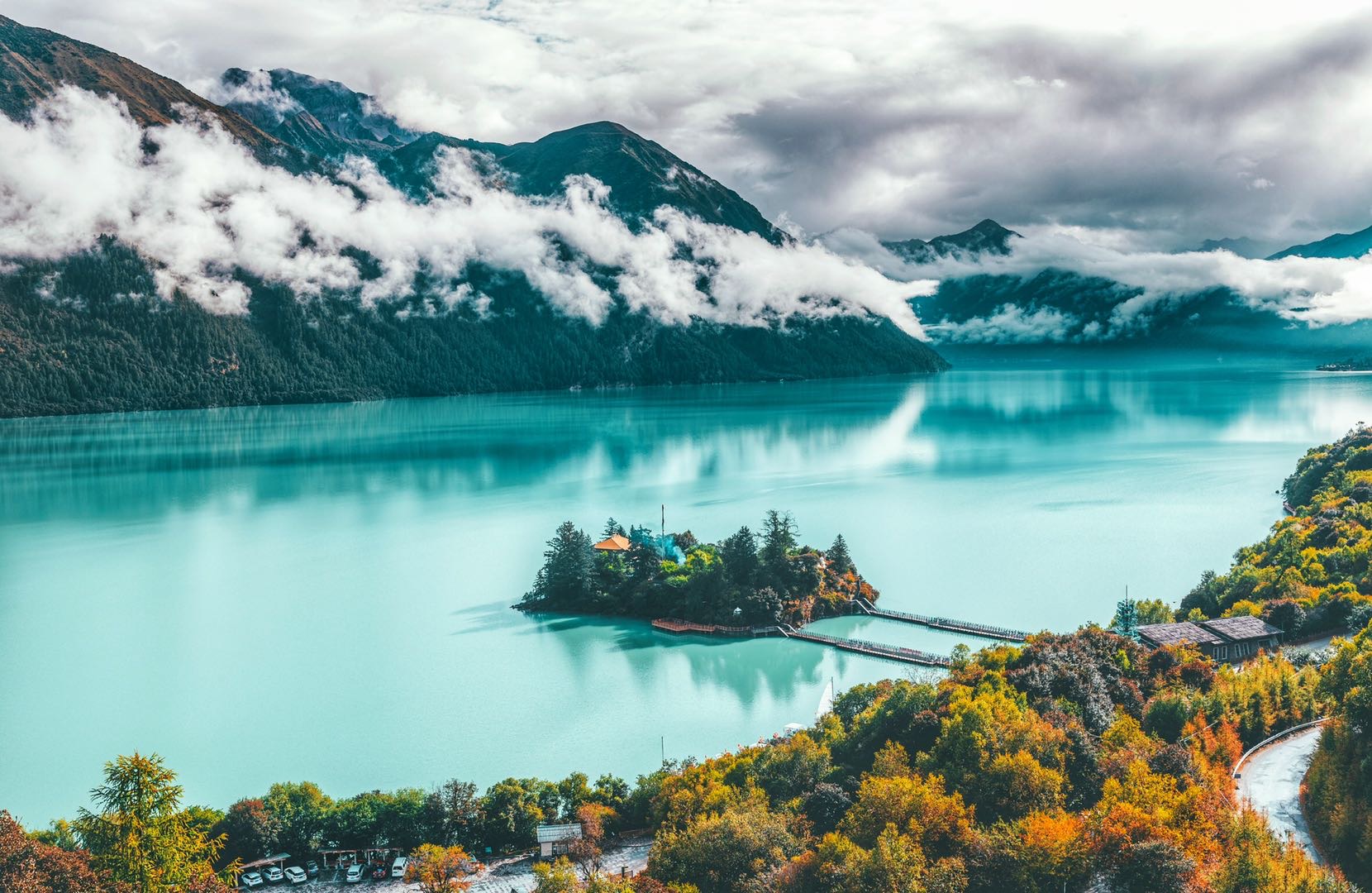
Huxin Island
The island in the center of the lake is located on the surface of the lake, with pontoon passages passing through it. There are also white pagodas, temples and other attractions on the island.
-
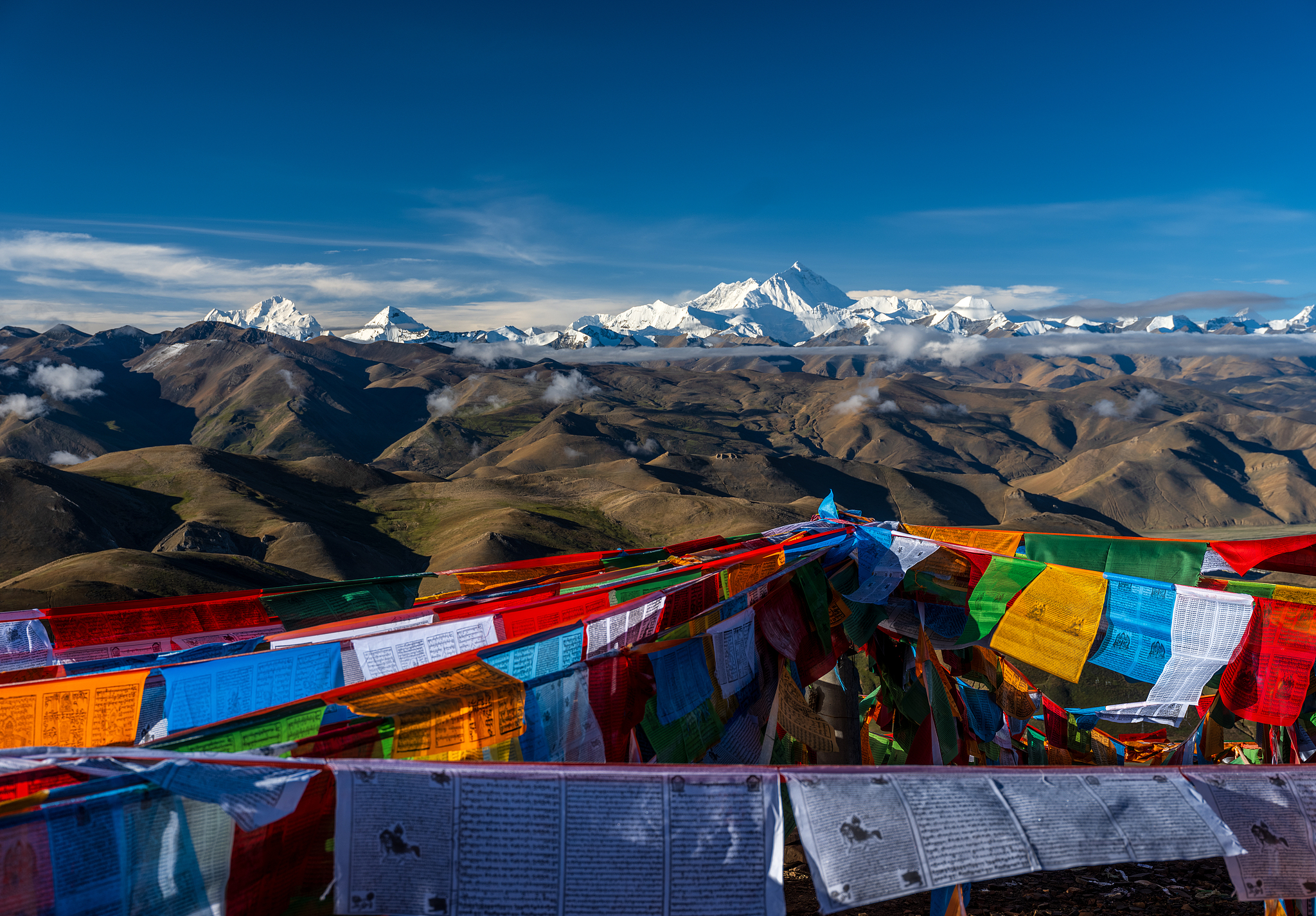
Gaura
Gaura Pass can be said to be one of the very famous viewing platforms for shooting Mount Everest. Standing on this top of the mountain, there are rolling mountains at the foot, and in the distance stand four peaks of the Himalayas with an altitude of more than 8,000 meters. They are arranged in the order from left to right: Makalu, Lhotse, Everest, Cho Oyu peak.
-
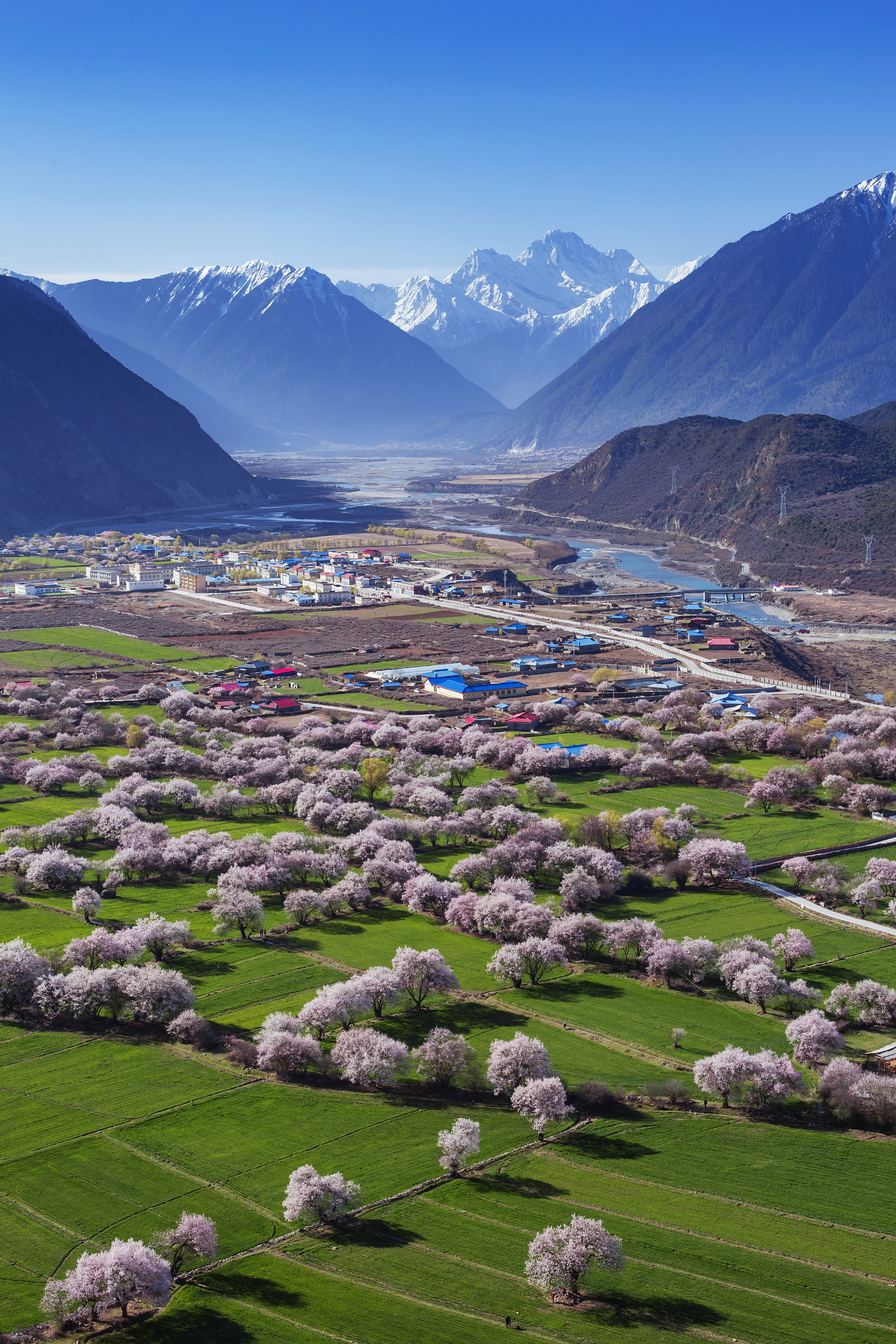
Bomi Peach Blossom Valley
When talking about Peach Blossom Valley in Linzhi, many people think of the vast peach blossoms near Donggala Village in Bayi Town. However, there is also a Peach Blossom Valley in Bomi that is just as beautiful. Taohuagou Scenic Area is located near Galang Village along National Highway 318, stretching for nearly 30 kilometers. Its peach blossoms bloom slightly earlier than those in Bayi Town. Every March, clusters of pink blossoms adorn the roadside, making it a great spot for photography. Upon entering the valley, the scenery gradually improves as you approach the blooming peach trees.