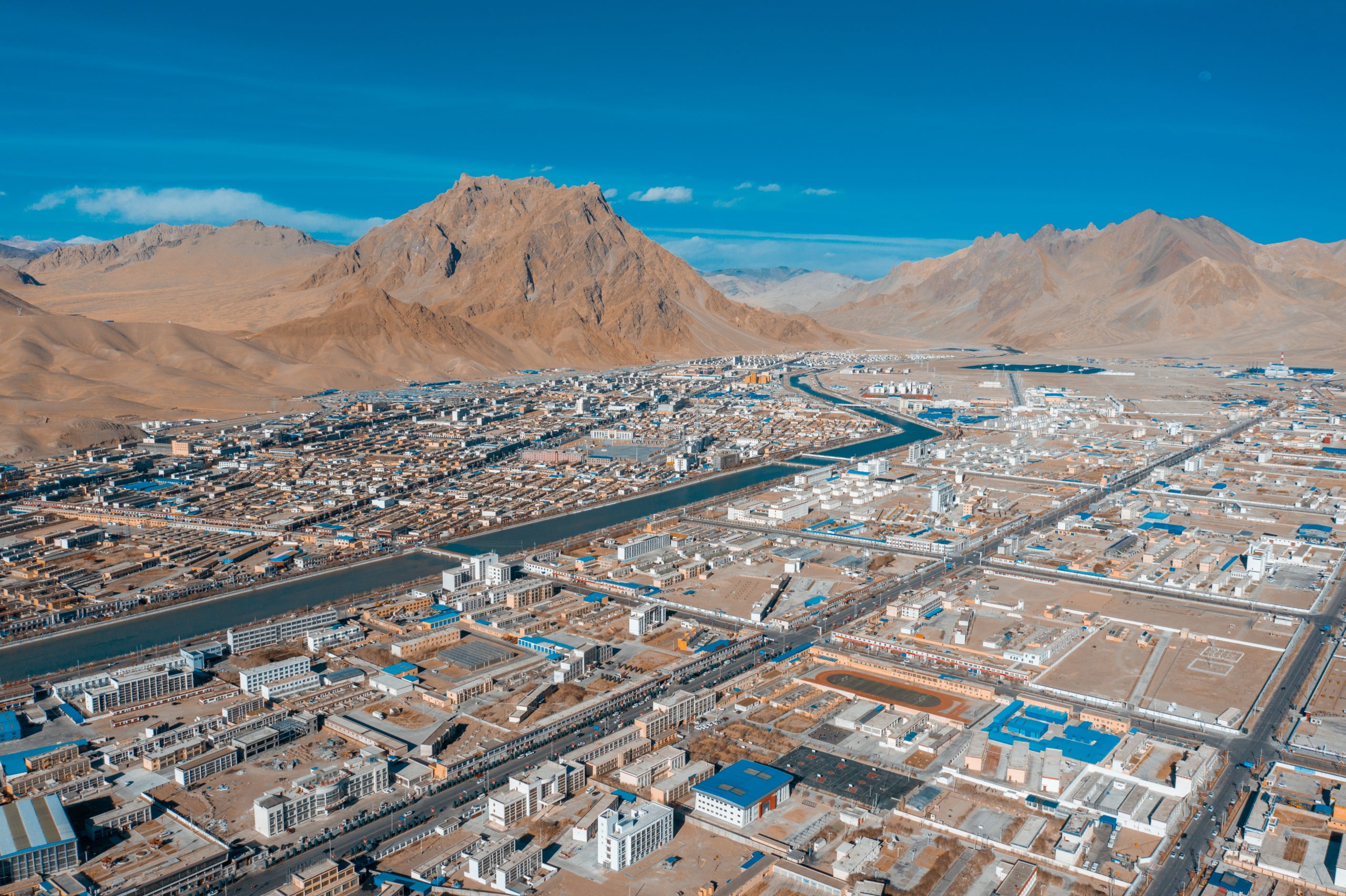
Shiquan River, also known as Senge Zangbo, has wide valleys along its banks, with swamps and hot springs. Most of the hot springs are groundwater that gushes out from the cracks in igneous rocks. They not only replenish the river, but also increase the temperature of the river water, making some river sections rarely freeze in winter. Because it is located in an arid area, the Shiquan River system is not well developed, with an average runoff depth of only 25 mm and an annual runoff of about 700 million cubic meters. Despite this, it is still a valuable water source in the hinterland of the plateau with a dry climate and scarce fresh water.
归档: Attractions
-
Paiku Co
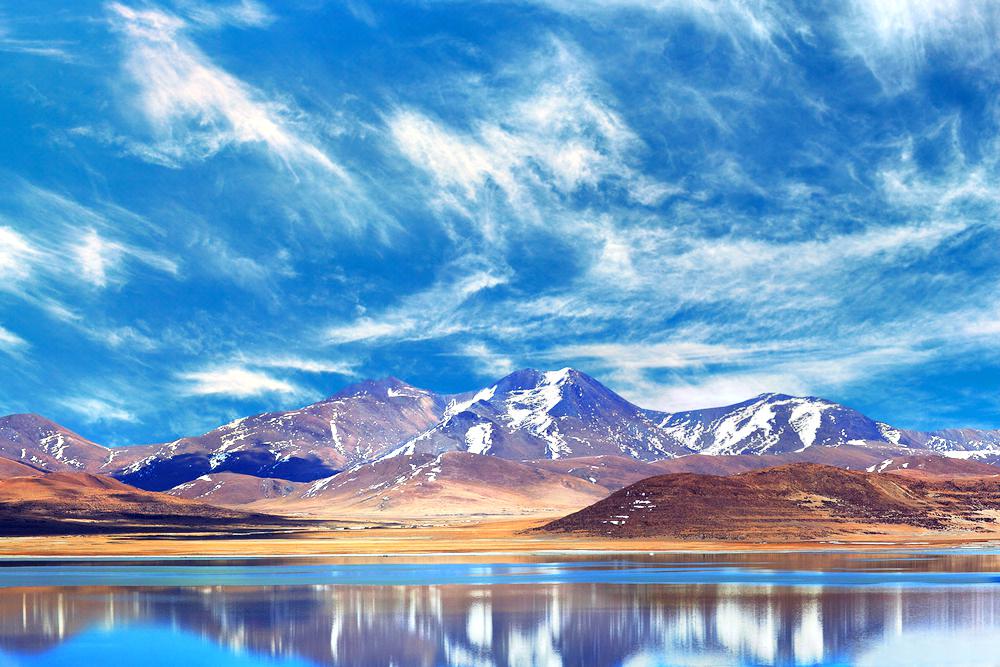
Peku Co is a large lake in Shigatse, covering an area of more than 300 square kilometers. The lake is surrounded by mountains on three sides, with open terrain and rich fish resources. Wild horses, Tibetan wild donkeys, Tibetan antelopes, cranes, yellow ducks, gray ducks and other activities can be found on the lakeshore.With the reflection of Shishapangma Peak (60 kilometers to the south of the lake) and the sound of the Yarlung Zangbo River (40 kilometers to the north of the lake), Peku Co, a gourd-shaped alpine lake representing good luck, has a reason for people to be moved and stop.
-
Zizhu Temple
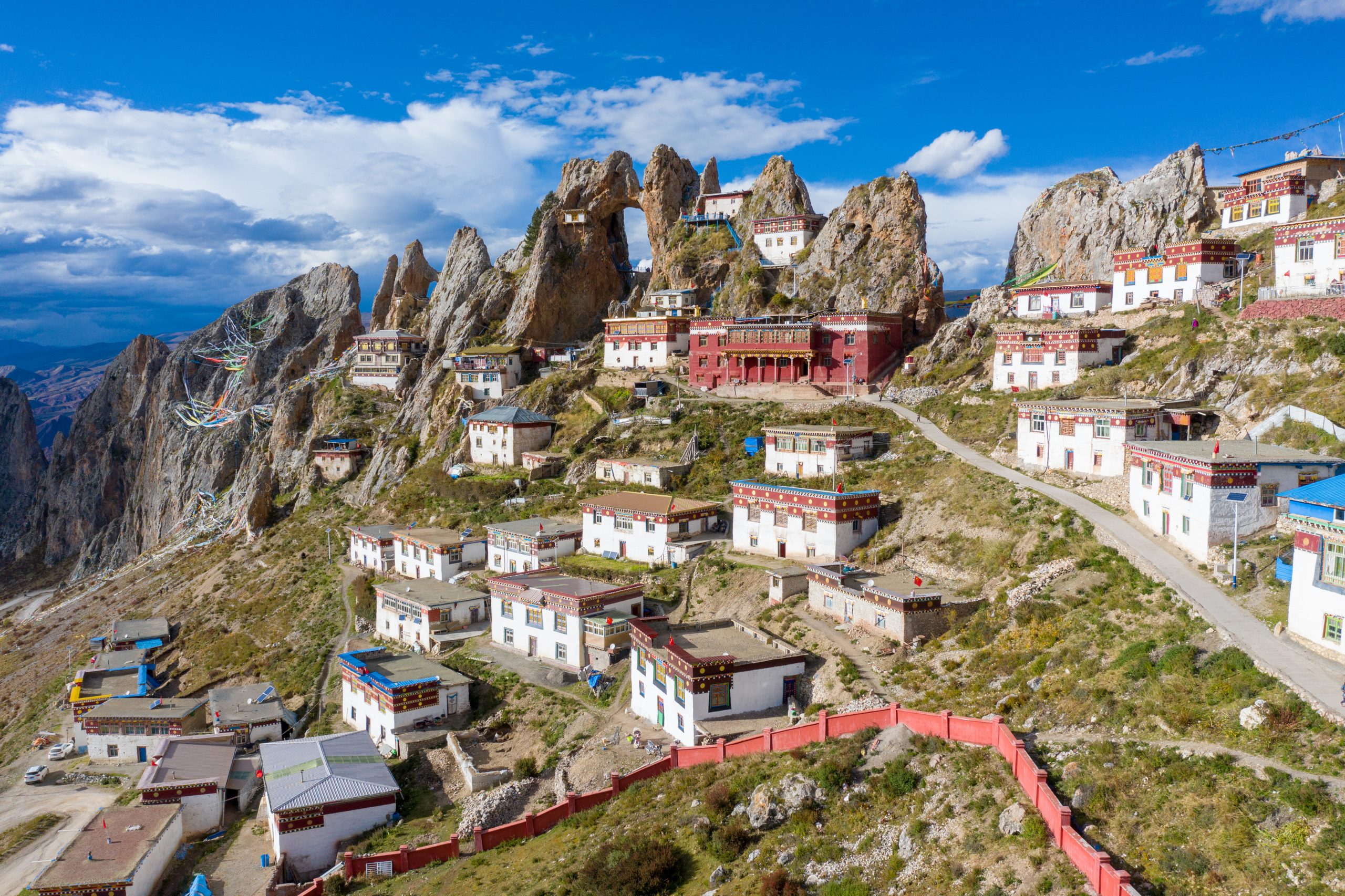
“Zizhu” is a literal translation of Tibetan pronunciation, meaning the top of six mountains, and religiously symbolizes the sixth degree of Paramita. It is said that the Zizhu Temple was founded by the Tibetan king Muchizanpo. In the era of the living Buddha Luodan Nyinpo, the Zizhu Temple was expanded once, and the scriptures were engraved and the Buddha statues were shaped, and the Zizhu Temple began to take shape. Entering the era of Lama Gawanglanga, the monastery’s esoteric and esoteric study system was further standardized and institutionalized. Under the hard work of the living Buddhas and masters of the Zizhu Temple in the past dynasties, the Zizhu Temple had an important impact on the later religious development in Qamdo in terms of building scale, number of monks, system of learning scriptures and style of dancing gods. Especially after Buddhism dominated most of Tibetan areas, Bon religion survived in the area centered on Zizhu Temple, which made Zizhu Temple enjoy a high reputation among Bon temples. Until now, most of the residents in this area still believe in Bon religion, and Zizhu Temple has also become a special holy place for Bon culture.
-
318 National Road 5,000 km Monument
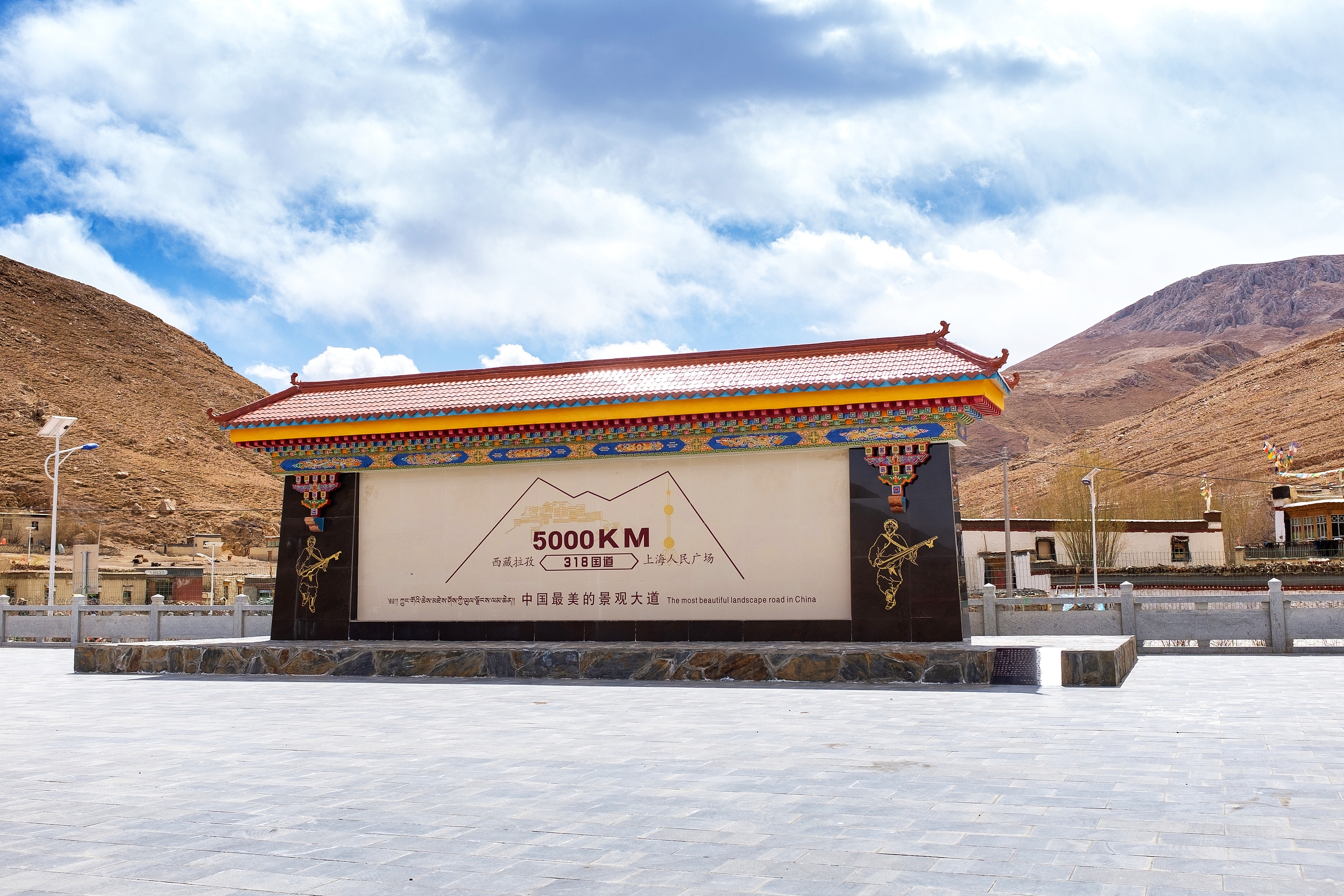
The 5000km monument on National Highway 318 is an important landmark that attracts many travelers and cycling enthusiasts. National Highway 318 is known as the “Chinese Scenic Avenue”. It spans from eastern to western China, with magnificent scenery along the way, and the 5000km monument marks an important milestone on this journey.The monument is located in Lhazi County, surrounded by vast plateau scenery, with blue sky and white clouds and distant mountains complementing each other, providing a good background for tourists to take photos. This is not only a good place to take photos and check in, but also an ideal place for travelers to rest and adjust. Visitors can stop here to enjoy the surrounding natural scenery and feel the tranquility and vastness of the plateau.The monument is located along National Highway 318 and is suitable for self-driving tourists. The road conditions along the way are good, but due to the high altitude, it is recommended that tourists prepare for altitude sickness in advance. There are some small catering and accommodation facilities around, providing basic services. The 5000km monument in Lhazi is a worthwhile attraction on National Highway 318.
-
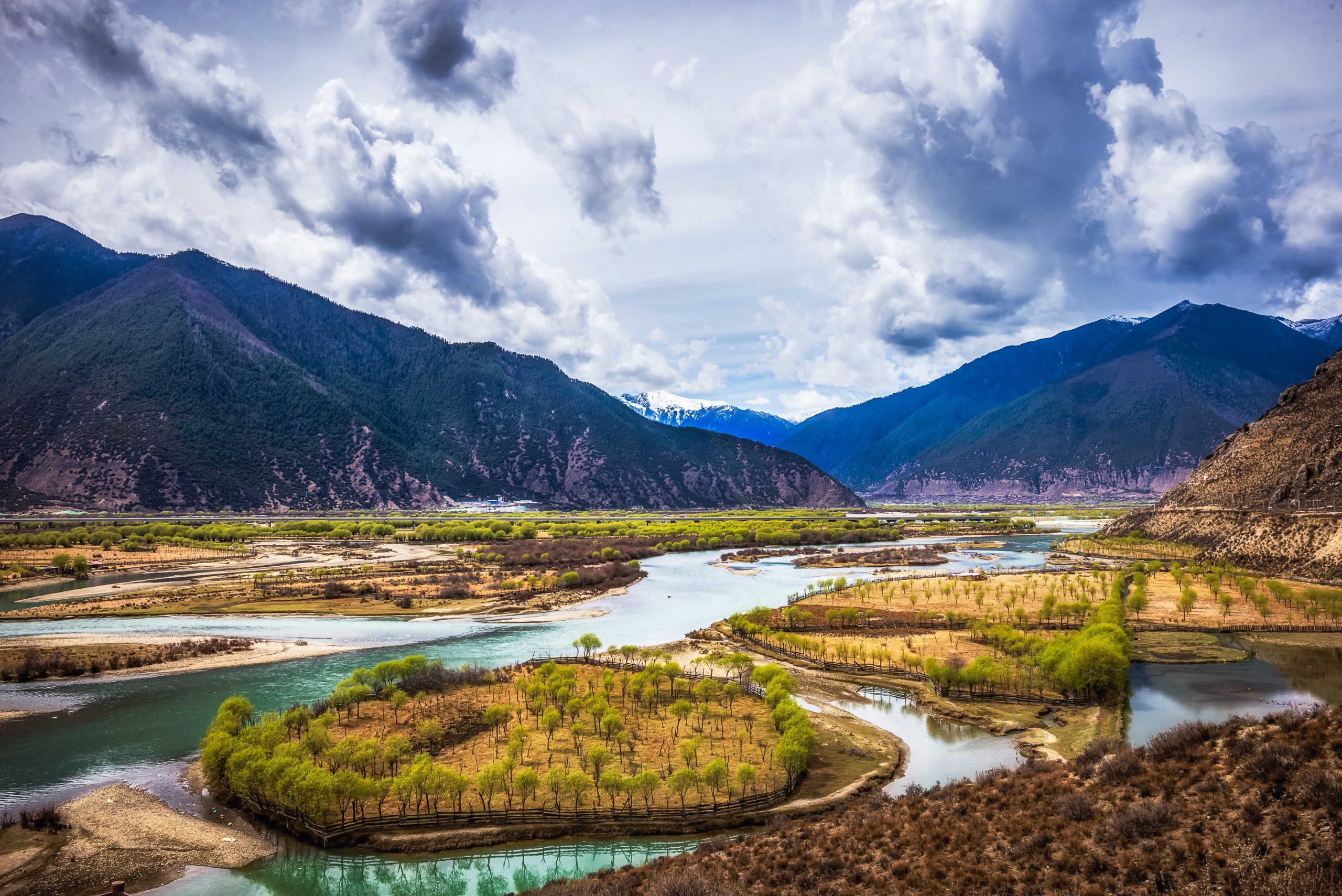
Niyang Scenery
The Niyang River flows through Nyingchi, with abundant water. The vegetation here is rich, the trees are lush, the scenery is beautiful, and many wild birds can be seen.
-
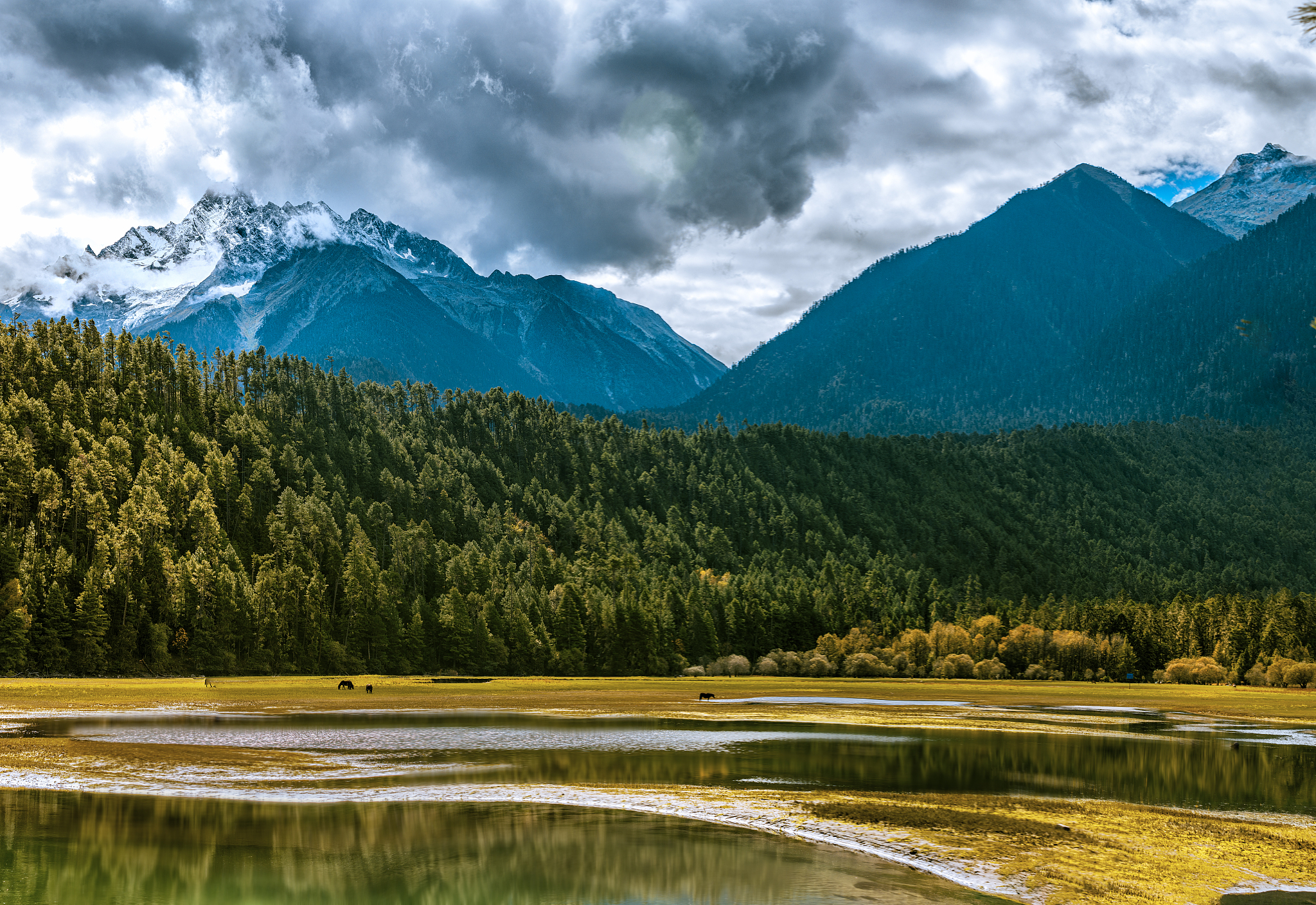
Gangpicea Forest
Gangpicea Forest is a magnificent primitive forest attraction located northeast of the Great Bend of the Yarlung Zangbo River in Bome County, Nyingchi City, Xizang Autonomous Region, with a forest coverage rate of over 61%.Over 2,800 hectaresIn 1984, it was designated as a forest ecosystem nature reserve primarily for protecting productive coniferous forests, attracting numerous visitors with its rich ecosystem and unique natural beauty. Overlooking Gangpicea Forest, the distant snow-capped mountains peek through the clouds, while lakes, high peaks, rivers, and lush trees compose a captivating landscape. The growth rate, sustained growth period, and timber volume per unit area in Gangpicea Forest far surpass those of similar forests both domestically and internationally, with spruce being particularly remarkable. Towering trees form a natural green barrier reaching toward the sky. Visitors can stroll along the forest trails, breathing in the fresh air while listening to birdsong and the rustling wind, immersing themselves in nature’s tranquility and harmony. Within Gangpicea Forest, the towering ancient trees and dense vegetation create a habitat for rare wildlife, while valuable medicinal plants thrive abundantly. Lucky visitors might even encounter some of these elusive creatures. As a nature conservation and ecotourism attraction, Gangpicea Forest offers visitors the perfect opportunity to explore the wonders of nature and enjoy a peaceful environment.
-
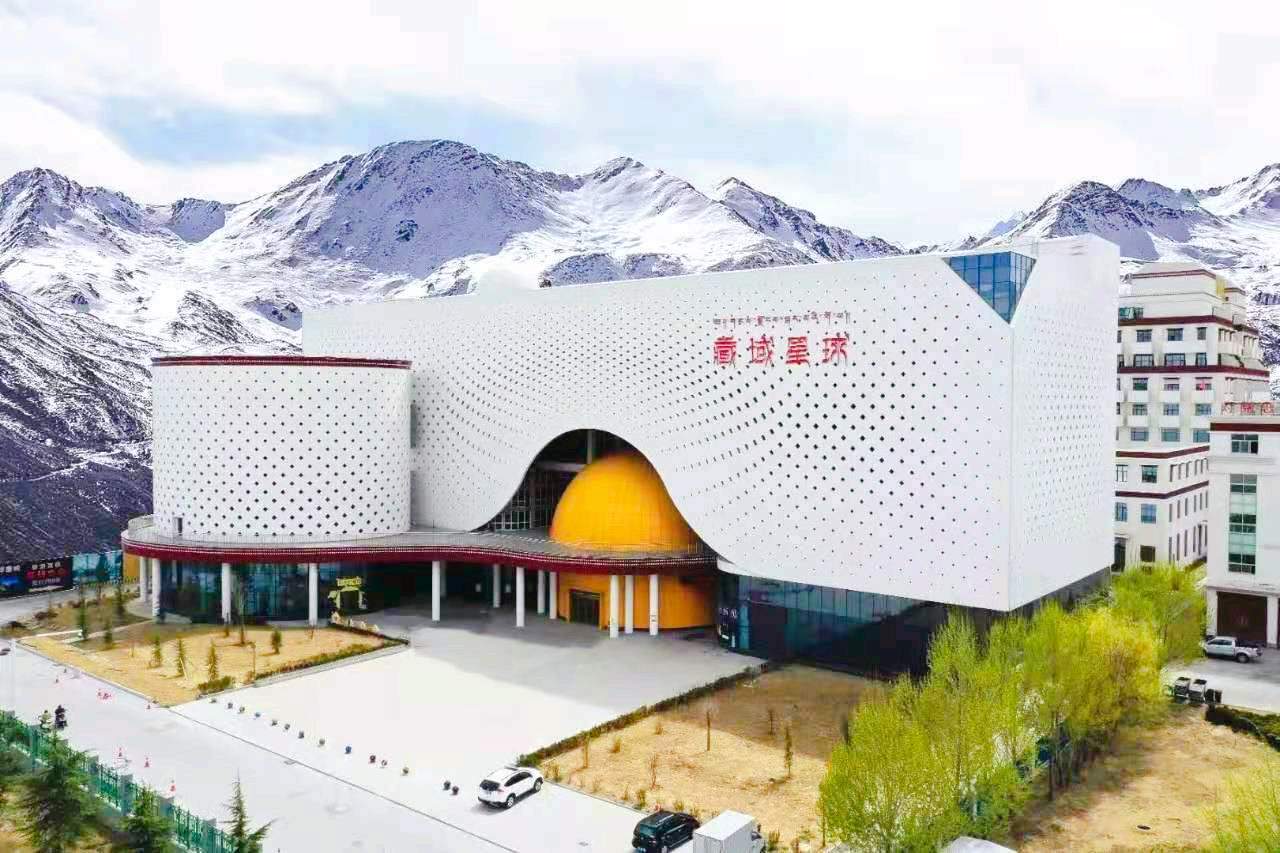
World Peak Planetarium
The Tibetan Planet Astronomy Experience Hall is the first astronomy-themed science and technology experience hall in Tibet. It is currently the largest immersive interactive astronomy experience hall in the country, and it is also an astronomy science popularization experience hall at a very high altitude. Venue at2019Year12moon14Officially opened on the same day, the venue is located next to the Tibet Astronomical Tourism Park on the banks of the Lhasa River in the Lhasa Economic and Technological Development Zone. It is one of the highlight projects of the Lhasa Economic and Technological Development Zone. Popular science infrastructure. The venue is designed with visitors’ first sensory experience as its design guide, with the theme of “perceiving the universe, recognizing the universe, exploring the universe, and discovering the universe”. Through interactive projection, immersive suspended projection, dome theater, object tracking, human body capture, Somatosensory interaction,VR Technology and other high-tech means show the mystery of Tibet and reveal the mysteries of the universe.The first floor of the venue is a chapter of “Eternal Times Connecting to the Present, Perceiving the Universe”.7personal exhibition area,15Individual exhibition items. Through information and data sharing with Ngari and Yangbajing Observatory, you can see an exhibition of giant starry sky paintings taken across Tibet, learn about the development of astronomy in ancient and modern times at home and abroad and Tibet’s astronomical calendar, and display the physical objects and classification distribution of meteorites.The second floor of the venue is dedicated to the chapter “Studying Things to Learn and Understanding the Universe”.6display area,21A solo exhibition project to gain a comprehensive understanding of the universe in which we live. Including the earth-moon system, the solar system, the Milky Way, the universe, etc., it mainly presents the Big Bang, star constellations, cosmic wonders (black holes, gravitational waves and adventures on Mars),UFO Decryption etc.The third floor of the venue is the chapter of “Sword Expanding the Sky and Exploring the Universe”. 3 personal exhibition area,15 The solo exhibition mainly displays the origin of life, human exploration methods, the construction and use of astronomical telescopes, and the development process of space exploration and lunar exploration projects, etc.The fourth floor of the venue is the chapter of “Learning is Endless and Discovering the Universe”, which mainly includes astronomical telescopes, dome theaters,VR experience, space classroom, derivatives area, etc. Visitors can have close contact with astronomy through game interaction in any area, and fully embark on a journey of exploring the mysterious universe. At the same time, Tibetan Planet is also an astronomy-themed tourist venue. In addition to displaying astronomical culture, it also focuses on displaying traditional Tibetan culture through high-tech means; including Tibetan medicine, Tibetan medicine, and Zang Tianwen’s calendar. At the same time, the project strives to become a highlight project in the Tibet-wide tourism reform pilot project, providing a unique tourism experience for tourists entering Tibet, and also providing local residents with a leisure destination for parent-child travel and technology travel.
-
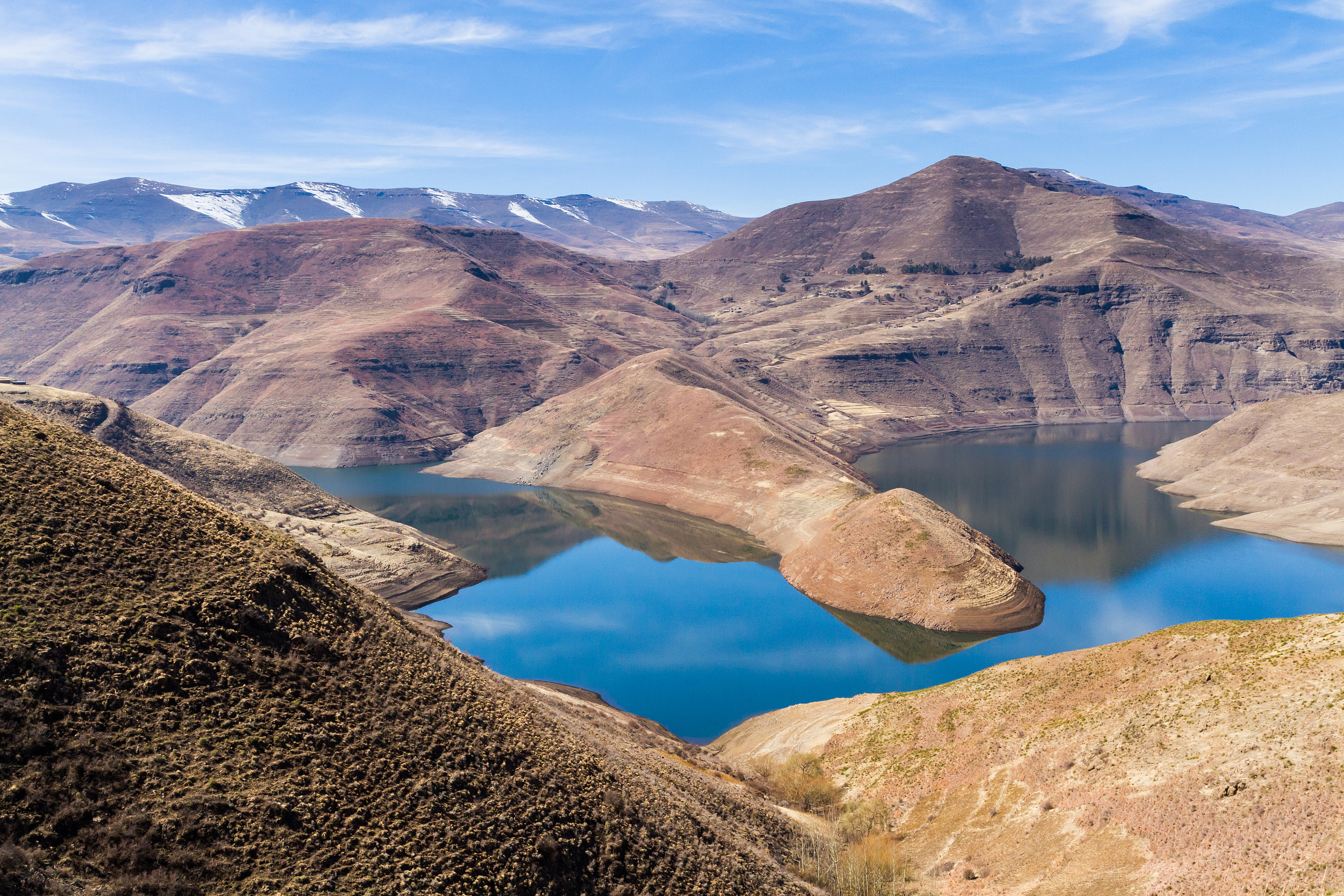
Manla Reservoir
The Manla Reservoir is located in the upper reaches of the Nianchu River in Longma Township, Gyantse County. Although it is an artificial reservoir, the emerald-green lake is particularly beautiful against the distant mountains. You will pass here when you go to Yangzhuo Yongcuo from Gyantse County. There is a small pavilion on the side of the road, where you can look at the scenery of the reservoir from a height, and it is also good to take a break by the way.
-
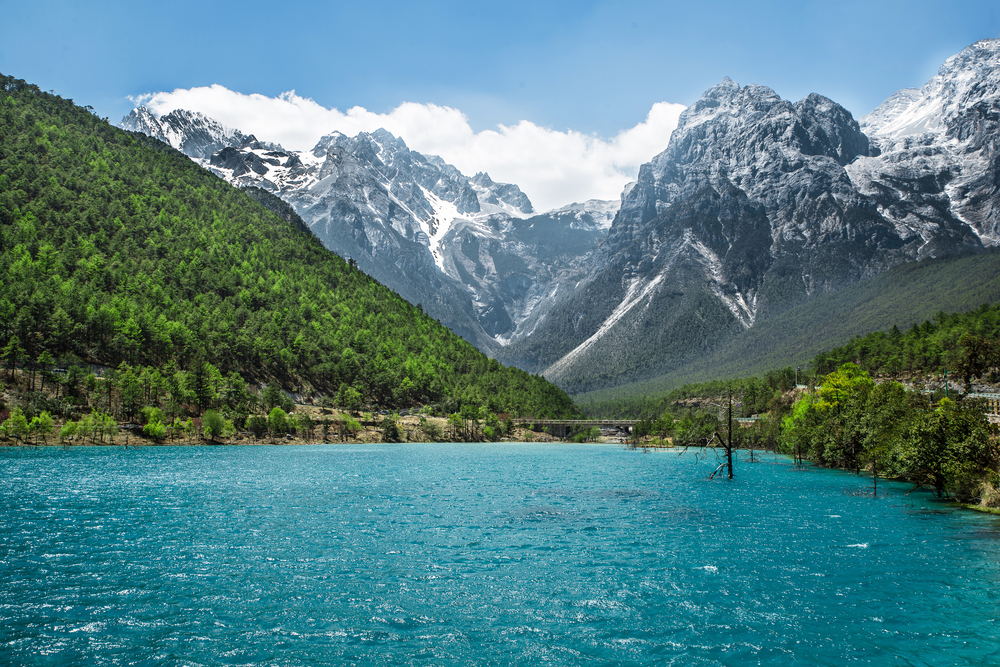
Yulong Snow Mountain
Yulong Snow Mountain is not far from the ancient city of Lijiang. It is a sacred mountain range of the Naxi people and has 13 interconnected peaks with a breathtaking view. You can take a cablecar up the mountain while observing the vegetation changing from bottom to. The foot of the mountain is a ranch. During the spring season, there will be a large number of flowers blossoming. The Yunshan Ping on the mountain side is regarded by the Naxi people as a romantic place. The of the mountain is covered in snow all year round, and you can absorb the glorious sight of the glaciers when you are up there.
-
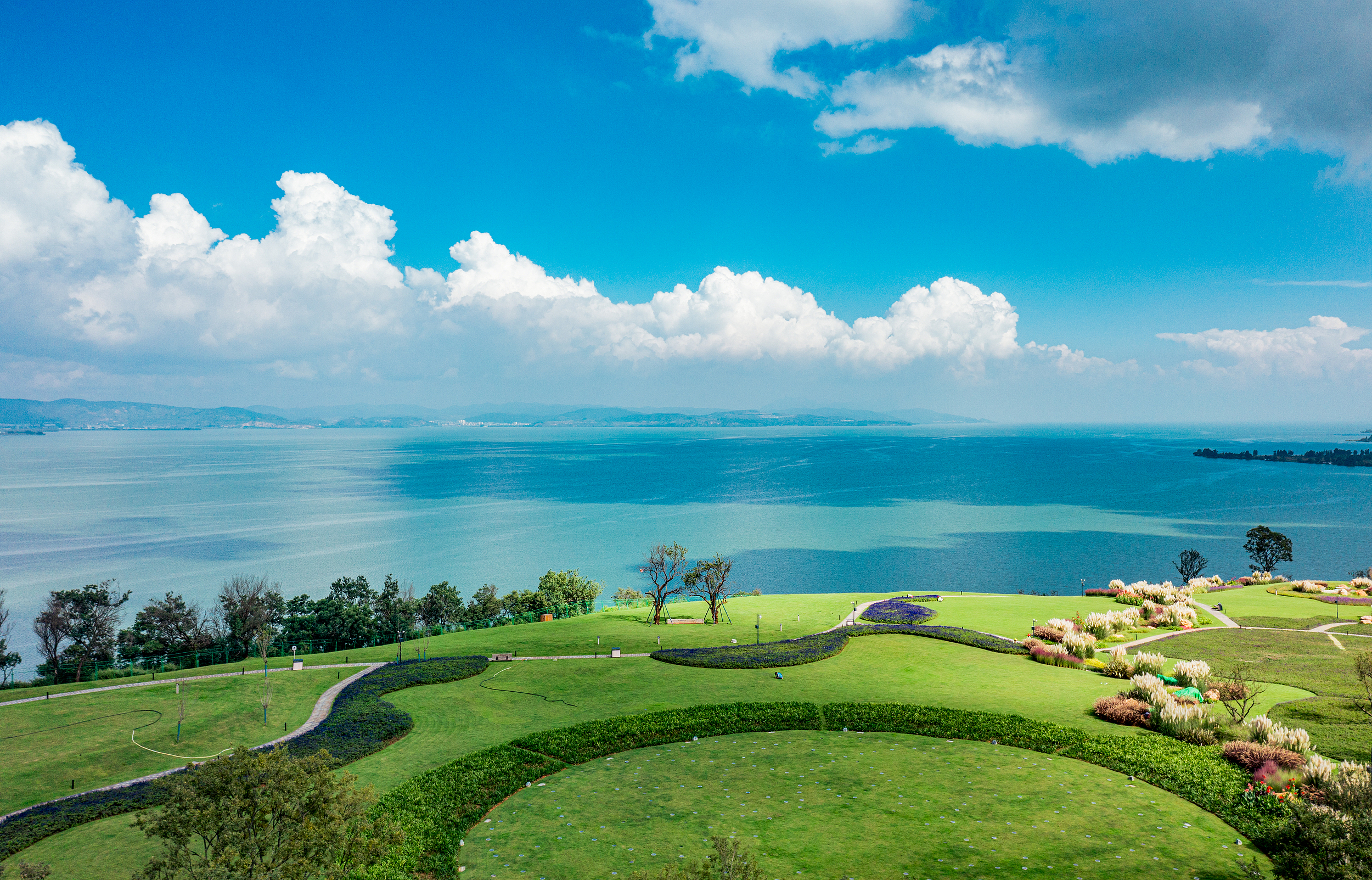
Dianchi Lake
Dianchi Lake is also called Kunming Lake. It is the sixth largest freshwater lake in China. It has the nickname of “Sparkling Pearl Embedded in a Highland”. The lake is wide and spectacular. Every winter, a large flock of red-billed gulls migrate here from Siberia, making it a good place for bird watching and bird feeding. There are different ways to explore Dianchi lake. You can stroll around the lake, cycle, or ride a boat. You can also climb up to the Dragon Gate overlooking Dianchi Lake to get a better view of the entire lake.