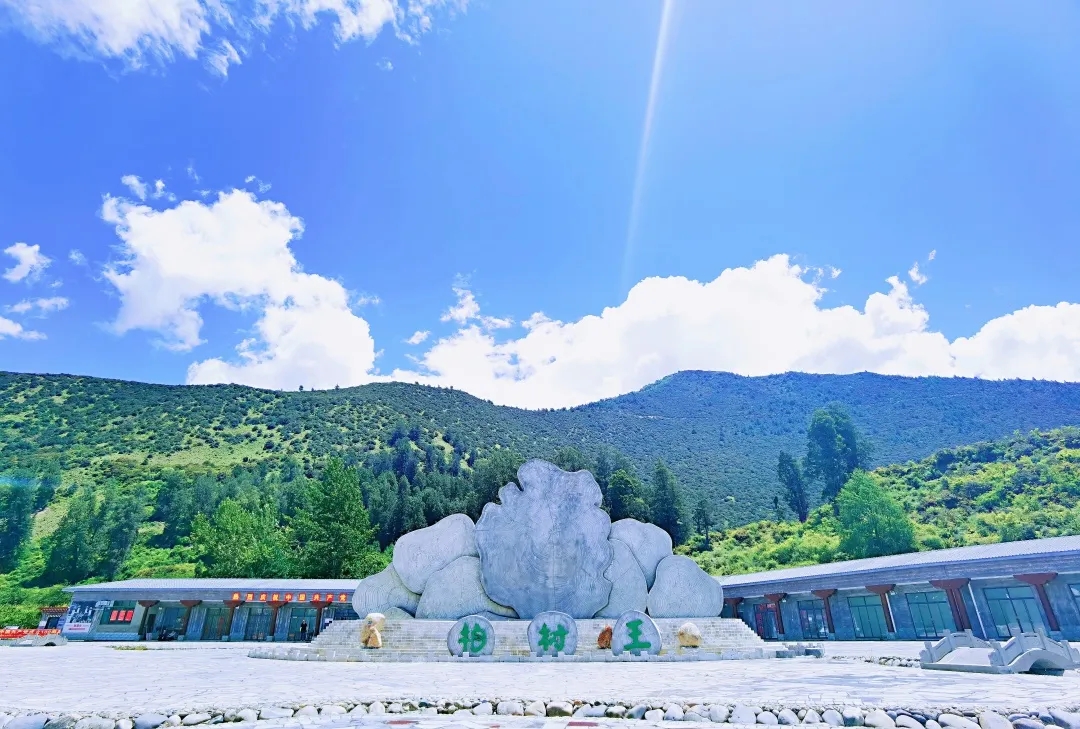
The Attraction is located in Baji Village, Bayi District, Nyingchi City, 6 kilometers away from the municipal government seat. It is the nearest “forest oxygen bar” to the urban area. The average altitude is between 3,000 and 3,200 meters. It has a temperate humid monsoon climate, with abundant rainfall and sufficient sunshine throughout the year. The winter is mild and dry, the summer is humid without high temperature, the annual average temperature is 8.5℃, and the climate is pleasant.The numerous giant cypress trees in the Attraction are also called “Yarlung Zangbo River Cypress”. In Tibetan, they are called “Laxin Xiuba”, which means sacred tree. One of the giant cypress trees is 57 meters high and 5.8 meters in diameter. It takes more than a dozen adults to hug it. The tree is more than 3,200 years old and is known as a “living cultural relic” and “the king of cypress trees in the world”. In 2019, this giant cypress was reviewed and confirmed by a world certification agency as “the oldest giant cypress in the world”.The World Cypress King Garden Attraction is a holy place in the minds of local Tibetan people. According to legend, the ancient cypress trees were transformed from the hair of Bon religion founder Donba Xinrab Miwoche. Among them, the certified “World Cypress King” represents the tree of life and soul of Donba Xinrab Miwoche.
归档: Attractions
-
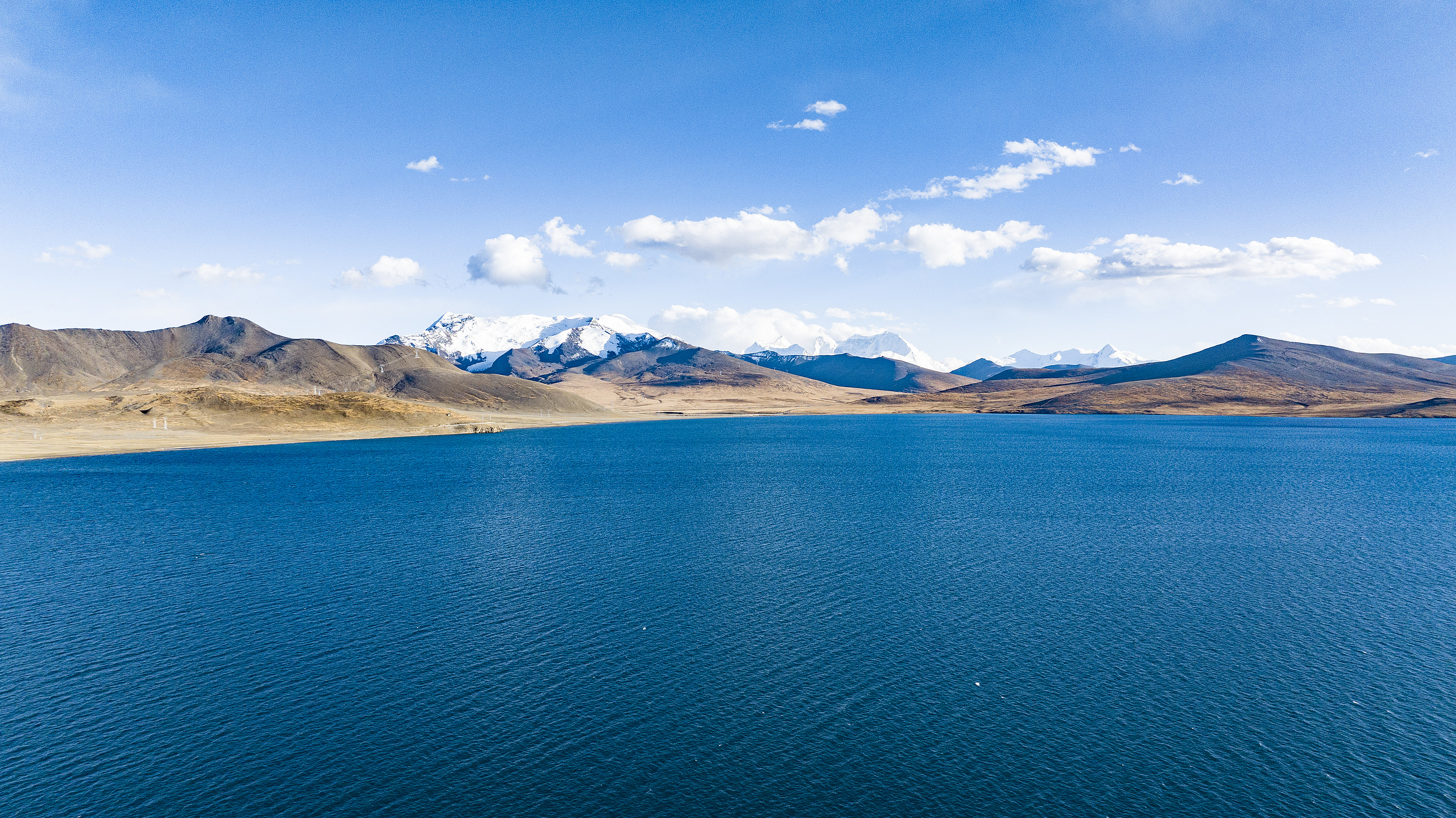
Phumo Yumtsolake
Pumo Yumco is a saltwater lake in the Himalayas, located south of Yamdrok Yumco in Langkazi County, at an altitude of about 5,010 meters. The lake runs east-west, with a shoreline of about 94 kilometers. It is the highest lake in southern Tibet and is known as the “Lake Baikal” in China.There are three small rocky islands in the northeast of the lake. The lakeside is covered with lush aquatic plants and is surrounded by endless grasslands and snow-capped mountains. The scenery is breathtaking. In winter, Pumoyongcuo will freeze into blue ice blocks, and huge ice waves will pile up on the lakeside. Under the refraction of the sun, the cracks and bubbles in the blue ice are clearly visible, and being in it is like being in a fairyland.
-
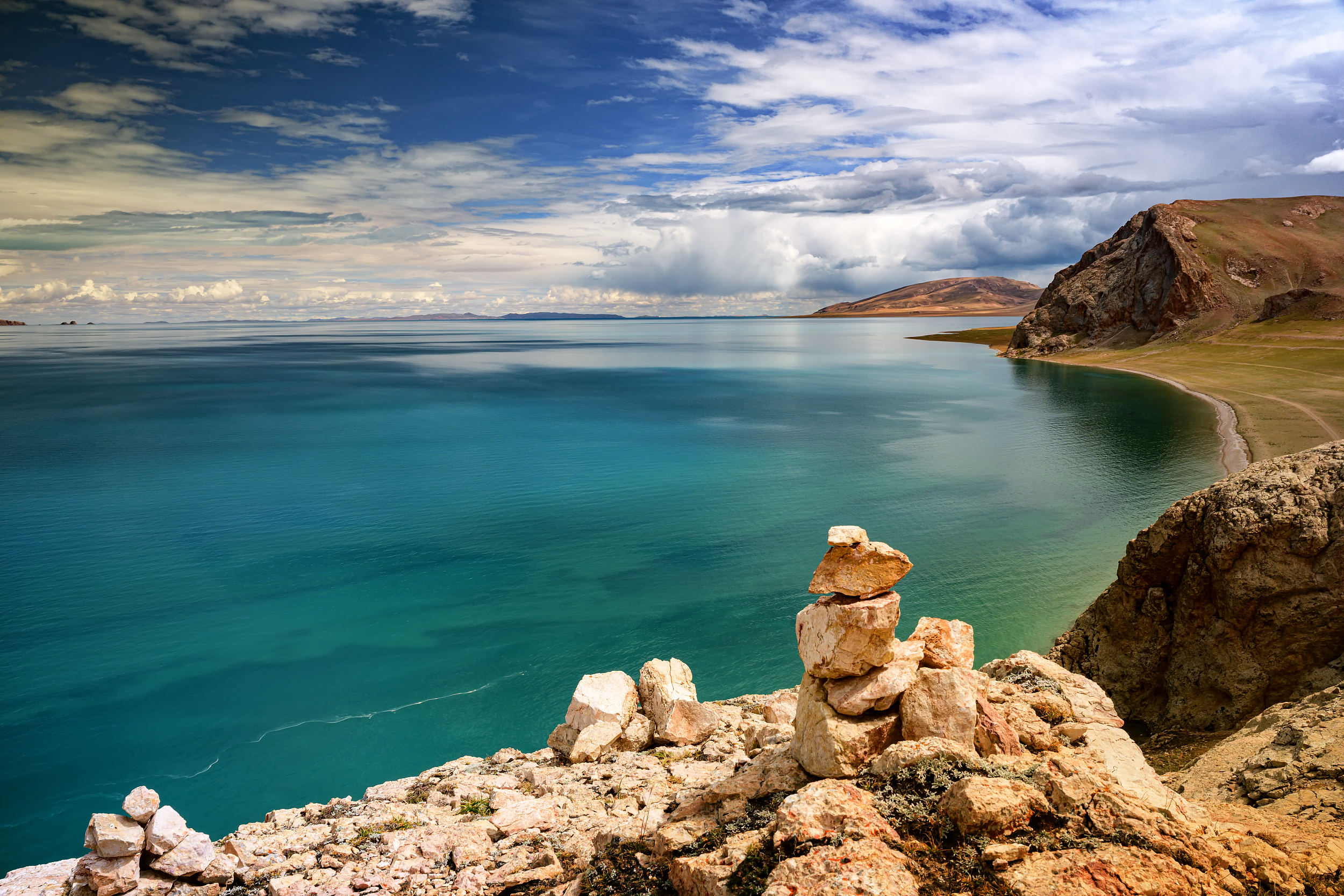
Siling Lake
The lake of Selincuo is 4530 meters above sea level, 72 kilometers long from east to west, 22.8 kilometers wide on average, 40 kilometers wide in the east, and 1640 square kilometers in area. There are many rivers and lakes in the basin, forming a closed inland lake group. In addition to Selincuo, there are 23 small satellite lakes such as Gerencuo, Wurucuo and Rencuo Gongma. Every summer, the lakeside scenery is unique, and all kinds of migratory birds live on the small islands in the lake.
-
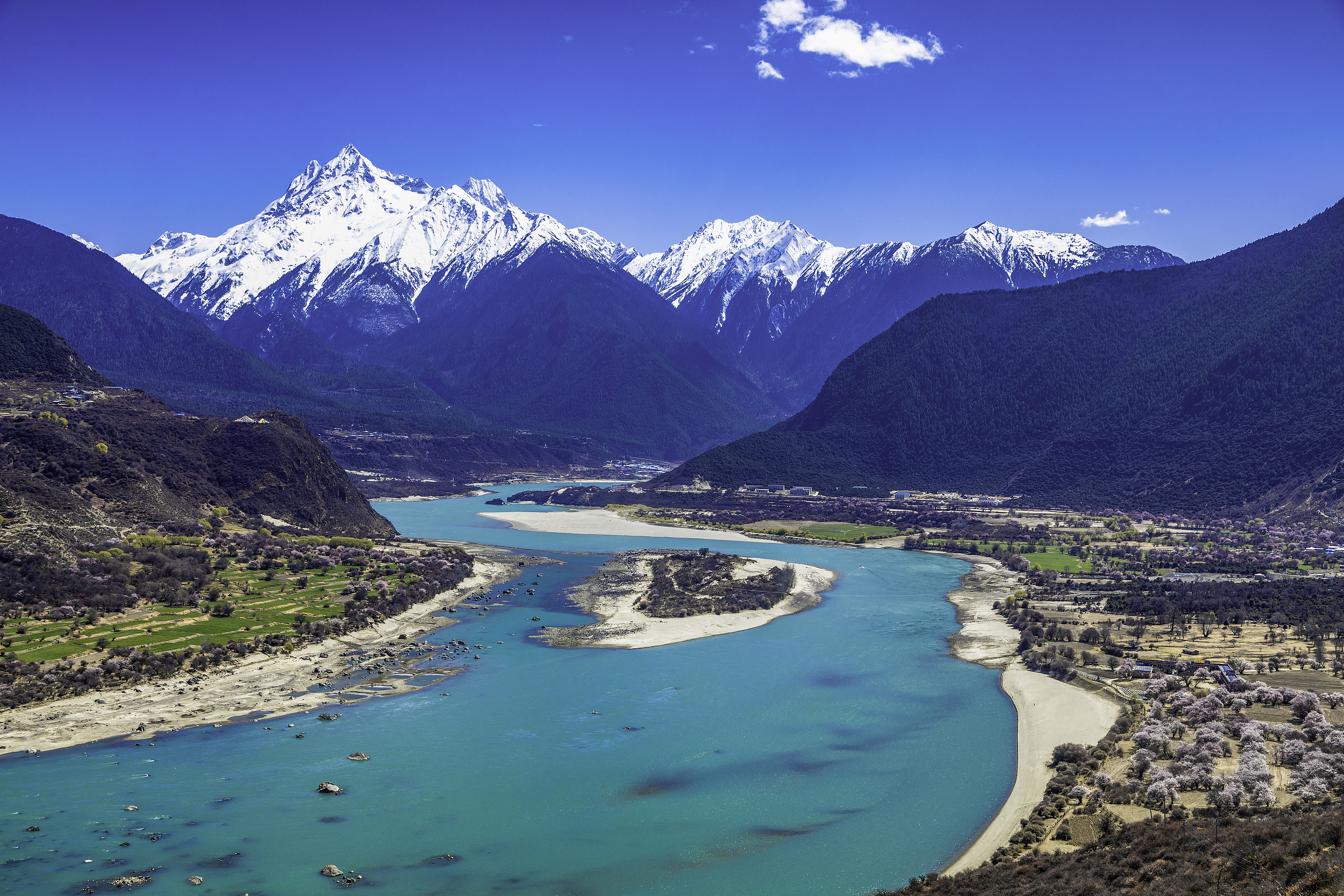
Yarlong Tsangpo River
The Yarlung Zangbo River is called “Yangchabu Zangbo” in ancient Tibetan documents, and it originates from the Jema Yangzong Glacier in the snowy ridges of the icebergs at the northern foot of the middle of the Himalayas. The reserves of hydropower are abundant, second only to the Yangtze River in China.
-
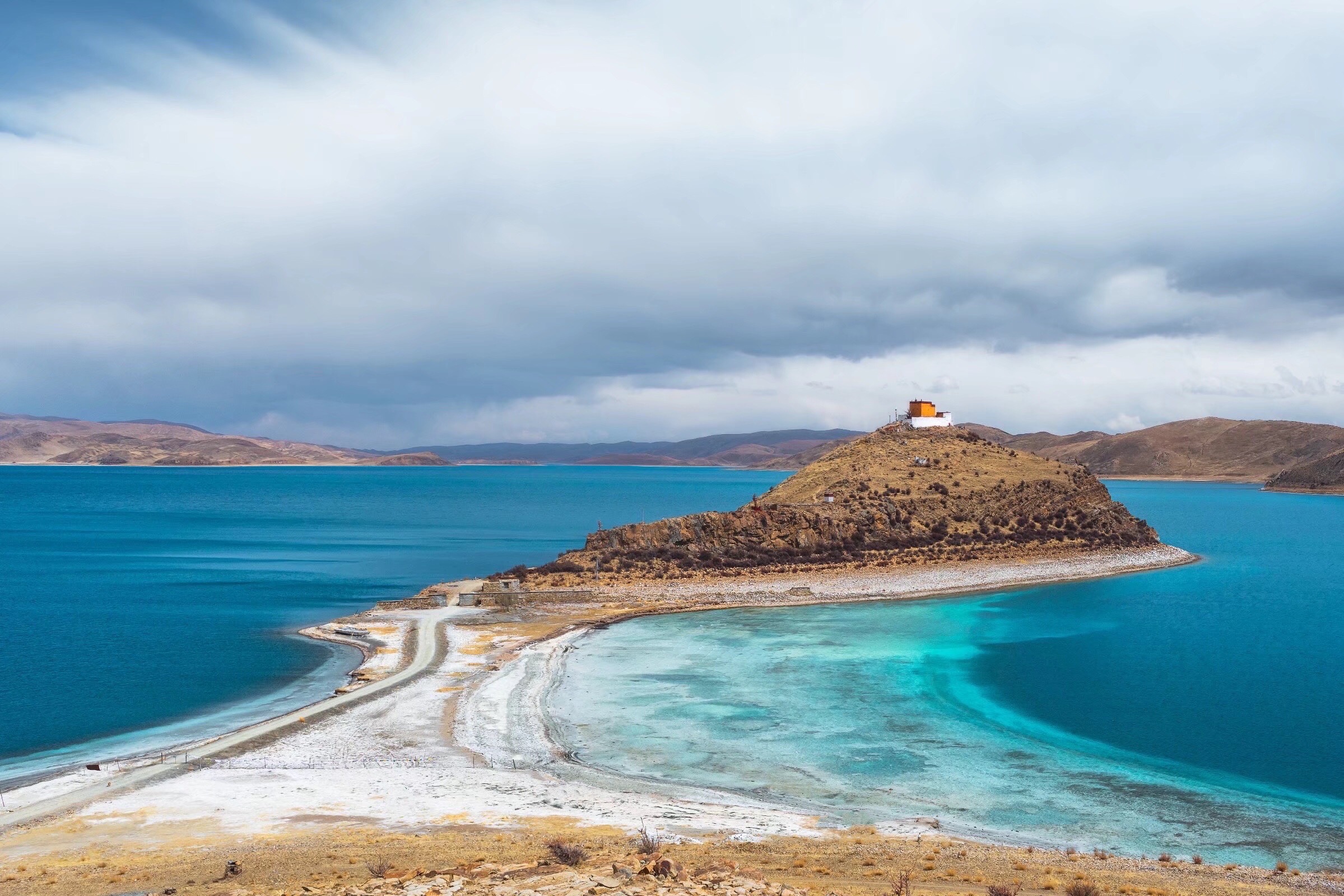
Rituo Temple
Rito Monastery is located on the shore of the Jade Yamdrok Lake, surrounded by the lake and beautiful scenery. It is a secret place worth visiting for tourists. You can have a 360-degree panoramic view of the world of Yamdrok Lake, which makes people feel as if they are out of this world and feel relaxed and happy. Visitors can also explore the daily life of the ascetic monks here and experience the dual impact of vision and spirit.Rito Temple is built on the hillside, with a staggered layout, reflecting the unique style of Tibetan architecture. Visitors can visit the main hall, pagoda and monks’ quarters, and admire the exquisite murals and carvings. These works of art not only show Buddhist stories, but also reflect the history and culture of the Tibetan people. The daily chanting of monks in the temple provides visitors with an opportunity to experience the religious atmosphere.The natural environment around Rito Monastery is equally intoxicating. Surrounded by lakes, mountains and green waters, it feels like being in a fairyland, providing an ideal place for tourists to relax. Walking by the Yamdrok Lake, you can see bar-headed geese swimming freely in the water, and when night falls, the sky is full of stars reflected on the lake. Here, the temple and the lake, the snow-capped peaks and the blue sky are integrated. Rito Monastery provides every visitor with a perfect journey to explore religious culture and feel the tranquility of the soul.
-
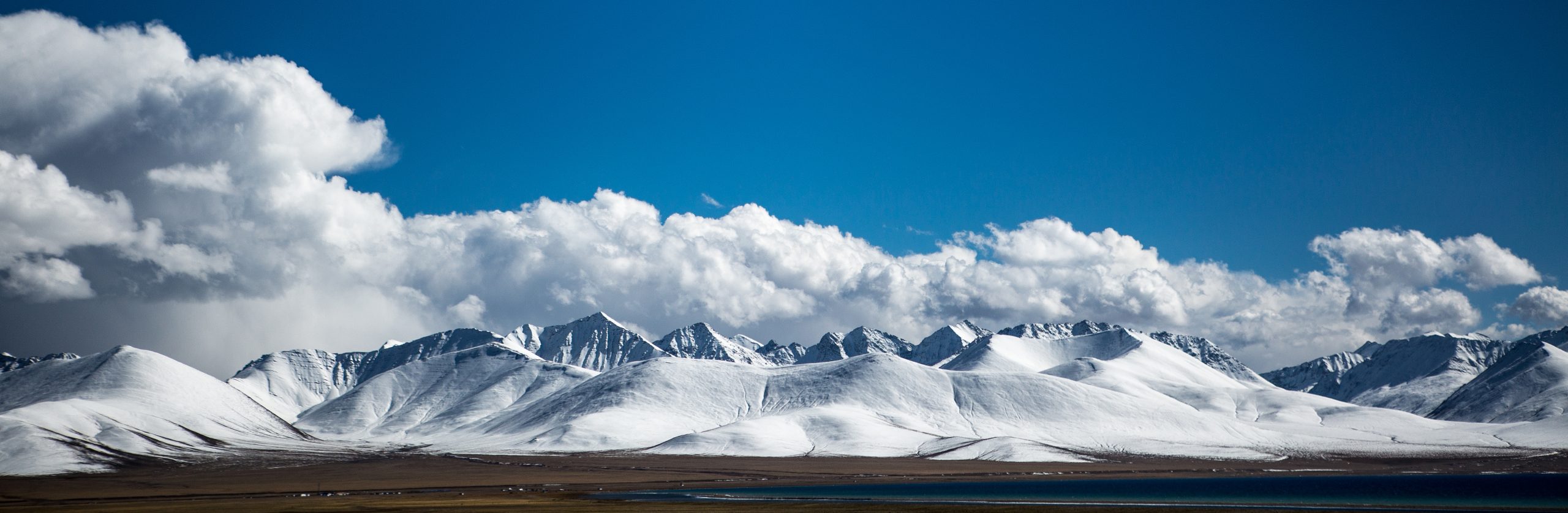
Nyainqentanglha Mountain
The Tanggula Mountains are located on the Qinghai-Tibet Plateau, with Jieshan in the east and Yunling and Nushan in the Hengduan Mountains in the southeast. “Tibetan means “mountain on the plateau”, also known as “Dangla Mountain”, which means “mountain that eagles cannot fly over” in Mongolian. It is an east-west mountain range in the middle of the Qinghai-Tibet Plateau. About 6000 meters, Tanggula Mountain (peak name) is about 6099 meters.
-
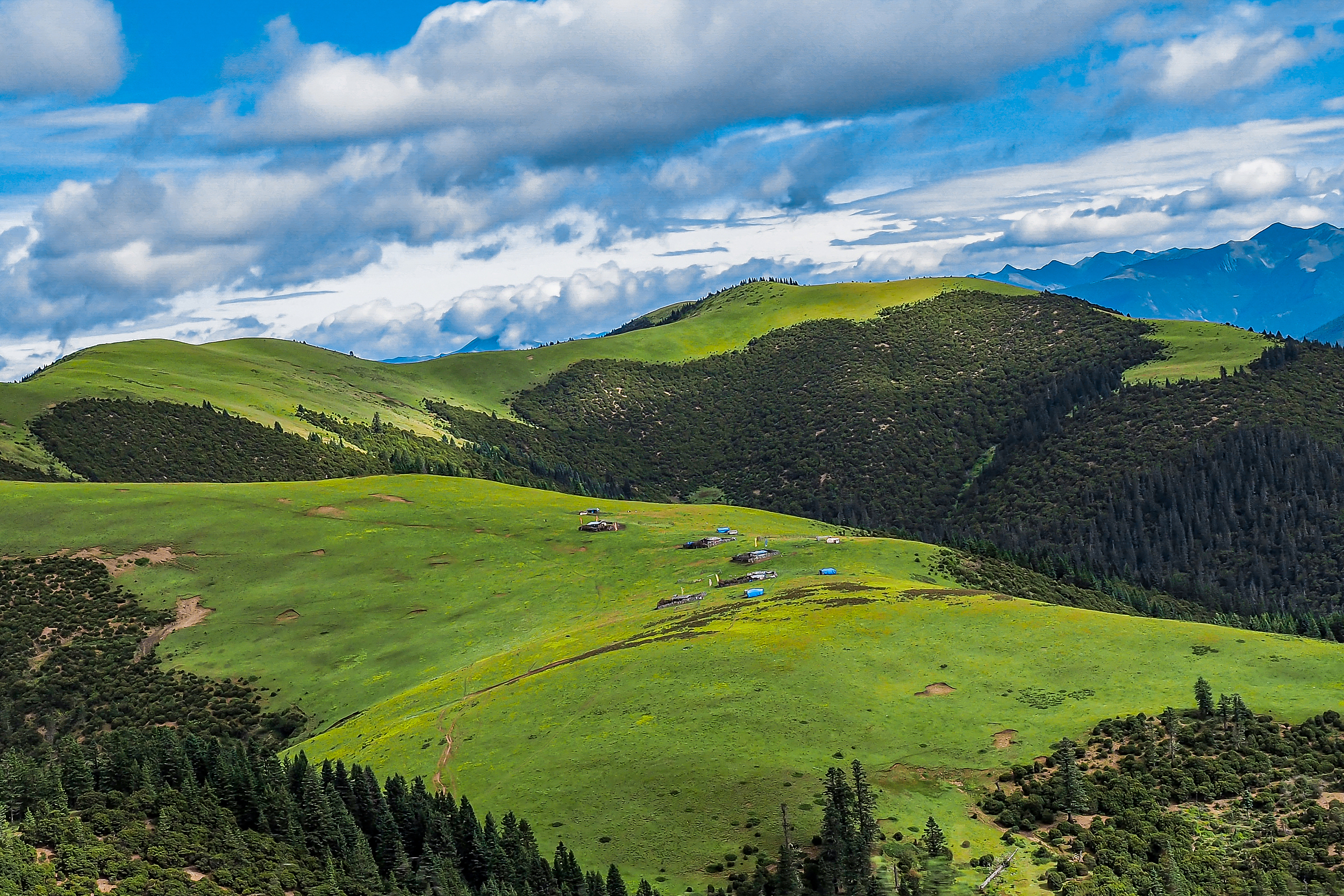
North Tibet Grassland
The northern Tibetan grasslands have a vast grassland area and beautiful scenery, with blue sky, snow-capped mountains, tents, etc., which are breathtakingly beautiful.
-
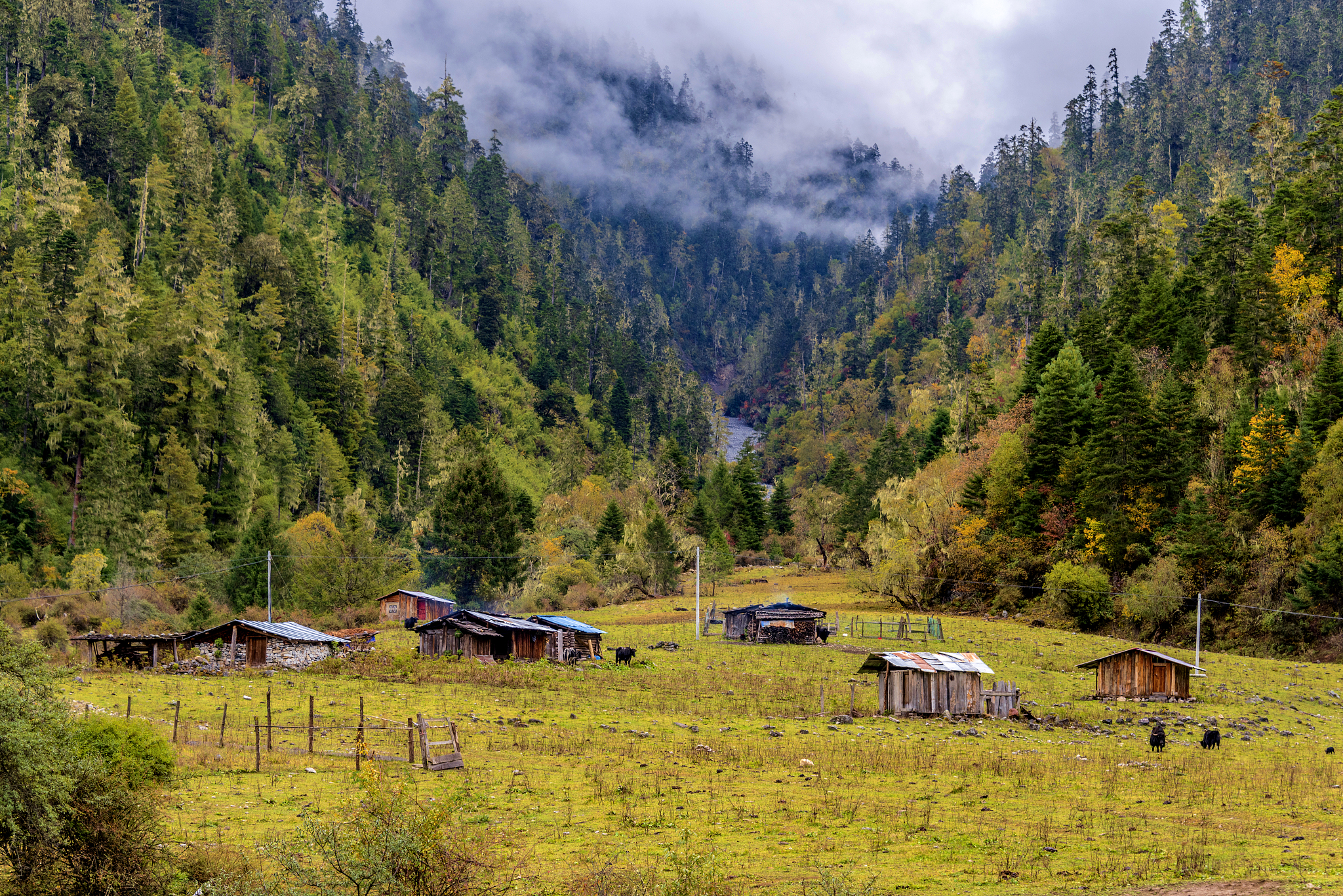
Lulang Town
Lulang Scenic Area is located in Lulang Town, Bayi District, Nyingchi City. The main attractions include Lulang Flower Sea, Lulang Pasture, Sejila Forest Park, Rhododendron Flower Sea, rural scenery and the folk-style Zhaxigang Village. Lulang is about 3,700 meters above sea level. The green mountains on both sides rise from low to high, and bushes, dense spruce and pine trees form the “Lulang Forest Sea”. The scenery here is different in each season. Rhododendrons are the main flowers in May and June, summer in July and August, and snow scenery in late October.
-
Benri Scenic Area
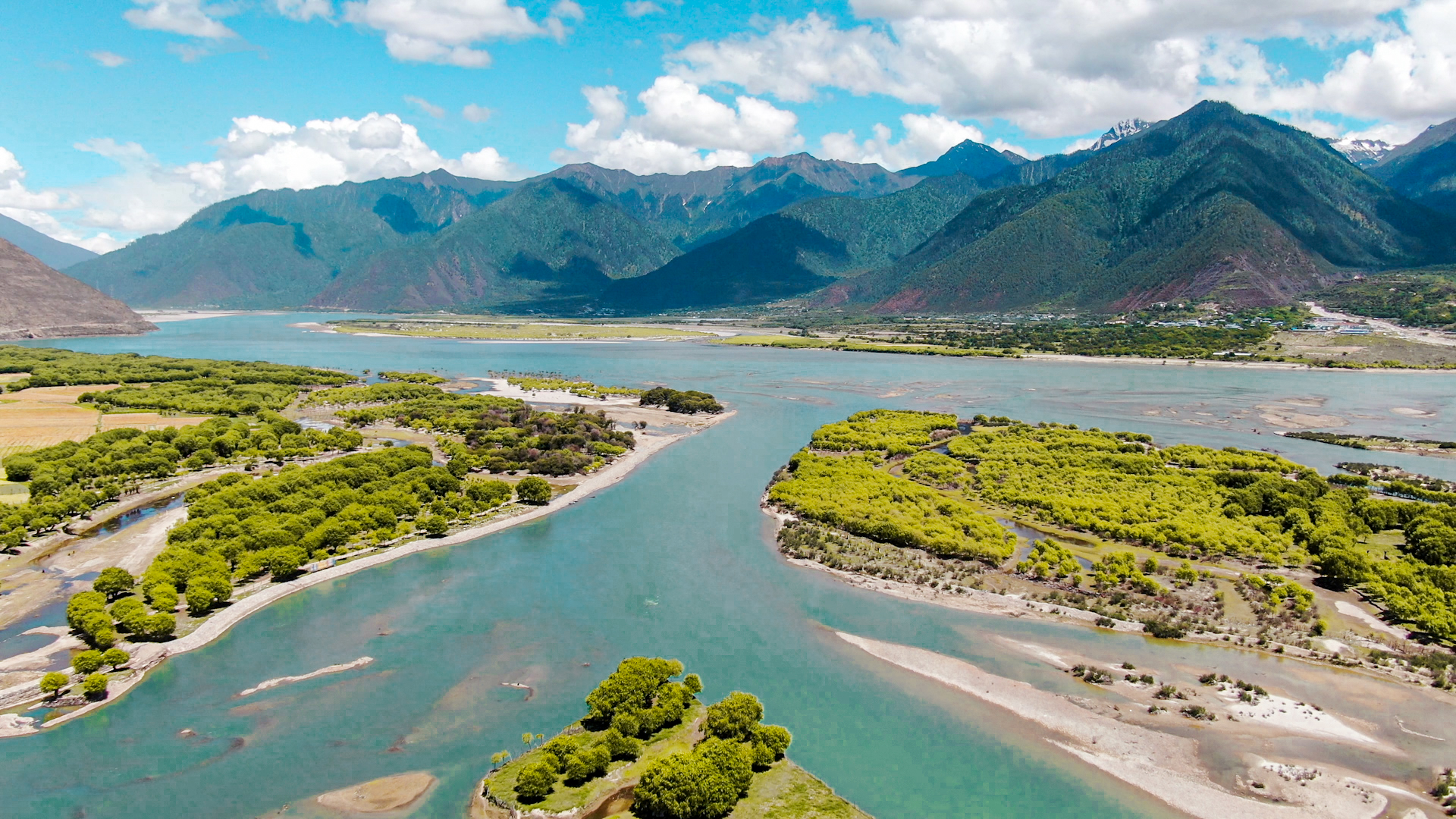
The Yani Wetland Attraction in the Benri Attraction (formerly the Benri Sacred Mountain) is a sacred mountain of the native Bon religion in Xizang. It stands on the southeast side of Bayi Town and consists of a group of peaks of similar height. The top of the mountain is shrouded in clouds and mist all year round. The mountainside is covered with dense forests and flowers in full bloom, which change with the seasons. The founder of the Bon religion, Xinraomiwo, is enshrined in the ancient temple in the forest.Bonri Mountain is a sacred mountain of the Bon religion. Believers come here to circumambulate the mountain and worship it all year round. The ancient Bon temple in the mountain holds a large-scale event every 12 years, called the Niangbulasu Festival. Its scale is huge, with many believers and believers, and it lasts for a long time, which is rare in the whole region.
-
Samye Temple
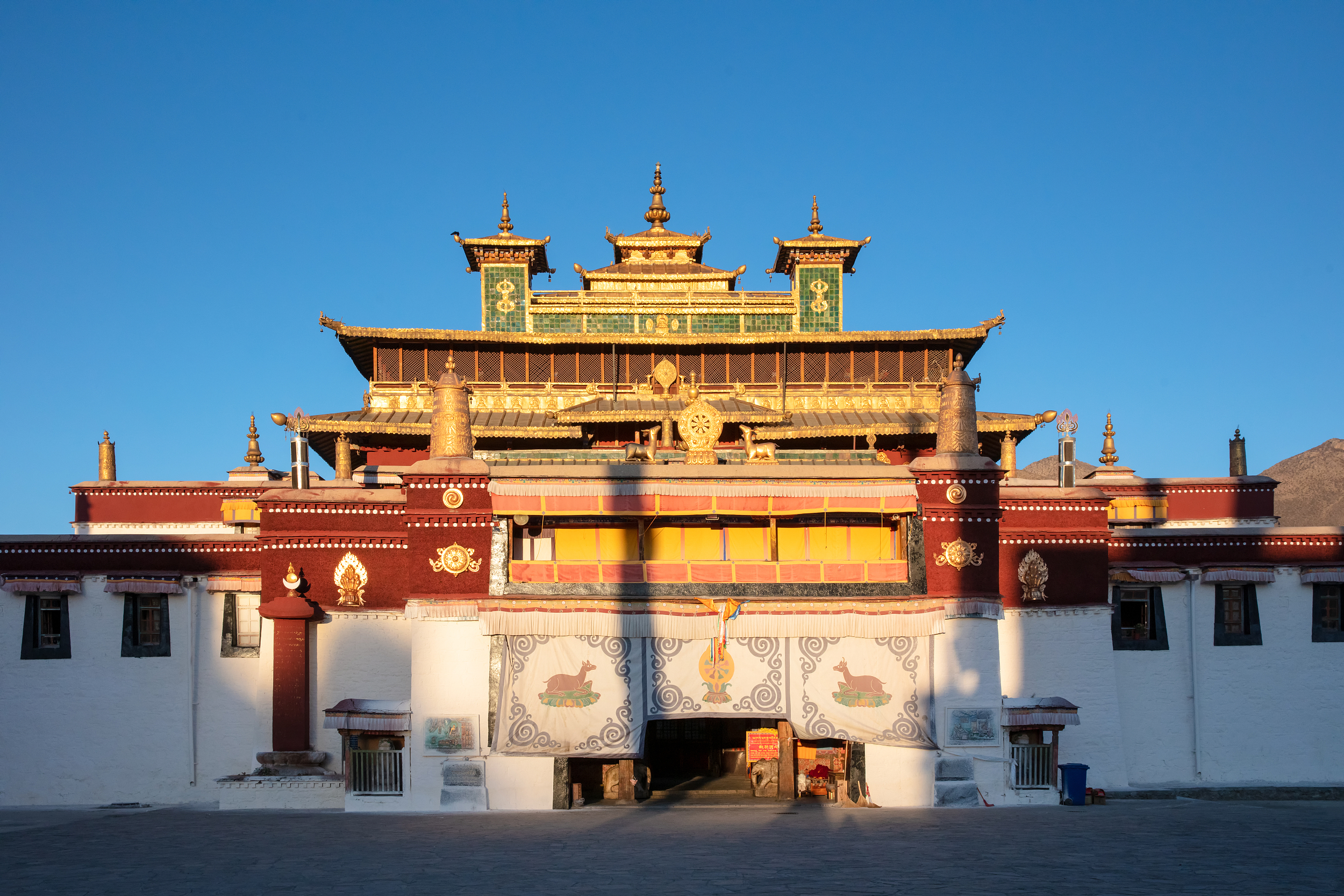
Located at the foot of the sacred Habur Mountain in Zhanang County, Shannan Prefecture, Samye Monastery is the first monastery in Tibet where monks were ordained. It is also the first monastery in the history of Tibetan Buddhism that has all the “Buddha, Dharma, and monks”. It is known as “a masterpiece in the history of architecture”. The temple architecture is laid out according to the Buddhist cosmology. The main hall has three styles: Tibetan, Han, and Indian. Therefore, Samye Monastery is also known as the Three-style Temple. Samye Monastery is based on the Udapo Monastery built by the ancient Indian Brahma Dynasty in Magadha. It was led by Guru Padmasambhava and took 12 years to build. Legend has it that when it was first built, Trisong Detsen was eager to know what it would look like after it was built, so Padmasambhava conjured up an illusion of the temple from his palm. After seeing it, Trisong Detsen couldn’t help but exclaimed “Samye” (meaning “unexpected” and “unimaginable”), and later used this exclamation as the name of the temple. After generations of expansion and renovation, Samye Monastery covers an area of more than 4,900 square meters. The main hall is surrounded by eight small islands, the Sun and Moon Hall, and four towers in white, black, green and red. In the morning or evening, you can climb to the top of the sacred mountain Habu Ri next to Samye Monastery to overlook the panoramic view of Samye Monastery and the Yarlung Zangbo River. The scenery is endless. The entire temple of Samye Monastery faces south and consists of two major parts: the central hall and the surrounding corridors. The layout of the temple is designed according to the structural layout of the “Great World” in the Buddhist scriptures and built according to the mandala of Tantric Buddhism. The main body of the Wuzi Hall represents Mount Xumi, the center of the world. The four halls around the hall represent the four continents and eight small continents in the four salt seas. The Sun and Moon Halls symbolize the Sun and Moon Halls in the universe, and the temple walls symbolize the Iron Mountain outside the world. Four red, white, green and black towers are built around the main hall to subdue all evil spirits and demons and prevent natural disasters and man-made disasters. There is a gate on each side of the wall, and the east gate is the main gate. The Wuzi Hall and the corridors are full of murals. In addition to conventional themes, there are also well-known “History of Tibet” murals on the middle corridor of the wall. The paintings record the ancient legend of the Rakshasa woman and the monkey god who gave birth to the Tibetans, and Tsongkhapa founded the Gelug Sect. The mural is 92 meters long, magnificent and magnificent, and is known as the “History of Painting” in Tibet. In addition, there are “History of Samye Monastery” on the first and second floors of the main hall, and “Biography of Padmasambhava” and other murals on the south side of the second floor, all of which are exquisite and cannot be missed. On the south side of the east gate, there is a square columnar stone stele erected during the reign of Trisong Detsen. It is simple in style and has no patterns or other decorations. This is the famous “Samye Xingfo Zhengjian Stele”. The inscriptions are all in ancient Tibetan, recording the oath made by Trisong Detsen in 779 AD to support Samye Monastery. In the porch of the main hall, there is also a large bell cast by Trisong Detsen’s wife and prince. The temple is surrounded by lush trees, lush forests, lingering rivers and canals, and black-necked cranes leisurely foraging. It can be said to be a fairyland and a plateau oasis.