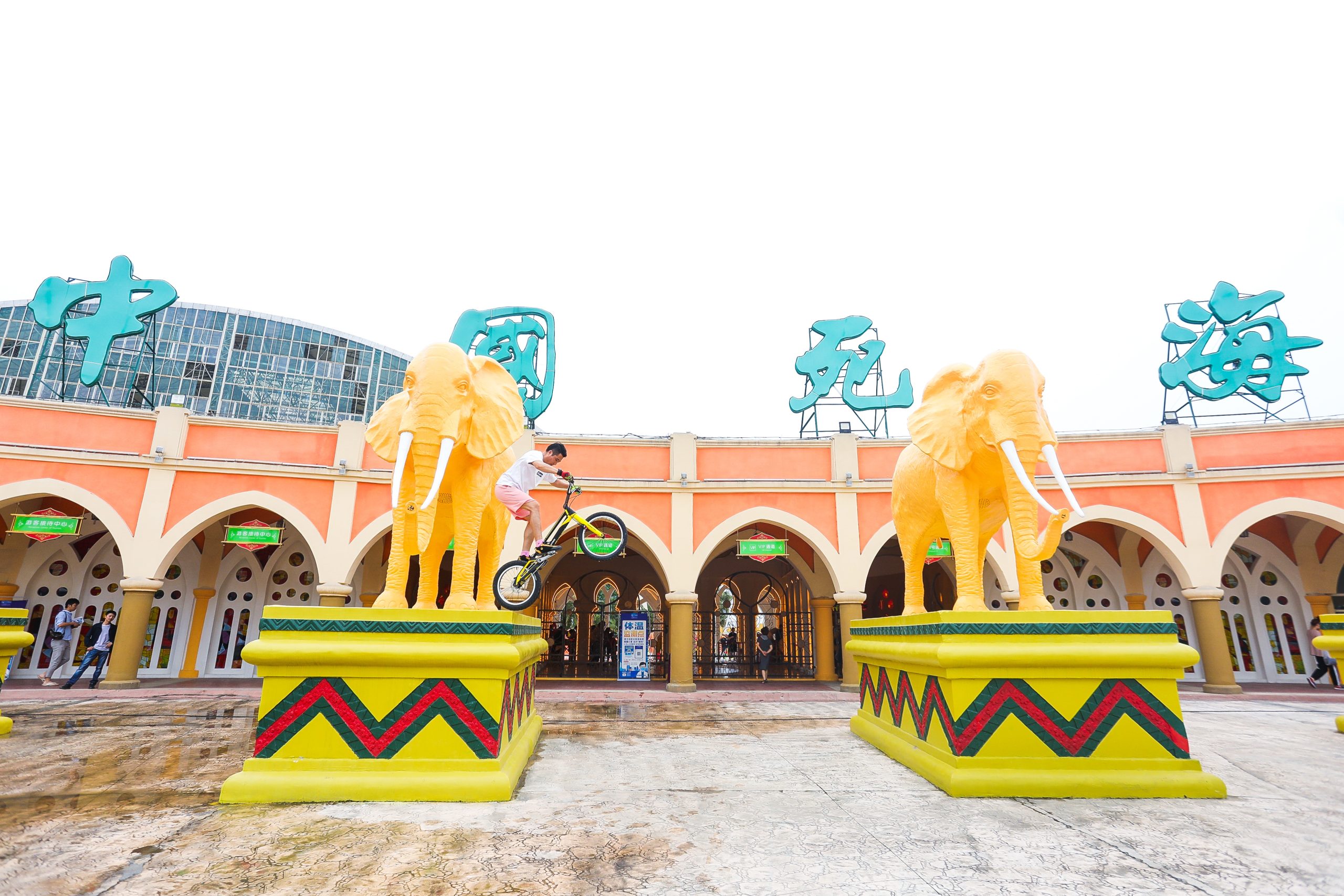
Located in Daying County, Suining City, China’s Dead Sea is a great expanse of water, most of which comes from an ancient underground salt basin formed by orogenic processes (the deformation of the earth’s crust and upper mantle by interactions between plate tectonics), and was drawn up using ancient salt well technology. Here you can experience the interesting phenomenon of floating on the lake’s surface because of its high salt content. The scenic area also has sand beaches and opportunities for enjoying rafting, surfing, and relaxing in hot springs.
归档: Attractions
-
Miyaluo Scenic Area
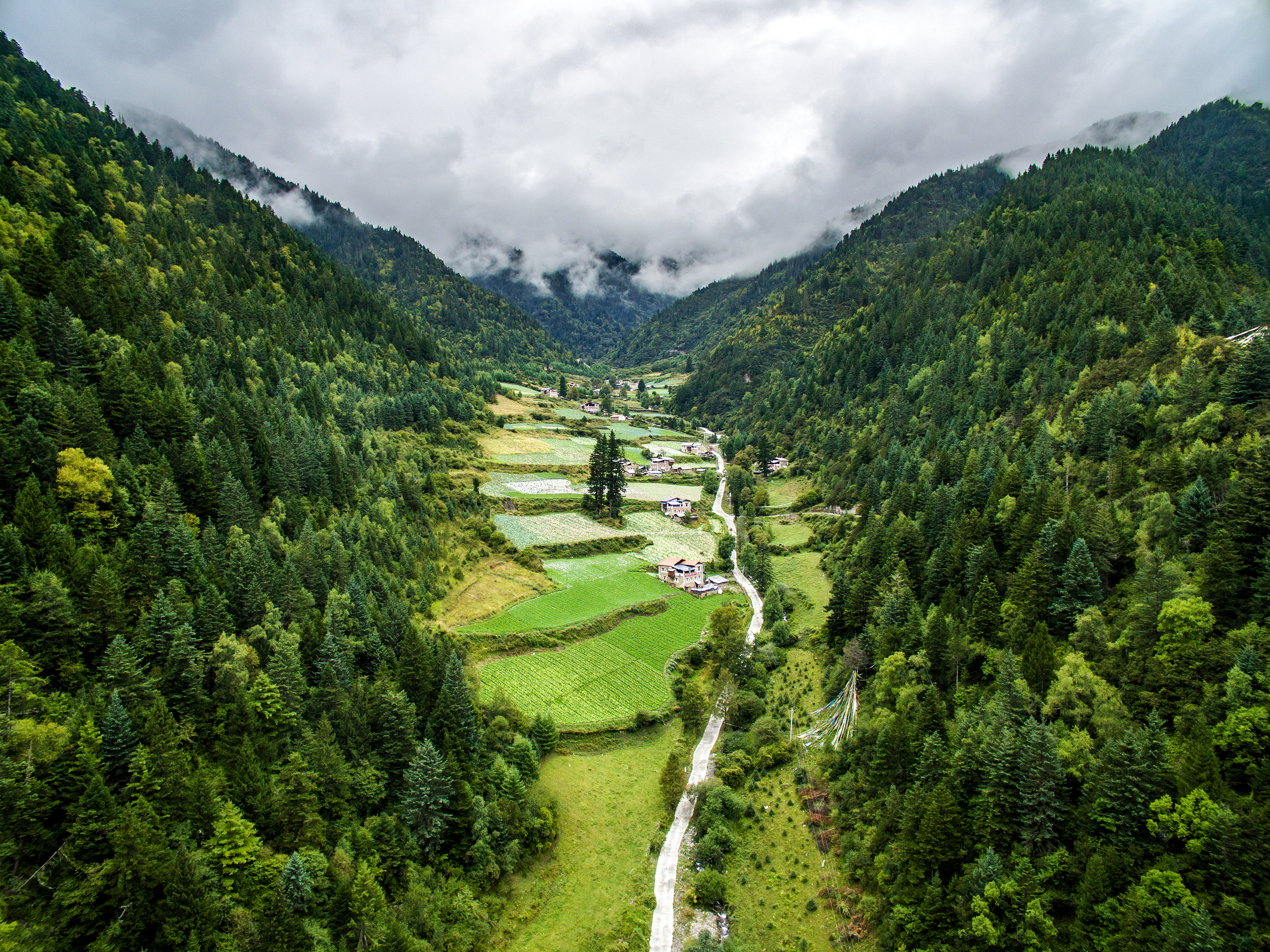
Miyaluo is a Tibetan language, meaning “fun Bazi”. It is located in Li County, Aba Prefecture. The scenic area has continuous mountains and pleasant scenery. You can enjoy the red leaves, which is very spectacular. In addition to the red leaves all over the mountains and plains, the Tibetan and Qiang ethnic villages hidden in the deep forest are another highlight of the Miyaluo Scenic Area. The most beautiful time of the scenic spot is in autumn, starting from the end of September and October every year, where the Zagunao River Valley (“Zagunao” means “auspicious” in Tibetan) is full of maple trees, maple trees, birches, geese in the dense forests on both sides of the river. Palm pine, larch, etc. are gradually frosted, and the leaves are dyed into a beautiful bright red. The scenery is very spectacular. Be sure to take pictures. It is recommended to charter a car tour, so that you can park at any time, after all, the scenery is on the side of the road.
-
Zero Kilometer
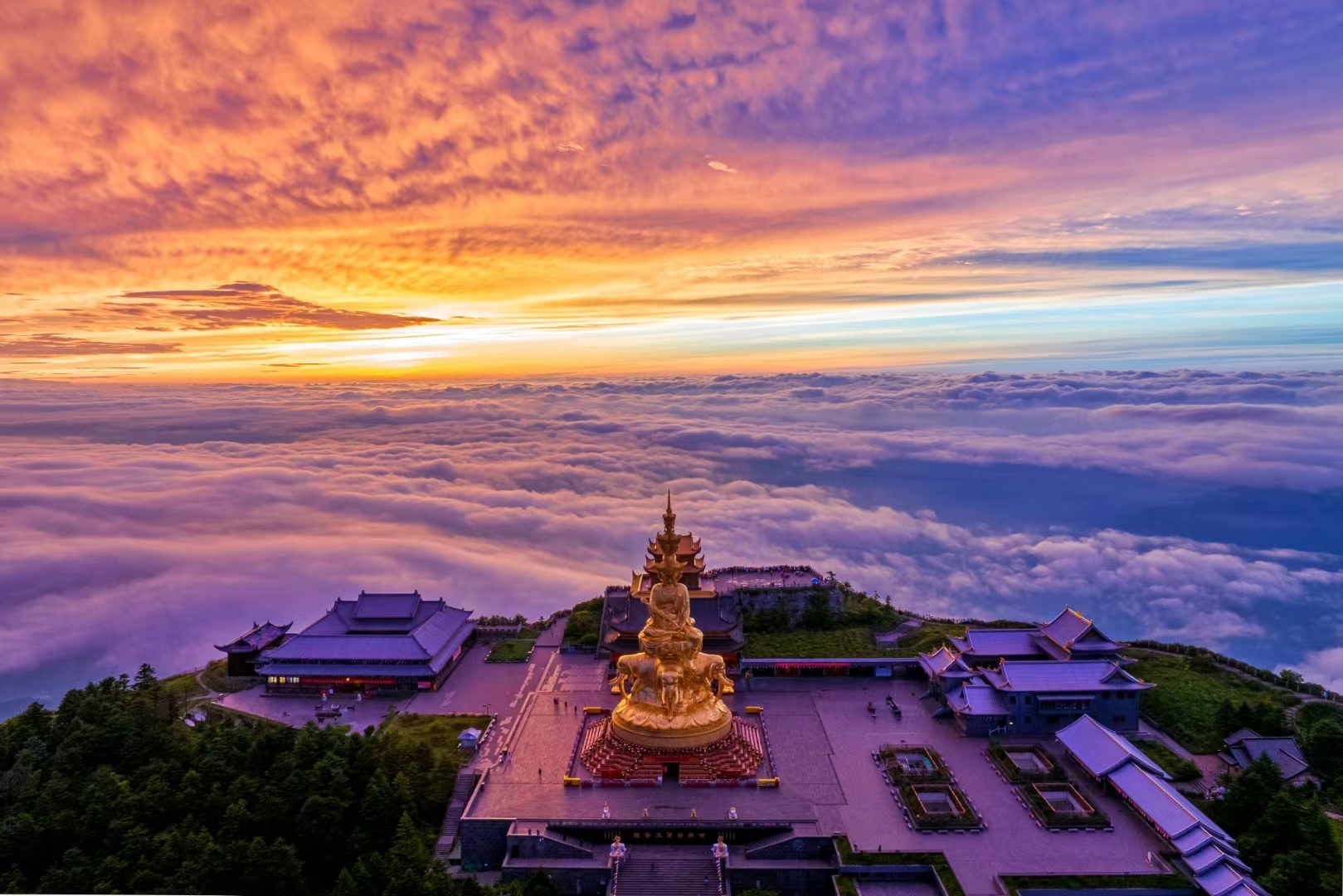
Zero Kilometer is located on the mountainside of Mount Emei, with an altitude of more than 1,300 meters. The climate is warm but not hot, making it a good place to escape the heat in summer and watch snow in winter. The place is surrounded by clouds and mist, and there are many special farmhouses, just like the residence of immortals.All the way through the clouds and mist, through the flowers and willows, the quaint houses come into view, the wooden houses, the spotless courtyards, the scenery of small bridges and flowing water, the conference rooms, guest rooms and bars that combine the quaint and modern, make people feel like they are in a paradise. Take a deep breath, it is the fresh air containing negative oxygen ions that makes people feel relaxed and happy.
-
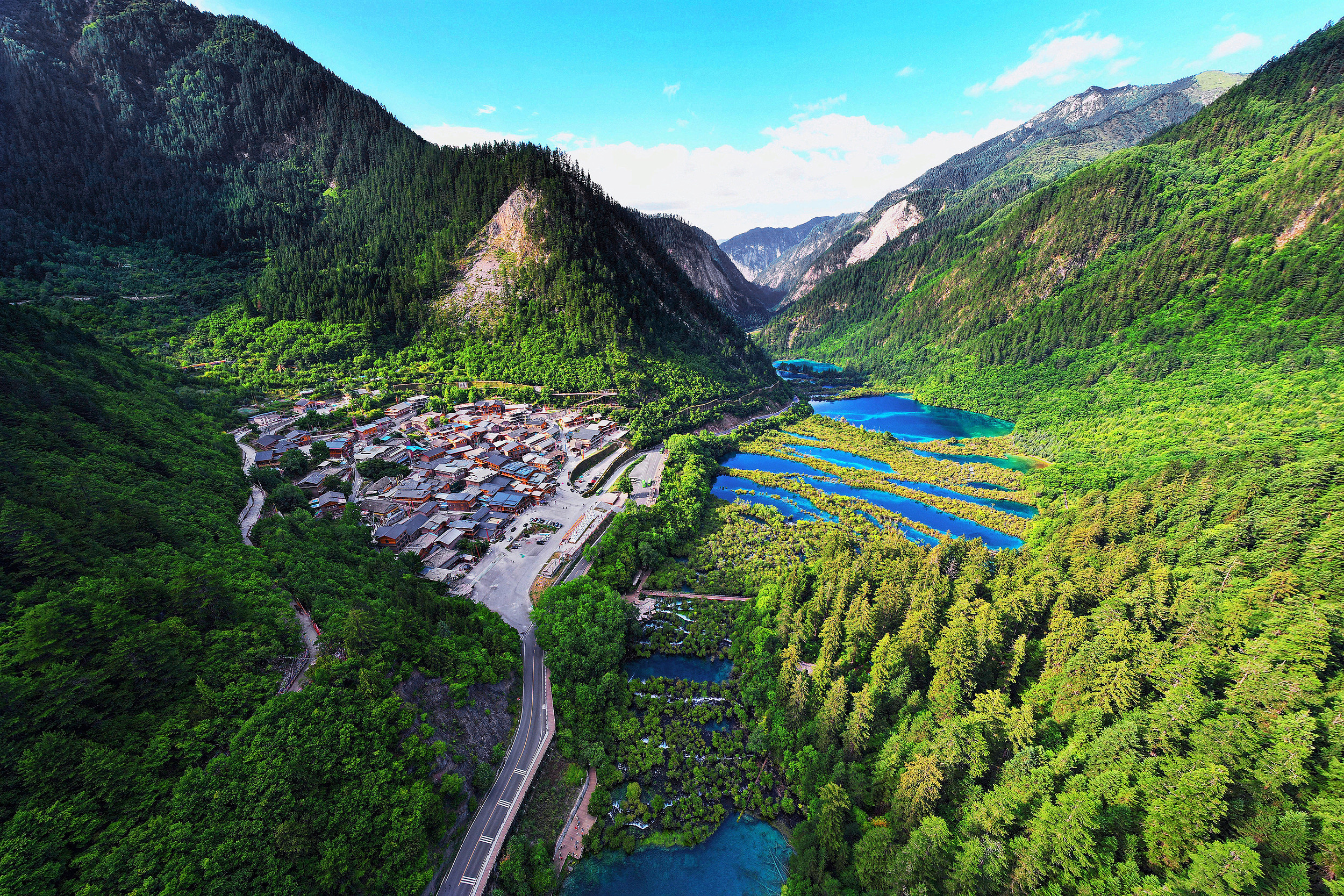
Shuzheng Village
Shuzheng Village is the most prosperous of the nine Tibetan villages in Jiuzhaigou. The larger of the nine white pagodas at the entrance of Shuzheng Village represents Shuzheng Village. These nine white pagodas are called the Nine Treasures Lotus Bodhi Pagodas. They represent the unity of the nine Tibetan villages and pray to God for peace and happiness. There is also a folk culture village in Shuzheng Village, where you can appreciate the Jiuzhaigou Tibetan architectural style, the colorful paintings on the doors and windows, and the local costumes, experience the daily life of the locals, and feel the local clothing, food, housing, and transportation.
-
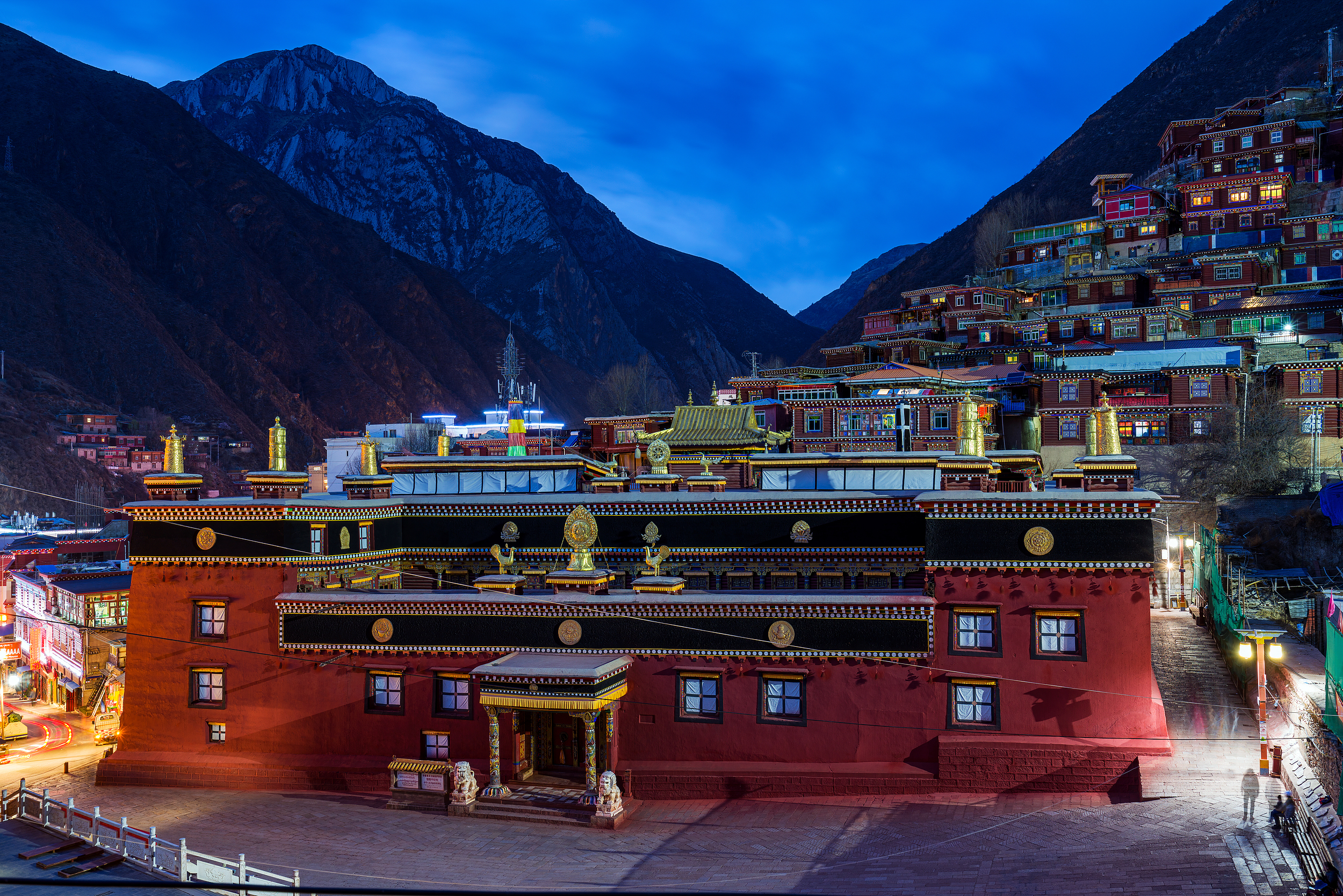
Dege Parkhang Sutra-Printing House
Dege Sutra Printing Institute, also known as “Dege Auspicious Juhui Sutra Printing Institute”, is located in Gengqing Temple, a Sakya sect temple in Dege County, Sichuan Province. The Dege Sutra Printing Academy has a history of more than 270 years. It has collected more than 830 various classics and more than 290,000 woodcut printing plates. Its classics are of high value for the study of Tibetan history, economy, religion, and medicine. The Sutra Printing Institute still retains the original manual engraving and printing method, and prints Buddhist classics such as Tripitaka, Ganyur, and Danyur. All have strict quality standards to ensure that the scriptures are clear and durable. Due to the climate, the Dege Sutra Printing Institute only prints scriptures for half a year, from March 15th to September 20th in the Tibetan calendar. During this period, people can visit and worship in the courtyard, which is called “Balchadong”. Dege has become the birthplace of the Kham standard Tibetan language, which is not unrelated to the rich cultural accumulation of the Sutra Printing Institute. Dege Sutra Printing House and Gengqing Temple were originally one of Dege Tusi’s family temples.
-
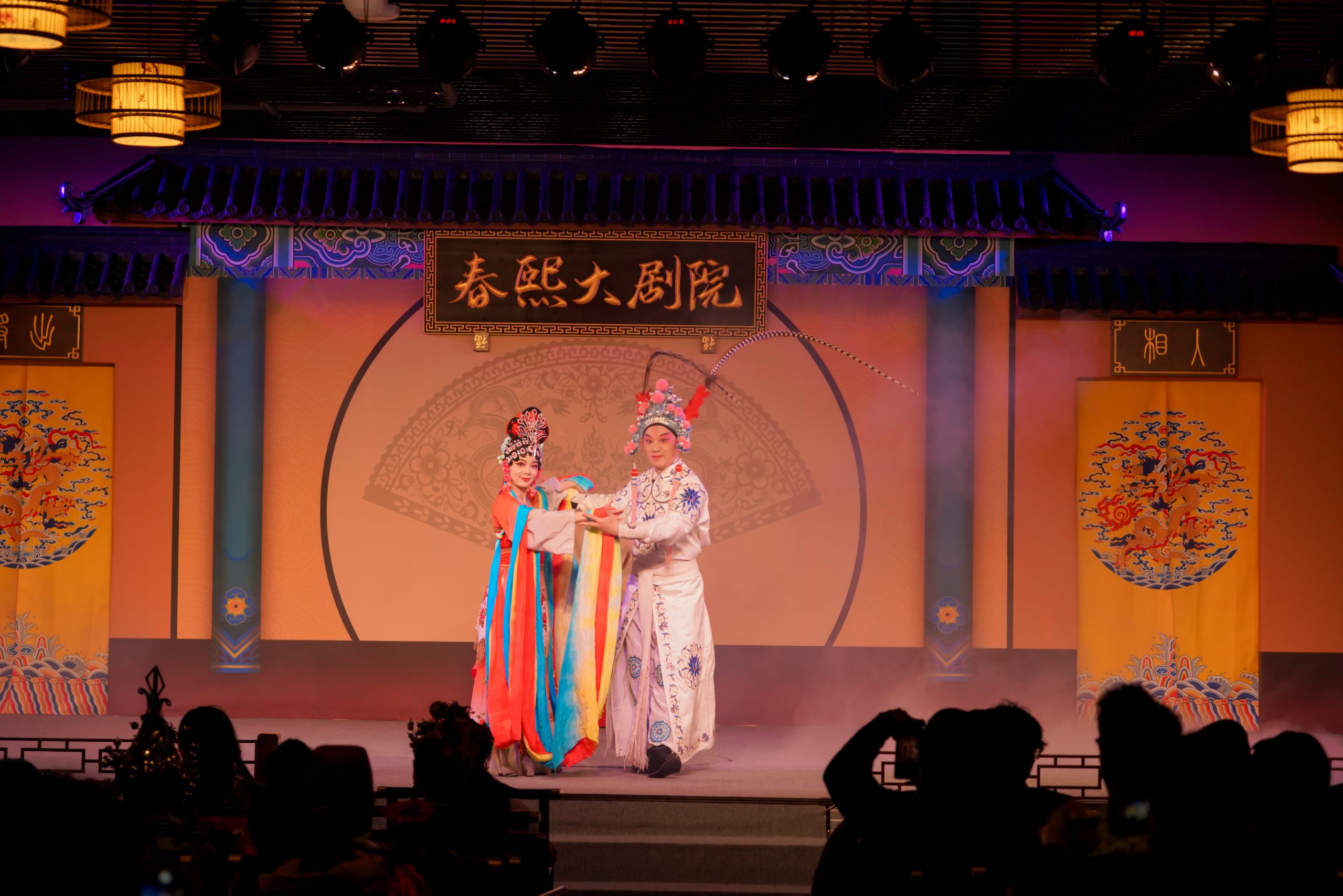
Plum Blossom Opera Troupe·Sichuan Opera Face-Changing Performance (Chunxi Boutique)
Meihua Theater (Chunxi Grand Theater Branch) is located on Tidu Street in Qingyang District. As a veteran theater troupe with 40 years of performance history in Chengdu, Chunxi Grand Theater currently operates two venues in the Taikoo Li and Chunxi Road business districts of Chengdu. The performers in exquisite costumes create a poetic spectacle on stage, offering audiences a visual feast. Both venues provide opera costume and makeup experiences, allowing visitors to try on costumes and take photos after the show—a perfect way to immerse in Bashu culture and celebrate China’s traditional artistic heritage. Today, these two venues not only serve as the “Sichuan Opera Practice Base” recognized as a national intangible cultural heritage, but have also partnered with the Chengdu Charity Federation to establish a public welfare fund for Sichuan Opera transmission, contributing to the preservation of this cultural art form. Pioneering the “Parent-Child Special Sichuan Opera Show,” they’ve attracted numerous families to experience and learn about Sichuan Opera. These integrated educational venues are perfect for all ages, offering immersive Sichuan Opera appreciation experiences.
-
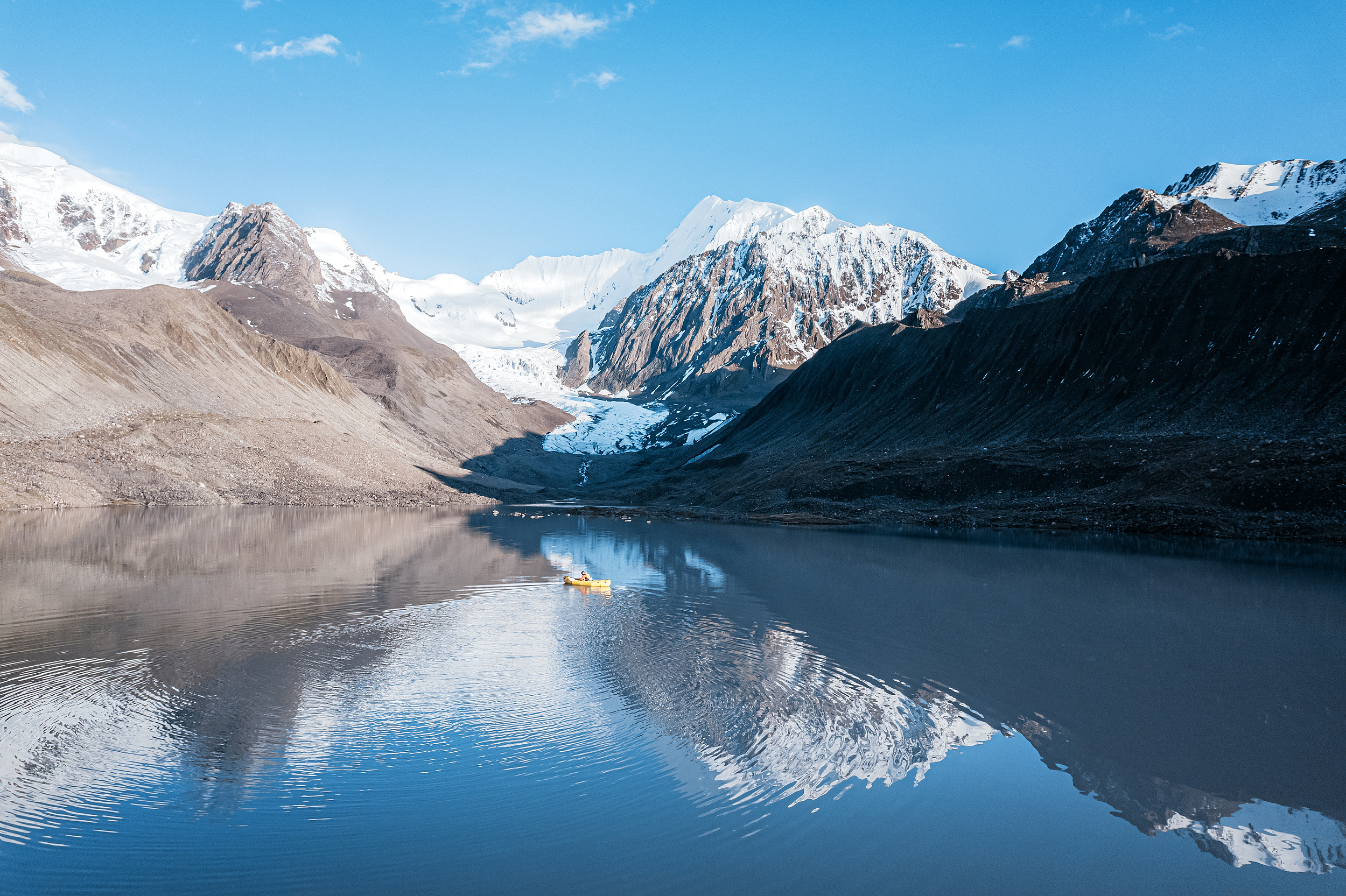
Reddomain Glacier
Leduomanyin Snow Mountain is located on the Gongga Grand Loop. It is the northern satellite peak of Gongga Snow Mountain, with an altitude of 6,112 meters. The Leduomanyin Glacier at its foot is a valley glacier with strong stability, suitable for ordinary hikers.
-
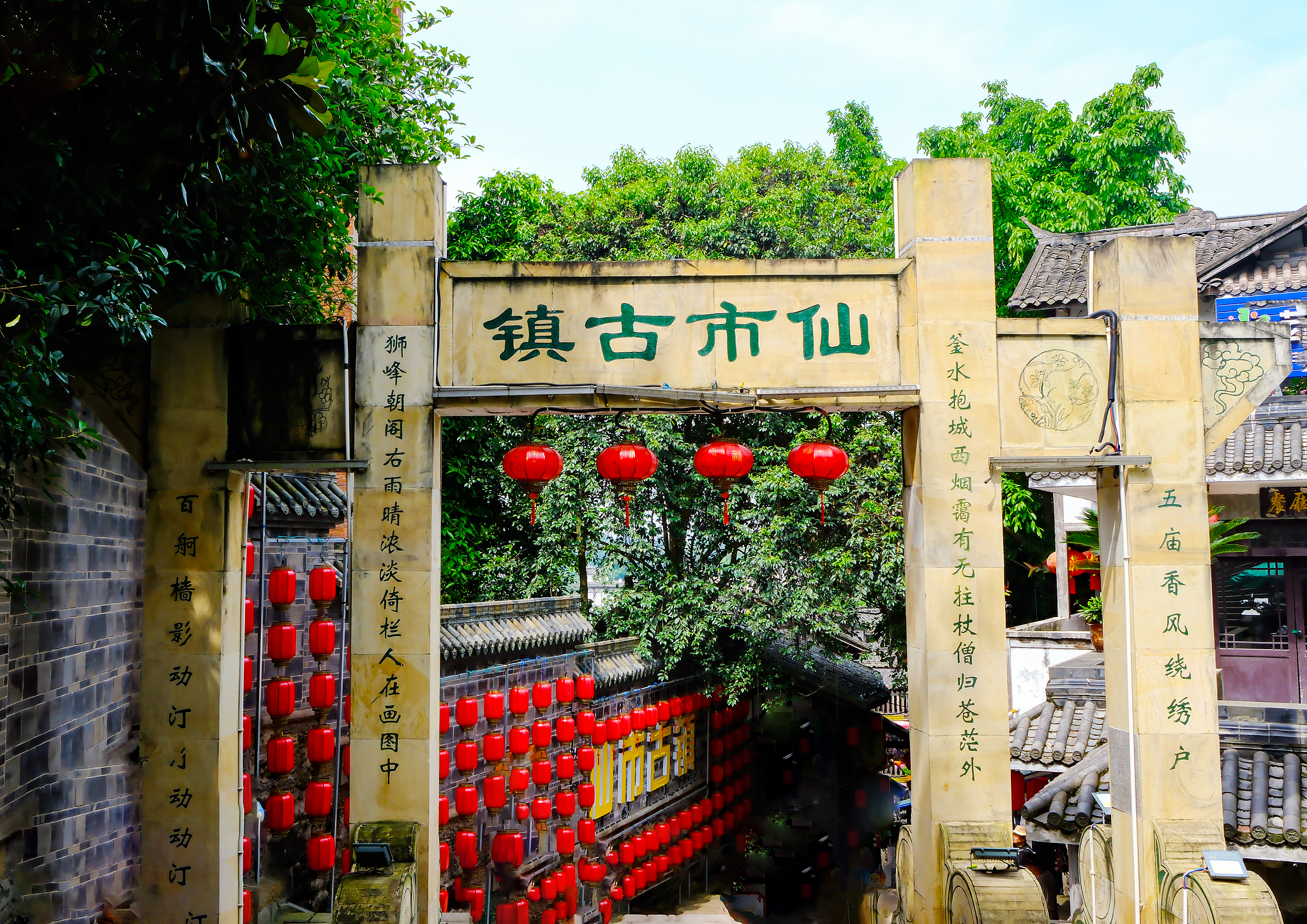
Xianshi Ancient Town
The ancient town of Xianshi is nestled on the banks of the Fuxi River. This thousand-year-old ancient town has experienced countless ups and downs and still retains its charm. This is not a popular tourist town, and there is almost no commercial atmosphere here. You can feel the quaint and quiet atmosphere of the original ancient town. When you visit the ancient town of Xianshi, you don’t have to walk around and watch the flowers. The ancient town is full of leisure and tranquility, and you can visit slowly. The streets are lined with many buildings of Qing Dynasty, which are unique in style. Take pictures of these buildings with a camera, and you can draw pictures of humanistic architectural landscapes. There are many Buddhist temples in the town, there are many statues of Buddha statues, incense is lingering all year round, and the bells of ancient temples echo the ancient town. It is a good choice to burn incense and worship Buddha in the temple for peace.
-
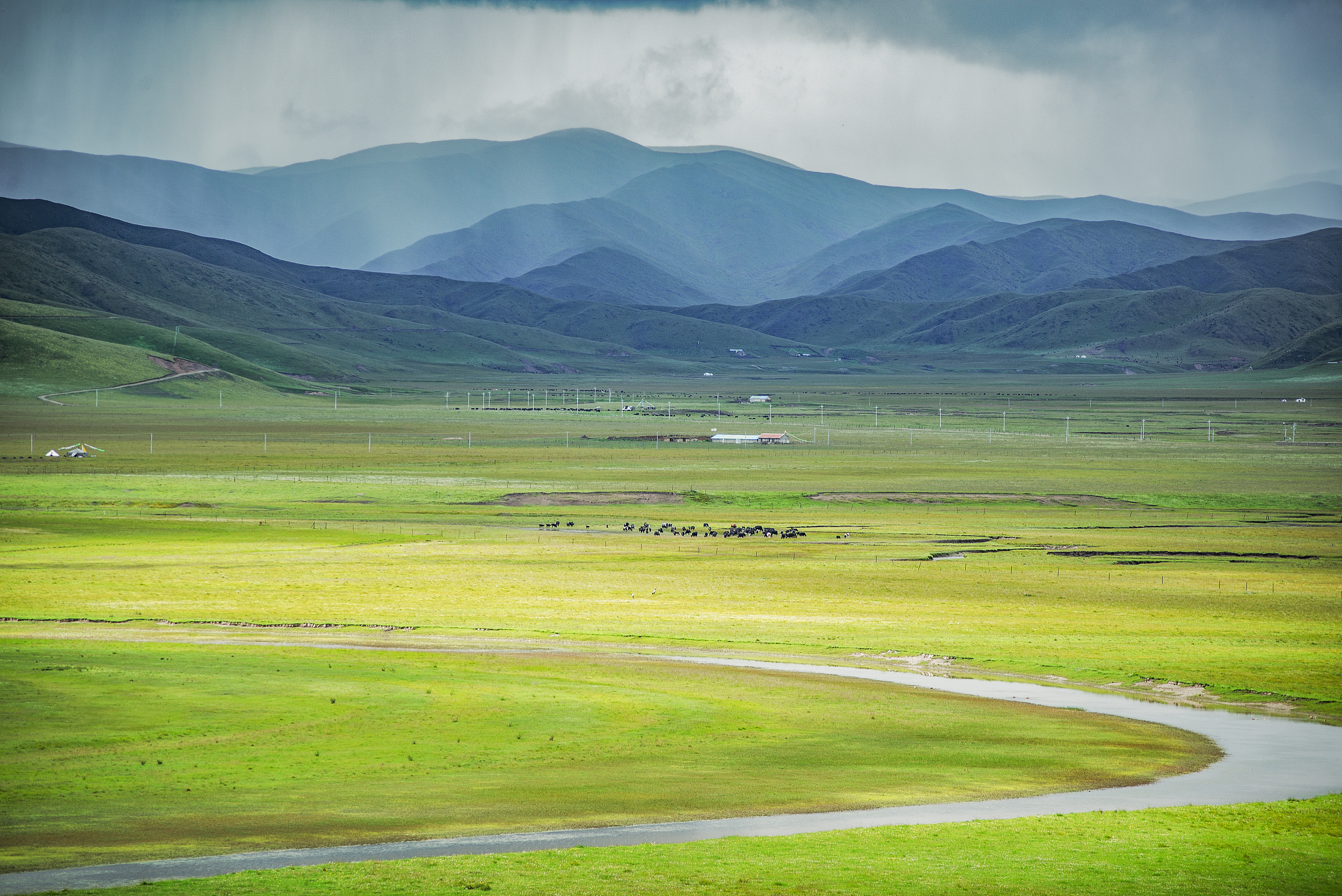
Hongyuan Moon River
Hongyuan Yueliangwan is located in Hongyuan County, Ngawa Tibetan and Qiang Autonomous Prefecture. The beautiful grassland in the scenic area seems like a green carpet, on which a slender curve is drawn by a clear river, like a crescent moon — that is how the place got its name (yueliang means moon). It has an absolutely captivating scenery, attracting countless visitors who come here for sightseeing.