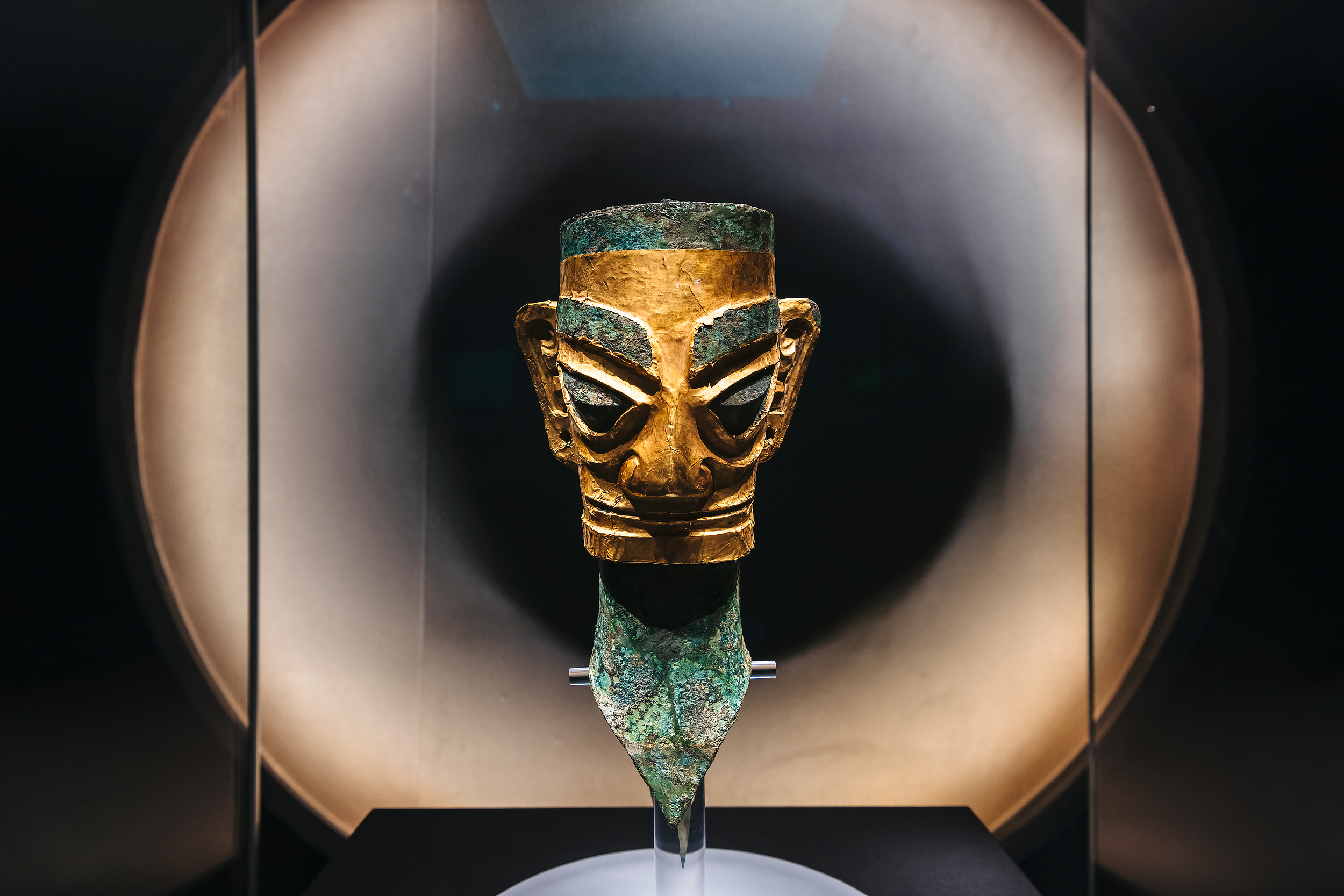
Sanxingdui Museum – Exhibition Hall 1The exhibition showcases a diverse collection of cultural relics including gold, bronze, jade, stone, and pottery artifacts. Organized thematically to convey deeper meanings, it presents a comprehensive overview—both chronologically and across disciplines—of the ancient Shu civilization’s history and Sanxingdui’s remarkable achievements. The centerpiece is a panoramic hanging screen of the Sanxingdui ruins, complemented by a sculptural installation inspired by the mythical creatures at the base of an altar and a grand mural titled “Cradle of Yangtze River Civilization.” Together, these elements highlight the profound legacy of Sanxingdui as the preeminent representative of upper Yangtze civilizations.
归档: Attractions
-
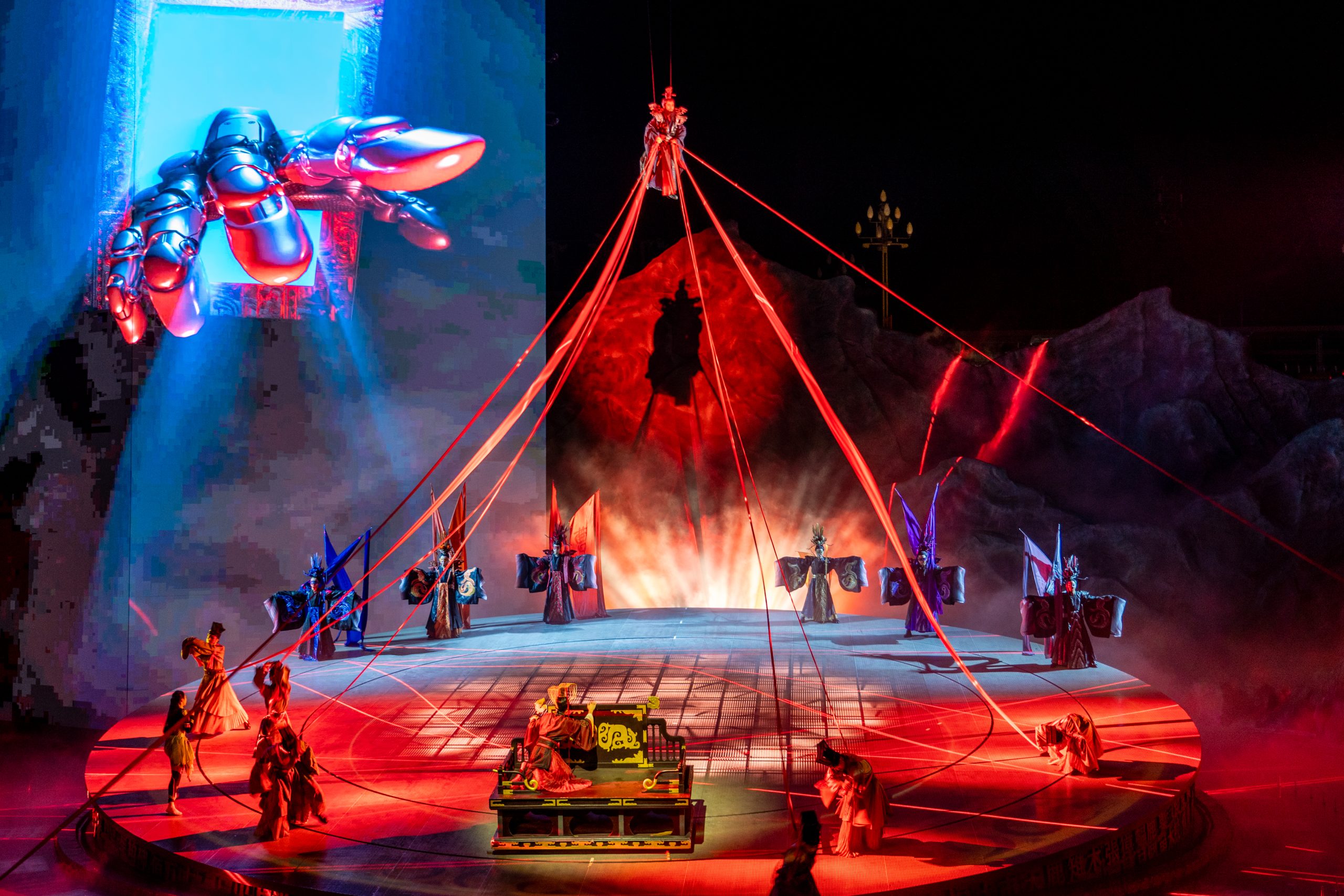
Dashu Road Never-Sleeping Three Kingdoms City
Dashu Road Never-Sleeping Three Kingdoms City is a comprehensive cultural attraction themed around the Three Kingdoms period, located in Sichuan Province, China. This attraction blends historical culture with modern entertainment, offering a variety of amusement facilities, spectacular performances, and interactive experiences. Visitors can immerse themselves in the atmosphere of the Three Kingdoms era and participate in activities like horseback riding and archery, making it ideal for families and friends. The attraction also features a food street and shopping area, serving authentic Sichuan cuisine and unique souvenirs.
-
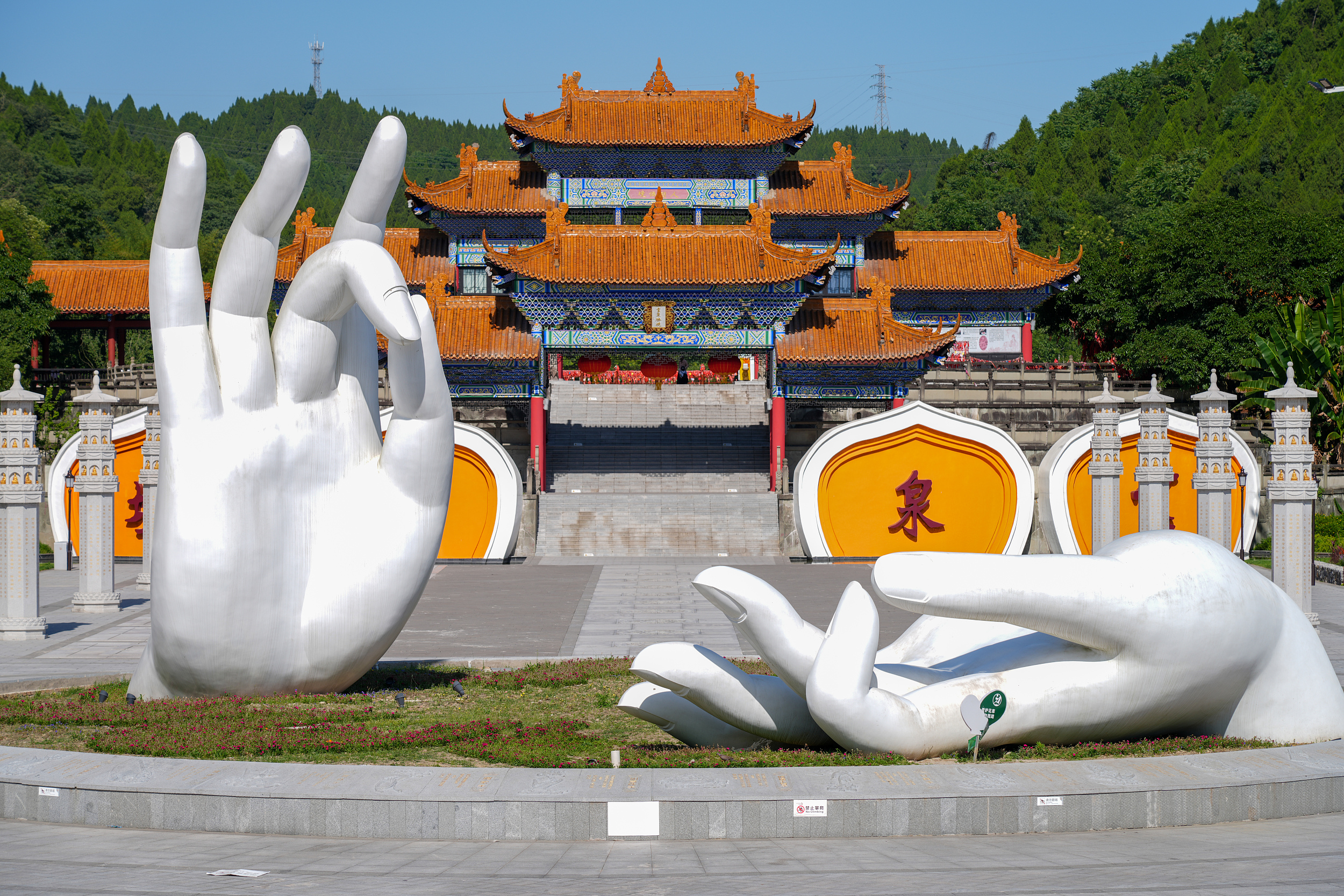
Lingquan Scenic Area the hometown of Guanyin in China
The Holy Water Temple is located in Lingquan Mountain, Chuanshan District, Suining City, Sichuan. Across Fujiang River is Guangde Temple. The Holy Water Temple is composed of the Holy Water Buddhist culture area and the Holy Water cultural leisure area. In the Buddhist culture area, tourists can visit various Buddhist buildings such as Guanyin Pavilion, the Hall of Kshitigarbha and the Hall of Five Buddhas. The Holy Water cultural leisure area boasts farming culture, a planting garden and Holy Water village, making it a good place for leisure and entertainment.
-
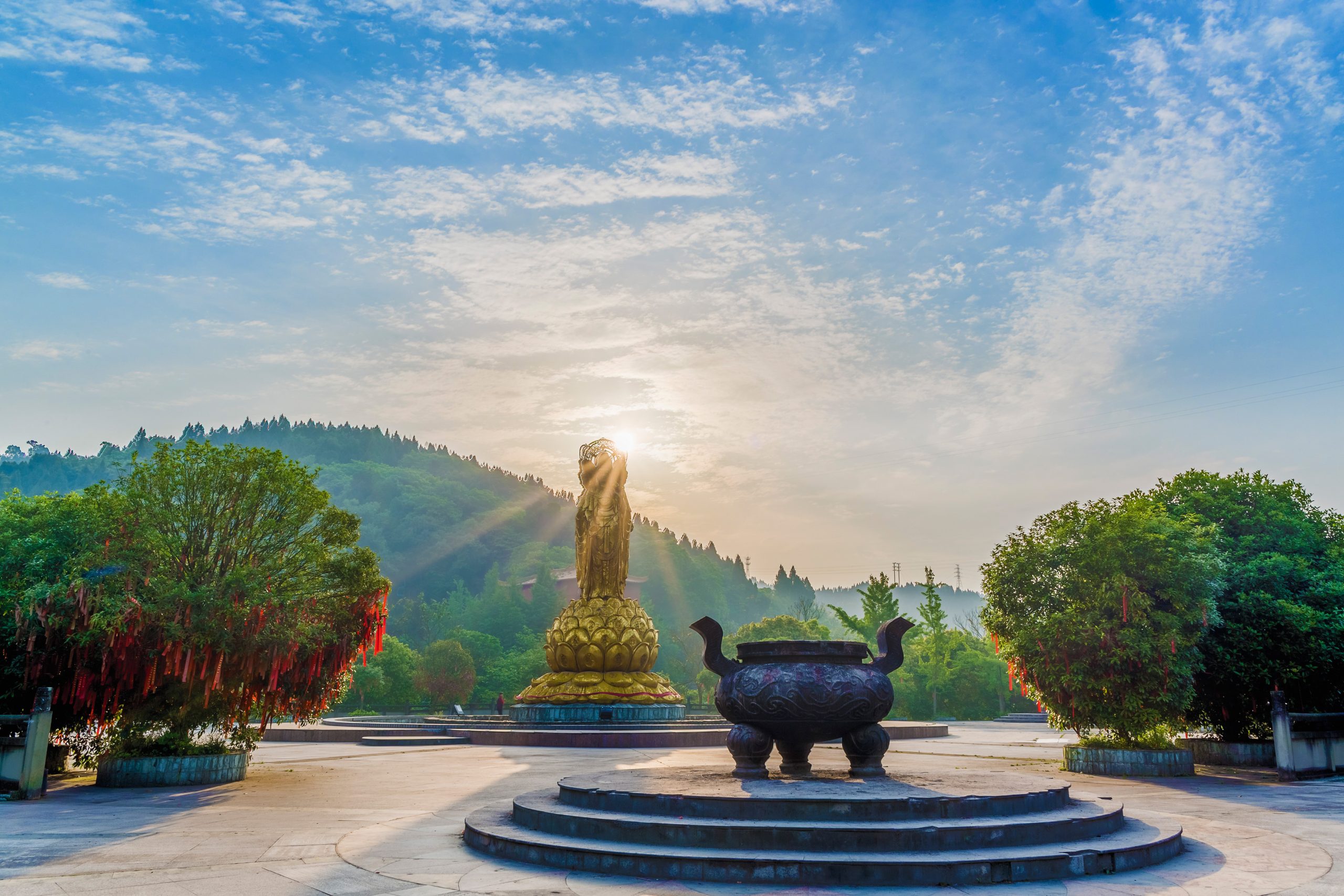
China Guanyin’s Hometown Tourism Area
China Guanyin Hometown Tourist Area is located in Suining City, Sichuan Province.SuiningThe Guanyin culture of the Guanyin Hometown Tourism Area of China has a long history and deep roots among the people. The thousand-year-old folk song “The three sisters of Guanyin Bodhisattva, eating from the same pot but practicing separately, the eldest sister practices in Guangde Temple, the second sister practices in Lingquan Temple, but the third sister practices far away, practicing in Putuo Temple in Nanhai” is widely known in the world.SuiningIt is widely known in Souvenir areas. Guangde Temple is located at the foot of Wolong Mountain, two kilometers west of Suining City. Bus No. 5 in the city can directly reach the Attraction. It is a famous royal Zen temple and a famous Buddhist holy place in the west. It was first built in the Tang Dynasty and the existing buildings are from the Ming Dynasty. Lingquan Temple is located 2 kilometers east of Suining City, Sichuan Province. Buses 1, 3, and 8 go directly to the Attraction. Lingquan Temple in the scenic area was first built in the Kaihuang period of Sui Dynasty (598). The temple was built on the mountain with a construction area of 7,100 square meters. Lingquan Scenic Area is centered on Lingquan Temple. It is famous for its secluded mountains, beautiful temples, sweet springs, and unique cypresses. It is known as Lingquan Scenic Spot and one of the twelve scenic spots in Suining. The forest coverage rate of the Attraction is 93.3%, and there are nearly 10,000 rare red bean trees and century-old cypresses, nanmu trees, and banyan trees under national protection.
-
Zhongtian Building
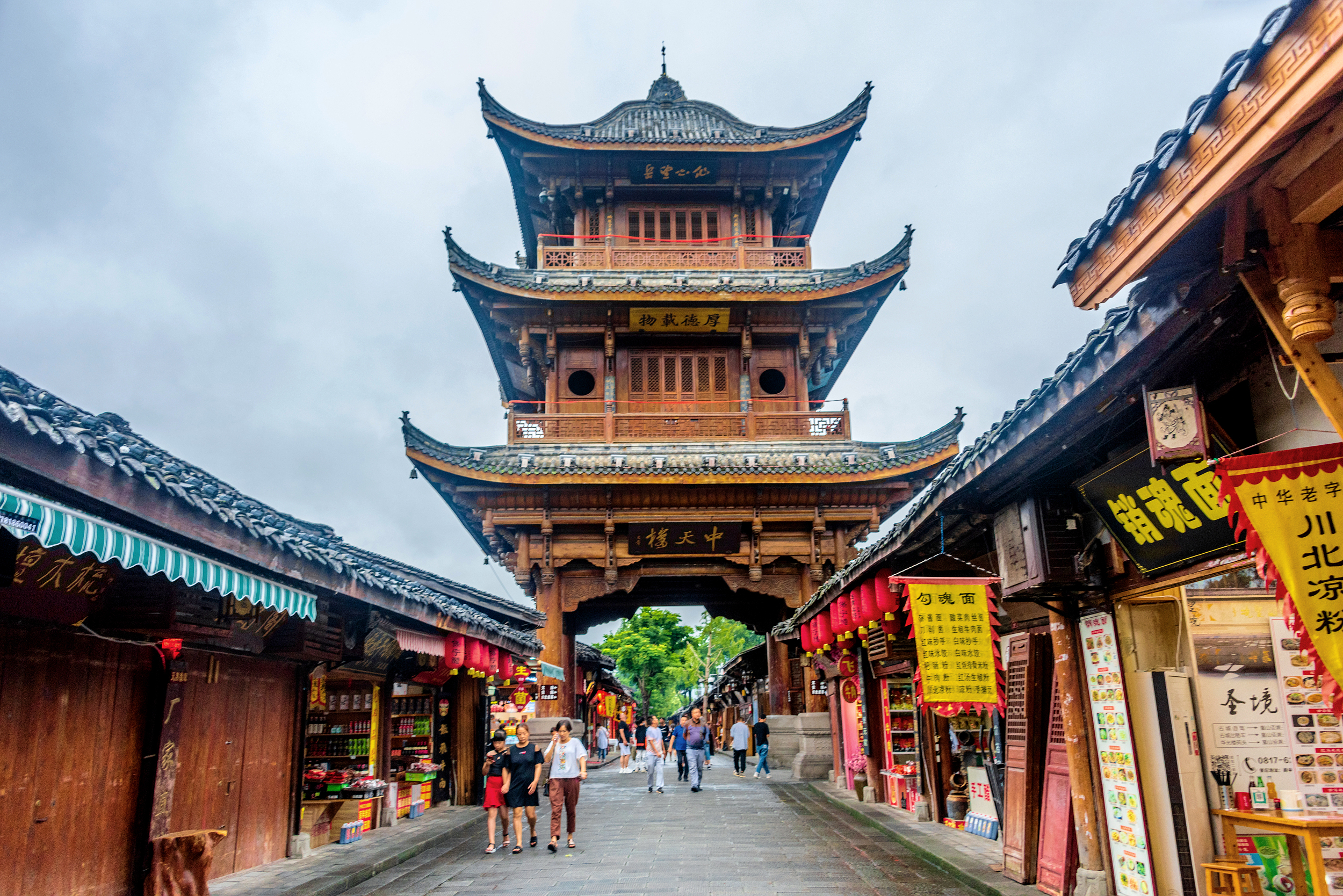
Zhongtian Tower is a three-story wooden building in the architectural style of Ming and Qing Dynasties, which was built in the Tang Dynasty. It is 25 meters high and rises from the ground in a large ancient city area. It is magnificent and beautifully built. Zhongtian Tower is the geographical location and layout of Langzhong Ancient City. The streets of the ancient city are centered on it, showing the “Ten Roads of Tianxin” spreading out in all directions, so it is also called the “geographical center of Langzhong”. Zhongtian Tower is located at the intersection of Shuangzhazi Street, North Street, West Street and Wumiao Street in Langzhong Ancient City. It is also known as the Four-row Building, one of the twelve buildings in Langyuan, and is the environmental layout coordinate of the ancient city. Zhongtian Tower was built in the Tang Dynasty and was later destroyed. It was rebuilt in 2006. It is 20.5 meters high, with three floors and four doors. It is magnificent and impressive, coordinated and unified with the landscape of the ancient city. You can enjoy her beauty from all four directions of the ancient city; climb to the top of the building, the field of vision is wide, and the environmental pattern of the ancient city is in full view.
-
Golden Scale Beach
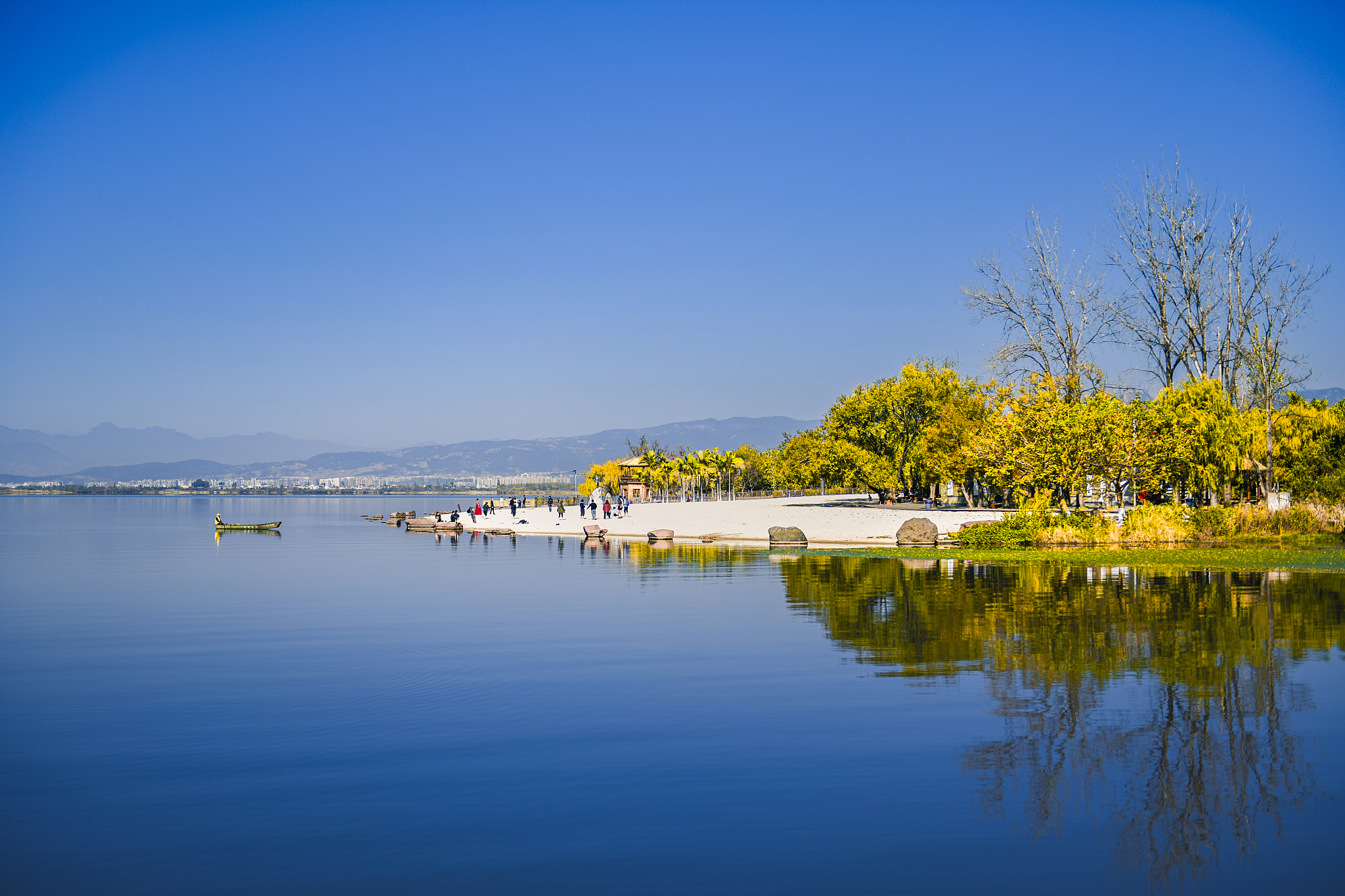
Golden Sand Beach, also known as Golden Scale Beach, is a paradise for children. In the cold night in the north, I feel like spring all year round, and you are tanned on the golden sandy beach of Xichang. There are two places in Xichang that are easy to get tanned, one is a small fishing village and the other is the golden beach. The sun on the golden beach is big. Before the first month of the month, children will play in the water in swimming suits, and they will catch small fish and shrimps at the beach with bare feet and trousers rolled up. The water of the golden beach is relatively clean along the Qionghai Sea, and the small conch shells warmly bake the sun on the shallow sand.
-
Pearl Shoals Waterfall
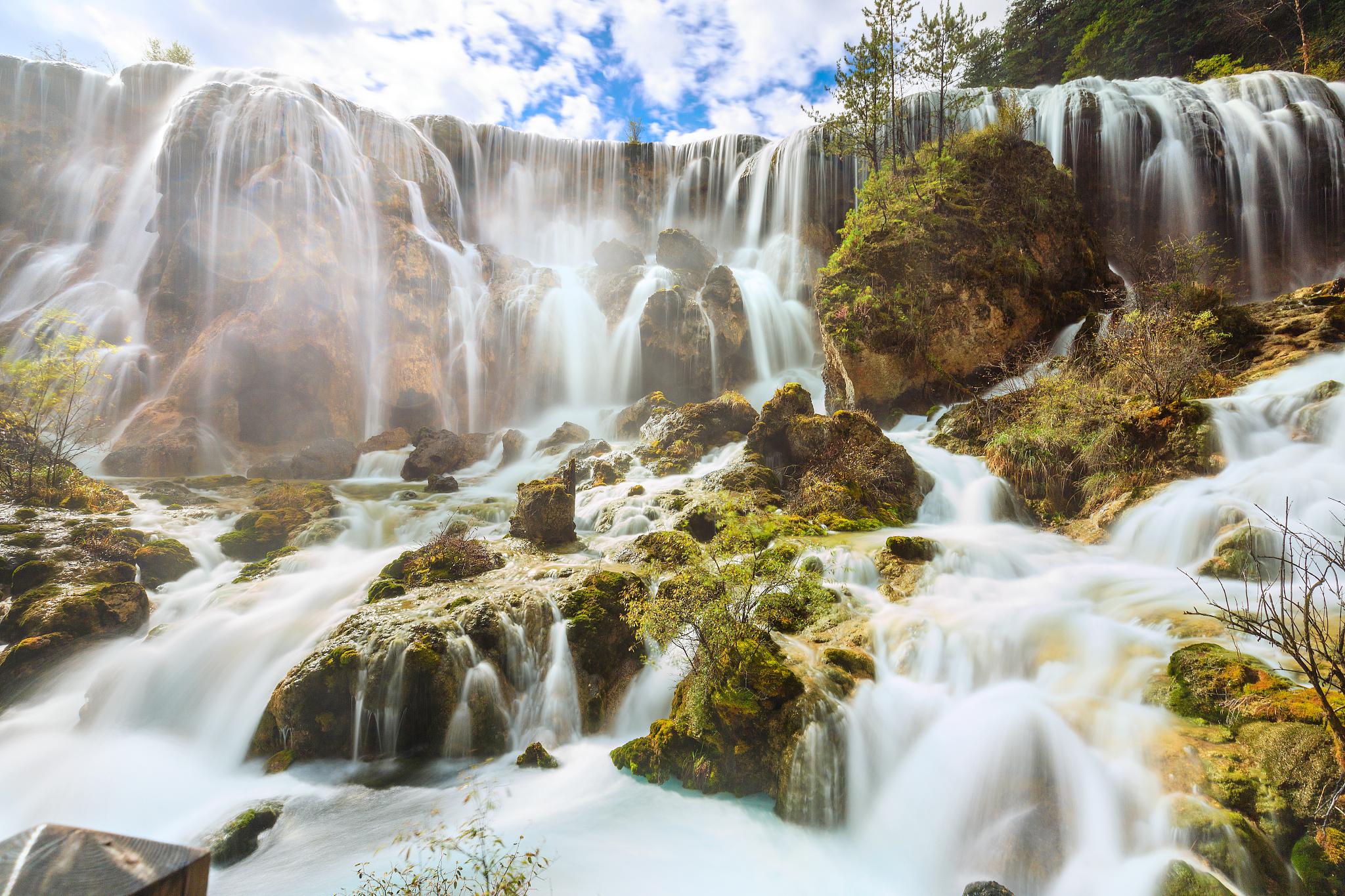
Pearl Beach Waterfall is the largest travertine waterfall in Jiuzhaigou. It comes from the melted snow in the mountains. It rushes into the valley from a height of 21 meters, roaring like thunder and rolling up thousands of waves. The water of this rapid is white, and it is the most powerful and noisy of all the rapids in Jiuzhaigou. The plank road on the left side of the rapids is a good spot to watch the waterfall. Pearl Beach Waterfall is located between Mirror Lake and Golden Bell Lake. The air at the bottom of the waterfall is fresh and the forest is lush. Walking on the plank road and accompanied by the rapids, continue to go east to the east side of Pearl Beach. The water of the waterfall cannot be drunk because of its high sulfur content.
-
Jiuzhaigou Tibetan Mystery Theater
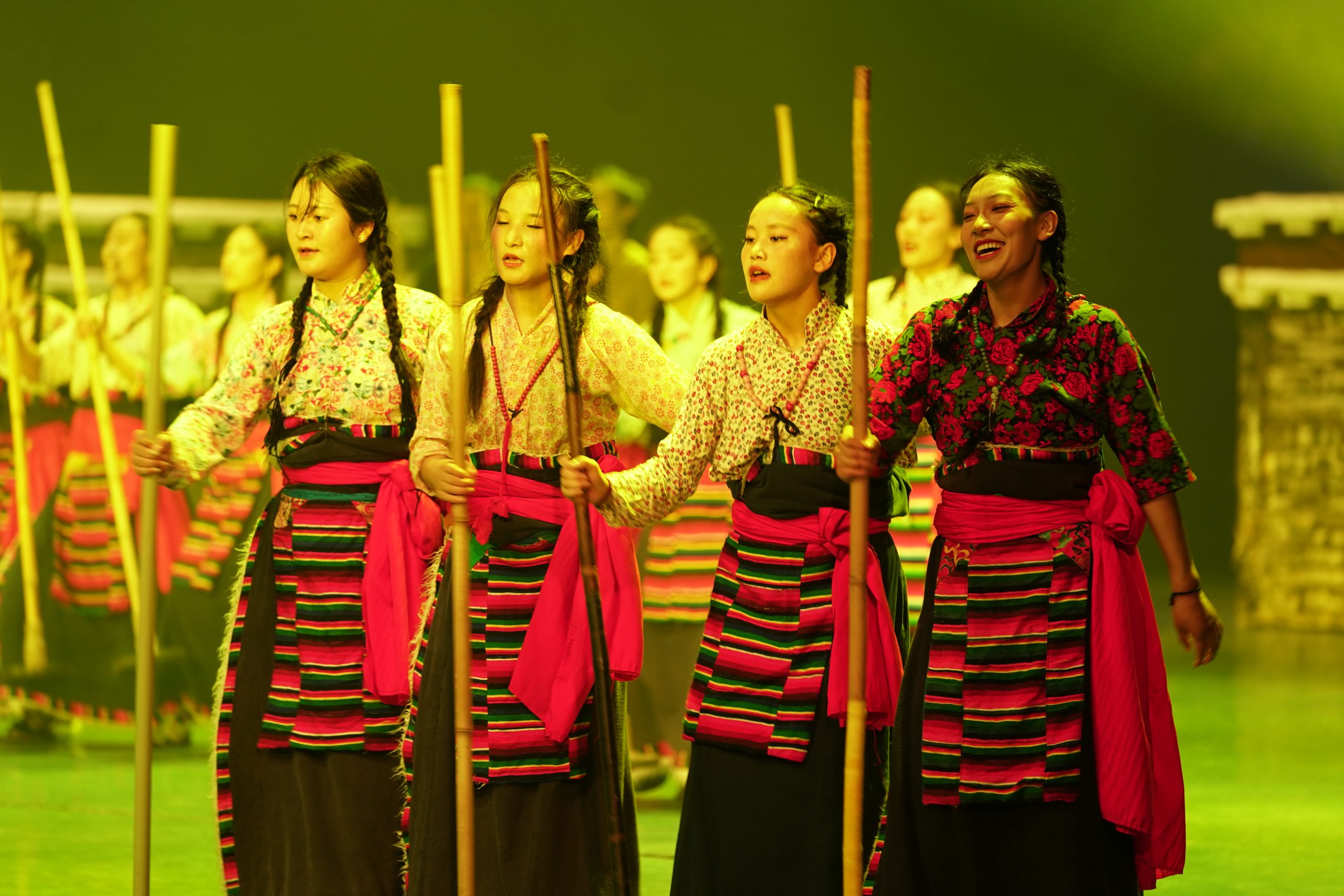
Jiuzhaigou County Tibetan Mystery Culture Communication Co., Ltd. (formerly Jiuzhaigou Rongzhongerjia Culture Communication Co., Ltd.) invested nearly 100 million yuan to build the Jiuzhaigou Tibetan Mystery Theater, which can accommodate 2,035 people. Its core performance “Tibetan Mystery” is a large-scale Tibetan original ecological song and dance music program. The program is produced by Rongzhongerjia, and the famous dance artist Yang Liping is the chief director and artistic director. The song and dance show the Tibetan cultural colors in their original flavor. It is the first song and dance poem in China that presents Tibetan culture in a situational manner. The large-scale Tibetan original ecological song and dance music “Tibetan Mystery” is a pure Tibetan large-scale song and dance music that covers different styles in various Tibetan areas in China and is rich and colorful. It is divided into four scenes: showing mystery and customs; the second scene of labor, depicting romance and colorfulness; the third scene of competition, full of reverie and joy; the fourth scene of reincarnation, the stage performance elements involved in the song and dance music are all derived from the collection and arrangement of Tibetan original ecological music, dance, instrumental music, costumes, and props. The program content is rich and colorful, and it is shocking. The rhythm is sometimes high-pitched and strong, sometimes lingering and sad, and the scene is grand and spectacular. It depicts a mysterious, broad, long-lasting and brilliant Tibetan style through songs, dances and music, including religious music, costume performances, thangka art and Tibetan singing, playing and singing, rap, Lai, pastoral songs, tap dance, string dance, yak dance, Guozhuang, etc., accompanied by horse-head fiddle, mandolin, stringed fiddle, dama drum, horn, drum, ocarina, eagle flute, etc. It can be said that “Tibetan Mystery” is a work that concentrates on the culmination of Tibetan songs, dances and musical instruments, and is a key to unlock the secrets of Tibetan culture. In 2007, the musical “Tibetan Mystery” was rated as one of the “Nine Excellent Tourism and Cultural Programs in China” by the Brand Review Center of the “China Culture Daily” of the Ministry of Culture of the People’s Republic of China, ranking seventh in the country. In 2010, it was selected as a project in the “National Cultural Tourism Key Project List-Tourism Performance Category”. In 2010, it was awarded the “Five One Project Award”. In 2011, it was rated as one of the “Top Ten Cultural and Creative Tourism Performance Projects in China” by the China and Foreign Tourism Culture Association. After application by local organizations and review by relevant departments, the Ministry of Commerce, the Central Propaganda Department, the Ministry of Finance, the Ministry of Culture, the State Administration of Radio, Film and Television, and the General Administration of Press and Publication jointly identified it as a national key cultural export project for 2011-2012.
-
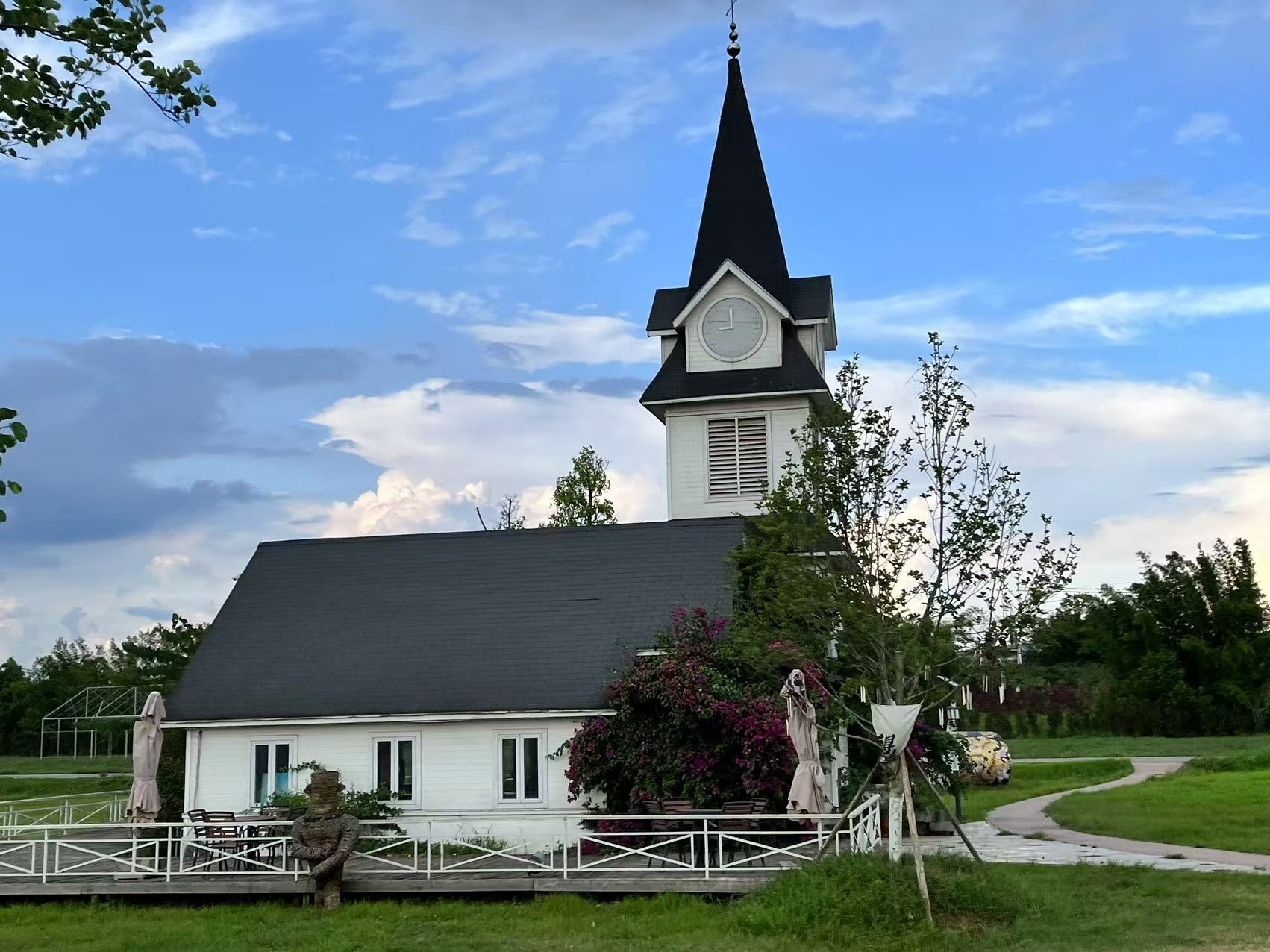
Weiran Flower Field
Visitors are able to experience and enjoy both human and flower leisure experiences through one of the many awaiting adventures. They can choose to visit the Huatian flower fields, explore the Flower Science Museum, take in a performance at the Huahai Theatre, play in Hobbit Children’s Area, or experience tourism via helicopter. Here visitors will be able to relax and enjoy the refreshing air that is full of fragrant flowers and even stop to take memorable photographs. Visitors with children are encouraged to check out the Simulated Dinosaur and the Hobbit Children Experience Zone for a fun family friendly experience. You can also enjoy one of the many foreign style performances that are performed in the scenic area to truly immerse yourself in the experience.
-
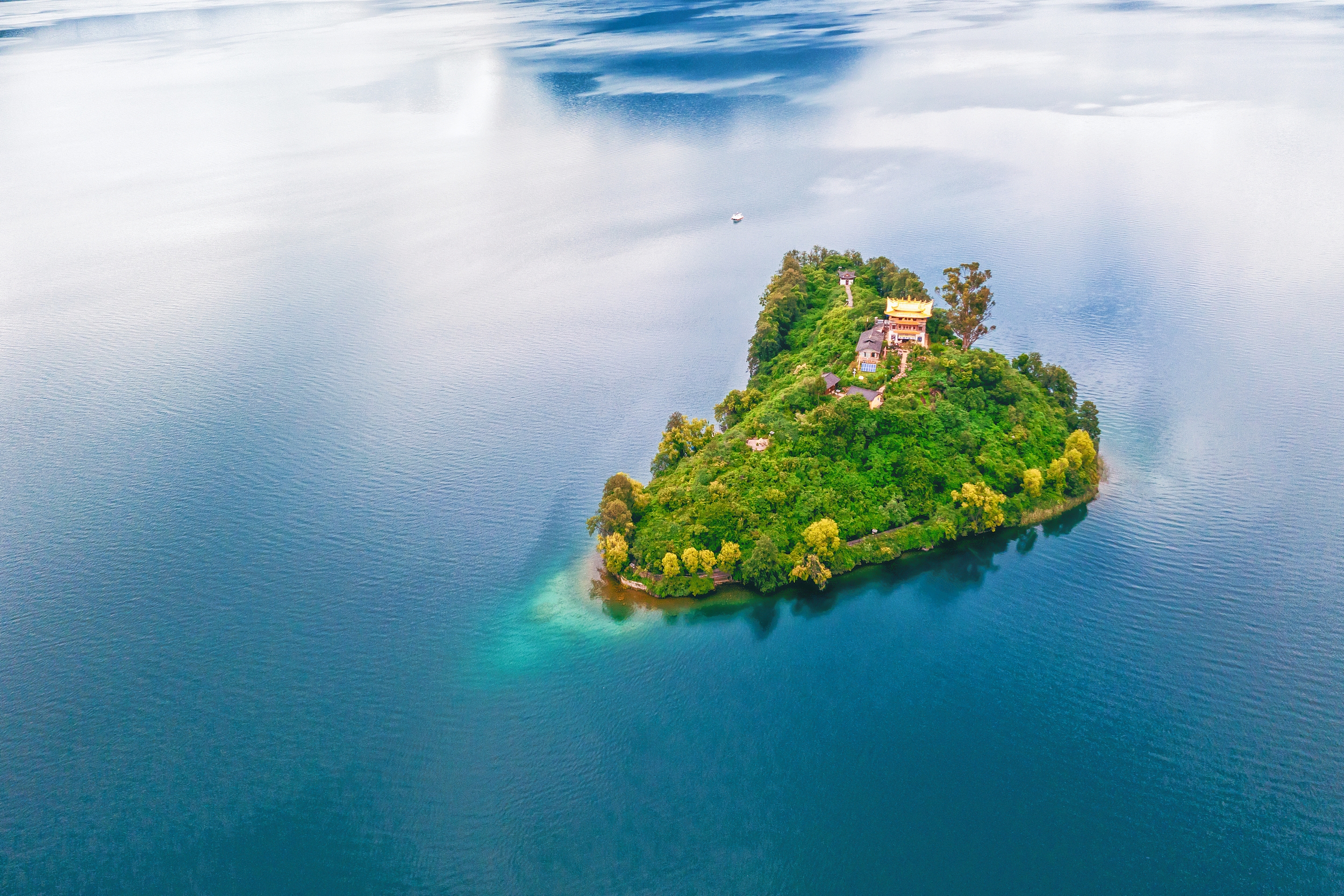
Liwubi Island
Located on the south-central side of Penghu, Liwubi Island is a famous small island in Penghu. The island is full of trees, many rhododendrons and wild cherry trees, and a Buddhist temple in the Tibetan Buddhist temple. It is a popular spot for viewing and worshipping Buddha. The tour of the island is usually from the Great Falls Pier and arrives by boat. After going up the island, you can look around the lake and have a beautiful view. The temples and white towers on the island are full of incense, and every time there are Tibetan festivals and Buddhist festivals, local people will pray for blessings.