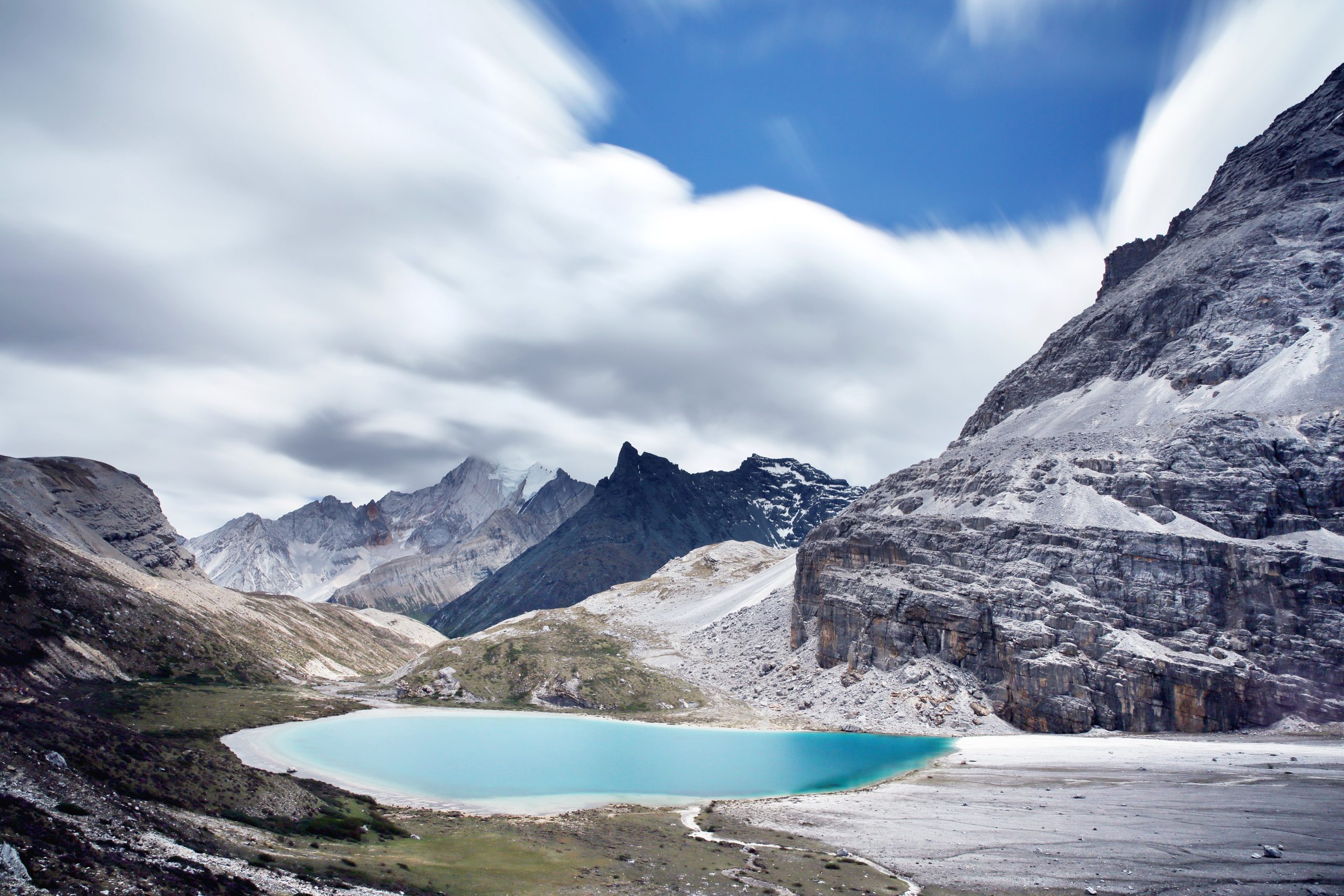
Milk sea, also known as Luorong Cuo, is located in a hollow at the foot of Yang Maiyong Mountain, a sacred mountain in Yading, Baocheng county. It is an ancient glacial lake shaped like a water drop, and is named Milk Lake because there is a circle of milky white calcium sediment by the lakeside. The only ways to get from Luorong Pasture to Milk Lake are by walking or renting a horse from a horse caravan on the pasture. Because of its position relatively high above sea level and rugged mountain paths, the route requires good physical condition and you should pay attention to your safety when proceeding.
归档: Attractions
-
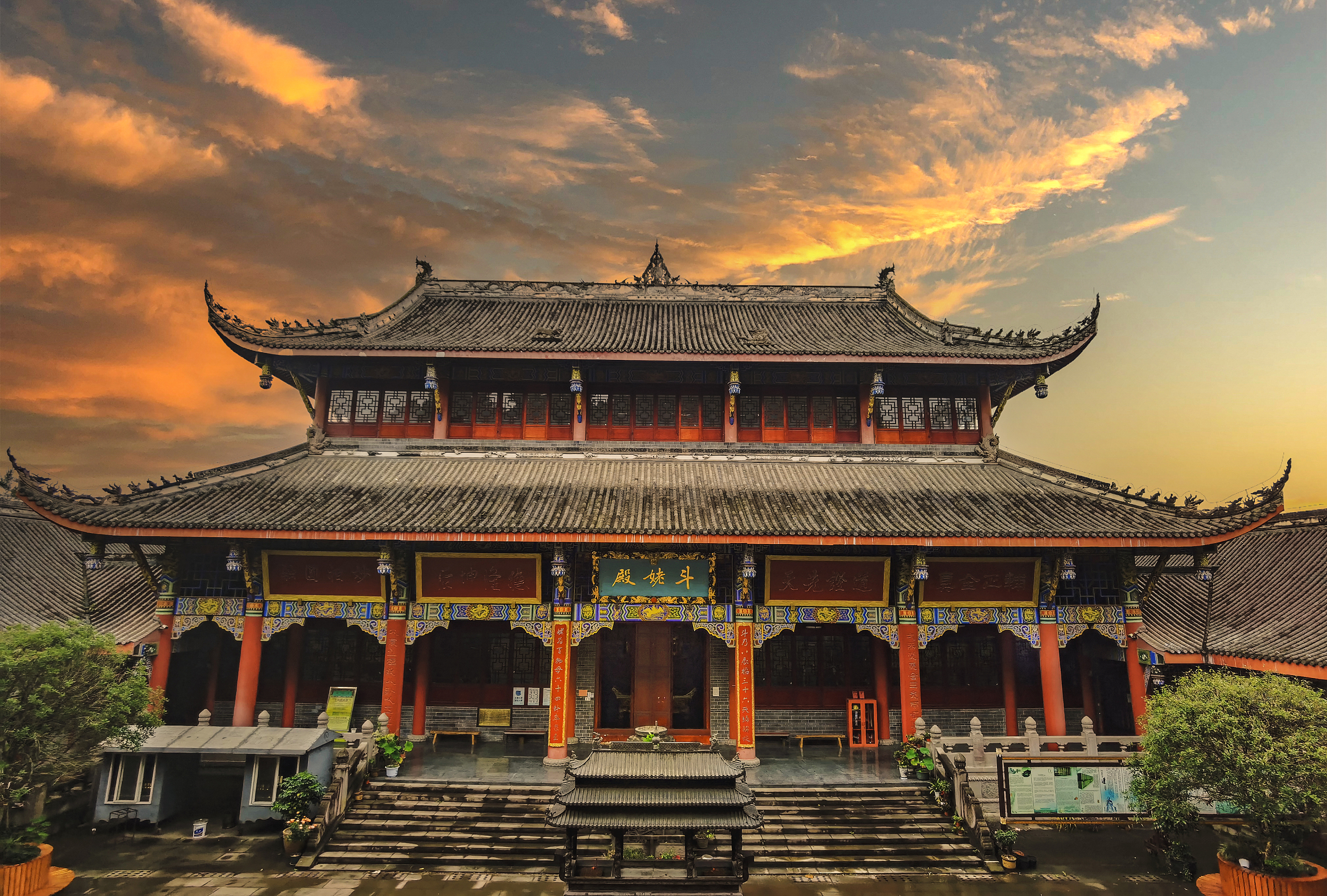
Xinjin Laojun Mountain
About 3 kilometers south of Xinjin County, Laojun Mountain, also known as Tianshe Mountain and Choujing Mountain, is a famous Taoist place in western Sichuan and the fourth rule in the “Twenty-Four Rule” of Zhang Daoling’s “Five Dows of Rice Road” in the Han Dynasty – “Choujing Mountain”. The location of “Jingzhi” is said to be the place of Lao Tzu’s retreat. The mountain is famous for its Taoist architecture and the grand Laojun temple fair. Most of the buildings that tourists see here today were rebuilt later. The main buildings are Tianci Palace, Lingzu Building, Hunyuan Palace, Bagua Pavilion Sanqing Palace and Qizhen Palace. The 15th day of the second lunar month of the lunar calendar is the birthday of Lao Tzu, the ancestor of Taoism (that is, Taishang Laojun). On this day, the whole mountain is full of tourists who come to pray for blessings, and there are people everywhere.
-
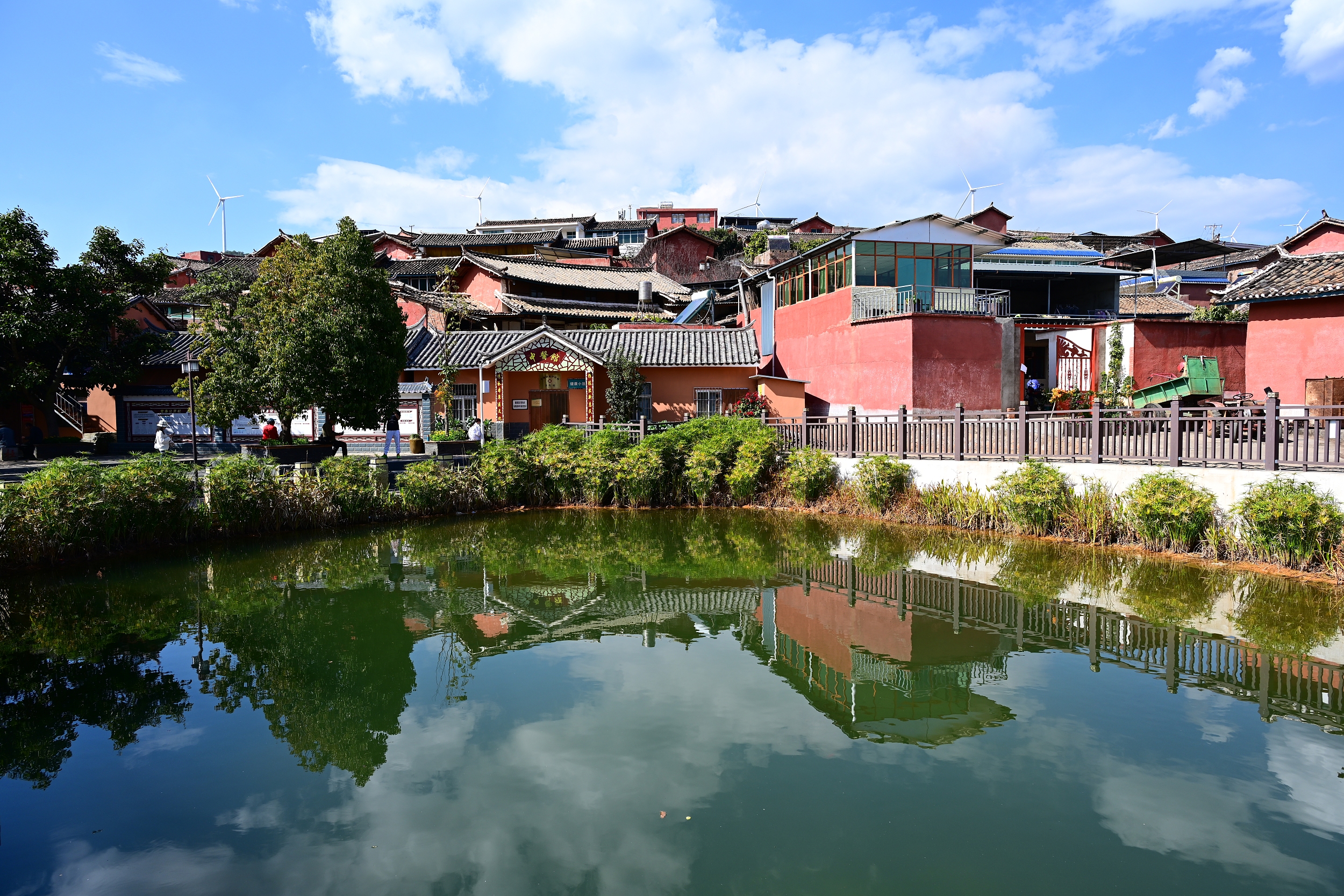
Yishala Village
Yishala is a Yi village in my country. With its long history and unique status as a post station, and its superior geographical location at the junction of Liangshan and Chuxiong Prefectures, two of the largest Yi autonomous prefectures in my country, on the banks of the Jinsha River, it has become an ideal object for studying a series of major ethnic historical and cultural issues, such as the history of post roads in southwest my country, the history of ethnic villages and towns, and the history of exchanges between Yi and Han. Yishala has rich ethnic historical and cultural resources, with a very complete variety, and a more profound connotation, and the individual cases are particularly typical. According to statistics, within a few dozen square kilometers, there are large-scale ethnic historical and cultural treasures, mainly including: China Yi Village; Zhuge Liang’s “crossing the Lu River in May and going deep into the barren land” is located at the nearby Jinsha River Laza Ferry. Zhuge Liang led his troops through Yishala to Fangshan to station troops. Fangshan still has Zhuge Liang’s relics.
-
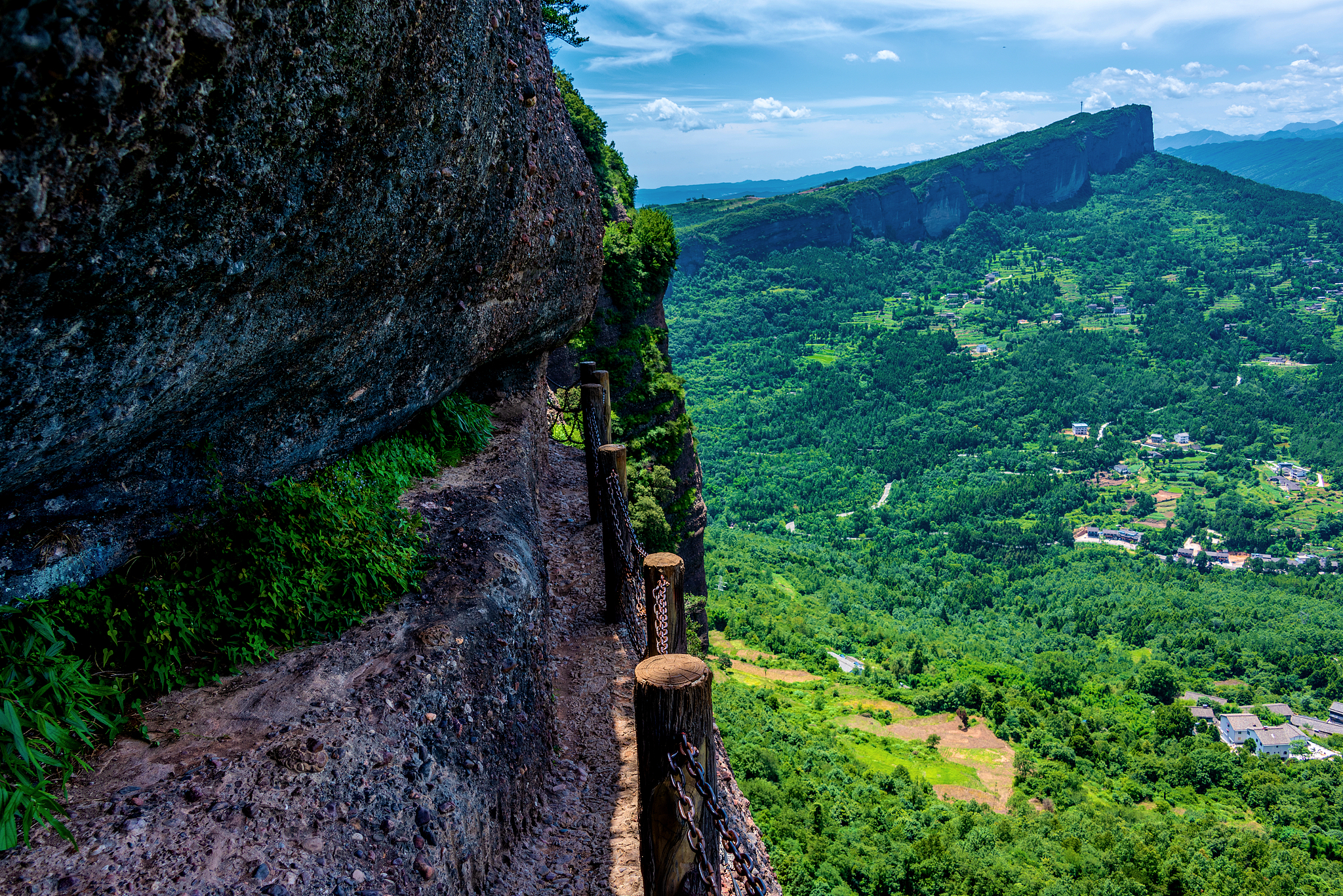
Bird Path
The Bird Path is located in the Jianmen Pass Scenic Area in Jiange County, Guangyuan City, Sichuan Province. It is one of the important places to experience the Shu Road culture. The Bird Path is built according to the mountain terrain. It is 900 meters long and winds around the cliffs. The narrowest part of the road is only about 30 centimeters. The vertical drop is more than 110 meters. There are iron chain guardrails on both sides to ensure safety. Along the way, you can see the natural wonders of cliffs and peaks. The lush forests are surrounded by clouds and mist, like a dynamic landscape painting. Visitors walking on it can not only feel the danger of “the difficulty of the Shu Road”, but also overlook the magnificent scenery of the Jianmen Pass Canyon. As a landmark trail in the scenic area, the Bird Path and the Monkey Path together constitute a challenging tour route, suitable for those with plenty of physical strength. The scenic area has complete supporting facilities. Visitors can plan their itinerary in combination with facilities such as cableways and viewing platforms, and deeply experience the natural geographical characteristics of Jianmen Pass “one man guarding the pass, ten thousand men cannot open it”.
-
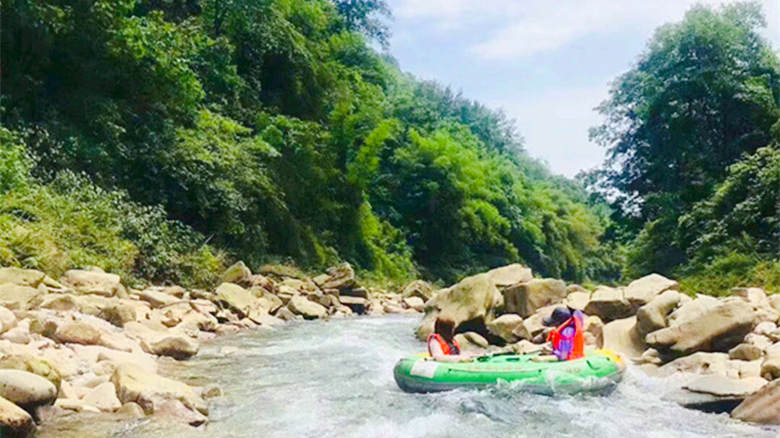
Qingchenglianghe Drifting
The Qingcheng River Rafting has a superior natural environment, a cool and pleasant climate, and an average annual temperature that is 2~5° lower than that of Chengdu. The vegetation is dense, the original ecological protection is intact, and the air is rich in negative ions, which is known as a “natural oxygen bar”. The rafting is located in Binjiang Village, Daguan Town, Dujiangyan City. The rafting pier is located on the road from Jiezi Ancient Town to the back mountain of Qingcheng, on the bank of Weijiang River. It takes only more than 10 minutes from Jiezi Ancient Town to the rafting, and it is more than 60 kilometers away from Chengdu. The rafting river section runs through Binjiang Village, the whole journey is about 6 kilometers, and the rafting time is about 100 minutes.Self-service rafting is a new product in the tourism industry. It is a fitness project that integrates sports, entertainment, leisure and stimulation. For example, riding a raft down the clear blue waves, sometimes passing through dangerous rapids with large drops and many sharp bends, it is quite a thrilling feeling. Sometimes rowing a boat in a deep pool that is as green as a mirror, it is leisurely and fun. The peaks along the coast are stacked, the bamboo forests, the blue sky and white clouds, the green mountains and green waters are natural. In spring, you can see peach blossoms blooming in the canyon, with red and white inlaid in between, which is beautiful. In autumn, you can enjoy red leaves, and the mountains are red all over the forests, which is spectacular. Rafting in the canyon and mountains and waters not only cultivates emotions, but also allows you to enjoy the fun of nature.
-
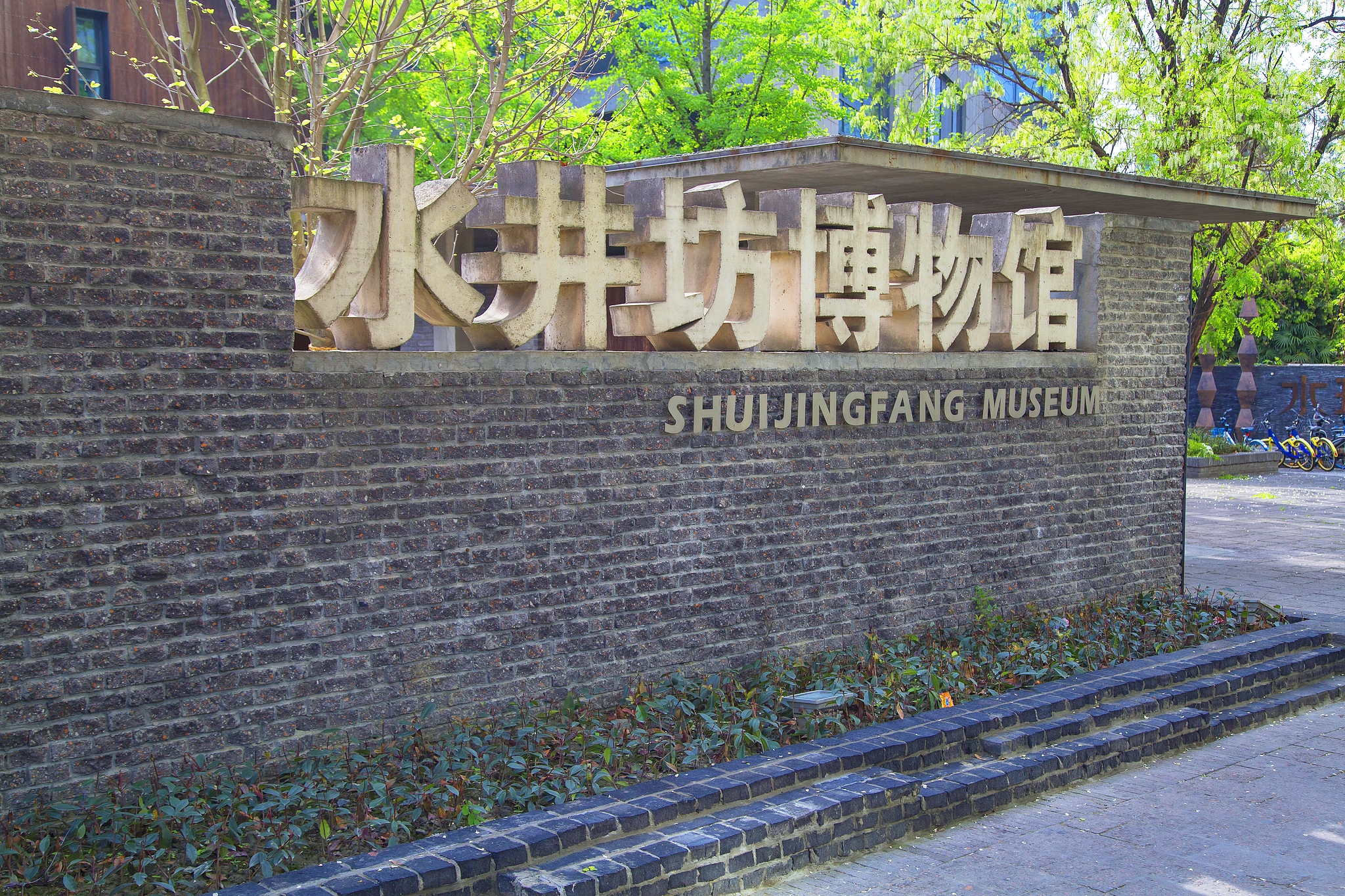
Shuijingfang Museum
Shuijingfang Museum, funded by Sichuan Shuijingfang Co., Ltd., is a privately-owned museum dedicated to showcasing traditional industrial heritage and baijiu culture. Shuijingfang Museum is located at No. 19 Shuijing Street, Jinjiang District, Chengdu, Sichuan Province. It covers an area of 18.5 acres with a total floor space of 12,148 square meters, including 10,299 square meters of exhibition space. Construction began on June 3, 2011, with trial operations starting on March 25, 2013, and officially opened to the public on July 18, 2013. Shuijingfang Museum is a living experiential museum that combines three elements: an exhibition hall preserving and displaying the original site of Shuijing Street distillery, a demonstration production area showcasing traditional Shuijingfang baijiu brewing techniques, and a unique tasting experience zone. Through multimedia presentations of sound, light, and imagery, along with immersive sensory experiences, the museum breaks away from the traditional static display format, creating vibrant engagement for visitors. The Shuijingfang Museum building, designed by renowned architect Liu Jiakun, showcases the architectural characteristics of western Sichuan folk culture, vividly presenting Chengdu’s traditional architectural heritage. Based on residential architecture with thoughtful modifications, the design softens boundaries through staggered forms to create smooth transitions with the surrounding conservation area. This makes the museum a connecting element that blends seamlessly with the residential fabric to its west and south. The exhibition route features courtyard spaces alternating with gallery areas, embodying the harmonious coexistence of architecture and nature.
-
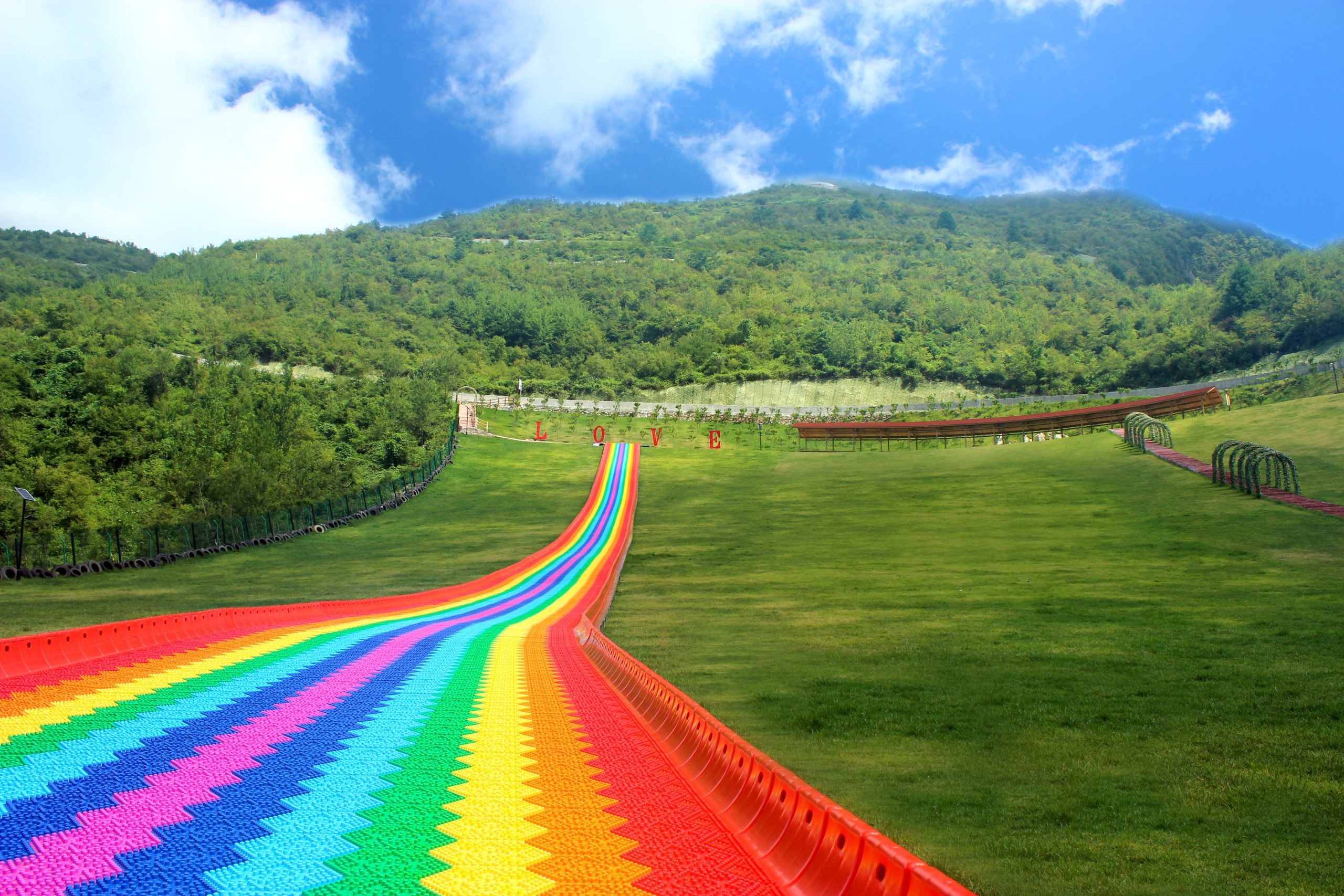
Batai Mountain
Batai Mountain is the one of the highest mountains in the region and is surrounded by a stunning mountainous landscape. Visitors can walk through a lush bamboo forest and admire the sunrise over a sea of clouds. The mountain is best visited in late spring and early summer when the rhododendrons come into bloom. Visitors can challenge their fear of heights on a transparent glass walkway. The visitor site also offers a range of reasonably priced local cuisine.
-
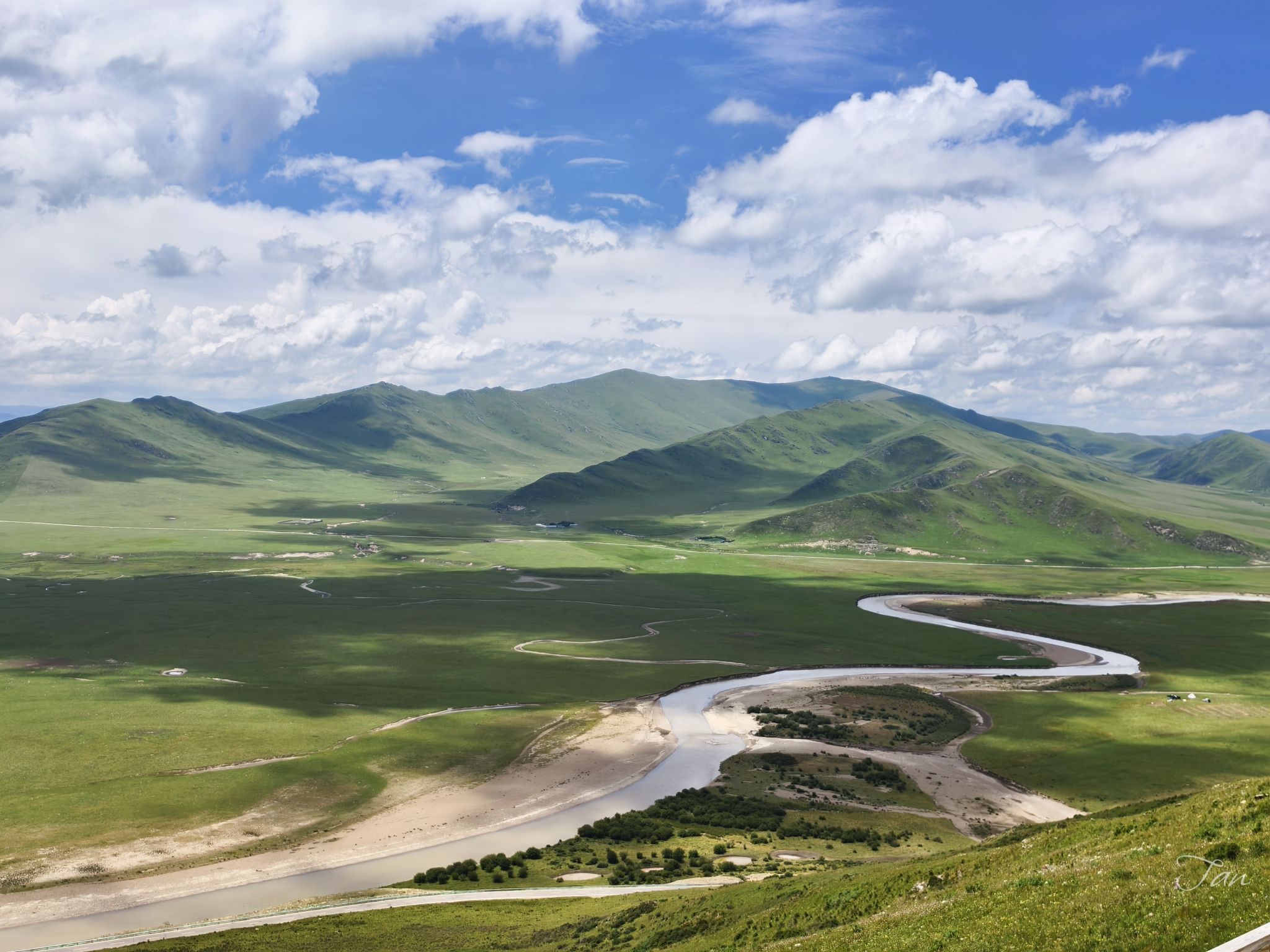
Manzetang
Manzetang is located in the northeast of Ngawa County, 65 km from the county town, with an average elevation of 3,400m and a total area of 165,874 hectares. It isYellow River National Cultural Park,Long March National Cultural ParkRuoergai National Park, a key component of Sichuan’s top ten “Great Grassland” brands, combines the natural beauty of the Yellow River’s entry into Sichuan with rich cultural heritage. Known as the “Wetland of a Thousand Bends, Fairy-tale Pasture,” it offers a breathtaking blend of ecological wonders and pastoral charm. The attraction is divided into eight functional zones: visitor service area, wetland conservation area, wetland sightseeing area, ecological education area, folk culture experience area, red heritage area, self-driving camping area, and winter sports area, offering visitors a diverse range of tourism products and services.
-
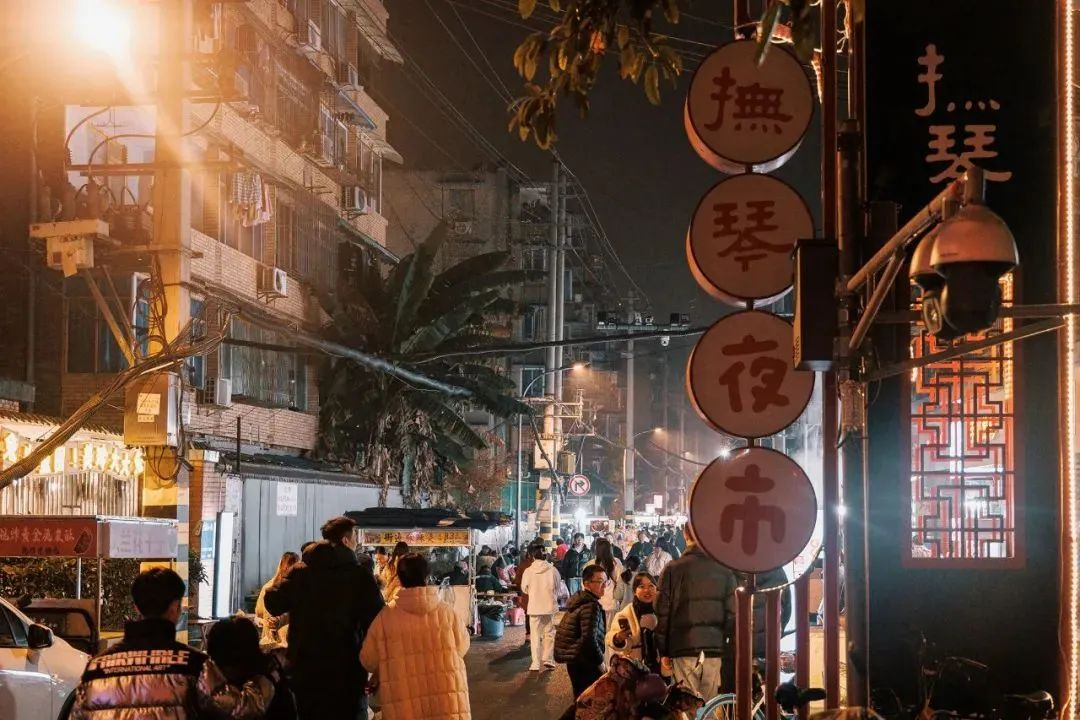
Fuqin Night Market
Fuqin Night Market is famous for its rich food and diverse shopping options. Every evening, the night market begins to bustle, and vendors set out a variety of food, from authentic Sichuan snacks to creative modern cuisine. Visitors can taste authentic Chengdu hot pot skewers, spicy hot pot, dandan noodles and other classic foods here, and fully experience the authentic Sichuan charm. In addition to food, Fuqin Night Market also offers a variety of shopping options, including clothing, accessories, handicrafts, etc., at affordable prices. It is an ideal place for tourists to find their favorite souvenirs. The atmosphere of the night market is lively and the performances of street artists add a lot of fun. It is a good place to experience Chengdu’s nightlife. The bright lights of the night market, accompanied by the laughter of the crowd, seem to condense the vitality of the entire city here, attracting countless tourists to explore.
-
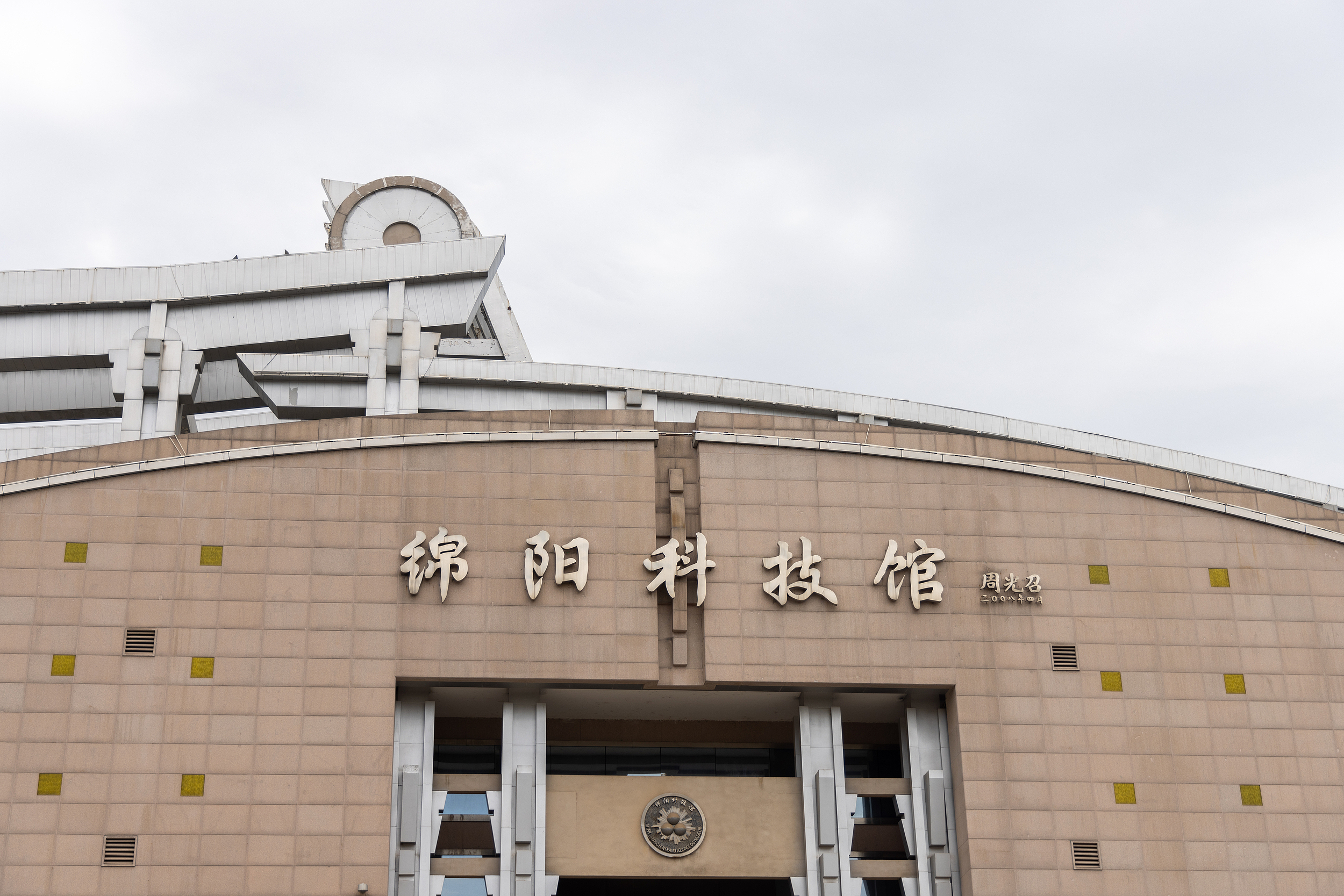
Mianyang Science and Technology Museum
Mianyang Science and Technology Museum is situated on the banks of the beautiful Furong River which echoes the Fule Mountain Scenic Area. The Chinese Scientist Sculpture Park and the Mianyang Museum are under construction. The theme of the Science and Technology Museum is two bombs and one star, and the main line is Nuclear technology. The core point of interest are the 4D nuclear explosion experience hall which is present on the second floor and the somatosensory game present on the third floor Changhong exhibition hall. The Mianyang Science and Technology museum forms the foundation and base for adolescent science education. The other facilities in this museum are also incorporated with science and technology. You can bring your children to visit here on weekends which will not only help them gain knowledge but also expand their horizons.