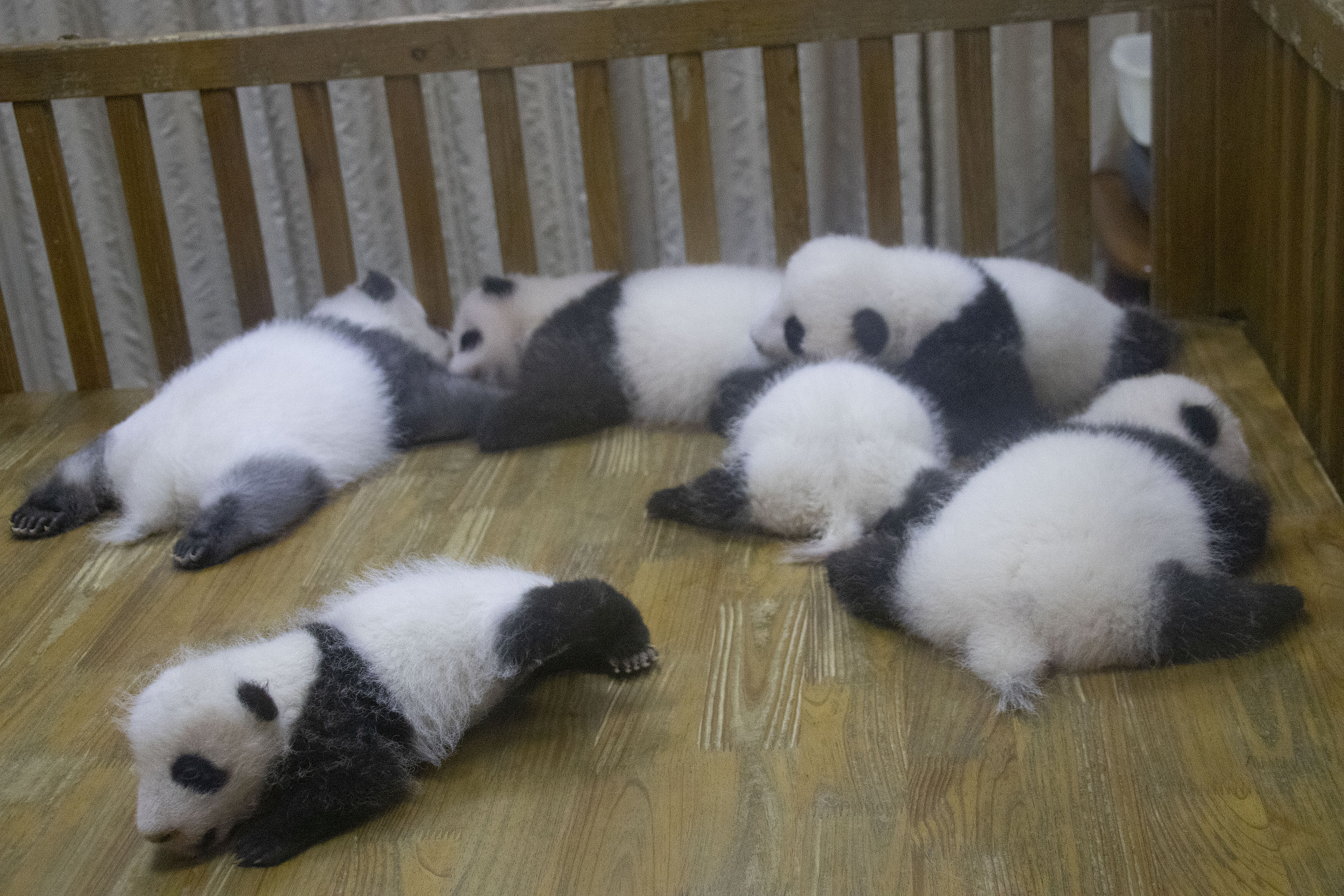
The Giant Panda Moon Delivery Room is a facility designed specifically for the breeding of giant pandas and the growth of their cubs. It attracts many tourists to visit and is named after the shape of the park, which resembles the moon. This is not only the home of giant pandas, but also a place for tourists to learn about the living habits and breeding process of giant pandas. There are multiple observation windows in the delivery room, where tourists can watch the interaction between giant panda mothers and cubs up close and feel their cuteness and warmth. The design of the Moon Delivery Room fully considers the living needs of giant pandas, providing a comfortable environment and professional care. When visiting, tourists can learn about the breeding knowledge and protection status of giant pandas through information display boards and guided tours. There are also special science lectures and interactive activities in the base, which are suitable for family tourists and animal lovers to participate. Please keep quiet during the visit and follow the instructions of the staff to ensure that the lives of giant pandas are not disturbed.
归档: Attractions
-
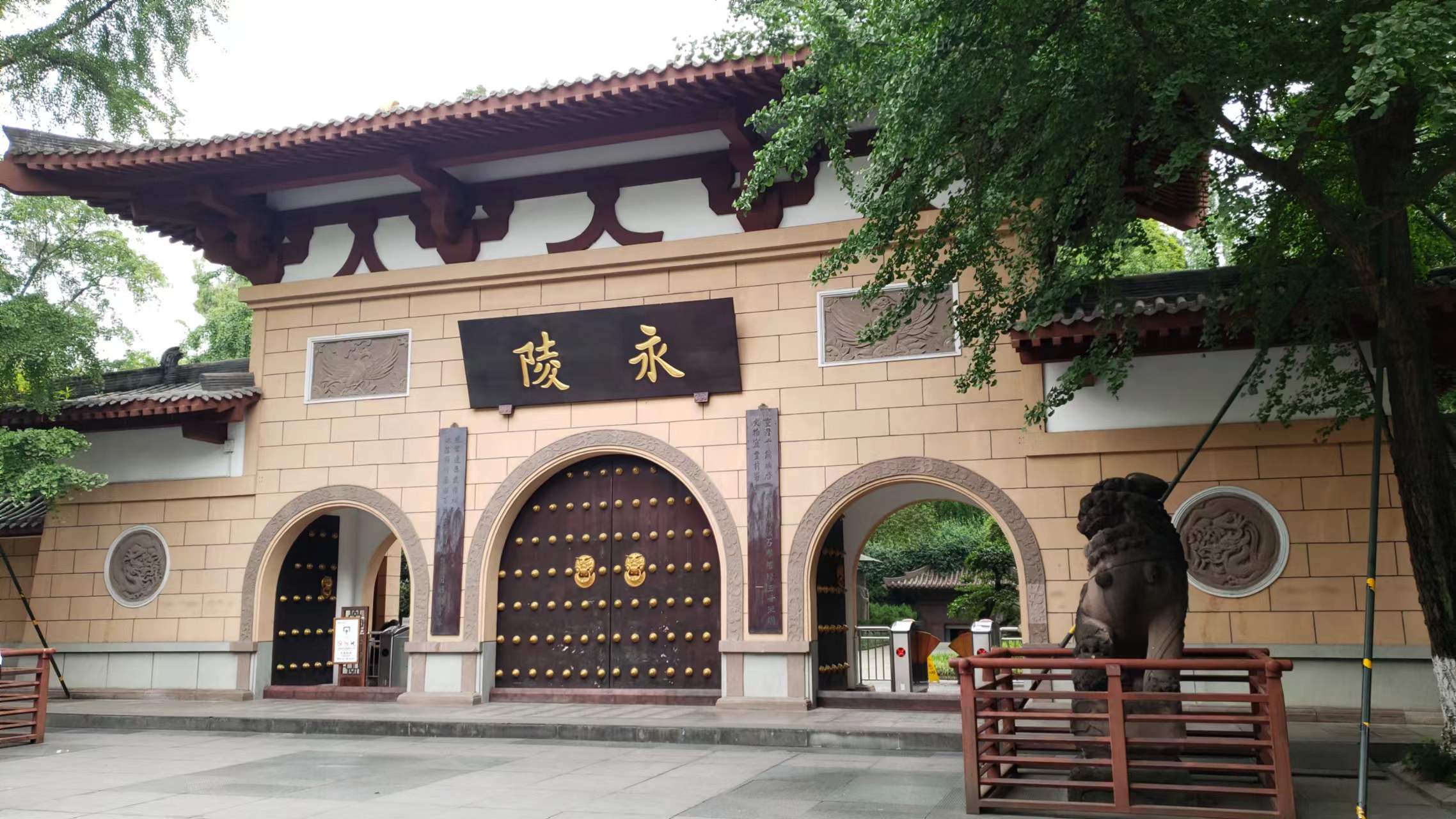
Chengdu Yongling Museum
Yongling Museum, located on Yongling Road in downtown Chengdu, is built on the foundations of Yongling Mausoleum, the only known above ground imperial tomb in China. The museum has collected many fine cultural relics from the period of Tang Dynasty, which is a place full of Chinese culture and history.
-
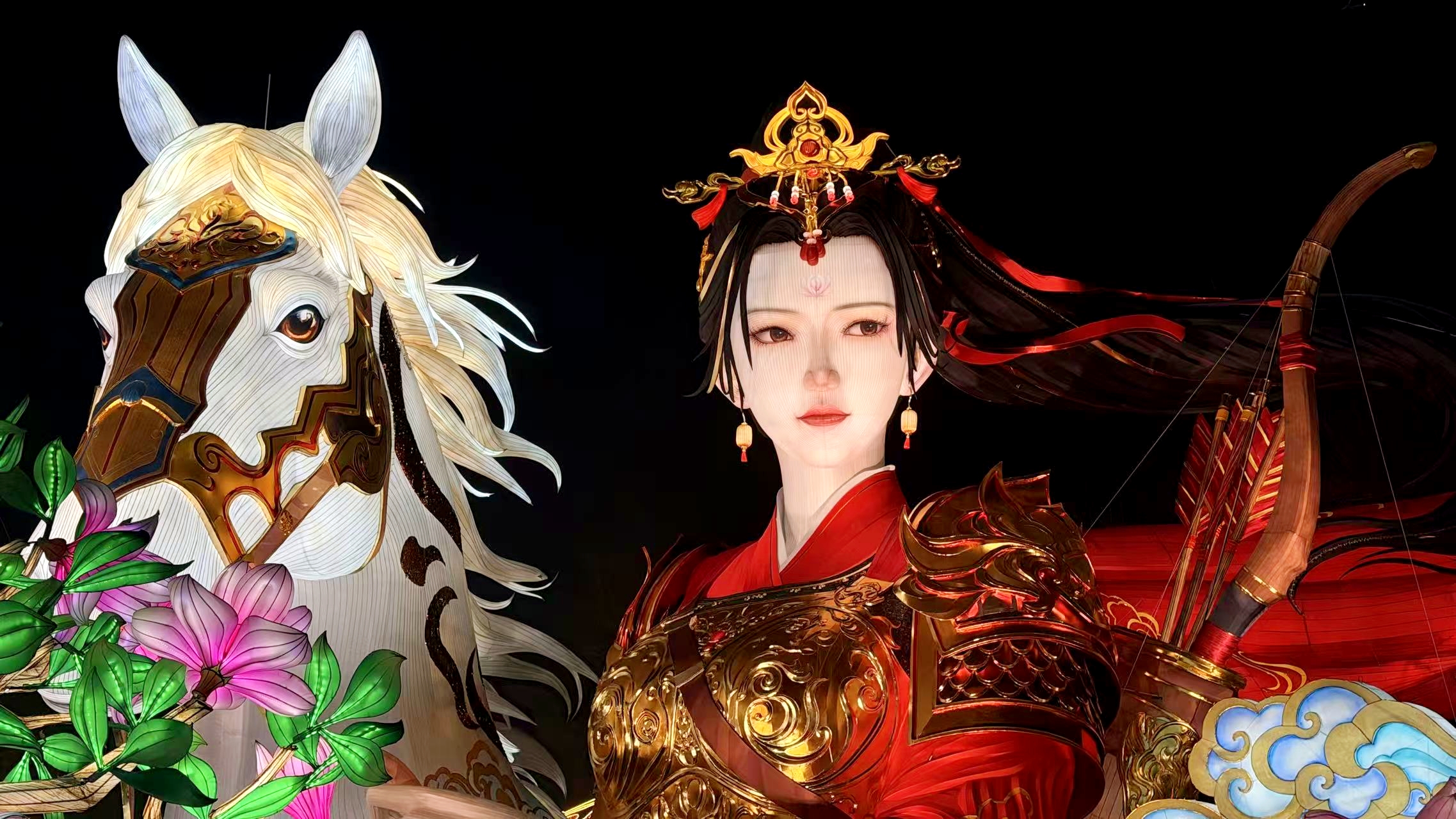
The 32nd Zigong International Dinosaur Lantern Festival
The 32nd Zigong International Dinosaur Lantern Festival will open at China Lantern World on January 24, 2026.This year’s lantern festival, themed “Illuminating China, Building Dreams for the Future,” features 10 major sections including “Chinese Knot Boulevard,” “Fortune Square,” “Mulan Legend,” “Artisan Intangible Heritage,” and “Magical China.” With 11 large-scale lantern installations and over 200 medium and small lantern displays, it creates an immersive celebration blending intangible cultural heritage techniques with cutting-edge digital technology, offering visitors an artistic panorama of “Harmonious Coexistence.”This is a spectacular lantern festival blending ancient and modern elements, where Zigong lanterns, tie-dyeing, paper-cutting, and other intangible cultural heritage techniques are deeply integrated with Chinese mythological epics and classic historical tales. Centered around the imagery of the Year of the Horse, numerous folk stories, ancient legends, and cultural elements will be brilliantly showcased through the lantern displays.The “Chinese Knot Gate” lantern installation, standing 35m tall and inspired by traditional Chinese knots, achieves visual harmony from both front and back views, resembling a time portal connecting past and present. The massive “Mystical China” lantern set, approximately 210m long, draws from Zhuangzi’s grand imagery of the Kunpeng fish-bird, using mythological storytelling to showcase national strength and ethnic pride. The 22m-tall “Yearly Fortune” Nian Beast lantern features AI interactive systems, enabling heartwarming “conversations” between humans and this ancient auspicious creature. For the upcoming Year of the Horse, the 180m-long “Mulan’s Legend” installation—based on the Ballad of Mulan—pairs dynamic horse sculptures with Mulan’s heroic bearing, conveying profound patriotic sentiment.This is a creative world where “everything can become a lamp,”This year’s lantern festival pushes creative boundaries by incorporating eco-friendly recycled materials like blue-and-white porcelain, straw, medicine bottles, and chili peppers, alongside local cultural elements and trendy materials such as pipe cleaners into themed lantern displays. Not only does it showcase the concept of “turning waste into treasure,” but it also revitalizes ordinary materials through intangible cultural heritage craftsmanship, embodying the cultural essence of “everything has a spirit, and masterful artistry unites all.”In the “Imagine the Future” section, the dreamy lantern display “Fantasy Lantern Collection” draws inspiration from children’s artwork, featuring nearly 6,000 paintings by kids worldwide. Skilled lantern artisans, like modern-day “Magic Paintbrush Ma Liang,” transform these imaginative drawings into vibrant lanterns. These creations transcend skin color, age, and nationality, using light and shadow as a bridge to connect children’s innocent dreams globally, planting the seeds of “Zigong lanterns” across the world.This is an immersive experience powered by technology across all scenarios. The lantern festival breaks traditional viewing modes, focusing on “technological innovation + interactive experience” by incorporating AI interaction, smart touch controls, and light-sensing technology, allowing visitors to personally trigger changes in light, shadow, and sound effects. A cross-border alliance of virtual digital humans and scenes combining bionic robotic dinosaurs with AR technology transports visitors through time for an interactive journey. Technology seamlessly connects “viewing, playing, sensing, and reflecting,” revitalizing millennia-old lantern traditions in the digital age.Additionally, the 300-meter-long “Salt Street Lantern Market” has been transformed into an exclusive themed Trip Moments street, featuring diverse photo spots such as ancient-style pavilions, cyber light installations, and folk culture markets. It also offers costume rentals and prop services to cater to various photography styles. The entire park features 360-degree immersive performances, with NPCs having unique scripted roles. The storyline unfolds naturally along the tour route through interactive dialogues and fun tasks, creating a deeply immersive experience where “every step reveals a new scene, and every scene tells a story.”As countless lights illuminate the new year across this ancient land, it transforms into a flowing epic of light and shadow. This is not just a meeting of craftsmanship and technology, but a profound dialogue between timeless heritage and future aspirations.Let us look forward together to how this luminous feast will brilliantly renew the millennium-old tales through light and shadow, allowing the starry river of China to gently flow within each lantern.
-

Wanglang Panda Exploration Camp
Ecological exploration and nature studyWanglang panda exploration camp is located in Baima Tibetan Township, Pingwu County, Mianyang City, Sichuan Province, approx. 18 km from the Baima exit of the Jiumian Expressway, approx. 80 km from Pingwu County town, and approx. 190 km from downtown Mianyang. The camp is ecology-oriented, creating a panda exploration journey that brings you closer to nature. Through various themed courses, you can gain an in-depth understanding of the biodiversity at Wanglang Station of the Giant Panda National Park, allowing every visitor to Wanglang Panda Exploration Camp to enjoy a magical forest experience. The camp features complete facilities, including Wanglang Panda Exploration Camp Shepherd’s Field Camp, Panda Restaurant, Panda Kingdom Lounge, Panda Bookstore, Multi-functional Conference Hall, Spruce Coffee, Wanglang 1965 Cultural and Creative Collection Store, family-friendly activity area, and Forest Theater, meeting the needs of study teams and family-friendly forest vacations.
-
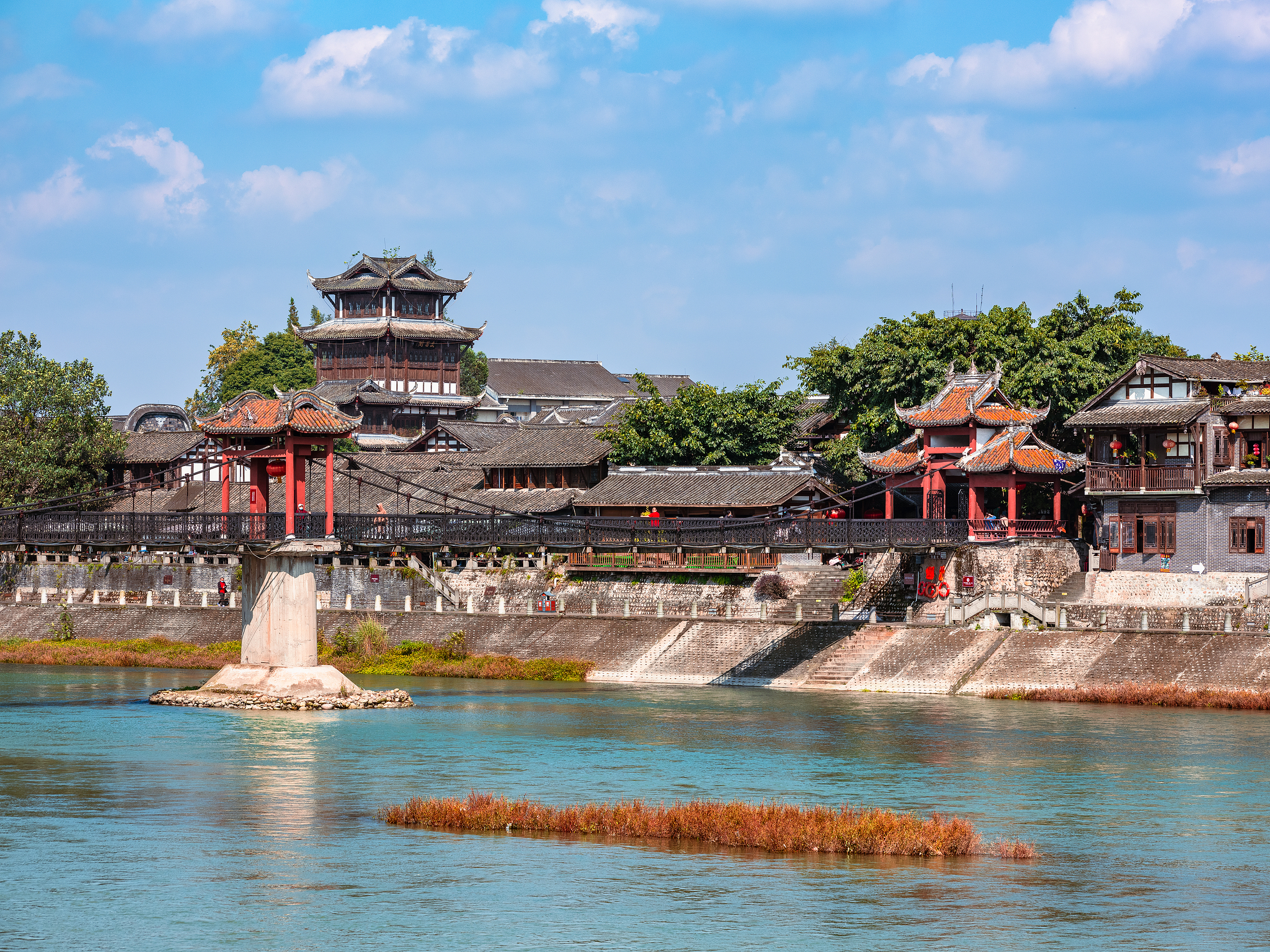
Yuantong Ancient Town
Yuantong is a famous ancient town. Historically, Yuantong Ancient Town was an important wharf on the Wenjing River. It was once prosperous for a while. It is more appropriate to use “ancient” to describe Yuantong Ancient Town. Resting in the stilted building beside the old stone arch bridge at the end of the half street, watching the river flow by, imagining the prosperity of Yuantong 1600 years ago, it makes people sigh that “the dead are like husbands”, the ancient town of Yuantong was once an important place in history. pier. There are three rivers converging here, so it is called Huijiang. Eight existing historic sites and ancient scenes in the town: Yongli Bridge, Luo’s Mansion (now Supply and Marketing Cooperative), Huang’s Mansion (now the town government), Huang’s Ancestral Hall (now the National Tax Office), Yuantong Catholic Church, Wang Guoying’s Former Residence, Iron Bridge, Workers and Peasants Bing Bridge.
-
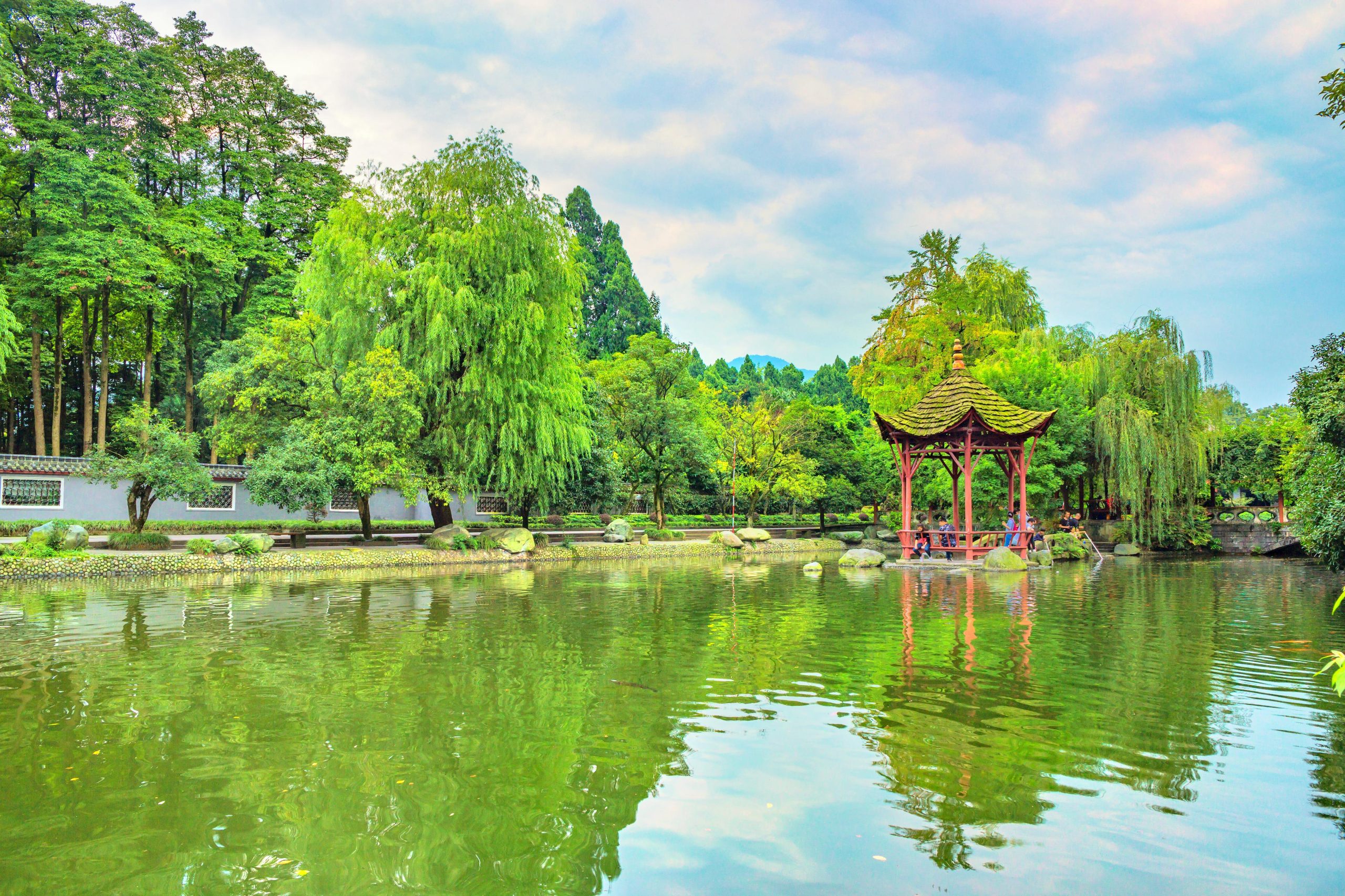
Lidui Park
The city entrance of the Dujiangyan Scenic Area is known as Lidui Park. Most visitors choose to enter the scenic area from this entrance. There is a hill with 42 steps in the park. There are also attractions such as the Fulong Temple and the Dujiangyan Museum in the park. The Fulong Temple is built on the pile and there is a statue of Li Bing in the middle of the front of the temple. It is a relic that was excavated from the river when the bridge was built. The sculpture was used as a hydrological marker and was built in the first year of Jianning in the Eastern Han Dynasty.
-
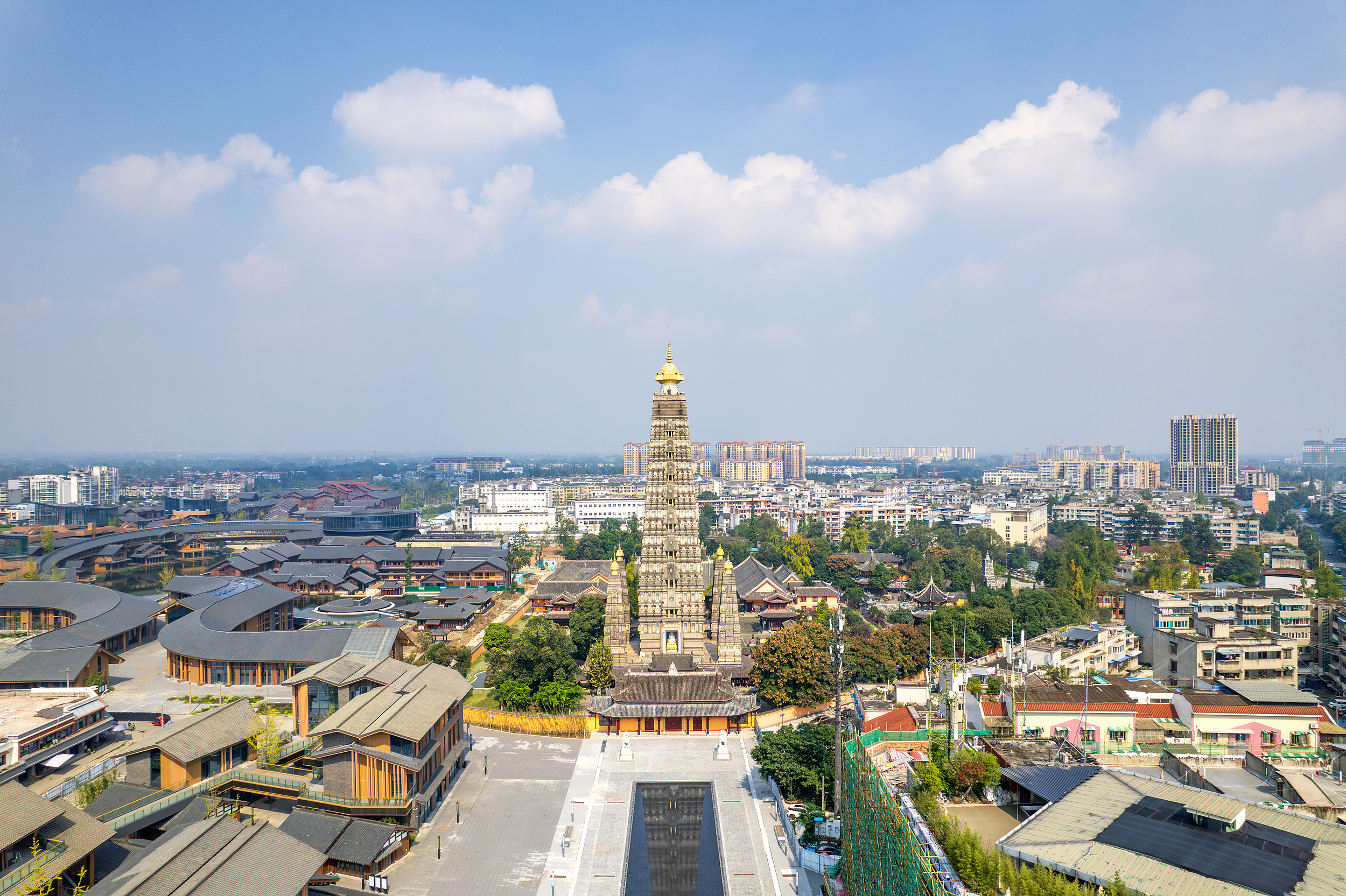
Longxing Temple
Pengzhou Longxing Temple is located in the urban area of Pengzhou, carrying the Nanlian neighborhood of the ancient city. It was originally a red wall surrounded by ancient cypresses, bamboo trees and green cages. Longxing Temple has experienced vicissitudes for thousands of years, it has risen and fallen several times, and its name has changed five times. The main buildings are the four layers of the King of Heaven, the Great Buddha, the Mahavira Hall and the Tibetan Scripture Building, all of which are arranged on the north-south central axis. The layout is regular and the style is simple. More than 150 rooms are a group of complete Buddhist temple complexes. There are corridors between the halls and houses, shade and rain, solemn and beautiful, exquisite and practical. It is a “ten-square jungle” on the western Sichuan Plain.
-
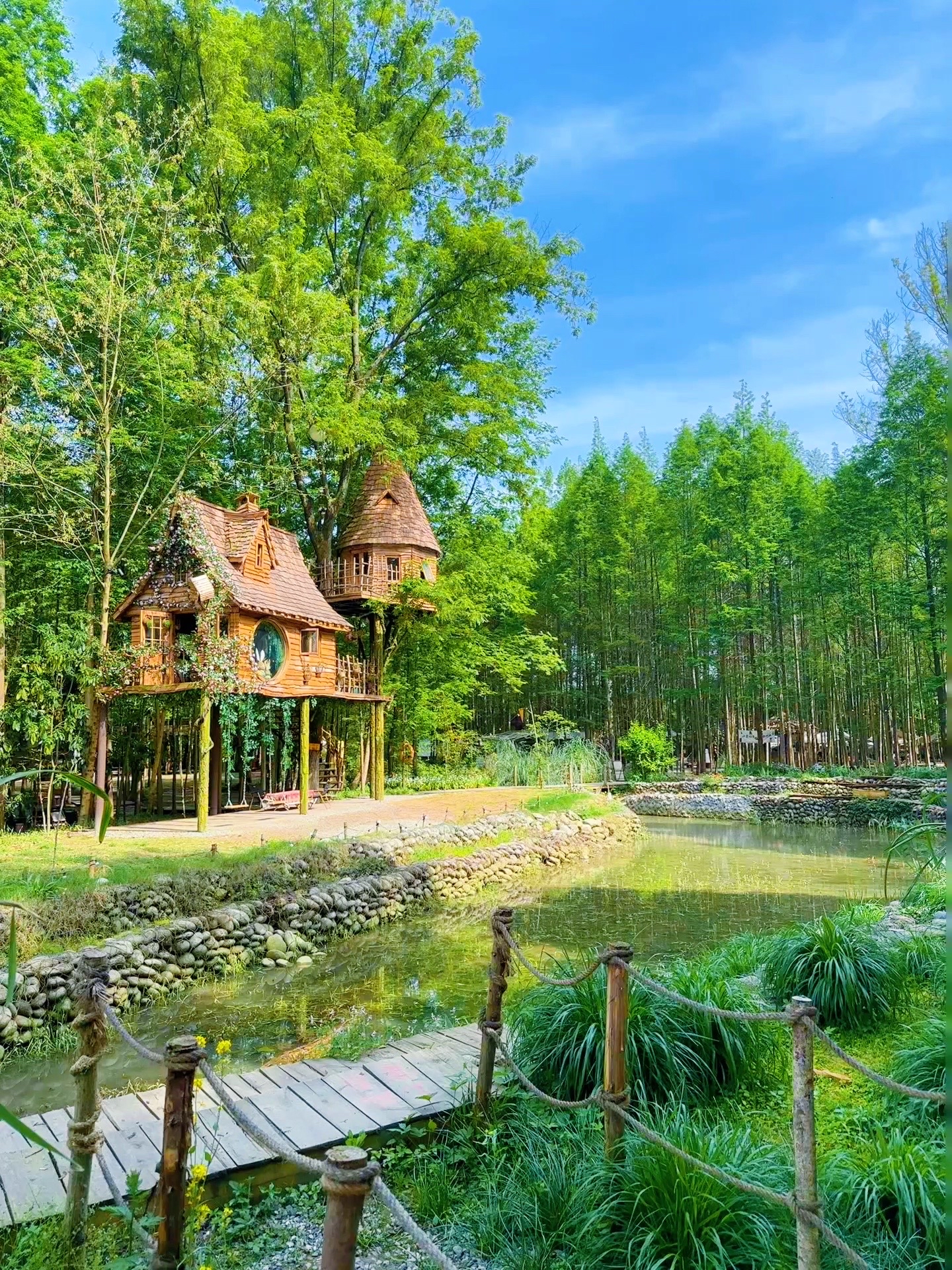
Foxriver Camp
FoxRiver Fox River Watanabe Forest Camp is located in Chongzhou City, Sichuan Province, China. It is an ecological camp that combines natural landscapes and outdoor activities. It is named after the saying “Living with Foxes” – it is said that red foxes occasionally appear in the mountains, and the warm yellow lights of the camp cabins flicker like fox pupils in the mist, adding mystery to the forest. The camp has attracted many tourists who love nature and outdoor adventures with its rich natural resources and diverse activities. The camp offers a wealth of experience projects, including kayaking, bonfire parties, open-air movies, forest concerts, etc., to meet the needs of different tourists. Whether it is taking photos and checking in, parent-child play, or gathering with friends, or company team building, FoxRiver Fox River Watanabe Forest Camp can provide an immersive natural experience, becoming the “ceiling” choice for camping around Chengdu.
-
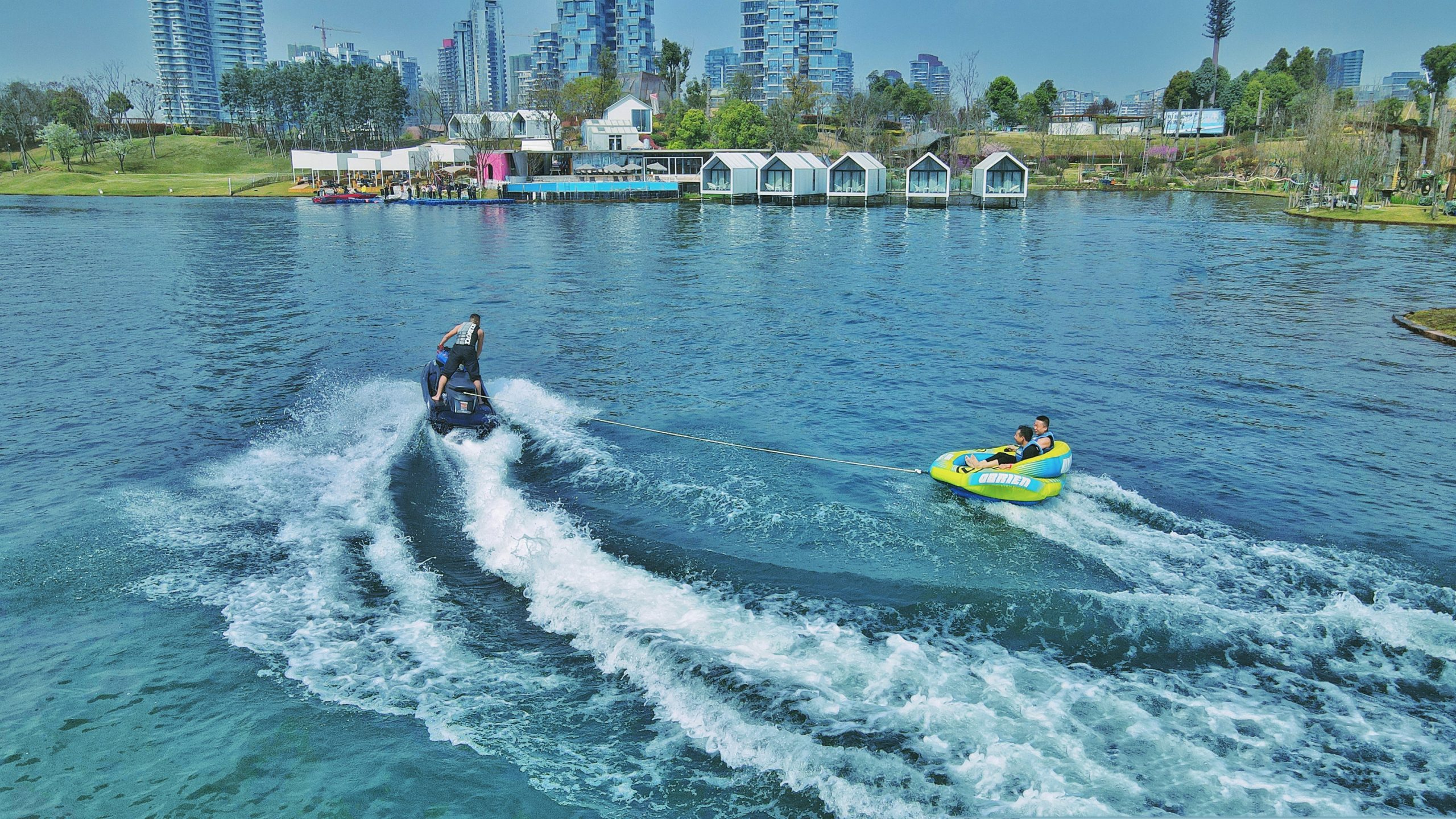
Luxelakes Water City
Luxelakes Water City is located on South Section 1 of Tianfu Avenue in Chengdu. Featuring expansive lakes, ecological greenery, modern architectural art, and fashionable leisure attractions, this diverse attraction offers Chengdu residents an urban getaway lifestyle. It includes various activities like Luxe Island, Ecological Art Exhibition Center, Cloud Paradise, and Animal Farm.
-
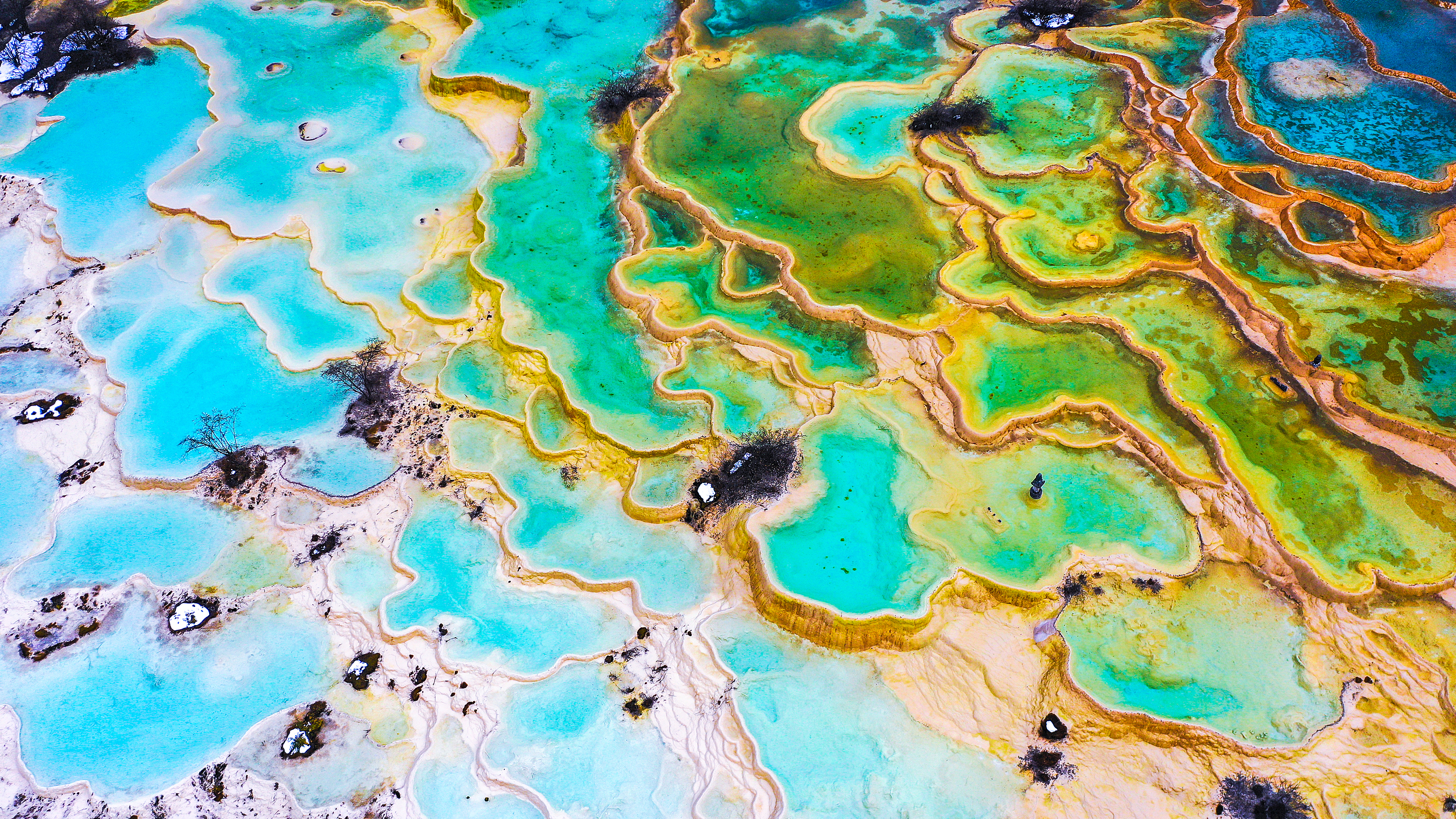
Five-Color Pond
The Five-Color Pool is located at the top of the Huanglong Scenic Area, 3,900 meters above sea level. Countless large and small pools are like a palette filled with colorful pigments, dazzling and breathtaking in the sun. Standing by the Five-Color Pool, the 5,588-meter-high Xuebaoding, the main peak of Minshan Mountain, stands majestically in front of you. Hundreds of colorful pools are scattered in the dense forest, like pearls inlaid in the jungle, gorgeous and dazzling. The pool water is clear and transparent. As the gray-white travertine and yellow-green algae at the bottom of the lake selectively absorb and reflect the transmitted light, the color of the lake water changes accordingly, hence the name Five-Color Pool.