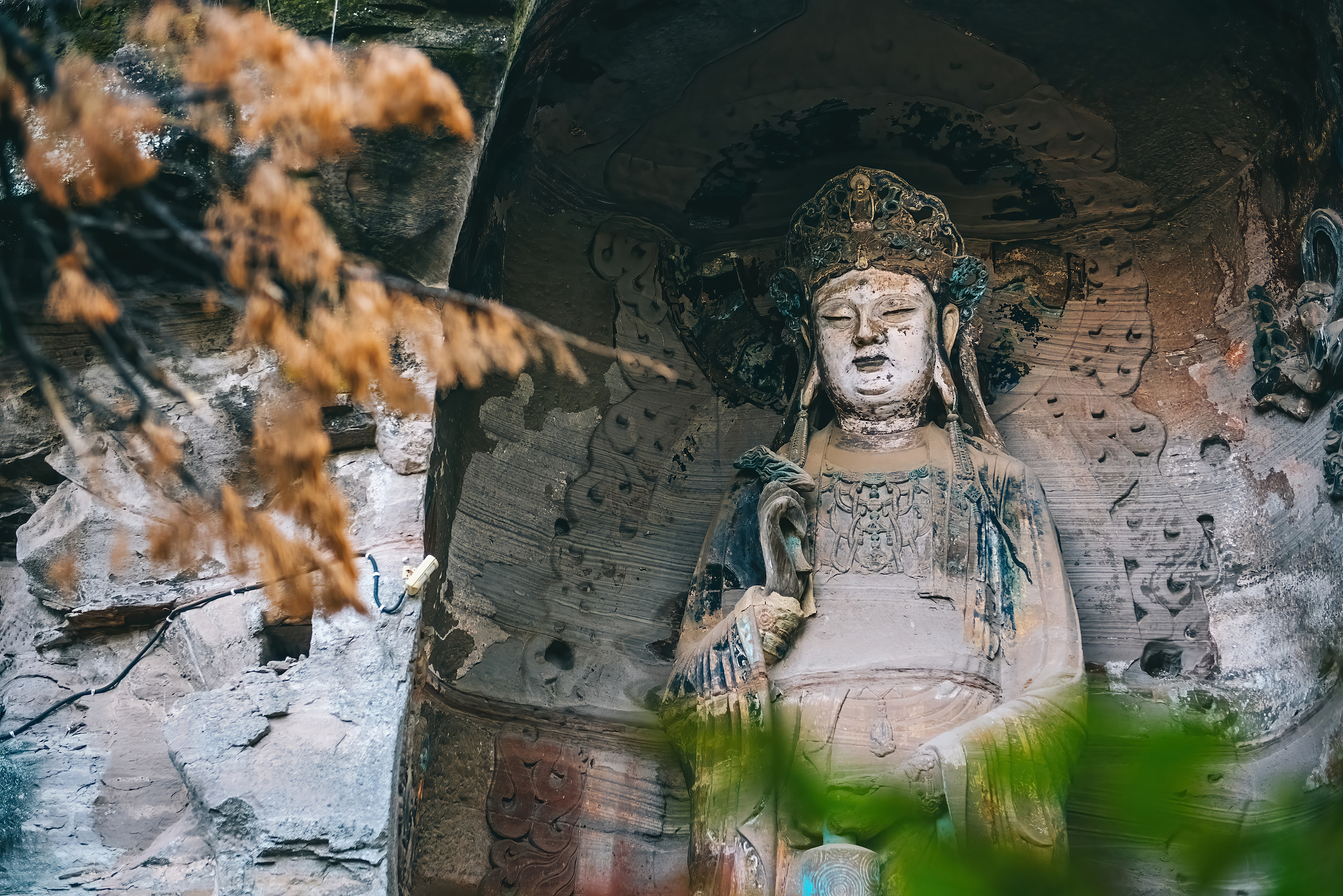
Yuanjue Cave is located in Yunju Mountain, 1.5 kilometers southeast of Anyue County. It is named after the twelve Yuanjue carved on the mountain. The stone carvings here are distributed in the southern and northern rocks, with 76 niches numbered, and 1993 large and small stone statues. In addition, there are 25 inscriptions on the tablet. The stone carvings here were first chiseled in the Kaiyuan period of the Tang Dynasty, passed through the former Shu and the latter Shu, and reached their peak in the Northern Song Dynasty, which took more than 400 years to complete.
归档: Attractions
-
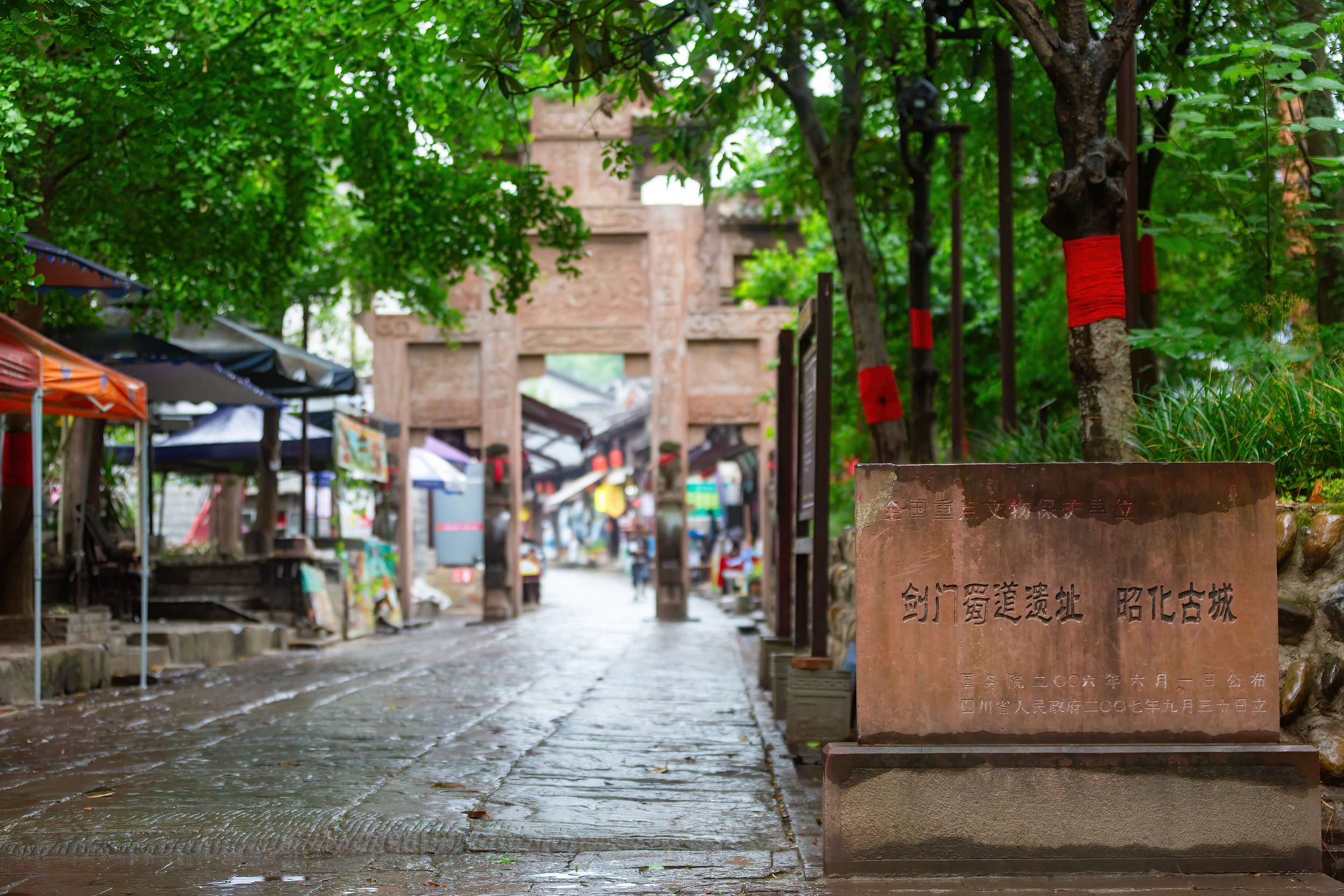
Jianmen Shudao
The area around Jianmen Shudao National Park is mentioned in a famous poem by the Chinese poet Li Bai. The park features a number of attractions between Jianmen Pass, Jiange County, and Mianyang. These include the Sanxingdui ruins, Deyang Confucian Temple, Zhaohua Ancient Town, and Qiqushan Temple. Visitors can enjoy stunning views from an exhilarating glass walkway on top of a hill.
-
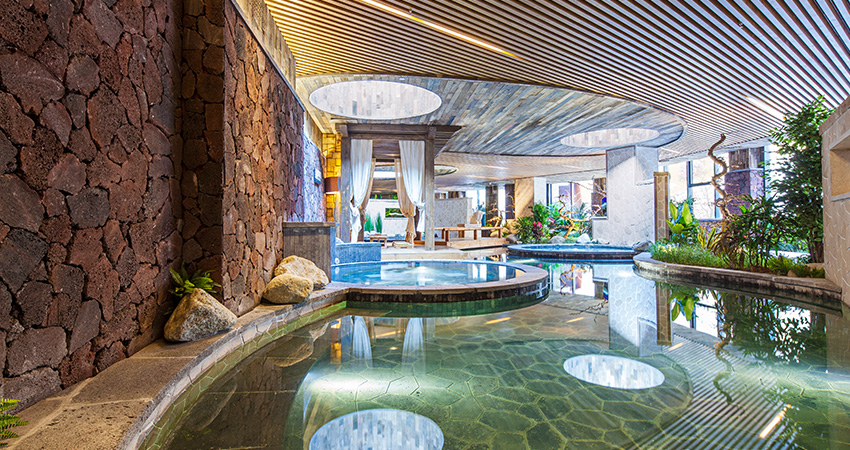
Ramada Guergou Hot Spring
Ramada Guergou Hot Spring is located in the scenic Guergou-Miyaluo tourist belt, offering a premium resort experience that combines hot spring therapy, leisure vacations, and breathtaking natural views. As a hot spring-themed hotel, it provides visitors with an ideal environment to unwind and immerse themselves in nature. The hot spring area is the hotel’s standout feature, boasting multiple indoor and outdoor mineral-rich pools with health benefits. Visitors can unwind in the soothing waters, enjoying the tranquility and comfort of the warm springs. Beautifully designed with surrounding peaks, canyon views, and picturesque landscapes, the area immerses guests in nature’s embrace. In addition to hot springs, the hotel offers a variety of recreational facilities including a gym, yoga room, and spa center to cater to different visitors’ needs. For dining, the hotel restaurant provides diverse culinary options ranging from local specialties to international cuisine, satisfying various tastes. While enjoying the delicious food, visitors can also admire the natural scenery outside the windows, enhancing their dining experience. This is not just a great place to enjoy hot springs, but also a perfect getaway from the city’s hustle and bustle to reconnect with nature. Whether you’re a traveler seeking relaxation or a visitor looking to create special memories with family, this destination offers unforgettable experiences and cherished moments.
-
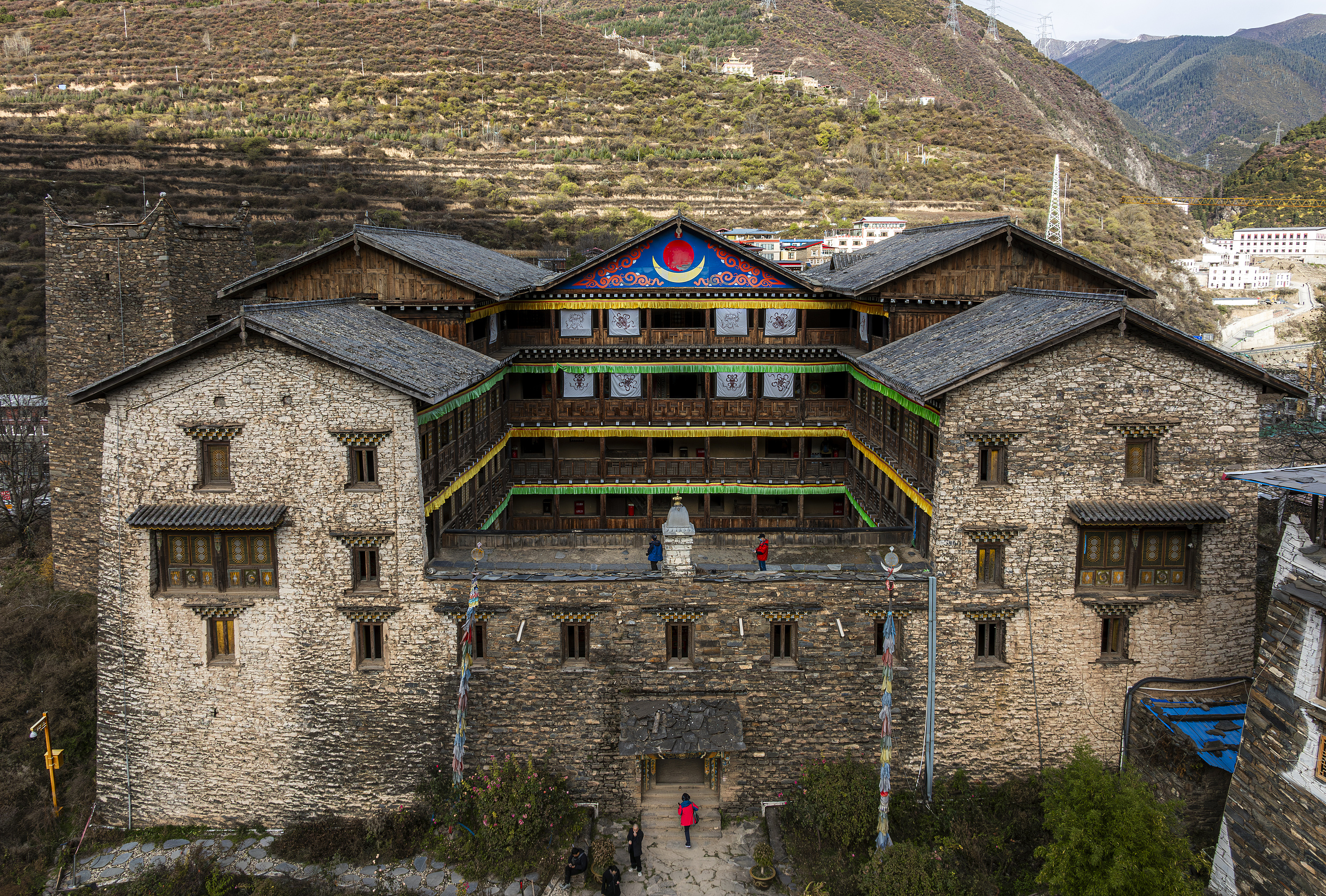
Zhuokeji Tribe Village Cultural Scenic Area
The Zhuo Ke Ji Tusi Official Manor Cultural and Tourist Scenic Area is located in Xisuo Village, Aba Prefecture, Sichuan. The Manor here has been constructed facing southward alongside the mountain and has been described by China’s international friends as a pearl of Oriental architectural history. The Tusi Official Manor was once a seat of power for the Tusi in times of old, when it was a symbol of the Tusi chieftains’ authority and position. The manor combines administrative offices, defenses and living quarters into one. It’s a rare, exquisite architectural work in the Kam region.
-
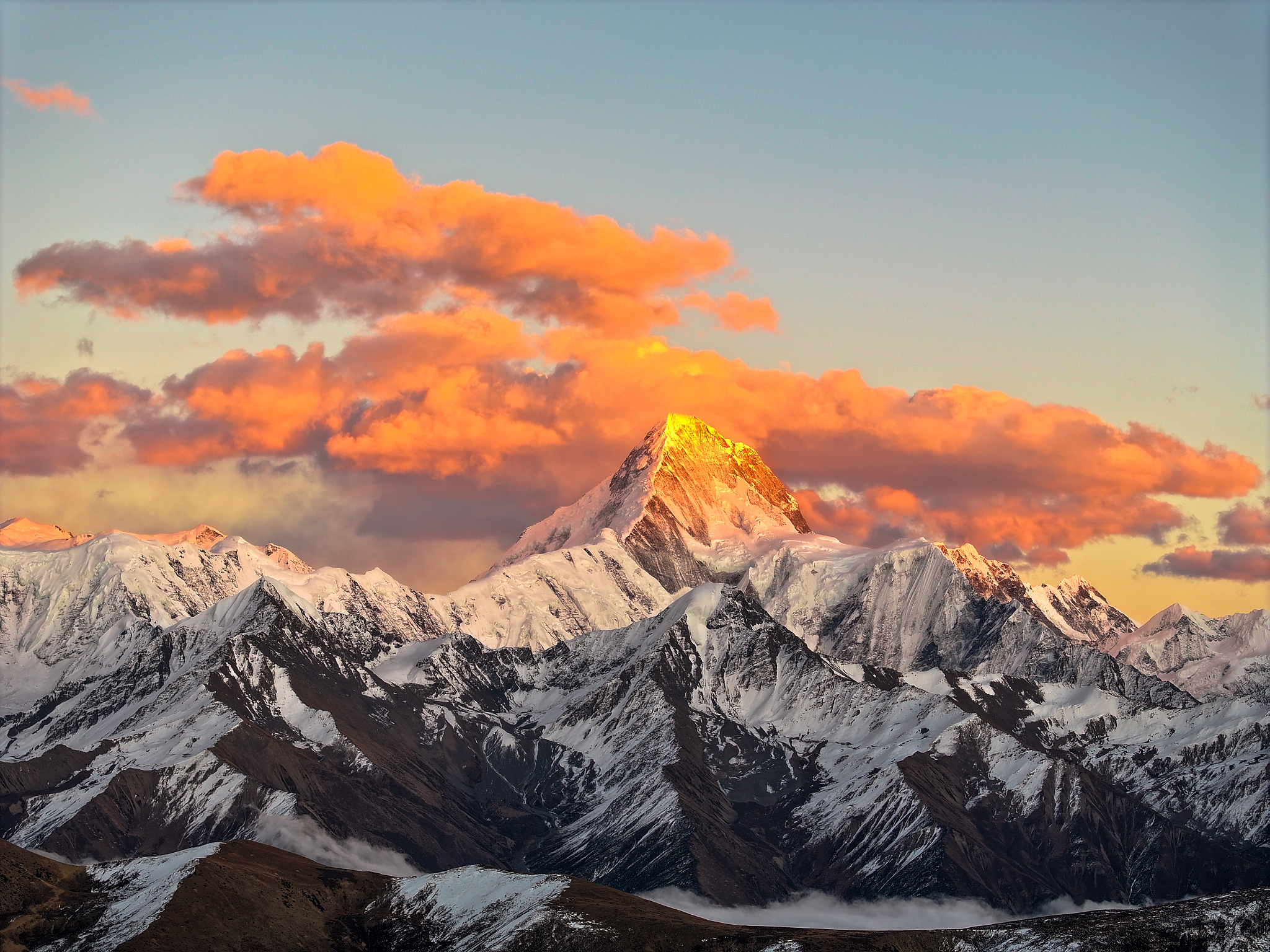
Gongga Snow Mountain
Gongga Snow Mountain is located in the middle section of the Daxue Mountain Range, south of Kangding City, Sichuan Province. It attracts countless tourists with its magnificent snow-capped mountain scenery, rich alpine plants and unique Tibetan culture. “Gongga” means “supreme pure snow mountain” in Tibetan. The mountain is steep and tall, with thick snow covering the top all year round, and the scenery is beautiful and spectacular.
-
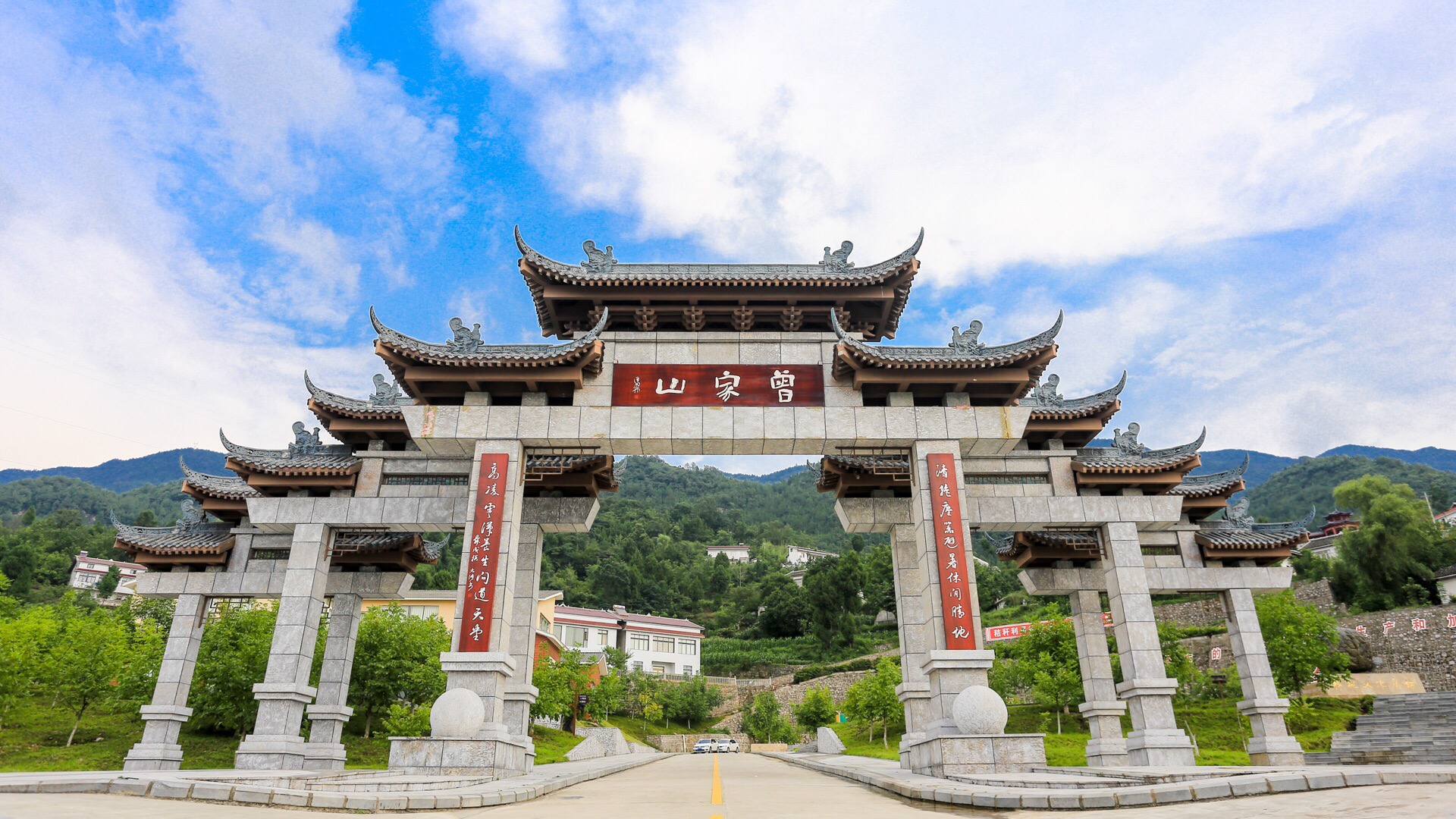
Zengjia Mountain Scenic Area
Zengjia Mountain Scenic Area has a unique geological landscape. The beautiful natural area is also known as “Kingdom of Deep Caves” and “Home of the Stone Forest.” This scenic area’s residential buildings are rich in local characteristics. The carvings and hanging corners are typical of the northern Sichuan residential style. Maliu Embroidery, Lijia Lion Dance and Pingxi Opera are among the many types of local folk culture. The scenic area is also rich in historical resources. This includes the late Ming and early Qing Dynasty era’s White Lotus Sect, tombs of Tang nobility, Wangyuetai’s Red Army ruins, the pre-Qin Baiyang plank road above the Diaotan River, along with religious culture that Huihai Temple and Zengjia Guanyin Temple represent.
-
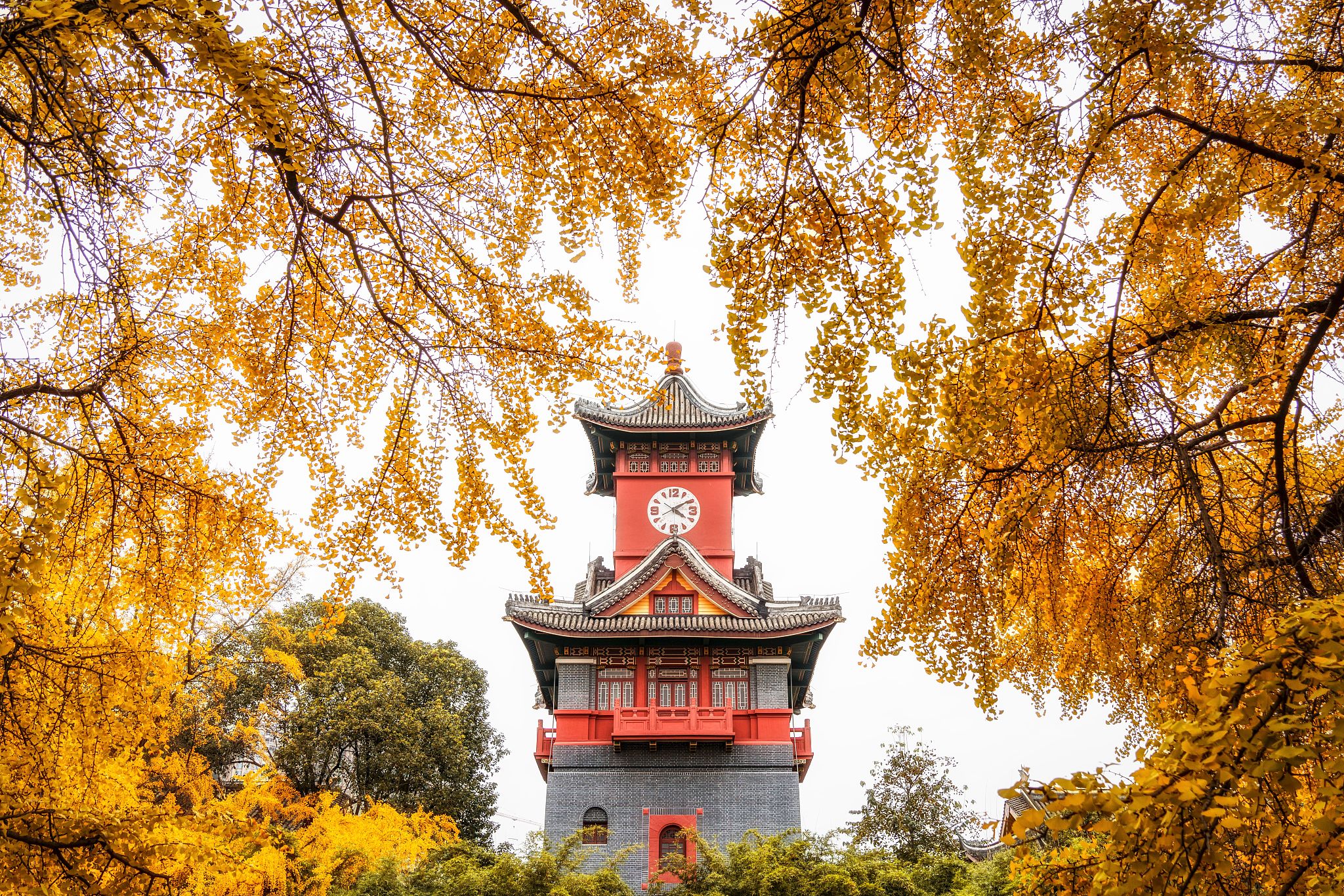
Sichuan University
Sichuan University has three campuses at Wangjiang, Huaxi and Jiang’An. Wangjiang Campus is the first and oldest of the campuses and its namesake, Wangjianglou Park, is located nearby. Transportation here is very convenient. The Wangjiang Campus administrative building was designed by the architect Liang Sicheng. The Huaxi Campus previously was known as West China Union University. It was founded at the beginning of last century. There are many old buildings on this campus, including the clock tower, which has been running continuously for over 80 years. The Jiang’An Campus is located farther from downtown.
-
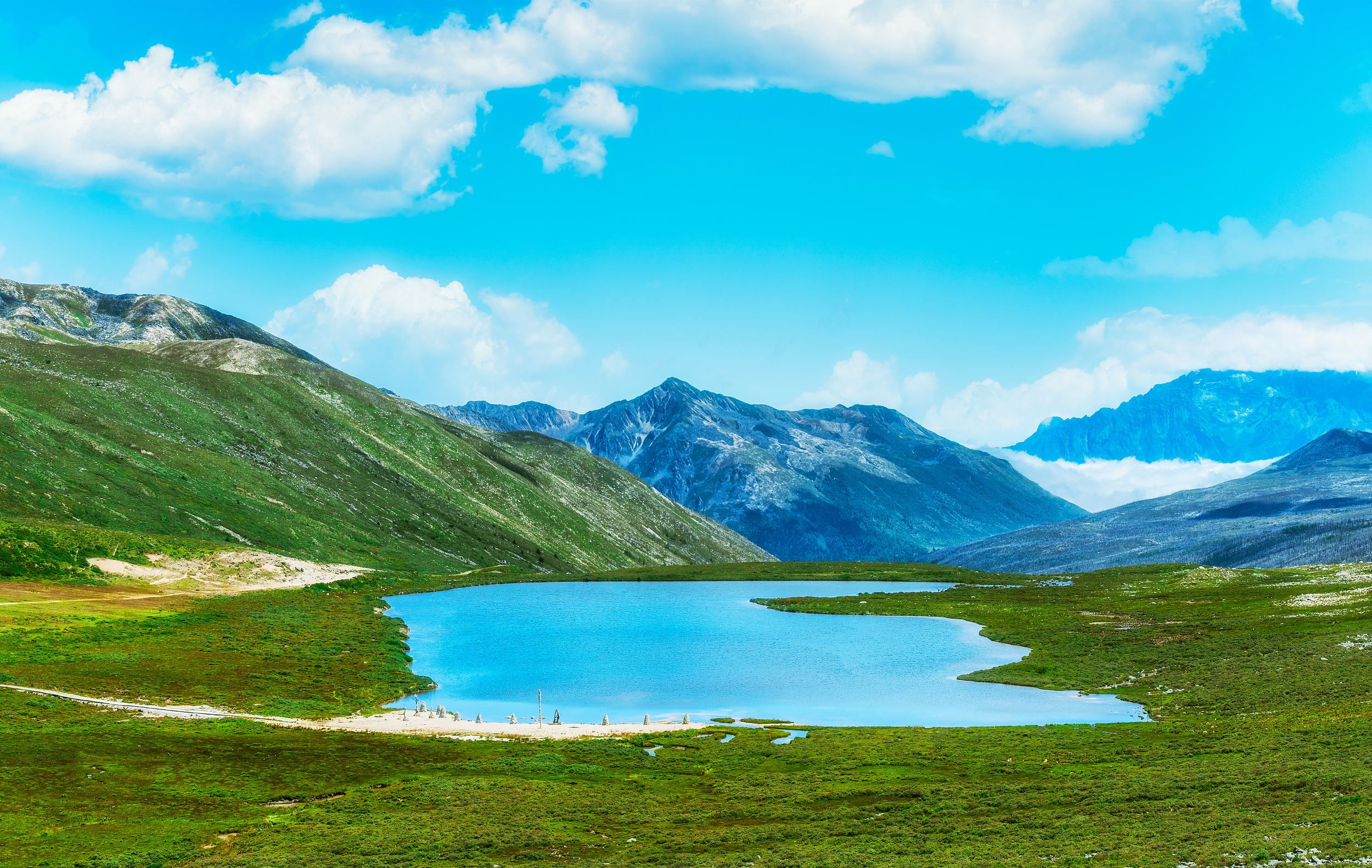
Honghaizi
Located in Kangding City, Ganzi Tibetan Autonomous Prefecture, Sichuan Province, Honghaizi is an alpine lake with an altitude of more than 4,000 meters. It is famous for its pure lake water and the magnificent natural scenery around it. The lake is surrounded by towering snow-capped mountains and dense forests, forming a natural picture scroll that attracts many tourists to come and watch. In Honghaizi, tourists can hike along the lake and enjoy the tranquil natural atmosphere, or have a picnic by the lake to experience the tranquility and beauty of nature. This is also an ideal place for camping. The starry sky at night is intoxicating, away from the hustle and bustle of the city. Since Honghaizi is located in a high-altitude area, tourists need to pay attention to prevent altitude sickness. Summer and autumn are the preferred times for visiting, when the climate is pleasant and suitable for outdoor activities. Honghaizi is far away from the urban area of Kangding, so transportation arrangements are particularly important. Tourists are advised to plan their itinerary in advance.
-
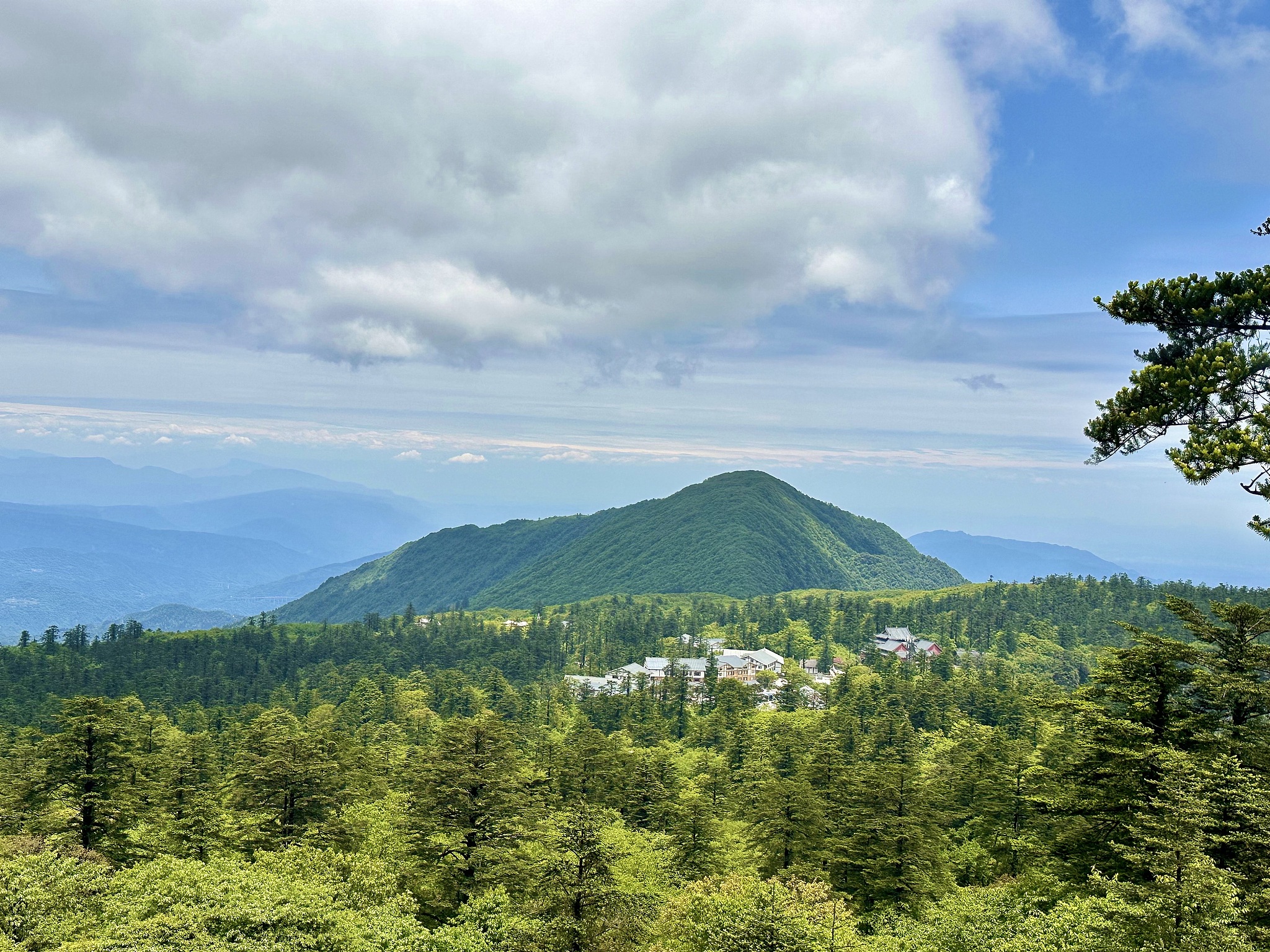
Leidong Ping
Leidong Plateau, with an altitude of over 2,400 meters, is the terminus of the sightseeing shuttle bus in the Emei Mountain Scenic Area. The bus operates between the Baoguo Temple Passenger Transport Centre at the foot of the mountain to the peak. Visitors must pass through Leidong Plateau on their way to Jinding Summit. Usually visitors would one day earlier to watch the sunrise at Jinding, because the accommodation cost in Leidong Plateau is cheaperch than that in Jinding Summit.
-
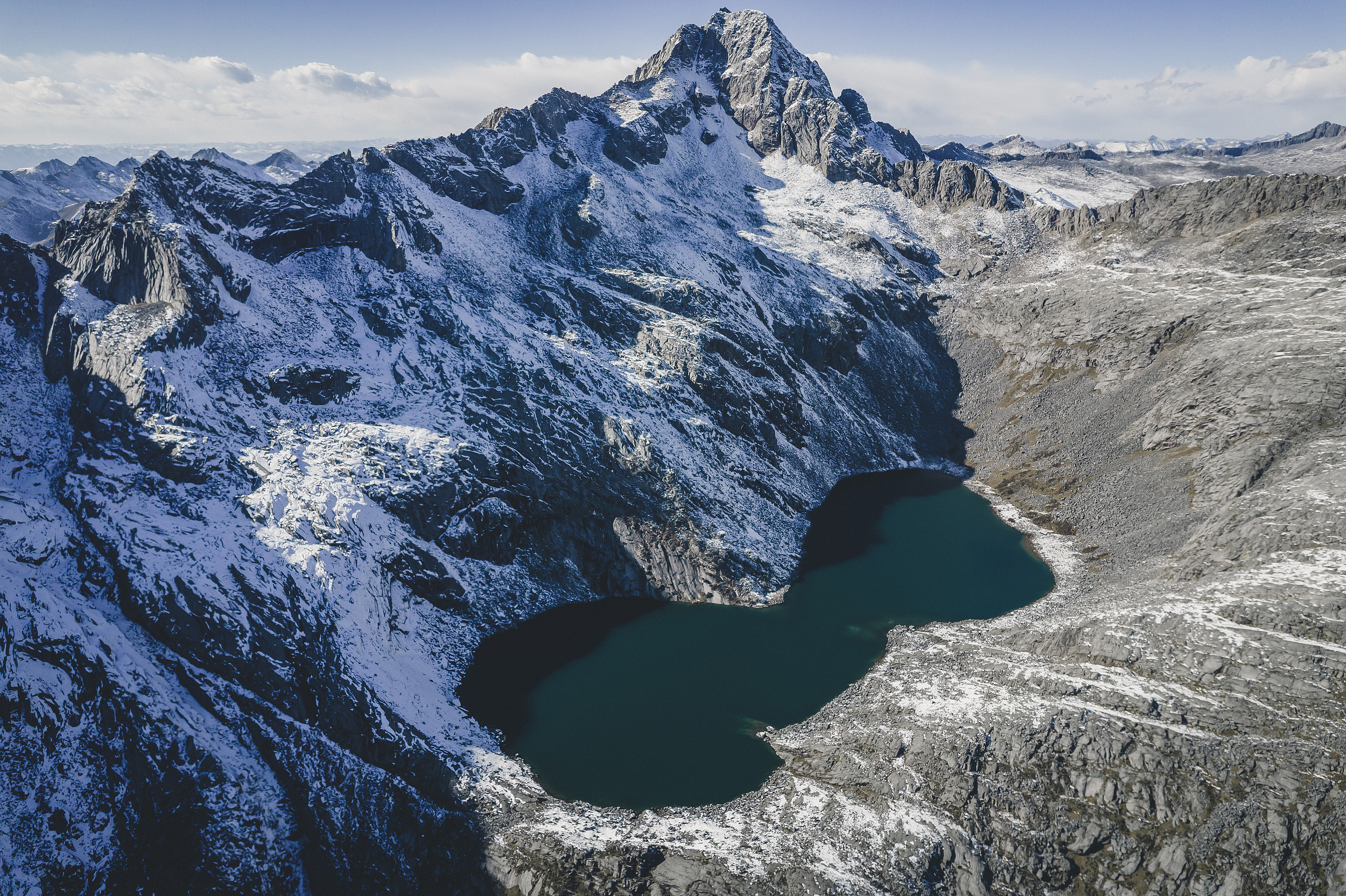
Sawu Sacred Mountain
Sawu Mountain, located in Fubian Township, Xiaojin County, Aba Prefecture, Sichuan Province, is a unique landmark of the northwestern Sichuan Plateau with its sharp mountain outline and snow-capped peaks all year round. The gentle slopes covered with primitive forests in the mountains are intertwined with seasonal alpine meadows and streams. In spring and summer, colorful wild flowers can be seen dotted in between, while in autumn and winter, frost and snow outline the vigorous lines. Local Tibetan legends give the mountain a sacred color. The prayer flags and mani piles faintly visible on the rock walls continue the mark of faith passed down from generation to generation. Daping Village at the foot of the mountain retains the traditional Jiarong Tibetan stone houses. The villagers continue their semi-agricultural and semi-pastoral lifestyle. Visitors can experience folk activities such as handmade butter tea and observe traditional weaving. The hiking route extends along the ridge, which is suitable for lightweight outdoor exploration. The occasional marmots and blue sheep on the way add to the wildness. The surrounding environment, which has not been overdeveloped, makes this a secluded place to quietly watch the changing light and shadow of the snow-capped mountains and feel the integration of plateau ecology and humanities.