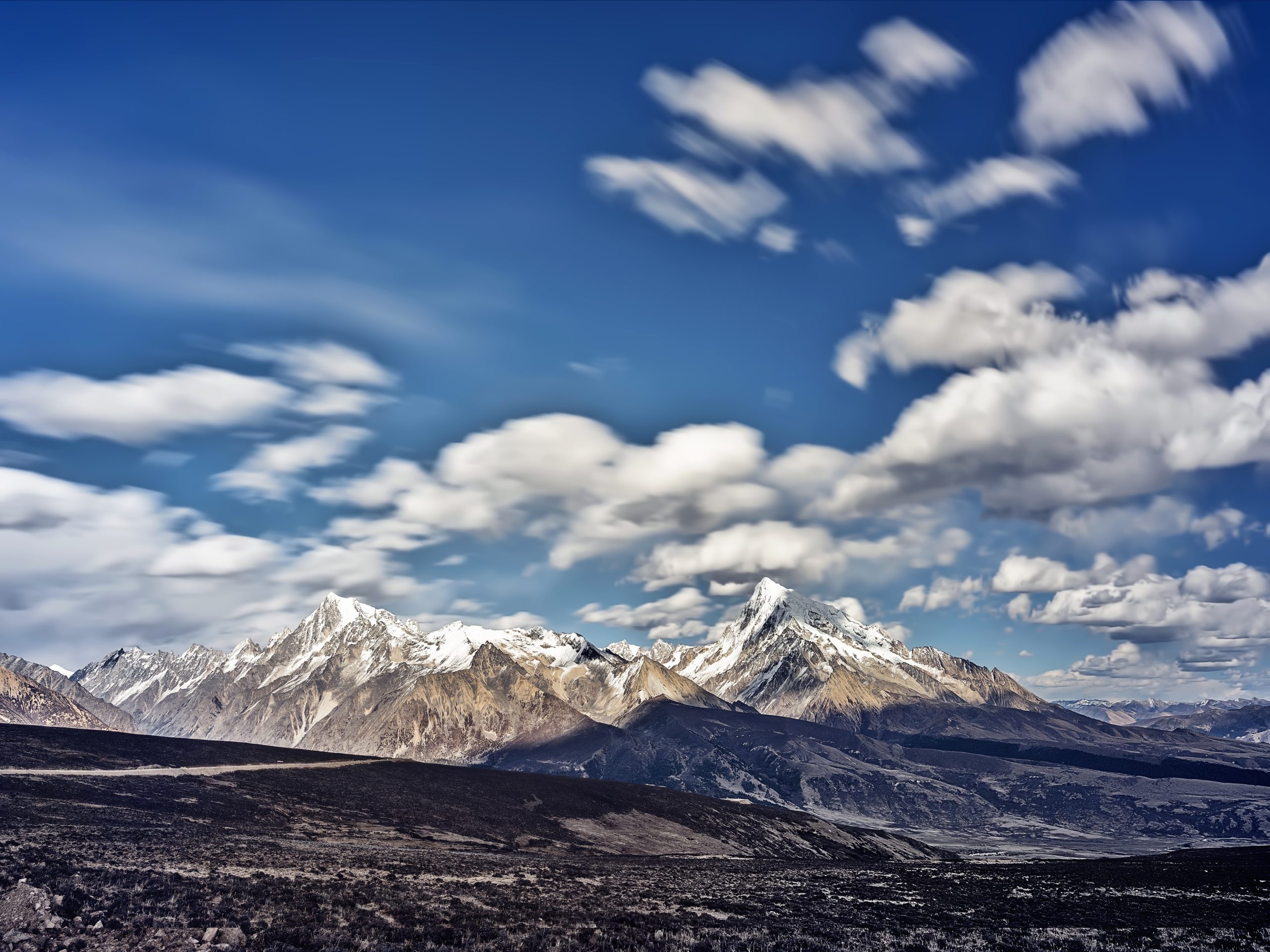
Gnei Sacred Mountain is a sacred mountain in people’s hearts. It is called Xamariba in Tibetan. Gnei Sacred Mountain is located in Litang County with an altitude of 6,204 meters. It is the third highest peak in Sichuan Province and the watershed between Jinsha River and Yalong River. The main peak is covered with snow, and under the sunlight, it is gleaming with gold, and it can be clearly identified two or three hundred kilometers away. Genie Shenshan is a gentle mountain with four guard peaks guarding it on the left and right. At the bottom of the valley between Genie Mountain and the nearby Xiaozha Mountain is the famous Baijiao Temple – Lenggu Temple. Lenggu Temple was built in 1164. It is one of the earlier temples of the White Sect of Tibetan Buddhism. It was later converted to the Yellow Sect. It is the treasure of Gnei Mountain.
归档: Attractions
-
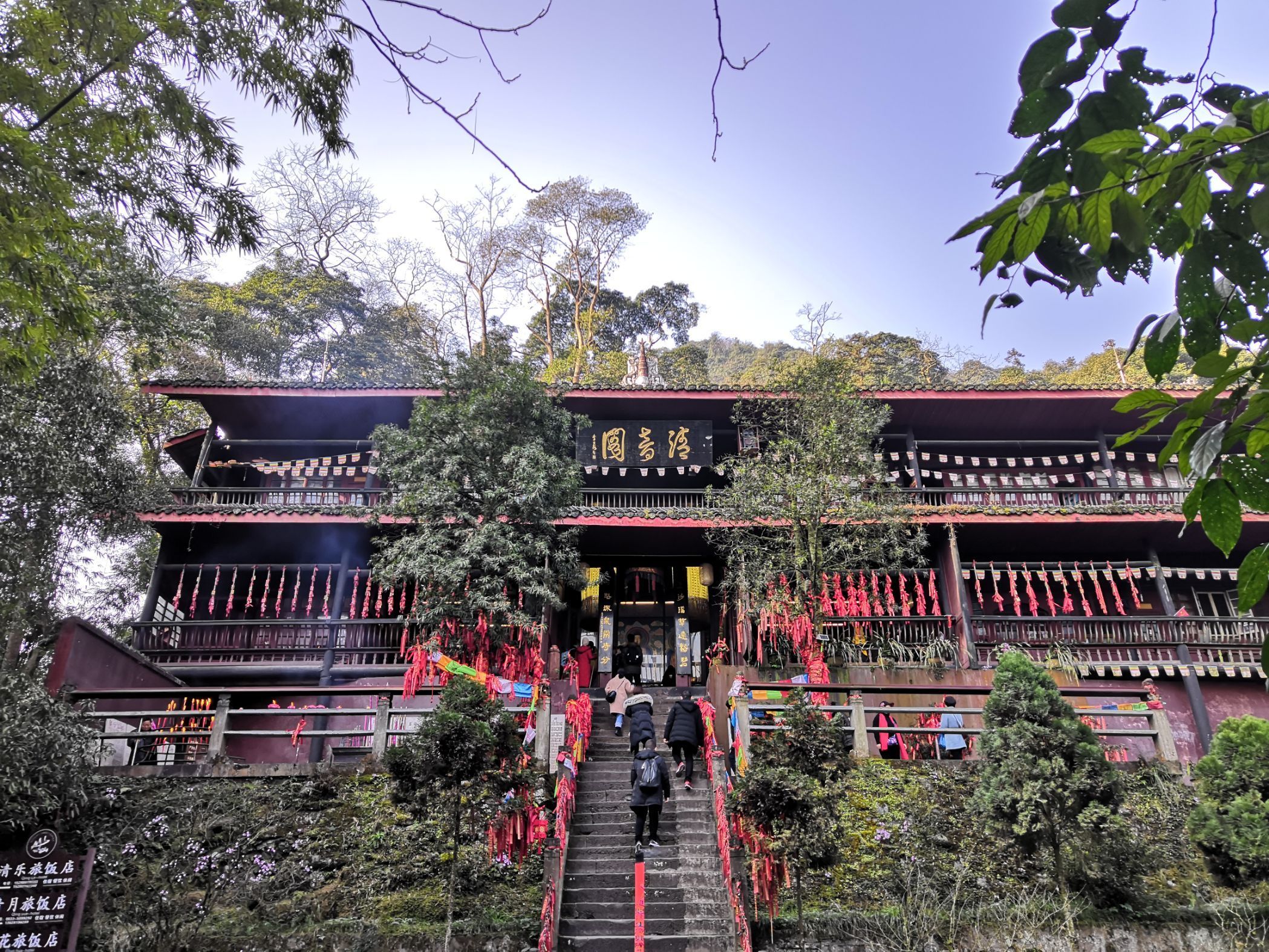
Qingyin Pavilion
Qingyin Pavilion, also known as Woyun Temple, is an important temple in Mount Emei. It was built by Huitong Zen Master during the Tang Emperor’s Reign, and is one of the eight temples of Emei Mountain. The temple is dedicated to Sakyamuni, Manjushri, and Samantabhadra. The famous “Shuangqiao Qingyin” in Emei Mountain is here, two stone bridges leap, the river is a clear river, it is also a good place to take pictures in the mountains.
-
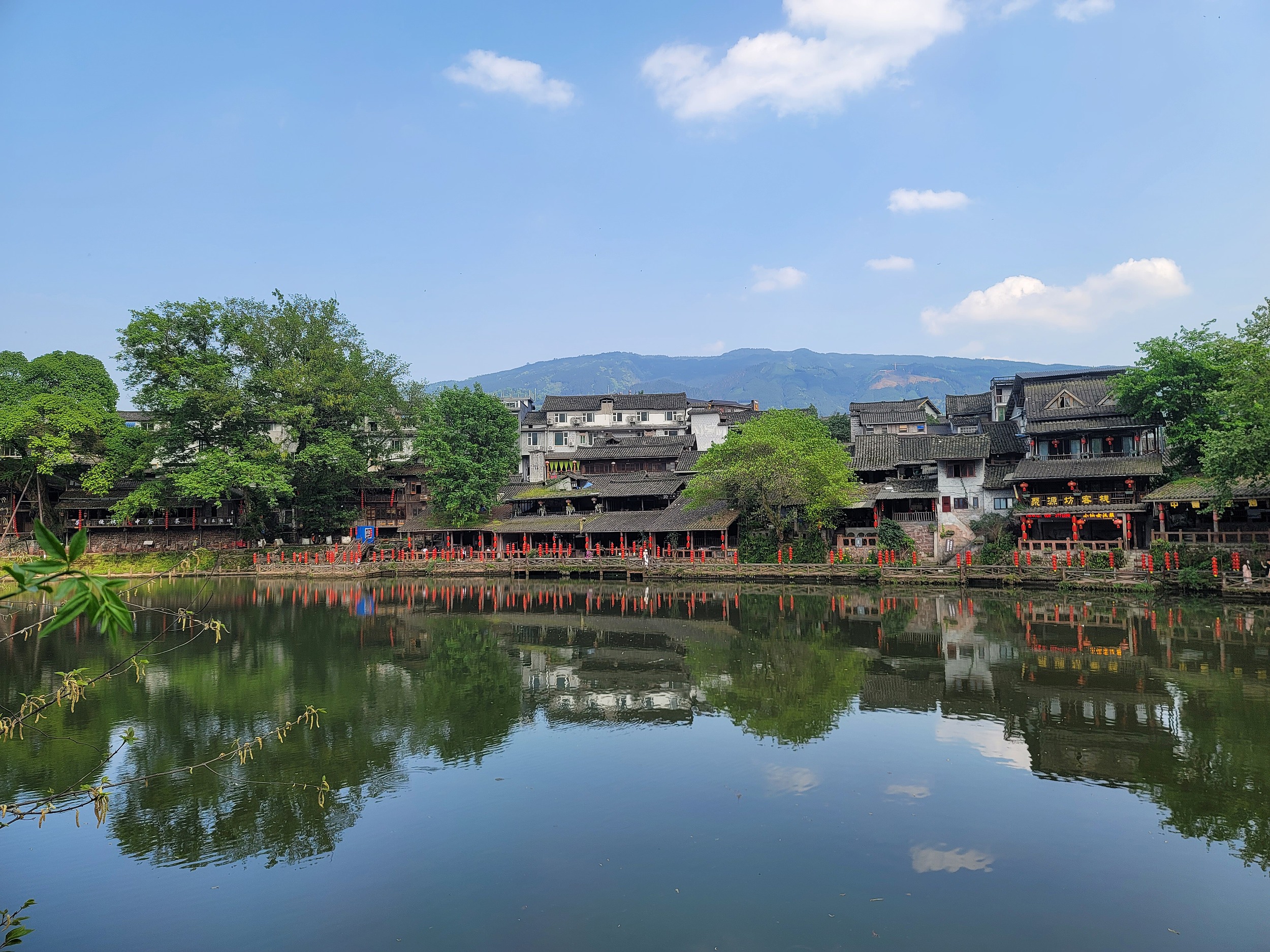
Liu Jiang Ancient Town
Liujiang Ancient Town is located on both sides of Liujiang River, a tributary of Huaxi River. It was founded in the Southern Song Dynasty. The Zeng Family Courtyard is worth a visit. It is a famous large-scale courtyard in the ancient town. The whole courtyard is like a traditional Chinese character for longevity. There is a strange tree in the courtyard, and the tree is covered with slender and slender fruits like cowpeas. No one in the area knows its name or its origin. When visiting the ancient town, you can slowly taste the unique charm of the ancient town and experience the rhythm of slow life. The ancient banyan trees planted by the river and the street market built by the water form a landscape painting, showing the vicissitudes of the ancient town. In the evening, Liujiang Ancient Town has a different face, with bars, singing K, barbecues and other entertainment life.
-
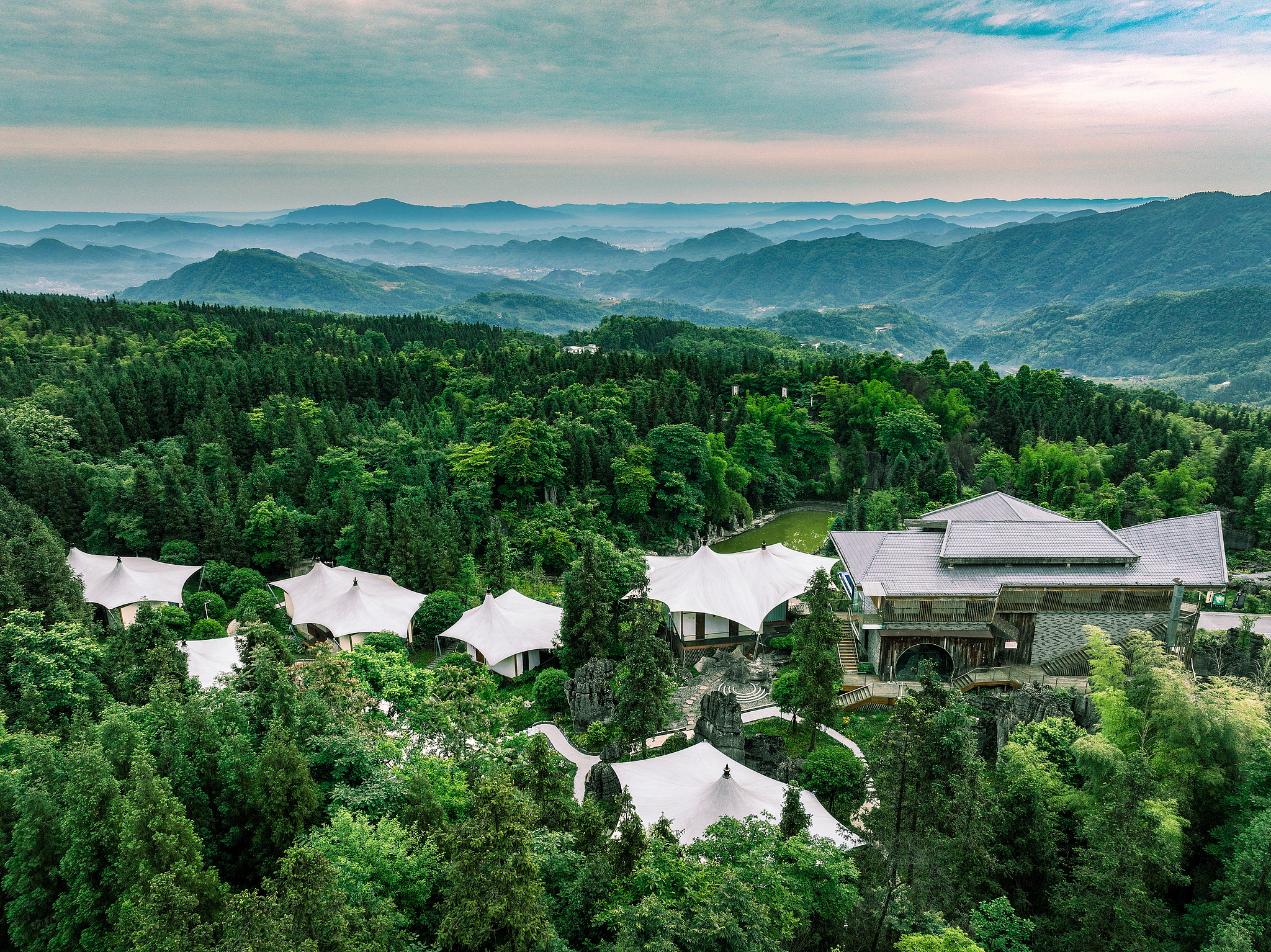
Bowang Mountain
Bowang Mountain is located in Xingwen County, Yibin City, Sichuan Province, and is a typical karst landform. In February 2005, UNESECO designated the Mount Bowangshan park area a global geopark. The vegetation on Bowang Mountain is lush, with waterfalls, deep pools, caves and strange stones all over the mountain. Its main districts are Feiwu Valley, Dao Cave, Heimao Peak and Shoushan Lake. Bowang Mountain has been home to the Duzhang people (the Bo nationality) since ancient times. Today there are well preserved remains of large and small village gates, city walls and castles built by the Bo people, as well as historic battle sites.
-
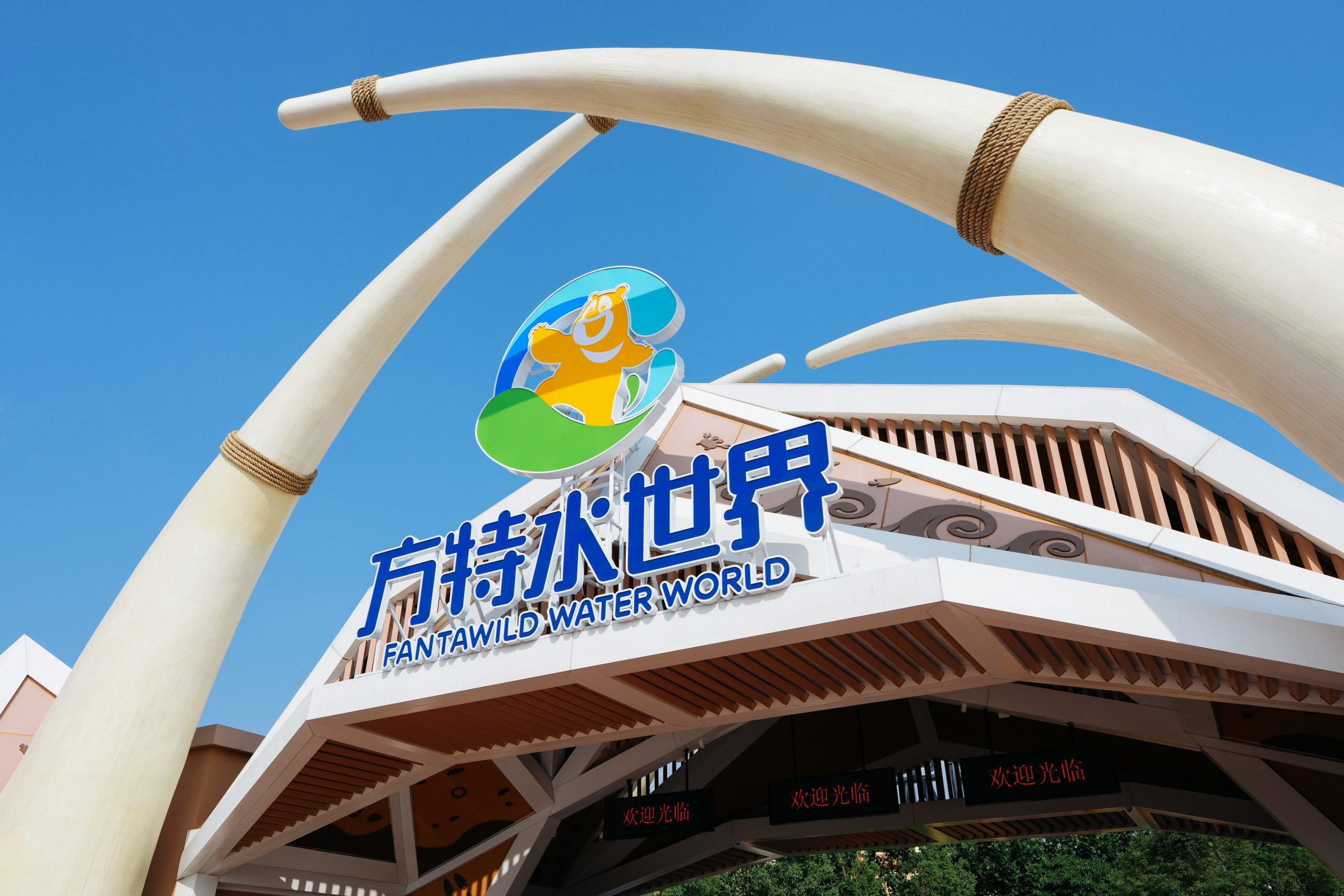
Ziyang Fantawild
Ziyang Fantawild byFantawild Oriental Heritage,The resort consists of Fantawild Water World and Boonie Bears Hotel, covering an area of 1,008 acres with a construction area of approximately 103,000 square meters. Inspired by the profound development of Chinese civilization, it showcases the essence of Confucianism, Buddhism, and Taoism, along with influential regional cultures such as Sanxingdui, Jinsha, and classical poetry from the Bashu region. Through Fantawild’s creative vision and cutting-edge technology, visitors will experience a magnificent and enchanting oriental wonderland.
-
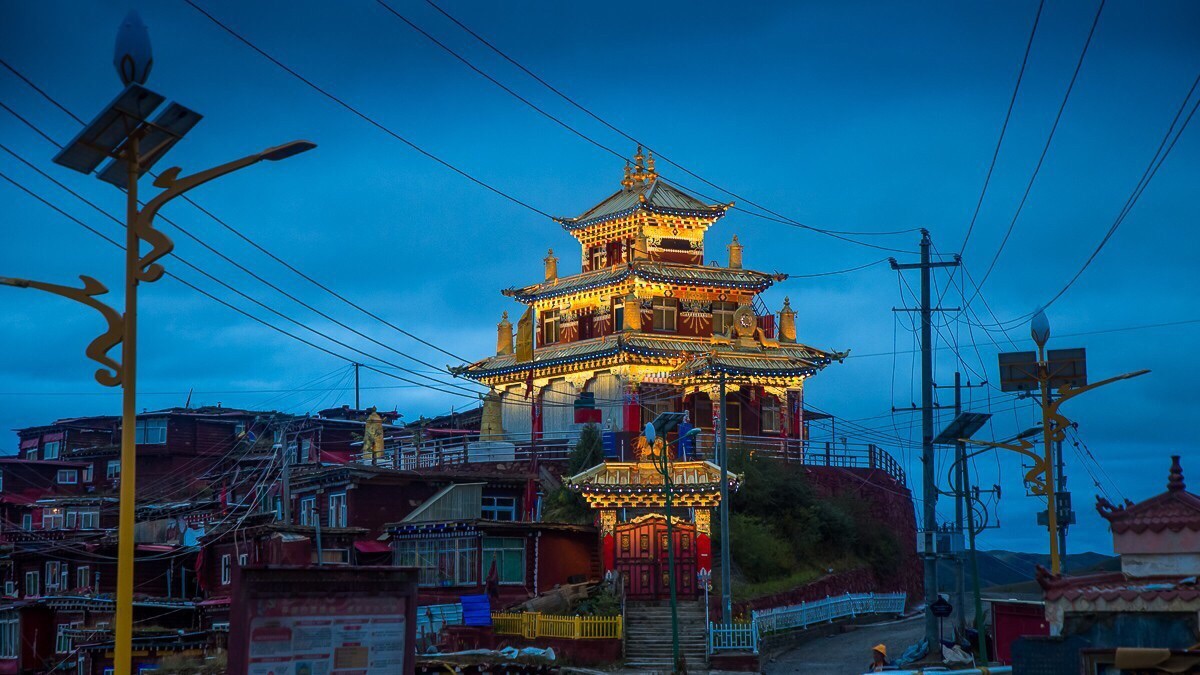
Sertar
Seda County is affiliated to the Ganzi Tibetan Autonomous Prefecture in Sichuan Province, located on the southeastern edge of the Qinghai-Tibet Plateau and in the northwest of Ganzi Prefecture. It is adjacent to Rangtang County in Aba Prefecture in the east, Banma and Dari County in Qinghai Province in the north, and Ganzi and Luhuo County in the west and south respectively. Seda County has honest and honest folk customs, simple etiquette and customs, and many customs have been followed to this day, and the cultural landscape is unique. There are thousands of red monasteries here, all built by monks and nuns. When you stand on the top of the mountain and overlook this breathtaking red sea, a sense of sanctity will arise spontaneously and you will be shocked.
-
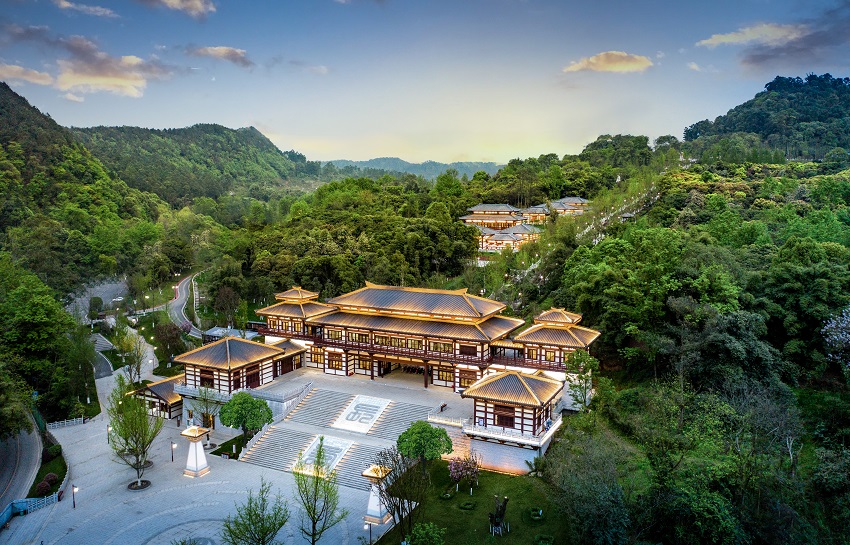
Peng Zu Shan Scenic Area
Formerly known as Xiannü Mountain, Pengzu Mountain is located in the northeast of Pengshan County, a “longevity city”. Legend has it that the 800-year-old god of longevity – Peng Zu and his daughters pursued their spiritual development in the Mountain. It is also the cradle for longevity civilization and tea culture in the world. There are burial mounds of Peng Zu, the founder of qigong and the god of longevity; and Pengzu Temple, and historical site of Pengzu Alchemy Caves on the mountain. Three secrets of longevity, namely, Health Preserving Palace, Qi Collection Court and Pheasant Hall, are also on the mountain. The ingenious design of twin Buddha, the thriving religious and cultural site, Huiguang Temple, and 20 other tourist attractions can be found there.
-
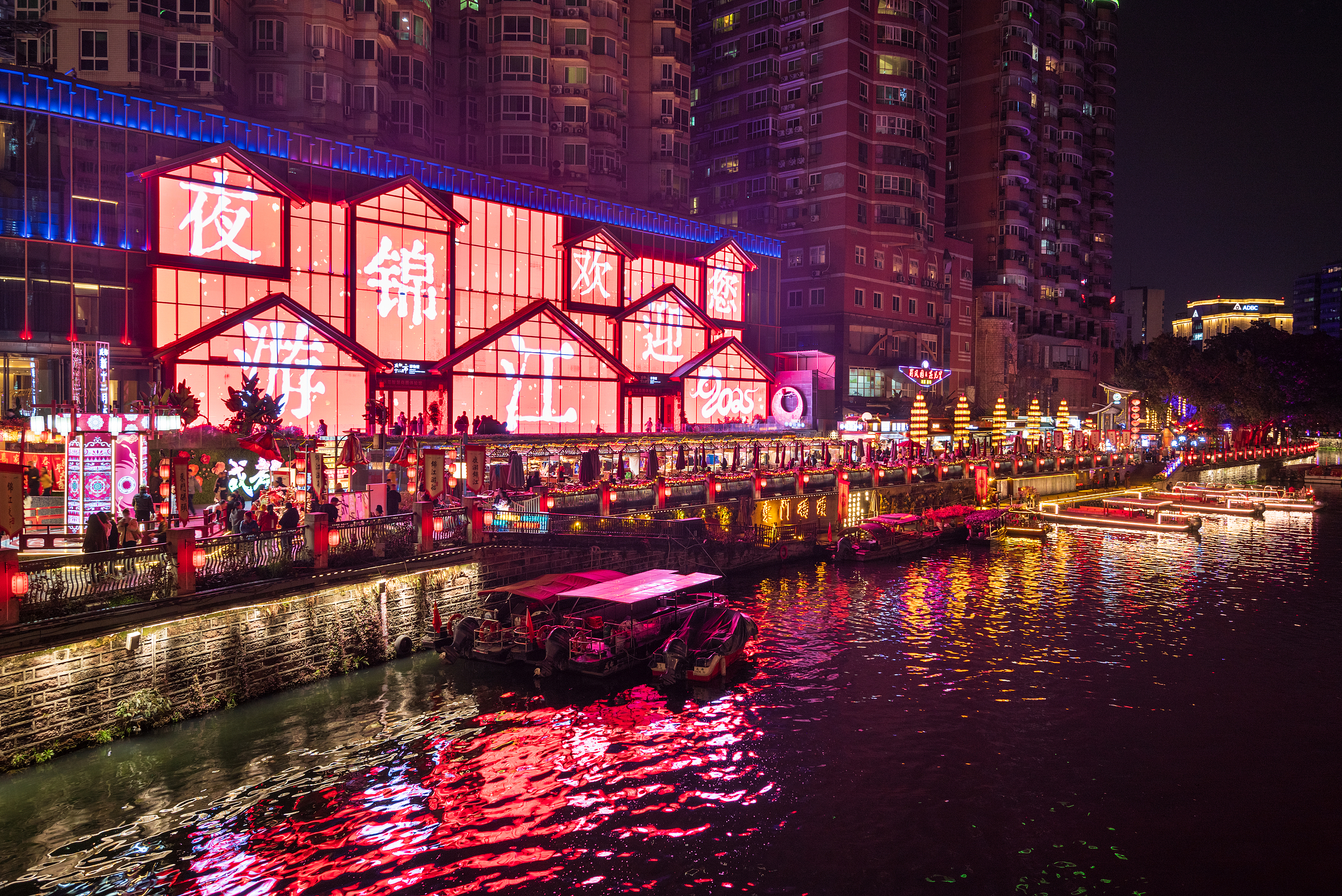
Yeyou Jinjiang(East Gate Pier)
Dongmen Wharf is one of the 10 wharves built by Night Tour of Jinjiang. Night Tour of Jinjiang, with its unique waterfront scene, immersive night tour experience and rich theme activities, has become a new hot scene and landmark for nighttime consumption in Chengdu. When the lights come on, the Jinjiang River in spring not only shows that the ecological water has become economic water, but also becomes the “poetry and distant place” at the doorstep of citizens. This mother river of Chengdu people in spring is allowing tourists to experience the “new night state” of cultural tourism in the atmosphere of “the more beautiful it is at night”. From the small square of Dongmen Wharf to the boarding point, many check-in atmospheres are specially decorated along the way, and many cultural and creative businesses, original handmade businesses, or intangible cultural heritage masters are gathered, who sell special products in Dongmen Market. Under the night, the lights on the wharf are bright and the food is fragrant. The dazzling light and shadow show and immersive waterfront performance make Dongmen Wharf both gorgeous and unique. Many tourists said that the wharf can easily bring tourists a dream experience of traveling through ancient and modern times.
-
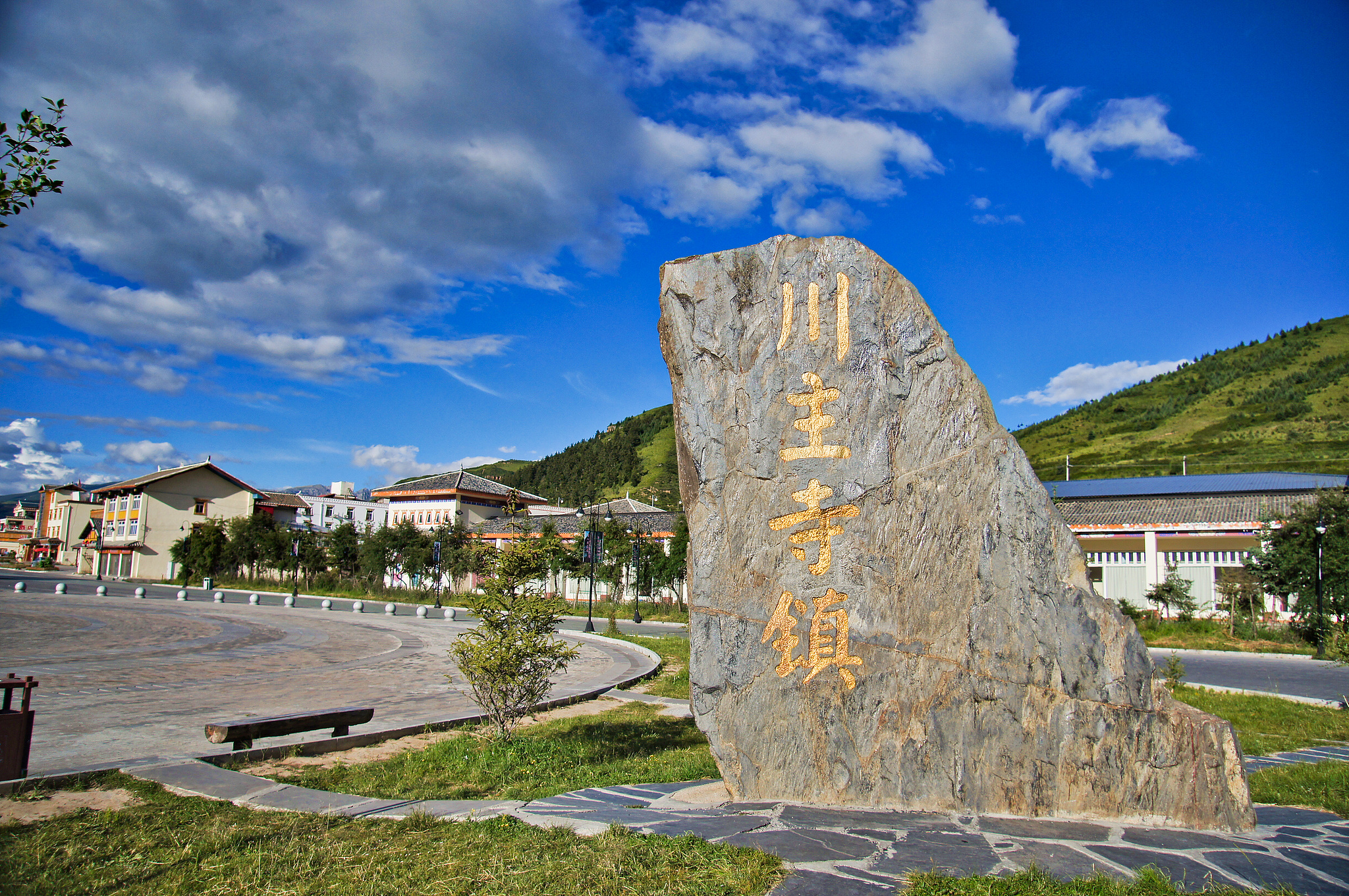
Chuanzhusi Town
Chuanzhu Temple is not a temple, but a small town, which belongs to Songpan County and is the only place to go to Jiuzhaigou, Huanglong Scenic Area and the grasslands of northwest Sichuan. The geographical location of Chuanzhusi Town is superior: 39 kilometers to the east is the Huanglonggou Scenic Area, and extends to Xuebaoding and Danyunxia Scenic Area; 87 kilometers to the north is the Jiuzhaigou Scenic Area; 40 kilometers to the west is the prairie, and extends to the Yellow River Jiuqu The first bay; 17 kilometers to the south is the ancient city of Songpan, and extends to Munigou Scenic Area; 15 kilometers to the north is Hongshi Park. In addition, the “Nine Ring Road” west line, “213 National Road”, and “Songping Highway” form a “cross” intersection here, and Jiuhuang Airport is located here. There are many star-rated hotels, transportation bus stops in the town, and A large number of restaurants, snack shops and shops selling ethnic souvenirs. The famous Red Army Long March Monument is also located here.
-
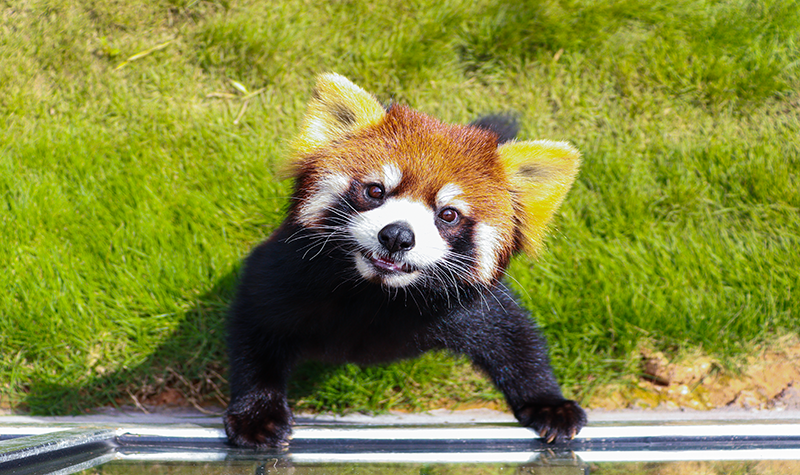
Red Panda Forest Park
The Red Panda Forest Park is a scientific research and breeding center in Sichuan that is engaged in the protection and management, breeding research, and scientific and educational publicity of the red panda, a nationally protected wild animal. It is a science and education theme park in the west with the theme of creating red pandas, and its advantages and features include exploring the wild red pandas, interesting science and education, and growth companionship.The project is invested and developed by Sichuan Qiqu Zoo Management Co., Ltd. with a total investment of more than 20 million yuan. The total area is more than 70 mu, and the first phase covers an area of more than 20 mu. It consists of six major sections: the Red Panda Wild Release Exploration and Tracking Park, the Red Panda Scientific Research and Breeding Isolation Hall, the Red Panda Behavior Desensitization Training Camp, the Red Panda Family Life Exhibition Area, the Red Panda Outdoor Fun Science Park and the Red Panda Theme Leisure Restaurant. The Red Panda Forest Park has a professional breeding, research management and medical technology team in the industry, and has established cooperative research relationships with the China Conservation and Research Center for the Giant Panda, Sichuan Agricultural University, etc. On the road to becoming a red panda breeding and research center, through the innovation of the new experience mode of “making friends with red pandas”, the incubation of special experience products integrating “exploration + learning + recognition”, the Red Panda Forest Park will gradually be built into a nationally renowned red panda science and education theme park.