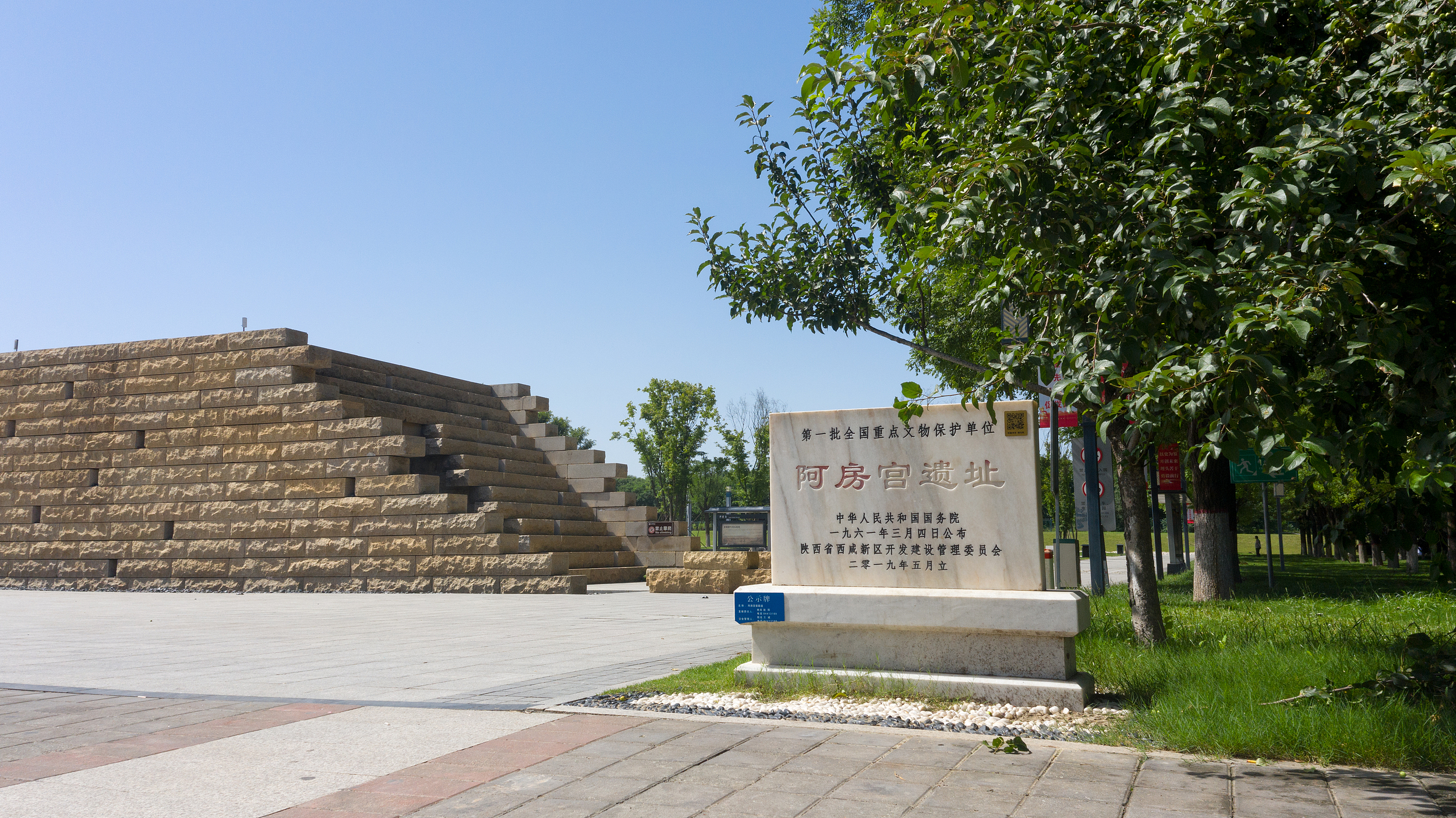
Epang Palace Archaeological Site Park is located in the Epang Palace site area of Fengdong New City, Xi’an, within the Xi’an-Xianyang New Area. Fengdong New City will use the Epang Palace Archaeological Site Park as the core to develop the Epang Palace Cultural Tourism Section. This section will not only be an archaeological site park showcasing the roots of Chinese civilization but also a display area for Qin unification culture and a modern urban area with Qin cultural landscapes. Beyond the park, within the cultural tourism section, a modern urban area featuring Qin culture will be constructed, integrating tourism, cultural creativity, leisure, and residential industries.
归档: Attractions
-
Xianglu Temple
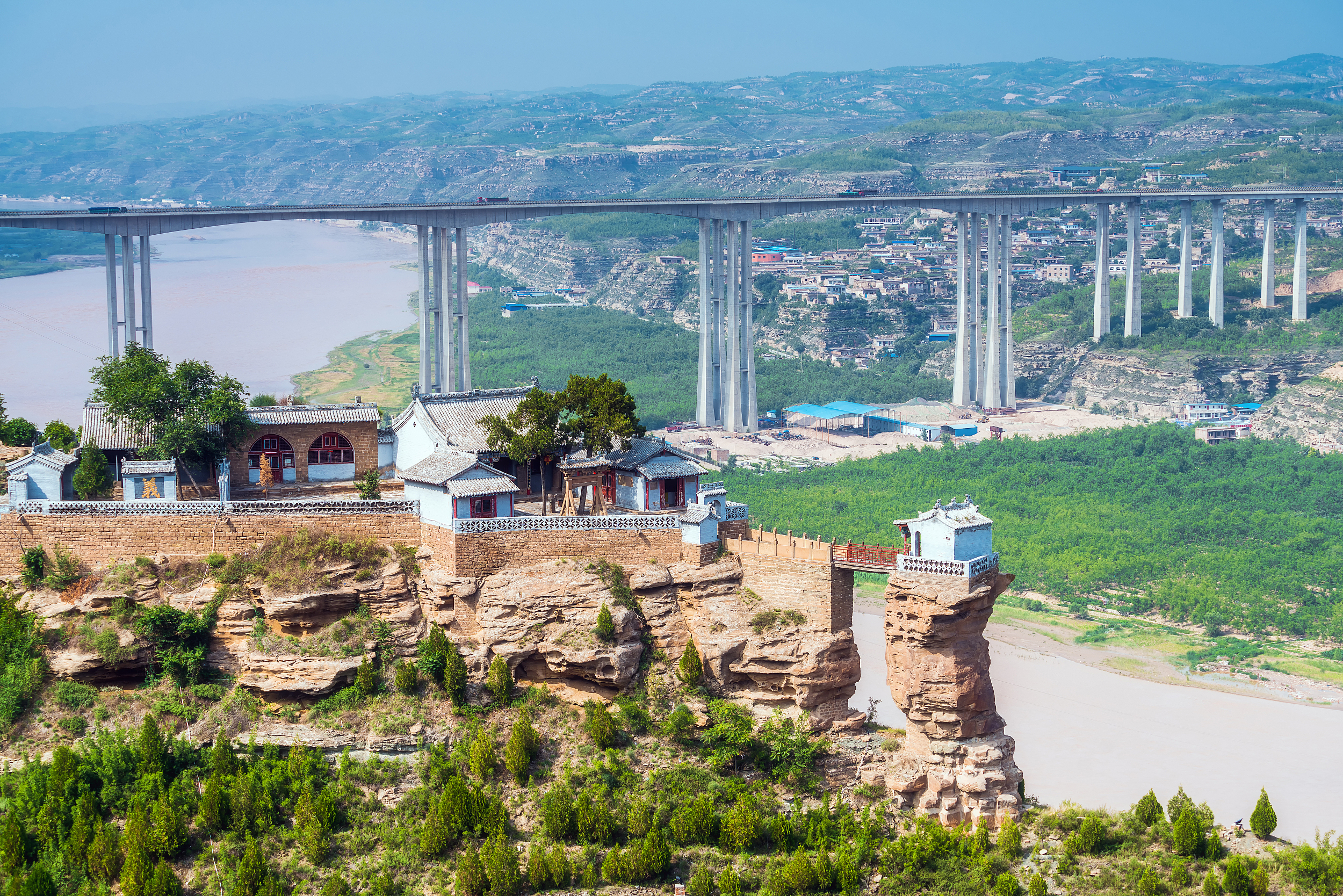
Xianglu Temple is located on the top of Xianglu Peak, 200 meters east of Jiaxian County. It faces the Yellow River in the east and is absolutely empty on three sides. Only the northwest side is connected to the ancient city gate of the county by a narrow path. In front of the peak, there is a huge rock with a diameter of 5 meters and a height of more than 20 meters. It is 2 meters apart from the main peak. It looks like a high-footed incense burner. The incense burner temple has a steep terrain, the incense burner stone rises in the sky, and the broken bridge is extremely dangerous. Standing on it, it is like a sky, looking down and looking down.
-
Shentian Grassland, Shenheyuan
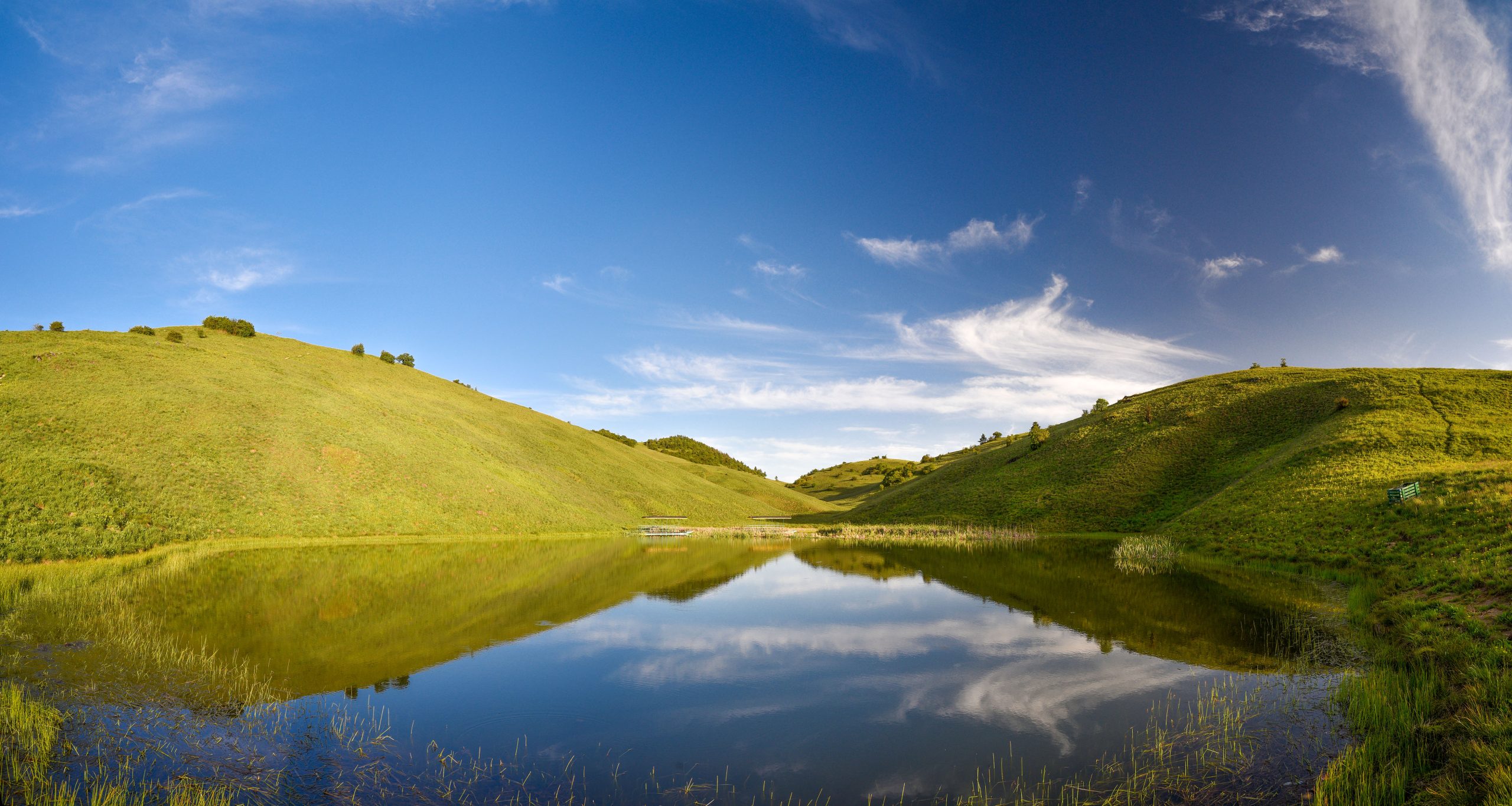
Shenheyuan is located on the north slope of the main ridge of Daba Mountain at the junction of Langao County and Chengkou County of Chongqing City, 47 kilometers away from the county seat. The Attraction is dominated by Shentian Grassland, Bashan Autumn Pond and Chaoyang Cave. It is a forest park that integrates mountains, water, forests, springs and caves, and is majestic, strange, beautiful, broad, secluded and dangerous. The total area is 8,000 hectares, with an altitude of 1,700m-2,549m, an average sunshine of 1,559 hours, an average annual rainfall of 1,000.9 mm, an average temperature of 15℃, a frost-free period of 242 days, and four distinct seasons. In summer, the grass is green and the mountains are full of wild flowers. Sitting on the grass and camping in tents are free and romantic; in autumn, it is surrounded by red leaves, the grass is golden, rolling and magnificent; in winter and spring, it is covered with snow and covered in silver. The forest vegetation coverage rate reaches more than 98%, with rich negative oxygen ions and extremely high air purity. It is one of the rare pristine natural areas in the world today.Shentian Grassland is an alpine meadow in Daba Mountain. The soil is mainly alpine meadow soil, which is slightly acidic to neutral, and some soils have permafrost. Therefore, there are no tall shrubs here, and cattle and sheep do not eat the grass that grows there. There are more than 20 scenic spots open to the public. The 99 bends of Shentian Grassland and the 99 hills of Shentian Grassland have created the following attractions: Bashan Dragon Ridge, Flower Pond, Yunya Cave, Fairy Throwing Hydrangea, Birds Facing Phoenix, Ink Pool, Yang Yuchun Counting Mountains, Shentian (Lava Lake, water surface height 2348 meters, area of about 3000 square meters, a salty lake in the karst basin), etc. The Attraction has added a number of experience projects, dedicated to creating a camping base, enjoying the sweetness of nature, and feeling the pure outdoor experience. This is the right way to open life!
-
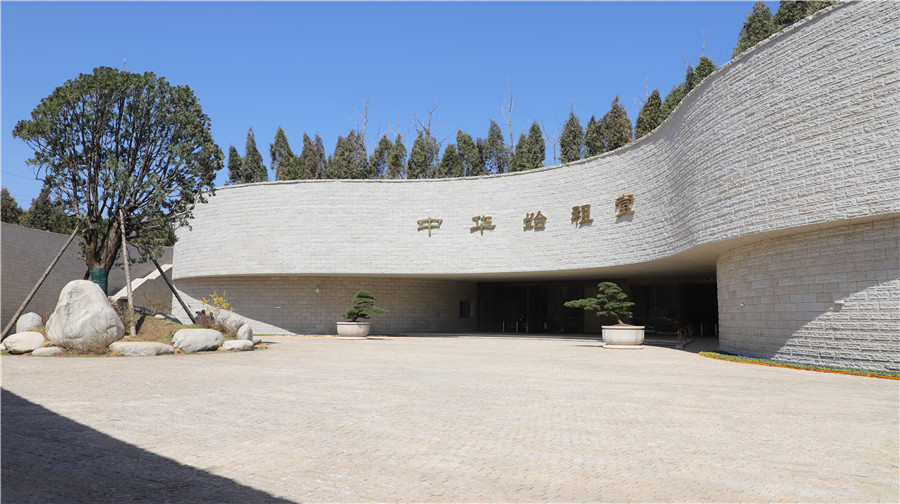
Chinese Ancestral Hall
The Chinese Ancestor Hall is the masterpiece of the master architect, Academician Zhang Jinqiu. It is based on the “Jade Dragon” from 5,000 years ago. The space is rounded and the lines are smooth. The building is covered with two underground floors, with a total area of 22,000 square meters and an indoor exhibition area of about 7,000 square meters. It integrates multiple functions such as cultural relics display, cultural display, experience participation, and tourism services. According to the two major exhibition themes of “Huangdi Culture” and “Huangling Culture”, it is divided into seven exhibition halls, focusing on the legend of Huangdi, the era of Huangdi, the achievements of Huangdi, the worship of Huangdi, the sacrifice of Huangdi, the art of guarding and protecting the tomb, and the art of praising the tomb, etc., showing the legendary life of Huangdi, commemorating his great achievements, and promoting Chinese civilization.
-
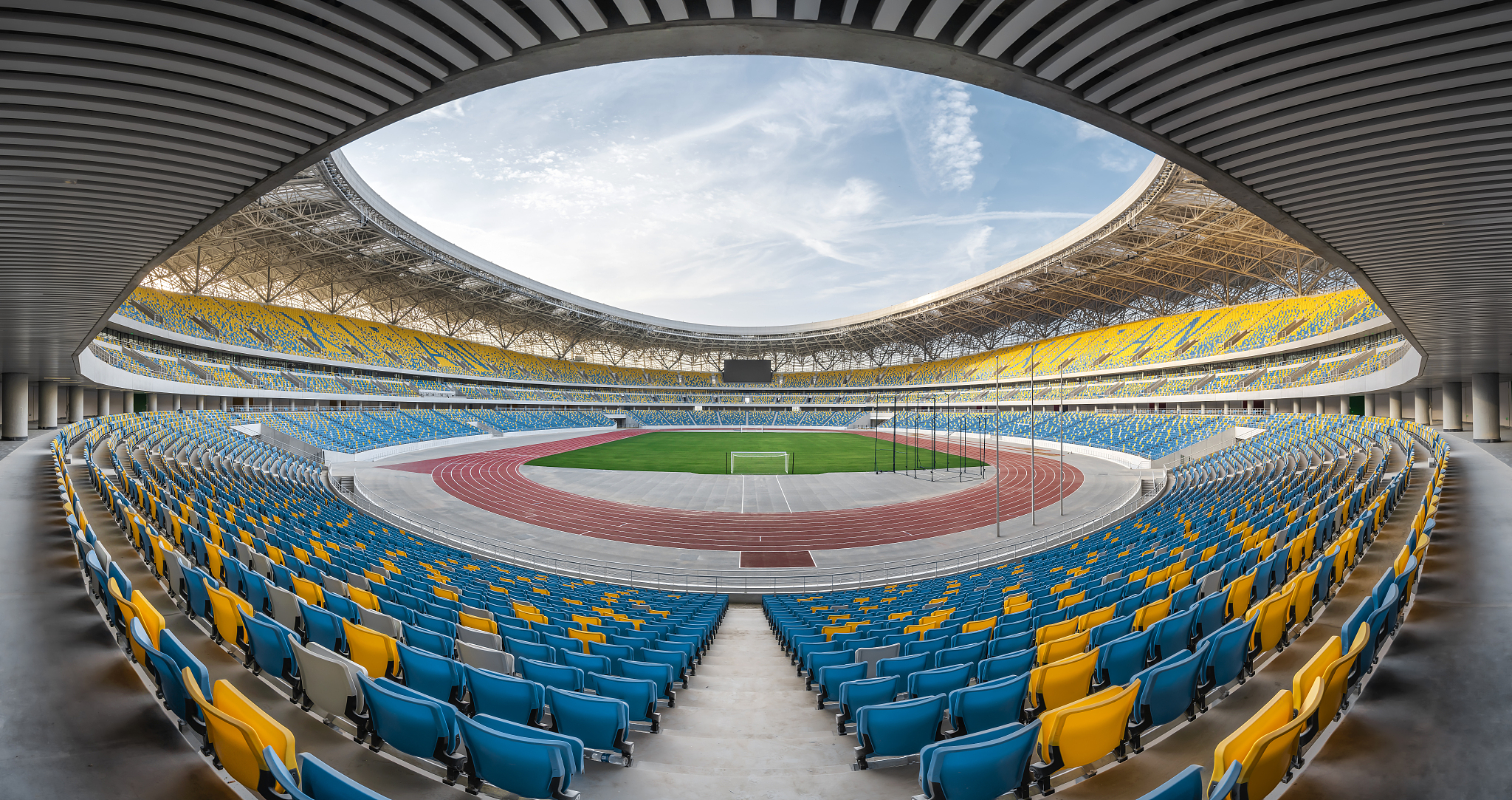
Xi’an Olympic Sports Center – Gymnasium
Xi’an Olympic Sports Center-Gymnasium is located on the ecological bank of the Bahe River in the International Port Area. As the core venue of the 14th National Games, its streamlined architecture is inspired by the “Silk Road Sailing”. The main hall has 4 floors above ground and is 41 meters high. The appearance is tough and majestic, and the 16 edges and corners show its majestic momentum. The geometric combination of diamond-shaped colonnades and glass curtain walls on the facade creates a visual image of sailing. This is not only a stage for sports competitions, but also a popular performance venue. The venue is equipped with 18,000 spectator seats and an intelligent viewing system. It uses the world’s leading ice-basketball conversion technology venue and has been hosting CBA leagues, ice events and large-scale cultural performances on a regular basis. Around the gymnasium are the Olympic Sports Central Park and multiple viewing platforms, as well as a rich variety of food, allowing tourists to enjoy the fun of eating, drinking and having fun. Night tours are especially recommended, when the building floodlighting and the Bahe Music Fountain complement each other, creating a magnificent light and shadow feast for tourists.
-
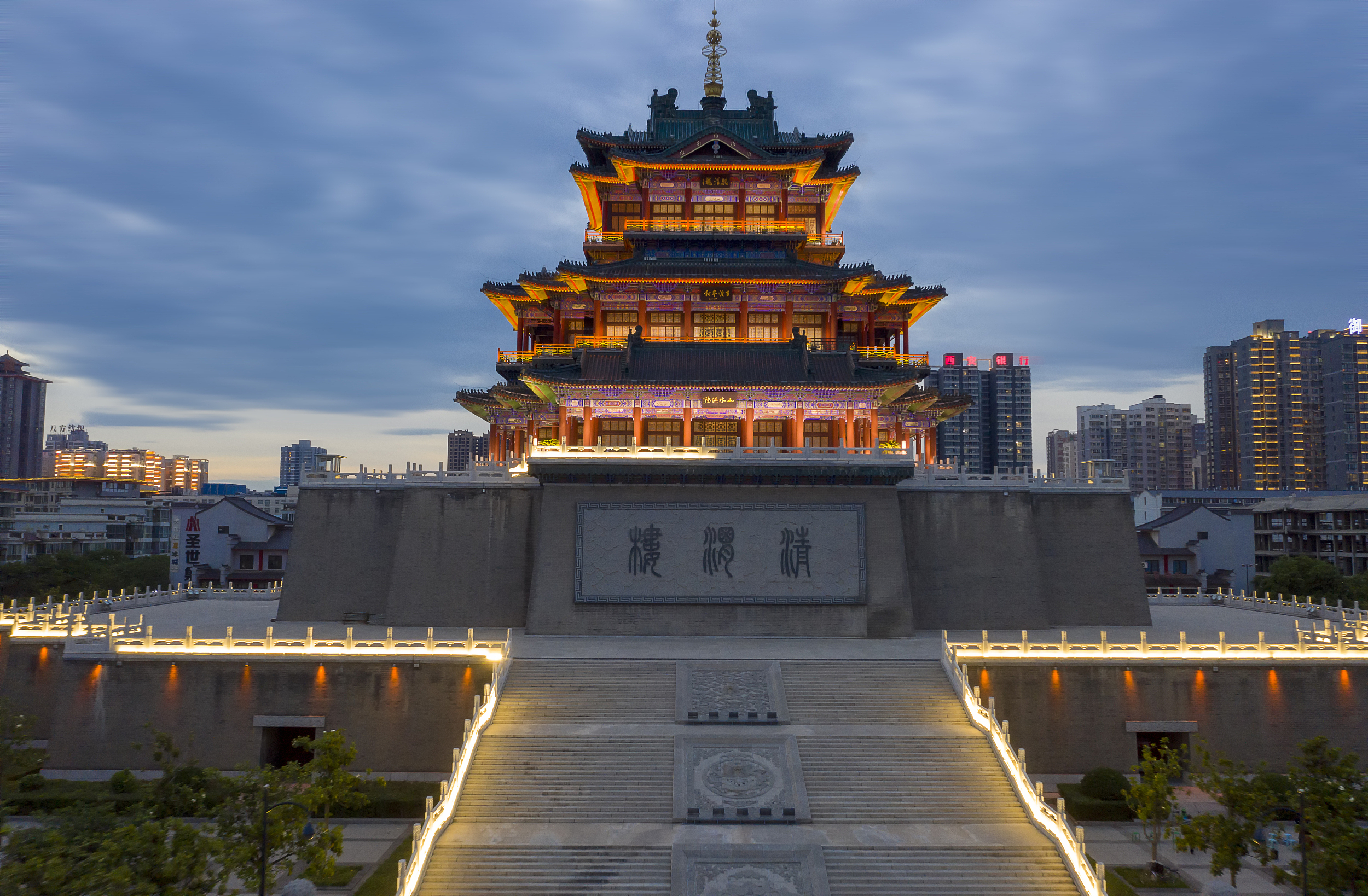
Xianyang Qingweilou Meishu Museum
The Xianyang Qingweilou Meishu Museum is a historical witness and iconic landmark of the rise and fall of the ancient capital Xianyang. Originally built during the Qin Dynasty as the Xianyang East Tower, it was renamed during the Han and Tang Dynasties as theQin Tower”, Xianyang Tower.” During the Jingyou era of the Northern Song Dynasty, poet Huang Xiaoxian, then the county magistrate of Xianyang, renovated the tower and renamed it: “Xianyang Qingweilou Meishu Museum”and left behind the words ‘Old Huang loves mountains without rest, never descending daily’”Xianyang Qingweilou Meishu Museum”Xianyang Qingweilou Meishu Museum” was once praised as one of China’s Four Great Towers alongside Yellow Crane Tower, Guanque Tower, and Yueyang Tower. The Tang Dynasty poet Xu Hun vividly depicted the majestic scenery of this millennium-old landmark in his poem: “Ascending the tower, endless sorrow spreads for miles, with reeds and willows resembling a riverside isle. Clouds gather over the stream as the sun sinks behind the pavilion, winds fill the tower heralding mountain rain approaching…”
-
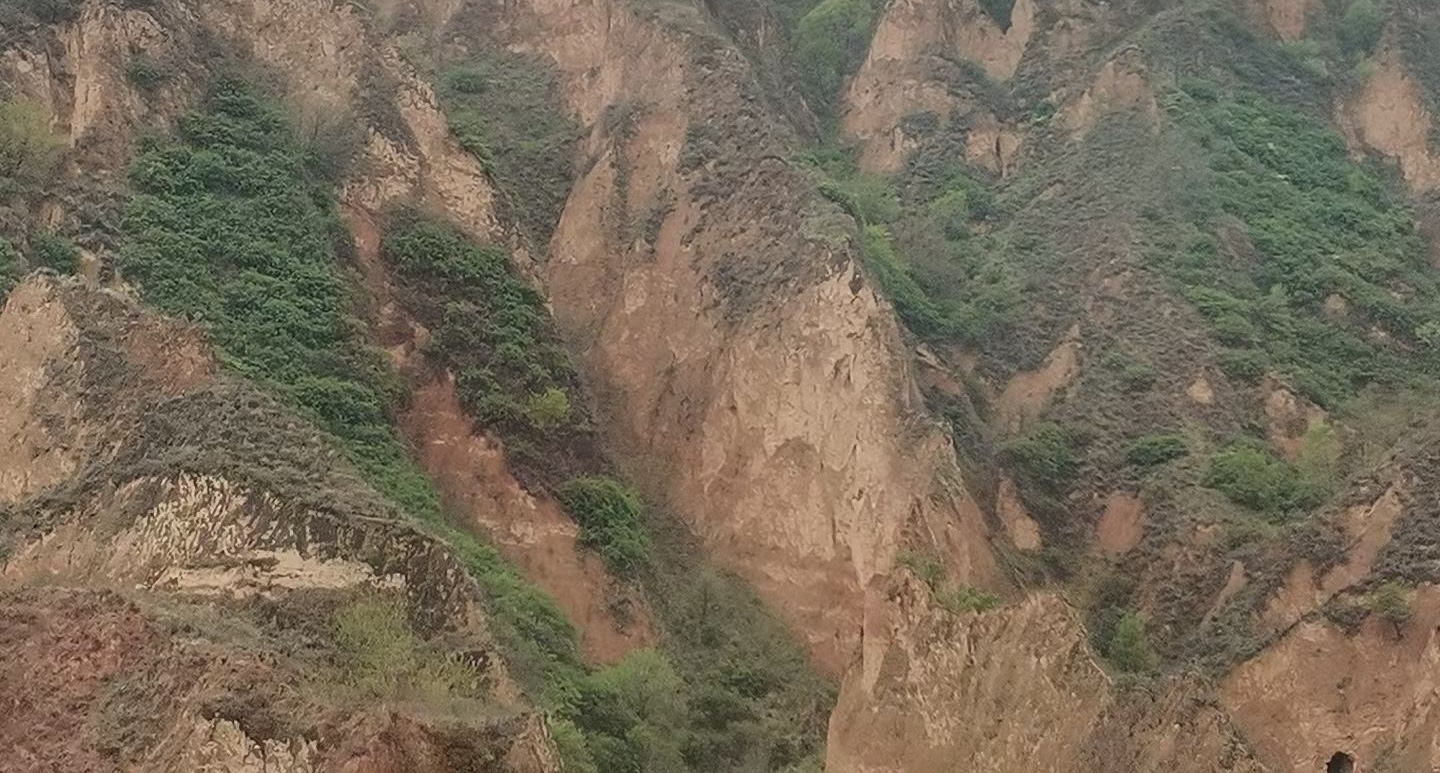
Observation Deck, Loess Plateau
The Loess Plateau viewing platform offers a wide panoramic view of the Loess Plateau, surrounded by lush greenery and beautiful scenery.
-
Wuzhangyuan Scenic Area
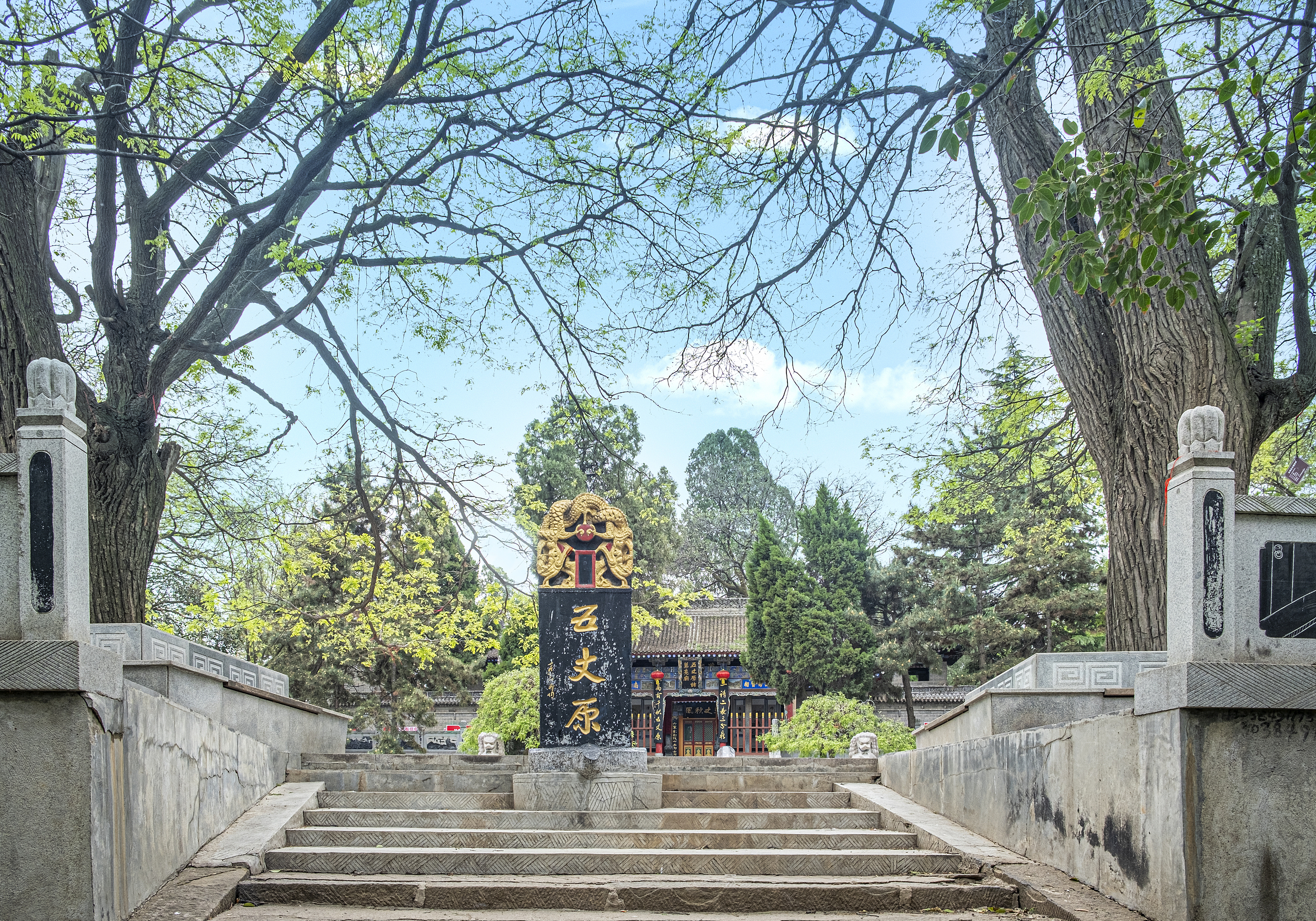
Wuzhangyuan Scenic Area is located in Qishan County, Baoji City, Shaanxi Province. It is a tourist destination full of historical heritage and is famous for being the garrison of Zhuge Liang during the Three Kingdoms period. The Zhuge Liang Temple in the scenic area is a must-visit place for tourists. The temple enshrines a statue of Zhuge Liang. The surrounding ancient cypresses are towering and the environment is quiet, making people feel as if they are in the long river of history. The viewing platform next to the temple overlooks the entire Wuzhangyuan, with a wide field of vision, which is an ideal place to take landscape photos. Wuzhangyuan Scenic Area is open all year round, with moderate ticket prices, suitable for families and individual tourists. Tourists are recommended to choose spring and autumn to come, with pleasant climate and pleasant scenery. The trails in the scenic area are flat and suitable for hiking, but it is recommended to wear comfortable shoes for a better experience. Tourists can take public transportation or drive from Baoji City, which takes about 1 hour. There is a parking lot near the scenic area for self-driving tourists. Please pay attention to protecting the environment when visiting and keep the scenic area clean and quiet.
-
Tang Dynasty Huaqing Palace Imperial Baths Site Museum
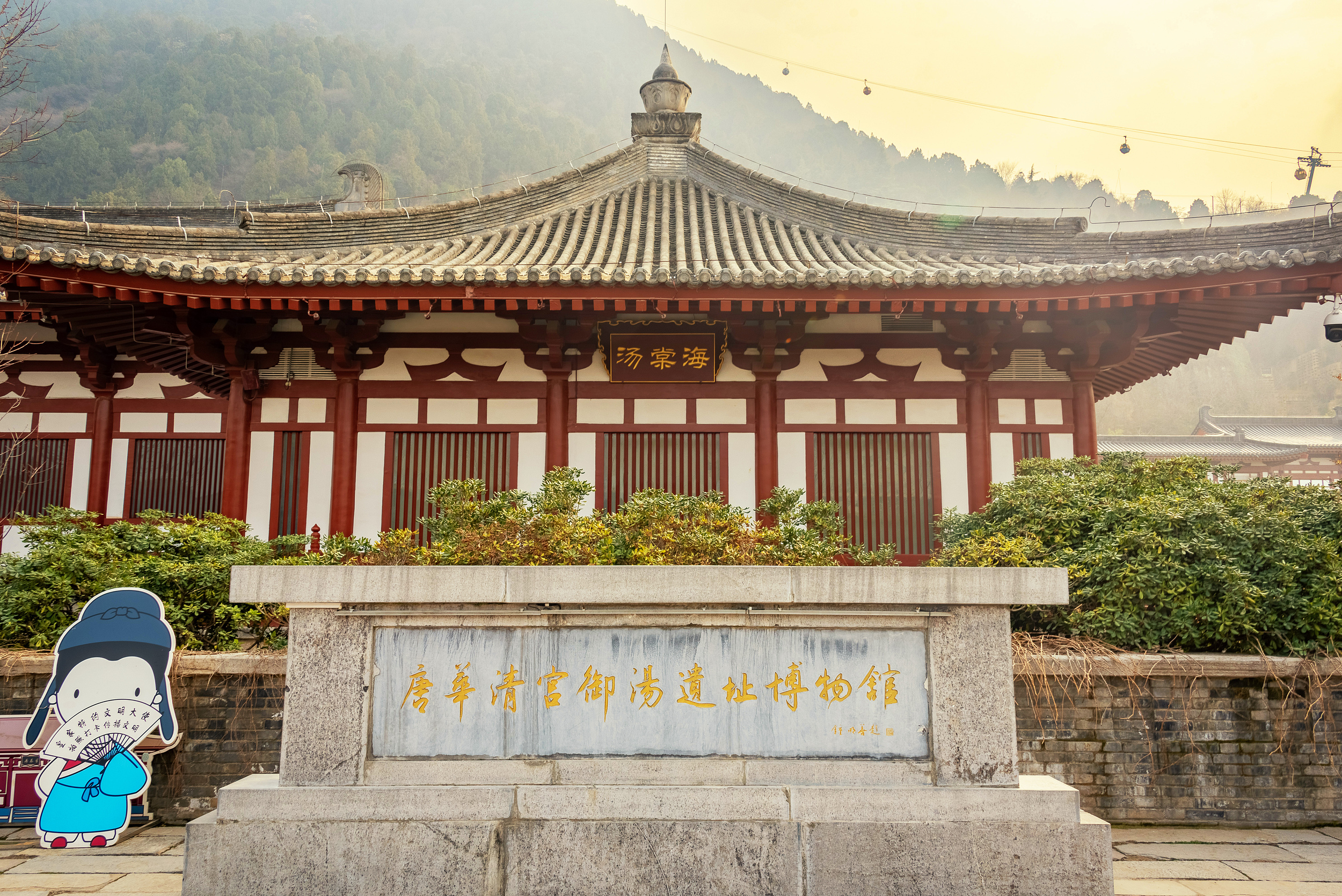
The full name of the Tang Imperial Hot Spring Site is the Tang Huaqing Palace Imperial Hot Spring Site Museum. It is one of the main attractions in the Huaqing Pool Attraction. The site was discovered in 1982. It is located in the north of Huaqing Pool, backed by Mount Li and facing Huaqing Pool. It is a hilly area overlooking the scenery of Huaqing Pool and bathing in the sunshine. At that time, archaeologists cleared out five groups of Tang Dynasty royal hot spring sites, including Xingchen Hot Spring, Lotus Hot Spring, Begonia Hot Spring, Prince Hot Spring, and Shangshi Hot Spring; in addition, there are more than 3,000 pieces of hot spring palace foundations, stone walls, palace column bases, lotus square bricks, round ceramic water pipes and other building materials. It is the only group of royal hot springs discovered in China so far. Entering the site area, it is the fascinating Concubine Pool, also known as Begonia Hot Spring. A square-shaped spire protection building was built here, which resembles the Xi’an Bell Tower. Begonia Hot Spring was built in 747 AD and was built by Emperor Xuanzong of the Tang Dynasty specifically for Yang Guifei. The pool wall is made of bluestone and is a two-story platform structure. There is a long stone in the pool that was prepared for Yang Guifei to bathe, with the Chinese character “Yang” engraved on it. Next to the east of the Guifei Pool is the imperial bath used by Emperor Xuanzong of Tang, also known as the Lotus Bath. There is a double lotus base inside, implying that they wish to be intertwined branches and forever be lotus flowers on the same pedestal.