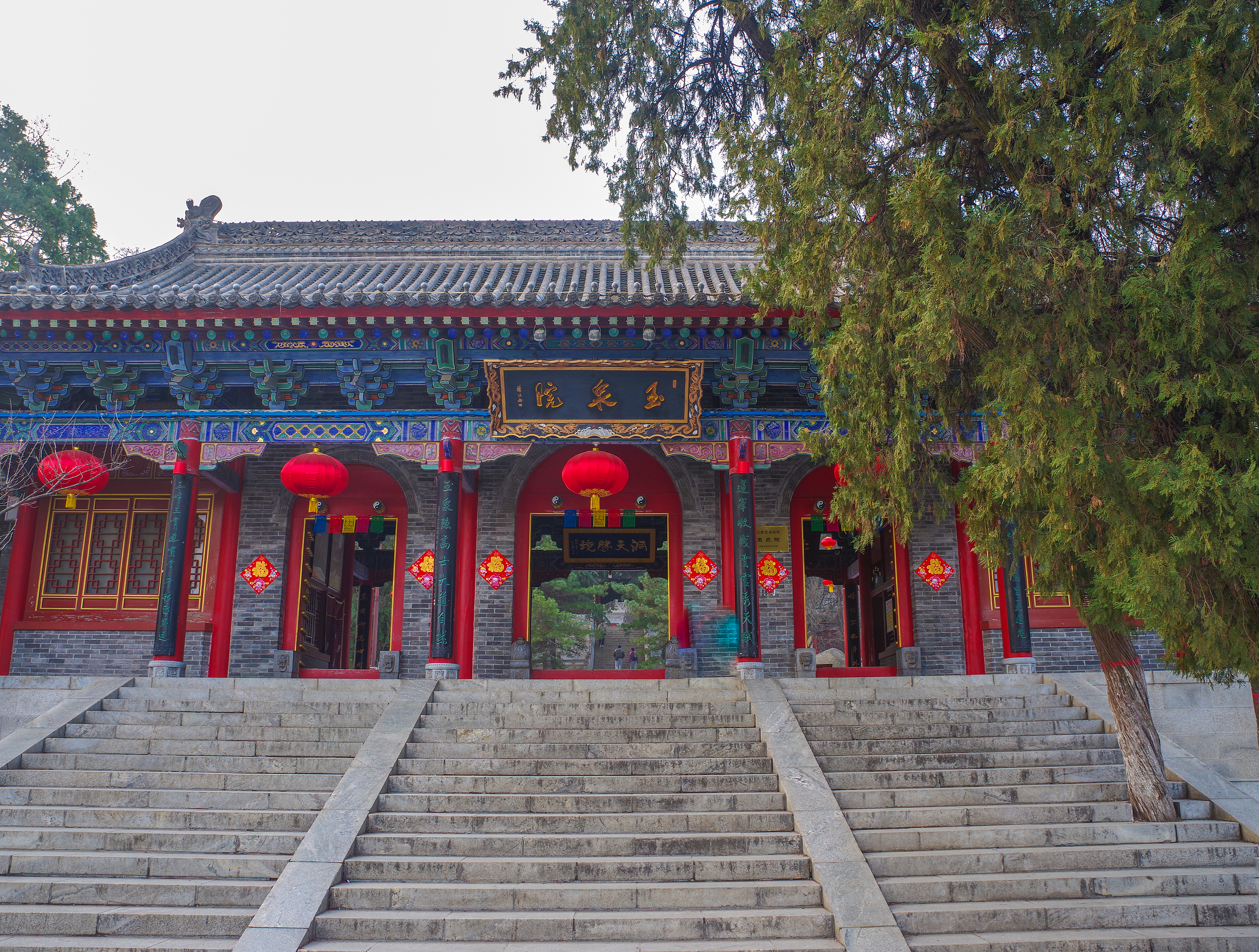
Yuquanyuan is located at the foot of Huashan Mountain. It is the main place for Taoist activities in Huashan Mountain and a must-go place for tourists to visit Huashan Mountain from Huashan Valley. Legend has it that when Chen Tuan played chess with Zhao Kuangyin on Huashan Mountain, Zhao Kuangyin lost Huashan Mountain to Chen Tuan and exempted him from taxes. Since then, many Taoists have come here to practice. Yuquanyuan is a garden building with Huashan Mountain on its back and towering ancient trees around it. There is a spring in the courtyard with sweet and clear spring water. According to legend, Princess Jinxian of the Tang Dynasty drew water from the Jade Well of Zhenyue Palace on the mountain to wash her hair. She accidentally dropped her jade hairpin into the water. After returning to Yuquanyuan, she accidentally found the jade hairpin when washing her hands with spring water. She knew that this spring was the same as the Jade Well, so she named this spring Yuquan. Yuquanyuan got its name from this. There is Xiyi Temple in Yuquanyuan, and its name comes from the title of “Mr. Xiyi” given to Chen Tuan by Emperor Taizong of Song Dynasty. Xiyi Temple is divided into two halls, the front hall and the back hall. On the left side of the front hall is the “Huashan Complete Map Stele”, and on the right side is the “First Mountain” stele handwritten by Song Dynasty calligrapher Mi Fu. There is a statue of Chen Tuan in the back hall. Shansun Pavilion was built on a large stone. It is said that Chen Tuan often watched the mountain scenery and wrote books here. There is an ancient tree next to the pavilion, named Wuyou Tree, which is said to be planted by Chen Tuan. The back hall is the main activity place of Huashan Taoism. On the door hangs a plaque with the words “Tao Chong Qing Miao” written by Empress Dowager Cixi. There is an “Itchy Tree” in the middle. Once this tree is touched, the whole tree will tremble.
归档: Attractions
-
Dingjun Mountain
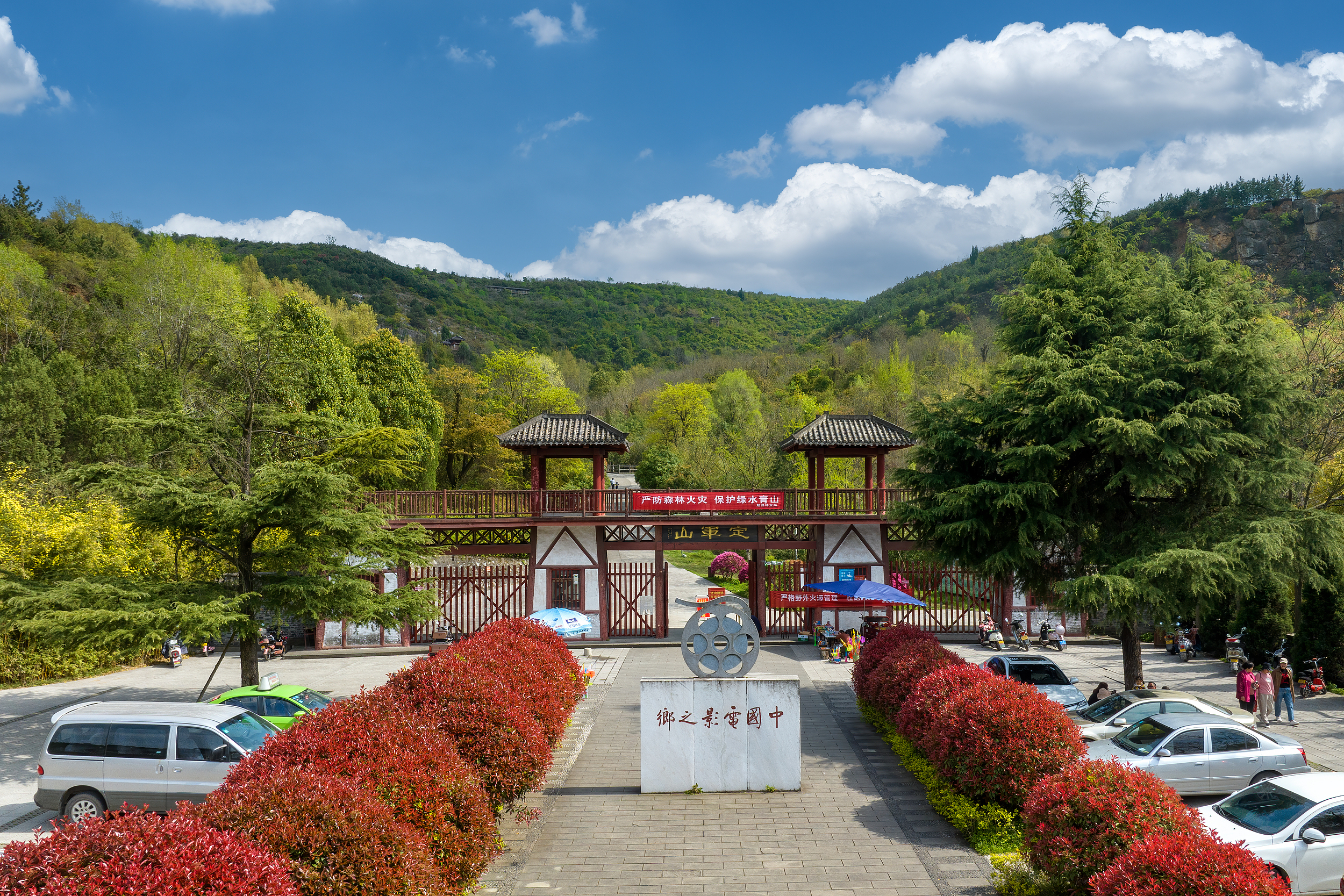
Dingjun Mountain is a branch of Bashan Mountain, and Wuhou Tomb is located at the foot of this mountain. This is a famous ancient battlefield where the Wei and Shu armies fought during the Three Kingdoms period, and it is therefore famous from ancient times to the present. Zhuge Liang once trained his troops here during his lifetime, and was buried at the foot of the mountain after his death. Although Dingjun Mountain is not high and steep, the road is quite steep because it has never been developed. The entire Dingjun Mountain has twelve mountains, which meander from west to east for more than ten kilometers, like a dragon playing with a pearl, so it has the reputation of “a pearl in the twelve mountains”. In ancient times, the Three Kingdoms formed a tripartite situation because of the Battle of Dingjun Mountain, and Dingjun Mountain is widely known for the historical sites of the Three Kingdoms. It was here that the old Shu Han general Huang Zhong chopped Xiahou Yuan with a knife at the foot of Dingjun Mountain, and his reputation shook China.
-
Shiquangu Street
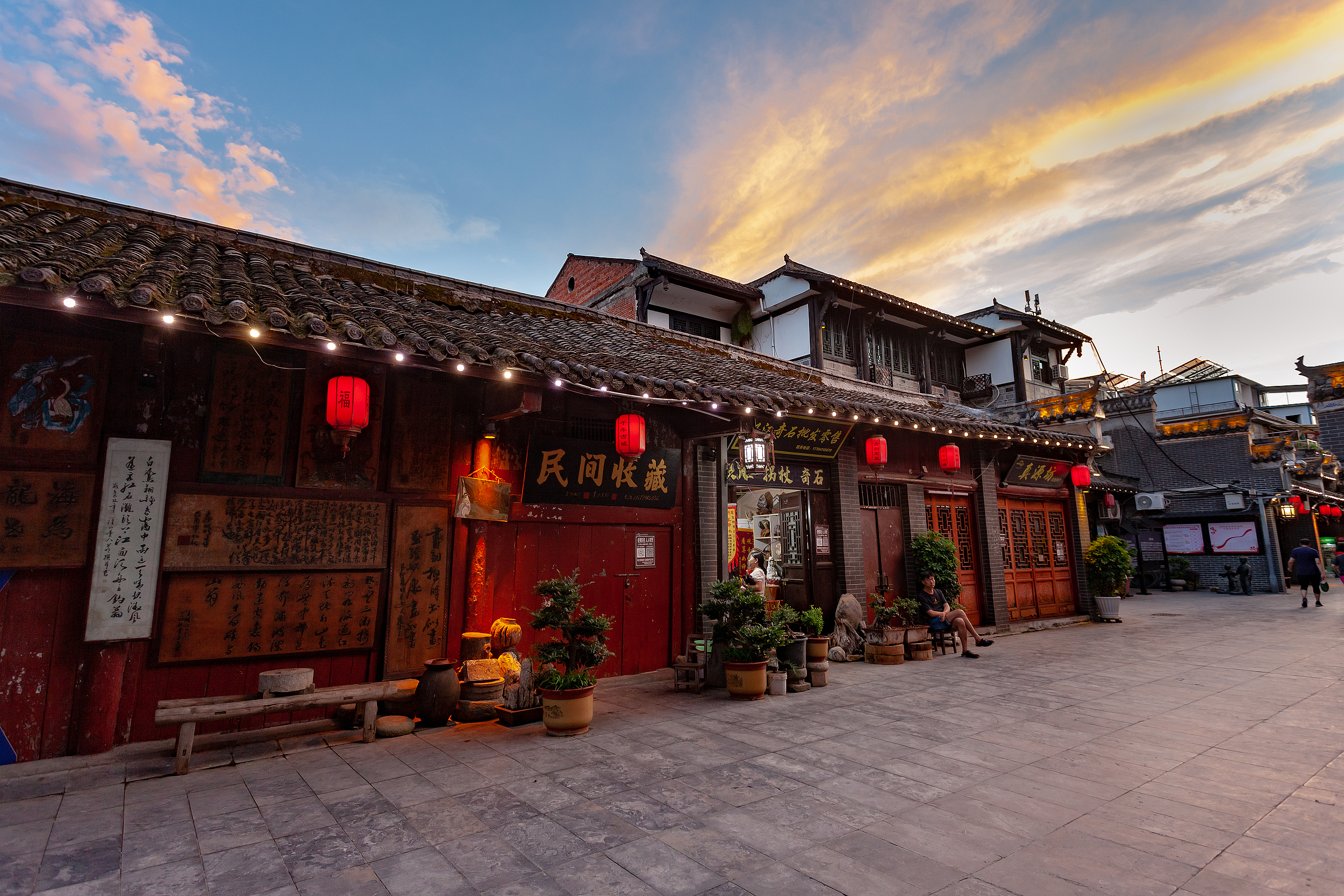
Shiquan Ancient Street is located in the southern part of Shiquan County, Shaanxi Province. The houses here are unique in shape, simple and elegant, and well-arranged. There are teahouses, small department stores and other shops along the street. On weekends, the street is bustling with people and lively.
-
Anrenfang Heritage Museum
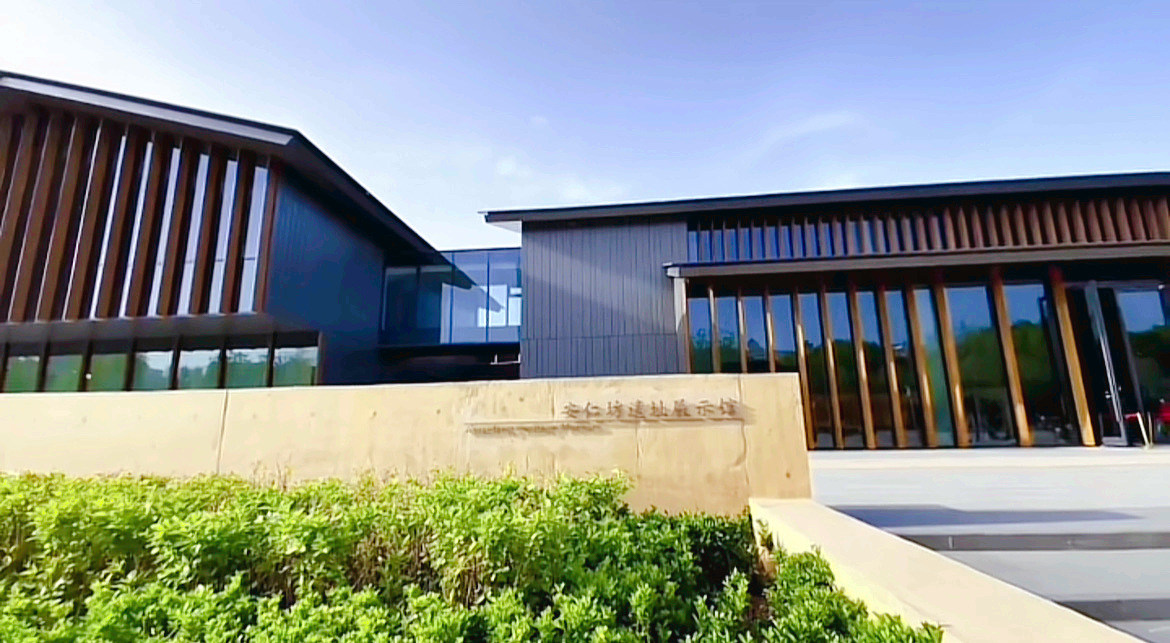
The Anrenfang Ruins Exhibition Hall is located in the South Square of the Small Wild Goose Pagoda in Xi’an, Shaanxi Province. On the site of the Anrenfang residence in the Tang Dynasty excavated by archaeologists, visitors can view the original appearance of the site and related exhibits restored in art at the same time. The exhibition presents the market life of Chang’an City in the Tang Dynasty from multiple angles such as poetry, music, clothing, housing, lights, tea, etc., and through miniature models, sound, light and other technologies, allowing the audience to experience the cultural features of the Tang Dynasty in person.
-
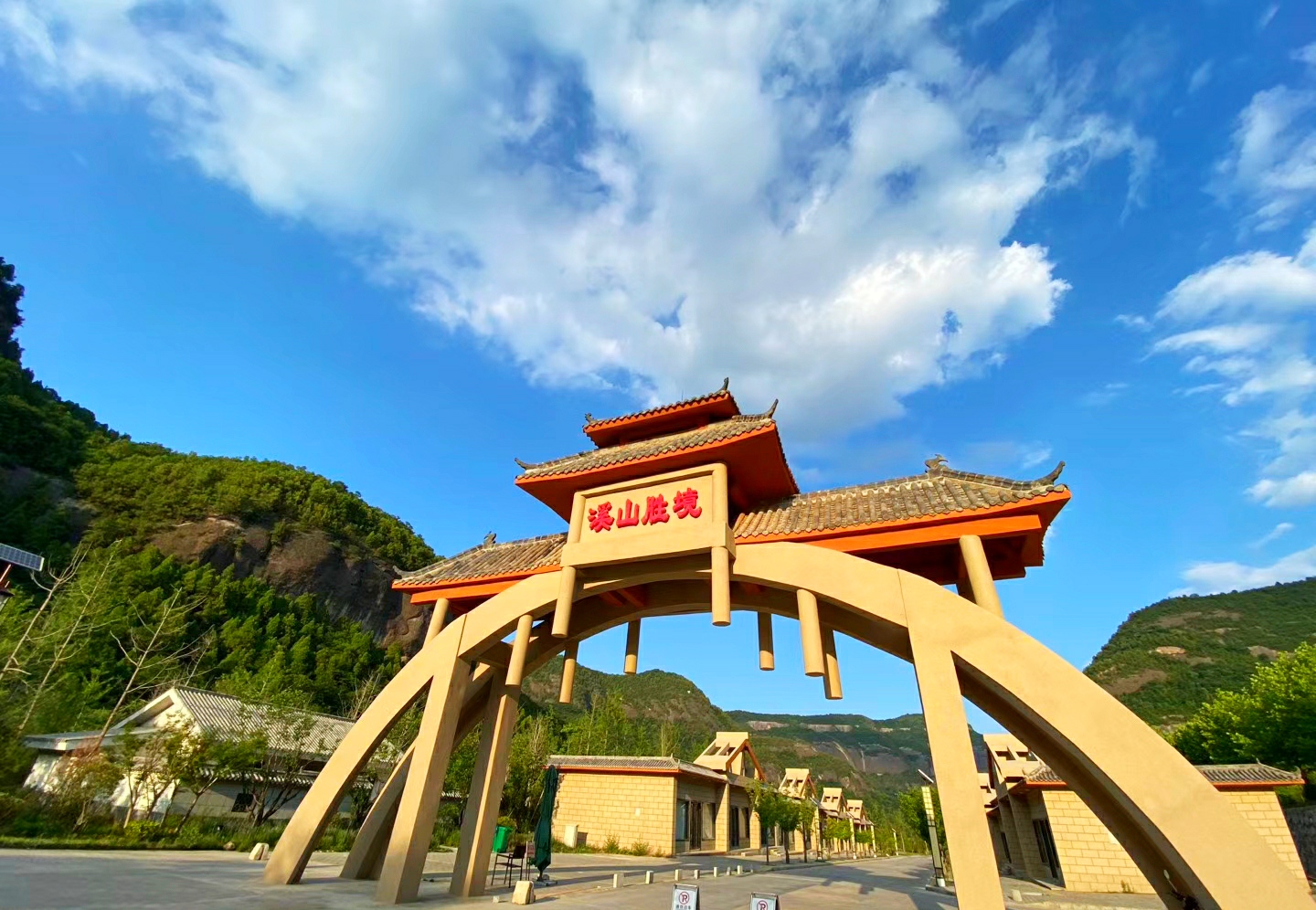
Xishan Shengjing Scenic Area
Xishan Shengjing Scenic Attraction is located in the core area of Zhaojin Danxia landform. It is the original scene of Fan Kuan’s “Traveling in the Mountains and Rivers” in the Northern Song Dynasty. It is an original ecological experience-based tourist Attraction integrating leisure, health preservation, vacation and sightseeing. In spring, the mountains are full of flowers; in summer, the vegetation is dense and cool; in autumn, the leaves of cotinus coggygria are red and all over the mountains; in winter, there are groups of ice waterfalls, and the ten-mile glacier surrounds the mountains like a jade belt.
-
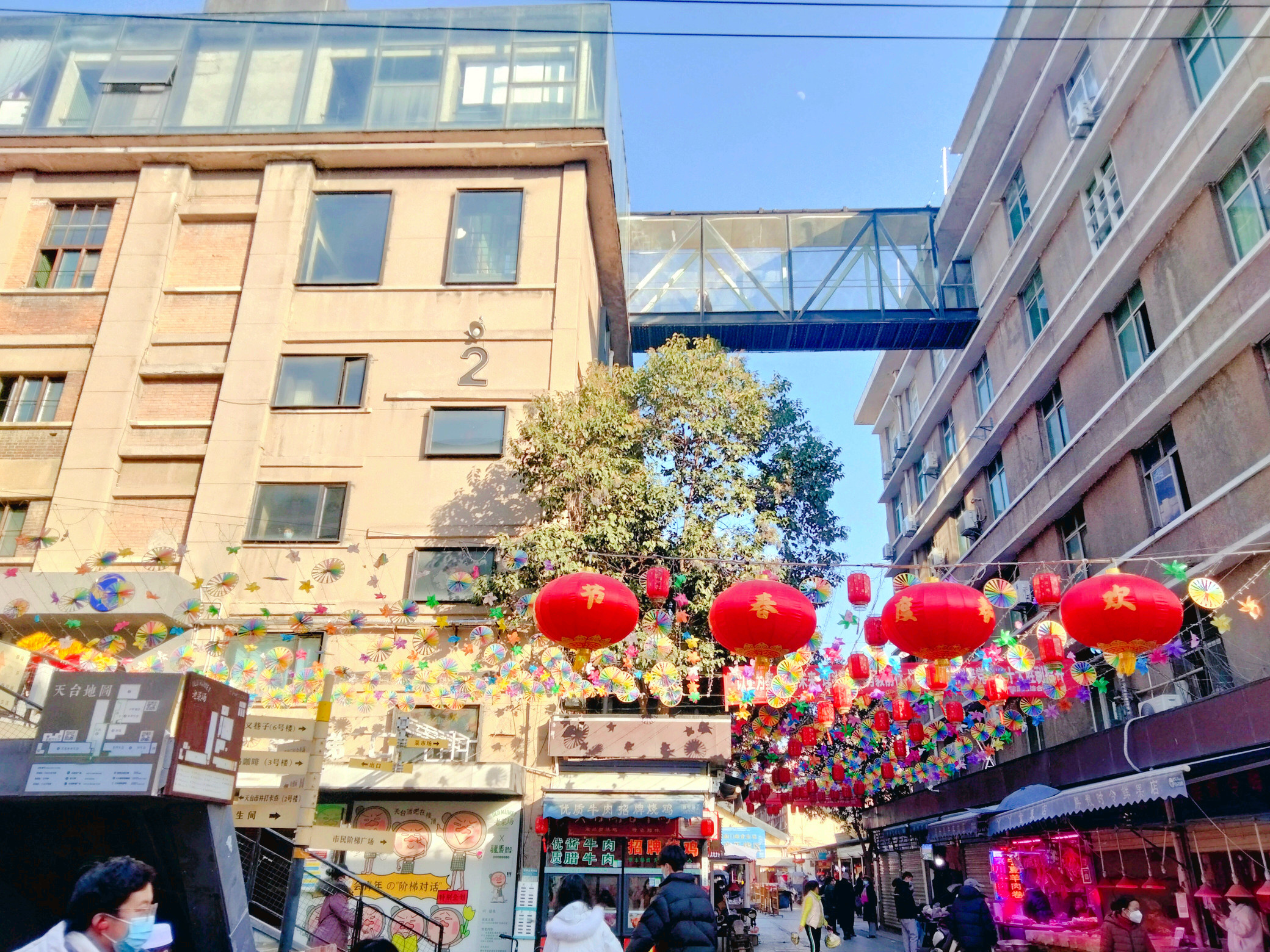
Old Market Cultural and Creative District
The Old Market Cultural and Creative Street was originally the Xi’an Pingrong Factory, founded in 1952. The old factory buildings were transformed into a creative street with many cultural and creative shops, attracting many young people to take photos.
-
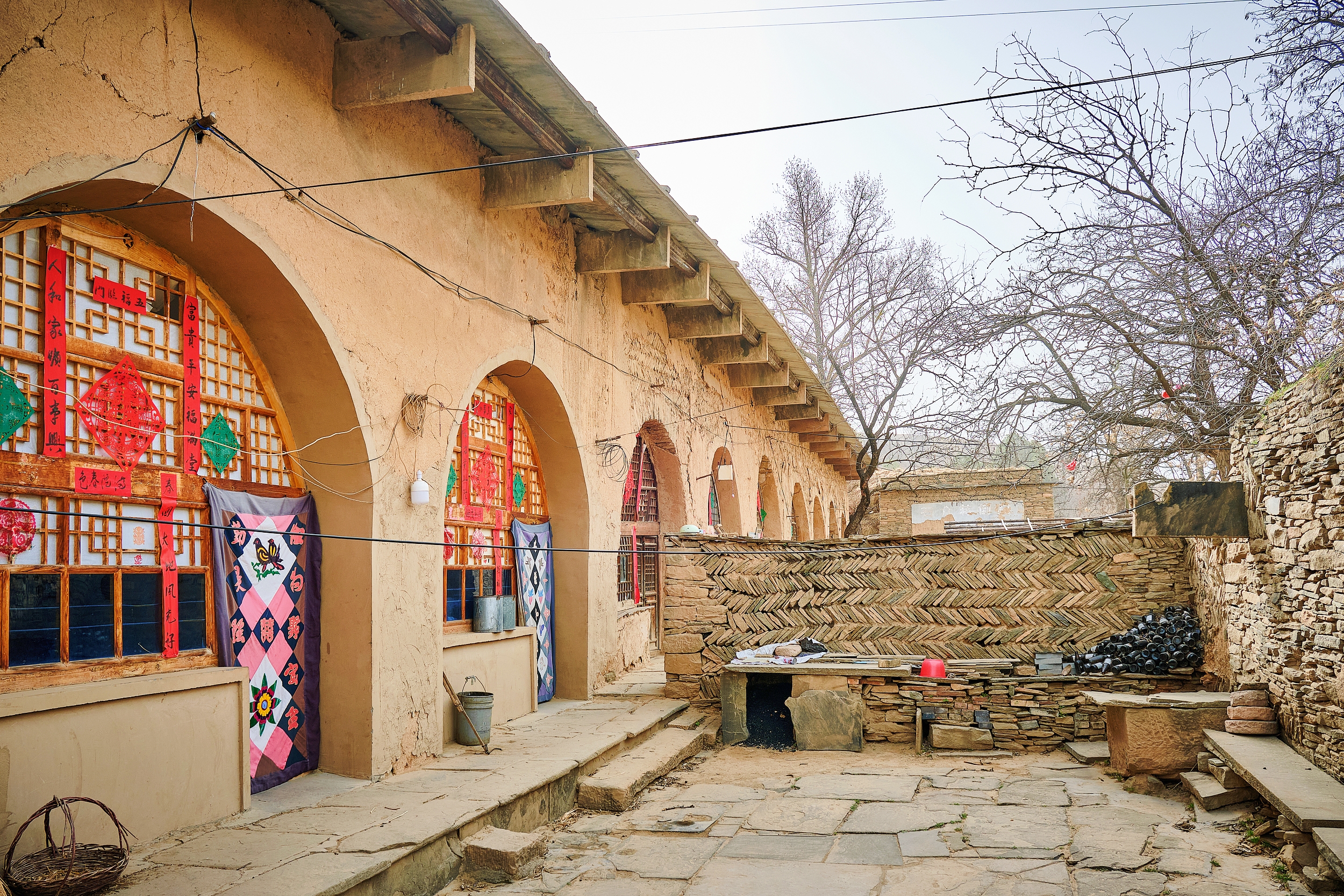
Shuangshui Village
Guojiagou Village is the filming location of Shuangshui Village, where the TV series “Ordinary World” took place. Today’s Guojiagou has become a tourist destination for many fans of “Ordinary World”. When the weather is fine, many tourists come here to see the past and present of “Shuangshui Village”. In order to make this place known to outsiders, the local villagers did not demolish the walls and gatehouses built for the filming, and even did not move the sets inside and the signs outside, and even hung up the nameplates used when filming the TV series at that time. Of course, the special food of northern Shaanxi was also mentioned in the TV series. The villagers here saw that there were more tourists, and they also launched bowls, cold noodles, and potato rubs, and sold them to tourists. Some villagers also made handicrafts such as paper-cuts and cloth shoes with characteristics of northern Shaanxi, which were placed in conspicuous positions for tourists to buy.
-
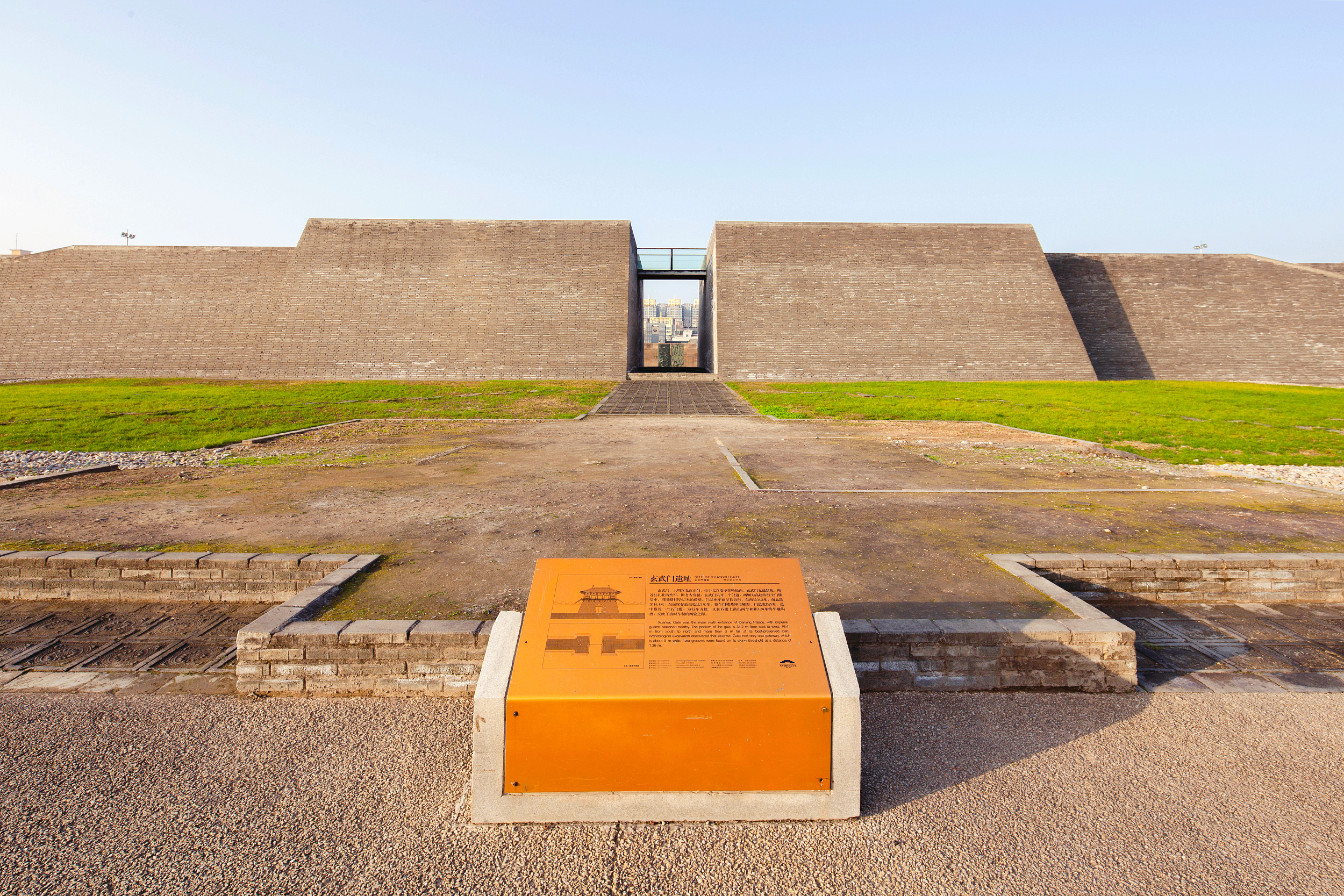
Xuanwumen Relic Site
The Xuanwu Gate Ruins are located at No. 585, Ziqiang East Road, Weiyang District, Xi’an City, Shaanxi Province, China. They are located in the Daming Palace National Heritage Park and are the ruins of the central gate on the north side of the Daming Palace in the Tang Dynasty. The ruins are an important part of the palace city of the Tang Dynasty and have important historical and archaeological value. The gate is located west of the north wall of the Taiji Palace, on the high slope of Longshouyuan, facing the West Inner Courtyard to the north. The terrain is dangerous and it is the military commanding height for controlling the Taiji Palace. There were towers built on the gate. Emperors in the early Tang Dynasty often held amnesty, banquets and other activities here. In the Tang Dynasty, Xuanwu Gate was not only an important entrance and exit of the palace city, but also closely related to the military defense system at that time. The Beiya Imperial Guards were stationed outside the gate, shouldering the important task of guarding the palace city. In addition, the architectural structure and layout of Xuanwu Gate also reflect the planning concept and construction technology of the palace city in the Tang Dynasty. As one of the three major palace gates of Chang’an City in the Tang Dynasty, Xuanwu Gate is not only a symbol of ancient political game, but also a key site for studying the layout of the palace city in the Sui and Tang Dynasties.