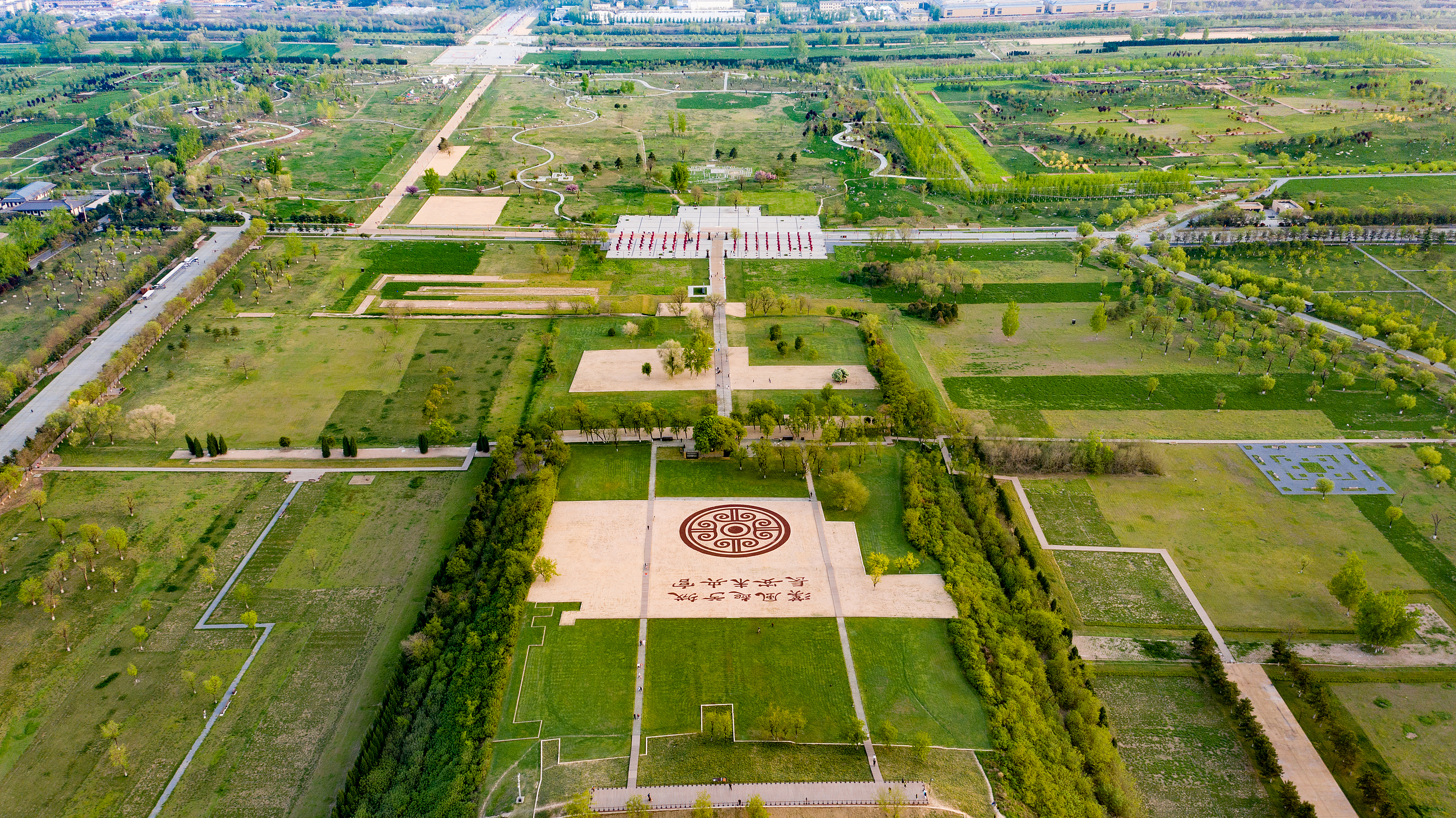
Han Chang’an City was the capital of the Western Han Dynasty (206 BC – 8 AD). It was built in 202 BC. It is surrounded by Qinling Mountains in the south, the Ruizao River in the west and the Wei River in the north, with an area of about 36 square kilometers. In 1961, it was announced as the first batch of national key cultural relics protection units. As the most important palace complex in Chang’an City of Han Dynasty, Weiyang Palace was built in 200 BC with a total area of 4.8 square kilometers and was the ruling center of Han Dynasty. Weiyang Palace was the largest imperial palace in ancient China, and its palace layout and architectural form had a profound impact on the architecture of later palaces. After the Western Han Dynasty, Weiyang Palace was used by dynasties such as Xinmang, Eastern Han (Xiandi), and Western Jin (Mindi), and became part of the forbidden garden in the northern part of Xindu in the Sui and Tang Dynasties. The Weiyang Palace in Chang’an City of Han Dynasty is the decision-making place, origin and command center of the ancient Silk Road. It has played an important role in maintaining the stability and smoothness of the Silk Road and promoting exchanges and mutual learning between Eastern and Western civilizations. In 2014, the site of Weiyang Palace in Chang’an City of Han Dynasty was included in the World Cultural Heritage List by UNESCO.
归档: Attractions
-
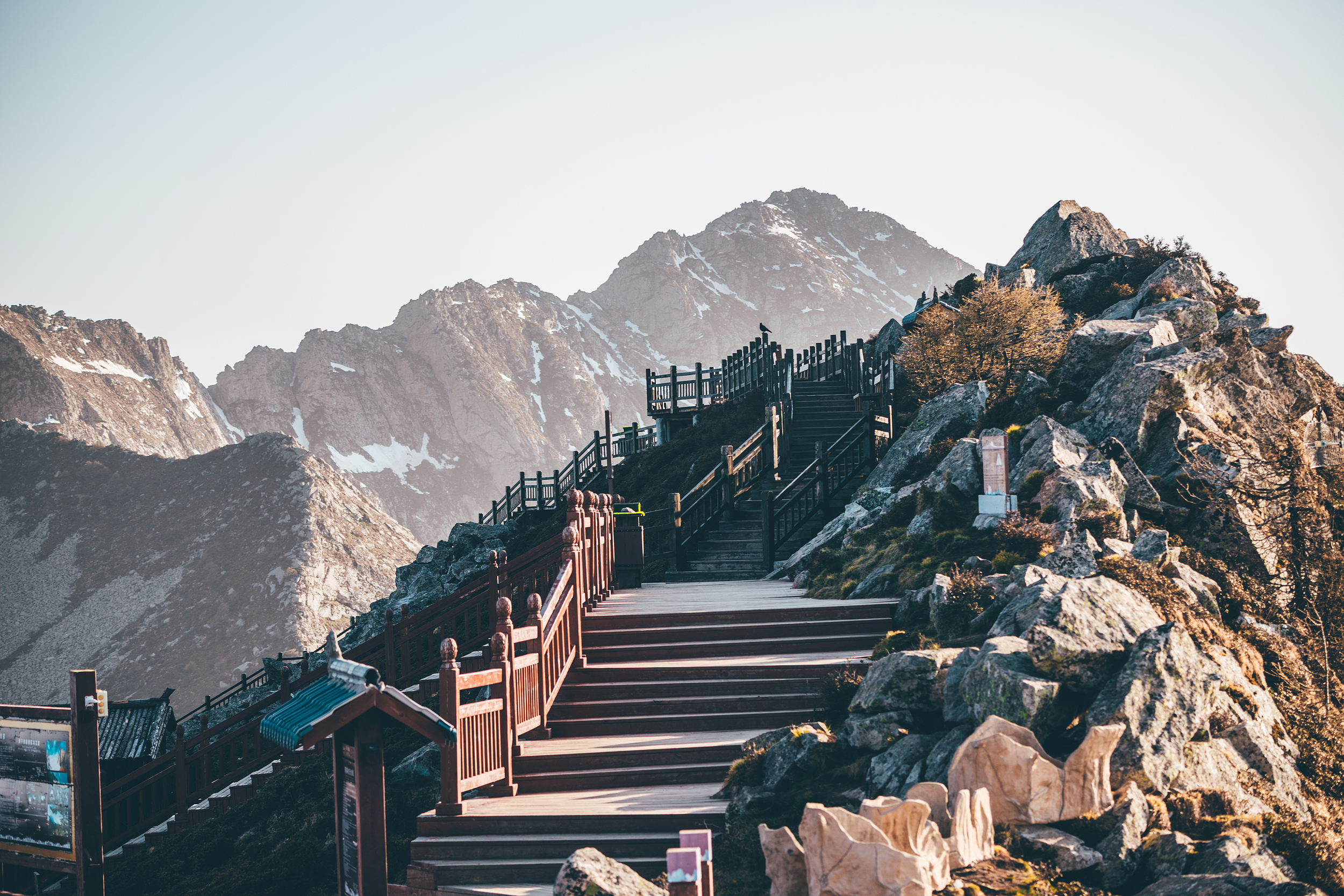
Round Sky And Square Earth
Tianyuanfang is located in Shaanxi, which is the geographical dividing line between north and south my country. Visitors can take a cable car to enjoy the magnificent scenery. The place is shrouded in clouds and mist and the scenery is beautiful. Being in it is like being in a fairyland.
-
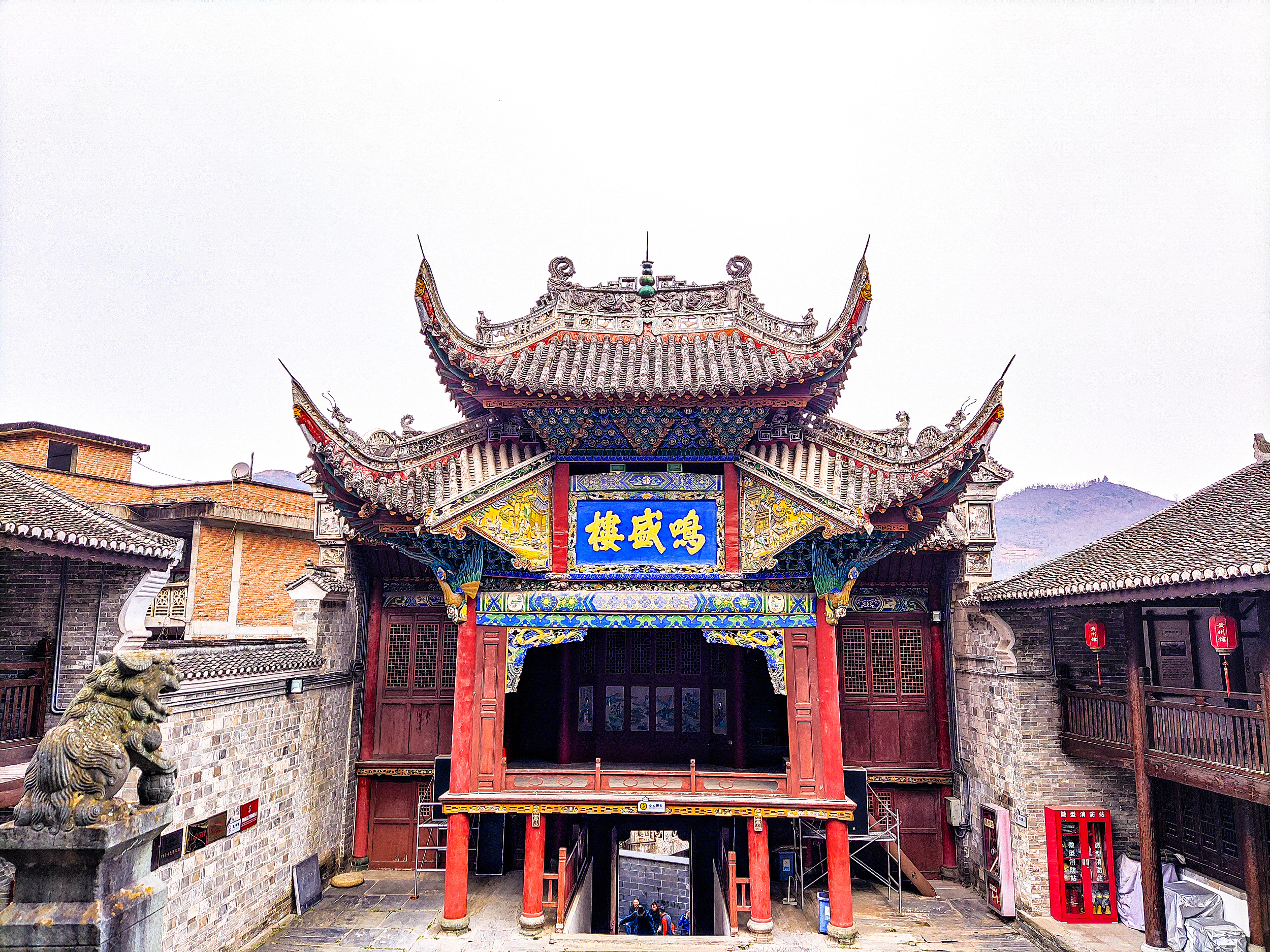
Shuhe Ancient Town
Shuhe Ancient Town is located at the confluence of the Shu and Han rivers, and is located in the transportation hub of two provinces and three counties. It has a very advantageous geographical location. It reaches Sichuan and Han in the west, Guanzhong in the north, western Hubei in the south, and Central Plains in the east. It is an important material distribution center and commercial town in the upper reaches of the Han River, and is known as the “Little Hankou”.The name Shuhe can be inferred as the place where the Western Zhou Dynasty was established. When King Wu of Zhou granted vassal status to protect Zhou, he granted Shu to the north of Nanyang, Henan. The impoverished and weak Shu was forced to migrate westward due to the expansion of Chu and stayed here, hence the name. Shuhe Town has many cultural attractions and rich cultural heritage. In the late Ming and early Qing dynasties, the commodity economy developed day by day, and a large number of residents from Huguang moved in. The golden waterway of the Han River entered its heyday. Merchants from all over the world settled here to do business, set up businesses, opened pawnshops, and set up more than 100 money houses. During the Jiaqing period, Yan Ruyu, who was the magistrate of Xunyang, called Shuhe “a place full of merchants” and “a small metropolis of the Han River” in his book “Three Provinces Border Defense Preparation”.
-
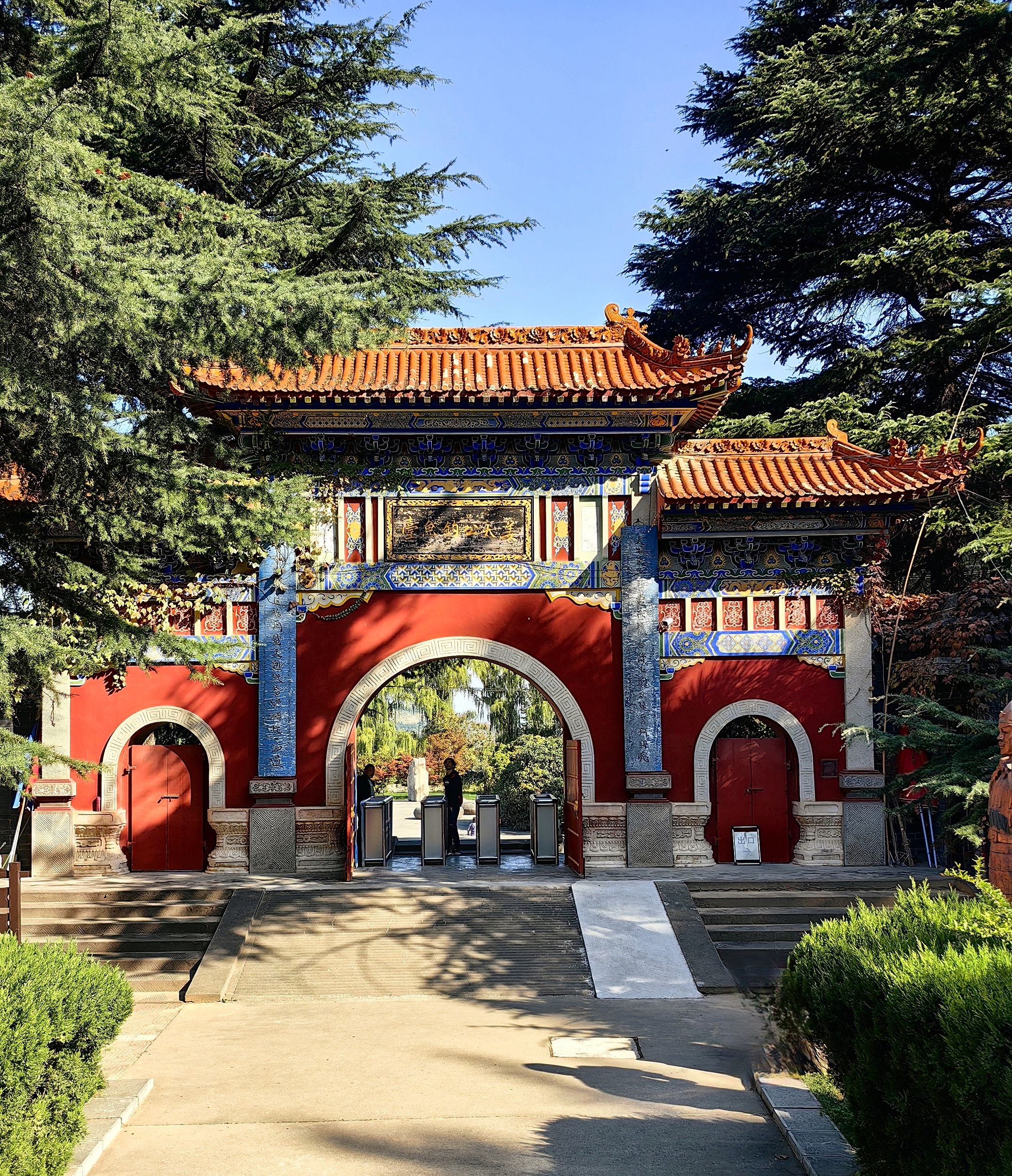
Jiangziya Fishing Platform
Jiangziya Fishing Platform is located in Tianwang Town, Chencang District, Baoji City, in Fayu Valley of Tianwang Town. There is a stone platform in the middle of the stream. Legend has it that this is the place where Jiangziya secretly lived and fished before he became involved in politics during the Western Zhou Dynasty, hence its name. There are eight parts in the scenic area, including Jiangzifang Fishing Platform, China Western Film and Television Base, Jingshi Scenic Area, Mount Bijia Scenic Area and Jinboxia Scenic Area.
-
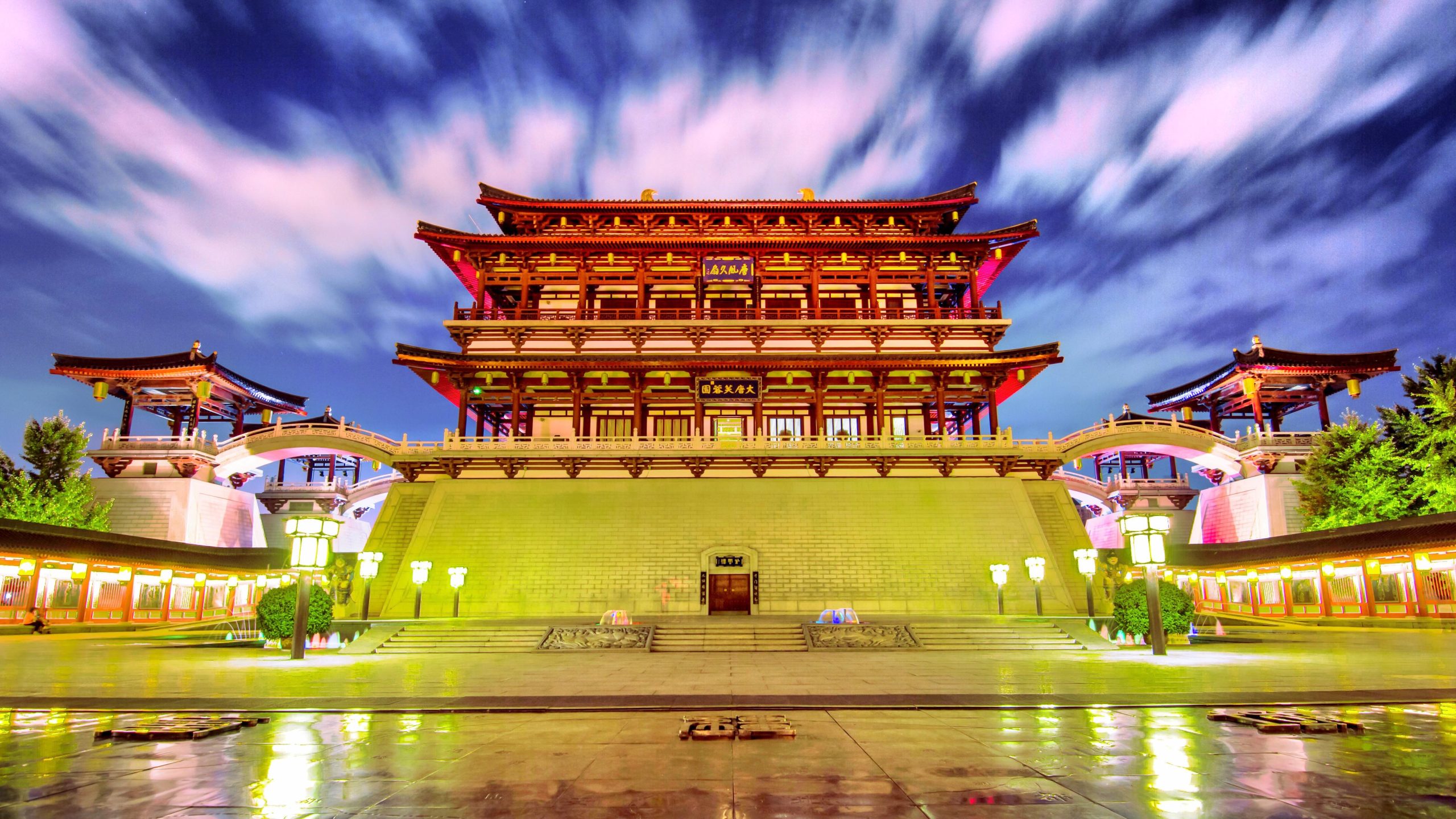
Ziyun Tower
Ziyun Tower is located in the center of Datang Furong Garden. It is the main building of Datang Furong Garden and the largest imitation Tang Dynasty royal building in China. The historical Ziyun Tower was built in the 14th year of Kaiyuan in the Tang Dynasty. It is a jade building with golden palaces, towering and majestic. Whenever there was a Qujiang Conference, Emperor Xuanzong of Tang would visit this building to enjoy singing and dancing, feast his ministers, and appreciate the grand occasion of the people touring Qujiang. The current Ziyun Tower is rebuilt based on historical materials. It is divided into a four-story main building and north and south squares. The plaque on the north side of Ziyun Tower was written by calligrapher Huang Miaozi. The main building is 39 meters high and adopts the architectural form of a double-eaved hip roof. The eaves of each floor have a pheasant tail design, and three layers of gold decorations are used to make it more brilliant. There are wide flat seats on the second and third floors, guarded by pavilions, and flying bridges, which are majestic. The first floor of Ziyun Building reflects the grand occasion of the Zhenguan Reign during the 23 years of Emperor Taizong Li Shimin’s reign; the second floor is the Kaiyuan Prosperity of Emperor Xuanzong Li Longji; the third floor is the performance area; the fourth floor is the treasure of the Tang Furong Garden – the Tang Museum. The third floor of Ziyun Building regularly performs the world intangible cultural heritage – Dongcang drum music every day. Dongcang drum music is an extension of the royal court music of the Sui and Tang dynasties and is known as the “living fossil of music”. The Tang Museum on the fourth floor exhibits exquisite cultural relics from the Zhou, Qin, Han and Tang dynasties unearthed in Shaanxi Province. Every night in front of Ziyun Building, you can also enjoy Asia’s largest water curtain movie – The Monkey King. The performance integrates music fountains, lasers and flames, which can be called the “wedding of water and fire”, and will create a new audio-visual experience for you. In addition, you can also enjoy the lion dance performance in the south square of Ziyun Building, the laser show and music fountain in the north square.
-
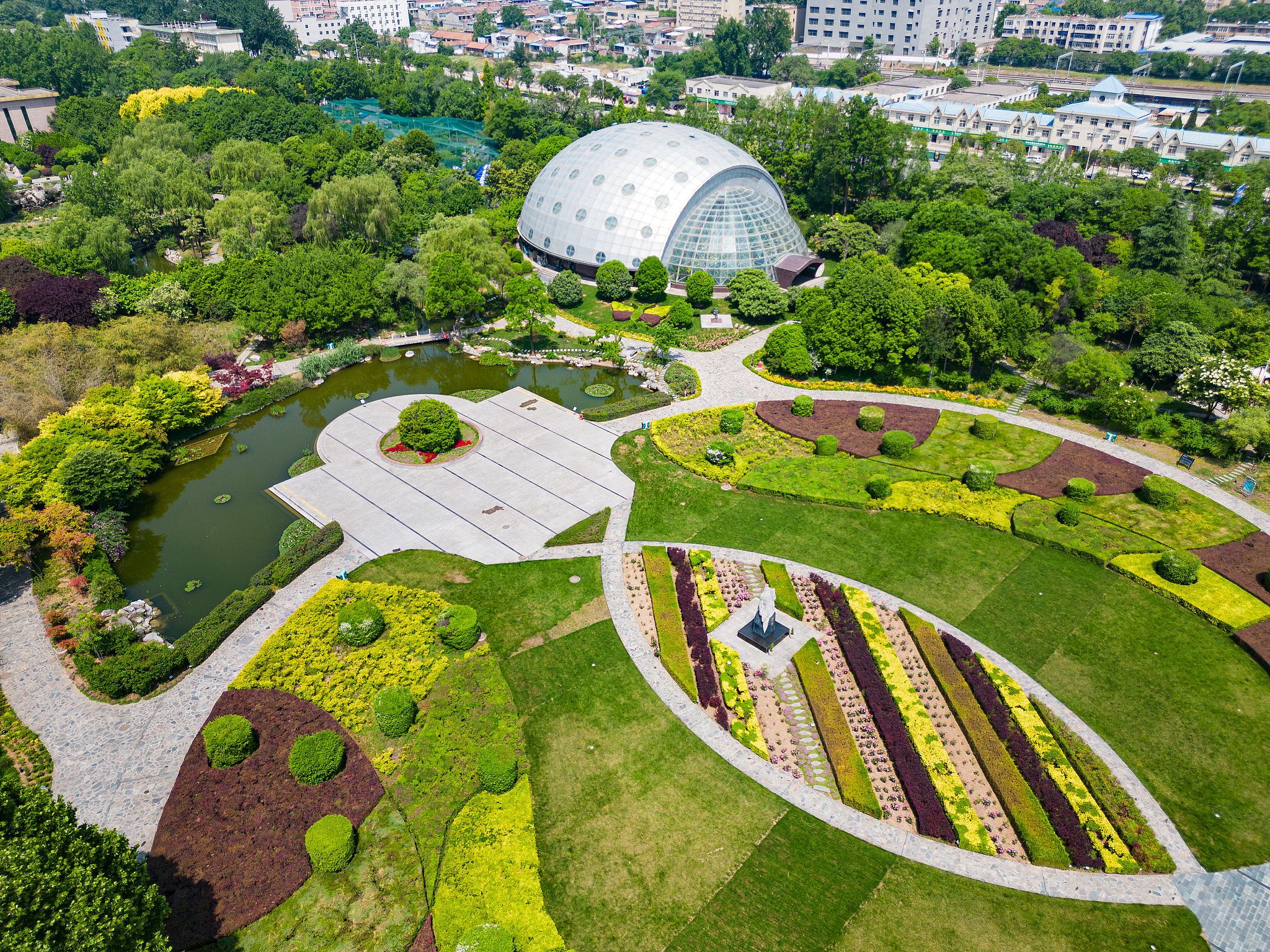
Xi’an Yangling Agriculture Expo Park
Xi’an Yangling Agriculture Expo Park, also known as Northwest Expo Park, includes several high-quality museums, such as the Yifu Science and Technology Museum, the Soil Museum and the China Agricultural History Museum, along with a small zoo. It also features terrific butterfly gardens, botanical gardens, arboretums and seed resource parks. It is an important base for teaching, scientific research and science popularization.
-
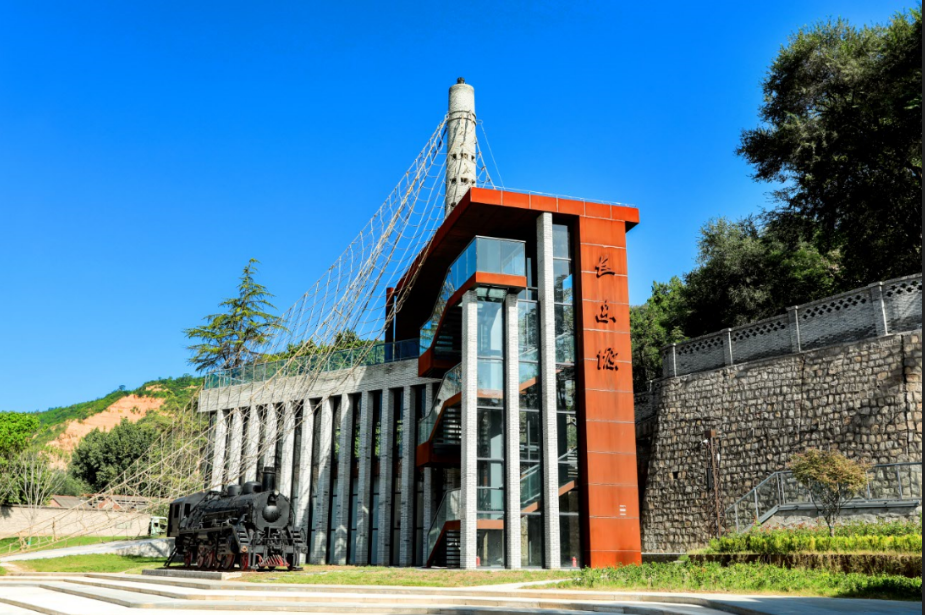
Changleyuan Anti-Japanese War Industrial Heritage Site
The Changleyuan Anti-Japanese War Industrial Heritage Site is located in Baoji, Shaanxi Province, serving as a protected area for relocated factories during the war. Phase one of the project—the Gonghe Light Complex—centers on the Gonghe Movement and factory relocation history, featuring plans for the Baoji Industrial Museum. It comprehensively showcases Baoji’s industrial development and achievements from the Anti-Japanese War era through the First Five-Year Plan, Third Front Construction periods, and the reform and opening-up era.
-
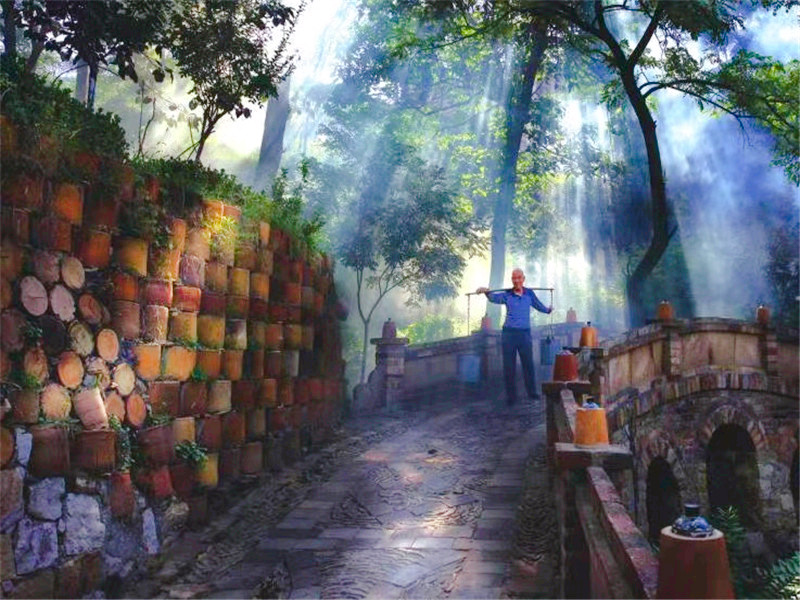
The ancient town of Chenlu
Chenlu Ancient Town is located atop a mountain 15 kilometers southeast of Yintai District, Tongchuan. According to records, Chenlu Ancient Town derives its name from the “display of pottery kilns.” Chenlu is the only remaining Yao porcelain production base in history where “kilns have burned continuously for a thousand years,” a true miracle in ceramic history, earning it the reputation of “Oriental Ancient Ceramic Town.” Chenlu Ancient Town is also the only ceramic town among the cultural and artistic towns named by Shaanxi Province.Chenlu Ancient Town boasts beautiful mountains and rivers, a long history of ceramic culture, and a profound cultural heritage. Historical records state that “the pottery fields stretched for three li north to south and five li east to west, with kilns burning brightly all night long,” a scene described as “a myriad of smoke rising from the houses,” earning it the reputation of “the kiln mountain that never sleeps,” and listing it as one of the “Eight Scenic Spots of Tongguan” in ancient times. Chenlu’s folk customs are closely related to ceramics, with its residences, cuisine, and arts containing rich ceramic cultural connotations. Chenlu’s residences are ancient.Pottery pottery pits, earthenware jars, and walls built of pottery jars are densely packed along the mountainside, resembling a honeycomb; porcelain shards pave the roads, creating an oil painting effect, making it aesthetically pleasing and hailed as “art underfoot.” Chenlu Ancient Town has a history of porcelain making for over 1400 years. It is the only kiln site that continued production after the famous ancient Yaozhou kiln from the Song and Yuan dynasties. During the Qianlong period of the Qing dynasty, it achieved an annual production of eight million pieces of porcelain. The Chenlu Porcelain Kiln was recorded as early as the Tang dynasty with “flames churning in the furnace.” Its porcelain industry reached its peak during the Northern Song dynasty, becoming famous for its celadon, white, black, and brown-glazed porcelain. From the Yuan dynasty to the present, it has been a major porcelain production base in Northwest China. Its porcelain products mainly consist of daily necessities such as bowls, plates, basins, jars, bottles, boxes, lamps, and stoves, as well as some decorative items, ritual vessels, and porcelain sculptures, with a rich variety of glazes.
-
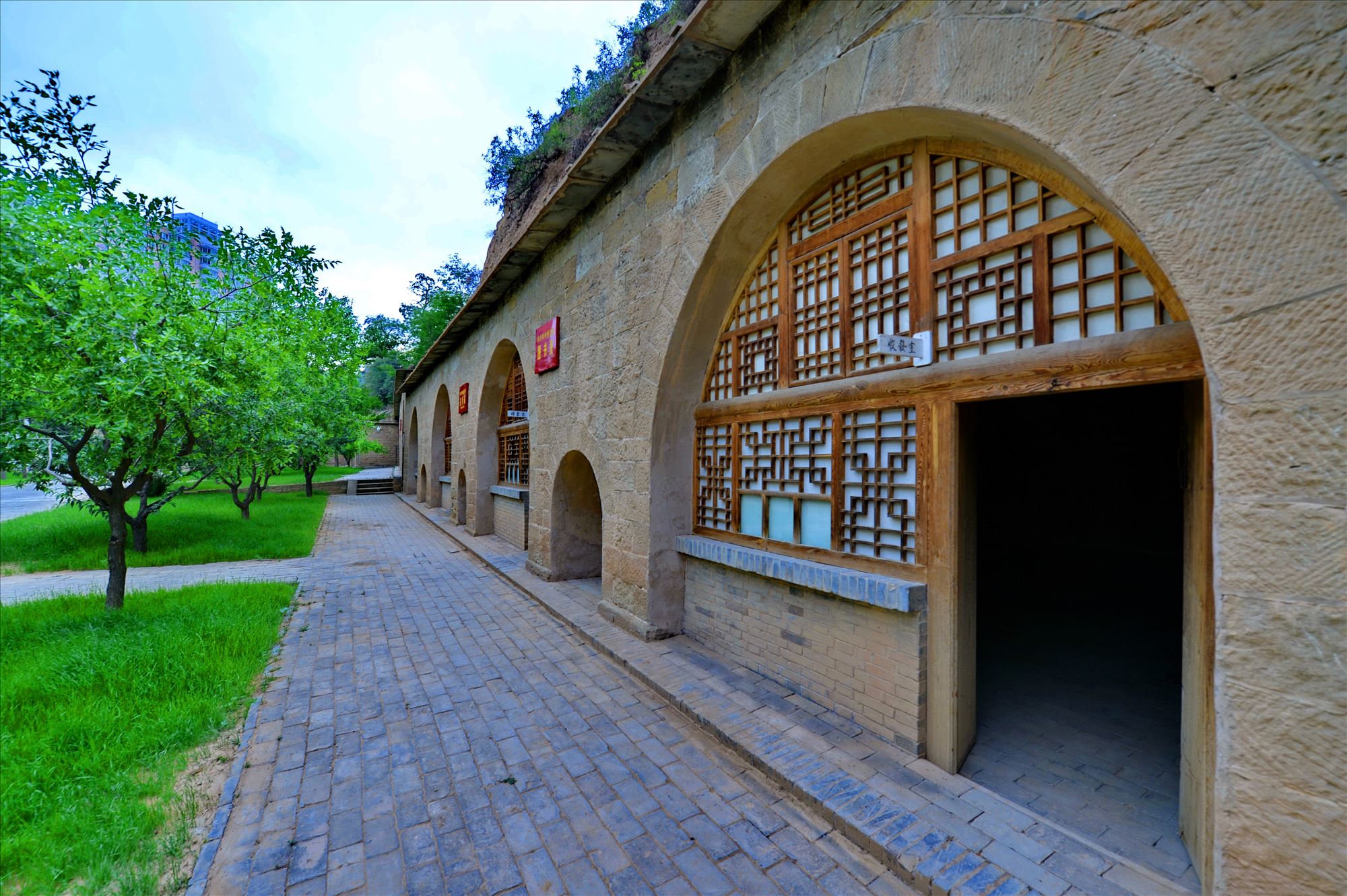
Former Site of The Northwest Bureau of The Cpc Central Committee
The Revolutionary Site of the Northwest Bureau of the CPC Central Committee was announced as a national key cultural relic protection unit on May 25, 2006. It is located on the hillside of Huashibian, Nanchuan, Yan’an. It was the office of the Northwest Bureau of the CPC Central Committee from September 1941 to March 1947. On May 13, 1941, the Northwest Working Committee of the CPC Central Committee and the Central Bureau of the Shaanxi-Gansu-Ningxia Border Region merged to form the Northwest Bureau of the CPC Central Committee. Huashibian, Nanchuan, Yan’an was originally the site of the Normal School of the Shaanxi-Gansu-Ningxia Border Region. There are more than 100 earth and stone caves distributed on four steps on the mountain. According to the instructions of the CPC Central Committee, the Normal School of the Shaanxi-Gansu-Ningxia Border Region moved from Huashibian to Zhangya Village in Xibeichuan in September 1942, and the Northwest Bureau, which was stationed in Zhangya Village, moved to Huashibian. From then on, it became the office and accommodation place of various departments of the Northwest Bureau. The total area of the Brief History Exhibition Hall is 255 square meters. There are 4 exhibition halls in total, which reproduce the revolutionary spirit of self-reliance and hard work of the Northwest Bureau of the CPC Central Committee through more than 110 photos, real objects and two oil paintings. The first exhibition hall is the establishment of the Northwest Bureau of the CPC Central Committee; the second exhibition hall is the construction of the model anti-Japanese base area; the third exhibition hall tells the story of the Yan’an Rectification Movement and the Northwest Bureau’s senior cadres meeting; the fourth exhibition hall tells the story of the Northwest Bureau of the CPC Central Committee during the War of Liberation.
-
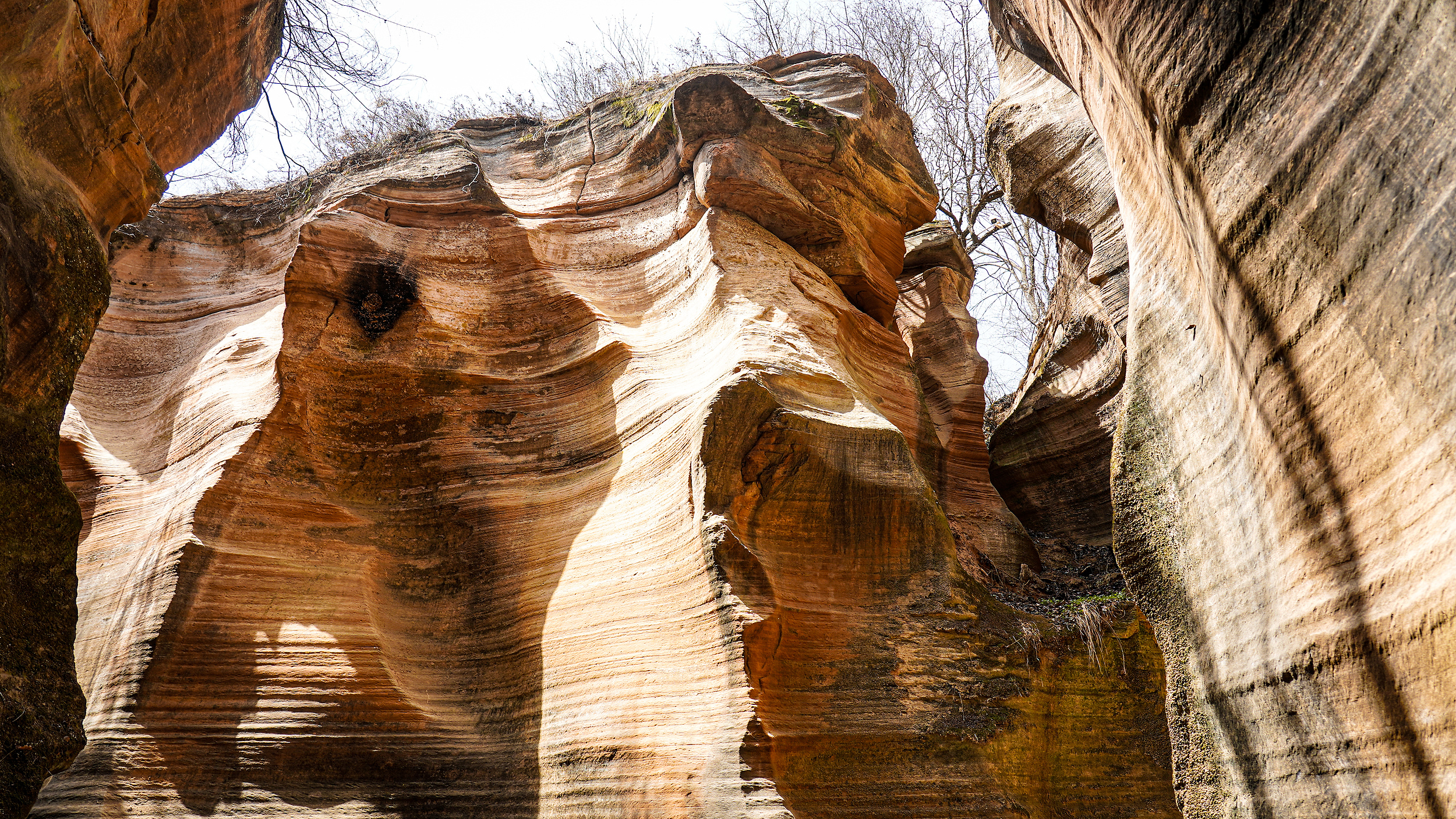
Huashugou Canyon
The Huashugou Canyon is 1,100 meters long and 15 to 25 meters high. The canyon is long and winding, with gurgling streams all year round, green moss on the cliffs, rich and diverse pictographic patterns, and fleeting glimpses, just like the opening of a scroll of nature, which is fascinating. There are micro landscapes such as “Totem of the Ancestor of Man”, “Fairy’s Desire to Become a Mortal”, “Time Tunnel”, and “Visitors from Outer Space”, and it is known as the “Photography Paradise”.