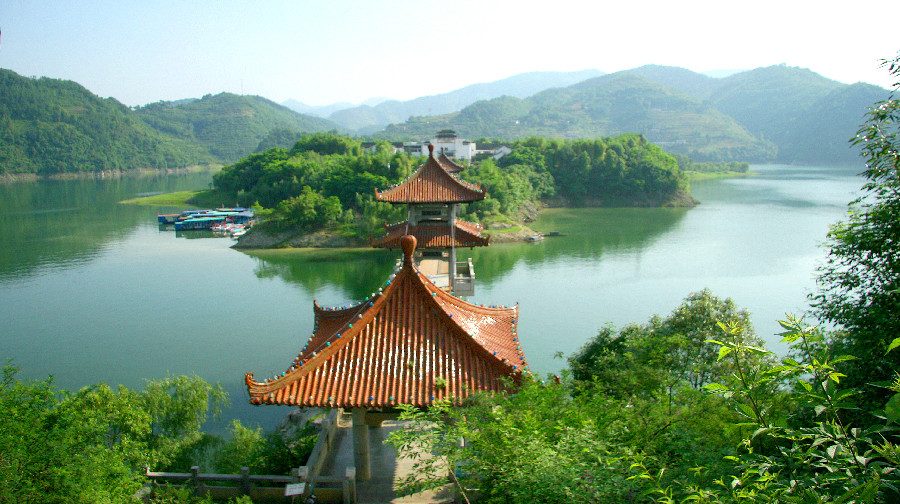
Cuiping Island is one of the scenic spots of Ying Lake, and its architecture is mainly in the style of Suzhou gardens. Cuiping Island consists of three parts: the northern part is the large-scale Yuqing Suspension Bridge, which is 161 meters long, with four ancient pavilions soaring into the air and connected to the lakeshore; the middle part is the Yinghu Hotel built according to 4-star standards, which can host large-scale conferences, dining and accommodation; the southern part is the botanical garden, where Qinba famous flowers and trees, bamboo forests and fresh fruits are planted, there are “pigeon trees” known as living fossils of plants and large areas of cherry blossom forests. Because it is like spring all year round and full of greenery, it looks like a peacock spreading its tail when viewed from the air, so people call it “Cuiping Island”.
归档: Attractions
-

Bailuyuan Ski Resort
Bailuyuan Ski Resort in Baqiao District of Xi’an is are suitable for junior and mid-level skiers. The slopes in the ski resort allow learners to ski S lines without using skiing poles. The resort is not far from the center of Xi’an and the traffic is very convenient. It provides lighted spots for skiing at night as well.
-
Historical Stage Play “Yan’an Nursery School”
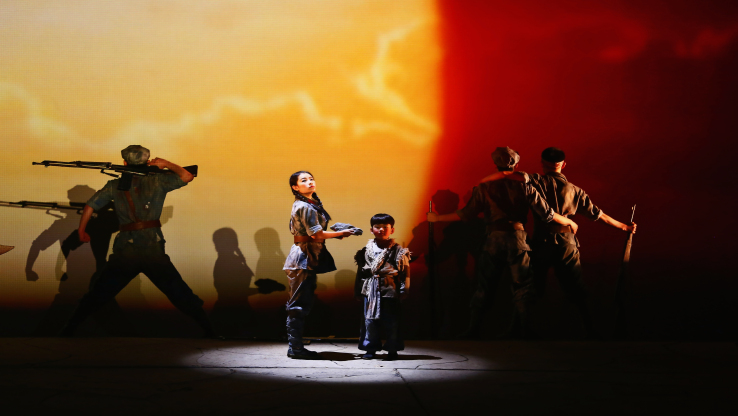
Introduction to Yan’an Nursery”Yan’an Nursery” is a large-scale historical stage play created by Shaanxi Tourism Group. It is magnificent, touching, full of human love, and highlights humanistic feelings.Relying on a large amount of precious historical materials, it tells the story of a Red Army unit that was attacked by the enemy during the Chinese Revolutionary War through four acts: returning home, growing up, transferring, and crossing to the east. The story involves the orphans of the martyrs being Complimentary to the Yan’an Nursery, where they grew up and learned under the care of revolutionary soldiers and the mothers in the nursery. It focuses on showing the vivid scenes of the Yan’an Nursery during the historical period of the Chinese Revolutionary War and demonstrates the selfless love of the world.As a classic red drama that integrates history, nationality, innovation and artistry, “Yan’an Nursery Home” combines dance, folk songs, yangko, Ansai waist drum, Taoist opera, spinning and weaving, land reclamation and farming and other artistic forms with local characteristics, making the life scenes of the revolutionary era come alive and making the audience feel as if they were in the real revolutionary era.The Yan’an Nursery School also uses contemporary advanced stage concepts and equipment such as stage design, lighting, and sound effects to create an immersive dream scene. It uses an overall tilting, split 90° vertical lifting fully automatic stage, more than 600 vibrating seats, full-range surround sound, and high-tech 3D imaging technology to present the audience with the towering Pagoda Mountain, the surging Yan River, the fierce war, the romantic starry sky, and other multi-dimensional battlefield time and space of the Yan’an period. The audience has both a sense of historical presence and a sense of shock in reality.After more than two years of regular performances, “The Nursery” has been widely praised for its rich historical heritage, profound spiritual connotation, exquisite stage art and high-quality brand image.SynopsisPrologueIn the early days of the War of Resistance Against Japanese Aggression, a Red Army unit was attacked by the enemy and a brave soldier mother was killed. The only token she left for her child was a military cap with the child’s name “Hongyuan” written in blood. The child was safely transferred to Yan’an under the care of the Red Army soldiers and then Complimentary to the Yan’an Nursery to live and study.Scene 1 HomecomingLife in the nursery was hard but happy, and the children who were taken in because of the war grew up happily here. Hongyuan, the boy who was rescued from his mother’s arms, had grown up, but he was withdrawn and unwilling to talk. He wore the big Red Army cap left by his mother all day long, shutting himself up.Act II GrowthThe director and the nursery teachers are determined to help him completely open up his heart. The deep love of the nursery nourishes the hearts of every child, just like the stars in the night sky, supporting a sky of love for them. The father who thought he was going to the battlefield called the child he had never met in the nursery thousands of miles away. The recognition between father and son after a life-and-death separation was ruthlessly cut off by the war…Act III: TransferThe situation became increasingly serious. In order to protect the children’s safety, the superiors instructed that all staff in the nursery must be relocated immediately. Faced with the harsh reality, the director of the nursery reluctantly left her daughter Hongxia behind, leaving more hope to other children. During the transfer, the children were protected by the endless family love from all directions, and witnessed and experienced life and death tests again and again.Act IV: Crossing the EastThe death of loved ones one by one was like the earth-shaking thunder that shook the hearts of the children. Hongyuan’s heart knot was completely untied at this moment. Facing the surging river, he and his companions shouted out their long-hidden love for their mother. Life disappeared forever, but many unsung heroes like the Seniors shepherd, the director of the nursery and the nursery teachers who came forward one after another awakened the dawn of the new China with their selfless love. The red land has since shone with immortal glory, and the great Yan’an spirit has led countless later generations to move forward courageously.
-
Taibaishan Yulongwan Hot Springs
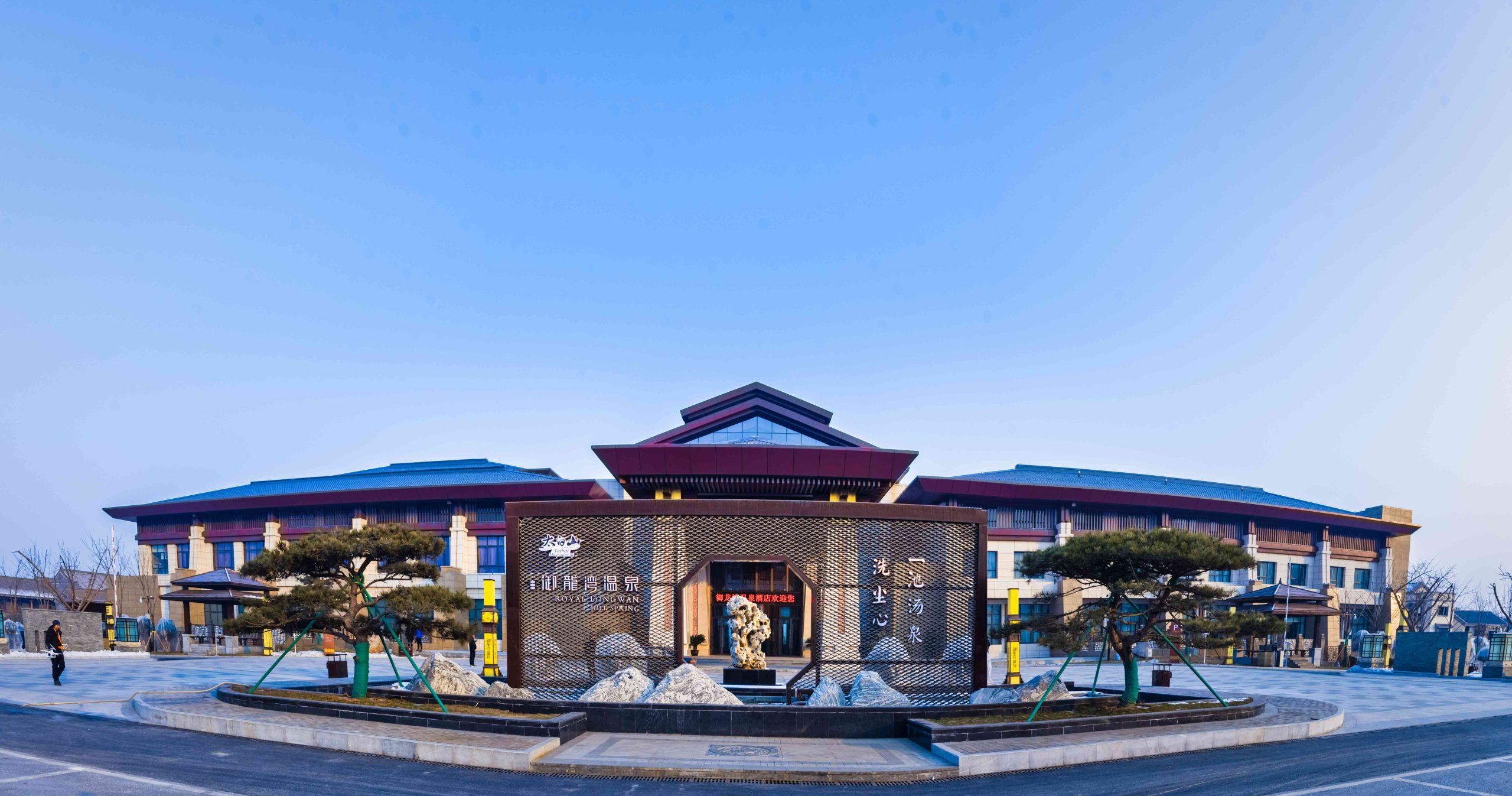
Taibaishan Yulongwan Hot Springs is located at the base of Taibaishan National Park. It is a holiday resort that celebrates hot springs culture through a combination of hot springs baths, a water park, and ecological tourism. With the theme of “Taibaishan Hot Springs Culture,” there are several different bath areas including Waning Rain Forest, Taibai Wonderland, and Cottage in the Clouds to meet the needs of all visitors.
-
Forest of Steles
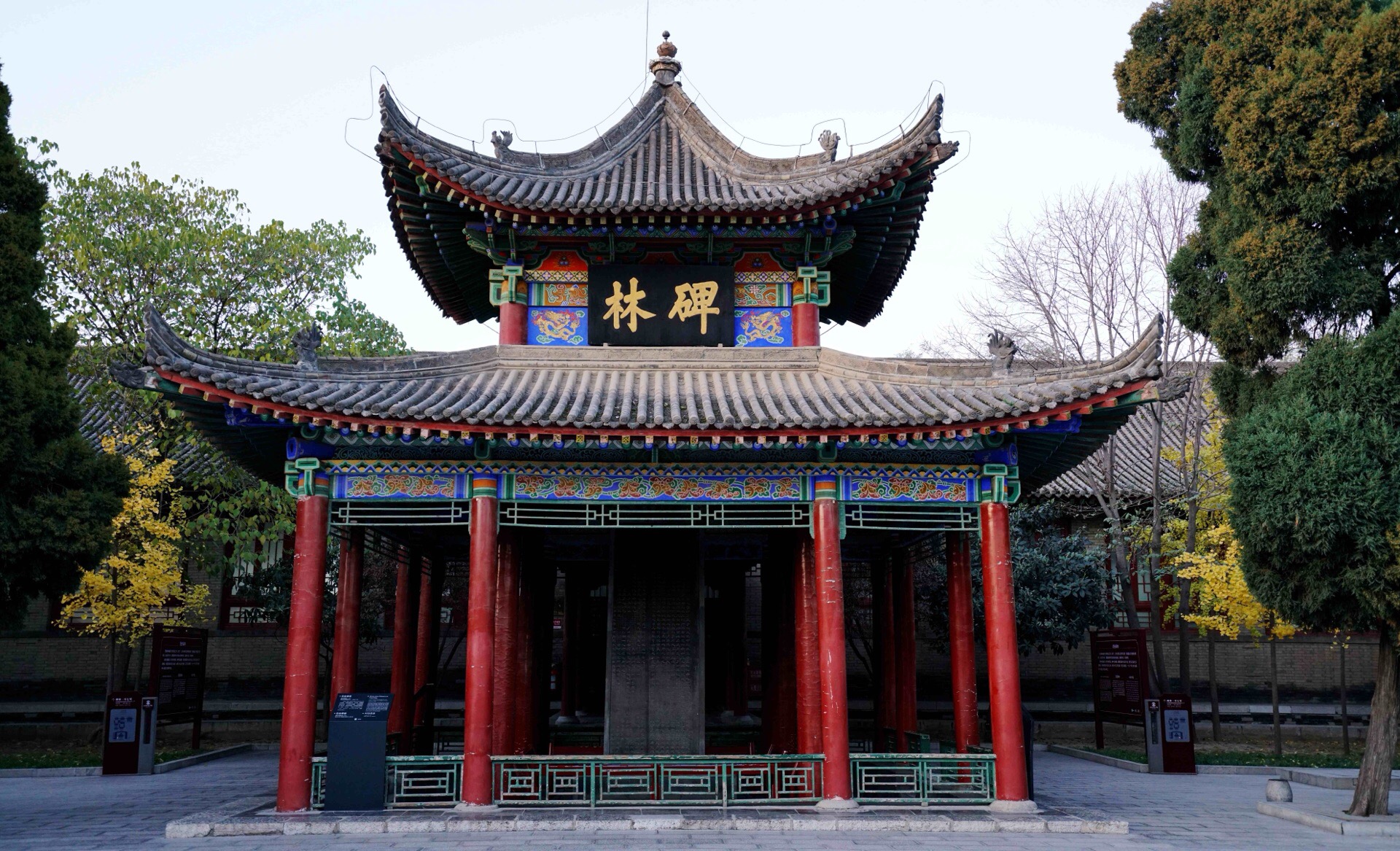
The Forest of Steles was first built in 1087 AD. There is a religious stone carving gallery in the east and a tomb stone carving gallery in the west.
-
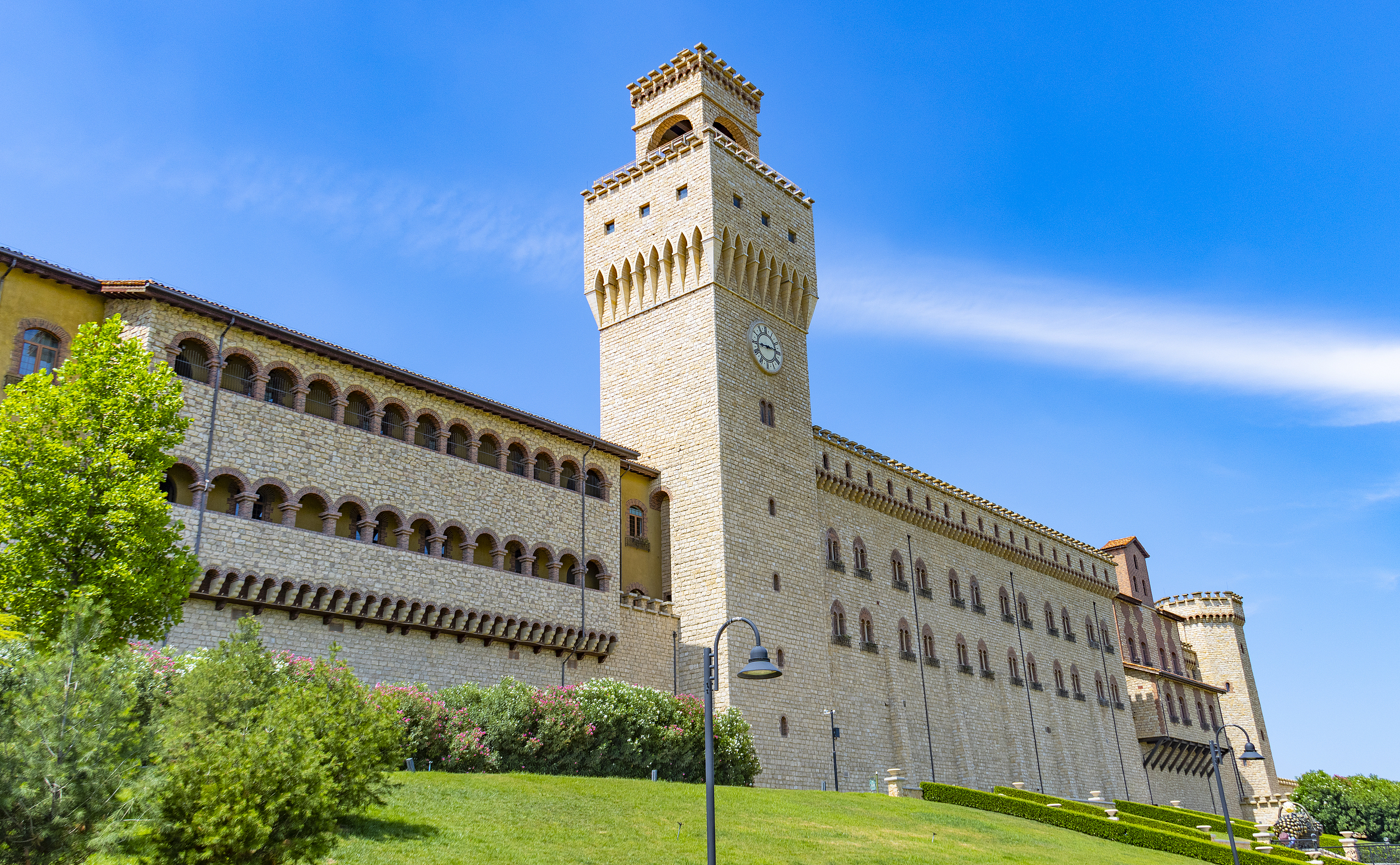
Zhangyu Ruina Chateau
Located in Fucheng Town, Xiangcheng District, Xianyang City the Shaanxi Zhangyu Ruina Chateau Winery provides its visitors with all natural and modernized pastoral scenery complete with sightseeing tours. This winery adopts Italian Tuscany architecture that is complimented by with wine culture displays and leisure areas. It was built into an international winery that showcases high quality grape cultivation and high end wine production. You are also able to purchase these wine’s to take home for your tasting pleasure. While visiting you can explore the standardized vineyards to see how your wine is made from start to finish. From the time it grow on the vine, it harvested, cultivated, and turned into the delicious wine that you savor.
-
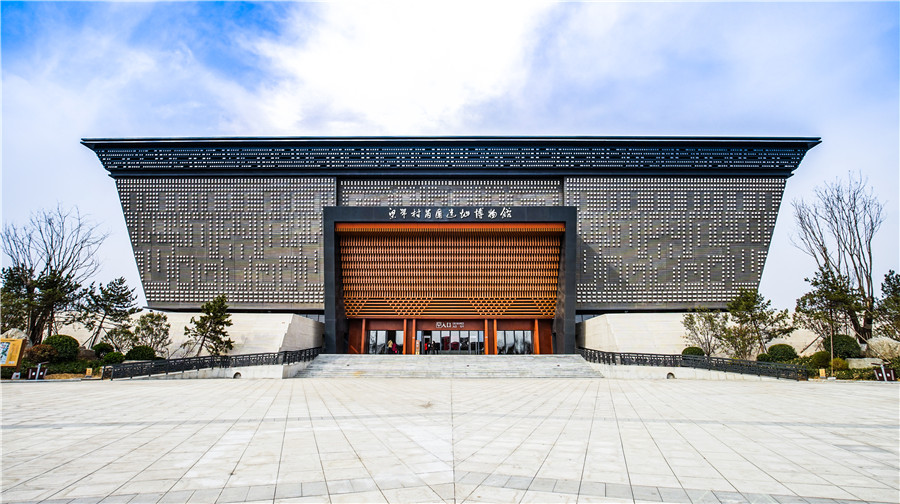
Liangdaicun Ruiguo Ruins Museum
The Rui State Ruins Museum in Liangdai Village was established on the west side of the excavated Rui State Cemetery Site and was officially opened to the public on February 1, 2018. The basic exhibition is themed “Ancient Rui Seeking the Time of the Homeland”. Through the Zhou Dynasty ruins discovered in Liangdai Village and more than 600 pieces (groups) of fine cultural relics unearthed, the once splendid history and culture of the Rui State are reproduced. Among them, many precious cultural relics are eye-catching, such as seven tripods and six gui, trapezoidal plaque sets, jade swords with gold sheaths, and gold-inlaid jade scepters. The Rui State Ruins Museum in Liangdai Village, Hancheng was officially opened on February 14, 2018, and exhibited 798 precious cultural relics such as bronze, gold, and jade. Since the archaeological excavation of the Zhou Dynasty Rui State Cemetery in Liangdai Village, Hancheng in 2004, a total of 1,300 tombs from the Western and Eastern Zhou periods have been discovered, including 8 tombs of princes, and more than 20,000 precious cultural relics have been unearthed. The Liangdai Village Western and Eastern Zhou ruins were discovered in October 2004 and are located in the north of Liangdai Village, Xizhuang Town, 7 kilometers northeast of the city. Several archaeological investigations have shown that the site dates back to the Western Zhou period and is divided into two parts: the burial area and the ruins area.
-
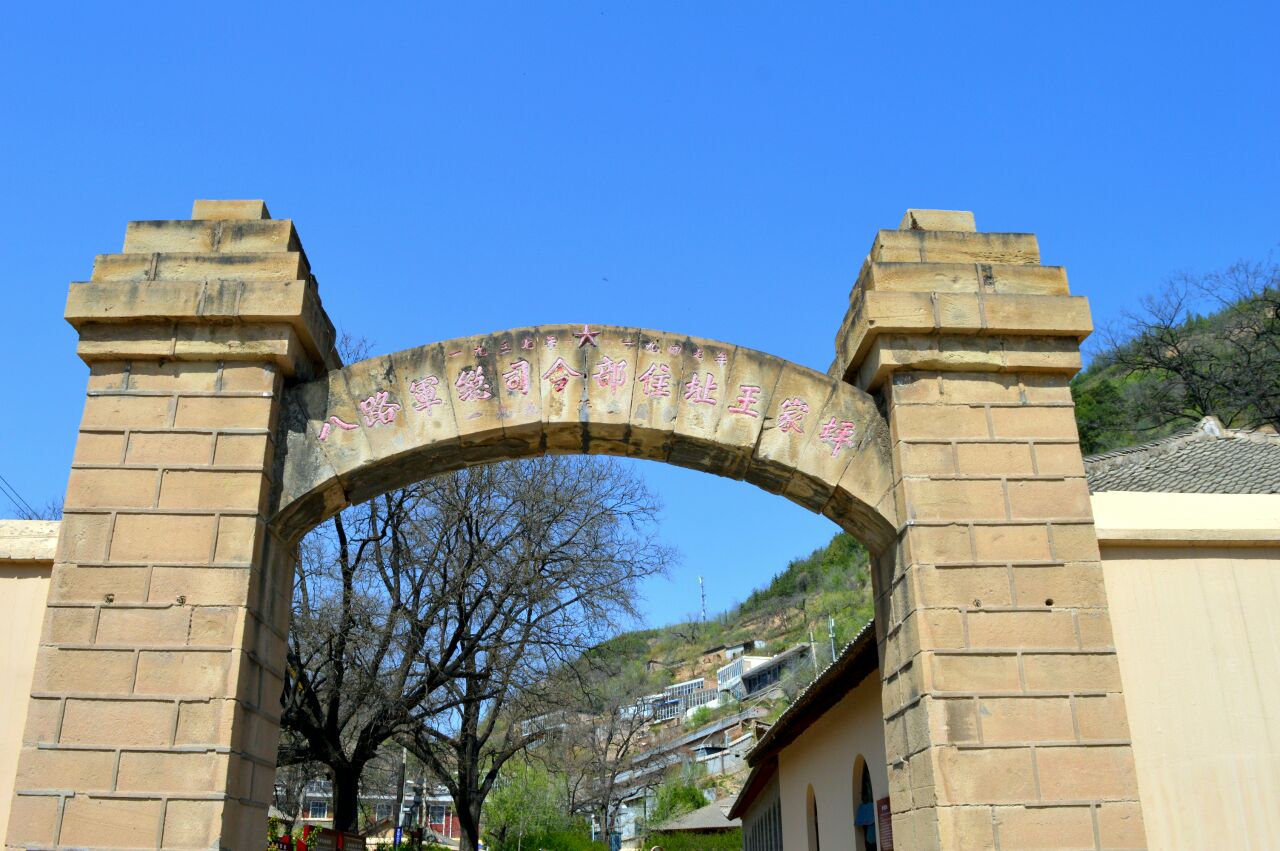
Wangjiaping Revolutionary Site
Wangjiaping Revolutionary Site is located about 4 kilometers northwest of Yan’an City. From January 1937 to March 1947, it was the location of the Central Military Commission (Central Revolutionary Military Commission) and the Eighth Route Army Headquarters (later renamed the PLA General Headquarters). It was here that the Eighth Route Army and the New Fourth Army fought an arduous eight-year war of resistance. On the east side of the auditorium, tourists can visit the reception room; on the west side of the auditorium, there is the backyard of the Military Commission Staff Office; on the front yard of the Staff Office and on the nearby mountainside, there are many old residences. In addition, in the old site, tourists can also visit the data room, conference room, policy research room and other places of the Military Commission.
-
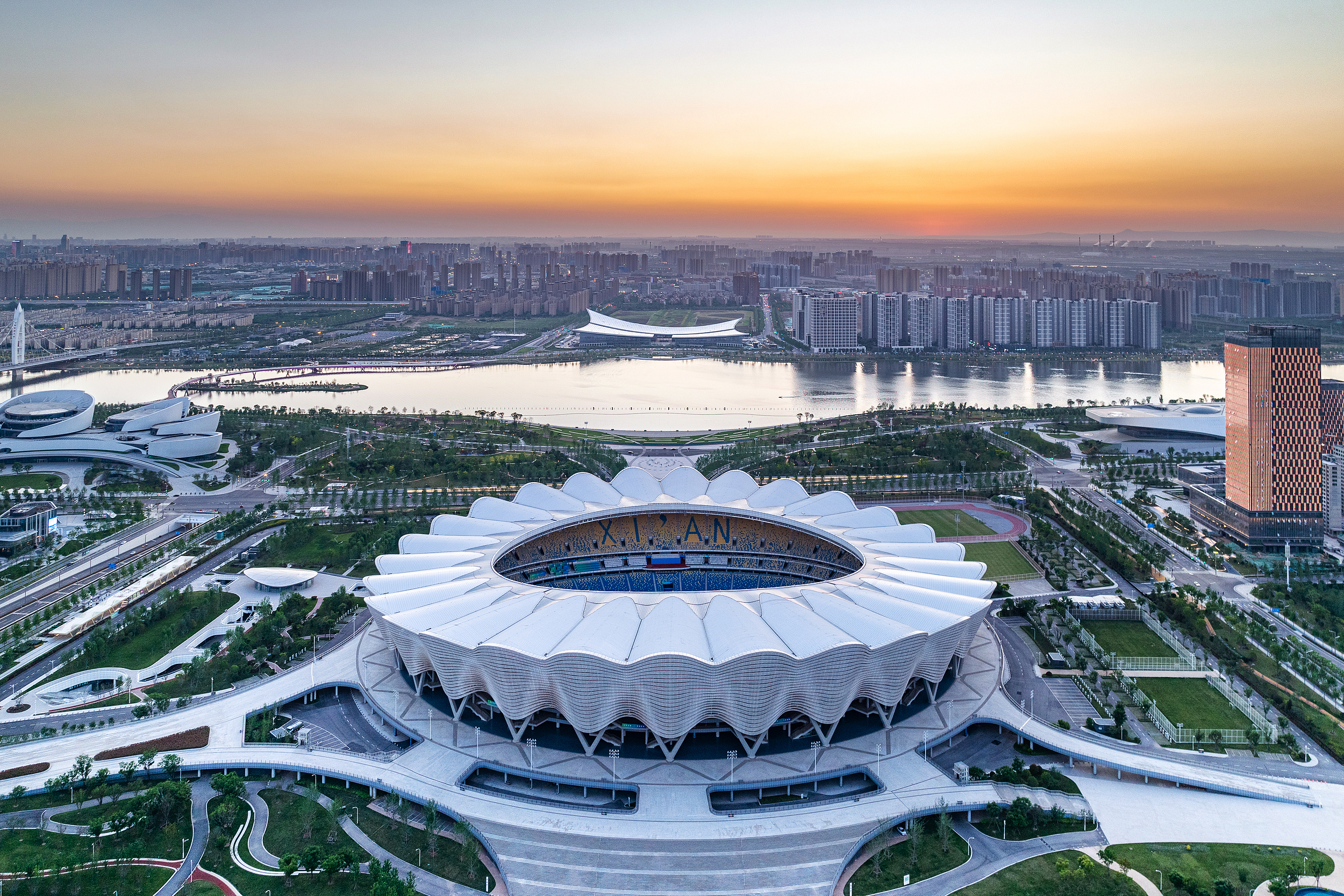
Xi’an Olympic Sports Center Stadium
Xi’an Olympic Sports Center consists of “one stadium, two halls” and outdoor supporting sports venues. With a total land area of 1,089 mu, a net land area of 862 mu and a total construction area of 520,000 square meters, Xi’an Olympic Sports Center is a 5G fully covered venue and the main venue of the 14th National Games.
-
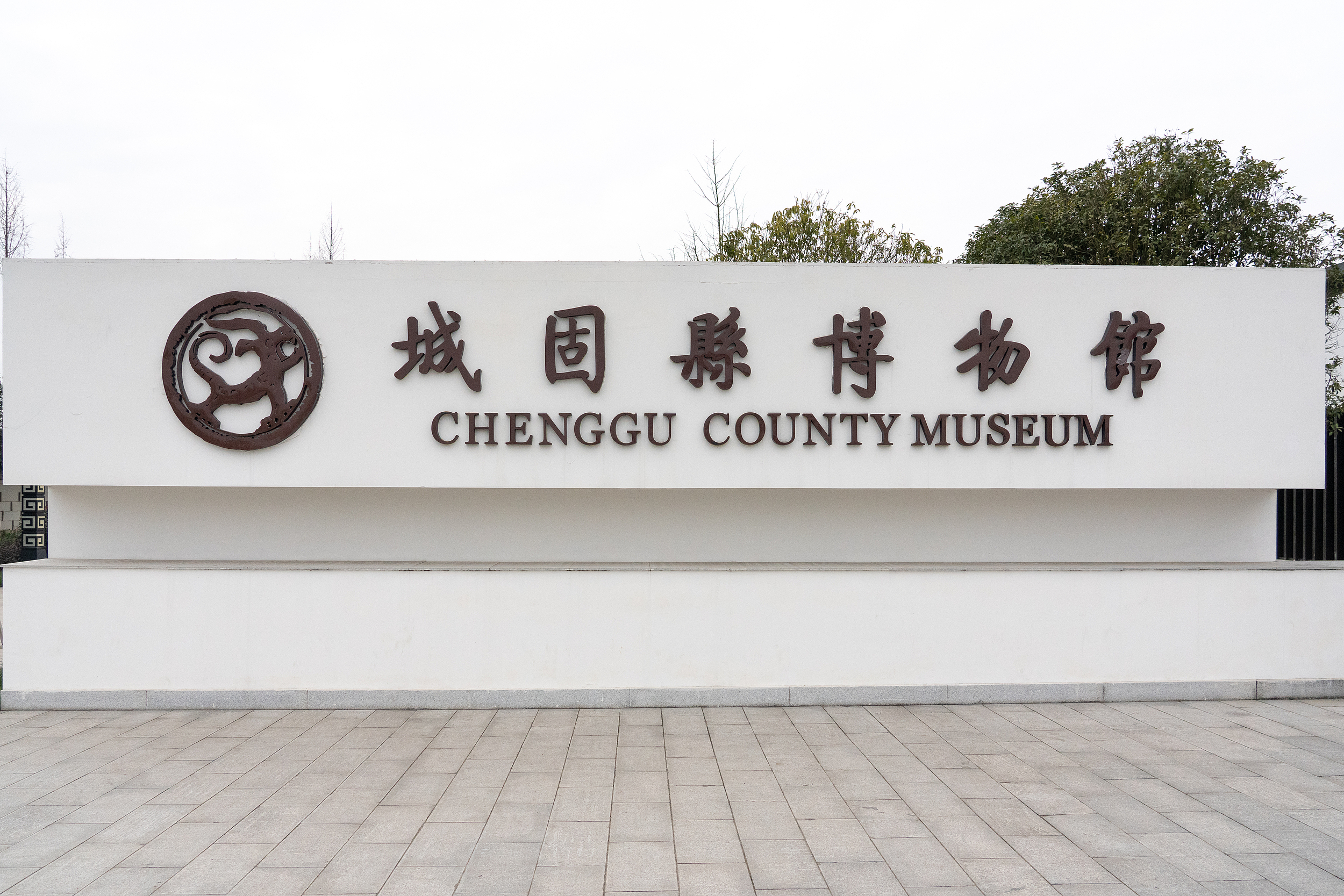
Chenggu Museum
The Zhang Qian Tomb Attraction is located in Raojiaying Village, Bowang Street Office, Chenggu County, Hanzhong City, Shaanxi Province. It is built based on the tomb of Zhang Qian, a famous diplomat, explorer and pioneer of the “Silk Road” in the Western Han Dynasty. The Attraction covers an area of about 145 acres and has six major theme tourist areas, namely the Zhang Qian Hometown Exhibition Hall, Zhang Qian Cultural Forest, Zhang Qian Life and Deeds Exhibition Hall, Zhang Qian Tomb Area, Zhang Qian Deeds Silhouette Exhibition, and Zhang Qian Deeds Oil Painting Exhibition Hall. The Attraction is shaded by trees, lush flowers and plants, and towering palaces. You can rest and travel everywhere. The Zhang Qian Tomb in the Attraction is now a national key cultural relic protection unit and a world cultural heritage. It is an important relic for us to commemorate Zhang Qian and pay tribute to Zhang Qian, and it is a physical witness of the cultural exchange between China and the West.