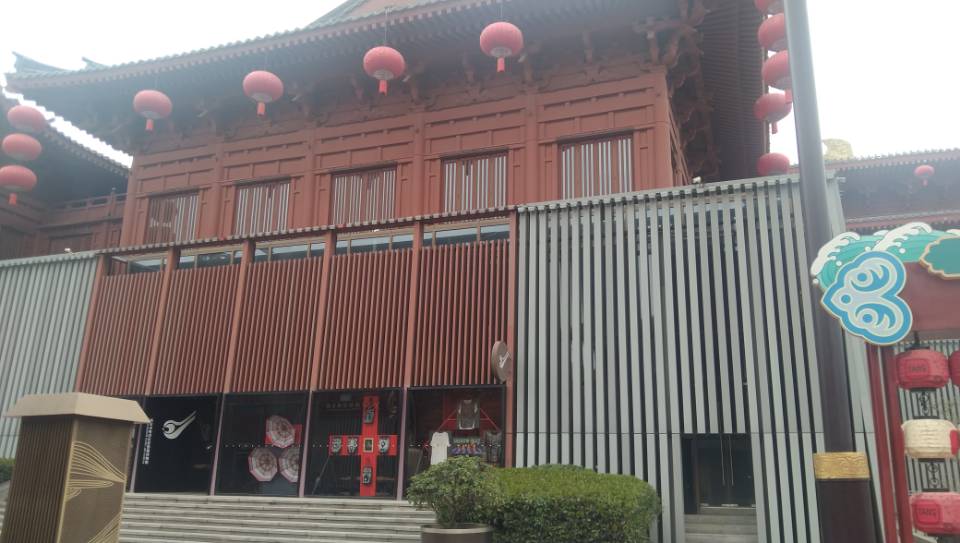
Xi’an Shadow Puppet Art Museum is a cultural and artistic attraction dedicated to showcasing and preserving China’s traditional shadow puppet art. As an ancient folk art, shadow puppetry is renowned worldwide for its exquisite carving craftsmanship and vivid performance style. Here, visitors can admire precious shadow puppet works from the Ming and Qing dynasties, which not only demonstrate the superb skills of ancient artisans but also embody rich historical and cultural significance. The Xi’an Shadow Puppet Art Museum features multiple exhibition halls showcasing the production process, historical evolution, and regional styles of shadow puppetry. Visitors can personally experience the joy of making shadow puppets, participate in interactive activities, and even have the opportunity to try manipulating puppets under professional guidance, immersing themselves in the charm of this traditional art. Additionally, the museum regularly hosts shadow puppet performances, allowing audiences to appreciate captivating shows while experiencing the unique allure of this ancient art form. Whether you’re a visitor fascinated by traditional culture or a traveler seeking fresh experiences, you can deeply explore and enjoy the charm of Chinese shadow puppet art at Xi’an Shadow Puppet Art Museum.
归档: Attractions
-
Shaanxi Hukou Waterfall 50 RMB Viewpoint
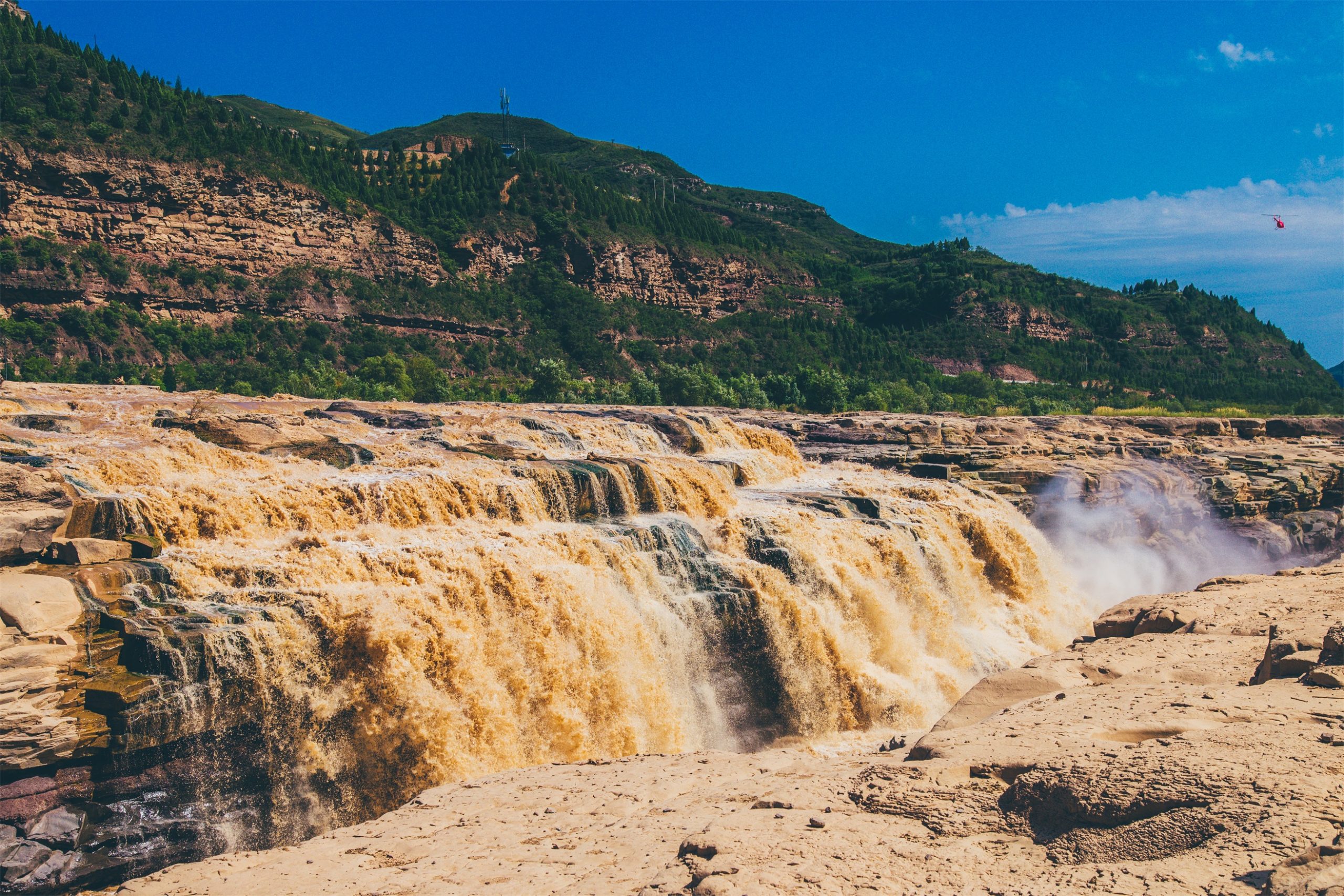
In Yichuan, Shaanxi, the Hukou Waterfall of the Yellow River is famous for its majestic momentum, and one of them has become the filming location for the 50-yuan RMB note, carrying a unique meaning. The Hukou Waterfall is named after its shape: the Yellow River is gathered by rocks on both sides here, and the water suddenly shrinks from the wide river surface to only 20-30 meters wide, forming a waterfall as high as 15 meters, like a giant pot pouring, hence the name “Hukou”. The amount of water in the waterfall changes with the seasons. During the flood season, the water flow can reach 700 cubic meters per second, which is majestic and thunderous. The Hukou Waterfall Scenic Area is divided into Shaanxi and Shanxi sides, and the viewing point on the Shaanxi side is considered to be an ideal location for filming the 50-yuan RMB note. Visitors can feel the shock of the waterfall up close, especially in the season with abundant water, when the main and secondary waterfalls are launched at the same time, and the scene is particularly spectacular. Standing next to this filming location, you can truly feel the magic of nature, and you can also understand why it has become a classic picture on the RMB, attracting countless tourists to check in and appreciate the magnificent style of the mother river of the Yellow River.
-
Yellow River Cantata: An Epic Drama of the National War of Resistance
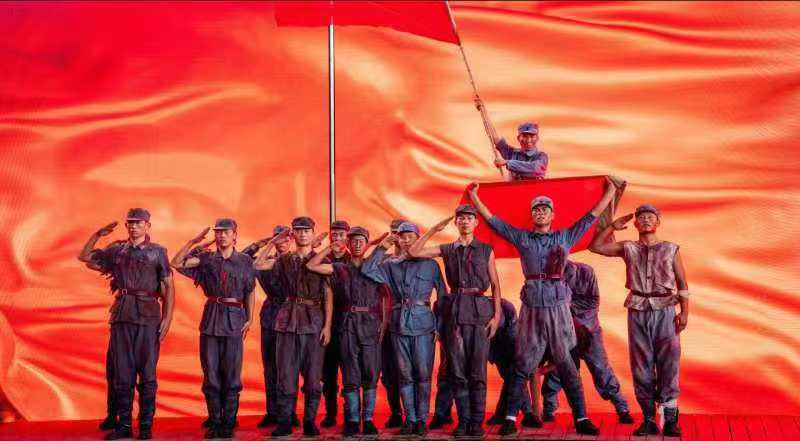
This is a heroic song sung by the people on both sides of the Yellow River during the War of Resistance Against Japanese Aggression.The Yellow River and the “Yellow River Cantata” span nearly a hundred years, connecting gunfire and gun smoke, and meeting each other across time and space.A pair of brothers living by the Yellow River. The war took the elder brother’s life, but the Yellow River never separated them. Their emotions and beliefs are as magnificent and closely connected as the Yellow River. The Yellow River witnessed their sacrifice and tenacity.With moving narration and magnificent scenes, the drama recreates that period of history, evokes respect for the heroes and inspires the audience to deeply resonate with the spirit of the Chinese nation.In the end, the heroic souls of the children of the Yellow River were immortalized in the music, composing a hymn of the indomitable spirit of the Chinese nation.
-
Shizigou Ranch
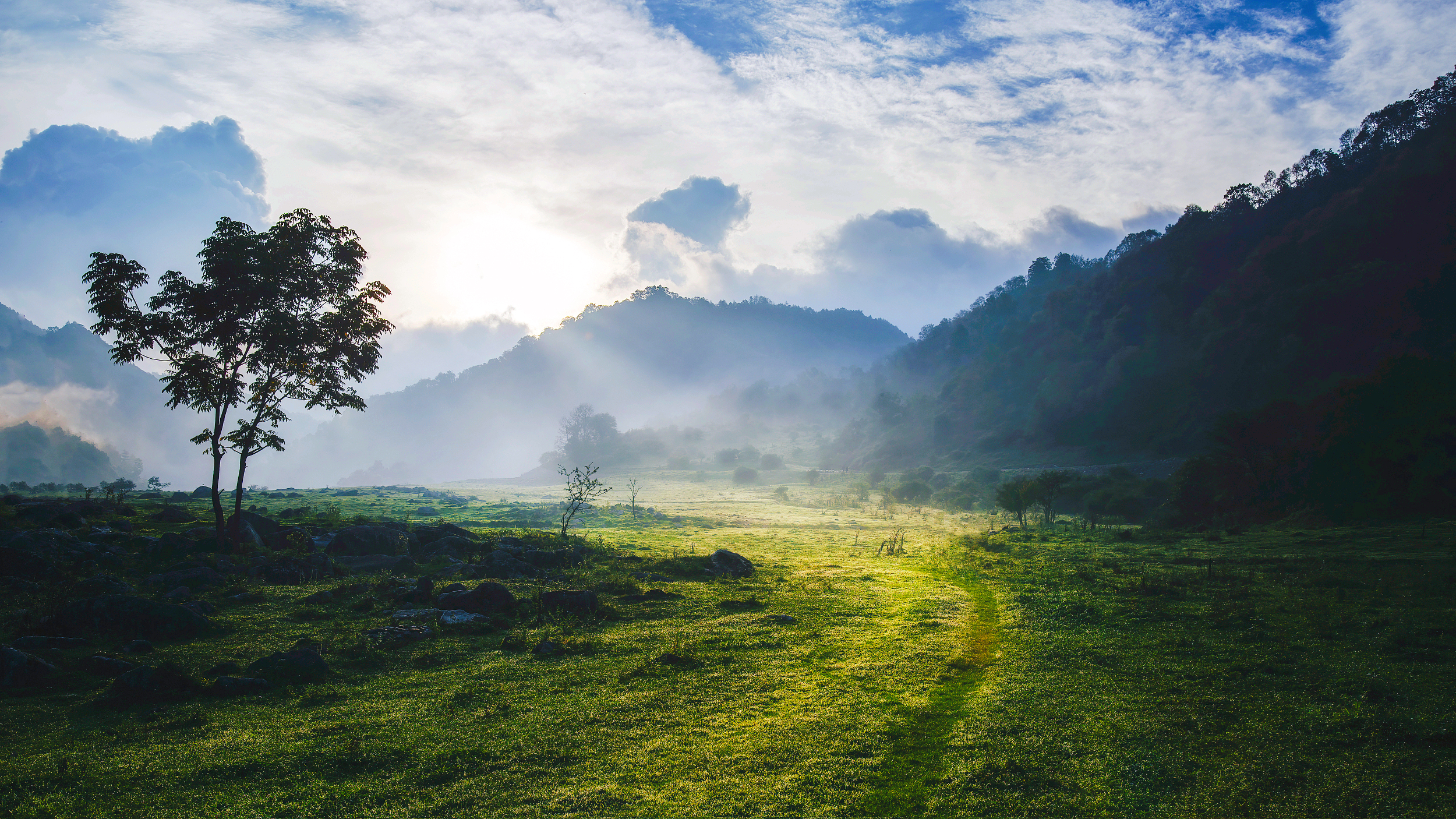
Located at the southern foot of the Qinling Mountains, the Shizigou Ranch is about 30 kilometers away from Liuba County. Surrounded by mountains, this natural grassland is a beautiful tourist destination that combines natural beauty with historical culture. The ranch has vast grasslands, green grass like a carpet, rolling mountains, gurgling streams, and cattle and sheep grazing leisurely, forming a harmonious pastoral painting. This was once the place where Zhuge Liang stationed troops and raised horses during the Three Kingdoms period, and it has a profound historical heritage. Visitors can experience special activities such as horse riding and archery to experience grassland life firsthand. It takes about 1 hour from Liuba County, about 2 hours from Hanzhong City, and 4-5 hours from Xi’an. The ranch is not only suitable for sightseeing, but also provides tourists with the opportunity to get close to nature and feel history. Whether it is hiking exploration or participating in cultural experience activities, it can meet the needs of different tourists. It is an ideal tourist destination that integrates natural scenery, historical culture and leisure and entertainment.
-
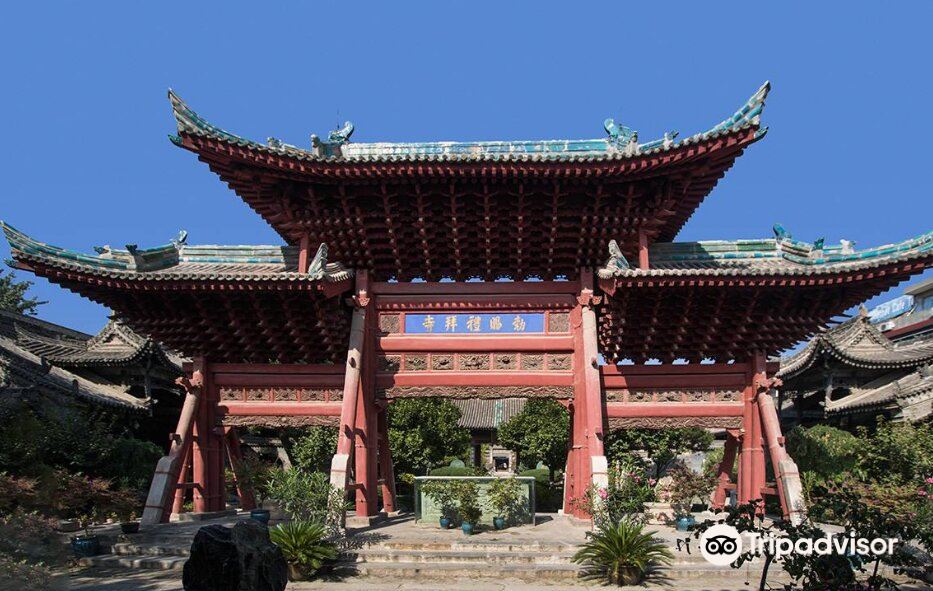
Huajue Lane, the Great Mosque
The temple is located in the alley of Huimin Street. It was first built in the Tang Dynasty and rebuilt in the Qing Dynasty. It adopts the Chinese classical architectural style, with flying eaves, pavilions and towers everywhere. On many wooden doors and brick walls in the temple, you can see a lot of wood carvings and brick carvings, which depict Chinese floral patterns in the three-dimensional style of Islamic art.The temple is not large in area, and the pattern is also the traditional Chinese courtyard style with central axis symmetry. Visitors can walk forward along the central axis to visit, which is very easy. The screen wall in the temple is the starting point of the central axis. Along the central axis, the main buildings are arranged in sequence, such as the wooden archway, the five-room building (two doors), the stone archway, the imperial repair hall (three doors), the Xingxin building, the three-door (four doors), the Phoenix Pavilion, the platform, and the prayer hall.The prayer hall is a very important building in the temple and a place for nearby Hui people to worship. The main hall has a peacock blue glazed tile roof, and the ceiling caisson painting in the hall is very exquisite. There is a stone tablet around the stone archway with the words “Dao Fa Can Tian Di” written on it, which is the handwriting of Song Dynasty calligrapher Mi Fu; there is a horizontal plaque “Chi Ci Bai Li Temple” on the door of the Imperial Repair Hall, which is the handwriting of Ming Dynasty calligrapher Dong Qichang. These are not to be missed by calligraphy lovers.
-
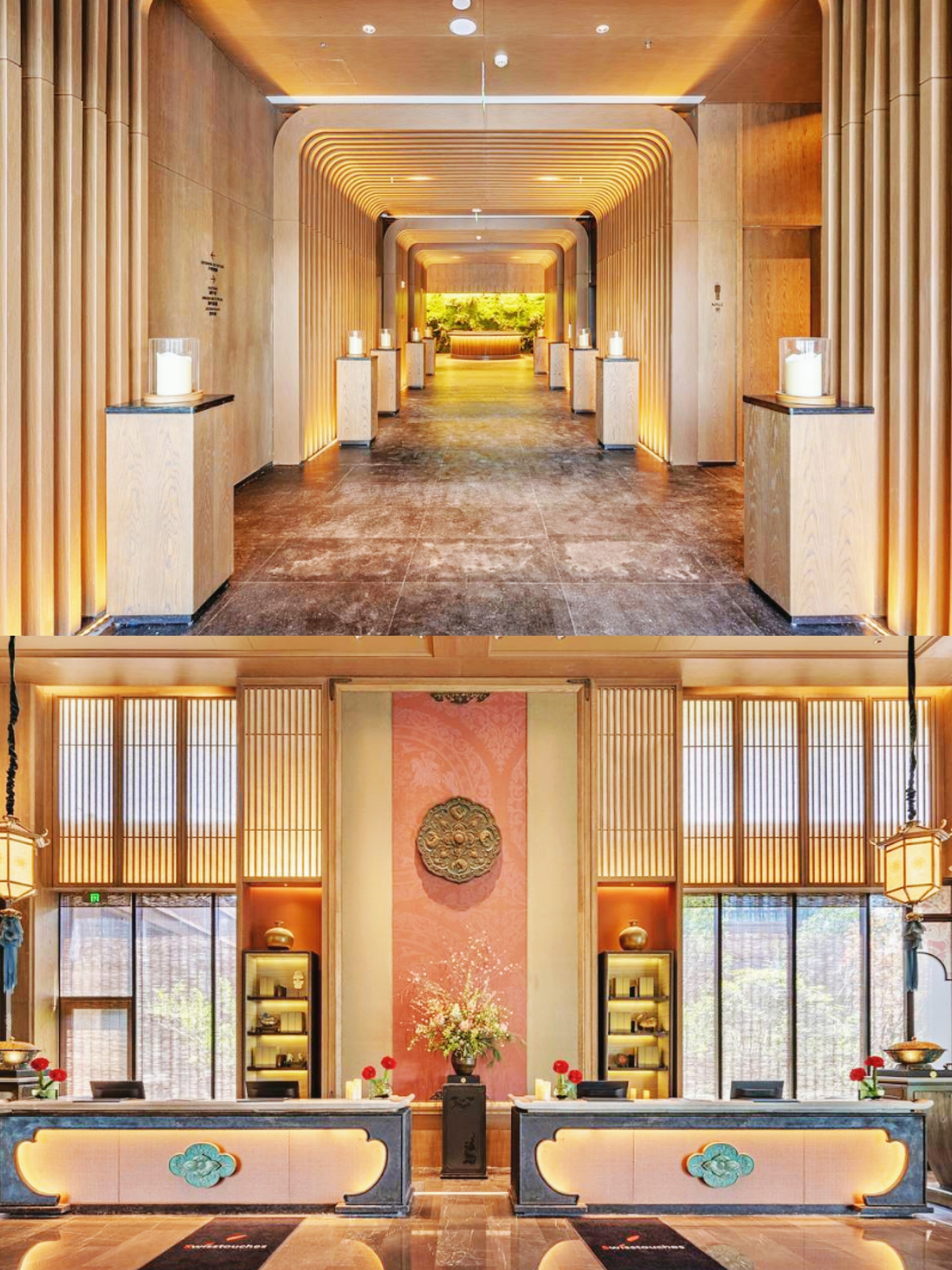
Taibai Mountain Tangzhen · Ruisili Hot Spring
Located at the northern foot of Mount Taibai in Baoji City, Swisstouches Resort Tangzhen Taibaishan is an international high-end resort hotel that combines Tang-style architecture with Swiss hot spring spa concepts. The hotel enjoys the natural scenery of Mount Taibai, provides mineral rock hot spring water extracted from 2,400 meters underground, and a full-time Swiss-style Dining and leisure space, bringing tourists a unique hot spring resort experience.
-
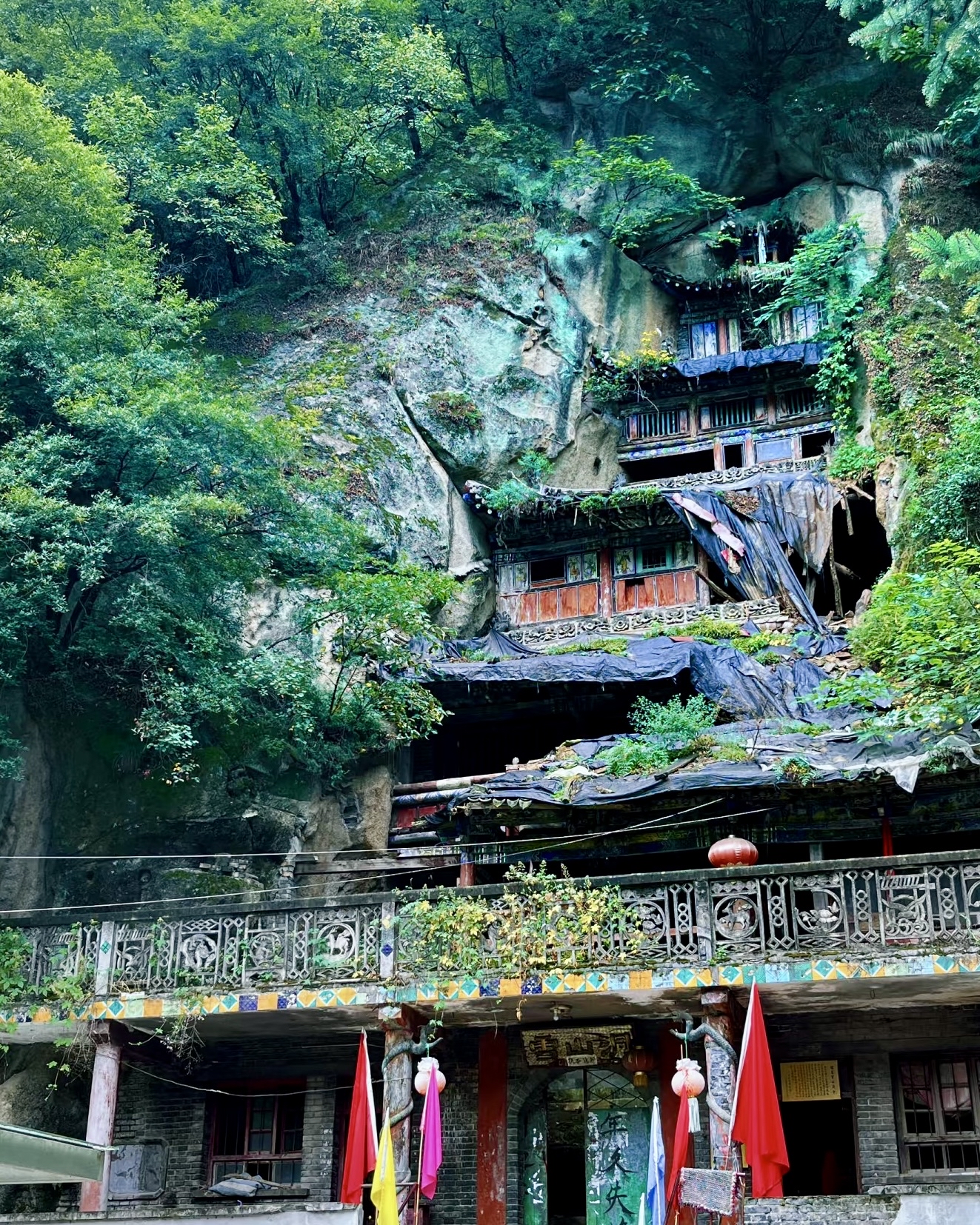
Xueshan Cave
Baoji Xueshan Cave Forest Park is located in the southeast of Baoji City. It is a tourist destination that integrates natural landscape and Taoist culture. The park is divided into two scenic areas, Xueshan Cave and Shijiegou, each with its own characteristics. Xueshan Cave is famous for its naturally formed caves. The cave is about 23 meters deep and 5 meters high. It is said to be the place where Qiu Chuji, a representative of the Quanzhen School of Taoism, practiced in seclusion. The temple complex outside the cave was built spontaneously by visitors. The seven-story pavilion is built against the mountain and looks like a tower, showing a unique Taoist architectural style. Shijiegou Scenic Area is the natural scenic spot center of the park, which brings together rich animal and plant resources and unique geological landscapes. In Shifogou and Shuilonggou, strange stones and streams complement each other, forming attractions such as the Big Stone Buddha, Daughter Cliff, and General Xia, which are lifelike and amazing. The Tiger Claw Cliff and Dingtianzhu in Shuilonggou attract tourists with their natural shapes. Xueshandong Forest Park is not only a paradise for nature lovers, but also an ideal place to explore Taoist culture and appreciate the beauty of strange rocks.
-
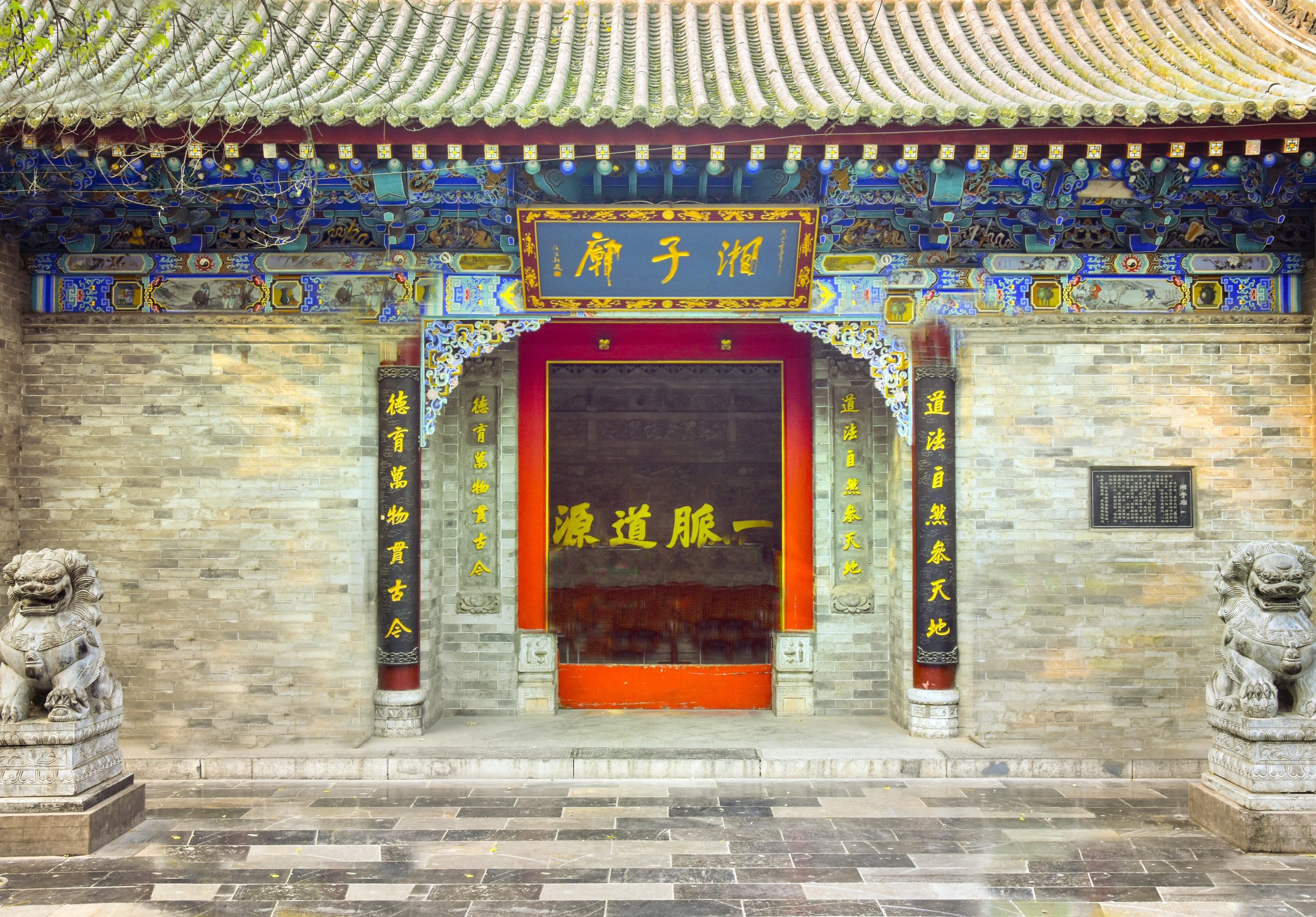
Xiangzi Temple
The Xiangzi Temple near the South Gate of Xi’an City is said to be the former residence of Han Xiangzi, one of the Eight Immortals, and the place where Han Xiangzi became a monk. Therefore, the Xiangzi Temple in Xi’an was the birthplace of the Xiangzi culture in successive dynasties. Xiangzi Temple is also the only existing Taoist patriarchal temple in Xi’an. Xiangzi Temple consists of temple area, south courtyard and north courtyard. It is said that this is the inner courtyard of the residence of Han Yu, Han Xiangzi’s uncle. Decades ago, when digging an air-raid shelter in the Xiangzi Temple, a dark room was dug, which is said to be the Xiangzi Cave.
-
Xi’an Art Museum
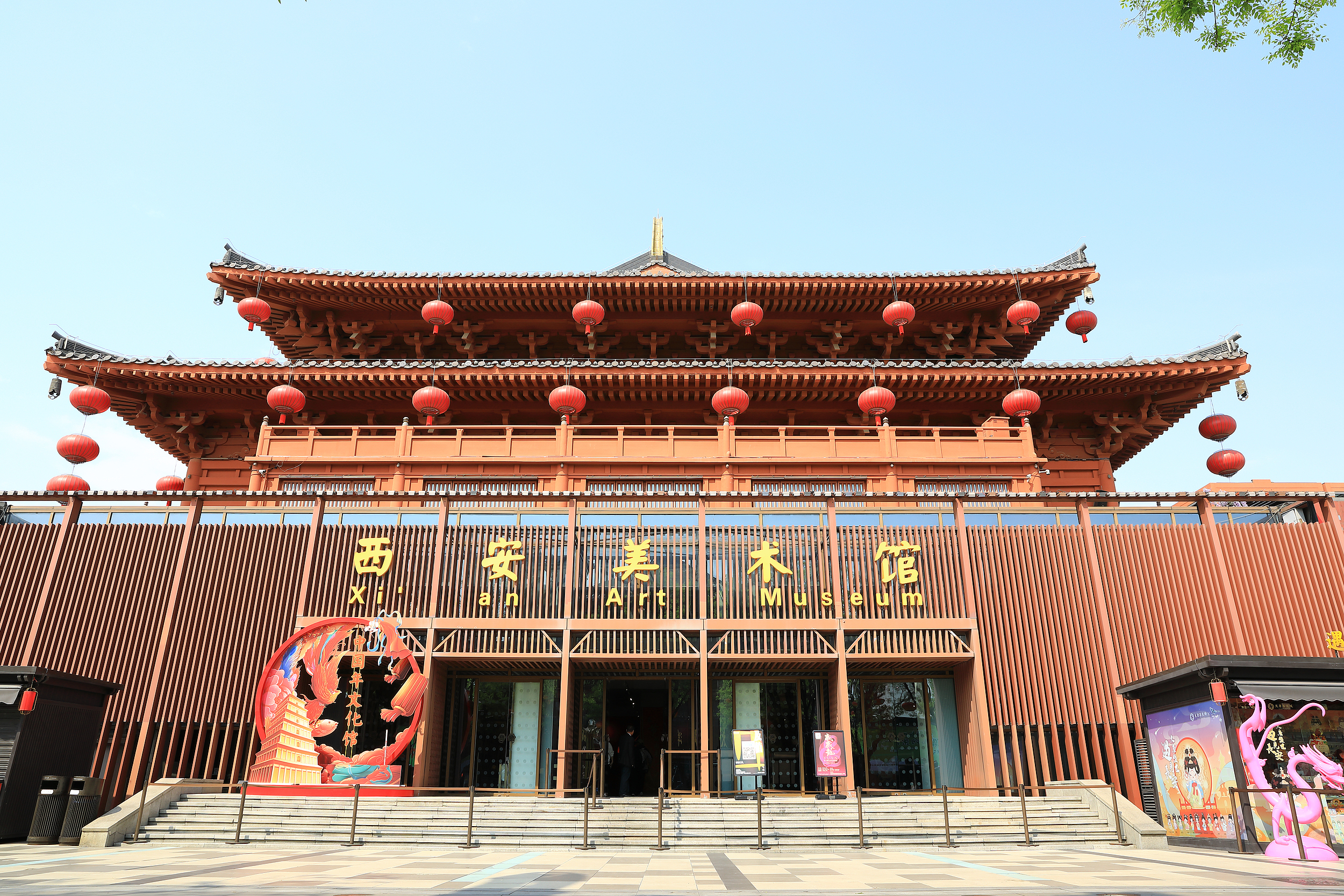
The full name of Xi’an Art Museum is Qujiang New District·Xi’an Art Museum, located in District 1 of Datang Never Sleeping City, at the northern end of Xi’an Botanical Garden. The building of the pavilion is in the style of the Tang Dynasty, with a handsome body, solemn and generous, simple but full of vitality. It is a large-scale comprehensive art museum integrating art exhibitions, art collections, domestic and foreign art exchanges, art research, and art education. The art gallery includes major academic exhibition spaces such as large exhibition halls, small exhibition halls, and multi-functional lecture halls, as well as art derivative shops, art book bars, coffee shops, and artist workshops. Since its opening in 2009, the museum has held “Review and Exhibition of the 20th Anniversary of the Symposium on Chinese Art Creation in San Diego in 1991”, “Special Exhibition of the Fifth Anniversary of Chinese Realistic Painting School Oil Painting”, “Modern and Modern Chinese Painting and Calligraphy Masters Fine Art Exhibition”, ” The Moment of Intuition: A Retrospective of the Photography of Marc Lu Bu” and other wonderful exhibitions. In addition to holding exhibitions, the museum itself also collects Chinese and foreign classic paintings, calligraphy works, children’s paintings, photography, sculpture works, film and television media art, etc. If there is an exhibition when you come, you can see the excellent exhibition; if there is no exhibition, you will not be disappointed, and it is also a good choice to see the fine art in the collection.
-
Huayang Ancient Town
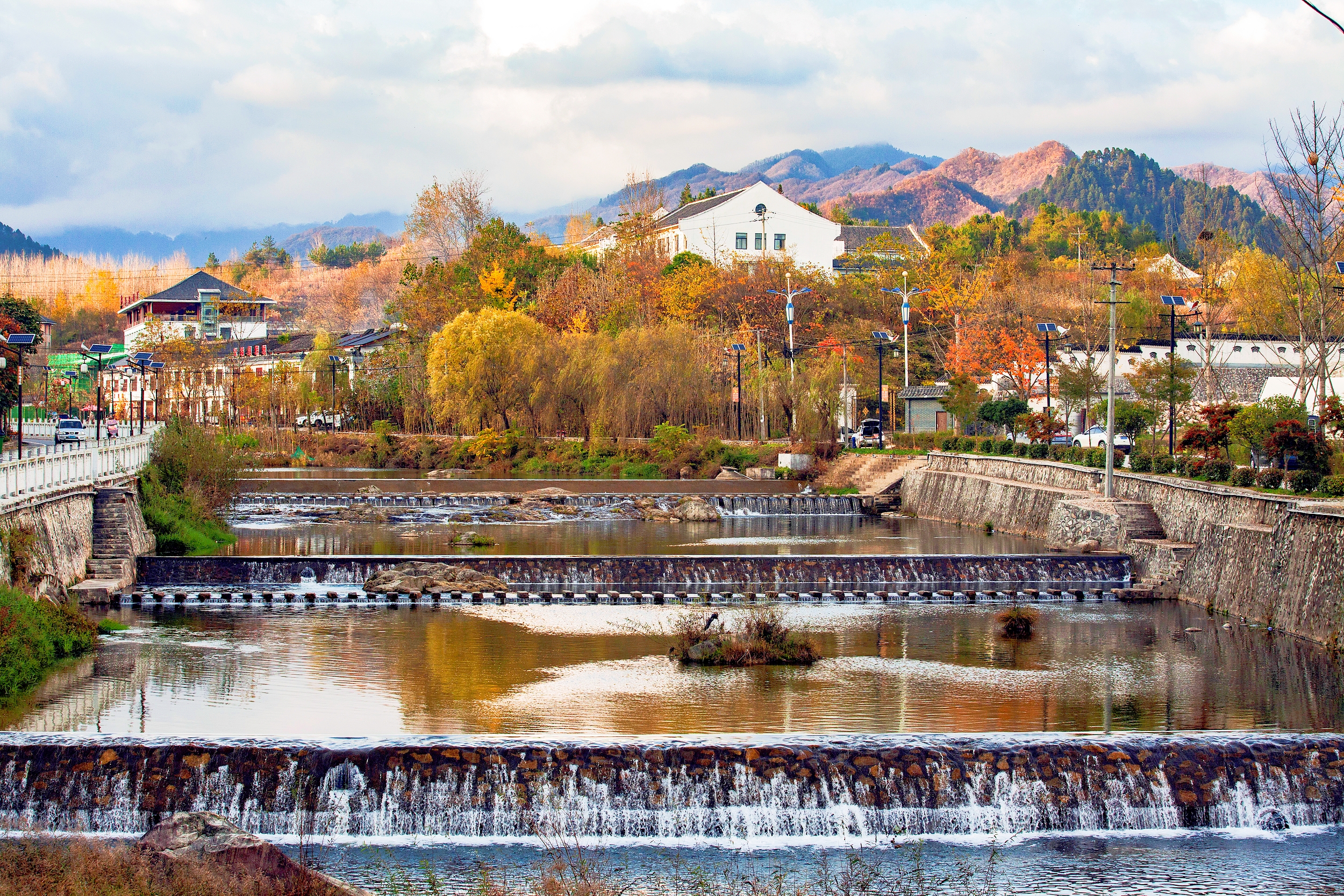
Huayang Ancient TownWith a history dating back to the Qin and Jin dynasties over 2,000 years ago, this comprehensive eco-tourism destination combines leisure and vacation experiences in one.Huayang Ancient TownFamous for its unique Ming and Qing dynasty architectural style, rich historical culture, and beautiful natural surroundings.