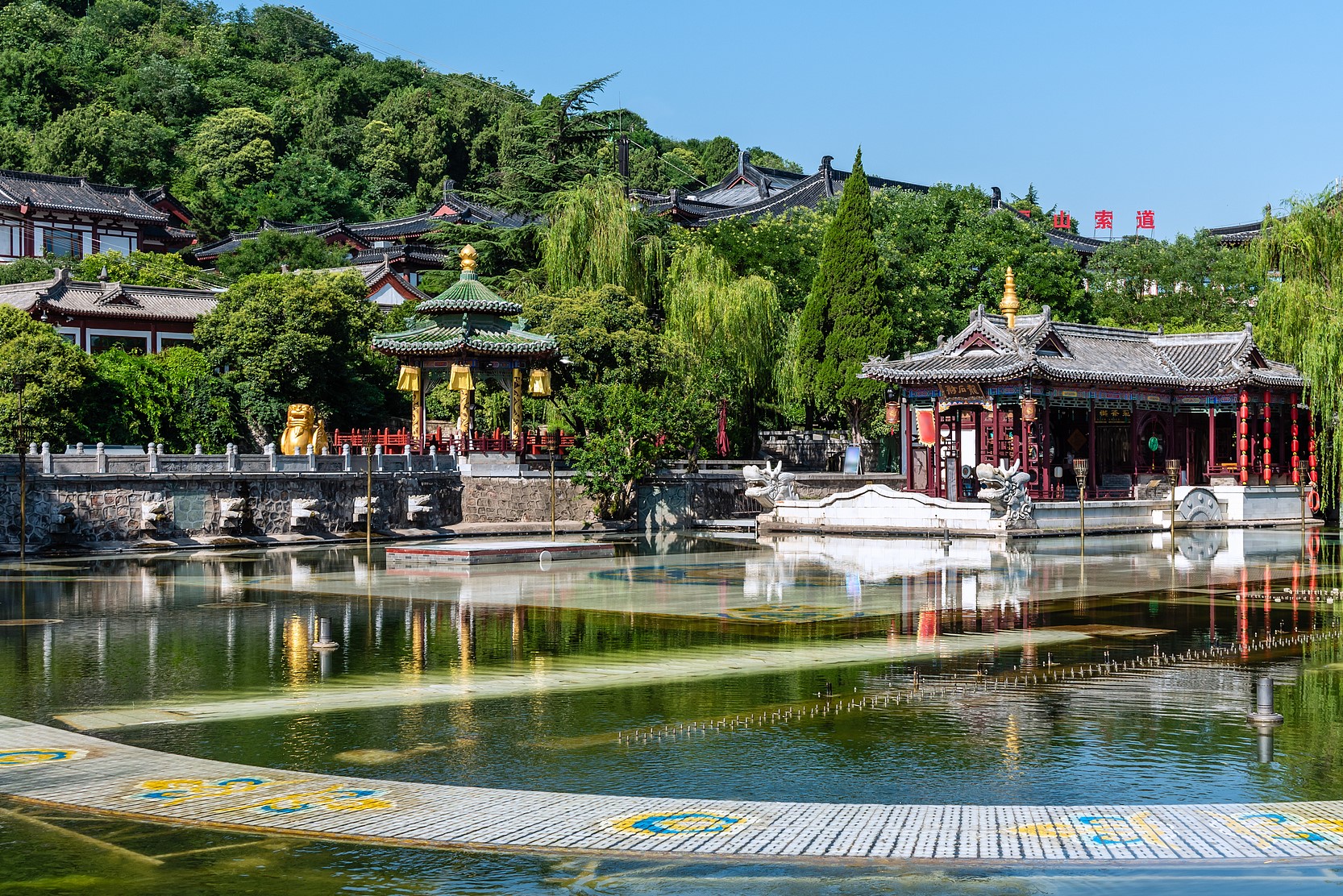
Jiulong Lake is located in the west of Huaqing Pool. When entering from the middle gate of Huaqing Pool, the first thing that catches visitors’ eyes is the clear water of this pool. Jiulong Lake was built in 1959, with an area of about 5,300 square meters. It is named after the nine dragon heads on the lake embankment. Jiulong Bridge lies on the lake, dividing the lake into upper and lower lakes. The upper lake has modern fountain facilities, and the lower lake has dragon boats.There are eight stone dragon heads lined up on the Jiulong Bridge, and a huge dragon head sticks out from the middle of the wall of the Longyin Pavilion in the lake. The dragon head sings clear springs and gurgling water, and the sound of water is gurgling. Legend has it that there was a severe drought in Guanzhong, and the Jade Emperor sent the Dragon King and his eight sons to bring rain. As a result, the eight little dragons were playful for a while and brought too much rain, which caused floods. The Jade Emperor was furious and suppressed the eight little dragons under the Dragon Dike, while the Dragon King sat on top to guard.The east bank of the lake is simulated as a stone embankment with rocks lying horizontally. Inscriptions such as “The scenery here is unique”, “Longhu Mirror Sky”, and “Huaqing Resort” are carved on the natural rocks. The lakeside is covered with green grass and weeping willows, which stir up ripples in the lake, making people feel pleasing to the eye. On the north bank of the lake stands a white marble statue of Yang Guifei bathing, with her delicate face slightly lowered, her skirt in her hands, her light footsteps brushing the water surface, graceful and graceful.Around the lake, there are imitation Tang Dynasty palaces and pavilions such as Longshifang, Jiuqujue Corridor, Chenxiang Hall, Feishuang Hall, Yichun Pavilion, Yichun Hall, Longyin Pavilion, Chenxi Pavilion, and Wanxia Pavilion. The red pillars, carved beams and painted buildings are in contrast with the relaxed green cypresses. The pavilions are reflected in the sparkling lake, and the scenery is elegant and charming.
归档: Attractions
-
China · Zhouyuan
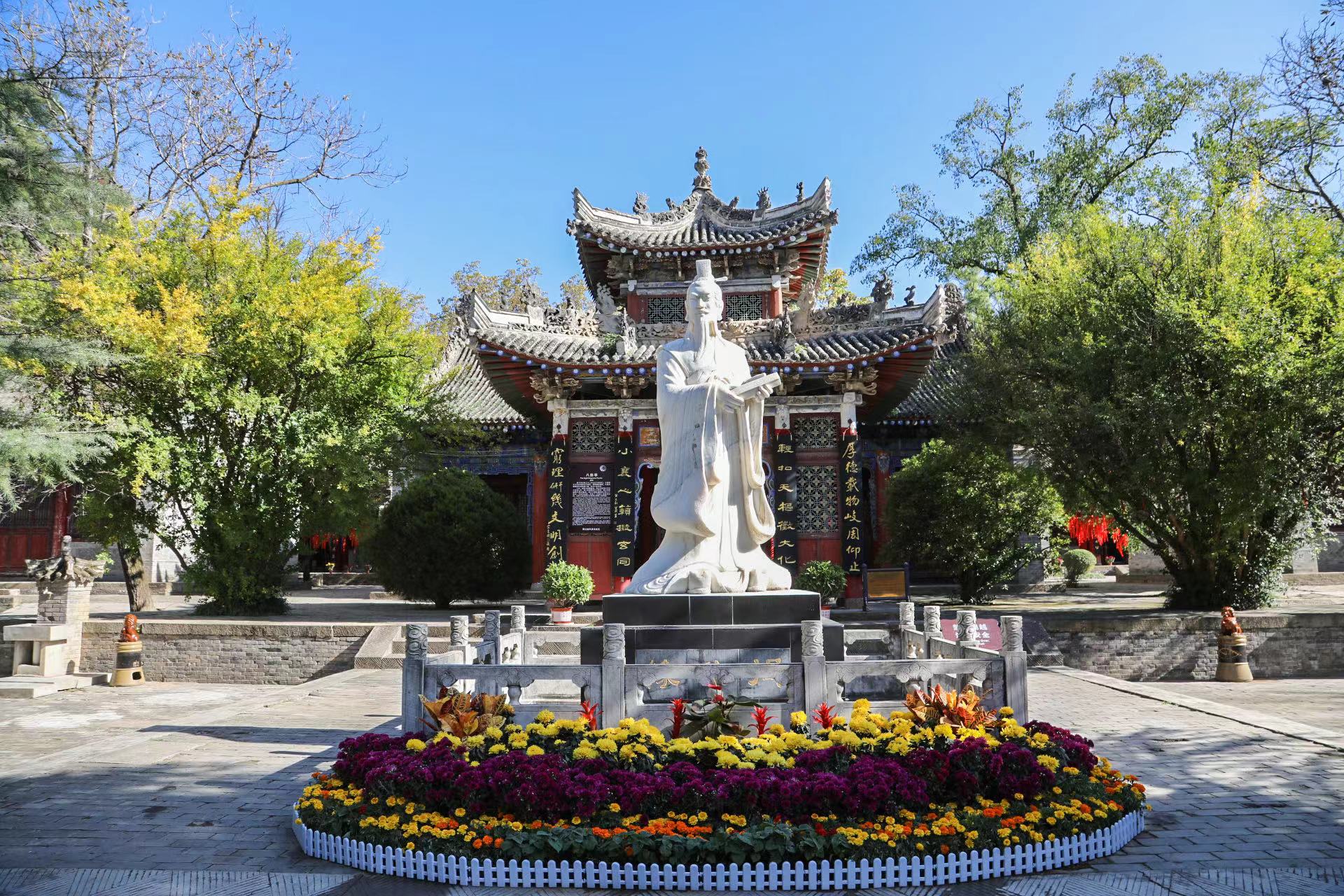
China Zhouyuan Attraction is a core destination for all-round, multi-level and interactive Zhou culture display and experience tourism in China. The Attraction is located in Qishan County, Baoji City, Shaanxi Province, adjacent to the southern foot of Phoenix Mountain, which is referred to as “Phoenix Ming Qishan” in the Book of Songs. It focuses on the display and inheritance of Chinese Zhou culture, including Zhoucheng (Zhou culture exhibition, entertainment and leisure), Zhougong Temple, and Phoenix Mountain (exploration of cultural relics and historical sites). The overall architectural layout and construction method follow the ancient form, cleverly combining traditional crafts with modern technology, and strive to restore the architectural style and people’s livelihood of the ancient capital of the Zhou Dynasty 3,000 years ago, and fully and three-dimensionally display the essence of Zhou culture such as Zhou Dynasty history, characters, characters, rituals and music, Zhouyi, bronze ware, and urban pattern, forming a diversified large-scale comprehensive scenic Attraction integrating historical site visits, cultural innovation displays, parent-child leisure and entertainment, performing arts interactive entertainment, and special Dining experiences.
-
Beijing Educated Youth Former Residence
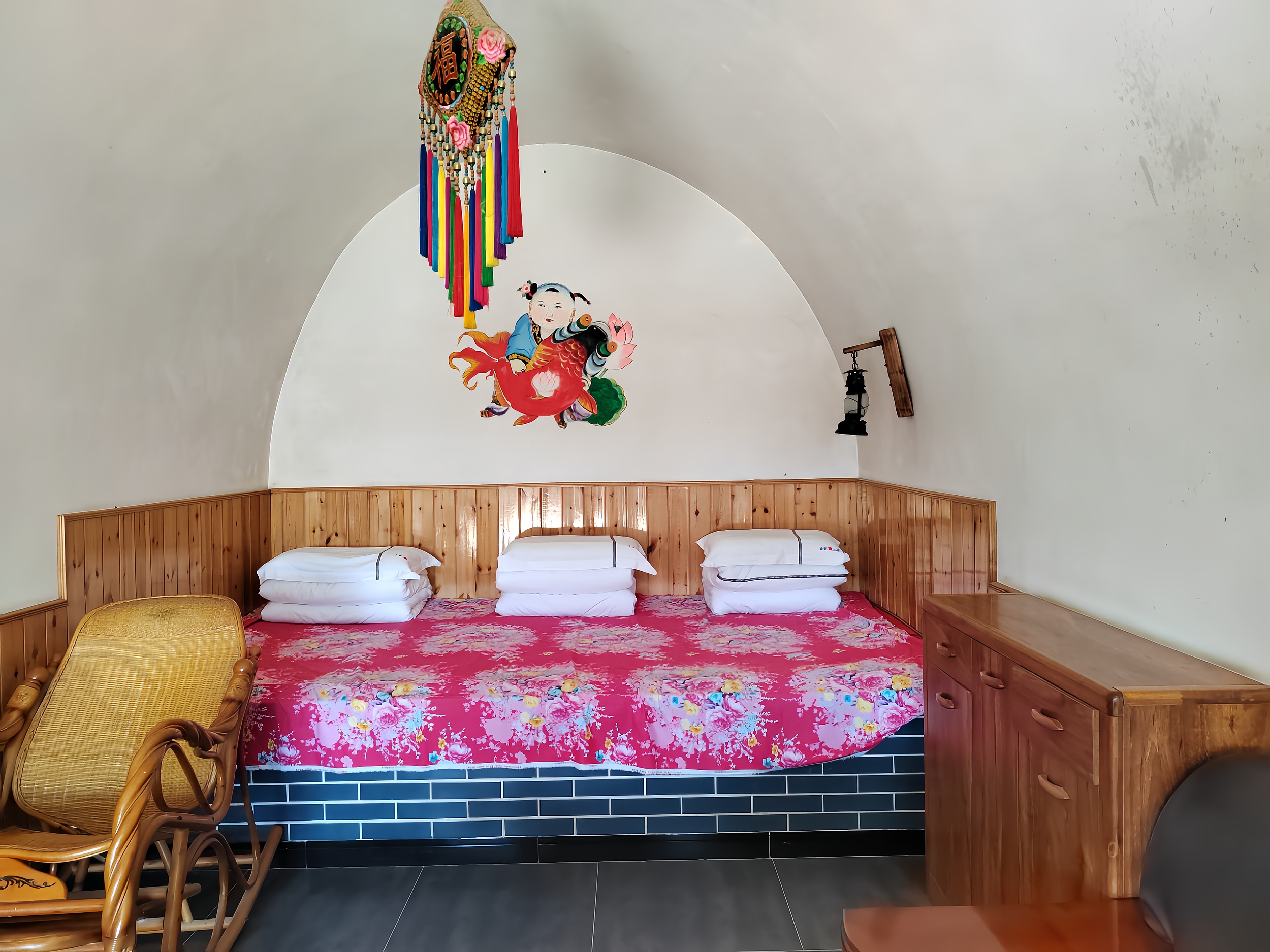
The former residence of Beijing educated youth is located in the cave group on the north side of the Zaoyuan Revolutionary Site, which completely preserves the living scenes in 1969. In the existing 12-hole stone cave, the kang, kerosene lamps and handwritten quotation walls restore the details of collective household life. The display cabinet displays more than 300 items such as work points and homemade musical instruments. There is an agricultural tool experience area in the front yard of the cave, where you can try spinning and weaving. The scenic area provides AR guide glasses with positioning. Scan the cave number to watch the oral images of the educated youth. Take K6 bus from the city to Zaoyuan Station, and walk along the stone slab road on the back mountain. It is recommended to wear non-slip shoes in the rainy season. The adjacent educated youth memory hall holds a Shaanxi folk song learning activity every Wednesday, which needs to be booked by phone one day in advance. After the visit, you can experience a simple meal of cornmeal steamed bread with sauerkraut soup in the “educated youth canteen” at the foot of the mountain, with an average per capita consumption of about 25 yuan. It is recommended to reserve 2 hours for the tour. There is no heating equipment in the cave in winter, so please add clothes to keep warm.
-
Zhaoling Museum
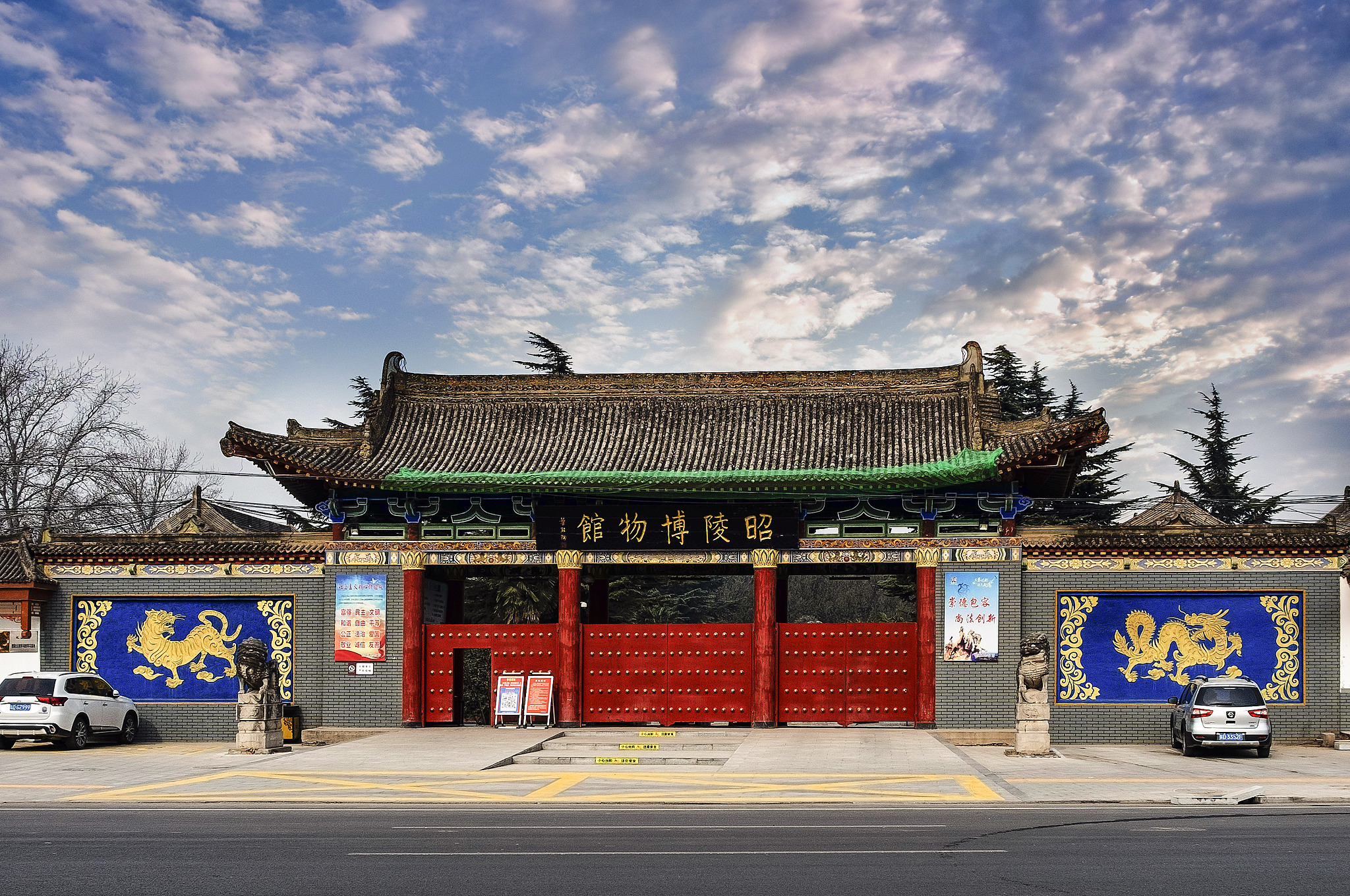
Zhaoling Museum is located in Xianyang City, Shaanxi Province. As a thematic museum dedicated to showcasing the history and culture of the Tang Dynasty, it is both a national 3A-level attraction and a key cultural relic protection unit of China. The museum was established based on the mausoleum of Emperor Taizong of Tang, Li Shimin – Zhaoling. As one of the most grand and well-preserved imperial tombs from ancient China, Zhaoling serves not only as a crucial historical site for Tang Dynasty research but also as a window for visitors to understand the glorious culture of the High Tang period. The museum showcases a vast collection of cultural relics, including stone carvings, pottery figurines, and gold/silver artifacts, vividly recreating the social landscape and artistic achievements of the Tang Dynasty. Particularly noteworthy are the Six Steeds of Zhao Mausoleum – these stone relief carvings have gained fame for their exquisite craftsmanship and historical significance, attracting numerous history enthusiasts and art researchers. During their visit, visitors can gain an in-depth understanding of the political, economic, cultural, and artistic achievements of the Tang Dynasty through multimedia displays and interactive experiences. Additionally, Zhaoling Museum offers professional guided tour services to help visitors better comprehend the historical stories behind the exhibits. Zhaoling Museum is not just a showcase of cultural heritage but also a cultural feast that immerses people in the long river of history, making it suitable for visitors of all ages to explore and learn.
-
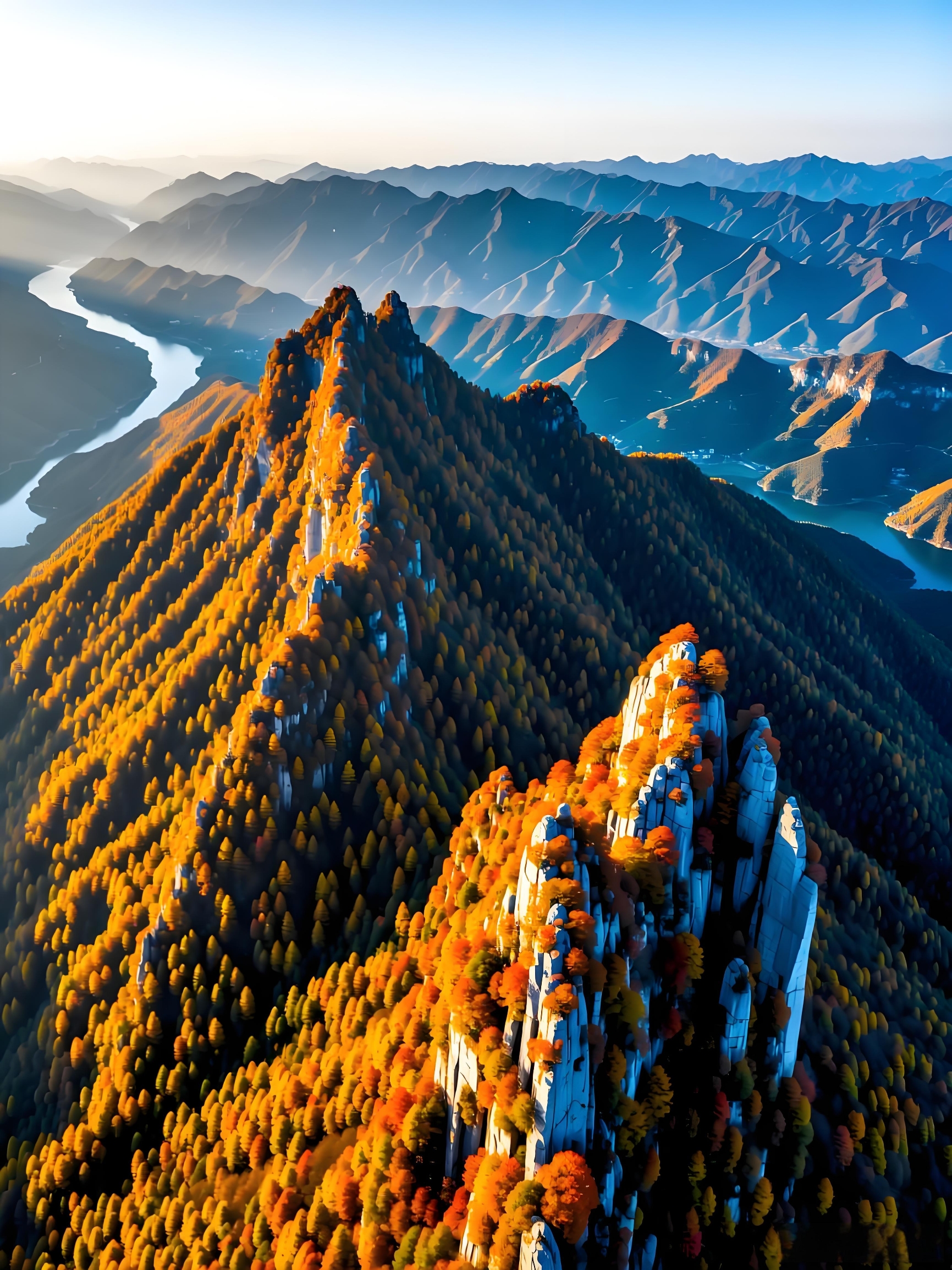
Longtou Mountain
Longtoushan is located on the main ridge of the Micang Mountains at the junction of Sichuan and Shaanxi provinces, and is one of the highest peaks in the Micang Mountains of the Dabashan mountain range, about 50 kilometers from Hanzhong city.The core facilities of the scenic area include: a detached, extreme-angle mountain sightseeing cableway with a total height difference of about 1,000 meters, which can reach the summit in 6 minutes; an outdoor sightseeing escalator with a total length of about 180 meters, shaped like a dragon winding through the mountains; and the Longtou Cloud Plank Road, about 3.5 kilometers long, spanning a cliff at an altitude of about 2,200 meters, where one can enjoy magnificent views of winding mountains and rolling seas of clouds.Longtoushan is known for its four wonders: strange rocks, sea of clouds, colorful forests, and rime ice, forming a four-season tourism pattern of “spring for rhododendron viewing, summer for escaping the heat, autumn for colorful forest viewing, and winter for skiing.” The scenic area also contains more than 30 attractions, including Hanwang Temple, Fairy Cave, and Jade Emperor Cave. In 2025, the scenic area added a “low-altitude flight” tour, allowing visitors to take a helicopter ride and enjoy panoramic views of the mountains and rivers from the clouds.
-
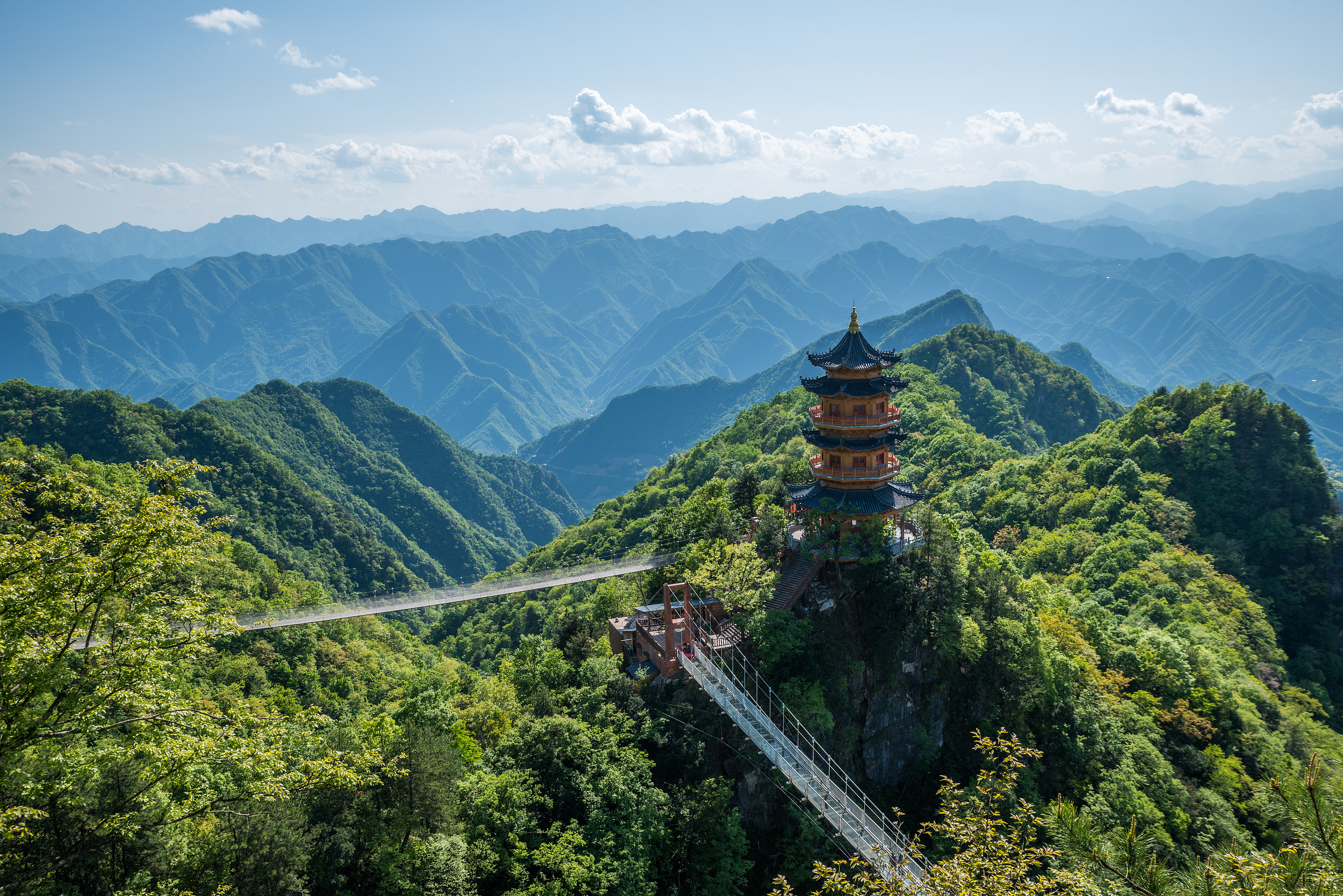
Tayun Mountain Scenic Spot
The shape of the Tayun Mountain scenic spot is like a pagoda rising into the sky. The Jinding Guanyin Temple, built on Tayun Mountain, faces abysses on three sides, and the display of superb architectural skills is amazing. On the left side of Tayun Mountain is the steep Chifeng Mountain. Standing on Chifeng Mountain, visitors can get a panoramic view of Tayun Mountain, a good place for visitors to rest. On the right side is the magnificent Dongfeng Mountain, with lush trees and appealing scenery.
-
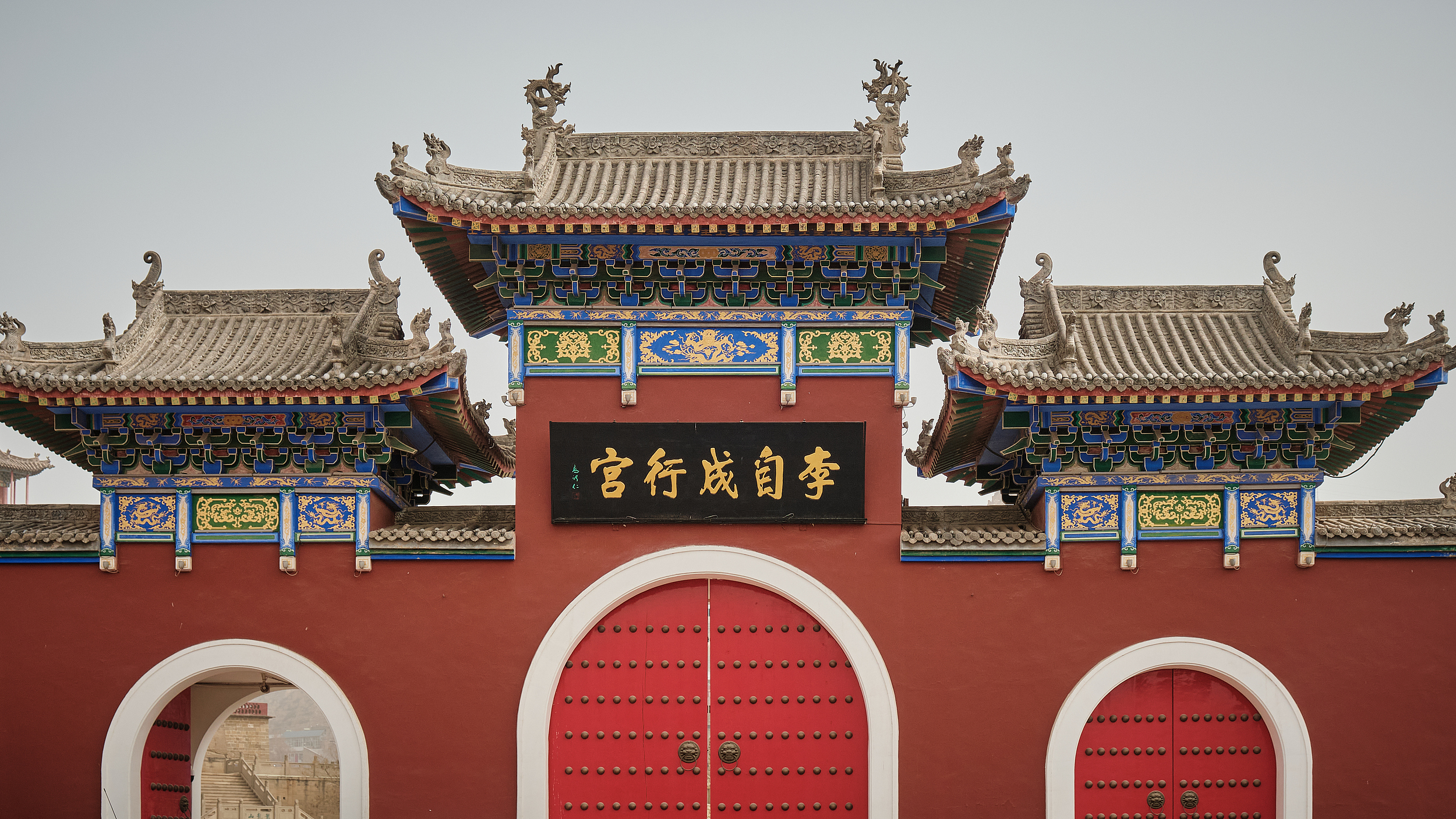
Palace of Li Zicheng
Li Zicheng Palace is located on Panlong Mountain in the north of Mizhi County, and is now included in the campus of Mizhi No. 1 Middle School. In the sixteenth year of Chongzhen in the Ming Dynasty, after Li Zicheng established the Dashun Kingdom in Xi’an, he ordered people to build a palace and an ancestral tomb here, and the name of the mountain came from this. The palace is exquisitely conceived and unique in shape. The main buildings are Le Lou, Plum Blossom Pavilion, Pengsheng Building, Yuhuang Pavilion, Qingxiang Hall and Beiqing Palace, etc. It is a unique palace garden tourist area in northern Shaanxi. There is also an exhibition of the revolutionary history of Mizhi women in the palace. Panlong Mountain was formerly known as Ma’an Mountain. During the Jiajing period of the Ming Dynasty, Zhenwu Patriarch Temple was built in the mountains. In the 16th year of Chongzhen (1643), after King Li Zicheng established the Dashun regime in Xi’an, he sent his nephew Li Guo back to Mizhi to sweep the tomb. Li Guo led 30,000 troops to station at the foot of the mountain, and expanded the Zhenwu Patriarch Temple on the mountain into a palace. In November of the same year, Li Zicheng personally led an army back to Mizhi to attend the funeral. He was very happy to see the majestic building of the palace, so he named the mountain Panlong Mountain, the main hall of the palace was Qixiang Hall, and the rear hall was Zhaoqing Palace. After the failure of Li Zicheng’s uprising, the local people built a statue of Zhenwu Patriarch to protect the buildings, and the palace was turned into a temple. In recent years, the local government has repaired the palace, restored its original scale and landscape, and established the Li Zicheng Memorial Hall to introduce his life and deeds. In the main hall, there is a FRP statue of Li Zicheng. At present, the Mizhi County Museum is also located in the palace, and the museum displays the Eastern Han Dynasty stone and other historical relics unearthed in Mizhi. From the front building that rises from the sky, you can see the mountains and rivers from afar.
-
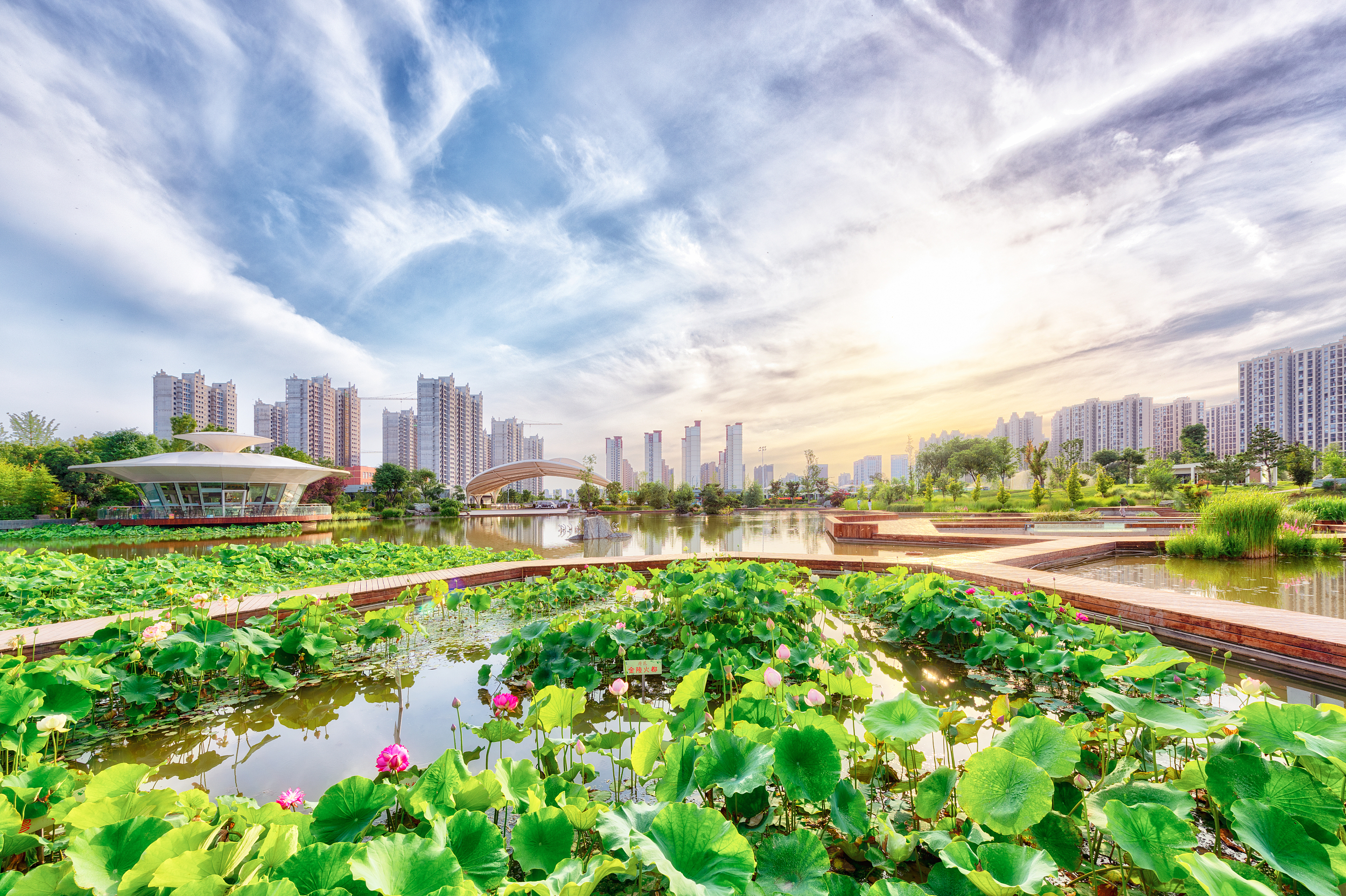
Xi’an Botanical Garden New District
Shaanxi ProvinceXi’an Botanical GardenEstablished in 1959, it is a comprehensive provincial-level research institution with core functions in botanical scientific research, plant germplasm resource collection and preservation, and botanical science popularization. It also serves public functions such as leisure tourism, environmental education, urban ecology, and disaster prevention. Located in Xi’an Botanical Garden New District within Qujiang New Area, it features distinctive gardens showcasing Shaanxi characteristics including the Qinling Garden, Silk Road Garden, Huashan Rock Garden, Forgotten Garden, and Systematic Garden.Rose GardenThe park features 11 specialized gardens including the Hundred Flowers Garden, Water Scenery Garden, Children’s Garden, and Herb Garden, housing a collection of over 4,000 plant species (including varieties). Xi’an Botanical GardenLeveraging its exceptional natural resources and continuous improvements, the botanical garden has been transformed into a year-round floral paradise where visitors can enjoy breathtaking blooms every month. From magnolias, cherry blossoms, and peach blossoms to tulips, roses, lotuses, water lilies, giant water lilies, chrysanthemums, and plum blossoms, each season brings its own floral spectacle. The garden offers four signature flower-themed activities: tulip viewing in spring, lotus appreciation in summer, chrysanthemum admiration in fall, and plum blossom hunting in winter. These seasonal highlights have established the garden as an influential green ecological brand.
-
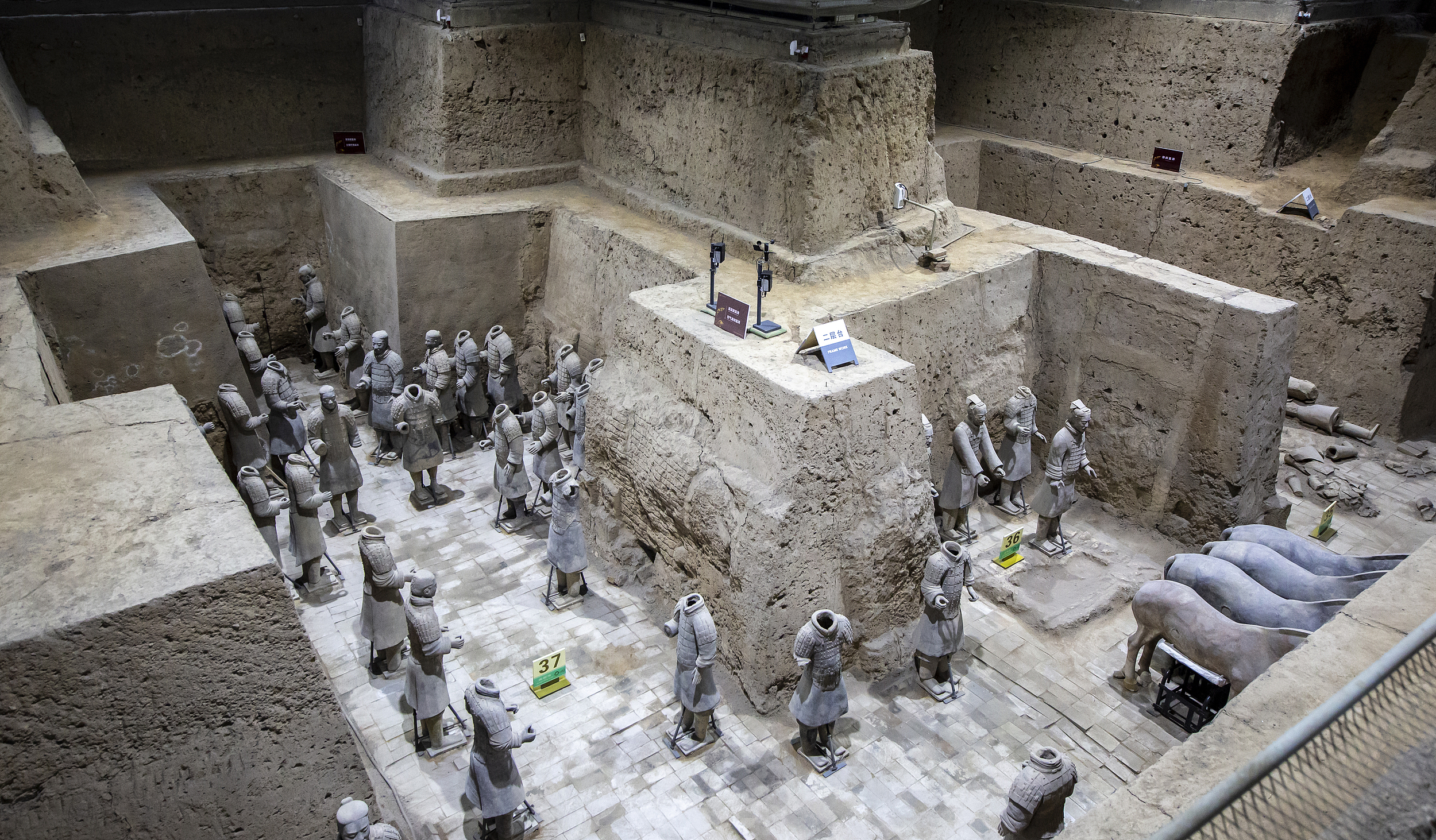
Terracotta Army Pit 3 Site
Following the No. 1 and No. 2 Terracotta Warriors and Horses Pits, on May 11, 1976, another burial pit was discovered 25 meters north of the west end of the No. 1 pit. According to the order of discovery, it was numbered as the No. 3 pit. The No. 3 pit of the Qin Shihuang Terracotta Warriors and Horses is located on the north side of the west end of the No. 1 pit, opposite to the No. 2 pit in the east and west, 25 meters south of the No. 1 pit, 120 meters east of the No. 2 pit, with an area of about 520 square meters. The overall shape is concave, consisting of north and south wing rooms and a carriage and horse house. There is a four-horse chariot and four terracotta warriors in the carriage and horse house. A total of 68 terracotta warriors and horses can be unearthed from the No. 3 pit. Judging from the internal layout of the No. 3 pit, it should be the headquarters of the No. 1 and No. 2 pits. The No. 3 pit is the only pit among the three pits that has not been burned by fire, so when it was unearthed, there are more painted remains on the pottery figurines, and the colors are brighter. In the wars before the Spring and Autumn Period and the Warring States Period, the commanders often had to lead the troops and charge into battle, so they often had to be in front of the troops. During the Spring and Autumn Period and the Warring States Period, as the scale of wars increased and the methods of warfare changed, the position of the commander began to move to the central army. The Qin Dynasty separated the command from the central army, which was a major step forward in the development of military tactics. The command was separated to study and formulate a rigorous combat plan, and more importantly, the personal safety of the commander was further guaranteed. This is an important sign of the maturity of ancient military tactics. The building structure, the arrangement of pottery figurines, the equipment of weapons, and the unearthed cultural relics all have certain characteristics. It provides precious information for studying the ancient command structure, divination and battle rituals, the system of commanding generals, and the clothing and equipment of the supporting uniforms.
-
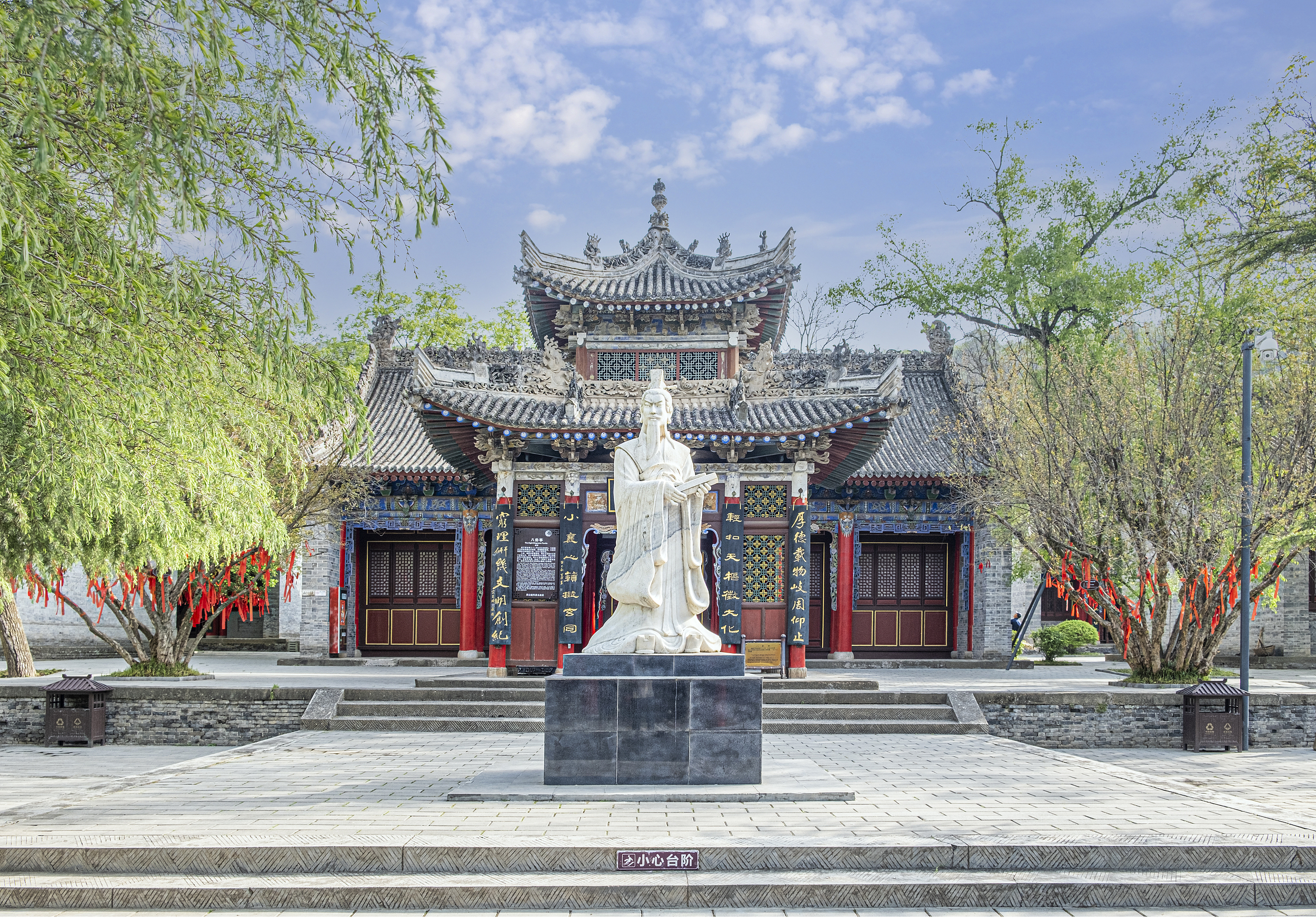
Zhou Gong Temple
Zhou Gong Temple lies in the south foot of Phoenix Mountain, in the northwest of Qishan County, Baoji City, and is one of the key historical relics protection organizations at the provincial level as well as a scenic spot at the provincial level. The scenic spot boasts hills surrounded on three sides, leaving only the south connecting with the plain. Qishan is the origin of Zhou royalty, and many poets and literary men once traveled here and left their famous literature works that made this place well-known.