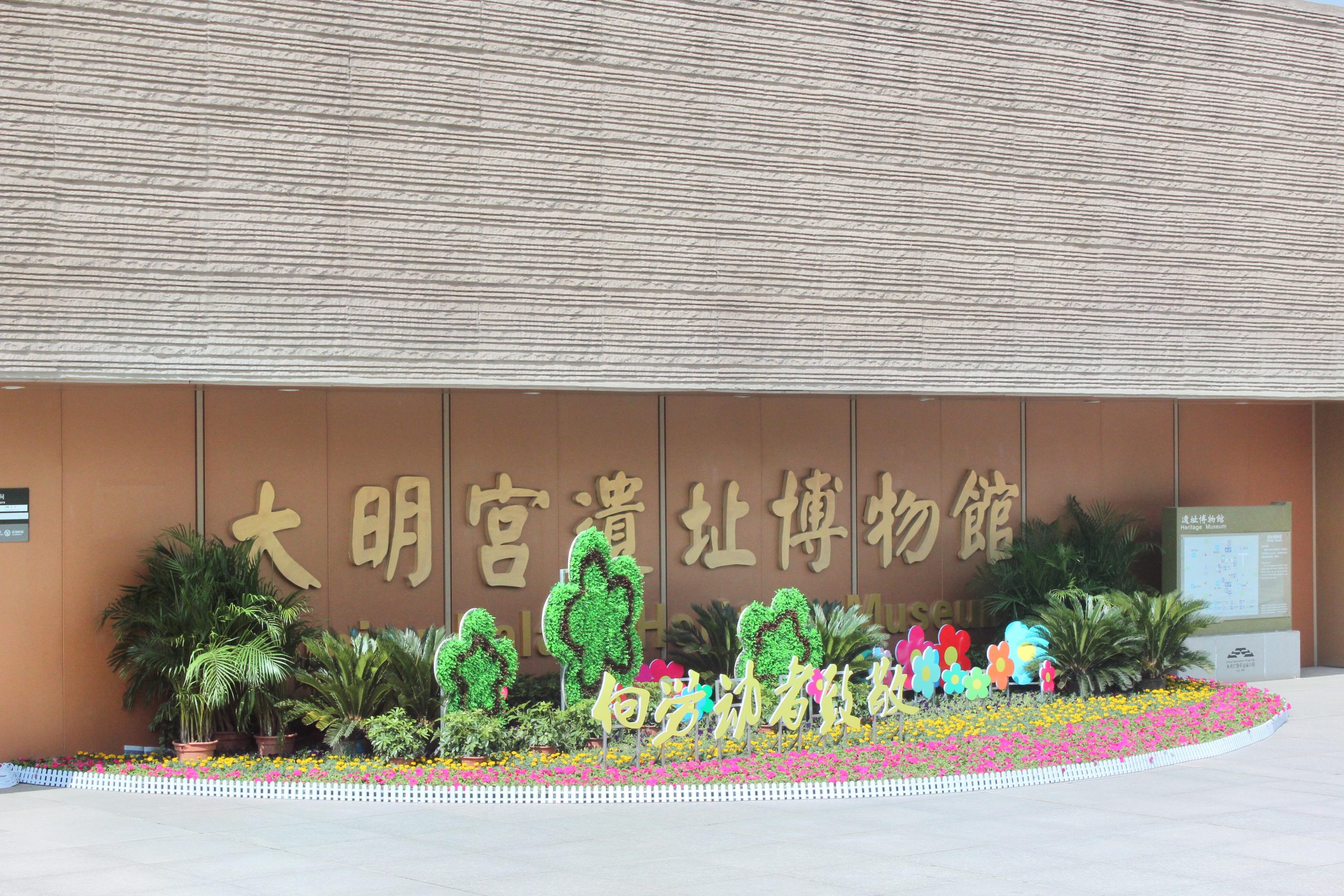
The Daming Palace Site Museum is situated on the ground floor of the Central Axis Landscape Center of Daming Palace National Heritage Park. It is composed with a semi-underground structure. This is an extensive historical center with the theme of showing the history and culture of the Daming Palace in the Tang Dynasty. The presentation corridors, the Palace of the Thousand Palaces, the Rising Sun,the kingdom of the world, and the Watching Splendid Halls showed the social relics uncovered from the site of the Daming Palace, related materials, machines, utensils, and so on utilized by Datang Royal.
归档: Attractions
-
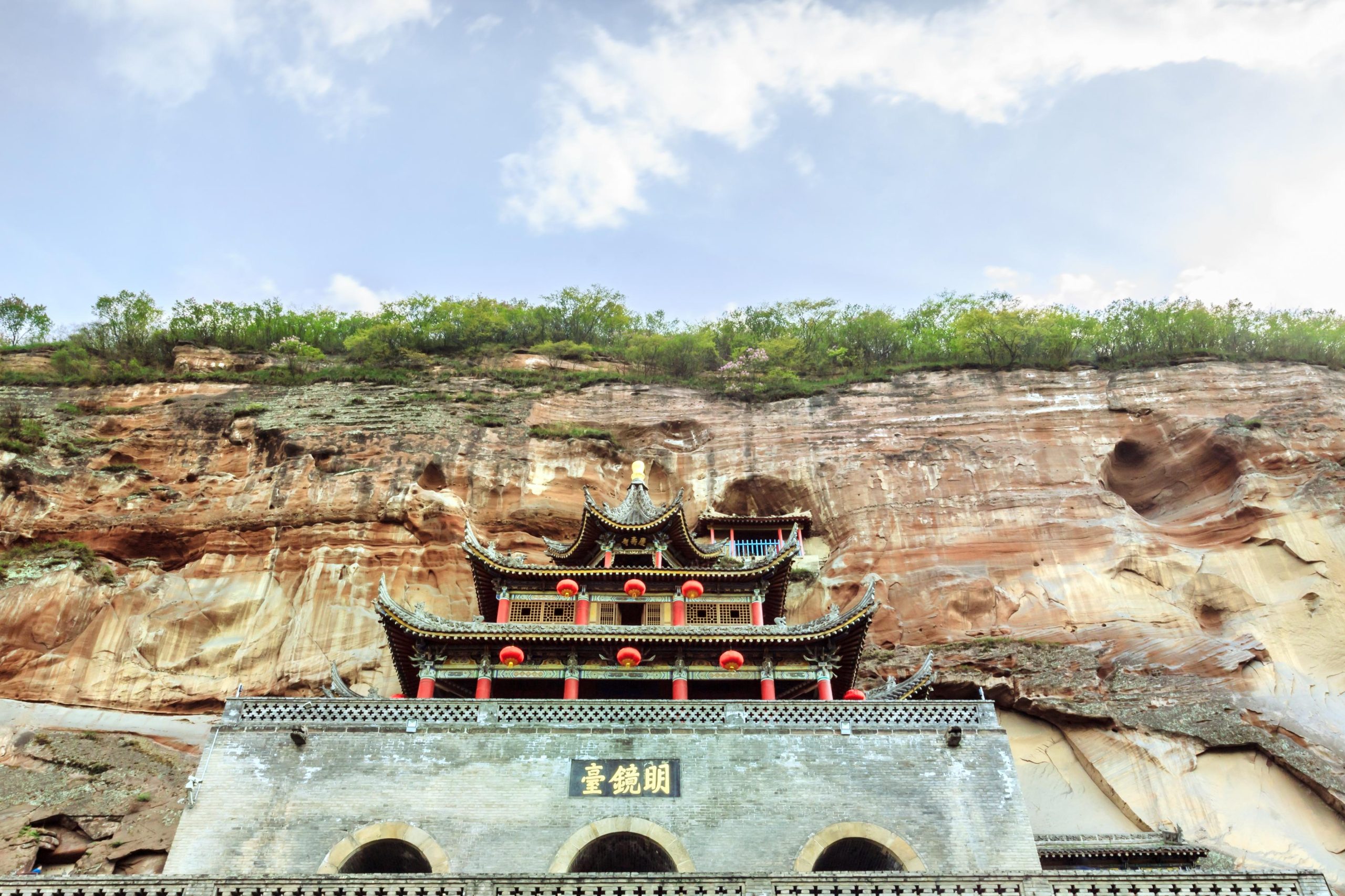
Bin County Cave Temple
Dafosi Grottoes is located at the foot of Mount Qingliang in Binxian County, Xianyang. It was built in the second year of the Zhenguan period during the Tang Dynasty (628 AD). Dafo Temple was originally named Qingshou Temple. The cave of the cliff was used to make stone statues, and over 1000 statues of different sizes have been made. Tang Emperor Li Shiming had it built for the soldiers who perished in the Chenzhou Qianshuiyuan Battle. It is now a Major Historical and Cultural Site Protected at the National Level.
-
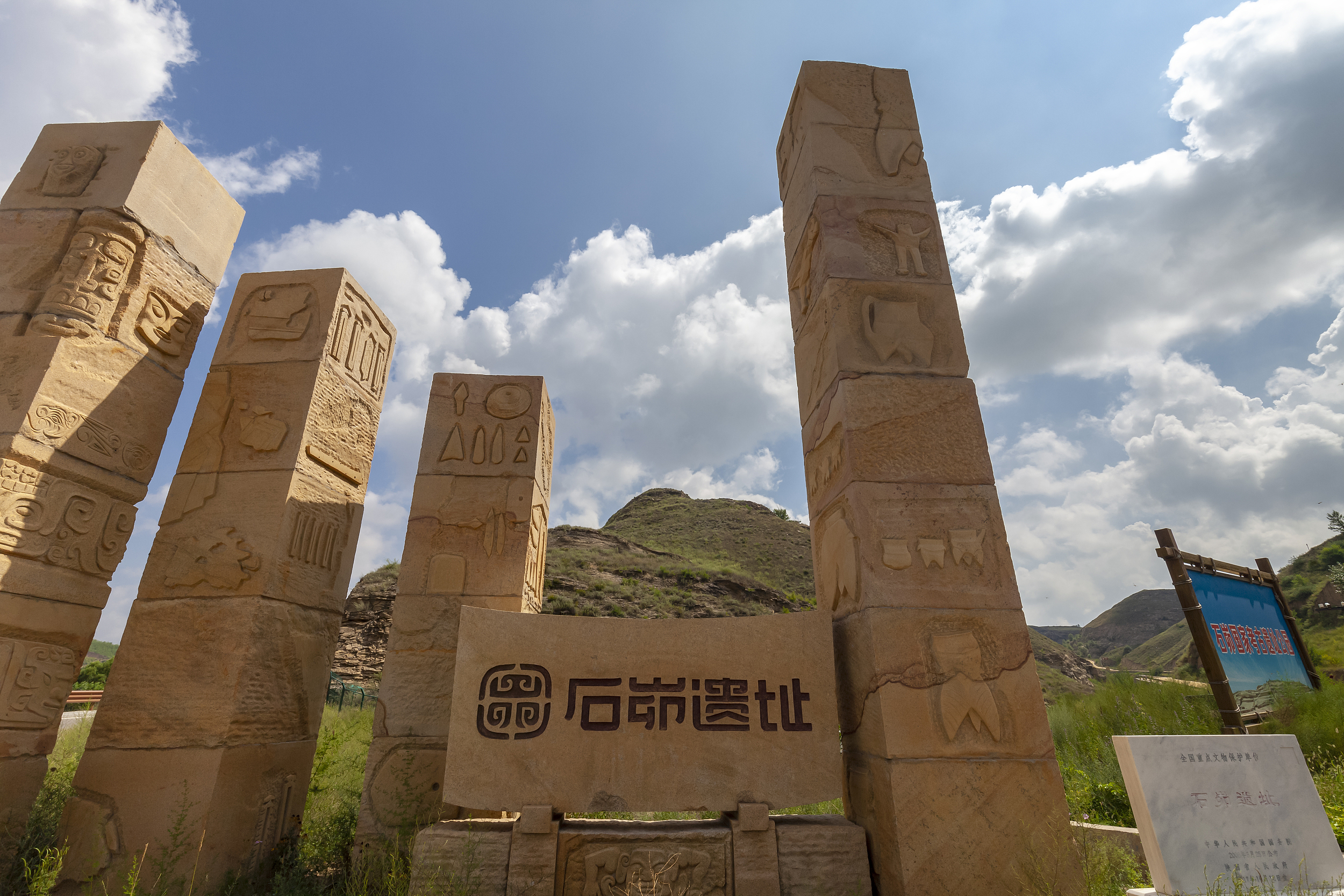
Shimao Ruins of Shenmu
The Shenmu Shimao (mǎo) site is a large-scale city site discovered in China from the late Longshan to the early Xia period. It is located on the north side of the Tuwei River in Shimao Village, Gaojiabao Town, Shenmu County, Yulin City, Shaanxi Province, on the northern edge of the Loess Plateau in northern Shaanxi. The Shimao site is about 4,000 years old and covers an area of about 4.25 million square meters. This former “stone city” has a lifespan of more than 300 years. In 1976, when Dai Yingxin, a professor of the Department of Archaeology at Northwestern University, was conducting an investigation in Shanxi, he heard some information about Shenmu Shimao from Shanxi folks, and went to Shimao to investigate. Since then, archaeological teams from Xi’an and Beijing have carried out archaeological excavations. . In 2006, Shenmu Shimao was announced as a national key cultural relics protection unit. The Shimao site was selected as “The Eve of Chinese Civilization” among the top ten new archaeological discoveries in 2012, “the world’s top ten field archaeological discoveries” and “the world’s major archaeological discoveries in the 21st century”.
-

Zhaojin International Ski Resort
Zhaojin International Ski Resort sits on the east side of Zhaojin, a noted revolutionary tourism town. It is close to Zhaojin Ranch and is divided into four main parts: the main skiing area, the ice and snow entertainment area, the leisure services area as well as the supporting facilities area. There are a number of ski trails in the resort, including advanced, intermediate, and practice trails as well as sledding trails. The transport system also incorporates the Magic Carpet, cable cars, practice tracks, primary tracks, high-grade tracks and single-lane tracks. Regardless of the way you choose to go, the tracks will lead to happiness.
-
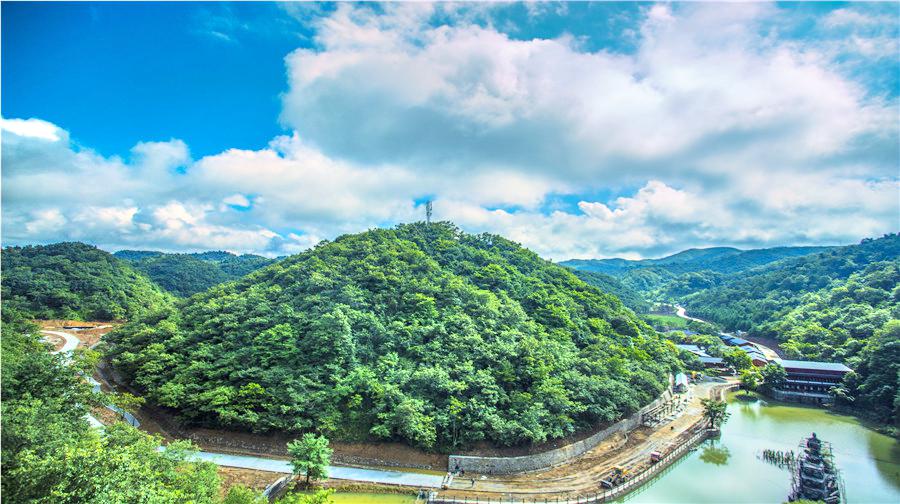
Hanjiang Source Scenic Area
Shaanxi Hanjiang Source Scenic Area Tourism Development Co., Ltd. was established in June 2017. It is responsible for the comprehensive development and operation of the Hanjiang Source Scenic Area in Shaanxi. It plans to invest 1.5 billion yuan and is committed to building the Hanjiang Source Scenic Area into a national 5A-level tourist attraction and ecological health resort. resort. The Hanjiang Source Scenic Area is the source of the Hanjiang River, a tributary of the Yangtze River, and a water source protection area for the National South-to-North Water Diversion Project. The scenic spot is located at the junction of Sichuan and Shaanxi in the southwest of Ningqiang County, Shaanxi Province, known as the “No. 1 City on the Han River in Three Thousand Miles”. The scenic spot has a total area of more than 8,360 hectares, with an altitude of 900 to 1,859 meters. The climate is mild and the negative oxygen ions are as high as 27,000/cm³. , the forest coverage rate reaches 97%. There are more than 3,000 species of wild plants and nearly 100 species of wild animals. It is an important biological gene bank in the Qinba Mountains. The superior ecology has added to the reputation of the scenic spot as “China’s natural oxygen bar”, “national tourist and leisure resort” and “cool summer resort”. The Beijing-Kunming Expressway, Xicheng-Chengdu High-speed Railway and National Highway 108 pass through the area, making the transportation very convenient. The scenic spot is characterized by steep mountains, luxuriant forests, secluded waters and wonderful scenery. It contains the majestic scenery of the Three Qin Dynasty, integrating the beautiful mountains and rivers with the cultural landscape. It has formed the Jingang Gorge Adventure Area, Xiangba Health Resort, Sipingli Religious and Cultural Area, Laolingou Leisure and Sightseeing Area, and Moon Lake Resort Villa. Among them, the unique attractions include Shuanglong Waterfall, Feihong Waterfall, Cliff Waterfall, Earth Crack Wonder, Golden Toad Zhao Rui, Stone Tank Youtan, Tianxiang Lake, Tianxia Xuanmen, Shengshou Temple, Moon Lake and other wonders that are fascinating; the newly added Ski resorts, intangible cultural heritage performances, sea of clouds cableway, glass suspension bridges, jungle slides, grass skiing rinks, seven-star flying snow, Internet celebrity paradise and children’s play areas and other entertainment facilities make tourists linger. Since the scenic spot reopened in 2019, it has won the title of “National 4A Tourist Attraction” and “Shaanxi Province Safe Scenic Spot”. The scenic spot has fulfilled its original intention and mission and made due contributions to local economic development and cultural tourism. The construction of the scenic spot has also promoted the inheritance and development of Qiang Han culture. The source of the Han River reflects the auspiciousness of the Han Dynasty and the colorful rivers below. It has become a sacred place in China. In spring, you can see hundreds of flowers blooming, in summer you can enjoy comfort and coolness, in autumn you can enjoy the red leaves on the mountain, and in winter you can see the world of ice and snow, just like a fairyland. In the paintings, people can truly feel the comfort of returning to nature and the unity of nature and man. Hanjiangyuan Scenic Spot has become a new business card showing the local tourism image!
-
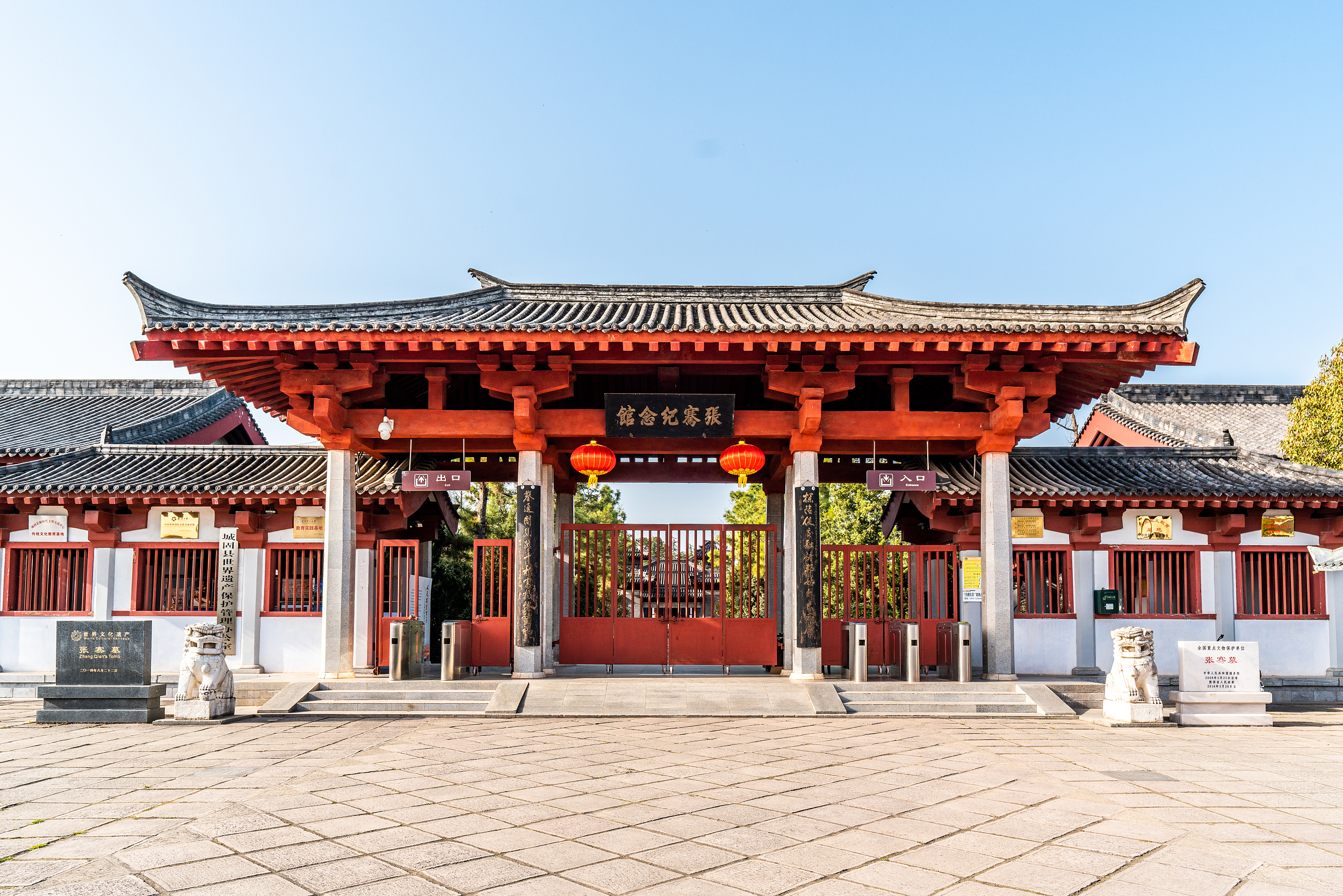
Tomb of Zhang Qian
This is the cemetery of Zhang Qian, a famous diplomat, traveler and explorer in the Western Han Dynasty, the pioneer of the “Silk Road”. The tomb is surrounded by ancient cypresses. The whole cemetery is symmetrically distributed with the Xiandian as the central axis. In front of the tomb, a pair of stone tigers from the Han Dynasty are rough in carving, majestic in posture and generous in pattern. There are large murals painted by the famous calligrapher and painter Zhang Chongguang in the Hall of Xian. The east and west side halls are the exhibition rooms, and the exhibition of “Zhang Qian’s Life and Great Achievements” and the folk art exhibition with distinctive southern Shaanxi characteristics are held respectively. The Que-style gate is made of blue bricks and tiles, simple and elegant. The two ques are opposite to each other.
-
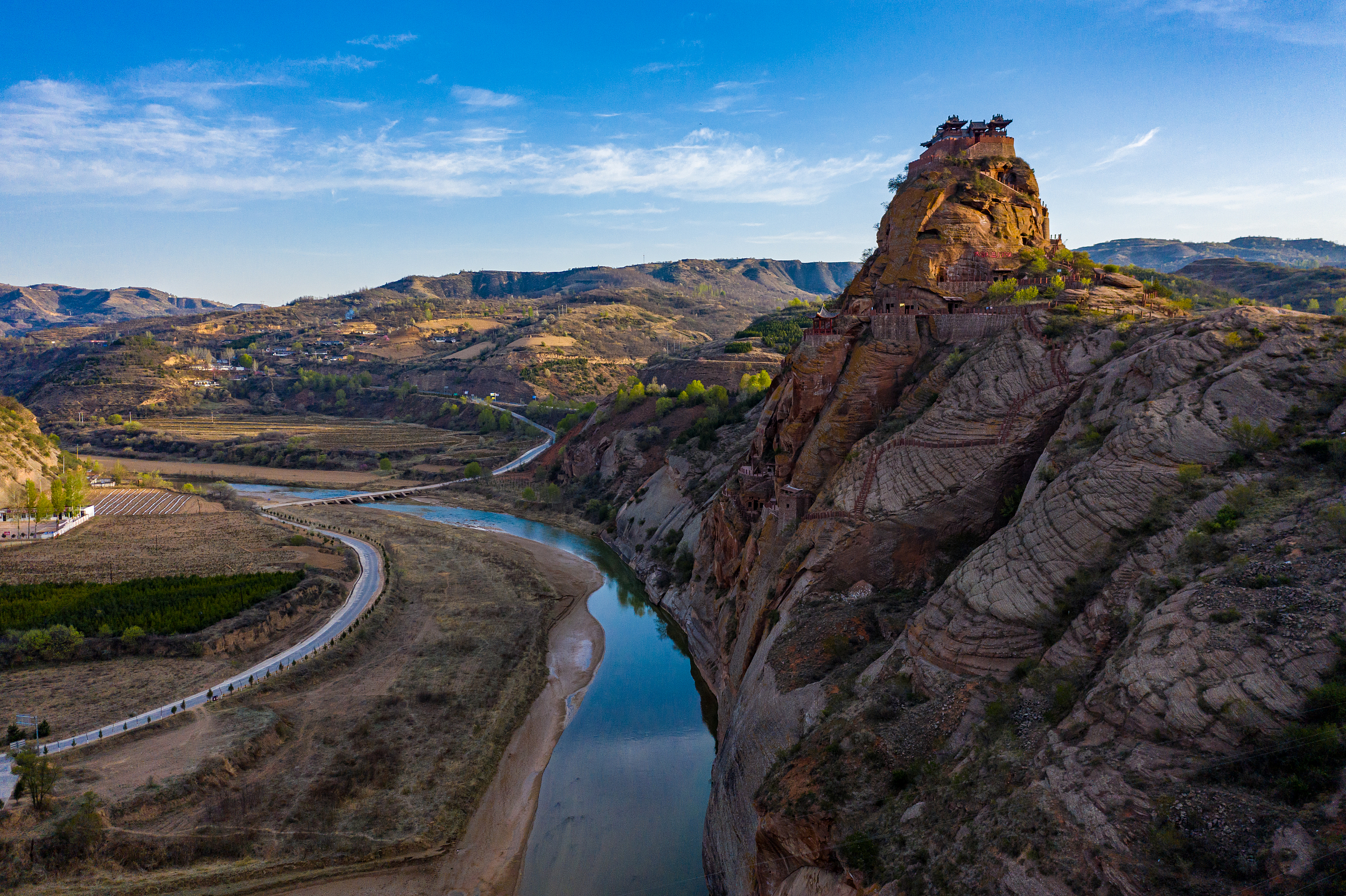
Yongning Mountain Ancient Village
Yongning Mountain Village is located on Yongning Mountain, 28 kilometers south of Zhidan County. It is an ancient village on a cliff. Yongning Mountain is 1312 meters above sea level and runs from east to west. It is about 2.2 kilometers long and 1.5 kilometers wide. The cliffs are very dangerous. As early as the Song Dynasty, this military fortress was built on the mountain to prevent the northern army from invading the south. Before liberation, it was once the station of the Red Army in Baoan County. After the Long March of the Red Army arrived in northern Shaanxi, the chairman and Liu Zhidan also met here.
-
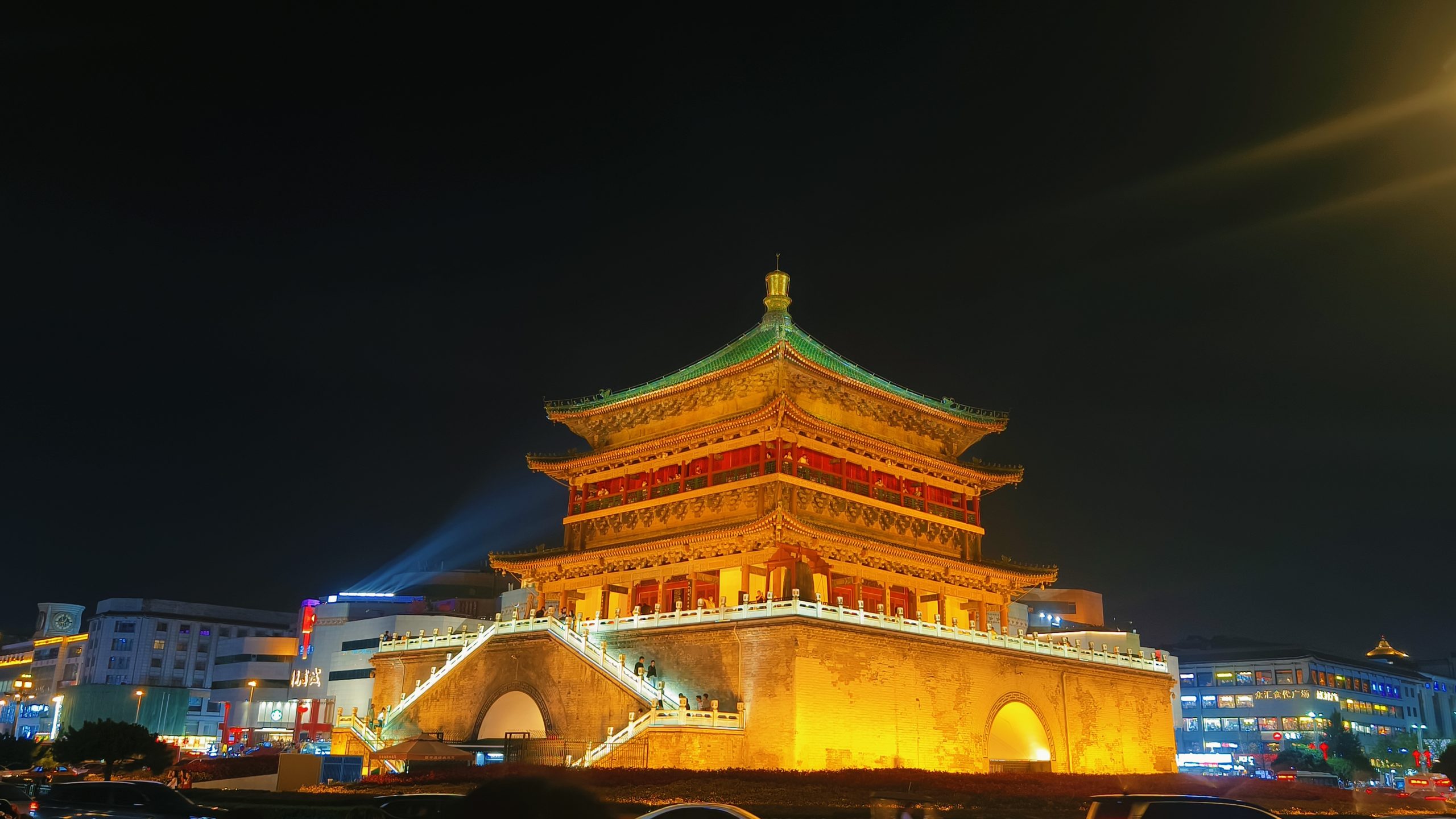
Bell Tower of Xi’an
The Bell Tower, located at No. 49 Paofang Street, Beilin District, Xi’an, Shaanxi Province, is situated symmetrically with the Drum Tower on the east and west sides, behind the mountain gate and in front of the Hall of Heavenly Kings. It is an important building in the temple’s layout. Wangji Temple was first built in the first year of the Shenlong era of the Tang Dynasty (705 AD) as a royal temple built by Princess Taiping to pray for the well-being of her mother, Empress Wu Zetian. The Bell Tower has undergone numerous repairs and destructions throughout history; the existing tower is a recent reconstruction. Its architectural style is antique and elegant, with upturned eaves and roof ornaments, giving it a dignified and refined overall structure. The Bell Tower and Drum Tower echo each other from the east and west, forming the traditional “morning bell and evening drum” pattern. Behind the Bell Tower are the Guest Hall, the Hall of the God of Wealth, and other buildings, which, together with the Mahavira Hall and the Dharma Hall, constitute a complete temple layout. Wangji Temple, where the Bell Tower is located, is now a nunnery, a tranquil haven amidst the bustling Dongguan area of Xi’an.
-
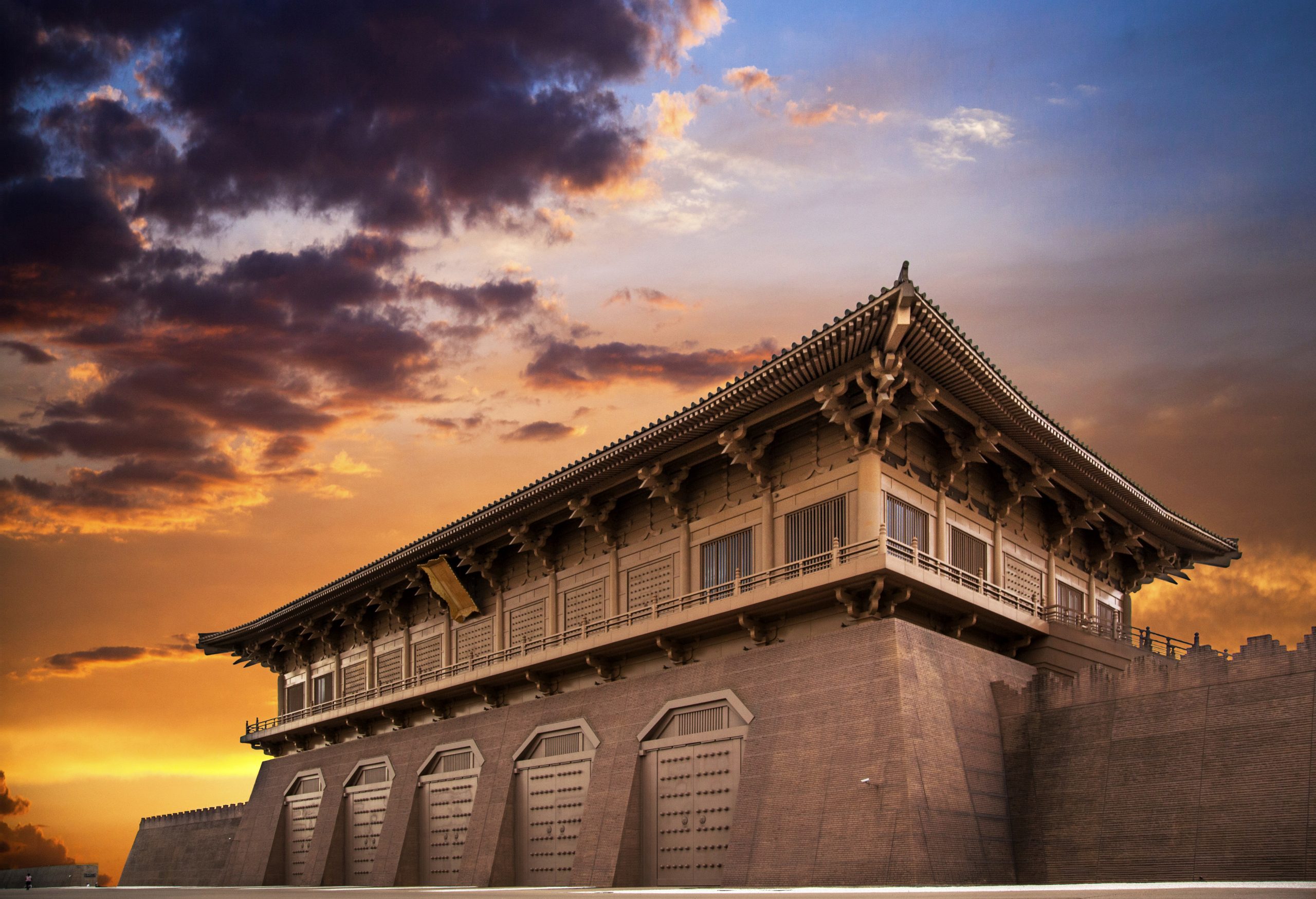
Daming Palace National Heritage Park Danfengmen Ruins Museum
Daming Palace National Heritage Park Danfengmen Ruins Museum focuses on the preservation and display of the ruins as its main exhibition, combined with supplementary displays and multifunctional areas. It serves as a ruins museum integrating education, research, sightseeing, and leisure, while blending modern design, technology, architecture, and art. The museum officially opened to the public on October 1, 2010, along with Daming Palace Heritage Park. Danyang Gate was the main southern entrance to the Daming Palace, the iconic landmark of Chang’an City during the Tang Dynasty. As a masterpiece of Tang-era gate architecture, it was constructed in 662 AD during Emperor Gaozong’s large-scale expansion of the Daming Palace and was destroyed in the wars of the late Tang period. The well-preserved ruins of Danyang Gate maintain clear structural integrity and contain rich historical significance, holding immense archaeological and cultural value as precious physical evidence for studying Tang history and ancient Chinese architecture. As the southern gate of Daming Palace, Danfengmen features five gateways with an upper gate tower where emperors often proclaimed amnesties after ascending the throne. Imperial ceremonies like investitures and tribute receptions were also held here, giving it significant historical importance. The Daming Palace National Heritage Park Danfengmen Ruins Museum employs modern technologies such as virtual reality and multimedia displays to recreate historical scenes of Danfengmen, allowing visitors to experience the Tang Dynasty imperial court as if transported back a thousand years. Whether you’re a history enthusiast, architecture researcher, or visitor interested in ancient Chinese culture, Daming Palace National Heritage Park Danfengmen Ruins Museum is the perfect place to explore ancient Chinese palace architecture, discover the glorious history of the Tang Dynasty, and experience cultural charm.
-
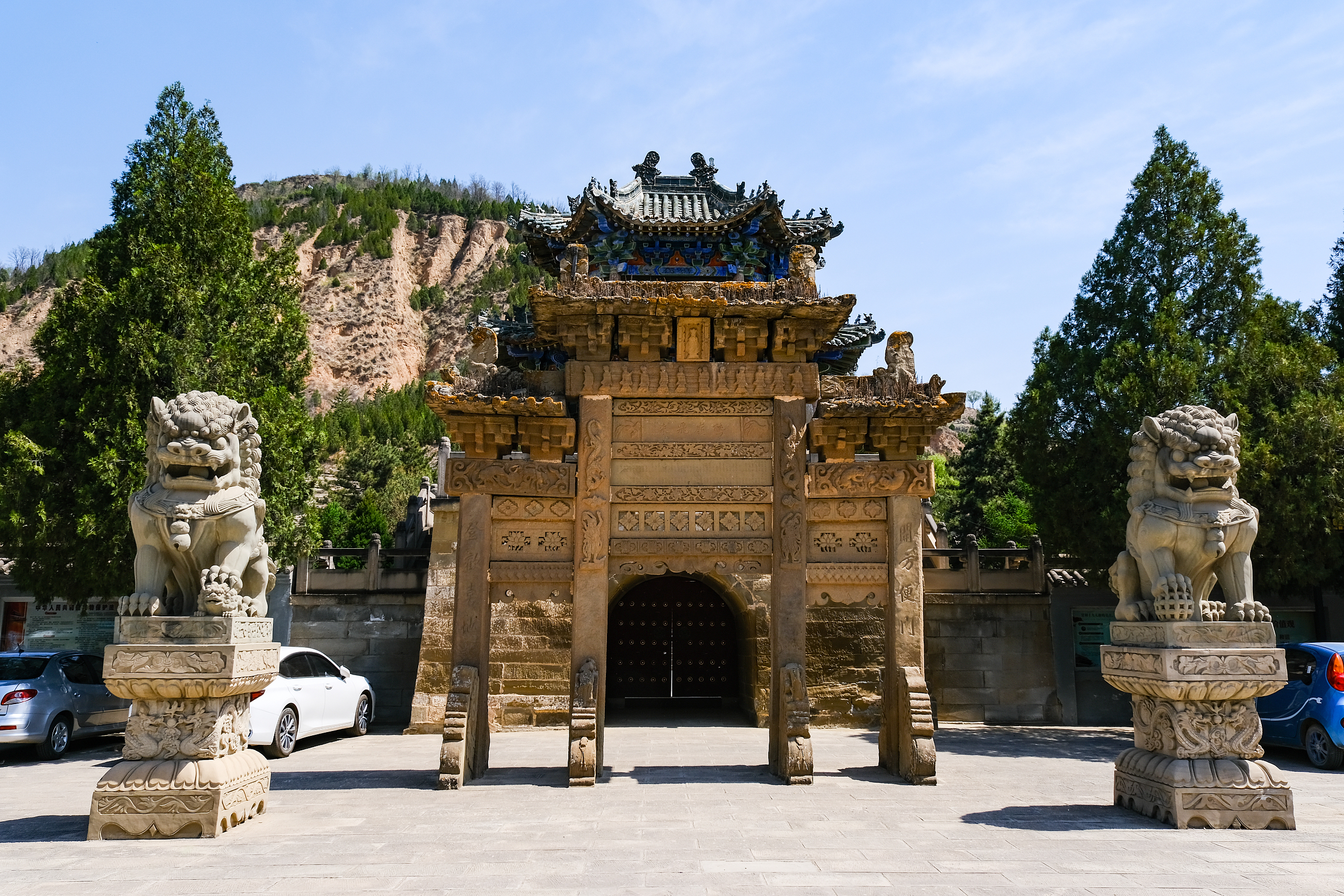
Zhongshan Grottoes
Zhongshan Grottoes are also known as “Pujiyuan”, “Puji Temple”, “Shigong Temple” and “Wanfoyan”. It was built in the Song Dynasty and was built over a thousand years in the Tang, Song, Jin, Yuan, Ming, and Qing dynasties. According to historical records, there are 18 caves. Now only five caves have been excavated, all of which are national cultural relics. The entire grotto is built on the mountain, sitting north to south. It is connected to the Qingfeng Mingyue Theater in the east, the Xiuyan River in the south, and the ancient city of Anding in the west. The scenic area includes five parts: Zhongshan Grottoes, Xiaosi Palace, Grotto Temple Brick Pagoda, Huishan Great Monk Futu Pagoda, and Songyan Great Zen Master Futu Pagoda. There are more than 10,000 Buddha statues in the grotto, so it is called Wanfoyan, which was built in 1067 in the Song Dynasty). The relief Buddha statues are patchwork and fine workmanship. Chinese and foreign scholars believe that its historical value and artistic value are not lower than those of Yungang Grottoes, Longmen Grottoes and Dunhuang Mogao Grottoes. Known as “the rare grotto in the world” and “the second Dunhuang”, it has high historical, scientific and artistic value.