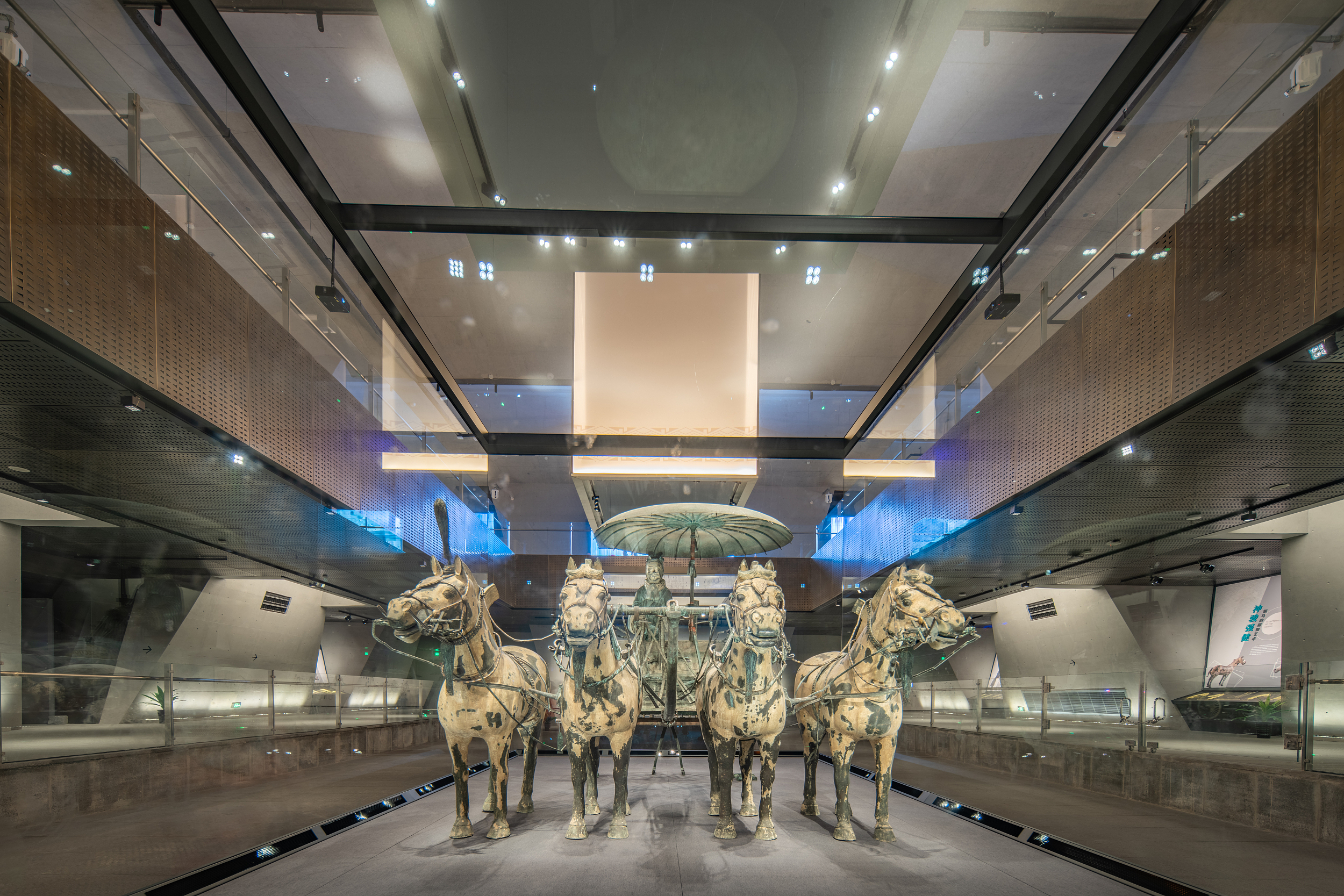
The Qinling bronze horse was found in the west side of the Qin Shi Emperor’s Mausoleum. It was a big painted copper horse, positioned one after the other in a wooden case. Although it was crushed by the earth when it was excavated, there was no major change in the original position, The vehicle and horse components are basically complete.This is our archaeological history found earlier, larger size, preservation of a more complete bronze horse.
归档: Attractions
-
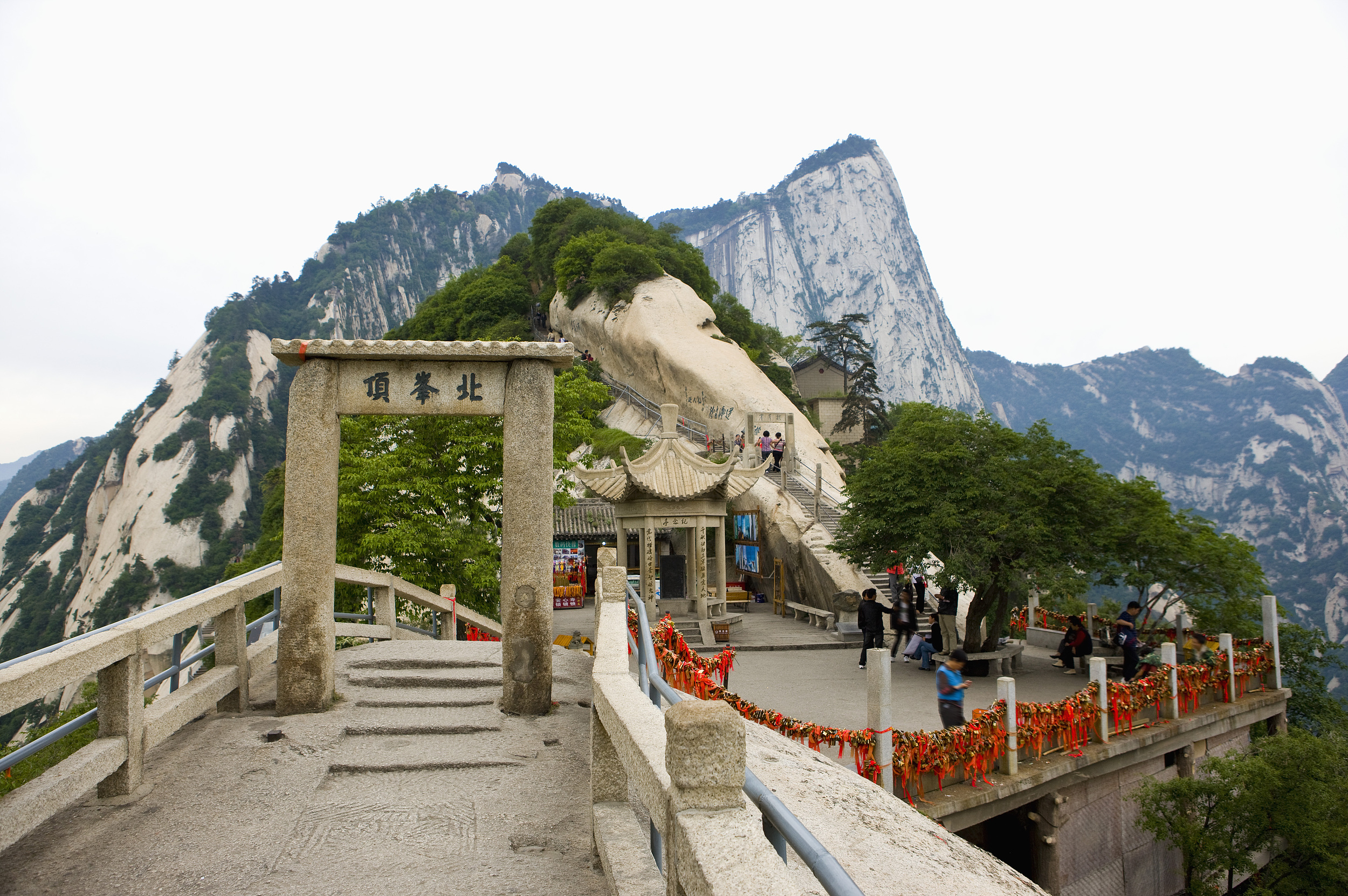
Mount Hua North Peak
Huashan North Peak, also known as Yuntai Peak, is one of the five peaks of Mount Huashan. It has an altitude of 1,614.9 meters and is named after its northern location.Key Features:Steepness and Vision:The North Peak is sheer on three sides, with only one mountain ridge leading to the main peak on the south side. It is known as the “Yuntai Fairyland”. The top platform is open, overlooking the Huashan Canyon and the continuous peaks. It is the best place to enjoy the panoramic view of Huashan.Canglong Ridge: A famous dangerous path connecting the North Peak and the Main Peak, shaped like a dragon’s spine, with abysses on both sides, it is thrilling and dangerous to walk on it.2. Human landscape:Zhenwu Hall: The Taoist temple on the top of the peak is dedicated to the Great Emperor Zhenwu, and incense is always burning.Jin Yong’s inscriptions: On the top of the peak stands a stone tablet inscribed with “Swordsmanship on Mount Huashan” written by Mr. Jin Yong, which pays tribute to the martial arts culture and has become a popular check-in spot for tourists.3. Mountaineering routes:Beifeng is a must-pass place on the traditional mountain climbing route. It can be reached by hiking for about 4-6 hours from Yuquanyuan. You can also take the Beifeng Cableway (Sante Cableway) directly to the peak. It is suitable for tourists with limited physical strength or tight time.
-
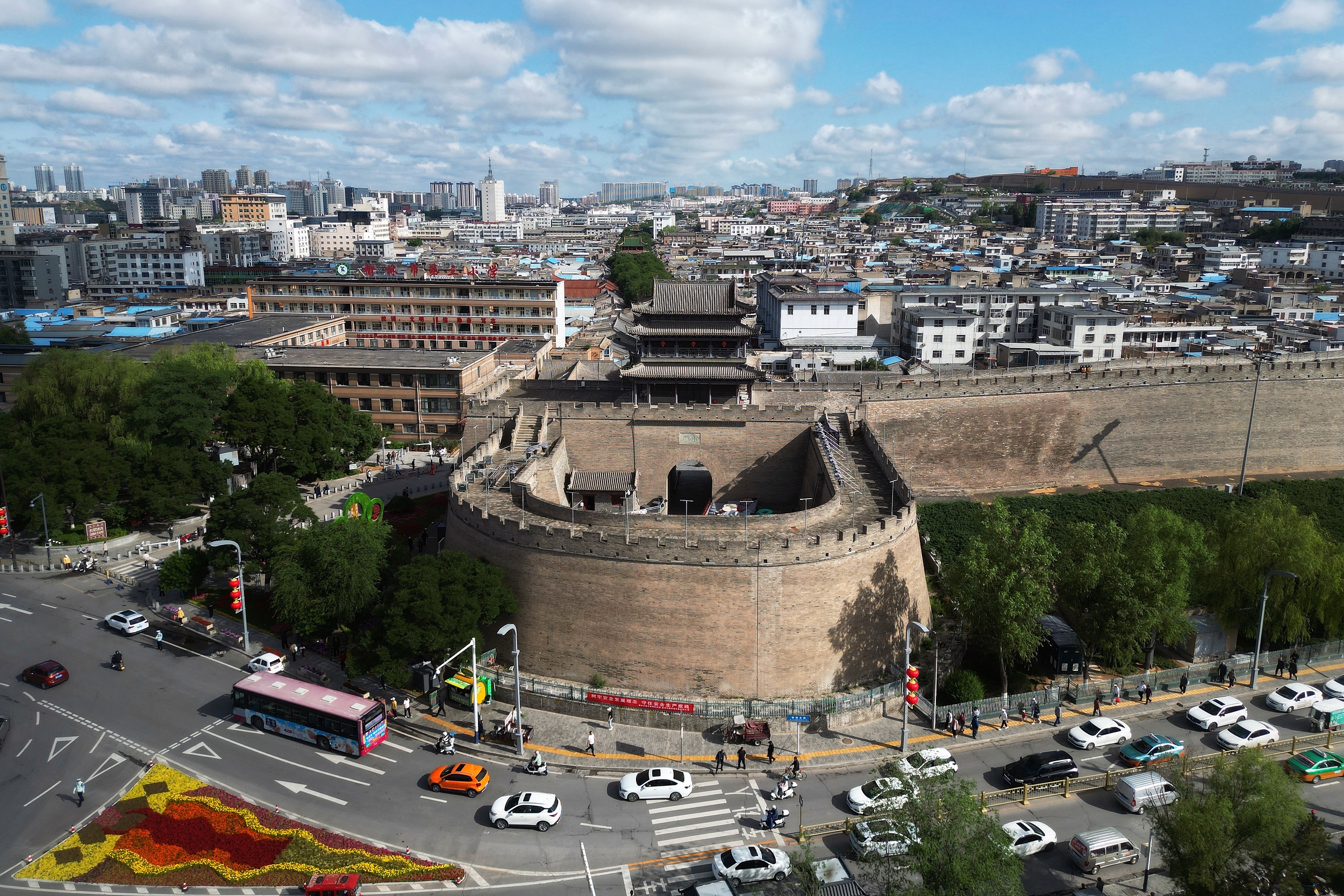
Yulin Ancient City
Located in northern Shaanxi, Yulin Ancient City is a city steeped in historical memory and regional culture, perfect for visitors interested in historical architecture and local customs. The city retains many architectural features from the Ming and Qing dynasties, with neatly laid out streets and winding bluestone paths. The residential buildings, mostly brick and wood, feature overhanging eaves and carved window lattices, showcasing the rustic elegance of a northern ancient city. Sections of the ancient city wall still remain in some areas. Though weathered by time, they still offer a sense of its former defensive structure. Walking along the wall trails, visitors can overlook the towering houses within the ancient city and gaze out across the surrounding landscape, experiencing a fusion of natural and cultural landscapes. Around the ancient city, numerous shops and exhibition halls with local characteristics offer visitors a glimpse into Yulin’s history and local customs. In addition, the atmosphere of the ancient city in the early morning and evening is particularly soothing. The morning light or sunset shines on the old buildings, and the interweaving of light and shadow makes it easier for people to immerse themselves in the tranquility and solemnity of the ancient city. Whether strolling through the streets, visiting buildings, or experiencing local cuisine, you can gain a travel experience close to history and folk customs.
-
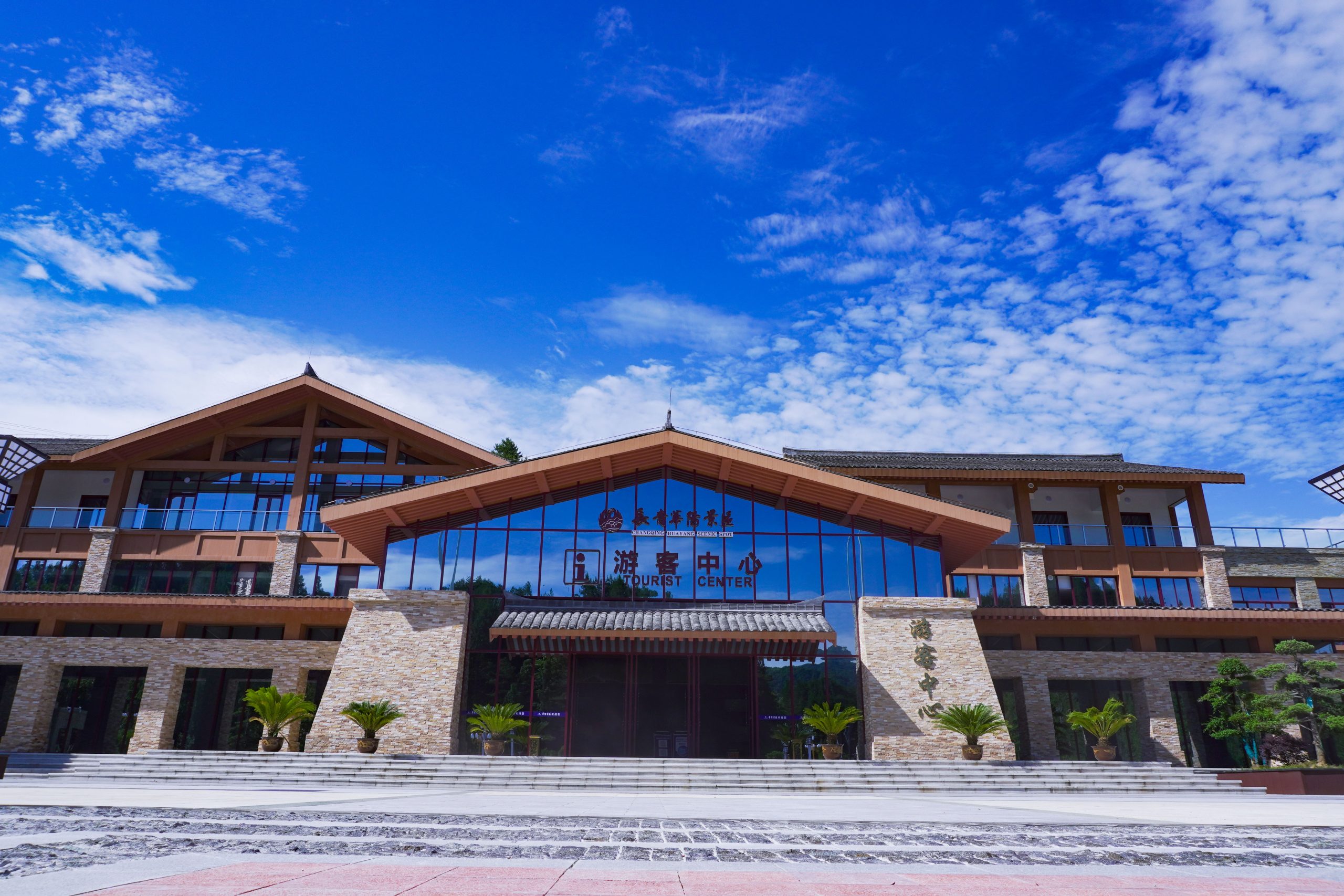
Changqing Huayang Scenic Spot
The history of Huayang Ancient Town dates back to the Warring States Period (475–221 BCE). It was an important military and economic hub. The old town has over 300 well-preserved Ming and Qing dynasty buildings, including official residences, guest houses, and pawnshops. Visitors can also see the ruins of the old city wall as well as a tower and theater that date from the Song and Yuan dynasties. It is one of only a few mountainside towns with a rich history.
-
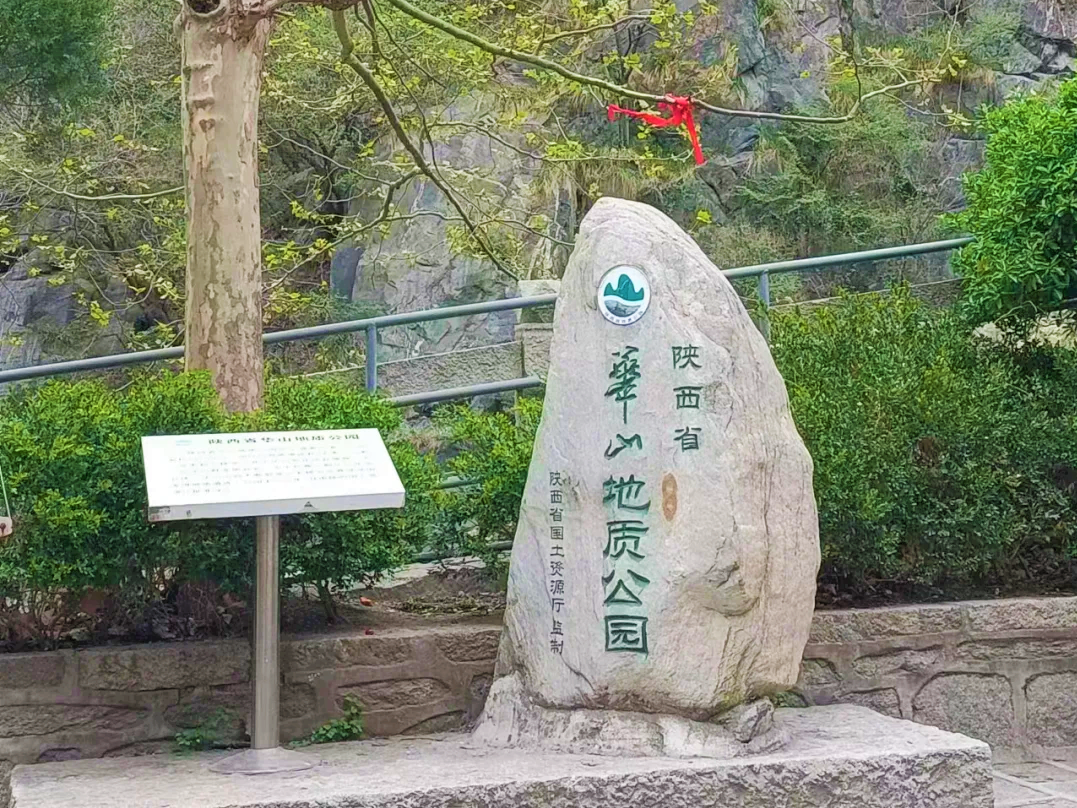
Huashan Scenic Area – Huashan Geopark
The Huashan Scenic Area – Huashan Geopark is located in Shaanxi Province and is a tourist destination known for its magnificent natural landscape and rich geological features. Huashan attracts many adventurers and nature lovers with its steep peaks and arduous climbing paths. The rock formations and landforms in the Geopark show the geological evolution process over billions of years and provide valuable resources for geological research. Visitors can explore the main attractions of Huashan, such as the East Peak, West Peak, South Peak and North Peak along well-marked trails, each of which offers different perspectives and spectacular views. Huashan’s dangerous paths, such as the “Thousand-foot Chuang” and “Hundred-foot Gorge”, are a self-challenging choice, so please pay attention to safety and wear appropriate equipment. There are several viewing platforms and rest areas in the park for visitors to rest and enjoy the scenery during the climb. Visitors are advised to plan their itinerary in advance, choose a route that suits their physical strength, and pay attention to weather changes to ensure a safe and comfortable travel experience.
-
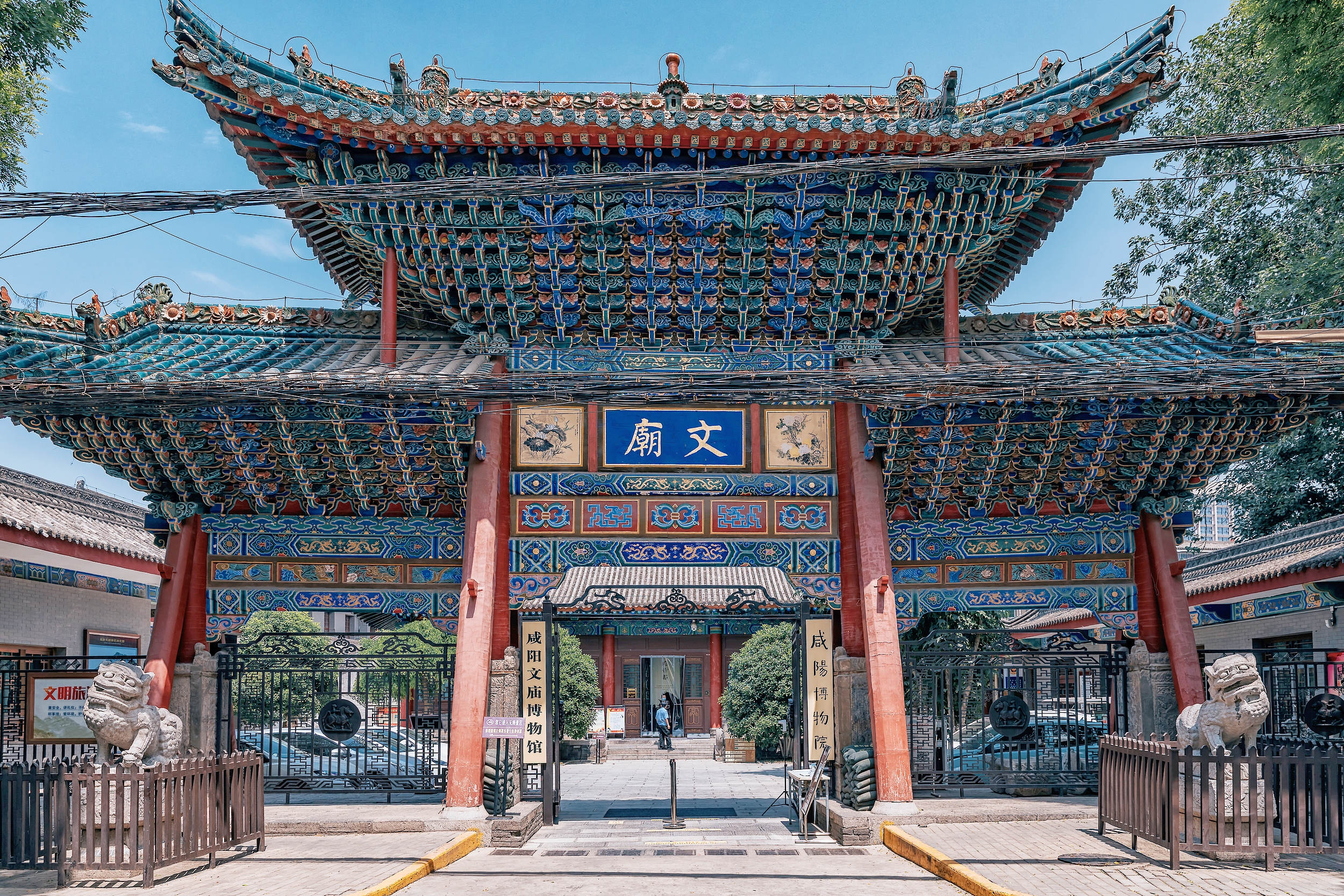
Xianyang Museum
Xianyang Museum is in the middle part of Zhongshan Street, Xianyang city, on top of an old Ming-dynasty Temple of Confucius (around 1371 AD). There are four south-facing yards. The main buildings are the Pailou, Xiandian, Dacheng Hall, Small Pailou and the main hall on the side yard. This is a Major National-Level Historical and Cultural Protected Site. There are seven exhibition rooms at the Xianyang Museum, three for Xianyang’s historical artifacts, one for cultural objects from the Western Han imperial mausoleum, two for Western Han-dynasty painted terracotta and the last one for temporary exhibits. The cultural relics in the museum, mainly from the Qin and Han dynasties, offer valuable insights into the history and culture of the Qin and Han dynasties.
-
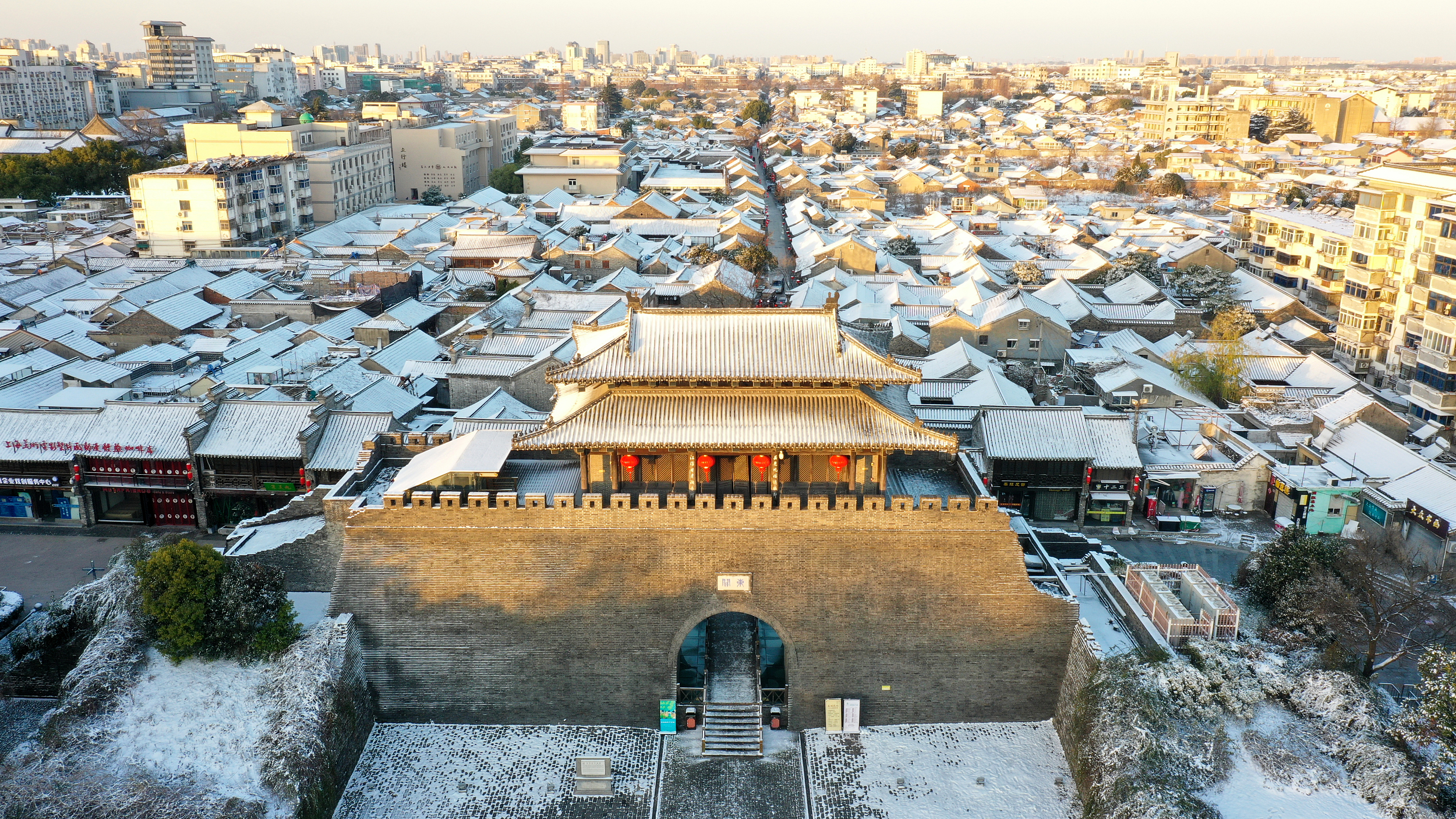
Gaojiapu Ancient City
The ancient city of Gaojiabao is located about 50 kilometers southwest of Shenmu County, Yulin City, and about 5 kilometers away from the Great Wall of Ming Dynasty. The ancient city of Gaojiabao was built in the fourth year of the orthodox Ming Dynasty (1439). The ancient city of Gaojiabao was built as a rammed earth city at first, and then re-wrapped with wall bricks in the thirty-sixth year of Wanli in the Ming Dynasty (1608). Today’s ancient city of Gaojiabao, whether it is the city wall seen outside, or the streets and houses in the city, all maintain the pattern at that time. For those tourists who like the ancient city, walking around in Gaojiabao must not be a problem. will disappoint you. The ancient city of Gaojiabao has a rectangular plane. Tourists can walk along the city wall. On the way, they can see a large section of the city wall. During the period, there are defense systems such as crenels and lookout holes. There is a rolling door and an urn city. These buildings, which have been preserved since the Ming Dynasty, have stood here for five or six hundred years. The ancient city of Gaojiabao is still in the semi-open stage, which is undoubtedly good news for the “old city control”. The streets in the city are centered on Zhongxing Building, and the four directions are East and West Streets, South Street and North Lane. South Street is more prosperous. The Zhongxing Building is not often open, but it is guarded. You can ask the person in charge to help open the door, and then go up to the Zhongxing Building to overlook the entire ancient city. At present, there are not many tourists in the ancient city. You can walk in the quiet streets and see the old houses on the side. There are many old shops on South Street, but most of them have not opened. The residential buildings here are basically of the typical northern architectural style, including courtyard houses, such as the Li Family Courtyard in Beixiang; There are also courtyards, such as the Lijialouyuan in Cross Lane and the Liujialouyuan in Tongxin Lane. Or you can find a place in the city to be in a daze, and take a trip through the world like a psychic.
-
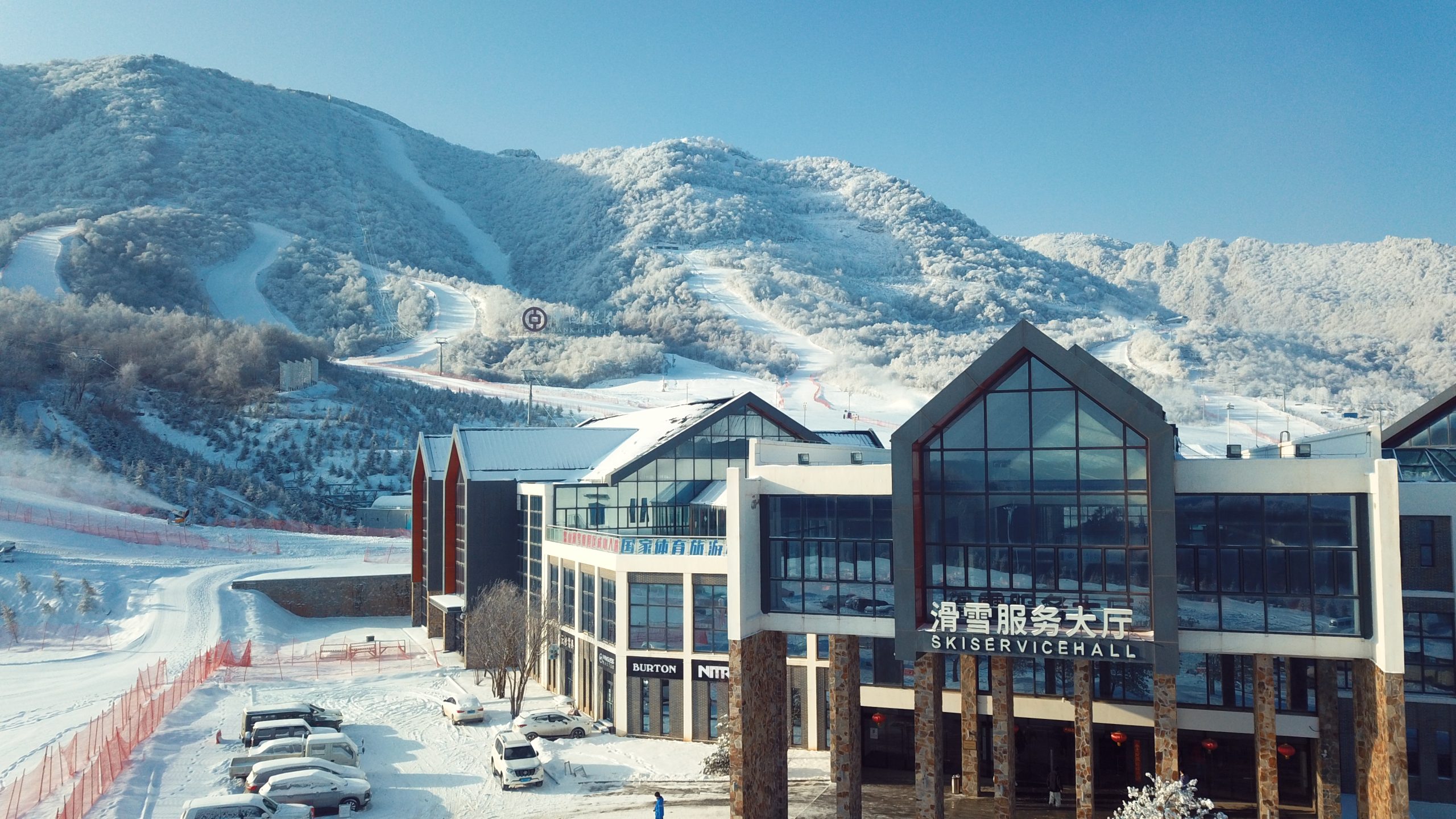
Aoshan Ski Resort
Mount Ao Ski Resort is located in Taibai County, the capital of the snowy region in Tailing. It is a vacation ski resort in northwest China, and has relatively wider and large beginners lanes than other ski resorts in Shanxi. It also has an enclosed instruction zone, single and double bar park, medium and difficult slopes, double black diamond slopes, etc. It is a a winter wonderland integrating sightseeing, leisure, and entertainment into one place.
-
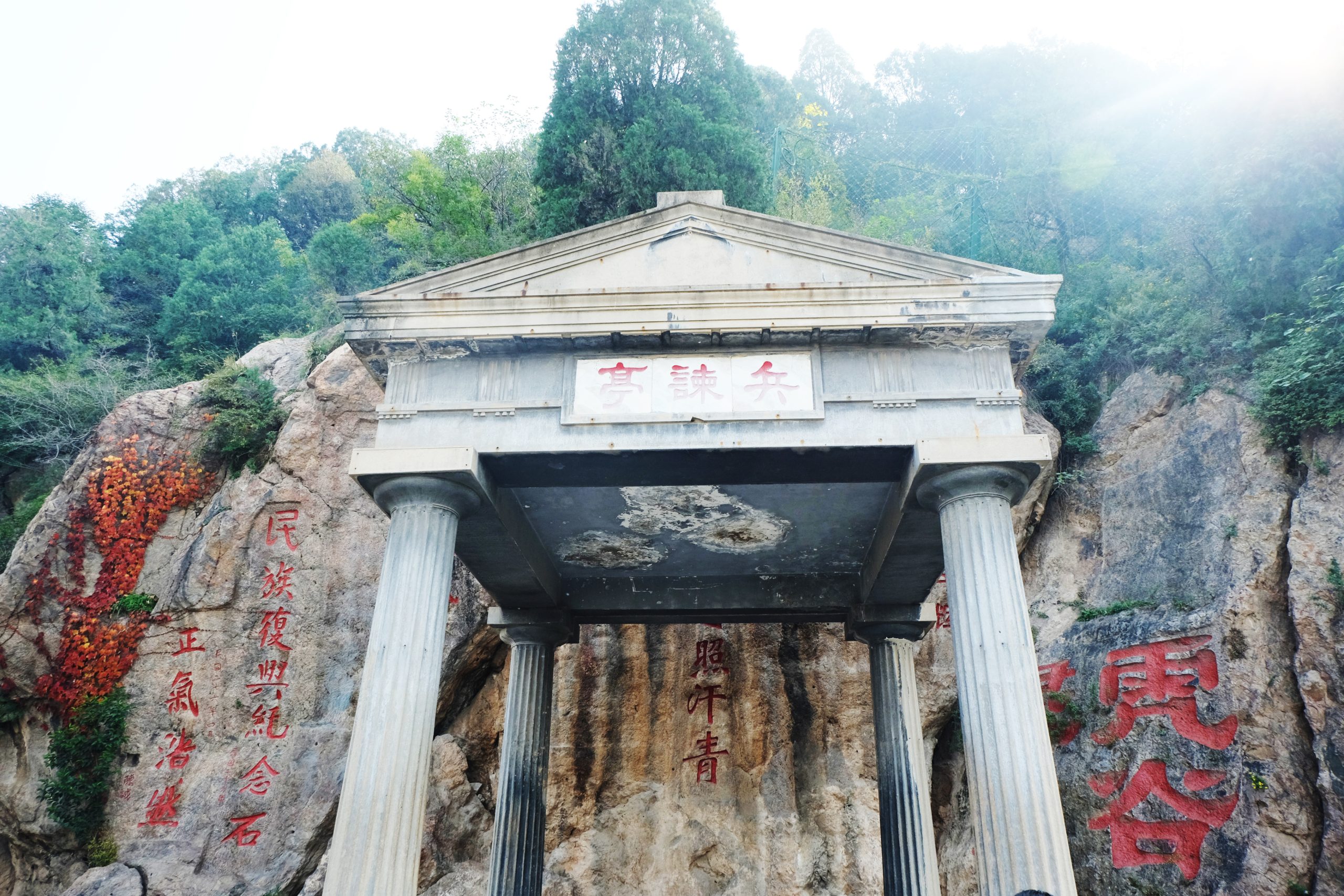
Bingjian Pavilion
The Bingjian Pavilion is located next to the Tiger-Ban Stone on Xixiu Ridge halfway up Mount Li. In 1946, in order to commemorate the “Xi’an Incident”, Hu Zongnan initiated the construction of a stone pavilion with donations from all the non-commissioned officers of the Seventh Branch of the Whampoa Military Academy. It was named “Zhengqi Pavilion”. After the founding of New China, it was renamed “Zhua Jiang Pavilion”. It was not until the 1980s that it was renamed “Bingjian Pavilion”.The stone pavilion is 4 meters high and 2.5 meters wide. It may seem inconspicuous, but it has a different meaning because it is closely related to major events in Chinese history.
-

Hong Show Yanan
Hong Show Yanan focuses on all the passionate and idealistic youth of that era. From revolutionary soldier Ouyang Jian’s clear determination, intellectual youth Bai Yanming’s romantic spirit, to Yan’an boy Shuanzhu’s journey from innocence to maturity – anyone who has ever been young and dreamt big can see their reflection in these youths’ stories. Hong Show Yanan chronicles a generation’s memories of youth, ideals, and mission, allowing former youths to relive their fervor while helping today’s youth understand their parents’ generation.The Red Show “Yan’an Yan’an” features two performances daily, recreating the revolutionary fervor of the past based on true historical events. In 1936, Edgar Snow traveled to Yan’an, documenting the Red Army’s life and experiences there. In October 1937, “Red Star Over China” was published, quickly sweeping through old China with a red storm, attracting a large number of young intellectuals to Yan’an. Shanghai girl Bai Yanming, driven by romantic revolutionary ideals, journeyed to Yan’an, where she met Ouyang Jian, a revolutionary soldier who survived the Long March. Together, they experienced the vigorous Great Production and the Great Lu Yi, falling deeply in love amidst the passionate life. Shaanbei boy Shanzhu, who lost his entire family in the war, found his belief in survival and rediscovered belonging within the revolutionary ranks. He regarded Ouyang Jian and Bai Yanming as his elder siblings, and the three became like family. However, the Japanese army did not spare Yan’an, this sacred land. During an aerial bombing, Bai Yanming and Ouyang Jian sacrificed their lives in the gunfire while rescuing fellow Shaanbei villagers. Shanzhu, having lost loved ones once again, rose from his grief, inheriting their legacy to cross the Yellow River north to resist the Japanese, igniting a surging wave of revolution.In just over an hour, the spectacular show “Yan’an, Yan’an” brilliantly utilizes modern multimedia effects like sound, lighting, and projections to vividly recreate the revolutionary trilogy of crossing snowy mountains, traversing grasslands, and wartime tactics. It creates an immersive and breathtaking revolutionary war experience. Young visitors can even don military uniforms, take up rifles, and participate in defending Yan’an.The national art project “Yan’an, Yan’an” pioneered China’s red tourism, transforming static exhibitions into vivid historical scrolls presented before audiences. As such, it has received strong support from governments at all levels.The grand celebration scene in the musical “Yan’an, Yan’an” blends the Shaanbei folk song Xintianyou with the passionate Yangge dance honoring the military, showcasing the distinctive loess culture of Yan’an, the sacred revolutionary site. As a visitor, you can personally join the lively harvest celebration, singing along with the rhythm to rediscover that long-lost revolutionary fervor.Pagoda Mountain, Yan River, cave dwellings, millet plus rifles… The 13-year experience of the older generation of proletarian revolutionaries in Yan’an has made the city an indelible memory in people’s hearts. Now, the red-themed cultural show “Yan’an Yan’an” brings these memories back to life before our eyes. Give me an hour, and I’ll give you half a century—allowing you to relive the passion, love, and intertwined emotions through laughter and conversation.