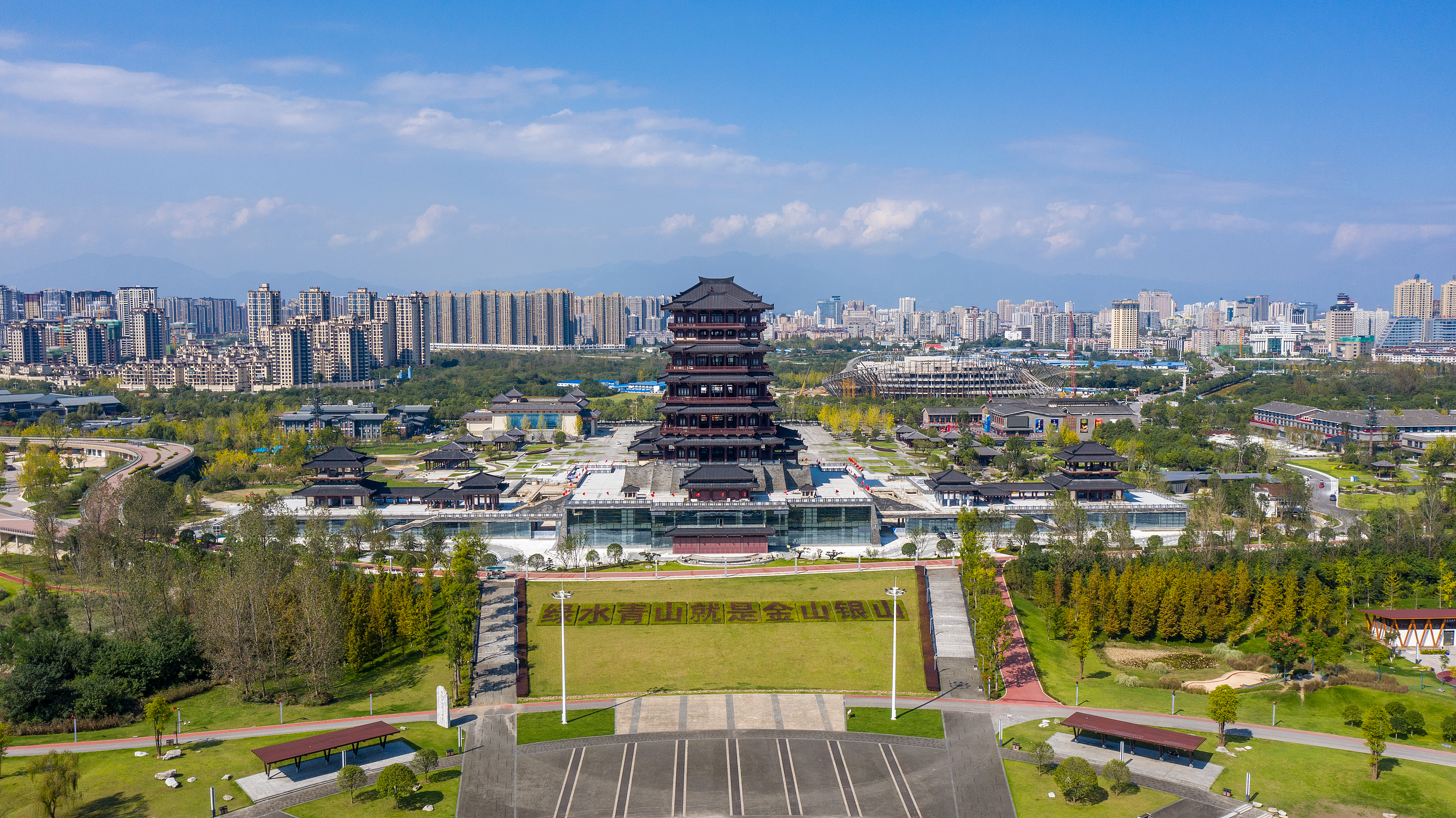
The main building of Tianhan Tower has seven floors outside and nine floors inside with five eaves. It is a 69-meter-high Han Dynasty pavilion that combines the imitation Han style with the high-upturned eaves of traditional Hanzhong architecture.Tianhan is the elegant name of Hanzhong City in Shaanxi Province. Hanzhong is surrounded by Daba Mountain in the south, Qinling Mountains in the north, and Han River in the middle. The Han River has always been considered to be a river corresponding to the Milky Way in the sky, so Hanzhong is also called “Tianhan Tower”. “Shuowen Jiezi” says; “Lou, double-story house.” A building is a house with more than two floors in ancient buildings, also known as a double-story house. The floor plan of a building is mostly narrow and curved, which is obviously different from the pavilion. However, later because they are all double-story buildings, they are often called pavilions. Buildings often occupy a secondary position in the building complex, such as the Buddhist scripture building, the back building and wing building in the palace of the princes. Tianhan Tower is the former site of Xingyuan Prefecture in the Tang Dynasty. It was called Nanlou or Lingxiao Pavilion in ancient times. It has a long-standing reputation and has enjoyed a high reputation more than a thousand years ago. Li Shangyin, a famous poet in the Tang Dynasty, once held a gathering of poets here and wrote poems to record the grand occasion of the event. Fan Chengda, a famous poet in the Southern Song Dynasty, once praised that “Lingxiao Pavilion, overlooking Hanchuan under Zhongliangshan Temple, is a scenic spot in the county.” After the vicissitudes of time, the ancient Lingxiao Pavilion no longer exists. The location of the new Tianhan Tower is in the southwest of Hanzhong City, in Area B of Tianhan Cultural Park, covering an area of 45 acres and a total construction area of 35,500 square meters. The main building is seven floors outside and nine floors inside with five eaves. The building is a 69-meter-high Han Dynasty pavilion that combines the imitation Han style with the high eaves of traditional Hanzhong architecture.
归档: Attractions
-
Tangzhen, Taibaishan
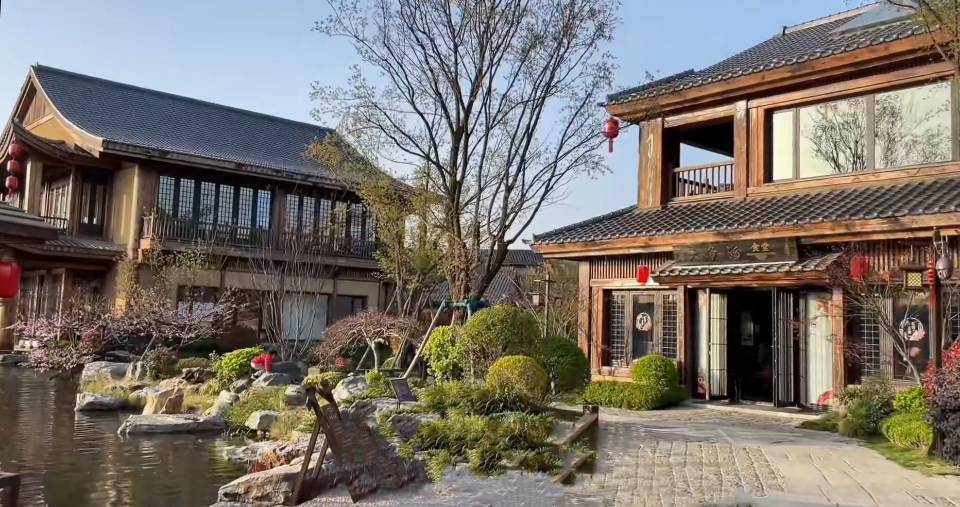
Taibai Mountain Tang Town is located in Mei County. It has many antique buildings and a large number of green plants. It has a strong ancient charm and is very suitable for taking pictures.
-
Mausoleum of the First Qin Emperor
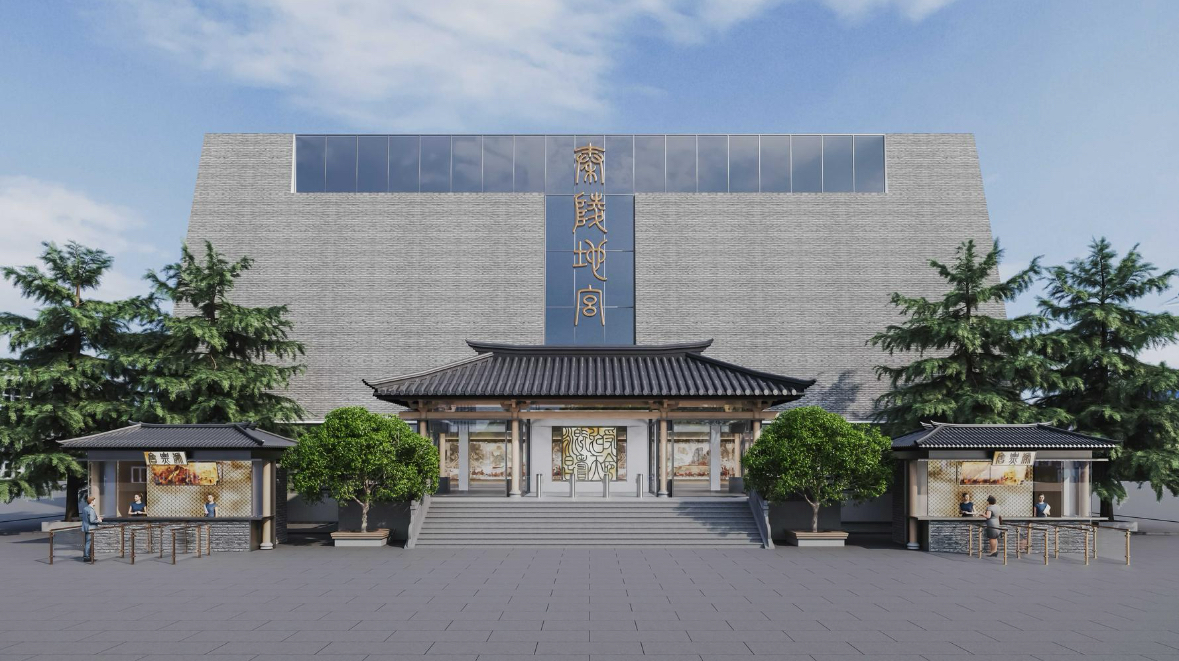
Mausoleum of the First Qin Emperor is a cultural UNESCO World Heritage Site and was built in modern times, according to descriptions left behind by Han Dynasty historian Sima Qian. The Underground Palace of Emperor Qin Shi Huang gives us the opportunity to see what Qin Shi Huang’s tomb would have looked like more than 2,000 years ago when it was new, as the mausoleum has yet to be excavated. Visitors here can take a look at a large sandstone table (260m2) to get a bird’s eye view of the whole tomb complex, the city walls, burial chambers and other buildings that have been identified by archaeologists. The underground portion of the Palace has both primary tombs and side chambers. The inside is decorated with high-quality reproductions of ancient horses and warriors. There are many bas relief engravings showing important ministers and government officials from the period of Qin Shi Huang’s rule.
-
Famensi Museum
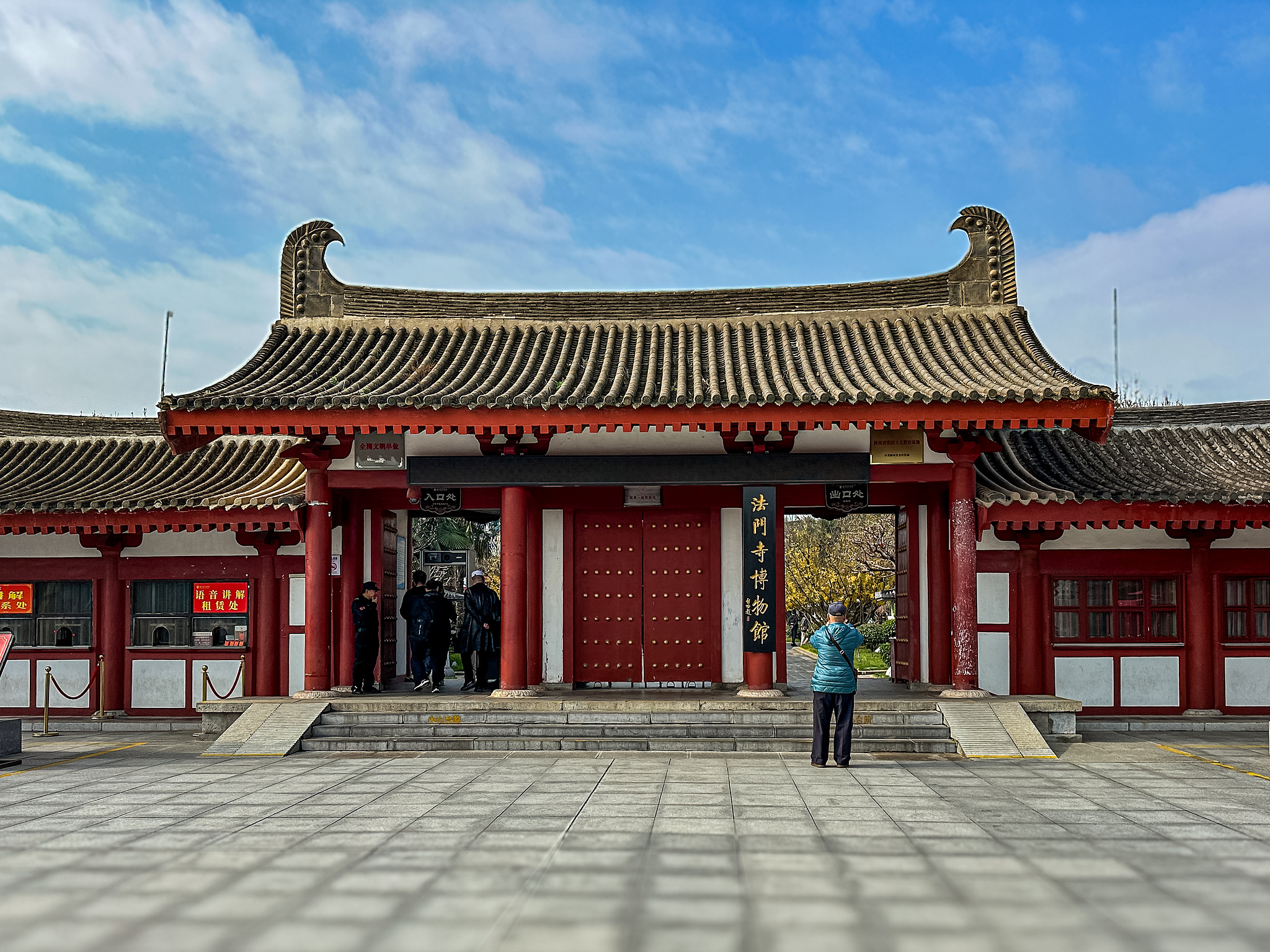
Famensi MuseumLocated in Famen Town, Fufeng County, Baoji City, Shaanxi Province, China, this specialized museum focuses on the collection, preservation, research, and exhibition of cultural relics unearthed from the underground palace. Core Features: 1. Underground Palace Treasures: The museum showcases over 1,000 precious artifacts from the 1987 archaeological discovery of the Tang Dynasty underground palace at Famen Temple, including Buddhist finger relics, gold and silverware, glassware, silk textiles, and porcelain. Among these, 121 items are classified as Grade One National Cultural Relics. Signature exhibits:Gilded silver statue of a Bodhisattva,Octagonal Precious Casket,Mystic celadon,Tang Dynasty silkand other artifacts, showcasing the grand royal Buddhist relic offerings and exquisite craftsmanship of the Tang Dynasty. 2. Buddhist culture: Famen Temple is revered as a Buddhist sacred site for enshrining the finger bone relic of Sakyamuni Buddha. The museum systematically presents the culture of Buddhist relics, Buddhist art from the Tang Dynasty, and religious exchanges along the Silk Road through artifacts, illustrations, and multimedia displays. The permanent exhibition “Treasures from the Famen Temple Underground Palace” is divided into thematic sections including “Recreating the Underground Palace,” “Relic Worship,” and “Artifacts of the Tang Dynasty.” 3. Architecture and layout: The museum is connected to the Famen Temple attraction, blending Tang Dynasty architectural style with modern design. Its main exhibition hall resembles clasped hands, symbolizing reverence for Buddhist teachings. The museum features cultural relic exhibition halls, academic lecture halls, and creative cultural zones, surrounded by cultural plazas and the Buddha’s Light Avenue scenic view.
-
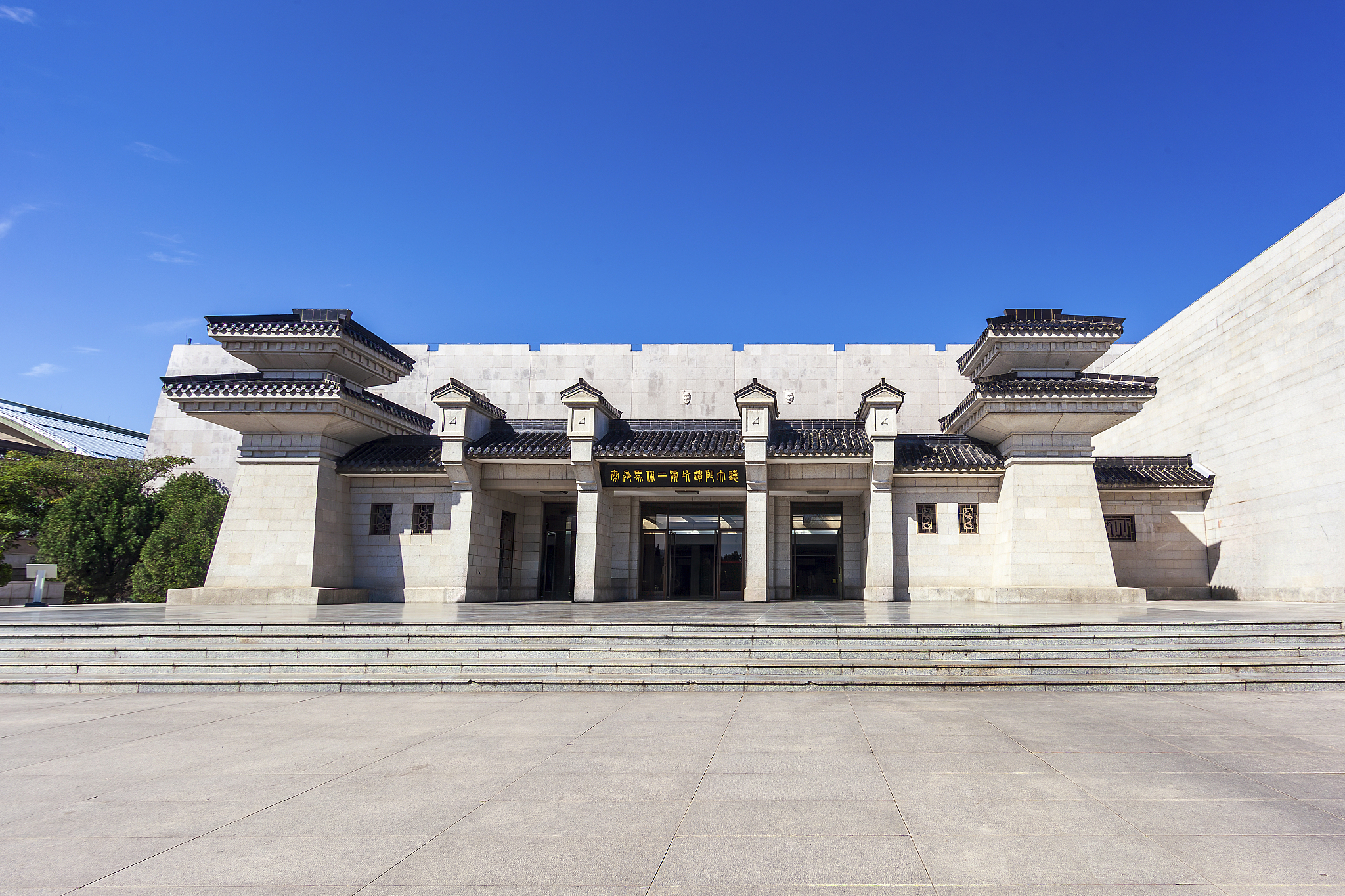
Terra-Cotta Warriors No. 2 Pit
The Terracotta Warriors and Horses Pit No. 2 is located in the northeast of Pit No. 1 and the east of Pit No. 3. It is L-shaped and has a total area of about 6,000 square meters. There are more than 1,300 terracotta warriors, more than 80 chariots, and tens of thousands of bronze weapons. Although the buildings in the pit are the same as those in Pit No. 1, the structure is more complex. It is divided into four types: chariot formation, cavalry formation, crossbow formation, and mixed chariot, infantry, and cavalry formation. The four small formations form a curved formation. There are kneeling archers, standing figures, and riding figures, and the painted colors are well preserved. Therefore, Pit No. 2 can be said to be the essence of the Qin Terracotta Warriors and Horses. Pit No. 2 has an exhibition hall of 17,000 square meters, which is currently the largest and most comprehensive modern site display exhibition hall in China.
-
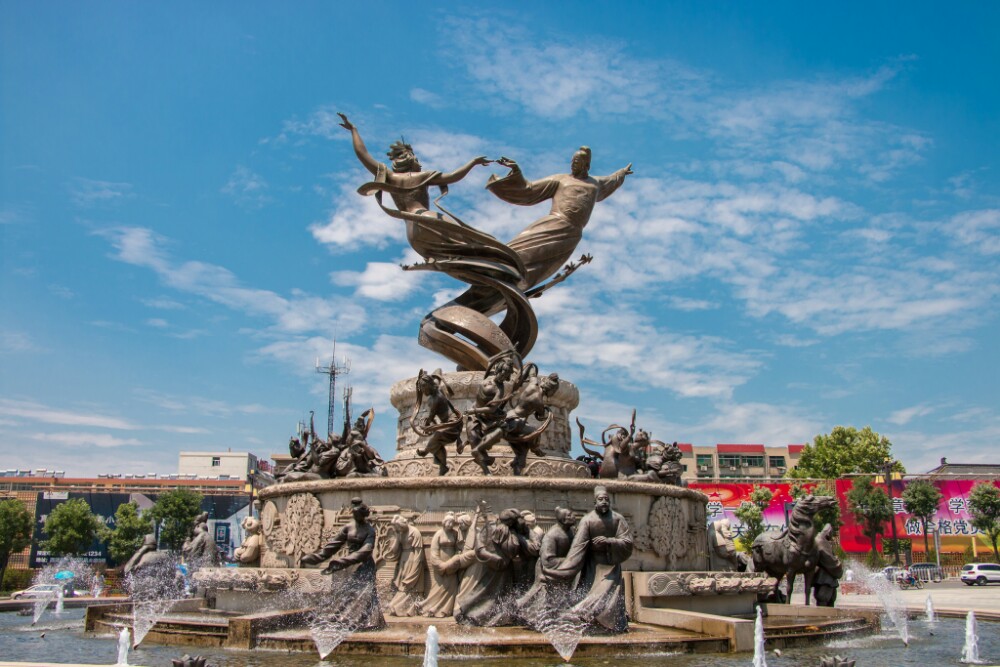
Changhenge Square
The Song of Everlasting Regret Square is located in the Huaqing Pool Scenic Area at No. 38 Huaqing Road, Lintong District, Xi’an. It is the main square of the Tang Dynasty Huaqing City. It is based on Bai Juyi’s “Song of Everlasting Regret” and vividly shows the sad and beautiful love story between Emperor Xuanzong of Tang Li Longji and Yang Guifei through sculptures and other artistic techniques. There are many other theme sculptures around the square, which are meticulously crafted and ingenious, showing rich historical and cultural connotations. As an important part of the Tang Dynasty Huaqing City, the Song of Everlasting Regret Square integrates tourism reception, commercial shopping, special catering, entertainment and leisure, providing tourists with a full range of tourism experience. In addition, the large-scale real-life historical dance drama “Song of Everlasting Regret” will be staged here, with Mount Li as the background and Jiulong Lake as the stage. With the help of advanced lighting, sound and other technologies, the love story of Emperor Xuanzong of Tang and Yang Guifei is vividly interpreted, attracting a large number of tourists to watch.
-
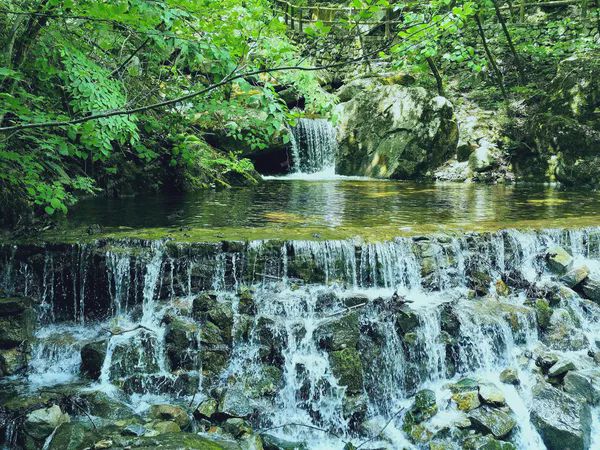
Taibai Qingfengxia Forest Park
Qingfengxia Forest Park of Mount Taibai is 12 kilometers east of Taibai County, at the foot of Yaling (Wulipo), 75 kilometers from Baoji, 140 kilometers from Xi’an, and 160 kilometers from Hanzhong. The Jiangmei Highway connecting Guanzhong and Hanzhong passes through the entrance of the park, and the transportation is very convenient. The altitude of the park is between 1340 and 3400 meters, and the air is fresh. The park has “Nine Pools, Eighteen Waterfalls, and Seventy-two Scenes”, which are divided into four major Attraction: Linfangshu Scenic Attraction(famous attractions include Millennium Ancient Fir and Sleeping Buddha Mountain), Wupuya Scenic Attraction(famous attractions include Qingfeng Waterfall, Xiantao Mountain, Camel Peak, etc.), Shennv Peak Attraction(famous attractions include Shennv Peak, General Exploring the Road, Stone Turtle Egg, Eagle Spreading Wings, etc.), and Aoshan Attraction. The top is Aoshan, the main peak of Qinling Mountains, and Forty-mile Horse Ridge, where you can see the Quaternary glacial landforms, waterfalls, stone seas, and stone rivers, which are spectacular and unique. The humanities and legends have a long history, including the “Forty-li Horse-racing Bridge” of Emperor Liu Xiu of the Han Dynasty, the “Sacrificial Cliff” where the sister of Emperor Li Shimin of the Tang Dynasty sacrificed herself for love, and the beautiful legends of the Goddess Peak, Sleeping Buddha Mountain, and Niangniang Temple, which are dotted among the natural landscapes and complement each other. The park is rich in animal and plant resources, with a wide variety of species and ancient origins. The vertical belt spectrum of forest vegetation is very obvious. There are more than 2,800 species of wild plants and more than 1,700 species of wild animals. Rare wild animals include: giant pandas, golden monkeys, takins, and fine-scaled salmon, etc.
-
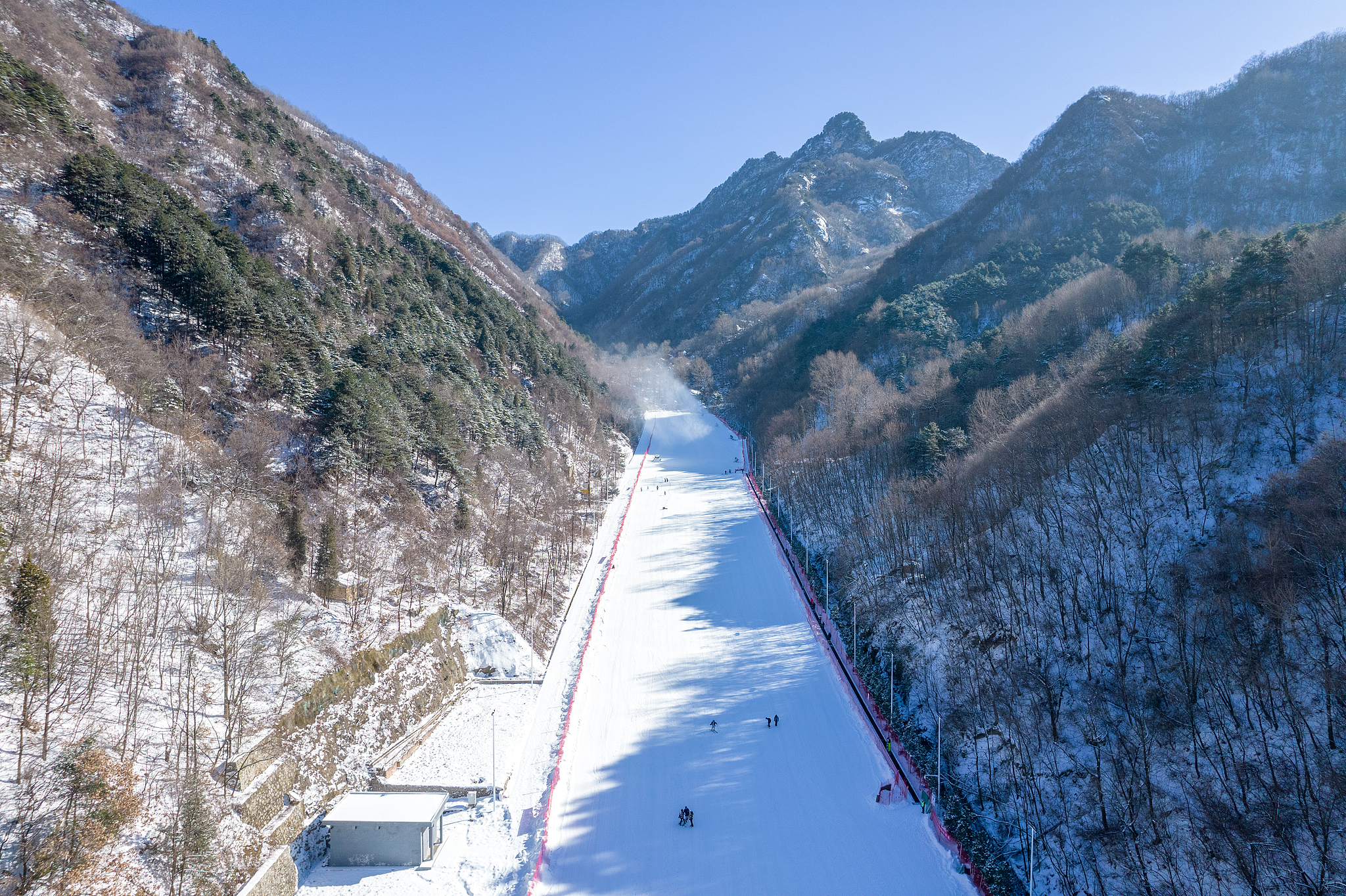
Cuihua Mountain Ski Resort
Known as a “ski area at your doorstep,” Cuihua Mountain Ski Resort is located between Tianchi and Ganjiu Pound, which are two fantastic attractions of the Cuihua Mountain National Geopark. The resort provides many amenities including ski suits, professional skis, as well as several coaches to care for and teach customers how to ski in all different kind of situations.
-
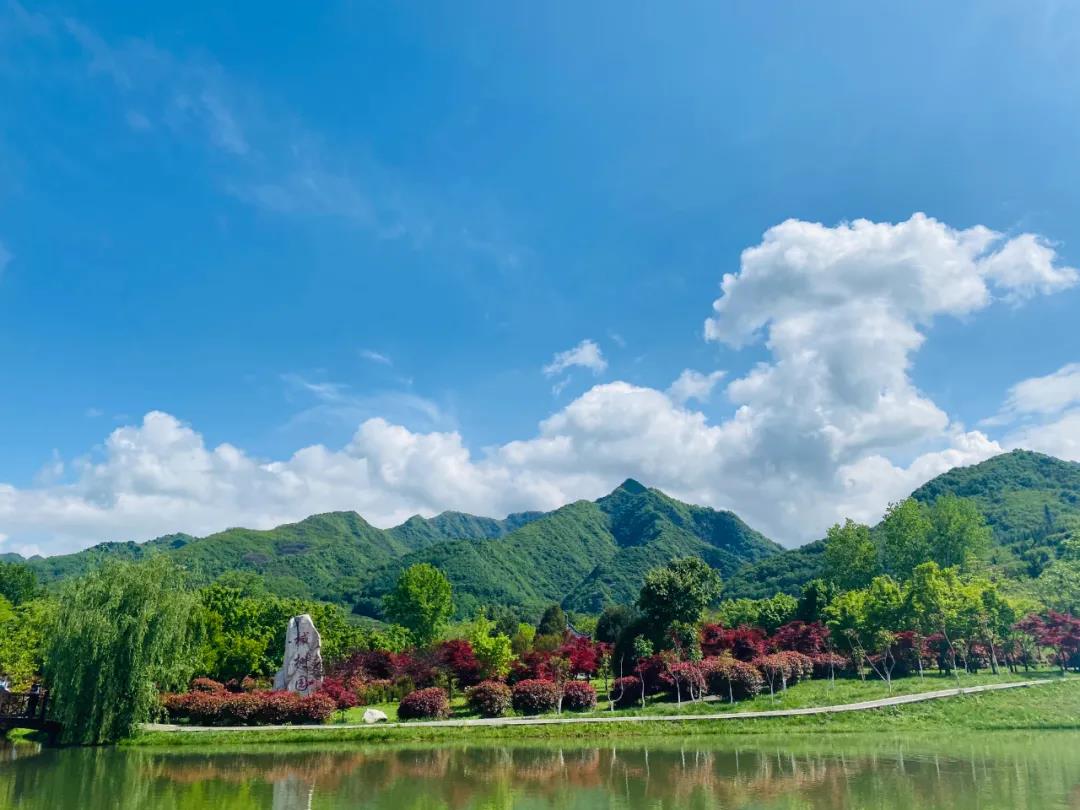
Qinling National Botanical Garden
Located in Qinling, Jixian Town, Qinling National Botanical Garden is a comprehensive botanical garden integrating species conservation, scientific research and eco-tourism. There are cypresses, sharp-toothed oaks, red birches and other vegetation in the scenic area. There are also rare animals such as pandas, crested ibises, golden monkeys and takins. Walk through the park, you can experience the harmony between humanity and nature and feel the allure of the natural world.
-
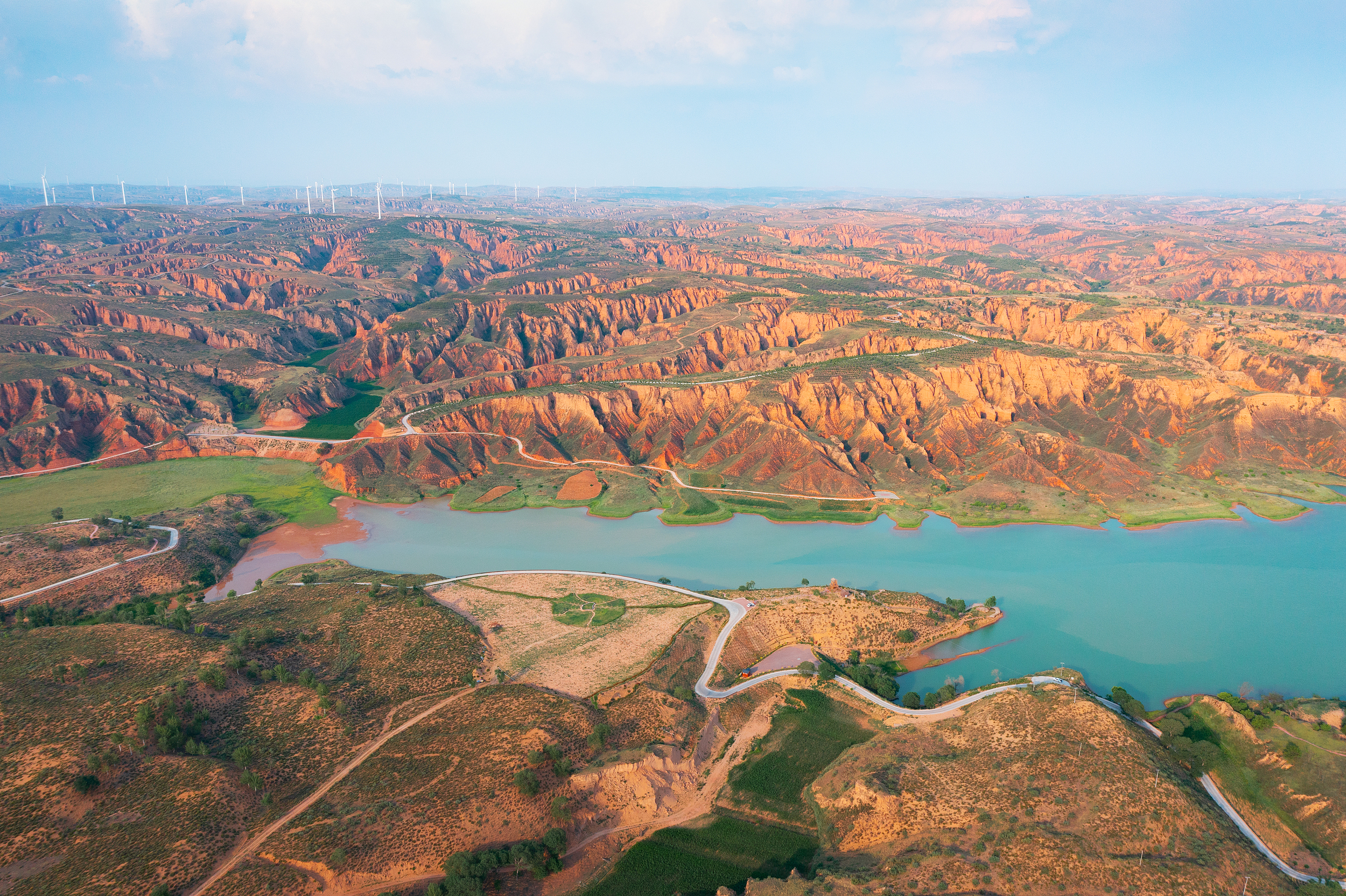
Mahuangliang Loess Quality Park
Mahuangliang Loess Geological Park is located in the middle and southeast of Mahuangliang Town, Yulin City, Shaanxi Province. The park covers an area of 37 square kilometers, of which the geological heritage protection area covers an area of 6.8 square kilometers. The thick loess layer has been eroded by wind and rain for thousands of years, forming a unique landform landscape, especially the geological landscapes such as “thousand-foot cliffs”, “high gorges and flat lakes” and “blood-stained hills” in the area, which are breathtaking and unforgettable.