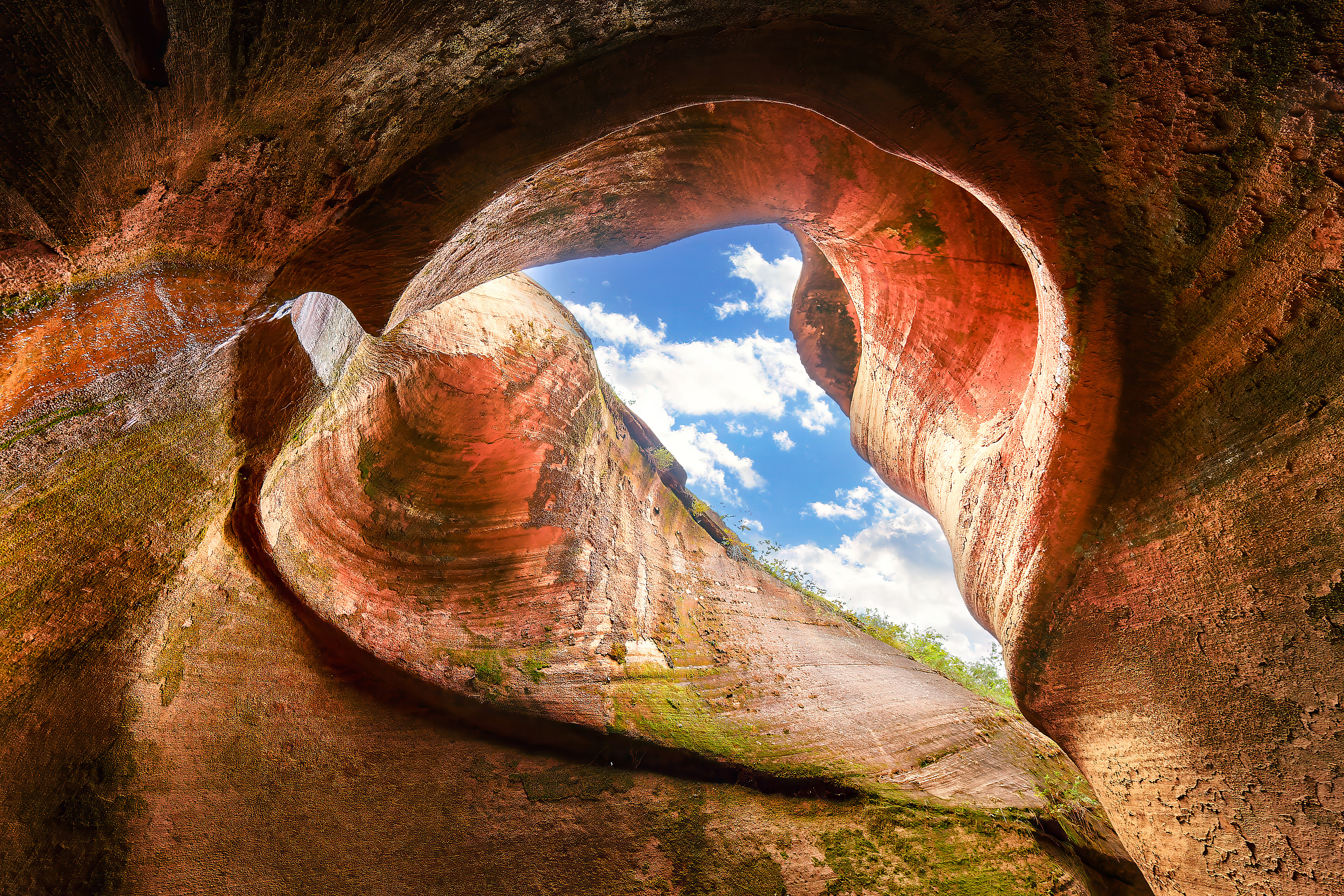
Maoxiang Canyon Attraction is located in the southeast of Zhidan County, Yan’an City, Shaanxi Province, about 2 kilometers away from Zhidan County. It is located on the edge of the development of Zhidan County and is a supporting scenic spot under the guidance of Zhidan County’s overall tourism planning. The Attraction has convenient transportation. The canyon is about 9 kilometers away from the Zhidan East Toll Station of the Yanzhiwu Expressway. Jingzhi Road and S303 are connected to the Zhidan East Exit and Zhidan Exit respectively. Jingzhi Road passes through the entrance of the Attraction and is interconnected with the S303 Provincial Road, which can quickly reach the destination. The total area of the Attraction is 13.18 square kilometers. The canyon consists of six scenic spots: Qiankun Valley, Lover Canyon (Jueqing Valley), Palace Corridor, Like Water Flowing Years Wall, Body Shaping Lane, and Unique Cave. The Attraction is picturesque and the scenery is pleasant. Danxia Line Valley (Diaoyan Valley) is a narrow canyon with steep curved walls. The canyon and the curved wall are its two important features. The long-term turbulent water carrying gravel and other sediments scours, carves and abrades the original structural weak parts of the rock, forming countless potholes in three-dimensional space. Maoxiang Canyon is 9 kilometers long, with varying depths. The narrow part can only accommodate one person, forming a number of narrow-sky landscapes surrounded by giant dragons. The curve of the valley wall is as smooth and smooth as brown-red chocolate, and it is gentle and varied. “Maoxiang Canyon” has a long history and is quite legendary and mysterious. According to legend, Liu Chenxiang went to Huashan to split the mountain to save his mother and came to Baoan County to practice hard. He split the mountain into a series of narrow-sky canyons that cat ghosts and gods can drill through and Xiaotian Dog can fly over, so it was named “Maoxiang” from the meaning. From its discovery to its stunning appearance, the canyon has formed a certain degree of popularity and influence in the photography and art circles. The Attraction is committed to creating the “Maoxiang Canyon Attraction” and making it a core node on the northern Shaanxi Loess and Red Sandstone Ecological Characteristic Tourism Corridor, and an important national canyon leisure tourism destination.
归档: Attractions
-
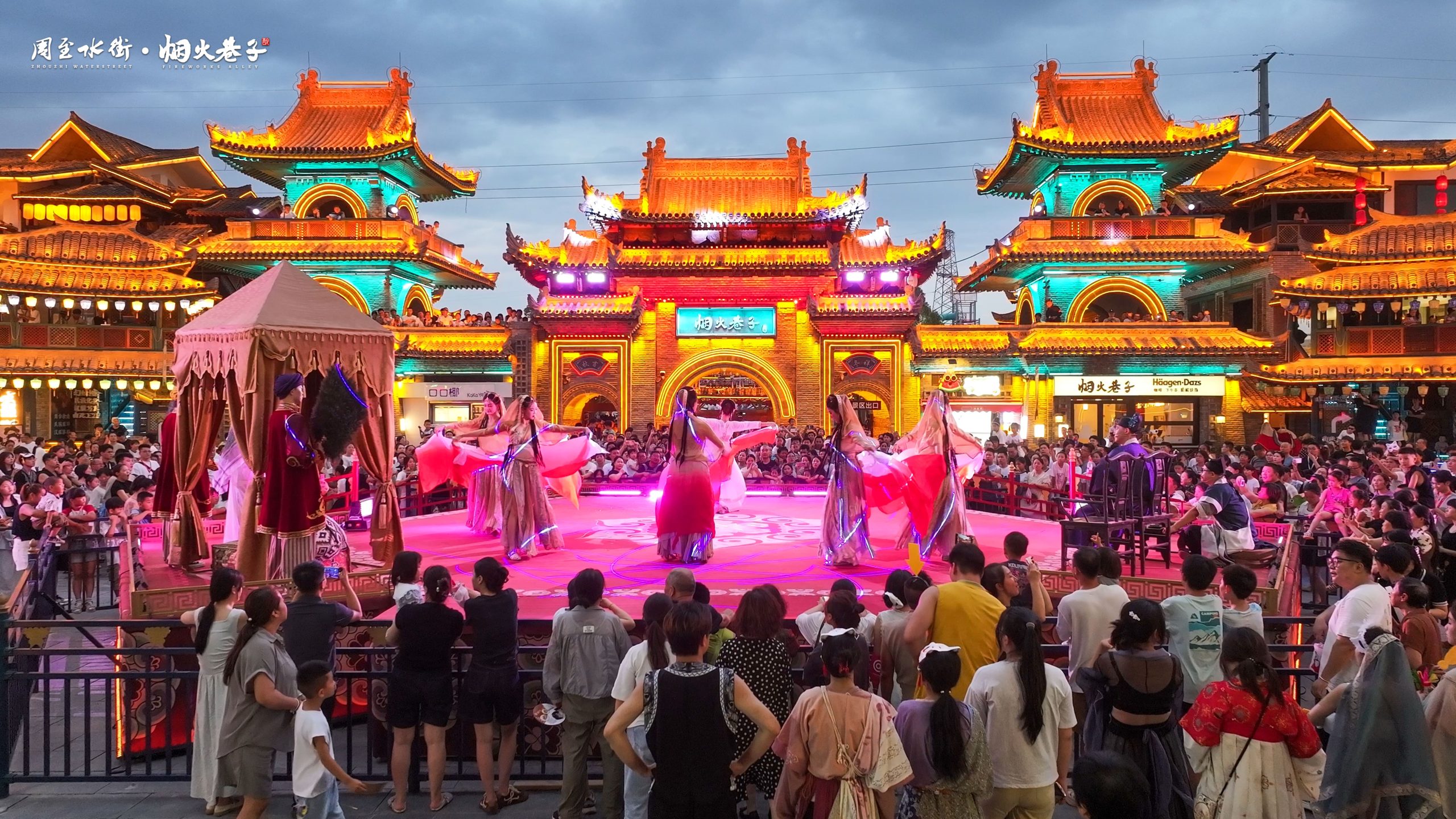
Zhouzhi Water Street Fireworks Alley
A hub for intangible cultural heritage experiences with daily interactive activities. This sprawling district with endless alleys offers nonstop excitement, while its 40,000-square-meter space holds countless surprises. Since its soft opening in 2022 during construction, Zhouzhi Water Street Fireworks Alley has become travelers’ hidden gem: During the 2023 Lunar New Year and May Day holidays, it welcomed 200,000 daily visitors who trod its cobblestone paths, with annual visits exceeding 10 million. Billions of online taps have amplified its reputation as “The Northern Wide & Narrow Alley, The Ancient Town That Never Sleeps.” By July 2025, the upgraded Fireworks Alley will embed the essence of “endless fun” into every blue brick. Intangible Cultural Heritage Theater: Step into a Thousand Years of Stories The attraction has invited top-tier domestic director teams to create three outdoor live performances and seven indoor immersive theaters specifically for Zhouzhi Water Street Fireworks Alley. Rooted in intangible cultural heritage and featuring situational performances, it offers high-quality immersive theatrical experiences. Ten open-air mini stages throughout the park present free performances all day long—grab a cup of tea and enjoy continuous shows of national intangible heritage, from witty clapper talk performances to breathtaking folk arts that will immerse you at every turn. The street-side shops dazzle with diverse offerings; pick up any cultural souvenir, and you’ll carry the warmth of intangible heritage in your bag. Gamer’s Paradise: The Whole Alley is Your Playground Over a hundred NPCs roam the streets with missions—hand them a silver note to receive challenge quests. Want to test your stamina? Tackle the obstacle course. Love puzzles? Head to Fortune Alley to decode treasure maps. Feeling lucky? Exchange silver notes for surprise gifts at the Treasure Pavilion’s blind boxes. From dawn till dusk, there are no spectators in the “Player’s Jianghu”: team up to unlock hidden storylines, chase NPCs for interactive games, or dominate the park with your silver notes. Here, you’ll play to your heart’s content, earn rewards, and redeem unique cultural souvenirs and limited-edition gifts. After all, the real thrill lies in experiences you can play, earn from, and take home. Whether you seek tranquility in intangible cultural heritage or want to unleash your playful side in games, whether you’re a silver-haired senior or a bouncing child, whether you’re drawn to traditional cultural depth or obsessed with interactive gaming fun—Zhouzhi Water Street Fireworks Alley will send you home brimming with satisfaction.
-

Qujiang Pool Heritage Park
The Ruins Park is across the street from the south gate of Tang Furong Garden, which was the Royal Garden in the Tang Dynasty. Nowadays, many buildings imitating Tang Dynasty have been built here, as well as sculptures expressing life in the Tang Dynasty. Citizens like to come here for walks and boating along the pool. There are also many Shaanxi handicrafts such as shadow puppets and paper-cuts in the park. In the Tang Dynasty, Qujiang Pond was full of undulating towers and many palaces. Whenever the new scholars reached the top, they would take advantage of the fun here, put the wine glasses on the plate, and put the plate in the water and float with the current. Hold a cup and drink freely, this is the famous “Qujiang Flowing Drink”. The park has north, east and west gates. Generally, tourists will enter the park from the north gate, which is close to the Datang Furong Garden. There are many sculptures representing the social life of the Tang Dynasty in the garden, such as: poets lying drunk on the floor, ancients bathing by the pool, officials returning to the capital after thousands of miles. There are cruise boats in the park. If you are interested, you can row a boat yourself and swim in the pond. In summer, the blossoming lotus flowers in the pond will give people the illusion of being in a water town in the south of the Yangtze River. In the park, you can also see nine two-storey Tang-style buildings, named after words and cards, such as: Feng Rusong, Huanxisha, etc. Here tourists have the opportunity to see the performances of Qin Opera and shadow puppetry. One of them is a small museum, displaying Shaanxi handicrafts such as Chang’an shadow puppets, Fengxiang clay sculptures, Heyang marionette puppets, Huaxian shadow puppets, Ansai paper-cuts, and Huxian peasant paintings. In the park, there is also a high-altitude zipline project (additional charge) that young people like.
-
Yan Emperor Mausoleum
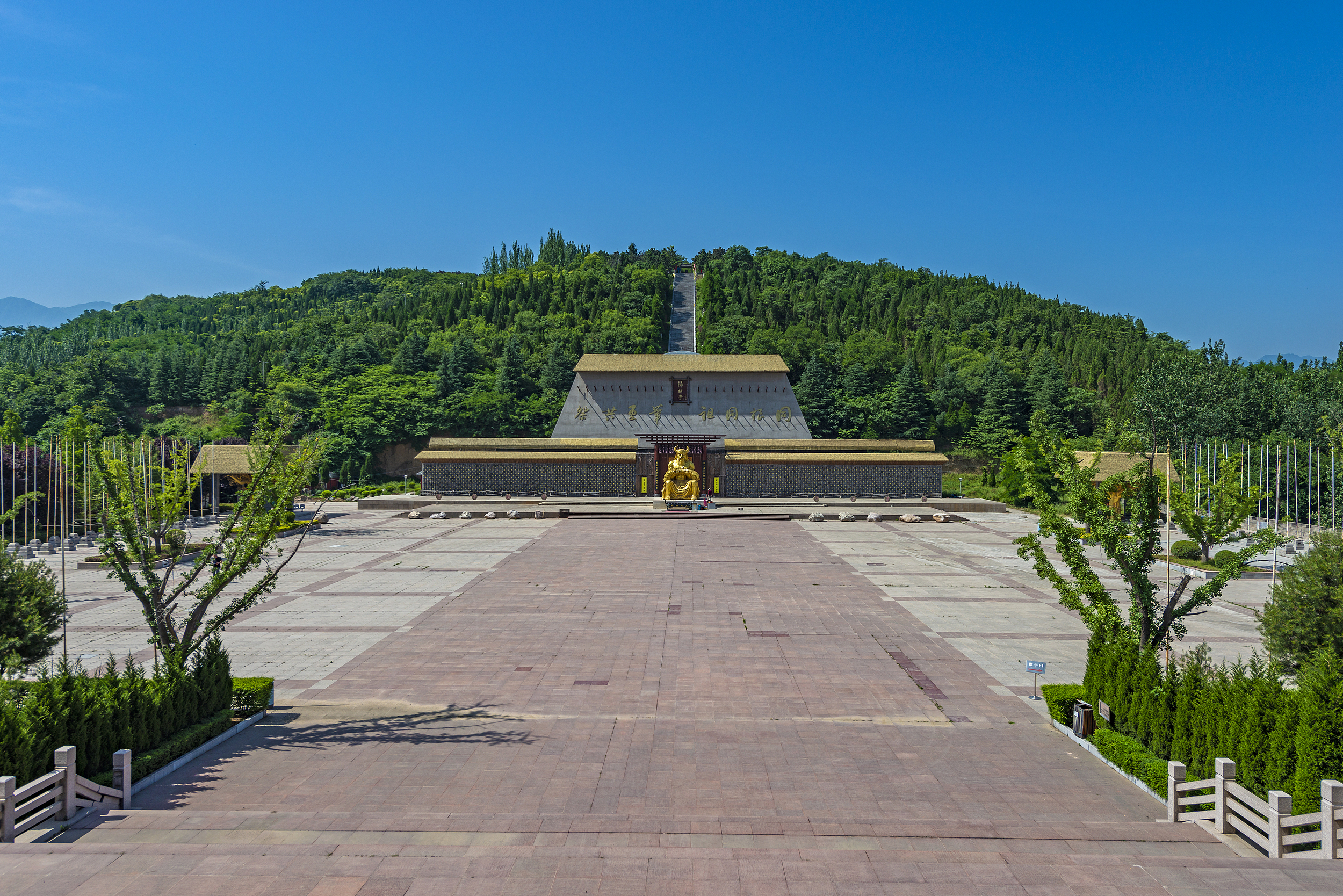
The Mausoleum of Emperor Yan is located on Changyang Mountain in Shenlong Town, Weibin District, Baoji City. Baoji is the hometown of Emperor Yan. It is said that Emperor Yan was born in Mengyugou, Tiantai Mountain, Baoji. The Mausoleum of Emperor Yan is divided into three parts: the front of the mausoleum, the sacrificial area and the tomb area. It is majestic, sacred and quiet, and it has become a holy place for the descendants of Yan and Huang to worship their ancestors. Every year on July 7th of the lunar calendar and the Yandi Sacrifice Day, people from all walks of life at home and abroad gather at the Yandi Mausoleum and the Yandi Temple to conduct a grand public sacrifice ceremony to worship Emperor Yan, one of the ancestors of China.
-
Huaqing Yutang Hot Spring
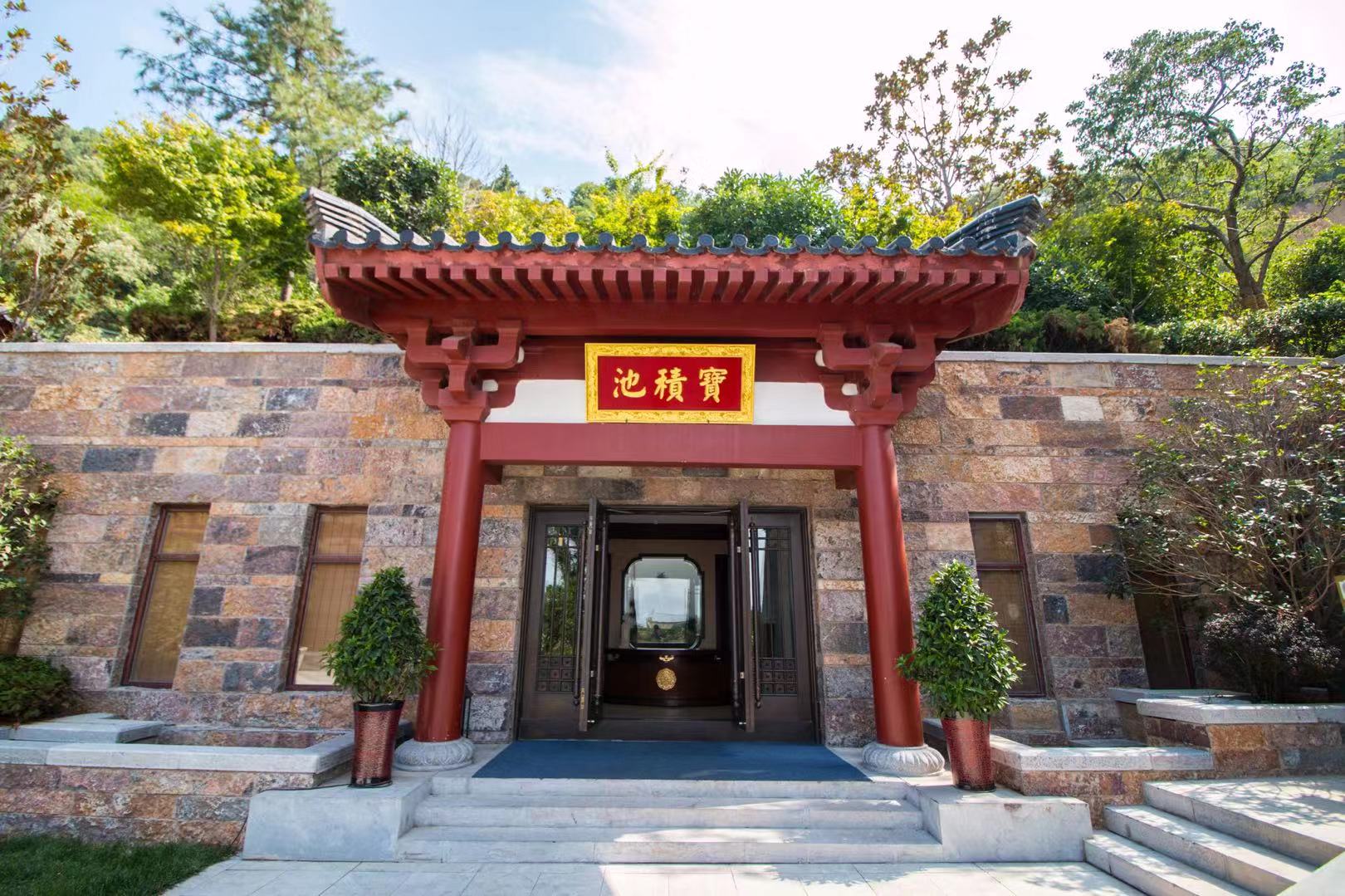
Situated in Huaqing Scenic Area, Huaqing Yutang Hot Springs rely on natural hot spring resources and beautiful landscape scenery. It consists of open-air lotus soup, Sea otter soup, and Prince Edward soup, which constitute a unique combination from Yutang District. Specially appointed professional spa therapists from home and abroad used the bathing of Sheng Tang and modern health to launch a series of health programs here.
-
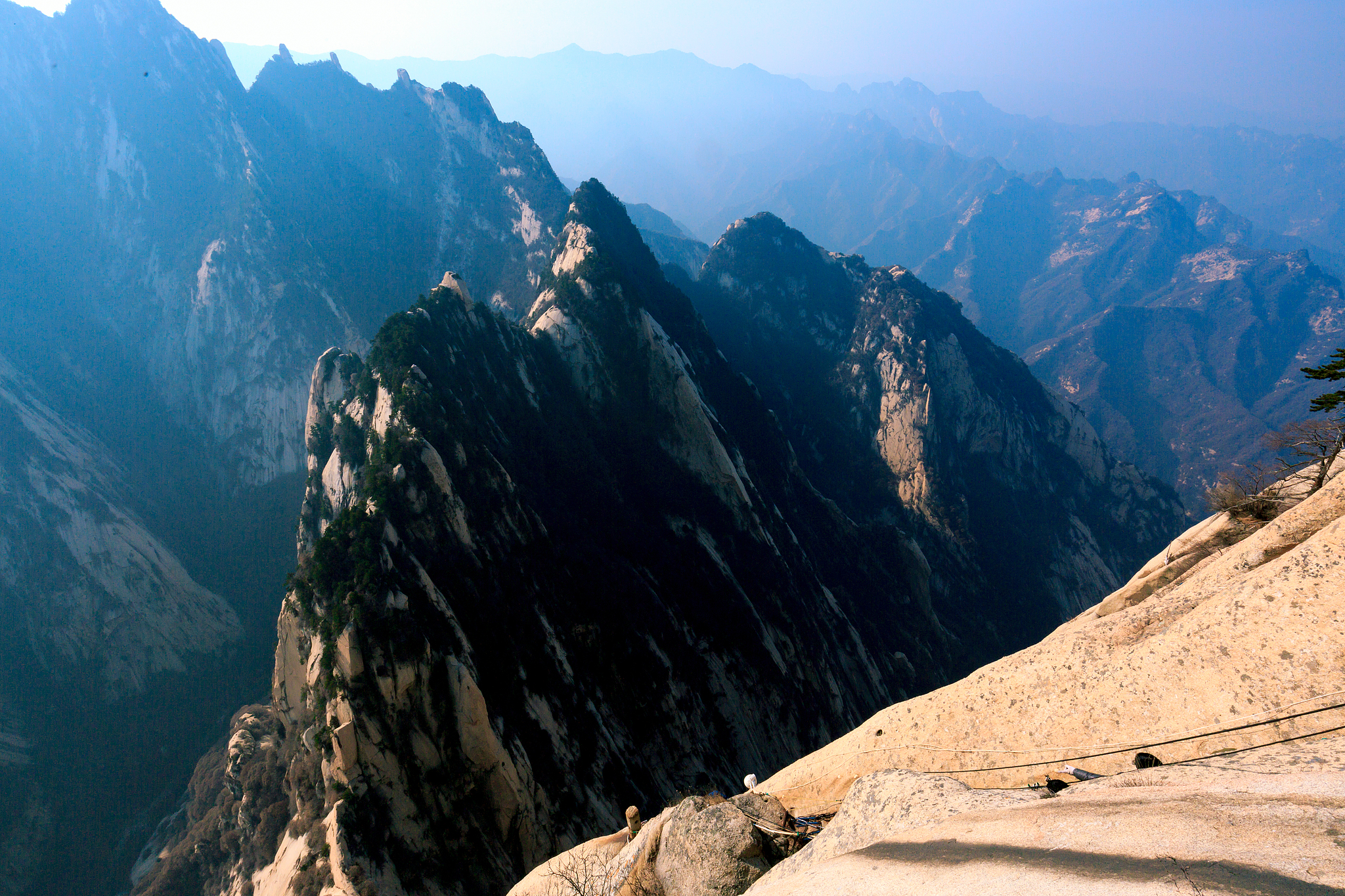
Longkong Cliff Walk
Winding its way across the eastern mountainside of the south peak of Mount Huashan, Changkong Plank Trail was built using wooden planks supported by stone piles driven into the side of a perilous cliff. Walking along the Trail, you will get to experience the thrill and excitement of ascending mid-air across a precipice. The Trail is divided into three parts. While there are railings along the upper trail, in the middle part iron bars protruding from amidst the side of cliff rocks form something akin to a ladder hanging in the air; and when groping one’s way through the lower trail, you will need to move sideways and edge forward on the wooden plank while clinging closely to the cliff wall and clasping the iron chain.
-
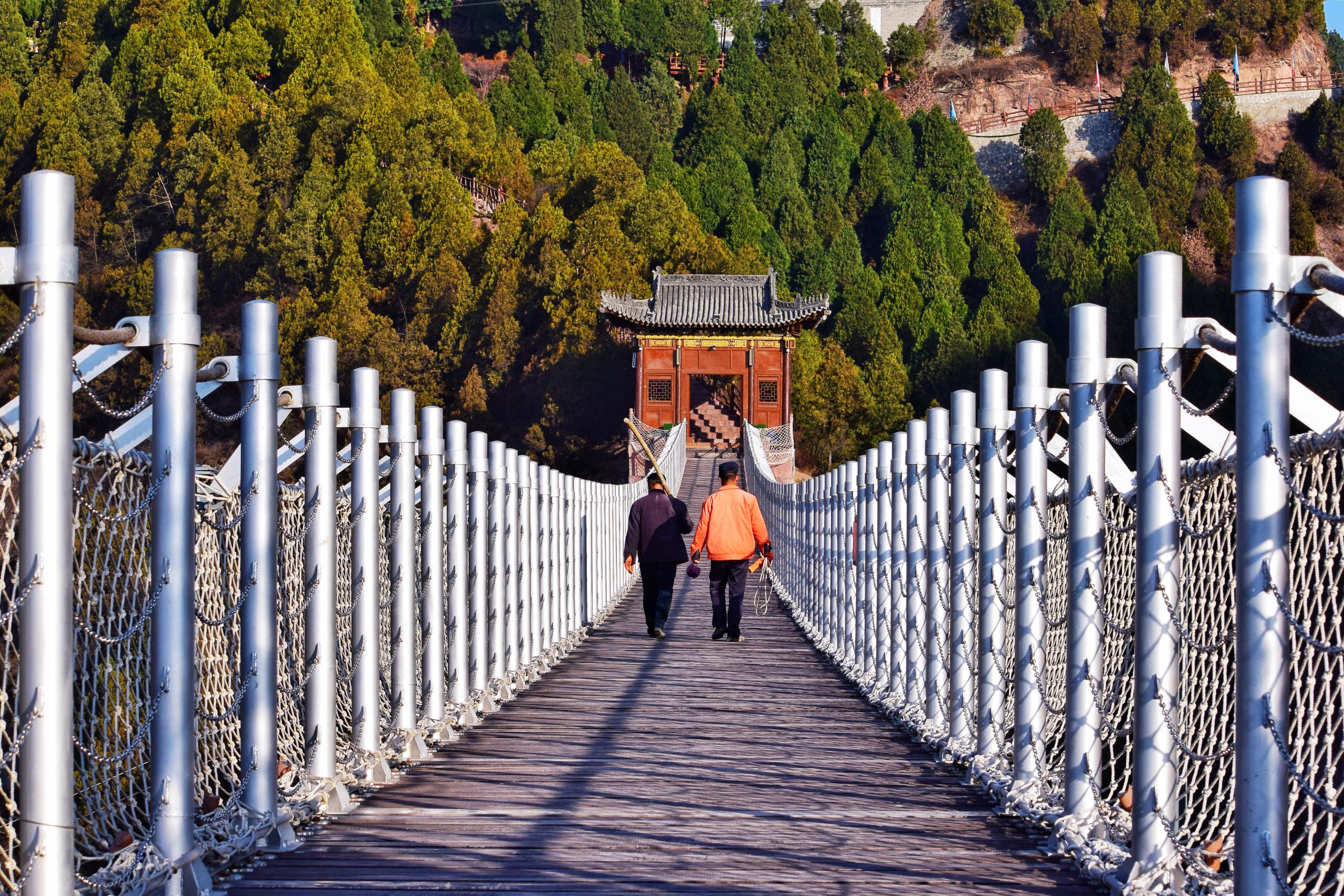
Pinghu Jiulongshan Tourist Resort
Jiulong Mountain Scenic Area is located in Pingtou Town in Chencang District. The beautiful area has steep mountains, with its nine peaks resembling nine dragons in the sky from afar. The mountain peaks, water, forest, cliffs, grottoes and the caves mix together to reveal its natural beauty. The Jade Emperor Cave, Endless Cave, Medicine King Cave and many more all have their own special characteristics. The Jiulongshan Ancient Building Complex is also a provincial-level cultural relics protection unit. It has been one of the Buddhist and Taoist culture holy lands in Central and Western Shaanxi since ancient times.
-
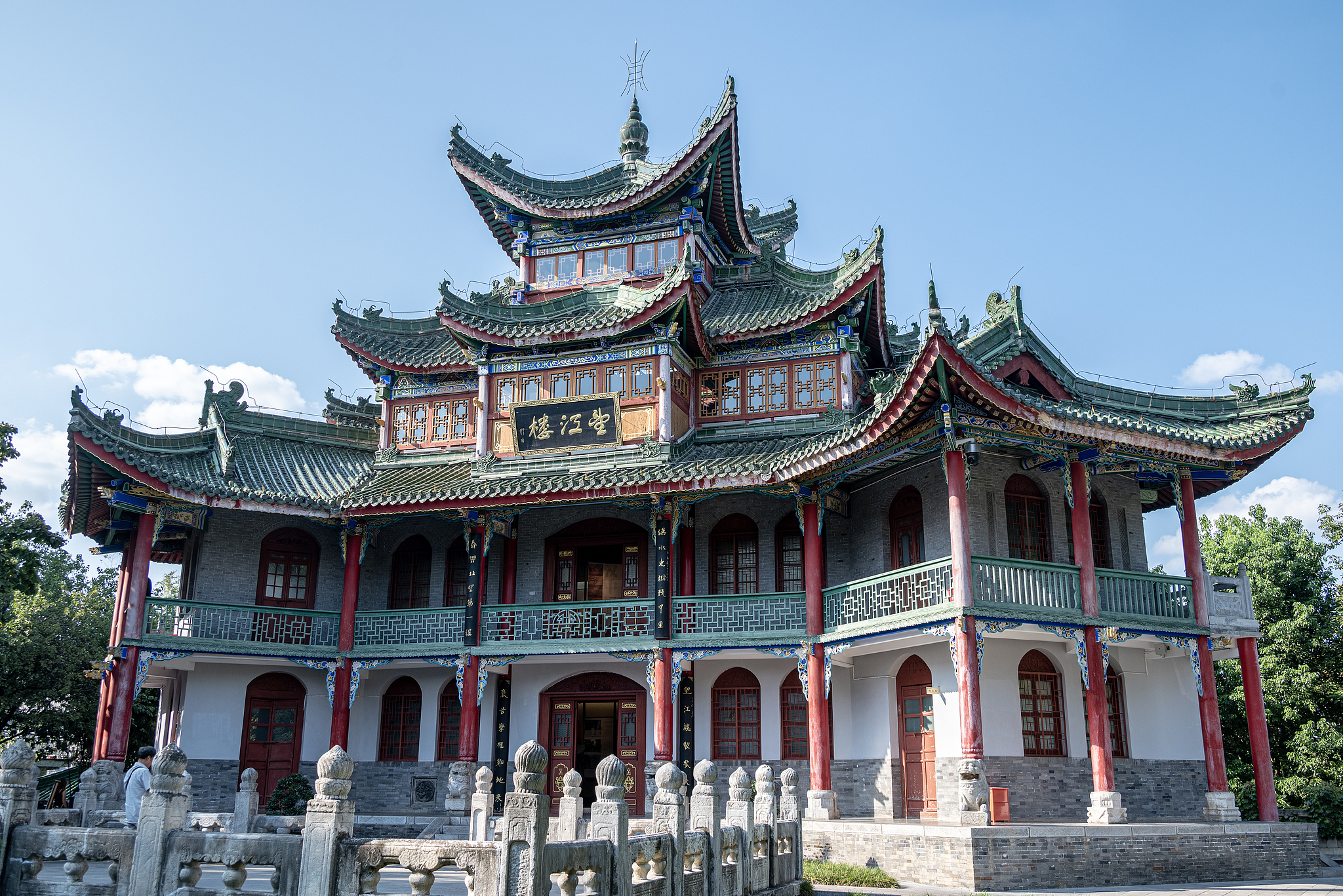
Hanzhong Museum
Museum of Hanzhong, also known as the ancient Hantai, is in the downtown area of Hanzhong City and has three courtyards that ascend from south to north. The museum displays artworks under multiple themes, such as 13 stone carvings in Shimen Cave, the ancient plank road and ancient celebrities’ calligraphy and painting. The museum houses many cultural relics, and the appealing natural scenery and time-honored cultural landscape are impressive.
-
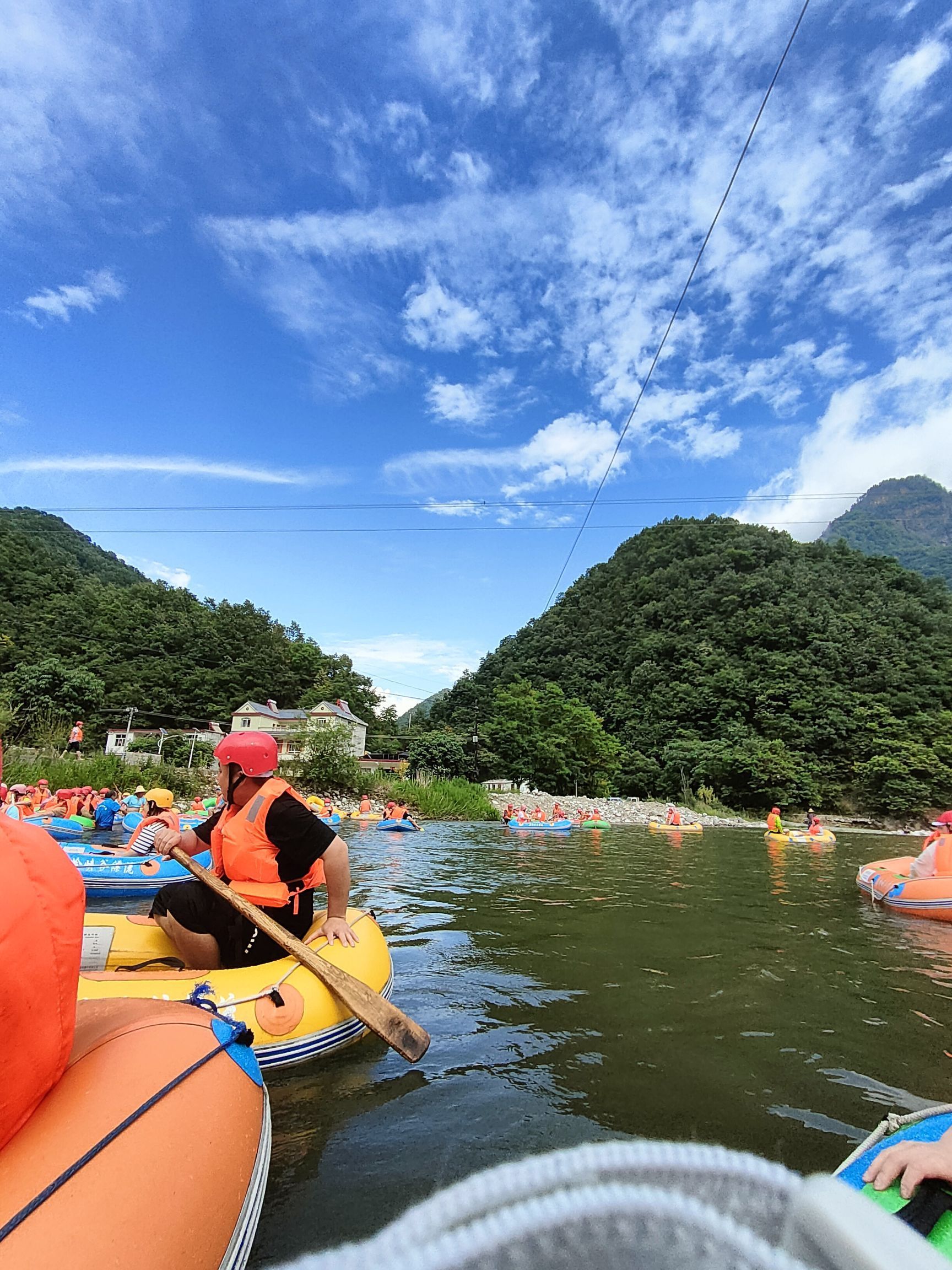
Qinling Canyon Drift
Qinling Canyon Rafting is also called Guanghuojie Rafting by the locals. It is 6 kilometers long, with a large drop of 150 meters, 19 bends, and 10 rapids and dangerous shoals. It is known as the real “No. 1 Rafting in the Mountains”. 5 or 6 people can take a rubber boat to enjoy the scenery of Qinling Canyon in excitement; couples can also take a rubber boat to join hands in the future and integrate into the landscape painting; they can also go on an adventure self-driving rafting. Haogou is lush and green, with beautiful mountains and clear waters. Self-driving rafting boats fly down the river with a drop of 220 meters, sometimes passing through forests and bridges, sometimes breaking through shoals and crossing streams, and experience the pleasure of fighting in the stormy waves. There are green mountains and clear waters and pleasant scenery here. There are rafting, rock climbing, archery, water roller, water zorbing, water expansion, bonfire, performances and other activities. It is a place for young people to hunt for curiosity and adventure, a place for the elderly to refresh themselves, a place for women and children to play in the water, a romantic valley for couples, and a place for urban white-collar workers to relax, entertain and vacation.
-
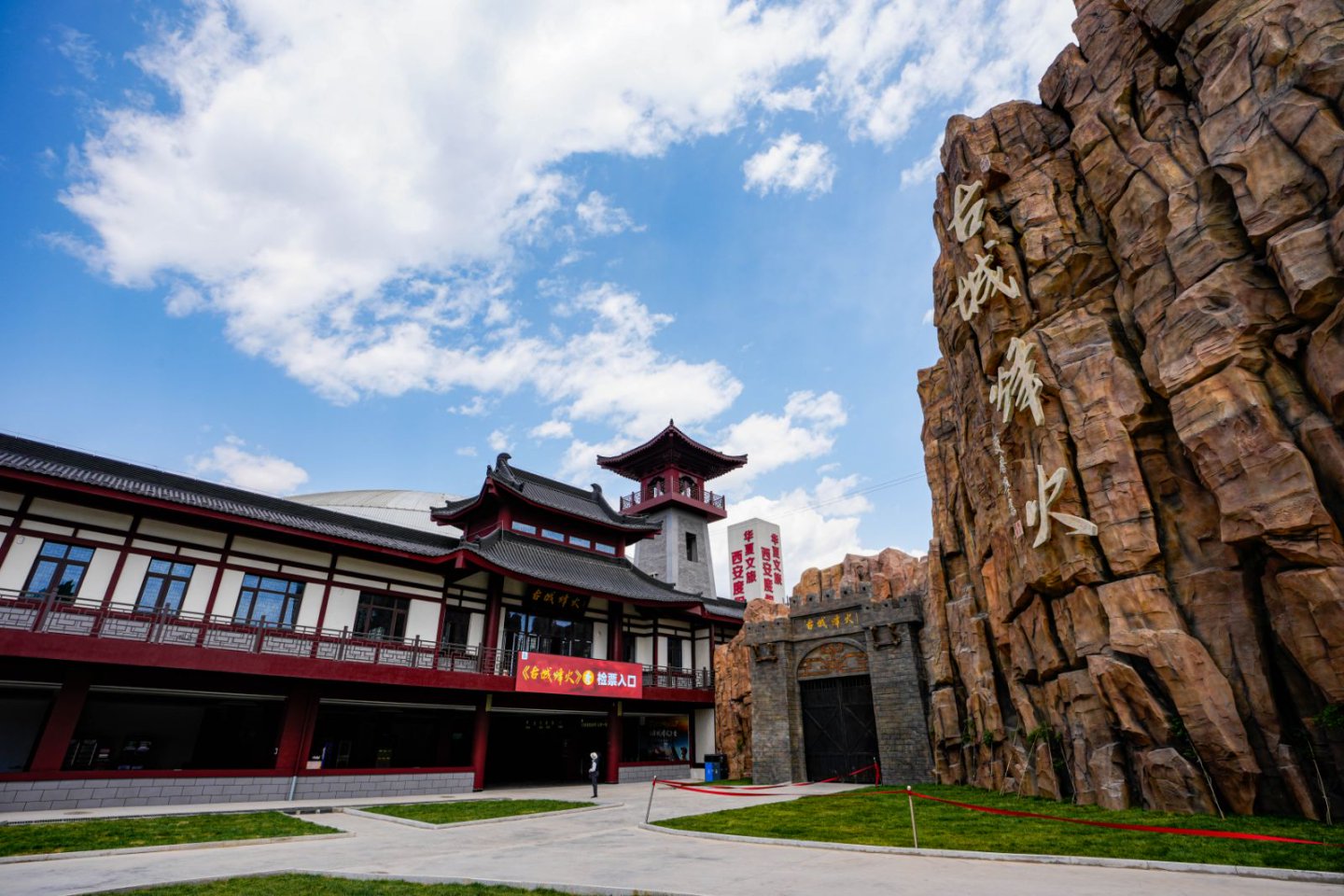
“Ancient City Flames” Show
“Ancient City Beacon Fire” is another masterpiece by Huaxia Tourist Xi’an Resort following “Tuo Ling Legend.” Through unique design, it pioneers a new form of outdoor live performance in Xi’an, transporting audiences to the turbulent Republican era, immersing them in wartime scenes, and witnessing heroic legends! More than just a show, “Ancient City Beacon Fire” offers a breathtaking time-travel experience and a heartfelt tribute to heroes.Act 1: Turning Misfortune into BlessingThe story is set during the Republic of China era in Guanzhong’s ancient city, where a young man named Zhao Yunfeng seeks revenge after local tyrants kill his father. After wounding the tyrant Zhang Erye, Zhao flees to Qingfeng Village and rises as a righteous swordsman who fights injustice. Consumed by hatred, the tyrant hunts Zhao under the guise of suppressing bandits, threatening his fiancée and family to lure him out and eliminate his nemesis once and for all.Act II: Tragic Love in Troubled TimesZhao Yunfeng led his brothers to rescue his kidnapped fiancée and fled back to the mountain stronghold. Determined to eliminate Zhao Yunfeng and the Qingfeng Stronghold once and for all, the security regiment gathered a large force to besiege the stronghold. Zhao Yunfeng and his strategist Wang Banxian engaged in fierce battles against the local tyrants and the security regiment, leveraging the terrain to their advantage. Tragically, Zhao was struck by an artillery shell while saving his fiancée during the intense fighting and lost his life. A new confrontation was about to unfold.Act 3: The Grain Heist at the StationWith no hope of victory, the fiancée detonated the makeshift dam, flooding the bandit stronghold and security forces. At that moment, the young man’s comrades arrived with Red Army reinforcements. With the floodwaters and the Red Army’s assistance, they completely wiped out the security forces, eradicated the scourge of Guanzhong, and liberated the oppressed poor. A battle for grain was about to begin…Act IV: Marching NorthwardAfter the flood, the mountain stronghold was left in ruins. To protect their comrades, honor Zhao Yunfeng’s sacrifice, and completely eliminate the security regiment, the Red Army joined forces with the stronghold fighters to attack the train station and seize the military provisions transported by the security forces. A fierce battle for the provisions erupted at the station. The Red Army and the stronghold warriors fought valiantly, blowing up trains and shooting down planes, ultimately wiping out the security regiment. After joining the Red Army, the stronghold fighters marched north with the troops, eliminating local tyrants along the way and sowing the seeds of revolution—a single spark can start a prairie fire.The monument erected on stage commemorates this great army.