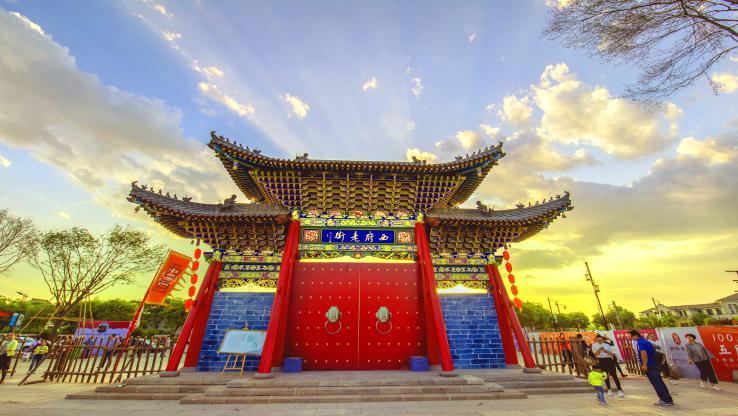
Xifu Old Street is located in Shengliyuan, Beipo, Baoji City. It consists of two parts: the “Old Street District” and the “Guild Hall District”. The Old Street District is based on the brilliant food culture of Baoji. The Workshop Street restores and reproduces traditional crafts. The Snack Street gathers all kinds of special snacks in Xifu, which will dazzle you and make you linger. The Guild Hall District is mainly composed of Dang Chongya Mansion and Mashao Mask Museum, forming a historical and intangible cultural heritage base. Combined with Xifu’s unique folk culture and architectural culture, with culture as the soul, architecture as the form, and experience as the core, it restores the historical humanities and market life customs of ancient Chencang, and presents the “beauty of Xifu” hidden deep in our memory one by one.
归档: Attractions
-
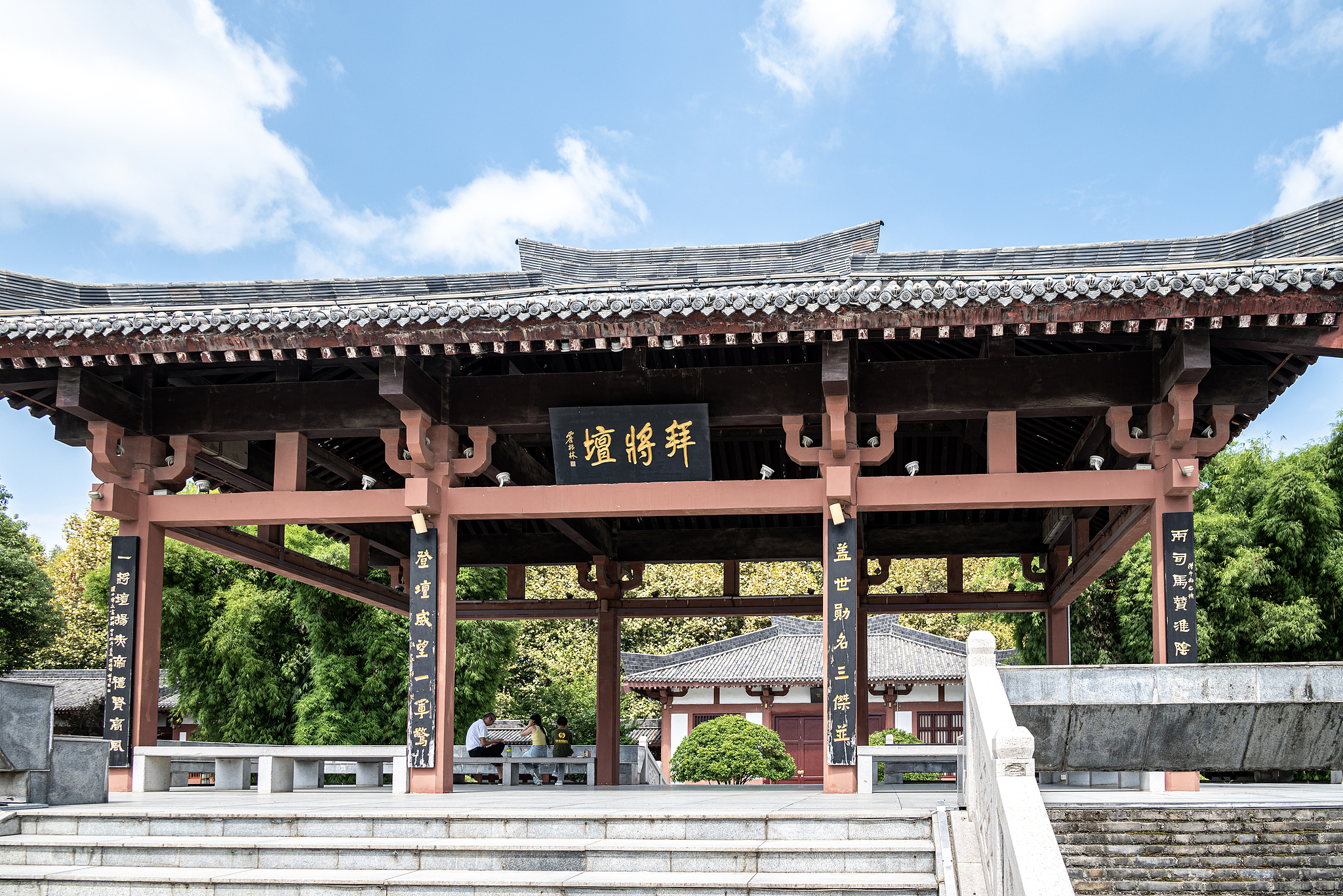
Baijiang Altar
Baijiang Altar is also known as Baijiang Terrace. The south side of Nanhuan Middle Road is composed of two soil platforms, north and south. The platform is more than 3 meters high and covers an area of 7840 square meters. According to legend, it was built when Liu Bang was stationed in Hantai to worship Han Xin as the general of the Han Dynasty and held a grand ceremony of awarding the seal. The altar of worship is located outside the south gate of Hanzhong City, about 200 meters southwest of the ancient Hantai. It is built by two rammed earth platforms separated from the north and the south. Both are more than three meters high. On the west side of the southern platform stands a tall stone tablet with eight characters “Han General Han Xin worshipping the general altar” on the front, and a poem on the back: “To let down Guzhong is a piece of Dan, Weiyang Palace’s moonlight is cold. Where is Emperor Peigong’s business now? It’s not as good as Huaiyin’s altar of generals.” It is enough to see that Liu Bang’s practice of “hunting all the birds, and cooking the rabbits and dogs” is difficult for people to accept. On the east side is a monument about 2 meters high, which is inscribed by the calligrapher Shu Tong for the altar of worship. On the back of the tablet is engraved a dialogue between Han Xin and Liu Bang, which is excerpted from the “Historical Records: The Biography of the Marquis of Huaiyin” by Sima Qian. The pavilion on the northern platform has an inscription from the patriotic general Feng Yuxiang during Hanzhong: “The three heroes of the world are combined, and the prestige of the altar is astonishing.” Compete for this military stage, fully display his talents, and help Liu Bang conquer half of the country. In a sense, the Baijiang altar is actually the foundation stone of the Han Dynasty.
-
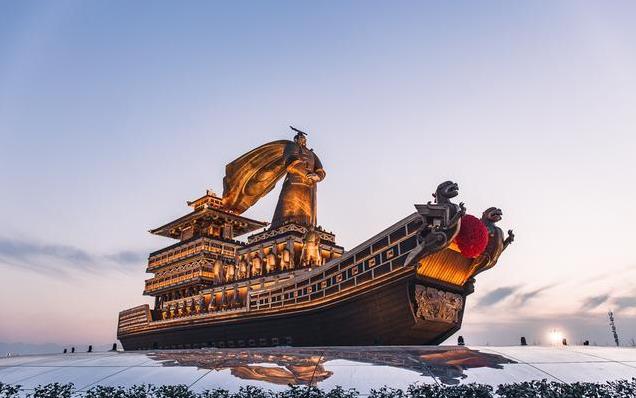
Kunming Pool
Kunming Pool belongs to the town of Luanbin Water, which is located on the banks of the Weihe River, the hometown of the Book of Songs. In the Book of Songs, it is the core of the town of Qibin Water. Stepping into the park of the Book of Songs, the patchwork of buildings is hidden among the pine trees in the bamboo forest. The pool water flows between the trees and the flowers, and every building to the place displays the long-standing poetry culture. Guofeng Square and Guanyu Square Wait, listening to these names is just right for the fusion of The Book of Songs.
-
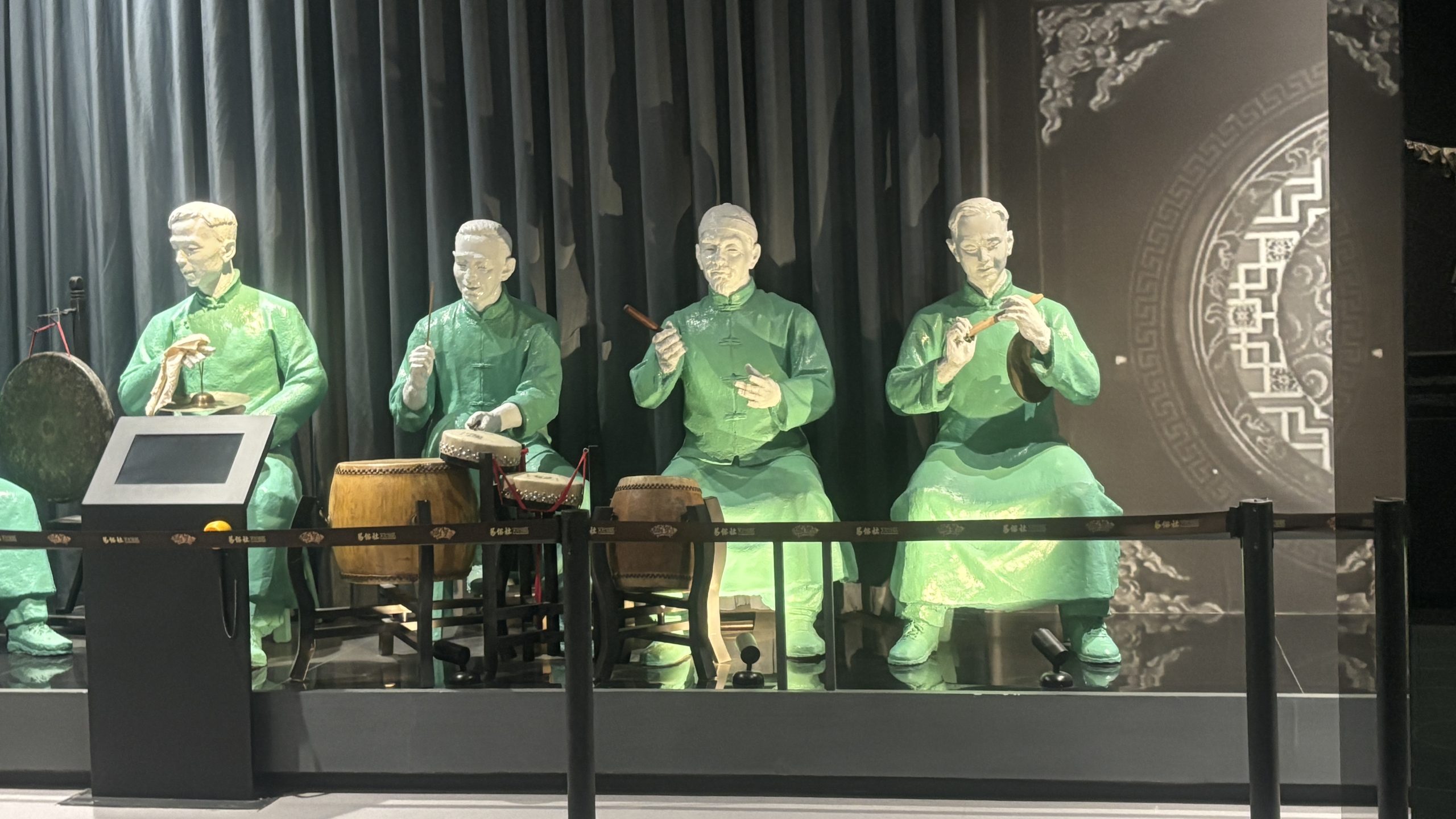
Qin Fengyuan Intangible Cultural Heritage Theater Bell Tower Store
Qin Fengyun Shaanxi Opera Tea House is located at the intersection of Mingsheng and Yongsheng roads in the Beilin district of Xi’an. The Shaanxi opera form was established in the Qin dynasty, flourished in the Tang, and continued to be popular in the Ming and Qing dynasties. The singing style has developed over three thousand years forming the opera’s unique character. Laokong is a form of shadow puppet style opera performance with a long history that is difficult to trace. Meihu is the second most popular opera form in Shaanxi which mixes speech and singing in a smooth and lively display.
-
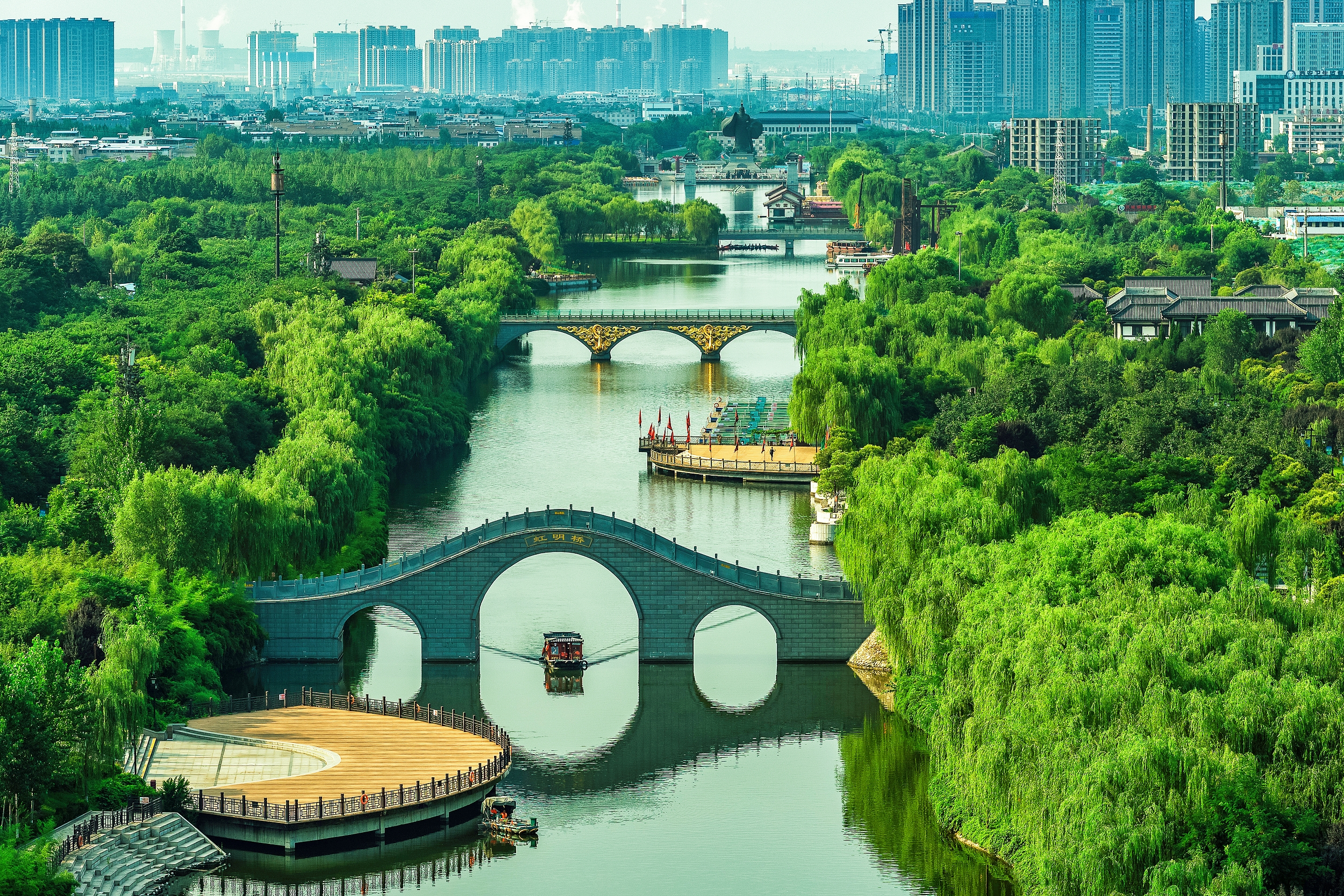
Hancheng Lake
The Hancheng Lake Scenic Area, found in the northwest of Xi’an, was originally a united reservoir. It is a special ecological park uniting flood protection and security, garden landscape, water ecology, heritage conservation and urban agricultural irrigation. Visitors can view and enjoy the unique landscapes on both sides of the Hancheng Lake by boat, there are also deluxe barges equipped with a variety of service facilities; there is a safe, comfortable and stable antique picture boat; there are large-scale cruise ships as well with a modern style. On the way you can sense the charm of the small bridges, elegant and elegant classical gardens.
-
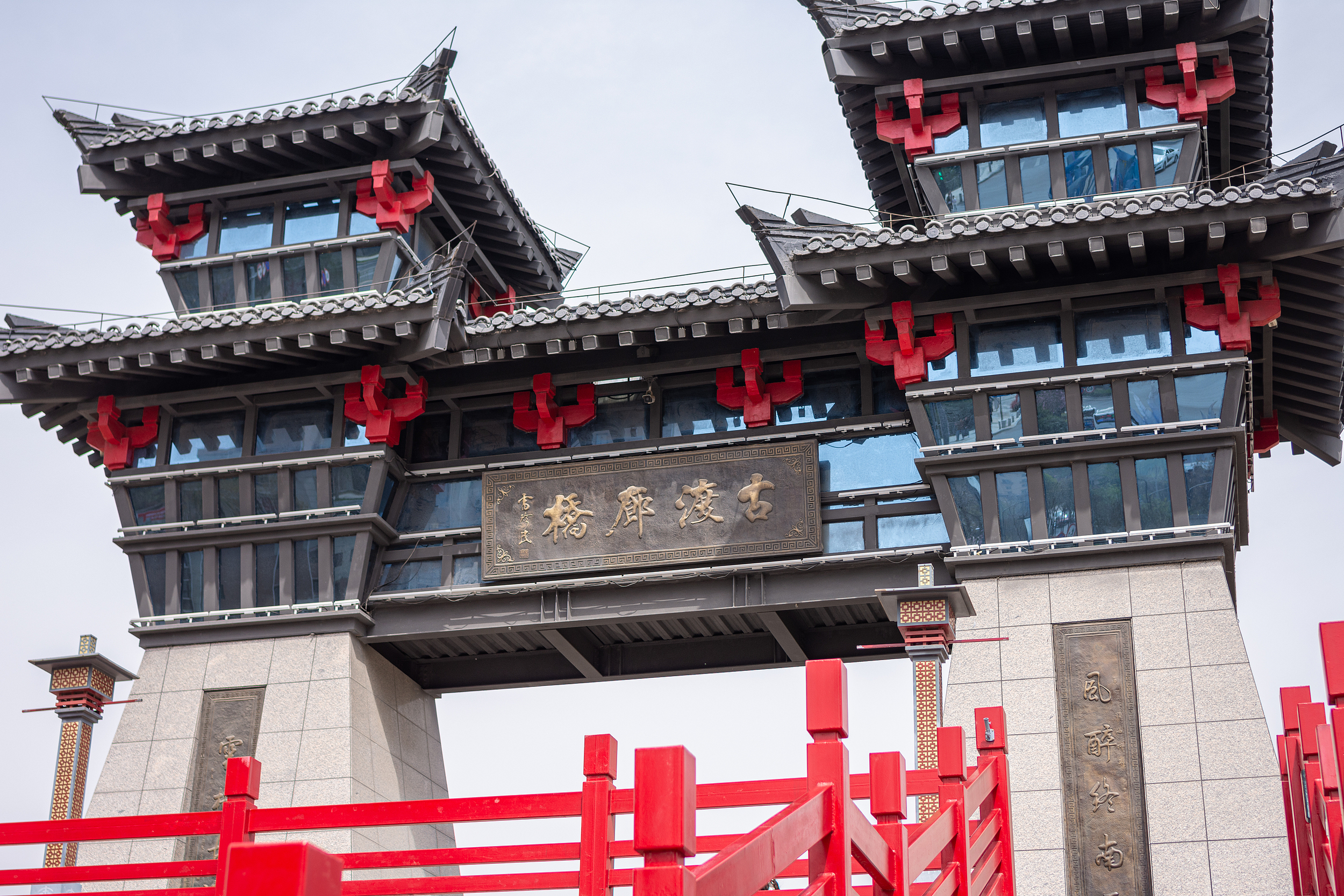
Xianyang Ancient Ferry Corridor Bridge
Xianyang Ancient Ferry Corridor BridgeLocated in Xianyang, Shaanxi Province, spanning the Wei River, it is the nation’s first double-decker pedestrian bridge with Qin architectural style. The bridge stretches 748 meters long and 14 meters wide, connecting Weiyang Road in the north to the south bank of the Wei River, linking with Century Avenue. At both ends of the bridge stand “Ji Que” gates symbolizing Qin’s capital establishment in Xianyang. The bridge features two levels: the lower deck for pedestrian passage and the upper deck as a leisure viewing platform, equipped with a main pavilion and two auxiliary pavilions offering services like a concert hall, art gallery, and reading lounge. Gudu Covered Bridge not only integrates Qin cultural elements but also showcases the long history of Xianyang’s ancient ferry. From the bridge, visitors can enjoy panoramic views of the Wei River and the cityscape of Xianyang. Nearby attractions such as Qingwei Tower and the Xianyang Ancient Ferry Site Museum collectively form the cultural landscape belt of Xianyang Gudu, highlighting the ancient charm of the former Qin capital. Whether for history enthusiasts or leisure visitors, everyone can find their own enjoyment here.
-
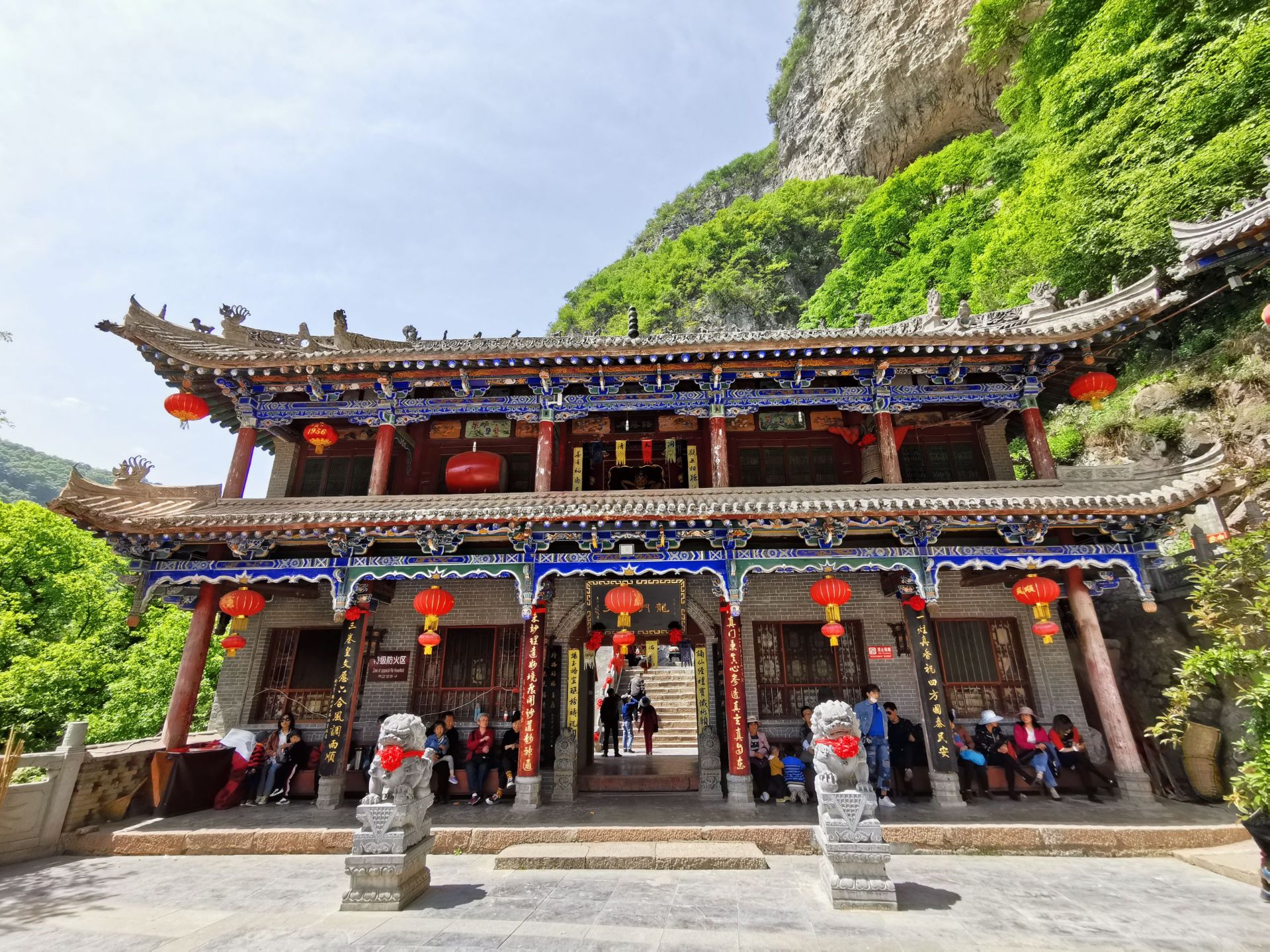
Longmen Cave
Longmendong Scenic Area is located at the foot of Jingfu Mountain, on the border of Shaanxi and Gansu provinces in northwestern Baoji, 22 kilometers from Longxian County. Formerly known as Lingxianyan, Longmendong is part of Jingfu Mountain in the southern section of the Liupan Mountains. The main peak of Jingfu Mountain is 1924 meters above sea level, and Longmendong is located about 1 kilometer northwest of the main peak, on the mountainside at an altitude of 1800 meters. Longmendong boasts beautiful scenery and steep cliffs, with numerous halls, platforms, pavilions, and towers built on the precipice. Suspension bridges and walkways allow visitors to climb to the top.Longmendong is a renowned scenic spot in the Shaanxi-Gansu region, containing 36 caves and numerous ancient architectural sites. Longmendong offers breathtaking scenery, a wonder of the Guanzhong Plain, and a place of seclusion and cultivation for virtuous people throughout history. Zhou Dynasty official Yin Xi, Western Han Dynasty scholar Lou Jing, and Tang Dynasty scholar Sun Simiao, among others, once lived in seclusion here.In 1180 AD, the Yuan Dynasty Taoist Qiu Chuji settled in Longmen Cave, which then became a grand Taoist training ground. Through the Yuan, Ming, and Qing dynasties, the cave halls, pavilions, ladders, and plank roads were continuously built and improved. In recent years, after renovations, Longmen Cave has become a new scenic spot and tourist attraction.
-

Xi’an Enjoy Snow World
Xi’an Yinji Ice and Snow World: 365 days of fun life in the ice and snow kingdomIn summer, go to the ice and snow world at your doorstepA popular place for skiing, snow playing and taking photos 365 days a yearA comprehensive ice and snow themed indoor park that integrates ice rink, snow entertainment, amusement, science and educationXi’an Yinji Ice and Snow World has four major theme attractions: White Castle, Ice Lake Island, Emerald Valley, and Snow Cat Town, where you can have fun in the snow in one stop.