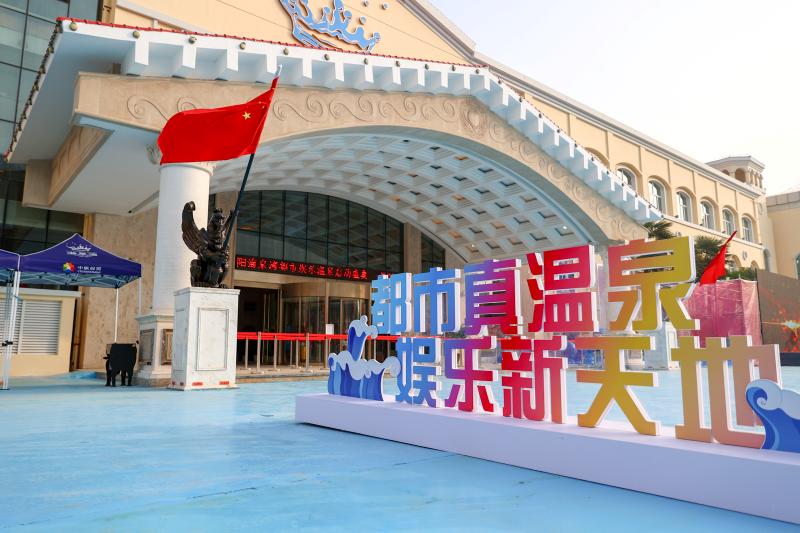
The Haiquanwan Hot Spring is located in the China Geothermal City Square of in the center of Xianyang’s Century Avenue. It has extremely soft water. There are many culturally themed hot springs here, such as the Roman Bath, Turkish Bath and Russian-style Monica Bath. Visitors are invited to be immersed in the lush green surroundings, as the exquisite Chinese-style garden inspires a natural and tranquil feeling.
归档: Attractions
-
Jinlong Gorge
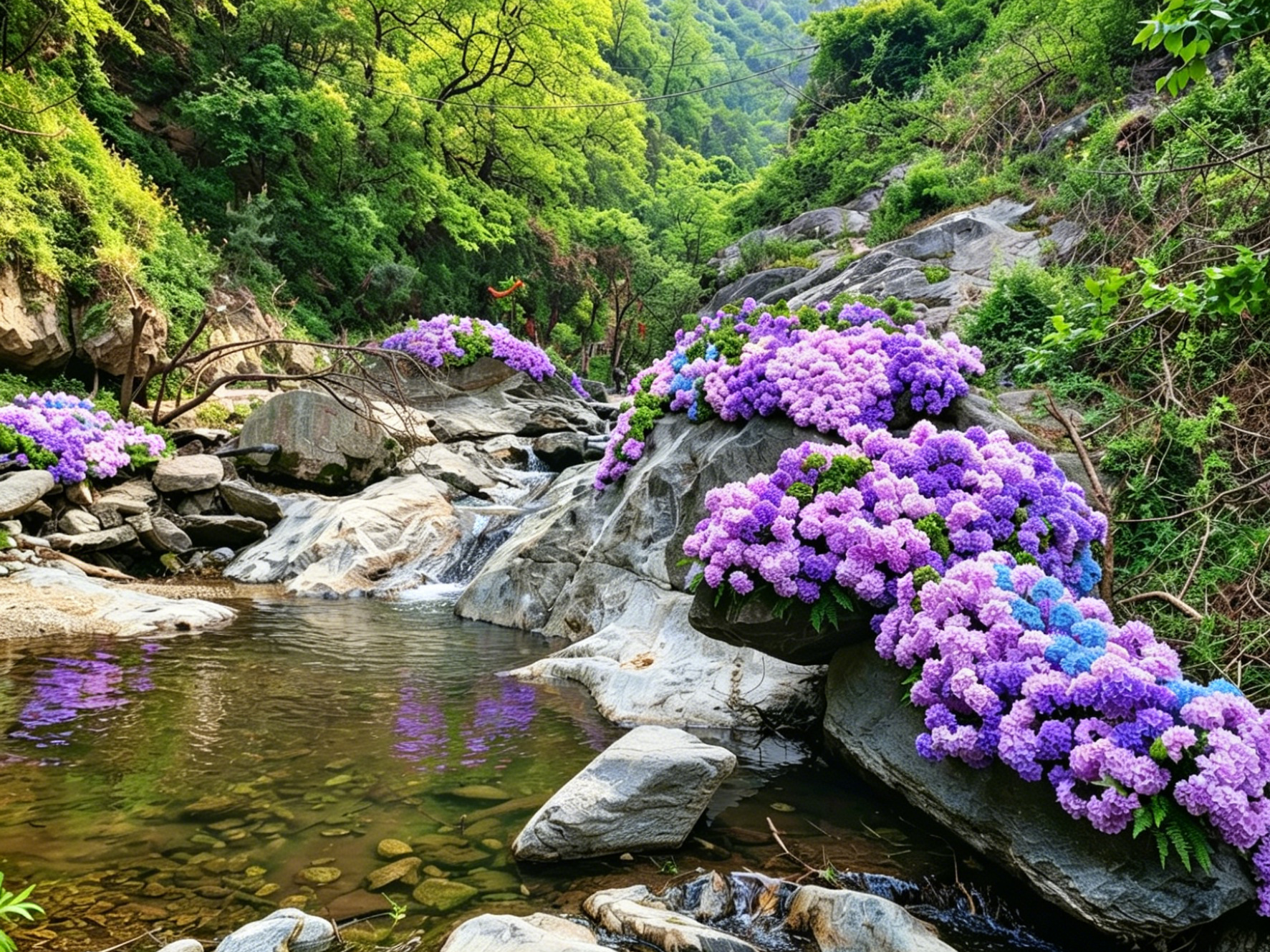
Jinlong Gorge is a beautiful mountain with unique peaks. It is like a dragon wading through the clouds and flying in the embrace of the Qinling Mountains. The original plane is well-preserved, and the ultra-large-scale natural forest oxygen bar is located deep within it. It is a scenic spot that combines natural ecological scenery with humanistic and historical features. The water of Jinlong Gorge not only demonstrate the beauty of the waterfall, but also have the additional value of being close to the water. The mountains of Jinlong Gorge are both steep and can be seen from nearby.
-
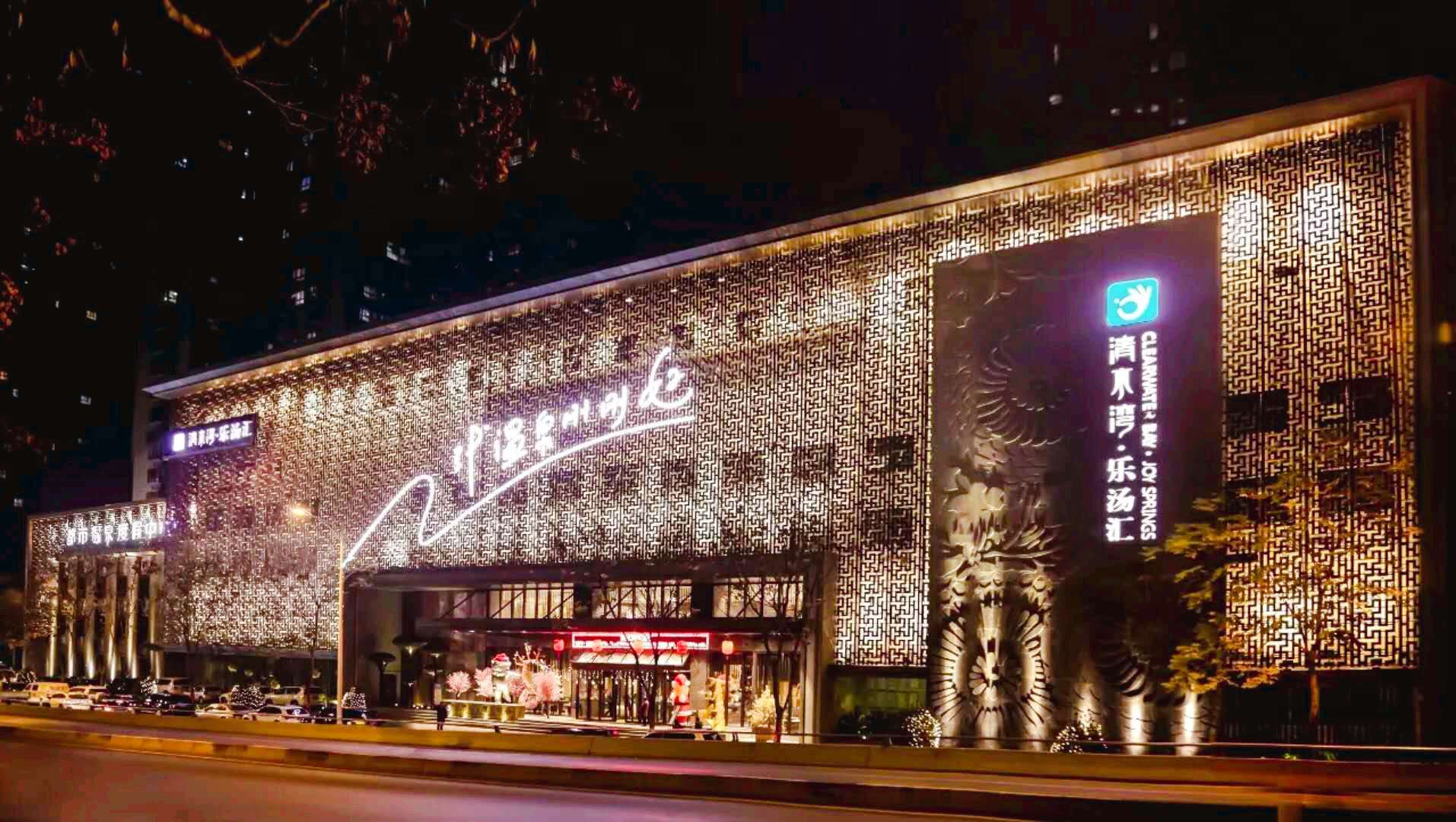
Xi’an Qingshuiwan·Letanghui Hot Spring
Xi’an Qingshuiwan • Letanghui Hot Springs includes spa plazas, health spas, hot spring rooms, local foods, khan transpiration paradise, and many other leisure activities. Male and female bathing areas each have a variety of different features of the hot springs pool, all kinds of steaming experiences, and high-definition viewing spaces. and German-made beer equipment music clearing bar.
-
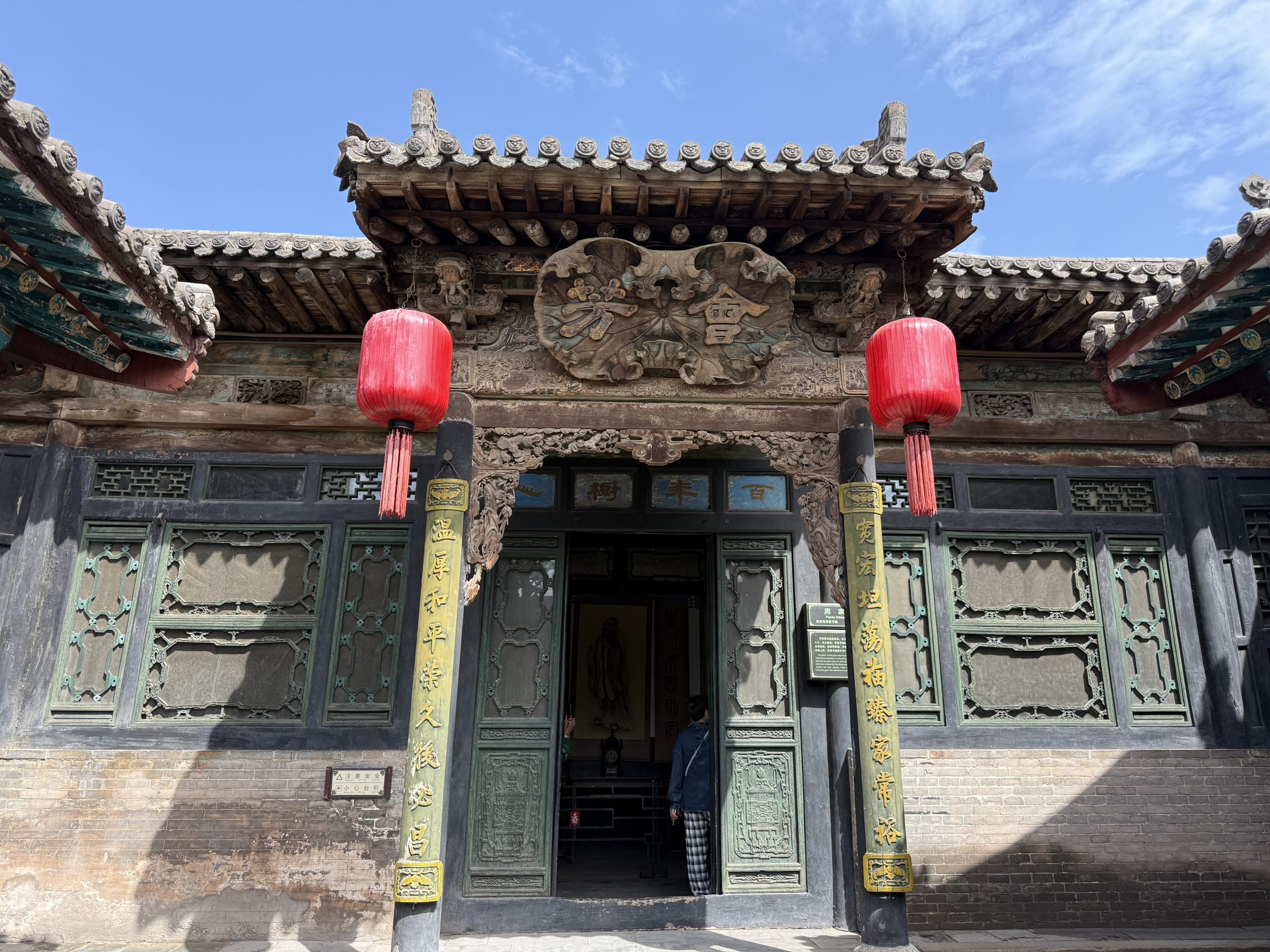
Qiao’s Grand Courtyard
Located in Qiaojiagou Village, Shenmu County, Yulin City, Shaanxi Province, the Qiao Family Compound is a traditional residential complex with typical Shaanbei rural characteristics, carrying the local family history and regional cultural memory. Built into the mountainside, the compound primarily uses brick, stone, and rammed earth as its main materials. The overall layout is relatively compact, with courtyards connected by passageways, reflecting both the defensive and privacy-oriented characteristics of northern dwellings and the local residents’ adaptation to their natural environment. Compared to the Shanxi merchant courtyards, the architecture here is more simple and robust, with relatively minimalist decoration, but traditional craft elements such as wood carvings and gate towers can still be seen in the details. Functionally, the Qiao Family Compound was not only a living space for the family but also served multiple purposes such as storage and entertaining guests, reflecting the “family-centered” lifestyle of traditional agrarian society. With the changing times, these courtyards have gradually shifted from residential functions to spaces for cultural display and carrying local memories. Some houses, after renovation, have preserved their original layout, allowing people to directly experience the lifestyle of the past.
-
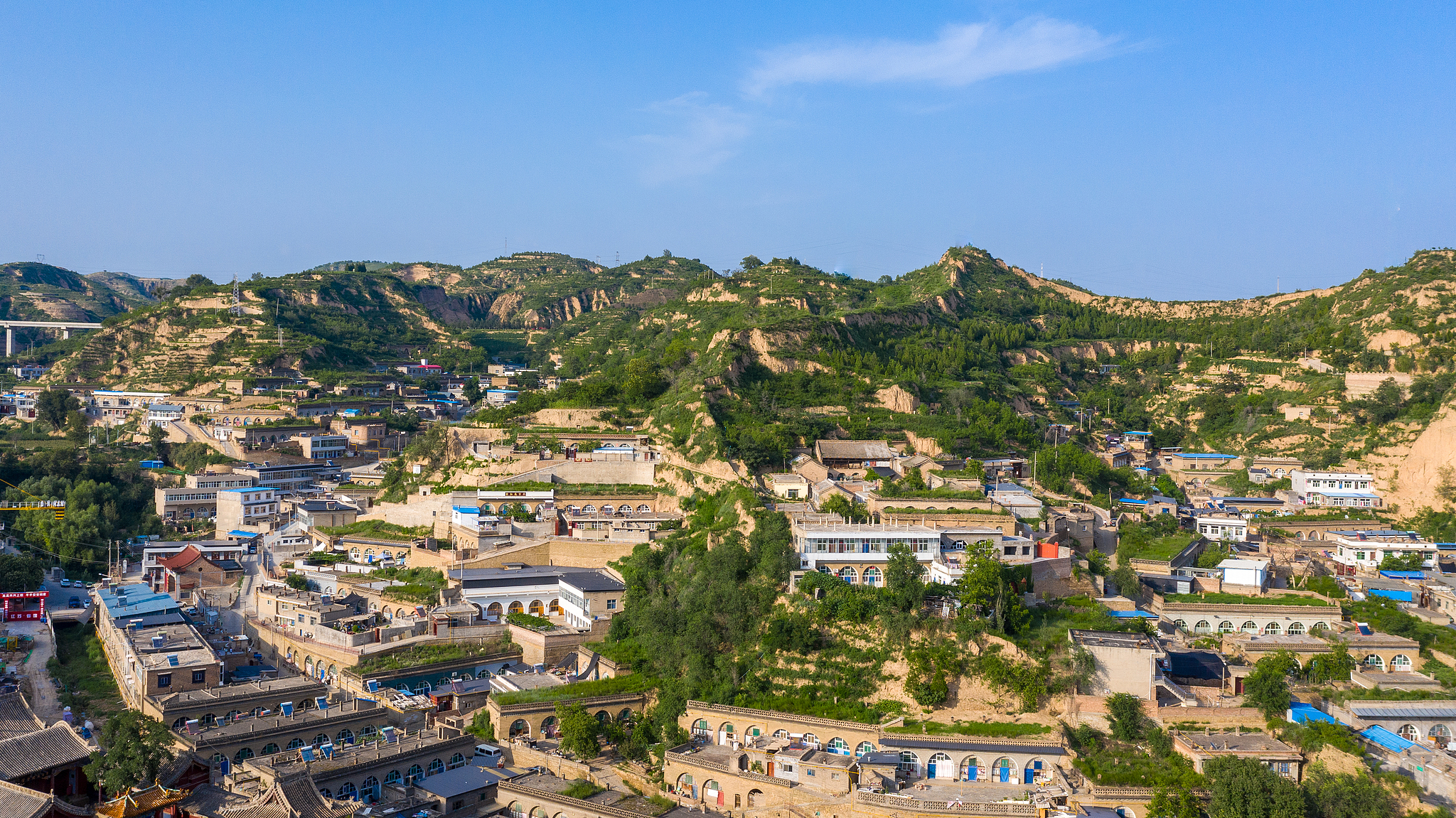
Mizhi Cave Dwellings’ Ancient City
The Mizhi Cave Ancient City is located in the southeast of Mizhi County, covering a total area of about 2.4 square kilometers. The ancient city was built in the early years of the Northern Song Dynasty, and was later repaired and expanded by the dynasties. It is a historical and cultural city that has lasted for more than a thousand years. The entire ancient city is surrounded by mountains and water, and overlooked by two mountains, which conforms to the traditional settlement site selection. The ancient city is mainly based on four main streets in the east, south, west and north. Thirteen alleys such as Confucian Alley, Shipo and Sikou Alley are distributed on both sides of the streets, forming an overall pattern of “two mountains surrounded by three waters, and four streets with ancient charm” that looks like a phoenix spreading its wings. Professor Jin Zhilin of the Central Academy of Fine Arts praised the ancient city as “the soul treasure of the Chinese nation.” Mizhi Cave Ancient City, a historical and cultural city that integrates the architectural features of the Song, Yuan, Ming and Qing Dynasties and the Republic of China, has formed three sets of ancient city patterns, showing rich historical changes and folk customs. The ancient city is about 1.5 hours’ drive from Yulin City. Tourists can choose to drive or take public transportation.
-
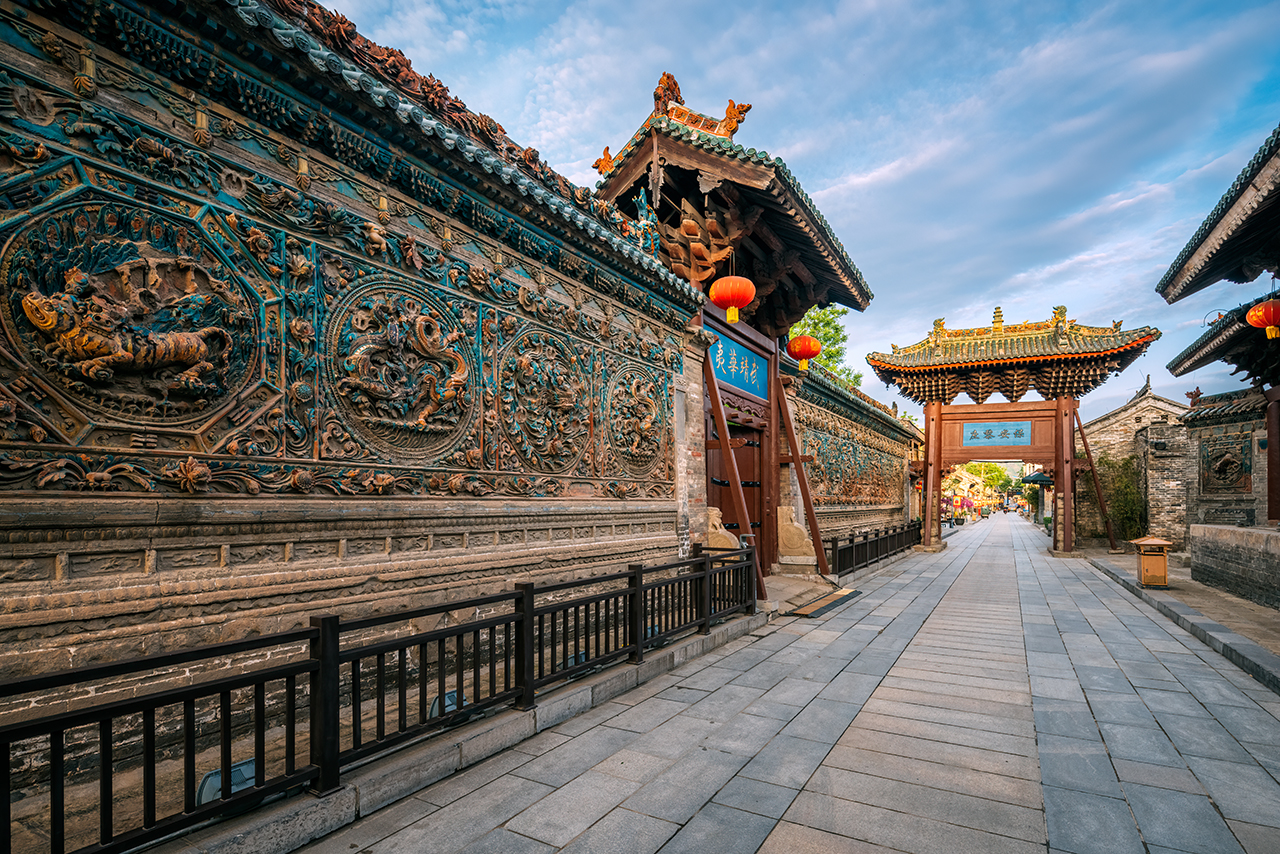
Ancient City of Three Temples
The Ancient City of Three Temples is located in Hancheng, Shaanxi Province. The three temples refer to the Temple of Literature, Dongying Temple and City God Temple. The Three Temples are connected, forming the core attraction of the ancient city of Hancheng. Hancheng Museum is also located here. The three ancient temples are relatively well preserved, and the cultural relics are richly displayed, reflecting the ancient charm of the Hancheng region.
-

Wave Valley Water Danxia
Shuishang Danxia is a type of natural landform. In Jingbian County, the geological resources are rich and diverse, forming a unique and rare landscape. This area features numerous valuable geological relics such as linear valleys, alley valleys, and sheer cliffs, along with natural resources like streams, sandy areas, water system reservoirs, and reed marshes. These elements create a distinctive wavy sandstone landform, also known as “Shuishang Danxia.” It combines the landscape of the Wave Valley in the USA, the features of Antelope Canyon, and the grandeur of the Grand Canyon, offering breathtaking and stunning scenery.
-
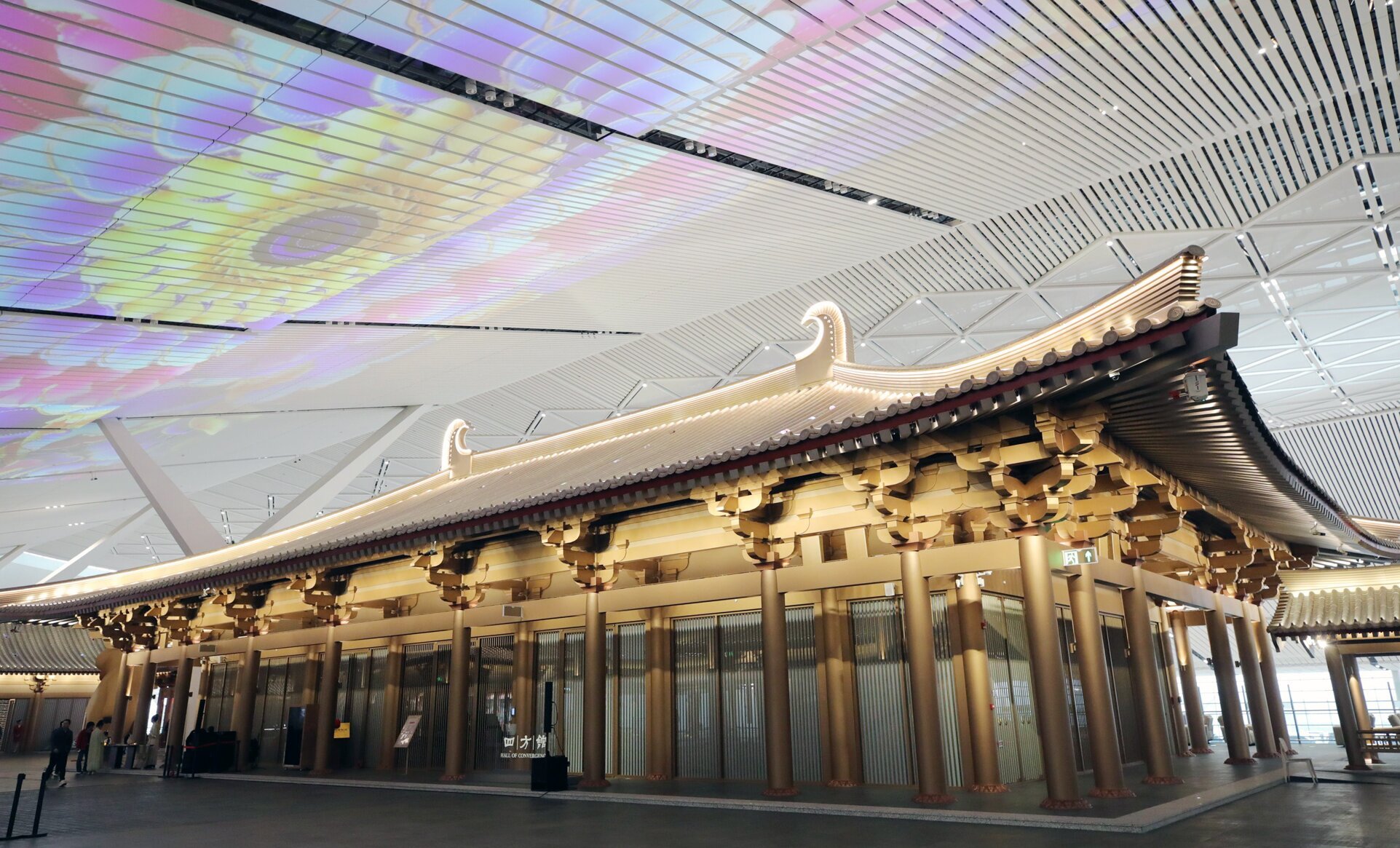
Western Airport Museum
Western Airport MuseumFeaturing Tang Dynasty-inspired architecture, the structure showcases a grand and majestic style.Western Airport MuseumFocusing on artifacts unearthed during the various construction phases of Xi’an Xianyang International Airport and supplemented by related archaeological finds from the Hongduyuan area, the exhibition showcases the process of cultural relic preservation and archaeological excavation during airport development. It not only displays a rich collection of artifacts but also combines history with modern technology through innovative presentation methods and technological means, such as interactive imaging and AR artifact displays, offering visitors an immersive historical experience. Additionally,Western Airport MuseumIt also introduced the “15-min cultural experience” initiative, showcasing artifact stories through standalone display cases to accommodate visitors’ fast-paced browsing.