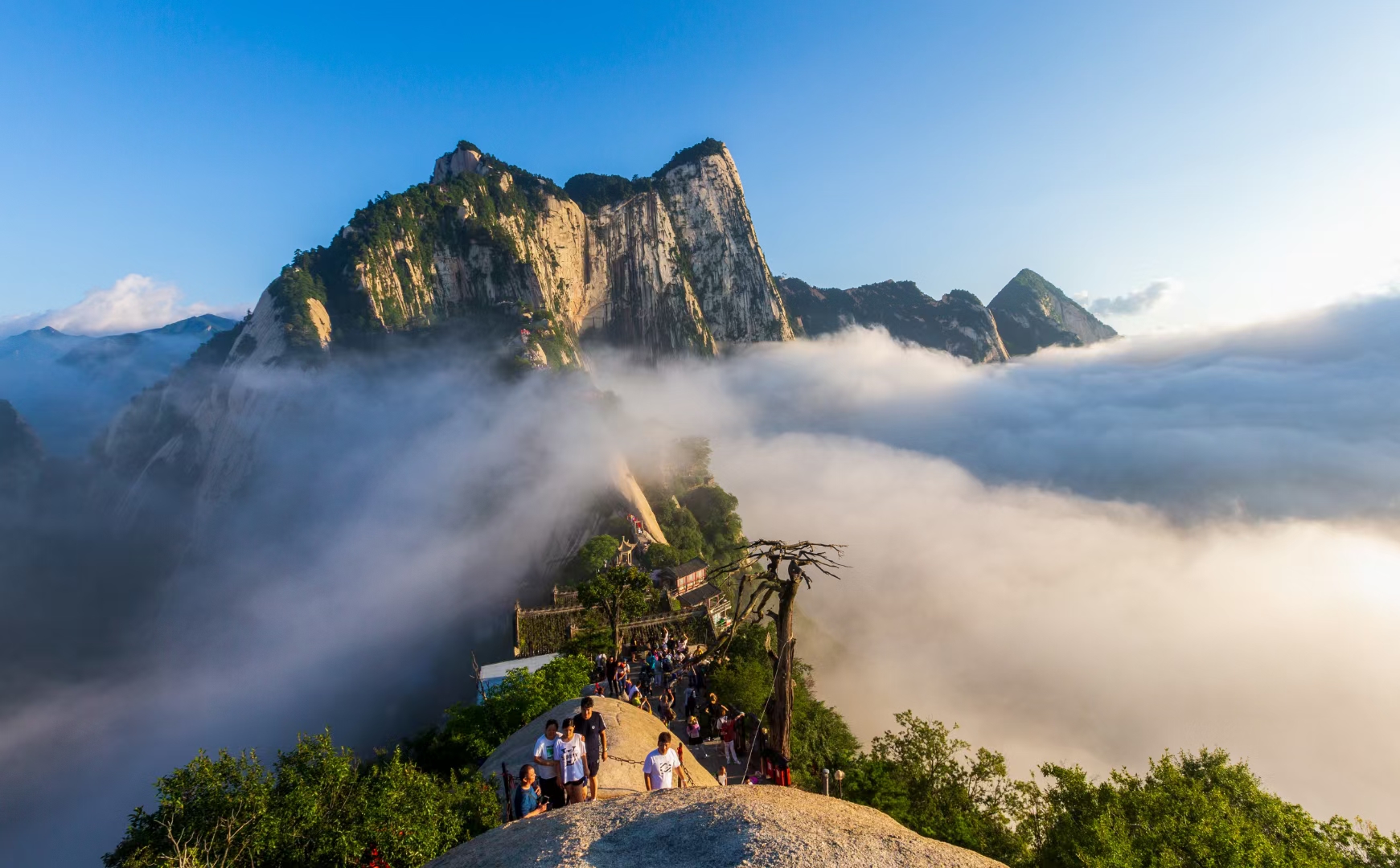
The North Peak Cableway of Huashan Mountain is located at the main peak of Huashan Mountain – the North Peak. The North Peak is the key point for climbing the other four peaks. The mountain is steep and it is also a good place to enjoy the scenery. Once you climb up to this point, then take the North Peak Cableway and go down, you will see only three cliffs. It is a thrilling ropeway that those with a fear of heights should enter with caution.The Beifeng Cableway round trip is a time-saving, economical and panoramic mountaineering route, that is, going north and going down. The entire line is a relatively low-cost cableway mountaineering route. If you have limited time to visit, you can choose this route to visit Beifeng. There are commemorations on Beifeng. Famous scenic spots such as Pavilion, Caer Cliff, Canglong Ridge, Huashan Sword Monument, and Panoramic Huashan.
归档: Attractions
-
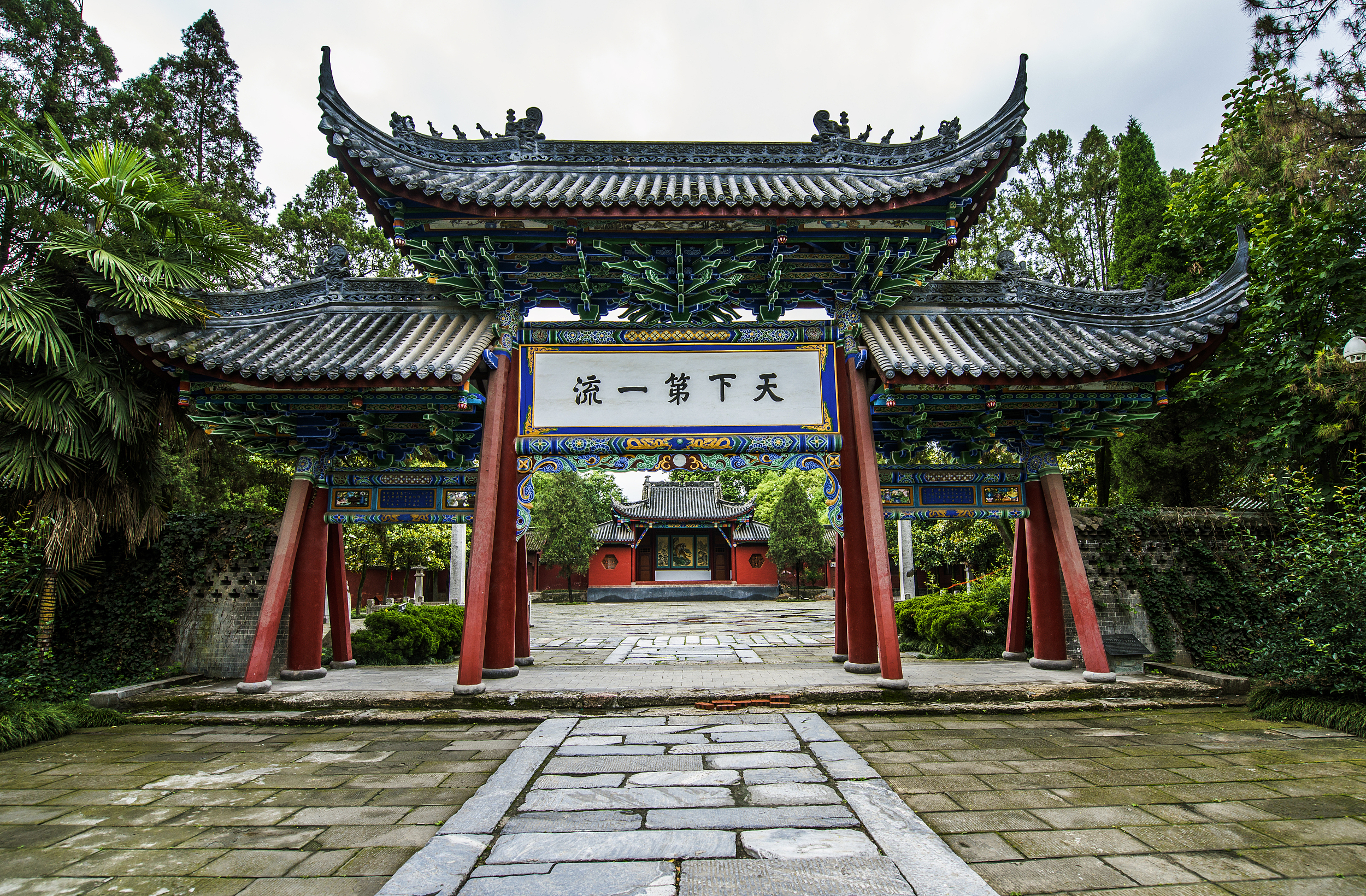
Mianxian Wuhou Memorial Temple Museum
Wuhou Temple is a key cultural relics protection unit in Shaanxi Province, a national 3A-level tourist scenic spot, and faces the Wuhou Tomb across the Han River. Wuhou Temple was built in the sixth year of Jinghan Jingyao (AD 263). Liuchan announced the building of the Temple. The site was chosen to be in Wuhouping, beneath Dingjun Mountain. It is close to the tomb and integrates ancient architecture, gardens and paintings. It is a thousand-year-old ancient temple representing the traditional architectural style of Southern Shaanxi.
-
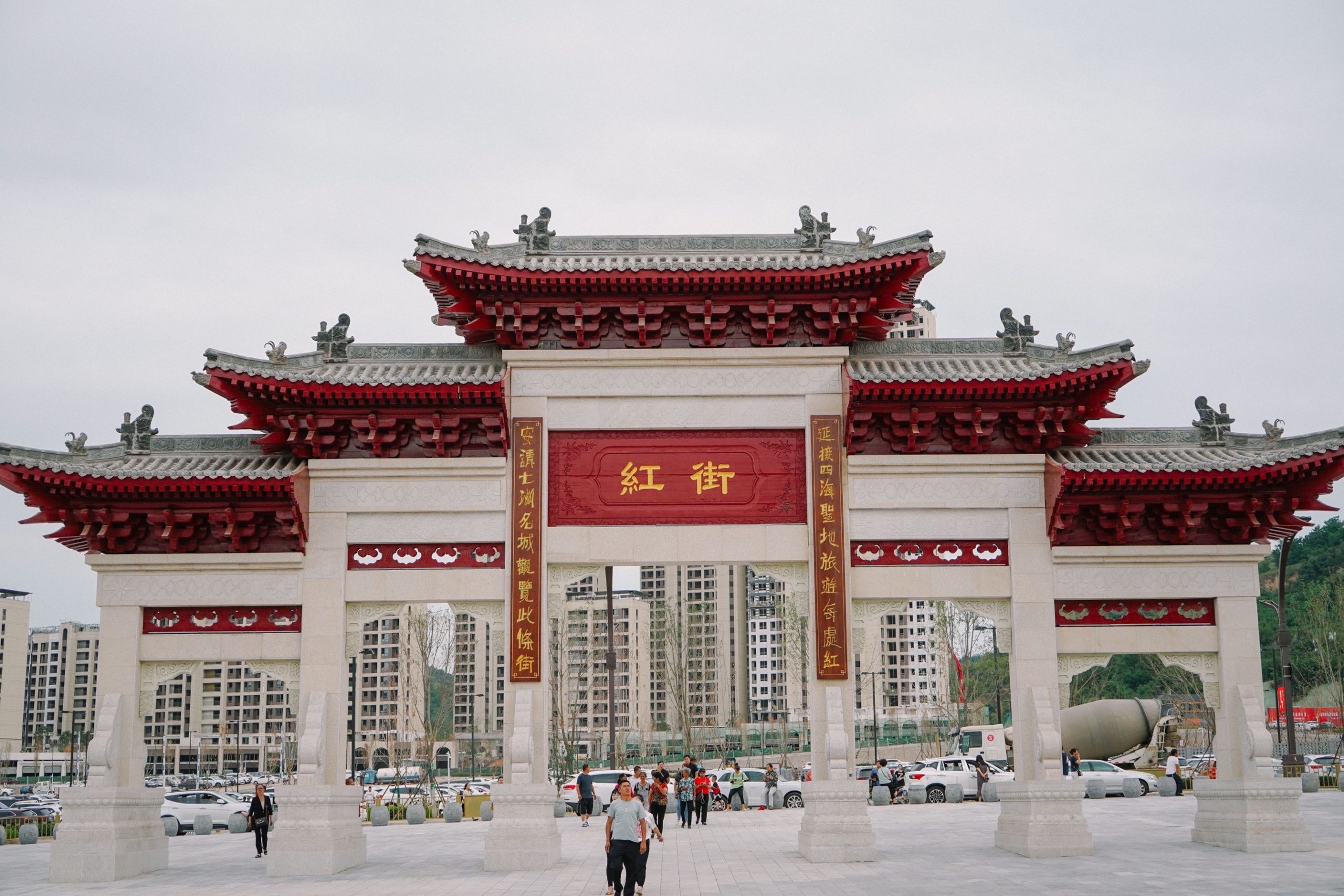
Yan’an Red Street
Yan’an Red Street is located at No. 1 Huanhu Road, Science and Technology City, High-tech Zone, Yan’an City. It is a super-large red tourism comprehensive project integrating patriotic education, folk culture experience, tourism, leisure and vacation. Red Street bids farewell to the single function of traditional red tourism. It not only has food, accommodation, travel, entertainment, shopping, intangible cultural heritage, and activities, but also has a complete range of land and water projects, which can greatly meet the comprehensive needs of tourists for red tourism. Yan’an Red Street covers an area of 26.76 hectares, with a total construction area of 74,900 square meters and a block length of 1.5 kilometers. Based on the historical context of Yan’an from 1935 to 1948, four red cultural blocks and five red themed squares are formed, namely “Red Journey”, “Red Life”, “Red Time” and “Red Age”. With the planning and design of traditional ancient city buildings, historically restored buildings, northern Shaanxi residential buildings, and the landscape of the Long March Cultural Park, it reproduces the glorious journey of the Red Army’s reunion in northern Shaanxi, the fiery years of Yan’an, and the great victory. Yan’an Red Street is planned according to the format of “food and beverage”, “non-heritage specialties”, “retail”, “red training and experience”, “main store paradise and homestay”, attracting many tourists and opening on June 12, 2021 The number of tourists exceeded 2 million in the first month, and on the first day of opening, it also set a record of 260,000 passengers in a single day. Yan’an Red Street uses high-tech means to create an immersive experience. It has the domestic large-scale red indoor scene experience drama “Return to Yan’an”, and the interactive military paradise “Training Ground” with 24 ballistic tracks, the largest shooting range in Northwest China, etc. Create multiple dynamic sensory experiences, combine education with travel, and entertain with education. Yan’an Red Street focuses on innovating a new model of red tourism and building a new brand of Chinese red culture.
-
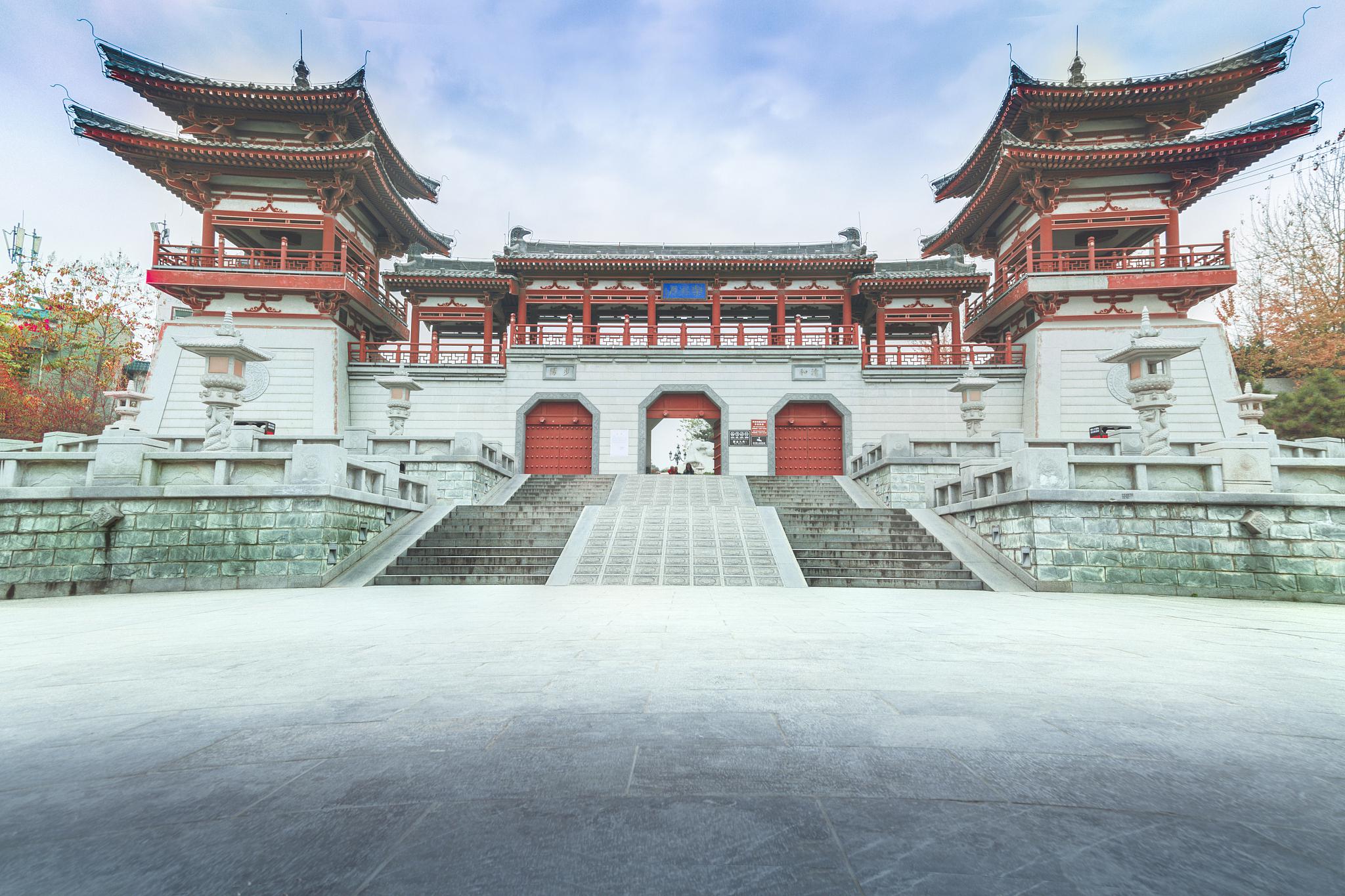
Qinglong Temple
Qinglong Temple is located in the southeast of Xi’an City, There is the Kukai Monument, Huiguo and Kukai memorial hall, and Qinglong Temple garden. The three courtyards are scattered and orderly, simple and elegant. The garden is planted with pine, bamboo, plum, willow and Chinese rose. In addition, Qinglong Temple displays cultural relics in its showroom. Nowadays, it is a good place for public outings, spring riding. Especially in the spring of the year, many couples have come here to shoot wedding scenes under the cherry blossom trees. In addition, flowers, such as peony and tulip, are on display in the spring.
-
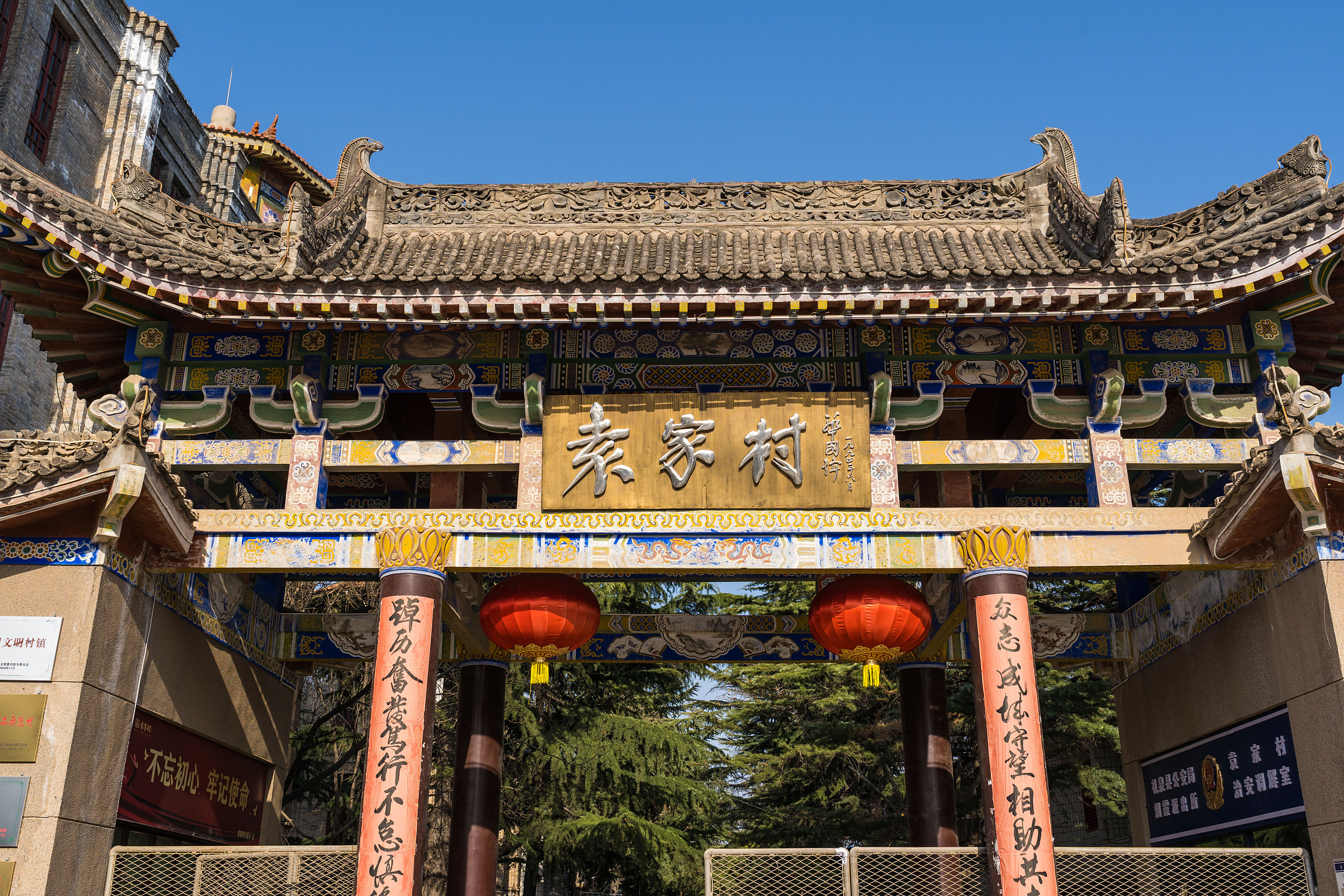
Yuanjia Village
Yuanjia Village is located in the heart of the Weihe Plain, about a kilometer from the Zhao Mausoleum of Emperor Taizong of Tang. Yuanjia Village has two sections, one devoted to the folk culture of the plain, and the other to agritourism. Shops line the lanes of Yuanjia. There’s a replica ancient oil mill and tofu and noodle workshops. You can even go inside a textile workshop where older people are carefully weaving cloth. The whole setting makes it feel like you’ve returned to the Weihe Plain of centuries past.
-
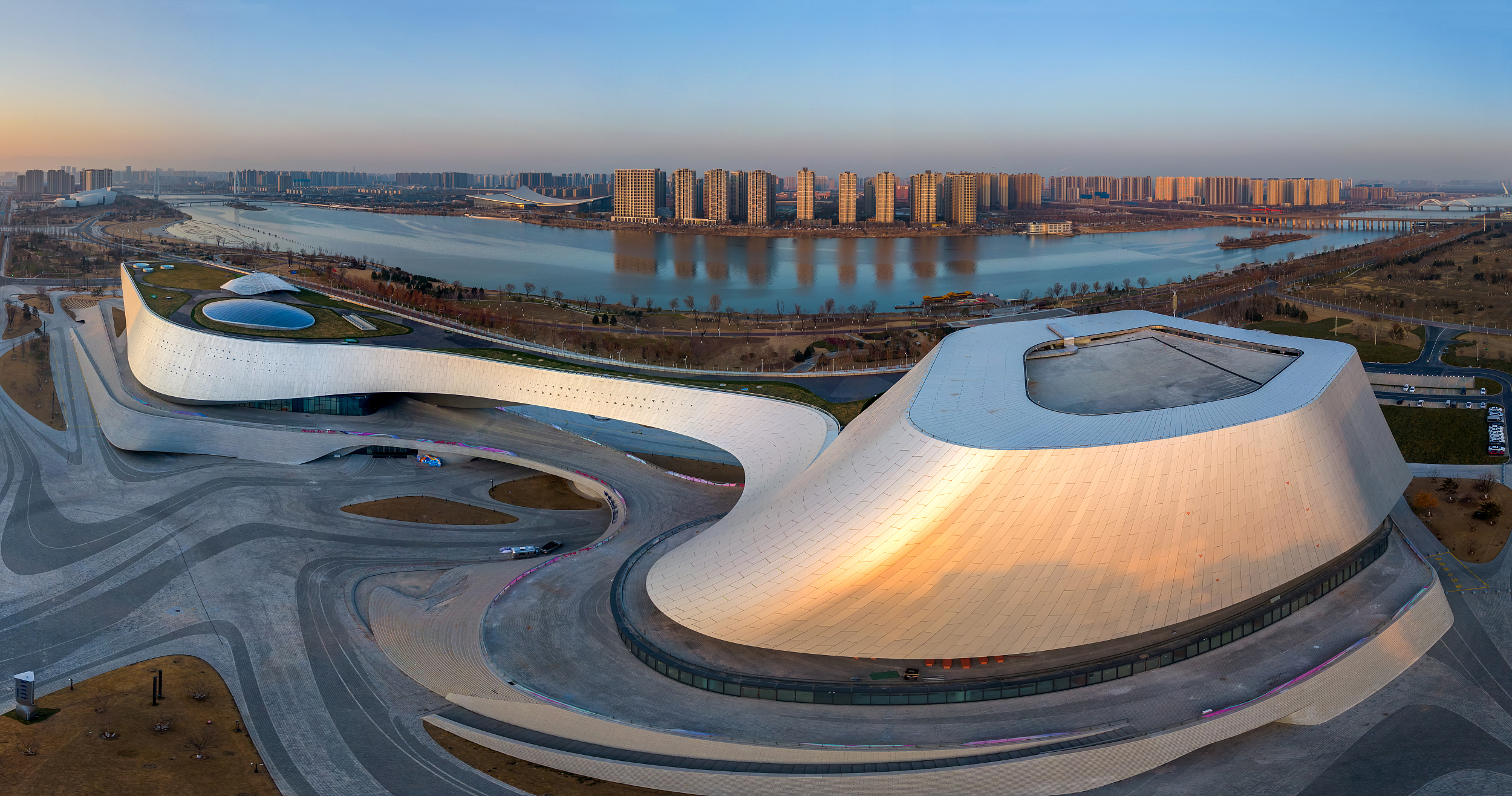
XI’AN SCIENCE AND TECHNOLOGY MUSEUM
XI’AN SCIENCE AND TECHNOLOGY MUSEUM is located in the core area of the Olympic Sports Center in Xi’an Chanba International Port. As the central venue of the Chang’an Cloud – Belt and Road Urban Exhibition and Experience Center, it stands as one of China’s major science education facilities. This comprehensive venue integrates four key sections: the core exhibition area, ecological exhibition zone, meteorological exhibition zone, and supporting service facilities. The Chang’an Cloud Belt and Road Urban Exhibition and Experience Center spans a total construction area of 161,200 square meters, covering 113 acres of land, with the XI’AN SCIENCE AND TECHNOLOGY MUSEUM occupying 117,900 square meters. Since its opening on January 8, 2025, the museum has garnered significant attention from visitors across Northwest China and Shaanxi Province through its distinctive exhibition formats and thematic educational content. It achieved the industry record of “welcoming one million visitors within 100 days of opening,” with a daily average of 10,000 visitors. Featuring over 500 immersive interactive exhibits, the museum has created a super dream space integrating technology, culture, nature, art, and hands-on experiences, establishing itself as a pioneering hub for “science popularization + innovation” in Shaanxi Province and nationwide. As a major public cultural venue in Northwest China, under the promotion of Xi’an Municipal Party Committee and Municipal Government along with relevant departments, it has innovatively adopted a socialized “self-sustaining venue” operation model. Specifically: the core exhibition area of the science museum charges basic admission tickets, while the ecological exhibition zone (Qinling Ecological Corridor), meteorological exhibition zone (Xi’an Meteorological Science Museum), and Xi’an Urban Planning Museum remain free to the public. This model ensures sustainable and healthy operation through core venue ticket revenue and socialized business approaches. Currently, Chang’an Cloud’s “self-sustaining venue” socialized operation model has shown initial success, becoming a national exemplar for socialized operation models in public cultural venues. Core exhibition areas: Featuring seven permanent exhibition halls including Science Exploration, Core Strength, Space Dreams, Life and Health, and Science Wonderland for Children, along with two special effects theaters, two fun temporary exhibition zones, three corridor exhibition areas, one unique performance space, and five research learning spaces. The iconic exhibit “Endless” in the museum’s atrium is currently the world’s largest indoor rotating sci-tech art installation, symbolizing both the endless path of scientific exploration and the unlimited possibilities for the future of XI’AN SCIENCE AND TECHNOLOGY MUSEUM. The museum’s pioneering mechanical bionic flying fish meets the “Endless” installation in the atrium, creating a futuristic scene of “clouds drifting from Chang’an with fish flying through them,” delivering a visually stunning experience for visitors. Ecological exhibition area (Qinling Ecological Corridor): Ingeniously utilizing the aerial corridor connecting the north and south halls, this 160-meter artistic gallery presents a microcosm of Shaanxi’s core section of the approximately 1,600km Qinling Mountains. It showcases key landscapes and natural ecosystems of Taibai Mountain, Zhongnan Mountain, and Huashan Mountain. Through meticulous design, the grandeur of the Qinling mountain range blends harmoniously with the delicate ecological corridor, presenting the vast natural beauty and rich biodiversity of Qinling within a limited space. This exhibition has become a vital component of the natural science section at XI’AN SCIENCE AND TECHNOLOGY MUSEUM. The Meteorological Exhibition Area (Xi’an Meteorological Science Museum): Through five captivating chapters – “Atmospheric Chang’an,” “Deciphering Nature’s Secrets,” “Ever-changing Weather,” “Shared Breath of Life,” and “Harmony Between Heaven and Earth” – visitors embark on a fascinating journey into meteorology. Following an experiential narrative of sensing, exploring, seeking, revering, and coexisting, the exhibition employs immersive spaces and simulated environments to create a multidimensional science education system. This interactive experience allows visitors to connect with nature, understand its wonders, and develop profound respect for our natural world.
-
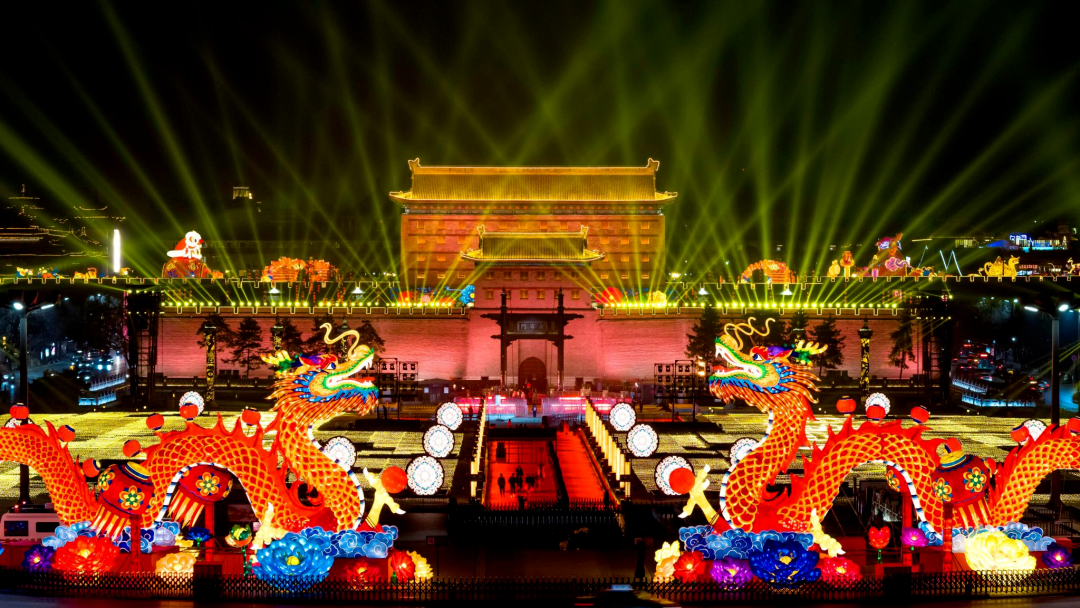
Chang’an Lantern Festival in Xi’an City Wall 2026
The 2026 “Chang’an Lantern Festival & Xi’an City Wall” Spring Festival series of cultural activities officially kicked off on January 1, 2026, spanning the three major holidays of New Year’s Day, Spring Festival, and Lantern Festival, and ending on March 22 (the fourth day of the second lunar month of the Bingwu year). The 81-day exhibition period extends the festive atmosphere of the Spring Festival from the beginning of the new year into mid-spring. The exhibition area covers several important gates of the Xi’an City Wall. The core viewing areas include Hanguang Gate, Wumu Gate, Yongning Gate, Wenchang Gate, Heping Gate, and Jianguo Gate, where major lantern displays and core activities will be showcased. Anyuan Gate, Shangde Gate, Shangwu Gate, Northwest Corner, Anding Gate, Yuxiang Gate, Southwest Corner, Northeast Corner, Changle Gate, and Zhongshan Gate are non-core exhibition areas, but they will also be decorated with distinctive lanterns, creating a unified light and shadow landscape throughout the entire area. The year 2026 marks the Year of the Horse (Bingwu year). This year’s lantern festival, themed “A Thousand Lanterns Illuminate Chang’an, the Horse Welcomes Spring,” revolves around the main theme of “National Treasures Rejuvenated, Chang’an Shines Brightly.” It meticulously crafts three interwoven yet distinct cultural threads: “National Treasures Rejuvenated,” “Poetic Chang’an,” and “Galloping Horse of the Zodiac,” allowing visitors to not only enjoy the lanterns but also gain a deeper understanding of Chang’an’s history and poetic charm.
-
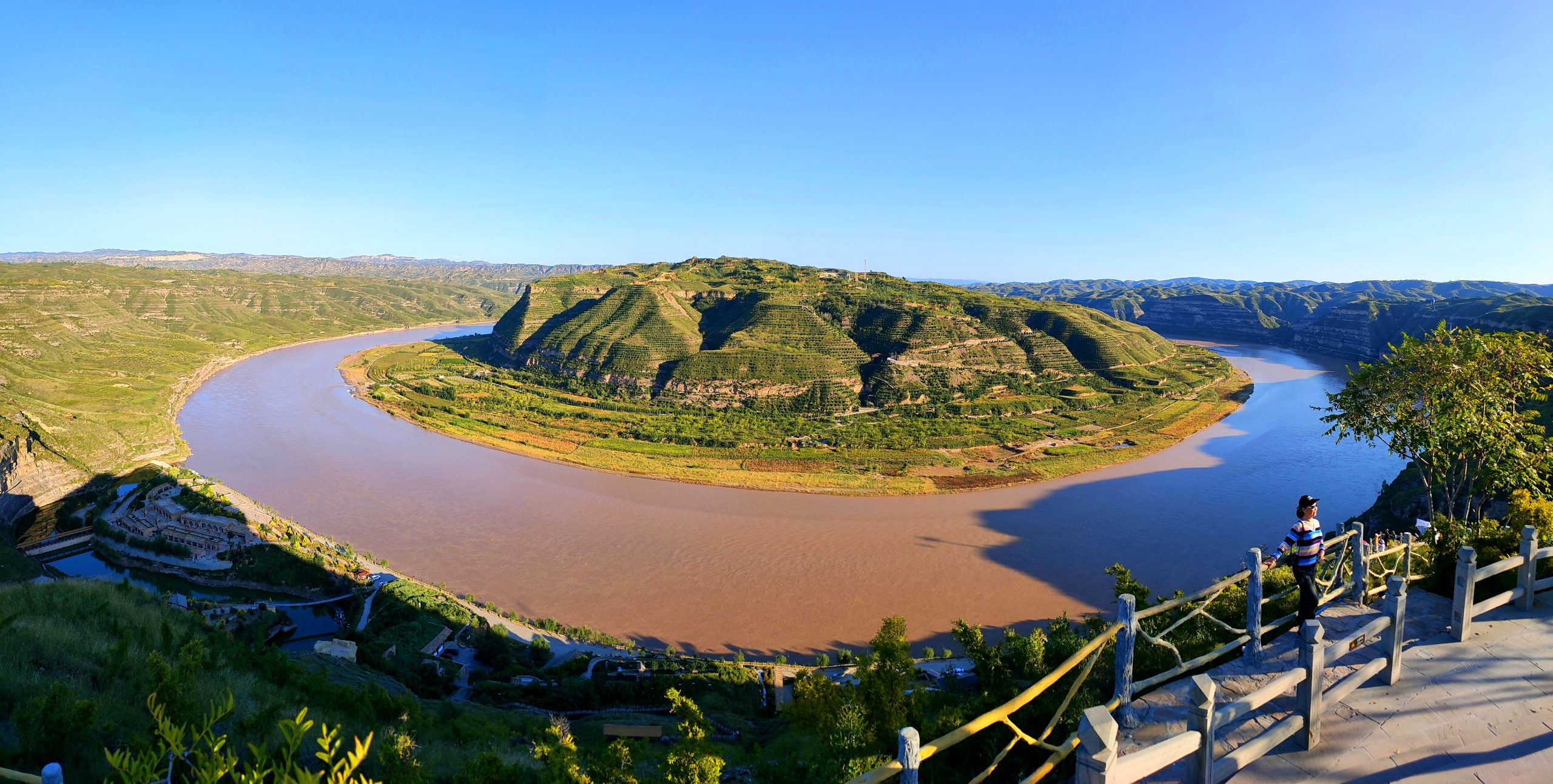
Yanchuan Yellow river Qiankun Bay Scenic Area
Qiankun Bay lies in the Tugang Township, Yanchuan County, Yan’an City, and is a national geological park. Stepping out over Qiankun Bay and walking into the Qiankun Pavilion, you will have a panoramic view of the Qiankun Bay. They bay is shaped like the yin-yang fish of the Tai Chi Diagram, surrounded by lush green hills. People live on the mountain and yellow cattle on the grassy shore drink from the river. In addition to its magnificence and beauty, Qiankun Bay also paints a picture of life on the Loess Plateau.
-
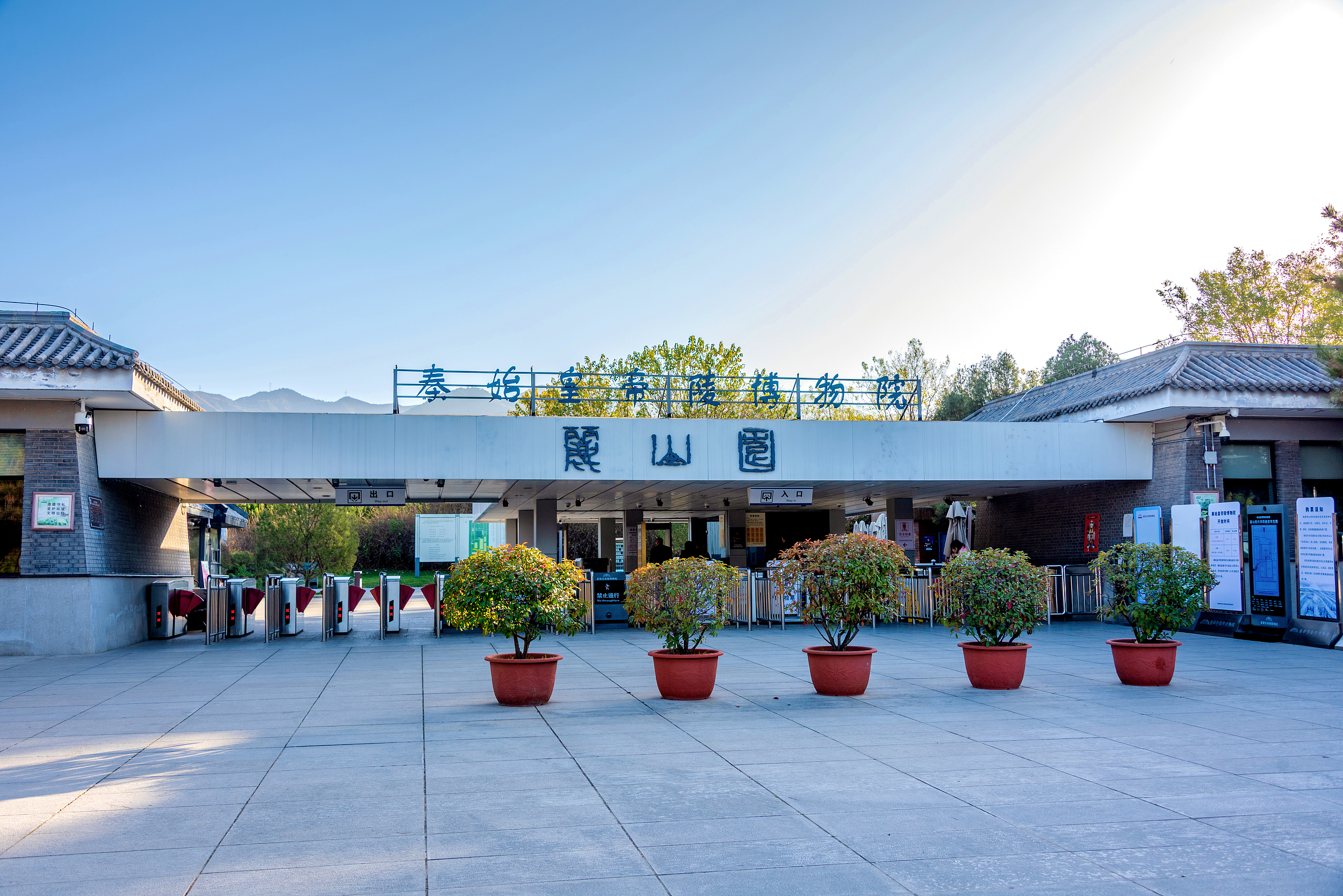
Emperor Qinshihuang’s Mausoleum Site Museum – Lishan Garden
Mausoleum of the First Qin Emperor is located in the suburbs of Xi’an, and is the tomb of Ying Zheng, the first emperor in Chinese history. It is known among Chinese imperial mausoleums for its large scale. Construction of the mausoleum lasted 39 years. It was built modeling the layout of the then Qin capital, Xianyang. Due to current restrictions caused by scientific and technological conditions, the underground palace of the mausoleum has not yet been excavated, but you can nevertheless feel the atmosphere of the historical relics in the surroundings of the mausoleum.
-
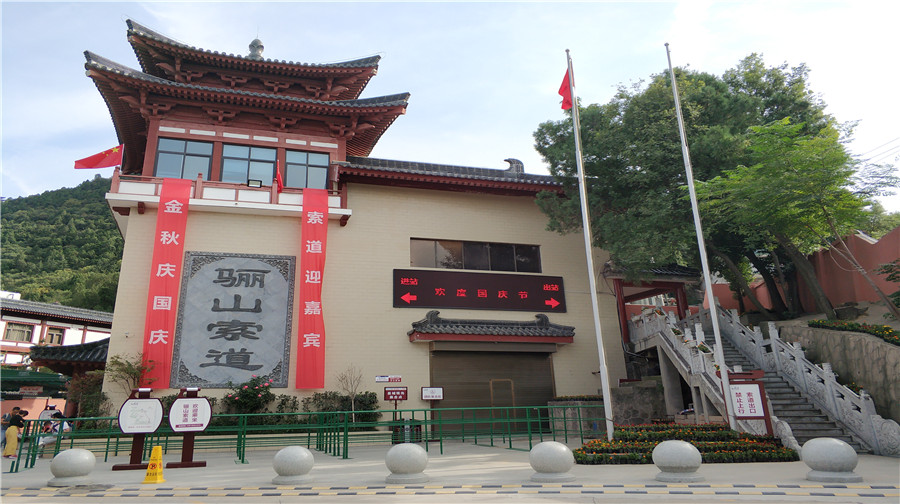
Mountain Li Cable Car
The Lishan Cableway is 1,560 meters long. The entire system is automatically controlled by computers, with more than 100 safety control points, eliminating all unsafe factors. Stepping into the comfortable cable car, the cabin slowly rises, bringing your vision, and the panoramic view of the lush Lishan Mountain and Huaqing Palace quietly flows under your feet. Looking up ahead, the mountains and ridges, the endless green mountain streams, the Laomu Palace, the Laojun Hall, the Shangshan Lake, and the beacon towers are scattered in front of you. Looking east, the majestic appearance of the Mausoleum of Qin Shihuang and the Terracotta Warriors will stir your soul and make you swim in the reverie of history.