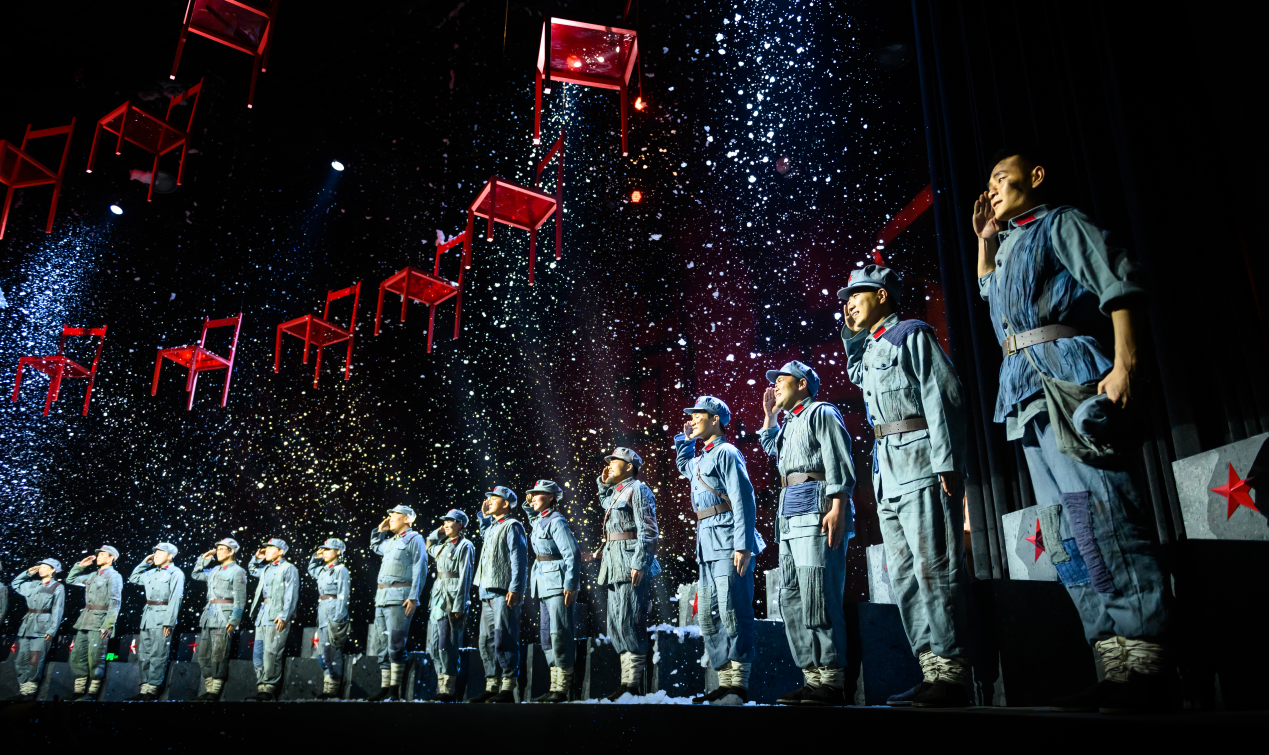
Performance HighlightsUnique marching performance format:Walking and watching: Different from the traditional theater “sitting and watching”, “Return to Yan’an” adopts a walking and watching performance format. During the performance, the audience needs to follow the plot to move to different spaces. This “people follow the play” experience makes the audience feel as if they are in the plot and become part of the story. Multiple scene switching, each scene has a unique stage and scene design, bringing a rich visual experience to the audience.Immersive artistic expression:The performance uses high-tech techniques such as sound, light, and real snow to create a multi-sensory interactive experience. For example, in the scene of “A Long March Road”, the audience can feel the real snowy environment and experience the hardships of the Long March with the actors.Profound educational significance:Inheriting the red spirit: As the first red indoor situational experience drama in China, “Return to Yan’an” is not only an artistic work, but also a vivid party lesson. It inherits the red spirit by telling the heroic deeds of the Red Army soldiers, allowing the audience to feel the great feelings and firm beliefs of the revolutionary martyrs in an immersive experience.Excellent director and creative team:Directed by a well-known director: The play was created by well-known domestic directors Zhang Dong and Cong Mingling, who have successfully created many well-known situational dramas such as “See Pingyao Again”. Director Zhang Dong, with his unique artistic perspective and profound creative skills, has injected new vitality and artistic charm into “Return to Yan’an”.Created by a professional team: The entire creative team is composed of many professionals, including screenwriters, actors, stage designers, sound engineers, etc. They work together to carefully polish every detail and present a wonderful performance to the audience.”Return to Yan’an” has become a well-received red-themed situational experience drama with its unique marching viewing format, immersive artistic expression techniques, profound educational significance, and excellent directors and creative team.Performance SummaryThe performance area of “Return to Yan’an” is 4,500 square meters, which can accommodate 400 people at a time. Each performance lasts 65 minutes. With the revolutionary history of Yan’an as the background, it consists of four parts: “A Museum of Memory”, “A Cluster of Sparks”, “A Long March Road”, and “An Immortal Flag”. With a Red Army diary as the clue, it takes you back in time in a flashback way, and shows you a tortuous story and a real historical period from the perspective of an ordinary soldier.Act 1 | A Museum of MemoryWhen Liu Nian, the grandson of veteran Red Army soldier Liu Baoshun, was sorting out his father’s belongings, he discovered a diary left by his grandfather. The photo in the diary seemed to bring him back to that fiery era – his grandfather and his red flag squad embroidered the red flag, looking forward to the future and looking forward to victory, while more comrades who sacrificed on the road faced the miserable death with their tenacious will and sincere hearts…Nearly a hundred years have passed since the Long March, and there are only a few veteran Red Army soldiers still alive. Now Liu Nian has returned to Yan’an, trying to find and take the audience to find the footprints of those disappeared unknown heroes.Act II | A Spark That Sets the Field ablazeAfter the baptism of the Long March and the battles, the 20-year-old Liu Baoshun became a qualified soldier, but the Red Flag Squad comrades who died in the Long March were always in his heart, which also made him confused for a Duration. However, the Japanese bombers did not let go of Yan’an. In the passionate and magnificent rhythm of “Yellow River Cantata” and the flying gunfire, Liu Baoshun resolutely raised the flag and shouted for national independence and liberation. In the smoke and rubble, Liu Baoshun seemed to see those dead comrades again. They encouraged him to go on bravely and firmly, because he had grown into a real soldier…Act 3 | A long long marchWhen climbing the snowy mountain, the dying “Red Flag Squad” leader (and flag bearer) Jiang Yuangui left the flag to his young comrade Liu Baoshun in the team, saying that young people are the hope of this country. However, illness, pain and even mental collapse followed one after another, and comrades fell one by one. The boundless grassland became a bigger nightmare for this team… Later, the 17-year-old Baoshun took the blessings of his dead comrades, held up the flag of the Red Flag Squad and walked out of the grassland alone.
归档: Attractions
-
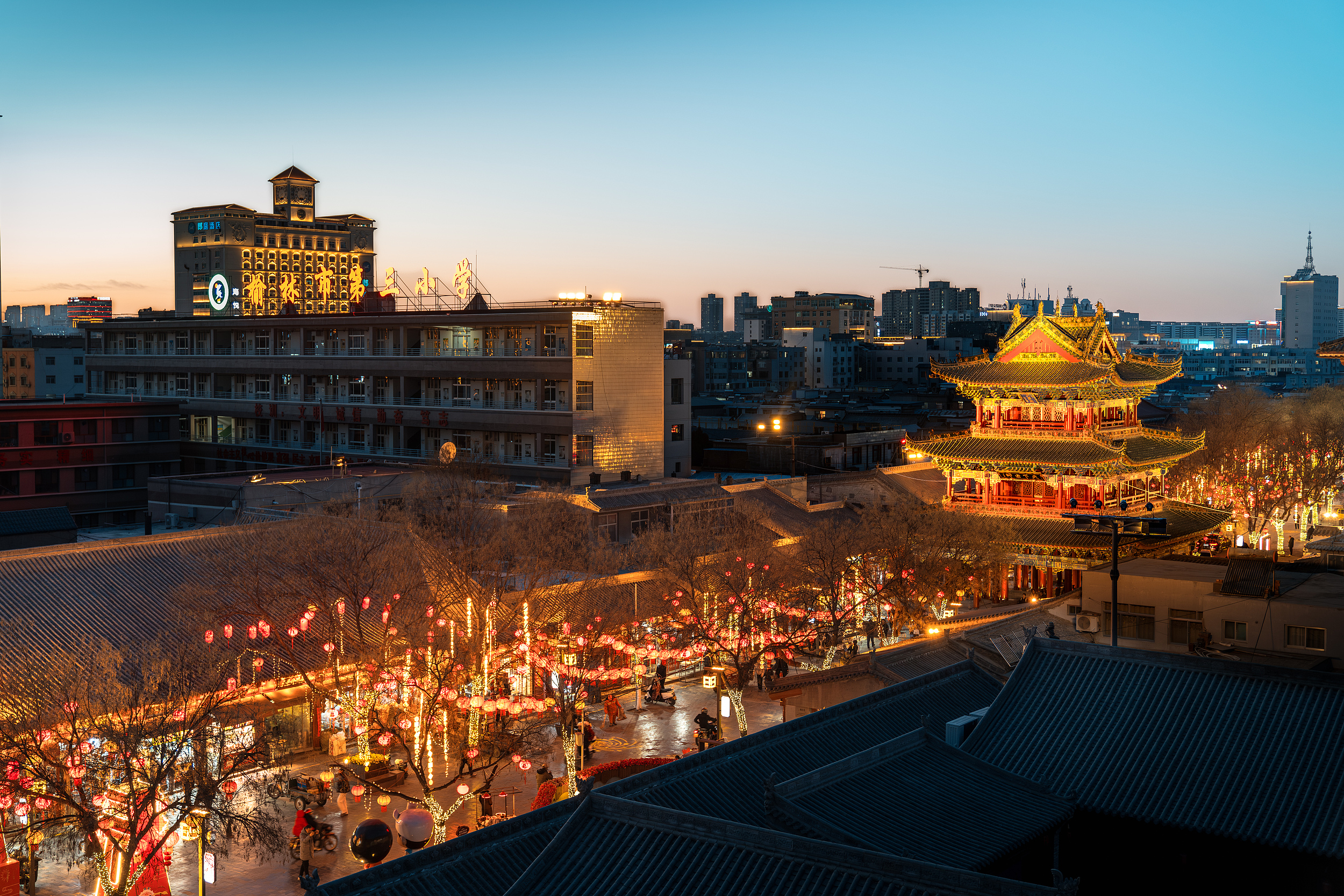
Yulin Old Street
Located in the east of Yulin City, Yulin Old Street is a historical old street integrating groceries, commodities, catering, services, culture, tourism and ancient buildings. On the 2-kilometer-long old street, Wenchang Pavilion, Wanfo Tower, Xingming Tower, Bell Tower, Kaige Tower and Drum Tower are arranged in a vertical line from south to north, forming a unique “Six-story Riding Street” historical style pattern, which makes the old street enjoy the reputation of “Six-story Riding Street is famous all over the world”.
-
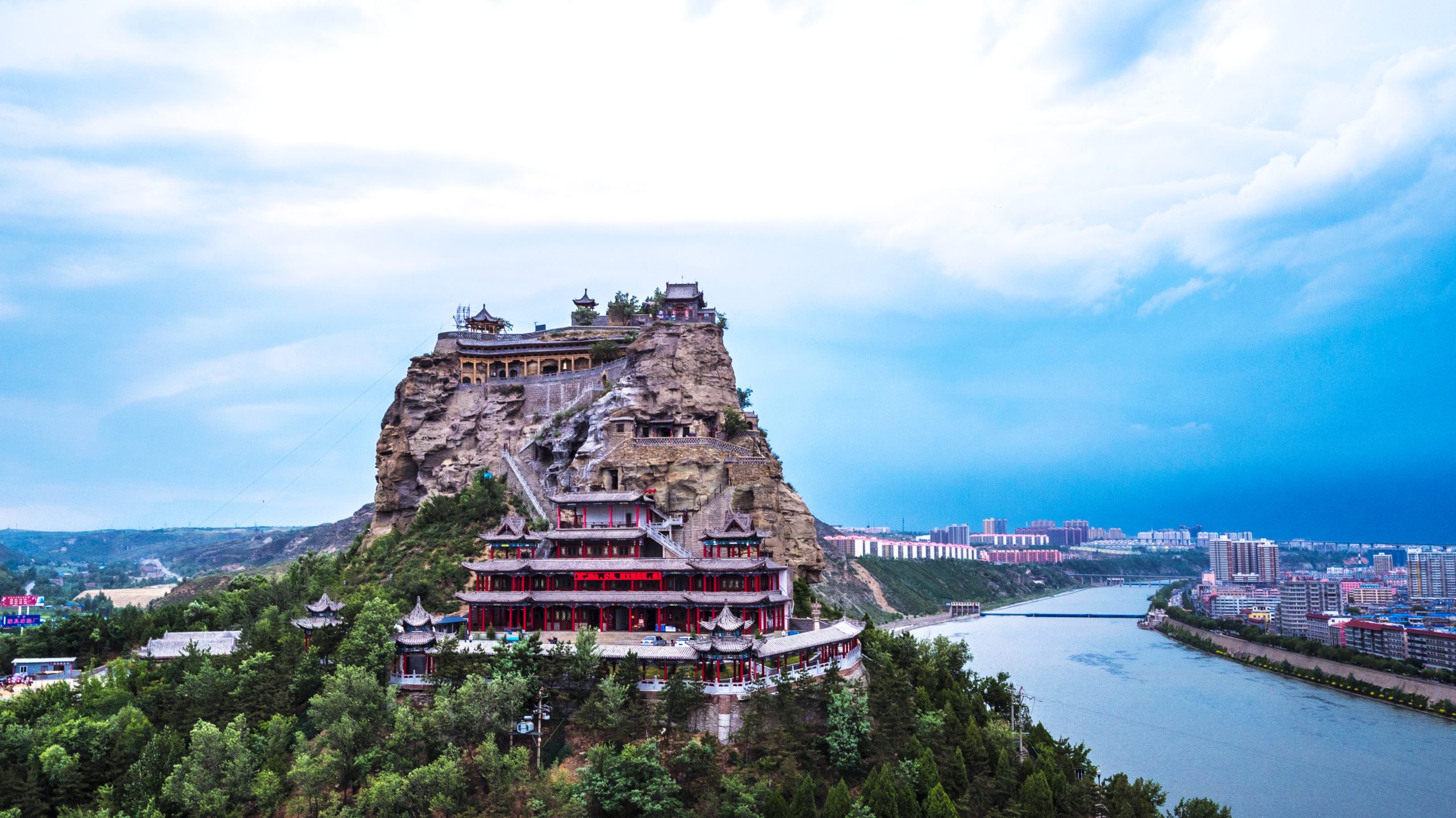
Erlang Mountain
Shenmu Erlang Mountain is located 1 km west of Shenmu city along the Kuye River. It is now a national 4A-level tourist attraction and a provincial-level key cultural relic protection site. The mountain features two prominent ridges in its midsection resembling camel humps, earning it the poetic name “Camel Hump Mountain” among literati.In 1518, Emperor Wuzong of the Ming Dynasty, Zhu Houzhao, passed through this area during his imperial tour.Upon noticing the mountain’s resemblance to his desktop pen holder, he bestowed it the name Bijia Mountain, locally known as Xishan. The mountain features sheer cliffs on both sides, lush greenery in spring and summer, and a majestic yet desolate appearance in fall and winter. The winding Kuye River at its base accentuates its grandeur, earning it the reputation as “Little Huashan Mountain in Northern Shaanxi.” The attraction features numerous temples, including the Dizang Cave Grottoes, Erlang Mountain Scenic Area – Eight Immortals Cave, Haoran Pavilion Grottoes, and Erlang Mountain Scenic Area – Erlang Mountain Temple.Our Lady HallNumerous temples, including the Reversed Seat Guanyin Hall, Erlang Mountain Scenic Area – Three Religions Hall, and the Mountain God Temple, are built along the mountain slopes, each showcasing unique architectural styles. The Erlang Temple complex was built in 1443 during the Ming Dynasty, boasting nearly 600 years of history. This south-facing courtyard-style compound features a main hall, side chambers, east and west wing halls, a main gate, and bell and drum towers. The three-beam main hall with front corridor has a gable roof, adorned with traditional gongbi paintings from 1835 titled “Anecdotes of Yi Yun” on its eastern and western walls, plus 14 small landscape paintings on the rear wall. Outside the main gate stands a Ming-era brick screen wall with exquisite bas-relief carvings – a roaring tiger scene on the front and nine dragons playing in water on the reverse, all rendered with remarkable vitality. Built on a natural rocky platformOur Lady HallBuilt during the Qing Dynasty, the stone archway in front of the hall was constructed in 1628 (the first year of the Chongzhen era in the Ming Dynasty). It features stone-carved brackets under the eaves and a frieze with a relief of two dragons playing with a pearl. The front inscription reads “Bixia Temporary Palace,” while the northern side is carved with “Holy Mother Yuanjun.” Behind the hall lies the Ming Dynasty structure of the Erlang Mountain scenic area – the Hall of Various Deities. The Reversed-Seated Guanyin Hall was originally built during the Ming Dynasty but was later destroyed in war. It was restored in the 16th year of the Kangxi reign (1677). The Three Religions Hall in Erlang Mountain scenic area was first constructed during the Jiajing era of the Ming Dynasty (1522–1566) and rebuilt in 1935 as part of the Erlang Mountain attraction. Located midway along the mountain ridge, it forms one of the largest temple complexes on the mountain, featuring Ming-era colored murals on both eastern and western walls – the “Panoramic View of East Mountain” on the east wall and “Panoramic View of West Mountain” on the west wall. The Mountain God Temple, also dating back to the Ming Dynasty, is situated behind the ridge.
-
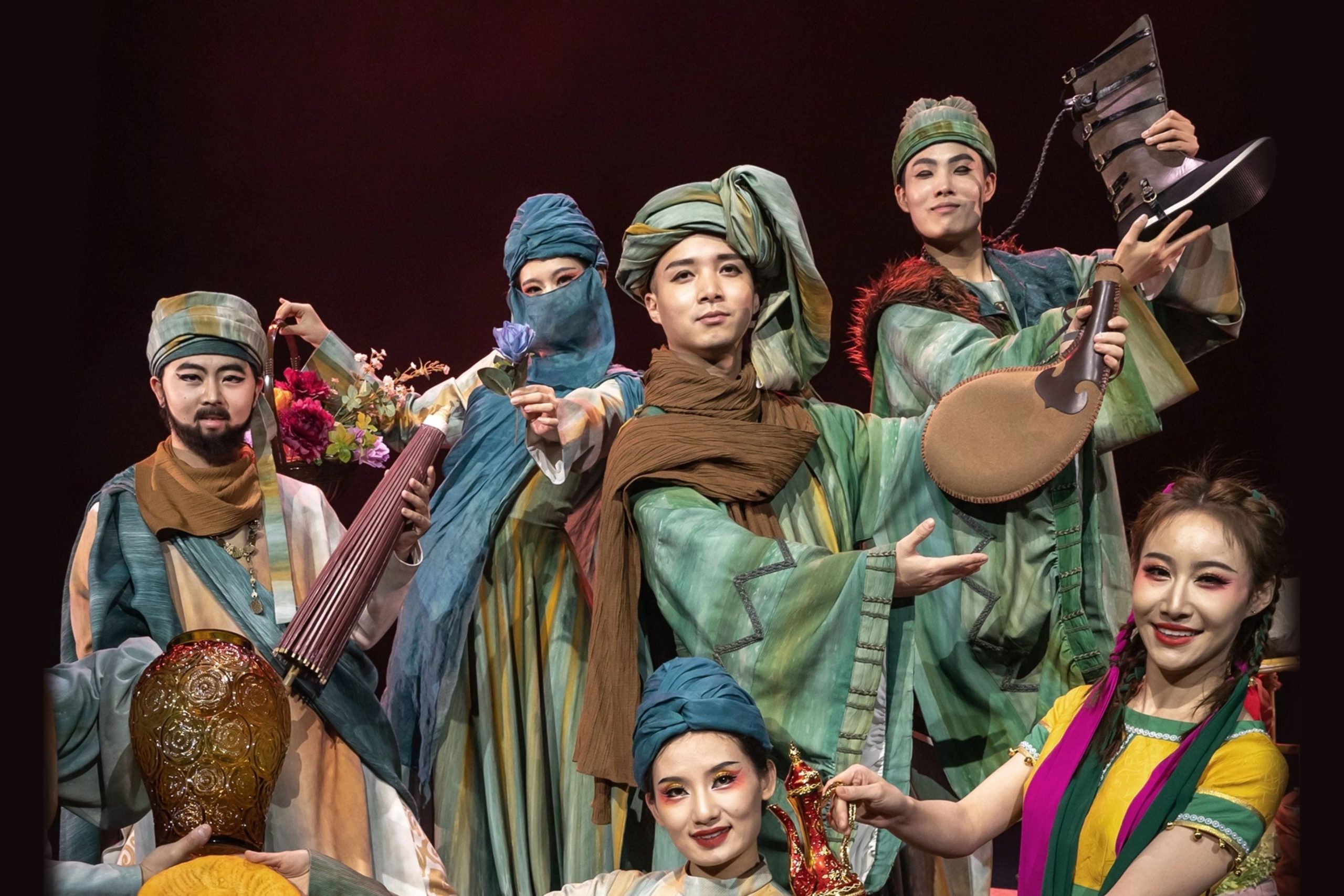
Dream Back To The Tang Dynasty Golden Version
This is Tang Paradise, and our story begins more than a thousand years ago. We will take you back to the Tang Dynasty to see the bright moon in ancient and modern times, and read about the weather of the prosperous times. The whole play also starts from the palace, the market, legends and historical latitudes. Show the different styles of the prosperous Tang Dynasty.This play is divided into four major chapters: four different stories,Chapter One: “The Takeoff of the Tang Dynasty”A grand polo match was being held in the royal garden “Furong Garden”. Li Longji, Emperor Xuanzong of the Tang Dynasty, invited distinguished guests to the Ziyun Tower to enjoy the horse dance performance, highlighting the prosperous age of the Tang Dynasty.Chapter 2 “The Harmony of the Tang Dynasty”The Silk Road, which stretches thousands of miles, connects Chang’an and Rome. A little messenger who Round-trip on the Silk Road delivers letters to people from far apart countries and shoulders the bridge of communication of love and longing. From the age of 17 to 70 Years old, the colorful Hehe Road shows the tolerance and diversity of the prosperous Tang Dynasty.Chapter Three “The Romance of the Tang Dynasty”Emperor Xuanzong of the Tang Dynasty recalled the past with Concubine Yang Guifei, where they swore an oath of love in front of the Palace of Eternal Life. The love stories written tirelessly by famous celebrities interpret the beauty and romance of the Tang Dynasty.Chapter 4 “The Character of the Tang Dynasty”Yan Zhenqing’s “Manuscript of Memorials to My Nephew” is not only the second-best running script in the world, but behind it is an evocative story of “the character of the literati of the Tang Dynasty”, which not only shows the character of the literati and the heroism of the military generals when the country is in crisis, but also shows the great character of the Tang Dynasty. The iron blood and pride behind prosperity.More than a thousand years ago, Chang’an of the Tang Dynasty met the “person in the play”, and the “person in the play” also met “you” today, more than a thousand years later. Whether it is Chang’an in the past or Xi’an today, they are always full of magical encounters!The moon of ancient and modern times gathers together in Chang’an.Then please listen to its story!
-
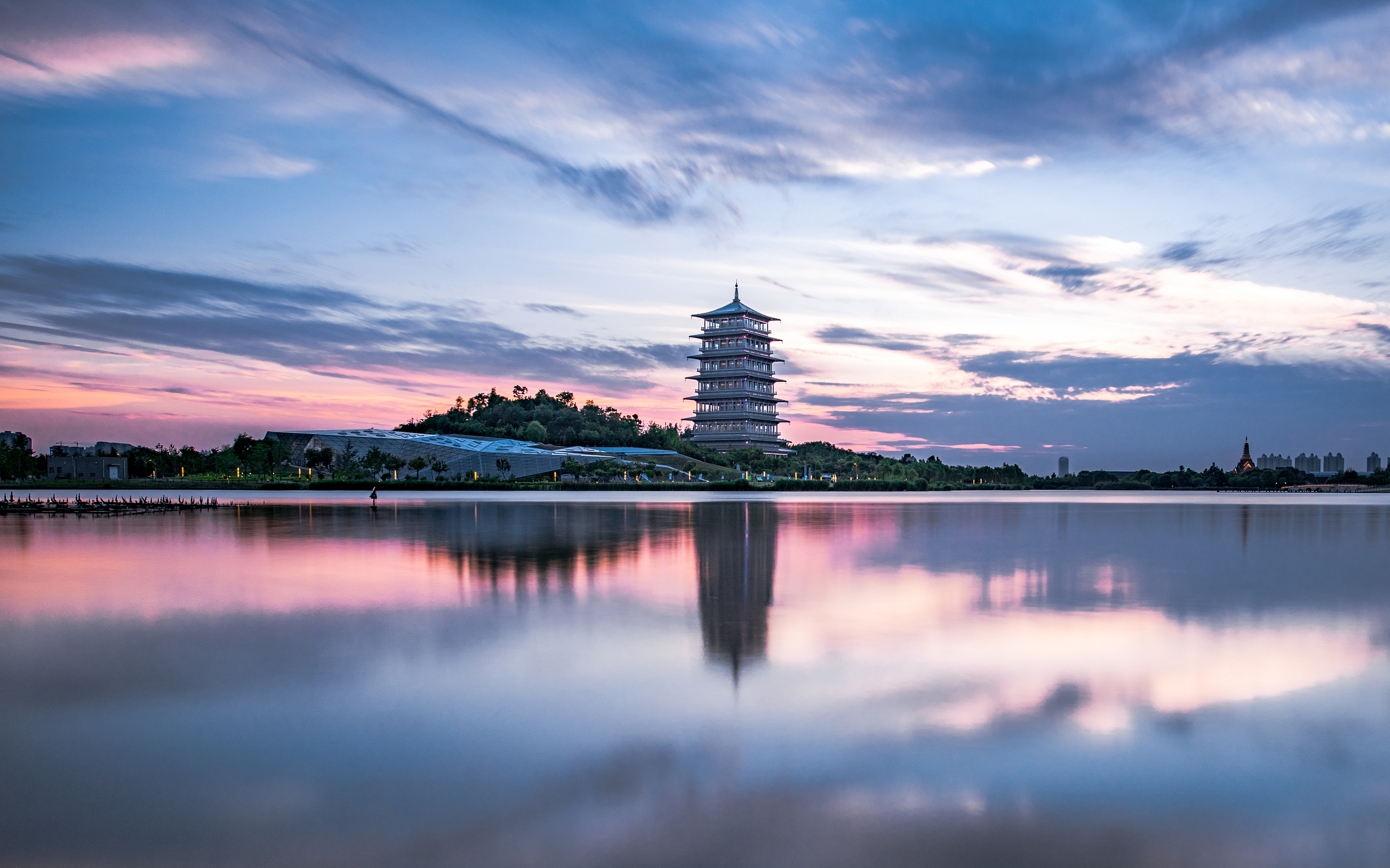
Xi’an Expo Park
At Xi’an International Horticultural Expo Garden, visitors can see and enjoy all kinds of garden landscapes and rare plants from around the world. The novel architecture of Xi’an International Expo Garden makes it a perennial favorite for local wedding photography. Some of the buildings representative of Xi’an International Expo Garden include Chang’An Pagoda, Creativity Pavilion and Natural Pavilion. The Chang’An Pagoda is one of the symbolic landmarks of the Expo Garden. After climbing to of the tower you will have a bird’s-eye view of the entire garden. New plant and flower specimens are on display in the Creativity Pavilion; there are many tropical plants to discover in the Natural Pavilion.
-
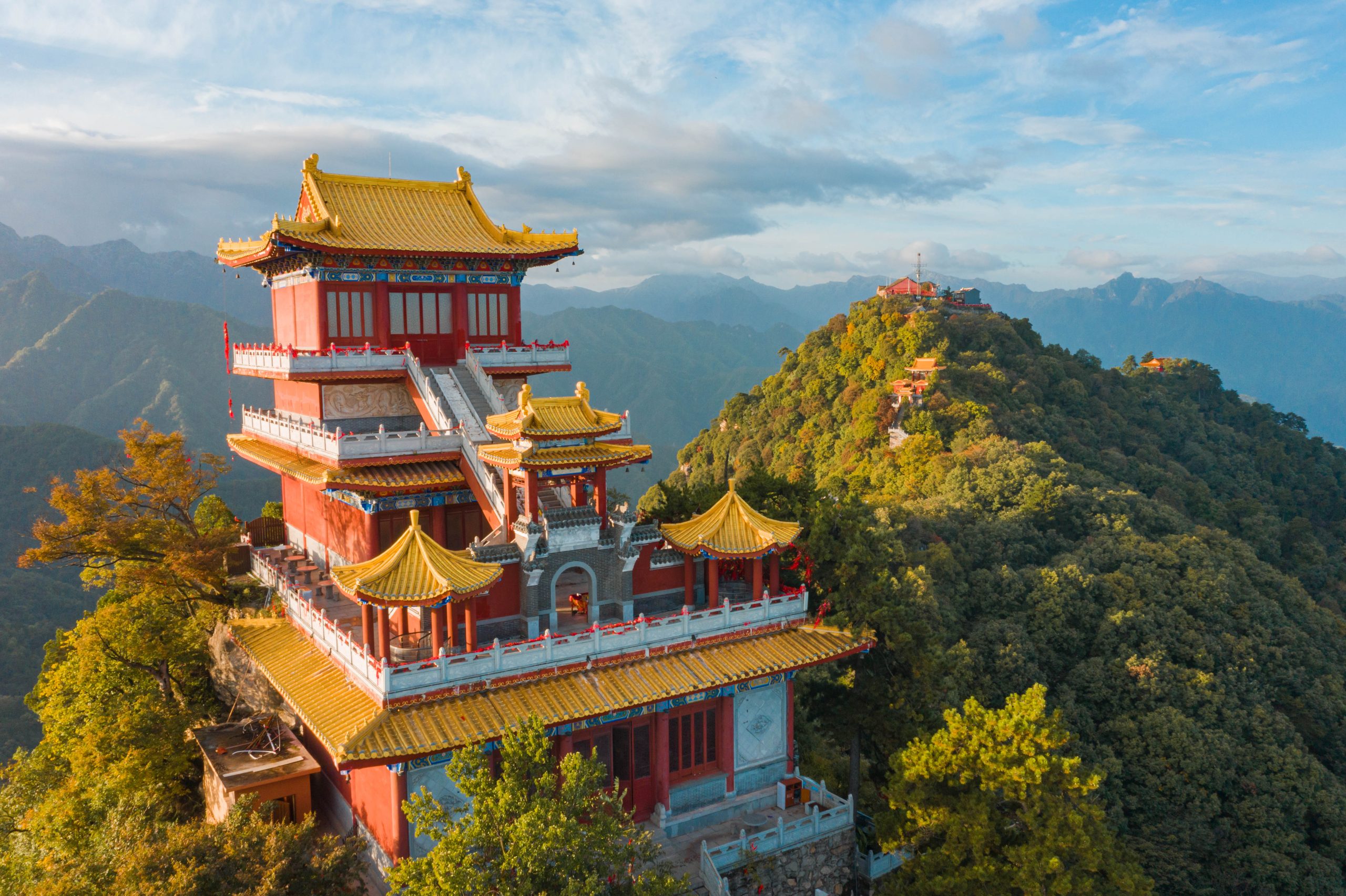
Zhongnanshan Nanwutai
Zhongnanshan Nanwutai is located in the Zhongnan Mountain range, known for its rolling hills and long-standing reputation as a sacred Buddhist mountain and summer retreat. Historically called Taiyi Mountain, it’s celebrated as the “most picturesque area of Zhongnan.” The attraction features five peaks: Qingliang, Wenzhu, Xianshen, Lingying, and Guanyin. Since it lies south of the ancient Chang’an city, it earned the name Nanwutai (Southern Five Peaks). As one of the Buddhist sacred sites, this attraction features numerous temples, with over 40 large and small monasteries existing by the Ming and Qing dynasties. These temples of varying sizes were distributed across different platforms, arranged in orderly layouts with exquisite craftsmanship that captivated visitors. However, most mountain temples have been destroyed over time, with only a few remaining today including Guanyin Temple, Five-Buddha Hall, Yuanguang Temple, Xilin Temple, and Shengshou Temple. Among these, Shengshou Temple stands out for its long history and expansive grounds. Located on the northwestern hillside of the scenic area, about 1 km southwest of Wutai Township’s Taigoukou Village, it’s also called Ta’er Temple due to its location in Tasi Valley. The square, seven-story Shengshou Pagoda was built during the Sui Dynasty, standing 23m tall. Legend says Xi’an’s Big Wild Goose Pagoda was modeled after this structure, making it one of Xi’an’s earliest surviving Buddhist pagodas. Zhongnanshan Nanwutai boasts breathtaking natural scenery. From the foot of the mountain, the five peaks stand like a brush holder, appearing deceptively close. However, the 12.5 km hike from Zhugu Valley to Datai reveals endless wonders – winding paths through layered mountains, breathtaking cliffs, and stunning rock formations. Marvel at the ribbon-like Liushui Stone Waterfall, the solitary Sendeng Peak, the crouching Rhinoceros Rock, the sky-piercing Guanyin Platform, the pillar-like Lingying Platform, and the roaring Tiger Cliff. Each picturesque scene creates a veritable “museum of tectonic landforms.” The mountain is home to nearly a thousand plant species, including “living fossil” relic plants, ornamental treasures like the horse chestnut and magnolia, making it a vast botanical garden and a living root carving museum.
-
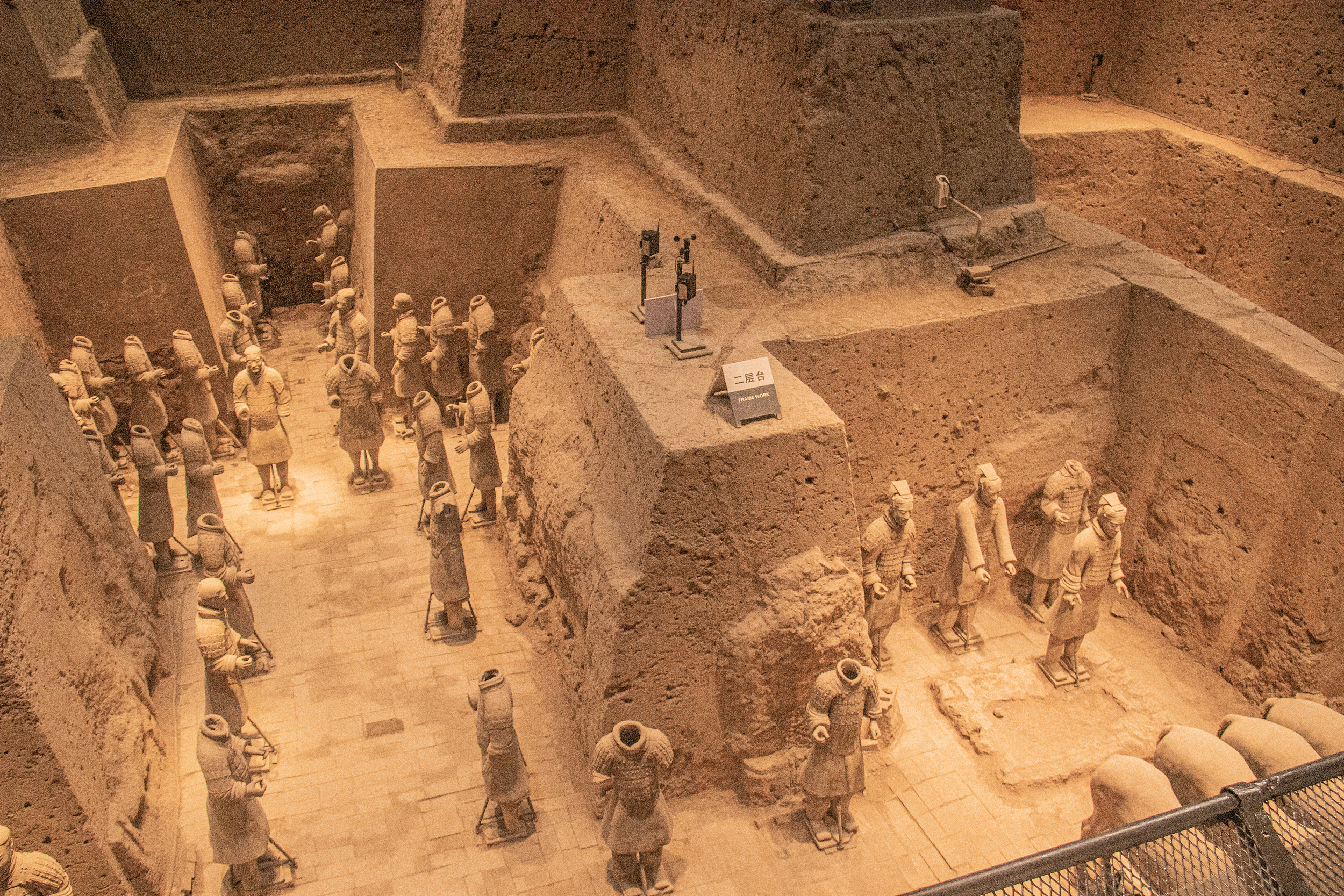
Terra-cotta Warriors Pit No.2
The Qin Shi Huang Terracotta Warriors and Horses Museum is also known as the Terracotta Warriors and Horses, or the Qin Terracotta Warriors and Horses. It is a burial pit of the Qin Shi Huang Mausoleum, and together with the Qin Shi Huang Mausoleum, it forms the Qin Shi Huang Mausoleum Museum.The Terracotta Army of Qin Shi Huang is known as the eighth wonder of the world. The more than 1,000 terracotta warriors unearthed here have different images and vivid expressions. They are a shining pearl in the history of ancient Chinese sculpture art and are hailed as “one of the great discoveries in the history of archaeology in the 20th century.”Historical backgroundQin Shi Huang started to build the mausoleum when he ascended the throne at the age of 13. It took nearly 720,000 people and 38 years to build. The mausoleum was not completed until Qin Shi Huang’s death. It took more than a year for Qin II Hu Hai to complete it.According to legend, Qin Shihuang spent countless manpower, material resources and financial resources to build an underground palace for himself, and the Terracotta Warriors were the guardians of the underground palace.The Terracotta Warriors and Horses of Qin Dynasty are a typical example of using figurines to represent human sacrifice. The reason why the Terracotta Warriors and Horses of Qin Dynasty reached such a high level in terms of scale and realism is not only due to the wisdom of the craftsmen, but also inseparable from the will of the emperor.In March 1974, farmers in Xiyang Village, Lintong District, Shaanxi Province accidentally discovered some fragments of terracotta warriors while digging a well. After more than a year of exploration and trial excavation by archaeologists, it was confirmed that it was a large pit of warriors and horses, which is the world-famous No. 1 Terracotta Warriors and Horses Pit.In April and May 1976, the No. 2 and No. 3 Terracotta Warriors and Horses Pit were discovered on both sides of the No. 1 Terracotta Warriors and Horses Pit. The size, shape and unearthed artifacts of each pit are different. Some scholars believe that the No. 3 pit is the headquarters of the No. 1 and No. 2 Terracotta Warriors and Horses Pit, which was called “military tent” in ancient times.The Qin Shihuang Terracotta Warriors and Horses Museum, built on the site of the Qin Terracotta Warriors and Horses Pits, was officially opened in 1979. The main attractions include the Qin Terracotta Warriors and Horses Pits No. 1, 2 and 3, the Bronze Chariot and Horse Exhibition Hall and related temporary exhibitions.Tour GuideThe museum ticket allows you to visit three terracotta warrior pits including Pit No. 1, the exhibition hall of unearthed cultural relics, the bronze chariot and horse exhibition hall, and the Mausoleum of Qin Shihuang. The terracotta warriors and horses unearthed here can be divided into generals, warriors, charioteers, etc. according to their different costumes, expressions, and hairstyles. Each terracotta warrior has a different face shape, hairstyle, body shape, and expression. The terracotta warriors and horses were originally painted, but due to later burning and soaking, most of them have peeled off and changed color.Pit No. 1The No. 1 Terracotta Warriors and Horses Pit in the Attraction was excavated earlier. The pit is about 230 meters long from east to west and about 62 meters wide from north to south. According to the arrangement density of the unearthed pottery figurines and horses, there are about 6,000 pottery figurines and horses buried in the No. 1 Terracotta Warriors and Horses Pit, as well as a large number of bronze weapons.Pit No. 1 is also the most stunning exhibition hall that has been put together so far. You can see a huge army of terracotta warriors standing in the pit, with various shapes. It is said that there are more than 30 types of beards. If you look closely, every soldier is lifelike, from armor to expression, from weapons to the lines on the palms, all of which are amazing.Pit 2 and Pit 3Pit No. 2 and Pit No. 3 are located on both sides of Pit No. 1. Like Pit No. 1, there are nearly 2,000 pottery figurines and horses of similar size to real people and horses. There are different types of soldiers, such as chariot soldiers, cavalry and infantry, arranged in an orderly manner. Although it is not as shocking as Pit No. 1, it is also worth seeing because each pit has different teams and functions.The terracotta warriors were created based on real life, with delicate artistic techniques. The figurines have different costumes and expressions, with distinct personalities and strong characteristics of the times. The bronze weapons unearthed in the pit include swords, halberds, spears, halberds, halberds, crossbows and a large number of arrowheads. Most of the weapons are still sharp after more than 2,000 years, indicating that the metallurgical technology was already very advanced at that time.
-
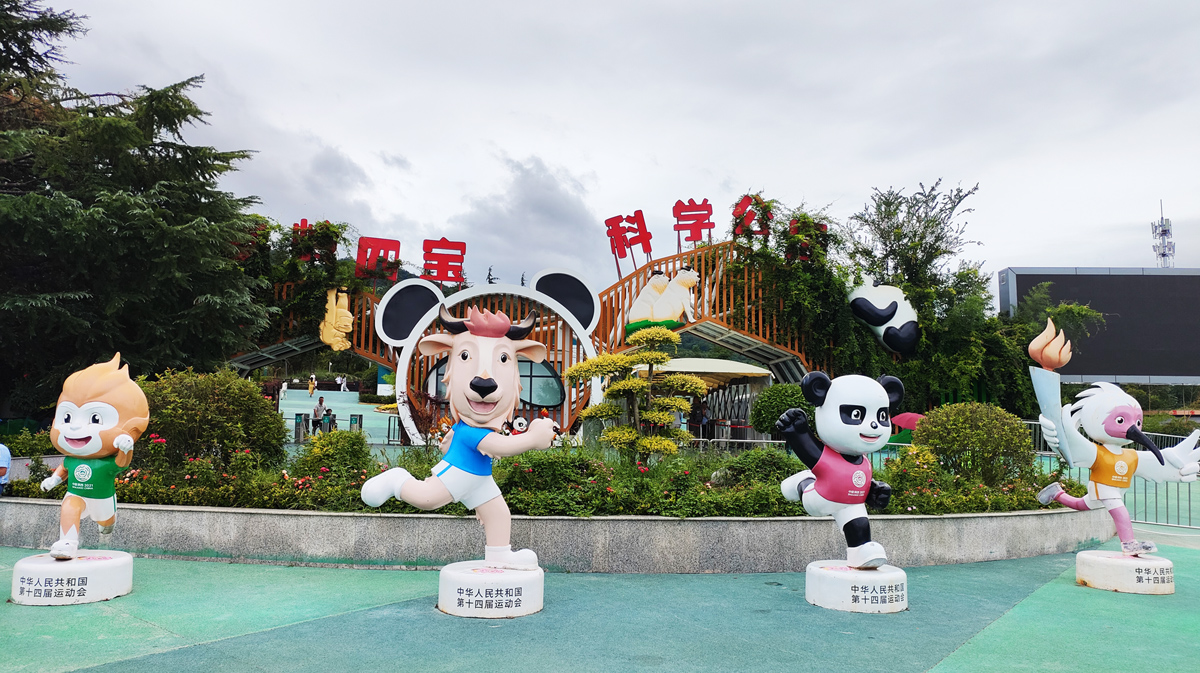
Qinling Four Rare Animals Science Park
Qinling Four Treasures Science Park is located to the west of Louguantai in Zhouzhi County, Xi’an. It is an important window to showcase the achievements of ecological civilization construction in Shaanxi Province, the biodiversity of Qinling Mountains, and the achievements of wildlife protection in Shaanxi Province. The park has promoted the Qinling giant panda cultural brand and become a new highlight of Shaanxi’s cultural tourism industry.
-
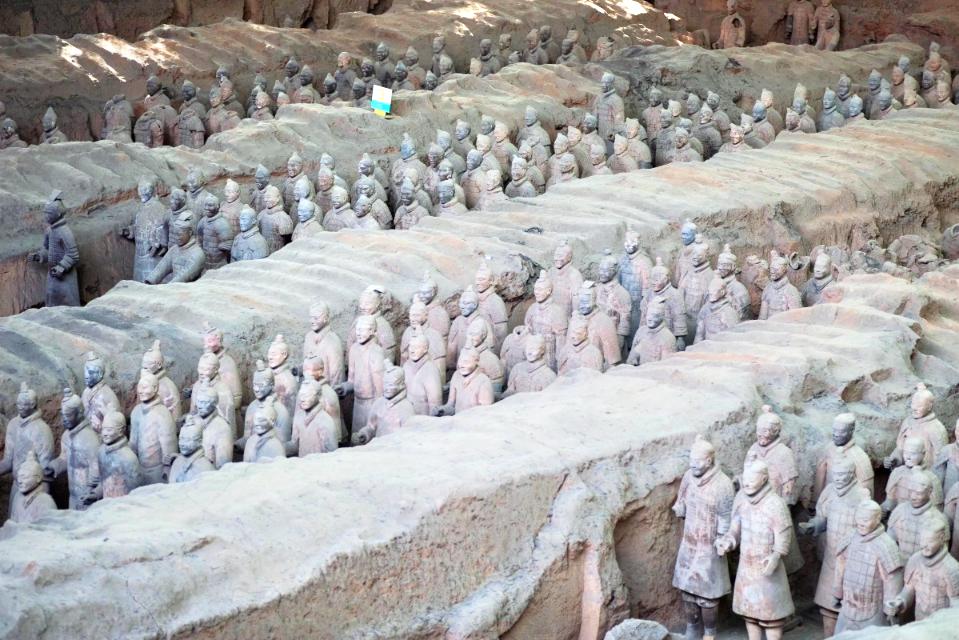
Terra-cotta Warriors Pit No.1
The pit of terracotta warriors and horses is located in the south of Xiyang Village, 1.5 kilometers east of the Mausoleum of Qin Shihuang. Three pits have been discovered, which are respectively compiled as No. 1, No. 2 and No. 3 Terracotta Warriors and Horses Pit. The three figurine pits cover an area of more than 20,000 square meters, and there are nearly 8,000 pottery figurines and horses that are similar in size to real people and real horses. There are different arms such as chariots, cavalry and infantry, arranged in an orderly manner. The terracotta figurines have different images and vivid expressions. They are a pearl in the history of ancient Chinese sculpture art and are known as “the eighth wonder of the world” and “one of the great discoveries in the archaeological history of the 20th century”. In March 1974, farmers in Xiyang Village, Lintong District accidentally discovered some fragments of pottery figurines while digging a well. After more than a year of exploration and trial excavation by archaeologists, it was confirmed that it was a large-scale terracotta warrior pit, that is, the No. 1 terracotta warrior pit. Pit No. 1 is 230 meters long from east to west, 62 meters wide from north to south, 4.5 to 6.5 meters deep from the current surface, and covers an area of 14,260 square meters. According to the calculation of the arrangement density of the unearthed pottery figurines and horses, about 6,000 pottery figurines, pottery horses and a large number of bronze weapons are buried in Pit No. 1.
-

Qujiang Polar Ocean Park
Come to Qujiang Polar Ocean Park to watch the endearing penguins, polar bears, and dolphin shows. Inside the park’s Aquarium you can enjoy watching the beautiful tropical fish, the alligator show, or the dugong show. The seafloor tunnel is the place from which to appreciate the marine organisms: you can wander around like you’re on the seabed. The park’s Polar Museum has two floors. On the first floor you can see way of life of animals underwater; on the second, you can observe animals that live on the land. Animals such as penguins, seals, and polar bears both swim in the water and come out to play on the land.