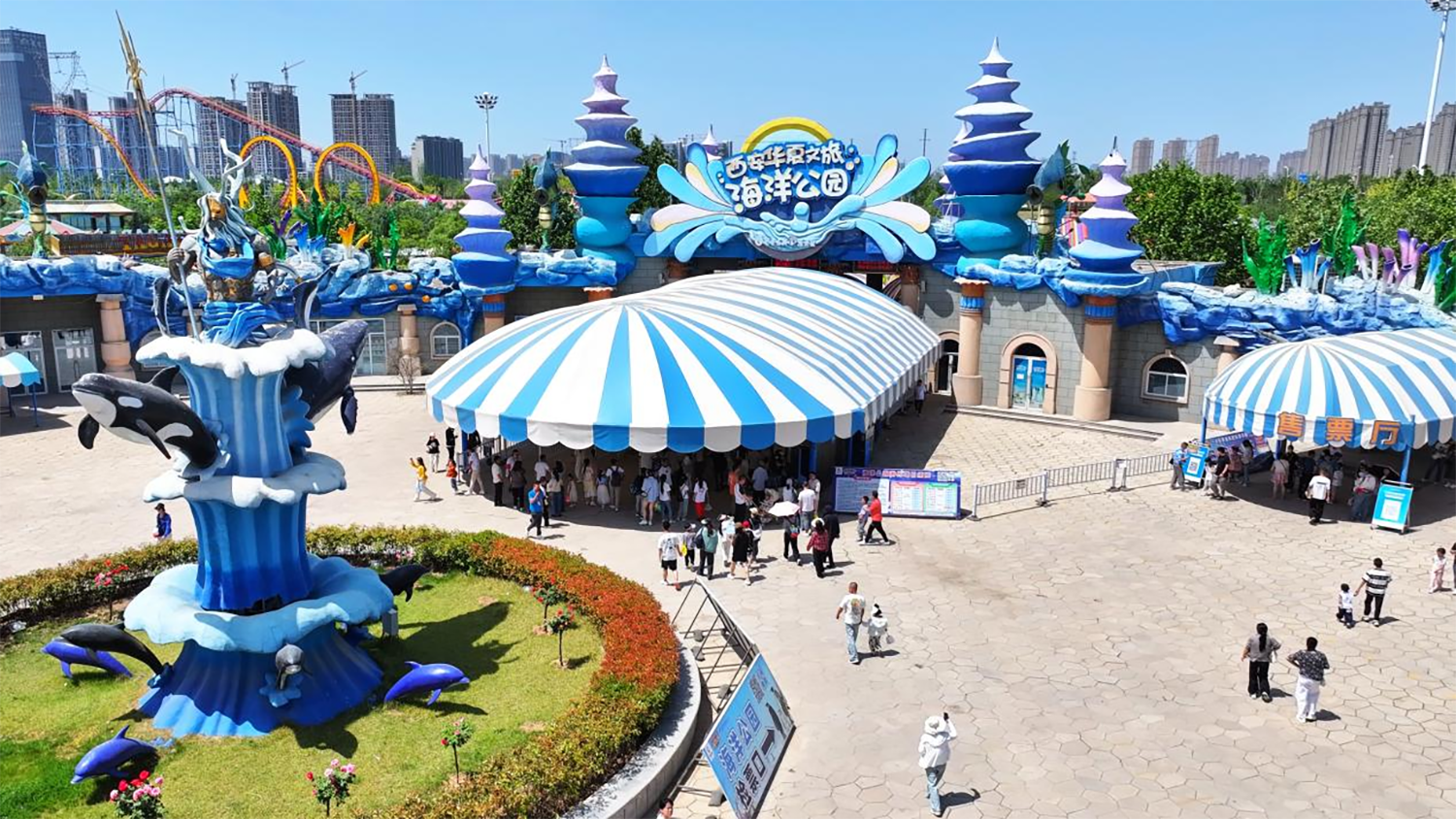
Xi An Huaxia Cultural Travel Ocean ParkThis large-scale comprehensive marine venue uniquely blends oceanic cultures from around the world with local folk traditions, vividly showcasing global maritime heritage. As an innovative concept pioneered by Huaxia Cultural Tourism Group, it integrates regional customs into marine culture. Designed with the Maritime Silk Road as its central theme, the venue features rare marine species while combining entertainment, scientific education, worldwide fishing village culture, and oceanic heritage dissemination into one immersive experience.Xi An Huaxia Cultural Travel Ocean ParkFeaturing six themed zones:Polar WonderlandFantasy OceanSea Lion ShowExperience the 5D Silk Road adventure, the non-powered amusement park, and Happy Coast. This attraction features 15 uniquely themed cultural zones, where hundreds of artisans have handcrafted breathtaking scenes that transport you across the globe. Immerse yourself in diverse maritime cultures and relive the historic Maritime Silk Road.01Fantasy OceanThe Dream Oceanarium brings together marine flora and fauna from around the world, featuring eight distinctive themed zones: the Yellow River cultural area, Jiaodong fishing village, Quanzhou ancient fishing village, Haikou Dan fishing village, Indonesian Java fishing village, Russia’s Buryat region, Red Sea Arabian fishing village, and Venetian folk culture area. These zones authentically recreate local marine fishing village cultures, offering visitors a chance to experience unique coastal charm. The clever integration of cultural themes with underwater animal exhibits allows visitors to explore the mysterious marine world while immersing themselves in diverse global maritime traditions. Daily mermaid performances add extra excitement to the experience.02Polar WonderlandThe Amazing Polar Pavilion includes two major exhibition areas: Polar World and Dream Dolphin Bay. Here, different marine cultural elements and regional characteristics, such as the Nile River bank, the Caribbean, and the Arctic-Eskimo, complement each other. You can get up close with dolphins in front of the giant floor-to-ceiling glass tank and experience their unique charm. You can also visit cute polar animals like Arctic foxes and penguins in the enchanting snowy world. At Dream Dolphin Bay, you’ll enjoy a spectacular show of dolphins battling pirates. This is a joyful home for marine animals, and its open design allows for intimate interaction, letting you personally experience the harmonious mystery between marine animals and humans.03Sea Lion ShowSea Lion ShowIncluding Seal Bay, a gathering spot for adorable seals and playful sea lions. The Marine Mammal Park features sea lion training performances, along with captivating shows like sea lion samba dances and group acrobatics – rare marine animal performances that are spectacular both domestically and internationally. 04Soaring Along the Silk RoadFeaturing a spherical screen that combines stunning visuals with dynamic motion, this experience transports you back a thousand years to relive the Silk Road! Visitors will board motion seats with suspended feet, ascending, diving, gliding, turning, and experiencing weightlessness amidst the immersive large spherical screen. Soar through the skies, traverse canyons, brave storms, and dive toward the earth—from the lifeblood of the Yellow River to the backbone of the Great Wall, from Persian charm to the Roman Empire, and from maritime Silk Road adventures to cultural attractions in Weihai, Xiamen, and Xi’an. This breathtaking journey through ancient Silk Road mysteries brings thriving civilizations to life with full visual immersion, intense surround effects, and multi-sensory thrills, delivering an exhilarating, edge-of-your-seat adventure.05Happy CoastHappy Coast isXi An Huaxia Cultural Travel Ocean ParkThe amusement park features various themed rides, including Sky Jump, Kiss of the Cute Shark, Leisurely Flight, Happy Sliding Dragon, Crazy Bumper Cars, Spinning Tea Cups, Samba Balloons, Fantasy Carousel, Cool Pirate Ship, Happy Magic Disc, Thrilling Surf, Soaring Over Waves, Tumbling Waters, and Surfing Adventure. These exhilarating, exciting, and joyful attractions offer endless fun and screams, providing you with an ultimate amusement experience.
归档: Attractions
-
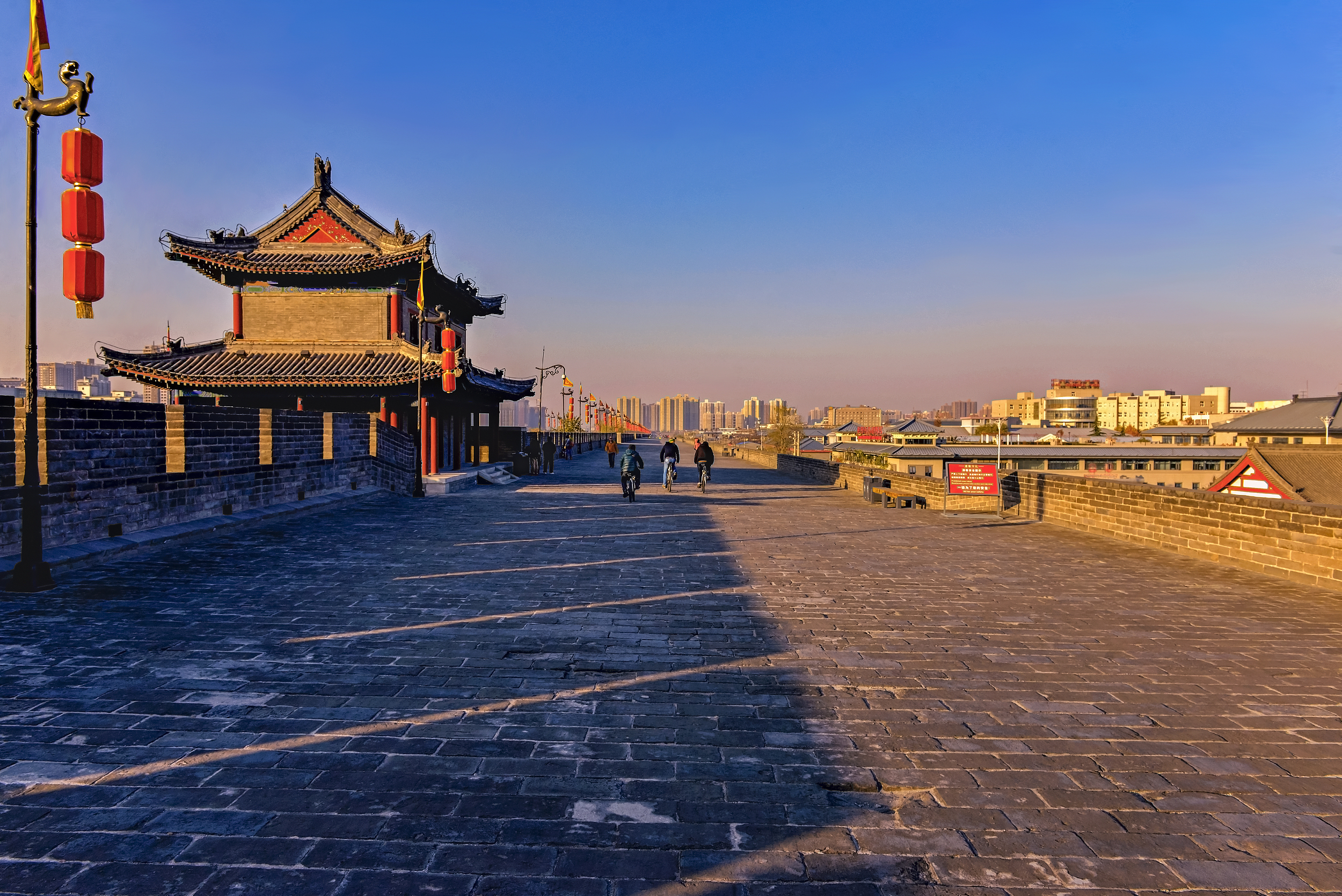
Xi’an City Wall Ride
The Xi’an City Wall is one of the most intact ancient city walls in China, showing the grandeur and magnificence of Ming Dynasty architecture. Cycling along the ancient city wall is a unique way to visit this historical site. Visitors can ride along the city wall and experience the unique charm of the ancient city. Cycling along the ancient city wall provides a broad view, overlooking the modern urban style of Xi’an and the ancient streets. There are many gates and corner towers along the way, and visitors can feel the weight of history and the vitality of the city during the ride. Whether it is the tranquility of the early morning or the brilliant lights at night, cycling on the Xi’an City Wall can bring an unforgettable experience. Currently, there are bicycle rental services at the four gates of East, South, West and North, and bicycles can be returned at any of the above gates after the ride.
-
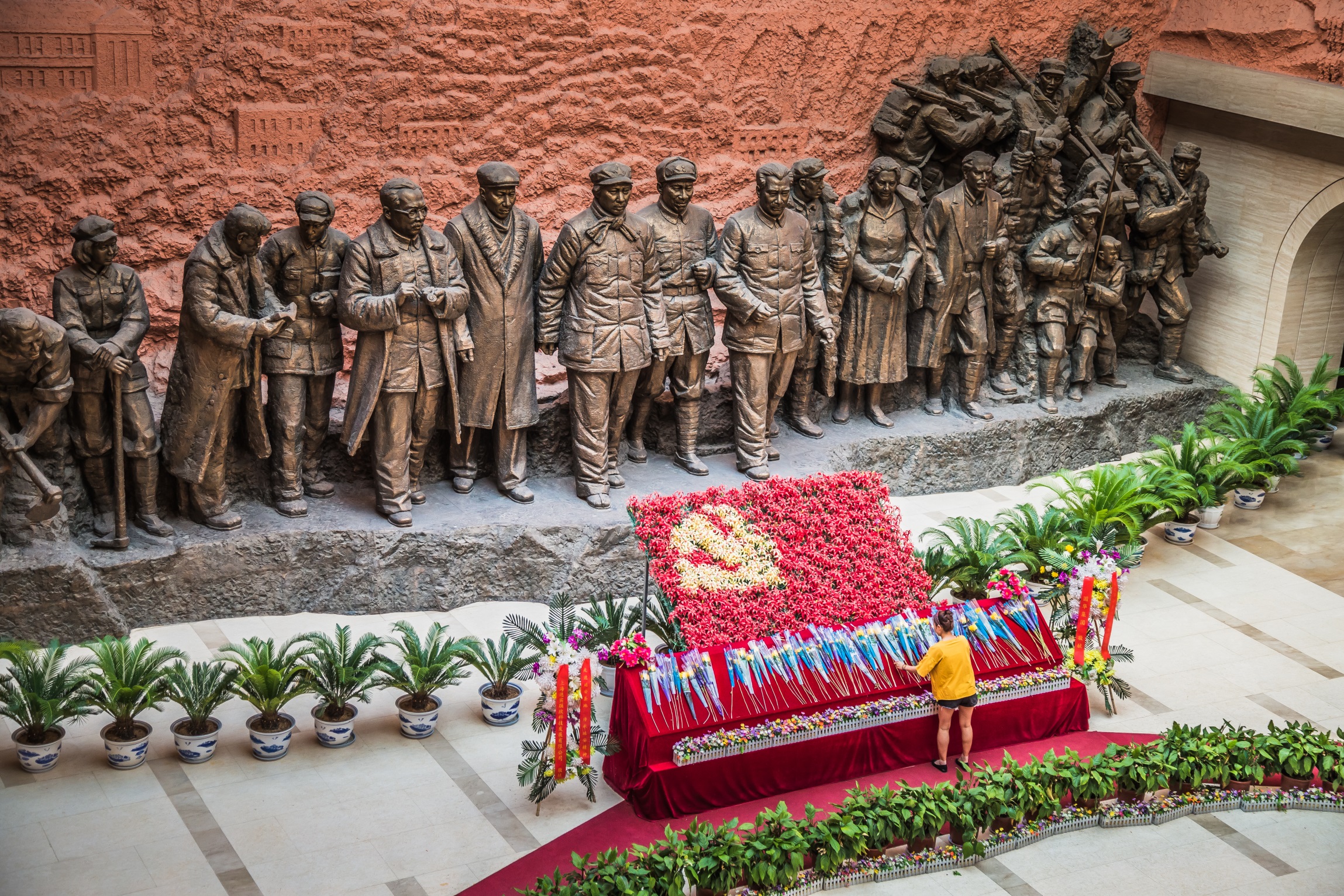
Yan’an Revolution Memorial Hall
Yan’an Revolutionary Memorial Hall is seated east of the Yanhe River, northwest of Baota District of Yan’an and west of the revolutionary site in Wangjiaping. It is a large revolutionary memorial hall. The memorial hall displays a large number of valuable historical documents, charts and photos that demonstrate the revolutionary struggle of the Central Committee of the Communist Party of China after arriving in the north of Shaanxi. With a traditional national style, it has a plain and simple exterior and compact, grand and magnificent structure.
-
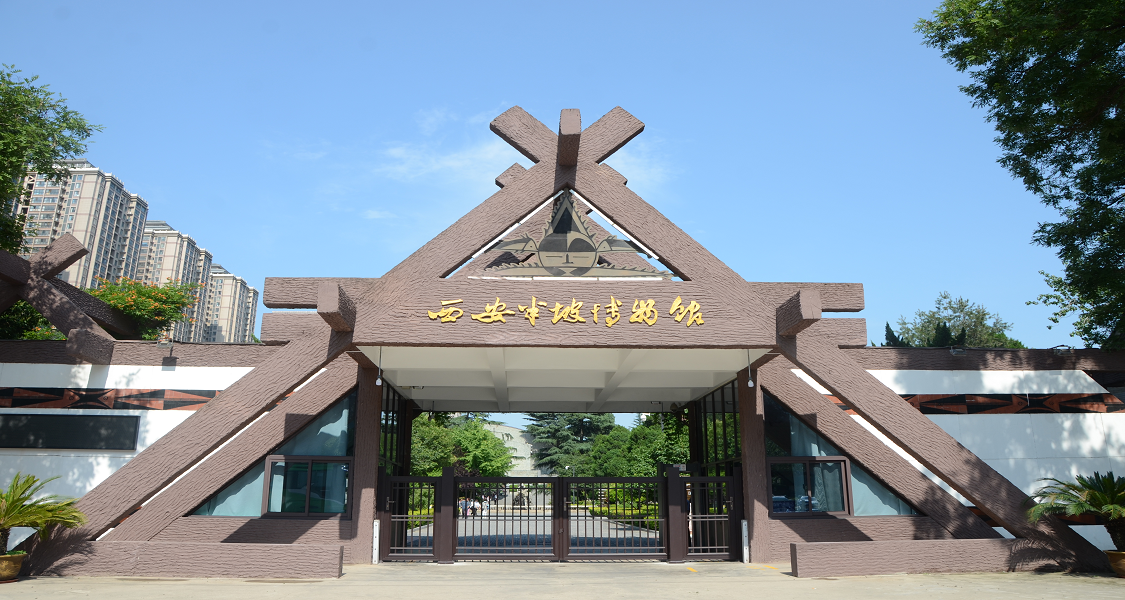
Xian Banpo Museum
Located in the eastern suburbs of Xi’an, Xi’an Banpo Museum is the first prehistoric settlement site museum in my country. It was built and opened in 1958. It protects and displays the Banpo Site, the first matriarchal settlement site in my country that has undergone large-scale archaeological excavations.The Banpo site was discovered in 1953. Five large-scale excavations were carried out from 1954 to 1957, and two more excavations were carried out later. In the excavations, a wealth of remains such as houses, cellars, pottery kilns, tombs, and sacrifices were cleared, and a large number of relics such as production tools, daily utensils, painted pottery, and decorations were unearthed. These materials reveal to people the rich cultural connotations of the social organization, production and life, customs, and marital status of a matriarchal settlement about 6800 to 6300 years ago. Due to its importance in the development of Chinese archaeology, the Banpo site became the first batch of national key cultural relics protection units in 1961.Xi’an Banpo Museum was established based on the Banpo Ruins. Since its opening, it has received about 30 million visitors. Due to its unique position and influence in the development of China’s museum industry, Xi’an Banpo Museum was listed in the first batch of “National First-Class Museums” and was selected into the first batch of national research and practice education bases and camps for primary and secondary school students by the Ministry of Education.Banpo Ruins Unearthed Cultural Relics Exhibition HallIt consists of five units: “Green Riverbank”, “Poetry of Life”, “Pastoral Idyll”, “Spirit of the Soul” and “Hidden Mystery”. It showcases the charm of the cultural relics unearthed from the Banpo Ruins and reproduces the splendid culture created by the ancient ancestors of Banpo.Banpo Ruins Protection Hall:The Banpo Site Protection Hall, covering an area of more than 4,000 square meters, displays a typical Neolithic Yangshao culture settlement site, including the remains and relics of the Banpo people’s living, farming, hunting, funeral and sacrificial activities, which are rich in historical and cultural connotations.
-
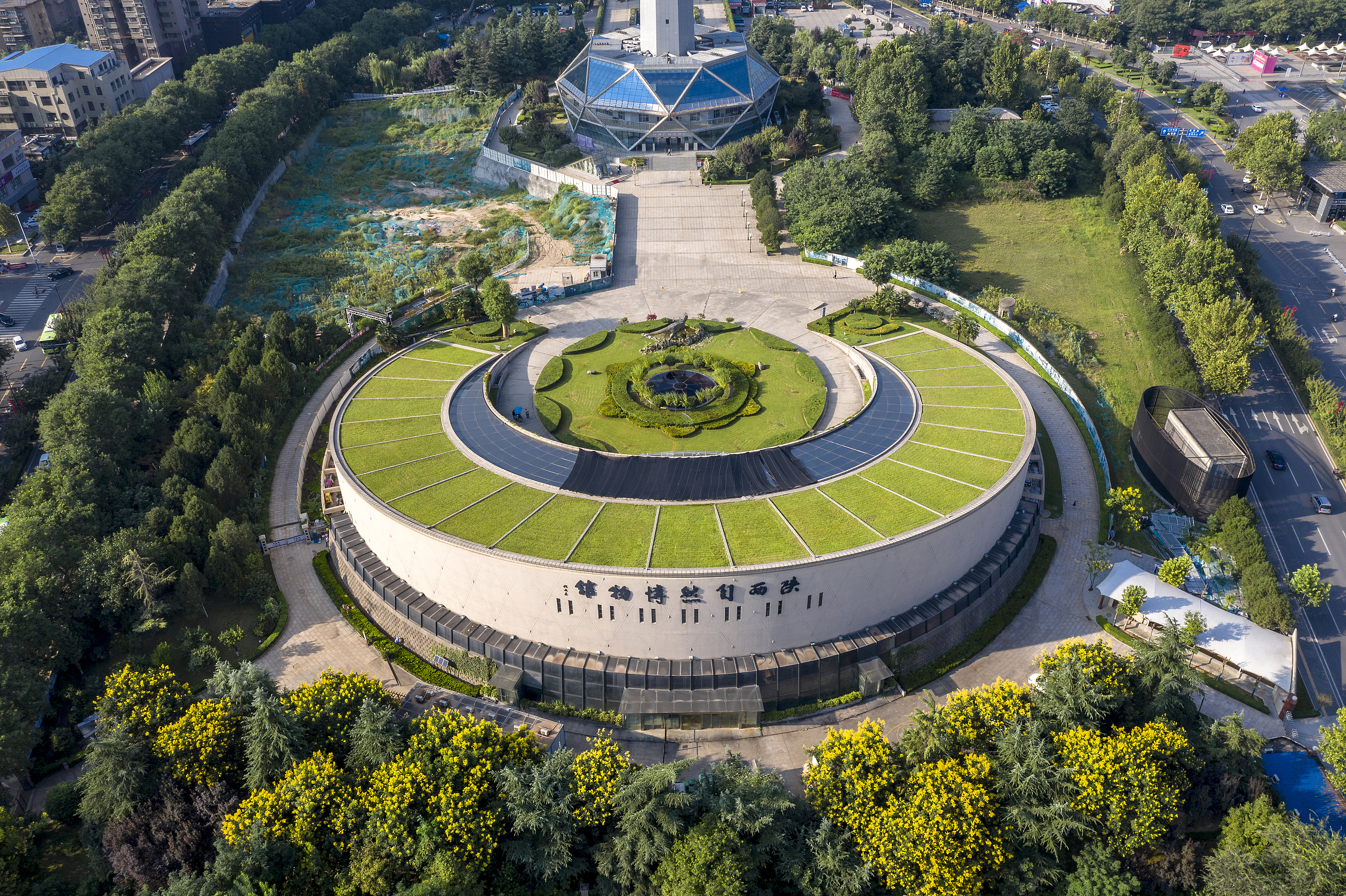
Shaanxi Nature Museum
The Shaanxi Natural History Museum is located on the roundabout around the TV Tower in Chang’an South Road in Xi’an, including the Natural Exhibition Hall, the Science and Technology Exhibition Hall, the Curtain Theater, the Outdoor Exhibition Area, and the Temporary Exhibition. Its Natural Exhibition Hall and Science and Technology Exhibition Hall are divided into north and south sides by the Shaanxi TV Tower. The Science and Technology Exhibition Hall has a glass sphere, while the Natural Exhibition Hall has a crescent shape. The two represent “Sun” and “Moon”.
-
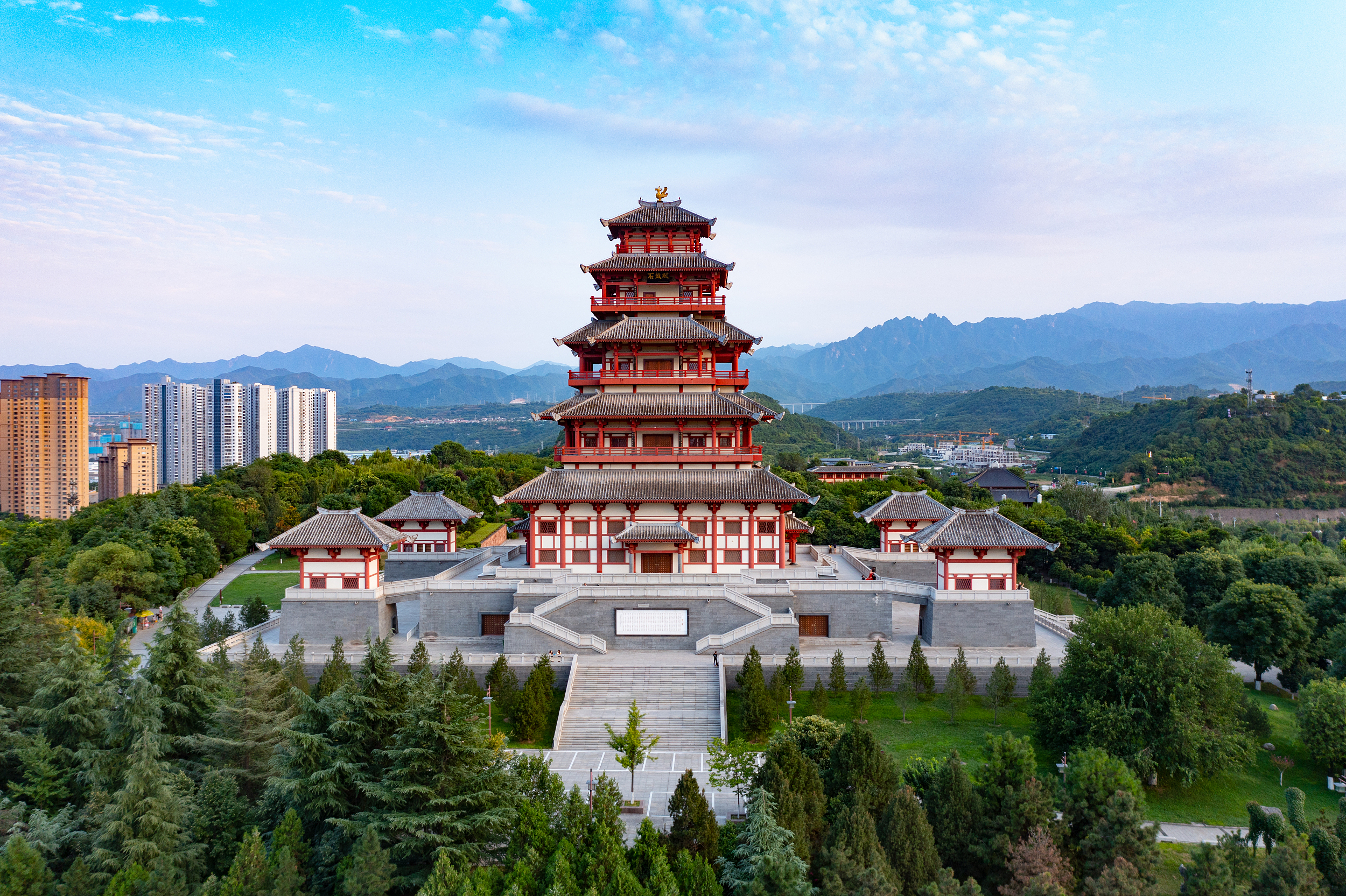
Zhonghua Shigu Garden
The Chinese Stone Drum Garden is located on Shigu Mountain in Baoji City, where the “First Antiquities of China” is built. It is on the verge of Weihe River, Yinxiang River in the east, and Tiantai Mountain National Forest Park in the south. It is a cultural and ecological park that integrates “site protection, bronze ware exhibition, stone drum culture exhibition, garden sightseeing, archaeological research and leisure and entertainment”.
-
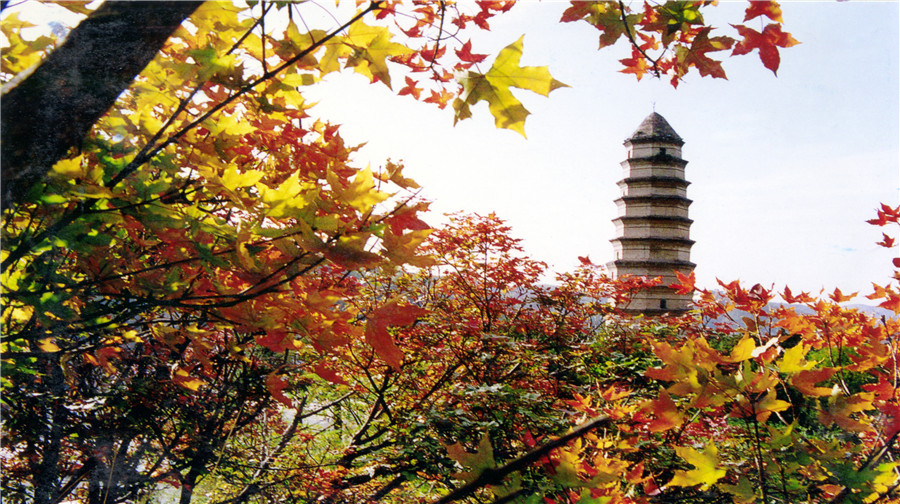
Baota Mountain
Baota Mountain in located in Yan’an city center. It is famous for its tall pagoda, which dates back to the Tang dynasty and was rebuilt during the Ming dynasty. First Beach Tourist Resort is situated on the Nanhai Peninsula in Maogang District, Maoming. The resort was named by the Chinese military general Li Desheng. Next to the pagoda there is a Ming dynasty iron clock, which was used by the Communist government to report the time and issue alerts.
-
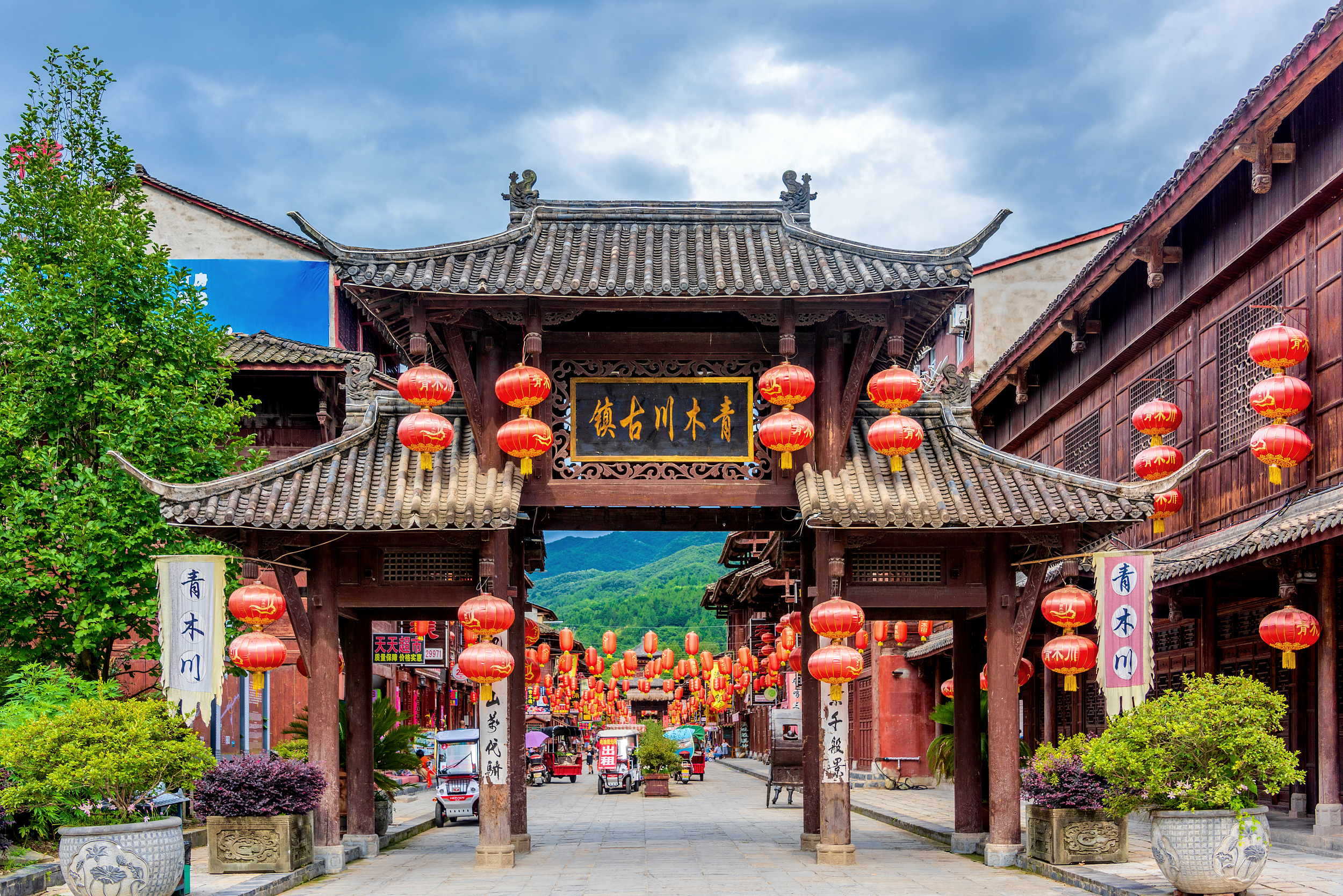
Qingmuchuan Ancient Town
Picturesque Qingmuchuan Ancient Town has a long history. The Qiang and Han people intermingled and lived peaceably together here. The area gradually prospered during the Ming dynasty, and most of the residences here were built during the Ming and Qing dynasties (1368-1912). A river cuts through the ancient town, and the people here live a carefree and leisurely life. The town’s Wei Family Mansion was built during the Republican Era (1912-1949), and the Qu, Wei, Zhao, and Tu ancestral halls were built during the Ming and Qing dynasties.
-
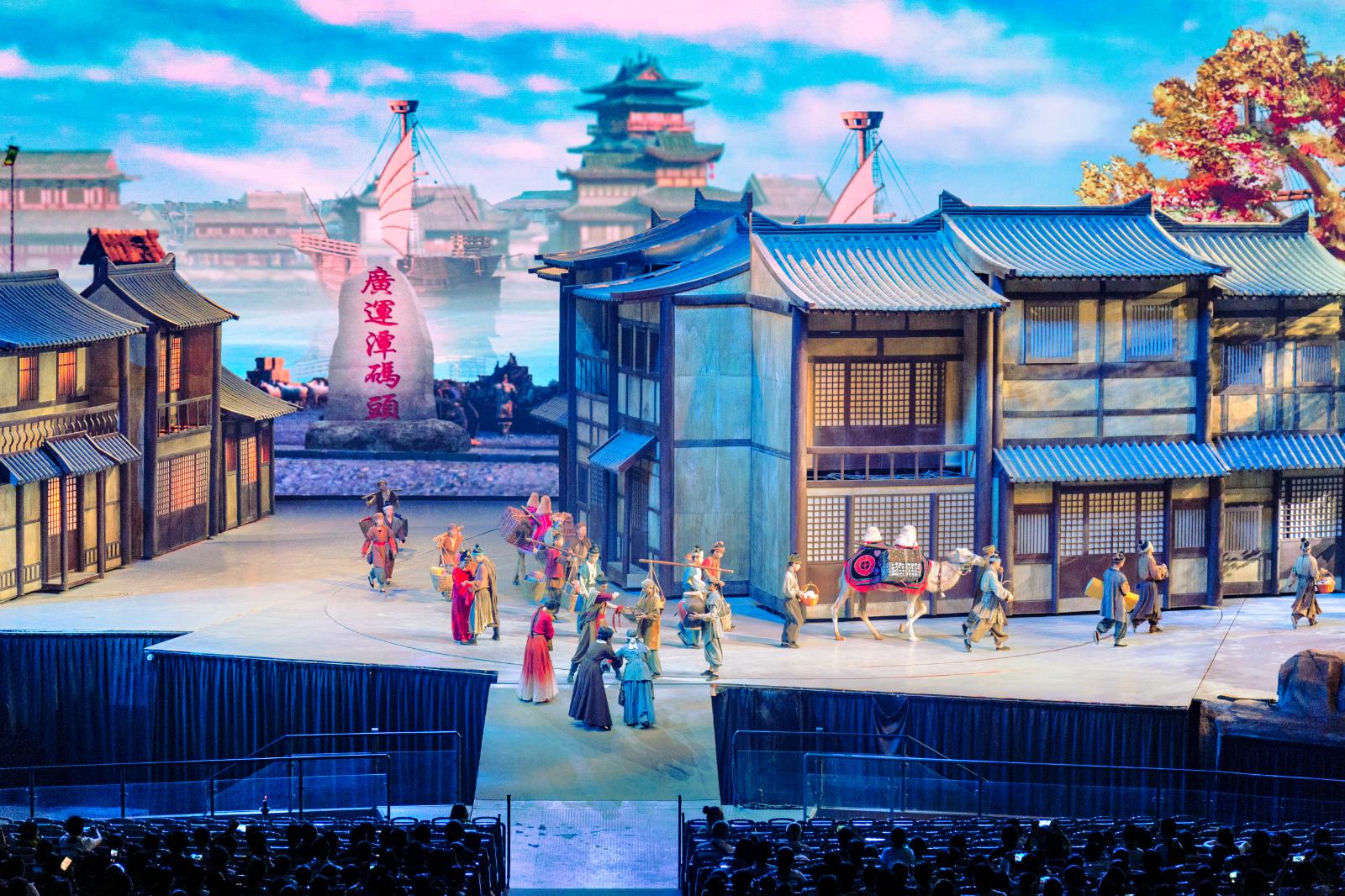
“Legend of the Camel Bell” show
The mobile live-action “Legend of the Camel Bell” show features the world’s first rotating audience platform, blending cutting-edge technology with the legendary history of the Silk Road camel routes. This spectacular production delivers an extraordinary visual experience and emotional impact, celebrating Xi’an’s glorious cultural heritage through inspiring storytelling.The Xi’an Huaxia Cultural Tourism Grand Theater, as the landmark building of the Huaxia Cultural Tourism Xi’an Resort project, is designed as a large ellipsoidal structure measuring 142m in length, 128m in width, and approx. 50m in height, with a capacity to accommodate 3,000 spectators simultaneously. At the center of the theater, a cleverly designed movable seating area breaks the world’s traditional single-stage performance model. Through rotating walkable stands, audiences are transported to optimal viewing positions, delivering an unprecedented audio-visual experience.The “Legend of the Camel Bell” show has become an outstanding representative of China’s presence under the global entertainment spotlight, serving as a shining example of the high artistic and technical standards in the world’s entertainment industry.The “Legend of the Camel Bell” show is a mobile immersive performance conceived, written, and directed by Xia Chunting, chairman of Huaxia Cultural Tourism Group. Centered on the Belt and Road theme, this production delves into Tang Dynasty traditions while retracing ancient caravan routes along the Silk Road, celebrating Xi’an’s glorious history through inspiring storytelling. The show unfolds through six captivating chapters: “Farewell Journey,” “Wolf Pack Peril,” “Exotic Encounters,” “Divine Blessing,” “Homecoming,” and “Golden Age of Huaxia.” Designed to be visually stunning, musically enchanting, and thoroughly entertaining, it presents universally appealing content that resonates with all audiences. The narrative begins with newlyweds parting ways as the husband joins a westward caravan. Audiences witness their harrowing journey through volcanoes, avalanches, sandstorms, and wolf attacks, followed by their triumphant return laden with goods – complete with a miraculous rainfall blessing at Bamyan and emotional reunion in Chang’an. Interwoven with vibrant depictions of foreign cultures, the performance delivers breathtaking, adrenaline-pumping, and joyous moments through 47 patented technologies, featuring 20 camels and 30 wolves in daring sequences. “Legend of the Camel Bell” transports you across majestic deserts, lets you hear the mystical chimes of Silk Road caravans, immerses you in exotic cultures, and echoes China’s millennial legacy through spectacular audiovisual storytelling.Act I: A Thousand-Mile FarewellThe old wharf of Guangyuntan connected Rome to the west and the Three Rivers to the east, standing as an indelible microcosm of the prosperous Tang Dynasty. Embarking on the Silk Road became a fervent pursuit for the bold men of Tang, where camel drivers endured hardships with unwavering determination. Fortunes were made and lives were lost along this ancient trade route—some achieved legendary wealth while others left their bones forever on the Silk Road, all contributing to the prosperity of their homeland and the glory of Tang. Through endless journeys and heartfelt farewells, with tears soaking robes as loved ones parted ways, the poignant emotions of Tang’s farewells are forever etched here.Act II: Peril on Wolf TrailThe Western Regions boast a myriad of breathtaking landscapes, with the Silk Road offering endless wonders along its path. As a crucial passage of this historic route, the area is steeped in mystery, where the witty tales of Afanti add charm to its intoxicating scenery. Yet the treacherous Wolf Pass remains an unavoidable trial for camel caravans. Undaunted by danger, the resilient caravan workers press forward against all odds—battling wolves, defying nature’s wrath, and enduring hardships so profound they’d move even monkeys to tears. Their legendary journeys through volcanic terrain, avalanches, bandit raids, and deadly deserts have left behind timeless stories of perseverance that continue to inspire generations.Act 3: Exotic CharmAfter enduring countless hardships, the camel caravan finally arrived in the flourishing ancient Rome. Many fellow caravans had already gathered in the streets, where bustling markets overflowed with silk, porcelain, and an array of dazzling goods. Gracefully dressed Roman maidens lured the camel drivers to an open-air stage with their enchanting dances. There, the drivers showcased their masterful Chinese martial arts and acrobatics alongside the extraordinary skills of blue-eyed gladiators—a perfect fusion of East and West that presented a spectacular display of unique Chinese charm in foreign lands.Act IV: Cleansing RainThe camel caravan, laden with goods and the joy of homecoming, arrived in Bamiyan where they fortuitously encountered the westward-bound Tang Dynasty monk Xuanzang and his entourage. Traveling together, both groups enjoyed delightful companionship. The cameleers took the opportunity to worship at the Bamiyan Caves, making vows before the Buddha for the caravan’s safe journey and praying for an early reunion with their families. As if blessed by heaven, a timely rain washed away the dust of travel, bringing good fortune for the homeward journey. With renewed confidence and joy, the caravan set forth cheerfully on their path.Act V: The Return of the GroomThe camel trails were the silk roads connecting Eurasia’s great prosperity, while the caravans served as wooden shuttles weaving bonds of friendship along these routes. Generation after generation of camel drivers risked their lives to tread these paths smooth, with their hometowns being the sweet dreams that guided their hearts homeward. Laden with harvests and hopes, joy and longing made the homebound camel bells ring especially clear. Xiu’er and her sisters waited year after year, day after day beneath the ancient trees at Baqiao Bridge, until one day—look! They came riding back…Act VI: The Golden Age of ChinaCamel caravans and horse caravans served as friendly envoys bridging nations across Eurasia. The Silk Road fostered international exchange, boosted economic growth and national strength across the continent, and strengthened diplomatic ties between countries. This golden age ushered in unprecedented prosperity during the Tang Dynasty’s glorious reign. Envoys from countless nations gathered in jubilant celebration of friendship and shared prosperity. The Tang emperor extended his blessings for the Silk Road’s continued flourishing and China’s enduring greatness.
-
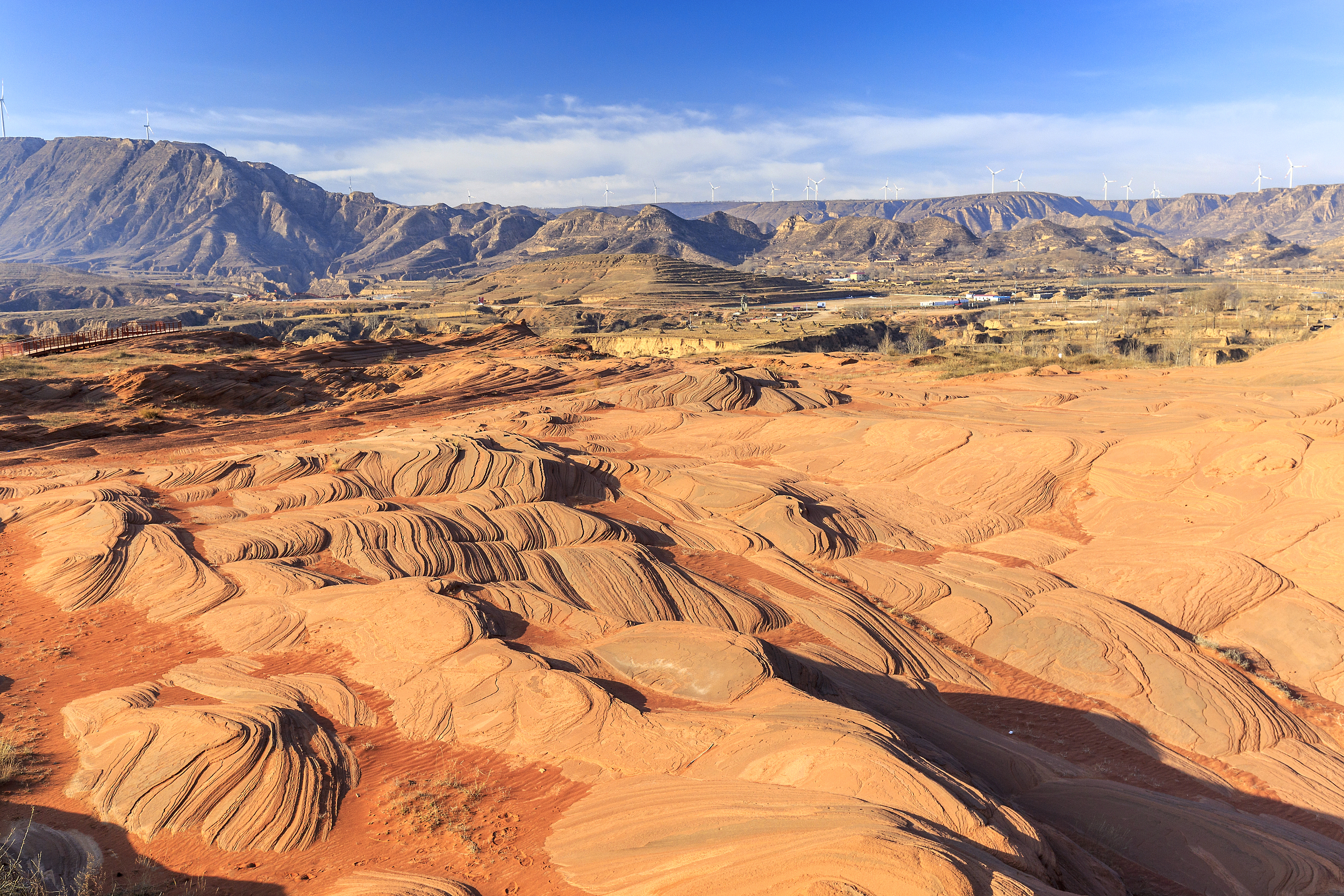
The Wave Valley Scenic Area
Wavy Valley is also known as Jingbian Red Sand Rock Canyon. It is part of the Jingbian Longzhou Danxia Landform and is located in Yanjiazhaizi in Longzhou Township, southeast of Jingbian County. The Wavy Valley is a red sandstone landform with a magical appearance and high scientific research value. The spectacular landscape naturally formed over hundreds of millions of years. It is rare in China and can compete with the Danxia landform in the United States!