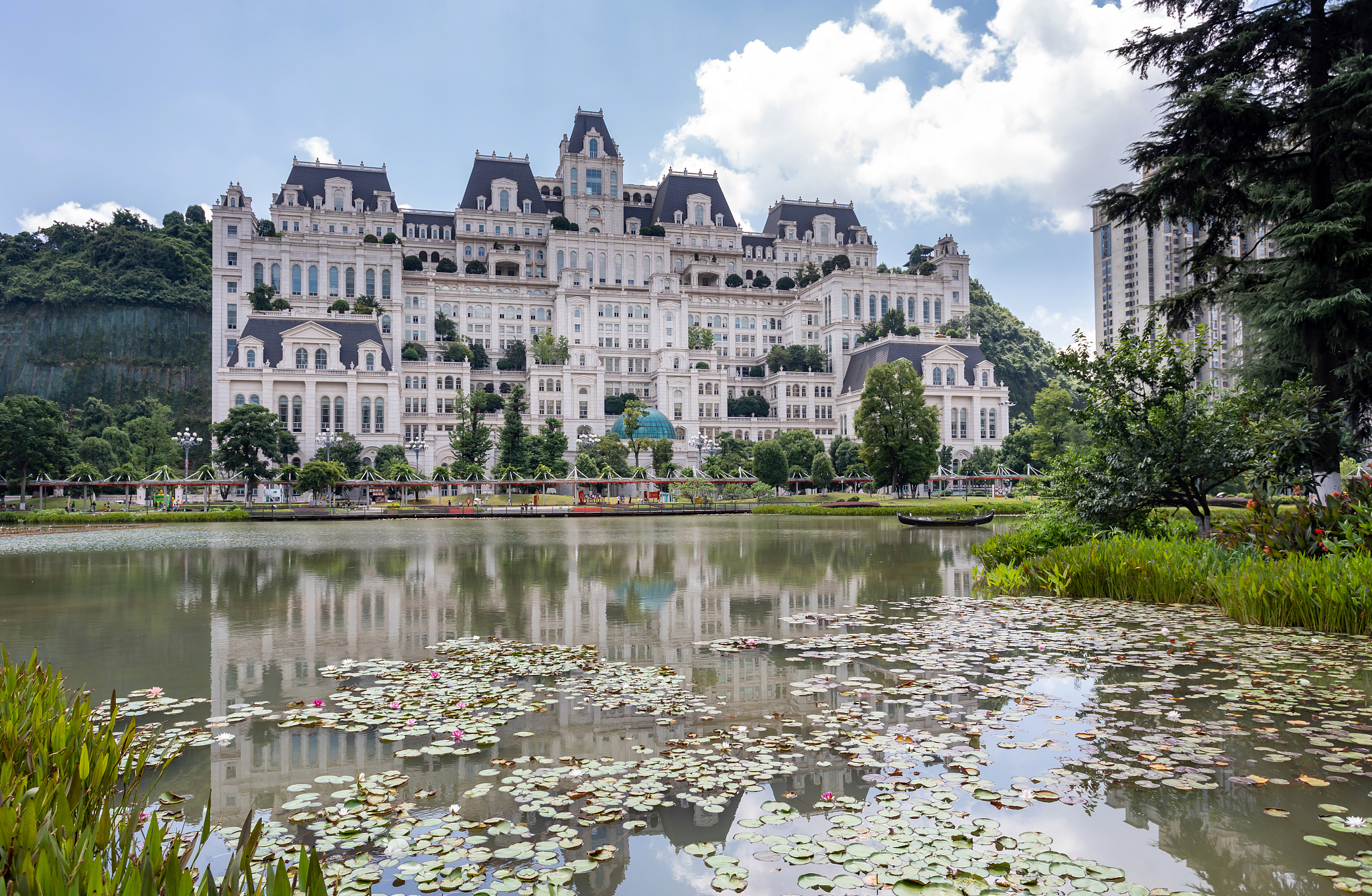
Huaguoyuan Wetland Park is located in the core area of Guiyang City, surrounded by the lush Yungui Mountains. In Huaguoyuan Wetland Park, there are ancient ginkgo trees, auspicious pine trees, and fragrant sweet-scented osmanthus flowers. They form a beautiful and charming landscape together with colorful flowers and plants, fish and birds in the lake.
归档: Attractions
-
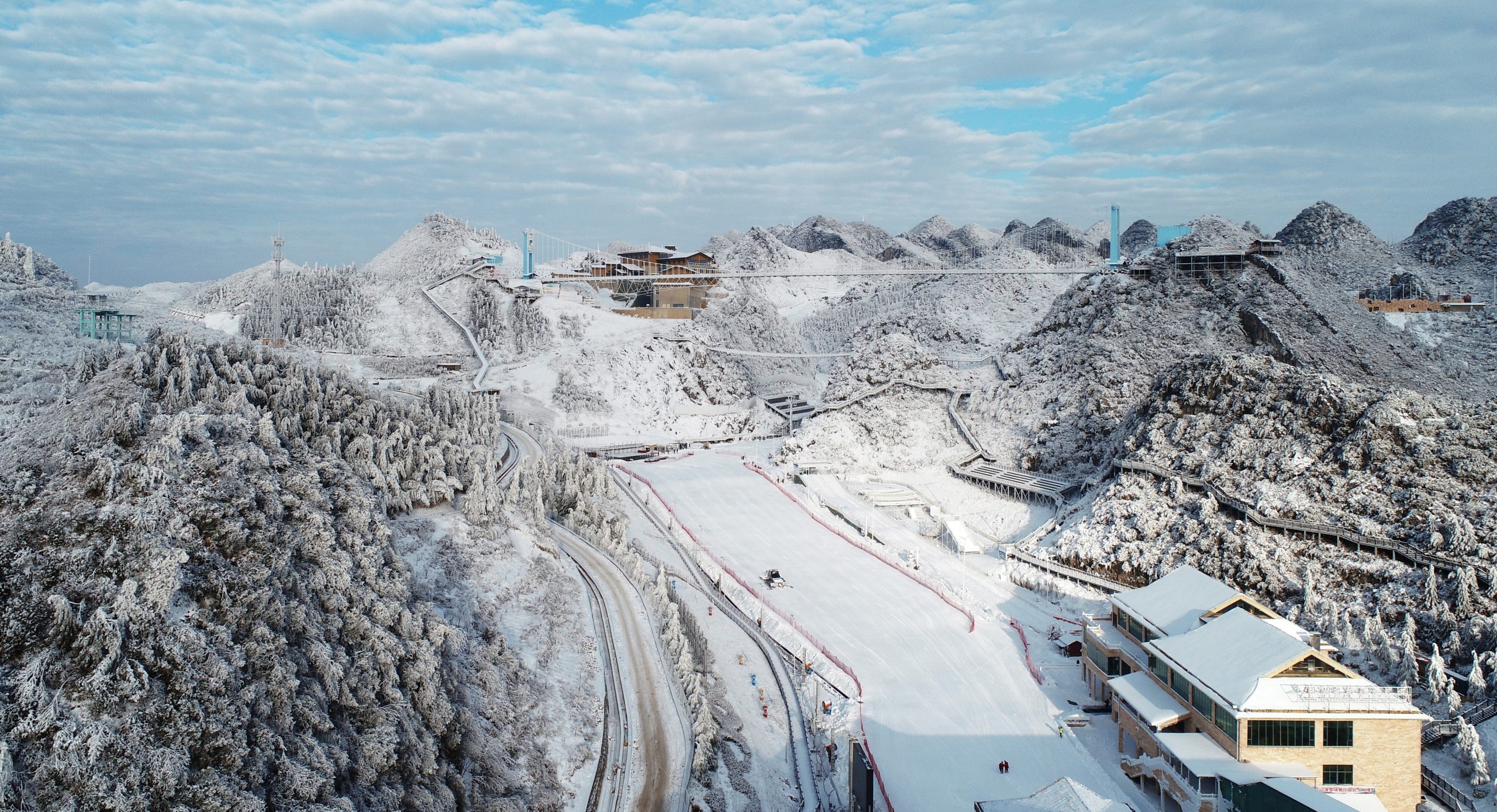
Plum Blossom Mountain International Ski Resort
Meihuashan Ski Resort is located on Meihua Mountain in Yichun, Heilongjiang Province. In addition to three ski slopes (beginner, intermediate, and advanced), the resort also offers visitors a wide range of snow-themed activities, a two-person chairlift, and a magic carpet lift.
-
Yushe Forest Park
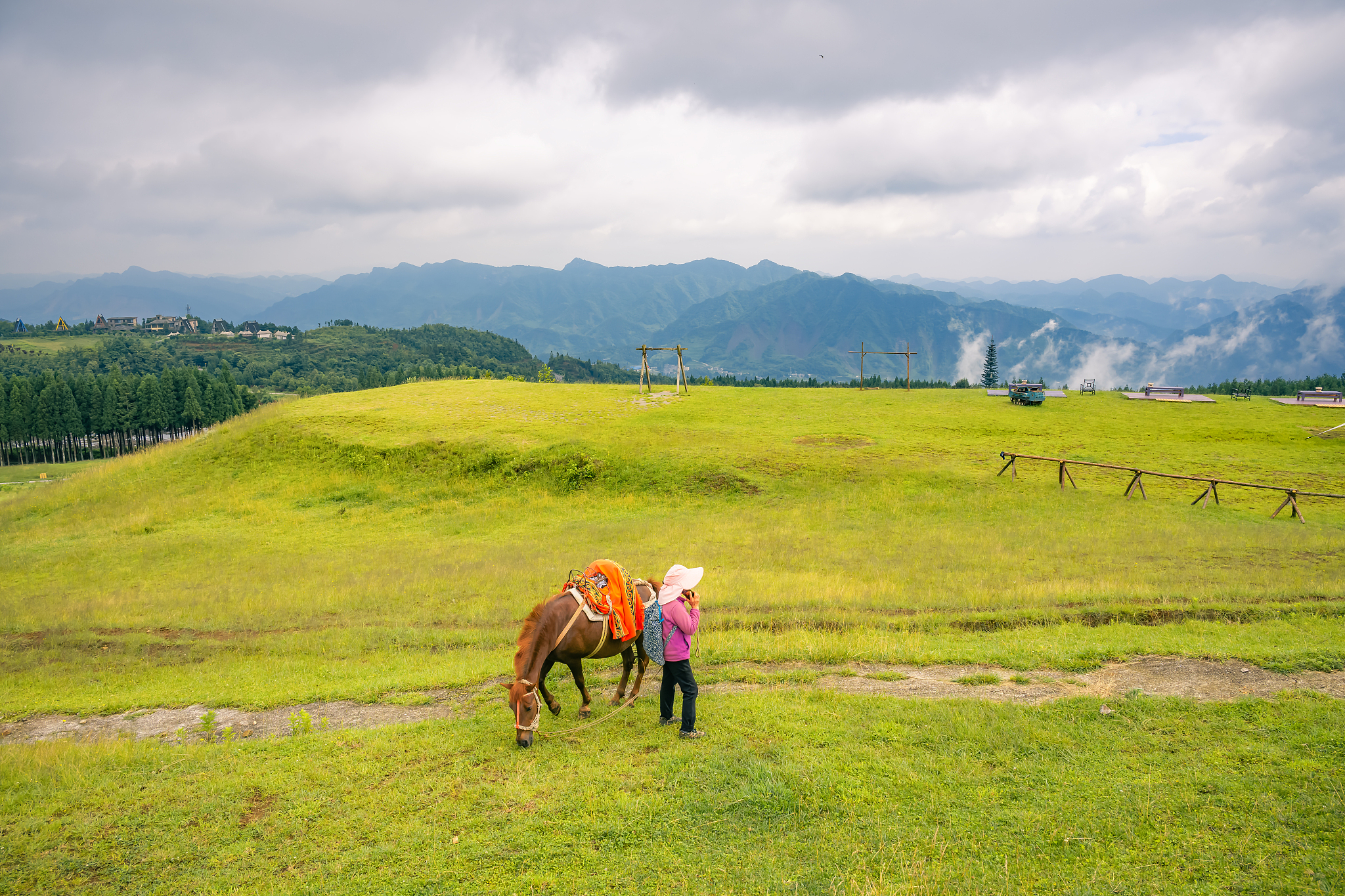
Yushe National Forest Park, located in the southern part of Shuicheng County, Liupanshui, Guizhou Province, covers an area of 34 km² with a core area of 5.4 km². Situated 30 km from the city center, it belongs to the Wumeng Mountain range and lies in the upper reaches of the Pearl River system. The park features lush forests, crisscrossing ravines, and majestic landscapes, with a forest coverage rate of 81.3%. Its highest elevation reaches 2,503 m, while the lowest is 1,700 m, creating a relative height difference of 803 m. It currently holds the distinction of being the highest-altitude forest tourism attraction in Guizhou Province.The attraction boasts a pleasant climate, convenient transportation, and abundant resources. The average summer temperature is 19°C, with forest coverage reaching 81.3% and negative oxygen ions reaching 3,500 per cubic cm.The entire park is located in the central subtropical monsoon climate zone, characterized by a plateau monsoon climate with distinct wet and dry seasons, where rainfall and heat coincide. The annual average temperature is 13°C, with a frost-free period of 240 days and an average precipitation of 1,175mm, making it one of the rare temperate and humid areas in the province. The unique terrain and climatic conditions have endowed the park with abundant flora and fauna resources. It is home to over 1,500 rare wild animals and plants, including golden pheasants, silver pheasants, white foxes, musk deer, dove trees (Davidia involucrata), Chinese yew (Taxus chinensis), ten-toothed flowers, and Sikkim magnolias, as well as more than 700 types of wild medicinal herbs such as fleeceflower root, eucommia bark, and pseudo-ginseng. Among these, the dove tree is a key protected plant. Its white flowers resemble flying doves, earning it the nickname “dove flower.” It is a relic plant from the Tertiary period of the Cenozoic era 10 million years ago, coexisting with dinosaurs and hailed as a “living fossil in the plant kingdom.” The Chinese yew, on the other hand, is globally recognized as a rare and endangered natural anti-cancer plant. With a lifespan exceeding 5,000 years, it is often called the “giant panda of plants” and praised as the “golden tree” or “longevity tree.” Every part of the Chinese yew is valuable—it purifies the air, with two 8-year-old yew trees releasing oxygen equivalent to 1,000 holly trees or a 600m² forest. Due to its unique geographical and climatic conditions, our city is also one of China’s earliest native habitats for Chinese yew and serves as a vital natural distribution zone and ideal growth environment. Currently, 118,000 wild Chinese yew trees have been discovered here, including 740 fruiting specimens. In June 2013, the China Wild Plant Conservation Association officially designated Liupanshui as the “Hometown of Chinese Yew.”Strolling through the woods, you’ll experience the transcendence of “walking until the stream ends, sitting to watch clouds rise,” as well as the serenity of “picking chrysanthemums by the eastern hedge, gazing leisurely at southern mountains.” On a winter morning, you might delight in the sudden wonder of “overnight spring winds bringing thousands of pear blossoms,” or reflect on the profound melancholy of “contemplating heaven and earth’s vastness, shedding solitary tears.” Marvel at the winter plum’s indomitable spirit, “blooming defiantly with frost underfoot, shining against snow in bitter cold.” At China’s southernmost ski resorts, enjoy carving through “sea of trees” powder, feel the adrenaline of live-ammunition shooting ranges, or unwind completely in misty hot spring baths at ryokan-style retreats.The park features the ancient Tea-Horse Road and Wumeng Pavilion with its wooden tower courtyard layout, where meandering streams and pearl-like waterfalls create a landscape as gentle as jade and elegant as a breeze. Here you’ll find Yueshe Snow Mountain Ski Resort, the first high-altitude and year-round ski destination in Guizhou Province with the lowest latitude in China. Complemented by dry slopes and seasonal flowers, it has become the premier skiing destination in Southwest China.With lush forests, verdant mountains, pristine waters, majestic trees, unique rock formations, dramatic gorges, and rich cultural heritage, Yushe Forest Park is perfect for ecological research, nature retreats, wellness activities, alpine skiing, and herbal baths. Its ever-changing seasonal landscapes make it an ideal destination for summer escapes, vacations, and leisure getaways.Currently, Yushu National Forest Park has developed several attractions, including the Yushu Snow Mountain Ski Resort, grass skiing field, live ammunition shooting range, and Snow Mountain Hotel. The resort adheres to the principles of “harmony between humans and nature” and “balanced economic development with ecological conservation.” By integrating healthcare concepts and Yi ethnic medicine, it has established a wellness center. The forest park has evolved into a comprehensive tourism destination offering dining, entertainment, leisure, vacationing, wellness, and sightseeing.The attraction boasts convenient transportation, with the Hangrui Expressway passing through the area and the Liangshui Line and Shuibai Railway located at the foot of the park. The park features approx. 25km of roads forming a figure-eight loop, with three entrances: the South Gate, North Gate, and East Gate.
-
Wumengshan National Geological Park
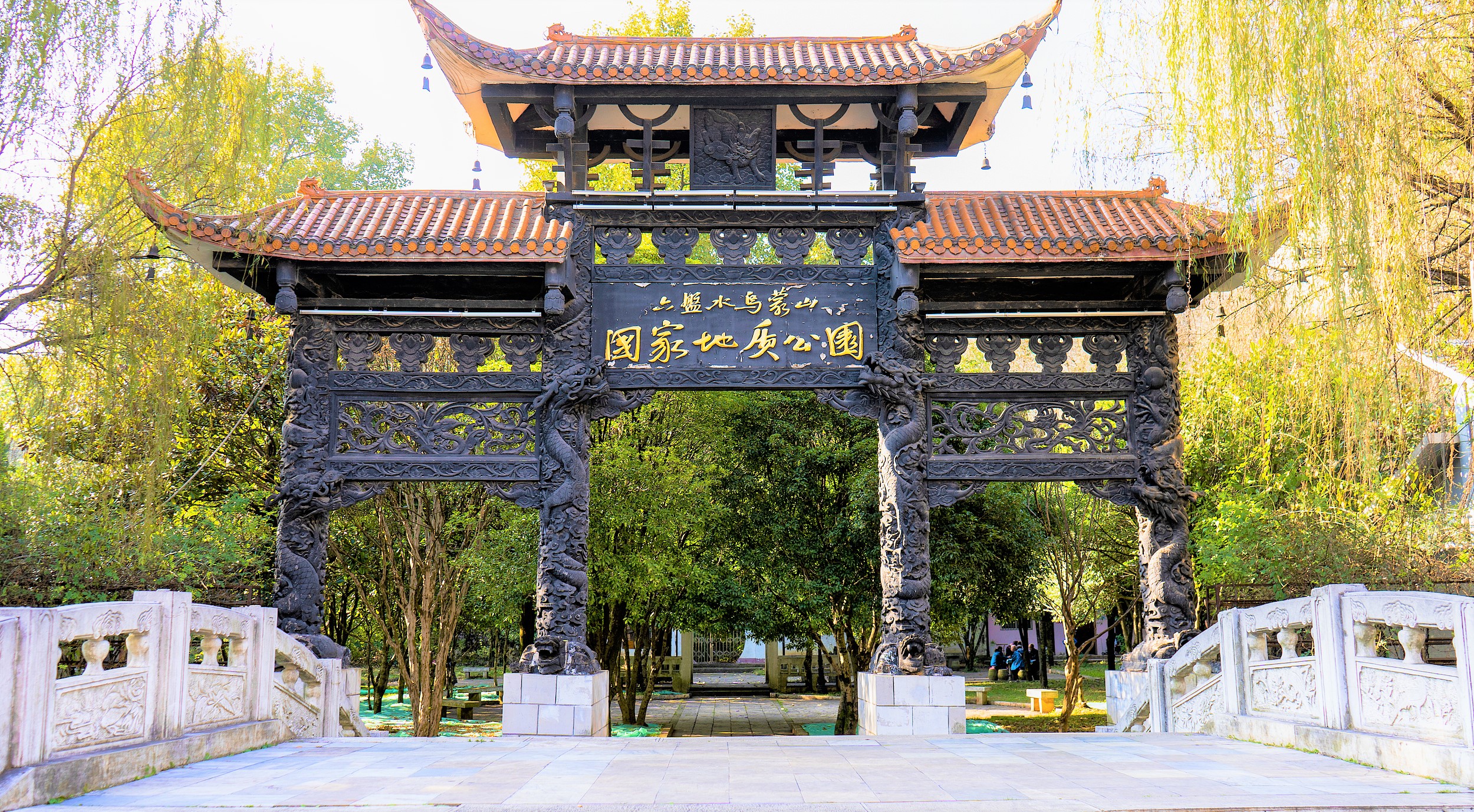
Wumeng Mountain National Geopark is located in Liupanshui City in the west of Guizhou Province. It is characterized by the peak of Wumeng Mountain and its eastern slope plateau karst geology. It has various types of karst geological relics and landforms formed in various periods since the Cenozoic. The typical plateau karst landform area is praised as “a large geological museum” by geologists and scholars. Wumeng Mountain National Geopark is divided into two parks, namely Beipanjiang Canyon Park and Biyun Cave Karst Cave Group Park. Beipanjiang Canyon Park includes Shuicheng Peak Forest Scenic Spot, Yushe National Forest Park, Beipanjiang Canyon Scenic Spot, Wild Bell Black Langur Nature Reserve, Faer Rotary Structure Platform Scenic Spot, Slope Grassland (Basalt Fangshan Platform) Scenic Spot , Liuche River Canyon Scenic Spot and Gesuo River Canyon Scenic Spot, the main line is the majestic and steep canyon scenery of Beipanjiang Karst Grand Canyon. The Biyun Cave Karst Cave Group Park consists of Danxia Mountain Scenic Area, Biyun Cave Scenic Area and Panxian Ancient City Scenic Area, featuring the strange cave resources and karst mountain scenery in Pan County. Wumeng Mountain National Geopark is home to many ethnic minorities such as Miao, Buyi, and Yi, with strong ethnic customs and rich and colorful ethnic cultures. Yelang culture, red culture, and ancient city culture all have a long history. So far, tourists can participate in different ethnic festivals at different times. The Miao nationality’s annual February 15th is the Flower Dance Festival, and the May 5th is the flower field; the annual lunar June 24th is the Yi nationality’s Torch Festival; The Nuo dance of the Yi nationality, commonly known as the God of Dance, is eye-opening. In addition, the red culture in Wumengshan National Geopark has a long history. The Panxian meeting site of the Second and Sixth Army Corps of the Red Army in the old town of Panxian County was once the headquarters of the Second and Sixth Army Corps of the Red Army of Chinese Workers and Peasants. It was originally a military camp built by the National Revolutionary Army in 1928, commonly known as Jiujianlou. At the end of March 1936, the leaders of the legion held a Panxian meeting here and decided to cross the Jinsha River and go north to fight against Japan. Later, it was identified as a provincial cultural relics protection unit. Wumengshan National Geopark has a vast territory and many scenic spots. Generally speaking, it is not enough to play in one day. You can choose according to the type you like. Of course, if you have enough time, it is not an exaggeration to spend 2-3 days in the entire Wumeng Mountain National Geopark.
-
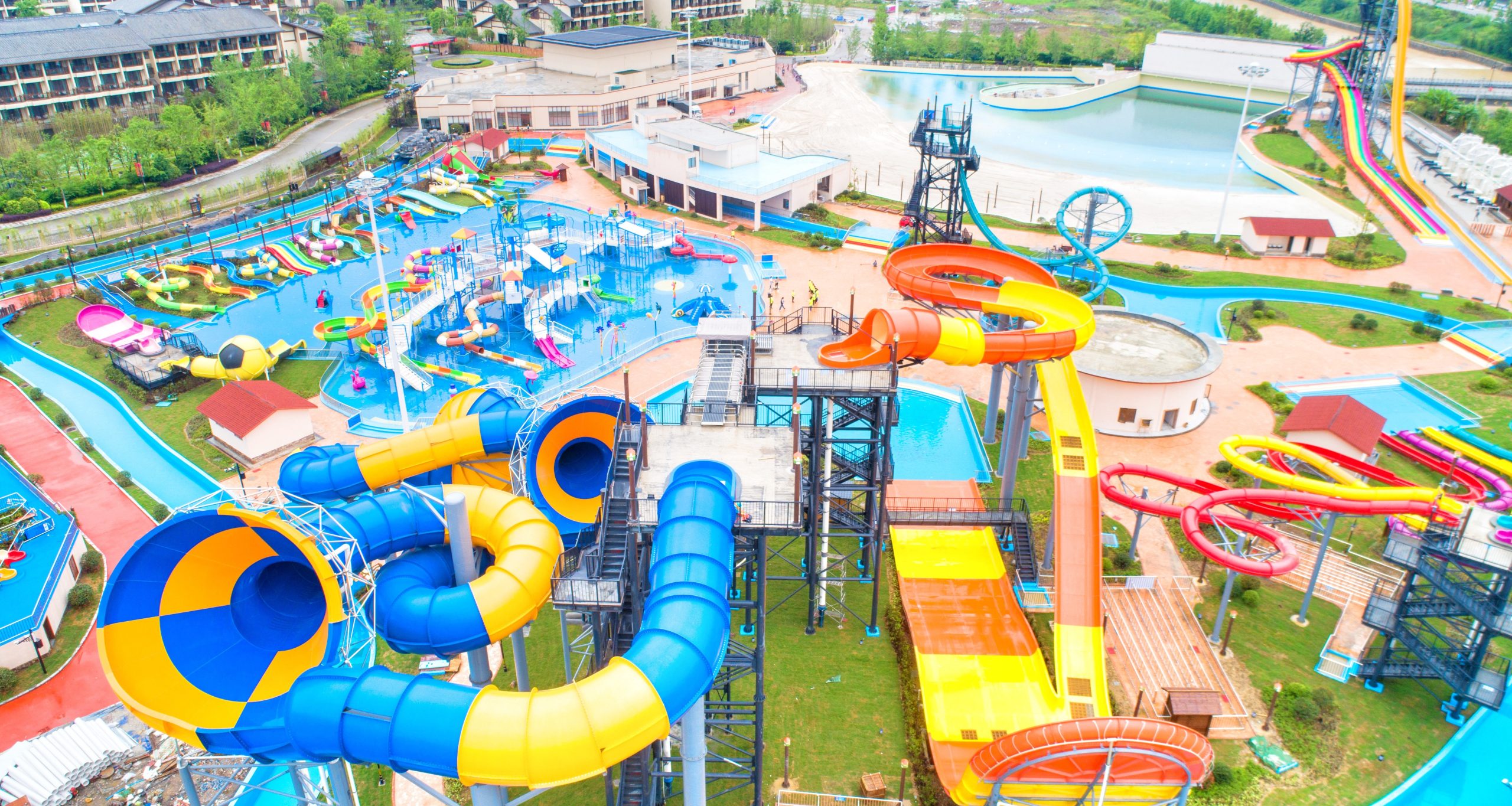
Hot Spring Resort Mount Foding·Shiqian China
The Fodingshan Hot Spring Town is located at the foot of Fodingshan in Shiqian. The hot spring town is being promoted in three phases. It is planned to be built into a hot spring themed town with hot spring therapy as the core, integrating sightseeing, vacation and health care and other leisure tourism projects. The currently open hot spring area has a quiet environment, and the hot spring pools are hidden among the plants, allowing people to enjoy the natural scenery while soaking in the hot springs.
-
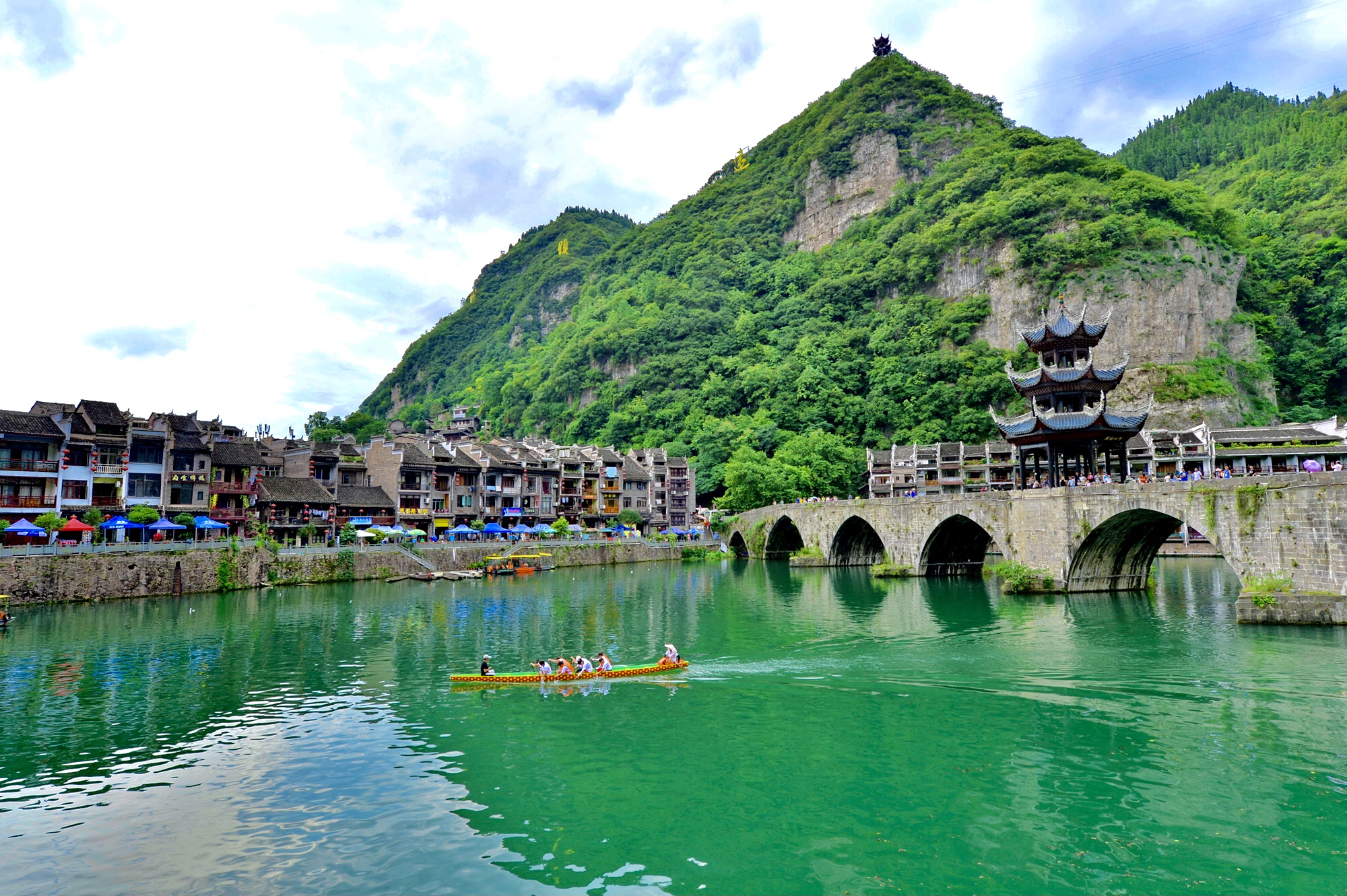
Shiping Mountain Scenic Area
Zhenyuan Shiping Mountain is found on the east side of Wuyang River, Wuyang Town, Zhenyuan County, Guizhou Province which belongs to the Qilian Mountains. At the southern foot of Shiping Mountain, the ancient Ming and Qing Sihe Courtyard buildings are clustered with provincial key cultural relics such as Fucheng Temple, Sigong Temple, and Tianhou Palace from of the mountain to the foot of the mountain, the temple of fire, the Temple of Literature, and many other ancient temples can be seen. Tens of county-level cultural relic protection units, such as roadways, ancient wells, and ancestral wharfs, are located on the same site to form a huge community of ancient buildings.
-
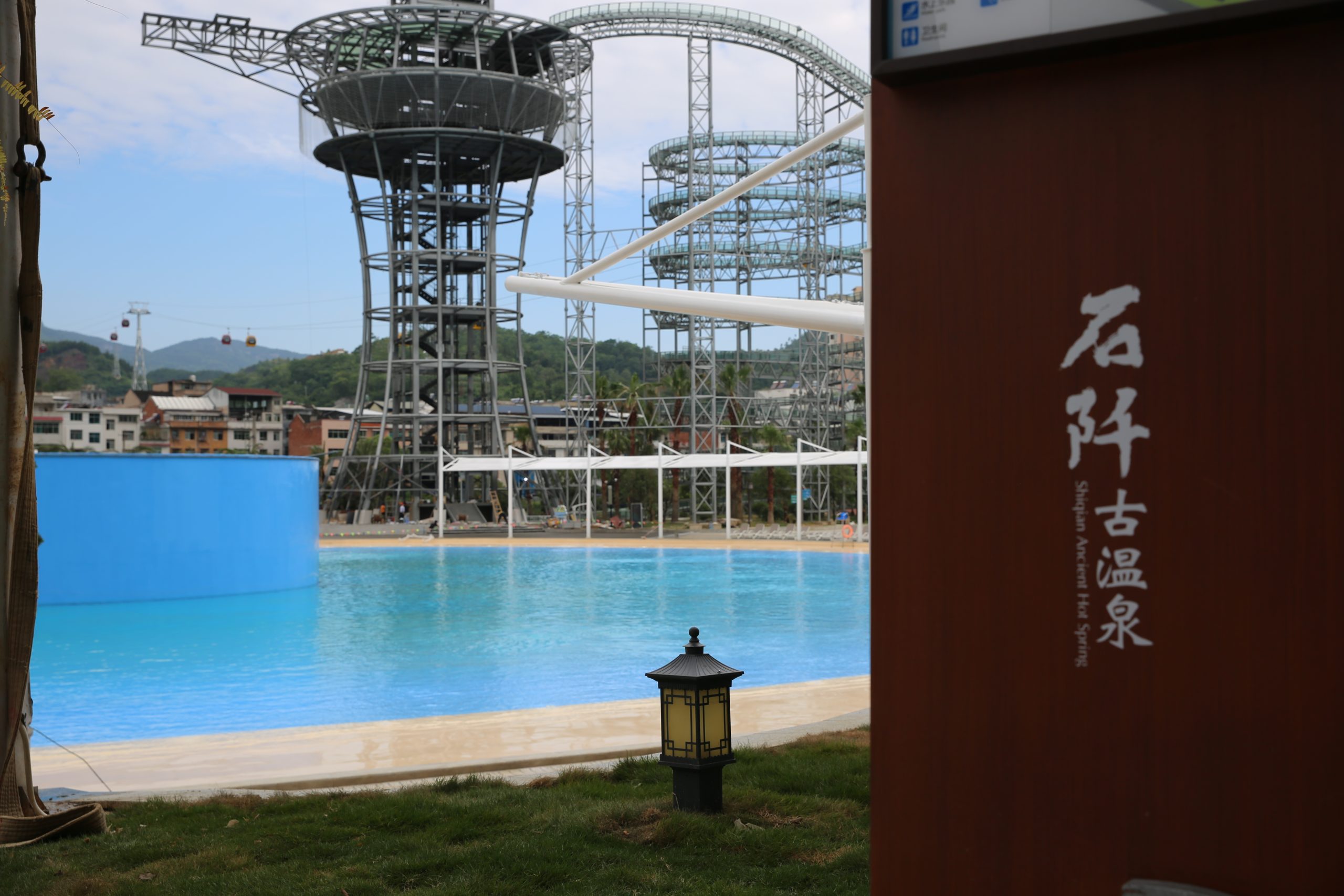
Shiqian Ancient Hot Springs
Shiqian Hot Springs Resort is located in Tangshan Town in Shiqian County. The springs date back to the reign of the Ming dynasty Wanli Emperor and have been visited by many famous people. The resort is a popular day out for the whole family. There are a number of single and double rooms where visitors can relax and enjoy a quiet bath. There is also an outdoor bathing area.
-
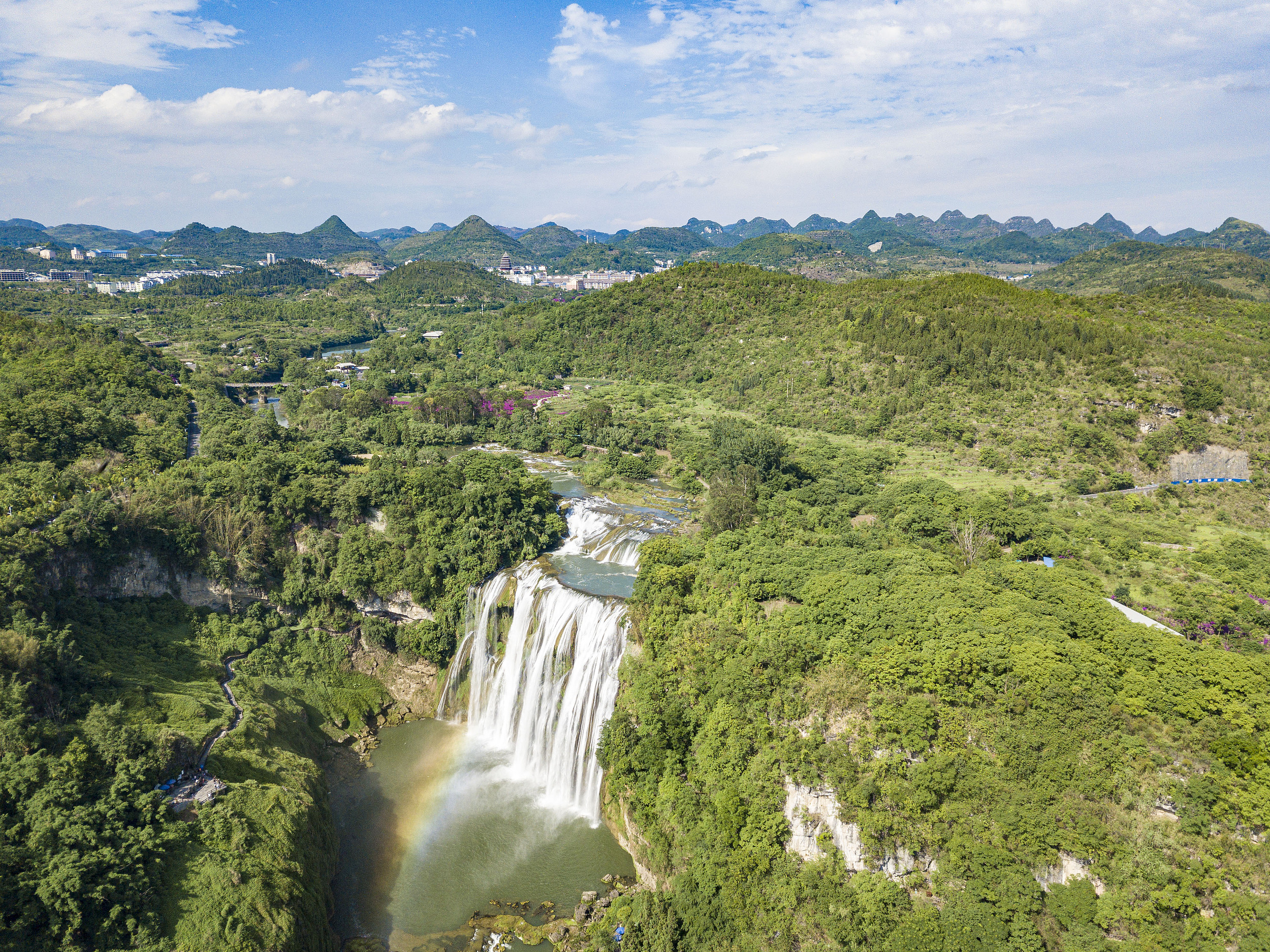
Great Waterfall Scenic Area
The Great Waterfall Scenic Area in Anshun, Guizhou, is one of China’s most famous waterfalls. Located in the Buyi and Miao Autonomous County of Zhenning, Anshun City, the scenic area attracts countless visitors with its majestic water and stunning natural scenery. The water cascades down sheer cliffs, creating a breathtaking spectacle of mist that forms beautiful rainbows under the sunlight. The lush vegetation surrounding the waterfalls and the excellent ecological environment provide visitors with a perfect place to connect with nature and relax. The scenic area features multiple viewing platforms and trails, allowing visitors to admire the magnificent waterfall from various angles. Whether admiring the majestic aura of the falls from afar or feeling the mighty force of the water up close, Huangguoshu Waterfall offers a breathtaking visual experience. The Great Waterfall Scenic Area is not only a natural gem but also a hallmark of Guizhou tourism. For nature lovers, photographers, and travelers seeking adventure and discovery, this area offers unforgettable experiences and precious memories.
-
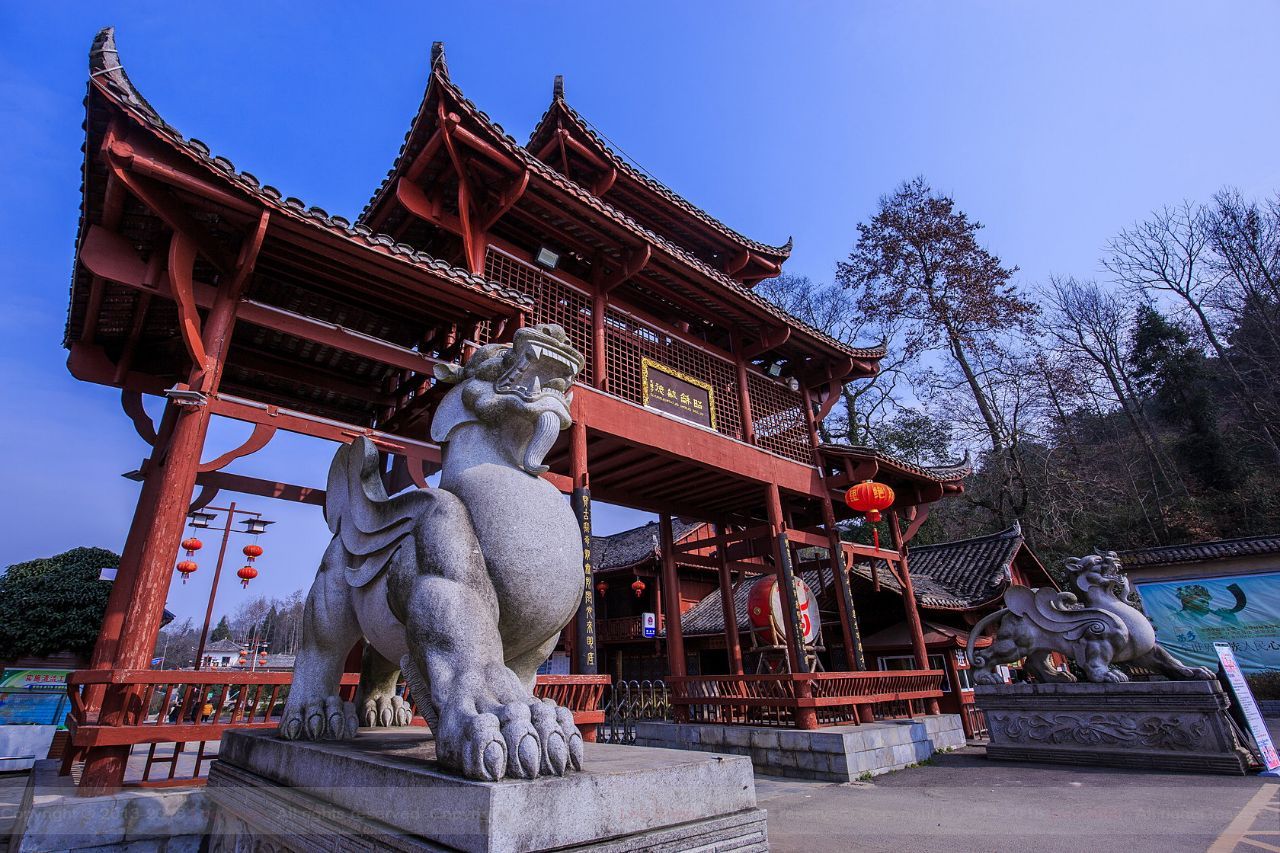
The Miao Kingdom
Miao King City is a well-preserved ancient Miao Fort integrating politics, economy, culture, military heritage and architecture. The fort features stilted buildings with Miao characteristics. Tourists can learn about the history and culture of the Miao people. It is a decent place for cultural landscape. Tourists can walk around the fort, take photos and experience the ancient stilted buildings and Miao building. Tourists can enjoy the leisure times and slow life in the fort as a local people.
-
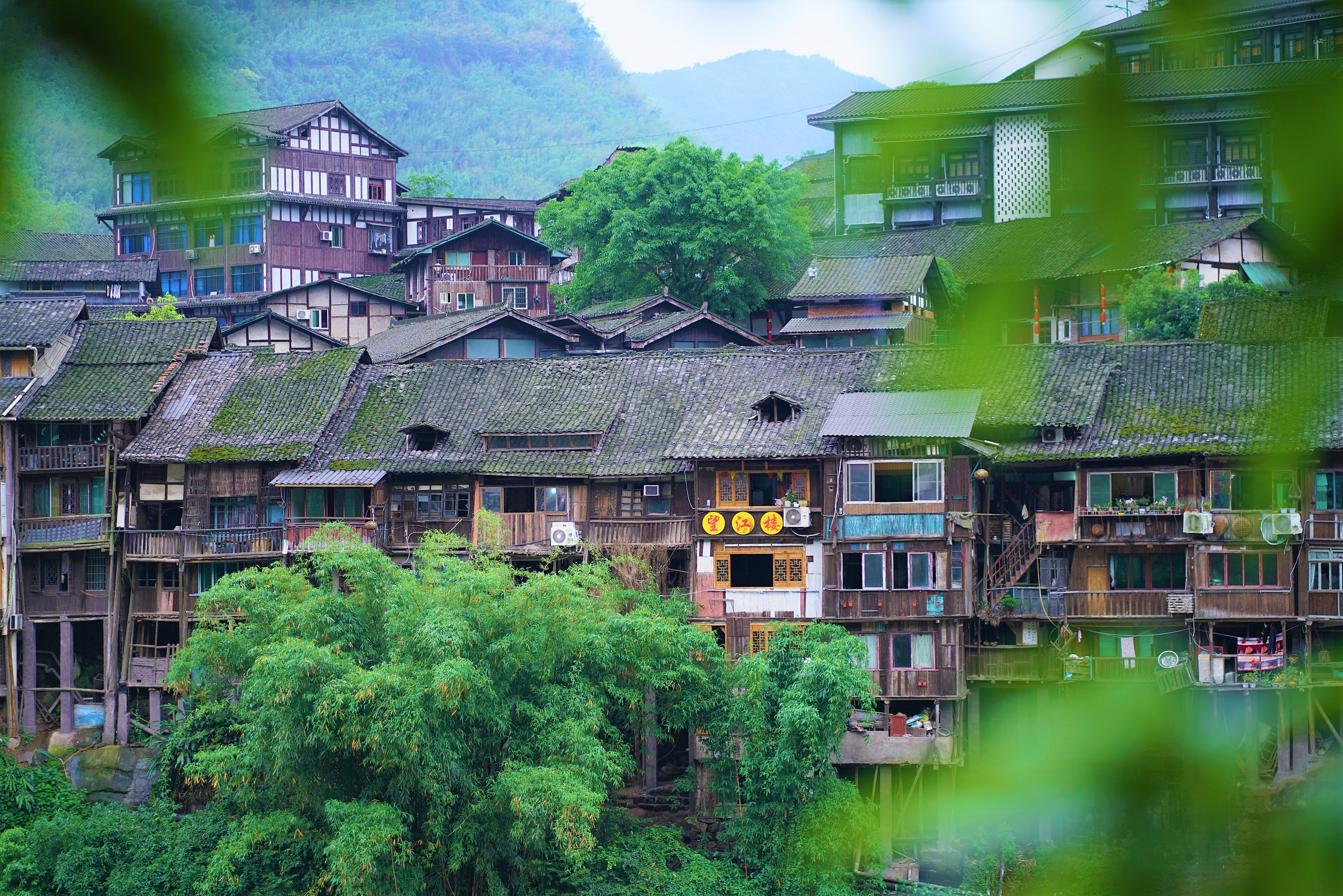
Bing’an Ancient Town
Bing’an Ancient Town is a typical ancient village on the border of Southern Sichuan and Northern Guizhou. It is located on the ancient Sichuan-Yunnan road. Bing’an Ancient Town is surrounded by Chishui River on three sides. Visitors can see a spectacular sight of many stilted houses on the rocks supported by hundreds of logs. There is only one narrow stone slab street in the town. Since ancient times, it has been an important place for trading among the surrounding villages. There are various local specialties and handicrafts produced here. There is also a display of the Red Army’s Exhibition Hall where visitors can learn about the history of the Red Army’s four Chishui River crossings.