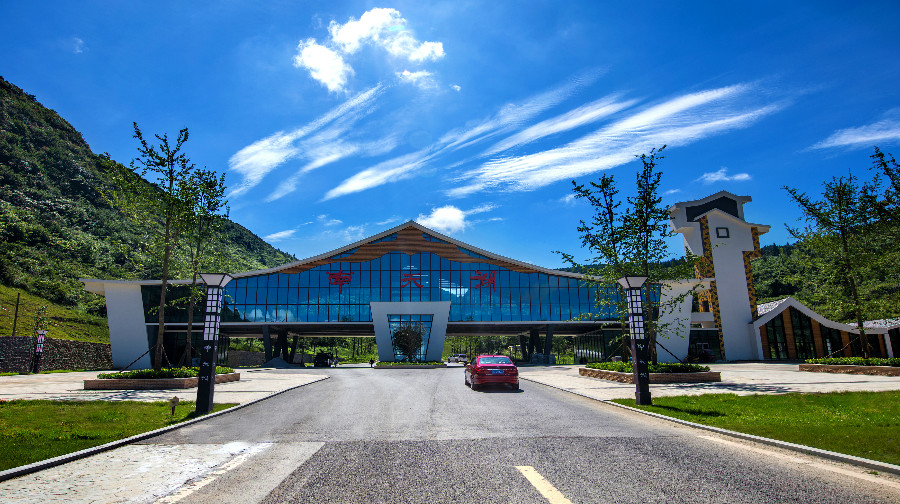
Nantianhu Scenic Area is located in Nantianhu Town, Fengdu County, Chongqing. The lake has a beautiful environment, unique natural landscape and charming scenery in all seasons. The country protects many rare animals and plants and is a famous summer resort. The scenic spot is mainly composed of 6 areas: Niu Dianxia Scenic Area, Shanshuping Scenic Area, Chestnut Garden Scenic Area, Shanwangdian Scenic Area, Dianchi Lake Scenic Area and Nantianhu Scenic Area.
归档: Attractions
-
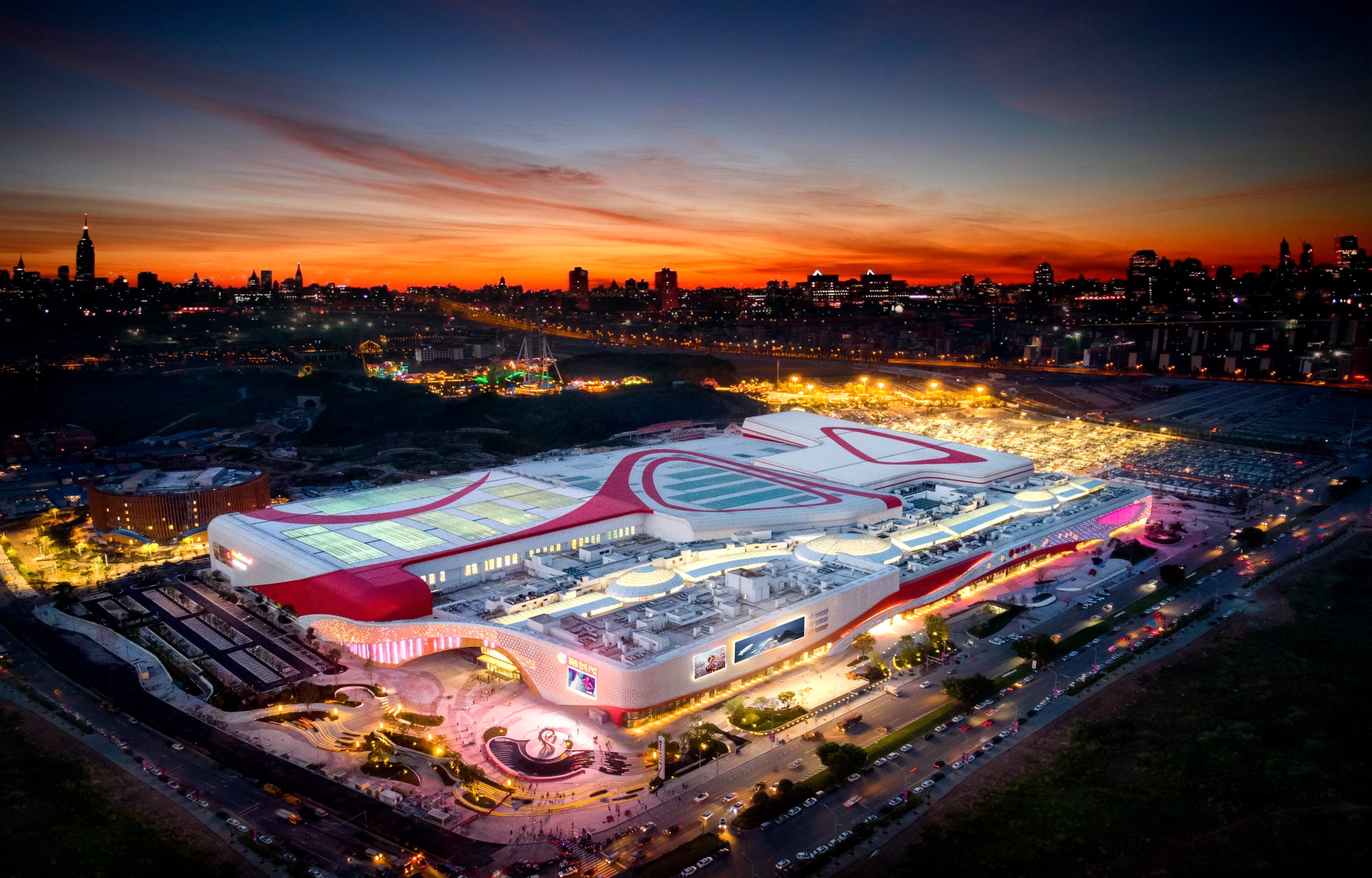
Chongqing Sunac Cultural Tourism City
Chongqing Sunac Cultural Tourism City integrates various formats including Chongqing Sunac Yule Town, Sunac Mall, and a cluster of star-rated hotels, along with diverse themed attractions such as Snow World, Ocean World, Water World, theaters, and flight cinemas. This cross-border fusion of entertainment and commerce offers a one-stop solution for Chinese families’ vacation needs. Visitors can experience thrilling amusement rides, the unique “Nightly Night Ali” nightlife market, exciting water activities, as well as the intelligence and warmth of marine life while unlocking the wonders of the penguin world. Additionally, they can enjoy immersive shopping experiences with seamless integration of dining, retail, entertainment, and accommodation.
-
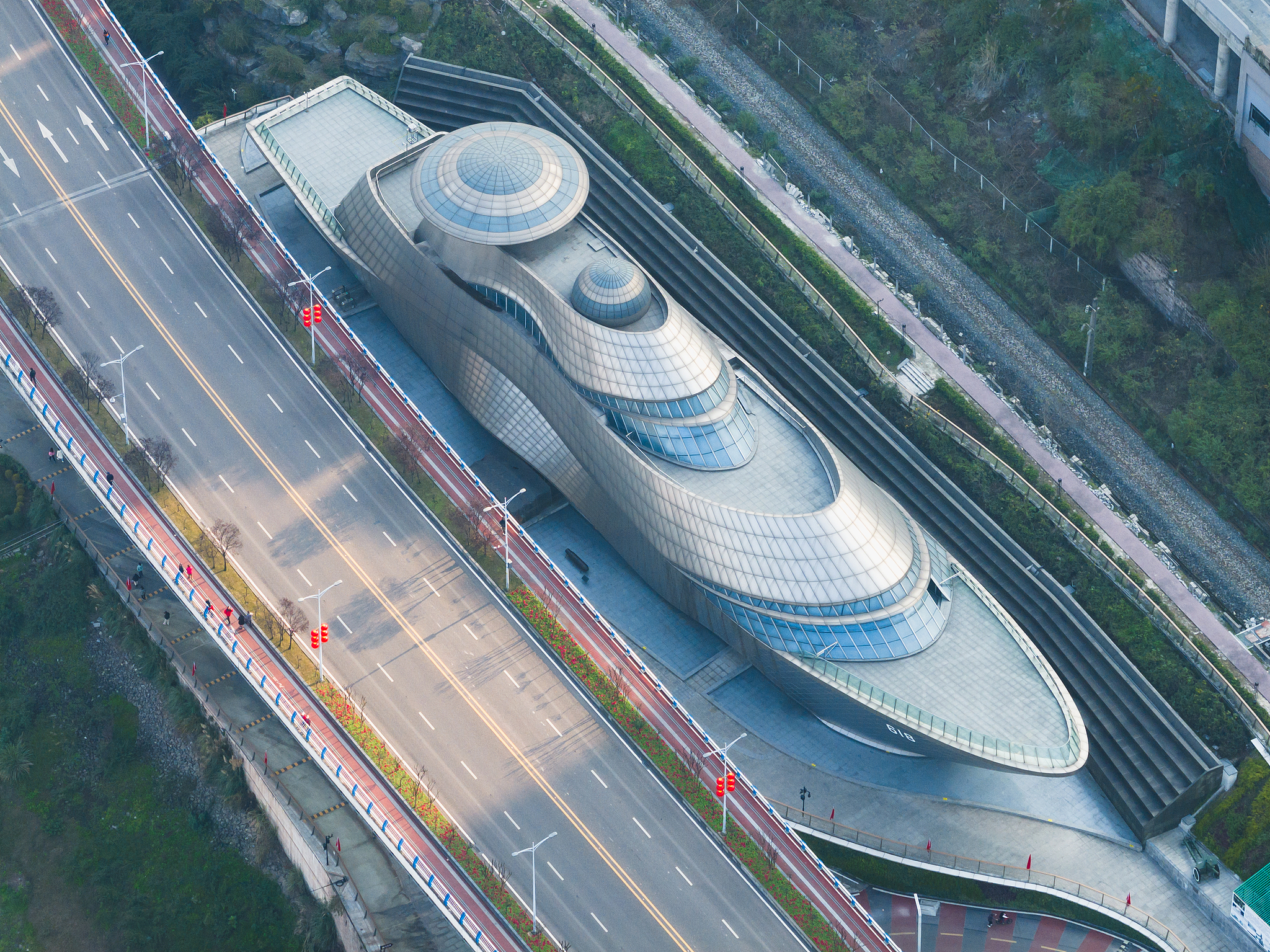
Chongqing Jianchuan Museum
Chongqing Jianchuan Maritime Museum is composed of Chongqing Naval Museum and Ship 166 Exhibition Hall. Ship 166 is a 051G2 type (NATO code name: Luda III class) missile destroyer developed and built by China. It is the first modern destroyer with combat command function of the People’s Navy. The ship was started at Dalian Shipyard on October 31, 1987, launched on October 18, 1990, delivered to the South China Sea Fleet on November 21, 1991, and officially named “Zhuhai” on June 6, 1992. It was retired in Zhanjiang on August 28, 2020. On October 23, 2020, Ship 166 entered the waters of Chongqing’s main city. After equipment restoration and safety inspection, it docked at the Construction Wharf in Jiulongpo District, Chongqing. On June 27, 2021, it was officially opened to the public as a national defense education base. The 166 ship, which was officially unveiled, has completed the restoration and installation of the main and secondary masts, weapons and equipment, hull paint, gangway, guardrails, lights, electronic display screens, etc., and the heroic appearance of the heroic ship has been restored. The word “sea border” reflects the 166 ship’s firm mission to protect China’s sea areas throughout its life, telling people the profound connotation of loyalty and bravery.The open areas on the 166 ship include: the first floor of the main deck including the middle position, the front main gun bow and the rear main gun and the rear anti-aircraft missile, the kitchen, the cab, etc. The highlights of the 166 ship exhibition area include: the ship-to-ship Eagle Strike missile in the middle, the anti-submarine torpedo launcher and the launch video data, the 100mm invisible main gun and anti-submarine rocket launcher at the bow, and the photo-taking position at the bow. There are warship kitchens and rear anti-aircraft missiles at the stern, and the 100mm invisible main gun is open for viewing and taking photos. The warship is arranged with 10 groups of various sculpture scenes about the sailors’ work, life and combat on the ship.
-
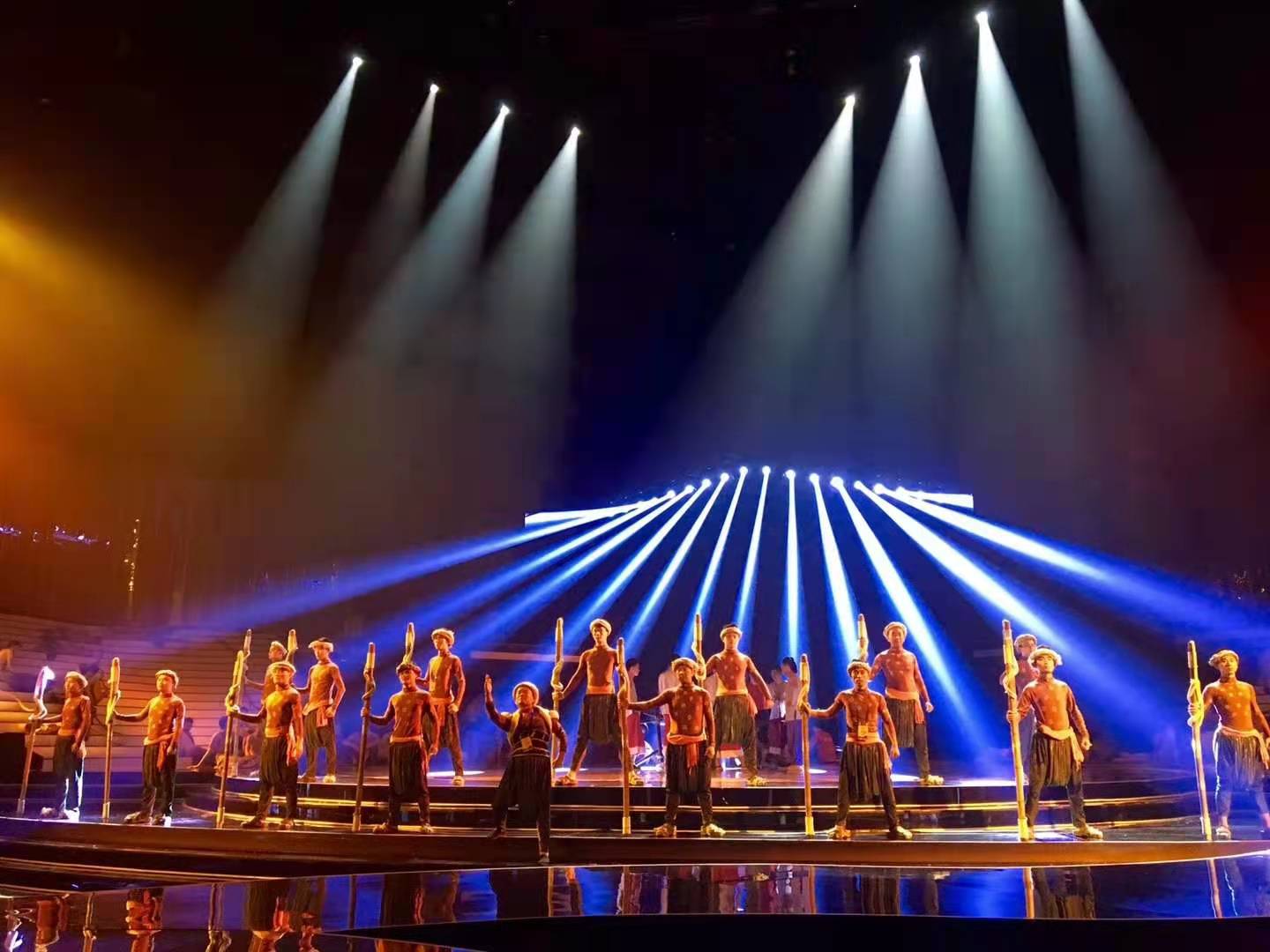
Impression Wulong A Large-Scale Realistic Performance
Directed by Wang Chaoge and Fan Yue, with Zhang Yimou as the artistic consultant, “Impression Wulong” is an amazing performance featuring more than 100 actors. Using the disappearing traditional Plains & Rivers musical form for the majority of the show, the 70-minute long performance gives audiences the chance to experience Chongqing’s beautiful natural landscape and unique customs. The theater in which “Impression Wulong” is performed is the Taoyuan Grand Canyon, about 9 kilometers from Xianüshan Town.
-
Wu Gorge
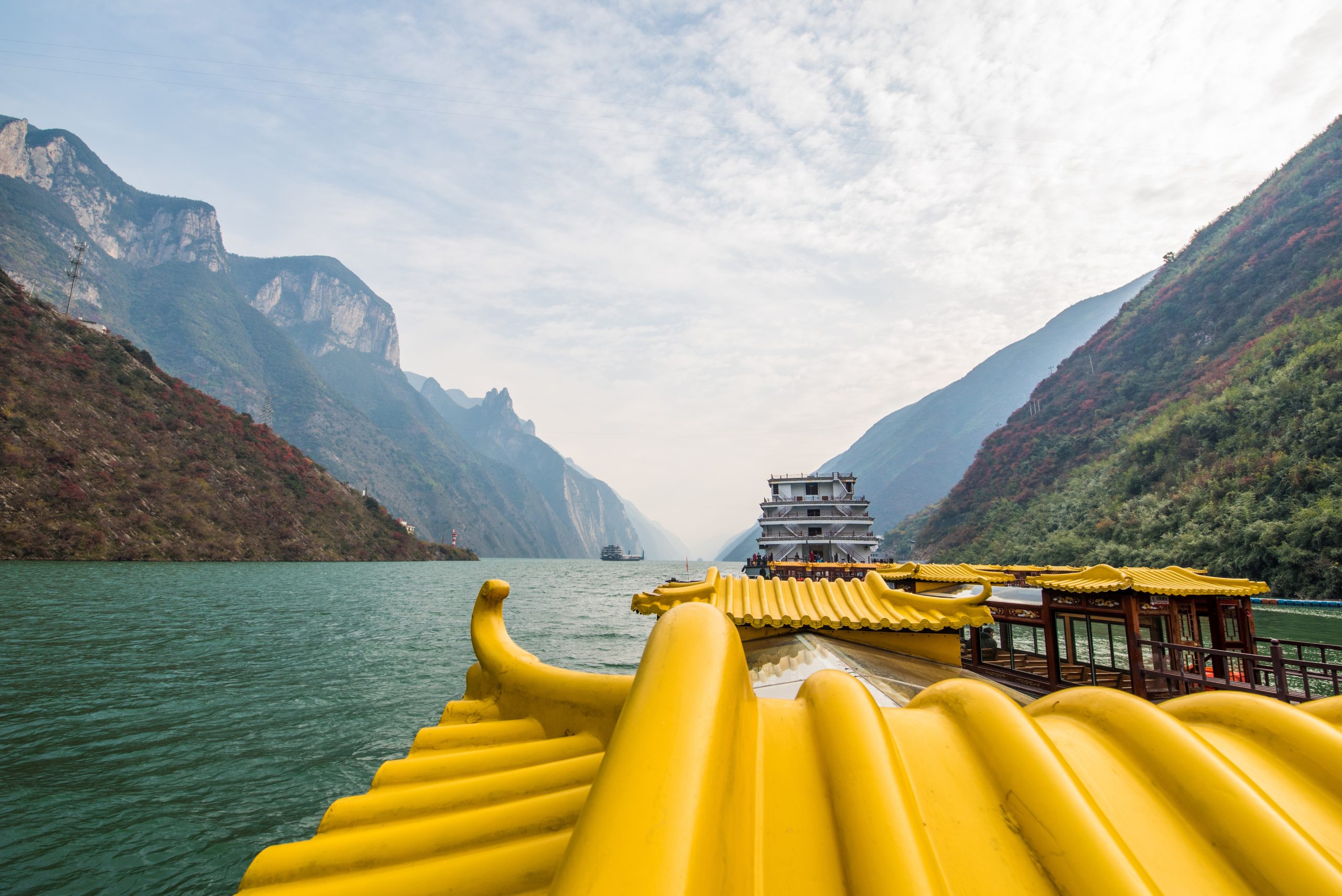
Wu Gorge is located between Wushan County, Chongqing and Badong County, Hubei Province. It starts from the Daning River mouth of Wushan in the west and ends at Guandukou in the east. It stretches for 45 kilometers. It is commonly known as the Daxia. “Famous. Wu Gorge is a relatively coherent and tidy canyon in the Three Gorges. It is divided into two sections: the western section is composed of Jinkui Yinjia Gorge and Jianchuan Gorge, and the eastern section is composed of Iron Coffin Gorge and Menfan Gorge. The whole canyon is abrupt with strange peaks and jagged rocks, like a tortuous gallery. The famous twelve peaks of Wushan are located on both sides, six in the north and south. The twelve peaks are beautiful and picturesque, and they are the essence of Wu Gorge. Among the twelve peaks, the Goddess Peak is especially famous. The beautiful stone pillar on the peak is like a slim girl. She welcomes the sunrise every day, and sends the sunset away in the evening, so it is also called “Wangxia Peak”. However, if you visit Wu Gorge by boat, you can only see nine of them. The three in the south of the Yangtze River (Rising Peak, Qiyun Peak, and Jingtan Peak) have to abandon the boat and go ashore, and can only be seen near Qingshi Town. The Wu Canyon is deep and narrow, with short sunshine hours. The water vapor in the canyon does not dissipate, and it is easy to form clouds. The clouds and mists are in a variety of shapes, like swimming dragons, jade belts, waterfalls, and veils. Under the sunlight, they are very graceful and form the famous Wuxia Buddha Light. Yuan Zhen, a poet of the Tang Dynasty, left behind the eternal sing of “Once the sea was difficult to become water, except Wushan is not a cloud”, which is a wonderful description of Wushan’s clouds and mists. There are many scenic spots and historic sites in Wu Gorge. In addition to the well-known twelve peaks of Wushan Mountain, there are also Luyou Ancient Cave, Dayu’s Teaching Platform, Goddess Temple Site, Kongming Stone Stele, etc., all of which attract tourists from all over the world with their profound historical heritage. A more suitable way to visit Wu Gorge is to take a boat downstream from the Yangtze River Ferry Terminal in Wushan County, and watch the magnificent twelve peaks of Wushan Mountain and the misty clouds and rain of Wushan Mountain all the way.
-
Kuixing Tower
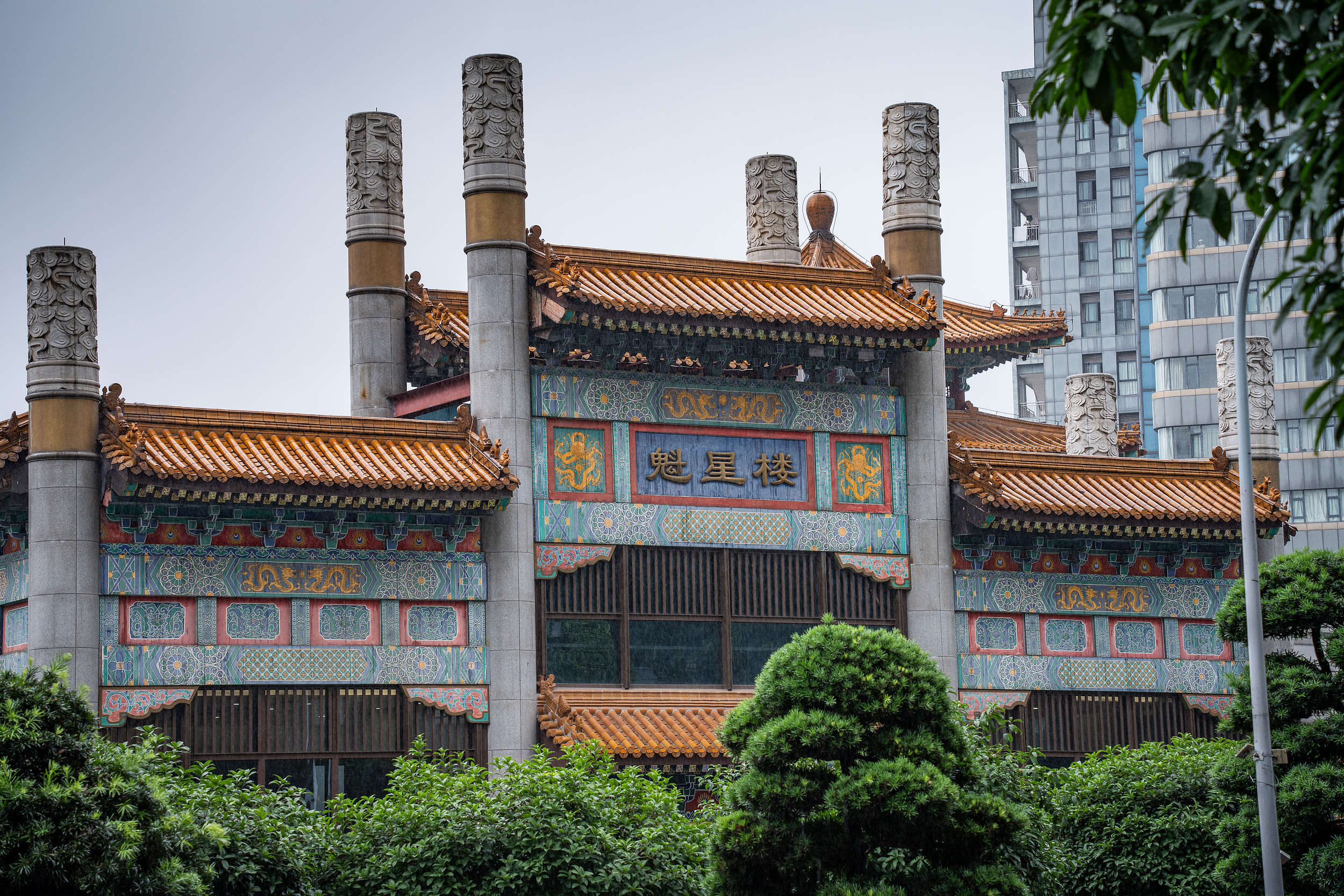
Kuixing Tower, also known as Kuixing Pavilion, was built for the god Kuixing who dominated the rise and fall of articles in the minds of Confucian scholars. Kuixing has the supreme status. This Kuixing holds a large brush in his right hand, called Zhubi, which means to use the pen to point out the name of the candidate, an ink fountain in his left hand, a golden rooster on his right foot, and a big squid (a kind of big turtle) in the sea under his feet. The head, which means “doing the best”, the left foot is raised and kicked in order to echo the shape of the big hook on the lower right of the word “kui”, and the Big Dipper is on the foot, as shown in the picture. In ancient times, there were Kuixinglou all over the place, and scholars worshiped Kuixing in Kuixinglou and prayed to be famous in the imperial examinations. Kuixing Building has a strong Chinese national style and local cultural characteristics, and is a part of the splendid Chinese cultural heritage. The Kuixing Tower was built at the beginning of Chongqing, starting in the third year of Emperor Yongzheng in the Qing Dynasty when the wind of literary movement blew into Jiangzhou, next to the Confucian Temple near the Confucius Pond. Kuixing Building was demolished in 1953. Kuixing Building and Square are antique commercial buildings in the 1990s.
-
Dayuanxiang Museum
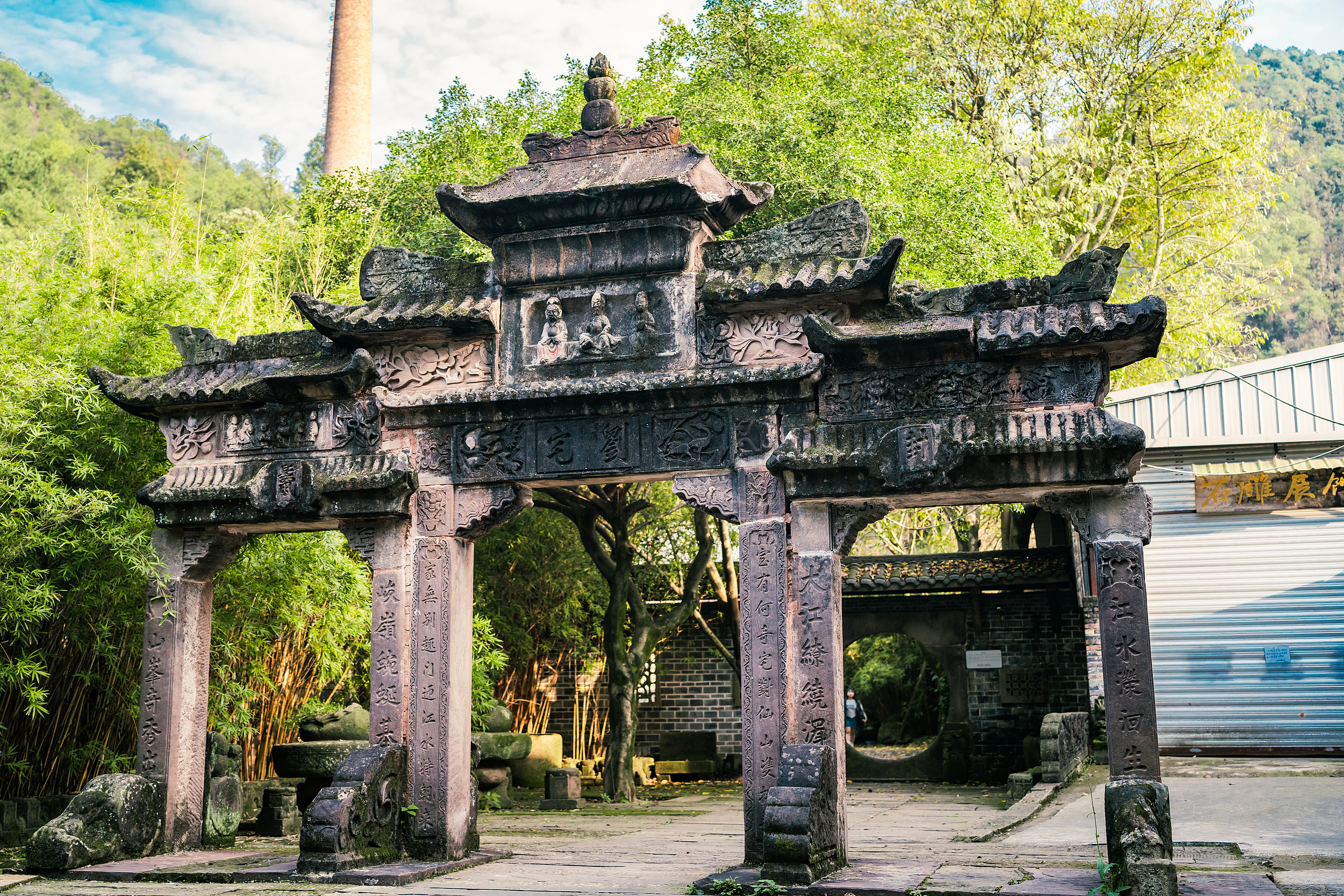
Dayuanxiang Museum is located in Tianfu Bowl Factory, Bishan District, Chongqing. Established on the foundation of a nearly 200-year-old rural industrial site and an extensive collection of ancient architectural components, it is a Chinese folk museum and the largest museum of ancient Bayu architectural elements in China. Its collection could restore hundreds of ancient Bayu residential compounds, earning it the nickname “Chongqing Ancestral Homes” Museum. The museum showcases over two decades of private collecting by Mr. Liu Jian, with tens of thousands of artifacts capable of reconstructing hundreds of ancient courtyards. Currently, it features seven exhibition halls: the Door Gods and Plaques Hall, Stone Carving Art Hall, Buddhist and Taoist Statues Hall, Premium Architectural Components Hall, Indoor Furniture and Wood Carving Hall, Ancestral Hall and Family Precepts Hall, and Ancestral Tablets Hall. Additionally, the museum houses over 20,000 Han Dynasty bricks, Cultural Revolution propaganda posters, porcelain, badges, as well as calligraphy, paintings, and contemporary art pieces like micro-carvings. Every wooden artifact here is verifiable, with intricate carvings rich in symbolism—ranging from auspicious motifs to mythological tales like “Abundance and Celebration,” “Bountiful Harvest,” “Dragon and Phoenix Bring Prosperity,” “Peace and Good Fortune,” and “Longevity Like Pine and Crane.” Artistically, the collection includes round carvings, reliefs, openwork carvings, and bold folk-style engravings. These unique architectural techniques and structures embody profound meanings related to culture, tradition, and national spirit, reflecting the wisdom and diligence of Bayu ancestors who blended local craftsmanship with new knowledge brought by migrants from other provinces. The wooden pieces, mostly made of cypress, range from grand courtyard gates and wall windows to delicate hanging flower gates, side doors, and lattice windows. Their exquisite craftsmanship exudes elegance and prosperity, revealing the cultural essence of local architecture. Through each decorative door and window, one can almost discern whether the original homeowner was an official, merchant, or scholar—each piece reflecting distinct aesthetic tastes, social status, and symbols of wealth.
-
Simian Mountain
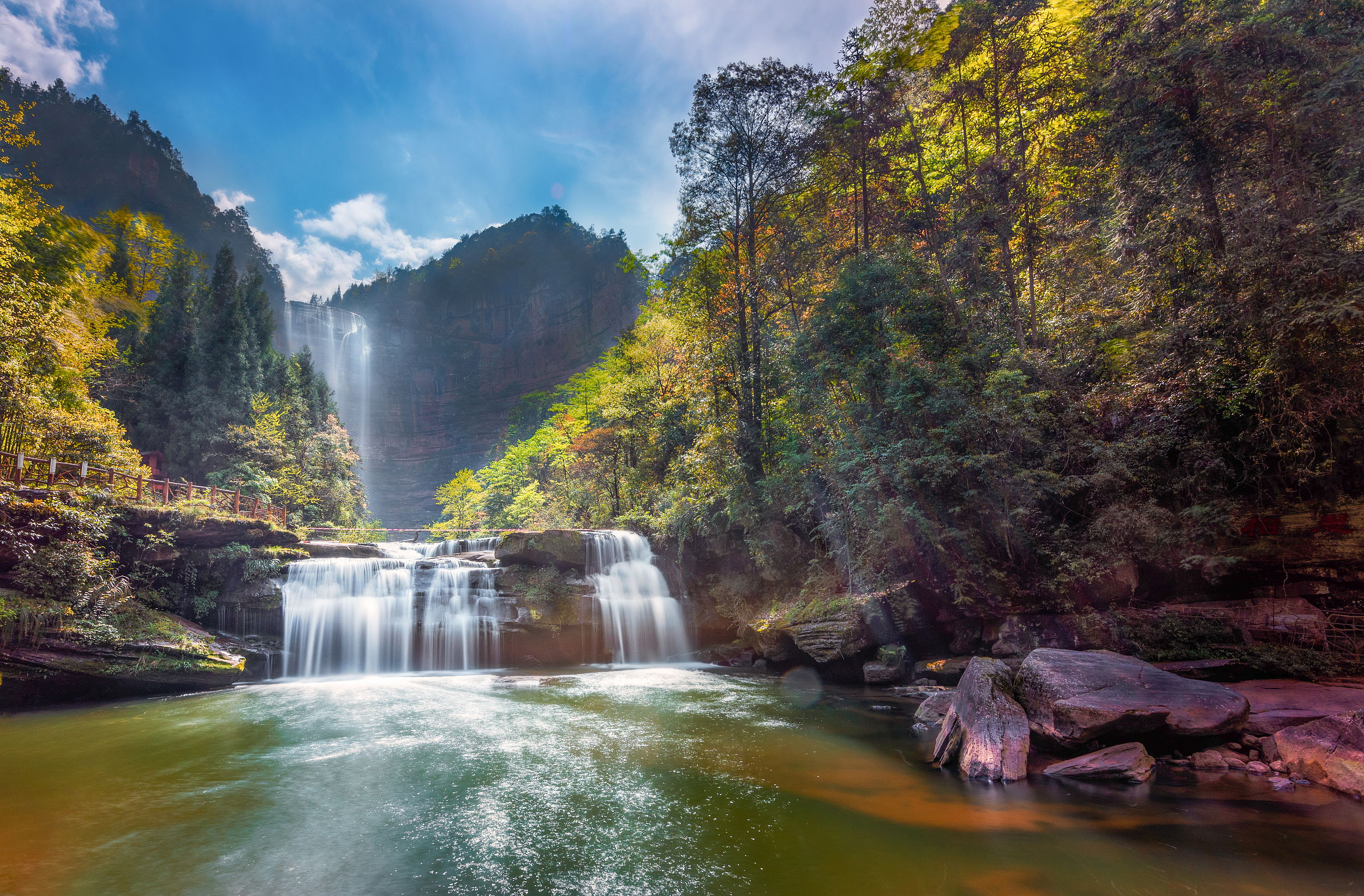
Simianshan, the four-faced mountain, in Chongqing’s Jiangjin District is surrounded on all sides by the verdant greens lush forest, there are also numerous waterfalls and ancient prehistoric plants. The scenic area contains the clear waters of Honghai Lake and has more than 100 large and small waterfalls, including Wangxiangtai Falls, Shuikoushi Falls and Yuanyang Falls. All of them are well worth visiting. Deep in the mist-covered mountains you might discover a prehistoric plant—the flying spider monkey tree fern. This plant is a living fossil that has remained unchanged for over 3.5 million years. Traveling to Simianshan for holiday is convenient, with numerous farmhouse B&Bs providing food and lodging for tourists.
-
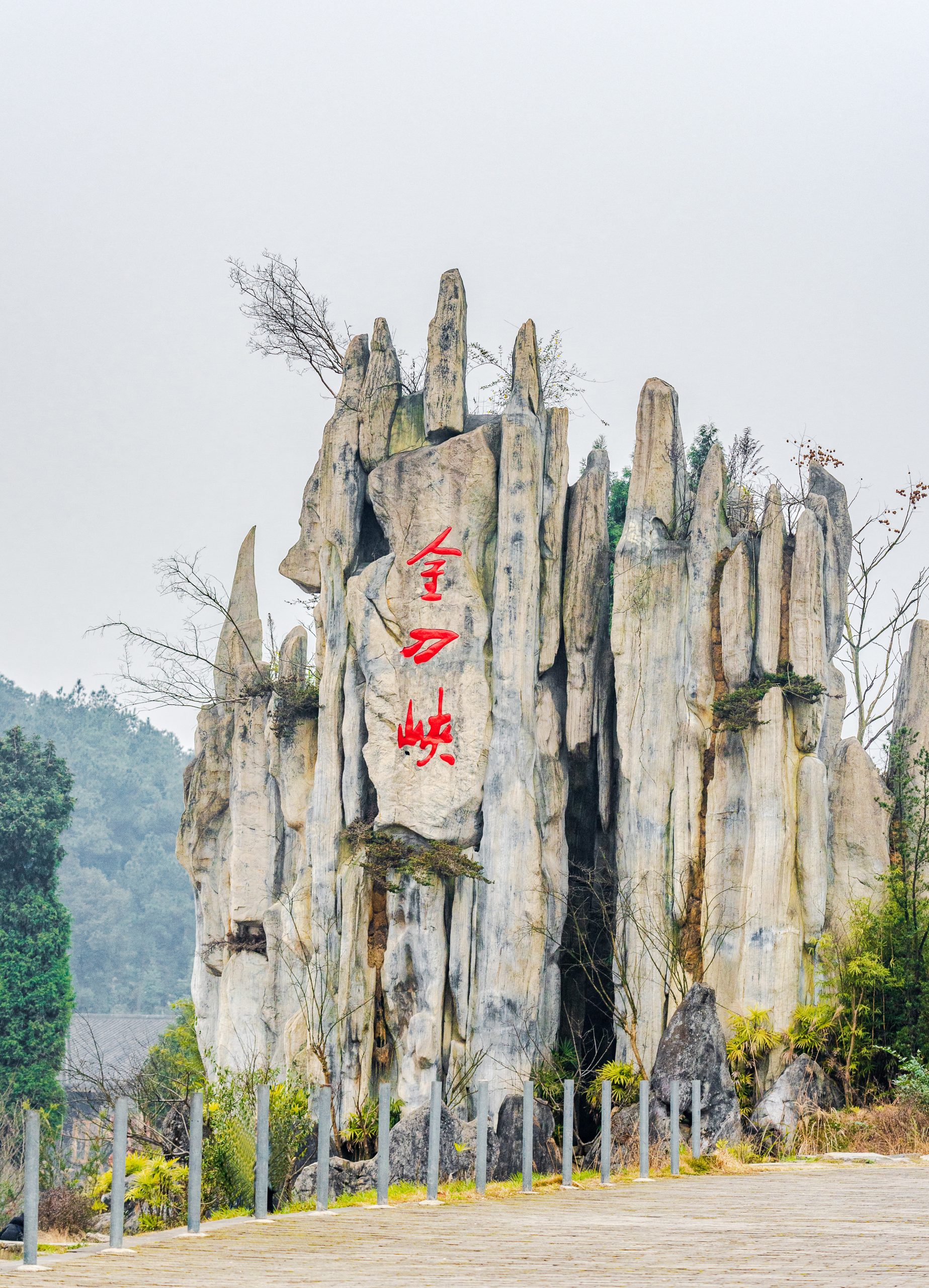
Jindao Canyon
Jindao Canyon in Beibei District of Chongqing is a favorite outdoor sports destination for outdoor enthusiasts. Jindao Canyon is divided into two sections, the upper and lower canyons. There are many canyons in the upper part, and clear streams everywhere, while the lower section has lots of caves and waterfalls. Jindao Canyon is also an important outdoor adventure base of Chongqing. The Canyon Tourism Festival held every year here is extremely popular.
-
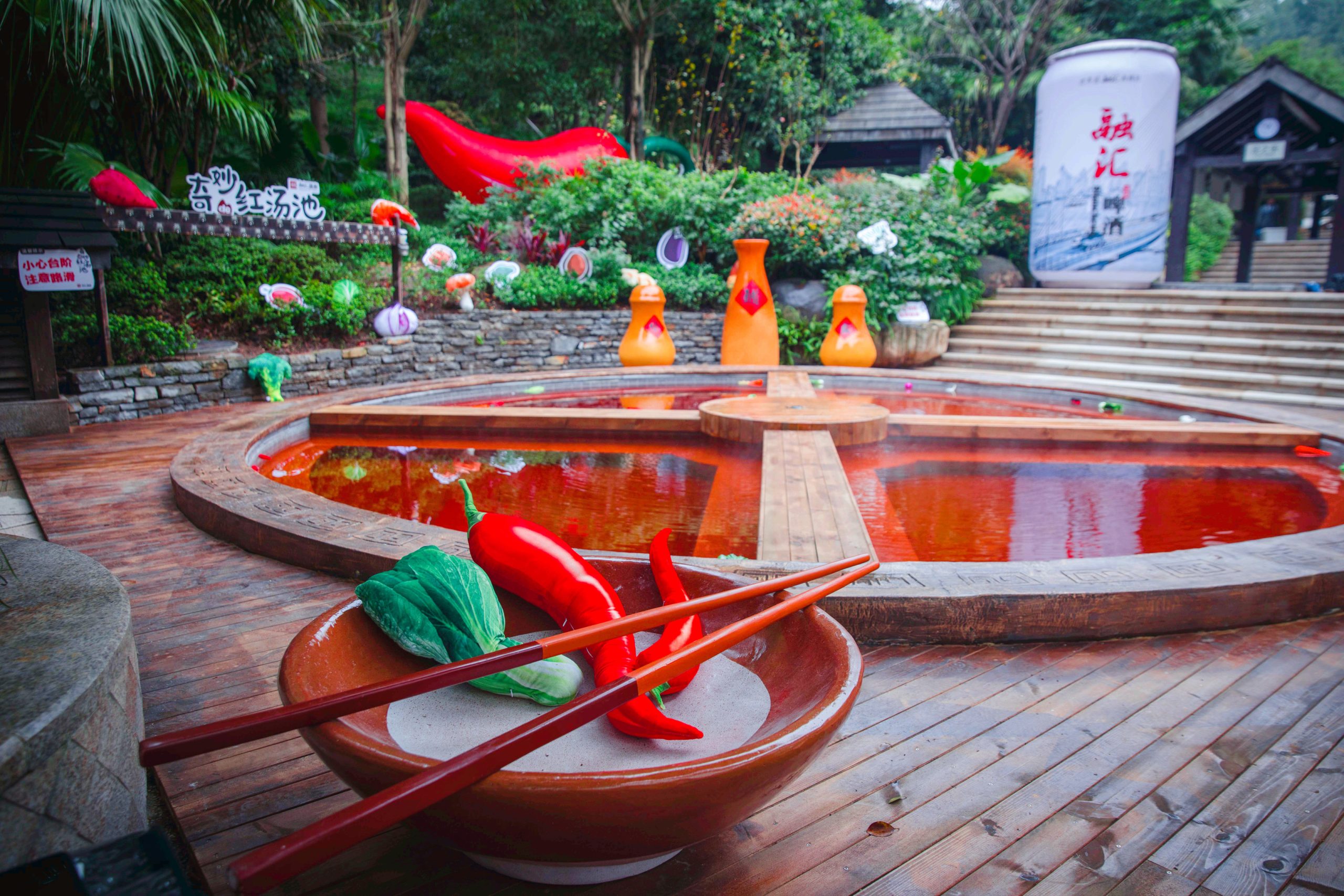
Ronghui Hot Spring
The Ronghui Hot Springs are located on Huiquan Rd. in Lishuwan. The locals recognize it as an excellent hot spring. Come here to relax and take a load off. The Hot Spring area includes many different kinds of pools and an indoor Health Spa, all with superior service. Take your whole family for a weekend of relaxation, away from the noise and distractions of the city. Invest in your health; you won’t regret it!