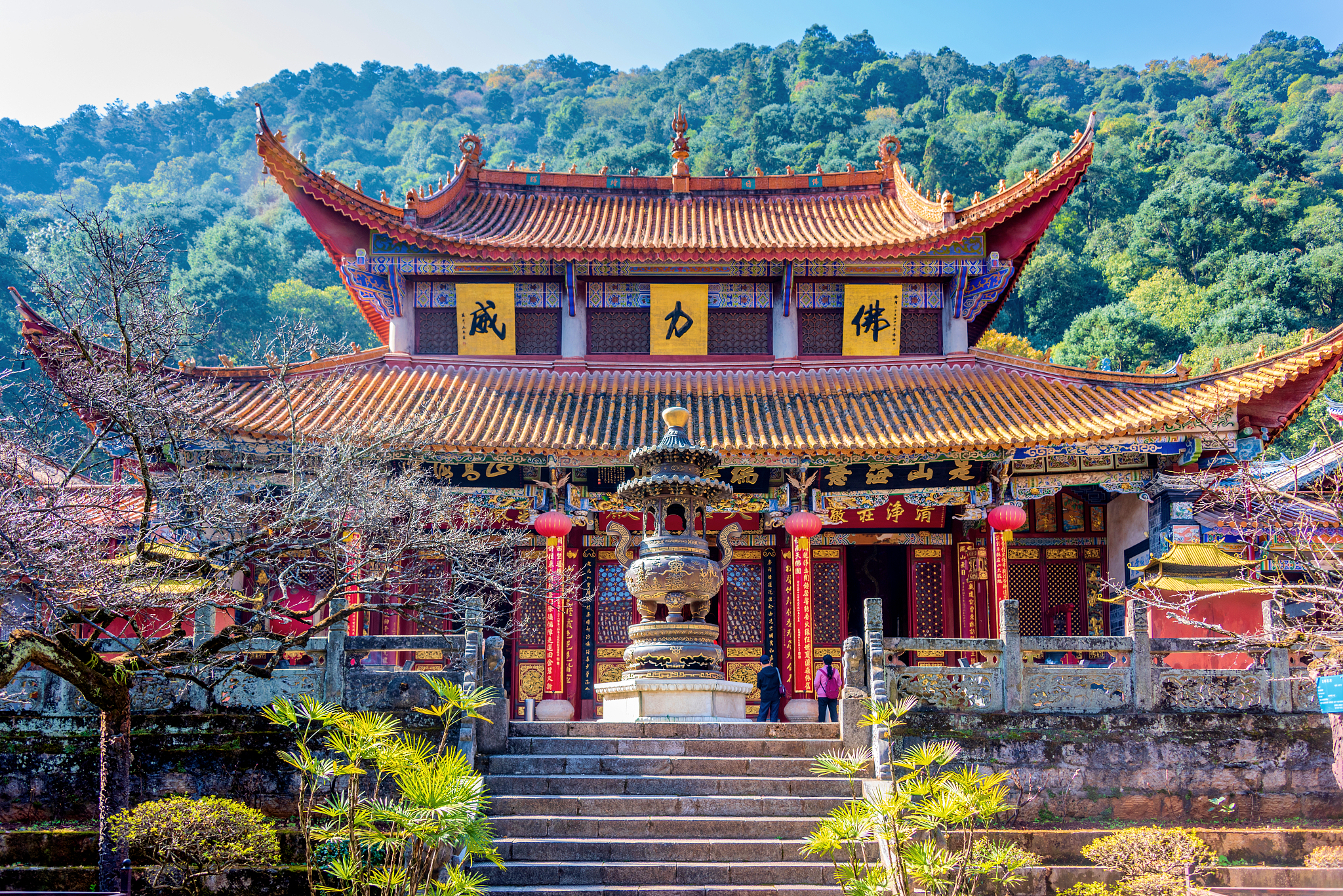
The Xishan National Scenic Location sits on the Western outskirts of Kunming, near Dianchi, and only 15 kilometers from the city center. The forest here is dense and beautiful, a gorgeous sight to behold from the peaks of the mountains. In addition to the natural landscape, visitors can also enjoy a number of ancient monuments, including ancient holy sites like the Huating Temple and Taihua Temple where visitors can pray. Also worth visiting are the Longmen Grottoes, carved by Qing Dynasty artisans.
归档: Attractions
-
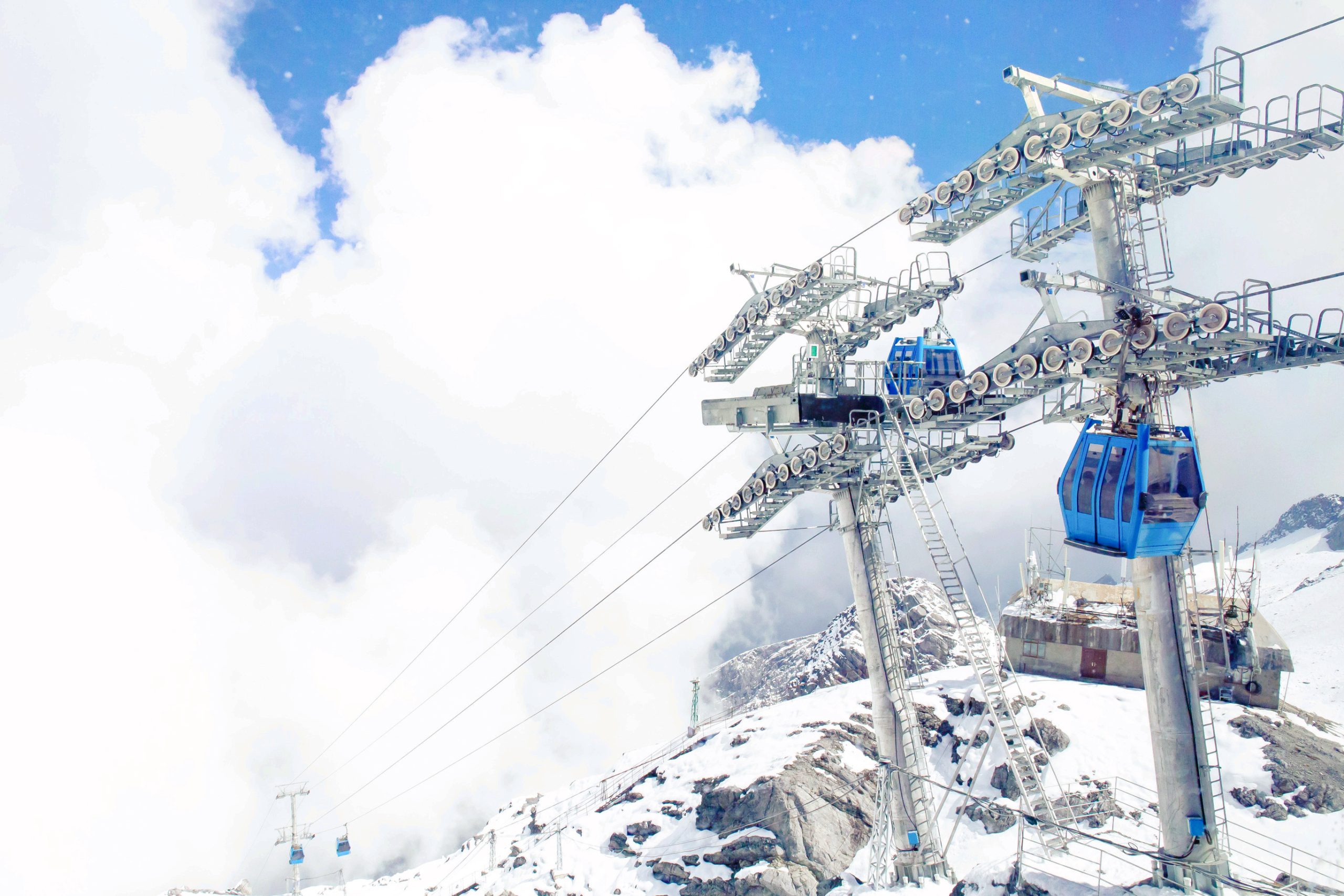
Yulong Snow Mountain Ropeway
The Yulong Snow Mountain Cableway is one of the three cableways in the Yulong Snow Mountain Scenic Area and it is also a popular one. Visitors can take the cableway from the cableway station at Ganhaizi, which leads directly to the Glacier Park at an altitude of 4,506 meters. After getting off the cableway, you can walk on the wooden plank road laid along the glacier to the highest point of 4,680 meters above sea level, and feel the charm of snow-capped mountains and glaciers from a close distance.
-
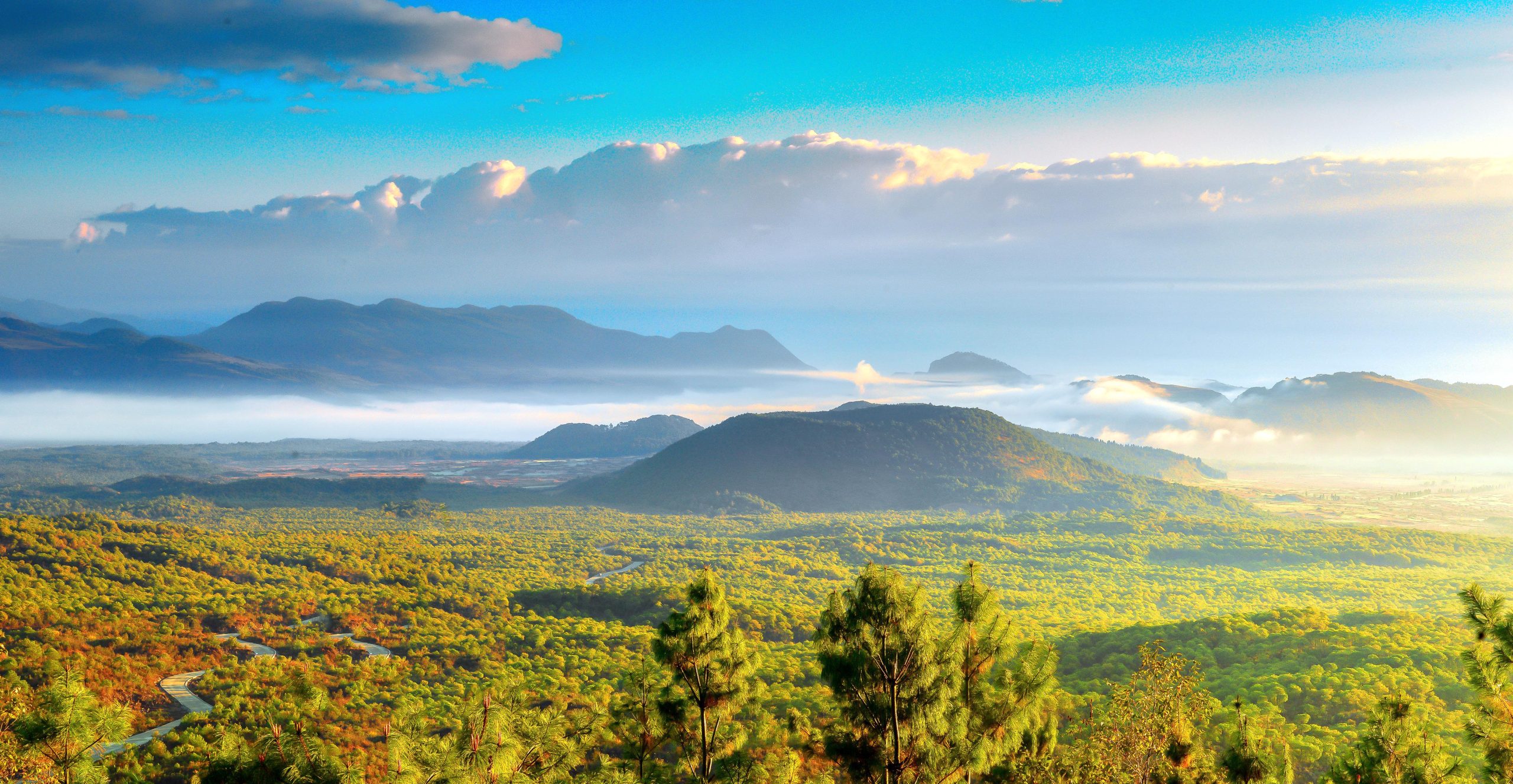
Tengchong Volcanic and Geothermal National Geopark
Tengchong Volcanic and Geothermal National Geopark is the region with the largest scale, most complete preservation, concentrated distribution, and comprehensive types of volcanic landforms in Tengchong. It showcases diverse volcanic activities and records a complete volcanic history spanning millions of years. The attraction features complete volcanic types, recent eruption periods, abundant species, and unique views. It serves as a comprehensive national geopark integrating volcanic sightseeing, outdoor leisure, environmental wellness, geological research, and science education. In 2016, as a key component of the Volcanic Hot Spring Tourism Area, it was rated as a national 5A-level attraction.Within the attraction, Dakongshan, Xiaokongshan of Tengchong Volcanic and Geothermal National Geopark, and Heikongshan are aligned in a row. Except for the volcanic cones, all are covered by overflow lava from volcanic eruptions, surrounded by typical volcanic geological landscapes. Visitors can hike to the crater and enjoy panoramic views of vast lava flows and platforms from the summit of Dakongshan. Alternatively, they can take a hot air balloon ride or a powered delta wing for an aerial view of the volcanoes. Nearby, Xiaokongshan of Tengchong Volcanic and Geothermal National Geopark is equally spectacular with its perfectly round crater. Walking around the crater symbolizes “a turn of good fortune.”Upon entering the attraction’s main gate, you’ll find the Tengchong Volcanic Geology Museum on your right. This museum focuses on volcanic geology education, showcasing the distribution of interstellar, global, and Tengchong volcanoes through interactive exhibits, specimen displays, and multimedia presentations. At the foot of Xiaokong Mountain, there’s also a Volcanic Science Experience Center – an educational theme park that combines scientific knowledge with entertainment activities.The hot air balloon ride club may close early or suspend operations due to weather or air currents. Those with a fear of heights or special conditions are not recommended to participate. Separate bookings are required for hot air balloon rides, powered trikes, and horseback riding.
-
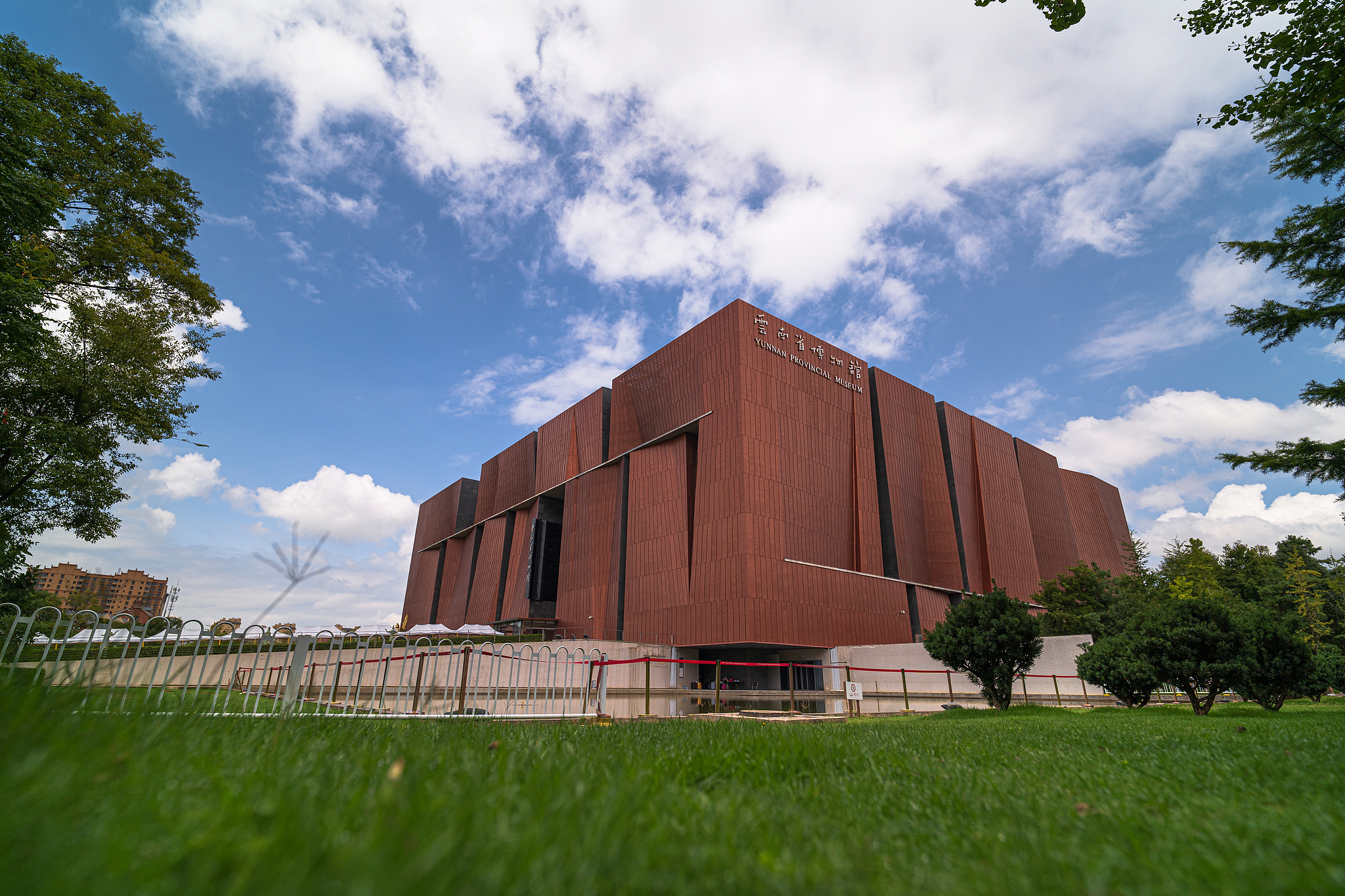
Yunnan Provincial Museum
The museums in Yunnan Province are rich in cultural relics. There are more than 10,000 pieces of bronzes, ancient coins, ceramics, ancient paintings and calligraphy, monuments, stamps and various handicrafts. It is a museum with more cultural relics in Yunnan Province. Excavation-based, the case of the Niuhu copper in the Warring States period, the four-cattle gold knight copper storage in the Western Han Dynasty, the “Xishan visitor map” in the Northern Song Dynasty, the Jin Ayiye Guanyin statue in the Dali period, Dali The golden-winged birds of the national period are rare treasures.
-
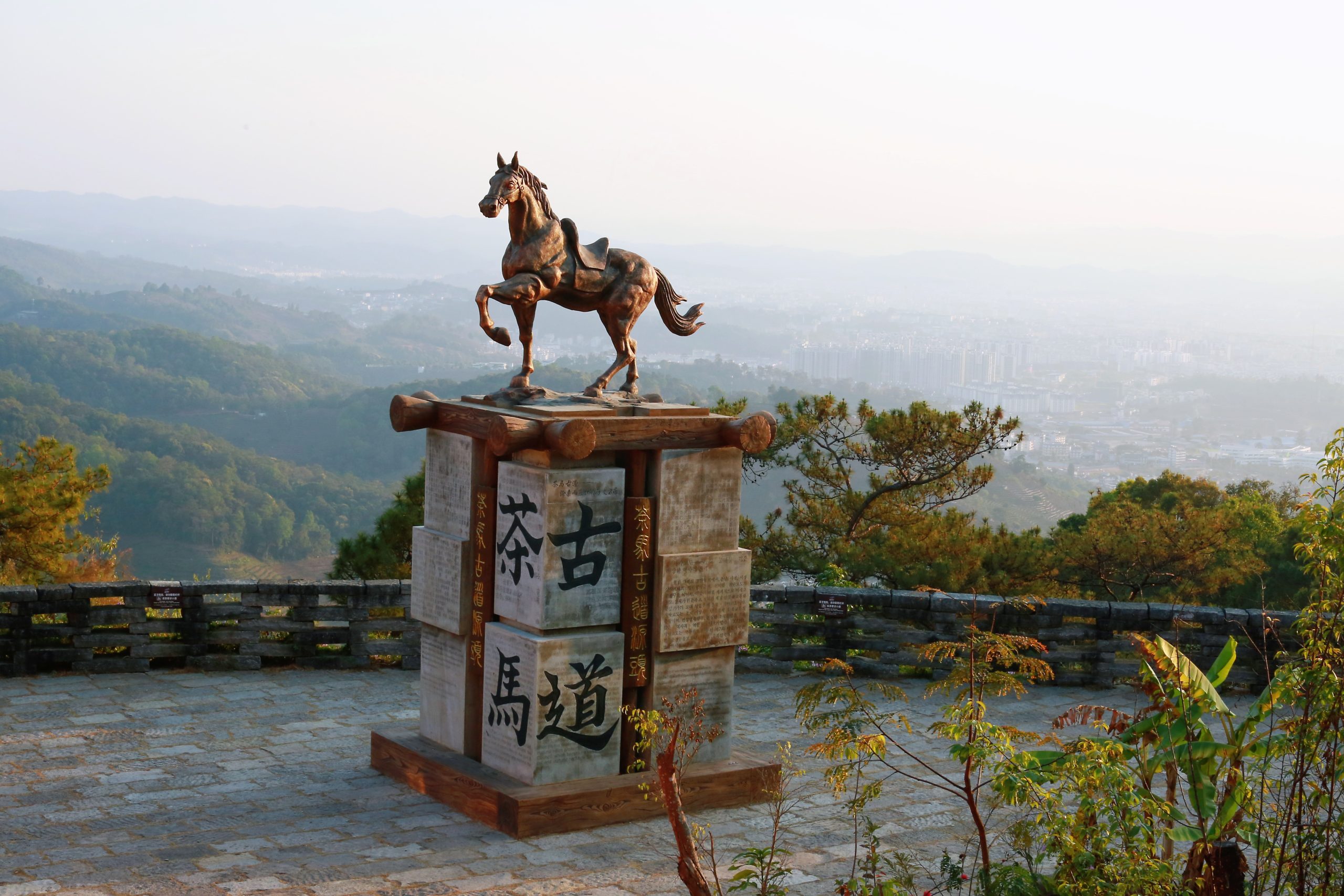
Pu’er Tea Horse Ancient Road Relic Park
Pu’er Tea-horse Ancient Road Scenic Attraction (4A) is located in Pu’er City, Yunnan Province, the “World Tea Source”, 2km away from the municipal center, covering an area of nearly 5,000 acres, with a total tour length of about 5,174.4 meters, and adjacent to the national night culture and tourism consumption gathering area of the Tea-horse Ancient City Tourism Town. The site of the Tea-horse Ancient Road in the scenic spot is an important section of the north-south movement of the ancient Tea-Horse Road. It is not only a distribution center for tribute tea entering Beijing, but also a section with complete preservation, long distance, rich culture, and well-maintained along the way. In 2013, the Tea-horse Ancient Road was listed as the seventh batch of national key cultural relics protection units by the State Council. Along the ancient town of Tea horse tourism Zhengguan Street into the scenic area, the first thing you will see is the majestic Simao City Gate. On the shimmering Yinma Lake is a group of horse caravans trekking on the ancient road – “tea messengers”, showing us the picture of the horse caravans trekking hard on the steep mountain road. It is the generations of horse caravans with their fortitude, courage and wisdom, have used their blood and sweat to build trade routeswith all directions. From here, the journey of exploration begins.Take the battery sightseeing bus directly to the beautiful Dingbo Lake, where pavilions and towers are dotted, and the blue sky and clear water complement each other.Standing on the continuous tea mountain stand, you can enjoy the first immersive water dance show “Horse Caravan Love Song” on the Tea-Horse Ancient Road. Relying on resources such as primitive forests, plateau lakes, musical fountains, and misty fireworks, combined with exciting local ethnic historical stories to take you into the magnificent but long-forgotten years of the horse caravans. Walk through the floating bridge shaded by flowers and head to the starting point of the Rainbow Cableway. This section of the cableway is 786 meters long and takes about 13 minutes and 14 seconds to ride, implying a lifetime of romance. During the cableway ride, visitors can enjoy the beautiful subtropical rainforest and ecological tea gardens all over the mountains, overlook the scenery of the tea city Pu’er, and feel the fresh and natural countryside scenery.Sitting on the cableway all the way up to the Zhongyi Post Station on the top of the mountain. The caravans set up at daybreak and slept at night, and there were many post stations along the ancient road. The caravans from south to north would stop here to stay overnight, through the strove to prepare dinner for the hungry people and horses, and they would feast on the food at the table and chat about everything under the sun. It was so pleasant.Get up close and personal with the “Pearl of Dayuan, noble among Horses”, the Ferghana Horse, a national treasure of Turkmenistan that has came afar, and witness the splendid and glorious ancient road culture with you. Zhongyi Posthouse Museum is a unique and ornamental caravan museum in southwestern Yunnan. It focuses on the Tea-Horse Ancient Road culture and the caravan culture, combines the multi-ethnic characteristics of Pu’er and presents the most representative caravan culture on the Yunnan-Tibet Tea-Horse Ancient Road in a multi-level and multi-dimensional way to the world, becoming an important cultural business card of Pu’er. The museum has more than 800 collections, mostly caravan utensils, sacrificial and daily necessities of various ethnic groups in history. It is the essence of the collection of Shang Mingpeng, a caravan culture scholar and famous print artist for more than 20 years, and many items have become out of print.9Take a step forward and continue to explore the mysteries of the tea-horse culture. The exchange of tea for horses began in the Tang Dynasty. The Tang Tea Hall in the Ancient Road Origin Area will lead you to trace the source of history, reveal the evolution of tea and horses, and depict the early imprint of the Ancient Tea-Horse Road. Walk along the Ancient Tea-Horse Road and taste the fragrance of Pu’er tea. The green shade of pine and cypress is cool, and the footprints of ancestors and the marks of horse hooves are clearly visible on the mossy ancient road. It feels like entering the Wizard of Oz, lush and green, with birdsong sound.Walking through the suspension bridge full of blessing ribbons, we arrived to the Land Altar, a sacred place of worship on the Yunnan-Tibet Tea-Horse Ancient Road. The mottled statue of the God of Land, the verdant mountain god tree, the gurgling Kongming Well, and the overturned tripod which all came from history are the bearing and reposing of the caravan’s faith. Step into Songming Pavilion and relive the glory of the Ancient Tea-Horse Road! From the Eastern Han Dynasty to the Ming and Qing Dynasties, this legendary trade road spanned a thousand years, connecting the southwest and the border areas, with horse caravans carrying tea and the ancient road leisurely. At Jiangcheng Ferry, the fragrance of Pu’er tea spreads all over the world; the ancient post station in Yunnan Province witnesses the integration of ethnic groups and the prosperity of trade. The Tea-Horse Ancient Road is not only a trade road, but also a cultural corridor. Let’s pursue that glorious history together! Walk into the deep valley plank road where you can smell the fragrance of orchids and the chirping of swallows, take the electric car through the mottled shadows of trees, let the wind blowing from the tea mountains brush your face, and let the mountain breeze carry the fragrance of tea and soak your sleeves. Walking into the Gongcha Courtyard, you will dream back to the 21st year of Emperor Guangxu in the Qing Dynasty, witness the national glory of Pu’er – the imperially bestowed plaque “Ruigong Heaven”, feeling the prosperity of tea and horse, lamenting at the spirit of craftsmen, feeling the hardships of the horse caravans, and be grateful for the great “Belt and Road National Strategy”.Take a leisurely stroll, walk down the 407 steps slowly or take a thrilling forest slide, take the pulley whistling down, sometimes you are in the woods, sometimes in the mountains covered with weeds, sometimes in the fragrant tea garden. The “derailment feeling” brought by the inertia when the trolley turns makes your heart beat faster and scream with excitement. After a wonderful journey, you can return to the visitor center and go to the Caravan Banquet to enjoy a meal of caravan specialties. Caravan Banquet is backed by tea mountains and surrounded by Pu’er green color, which is comfortable and leisurely. The restaurant has the large conference halls, open-air banquet halls, and luxurious and elegant private dining rooms. The dishes are mainly caravan dishes, local ethnic minority dishes and Pu’er local specialties, so that you can feel the strong regional cultural atmosphere while tasting delicious food. Here, you will perfectly end this unforgettable journey on the Ancient Tea Horse Road.
-
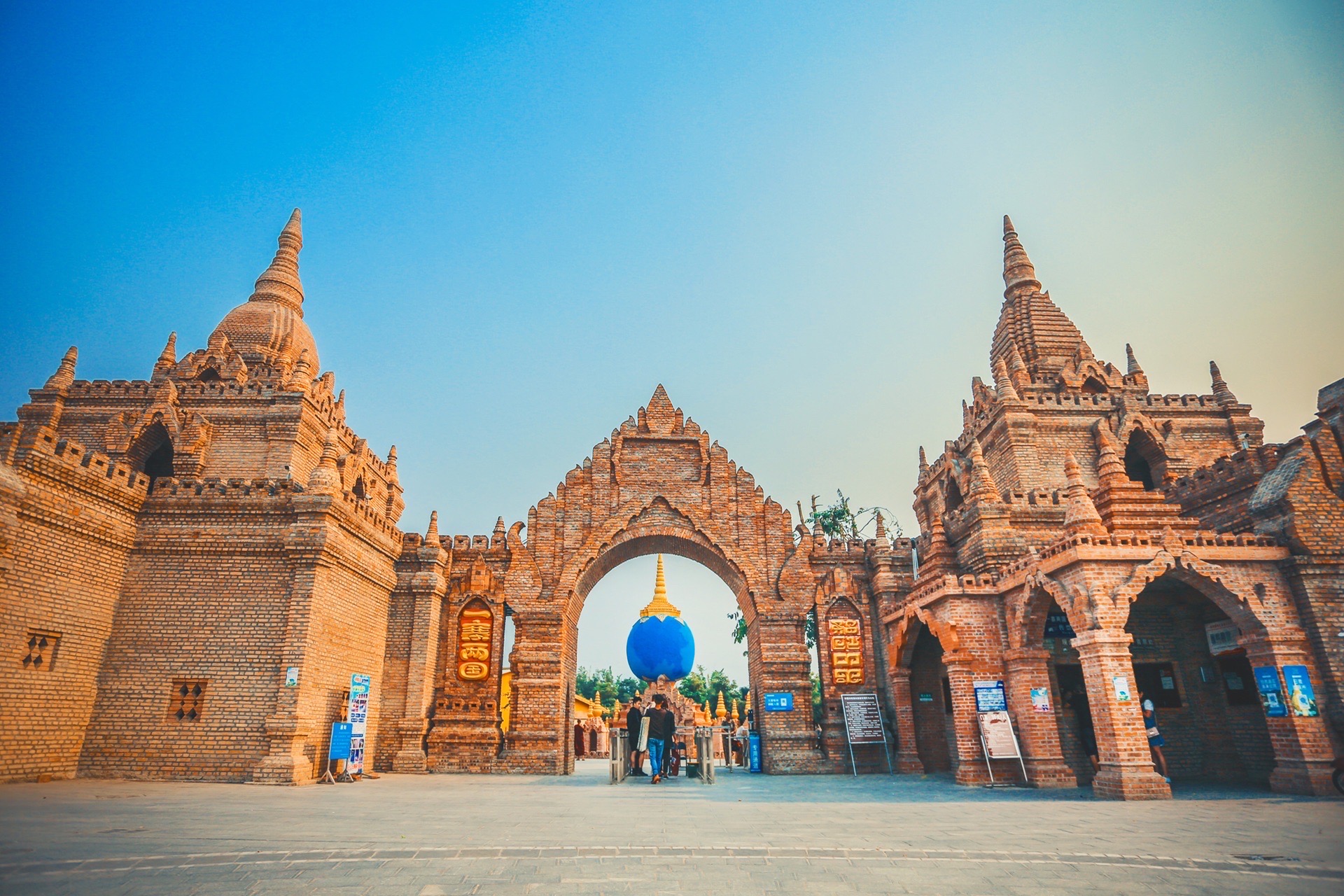
One Village, Two Countries
One Village, Two Countries is located in the southwest of Ruili City. The famed China-Myanmar Border Post No. 71 has been erected within the village boundary and the border zig-zags its way through the village. It is a typical border area. Visitors can experience the folk traditions of Myanmar, while enjoying a ride on the village swing, swaying back and forth between the two countries. There is also a water well in the village, in which people on both sides use in harmony.
-
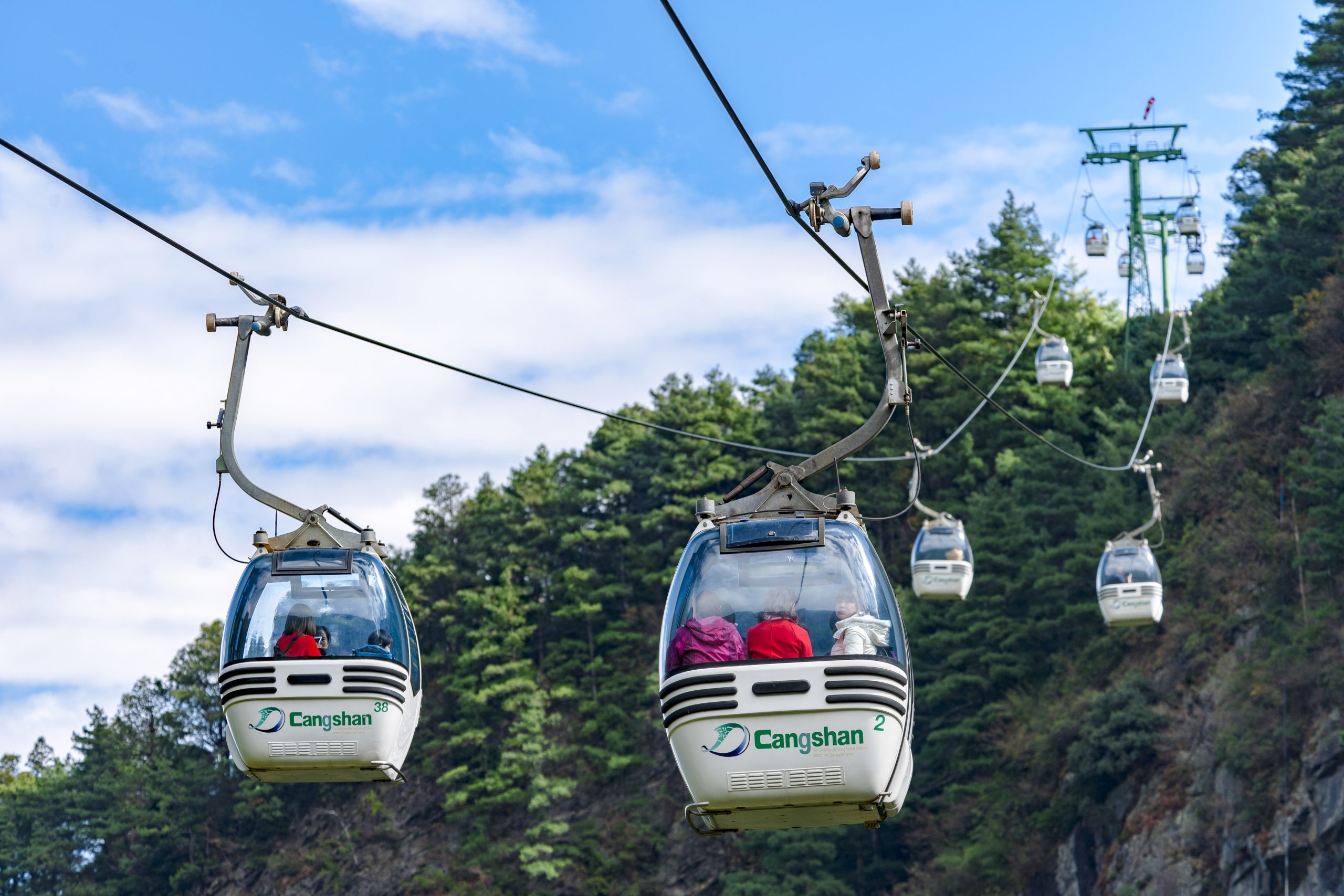
Gantong Ropeway
The Gantong Ropeway is a single-line 6-people cable car track. It is backed by Cangshan Mountain and is next to the Gantong Temple. The cable car is fully equipped to provide visitors with a safe, comfortable and convenient ride. Take the cable car ropeway to see the Cangshan Mountain and surrounding attractions such as Qingbi Stream and Qilongnv Pool. Sitting in the cable car is like riding a cloud tour in a fairyland, with a magnificent view.
-
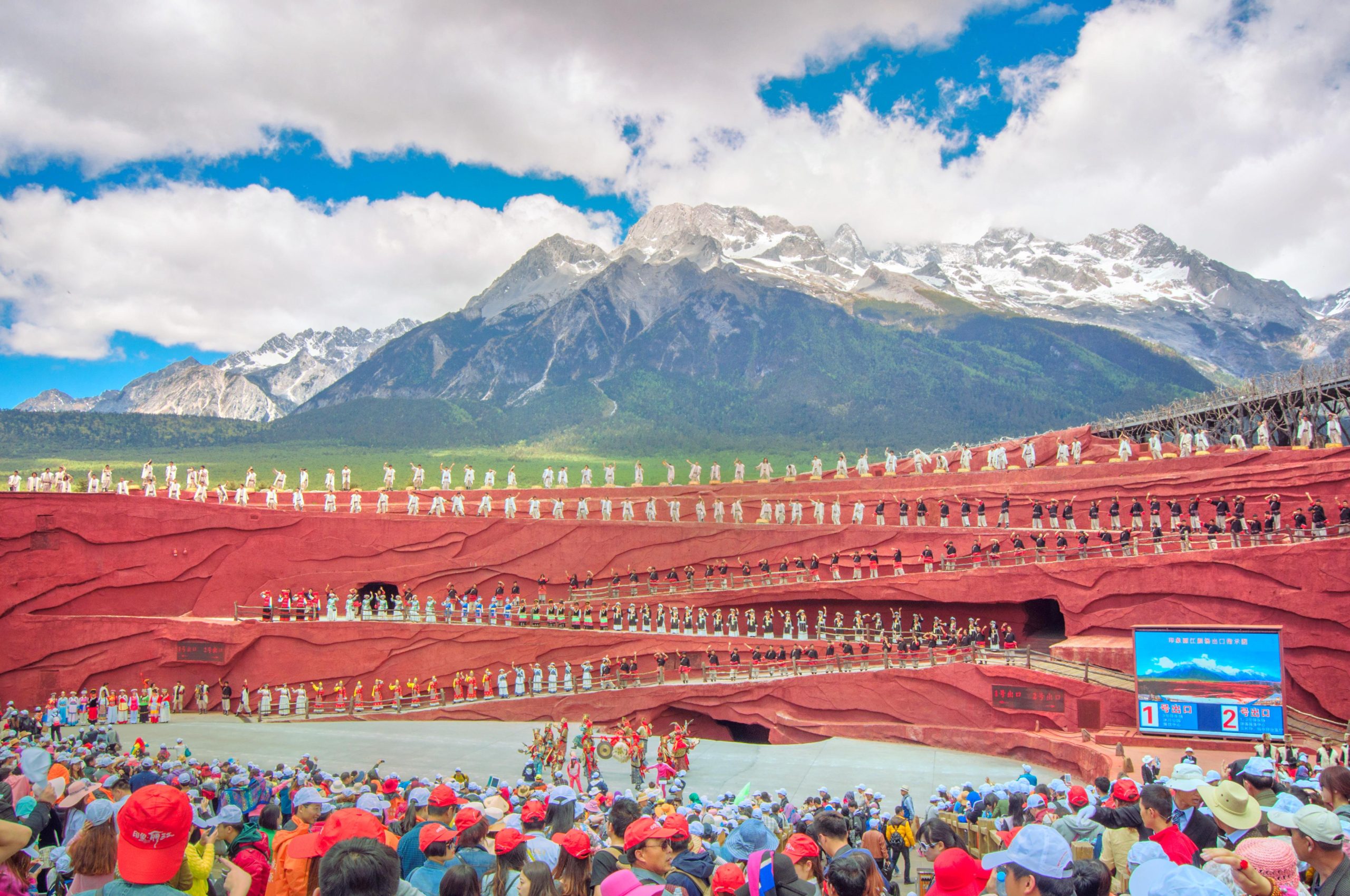
Impressions of Lijiang Performance
The “Impressions of Lijiang” performance from the famous director Zhang Yimou is performed on an open-air stage located in Yulong Mountain Blue Moon Valley, 3,100 meters above sea level. The locals are all natives of Lijiang, embodying the connection between heaven, earth, humans and mountains. The performance is divided into two chapters, entitled “Snow Mountain” and “Ancient City”. The strong momentum, natural poses, and simple songs give the audience impressions of the true Lijiang.
-
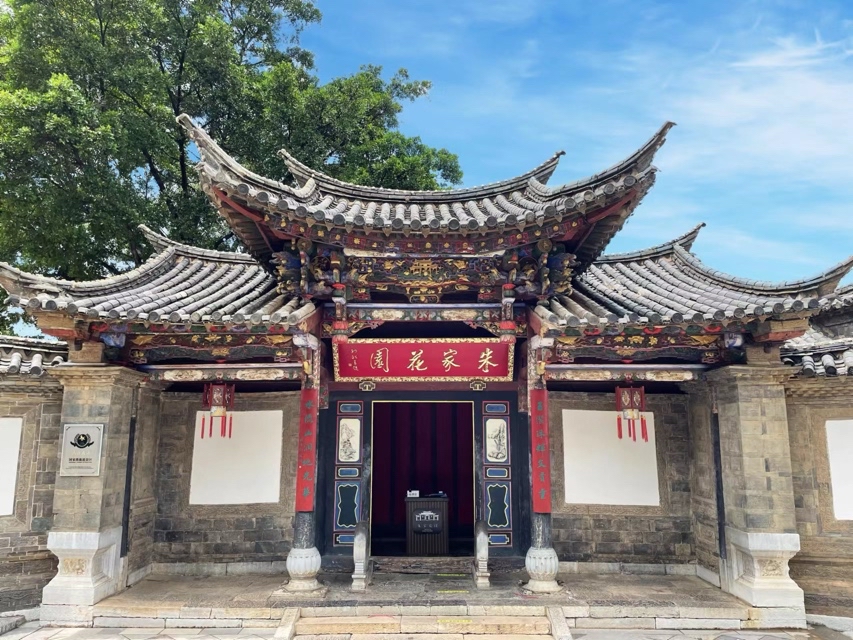
Zhu’s Garden
The Zhu Family Garden is located on Hanlin Street in Jianshui County. It was a home and ancestral temple built by the Zhu Weiqing brothers in the waning years of the Qing Dynasty. Within the park, the ancestral hall, temple, living quarters and gardens are all magnificent and majestic. Visitors to the site can take the opportunity to learn about the architectural style of the southwestern residential gardens. The entirety of the Zhu Family Garden is built on a south-to-north axis and, for Jianshui, is a typical and classical combination of residential buildings and gardens. The buildings are, of course, laid out in a specific order. In the southeast corner of the Zhu Family Garden stands a Huaiyuan Hall with an exhibition on the Century-Long Rise and Fall of the Zhu Family.
-
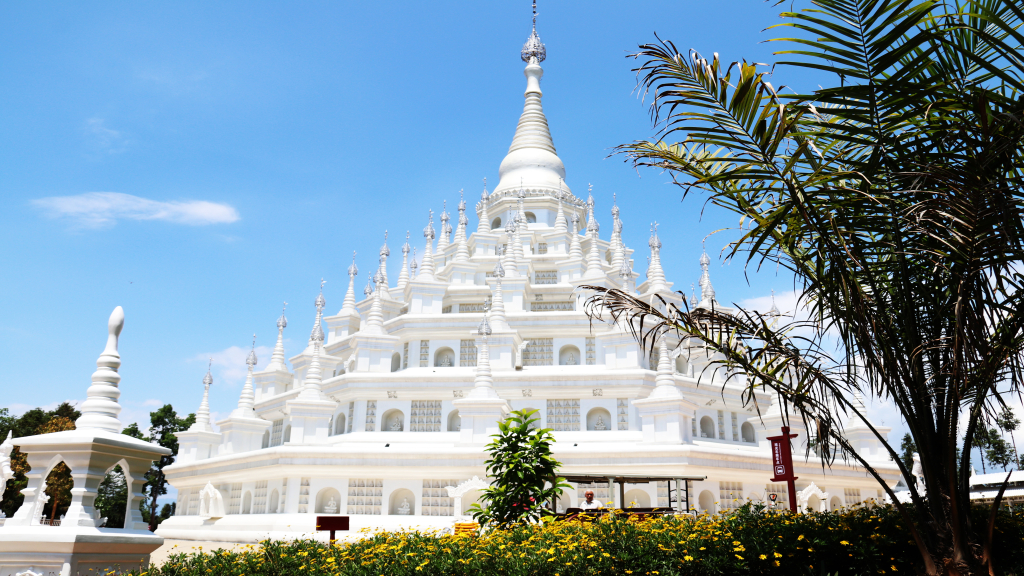
Scenic Spots of Menghuan Silver Pagoda
Menghuan Silver Pagoda covers an area of about 120 mu, with a height of 66 meters and a diameter of 46 meters. The overall building is based on pure white, which is in sharp contrast with Menghuan Shwedagon Pagoda in color. The two towers stand on the top of Leiyarang Mountain and the bank of Peacock Lake. One is graceful and gorgeous, and the other is elegant and quiet. The scenic spot is composed of various main buildings such as Jiyuan Forest, Yinlun Square, Observatory, Pedestrian Plank Road, and landscape sculptures. It is equipped with corresponding lighting and flower viewing areas. Flowers and plants such as rice dumplings, shellfish rice dumplings.