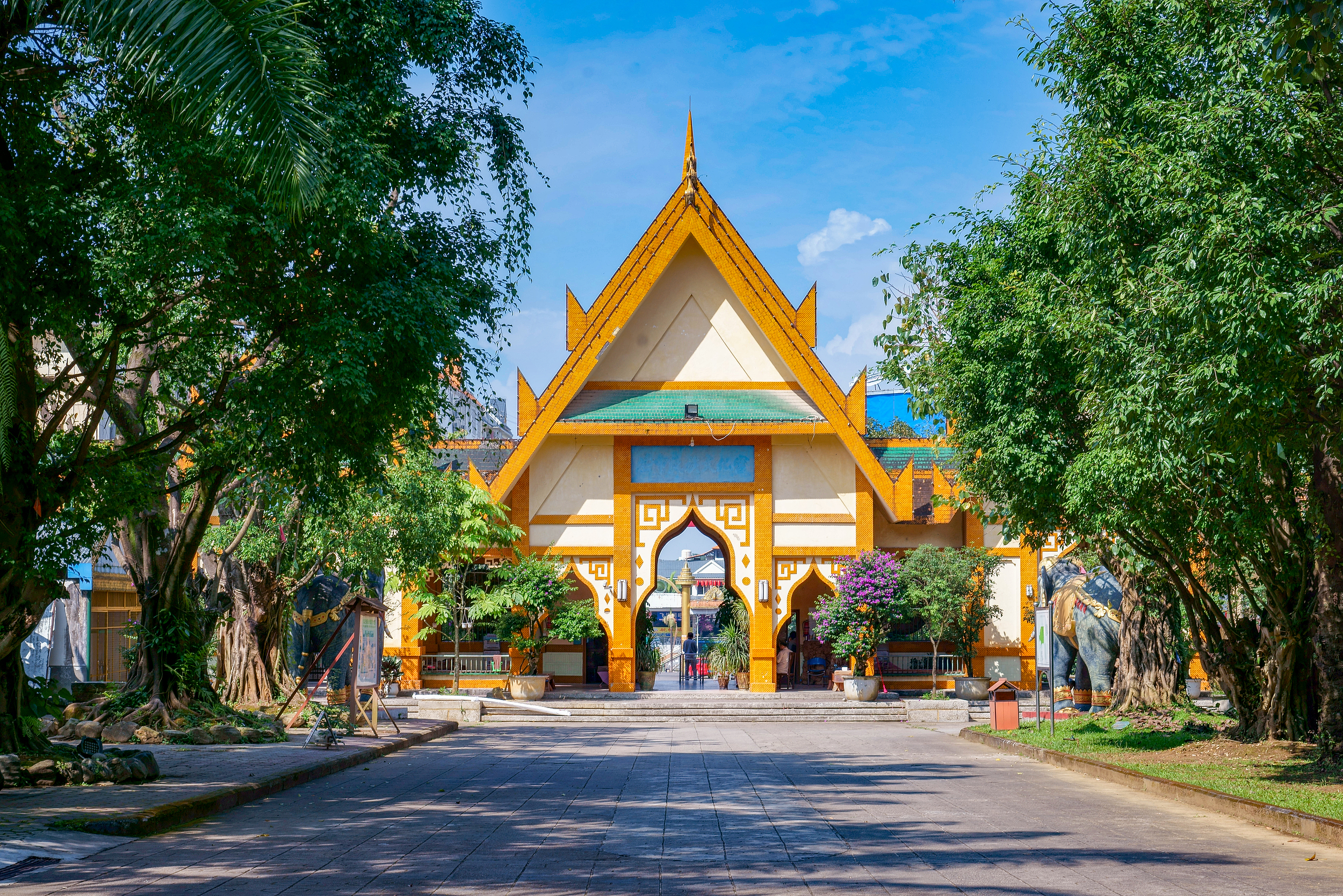
Established in 2001, Mengba Naxi Rarity Park is composed of the laurel fig garden, the great bougainvillea garden, the crepe myrtle garden, the exhibition hall and the rare stone gallery. Mengba Naxi Rarity Park has a collection of rare old trees and notable woods and peculiar petrified wood jade. It is known for its rare, novel, old and strange features, hailed as a treasury of subtropical plants and also a rare ecological park in China.
归档: Attractions
-
Xizhou
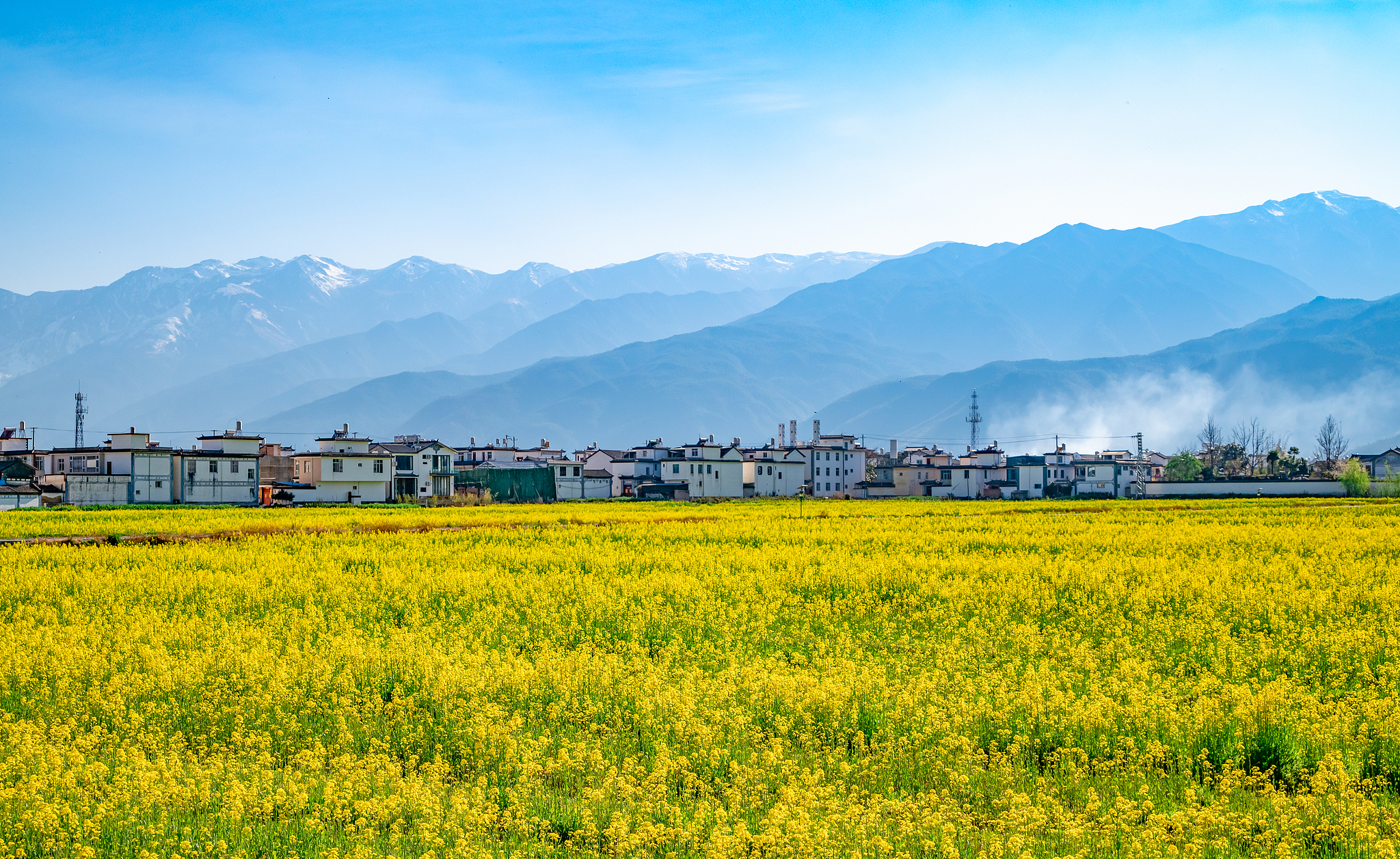
Xizhou is located 18 km north of Dali Ancient Town, nestled between the Cangshan Mountains to the west and Erhai Lake to the east. This well-preserved Bai ethnic settlement is the birthplace of Xizhou baba cakes. Strolling through the ancient town, you’ll encounter seniors in traditional Bai costumes, local bakeries selling baba cakes, and authentic Bai architecture – all radiating rich Bai cultural charm.Xizhou at a glanceThe Zhengyi Gate serves as the west entrance to Xizhou Ancient Town, leading directly to its historic streets. Just a few hundred meters inside the west gate stands a 500-year-old banyan tree—so massive it takes several adults to encircle its trunk—making it an iconic landmark of Xizhou.Not far into the ancient town stands Ziyunshan Temple, a Qing Dynasty structure that appears quite weathered. Local elderly residents often gather here for activities and sunbathing. Further in lies Sifang Street, a small square surrounded by shops that serves as the town’s central hub. Exploring Xizhou typically begins at Sifang Street, the birthplace of the renowned local snack Xizhou baba, which offers authentic flavors.Explore Bai ethnic architectureBai-style folk houses are a hallmark of Xizhou, with structures spanning different historical periods. The most visited residences belong to the Yan and Yang families. The Yan Family Residence, located at the southwest corner of Sifang Street, features the classic Bai courtyard layout known as “three rooms with a screen wall” and “a quadrangle with five courtyards.” As the wealthiest of Xizhou’s “four great families” in the past, this residence offers a glimpse into the Yan family’s former grandeur. Visitors can enjoy Bai ethnic song and dance performances and sample the traditional “Three Courses of Tea” here. Tickets are available for those interested in architecture and ethnic culture. The Yang Pinxiang Residence, situated east of Xizhou, shares a similar layout but stands out for its exquisite wood carvings and particularly ornate, flowing gatehouse. Nearby Sifang Street also houses another Yan Family Compound, ideal for a quick introduction to Bai-style dwellings.Explore Haishe PeninsulaAdditionally, it’s worth mentioning the Haixi Peninsula east of Xizhou Ancient Town. Head approx. 3–4 km east toward Erhai Lake until you reach Haixin Pavilion, then continue a few hundred meters further to Jingui Temple. Here you’ll discover a lush oasis approx. 100m wide and 1 km long, resembling a jade hairpin piercing the shimmering waters of Erhai Lake—locals call it “Haixi” (Sea Tongue). With few visitors, this spot offers breathtaking scenery: azure skies, white clouds, emerald trees, crystal-clear waves, and waterfowl gliding through the landscape, creating a perfect harmony with nature. Every photo taken here looks like a painted masterpiece.Travel recommendationsXizhou is not far from Dali Ancient Town. If you’re staying in Dali Ancient Town, you can take a ride or cycle there for a day trip to explore the area. Alternatively, you may choose to stay overnight in Xizhou and visit Butterfly Spring the next day.
-
Xishuangbanna Mengle Cultural Tourism Area
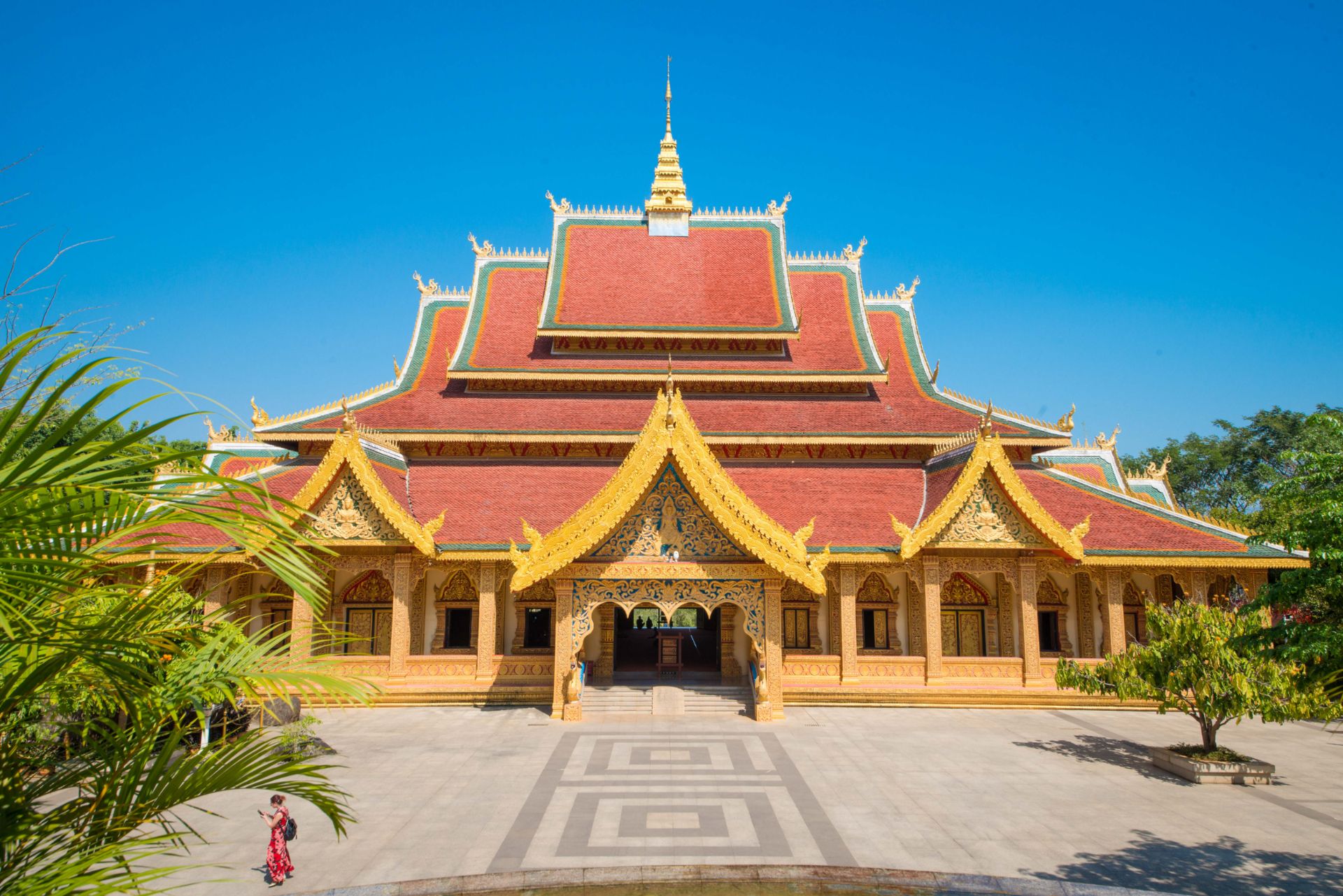
Dafo Temple is one of the most symbolic buildings of Southern Buddhism, representing the twelve Banna. It is also an important site for activities of Banna Buddhism. The temple is built on top of a hill, atop more than 3000 steps. at which visitors can gaze down at the beautiful sight of Jinghong city. Visitors can also participate in Buddhist activities within the temple, and experience Buddhist culture. At the foot of the mountain, Water-sprinkling Festivals take place, a unique insight into local cultures.
-
Puzhehei Scenic Area
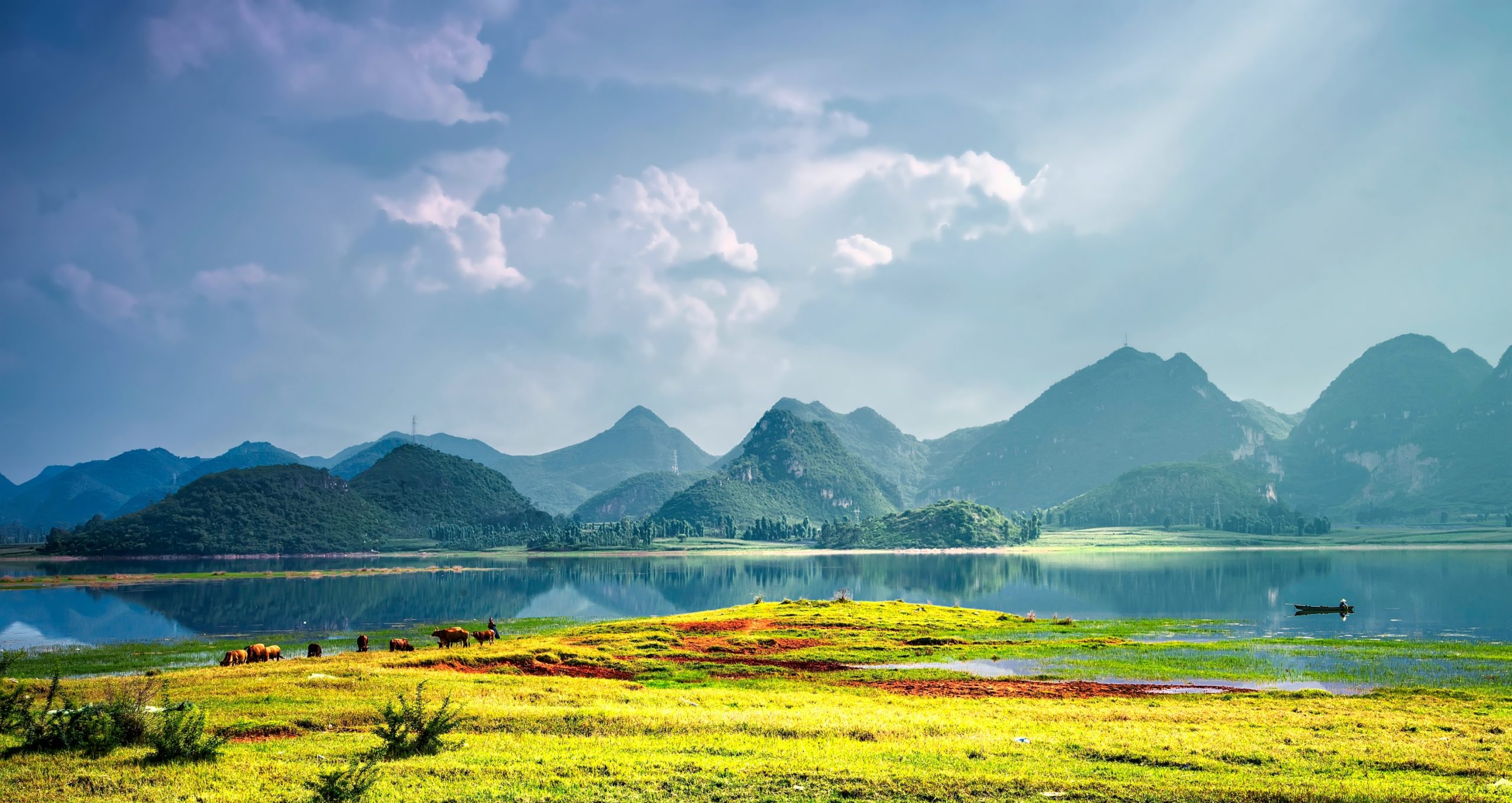
Puzhehei is a land of karst landscape and scenic agricultural fields. In 2013, it was a filming location for the hit reality TV series Where Are We Going, Dad? Here you can see karst caves, endless acres of lotus blossoms, and the beautiful country landscape that made Puzhehei famous. There are also ethnic minority villages here. The karst caves are a highlight of Puzhehei. Not only are these caves full of all sorts of stalactites, there are also many legends and myths about them. The golden season for visiting Puzhehei is from June to September, when the lotuses are in bloom.
-
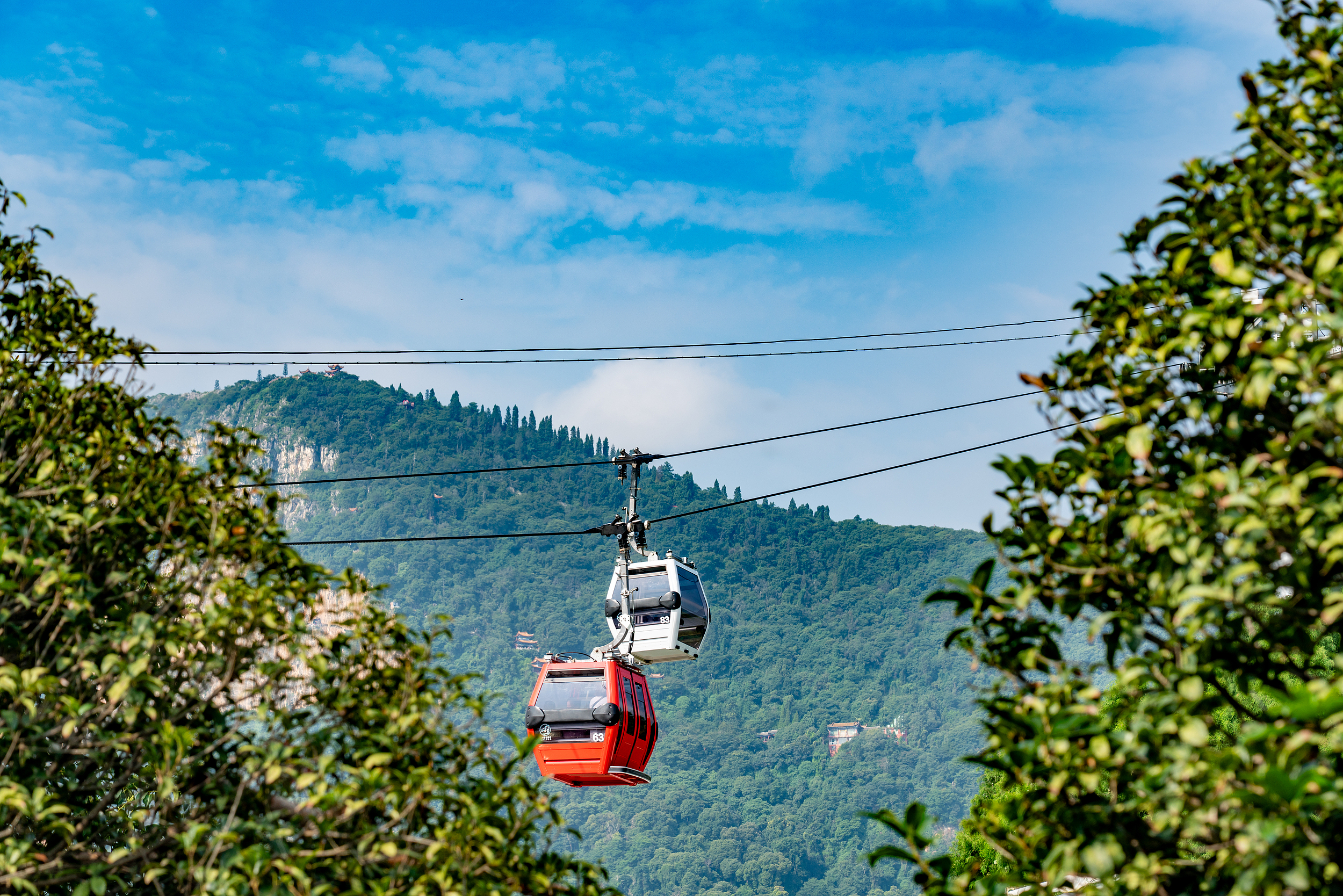
Kunming Travel Cableway
The Kunming Tourist Cableway (formerly the Dianchi Xishan Cableway) uses the world’s most advanced cableway equipment produced in France and Italy. Half of its length spans over the surface of Dianchi Lake, making it a rare cableway that crosses both water and mountains. Riding the cableway is one of the most popular tourist attractions in Kunming.You can take the cable car at No. 16 Hubin Road (near the Dragon King Temple). Going up, it is like walking into a wonderful viewing corridor, where you can take in the scenery of Dianchi Lake and take photos of Dianchi Lake from a wide angle. Dianchi Lake is at your feet, and the majestic Xishan Mountain is above your head. The cable car also allows tourists to visit Dianchi Lake and Xishan Scenic Area conveniently.
-
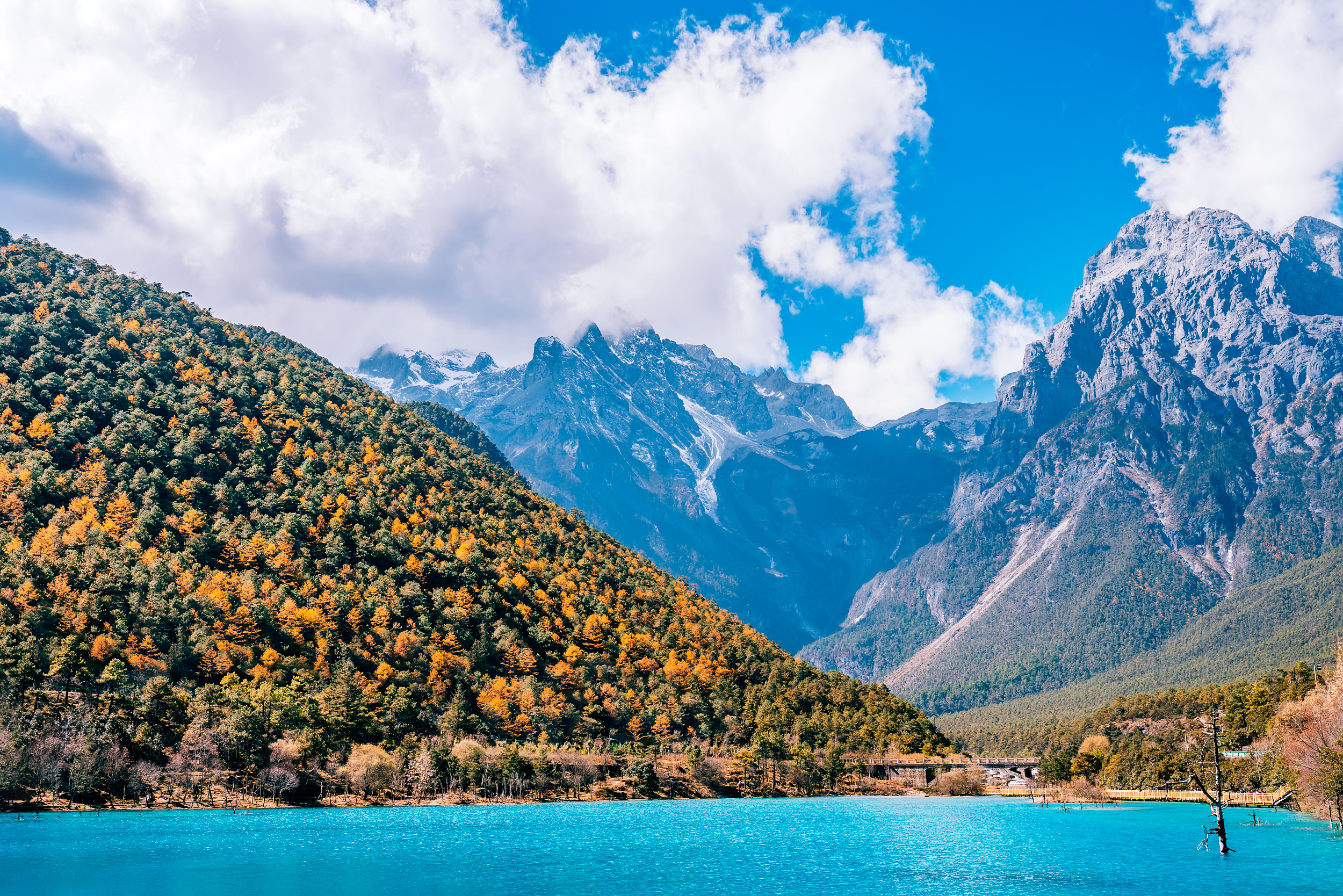
Blue Moon Valley
Blue Moon Valley lies at the foot of Yulong Snow Mountain near Lijiang. It was carved out by Baishui River, fed by meltwater from Yulong Snow Mountain. The water of the lake is so clear, you can see the lake bed and is a stunning shade of blue. On the floor of Blue Moon Valley lie four lakes, each with its own distinct color: Jade Wine Lake, Mirror Pond, Blue Moon Lake, and Wave-Listening Lake. The valley is also dotted with many picturesque little waterfalls that make beautiful photographs.
-
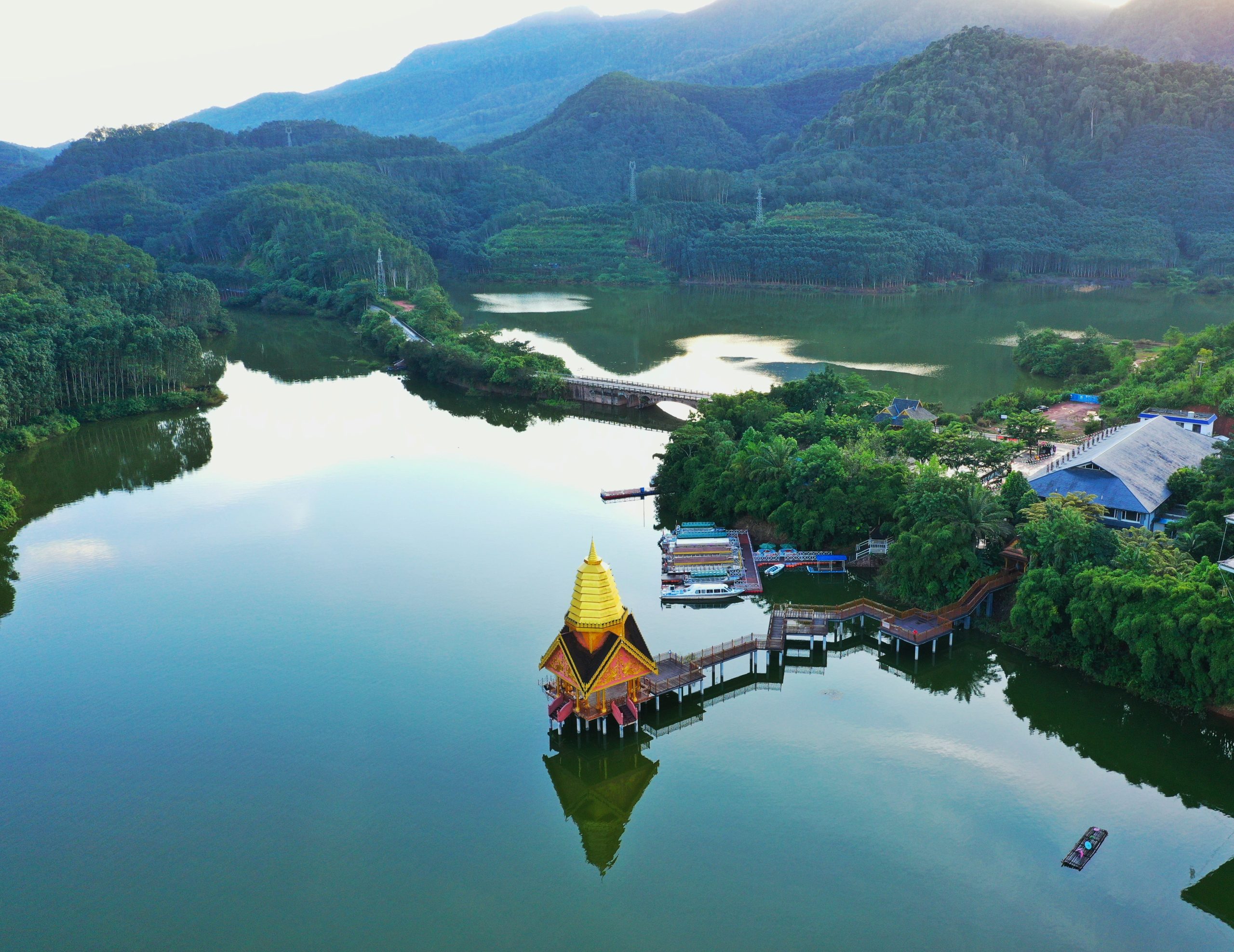
Parashorea Chinensis Park
Parashorea Chinensis Park (a national AAAA-level tourist attraction) is an integral part of Xishuangbanna National Nature Reserve. This area hosts over 1,000 vertebrate species and more than 6,000 higher plant species thriving in competition. Centered around the iconic Parashorea chinensis tree community, the park offers comprehensive exploration of tropical rainforest wonders through land, water, and aerial perspectives, fully showcasing this unique ecosystem. It serves as an exceptional educational base for discovering nature’s mysteries, experiencing close encounters with tropical rainforests, and deeply appreciating their natural wonders. This is a venue for parent-child learning activities, a creative and exploratory world where children can gain knowledge and joy while connecting with nature. Our diverse course offerings include hands-on activities like building bird nests, making leaf vein bookmarks, crafting amber, exploring the Skyward Forest, discovering the secrets of seeds, and more. Beyond that, this place is a paradise for extreme sports enthusiasts, where you can drive ATVs through the rainforest and experience the harmony between humans and nature. The water park offers a diverse range of thrilling and exciting activities. Whether you’re seeking speed and adventure or looking to enjoy quality time with family and friends, we provide unforgettable aquatic experiences. Soar through the rainforest canopy, feel the breeze on your face, and immerse yourself in the lush greenery of this “Oriental Amazon.” Here, the landscape becomes your playground, evoking the free-spirited heroism of ancient legends.Nanla Riverside’sRainforest RestaurantYou can also enjoy original, pollution-free delicacies for a full sensory rainforest feast. Next to the ticket hall, the Tiannuolin Café offers a tranquil poetic journey with rainforest hand-brewed coffee, along with various creative handmade crafts and products for you to explore and choose from.
-
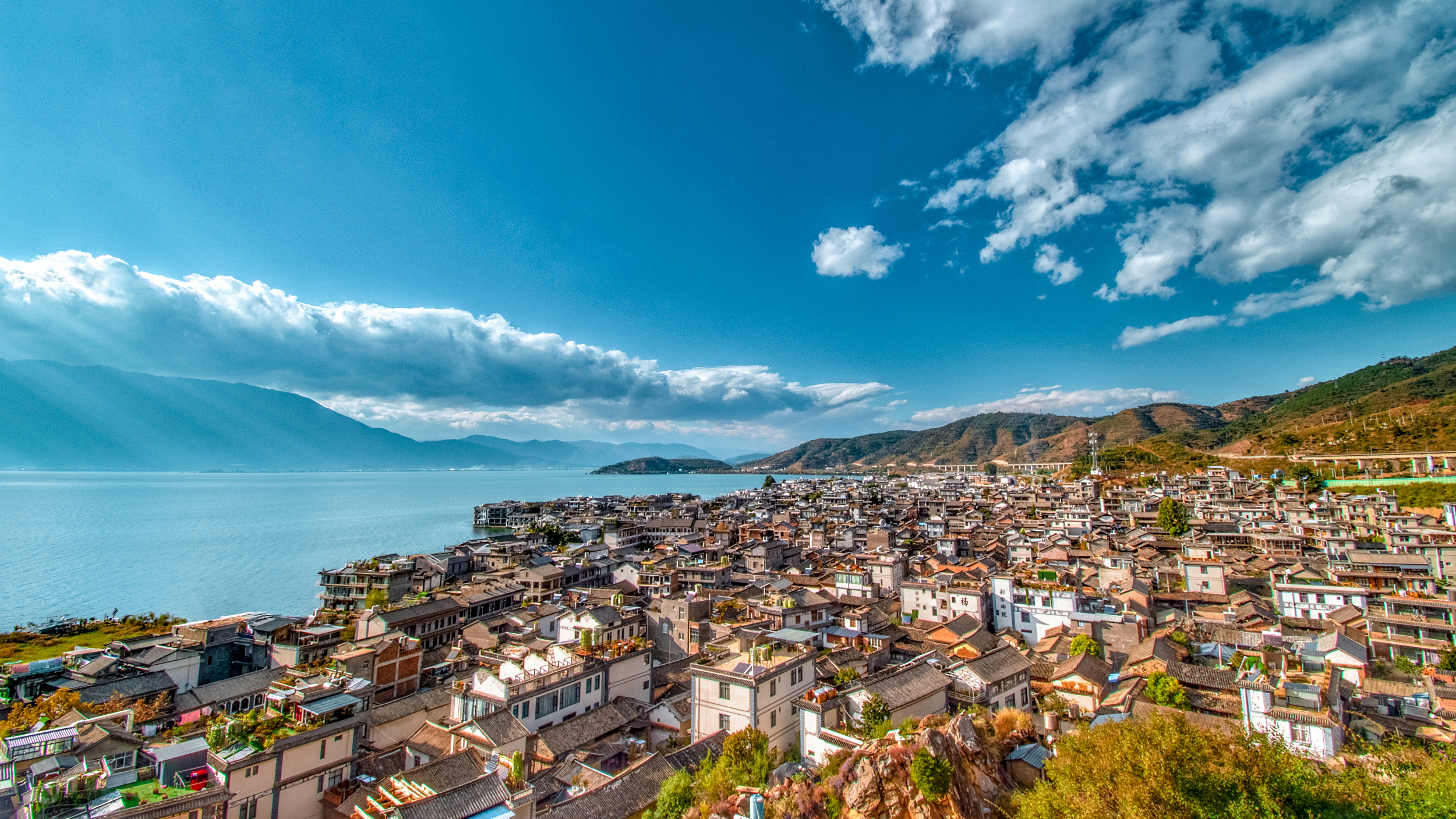
Shuanglang ancient town
Shuanglang ancient town is situated on the northeastern shore of Erhai Lake in Dali City, where crystal-clear waters meet the majestic Cangshan Mountain’s nineteen peaks. This area encapsulates the finest landscapes of the Cangshan-Erhai region and stands as one of the most iconic Bai ethnic settlements along the lake. On sunny days, sunlight filters through the clouds, casting mesmerizing reflections on the water with the undulating Cangshan range as a backdrop—a dream shot for photography enthusiasts.The heart of Shuanglang is Yuji Island, named for its resemblance to a jade table and connected to the ancient town by Yuji Bridge. The island features artistic landmarks like Yang Liping’s Sun Palace and Moon Palace, making it an unmissable spot for enjoying Erhai Lake’s breathtaking views.Shuanglang is not only a paradise of natural scenery but also a model of Bai ethnic culture blending with modern art. Perfect for strolling, sightseeing, savoring local cuisine, and staying in seaside homestays, it offers an immersive experience of poetic living where “mountains mirror human joy, and waters reflect enduring affection.”
-
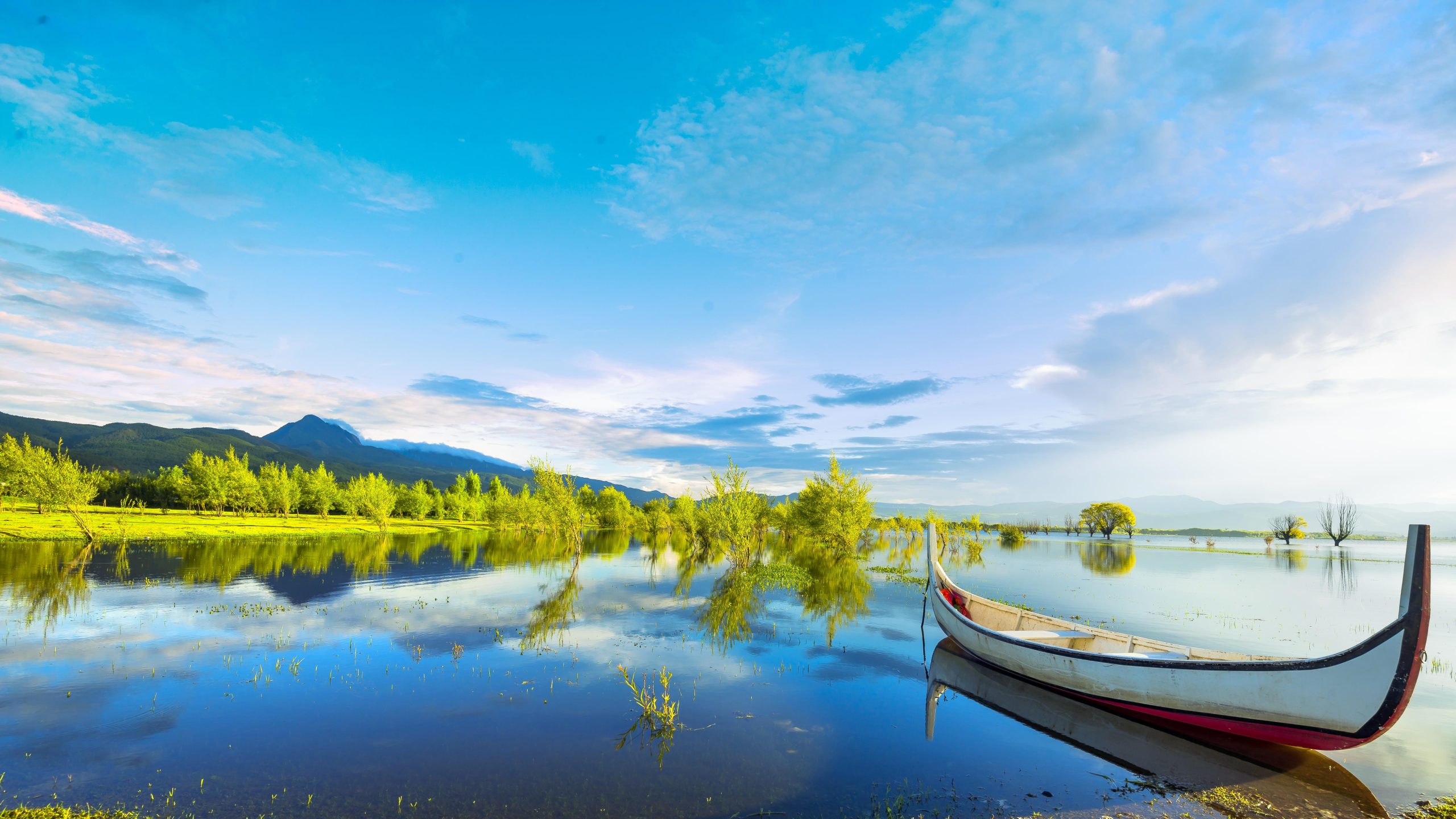
Lashihai Wetland Park
Lashi Sea is located 10 kilometers west of Lijiang City. It is a marvelous grassland with beautiful scenery. The water is very clear, and it is a wonderful place to visit in the spring and summer around Lijiang. This is also a habitat for many migratory birds in the winter. Every year, tens of thousands of migratory birds arrive here to spend the winter. There are many racecourses for horses in the village next to the river. Many tourists choose to ride horses here and have a relaxing time. Lashi Sea has therefore become a wonderful place in Lijiang for riding horses, boating, and bird watching.
-
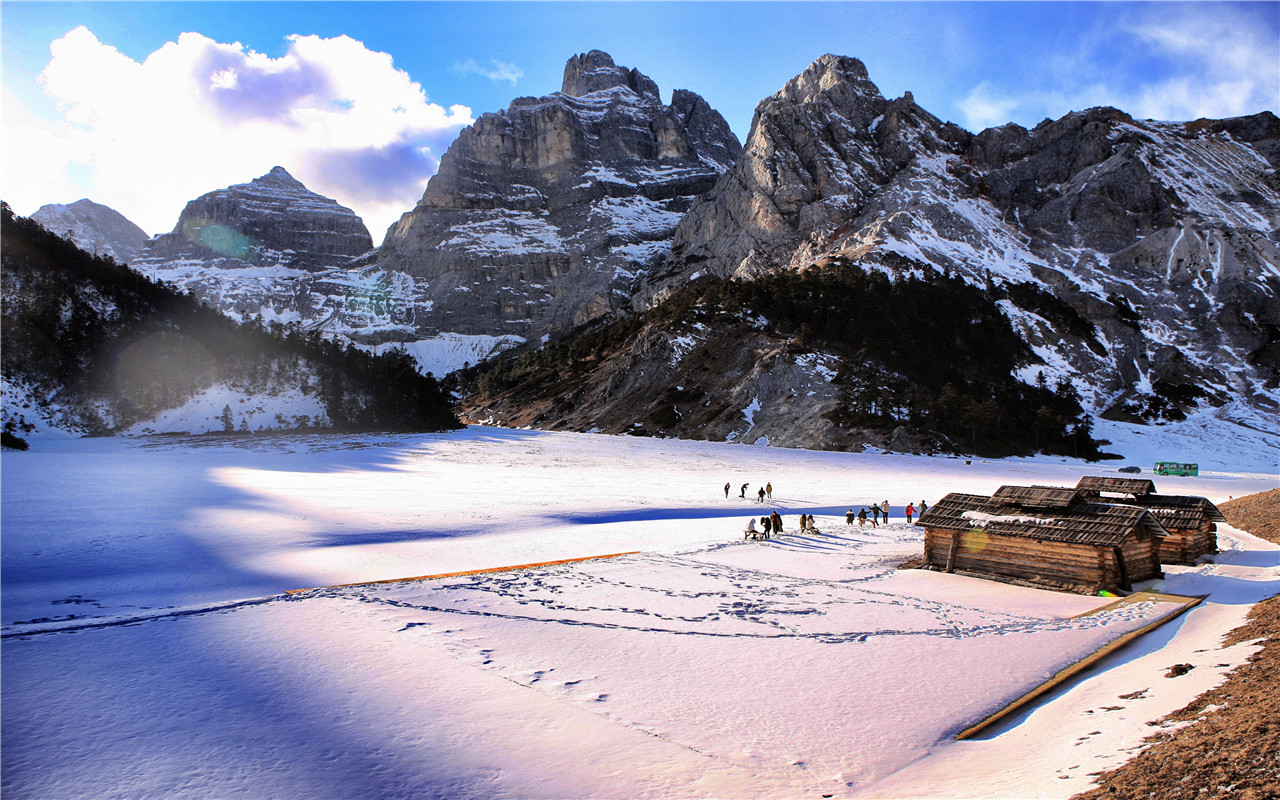
Balagezong Scenic Area
Nestled deep in the heart of the Hengduan Mountains at the convergence of Yunnan, Sichuan, and Tibet lies the hidden Tibetan paradise of Balagezong. As the real-life counterpart to the legendary Shangri-La from “Lost Horizon,” this land boasts a dramatic 3,576-meter vertical elevation change, vividly showcasing the ecological marvel of “experiencing four seasons on one mountain and diverse weather within ten miles.” Towering snow-capped peaks, deep valleys, and ancient villages together compose a magnificent epic where nature and culture intertwine on this forgotten earthly utopia, quietly awaiting every explorer’s arrival.Secret exploration route:One-day highlights tour:Attraction entrance → Bala Village → Echo Wall (experience the zipline) → Zhuomala Temple → Shangri-La Grand Canyon (experience rafting) → Millennium Bodhi Tree → Return tripIn-depth panoramic tour:Attraction entrance → Bala Village (transfer to bus) → Xiangbala Pagoda Snow Mountain → Echo Wall → Zhuomala Temple → Shangri-La Grand Canyon → Millennium Bodhi Tree → Return tripNote: Travelers opting for the in-depth tour can choose to stay overnight at the attraction. The full tour takes approx. 6–8 hrs. Attraction introduction:Bala Village, 2,900m above sea levelBala Village is nestled on a mountainside surrounded by eight sacred peaks, each with its own name, resembling an eight-petaled lotus encircling the village. The settlement cascades along the slopes, breathing in harmony with the snow-capped mountains.⏳ Suggested tour duration: approx. 40 minShambhala Stupa Snow Mountain, 4,250m above sea levelShambhala Pagoda Snow Mountain is known in Tibetan as “Jiangqiu Qudeng,” where “Qudeng” means pagoda. Located northeast of Gezong Snow Mountain, it gets its name from its resemblance to a white pagoda. It is described in the Tripitaka as a unique secret realm in Tibet and is also the “pagoda at the edge of the sky” prophesied by Buddha Shakyamuni after his enlightenment. A string of the Buddha’s footprints is still preserved at the foot of the pagoda. The naturally formed pyramid-shaped peak stands majestically under the sky, covered in white snow. The two mountains beside it resemble a lama sitting and chanting scriptures and an open scripture, respectively. Therefore, these three mountains are vividly known as the “Three Jewels” of “Buddha, Dharma, and Sangha,” attracting countless devout people to worship and pray.Recommended visiting time: approx. 1 hr Echo Wall at 3,000m altitudeDescend from the sacred snow-capped peaks and be greeted by a breathtaking canyon with a 700-meter vertical drop. The suspended wooden walkway clings to the cliffs like a ribbon, where a single shout can echo through the mountains. At the end, step onto the fully transparent glass viewing platform and feel like you’re walking among the clouds. For the return, opt for the zip line and soar 100 meters above the canyon, completing a thrilling adventure for the brave.⏳ Suggested tour duration: approx. 40 minDrolma Lhakhang, elevation 2,900mThis Tibetan cultural museum serves as a harbor for the soul. Within its solemn halls stand 21 statues of Tara, silently watching over all who pass by. Eight white stupas bask in the warm sunlight, while ancient thangka paintings continue their wordless storytelling. The hum of prayer wheels turning and the flicker of butter lamps intertwine to create a sacred space—here, every prayer gesture and whispered mantra pays homage to time while bringing peace to the heart.⏳ Suggested tour duration: approx. 20 minShangri-La Grand Canyon, 2,050m above sea levelShangri-La Grand Canyon is renowned for its unique landscape of “canyons within canyons, all interconnected.” The valley floor features a typical U-shaped formation, with the Gangqu River winding through it. Visitors can walk along the 2.5km wooden walkway or choose to take a boat downstream, immersing themselves in the poetic scenery of “sheer cliffs rising on both sides while crystal-clear waters flow through a painting,” experiencing the canyon’s majestic and rugged beauty.Recommended visiting time: approx. 1 hrMillennium Bodhi Tree at 2,050m above sea levelIn Tibetan Buddhism, the bodhi tree is a sacred tree that embodies all virtues, protecting all living beings and shining through the ages. At the end of your journey, a 3,000-year-old bodhi tree greets you with awe-inspiring grandeur. What’s astonishing is that years ago, a distinct “Buddha’s hand” miraculously emerged from its trunk overnight, revered as a divine sign that brings joy and peace. Locals also regard it as the “wealth-grasping hand,” believing that touching it can attract prosperity, adding another layer of auspicious meaning to this spiritual tree.⏳ Suggested tour duration: approx. 15 minBy visiting these attractions, you’ve touched upon the essence of Balagezong. Yet this is merely a glimpse of this hidden paradise. As an essential must-visit destination in Shangri-La, Balagezong’s charm extends far beyond what you’ve seen.If time permits, we highly recommend embarking on a more in-depth exploration:Classic loop route: This one-day highlight tour introduces you to the essence of Balagezong, making it an efficient choice for first-time visitors.Secret hiking trails: The attraction features multiple highly recommended hiking routes that guide you deep into secluded areas, allowing you to experience undisturbed tranquility.Multi-day stay: For photography, hiking, and culture enthusiasts, consider staying at the attraction to leisurely explore hidden landscapes over two to three days, capturing every magical moment of starry skies, morning mist, and snow-capped mountains.No matter how you choose to encounter it, Balagezong promises you a Shangri-La memory that transcends the ordinary.