
Yala Snow Mountain Attraction(Phase I entrance) is located in Daofu County, Ganzi Prefecture, Sichuan Province. It is a shining pearl on the Western Sichuan Small Loop and Dandao Secret Realm Loop. Yala Snow Mountain Attraction is a national 4A-level tourist Attraction, known as the “Little Switzerland of Western Sichuan”. It is not only a paradise for photography, hiking, and camping enthusiasts, but also an ideal place for travel photography, wedding photography, and outdoor weddings.The main peak of Yala Snow Mountain is 5,820 meters above sea level. Its Tibetan name is “Xa Xue Ya La Ga Bo”, which means the Eastern White Yak Mountain. It is not only one of the four sacred mountains in Tibet, but also the first sacred mountain crossed by the ancient Han-Tibetan Tea-Horse Road. It is known as the “Second Shambhala” and is a sacred mountain that represents the wisdom of “giving up” and “dedication”. The Yala Snow Mountain Attraction covers an area of 251 square kilometers, with five major charms: ancient (ancient road), holy (sacred mountain), clean (second Shambhala), harmony (harmony between man and nature), and wonder (outdoor hiking, spiritual baptism). You can go outing to enjoy the flowers in spring, camping in summer to escape the heat, take pictures of colorful forests and red leaves in autumn, and play in the snow in winter. The Attraction is based on the 15-kilometer-long Rainbow Scenic Avenue. Along the way, there are many beautiful check-in points with beautiful scenery and good meanings, as well as a 5-kilometer sightseeing plank road and a 4-kilometer hiking route. You can get a close look at the “Crown of Western Sichuan” Yala Snow Mountain, the “Jade Sea” Yala Youcuo, the “Alpine Bonsai” Youcuo Wetland, the “Yala Twin Walls” Sister Lakes, Flower Lake, virgin forests and natural meadows. When you enter the Attraction, you can not only measure the vicissitudes of the Sichuan-Tibet Ancient Tea-Horse Road with your feet, feel the sacred mountain and holy water of Yala with your eyes, but also understand the wisdom of giving and dedication with your heart.
归档: Attractions
-
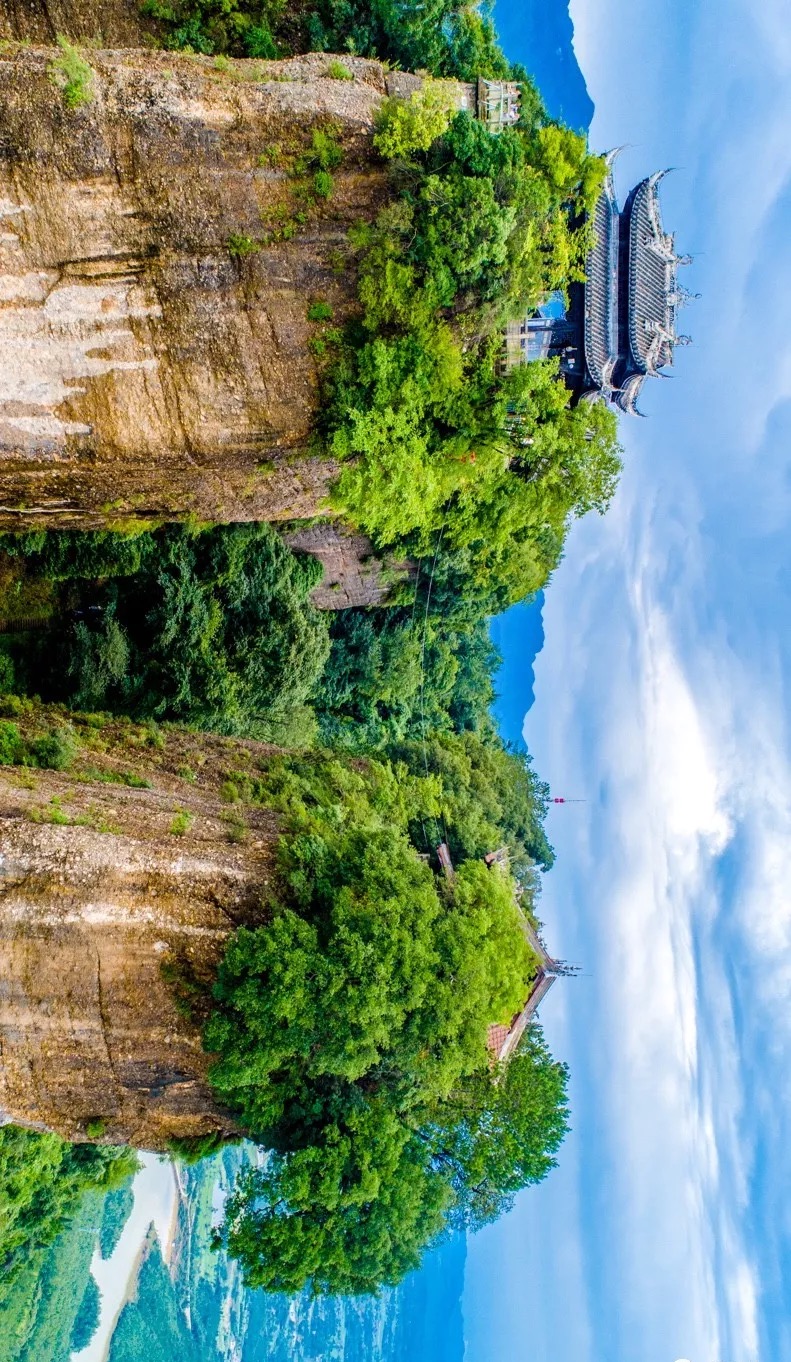
Douchuan Mountain Scenic Spot
Douchui Mountain, on the eastern bank of Fujiang River on the outskirts of Jiangyou City, is a perfect spot for mountaineering and sightseeing. Cable cars are available in the mountains for tourists. There is a Yunyan Temple in the Mountain where you can see “Feitiancang” – the collection of the Taoist cultural relics. In the mountains, you can also see thrilling wire-walking performances in the air. Li Bai, the famous poet of Tang Dynasty, once visited here when he was young.
-
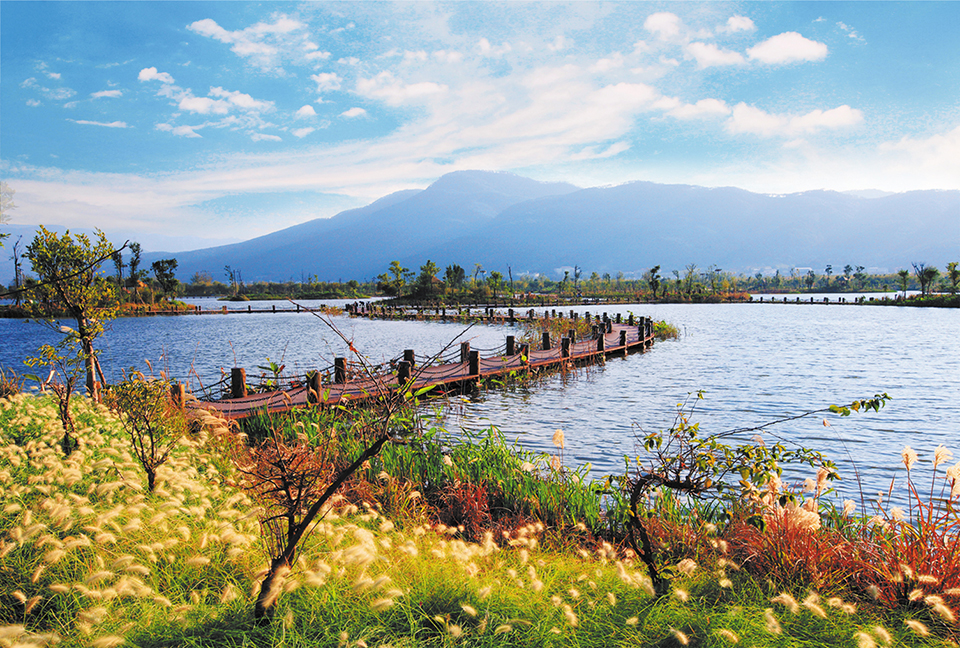
Qionghai National Wetland Park
Located in Xichang, Qionghai is an enormous freshwater lake of clear and limpid water. The beautiful lake abounds with fish and shrimp and is both a famous natural fishery and national wetland park. Qionghai has a number of large attractions including a birdwatching island, “dream water town,” “misty egret island,” and “rippling reflection of a crane.” Walking and cycling paths ring the lake, so it is easy and fun to view the scenery or birdwatch whether you walk or bike. The lakeside fishing village and Moonlight Theme Town are also worth a visit.
-

Bifengxia Panda Reserve
This is a separate park in Bifengxia. The ticket is included in the scenic area, but separate tickets are required for entry and exit. This park also has its own sightseeing bus.
-
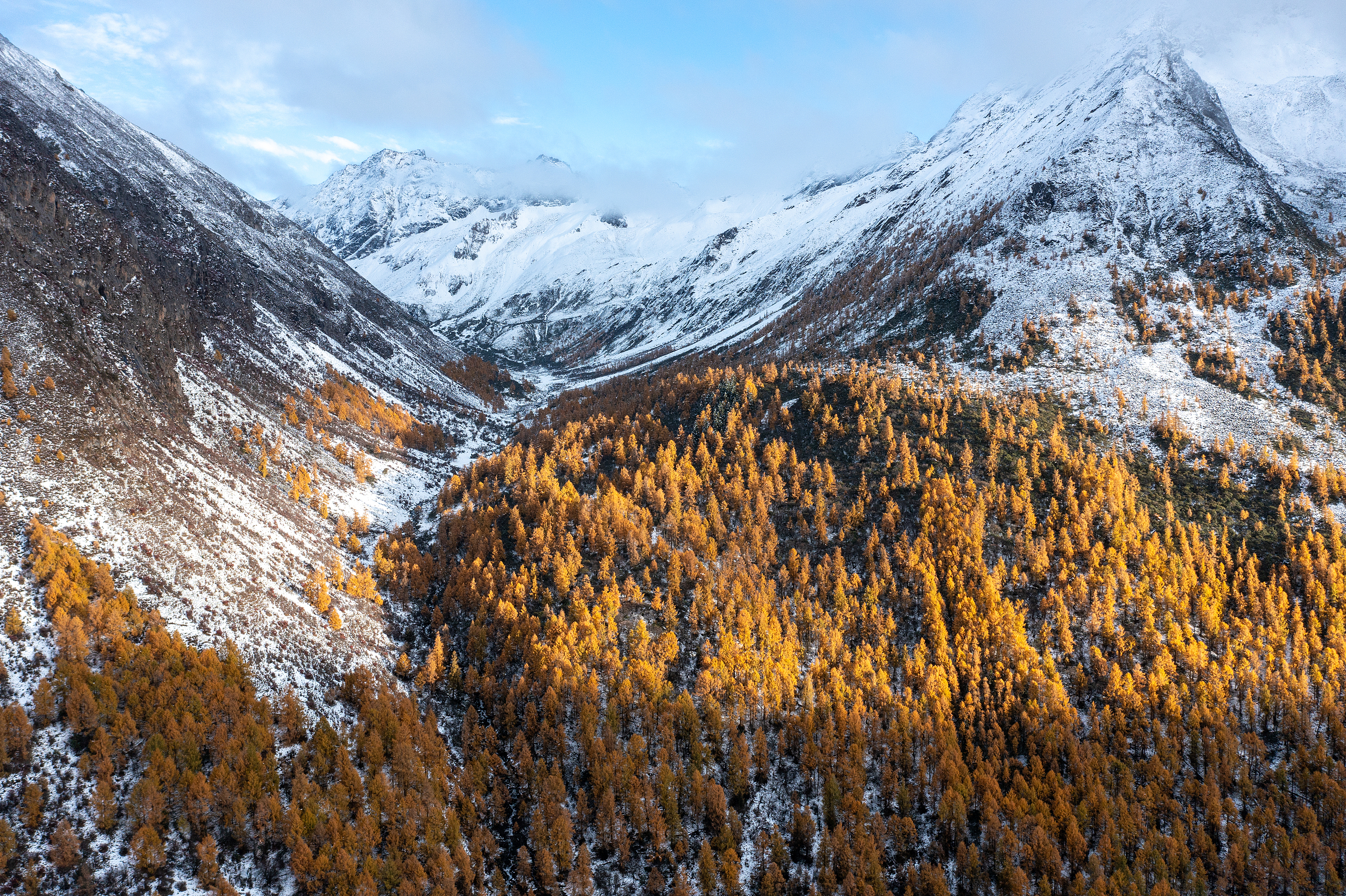
Li Xiao Road
Stretching from Erdao Bridge in Putou Town, Li County to Chenmazi Bridge in Jiesi Valley, Xiaojin County, the 94.874-kilometer Li Xiao Road is a scenic self-driving route. Situated at the junction of Miyaluo Provincial Nature Reserve and Mt. Siguniang Nature Reserve, this highway traverses alpine ecological zones between 2,000–3,600 meters above sea level. Connecting renowned attractions like Bipenggou, Jiesi Glacier, and Mt. Siguniang, it showcases classic Western Sichuan landscapes—snow-capped mountains, forests, valleys, glaciers, and meadows—making it a breathtaking mountain-view highway with spectacular scenery along the way. The opening of Li Xiao Road has ended the past where neighboring counties Lixian and Xiaojin were adjacent yet disconnected, and eliminated the need for detours through Wenchuan or Barkam that added hundreds of kilometers to journeys between them. More than just seamlessly linking two major scenic areas—Miyaluo and Mt. Siguniang—this highway also provides access to previously hard-to-reach hidden gems nestled among snow-capped peaks, including Liangtaigou Valley, Jiesi Glacier, and Da’erpu. Li Xiao Road is located 200 km from Chengdu at a comfortable elevation, offering a pleasant self-driving experience. Along the way, visitors can admire breathtaking snow-capped mountains, grasslands, canyons, rivers, and vibrant forests, with each season presenting its own unique scenery. In May and June, wildflowers blanket the hills, while July and August bring lush greenery. Autumn and winter transform the landscape with colorful foliage and snow-covered vistas, providing a perfect journey for visitors to connect with nature and rejuvenate their spirits.
-
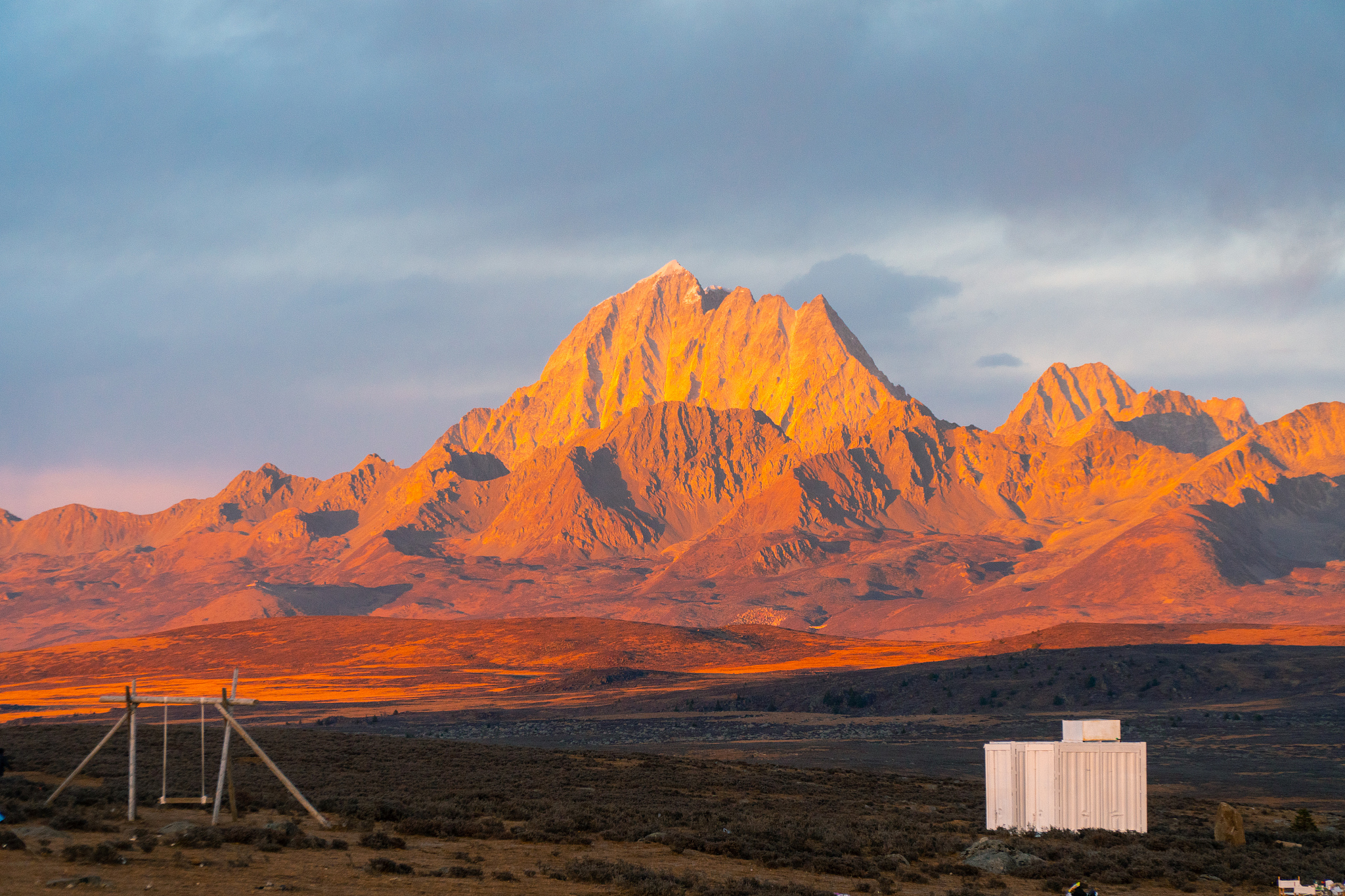
Yuzixi
Yuzixi is a hidden gem in Xinduqiao Town, situated at an altitude of 4,200m with 360-degree mountain views. Located in the Mugegongga region, it embodies the fundamental cultural characteristics rooted in Tibetan Buddhism.Here, you can admire Mount Yarla and Mount Gongga up close. Standing on the mountain-top viewing platform with its expansive vistas, you can gaze southward to witness Gongga’s golden sunset, where radiant clouds paint the sky and earth in vibrant hues. To the north, Mount Yarla stands in clear view, facing Gongga across the distance. Bathed in sunlight, the sky’s blue blends seamlessly with the snow-capped peaks, creating a scene so vivid it feels within reach. This is where you can connect intimately with the starry sky—marvel at the vast Milky Way, watch meteors streak across the night, and witness celestial movements. If you’re fortunate enough to catch the Milky Way arching overhead, your journey will be truly unforgettable.
-
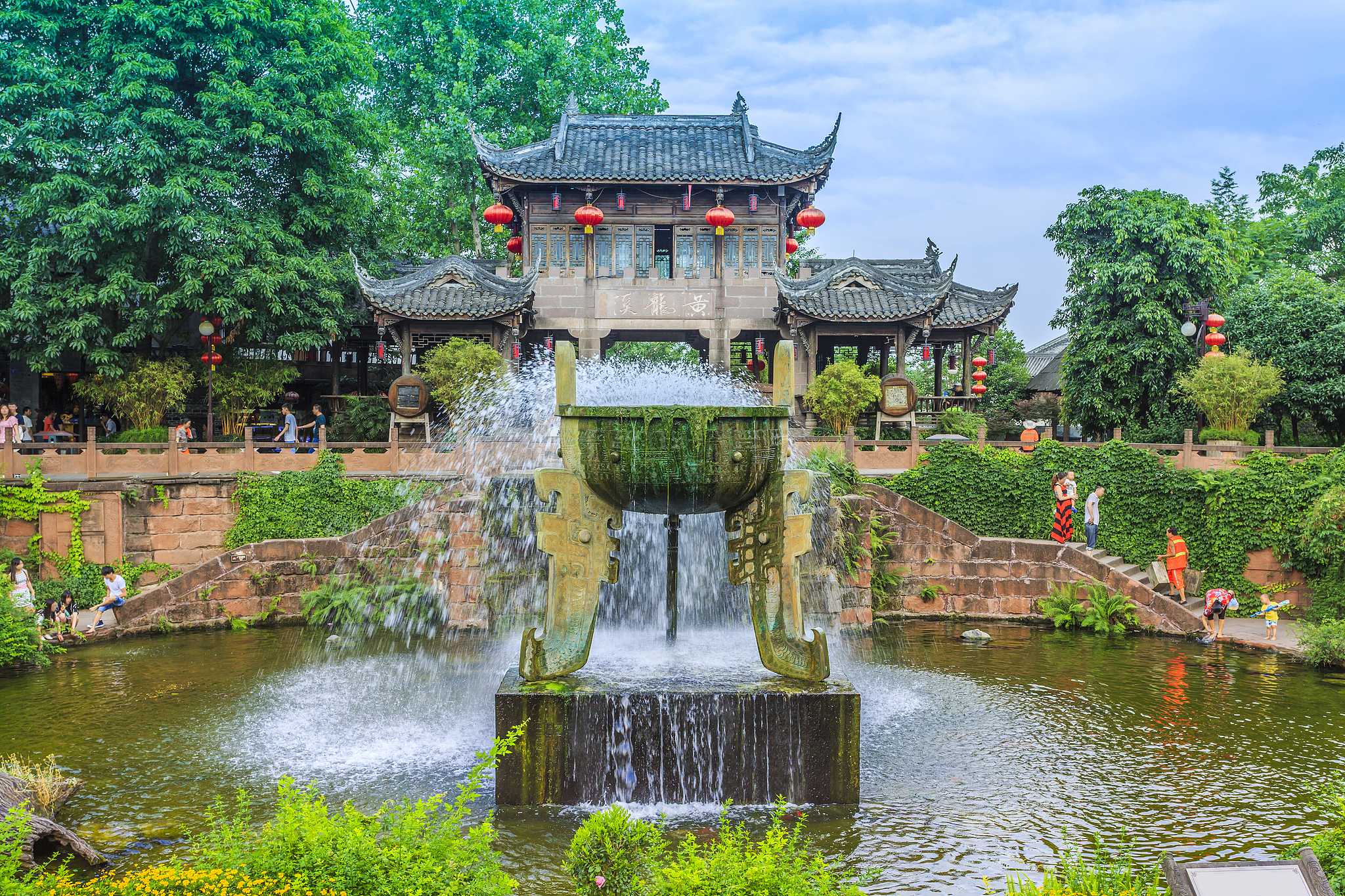
Huanglongxi Town
The ancient town of Huanglongxi is located roughly 40 kilometers from Chengdu and boasts a history of over 1700 years. There are cobbled streets from the Ming and Qing dynasties, along with ancient memorial archways, temples, buildings and houses. A traditional festival is called the Fire Dragon Festival. The event is so well known that Huanglongxi is nicknamed the “the village of the Chinese fire dragon”. The village is used as a set for films today, including films like Hibiscus Town (Fu rong zhen). The local snacks of Huanglongxi are also well-known. One-strand noodle, crispy pork legs, pearl tofu pudding and braised yellow catfish are all worth a taste!
-
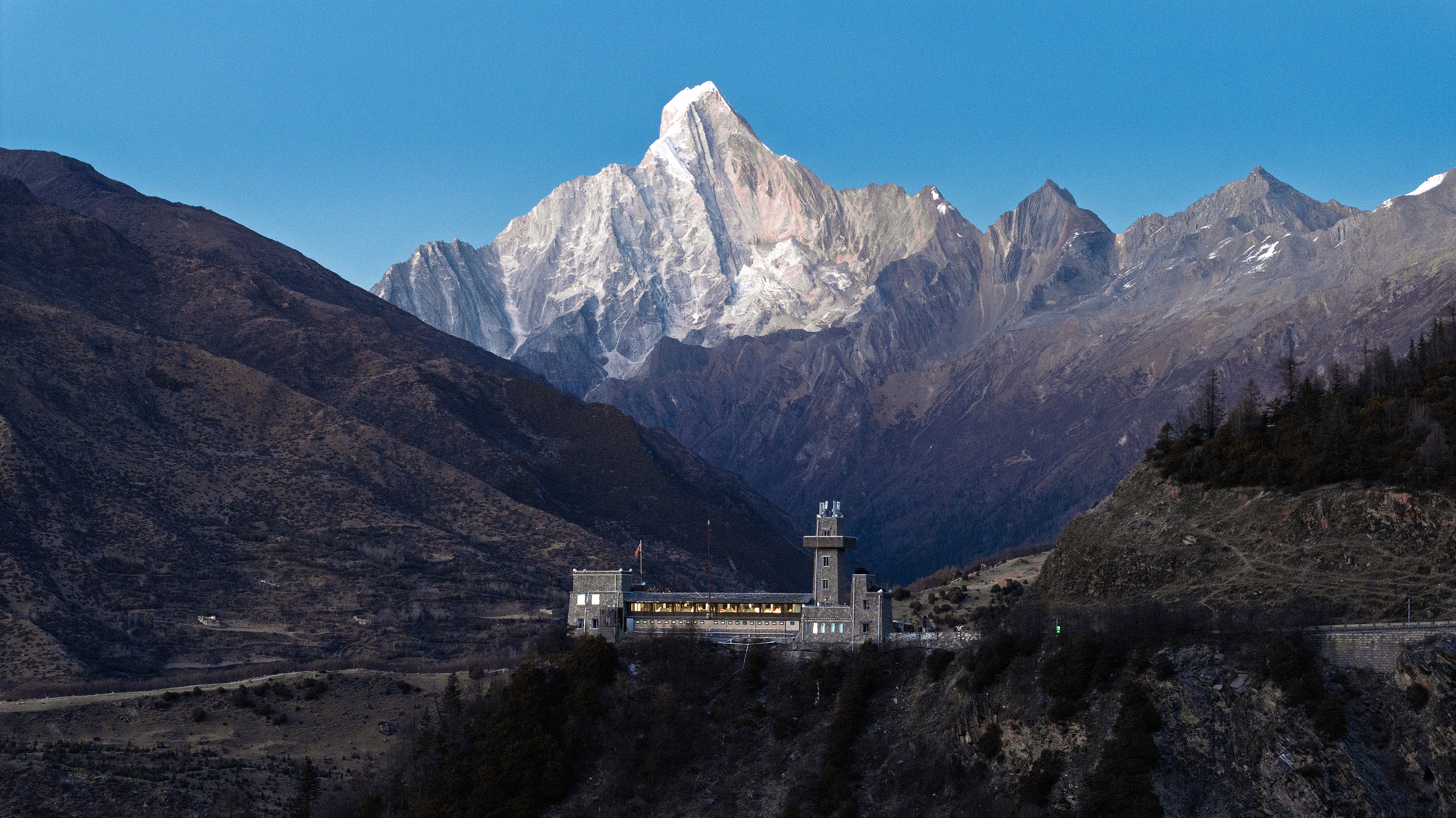
Cat’s Nose Ridge
Mao nose bridge is located near Provincial Highway 303 in Xiaojin County, Aba Tibetan and Qiang Autonomous Prefecture. Looking from the bridge of Mao’s nose, with Haizigou in front and Siguniang Mountain in the back, the scenery must be very shocking.
-
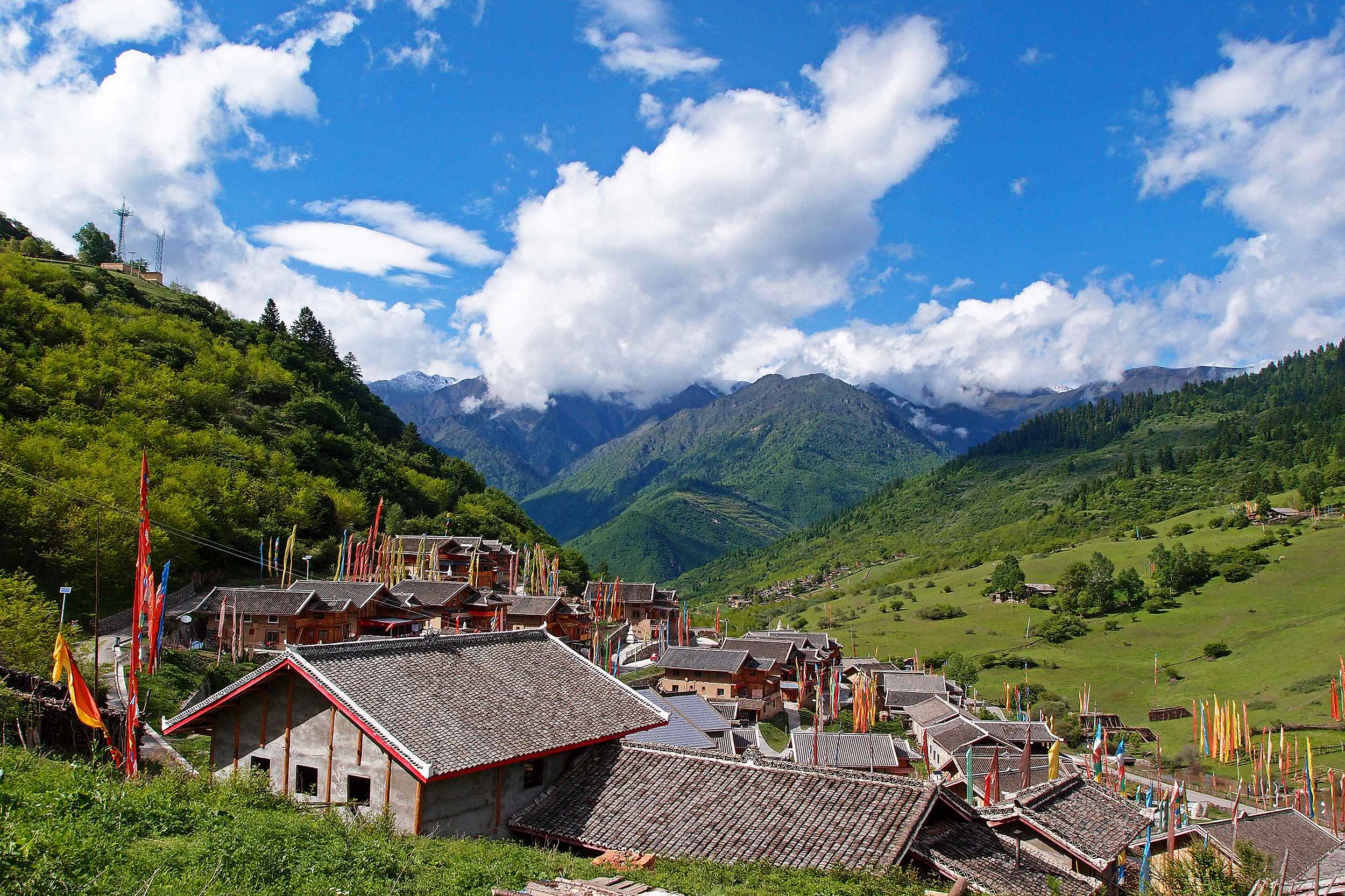
Zhongcha Ditch
Zhongchagou is located in Zhangzha Town, Jiuzhaigou County. It is only one mountain away from Jiuzhaigou Scenic Spot. It is a canyon about 10 kilometers long and 3.5 kilometers wide. Extremely rich animal and plant resources. Zhongchagou not only has beautiful scenery, but also has ancient Tibetan villages, and its mysterious Tibetan folk customs and cultural resources are unique.
-
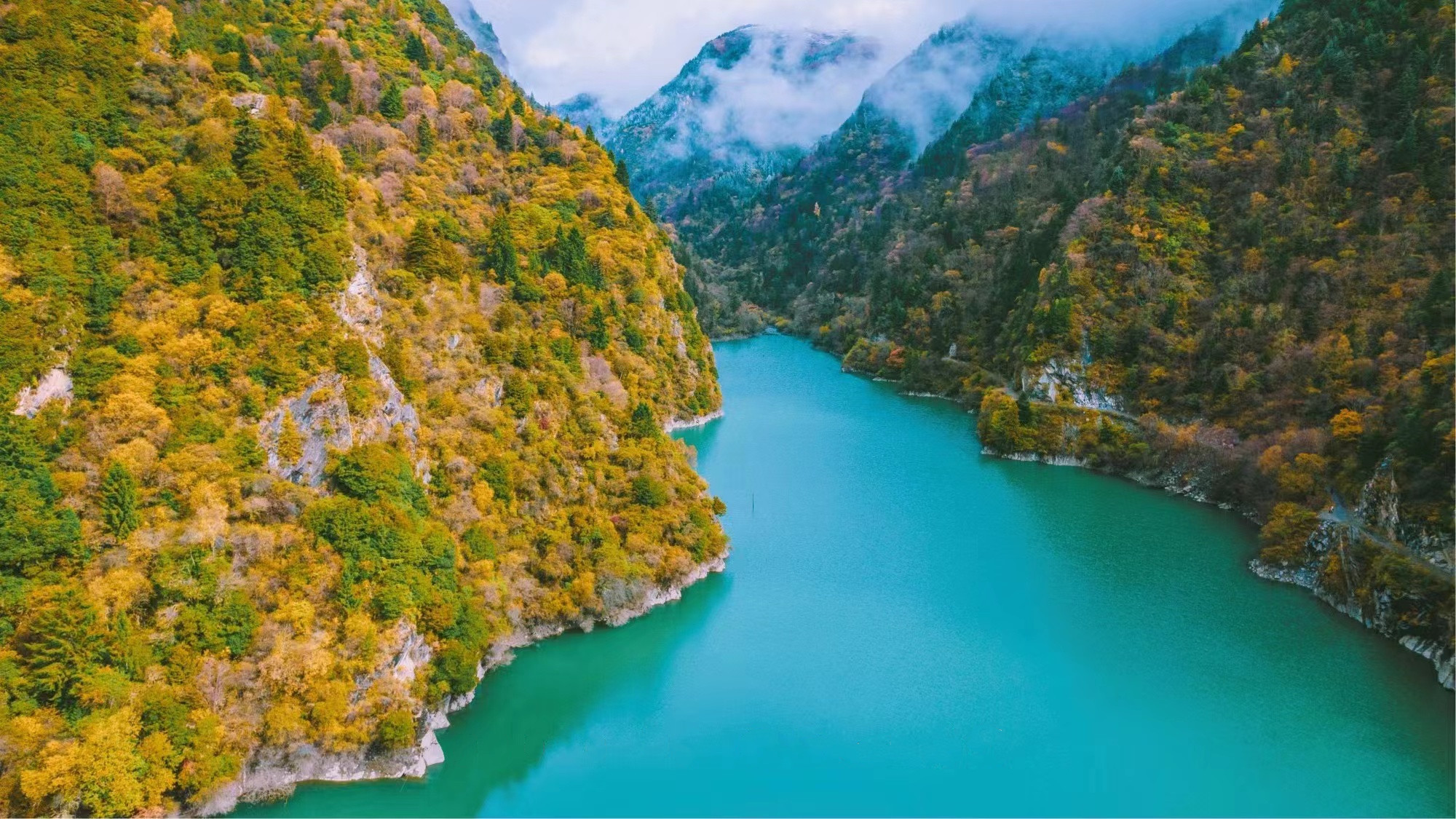
Songping Valley Scenic Area
The Diexi-Songpinggou Scenic Area is known for its scenic spots such as earthquake sites, Haizi, forests, mountains, and folk customs. It is called Xiaojiuzhai. The air is fresh and the scenery is original, which is the perfect spot to appreciate the natural scenery. Baishihai is one of the must-see attractions. It is a huge sea in Songpinggou. A large lake is connected with the mountains, and it is decorated with some trees. The people who see this scene are all beautiful. Picking up the camera and pressing the shutter, a beautiful landscape was born.